

Behavioral state modulates the ON visual motion pathway of Drosophila
Open accessThe DOI matches its Crossref record; 65 of the 65 references it cites were found in a registry or an index.
Abstract
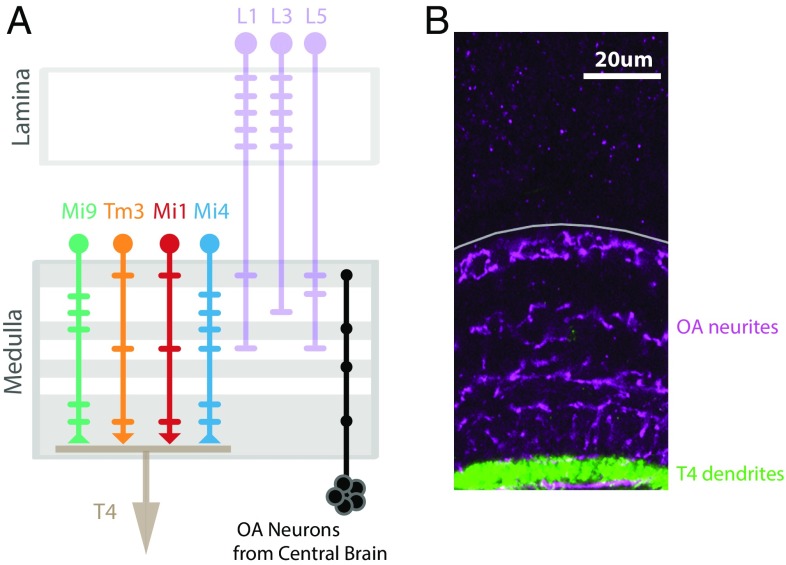
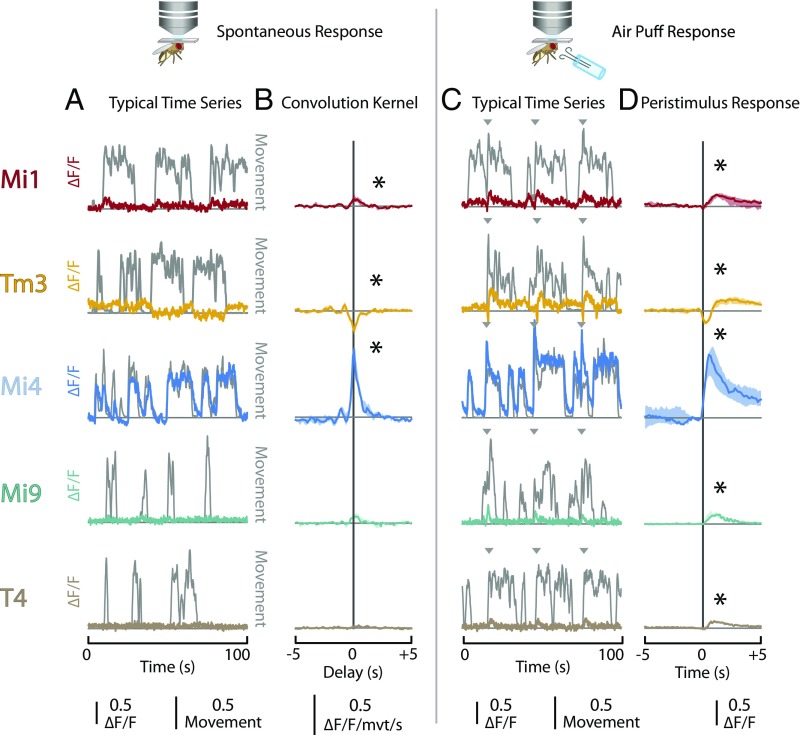
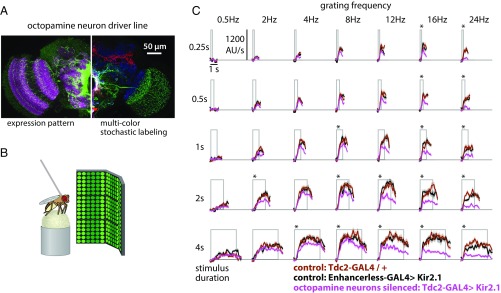
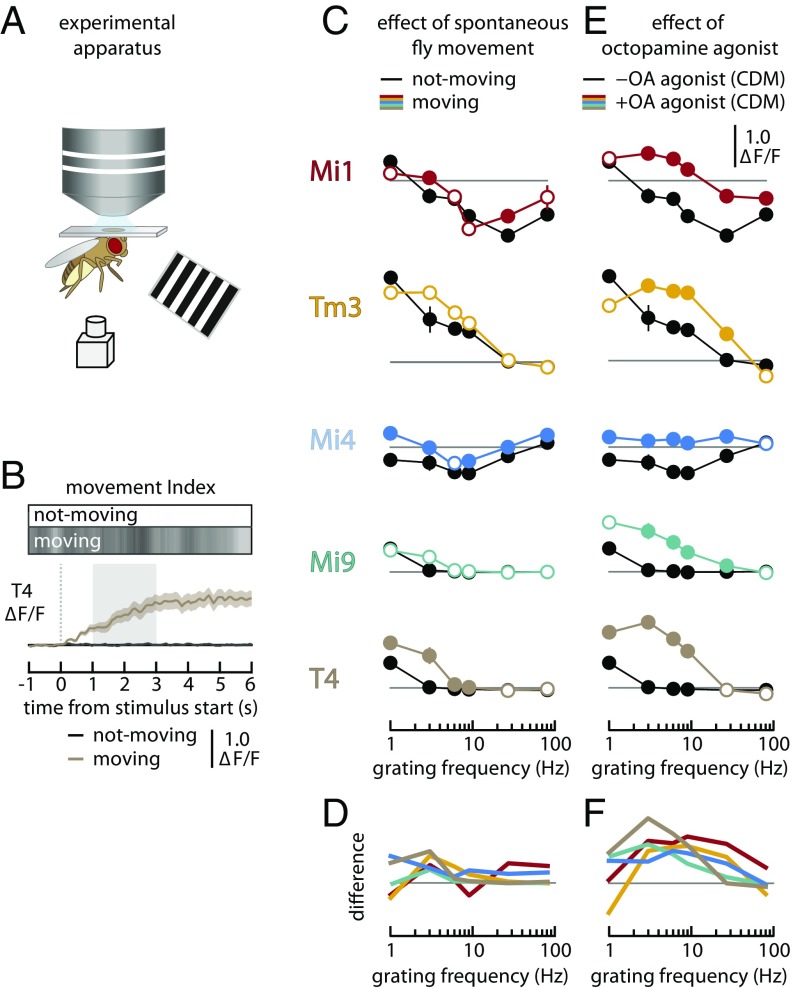
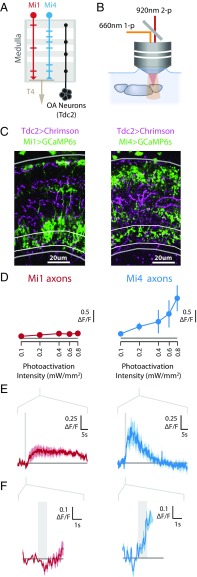
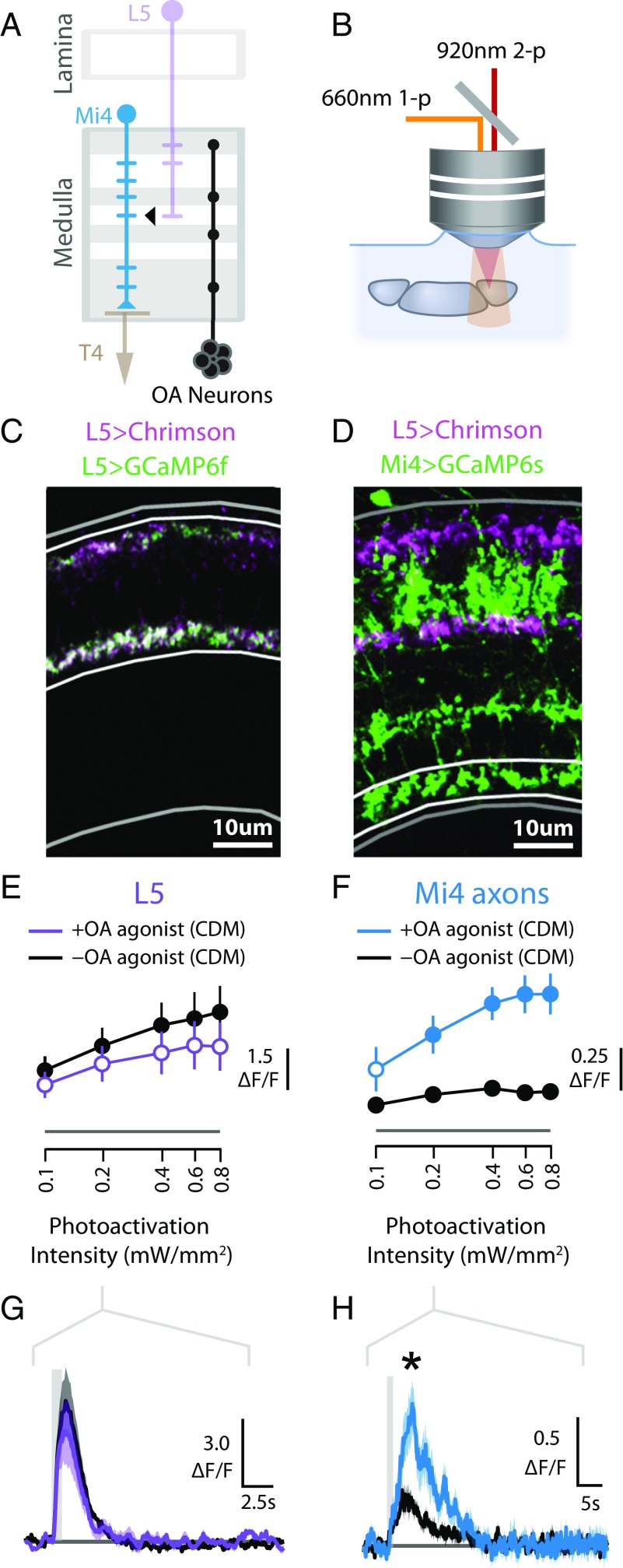
Significance: Animal visual systems are typically thought of by analogy to cameras—sensory systems providing continuous information streams that are processed through fixed algorithms. However, studies in flies and mice have shown that visual neurons are dynamically and adaptively retuned by the behavioral state of the animal. In Drosophila , prominent higher-order neurons in the visual system respond more strongly to fast-moving stimuli once the animal starts walking or flying. In this study, we systematically investigated the neurobiological mechanism governing the behavioral-state modulation of directionally selective neurons in Drosophila . We show that behavioral activity modifies the physiological properties of critical neurons in this visual motion circuit and that neuromodulation by central feedback neurons recapitulates these effects.
Overview
The claims and statistics of this paper haven’t been checked yet.
Free: it reads the open-access text and checks the first 5 claims that cite a source we can check. Create a free account to check every claim.
Integrity signals
Registry
Cites
Statistics
Figures
Verification
Claims the paper makes
The claims and statistics of this paper haven’t been checked yet.
Free: it reads the open-access text and checks the first 5 claims that cite a source we can check. Create a free account to check every claim.
Claims other papers make about this one
Each is checked against this paper’s own text: does it say what the citing paper says it does?
The cited source says what the claim attributes to it.
In the citing paper
“However our reductionist model cannot, for example, account for the role played in this circuit by electrical synapses 109 , complex chemical synapse dynamics 96 , and neuromodulation 110 .”
From Connectome-constrained deep mechanistic networks predict neural responses across the fly visual system at single-neuron resolution (2023) · cites this paper as [110]
The cited source says what the claim attributes to it.
In the citing paper
“Our reductionist model cannot, for example, account for the role played in this circuit by electrical synapses46, nonlinear chemical synapses47 and neuromodulation48.”
From Connectome-constrained networks predict neural activity across the fly visual system (2024) · cites this paper as [48]
The check wasn’t confident either way, so it gives no verdict — never disputed.
In the citing paper
“The olfactory system in Drosophila consists of specialized olfactory sensory neurons (OSNs) located in the antennae and maxillary palps.”
From NeuroMechFly v2: simulating embodied sensorimotor control in adult Drosophila (2024) · cites this paper as [69]
Experimental — accuracy not yet measuredThe check wasn’t confident either way, so it gives no verdict — never disputed.
In the citing paper
“These detect specific odorant molecules 69 and convey this information to the brain's antennal lobe, where their signals are further processed 70 .”
From NeuroMechFly v2: simulating embodied sensorimotor control in adult Drosophila (2024) · cites this paper as [69]
Experimental — accuracy not yet measured
Self-check
Percentages, sums and reported differences re-computed from the paper’s own numbers.
The self-check needs the paper’s full text.
Citations
Cites
Controlling the False Discovery Rate: A Practical and Powerful Approach to Multiple Testing
Benjamini, Y., & Hochberg, Y. (1995) · Journal of the Royal Statistical Society Series B: Statistical Methodology · doi:10.1111/j.2517-6161.1995.tb02031.x · Cited by 109,482
Targeted gene expression as a means of altering cell fates and generating dominant phenotypes
Brand, A. H., & Perrimon, N. (1993) · Development · doi:10.1242/dev.118.2.401 · Cited by 9,612
Ultrasensitive fluorescent proteins for imaging neuronal activity
Chen, T.-W., Wardill, T. J., Sun, Y., Pulver, S. R., Renninger, S. L., Baohan, A., Schreiter, E. R., Kerr, R. A., Orger, M. B., Jayaraman, V., et al. (2013) · Nature · doi:10.1038/nature12354 · Cited by 6,474 · cited 11×
“GCaMP6s (32), and are thus unlikely to accurately capture the true kinetics of the Mi4 response.”
BackgroundMethodInfluential(1961) · Information and Control · doi:10.1016/s0019-9958(61)80064-8 · Cited by 2,875
Independent optical excitation of distinct neural populations
Klapoetke, N. C., Murata, Y., Kim, S. S., Pulver, S. R., Birdsey-Benson, A., Cho, Y. K., Morimoto, T. K., Chuong, A. S., Carpenter, E. J., Tian, Z., et al. (2014) · Nature Methods · doi:10.1038/nmeth.2836 · Cited by 2,344 · cited 10×
“We used the GAL4/ UAS system (45) to express the light-gated ion channel Chrimson (46) in the octopamine neurons labeled by Tdc2-GAL4 (38).”
MethodInfluentialThe Biochemical Basis of Neuropharmacology.
(1974) · Annals of Internal Medicine · doi:10.7326/0003-4819-81-4-575_2 · Cited by 1,878
The mechanism of directionally selective units in rabbit's retina.
Barlow, H. B., & Levick, W. R. (1965) · The Journal of Physiology · doi:10.1113/jphysiol.1965.sp007638 · Cited by 1,576 · cited 1×
“Previous studies indicated that directional selectivity of T4 neurons may involve a hybrid mechanism, involving features that resemble both the synergistic mechanism of a Hassenstein–Reichardt correlator (23, 24, 52–54) and the inhibitory veto mechanism of the Barlow–Levick detector (23, 53, 55).”
BackgroundModulation of visual responses by behavioral state in mouse visual cortex
Niell, C. M., & Stryker, M. P. (2010) · Neuron · doi:10.1016/j.neuron.2010.01.033 · Cited by 1,483
A GAL4-Driver Line Resource for Drosophila Neurobiology
Jenett, A., Rubin, G. M., Ngo, T.-T. B., Shepherd, D., Murphy, C., Dionne, H., Pfeiffer, B. D., Cavallaro, A., Hall, D., Jeter, J., et al. (2012) · Cell Reports · doi:10.1016/j.celrep.2012.09.011 · Cited by 1,449 · cited 1×
“Each of these cell types was targeted either using a split-GAL4 driver line (28, 29) or a lexA line (29, 30) identified in a previous study (23), or by surveying a large collection of imaged driver lines (29, 31).”
BackgroundPossible Principles Underlying the Transformations of Sensory Messages
Barlow, H. B. (2012) · Sensory Communication · doi:10.7551/mitpress/9780262518420.003.0013 · Cited by 1,269
Cited by
Hulse, B. K., Haberkern, H., Franconville, R., Turner-Evans, D., Takemura, S.-Y., Wolff, T., Noorman, M., Dreher, M., Dan, C., Parekh, R., et al. (2021) · eLife · doi:10.7554/elife.66039 · Cited by 392
A genetic, genomic, and computational resource for exploring neural circuit function
Davis, F. P., Nern, A., Picard, S., Reiser, M. B., Rubin, G. M., Eddy, S. R., & Henry, G. L. (2020) · eLife · doi:10.7554/elife.50901 · Cited by 268
Self-citationThe emergence and influence of internal states
Flavell, S. W., Gogolla, N., Lovett-Barron, M., & Zelikowsky, M. (2022) · Neuron · doi:10.1016/j.neuron.2022.04.030 · Cited by 234
Sexual arousal gates visual processing during Drosophila courtship
Hindmarsh Sten, T., Li, R., Otopalik, A., & Ruta, V. (2021) · Nature · doi:10.1038/s41586-021-03714-w · Cited by 140
Facemap: a framework for modeling neural activity based on orofacial tracking
Syeda, A., Zhong, L., Tung, R., Long, W., Pachitariu, M., & Stringer, C. (2024) · Nature Neuroscience · doi:10.1038/s41593-023-01490-6 · Cited by 129
Connectome-constrained networks predict neural activity across the fly visual system
Lappalainen, J. K., Tschopp, F. D., Prakhya, S., McGill, M., Nern, A., Shinomiya, K., Takemura, S.-Y., Gruntman, E., Macke, J. H., & Turaga, S. C. (2024) · Nature · doi:10.1038/s41586-024-07939-3 · Cited by 128
“Our reductionist model cannot, for example, account for the role played in this circuit by electrical synapses 46 , nonlinear chemical synapses 47 and neuromodulation 48 .”
MethodSelf-citationHuang, C., Maia-Joca, R. P. M., Ong, C. S., Wilson, I., DiSilvestre, D. A., Tomaselli, G. F., & Reich, D. H. (2019) · Journal of Molecular and Cellular Cardiology · doi:10.1016/j.yjmcc.2019.10.001 · Cited by 111
Internal state configures olfactory behavior and early sensory processing in Drosophila larvae
Vogt, K., Zimmerman, D. M., Schlichting, M., Hernandez-Nunez, L., Qin, S., Malacon, K. E., Rosbash, M., Pehlevan, C., Cardona, A., & Samuel, A. D. T. (2021) · Science Advances · doi:10.1126/sciadv.abd6900 · Cited by 106
Endocrine cybernetics: neuropeptides as molecular switches in behavioural decisions
Nässel, D. R., & Zandawala, M. (2022) · Open Biology · doi:10.1098/rsob.220174 · Cited by 97
Neuronal reactivation during post-learning sleep consolidates long-term memory in Drosophila
Dag, U., Lei, Z., Le, J. Q., Wong, A., Bushey, D., & Keleman, K. (2019) · eLife · doi:10.7554/elife.42786 · Cited by 83
“, 2011), to activate FB neurons selectively, we used a digital mirror device (DMD) to target the illumination activating Chrimson to specific layers in the FB (Strother et al., 2018).”
MethodSelf-citationDynamic Signal Compression for Robust Motion Vision in Flies
Drews, M. S., Leonhardt, A., Pirogova, N., Richter, F. G., Schuetzenberger, A., Braun, L., Serbe, E., & Borst, A. (2020) · Current Biology · doi:10.1016/j.cub.2019.10.035 · Cited by 73
“Step and edge responses, for instance, are usually measured on backgrounds with uniform luminance [11, 12, 18, 59].”
BackgroundNot so spontaneous: Multi-dimensional representations of behaviors and context in sensory areas
Avitan, L., & Stringer, C. (2022) · Neuron · doi:10.1016/j.neuron.2022.06.019 · Cited by 71
Visual Control of Walking Speed in Drosophila
Creamer, M. S., Mano, O., & Clark, D. A. (2018) · Neuron · doi:10.1016/j.neuron.2018.10.028 · Cited by 66
Neural Circuits Underlying Behavioral Flexibility: Insights From Drosophila
Devineni, A. V., & Scaplen, K. M. (2022) · Frontiers in Behavioral Neuroscience · doi:10.3389/fnbeh.2021.821680 · Cited by 74
Non-canonical Receptive Field Properties and Neuromodulation of Feature-Detecting Neurons in Flies
Städele, C., Keleş, M. F., Mongeau, J.-M., & Frye, M. A. (2020) · Current Biology · doi:10.1016/j.cub.2020.04.069 · Cited by 52
Olfactory and Neuromodulatory Signals Reverse Visual Object Avoidance to Approach in Drosophila
Cheng, K. Y., Colbath, R. A., & Frye, M. A. (2019) · Current Biology · doi:10.1016/j.cub.2019.05.010 · Cited by 56
The spatial and temporal structure of neural activity across the fly brain
Schaffer, E. S., Mishra, N., Whiteway, M. R., Li, W., Vancura, M. B., Freedman, J., Patel, K. B., Voleti, V., Paninski, L., Hillman, E. M. C., et al. (2023) · Nature Communications · doi:10.1038/s41467-023-41261-2 · Cited by 53
Of what use is connectomics? A personal perspective on the Drosophila connectome
Meinertzhagen, I. A. (2018) · Journal of Experimental Biology · doi:10.1242/jeb.164954 · Cited by 53
“Such manipulations have been reported for the visual system in particular, for motion sensitivity (e.g. Rister et al., 2007; Mauss et al., 2017; Strother et al., 2017b), and spectral vision (Gao et al., 2008), but also for many other behaviours.”
BackgroundFlygenvectors: The spatial and temporal structure of neural activity across the fly brain
Schaffer, E. S., Mishra, N., Whiteway, M. R., Li, W., Vancura, M. B., Freedman, J., Patel, K. B., Voleti, V., Paninski, L., Hillman, E. M. C., et al. (2021) · doi:10.1101/2021.09.25.461804 · Cited by 53
“In the visual system, for example, locomotion enhances gain and elicits activity in area V1 of mice (22, 25) and in the optic lobe of flies (20, 21, 24).”
BackgroundHulse, B. K., Haberkern, H., Franconville, R., Turner-Evans, D. B., Takemura, S., Wolff, T., Noorman, M., Dreher, M., Dan, C., Parekh, R., et al. (2020) · doi:10.1101/2020.12.08.413955 · Cited by 392
Rosikon, K. D., Bone, M. C., & Lawal, H. O. (2023) · Frontiers in Physiology · doi:10.3389/fphys.2023.970405 · Cited by 66
“Further, OA is needed for fast-moving behavioral responses to fast-moving visual stimuli but not for slow-moving ones (Strother et al., 2018).”
BackgroundMolina-Obando, S., Vargas-Fique, J. F., Henning, M., Gür, B., Schladt, T. M., Akhtar, J., Berger, T. K., & Silies, M. (2019) · eLife · doi:10.7554/elife.49373 · Cited by 49
“These cell types are modulated by octopamine, but silencing Mi4 or Mi9 individually has only subtle phenotypes ( Strother et al., 2018 ; Strother et al., 2017 ).”
Suppression of motion vision during course-changing, but not course-stabilizing, navigational turns
Fenk, L. M., Kim, A. J., & Maimon, G. (2021) · Current Biology · doi:10.1016/j.cub.2021.09.068 · Cited by 48
Fendl, S., Vieira, R. M., & Borst, A. (2020) · eLife · doi:10.7554/elife.62953 · Cited by 48
Heterogeneous Temporal Contrast Adaptation in Drosophila Direction-Selective Circuits
Matulis, C. A., Chen, J., Gonzalez-Suarez, A. D., Behnia, R., & Clark, D. A. (2020) · Current Biology · doi:10.1016/j.cub.2019.11.077 · Cited by 43
Salazar-Gatzimas, E., Agrochao, M., Fitzgerald, J. E., & Clark, D. A. (2018) · Current Biology · doi:10.1016/j.cub.2018.10.007 · Cited by 42
Turner, M. H., Krieger, A., Pang, M. M., & Clandinin, T. R. (2022) · eLife · doi:10.7554/elife.82587 · Cited by 42
“…sensory neural activity has been shown to be modulated by behavior in flies (Chiappe et al.,289 2010; Fenk et al., 2021; Kim et al., 2015; Strother et al., 2018; Kim et al., 2017)and other animals290 (Maimon, 2011; Niell and Stryker, 2010), we wondered whether the trial-to-trial gain…”
BackgroundInfluentialNeuromodulation of insect motion vision
Cheng, K. Y., & Frye, M. A. (2019) · Journal of Comparative Physiology A · doi:10.1007/s00359-019-01383-9 · Cited by 47
Connectome-driven neural inventory of a complete visual system
Nern, A., Loesche, F., Takemura, S.-Y., Burnett, L. E., Dreher, M., Gruntman, E., Hoeller, J., Huang, G. B., Januszewski, M., Klapoetke, N. C., et al. (2024) · doi:10.1101/2024.04.16.589741 · Cited by 98
Self-citationNeural mechanisms to exploit positional geometry for collision avoidance
Tanaka, R., & Clark, D. A. (2022) · Current Biology · doi:10.1016/j.cub.2022.04.023 · Cited by 39
A neural circuit linking learning and sleep in Drosophila long-term memory
Lei, Z., Henderson, K., & Keleman, K. (2022) · Nature Communications · doi:10.1038/s41467-022-28256-1 · Cited by 36
Multi-regional circuits underlying visually guided decision-making in Drosophila
Cheong, H. S., Siwanowicz, I., & Card, G. M. (2020) · Current Opinion in Neurobiology · doi:10.1016/j.conb.2020.10.010 · Cited by 33
NeuroMechFly v2: simulating embodied sensorimotor control in adult Drosophila
Wang-Chen, S., Stimpfling, V. A., Lam, T. K. C., Özdil, P. G., Genoud, L., Hurtak, F., & Ramdya, P. (2024) · Nature Methods · doi:10.1038/s41592-024-02497-y · Cited by 43
“The field of view of each eye is defined based on prior studies 68,69 .”
Social state alters vision using three circuit mechanisms in Drosophila
Schretter, C. E., Hindmarsh Sten, T., Klapoetke, N., Shao, M., Nern, A., Dreher, M., Bushey, D., Robie, A. A., Taylor, A. L., Branson, K., et al. (2025) · Nature · doi:10.1038/s41586-024-08255-6 · Cited by 29
“Sample size was based on previous literature in the field and is provided in the Supplementary Information (Supplementary Tables 6, 8, 12, 14, 16, 19, 23, 25, 31 and 35).”
Self-citationLappalainen, J. K., Tschopp, F. D., Prakhya, S., McGill, M., Nern, A., Shinomiya, K., Takemura, S.-Y., Gruntman, E., Macke, J. H., & Turaga, S. C. (2023) · doi:10.1101/2023.03.11.532232 · Cited by 31
“However our reductionist model cannot, for example, account for the role played in this circuit by electrical synapses 109 , complex chemical synapse dynamics 96 , and neuromodulation 110 .”
MethodSelf-citationA flexible geometry for panoramic visual and optogenetic stimulation during behavior and physiology
Creamer, M. S., Mano, O., Tanaka, R., & Clark, D. A. (2019) · Journal of Neuroscience Methods · doi:10.1016/j.jneumeth.2019.05.005 · Cited by 25
“The behavioral results we measured are similar to previous work in walking flies, both using alternative projector optics and using LED arenas (Clark et al., 2011; Silies et al., 2013; Strother et al., 2018) (Fig.”
ResultPredicting individual neuron responses with anatomically constrained task optimization
Mano, O., Creamer, M. S., Badwan, B. A., & Clark, D. A. (2021) · Current Biology · doi:10.1016/j.cub.2021.06.090 · Cited by 24
The physiological basis for contrast opponency in motion computation in Drosophila
Ramos-Traslosheros, G., & Silies, M. (2021) · Nature Communications · doi:10.1038/s41467-021-24986-w · Cited by 25
Serotonergic modulation of visual neurons in Drosophila melanogaster
Sampson, M. M., Gschweng, K. M. M., Hardcastle, B., Bonanno, S. L., Sizemore, T. R., Arnold, R. C., Gao, F., Dacks, A. M., Frye, M. A., & Krantz, D. E. (2020) · PLoS Genetics · doi:10.1371/journal.pgen.1009003 · Cited by 27
Insights from intoxicated Drosophila
Petruccelli, E., & Kaun, K. R. (2018) · Alcohol · doi:10.1016/j.alcohol.2018.03.004 · Cited by 19
“Similar approaches with the adult fl y visual system (Takemura, Nern, et al., 2017) have revealed circuit mechanisms underlying visual motion (Strother et al., 2018).”
MethodExcitatory and inhibitory neural dynamics jointly tune motion detection
Gonzalez-Suarez, A. D., Zavatone-Veth, J. A., Chen, J., Matulis, C. A., Badwan, B. A., & Clark, D. A. (2022) · Current Biology · doi:10.1016/j.cub.2022.06.075 · Cited by 14
Zhao, A., Nern, A., Koskela, S., Dreher, M., Erginkaya, M., Laughland, C. W., Ludwigh, H., Thomson, A., Hoeller, J., Parekh, R., et al. (2023) · doi:10.1101/2023.10.16.562634 · Cited by 15
Self-citationWong, J. Y. H., Wan, B. A., Bland, T., Montagnese, M., McLachlan, A., O’Kane, C. J., Zhang, S. W., & Masuda-Nakagawa, L. M. (2021) · Learning & Memory · doi:10.1101/lm.052159.120 · Cited by 17
“2012), and enhanced excitability of Drosophila motion detection neurons during flight (Strother et al. 2018).”
Using slow frame rate imaging to extract fast receptive fields
Mano, O., Creamer, M. S., Matulis, C. A., Salazar-Gatzimas, E., Chen, J., Zavatone-Veth, J. A., & Clark, D. A. (2019) · Nature Communications · doi:10.1038/s41467-019-12974-0 · Cited by 13
“Thus, measurements of fi ltering properties have been crucial to understanding motion computations in fl ies and in mammalian cortex and retina 12,40 – 50 .”
BackgroundVisuo-Motor Feedback Modulates Neural Activities in the Medulla of the Honeybee,Apis mellifera
Rusch, C., Alberto, D. A. S., & Riffell, J. A. (2021) · Journal of Neuroscience · doi:10.1523/jneurosci.1824-20.2021 · Cited by 16
“OA is an important neuromodulator of visual processing in many invertebrates, and in insects has been shown to play an important role during locomotion (Stern et al., 1995; Longden and Krapp, 2010; Jung et al., 2011; Suver et al., 2012; Tuthill et al., 2014; Strother et al., 2018).”
BackgroundZhao, A., Nern, A., Koskela, S., Dreher, M., Erginkaya, M., Laughland, C. W., Ludwigh, H., Thomson, A., Hoeller, J., Parekh, R., et al. (2024) · eLife · doi:10.7554/elife.93659.1 · Cited by 17
Self-citationSocial state gates vision using three circuit mechanisms in DrosophilaPreprint
Schretter, C. E., Sten, T. H., Klapoetke, N. C., Shao, M., Nern, A., Dreher, M., Bushey, D., Robie, A. A., Taylor, A. L., Branson, K. M., et al. (2024) · bioRxiv (Cold Spring Harbor Laboratory) · doi:10.1101/2024.03.15.585289 · Cited by 14
“Selective activation of some VPNs gives rise to robust behavioral outputs (18), some of which are context-dependent (25–29).”
BackgroundSelf-citationGruntman, E., Reimers, P., Romani, S., & Reiser, M. B. (2021) · Current Biology · doi:10.1016/j.cub.2021.09.072 · Cited by 12
Self-citationThreat gates visual aversion via theta activity in Tachykinergic neurons
Tsuji, M., Nishizuka, Y., & Emoto, K. (2023) · Nature Communications · doi:10.1038/s41467-023-39667-z · Cited by 13
“While air puffs have historically been used by experimenters as a means to promote locomotion 29,33 , puff responses that we observed in the present study resemble the characteristics of threat responses in mammals 56 , which manifests itself as similar behavioral 1 – 4 and cognitive 57,58…”
A neural circuit arbitrates between perseverance and withdrawal in hungry DrosophilaPreprint
Sayın, S., Backer, J. D., Wosniack, M. E., Lewis, L., Siju, K. P., Frisch, L. M., Schlegel, P., Edmondson-Stait, A. J., Sharifi, N., Fisher, C. B., et al. (2018) · bioRxiv (Cold Spring Harbor Laboratory) · doi:10.1101/259119 · Cited by 9
“In addition, OA also modulates early sensory processing in adult flies and larvae (Berck et al., 2016; Strother et al., 2018; van Breugel et al., 2014).”
BackgroundLong-timescale anti-directional rotation in Drosophila optomotor behavior
Mano, O., Choi, M., Tanaka, R., Creamer, M. S., Matos, N. C., Shomar, J. W., Badwan, B. A., Clandinin, T. R., & Clark, D. A. (2023) · eLife · doi:10.7554/elife.86076 · Cited by 8
Perkins, M. H., Weiss, K. R., & Cropper, E. C. (2019) · Scientific Reports · doi:10.1038/s41598-019-45241-9 · Cited by 8
A high-speed, modular display system for diverse neuroscience applicationsPreprint
Isaacson, M. D., Ferguson, L., Loesche, F., Ganguly, I., Chen, J. H., Chiu, A., Liu, J., Dickson, W. B., & Reiser, M. B. (2022) · bioRxiv (Cold Spring Harbor Laboratory) · doi:10.1101/2022.08.02.502550 · Cited by 8
Self-citationA recurrent neural circuit in Drosophila temporally sharpens visual inputs
Pang, M. M., Chen, F., Xie, M., Druckmann, S., Clandinin, T. R., & Yang, H. H. (2024) · Current Biology · doi:10.1016/j.cub.2024.11.064 · Cited by 12
Neural mechanisms to incorporate visual counterevidence in self-movement estimation
Tanaka, R., Zhou, B., Agrochão, M., Badwan, B. A., Au, B., Matos, N. C. B., & Clark, D. A. (2023) · Current Biology · doi:10.1016/j.cub.2023.10.011 · Cited by 11
Damrau, C., Colomb, J., & Brembs, B. (2021) · PLoS Biology · doi:10.1371/journal.pbio.3001228 · Cited by 9
“The gain increase in flight was found to be OA dependent [66,67].”
BackgroundA cell type in the visual system that receives feedback about limb movement
Hartman, A. K., Collie, M. F., Kellogg, E. J., Jin, C., Holtz, S. L., & Wilson, R. I. (2025) · Current Biology · doi:10.1016/j.cub.2025.06.055 · Cited by 6
Towards a functional connectome in Drosophila
Vogt, K. (2020) · Journal of Neurogenetics · doi:10.1080/01677063.2020.1712598 · Cited by 5
A recurrent neural circuit in Drosophila deblurs visual inputsPreprint
Pang, M. M., Chen, F., Xie, M., Druckmann, S., Clandinin, T. R., & Yang, H. H. (2024) · bioRxiv (Cold Spring Harbor Laboratory) · doi:10.1101/2024.04.19.590352 · Cited by 5
“To test this model prediction, we applied the octopamine agonist chlordimeform (CDM) to the brain, a manipulation that has been used to mimic the change in neuromodulatory state associated with flight and that enhances tuning for faster image velocities in visual neurons 35,40,43 .”
James, J. V., Cazzolato, B. S., Grainger, S., & Wiederman, S. D. (2021) · Bioinspiration & Biomimetics · doi:10.1088/1748-3190/ac2988 · Cited by 5
Bioinspired figure-ground discrimination via visual motion smoothing
Wu, Z., & Guo, A. (2023) · PLoS Computational Biology · doi:10.1371/journal.pcbi.1011077 · Cited by 5
Neural mechanisms to incorporate visual counterevidence in self motion estimationPreprint
Tanaka, R., Zhou, B., Agrochão, M., Badwan, B. A., Au, B., Matos, N. C. B., & Clark, D. A. (2023) · bioRxiv (Cold Spring Harbor Laboratory) · doi:10.1101/2023.01.04.522814 · Cited by 3
Zhao, A., Nern, A., Koskela, S., Dreher, M., Erginkaya, M., Laughland, C. W., Ludwigh, H., Thomson, A., Hoeller, J., Parekh, R., et al. (2024) · eLife · doi:10.7554/elife.93659 · Cited by 6
Self-citationMohamed, A., Malekou, I., Sim, T., O’Kane, C. J., Maait, Y., Scullion, B., & Masuda-Nakagawa, L. M. (2023) · Frontiers in Physiology · doi:10.3389/fphys.2023.1111244 · Cited by 3
“Octopaminergic neurons are positive neuromodulators of circuit function, for example, in the motion vision system in the fly, they provide input to motion detection neurons and are involved in their temporal tuning, by increasing the excitability of medulla input neurons (Strother et al., 2018).”
BackgroundHow neural feedback enables flexible visual processing in Drosophila
Mickels, C. A., & Turner, M. H. (2025) · Trends in Neurosciences · doi:10.1016/j.tins.2025.10.012 · Cited by 1
Inhibitory columnar feedback neurons are involved in motion processing in Drosophila
Henning, M., Ketkar, M. D., Lüffe, T., Gohl, D. M., Clandinin, T. R., & Silies, M. (2026) · eLife · doi:10.7554/elife.108529.3 · Cited by 5
Serotonergic modulation of visual neurons in Drosophila melanogasterPreprint
Sampson, M. M., Gschweng, K. M. M., Hardcastle, B., Bonanno, S. L., Sizemore, T. R., Arnold, R. C., Gao, F., Dacks, A. M., Frye, M. A., & Krantz, D. E. (2019) · bioRxiv (Cold Spring Harbor Laboratory) · doi:10.1101/619759 · Cited by 3
“equivalent of noradrenaline, is present in processes innervating the medulla and lobula in 69 Drosophila, where it regulates state-dependent modulation of visual interneurons [42, 46] 70”
BackgroundMolina-Obando, S., Vargas-Fique, J. F., Henning, M., Gür, B., Schladt, M., Akhtar, J., Berger, T. K., & Silies, M. (2019) · eLife · doi:10.7554/elife.49373.037 · Cited by 1
Inhibitory columnar feedback neurons are required for motion processing in DrosophilaPreprint
Henning, M., Ketkar, M. D., Lüffe, T., Gohl, D. M., Clandinin, T. R., & Silies, M. (2025) · eLife · doi:10.7554/elife.108529.1 · Cited by 3
Connectome analysis reveals brain-wide visual processing in Drosophila
Kim, S. Y., & Kim, A. J. (2026) · iScience · doi:10.64898/2026.02.02.700492 · Cited by 2
Orofacial behaviors, not eye movements, govern neural activity in mouse visual cortexPreprint
Syeda, A., Núñez-Ochoa, M. A., Zhong, L., Pachitariu, M., & Stringer, C. (2026) · bioRxiv (Cold Spring Harbor Laboratory) · doi:10.64898/2026.02.04.703800 · Cited by 1
“Locomotion and other movements modulate neural activity during instructed and uninstructed behaviors in the sensory brain regions of flies [3, 4], zebrafish [5] and mice [6–9].”
Inhibitory columnar feedback neurons are involved in motion processing in DrosophilaPreprint
Henning, M., Ketkar, M. D., Lüffe, T., Gohl, D. M., Clandinin, T. R., & Silies, M. (2026) · eLife · doi:10.7554/elife.108529.2 · Cited by 1
Wong, J. Y. H., Wan, B. A., Bland, T., Montagnese, M., McLachlan, A. D., O’Kane, C. J., Zhang, S. W., & Masuda-Nakagawa, L. M. (2018) · bioRxiv (Cold Spring Harbor Laboratory) · doi:10.1101/295659
“2012)); and enhanced excitability of Drosophila motion detection neurons during flight (Strother et al. 2018).”
Insights from Biology: Low Power Circuits in the Fruit Fly
Scheffer, L. K. (2018) · International Symposium on Low Power Electronics and Design (ISLPED) · doi:10.1145/3218603.3241337
“Flies respond faster to optical cues when moving or flying, as opposed to being stationary[3][6][9].”
BackgroundDamrau, C., Colomb, J., & Brembs, B. (2018) · bioRxiv (Cold Spring Harbor Laboratory) · doi:10.1101/504332
“The gain increase in flight was found 136 to be OA dependent [66,67].”
BackgroundHayashi, M., Kazawa, T., Tsunoda, H., & Kanzaki, R. (2022) · Journal of Robotics and Mechatronics · doi:10.20965/jrm.2022.p0795
“Pre cell Post cell Nsyn τ [msec] R L1 [200] 1 L2 [200] 1 L3 [60] 1 L1 L5 [90] 2 Tm3 [120, 50, 50, 50, 50, 50, 50] 1 Mi1 [156] 1 C2 [57] 1 C3 [195] 1 L2 L4 [5, 0, 0, 0, 3, 5, 0] 2 L5 [48] 2 Mi4 [5] 1 C3 [3] 1 L3 Mi1 [28] 1 Mi4 [1] 1 Mi9 [65] 1 C3 [7] 1 L4 L4 [4, 2, 3, 0, 0, 0, 1] 2 L5 [2, 2, 2, 0, 0, 0, 0] 2 L5 L1 [32]…”
BackgroundFlyWheel: A Robotic Platform for Modeling Fly Visual Behavior
Nourse, W. R. P., & Quinn, R. D. (2024) · Lecture notes in computer science · doi:10.1007/978-3-031-72597-5_3
Jaske, B., & Pfeiffer, K. (2025) · Journal of Neurophysiology · doi:10.1152/jn.00013.2025 · Cited by 1
Drosophila DNp03 descending neurons serve as a hub within a flight saccade network
Croke, H., Jang, H., Ludlow, B. K., Leung, A., Eichler, K., Stürner, T., Costa, M., Cohen, I., Ausborn, J., & von Reyn, C. R. (2025) · Current Biology · doi:10.1016/j.cub.2025.11.035 · Cited by 2
Afterimages drive a shared visual motion-reversal illusion in DrosophilaPreprint
Wu, H., Gou, T., & Clark, D. A. (2026) · bioRxiv (Cold Spring Harbor Laboratory) · doi:10.64898/2026.01.19.700413
“The tuning in behavior was to shorter interleaves than elicited reversals in imaging, a difference that may be related to tuning changes that depend on fly behavior (Arenz et al., 2017; Chiappe et al., 2010; Strother et al., 2018).”
Wing mechanosensory modulation of optic flow-sensitive descending neurons in butterfliesPreprint
Lin, Z., Supple, J., Yarger, A. M., Krapp, H. G., & Lin, H. (2026) · bioRxiv (Cold Spring Harbor Laboratory) · doi:10.64898/2026.01.22.701054
Cellular and functional dissection of the octopaminergic system in the Drosophila brainPreprint
Castillo, L., Fajner, V., Yalbir, E., Shahul, S., Ruff, B., Lee, V. J., Koger, A., Heller, J., Ishii, K., Morad, V., et al. (2026) · bioRxiv (Cold Spring Harbor Laboratory) · doi:10.64898/2026.02.06.704492
Electrical synapses mediate visual orientation behavior
Frighetto, G., Dombrovski, M., Castillo, L., Meera, P., Mirshahidi, P., Mirshahidi, P. S., Sanfilippo, P., Vaccari, A., Kandimalla, P., Hartenstein, V., et al. (2026) · Current Biology · doi:10.1016/j.cub.2026.09.060 · Cited by 2
Metadata
- Authors
- Strother, J. A., Wu, S.-T., Rogers, E. M., Eliason, J. L. M., Wong, A. M., Nern, A., & Reiser, M. B.
- Affiliations
- Howard Hughes Medical Institute (US)
- Corresponding author
- Reiser, Michael B.
- ORCID
- Venue
- Proceedings of the National Academy of Sciences
- Publisher
- National Academy of Sciences
- Published
- 2017-12-18
- Volume
- 115
- Issue
- 1
- Pages
- E102-E111
- ISSN
- 0027-8424 (ISSN-L)
- 1091-6490
- PMC
- PMC5776785
- OpenAlex
- W2779369887
- Cited by
- 82
- References
- 65
- Citations by year
- 2026: 8 · 2025: 7 · 2024: 9 · 2023: 11 · 2022: 10 · 2021: 11 · 2020: 8 · 2019: 10 · 2018: 8
- FWCI
- 3.45
- Type
- journal article
- Language
- en
- Open access
- hybrid
- doi.org
- Licence
- Locations
- Proceedings of the National Academy of Sciences (publishedVersion, cc-by-nc-nd)
- Europe PMC (PubMed Central) (publishedVersion, cc-by-nc-nd)
- PubMed Central (publishedVersion, cc-by-nc-nd)
- PubMed (publishedVersion)
- Funders
- Howard Hughes Medical Institute (N/A)
- Topics
- Life Sciences › Neuroscience › Cellular and Molecular Neuroscience › Neurobiology and Insect Physiology Research
- Life Sciences › Neuroscience › Cognitive Neuroscience › Visual perception and processing mechanisms
- Life Sciences › Neuroscience › Cellular and Molecular Neuroscience › Neuroscience and Neuropharmacology Research
- Keywords
- behavioral state, directionally selective neurons, temporal tuning, Drosophila, visual motion processing, walking behavior, fly visual system
- MeSH terms
- Animals, Behavior, Animal, Drosophila, Motor Activity, Neurons, Octopamine
About these checks
Registry, retraction, Cites and statistics results are computed, not judged, with one exception: a printed reference that no index lists is read once by a model before it counts as a citation error. Claims are extracted by a model and kept only when their quote appears verbatim in the text; each cited source is then checked, with a model’s help, for whether it says what the claim relies on. Those verdicts can be wrong — read the claim’s quote and the cited source before relying on one.
Statistics and arithmetic are recomputed, not judged.
Confidence bands are shown only for fields calibrated on our annotated test set. None is calibrated yet, so no band is shown.
What counts as a claim ›How we measure confidence ›How we check this ›
Are you an author, or do you see a problem with this page? Request a review
Data sources
Bibliographic data: Semantic Scholar, OpenAlex, Crossref.
Contains information from the Semantic Scholar Academic Graph Datasets, made available under the ODC Attribution License (ODC-BY 1.0).
Semantic Scholar’s data is described in: Kinney, R., et al. (2023). The Semantic Scholar Open Data Platform. arXiv:2301.10140.
