

The DOI matches its Crossref record; 50 of the 50 references it cites were found in a registry or an index.
TREM2 deficiency attenuates neuroinflammation and protects against neurodegeneration in a mouse model of tauopathy
Open accessAbstract
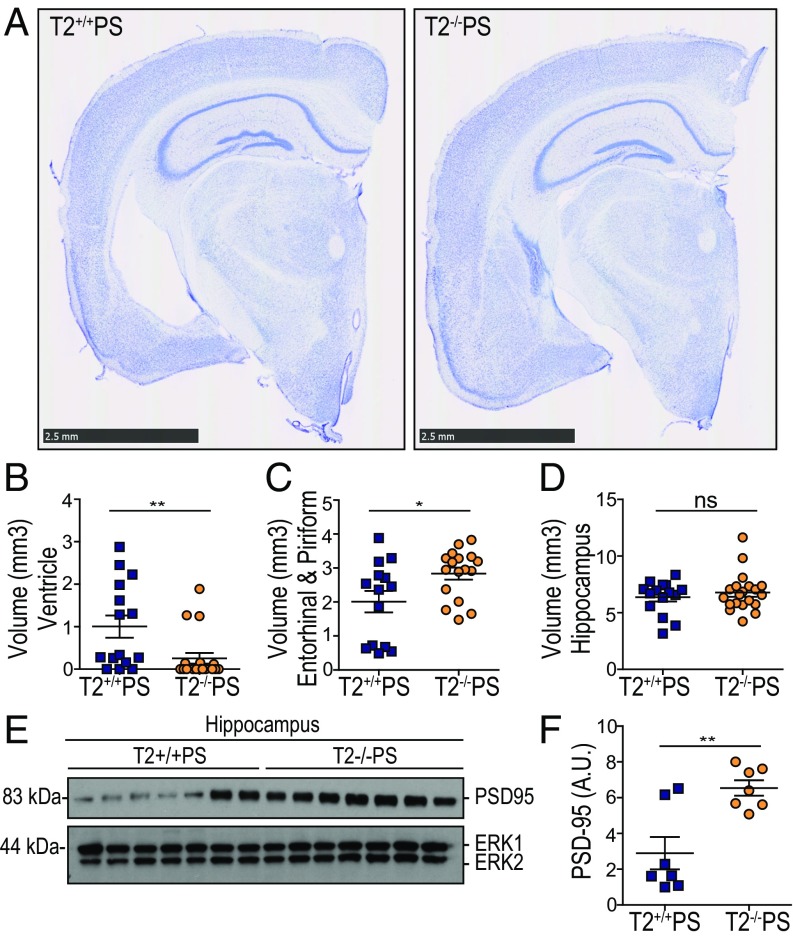
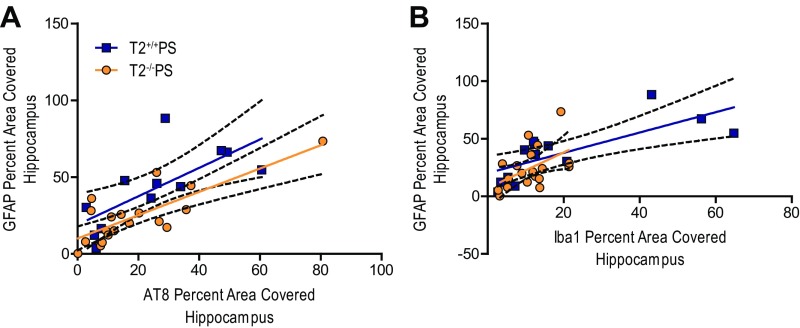
Significance: Alzheimer’s disease (AD) is the most common cause of dementia and is a major public health problem for which there is currently no disease-modifying treatment. There is an urgent need for greater understanding of the molecular mechanisms underlying neurodegeneration in patients to create better therapeutic options. Recently, genetic studies uncovered novel AD risk variants in the microglial receptor, triggering receptor expressed on myeloid cells 2 (TREM2). Previous studies suggested that loss of TREM2 function worsens amyloid-β (Aβ) plaque-related toxicity. In contrast, we observe TREM2 deficiency mitigates neuroinflammation and protects against brain atrophy in the context of tau pathology. These findings indicate dual roles for TREM2 and microglia in the context of amyloid versus tau pathology, which are important to consider for potential treatments targeting TREM2.
Overview
The claims and statistics of this paper haven’t been checked yet.
Run the check — free, no account needed. It reads the open-access text and checks the sources it cites.
Integrity signals
Registry
Cites
Statistics
Figures
Verification
Claims the paper makes
The claims and statistics of this paper haven’t been checked yet.
Run the check — free, no account needed. It reads the open-access text and checks the sources it cites.
Claims other papers make about this one
Each is checked against this paper’s own text: does it say what the citing paper says it does?
The source backs part of the claim, not all of it — or backs it for a different population, condition or comparison.
In the citing paper
“other studies found that TREM2 deficiency significantly reduced brain atrophy and prevented microglial activation in tau transgenic mice.”
From Microglia in neurodegenerative diseases: mechanism and potential therapeutic targets (2023) · cites this paper as [178]
Experimental — accuracy not yet measuredThe source backs part of the claim, not all of it — or backs it for a different population, condition or comparison.
In the citing paper
“Earlier studies on other microglial AD risk genes reported opposing effects on AD-related pathologies using various animal models at different ages (8–14).”
From The effect of Abi3 locus deletion on the progression of Alzheimer’s disease-related pathologies (2023) · cites this paper as [14]
Experimental — accuracy not yet measuredThe source backs part of the claim, not all of it — or backs it for a different population, condition or comparison.
In the citing paper
“On the other hand, in PS19 tau transgenic mice that express human tau containing the P301S mutation (in the absence of plaque pathology), loss of TREM2 was protective against brain atrophy and synapse loss [41, 42], and this protective effect was abolished in the presence of ApoE4 [43].”
From Microglial function, INPP5D/SHIP1 signaling, and NLRP3 inflammasome activation: implications for Alzheimer’s disease (2023) · cites this paper as [41]
Experimental — accuracy not yet measuredThe source backs part of the claim, not all of it — or backs it for a different population, condition or comparison.
In the citing paper
“the knockdown of TREM2 could alleviate the neuroinflammation and prevent neurodegeneration of tau pathology in TREM2−/−PS mice compared with wild-type mice (Leyns et al., 2017).”
From AD-Like Neuropsychiatric Dysfunction in a Mice Model Induced by a Combination of High-Fat Diet and Intraperitoneal Injection of Streptozotocin (2024) · cites this paper as Leyns et al., 2017
Experimental — accuracy not yet measuredThe source backs part of the claim, not all of it — or backs it for a different population, condition or comparison.
In the citing paper
“Indeed, manipulation of expression of Trem2, Tyrobp, Cx3cl1/Cx3cr1, IL1β, and IFN-γ have all been shown to have opposing effects on amyloid and tau pathologies [49–51, 55–65].”
From Deletion of Abi3/Gngt2 influences age-progressive amyloid β and tau pathologies in distinctive ways (2022) · cites this paper as [50]
Experimental — accuracy not yet measured
The cited source says what the claim attributes to it.
In the citing paper
“Trem2 deficiency attenuates neurodegeneration in Tau transgenic mice and seems to reduce the neuroinflammatory response [146].”
From Neuron Loss in Alzheimer’s Disease: Translation in Transgenic Mouse Models (2020) · cites this paper as [146]
The cited source says what the claim attributes to it.
In the citing paper
“These studies have led to the notion that microglia can have differential effects on AD pathology depending on the disease stage.”
From The effect of Abi3 locus deletion on the progression of Alzheimer’s disease-related pathologies (2023) · cites this paper as [14]
The cited source says what the claim attributes to it.
In the citing paper
“However, TREM2 ablation was protective and decreased synaptic impairment and neurodegenerative phenotypes [13] in the PS19 mouse model [17].”
From TREM2-Deficient Microglia Attenuate Tau Spreading In Vivo (2023) · cites this paper as [13]
The cited source says what the claim attributes to it.
In the citing paper
“Collectively, these studies yielded disparate results regarding the effect of TREM2 on tau pathology and whether the effect is amyloid dependent or independent.”
From TREM2-Deficient Microglia Attenuate Tau Spreading In Vivo (2023) · cites this paper as [13]
The cited source says what the claim attributes to it.
In the citing paper
“TREM2 loss-of-function studies have also yielded conflicting outcomes in the context of tau pathology.”
From TREM2-Deficient Microglia Attenuate Tau Spreading In Vivo (2023) · cites this paper as [13]
The cited source says what the claim attributes to it.
In the citing paper
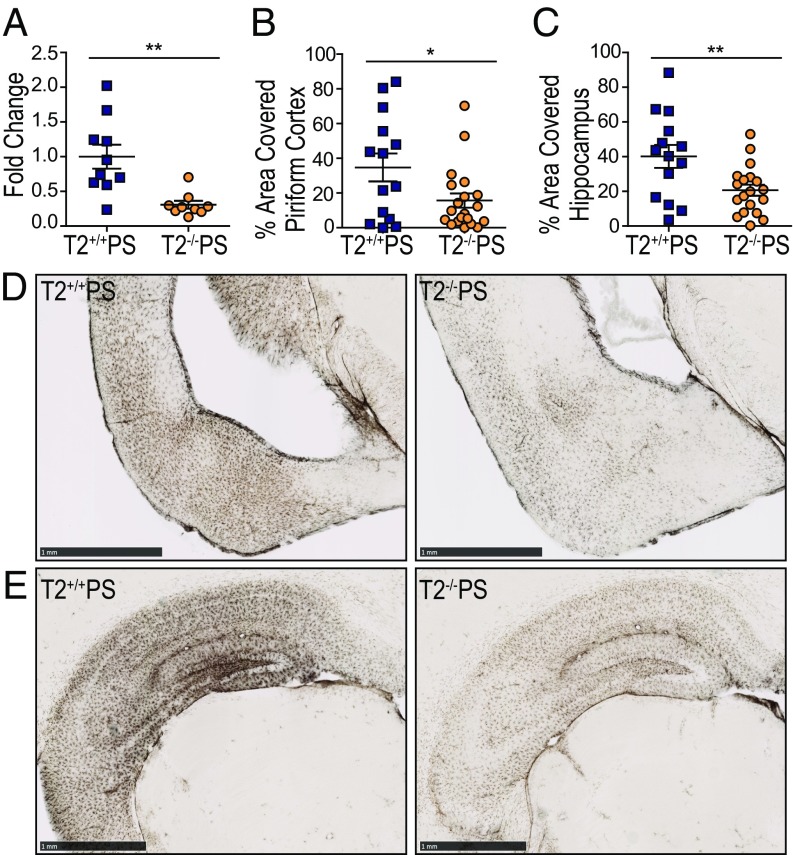
“brain atrophy and microgliosis were reduced [13].”
From TREM2-Deficient Microglia Attenuate Tau Spreading In Vivo (2023) · cites this paper as [13]
The cited source says what the claim attributes to it.
In the citing paper
“total deletion of TREM2 did not affect tau pathology in PS19 mice crossed with Trem2 KO mice”
From TREM2-Deficient Microglia Attenuate Tau Spreading In Vivo (2023) · cites this paper as [13]
The cited source says what the claim attributes to it.
In the citing paper
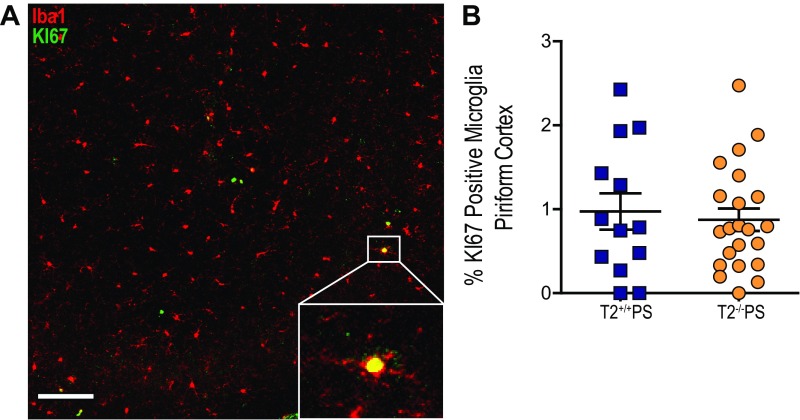
“The authors did not observe differences in microglia proliferation in PS19 mice regardless of Trem2 genotype”
From TREM2-Deficient Microglia Attenuate Tau Spreading In Vivo (2023) · cites this paper as [13]
The cited source says what the claim attributes to it.
In the citing paper
“a decrease in inflammatory transcripts was observed in PS19 mice due to TREM2 ablation”
From TREM2-Deficient Microglia Attenuate Tau Spreading In Vivo (2023) · cites this paper as [13]
The cited source says what the claim attributes to it.
In the citing paper
“it has been shown that TREM2 downregulation affects the phenotype of GFAP-positive astrocytes in the APP/PS1 amyloid mouse model and the PS19 model of tauopathy [8,13].”
From TREM2-Deficient Microglia Attenuate Tau Spreading In Vivo (2023) · cites this paper as [13]
The cited source says what the claim attributes to it.
In the citing paper
“suggesting that TREM2-deficient microglia may undergo metabolic stress, impacting their function and capacity to respond to damage incited by tauopathy, possibly leading to inadvertent cell death [13].”
From TREM2-Deficient Microglia Attenuate Tau Spreading In Vivo (2023) · cites this paper as [13]
The cited source says what the claim attributes to it.
In the citing paper
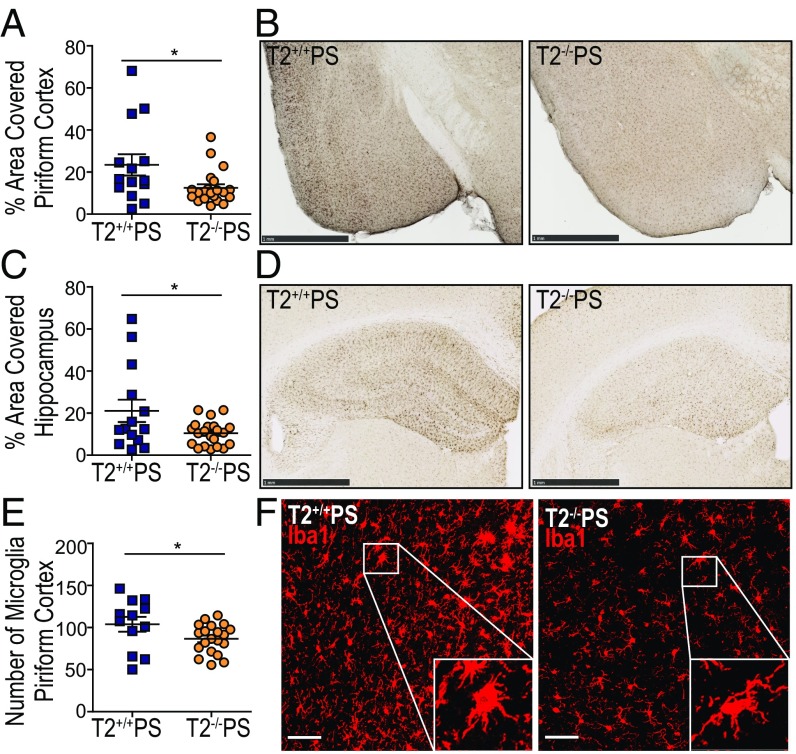
“the ablation of TREM2 in the PS19 mouse model decreased the number of IBA1-positive microglia in regions affected by tau pathology [13]”
From TREM2-Deficient Microglia Attenuate Tau Spreading In Vivo (2023) · cites this paper as [13]
The cited source says what the claim attributes to it.
In the citing paper
“suggesting that loss of TREM2 function impacts microglial activation, hindering inflammatory responses [13].”
From TREM2-Deficient Microglia Attenuate Tau Spreading In Vivo (2023) · cites this paper as [13]
The cited source says what the claim attributes to it.
In the citing paper
“Interestingly, TREM2 deficiency also protects against tau-associated neurodegeneration in P301S mice (Leyns et al., 2017).”
From Overexpressing low‐density lipoprotein receptor reduces tau‐associated neurodegeneration in relation to apoE‐linked mechanisms (2021) · cites this paper as Leyns et al., 2017
The cited source says what the claim attributes to it.
In the citing paper
“More recently, this dichotomy has been elegantly demonstrated in multiple models of Trem2 and Tyrobp [49–51, 55–59].”
From Deletion of Abi3/Gngt2 influences age-progressive amyloid β and tau pathologies in distinctive ways (2022) · cites this paper as [50]
In the citing paper
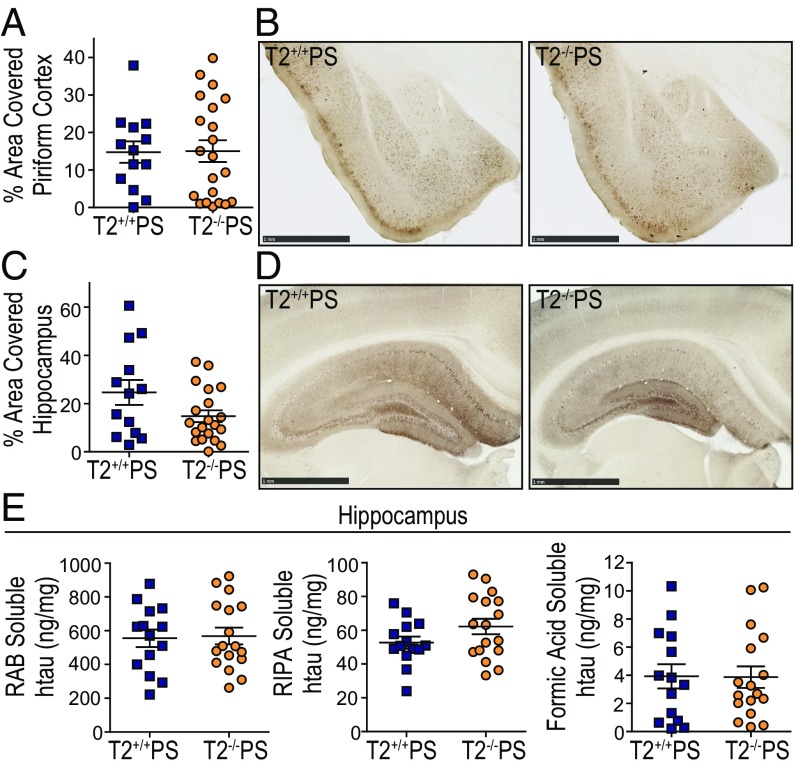
“In contrast, in tau-P301S transgenic mice, TREM2 deletion attenuates neuroinflammation and protects against neurodegeneration at a late stage without altering tau phosphorylation and aggregation [127].”
From Tau and neuroinflammation in Alzheimer’s disease: interplay mechanisms and clinical translation (2023) · cites this paper as [127]
In the citing paper
“In the tau model of neurodegeneration, genetic deletion of either Apoe or Trem2 also arrested neurodegeneration, demonstrating that this pathway negatively regulates the homeostatic signature182,183.”
From Microglial signatures and their role in health and disease (2018) · cites this paper as [183]
In the citing paper
“References 182 and 183 connect TREM2 and ApoE signalling with exacerbation of neuroinflammation and tauopathy.”
From Microglial signatures and their role in health and disease (2018) · cites this paper as [183]
In the citing paper
“TREM2 deficiency is reported to enhance tau hyperphosphorylation at an early disease stage in htau mice65 and a mid-disease stage in P301S mice [G]66, but does not affect tau pathology at a late-disease stage in P301S mice67”
From Interplay between innate immunity and Alzheimer disease: APOE and TREM2 in the spotlight (2018) · cites this paper as [67]
In the citing paper
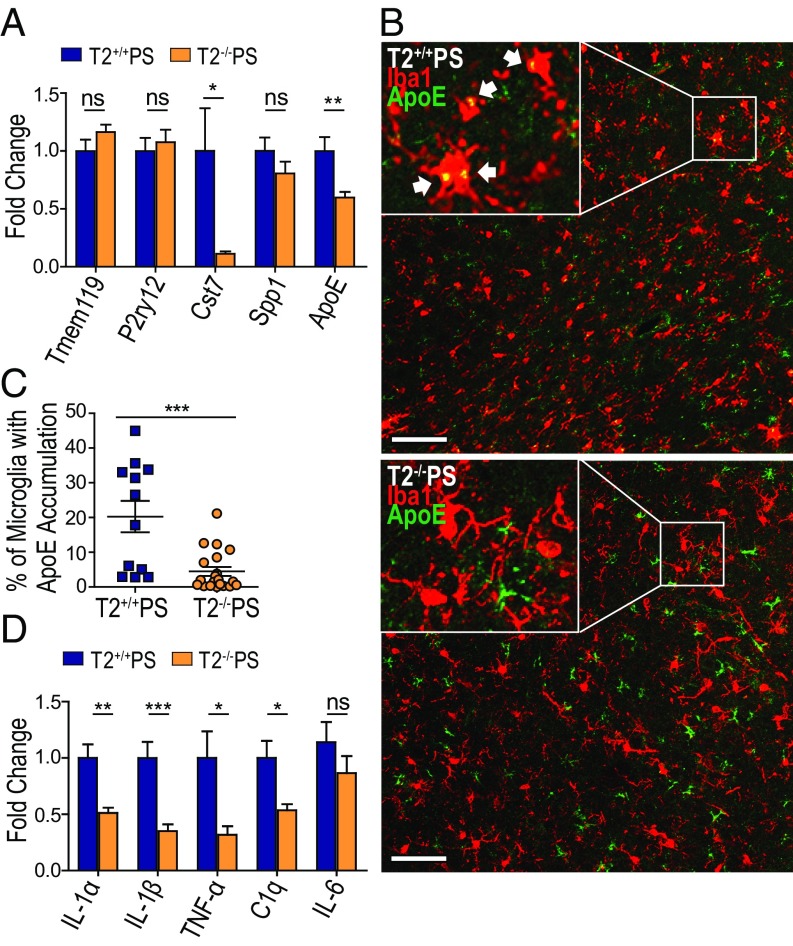
“End-stage TREM2−/− P301S mice that exhibit significantly reduced microgliosis and downregulated MGnD genes such as ApoE and cystatin 7 (Cst7), show significantly attenuated brain atrophy compared to TREM2+/+ P301S mice despite no change of tau pathology67.”
From Interplay between innate immunity and Alzheimer disease: APOE and TREM2 in the spotlight (2018) · cites this paper as [67]
In the citing paper
“Targeting TREM2 signaling in the facial nerve axotomy model ameliorates neuronal loss28, and ablation of TREM2 in tauopathy mice attenuates neuroinflammation and neurodegeneration67, similar to the effect of ApoE deletion.”
From Interplay between innate immunity and Alzheimer disease: APOE and TREM2 in the spotlight (2018) · cites this paper as [67]
In the citing paper
“This work shows that dampening neurodegenerative microglial activation via TREM2 deletion reduces neurodegeneration at an advanced disease stage in a tauopathy mouse model, supporting a role of microglia in modulating neurodegeneration.”
From Interplay between innate immunity and Alzheimer disease: APOE and TREM2 in the spotlight (2018) · cites this paper as [67]
Self-check
Percentages, sums and reported differences re-computed from the paper’s own numbers.
The self-check needs the paper’s full text.
Citations
Cites
The Mouse Brain in Stereotaxic Coordinates
Paxinos, G. (2001) · Cited by 12,859
Neurotoxic reactive astrocytes are induced by activated microglia
Liddelow, S. A., Guttenplan, K. A., Clarke, L. E., Bennett, F. C., Bohlen, C. J., Schirmer, L., Bennett, M. L., Münch, A. E., Chung, W.-S., Peterson, T. C., et al. (2017) · Nature · doi:10.1038/nature21029 · Cited by 7,971 · cited 1×
“Recent studies have further demonstrated that microglia can influence astrocyte reactivity in several disease models (34, 35).”
BackgroundA Unique Microglia Type Associated with Restricting Development of Alzheimer’s Disease
Keren-Shaul, H., Spinrad, A., Weiner, A., Matcovitch-Natan, O., Dvir-Szternfeld, R., Ulland, T. K., David, E., Baruch, K., Lara-Astaiso, D., Toth, B., et al. (2017) · Cell · doi:10.1016/j.cell.2017.05.018 · Cited by 5,493
Self-citationTREM2 Variants in Alzheimer's Disease
Guerreiro, R., Wojtas, A., Bras, J., Carrasquillo, M., Rogaeva, E., Majounie, E., Cruchaga, C., Sassi, C., Kauwe, J. S. K., Younkin, S., et al. (2013) · New England Journal of Medicine · doi:10.1056/nejmoa1211851 · Cited by 3,020
Krasemann, S., Madore, C., Cialic, R., Baufeld, C., Calcagno, N., El Fatimy, R., Beckers, L., O’Loughlin, E., Xu, Y., Fanek, Z., et al. (2017) · Immunity · doi:10.1016/j.immuni.2017.08.008 · Cited by 2,979
Self-citationVariant of TREM2 Associated with the Risk of Alzheimer's Disease
Jonsson, T., Stefansson, H., Steinberg, S., Jonsdottir, I., Jonsson, P. V., Snaedal, J., Bjornsson, S., Huttenlocher, J., Levey, A. I., Lah, J. J., et al. (2013) · New England Journal of Medicine · doi:10.1056/nejmoa1211103 · Cited by 2,558 · cited 1×
“The discovery that rare coding variants in the triggering receptor expressed on myeloid cells 2 (TREM2) are associated with a twofold to fourfold increased risk for developing sporadic, lateonset AD further implicates the role of microglia in AD (6, 7).”
BackgroundSynapse Loss and Microglial Activation Precede Tangles in a P301S Tauopathy Mouse Model
Yoshiyama, Y., Higuchi, M., Zhang, B., Huang, S.-M., Iwata, N., Saido, T. C., Maeda, J., Suhara, T., Trojanowski, J. Q., & Lee, V. M.-Y. (2007) · Neuron · doi:10.1016/j.neuron.2007.01.010 · Cited by 2,208
How neuroinflammation contributes to neurodegeneration
Ransohoff, R. M. (2016) · Science · doi:10.1126/science.aag2590 · Cited by 1,967 · cited 1×
“Chronic microglial activation has been hypothesized to lead to excessive neuroinflammation that may exacerbate AD pathologies and neurodegeneration (43).”
BackgroundTREM2 Lipid Sensing Sustains the Microglial Response in an Alzheimer’s Disease Model
Wang, Y., Cella, M., Mallinson, K., Ulrich, J. D., Young, K. L., Robinette, M. L., Gilfillan, S., Krishnan, G. M., Sudhakar, S., Zinselmeyer, B. H., et al. (2015) · Cell · doi:10.1016/j.cell.2015.01.049 · Cited by 1,736
Self-citationAlzheimer’s Disease: The Challenge of the Second Century
Holtzman, D. M., Morris, J. C., & Goate, A. M. (2011) · Science Translational Medicine · doi:10.1126/scitranslmed.3002369 · Cited by 1,424 · cited 1×
“Amyloid-β (Aβ) aggregates form extracellular plaques, while hyperphosphorylated tau (p-tau) is present in intracellular neurofibrillary tangles (1).”
BackgroundSelf-citation
Cited by
Sorted by citations
Items 401–500 of 519
Ketogenic interventions enhance REM sleep in females and support memory in aged rats
Lark, A. R. S., Mir, F. A., Ambareen, N., Tian, F., Carpenter, A. H., Crowley, E. A., Toro, B. A., Syme, C. E., Aygar, S., Thendral, A., et al. (2026) · Frontiers in Aging Neuroscience · doi:10.3389/fnagi.2026.1797686 · Cited by 1
Hirota, Y., Yamamoto, J., Takatori, S., Sakakibara, Y., Takei, K., 佐治多美子, Sekiya, M., Tomita, T., & Iijima, K. (2026) · Molecular Neurodegeneration Advances · doi:10.1186/s44477-026-00032-1 · Cited by 1
Microglial state transitions are constrained by developmental and metabolic checkpoints
Mesaoudi, A. E., & Kim, D. W. (2026) · Frontiers in Cellular Neuroscience · doi:10.3389/fncel.2026.1852176 · Cited by 1
“As a result, adult transitions occur within pre-existing limits and do not reflect complete reprogramming (Leyns et al., 2017; Lan et al., 2024).”
Microglial ITAM & ITIM Signaling in Neurodegenerative Disease and Brain Aging
Mangalmurti, A., Bonheur, A., & Lukens, J. R. (2026) · Journal of Molecular Biology · doi:10.1016/j.jmb.2026.169910 · Cited by 1
Lei, Y., Liu, L., & Tang, Y. (2026) · Ageing Research Reviews · doi:10.1016/j.arr.2026.103287 · Cited by 1
Role of Reactive Astrocytes in Alzheimer’s Disease
Sarkar, S., Guha, S., & Biswas, S. C. (2022) · Springer eBooks · doi:10.1007/978-981-16-8313-8_9 · Cited by 1
Origin, Diversity, and Roles of Microglia
Ris, L. (2024) · Springer eBooks · doi:10.1007/978-3-031-24297-7_9-1 · Cited by 1
Therapeutic Strategies in Neurodegenerative Diseases
Eid, A. M., Faridar, A., & Appel, S. H. (2024) · Springer eBooks · doi:10.1007/978-3-031-68237-7_39 · Cited by 1
Importance of Microglial Cytoskeleton and the Actin-interacting Proteins in Alzheimer's Disease
Choi, G.-E. (2020) · Journal of Experimental & Biomedical Sciences/Biomedical Science Letters · doi:10.15616/bsl.2020.26.1.1 · Cited by 1
“Inflammation and abnormal synapse and neuron swallowing, however, become pathogenic during the neurodegenerative stage of the prevailing disease (Leyns et al., 2017).”
BackgroundNeuroinflammation in Alzheimer's Disease Continuum
Sag, A. T., & Yemişçi, M. (2020) · Neurological Sciences and Neurophysiology · doi:10.4103/nsn.nsn_190_20 · Cited by 1
Identification of novel Alzheimer’s disease genes co-expressed with TREM2Preprint
Reddy, J. S., Allen, M., Wang, X., Biernacka, J. M., Coombes, B. J., Jenkins, G. D., Sinnwell, J. P., Carrasquillo, M. M., Pottier, C. P., Ren, Y., et al. (2020) · bioRxiv (Cold Spring Harbor Laboratory) · doi:10.1101/2020.11.13.381640 · Cited by 1
Carbajosa, G., Malki, K., Lawless, N., Wang, H., Ryder, J. W., Wozniak, E., Wood, K., Mein, C. A., Hodgkinson, A., Dobson, R., et al. (2021) · bioRxiv (Cold Spring Harbor Laboratory) · doi:10.1101/2021.07.16.452732 · Cited by 1
Takahashi, H., Bhagwagar, S. Z., Nies, S. H., Chiasseu, M., Wang, G., Mackenzie, I. R., & Strittmatter, S. M. (2022) · bioRxiv (Cold Spring Harbor Laboratory) · doi:10.1101/2022.12.25.521308 · Cited by 1
Chen, L., Zhang, M.-D., Xu, H., Ye, H.-Q., Chen, D.-F., Wang, P., Bao, Z.-W., Zou, S.-M., Lv, Y.-T., Wu, Z., et al. (2024) · SSRN Electronic Journal · doi:10.2139/ssrn.4861071 · Cited by 1
Boza‐Serrano, A., Ruiz, R., Sanchez-Varo, R. M., Yang, Y., García‐Revilla, J., Jiménez-Ferrer, I., Paulus, A., Wennström, M., Vilalta, A., Allendorf, D. H., et al. (2018) · bioRxiv (Cold Spring Harbor Laboratory) · doi:10.1101/477927
Jadhav, V. (2021) · IUScholarWorks (Indiana University) · doi:10.7912/c2/2086
杨榕 (2012) · 福建艺术
(2018) · Elsevier eBooks · doi:10.1016/b978-0-12-811351-6.00026-7
TREM2 limits progression of deficits and spreading of tau pathology in micePreprint
Feiten, A., Au, C. G., Sabale, M., van Hummel, A., van der Hoven, J., Deng, Y., Przybyla, M., Bright, F., Butler, T., Delerue, F., et al. (2022) · Research Square · doi:10.21203/rs.3.rs-741896/v2
Timmerman, R. (2022) · Utrecht University Repository (Utrecht University) · doi:10.33540/1603
Modified Investigation Tools and Techniques Useful in Alzheimer’s Disease Research
Deore, S. L., Baviskar, B. A., Kide, A. A., Khadabadi, S. S., & Shende, B. A. (2023) · Springer eBooks · doi:10.1007/978-981-99-2657-2_3
Toral-Ríos, D., Long, J. M., Ulrich, J. D., Yu, J., Strickland, M. R., Han, X., Holtzman, D. M., Cashikar, A. G., & Paul, S. M. (2023) · bioRxiv (Cold Spring Harbor Laboratory) · doi:10.1101/2023.09.08.556884
“Deficiency of Apoe or Trem2 attenuates tau-dependent neuroinflammation and neurodegeneration in mice expressing human P301S mutant tau (PS19 mice) (7-9).”
BackgroundMethodSelf-citationLysenko, S. A., Lysenko, N. M., Muzychenko, O. B., & Botanevych, Y. O. (2023) · Reports of Vinnytsia National Medical University · doi:10.31393/reports-vnmedical-2023-27(4)-24
Dong, Y., Yu, H., Li, X., Bian, K., Zheng, Y., Dai, M., Feng, X., Sun, Y., He, Y., Yu, B., et al. (2022) · Figshare · doi:10.6084/m9.figshare.20495854
Cellular biology of the central nervous system
Leyendecker, J., Prasse, T., Karp, A., & Khaing, Z. Z. (2024) · Elsevier eBooks · doi:10.1016/b978-0-323-95730-4.00016-0
A Neuroinflammatory View of Alzheimer’s Disease
Anisman, H., Hayley, S. P., & Kusnecov, A. (2024) · Elsevier eBooks · doi:10.1016/b978-0-443-23565-8.00005-3
(2024) · Elsevier eBooks · doi:10.1016/b978-0-443-23565-8.09996-8
Origin, Diversity, and Roles of Microglia
Ris, L. (2024) · Springer eBooks · doi:10.1007/978-3-031-60006-7_9
Fluid and Imaging Markers of Glial Reactivity
Suárez‐Calvet, M. (2025) · Springer eBooks · doi:10.1007/978-3-031-80849-4_6
Kertser, A., Baruch, K., & Schwartz, M. (2025) · bioRxiv (Cold Spring Harbor Laboratory) · doi:10.1101/2025.09.28.679024
Dong, Y., Yu, H., Li, X., Bian, K., Zheng, Y., Dai, M., Feng, X., Sun, Y., He, Y., Yu, B., et al. (2022) · Figshare · doi:10.6084/m9.figshare.20495836
Ibanez, K. R., McFarland, K. N., Phillips, J., Allen, M., Lessard, C. B., Zobel, L., De La Cruz, E. G., Shah, S., Vo, Q., Wang, X., et al. (2022) · Figshare · doi:10.6084/m9.figshare.20390910
Ibanez, K. R., McFarland, K. N., Phillips, J., Allen, M., Lessard, C. B., Zobel, L., De La Cruz, E. G., Shah, S., Vo, Q., Wang, X., et al. (2022) · Figshare · doi:10.6084/m9.figshare.20390880
Wang, L., Nykänen, N.-P., Western, D., Gorijala, P., Timsina, J., Li, F., Wang, Z., Ali, M., Yang, C., Liu, M., et al. (2024) · Figshare · doi:10.6084/m9.figshare.24940635
Dong, Y., Yu, H., Li, X., Bian, K., Zheng, Y., Dai, M., Feng, X., Sun, Y., He, Y., Yu, B., et al. (2022) · Figshare · doi:10.6084/m9.figshare.20495851
Joshi, P., Riffel, F., Kumar, S., Villacampa, N., Theil, S., Parhizkar, S., Haass, C., Colonna, M., Heneka, M. T., Arzberger, T., et al. (2021) · Figshare · doi:10.6084/m9.figshare.16829558
Self-citationTran, K. M., Kawauchi, S., Kramár, E. A., Rezaie, N., Liang, H. Y., Sakr, J., Gómez-Arboledas, Á., Arreola, M. A., Cunha, C. D., Phan, J., et al. (2023) · Figshare · doi:10.6084/m9.figshare.22612543
Tran, K. M., Kawauchi, S., Kramár, E. A., Rezaie, N., Liang, H. Y., Sakr, J., Gómez-Arboledas, Á., Arreola, M. A., Cunha, C. D., Phan, J., et al. (2023) · Figshare · doi:10.6084/m9.figshare.22612558
Dong, Y., Yu, H., Li, X., Bian, K., Zheng, Y., Dai, M., Feng, X., Sun, Y., He, Y., Yu, B., et al. (2022) · Figshare · doi:10.6084/m9.figshare.20495842
Nordengen, K., Kirsebom, B.-E., Richter, G., Pålhaugen, L., Gísladóttir, B., Siafarikas, N., Nakling, A. E., Rongve, A., Bråthen, G., Grøntvedt, G. R., et al. (2024) · Figshare · doi:10.6084/m9.figshare.26653528
Ibanez, K. R., McFarland, K. N., Phillips, J., Allen, M., Lessard, C. B., Zobel, L., De La Cruz, E. G., Shah, S., Vo, Q., Wang, X., et al. (2022) · Figshare · doi:10.6084/m9.figshare.20390904
Tran, K. M., Kawauchi, S., Kramár, E. A., Rezaie, N., Liang, H. Y., Sakr, J., Gómez-Arboledas, Á., Arreola, M. A., Cunha, C. D., Phan, J., et al. (2023) · Figshare · doi:10.6084/m9.figshare.22612582
Dong, Y., Yu, H., Li, X., Bian, K., Zheng, Y., Dai, M., Feng, X., Sun, Y., He, Y., Yu, B., et al. (2022) · Figshare · doi:10.6084/m9.figshare.20495833
Tran, K. M., Kawauchi, S., Kramár, E. A., Rezaie, N., Liang, H. Y., Sakr, J., Gómez-Arboledas, Á., Arreola, M. A., Cunha, C. D., Phan, J., et al. (2023) · Figshare · doi:10.6084/m9.figshare.22612549
Tran, K. M., Kawauchi, S., Kramár, E. A., Rezaie, N., Liang, H. Y., Sakr, J., Gómez-Arboledas, Á., Arreola, M. A., Cunha, C. D., Phan, J., et al. (2023) · Figshare · doi:10.6084/m9.figshare.22612537
Ibanez, K. R., McFarland, K. N., Phillips, J., Allen, M., Lessard, C. B., Zobel, L., De La Cruz, E. G., Shah, S., Vo, Q., Wang, X., et al. (2022) · Figshare · doi:10.6084/m9.figshare.20390898
Tran, K. M., Kawauchi, S., Kramár, E. A., Rezaie, N., Liang, H. Y., Sakr, J., Gómez-Arboledas, Á., Arreola, M. A., Cunha, C. D., Phan, J., et al. (2023) · Figshare · doi:10.6084/m9.figshare.22612579
Tran, K. M., Kawauchi, S., Kramár, E. A., Rezaie, N., Liang, H. Y., Sakr, J., Gómez-Arboledas, Á., Arreola, M. A., Cunha, C. D., Phan, J., et al. (2023) · Figshare · doi:10.6084/m9.figshare.22612585
Additional file 6 of LILRB2-mediated TREM2 signaling inhibition suppresses microglia functions
Zhao, P., Xu, Y., Jiang, L.-L., Fan, X., Ku, Z., Li, L., Liu, X., Deng, M., Arase, H., Zhu, J.-J., et al. (2022) · Figshare · doi:10.6084/m9.figshare.20098700
Ibanez, K. R., McFarland, K. N., Phillips, J., Allen, M., Lessard, C. B., Zobel, L., De La Cruz, E. G., Shah, S., Vo, Q., Wang, X., et al. (2022) · Figshare · doi:10.6084/m9.figshare.20390883
Ibanez, K. R., McFarland, K. N., Phillips, J., Allen, M., Lessard, C. B., Zobel, L., De La Cruz, E. G., Shah, S., Vo, Q., Wang, X., et al. (2022) · Figshare · doi:10.6084/m9.figshare.20390886
Additional file 5 of LILRB2-mediated TREM2 signaling inhibition suppresses microglia functions
Zhao, P., Xu, Y., Jiang, L.-L., Fan, X., Ku, Z., Li, L., Liu, X., Deng, M., Arase, H., Zhu, J.-J., et al. (2022) · Figshare · doi:10.6084/m9.figshare.20098697
Additional file 3 of LILRB2-mediated TREM2 signaling inhibition suppresses microglia functions
Zhao, P., Xu, Y., Jiang, L.-L., Fan, X., Ku, Z., Li, L., Liu, X., Deng, M., Arase, H., Zhu, J.-J., et al. (2022) · Figshare · doi:10.6084/m9.figshare.20098691
Nordengen, K., Kirsebom, B.-E., Richter, G., Pålhaugen, L., Gísladóttir, B., Siafarikas, N., Nakling, A. E., Rongve, A., Bråthen, G., Grøntvedt, G. R., et al. (2024) · Figshare · doi:10.6084/m9.figshare.26653531
Additional file 2 of LILRB2-mediated TREM2 signaling inhibition suppresses microglia functions
Zhao, P., Xu, Y., Jiang, L.-L., Fan, X., Ku, Z., Li, L., Liu, X., Deng, M., Arase, H., Zhu, J.-J., et al. (2022) · Figshare · doi:10.6084/m9.figshare.20098688
Additional file 4 of LILRB2-mediated TREM2 signaling inhibition suppresses microglia functions
Zhao, P., Xu, Y., Jiang, L.-L., Fan, X., Ku, Z., Li, L., Liu, X., Deng, M., Arase, H., Zhu, J.-J., et al. (2022) · Figshare · doi:10.6084/m9.figshare.20098694
Ibanez, K. R., McFarland, K. N., Phillips, J., Allen, M., Lessard, C. B., Zobel, L., De La Cruz, E. G., Shah, S., Vo, Q., Wang, X., et al. (2022) · Figshare · doi:10.6084/m9.figshare.20390913
Additional file 10 of LILRB2-mediated TREM2 signaling inhibition suppresses microglia functions
Zhao, P., Xu, Y., Jiang, L.-L., Fan, X., Ku, Z., Li, L., Liu, X., Deng, M., Arase, H., Zhu, J.-J., et al. (2022) · Figshare · doi:10.6084/m9.figshare.20098679
Tran, K. M., Kawauchi, S., Kramár, E. A., Rezaie, N., Liang, H. Y., Sakr, J., Gómez-Arboledas, Á., Arreola, M. A., Cunha, C. D., Phan, J., et al. (2023) · Figshare · doi:10.6084/m9.figshare.22612564
Additional file 1 of LILRB2-mediated TREM2 signaling inhibition suppresses microglia functions
Zhao, P., Xu, Y., Jiang, L.-L., Fan, X., Ku, Z., Li, L., Liu, X., Deng, M., Arase, H., Zhu, J.-J., et al. (2022) · Figshare · doi:10.6084/m9.figshare.20098685
Additional file 8 of LILRB2-mediated TREM2 signaling inhibition suppresses microglia functions
Zhao, P., Xu, Y., Jiang, L.-L., Fan, X., Ku, Z., Li, L., Liu, X., Deng, M., Arase, H., Zhu, J.-J., et al. (2022) · Figshare · doi:10.6084/m9.figshare.20098706
Wang, L., Nykänen, N.-P., Western, D., Gorijala, P., Timsina, J., Li, F., Wang, Z., Ali, M., Yang, C., Liu, M., et al. (2024) · Figshare · doi:10.6084/m9.figshare.24940872
Ben-Yehuda, H., Arad, M., Ramos, J. M. P., Sharon, E., Castellani, G., Ferrera, S., Cahalon, L., Colaiuta, S. P., Salame, T.-M., & Schwartz, M. (2021) · Figshare · doi:10.6084/m9.figshare.14850601
Dong, Y., Yu, H., Li, X., Bian, K., Zheng, Y., Dai, M., Feng, X., Sun, Y., He, Y., Yu, B., et al. (2022) · Figshare · doi:10.6084/m9.figshare.20495857
Ben-Yehuda, H., Arad, M., Ramos, J. M. P., Sharon, E., Castellani, G., Ferrera, S., Cahalon, L., Colaiuta, S. P., Salame, T.-M., & Schwartz, M. (2021) · Figshare · doi:10.6084/m9.figshare.14850595
Tallon, C., Bell, B. J., Malvankar, M. M., Deme, P., Nogueras‐Ortiz, C. J., Eren, E., Thomas, A. G., Hollinger, K. R., Pal, A., Mustapić, M., et al. (2024) · Figshare · doi:10.6084/m9.figshare.26649171
Additional file 7 of LILRB2-mediated TREM2 signaling inhibition suppresses microglia functions
Zhao, P., Xu, Y., Jiang, L.-L., Fan, X., Ku, Z., Li, L., Liu, X., Deng, M., Arase, H., Zhu, J.-J., et al. (2022) · Figshare · doi:10.6084/m9.figshare.20098703
Tran, K. M., Kawauchi, S., Kramár, E. A., Rezaie, N., Liang, H. Y., Sakr, J., Gómez-Arboledas, Á., Arreola, M. A., Cunha, C. D., Phan, J., et al. (2023) · Figshare · doi:10.6084/m9.figshare.22612546
Tran, K. M., Kawauchi, S., Kramár, E. A., Rezaie, N., Liang, H. Y., Sakr, J., Gómez-Arboledas, Á., Arreola, M. A., Cunha, C. D., Phan, J., et al. (2023) · Figshare · doi:10.6084/m9.figshare.22612534
Tran, K. M., Kawauchi, S., Kramár, E. A., Rezaie, N., Liang, H. Y., Sakr, J., Gómez-Arboledas, Á., Arreola, M. A., Cunha, C. D., Phan, J., et al. (2023) · Figshare · doi:10.6084/m9.figshare.22612555
Nordengen, K., Kirsebom, B.-E., Richter, G., Pålhaugen, L., Gísladóttir, B., Siafarikas, N., Nakling, A. E., Rongve, A., Bråthen, G., Grøntvedt, G. R., et al. (2024) · Figshare · doi:10.6084/m9.figshare.26653534
Faridar, A., Vasquez, M., Thome, A. D., Yin, Z., Xuan, H., Wang, J. H., Wen, S., Li, X., Thonhoff, J. R., Zhao, W., et al. (2022) · Figshare · doi:10.6084/m9.figshare.21256713
Ben-Yehuda, H., Arad, M., Ramos, J. M. P., Sharon, E., Castellani, G., Ferrera, S., Cahalon, L., Colaiuta, S. P., Salame, T.-M., & Schwartz, M. (2021) · Figshare · doi:10.6084/m9.figshare.14850598
Ibanez, K. R., McFarland, K. N., Phillips, J., Allen, M., Lessard, C. B., Zobel, L., De La Cruz, E. G., Shah, S., Vo, Q., Wang, X., et al. (2022) · Figshare · doi:10.6084/m9.figshare.20390892
Tran, K. M., Kawauchi, S., Kramár, E. A., Rezaie, N., Liang, H. Y., Sakr, J., Gómez-Arboledas, Á., Arreola, M. A., Cunha, C. D., Phan, J., et al. (2023) · Figshare · doi:10.6084/m9.figshare.22612570
Ibanez, K. R., McFarland, K. N., Phillips, J., Allen, M., Lessard, C. B., Zobel, L., De La Cruz, E. G., Shah, S., Vo, Q., Wang, X., et al. (2022) · Figshare · doi:10.6084/m9.figshare.20390877
Dong, Y., Yu, H., Li, X., Bian, K., Zheng, Y., Dai, M., Feng, X., Sun, Y., He, Y., Yu, B., et al. (2022) · Figshare · doi:10.6084/m9.figshare.20495848
Joshi, P., Riffel, F., Kumar, S., Villacampa, N., Theil, S., Parhizkar, S., Haass, C., Colonna, M., Heneka, M. T., Arzberger, T., et al. (2021) · Figshare · doi:10.6084/m9.figshare.16829555
Self-citationAdditional file 9 of LILRB2-mediated TREM2 signaling inhibition suppresses microglia functions
Zhao, P., Xu, Y., Jiang, L.-L., Fan, X., Ku, Z., Li, L., Liu, X., Deng, M., Arase, H., Zhu, J.-J., et al. (2022) · Figshare · doi:10.6084/m9.figshare.20098712
Ben-Yehuda, H., Arad, M., Ramos, J. M. P., Sharon, E., Castellani, G., Ferrera, S., Cahalon, L., Colaiuta, S. P., Salame, T.-M., & Schwartz, M. (2021) · Figshare · doi:10.6084/m9.figshare.14850592
Tran, K. M., Kawauchi, S., Kramár, E. A., Rezaie, N., Liang, H. Y., Sakr, J., Gómez-Arboledas, Á., Arreola, M. A., Cunha, C. D., Phan, J., et al. (2023) · Figshare · doi:10.6084/m9.figshare.22612567
Ben-Yehuda, H., Arad, M., Ramos, J. M. P., Sharon, E., Castellani, G., Ferrera, S., Cahalon, L., Colaiuta, S. P., Salame, T.-M., & Schwartz, M. (2021) · Figshare · doi:10.6084/m9.figshare.14850589
Tran, K. M., Kawauchi, S., Kramár, E. A., Rezaie, N., Liang, H. Y., Sakr, J., Gómez-Arboledas, Á., Arreola, M. A., Cunha, C. D., Phan, J., et al. (2023) · Figshare · doi:10.6084/m9.figshare.22612573
Ibanez, K. R., McFarland, K. N., Phillips, J., Allen, M., Lessard, C. B., Zobel, L., De La Cruz, E. G., Shah, S., Vo, Q., Wang, X., et al. (2022) · Figshare · doi:10.6084/m9.figshare.20390901
Dong, Y., Yu, H., Li, X., Bian, K., Zheng, Y., Dai, M., Feng, X., Sun, Y., He, Y., Yu, B., et al. (2022) · Figshare · doi:10.6084/m9.figshare.20495830
Ibanez, K. R., McFarland, K. N., Phillips, J., Allen, M., Lessard, C. B., Zobel, L., De La Cruz, E. G., Shah, S., Vo, Q., Wang, X., et al. (2022) · Figshare · doi:10.6084/m9.figshare.20390907
Dong, Y., Yu, H., Li, X., Bian, K., Zheng, Y., Dai, M., Feng, X., Sun, Y., He, Y., Yu, B., et al. (2022) · Figshare · doi:10.6084/m9.figshare.20495839
Tran, K. M., Kawauchi, S., Kramár, E. A., Rezaie, N., Liang, H. Y., Sakr, J., Gómez-Arboledas, Á., Arreola, M. A., Cunha, C. D., Phan, J., et al. (2023) · Figshare · doi:10.6084/m9.figshare.22612540
Tran, K. M., Kawauchi, S., Kramár, E. A., Rezaie, N., Liang, H. Y., Sakr, J., Gómez-Arboledas, Á., Arreola, M. A., Cunha, C. D., Phan, J., et al. (2023) · Figshare · doi:10.6084/m9.figshare.22612552
Ben-Yehuda, H., Arad, M., Ramos, J. M. P., Sharon, E., Castellani, G., Ferrera, S., Cahalon, L., Colaiuta, S. P., Salame, T.-M., & Schwartz, M. (2021) · Figshare · doi:10.6084/m9.figshare.14850604
Additional file 11 of LILRB2-mediated TREM2 signaling inhibition suppresses microglia functions
Zhao, P., Xu, Y., Jiang, L.-L., Fan, X., Ku, Z., Li, L., Liu, X., Deng, M., Arase, H., Zhu, J.-J., et al. (2022) · Figshare · doi:10.6084/m9.figshare.20098682
Tran, K. M., Kawauchi, S., Kramár, E. A., Rezaie, N., Liang, H. Y., Sakr, J., Gómez-Arboledas, Á., Arreola, M. A., Cunha, C. D., Phan, J., et al. (2023) · Figshare · doi:10.6084/m9.figshare.22612561
The Role of Polyphenols and Bioactive Compounds for Combating Neurodegenerative Diseases
Pandurangan, J., Meenambiga, S. S., & Pothiraj, H. (2026) · IGI Global eBooks · doi:10.4018/979-8-3373-4139-2.ch013
Vautheny, A. (2019) · theses.fr (ABES) · doi:10.70675/1812d71aze8d9z48d6z87d1z5a23a4e81953
Investigating the physiological function of the amyloid precursor protein in Drosophila melanogaster
Kesisoglou, E. (2020) · theses.fr (ABES) · doi:10.70675/691831c4z5491z4cb9zb88az10456e67b7ce
Lam, S. (2021) · theses.fr (ABES) · doi:10.70675/60b353ffz56fcz41a2z9e53zf0d9ac078167 · Cited by 1
Role of T-cell immunity in the pathophysiology of Alzheimer’s disease and other Tauopathies
Matta, K. (2024) · theses.fr (ABES) · doi:10.70675/cea4fe5ez67c3z4445z92f7z39af62ba059b
Li, Y., Zatcepin, A., Palumbo, G., Oos, R., Wind-Mark, K., Lindner, S., Gildehaus, F., Gnörich, J. S., Werner, R. A., Brendel, M., et al. (2026) · NeuroImage · doi:10.1016/j.neuroimage.2026.121932
Metadata
- Authors
- Leyns, C. E. G., Ulrich, J. D., Finn, M. B., Stewart, F. R., Koscal, L. J., Remolina Serrano, J., Robinson, G. O., Anderson, E., Colonna, M., & Holtzman, D. M.
- Affiliations
- Washington University in St. Louis (US)
- Department of Neurology, Washington University School of Medicine, St. Louis, MO 63110;
- Corresponding author
- Holtzman, David M.
- ORCID
- Venue
- Proceedings of the National Academy of Sciences
- Publisher
- National Academy of Sciences
- Published
- 2017-10-09
- Volume
- 114
- Issue
- 43
- Pages
- 11524-11529
- ISSN
- 0027-8424 (ISSN-L)
- 1091-6490
- PMC
- PMC5663386
- OpenAlex
- W2763928642
- Cited by
- 517
- References
- 50
- Citations by year
- 2026: 41 · 2025: 51 · 2024: 55 · 2023: 78 · 2022: 79 · 2021: 69 · 2020: 54 · 2019: 44 · 2018: 42 · 2017: 3
- FWCI
- 19.48
- Type
- journal article
- Language
- en
- Open access
- hybrid
- doi.org
- Licence
- Locations
- Proceedings of the National Academy of Sciences (publishedVersion, cc-by-nc-nd)
- PubMed Central (publishedVersion, cc-by-nc-nd)
- PubMed (publishedVersion)
- Digital Commons@Becker (Washington University School of Medicine) (submittedVersion, cc-by-nc-nd)
- Funders
- Cure Alzheimer's Fund
- Hope Center for Neurological Disorders
- Center for Cellular Imaging, Washington University
- National Institute on Aging (F31AG053976)
- Topics
- Life Sciences › Neuroscience › Neurology › Neuroinflammation and Neurodegeneration Mechanisms
- Life Sciences › Neuroscience › Cellular and Molecular Neuroscience › Alzheimer's disease research and treatments
- Life Sciences › Neuroscience › Neurology › Neurological Disease Mechanisms and Treatments
- Keywords
- TREM2, tauopathy, neuroinflammation, neurodegeneration, Alzheimer's disease, microglia, tau pathology, brain atrophy, amyloid-beta, TREM2 deficiency, mouse model
- MeSH terms
- Animals, Gene Expression Regulation, Inflammation, Membrane Glycoproteins, Mice, Transgenic, Receptors, Immunologic, Mice, Knockout, Neurodegenerative Diseases, Tauopathies, Mice
About these checks
Registry, retraction, Cites and statistics results are computed, not judged, with one exception: a printed reference that no index lists is read once by a model before it counts as a citation error. Claims are extracted by a model and kept only when their quote appears verbatim in the text; each cited source is then checked, with a model’s help, for whether it says what the claim relies on. Those verdicts can be wrong — read the claim’s quote and the cited source before relying on one.
Statistics and arithmetic are recomputed, not judged.
Confidence bands are shown only for fields calibrated on our annotated test set. None is calibrated yet, so no band is shown.
What counts as a claim ›How we measure confidence ›How we check this ›
Are you an author, or do you see a problem with this page? Request a review
