

The DOI matches its Crossref record; 50 of the 50 references it cites were found in a registry or an index.
TREM2 deficiency attenuates neuroinflammation and protects against neurodegeneration in a mouse model of tauopathy
Open accessAbstract
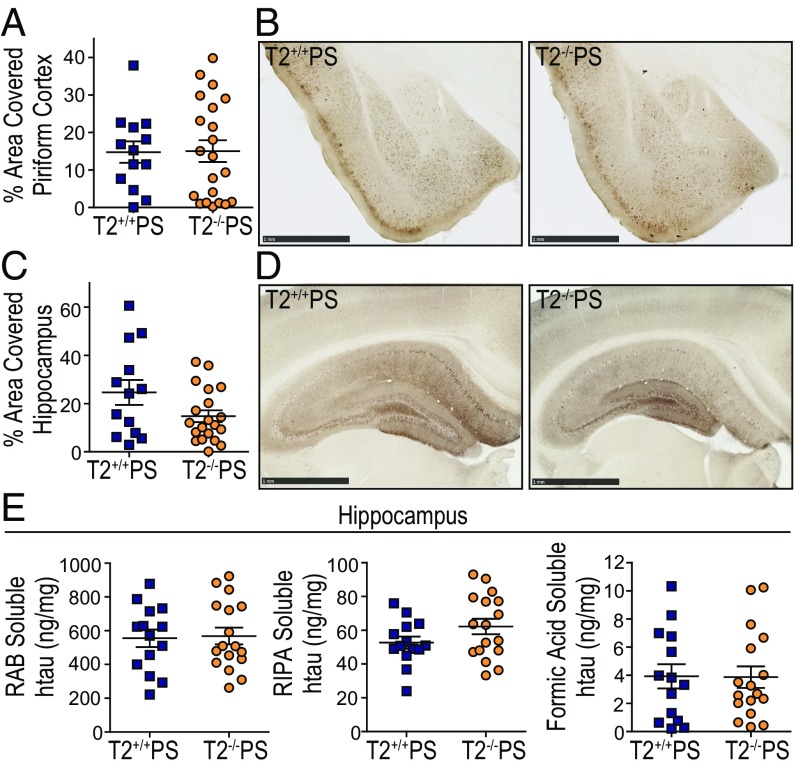
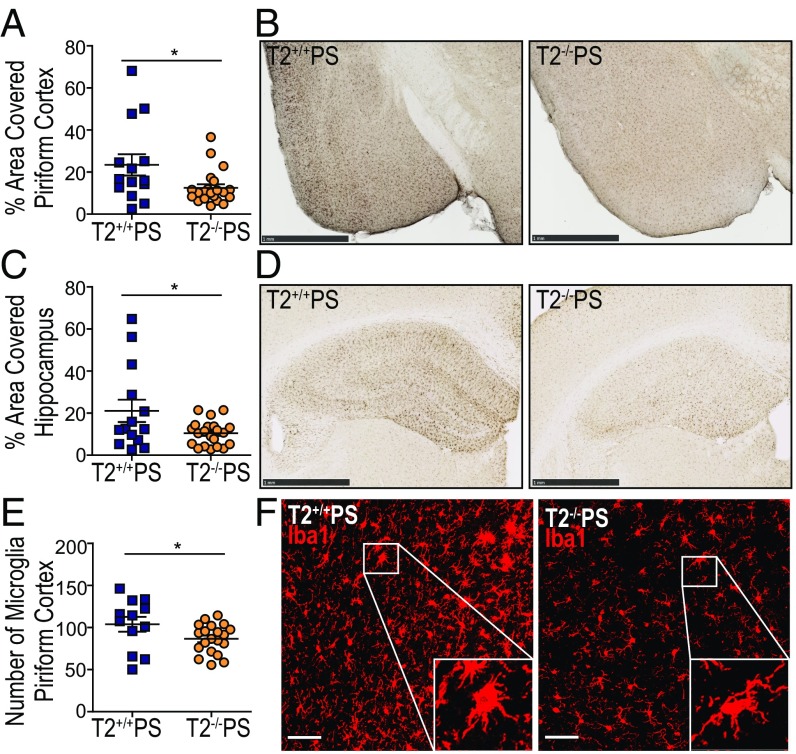
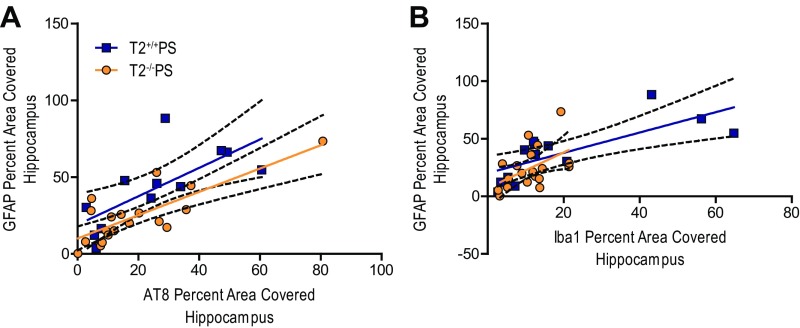
Significance: Alzheimer’s disease (AD) is the most common cause of dementia and is a major public health problem for which there is currently no disease-modifying treatment. There is an urgent need for greater understanding of the molecular mechanisms underlying neurodegeneration in patients to create better therapeutic options. Recently, genetic studies uncovered novel AD risk variants in the microglial receptor, triggering receptor expressed on myeloid cells 2 (TREM2). Previous studies suggested that loss of TREM2 function worsens amyloid-β (Aβ) plaque-related toxicity. In contrast, we observe TREM2 deficiency mitigates neuroinflammation and protects against brain atrophy in the context of tau pathology. These findings indicate dual roles for TREM2 and microglia in the context of amyloid versus tau pathology, which are important to consider for potential treatments targeting TREM2.
Overview
The claims and statistics of this paper haven’t been checked yet.
Run the check — free, no account needed. It reads the open-access text and checks the sources it cites.
Integrity signals
Registry
Cites
Statistics
Figures
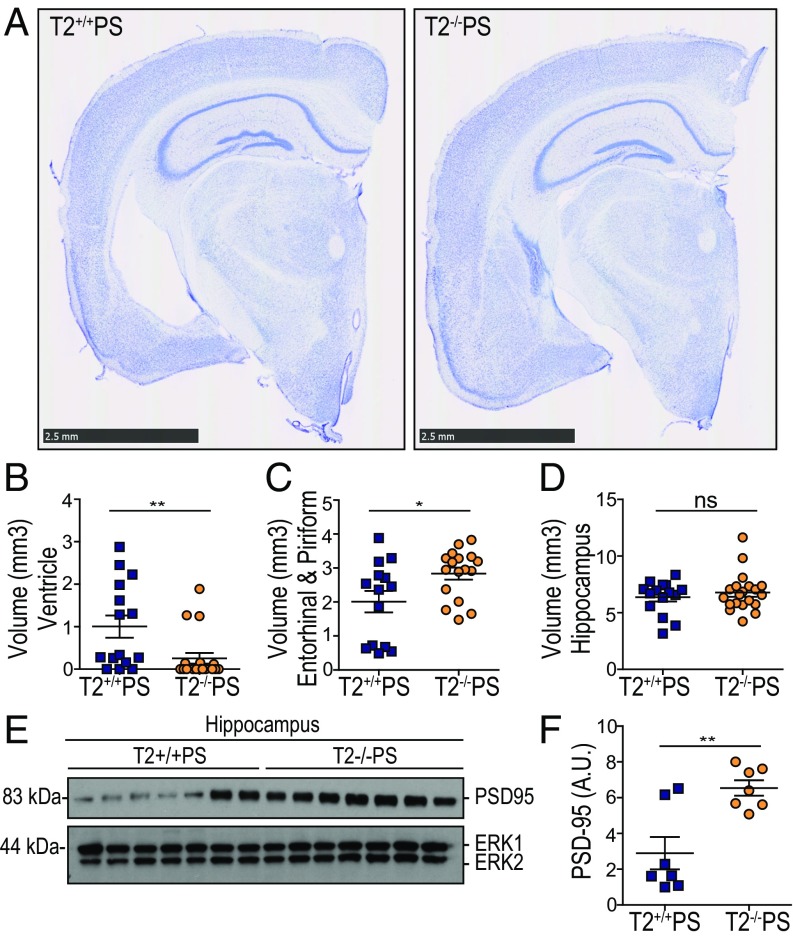
Verification
Claims the paper makes
The claims and statistics of this paper haven’t been checked yet.
Run the check — free, no account needed. It reads the open-access text and checks the sources it cites.
Claims other papers make about this one
Each is checked against this paper’s own text: does it say what the citing paper says it does?
The source backs part of the claim, not all of it — or backs it for a different population, condition or comparison.
In the citing paper
“Earlier studies on other microglial AD risk genes reported opposing effects on AD-related pathologies using various animal models at different ages (8–14).”
From The effect of Abi3 locus deletion on the progression of Alzheimer’s disease-related pathologies (2023) · cites this paper as [14]
Experimental — accuracy not yet measuredThe source backs part of the claim, not all of it — or backs it for a different population, condition or comparison.
In the citing paper
“On the other hand, in PS19 tau transgenic mice that express human tau containing the P301S mutation (in the absence of plaque pathology), loss of TREM2 was protective against brain atrophy and synapse loss [41, 42], and this protective effect was abolished in the presence of ApoE4 [43].”
From Microglial function, INPP5D/SHIP1 signaling, and NLRP3 inflammasome activation: implications for Alzheimer’s disease (2023) · cites this paper as [41]
Experimental — accuracy not yet measuredThe source backs part of the claim, not all of it — or backs it for a different population, condition or comparison.
In the citing paper
“the knockdown of TREM2 could alleviate the neuroinflammation and prevent neurodegeneration of tau pathology in TREM2−/−PS mice compared with wild-type mice (Leyns et al., 2017).”
From AD-Like Neuropsychiatric Dysfunction in a Mice Model Induced by a Combination of High-Fat Diet and Intraperitoneal Injection of Streptozotocin (2024) · cites this paper as Leyns et al., 2017
Experimental — accuracy not yet measuredThe source backs part of the claim, not all of it — or backs it for a different population, condition or comparison.
In the citing paper
“Indeed, manipulation of expression of Trem2, Tyrobp, Cx3cl1/Cx3cr1, IL1β, and IFN-γ have all been shown to have opposing effects on amyloid and tau pathologies [49–51, 55–65].”
From Deletion of Abi3/Gngt2 influences age-progressive amyloid β and tau pathologies in distinctive ways (2022) · cites this paper as [50]
Experimental — accuracy not yet measuredThe cited source says what the claim attributes to it.
In the citing paper
“Trem2 deficiency attenuates neurodegeneration in Tau transgenic mice and seems to reduce the neuroinflammatory response [146].”
From Neuron Loss in Alzheimer’s Disease: Translation in Transgenic Mouse Models (2020) · cites this paper as [146]
The cited source says what the claim attributes to it.
In the citing paper
“These studies have led to the notion that microglia can have differential effects on AD pathology depending on the disease stage.”
From The effect of Abi3 locus deletion on the progression of Alzheimer’s disease-related pathologies (2023) · cites this paper as [14]
The cited source says what the claim attributes to it.
In the citing paper
“However, TREM2 ablation was protective and decreased synaptic impairment and neurodegenerative phenotypes [13] in the PS19 mouse model [17].”
From TREM2-Deficient Microglia Attenuate Tau Spreading In Vivo (2023) · cites this paper as [13]
The cited source says what the claim attributes to it.
In the citing paper
“Collectively, these studies yielded disparate results regarding the effect of TREM2 on tau pathology and whether the effect is amyloid dependent or independent.”
From TREM2-Deficient Microglia Attenuate Tau Spreading In Vivo (2023) · cites this paper as [13]
The cited source says what the claim attributes to it.
In the citing paper
“TREM2 loss-of-function studies have also yielded conflicting outcomes in the context of tau pathology.”
From TREM2-Deficient Microglia Attenuate Tau Spreading In Vivo (2023) · cites this paper as [13]
The cited source says what the claim attributes to it.
In the citing paper
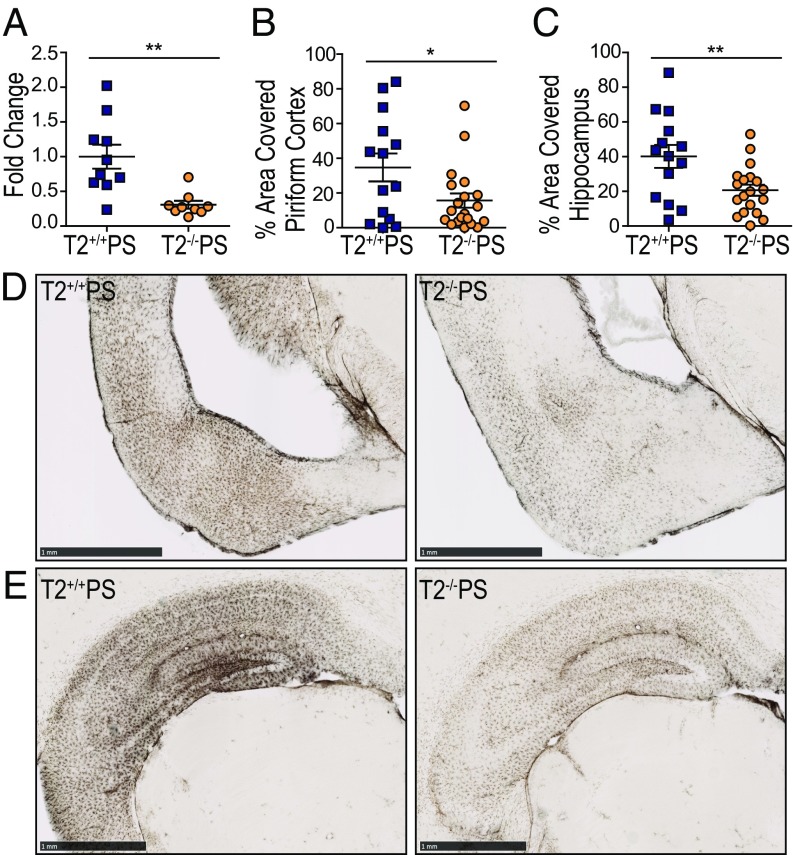
“brain atrophy and microgliosis were reduced [13].”
From TREM2-Deficient Microglia Attenuate Tau Spreading In Vivo (2023) · cites this paper as [13]
The cited source says what the claim attributes to it.
In the citing paper
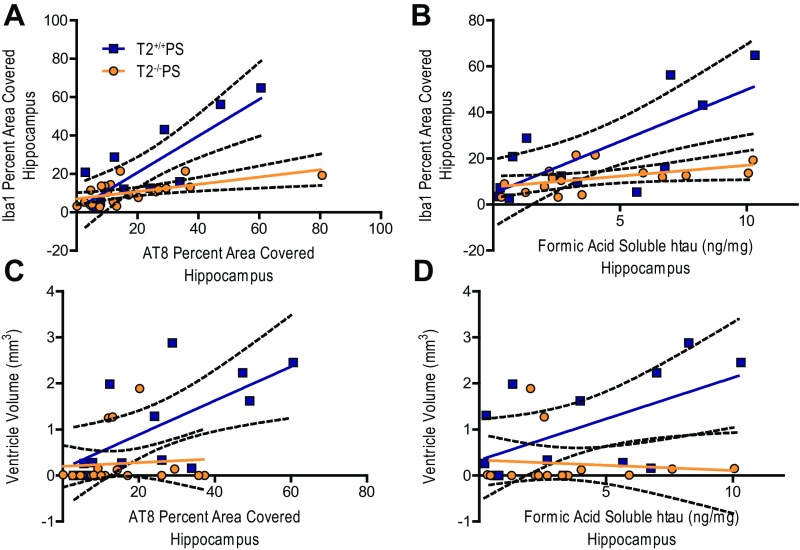
“total deletion of TREM2 did not affect tau pathology in PS19 mice crossed with Trem2 KO mice”
From TREM2-Deficient Microglia Attenuate Tau Spreading In Vivo (2023) · cites this paper as [13]
The cited source says what the claim attributes to it.
In the citing paper
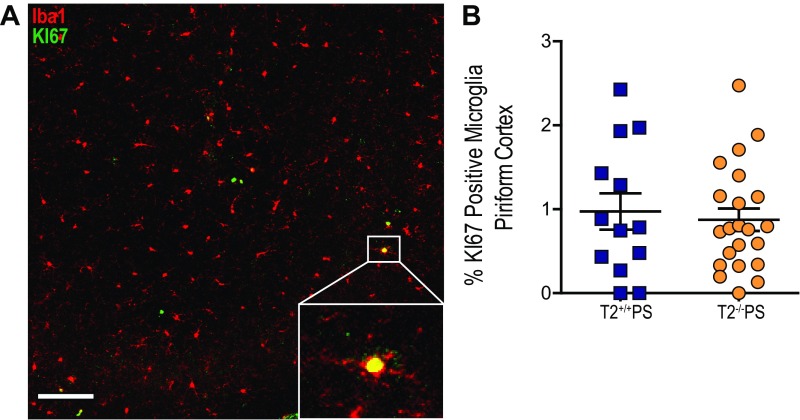
“The authors did not observe differences in microglia proliferation in PS19 mice regardless of Trem2 genotype”
From TREM2-Deficient Microglia Attenuate Tau Spreading In Vivo (2023) · cites this paper as [13]
The cited source says what the claim attributes to it.
In the citing paper
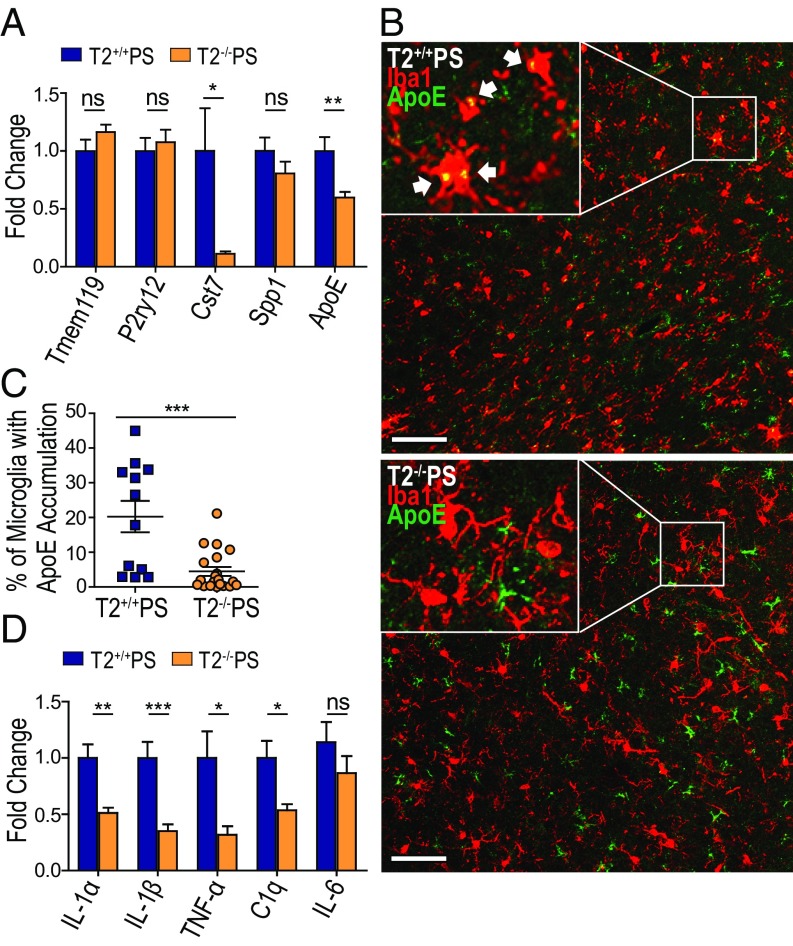
“a decrease in inflammatory transcripts was observed in PS19 mice due to TREM2 ablation”
From TREM2-Deficient Microglia Attenuate Tau Spreading In Vivo (2023) · cites this paper as [13]
The cited source says what the claim attributes to it.
In the citing paper
“it has been shown that TREM2 downregulation affects the phenotype of GFAP-positive astrocytes in the APP/PS1 amyloid mouse model and the PS19 model of tauopathy [8,13].”
From TREM2-Deficient Microglia Attenuate Tau Spreading In Vivo (2023) · cites this paper as [13]
The cited source says what the claim attributes to it.
In the citing paper
“suggesting that TREM2-deficient microglia may undergo metabolic stress, impacting their function and capacity to respond to damage incited by tauopathy, possibly leading to inadvertent cell death [13].”
From TREM2-Deficient Microglia Attenuate Tau Spreading In Vivo (2023) · cites this paper as [13]
The cited source says what the claim attributes to it.
In the citing paper
“the ablation of TREM2 in the PS19 mouse model decreased the number of IBA1-positive microglia in regions affected by tau pathology [13]”
From TREM2-Deficient Microglia Attenuate Tau Spreading In Vivo (2023) · cites this paper as [13]
The cited source says what the claim attributes to it.
In the citing paper
“suggesting that loss of TREM2 function impacts microglial activation, hindering inflammatory responses [13].”
From TREM2-Deficient Microglia Attenuate Tau Spreading In Vivo (2023) · cites this paper as [13]
The cited source says what the claim attributes to it.
In the citing paper
“Interestingly, TREM2 deficiency also protects against tau-associated neurodegeneration in P301S mice (Leyns et al., 2017).”
From Overexpressing low‐density lipoprotein receptor reduces tau‐associated neurodegeneration in relation to apoE‐linked mechanisms (2021) · cites this paper as Leyns et al., 2017
The cited source says what the claim attributes to it.
In the citing paper
“More recently, this dichotomy has been elegantly demonstrated in multiple models of Trem2 and Tyrobp [49–51, 55–59].”
From Deletion of Abi3/Gngt2 influences age-progressive amyloid β and tau pathologies in distinctive ways (2022) · cites this paper as [50]
In the citing paper
“In contrast, in tau-P301S transgenic mice, TREM2 deletion attenuates neuroinflammation and protects against neurodegeneration at a late stage without altering tau phosphorylation and aggregation [127].”
From Tau and neuroinflammation in Alzheimer’s disease: interplay mechanisms and clinical translation (2023) · cites this paper as [127]
In the citing paper
“other studies found that TREM2 deficiency significantly reduced brain atrophy and prevented microglial activation in tau transgenic mice.”
From Microglia in neurodegenerative diseases: mechanism and potential therapeutic targets (2023) · cites this paper as [178]
In the citing paper
“In the tau model of neurodegeneration, genetic deletion of either Apoe or Trem2 also arrested neurodegeneration, demonstrating that this pathway negatively regulates the homeostatic signature182,183.”
From Microglial signatures and their role in health and disease (2018) · cites this paper as [183]
In the citing paper
“References 182 and 183 connect TREM2 and ApoE signalling with exacerbation of neuroinflammation and tauopathy.”
From Microglial signatures and their role in health and disease (2018) · cites this paper as [183]
In the citing paper
“TREM2 deficiency is reported to enhance tau hyperphosphorylation at an early disease stage in htau mice65 and a mid-disease stage in P301S mice [G]66, but does not affect tau pathology at a late-disease stage in P301S mice67”
From Interplay between innate immunity and Alzheimer disease: APOE and TREM2 in the spotlight (2018) · cites this paper as [67]
In the citing paper
“End-stage TREM2−/− P301S mice that exhibit significantly reduced microgliosis and downregulated MGnD genes such as ApoE and cystatin 7 (Cst7), show significantly attenuated brain atrophy compared to TREM2+/+ P301S mice despite no change of tau pathology67.”
From Interplay between innate immunity and Alzheimer disease: APOE and TREM2 in the spotlight (2018) · cites this paper as [67]
In the citing paper
“Targeting TREM2 signaling in the facial nerve axotomy model ameliorates neuronal loss28, and ablation of TREM2 in tauopathy mice attenuates neuroinflammation and neurodegeneration67, similar to the effect of ApoE deletion.”
From Interplay between innate immunity and Alzheimer disease: APOE and TREM2 in the spotlight (2018) · cites this paper as [67]
In the citing paper
“This work shows that dampening neurodegenerative microglial activation via TREM2 deletion reduces neurodegeneration at an advanced disease stage in a tauopathy mouse model, supporting a role of microglia in modulating neurodegeneration.”
From Interplay between innate immunity and Alzheimer disease: APOE and TREM2 in the spotlight (2018) · cites this paper as [67]
Self-check
Percentages, sums and reported differences re-computed from the paper’s own numbers.
The self-check needs the paper’s full text.
Citations
Cites
The Mouse Brain in Stereotaxic Coordinates
Paxinos, G. (2001) · Cited by 12,859
Neurotoxic reactive astrocytes are induced by activated microglia
Liddelow, S. A., Guttenplan, K. A., Clarke, L. E., Bennett, F. C., Bohlen, C. J., Schirmer, L., Bennett, M. L., Münch, A. E., Chung, W.-S., Peterson, T. C., et al. (2017) · Nature · doi:10.1038/nature21029 · Cited by 7,971 · cited 1×
“Recent studies have further demonstrated that microglia can influence astrocyte reactivity in several disease models (34, 35).”
BackgroundA Unique Microglia Type Associated with Restricting Development of Alzheimer’s Disease
Keren-Shaul, H., Spinrad, A., Weiner, A., Matcovitch-Natan, O., Dvir-Szternfeld, R., Ulland, T. K., David, E., Baruch, K., Lara-Astaiso, D., Toth, B., et al. (2017) · Cell · doi:10.1016/j.cell.2017.05.018 · Cited by 5,493
Self-citationTREM2 Variants in Alzheimer's Disease
Guerreiro, R., Wojtas, A., Bras, J., Carrasquillo, M., Rogaeva, E., Majounie, E., Cruchaga, C., Sassi, C., Kauwe, J. S. K., Younkin, S., et al. (2013) · New England Journal of Medicine · doi:10.1056/nejmoa1211851 · Cited by 3,020
Krasemann, S., Madore, C., Cialic, R., Baufeld, C., Calcagno, N., El Fatimy, R., Beckers, L., O’Loughlin, E., Xu, Y., Fanek, Z., et al. (2017) · Immunity · doi:10.1016/j.immuni.2017.08.008 · Cited by 2,979
Self-citationVariant of TREM2 Associated with the Risk of Alzheimer's Disease
Jonsson, T., Stefansson, H., Steinberg, S., Jonsdottir, I., Jonsson, P. V., Snaedal, J., Bjornsson, S., Huttenlocher, J., Levey, A. I., Lah, J. J., et al. (2013) · New England Journal of Medicine · doi:10.1056/nejmoa1211103 · Cited by 2,558 · cited 1×
“The discovery that rare coding variants in the triggering receptor expressed on myeloid cells 2 (TREM2) are associated with a twofold to fourfold increased risk for developing sporadic, lateonset AD further implicates the role of microglia in AD (6, 7).”
BackgroundSynapse Loss and Microglial Activation Precede Tangles in a P301S Tauopathy Mouse Model
Yoshiyama, Y., Higuchi, M., Zhang, B., Huang, S.-M., Iwata, N., Saido, T. C., Maeda, J., Suhara, T., Trojanowski, J. Q., & Lee, V. M.-Y. (2007) · Neuron · doi:10.1016/j.neuron.2007.01.010 · Cited by 2,208
How neuroinflammation contributes to neurodegeneration
Ransohoff, R. M. (2016) · Science · doi:10.1126/science.aag2590 · Cited by 1,967 · cited 1×
“Chronic microglial activation has been hypothesized to lead to excessive neuroinflammation that may exacerbate AD pathologies and neurodegeneration (43).”
BackgroundTREM2 Lipid Sensing Sustains the Microglial Response in an Alzheimer’s Disease Model
Wang, Y., Cella, M., Mallinson, K., Ulrich, J. D., Young, K. L., Robinette, M. L., Gilfillan, S., Krishnan, G. M., Sudhakar, S., Zinselmeyer, B. H., et al. (2015) · Cell · doi:10.1016/j.cell.2015.01.049 · Cited by 1,736
Self-citationAlzheimer’s Disease: The Challenge of the Second Century
Holtzman, D. M., Morris, J. C., & Goate, A. M. (2011) · Science Translational Medicine · doi:10.1126/scitranslmed.3002369 · Cited by 1,424 · cited 1×
“Amyloid-β (Aβ) aggregates form extracellular plaques, while hyperphosphorylated tau (p-tau) is present in intracellular neurofibrillary tangles (1).”
BackgroundSelf-citation
Cited by
Sorted by citations
Items 201–300 of 519
Reduction of the RNA Binding Protein TIA1 Exacerbates Neuroinflammation in Tauopathy
LeBlang, C. J., Medalla, M., Nicoletti, N. W., Hays, E. C., Zhao, J., Shattuck, J. E., Cruz, A. L., Wolozin, B. L., & Luebke, J. I. (2020) · Frontiers in Neuroscience · doi:10.3389/fnins.2020.00285 · Cited by 38
Sekiya, M., Wang, M., Fujisaki, N., Sakakibara, Y., Quan, X., Ehrlich, M. E., De Jager, P. L., Bennett, D. A., Schadt, E. E., Gandy, S., et al. (2018) · Genome Medicine · doi:10.1186/s13073-018-0530-9 · Cited by 38
“These results suggest that glial expression of TREM2/TYROBP exacerbates tau-mediated neurodegeneration without affecting tau accumulation or phosphorylation status, consistent with recent report using TREM2 deficiency mice [73].”
ResultProspective Role of Polyphenolic Compounds in the Treatment of Neurodegenerative Diseases
Akter, R., Rahman, H., Behl, T., Chowdhury, M. A. R., Manirujjaman, M., Bulbul, I. J., Elshenawy, S. E., Ţiţ, D. M., & BUNGAU, S. G. (2021) · CNS & Neurological Disorders - Drug Targets · doi:10.2174/1871527320666210218084444 · Cited by 40
Zhang, N., Ji, Q., Chen, Y., Wen, X., & Shan, F. (2024) · Cell Death and Disease · doi:10.1038/s41419-024-06579-9 · Cited by 40
Spleen tyrosine kinase (SYK) blocks autophagic Tau degradation in vitro and in vivo
Schweig, J. E., Yao, H., Coppola, K., Jin, C., Crawford, F., MULLAN, M. J., & Paris, D. (2019) · Journal of Biological Chemistry · doi:10.1074/jbc.ra119.008033 · Cited by 38
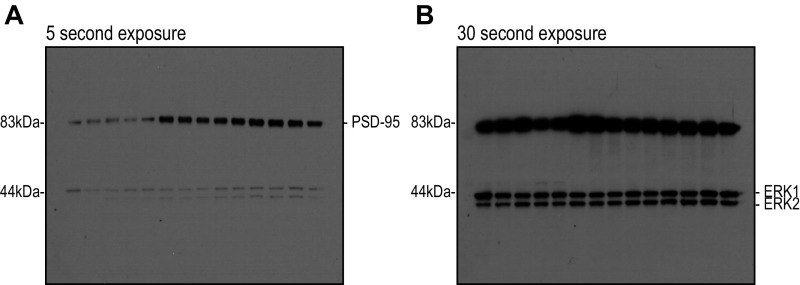
“In addition, it has been established that levels of PSD-95 are significantly reduced in Tg Tau P301S mice and reflect synaptic loss (51, 52).”
BackgroundTondo, G., Marchi, F. D., Bonardi, F., Menegon, F., Verrini, G., Aprile, D., Anselmi, M., Mazzini, L., & Comi, C. (2024) · Journal of Clinical Medicine · doi:10.3390/jcm13113098 · Cited by 45
Microglial TREM2 at the Intersection of Brain Aging and Alzheimer’s Disease
Qu, W., & Li, L. (2021) · The Neuroscientist · doi:10.1177/10738584211040786 · Cited by 38
CX3CL1 Pathway as a Molecular Target for Treatment Strategies in Alzheimer’s Disease
Bivona, G., Iemmolo, M., & Ghersi, G. (2023) · International Journal of Molecular Sciences · doi:10.3390/ijms24098230 · Cited by 35
Immune modulation to treat Alzheimer’s disease
Duggan, M. R., Morgan, D., Price, B. R., Rajbanshi, B., Martín‐Peña, A., Tansey, M. G., & Walker, K. A. (2025) · Molecular Neurodegeneration · doi:10.1186/s13024-025-00828-x · Cited by 44
Etxeberria, A., Shen, Y.-A. A., Vito, S., Silverman, S. M., Imperio, J., Lalehzadeh, G., Soung, A. L., Du, C., Xie, L., Choy, M. K., et al. (2024) · The Journal of Neuroscience · doi:10.1523/jneurosci.2347-23.2024 · Cited by 34
Tallon, C., Bell, B. J., Malvankar, M. M., Deme, P., Nogueras‐Ortiz, C. J., Eren, E., Thomas, A. G., Hollinger, K. R., Pal, A., Mustapić, M., et al. (2023) · Translational Neurodegeneration · doi:10.1186/s40035-023-00383-9 · Cited by 35
He, S., Li, X., Mittra, N., Bhattacharjee, A., Wang, H., Song, S., Zhao, S., Liu, F., & Han, X. (2025) · Advanced Science · doi:10.1002/advs.202410910 · Cited by 34
Schwartz, M., Ramos, J. M. P., & Ben-Yehuda, H. (2020) · The Journal of Immunology · doi:10.4049/jimmunol.1900844 · Cited by 31
Graphene quantum dots obstruct the membrane axis of Alzheimer's amyloid beta
Tang, H., Li, Y., Käkinen, A., Andrikopoulos, N., Sun, Y., Kwak, E., Davis, T. P., Ding, F., & Ke, P. C. (2021) · Physical Chemistry Chemical Physics · doi:10.1039/d1cp04246g · Cited by 36
Pampuščenko, K., Morkūnienė, R., Krasauskas, L., Smirnovas, V., Brown, G. C., & Borutaitė, V. (2023) · Scientific Reports · doi:10.1038/s41598-023-37887-3 · Cited by 31
10-Hydroxydecanoic acid inhibits LPS-induced inflammation by targeting p53 in microglial cells
You, M., Miao, Z., Sienkiewicz, O., Jiang, X., Zhao, X., & Hu, F. (2020) · International Immunopharmacology · doi:10.1016/j.intimp.2020.106501 · Cited by 32
The Specific Mechanism of TREM2 Regulation of Synaptic Clearance in Alzheimer’s Disease
Qin, Q., Wang, M., Yin, Y., & Tang, Y. (2022) · Frontiers in Immunology · doi:10.3389/fimmu.2022.845897 · Cited by 34
“For example, TREM2 has been shown to have a critical role in reducing Ab-induced neuronal atrophy and tau seeding/spreading (55, 56, 58).”
BackgroundNetwork models to enhance the translational impact of cross-species studies
Brynildsen, J. K., Rajan, K., Henderson, M. X., & Bassett, D. S. (2023) · Nature reviews. Neuroscience · doi:10.1038/s41583-023-00720-x · Cited by 32
Takahashi, H., Bhagwagar, S. Z., Nies, S. H., Ye, H., Han, X., Chiasseu, M., Wang, G., Mackenzie, I. R., & Strittmatter, S. M. (2024) · Nature Communications · doi:10.1038/s41467-024-45692-3 · Cited by 32
An Overview of Astrocyte Responses in Genetically Induced Alzheimer’s Disease Mouse Models
Spanos, F., & Liddelow, S. A. (2020) · Cells · doi:10.3390/cells9112415 · Cited by 32
Wu, Y., Wu, M., Ming, S., Zhan, X., Hu, S., Li, X., Yin, H., Cao, C., Liu, J., Li, J., et al. (2021) · Journal of Clinical Investigation · doi:10.1172/jci137407 · Cited by 33
“tein (hTREM-2-Fc) and mouse TREM-2-Fc were purchased from R&D inflammation during chronic infection/inflammation models (17, 21, 22).”
BackgroundMethodBiological correlates of elevated soluble TREM2 in cerebrospinal fluid
Winfree, R. L., Dumitrescu, L. C., Blennow, K., Zetterberg, H., Gifford, K. A., Pechman, K. R., Jefferson, A. L., & Hohman, T. J. (2022) · Neurobiology of Aging · doi:10.1016/j.neurobiolaging.2022.06.013 · Cited by 31
Early microglial and astrocyte reactivity in preclinical Alzheimer's disease
Fernández‐Matarrubia, M., Barrero, A. V., Renuncio‐García, M., Aguilella, M., Lage, C., López‐García, S., Ocejo-Vinyals, J. G., Martínez‐Dubarbie, F., Molfetta, G. D., Pozueta‐Cantudo, A., et al. (2025) · Alzheimer s & Dementia · doi:10.1002/alz.70502 · Cited by 37
“65,66 Consistentwithpreviousstudies,olderagedirectlyinfluencedYKL-40 and plasma GFAP, 19,22,23,52,67 whereas APOE ε 4 status showed no relationship with glial biomarkers.”
Advanced therapeutic strategies targeting microglia: beyond neuroinflammation
Kwon, M. (2022) · Archives of Pharmacal Research · doi:10.1007/s12272-022-01406-1 · Cited by 29
“Regarding synaptic pruning, the phagocytic receptor TREM2 is a key factor related to AD, and, TREM2 deficiency prevents neuronal loss (Leyns et al. 2017).”
BackgroundTREM2 in Alzheimer's disease: Structure, function, therapeutic prospects, and activation challenges
Zgórzyńska, E. (2024) · Molecular and Cellular Neuroscience · doi:10.1016/j.mcn.2024.103917 · Cited by 29
Roles of TREM2 in Alzheimer’s disease
Qi, X., Zhu, K., Ke, W., Wang, J., Mao, S., & Chen, G. (2025) · Translational Neurodegeneration · doi:10.1186/s40035-025-00515-3 · Cited by 38
“Notably, TREM2 KO models exhibit robust neuroprotection in tauopathies, achieving reduced microglial overactivation, alleviation of neuroinflammation, and inhibition of neurodegeneration compared to wild type [158, 339].”
Neurodegenerative diseases have genetic hallmarks of autoinflammatory disease
Richards, R. I., Robertson, S. A., & Kastner, D. L. (2018) · Human Molecular Genetics · doi:10.1093/hmg/ddy139 · Cited by 27
Galectin-3 in Microglia-Mediated Neuroinflammation: Implications for Central Nervous System Diseases
Tian, Y.-K., Ye, D.-W., Ge, M.-M., Chen, N., Zhou, Y.-Q., & Yang, H. (2022) · Current Neuropharmacology · doi:10.2174/1570159x20666220201094547 · Cited by 31
“As a microglial surface receptor, the triggering receptor expressed on myeloid cell 2 (TREM2) is suggested to play a vital role in the immune response in Alzheimer’s disease (AD) initiation and progression [44].”
Vautheny, A., Duwat, C., Aurégan, G., Joséphine, C., Hérard, A.-S., Jan, C., Mitja, J., Gipchtein, P., Gaillard, M.-C., Buée, L., et al. (2021) · Neurobiology of Disease · doi:10.1016/j.nbd.2021.105398 · Cited by 28
MicroRNA‑4722‑5p and microRNA‑615‑3p serve as potential biomarkers for Alzheimer's disease
Liu, Y., Xu, Y., & Yu, M. (2022) · Experimental and Therapeutic Medicine · doi:10.3892/etm.2022.11166 · Cited by 29
“It has been found that reduction or loss of trigger receptor expressed on myeloid cells 2 function in a mouse model of tauopathy was neuroprotec‐ tive, reducing gliosis and neuroinflammation (41).”
BackgroundAlzheimer’s Disease Treatment: The Search for a Breakthrough
Reiss, A. B., Muhieddine, D., Jacob, B., Mesbah, M., Pinkhasov, A., Gomolin, I. H., Stecker, M. M., Wısnıewskı, T., & Leon, J. D. (2023) · Medicina · doi:10.3390/medicina59061084 · Cited by 31
“Genetic mutations in microglial and cytokine receptors also corroborate the neuroinflammatory link to AD [69].”
BackgroundConvergent molecular defects underpin diverse neurodegenerative diseases
Tofaris, G. K., & Buckley, N. J. (2018) · Journal of Neurology Neurosurgery & Psychiatry · doi:10.1136/jnnp-2017-316988 · Cited by 30
The Microglial Response to Neurodegenerative Disease
Song, W. M., & Colonna, M. (2018) · Advances in immunology · doi:10.1016/bs.ai.2018.04.002 · Cited by 30
Self-citationBedoui, Y., Neal, J. W., & Gasque, P. (2018) · Journal of Neuroimmune Pharmacology · doi:10.1007/s11481-018-9793-6 · Cited by 28
Chen, K., Li, F., Zhang, S., Chen, Y., Ikezu, T. C., Li, Z., Martens, Y. A., Qiao, W., Meneses, A. D., Zhu, Y., et al. (2025) · Journal of Neuroinflammation · doi:10.1186/s12974-025-03420-8 · Cited by 29
STING Deletion Protects Against Amyloid β‐induced Alzheimer's Disease Pathogenesis
Thanos, J. M., Campbell, O. C., Cowan, M. N., Bruch, K. R., Moore, K. A., Ennerfelt, H. E., Natale, N. R., Mangalmurti, A., Kerur, N., & Lukens, J. R. (2025) · Alzheimer's & Dementia · doi:10.1002/alz.70305 · Cited by 26
Neurodegenerative phagocytes mediate synaptic stripping in Neuro-HIV
Liberto, G. D., Égervári, K., Kreutzfeldt, M., Schürch, C. M., Hewer, E., Wagner, I., Pasquier, R. D., & Merkler, D. (2022) · Brain · doi:10.1093/brain/awac102 · Cited by 28
Leri, M., Vasarri, M., Carnemolla, F., Oriente, F., Cabaro, S., Stio, M., Degl’Innocenti, D., Stefani, M., & Bucciantini, M. (2023) · Pharmaceuticals · doi:10.3390/ph16070933 · Cited by 29
“Pathologically, AD is marked by the buildup of extracellular senile plaques mainly containing the polymerized 42 kDa amyloid-β peptide (Aβ42) and of intracellular neuronal fibrillar tangles (NTFs) resulting from the polymerization of the hyperphosphorylated tau (p-tau) protein, as well as by reactive gliosis, includin…”
BackgroundKnowledge gaps in Alzheimer's disease immune biomarker research
Morgan, D., & Mielke, M. M. (2021) · Alzheimer s & Dementia · doi:10.1002/alz.12342 · Cited by 26
Yang, Y.-N., Zhang, M.-Q., Yu, F.-L., Han, B., Bao, M.-Y., Yan-He, Yan-he, & Zhang, Y. (2023) · Biochemical Pharmacology · doi:10.1016/j.bcp.2023.115717 · Cited by 26
Hassan, H., Rawlinson, C., Lan, Y., Jenkins, S. I., & Chen, R. (2025) · Biomolecules · doi:10.3390/biom15111629 · Cited by 30
Molecular mechanisms of altered adult hippocampal neurogenesis in Alzheimer's disease
Liu, H., Zhang, H., & Ma, Y. (2021) · Mechanisms of Ageing and Development · doi:10.1016/j.mad.2021.111452 · Cited by 25
Signatures of glial activity can be detected in the CSF proteome
Eninger, T., Müller, S. A., Bacioglu, M., Schweighauser, M., Lambert, M., Maia, L. F., Neher, J. J., Hornfeck, S. M., Obermüller, U., Kleinberger, G., et al. (2022) · Proceedings of the National Academy of Sciences · doi:10.1073/pnas.2119804119 · Cited by 24
Amyloid-β in Alzheimer’s disease – front and centre after all?
Weglinski, C., & Jeans, A. F. (2022) · Neuronal Signaling · doi:10.1042/ns20220086 · Cited by 24
Trem2-deficiency aggravates and accelerates age-related myelin degeneration
McCray, T. J., Bedford, L. M., Bissel, S. J., & Lamb, B. T. (2024) · Acta Neuropathologica Communications · doi:10.1186/s40478-024-01855-3 · Cited by 23
“Likewise, the functional outcome of TREM2 activity is also highly contingent on region and pathological context [4, 31, 39].”
BackgroundLin, C., Kong, Y., Chen, Q., Zeng, J., Pan, X., & Miao, J. (2024) · Frontiers in Aging Neuroscience · doi:10.3389/fnagi.2024.1420731 · Cited by 24
Microglia in Alzheimer’s Disease
Süß, P., & Schlachetzki, J. C. M. (2020) · Current Alzheimer Research · doi:10.2174/1567205017666200212155234 · Cited by 26
Aberrant role of ALK in tau proteinopathy through autophagosomal dysregulation
Park, J., Choi, H., Kim, Y. D., Kim, S.-H., Kim, Y., Gwon, Y., Lee, D. Y., Park, S., Heo, W. D., & Jung, Y. (2021) · Molecular Psychiatry · doi:10.1038/s41380-020-01003-y · Cited by 23
Qu, W., Canoll, P., & Hargus, G. (2023) · Neuroscience · doi:10.1016/j.neuroscience.2022.05.006 · Cited by 24
Zhang, X., Chen, X., Zhang, L., Sun, Y., Liang, Y., Li, H., & Zhang, Y. (2023) · Neurochemistry International · doi:10.1016/j.neuint.2023.105639 · Cited by 23
Tau-Mediated Dysregulation of Neuroplasticity and Glial Plasticity
Koller, E. J., & Chakrabarty, P. (2020) · Frontiers in Molecular Neuroscience · doi:10.3389/fnmol.2020.00151 · Cited by 23
Wang, W., Huang, F., Jiang, W., Wang, W., & Xiang, J. (2020) · Experimental and Therapeutic Medicine · doi:10.3892/etm.2020.9244 · Cited by 23
“Taken together, the NF‐κB and MAPK signaling pathways are crucial for the modulation of inflam‐ mation in various neurological diseases (11,12).”
BackgroundThe effect of Abi3 locus deletion on the progression of Alzheimer’s disease-related pathologies
Karahan, H., Smith, D. C., Kim, B., McCord, B., Mantor, J., John, S. K., Al-Amin, M. M., Dabin, L. C., & Kim, J. (2023) · Frontiers in Immunology · doi:10.3389/fimmu.2023.1102530 · Cited by 20
Amyloid beta and tau are associated with the dual effect of neuroinflammation on neurodegeneration
Povala, G., Bellaver, B., Bastiani, M. A. D., Ferrari‐Souza, J. P., Aguzzoli, C. S., Leffa, D. T., Ferreira, P. C. L., Lussier, F. Z., da Rocha, A. S., Zalzale, H., et al. (2025) · Alzheimer s & Dementia · doi:10.1002/alz.70746 · Cited by 24
“12 It was shown that inhibition of microglial activation protected against tau toxicity 6 and brain atrophy 42 in animal models of tau pathology.”
Evans, R., Watkins, L. M., Hawkins, K., Santiago, G., Demetriou, C., Naughton, M., Dittmer, M., Rees, M. I., Fitzgerald, D. C., Morgan, B. P., et al. (2023) · Frontiers in Cellular Neuroscience · doi:10.3389/fncel.2023.1094106 · Cited by 22
“Reducing TREM2 expression on microglia attenuates inflammation and is protective against neurodegenerative pathology (Leyns et al., 2017).”
BackgroundPathways linking Alzheimer’s disease risk genes expressed highly in microglia
Hodges, A. K., Piers, T. M., Collier, D., Cousins, O., & Pocock, J. M. (2021) · Neuroimmunology and Neuroinflammation · doi:10.20517/2347-8659.2020.60 · Cited by 21
Alzheimer’s Disease, Sleep Disordered Breathing, and Microglia: Puzzling out a Common Link
Ulland, T. K., Ewald, A. C., Knutson, A. O., Marino, K. M., Smith, S. M. C., & Watters, J. J. (2021) · Cells · doi:10.3390/cells10112907 · Cited by 21
“In tau mouse AD models, microglia enhance neurodegeneration [90].”
BackgroundNeuronal Vulnerability of the Entorhinal Cortex to Tau Pathology in Alzheimer’s Disease
Zhang, S., Crossley, C. A., & Yuan, Q. (2024) · British Journal of Biomedical Science · doi:10.3389/bjbs.2024.13169 · Cited by 26
Ye, H., Li, P., Zhai, Q., Yang, S., Yang, S., Sun, Y., Wu, S., Huang, R., 陈齐兴, & Fang, X. (2021) · Molecular and Cellular Endocrinology · doi:10.1016/j.mce.2021.111178 · Cited by 20
The innate immune response in tauopathies
Johnson, A. M., & Lukens, J. R. (2023) · European Journal of Immunology · doi:10.1002/eji.202250266 · Cited by 22
Chen, L.-X., Zhang, M.-D., Xu, H., Ye, H.-Q., Chen, D.-F., Wang, P., Bao, Z.-W., Zou, S.-M., Lv, Y.-T., Wu, Z., et al. (2024) · Research · doi:10.34133/research.0548 · Cited by 22
CSF sTREM2 and Tau Work Together in Predicting Increased Temporal Lobe Atrophy in Older Adults
Halaas, N. B., Henjum, K., Blennow, K., Dakhil, S., Idland, A., Nilsson, L. N. G., Sederevičius, D., Dídac Vidal-piñeiro, A., Walhovd, K. B., Wyller, T. B., et al. (2019) · Cerebral Cortex · doi:10.1093/cercor/bhz240 · Cited by 20
Alzheimer’s Disease Genetics: A Dampened Microglial Response?
Chatila, Z. K., & Bradshaw, E. M. (2021) · The Neuroscientist · doi:10.1177/10738584211024531 · Cited by 20
TREM2-Deficient Microglia Attenuate Tau Spreading In Vivo
Lee-Gosselin, A., Jury-Garfe, N., You, Y., Dabin, L., Soni, D., Dutta, S., Rochet, J.-C., Kim, J., Oblak, A. L., & Lasagna-Reeves, C. A. (2023) · Cells · doi:10.3390/cells12121597 · Cited by 19
“Similarly, it has been shown that TREM2 downregulation affects the phenotype of GFAP-positive astrocytes in the APP/PS1 amyloid mouse model and the PS19 model of tauopathy [8,13].”
BackgroundResultInfluentialTREM2 in Neurodegenerative Diseases: Mechanisms and Therapeutic Potential
Li, L., Zheng, X., Ma, H., Zhu, M., Li, X., Sun, X., & Feng, X. (2025) · Cells · doi:10.3390/cells14171387 · Cited by 22
“Their findings suggested that in pure tauopathy, impaired microglial TREM2 signaling can decrease neuroinflammation and prevent neurodegeneration [112].”
Basha, S. C., Ramaiah, M. J., & Rao, K. S. J. (2023) · Journal of Alzheimer s Disease · doi:10.3233/jad-221070 · Cited by 23
“Additionally, there is an increase in A plaques in the 5XFAD mice model, with deficiency of TREM2 [13], and the contradictory results are reported in different studies [14, 15].”
BackgroundResultNordengen, K., Kirsebom, B., Richter, G., Pålhaugen, L., Gísladóttir, B., Siafarikas, N., Nakling, A. E., Rongve, A., Bråthen, G., Grøntvedt, G. R., et al. (2023) · Journal of Neuroinflammation · doi:10.1186/s12974-023-02973-w · Cited by 21
“Though the role of TREM2 in humans is not fully understood, in a model using mice transgenic for a disease-associated human tau isoform with the P301s mutation, depletion of TREM2 ( Trem2 − / − ) attenuates neuroinflammation and protects against neurodegeneration [72].”
BackgroundMicroglia pack a toolbox for life
Zengeler, K. E., & Lukens, J. R. (2024) · Trends in Immunology · doi:10.1016/j.it.2024.03.010 · Cited by 19
New insights into innate immunity in Alzheimer’s disease: From APOE protective variants to therapies
Chen, Y., & Holtzman, D. M. (2024) · Trends in Immunology · doi:10.1016/j.it.2024.08.001 · Cited by 19
Self-citationMicroglia Biomarkers in Alzheimer’s Disease
Zhang, P., Hu, H., Tan, L., & Yu, J. (2021) · Molecular Neurobiology · doi:10.1007/s12035-021-02348-3 · Cited by 19
Principles of brain aging: Status and challenges of modeling human molecular changes in mice
Kluever, V., & Fornasiero, E. F. (2021) · Ageing Research Reviews · doi:10.1016/j.arr.2021.101465 · Cited by 18
Joshi, P., Riffel, F., Kumar, S., Villacampa, N., Theil, S., Parhizkar, S., Haass, C., Colonna, M., Heneka, M. T., Arzberger, T., et al. (2021) · Acta Neuropathologica Communications · doi:10.1186/s40478-021-01263-x · Cited by 18
Self-citationDeletion of Abi3/Gngt2 influences age-progressive amyloid β and tau pathologies in distinctive ways
Ibanez, K. R., McFarland, K. N., Phillips, J., Allen, M., Lessard, C. B., Zobel, L., De La Cruz, E. G., Shah, S., Vo, Q., Wang, X., et al. (2022) · Alzheimer's Research & Therapy · doi:10.1186/s13195-022-01044-1 · Cited by 18
“…found in Trem2 models, where depending on the disease stage, neuropathology and gene dosage, Trem2 expression (or lack of) recapitulates a partial loss-function or demonstrates additional pathological characteristics (Bemiller et al., 2017, Lee et al., 2021, Leyns et al., 2017, Sayed et al., 2018).”
BackgroundPhenomic Microglia Diversity as a Druggable Target in the Hippocampus in Neurodegenerative Diseases
Lana, D., Magni, G., Landucci, E., Wenk, G. L., Pellegrini-Giampietro, D. E., & Giovannini, M. G. (2023) · International Journal of Molecular Sciences · doi:10.3390/ijms241813668 · Cited by 20
Liu, W., Zhang, Y.-R., Ge, Y., Wang, H.-F., Cheng, W., & Yu, J. (2023) · Molecular Neurobiology · doi:10.1007/s12035-023-03648-6 · Cited by 18
“Leyns et al. found that deficiency of TREM2 would ameliorate neuroinflammation and inactivate microglia in PS19 human tau transgenic line, a murine tauopathy model [59].”
The Role of TREML2 in Alzheimer’s Disease
Wang, S., Gong, P., Yan, E., Zhang, Y., & Jiang, T. (2020) · Journal of Alzheimer s Disease · doi:10.3233/jad-200406 · Cited by 18
Advances in Genetic and Molecular Understanding of Alzheimer’s Disease
Ibáñez, L., Cruchaga, C., & Fernández, M. V. (2021) · Genes · doi:10.3390/genes12081247 · Cited by 20
“Trem2 knockout in a mouse model of tauopathy (PS19) resulted in a reduction in neurodegeneration and inflammation [76].”
BackgroundZajac, D. J., Simpson, J., Zhang, E., Parikh, I., & Estus, S. (2023) · Genes · doi:10.3390/genes14030763 · Cited by 18
“However, the role of TREM2 late in the disease is less clear, where TREM2 activation can ameliorate or exacerbate disease depending on the murine model [13,42,45,46].”
BackgroundTREM2 in neurodegeneration and diseases
Abdulkhaliq, A. A., Alasiri, G., Kim, B., Khan, J., Ajoolabady, A., Yousof, S. M., Ren, J., Tuomilehto, J., Borai, A., Alrfaei, B. M., et al. (2026) · Molecular Psychiatry · doi:10.1038/s41380-026-03505-7 · Cited by 16
Sánchez‐Ruiz de Gordoa, J., Erro, M. E., Vicuña‐Urriza, J., Zelaya, M. V., Tellechea, P., Acha, B., Zueco, S., Urdánoz‐Casado, A., Roldán, M., Blanco‐Luquin, I., et al. (2020) · Movement Disorders · doi:10.1002/mds.27992 · Cited by 18
From Amyloid to Synaptic Dysfunction: Biomarker-Driven Insights into Alzheimer’s Disease
Agnello, L., Gambino, C. M., Ciaccio, A. M., Cacciabaudo, F., Massa, D., Masucci, A., Tamburello, M., Vassallo, R., Midiri, M., Scazzone, C., et al. (2025) · Current Issues in Molecular Biology · doi:10.3390/cimb47080580 · Cited by 21
“Mouse models with TREM2 deletion exhibit an accelerated spread of pathological tau, suggesting a potential regulatory role of TREM2 in tauopathy progression [117].”
InfluentialMicroglia in Brain Aging and Age-Related Diseases: Friends or Foes?
Ishikawa, K., Fujikawa, R., Okita, K., Kimura, F., Watanabe, T., Katsurabayashi, S., & Iwasaki, K. (2025) · International Journal of Molecular Sciences · doi:10.3390/ijms262311494 · Cited by 18
“Conversely, in tauopathy models without A β pathology, Trem2 deficiency attenuated microglial inflammatory responses and reduced neurodegeneration, despite minimal changes in tau burden [103].”
Immunological aspects of central neurodegeneration
Niso‐Santano, M., Fuentes, J. M., & Galluzzi, L. (2024) · Cell Discovery · doi:10.1038/s41421-024-00666-z · Cited by 17
MicroRNAs Modulating Neuroinflammation in Parkinson's disease
Saadh, M. J., Muhammad, F. A., Singh, A., Mustafa, M. A., Zuhairi, R. A. H. A., Ghildiyal, P., Hashim, G. M., Alsaikhan, F., Khalilollah, S., & Akhavan‐Sigari, R. (2024) · Inflammation · doi:10.1007/s10753-024-02125-z · Cited by 16
“Numerous studies have shown that TREM2 is essential in microglia-mediated neuroinflammation [206–208].”
Ennerfelt, H. E., Holliday, C., Shapiro, D. A., Zengeler, K. E., Bolte, A. C., Ulland, T. K., & Lukens, J. R. (2023) · Proceedings of the National Academy of Sciences · doi:10.1073/pnas.2303760120 · Cited by 16
Identification and development of cGAS inhibitors and their uses to treat Alzheimer's disease
Alarcón‐Espósito, J., Nagiri, R. K., Gan, L., & Sinha, S. C. (2025) · Neurotherapeutics · doi:10.1016/j.neurot.2025.e00536 · Cited by 16
Role of triggering receptor expressed on myeloid cells 2 (TREM2) in neurodegenerative dementias
Shafi, S., Singh, A., Ibrahim, A. M., Alhajri, N., Izneid, T. A., & Pottoo, F. H. (2021) · European Journal of Neuroscience · doi:10.1111/ejn.15215 · Cited by 15
“; however, TREM2 haploinsufficiency in PS19 mice was associated with increased pro- inflammatory markers production, aggravated atrophy, and elevated tau pathology (Leyns et al., 2017; Sayed et al., 2018).”
BackgroundHaass, C. (2021) · Neuron · doi:10.1016/j.neuron.2021.03.029 · Cited by 16
Roles of TREM2 in degeneration of human nucleus pulposus cells via NF‐κB p65
Bai, M., Yin, H., Zhao, J., Li, Y., & Wu, Y. (2018) · Journal of Cellular Biochemistry · doi:10.1002/jcb.27126 · Cited by 16
“Downregulating TREM2 is most likely to ameliorate neuroinflammation and attenuate neurodegeneration.(20) In our study, we looked at the roles of TREM2 in the inflammatory response of human NP cells.”
BackgroundLana, D., Ugolini, F., & Giovannini, M. G. (2020) · International Journal of Molecular Sciences · doi:10.3390/ijms21249441 · Cited by 17
Immunological signatures in frontotemporal lobar degeneration
Sirkis, D. W., Bonham, L. W., Karch, C. M., & Yokoyama, J. S. (2019) · Current Opinion in Neurology · doi:10.1097/wco.0000000000000665 · Cited by 14
ApoE4 makes microglia trem2bling
Heneka, M. T. (2023) · Neuron · doi:10.1016/j.neuron.2022.12.032 · Cited by 15
He, Z., Chen, Q., Wang, K., Lin, J., Peng, Y., Zhang, J., Yan, X., & Yan, J. (2024) · European Journal of Neuroscience · doi:10.1111/ejn.16242 · Cited by 18
“However, some contradictory findings indicated that TREM2 deficiency may actually reduce neuroinflammation (Leyns et al., 2017; Ulland & Colonna, 2018).”
BackgroundMicroglial Modulation in Alzheimer’s Disease: Central Players in Neuroinflammation and Pathogenesis
Hussain, M. S., Khan, Y., Fatima, R., Maqbool, M., Ramalingam, P. S., Khan, M. G., & Bisht, A. S. (2025) · Current Alzheimer Research · doi:10.2174/0115672050364292250113063513 · Cited by 15
Refining the interactions between microglia and astrocytes in Alzheimer’s disease pathology
Chen, J., Xu, S., Wang, L., Liu, X., Liu, G., Tan, Q., Li, W., Zhang, S., & Du, Y. (2025) · Neuroscience · doi:10.1016/j.neuroscience.2025.03.033 · Cited by 17
Mo, M., Tang, Y., Wei, L., Qiu, J., Peng, G., Lin, Y., Zhou, M., Dai, W., Zhang, Z., Chen, X. '., et al. (2021) · Frontiers in Aging Neuroscience · doi:10.3389/fnagi.2021.753210 · Cited by 15
Pilat, D. J., Le, H., Prokopenko, D., Lin, C.-C. J., Eimer, W. A., Quinti, L., Gavrilles, E. P., Garcia, S. N., Heitman, S. N., McGinty, D., et al. (2026) · Neuron · doi:10.1016/j.neuron.2025.09.032 · Cited by 14
Immunity in Alzheimer’s disease: From mechanisms to therapies
Chen, X., Holtzman, D. M., & Colonna, M. (2026) · Immunity · doi:10.1016/j.immuni.2026.02.004 · Cited by 18
Self-citationHenningfield, C. M., Soni, N., Lee, R. W., Sharma, R. B., Cleland, J. L., & Green, K. N. (2024) · Alzheimer s Research & Therapy · doi:10.1186/s13195-024-01470-3 · Cited by 14
“Microglia have been increasingly implicated in tau hyperphosphorylation [5, 18, 34, 36, 37, 58], and future studies employing dendrimers in plaque + tau mouse models will be crucial to understand the interaction between microglia and the two primary histopathological hallmarks of AD.”
BackgroundNand, S., Chaturvedi, V. K., Singh, S. P., & Singh, M. P. (2020) · Frontiers in Aging Neuroscience · doi:10.3389/fnagi.2020.00219 · Cited by 14
“hippocampus and entorhinal cortex and also rescues the brain atrophy (Yoshiyama et al., 2007; Leyns et al., 2017).”
Background
Metadata
- Authors
- Leyns, C. E. G., Ulrich, J. D., Finn, M. B., Stewart, F. R., Koscal, L. J., Remolina Serrano, J., Robinson, G. O., Anderson, E., Colonna, M., & Holtzman, D. M.
- Affiliations
- Washington University in St. Louis (US)
- Department of Neurology, Washington University School of Medicine, St. Louis, MO 63110;
- Corresponding author
- Holtzman, David M.
- ORCID
- Venue
- Proceedings of the National Academy of Sciences
- Publisher
- National Academy of Sciences
- Published
- 2017-10-09
- Volume
- 114
- Issue
- 43
- Pages
- 11524-11529
- ISSN
- 0027-8424 (ISSN-L)
- 1091-6490
- PMC
- PMC5663386
- OpenAlex
- W2763928642
- Cited by
- 517
- References
- 50
- Citations by year
- 2026: 41 · 2025: 51 · 2024: 55 · 2023: 78 · 2022: 79 · 2021: 69 · 2020: 54 · 2019: 44 · 2018: 42 · 2017: 3
- FWCI
- 19.48
- Type
- journal article
- Language
- en
- Open access
- hybrid
- doi.org
- Licence
- Locations
- Proceedings of the National Academy of Sciences (publishedVersion, cc-by-nc-nd)
- PubMed Central (publishedVersion, cc-by-nc-nd)
- PubMed (publishedVersion)
- Digital Commons@Becker (Washington University School of Medicine) (submittedVersion, cc-by-nc-nd)
- Funders
- Cure Alzheimer's Fund
- Hope Center for Neurological Disorders
- Center for Cellular Imaging, Washington University
- National Institute on Aging (F31AG053976)
- Topics
- Life Sciences › Neuroscience › Neurology › Neuroinflammation and Neurodegeneration Mechanisms
- Life Sciences › Neuroscience › Cellular and Molecular Neuroscience › Alzheimer's disease research and treatments
- Life Sciences › Neuroscience › Neurology › Neurological Disease Mechanisms and Treatments
- Keywords
- TREM2, tauopathy, neuroinflammation, neurodegeneration, Alzheimer's disease, microglia, tau pathology, brain atrophy, amyloid-beta, TREM2 deficiency, mouse model
- MeSH terms
- Animals, Gene Expression Regulation, Inflammation, Membrane Glycoproteins, Mice, Transgenic, Receptors, Immunologic, Mice, Knockout, Neurodegenerative Diseases, Tauopathies, Mice
About these checks
Registry, retraction, Cites and statistics results are computed, not judged, with one exception: a printed reference that no index lists is read once by a model before it counts as a citation error. Claims are extracted by a model and kept only when their quote appears verbatim in the text; each cited source is then checked, with a model’s help, for whether it says what the claim relies on. Those verdicts can be wrong — read the claim’s quote and the cited source before relying on one.
Statistics and arithmetic are recomputed, not judged.
Confidence bands are shown only for fields calibrated on our annotated test set. None is calibrated yet, so no band is shown.
What counts as a claim ›How we measure confidence ›How we check this ›
Are you an author, or do you see a problem with this page? Request a review
