

The DOI matches its Crossref record; 50 of the 50 references it cites were found in a registry or an index.
TREM2 deficiency attenuates neuroinflammation and protects against neurodegeneration in a mouse model of tauopathy
Open accessAbstract
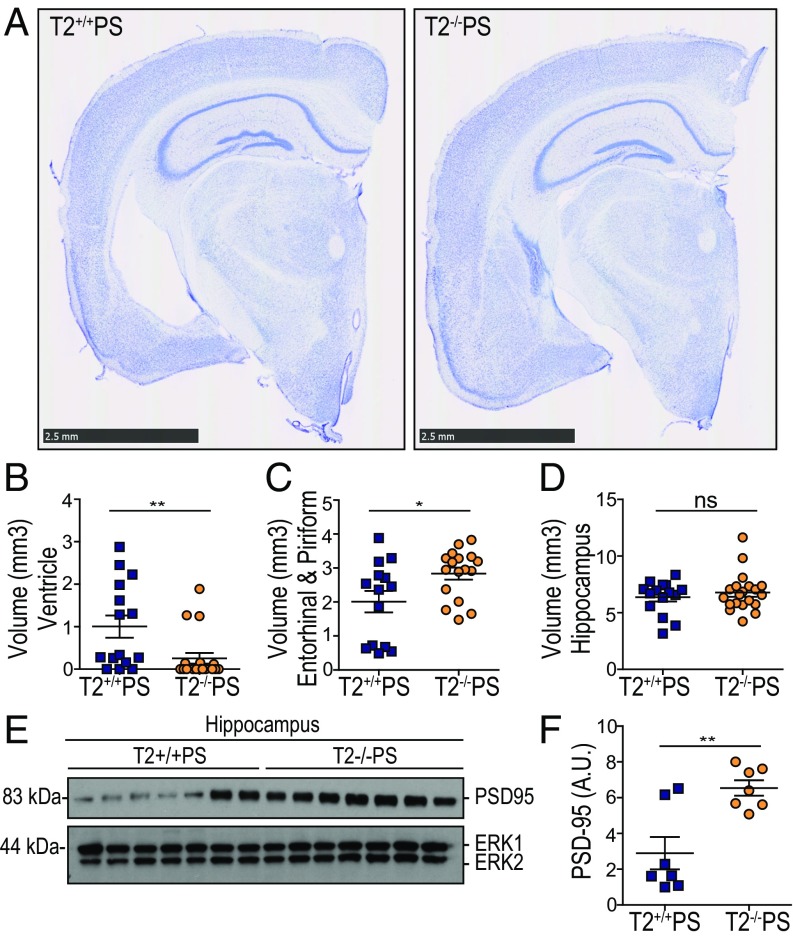
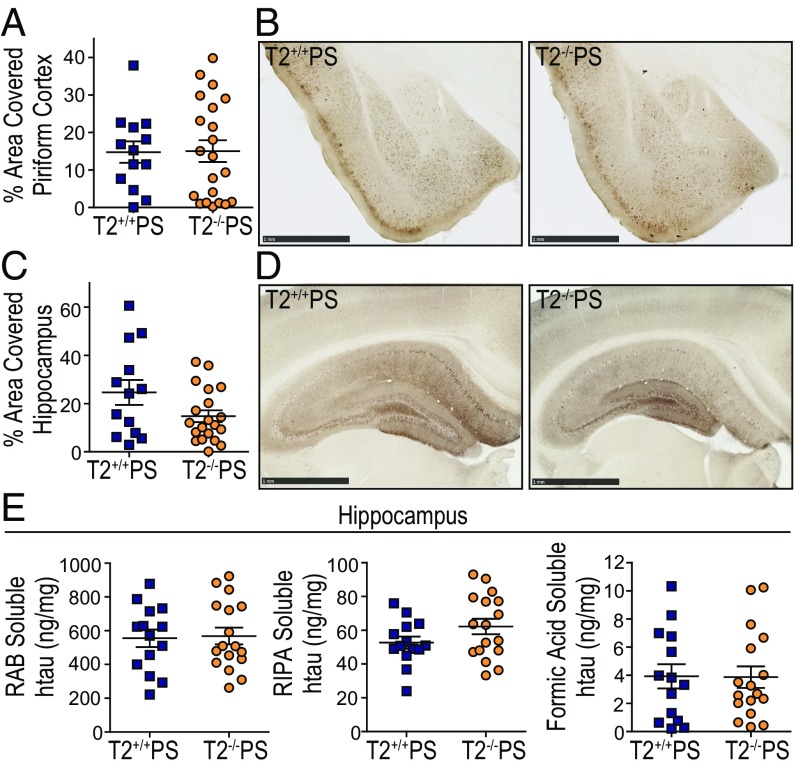
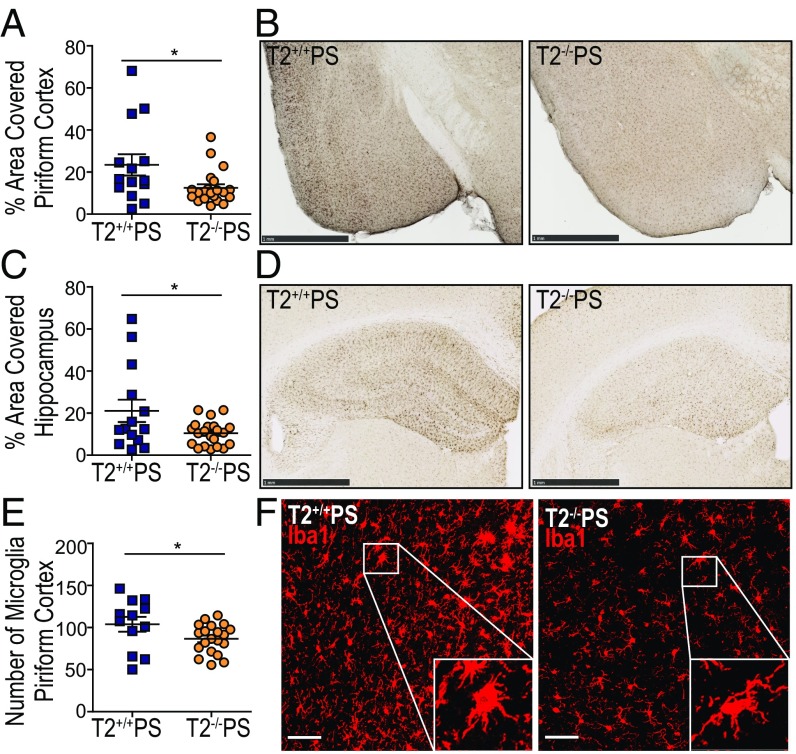
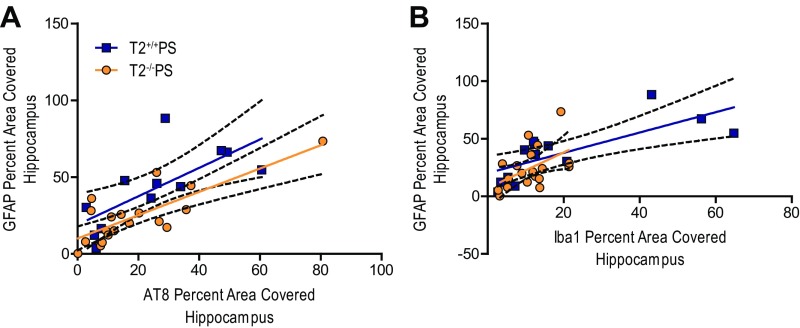
Significance: Alzheimer’s disease (AD) is the most common cause of dementia and is a major public health problem for which there is currently no disease-modifying treatment. There is an urgent need for greater understanding of the molecular mechanisms underlying neurodegeneration in patients to create better therapeutic options. Recently, genetic studies uncovered novel AD risk variants in the microglial receptor, triggering receptor expressed on myeloid cells 2 (TREM2). Previous studies suggested that loss of TREM2 function worsens amyloid-β (Aβ) plaque-related toxicity. In contrast, we observe TREM2 deficiency mitigates neuroinflammation and protects against brain atrophy in the context of tau pathology. These findings indicate dual roles for TREM2 and microglia in the context of amyloid versus tau pathology, which are important to consider for potential treatments targeting TREM2.
Overview
The claims and statistics of this paper haven’t been checked yet.
Run the check — free, no account needed. It reads the open-access text and checks the sources it cites.
Integrity signals
Registry
Cites
Statistics
Figures
Verification
Claims the paper makes
The claims and statistics of this paper haven’t been checked yet.
Run the check — free, no account needed. It reads the open-access text and checks the sources it cites.
Claims other papers make about this one
Each is checked against this paper’s own text: does it say what the citing paper says it does?
The source backs part of the claim, not all of it — or backs it for a different population, condition or comparison.
In the citing paper
“Earlier studies on other microglial AD risk genes reported opposing effects on AD-related pathologies using various animal models at different ages (8–14).”
From The effect of Abi3 locus deletion on the progression of Alzheimer’s disease-related pathologies (2023) · cites this paper as [14]
Experimental — accuracy not yet measuredThe source backs part of the claim, not all of it — or backs it for a different population, condition or comparison.
In the citing paper
“On the other hand, in PS19 tau transgenic mice that express human tau containing the P301S mutation (in the absence of plaque pathology), loss of TREM2 was protective against brain atrophy and synapse loss [41, 42], and this protective effect was abolished in the presence of ApoE4 [43].”
From Microglial function, INPP5D/SHIP1 signaling, and NLRP3 inflammasome activation: implications for Alzheimer’s disease (2023) · cites this paper as [41]
Experimental — accuracy not yet measuredThe source backs part of the claim, not all of it — or backs it for a different population, condition or comparison.
In the citing paper
“the knockdown of TREM2 could alleviate the neuroinflammation and prevent neurodegeneration of tau pathology in TREM2−/−PS mice compared with wild-type mice (Leyns et al., 2017).”
From AD-Like Neuropsychiatric Dysfunction in a Mice Model Induced by a Combination of High-Fat Diet and Intraperitoneal Injection of Streptozotocin (2024) · cites this paper as Leyns et al., 2017
Experimental — accuracy not yet measuredThe source backs part of the claim, not all of it — or backs it for a different population, condition or comparison.
In the citing paper
“Indeed, manipulation of expression of Trem2, Tyrobp, Cx3cl1/Cx3cr1, IL1β, and IFN-γ have all been shown to have opposing effects on amyloid and tau pathologies [49–51, 55–65].”
From Deletion of Abi3/Gngt2 influences age-progressive amyloid β and tau pathologies in distinctive ways (2022) · cites this paper as [50]
Experimental — accuracy not yet measuredThe cited source says what the claim attributes to it.
In the citing paper
“Trem2 deficiency attenuates neurodegeneration in Tau transgenic mice and seems to reduce the neuroinflammatory response [146].”
From Neuron Loss in Alzheimer’s Disease: Translation in Transgenic Mouse Models (2020) · cites this paper as [146]
The cited source says what the claim attributes to it.
In the citing paper
“These studies have led to the notion that microglia can have differential effects on AD pathology depending on the disease stage.”
From The effect of Abi3 locus deletion on the progression of Alzheimer’s disease-related pathologies (2023) · cites this paper as [14]
The cited source says what the claim attributes to it.
In the citing paper
“However, TREM2 ablation was protective and decreased synaptic impairment and neurodegenerative phenotypes [13] in the PS19 mouse model [17].”
From TREM2-Deficient Microglia Attenuate Tau Spreading In Vivo (2023) · cites this paper as [13]
The cited source says what the claim attributes to it.
In the citing paper
“Collectively, these studies yielded disparate results regarding the effect of TREM2 on tau pathology and whether the effect is amyloid dependent or independent.”
From TREM2-Deficient Microglia Attenuate Tau Spreading In Vivo (2023) · cites this paper as [13]
The cited source says what the claim attributes to it.
In the citing paper
“TREM2 loss-of-function studies have also yielded conflicting outcomes in the context of tau pathology.”
From TREM2-Deficient Microglia Attenuate Tau Spreading In Vivo (2023) · cites this paper as [13]
The cited source says what the claim attributes to it.
In the citing paper
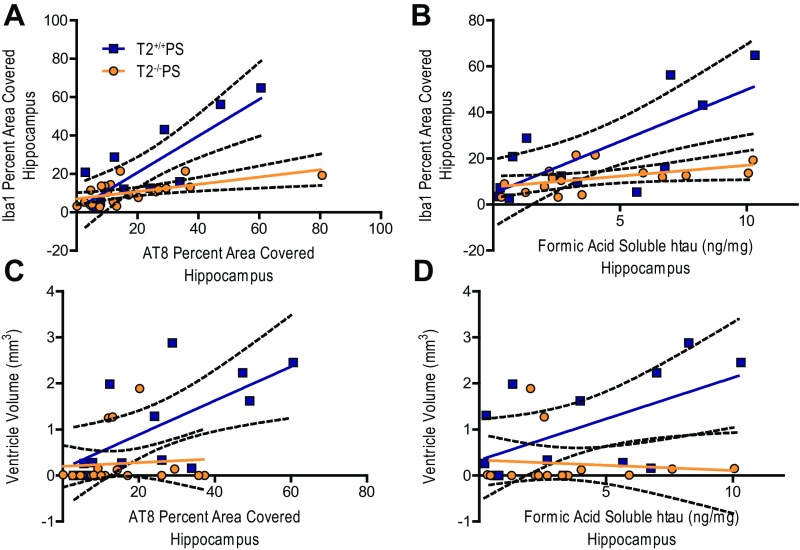
“brain atrophy and microgliosis were reduced [13].”
From TREM2-Deficient Microglia Attenuate Tau Spreading In Vivo (2023) · cites this paper as [13]
The cited source says what the claim attributes to it.
In the citing paper
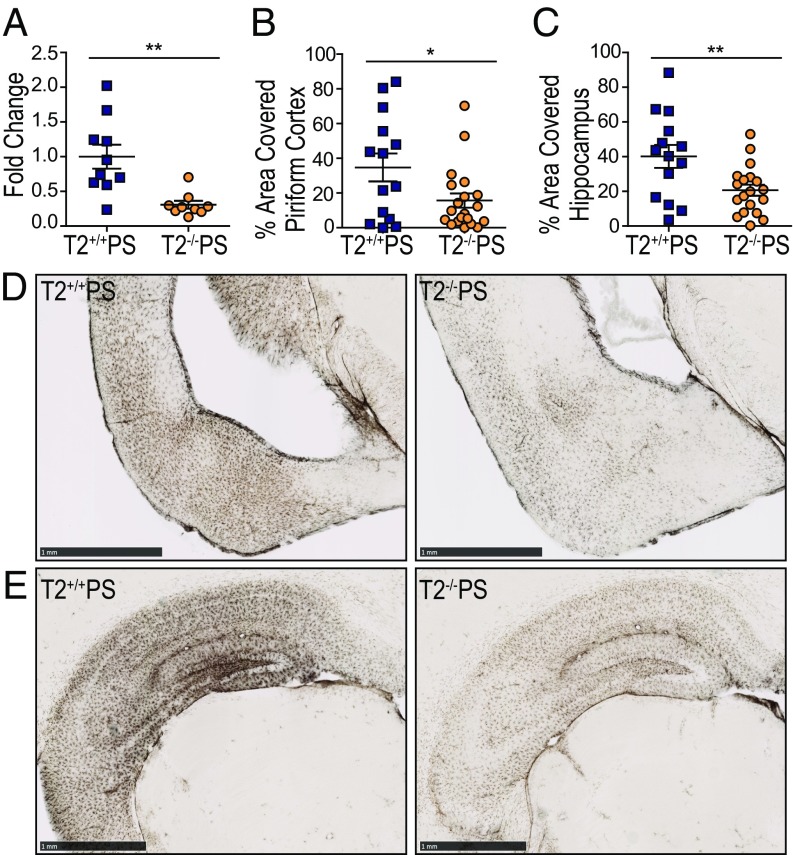
“total deletion of TREM2 did not affect tau pathology in PS19 mice crossed with Trem2 KO mice”
From TREM2-Deficient Microglia Attenuate Tau Spreading In Vivo (2023) · cites this paper as [13]
The cited source says what the claim attributes to it.
In the citing paper
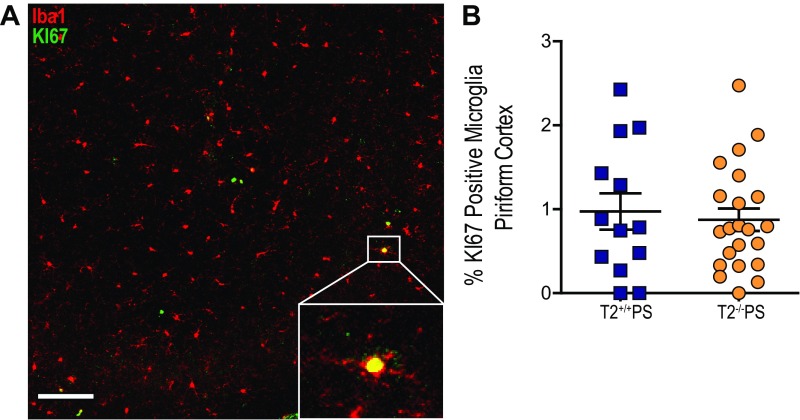
“The authors did not observe differences in microglia proliferation in PS19 mice regardless of Trem2 genotype”
From TREM2-Deficient Microglia Attenuate Tau Spreading In Vivo (2023) · cites this paper as [13]
The cited source says what the claim attributes to it.
In the citing paper
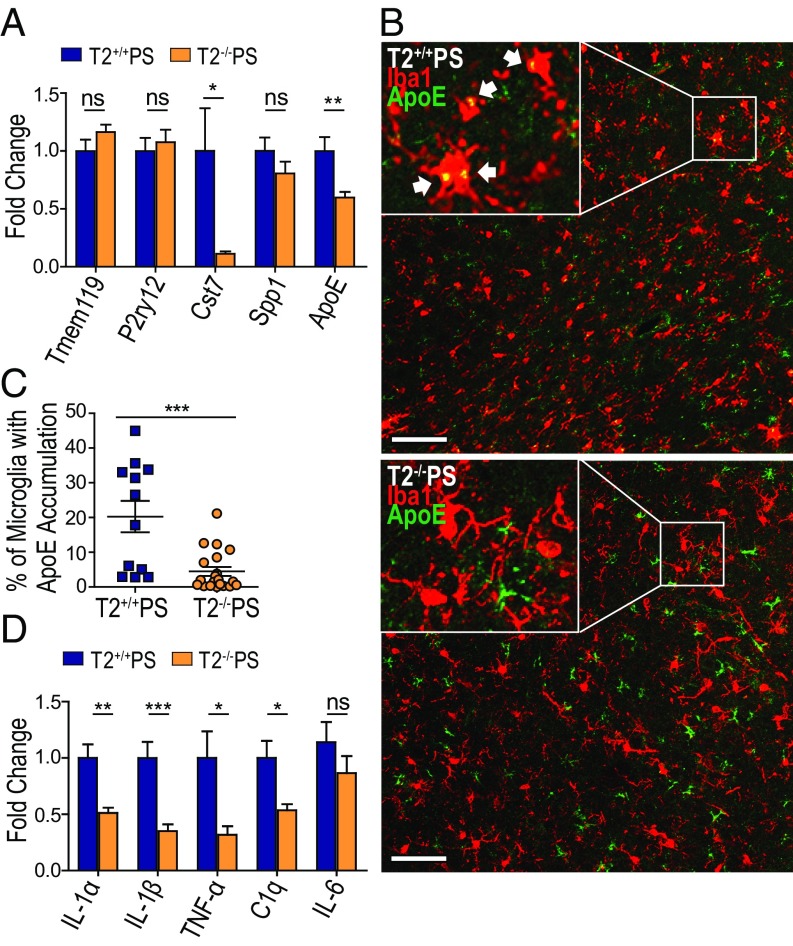
“a decrease in inflammatory transcripts was observed in PS19 mice due to TREM2 ablation”
From TREM2-Deficient Microglia Attenuate Tau Spreading In Vivo (2023) · cites this paper as [13]
The cited source says what the claim attributes to it.
In the citing paper
“it has been shown that TREM2 downregulation affects the phenotype of GFAP-positive astrocytes in the APP/PS1 amyloid mouse model and the PS19 model of tauopathy [8,13].”
From TREM2-Deficient Microglia Attenuate Tau Spreading In Vivo (2023) · cites this paper as [13]
The cited source says what the claim attributes to it.
In the citing paper
“suggesting that TREM2-deficient microglia may undergo metabolic stress, impacting their function and capacity to respond to damage incited by tauopathy, possibly leading to inadvertent cell death [13].”
From TREM2-Deficient Microglia Attenuate Tau Spreading In Vivo (2023) · cites this paper as [13]
The cited source says what the claim attributes to it.
In the citing paper
“the ablation of TREM2 in the PS19 mouse model decreased the number of IBA1-positive microglia in regions affected by tau pathology [13]”
From TREM2-Deficient Microglia Attenuate Tau Spreading In Vivo (2023) · cites this paper as [13]
The cited source says what the claim attributes to it.
In the citing paper
“suggesting that loss of TREM2 function impacts microglial activation, hindering inflammatory responses [13].”
From TREM2-Deficient Microglia Attenuate Tau Spreading In Vivo (2023) · cites this paper as [13]
The cited source says what the claim attributes to it.
In the citing paper
“Interestingly, TREM2 deficiency also protects against tau-associated neurodegeneration in P301S mice (Leyns et al., 2017).”
From Overexpressing low‐density lipoprotein receptor reduces tau‐associated neurodegeneration in relation to apoE‐linked mechanisms (2021) · cites this paper as Leyns et al., 2017
The cited source says what the claim attributes to it.
In the citing paper
“More recently, this dichotomy has been elegantly demonstrated in multiple models of Trem2 and Tyrobp [49–51, 55–59].”
From Deletion of Abi3/Gngt2 influences age-progressive amyloid β and tau pathologies in distinctive ways (2022) · cites this paper as [50]
In the citing paper
“In contrast, in tau-P301S transgenic mice, TREM2 deletion attenuates neuroinflammation and protects against neurodegeneration at a late stage without altering tau phosphorylation and aggregation [127].”
From Tau and neuroinflammation in Alzheimer’s disease: interplay mechanisms and clinical translation (2023) · cites this paper as [127]
In the citing paper
“other studies found that TREM2 deficiency significantly reduced brain atrophy and prevented microglial activation in tau transgenic mice.”
From Microglia in neurodegenerative diseases: mechanism and potential therapeutic targets (2023) · cites this paper as [178]
In the citing paper
“In the tau model of neurodegeneration, genetic deletion of either Apoe or Trem2 also arrested neurodegeneration, demonstrating that this pathway negatively regulates the homeostatic signature182,183.”
From Microglial signatures and their role in health and disease (2018) · cites this paper as [183]
In the citing paper
“References 182 and 183 connect TREM2 and ApoE signalling with exacerbation of neuroinflammation and tauopathy.”
From Microglial signatures and their role in health and disease (2018) · cites this paper as [183]
In the citing paper
“TREM2 deficiency is reported to enhance tau hyperphosphorylation at an early disease stage in htau mice65 and a mid-disease stage in P301S mice [G]66, but does not affect tau pathology at a late-disease stage in P301S mice67”
From Interplay between innate immunity and Alzheimer disease: APOE and TREM2 in the spotlight (2018) · cites this paper as [67]
In the citing paper
“End-stage TREM2−/− P301S mice that exhibit significantly reduced microgliosis and downregulated MGnD genes such as ApoE and cystatin 7 (Cst7), show significantly attenuated brain atrophy compared to TREM2+/+ P301S mice despite no change of tau pathology67.”
From Interplay between innate immunity and Alzheimer disease: APOE and TREM2 in the spotlight (2018) · cites this paper as [67]
In the citing paper
“Targeting TREM2 signaling in the facial nerve axotomy model ameliorates neuronal loss28, and ablation of TREM2 in tauopathy mice attenuates neuroinflammation and neurodegeneration67, similar to the effect of ApoE deletion.”
From Interplay between innate immunity and Alzheimer disease: APOE and TREM2 in the spotlight (2018) · cites this paper as [67]
In the citing paper
“This work shows that dampening neurodegenerative microglial activation via TREM2 deletion reduces neurodegeneration at an advanced disease stage in a tauopathy mouse model, supporting a role of microglia in modulating neurodegeneration.”
From Interplay between innate immunity and Alzheimer disease: APOE and TREM2 in the spotlight (2018) · cites this paper as [67]
Self-check
Percentages, sums and reported differences re-computed from the paper’s own numbers.
The self-check needs the paper’s full text.
Citations
Cites
The Mouse Brain in Stereotaxic Coordinates
Paxinos, G. (2001) · Cited by 12,859
Neurotoxic reactive astrocytes are induced by activated microglia
Liddelow, S. A., Guttenplan, K. A., Clarke, L. E., Bennett, F. C., Bohlen, C. J., Schirmer, L., Bennett, M. L., Münch, A. E., Chung, W.-S., Peterson, T. C., et al. (2017) · Nature · doi:10.1038/nature21029 · Cited by 7,971 · cited 1×
“Recent studies have further demonstrated that microglia can influence astrocyte reactivity in several disease models (34, 35).”
BackgroundA Unique Microglia Type Associated with Restricting Development of Alzheimer’s Disease
Keren-Shaul, H., Spinrad, A., Weiner, A., Matcovitch-Natan, O., Dvir-Szternfeld, R., Ulland, T. K., David, E., Baruch, K., Lara-Astaiso, D., Toth, B., et al. (2017) · Cell · doi:10.1016/j.cell.2017.05.018 · Cited by 5,493
Self-citationTREM2 Variants in Alzheimer's Disease
Guerreiro, R., Wojtas, A., Bras, J., Carrasquillo, M., Rogaeva, E., Majounie, E., Cruchaga, C., Sassi, C., Kauwe, J. S. K., Younkin, S., et al. (2013) · New England Journal of Medicine · doi:10.1056/nejmoa1211851 · Cited by 3,020
Krasemann, S., Madore, C., Cialic, R., Baufeld, C., Calcagno, N., El Fatimy, R., Beckers, L., O’Loughlin, E., Xu, Y., Fanek, Z., et al. (2017) · Immunity · doi:10.1016/j.immuni.2017.08.008 · Cited by 2,979
Self-citationVariant of TREM2 Associated with the Risk of Alzheimer's Disease
Jonsson, T., Stefansson, H., Steinberg, S., Jonsdottir, I., Jonsson, P. V., Snaedal, J., Bjornsson, S., Huttenlocher, J., Levey, A. I., Lah, J. J., et al. (2013) · New England Journal of Medicine · doi:10.1056/nejmoa1211103 · Cited by 2,558 · cited 1×
“The discovery that rare coding variants in the triggering receptor expressed on myeloid cells 2 (TREM2) are associated with a twofold to fourfold increased risk for developing sporadic, lateonset AD further implicates the role of microglia in AD (6, 7).”
BackgroundSynapse Loss and Microglial Activation Precede Tangles in a P301S Tauopathy Mouse Model
Yoshiyama, Y., Higuchi, M., Zhang, B., Huang, S.-M., Iwata, N., Saido, T. C., Maeda, J., Suhara, T., Trojanowski, J. Q., & Lee, V. M.-Y. (2007) · Neuron · doi:10.1016/j.neuron.2007.01.010 · Cited by 2,208
How neuroinflammation contributes to neurodegeneration
Ransohoff, R. M. (2016) · Science · doi:10.1126/science.aag2590 · Cited by 1,967 · cited 1×
“Chronic microglial activation has been hypothesized to lead to excessive neuroinflammation that may exacerbate AD pathologies and neurodegeneration (43).”
BackgroundTREM2 Lipid Sensing Sustains the Microglial Response in an Alzheimer’s Disease Model
Wang, Y., Cella, M., Mallinson, K., Ulrich, J. D., Young, K. L., Robinette, M. L., Gilfillan, S., Krishnan, G. M., Sudhakar, S., Zinselmeyer, B. H., et al. (2015) · Cell · doi:10.1016/j.cell.2015.01.049 · Cited by 1,736
Self-citationAlzheimer’s Disease: The Challenge of the Second Century
Holtzman, D. M., Morris, J. C., & Goate, A. M. (2011) · Science Translational Medicine · doi:10.1126/scitranslmed.3002369 · Cited by 1,424 · cited 1×
“Amyloid-β (Aβ) aggregates form extracellular plaques, while hyperphosphorylated tau (p-tau) is present in intracellular neurofibrillary tangles (1).”
BackgroundSelf-citation
Cited by
Sorted by citations
Items 101–200 of 519
TREM2-independent microgliosis promotes tau-mediated neurodegeneration in the presence of ApoE4.
Gratuze, M., Schlachetzki, J. C. M., D’Oliveira Albanus, R., Jain, N., Novotny, B., Brase, L., Rodriguez, L., Mansel, C., Kipnis, M., O’Brien, S., et al. (2023) · Neuron · doi:10.1016/j.neuron.2022.10.022 · Cited by 115
Self-citationHuang, P., Zhang, Z., Zhang, P., Feng, J., Xie, J., Zheng, Y., Liang, X., Zhu, B., Chen, Z., Feng, S., et al. (2024) · Molecular Neurobiology · doi:10.1007/s12035-023-03713-0 · Cited by 111
“Numerous studies have shown that TREM2 plays an essential role in microglia-mediated neuroinflammation [12–15].”
BackgroundTREM2 triggers microglial density and age-related neuronal loss
Linnartz‐Gerlach, B., Bodea, L., Klaus, C., Ginolhac, A., Halder, R., Sinkkonen, L., Walter, J., Colonna, M., & Neumann, H. (2019) · Glia · doi:10.1002/glia.23563 · Cited by 104
“The indicated animals displayed reduced microgliosis and lower levels of inflammatory cytokines (Leyns et al., 2017).”
BackgroundResultSelf-citationGuo, Y., Wei, X., Yan, H., Qin, Y., Yan, S., Liu, J., Zhao, Y., Jiang, F., & Lou, H. (2019) · The FASEB Journal · doi:10.1096/fj.201900992r · Cited by 101
Sun, L., Cho, H.-J., Sen, S., Arango, A. S., Huynh, T. T., Huang, Y., Bandara, N., Rogers, B. E., Tajkhorshid, E., & Mirica, L. M. (2021) · Journal of the American Chemical Society · doi:10.1021/jacs.1c05470 · Cited by 101
Endosomal sorting and trafficking, the retromer complex and neurodegeneration
Vagnozzi, A. N., & Praticò, D. (2019) · Molecular Psychiatry · doi:10.1038/s41380-018-0221-3 · Cited by 95
MicroRNAs in Alzheimer’s Disease: Function and Potential Applications as Diagnostic Biomarkers
Wei, W., Wang, Z.-Y., Ma, L.-N., Zhang, T.-T., Cao, Y., & Li, H. (2020) · Frontiers in Molecular Neuroscience · doi:10.3389/fnmol.2020.00160 · Cited by 103
Terzioglu, G., & Young-Pearse, T. L. (2023) · Molecular Neurodegeneration · doi:10.1186/s13024-023-00674-9 · Cited by 91
Taylor, X., Cisternas, P., You, Y., You, Y., Xiang, S., Marambio, Y. G., Zhang, J., Vidal, R., & Lasagna‐Reeves, C. A. (2020) · Journal of Neuroinflammation · doi:10.1186/s12974-020-01900-7 · Cited by 93
Kim, R.-E., Shin, C. Y., Han, S., & Kwon, K. J. (2020) · International Journal of Molecular Sciences · doi:10.3390/ijms21197227 · Cited by 93
“In more advanced stages of the disease, involving TREM2-expressing microglia, DAM has been shown to cause extensive inflammation and neurodegeneration [10,11].”
BackgroundMolecular Mechanisms of Synaptotoxicity and Neuroinflammation in Alzheimer’s Disease
Marttinen, M., Takalo, M., Natunen, T., Wittrahm, R., Gabbouj, S., Kemppainen, S., Leinonen, V., Tanila, H., Haapasalo, A., & Hiltunen, M. O. (2018) · Frontiers in Neuroscience · doi:10.3389/fnins.2018.00963 · Cited by 86
TREM2‐dependent effects on microglia in Alzheimer's disease
Zhou, Y., Ulland, T. K., & Colonna, M. (2018) · Frontiers in Aging Neuroscience · doi:10.3389/fnagi.2018.00202 · Cited by 82
Self-citationZhang, X., Tang, L., Yang, J., Meng, L., Chen, J., Zhou, L., Wang, J., Xiong, M., & Zhang, Z. (2023) · Nature Communications · doi:10.1038/s41467-023-42505-x · Cited by 91
Carling, G. K., Fan, L., Foxe, N. R., Norman, K., Wong, M. Y., Zhu, D., Corona, C., Razzoli, A., Yu, F., Yarahmady, A., et al. (2024) · Neuron · doi:10.1016/j.neuron.2024.09.006 · Cited by 89
Self-citationZhang, J., Liu, Y., Zheng, Y., Luo, Y., Du, Y., Zhao, Y., Guan, J., Zhang, X., & Fu, J. (2020) · Journal of Neuroinflammation · doi:10.1186/s12974-019-1688-9 · Cited by 81
Pleiotropic neuroprotective effects of taxifolin in cerebral amyloid angiopathy
Inoue, T., Saitô, S., Tanaka, M., Yamakage, H., Kusakabe, T., Shimatsu, A., Ihara, M., & Satoh‐Asahara, N. (2019) · Proceedings of the National Academy of Sciences · doi:10.1073/pnas.1901659116 · Cited by 81
“(2009) The epigenetic effects of amyloid-beta(1-40) on global DNA and neprilysin genes in murine cerebral endothelial cells.”
BackgroundMaeda, J., Minamihisamatsu, T., Shimojo, M., Zhou, X., Ono, M., Matsuba, Y., Ji, B., Ishii, H., Ogawa, M., Akatsu, H., et al. (2021) · Brain Communications · doi:10.1093/braincomms/fcab011 · Cited by 80
Lee, S.-H., Rezzonico, M. G., Friedman, B. A., Huntley, M. H., Meilandt, W. J., Pandey, S., Chen, Y.-J. J., Easton, A. E., Modrusan, Z. D., Hansen, D. V., et al. (2021) · Cell Reports · doi:10.1016/j.celrep.2021.110158 · Cited by 82
Acute Trem2 reduction triggers increased microglial phagocytosis, slowing amyloid deposition in mice
Schoch, K. M., Ezerskiy, L. A., Morhaus, M. M., Bannon, R. N., Sauerbeck, A. D., Shabsovich, M., Jafar-nejad, P., Rigo, F., & Miller, T. M. (2021) · Proceedings of the National Academy of Sciences · doi:10.1073/pnas.2100356118 · Cited by 78
“In models of pure tauopathy, Trem2 deficiency mitigated tau-mediated cortical neurodegeneration and astrogliosis (28) but increased amyloidinduced tau spreading (19), suggesting TREM2 functions to promote pathology in the presence of tau alone or during later neurodegeneration phases of AD.”
BackgroundNoh, M., Kwon, H. S., Kwon, M., Nahm, M., Jin, H. K., Bae, J., & Kim, S. H. (2025) · Molecular Neurodegeneration · doi:10.1186/s13024-025-00867-4 · Cited by 94
“However, tauopathy models show inconsistent results, suggesting context-dependent effects across disease stages [71, 72].”
Neuron Loss in Alzheimer’s Disease: Translation in Transgenic Mouse Models
Wirths, O., & Zampar, S. (2020) · International Journal of Molecular Sciences · doi:10.3390/ijms21218144 · Cited by 75
“Trem2 deficiency attenuates neurodegeneration in Tau transgenic mice and seems to reduce the neuroinflammatory response [146].”
BackgroundImmune Activation in Alzheimer Disease
Mary, A., Mancuso, R., & Heneka, M. T. (2024) · Annual Review of Immunology · doi:10.1146/annurev-immunol-101921-035222 · Cited by 82
Elder, G. A., Ehrlich, M. E., & Gandy, S. (2019) · Neuroscience Letters · doi:10.1016/j.neulet.2019.134294 · Cited by 76
Loss of TREM2 Confers Resilience to Synaptic and Cognitive Impairment in Aged Mice
Qu, W., & Li, L. (2020) · Journal of Neuroscience · doi:10.1523/jneurosci.2193-20.2020 · Cited by 71
“…tau pathology and seeding but decreased tau-mediated neurodegeneration, whereas TREM2 haplodeficiency aggravates neuroinflammation and exacerbates tau pathology and brain atrophy, showing a complex role of TREM2 in the pathogenic process of AD (Leyns et al., 2017, 2019; Sayed et al., 2018).”
BackgroundLodder, C., Scheyltjens, I., Stancu, I., Lucena, P. B., de Ravé, M. G., Vanherle, S., Vanmierlo, T., Cremers, N., Vanrusselt, H., Brône, B., et al. (2021) · Acta Neuropathologica Communications · doi:10.1186/s40478-021-01204-8 · Cited by 71
“This reveals the detrimental contribution of microglia to disease pathology during ATN progression and is in line with previous work that has reported their detrimental role in tau models of AD [2, 16, 25, 31, 35, 38, 39, 56, 72].”
BackgroundResultCurrent views on meningeal lymphatics and immunity in aging and Alzheimer’s disease
Rego, S., Sánchez, G., & Mesquita, S. D. (2023) · Molecular Neurodegeneration · doi:10.1186/s13024-023-00645-0 · Cited by 79
“This type of comprehensive studies are crucial to continue disentangling the beneficial (or detrimental) role(s) of TREM2 and CD33, and respective intracellular signalling pathways, in murine models of amyloidosis, tauopathy, or mixed pathologies [134, 151, 163–165].”
BackgroundMelchiorri, D., Merlo, S., Micallef, B., Borg, J.-J., & Dráfi, F. (2023) · Frontiers in Pharmacology · doi:10.3389/fphar.2023.1196413 · Cited by 73
“These results are in contrast with previous studies from the same group, linking TREM2-deficiency to exacerbation of tau pathology in animal models (Leyns et al., 2017; Leyns et al., 2019).”
ResultTargeting Microglia in Alzheimer’s Disease: Pathogenesis and Potential Therapeutic Strategies
Sun, Z., Zhang, X., So, K.-F., Jiang, W., & Chiu, K. (2024) · Biomolecules · doi:10.3390/biom14070833 · Cited by 71
“However, conflicting reports suggest that TREM2 deficiency significantly decreases tau-stimulated neurodegeneration, attenuates neuroinflammation, and reduces pro-inflammatory cytokine levels in PS19 tauopathy mice [75].”
BackgroundTREM2 and sTREM2 in Alzheimer’s disease: from mechanisms to therapies
Zhang, L., Xiang, X., Li, Y., Bu, G., & Chen, X. (2025) · Molecular Neurodegeneration · doi:10.1186/s13024-025-00834-z · Cited by 87
“Conversely, in the PS19 model, which expresses the human tau T34 isoform (one N-terminal insert and four microtubule binding repeats, 1N4R) with the P301S mutation, complete TREM2 knockout reduces brain atrophy associated with tau pathology [102].”
Xue, F., & Du, H. (2021) · Cells · doi:10.3390/cells10020321 · Cited by 73
Zhang, Y., Zou, M., Wu, H., Zhu, J., & Jin, T. (2024) · Neurobiology of Disease · doi:10.1016/j.nbd.2024.106710 · Cited by 75
“However, TREM2 activation could be harmful in the context of tauopathy by exacerbating microglial activation and neuroinflammation (Jain et al., 2023; Leyns et al., 2017), so that the direction of STING action is unpredictable.”
BackgroundFang, K., Li, H., Chen, X.-X., Gao, X., Huang, L.-L., Du, A.-Q., Jiang, C., Li, H., & Ge, J. (2020) · Frontiers in Pharmacology · doi:10.3389/fphar.2020.00518 · Cited by 72
Audrain, M., Haure-Mirande, J.-V., Wang, M., Kim, S. H., Fanutza, T., Chakrabarty, P., Fraser, P., St George-Hyslop, P. H., Golde, T. E., Blitzer, R. D., et al. (2019) · Molecular Psychiatry · doi:10.1038/s41380-018-0258-3 · Cited by 68
microRNAs in Neurodegeneration: Current Findings and Potential Impacts
Sharma, S., & Lu, H. (2018) · Journal of Alzheimer’s Disease & Parkinsonism · doi:10.4172/2161-0460.1000420 · Cited by 67
“Triggering Receptor Expressed on Myeloid Cells 2 protein (TREM2) plays an important role in immune surveillance and phagocytic functions of microglia cells in the brain and has been recognized for its importance in neuroinflammation [78,79].”
BackgroundTang, W., Lv, B., Yang, B., Chen, Y., Yuan, F., Ma, L., Chen, S., Zhang, S., & Xia, J. (2019) · Oncogenesis · doi:10.1038/s41389-018-0115-x · Cited by 70
Wang, Q., Wang, Y., Liu, J., Sutphen, C. L., Cruchaga, C., Blazey, T., Gordon, B. A., Su, Y., Chen, C., Shimony, J. S., et al. (2019) · NeuroImage: Clinical · doi:10.1016/j.nicl.2019.101767 · Cited by 63
Alster, P., Madetko‐Alster, N., Koziorowski, D., & Friedman, A. (2020) · Frontiers in Neuroscience · doi:10.3389/fnins.2020.00893 · Cited by 68
Gao, T., Jernigan, J. E., Raza, S. A., Dammer, E. B., Xiao, H., Seyfried, N. T., Levey, A. I., & Rangaraju, S. (2019) · Glia · doi:10.1002/glia.23678 · Cited by 68
“Neuroinflammation, primarily mediated by microglia, plays causal roles, rather than simply bystander roles, in AD and other neurodegenerative disorders (Leyns et al., 2017; Liberman et al., 2018).”
BackgroundAudrain, M., Haure‐Mirande, J., Mleczko, J., Wang, M., Griffin, J. K., St George‐Hyslop, P. H., Fraser, P., Zhang, B., Gandy, S., & Ehrlich, M. E. (2021) · Alzheimer's & Dementia · doi:10.1002/alz.12256 · Cited by 65
Modulation of Glial Function in Health, Aging, and Neurodegenerative Disease
Hanslik, K. L., Marino, K. M., & Ulland, T. K. (2021) · Frontiers in Cellular Neuroscience · doi:10.3389/fncel.2021.718324 · Cited by 69
Emerging perspectives on mitochondrial dysfunction and inflammation in Alzheimer’s disease
Yoo, S., Park, J., Kim, S., & Jung, Y. (2020) · BMB Reports · doi:10.5483/bmbrep.2020.53.1.274 · Cited by 65
Microglia: Friend and foe in tauopathy
Odfalk, K. F., Bieniek, K. F., & Hopp, S. C. (2022) · Progress in Neurobiology · doi:10.1016/j.pneurobio.2022.102306 · Cited by 60
Neurotoxic tau oligomers after single versus repetitive mild traumatic brain injury
Bittar, A., Bhatt, N., Hasan, T. F., Montalbano, M., Puangmalai, N., McAllen, S., Ellsworth, A., Carretero Murillo, M., Taglialatela, G., Lucke-Wold, B., et al. (2019) · Brain Communications · doi:10.1093/braincomms/fcz004 · Cited by 60
“, 2003) and TREM2 (Bemiller et al., 2017; Leyns et al., 2017) alleles also affect tau oligomers and thus contribute to determining the risk for neurodegeneration and late-life dementia (Little et al.”
BackgroundLi, J., Liu, H., Wang, X., Xia, Y. F., Huang, J., Wang, T., Lin, Z., & Xiong, N. (2022) · npj Parkinson s Disease · doi:10.1038/s41531-022-00352-5 · Cited by 62
How the immune system shapes neurodegenerative diseases
Mason, H. D., & McGavern, D. B. (2022) · Trends in Neurosciences · doi:10.1016/j.tins.2022.08.001 · Cited by 67
Complement-mediated synapse loss in Alzheimer’s disease: mechanisms and involvement of risk factors
Wen, L., Bi, D., & Shen, Y. (2023) · Trends in Neurosciences · doi:10.1016/j.tins.2023.11.010 · Cited by 64
Reformulating Pro-Oxidant Microglia in Neurodegeneration
García‐Revilla, J., Alonso-Bellido, I. M., Burguillos, M. Á., Herrera, A. J., Espinosa‐Oliva, A. M., Ruiz, R., Cruz-Hernández, L., García-Domínguez, I., Roca-Ceballos, M. A., Santiago, M., et al. (2019) · Journal of Clinical Medicine · doi:10.3390/jcm8101719 · Cited by 66
“It is paradoxical that absence of TREM2 may be protective in some paradigms [51,61] and exacerbate neuronal damage in others.”
BackgroundTroutman, T. D., Kofman, E. R., & Glass, C. K. (2021) · Molecular Cell · doi:10.1016/j.molcel.2021.08.004 · Cited by 62
Mander, B. A., Dave, A., Lui, K. K., Sprecher, K. E., Berisha, D. E., Chappel-Farley, M. G., Chen, I. Y., Riedner, B. A., Heston, M. B., Suridjan, I., et al. (2022) · SLEEP · doi:10.1093/sleep/zsac135 · Cited by 62
The Amyloid-Beta Clearance: From Molecular Targets to Glial and Neural Cells
Cai, W., Wu, T., & Chen, N. (2023) · Biomolecules · doi:10.3390/biom13020313 · Cited by 69
“Chronic inflammation can up-regulate TREM2 under pathological conditions with AD, and acute inflammatory responses can reduce TREM2 generation in vitro models [93,94].”
BackgroundPatel, H., Martínez, P., Perkins, A., Taylor, X., Jury, N., McKinzie, D. L., & Lasagna‐Reeves, C. A. (2021) · Neurobiology of Aging · doi:10.1016/j.neurobiolaging.2021.09.006 · Cited by 58
“independently of each other is supported by previous studies utilizing the PS19 mouse model, in which neurodegenerative phenotypes were rescued solely by decreasing tau pathology or neuroinflammation but not both (Largo-Barrientos et al., 2021; Leyns et al., 2017).”
BackgroundMethodResultInfluentialFaridar, A., Vasquez, M., Thome, A. D., Yin, Z., Xuan, H., Wang, J. H., Wen, S., Li, X., Thonhoff, J. R., Zhao, W., et al. (2022) · Acta Neuropathologica Communications · doi:10.1186/s40478-022-01447-z · Cited by 64
The Dominantly Inherited Alzheimer Network (DIAN), Li, Z., Del-Aguila, J. L., Dube, U., Budde, J., Martinez, R., Black, K., Xiao, Q., Cairns, N. J., Dougherty, J. D., et al. (2018) · Genome Medicine · doi:10.1186/s13073-018-0551-4 · Cited by 56
“Furthermore, TREM2 deficiency was reported to attenuate tauopathy against brain atrophy [73].”
BackgroundWang, L., Nykänen, N.-P., Western, D., Gorijala, P., Timsina, J., Li, F., Wang, Z., Ali, M., Yang, C., Liu, M., et al. (2024) · Molecular Neurodegeneration · doi:10.1186/s13024-023-00687-4 · Cited by 58
“In contrast, TREM2 is detrimental to tau pathology and Trem2 deficiency protects against neurodegeneration in PS19 human tau transgenic mice [16].”
BackgroundMicroglial Immunometabolism in Alzheimer’s Disease
Shippy, D. C., & Ulland, T. K. (2020) · Frontiers in Cellular Neuroscience · doi:10.3389/fncel.2020.563446 · Cited by 56
LILRB2-mediated TREM2 signaling inhibition suppresses microglia functions
Zhao, P., Xu, Y., Jiang, L.-L., Fan, X., Ku, Z., Li, L., Liu, X., Deng, M., Arase, H., Zhu, J.-J., et al. (2022) · Molecular Neurodegeneration · doi:10.1186/s13024-022-00550-y · Cited by 54
“Although TREM2 is largely believed to play a positive role in regulating amyloid pathology, tau pathology studies have revealed opposite trend [73, 74].”
BackgroundDual role of microglia in neuroinflammation and neurodegenerative diseases
Ajoolabady, A., Kim, B., Abdulkhaliq, A. A., Ren, J. T., Bahijri, S., Tuomilehto, J. O., Borai, A., Khan, J., & Praticò, D. (2025) · Neurobiology of Disease · doi:10.1016/j.nbd.2025.107133 · Cited by 62
Alzheimer’s Disease: A Molecular View of β-Amyloid Induced Morbific Events
Asik, R. M., Suganthy, N., Aarifa, M. A., Kumar, A., Szigeti, K., Máthé, D., Gulyás, B. Z., Archunan, G., & Padmanabhan, P. (2021) · Biomedicines · doi:10.3390/biomedicines9091126 · Cited by 54
Popescu, A. S., Butler, C. A., Allendorf, D. H., Piers, T. M., Mallach, A., Roewe, J., Reinhardt, P., Cinti, A., Redaelli, L., Boudesco, C., et al. (2022) · Glia · doi:10.1002/glia.24318 · Cited by 57
“…in different rodent models of disease, loss of wild-type mTREM2 has been associated with either decreased (Wang et al., 2015) or increased phagocytosis (Schoch et al., 2021), and either decreased (Leyns et al., 2017) or increased synaptic and/or neuronal loss (Lee et al., 2021; Wang et al., 2015).”
BackgroundFan, M., Liu, S., Sun, H.-M., Ma, M.-D., Gao, Y.-J., Qi, C.-C., Xia, Q.-R., & Ge, J.-F. (2022) · Biomedicine & Pharmacotherapy · doi:10.1016/j.biopha.2022.113375 · Cited by 50
Regulation of α-synuclein homeostasis and inflammasome activation by microglial autophagy
Choi, I., Heaton, G. R., Lee, Y.-K., & Yue, Z. (2022) · Science Advances · doi:10.1126/sciadv.abn1298 · Cited by 54
Hernandez, V. G., Lechtenberg, K. J., Peterson, T. C., Zhu, L., Lucas, T. A., Bradshaw, K. P., Owah, J. O., Dorsey, A. I., Gentles, A. J., & Buckwalter, M. S. (2023) · Glia · doi:10.1002/glia.24377 · Cited by 51
Tran, K. M., Kawauchi, S., Kramár, E. A., Rezaie, N., Liang, H. Y., Sakr, J., Gómez-Arboledas, Á., Arreola, M. A., da Cunha, C., Phan, J., et al. (2023) · Molecular Neurodegeneration · doi:10.1186/s13024-023-00598-4 · Cited by 55
“Crossing of these mice with the PS19 mouse model of tauopathy found that the R47H variant exacerbates damage and inflammation and does not function as a loss of function variant [18], unlike similar crosses of PS19 mice with the human BAC TREM2R47H model which actually protected against microglia activation and subseq…”
You, J., Youssef, M., Santos, J. R., Lee, J., & Park, J. (2023) · Biology · doi:10.3390/biology12101307 · Cited by 60
Disease-associated microglia in neurodegenerative diseases: Friend or foe?
Cheng, Y.-H., & Ho, M. S.-C. (2025) · PLoS Biology · doi:10.1371/journal.pbio.3003426 · Cited by 57
“Impaired Trem2 signaling, either via the AD-associated Trem2 variant or genetic deletion, also results in reduced brain atrophy and microgliosis in mice with PS19 tauopathy (Box 1) [37,38], further supporting the view that this pathway may exacerbate disease processes.”
The role of TREM2 in Alzheimer’s disease: from the perspective of Tau
Huang, W., Huang, J., Huang, N., & Luo, Y. (2023) · Frontiers in Cell and Developmental Biology · doi:10.3389/fcell.2023.1280257 · Cited by 49
Effect of APOE alleles on the glial transcriptome in normal aging and Alzheimer’s disease
Serrano-Pozo, A., Li, Z., Noori, A., Nguyen, H. N., Mezlini, A., Li, L., Hudry, E., Jackson, R. J., Hyman, B. T., & Das, S. (2021) · Nature Aging · doi:10.1038/s43587-021-00123-6 · Cited by 49
Li, C., Ren, J., Zhang, M., Wang, H., Fang, Y., Wu, J., & Tang, Y. (2022) · Cellular and Molecular Life Sciences · doi:10.1007/s00018-022-04536-3 · Cited by 52
Loppi, S. H., Kołosowska, N., Kärkkäinen, O. K., Korhonen, P., Huuskonen, M. T., Grubman, A., Dhungana, H., Wojciechowski, S., Pomeshchik, Y., Giordano, M., et al. (2018) · Brain Behavior and Immunity · doi:10.1016/j.bbi.2018.07.021 · Cited by 49
Deming, Y. K., Li, Z., Benítez, B. A., & Cruchaga, C. (2018) · Expert Opinion on Therapeutic Targets · doi:10.1080/14728222.2018.1486823 · Cited by 51
“…deficits and amyloid accumulation by 6 months (Wang et al, 2015), the APP/PS1 mouse model which develops amyloid accumulation 6–9 months and cognitive decline by 12 months (Jay et al, 2015), and the PS19 mouse model which is a model for tauopathy and has no amyloid pathology (Leyns et al, 2017).”
BackgroundInfluentialKey role of the CCR2-CCL2 axis in disease modification in a mouse model of tauopathy
Ben-Yehuda, H., Arad, M., Ramos, J. M. P., Sharon, E., Castellani, G., Ferrera, S., Cahalon, L., Colaiuta, S. P., Salame, T., & Schwartz, M. (2021) · Molecular Neurodegeneration · doi:10.1186/s13024-021-00458-z · Cited by 45
“Importantly, while the role of the resident microglia in these pathologies is still unclear [73, 74], macrophages were demonstrated as essential players in both amyloidosis and tauopathies, as is also shown in the present study.”
BackgroundPal, A., Rani, I., Pawar, A. T., Picozza, M., Rongioletti, M. C. A., & Squitti, R. (2021) · Biomolecules · doi:10.3390/biom11111598 · Cited by 48
“DAMs have been primarily recognized in 5XFAD, and their characteristics have been confirmed in other amyloid-β (Aβ) AD mouse models [24,25,29] and tauopathy models [24,30].”
BackgroundPenney, J., Ralvenius, W. T., Loon, A., Cerit, O., Dileep, V., Milo, B., Pao, P., Woolf, H., & Tsai, L. (2024) · Glia · doi:10.1002/glia.24485 · Cited by 52
“Inflammatory responses by microglia in amyloid and tau models are generally dampened by the loss of TREM2 (Griciuc et al., 2019; Jay et al., 2017; Leyns et al., 2017).”
BackgroundToral-Rios, D., Long, J. M., Ulrich, J. D., Yu, J., Strickland, M. R., Han, X., Holtzman, D. M., Cashikar, A. G., & Paul, S. M. (2024) · Journal of Experimental Medicine · doi:10.1084/jem.20232000 · Cited by 47
“Neuroinflammation is a prominent neuropathological feature of AD, and considerable genetic and experimental evidence have implicated microglia, the brain ’ s resident immune cell, as major drivers of innate immunity-induced neurodegeneration (Leyns and Holtzman, 2017).”
BackgroundMethodSelf-citationCuddy, L. K., Prokopenko, D., Cunningham, E. P., Brimberry, R., Song, P., Kirchner, R., Chapman, B., Hofmann, O., Hide, W., Procissi, D., et al. (2020) · Science Translational Medicine · doi:10.1126/scitranslmed.aaz2541 · Cited by 45
TREM-2 is a sensor and activator of T cell response in SARS-CoV-2 infection
Wu, Y., Wang, M., Yin, H., Ming, S., Li, X., Jiang, G., Liu, Y., Wang, P., Zhou, G., Liu, L., et al. (2021) · Science Advances · doi:10.1126/sciadv.abi6802 · Cited by 45
“Nevertheless, TREM-2 signal was reported to be proinflammatory and destructive in vivo in some infectious models, intestinal and neurological disease ( 22 , 23 , 72 ).”
New insight on microglia activation in neurodegenerative diseases and therapeutics
Xu, Y., Gao, W., Sun, Y., & Wu, M. (2023) · Frontiers in Neuroscience · doi:10.3389/fnins.2023.1308345 · Cited by 50
The night’s watch: Exploring how sleep protects against neurodegeneration
Parhizkar, S., & Holtzman, D. M. (2025) · Neuron · doi:10.1016/j.neuron.2025.02.004 · Cited by 54
Self-citationHarnessing Immunoproteostasis to Treat Neurodegenerative Disorders
Golde, T. E. (2019) · Neuron · doi:10.1016/j.neuron.2019.02.027 · Cited by 45
Alzheimer’s genes in microglia: a risk worth investigating
Sudwarts, A., & Thinakaran, G. (2023) · Molecular Neurodegeneration · doi:10.1186/s13024-023-00679-4 · Cited by 52
“The role of TREM2 in tauopathy is less clear, with evidence that it both ameliorates [42, 43] and facilitates [44] tau pathology in different models (hTau & AAV-P301L versus PS19 transgenic, respectively).”
BackgroundSchmitz, T. W., Soreq, H., Poirier, J., & Spreng, R. N. (2020) · Journal of Neuroscience · doi:10.1523/jneurosci.1184-19.2019 · Cited by 47
“…amyloid pathology (Keren-Shaul et al., 2017), the subsequent onset of tau pathology is associated with a large increase in sTREM2 (Nordengen et al., 2019; Suárez-Calvet et al., 2019), which may reflect the transition of microglia to a proinflammatory transcriptional profile (Leyns et al., 2017).”
BackgroundGenetic risk factors for Alzheimer disease: emerging roles of microglia in disease pathomechanisms
Takatori, S., Wang, W., Iguchi, A., & Tomita, T. (2019) · Advances in Experimental Medicine and Biology · doi:10.1007/978-3-030-05542-4_5 · Cited by 44
Correia, A. S., Cardoso, A., & Vale, N. (2021) · International Journal of Molecular Sciences · doi:10.3390/ijms22168525 · Cited by 46
Li, Y., Tang, H., Zhu, H., Käkinen, A., Wang, D., Andrikopoulos, N., Sun, Y., Nandakumar, A., Kwak, E., Davis, T. P., et al. (2021) · ACS Applied Materials & Interfaces · doi:10.1021/acsami.1c06478 · Cited by 46
Granzyme K+ CD8 T cells slow tauopathy progression by targeting microglia
Mason, H. D., Latour, Y. L., Boughter, C. T., Johnson, K. R., Maric, D., Dorrier, C., Guedes, V. A., Lai, C., Duncker, P. C., Johnson, A. M., et al. (2025) · Nature Immunology · doi:10.1038/s41590-025-02198-4 · Cited by 48
“However, manipulation of Trem2 in animal models of neurodegeneration has yielded mixed results, with some studies showing that Trem2 signaling slows disease progression 13–16 and others demonstrating the opposite 9,14,17 .”
Neuroinflammation in Alzheimer's disease and beneficial action of luteolin
Delgado, A., Cholevas, C., & Theoharides, T. C. (2021) · BioFactors · doi:10.1002/biof.1714 · Cited by 48
“In the setting of pure tauopathy, complete loss of TREM2 signaling led to reduced neuroinflammation and was protective against neurodegeneration.(109) Yet, when studied with regards to Aβ build-up, haplodeficient TREM2 has been shown to lead to less microglial clustering around plaques, less compact plaques overall an…”
BackgroundSahara, N., & Yanai, R. (2023) · Frontiers in Neuroscience · doi:10.3389/fnins.2023.1149761 · Cited by 46
“org of TREM2 gene clearly reduced brain atrophy, tau-induced neurodegeneration and disease-associated microglial markers (Leyns et al., 2017).”
BackgroundNeuroimmunometabolism: A New Pathological Nexus Underlying Neurodegenerative Disorders
Mitra, S., Banik, A., Saurabh, S., Maulik, M., & Khatri, S. (2022) · Journal of Neuroscience · doi:10.1523/jneurosci.0998-21.2022 · Cited by 45
“On the other hand, loss of TREM2 mitigates neuroinflammation in a mouse model of Tau-mediated neurodegeneration (Leyns et al., 2017).”
Martin, N. A., Nawrocki, A., Molnar, V., Elkjaer, M. L., Thygesen, E. K., Palkovits, M., Acs, P., Sejbaek, T., Nielsen, H. H., Hegedus, Z., et al. (2018) · PLOS ONE · doi:10.1371/journal.pone.0202530 · Cited by 29
“However, in recent neurodegenerative models with early pathology, targeting the TREM2/TYROBP-APOE pathway restored the homeostatic signature of microglia, and reduced neurodegeneration and neuroinflammation [27,31,32].”
BackgroundThe role of TREM2 in Alzheimer's disease; evidence from transgenic mouse models
Karanfilian, L., Tosto, M. G., & Malki, K. (2019) · Neurobiology of Aging · doi:10.1016/j.neurobiolaging.2019.09.004 · Cited by 40
The Dual Role of Microglia in the Progression of Alzheimer's Disease
Onuska, K. M. (2020) · Journal of Neuroscience · doi:10.1523/jneurosci.2594-19.2020 · Cited by 41
“In more advanced stages of the disease, TREM2-expressing microglia interact with accumulating tau tangles, and this interaction has been shown to cause extensive inflammation and neurodegeneration (Bemiller et al., 2017; Leyns et al., 2017).”
BackgroundGlial cells and adaptive immunity in frontotemporal dementia with tau pathology
Hartnell, I. J., Blum, D. L., Nicoll, J. A. R., Dorothée, G., & Boche, D. (2020) · Brain · doi:10.1093/brain/awaa457 · Cited by 41
Loss of forebrain BIN1 attenuates hippocampal pathology and neuroinflammation in a tauopathy model
Ponnusamy, M., Wang, S., Yuksel, M., Hansen, M. T., Blazier, D. M., McMillan, J. D., Zhang, X., Dammer, E. B., Collier, L. A., & Thinakaran, G. (2022) · Brain · doi:10.1093/brain/awac318 · Cited by 44
Winfree, R. L., Seto, M., Dumitrescu, L. C., Menon, V., Jager, P. L. D., Wang, Y., Schneider, J. A., Bennett, D. A., Jefferson, A. L., & Hohman, T. J. (2023) · Acta Neuropathologica · doi:10.1007/s00401-023-02564-2 · Cited by 39
“Rather, it is thought to be the case that TREM2 regulation of microglial activity and subsequent immune dysfunction are external triggers of neuronal tau pathology via microgliosis and excessive neuroinflammation [35].”
BackgroundHerman, F. J., Westfall, S., Brathwaite, J. S., & Pasinetti, G. M. (2018) · Frontiers in Pharmacology · doi:10.3389/fphar.2018.00867 · Cited by 43
The Emerging Roles and Therapeutic Potential of Soluble TREM2 in Alzheimer’s Disease
Zhong, L., & Chen, X. (2019) · Frontiers in Aging Neuroscience · doi:10.3389/fnagi.2019.00328 · Cited by 40
Henningfield, C. M., Arreola, M. A., Soni, N., Spangenberg, E. E., & Green, K. N. (2022) · Glia · doi:10.1002/glia.24105 · Cited by 40
“…knock-out studies have shown differential effects on inflammation in plaque versus tau pathology developing mouse models (Jiang et al., 2016; Leyns et al., 2017; Wang et al., 2016), while recent studies have highlighted the protective effects of both global ApoE knock-out and microglial…”
ResultBlood-brain barrier and innate immunity in the pathogenesis of Alzheimer's disease
Šimić, G., Španić, E., Horvat, L. L., & Hof, P. R. (2019) · Progress in molecular biology and translational science · doi:10.1016/bs.pmbts.2019.06.003 · Cited by 40
Chen, Y., Hong, T., Chen, F., Sun, Y., Wang, Y., & Cui, L. (2021) · Frontiers in Aging Neuroscience · doi:10.3389/fnagi.2021.631827 · Cited by 40
Kumar, S., Budhathoki, S., Oliveira, C. B., Kahle, A. D., Calhan, O. Y., Lukens, J. R., & Deppmann, C. D. (2023) · JCI Insight · doi:10.1172/jci.insight.157433 · Cited by 41
“exhibited diminished plaque burden, it would appear that the reduced microglial activation/plaque interaction may be beneficial in this setting in contrast to other cases, such as with TREM2 loss, which leads to increased plaque load and worsening of cognitive function (37, 38).”
Result
Metadata
- Authors
- Leyns, C. E. G., Ulrich, J. D., Finn, M. B., Stewart, F. R., Koscal, L. J., Remolina Serrano, J., Robinson, G. O., Anderson, E., Colonna, M., & Holtzman, D. M.
- Affiliations
- Washington University in St. Louis (US)
- Department of Neurology, Washington University School of Medicine, St. Louis, MO 63110;
- Corresponding author
- Holtzman, David M.
- ORCID
- Venue
- Proceedings of the National Academy of Sciences
- Publisher
- National Academy of Sciences
- Published
- 2017-10-09
- Volume
- 114
- Issue
- 43
- Pages
- 11524-11529
- ISSN
- 0027-8424 (ISSN-L)
- 1091-6490
- PMC
- PMC5663386
- OpenAlex
- W2763928642
- Cited by
- 517
- References
- 50
- Citations by year
- 2026: 41 · 2025: 51 · 2024: 55 · 2023: 78 · 2022: 79 · 2021: 69 · 2020: 54 · 2019: 44 · 2018: 42 · 2017: 3
- FWCI
- 19.48
- Type
- journal article
- Language
- en
- Open access
- hybrid
- doi.org
- Licence
- Locations
- Proceedings of the National Academy of Sciences (publishedVersion, cc-by-nc-nd)
- PubMed Central (publishedVersion, cc-by-nc-nd)
- PubMed (publishedVersion)
- Digital Commons@Becker (Washington University School of Medicine) (submittedVersion, cc-by-nc-nd)
- Funders
- Cure Alzheimer's Fund
- Hope Center for Neurological Disorders
- Center for Cellular Imaging, Washington University
- National Institute on Aging (F31AG053976)
- Topics
- Life Sciences › Neuroscience › Neurology › Neuroinflammation and Neurodegeneration Mechanisms
- Life Sciences › Neuroscience › Cellular and Molecular Neuroscience › Alzheimer's disease research and treatments
- Life Sciences › Neuroscience › Neurology › Neurological Disease Mechanisms and Treatments
- Keywords
- TREM2, tauopathy, neuroinflammation, neurodegeneration, Alzheimer's disease, microglia, tau pathology, brain atrophy, amyloid-beta, TREM2 deficiency, mouse model
- MeSH terms
- Animals, Gene Expression Regulation, Inflammation, Membrane Glycoproteins, Mice, Transgenic, Receptors, Immunologic, Mice, Knockout, Neurodegenerative Diseases, Tauopathies, Mice
About these checks
Registry, retraction, Cites and statistics results are computed, not judged, with one exception: a printed reference that no index lists is read once by a model before it counts as a citation error. Claims are extracted by a model and kept only when their quote appears verbatim in the text; each cited source is then checked, with a model’s help, for whether it says what the claim relies on. Those verdicts can be wrong — read the claim’s quote and the cited source before relying on one.
Statistics and arithmetic are recomputed, not judged.
Confidence bands are shown only for fields calibrated on our annotated test set. None is calibrated yet, so no band is shown.
What counts as a claim ›How we measure confidence ›How we check this ›
Are you an author, or do you see a problem with this page? Request a review
