

The DOI matches its Crossref record; 50 of the 50 references it cites were found in a registry or an index.
TREM2 deficiency attenuates neuroinflammation and protects against neurodegeneration in a mouse model of tauopathy
Open accessAbstract
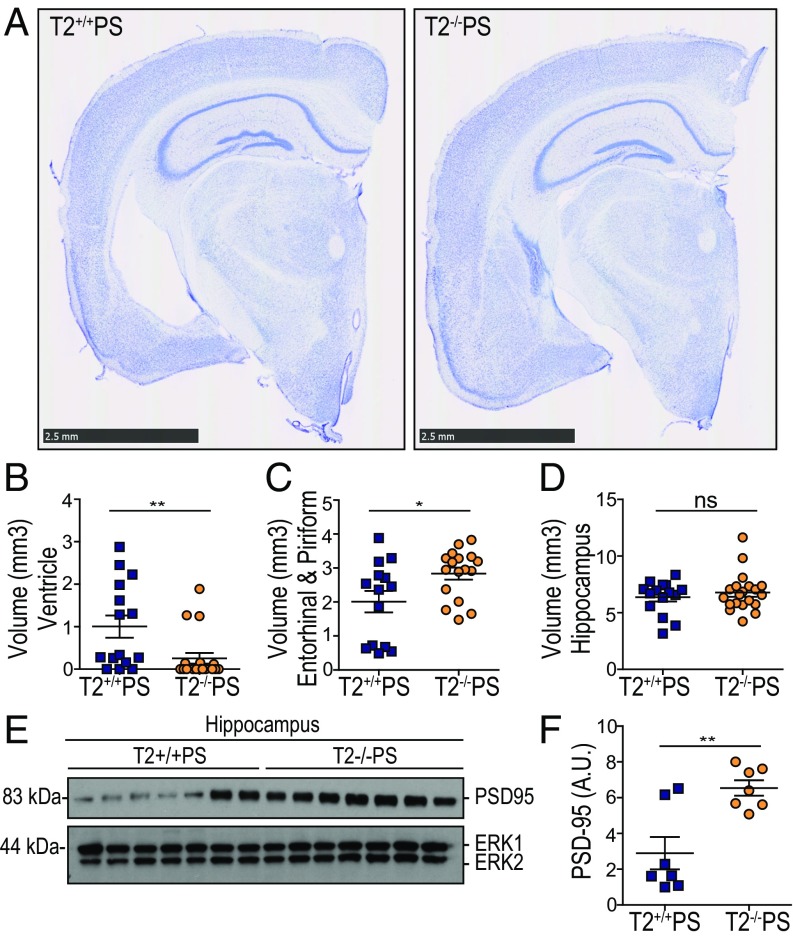
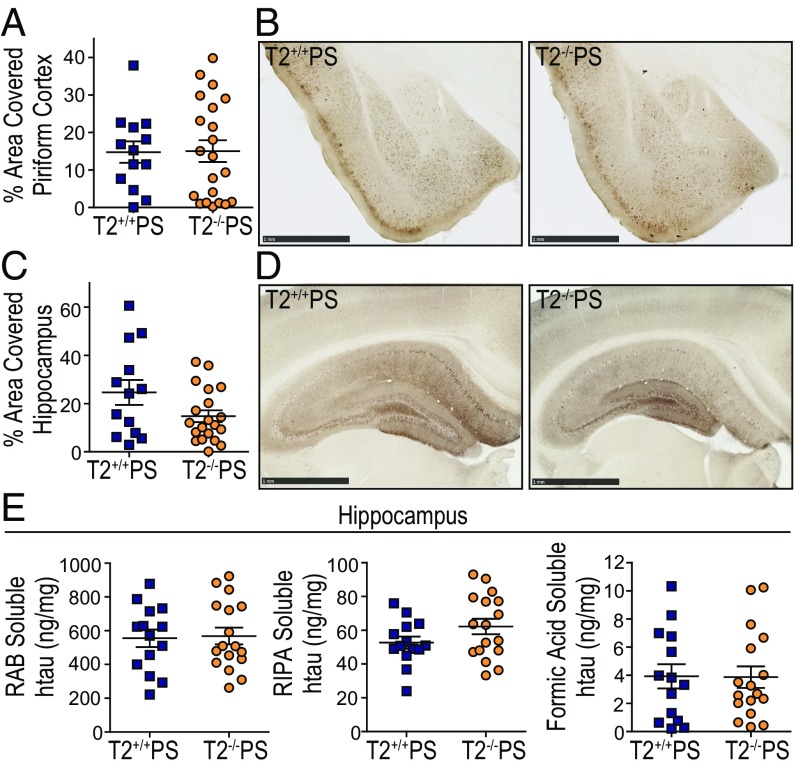
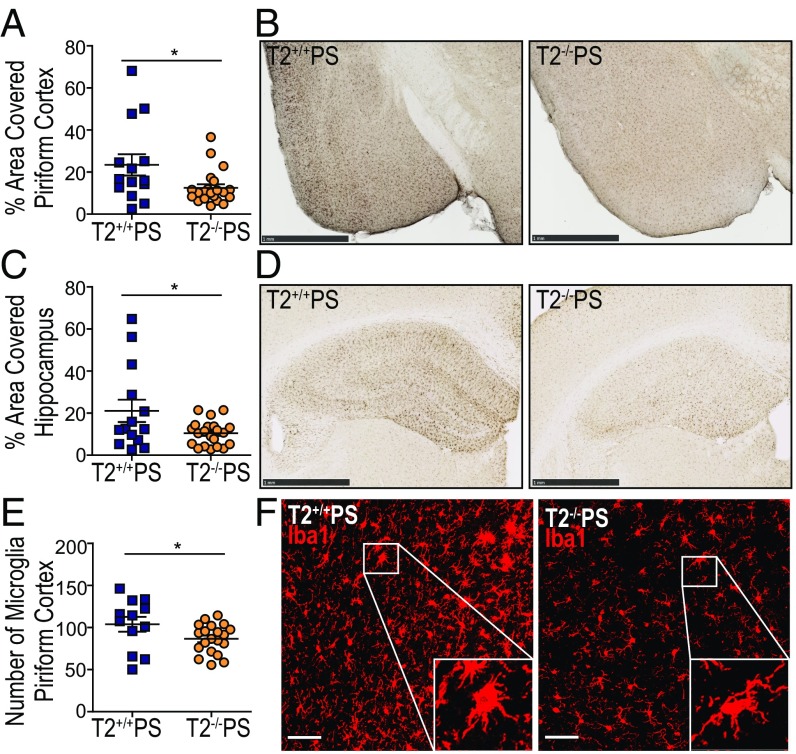
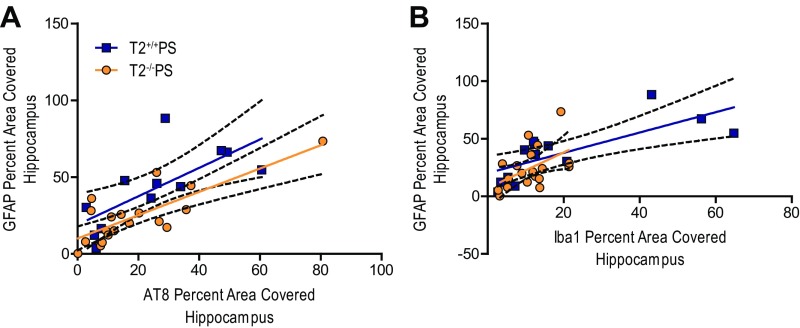
Significance: Alzheimer’s disease (AD) is the most common cause of dementia and is a major public health problem for which there is currently no disease-modifying treatment. There is an urgent need for greater understanding of the molecular mechanisms underlying neurodegeneration in patients to create better therapeutic options. Recently, genetic studies uncovered novel AD risk variants in the microglial receptor, triggering receptor expressed on myeloid cells 2 (TREM2). Previous studies suggested that loss of TREM2 function worsens amyloid-β (Aβ) plaque-related toxicity. In contrast, we observe TREM2 deficiency mitigates neuroinflammation and protects against brain atrophy in the context of tau pathology. These findings indicate dual roles for TREM2 and microglia in the context of amyloid versus tau pathology, which are important to consider for potential treatments targeting TREM2.
Overview
The claims and statistics of this paper haven’t been checked yet.
Run the check — free, no account needed. It reads the open-access text and checks the sources it cites.
Integrity signals
Registry
Cites
Statistics
Figures
Verification
Claims the paper makes
The claims and statistics of this paper haven’t been checked yet.
Run the check — free, no account needed. It reads the open-access text and checks the sources it cites.
Claims other papers make about this one
Each is checked against this paper’s own text: does it say what the citing paper says it does?
The source backs part of the claim, not all of it — or backs it for a different population, condition or comparison.
In the citing paper
“Earlier studies on other microglial AD risk genes reported opposing effects on AD-related pathologies using various animal models at different ages (8–14).”
From The effect of Abi3 locus deletion on the progression of Alzheimer’s disease-related pathologies (2023) · cites this paper as [14]
Experimental — accuracy not yet measuredThe source backs part of the claim, not all of it — or backs it for a different population, condition or comparison.
In the citing paper
“On the other hand, in PS19 tau transgenic mice that express human tau containing the P301S mutation (in the absence of plaque pathology), loss of TREM2 was protective against brain atrophy and synapse loss [41, 42], and this protective effect was abolished in the presence of ApoE4 [43].”
From Microglial function, INPP5D/SHIP1 signaling, and NLRP3 inflammasome activation: implications for Alzheimer’s disease (2023) · cites this paper as [41]
Experimental — accuracy not yet measuredThe source backs part of the claim, not all of it — or backs it for a different population, condition or comparison.
In the citing paper
“the knockdown of TREM2 could alleviate the neuroinflammation and prevent neurodegeneration of tau pathology in TREM2−/−PS mice compared with wild-type mice (Leyns et al., 2017).”
From AD-Like Neuropsychiatric Dysfunction in a Mice Model Induced by a Combination of High-Fat Diet and Intraperitoneal Injection of Streptozotocin (2024) · cites this paper as Leyns et al., 2017
Experimental — accuracy not yet measuredThe source backs part of the claim, not all of it — or backs it for a different population, condition or comparison.
In the citing paper
“Indeed, manipulation of expression of Trem2, Tyrobp, Cx3cl1/Cx3cr1, IL1β, and IFN-γ have all been shown to have opposing effects on amyloid and tau pathologies [49–51, 55–65].”
From Deletion of Abi3/Gngt2 influences age-progressive amyloid β and tau pathologies in distinctive ways (2022) · cites this paper as [50]
Experimental — accuracy not yet measuredThe cited source says what the claim attributes to it.
In the citing paper
“Trem2 deficiency attenuates neurodegeneration in Tau transgenic mice and seems to reduce the neuroinflammatory response [146].”
From Neuron Loss in Alzheimer’s Disease: Translation in Transgenic Mouse Models (2020) · cites this paper as [146]
The cited source says what the claim attributes to it.
In the citing paper
“These studies have led to the notion that microglia can have differential effects on AD pathology depending on the disease stage.”
From The effect of Abi3 locus deletion on the progression of Alzheimer’s disease-related pathologies (2023) · cites this paper as [14]
The cited source says what the claim attributes to it.
In the citing paper
“However, TREM2 ablation was protective and decreased synaptic impairment and neurodegenerative phenotypes [13] in the PS19 mouse model [17].”
From TREM2-Deficient Microglia Attenuate Tau Spreading In Vivo (2023) · cites this paper as [13]
The cited source says what the claim attributes to it.
In the citing paper
“Collectively, these studies yielded disparate results regarding the effect of TREM2 on tau pathology and whether the effect is amyloid dependent or independent.”
From TREM2-Deficient Microglia Attenuate Tau Spreading In Vivo (2023) · cites this paper as [13]
The cited source says what the claim attributes to it.
In the citing paper
“TREM2 loss-of-function studies have also yielded conflicting outcomes in the context of tau pathology.”
From TREM2-Deficient Microglia Attenuate Tau Spreading In Vivo (2023) · cites this paper as [13]
The cited source says what the claim attributes to it.
In the citing paper
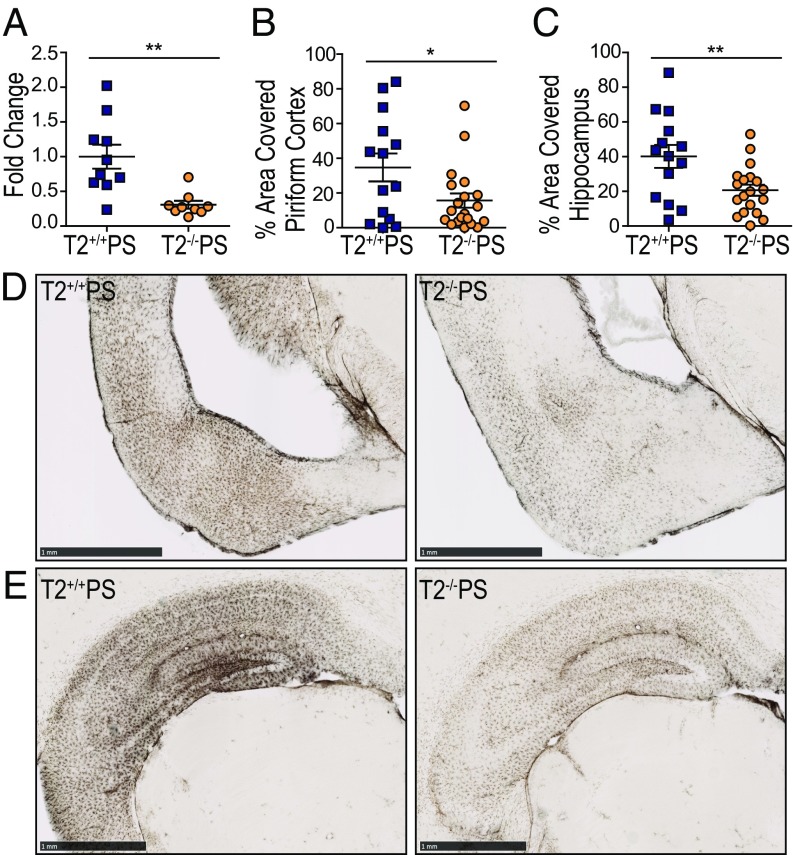
“brain atrophy and microgliosis were reduced [13].”
From TREM2-Deficient Microglia Attenuate Tau Spreading In Vivo (2023) · cites this paper as [13]
The cited source says what the claim attributes to it.
In the citing paper
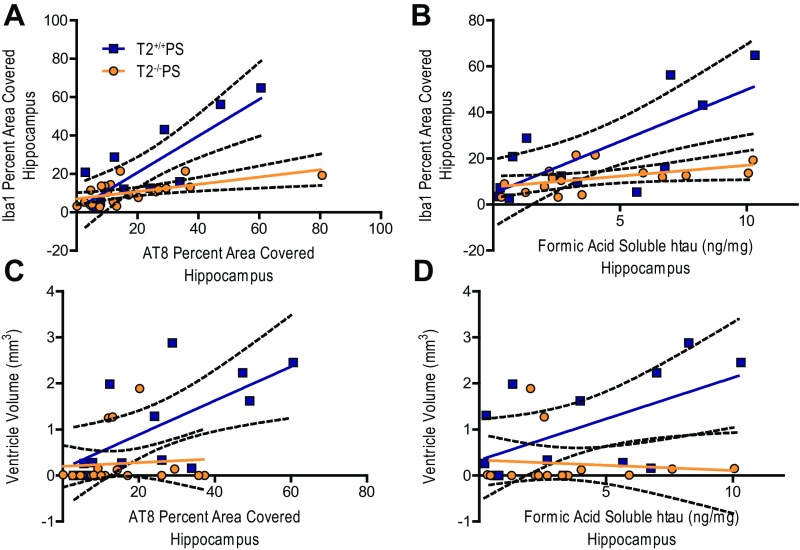
“total deletion of TREM2 did not affect tau pathology in PS19 mice crossed with Trem2 KO mice”
From TREM2-Deficient Microglia Attenuate Tau Spreading In Vivo (2023) · cites this paper as [13]
The cited source says what the claim attributes to it.
In the citing paper
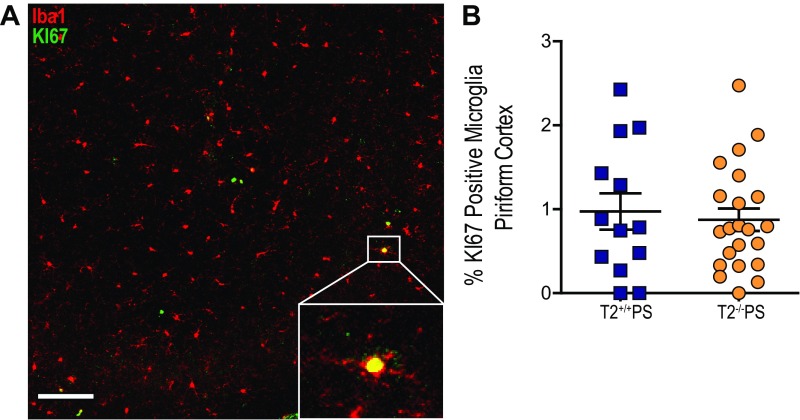
“The authors did not observe differences in microglia proliferation in PS19 mice regardless of Trem2 genotype”
From TREM2-Deficient Microglia Attenuate Tau Spreading In Vivo (2023) · cites this paper as [13]
The cited source says what the claim attributes to it.
In the citing paper
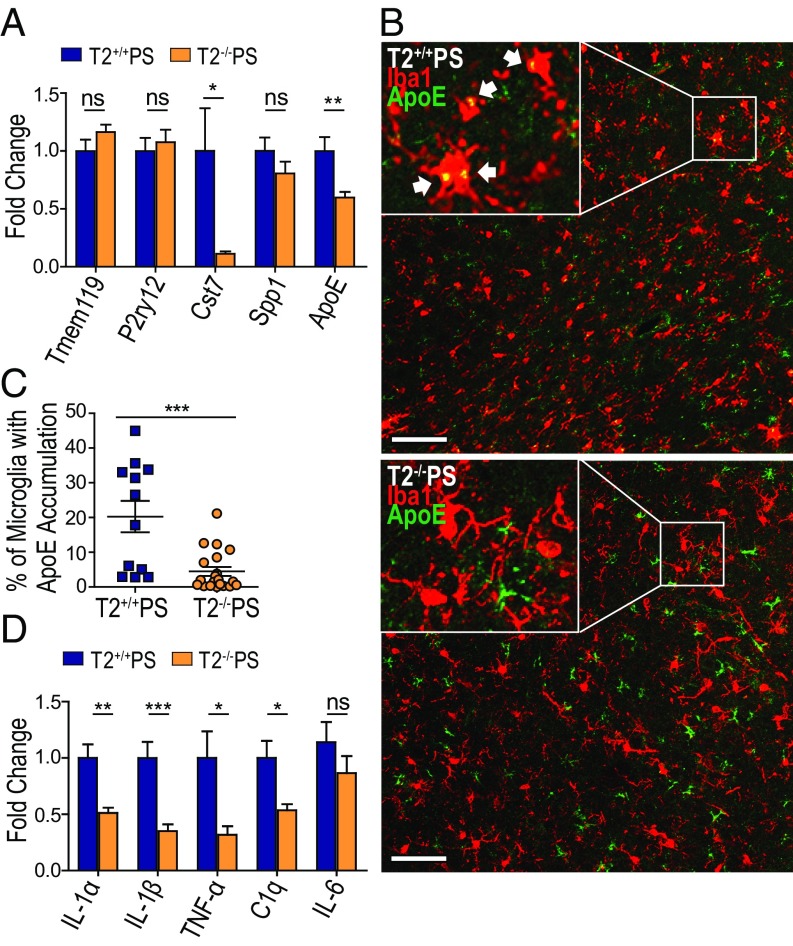
“a decrease in inflammatory transcripts was observed in PS19 mice due to TREM2 ablation”
From TREM2-Deficient Microglia Attenuate Tau Spreading In Vivo (2023) · cites this paper as [13]
The cited source says what the claim attributes to it.
In the citing paper
“it has been shown that TREM2 downregulation affects the phenotype of GFAP-positive astrocytes in the APP/PS1 amyloid mouse model and the PS19 model of tauopathy [8,13].”
From TREM2-Deficient Microglia Attenuate Tau Spreading In Vivo (2023) · cites this paper as [13]
The cited source says what the claim attributes to it.
In the citing paper
“suggesting that TREM2-deficient microglia may undergo metabolic stress, impacting their function and capacity to respond to damage incited by tauopathy, possibly leading to inadvertent cell death [13].”
From TREM2-Deficient Microglia Attenuate Tau Spreading In Vivo (2023) · cites this paper as [13]
The cited source says what the claim attributes to it.
In the citing paper
“the ablation of TREM2 in the PS19 mouse model decreased the number of IBA1-positive microglia in regions affected by tau pathology [13]”
From TREM2-Deficient Microglia Attenuate Tau Spreading In Vivo (2023) · cites this paper as [13]
The cited source says what the claim attributes to it.
In the citing paper
“suggesting that loss of TREM2 function impacts microglial activation, hindering inflammatory responses [13].”
From TREM2-Deficient Microglia Attenuate Tau Spreading In Vivo (2023) · cites this paper as [13]
The cited source says what the claim attributes to it.
In the citing paper
“Interestingly, TREM2 deficiency also protects against tau-associated neurodegeneration in P301S mice (Leyns et al., 2017).”
From Overexpressing low‐density lipoprotein receptor reduces tau‐associated neurodegeneration in relation to apoE‐linked mechanisms (2021) · cites this paper as Leyns et al., 2017
The cited source says what the claim attributes to it.
In the citing paper
“More recently, this dichotomy has been elegantly demonstrated in multiple models of Trem2 and Tyrobp [49–51, 55–59].”
From Deletion of Abi3/Gngt2 influences age-progressive amyloid β and tau pathologies in distinctive ways (2022) · cites this paper as [50]
In the citing paper
“In contrast, in tau-P301S transgenic mice, TREM2 deletion attenuates neuroinflammation and protects against neurodegeneration at a late stage without altering tau phosphorylation and aggregation [127].”
From Tau and neuroinflammation in Alzheimer’s disease: interplay mechanisms and clinical translation (2023) · cites this paper as [127]
In the citing paper
“other studies found that TREM2 deficiency significantly reduced brain atrophy and prevented microglial activation in tau transgenic mice.”
From Microglia in neurodegenerative diseases: mechanism and potential therapeutic targets (2023) · cites this paper as [178]
In the citing paper
“In the tau model of neurodegeneration, genetic deletion of either Apoe or Trem2 also arrested neurodegeneration, demonstrating that this pathway negatively regulates the homeostatic signature182,183.”
From Microglial signatures and their role in health and disease (2018) · cites this paper as [183]
In the citing paper
“References 182 and 183 connect TREM2 and ApoE signalling with exacerbation of neuroinflammation and tauopathy.”
From Microglial signatures and their role in health and disease (2018) · cites this paper as [183]
In the citing paper
“TREM2 deficiency is reported to enhance tau hyperphosphorylation at an early disease stage in htau mice65 and a mid-disease stage in P301S mice [G]66, but does not affect tau pathology at a late-disease stage in P301S mice67”
From Interplay between innate immunity and Alzheimer disease: APOE and TREM2 in the spotlight (2018) · cites this paper as [67]
In the citing paper
“End-stage TREM2−/− P301S mice that exhibit significantly reduced microgliosis and downregulated MGnD genes such as ApoE and cystatin 7 (Cst7), show significantly attenuated brain atrophy compared to TREM2+/+ P301S mice despite no change of tau pathology67.”
From Interplay between innate immunity and Alzheimer disease: APOE and TREM2 in the spotlight (2018) · cites this paper as [67]
In the citing paper
“Targeting TREM2 signaling in the facial nerve axotomy model ameliorates neuronal loss28, and ablation of TREM2 in tauopathy mice attenuates neuroinflammation and neurodegeneration67, similar to the effect of ApoE deletion.”
From Interplay between innate immunity and Alzheimer disease: APOE and TREM2 in the spotlight (2018) · cites this paper as [67]
In the citing paper
“This work shows that dampening neurodegenerative microglial activation via TREM2 deletion reduces neurodegeneration at an advanced disease stage in a tauopathy mouse model, supporting a role of microglia in modulating neurodegeneration.”
From Interplay between innate immunity and Alzheimer disease: APOE and TREM2 in the spotlight (2018) · cites this paper as [67]
Self-check
Percentages, sums and reported differences re-computed from the paper’s own numbers.
The self-check needs the paper’s full text.
Citations
Cites
The Mouse Brain in Stereotaxic Coordinates
Paxinos, G. (2001) · Cited by 12,859
Neurotoxic reactive astrocytes are induced by activated microglia
Liddelow, S. A., Guttenplan, K. A., Clarke, L. E., Bennett, F. C., Bohlen, C. J., Schirmer, L., Bennett, M. L., Münch, A. E., Chung, W.-S., Peterson, T. C., et al. (2017) · Nature · doi:10.1038/nature21029 · Cited by 7,971 · cited 1×
“Recent studies have further demonstrated that microglia can influence astrocyte reactivity in several disease models (34, 35).”
BackgroundA Unique Microglia Type Associated with Restricting Development of Alzheimer’s Disease
Keren-Shaul, H., Spinrad, A., Weiner, A., Matcovitch-Natan, O., Dvir-Szternfeld, R., Ulland, T. K., David, E., Baruch, K., Lara-Astaiso, D., Toth, B., et al. (2017) · Cell · doi:10.1016/j.cell.2017.05.018 · Cited by 5,493
Self-citationTREM2 Variants in Alzheimer's Disease
Guerreiro, R., Wojtas, A., Bras, J., Carrasquillo, M., Rogaeva, E., Majounie, E., Cruchaga, C., Sassi, C., Kauwe, J. S. K., Younkin, S., et al. (2013) · New England Journal of Medicine · doi:10.1056/nejmoa1211851 · Cited by 3,020
Krasemann, S., Madore, C., Cialic, R., Baufeld, C., Calcagno, N., El Fatimy, R., Beckers, L., O’Loughlin, E., Xu, Y., Fanek, Z., et al. (2017) · Immunity · doi:10.1016/j.immuni.2017.08.008 · Cited by 2,979
Self-citationVariant of TREM2 Associated with the Risk of Alzheimer's Disease
Jonsson, T., Stefansson, H., Steinberg, S., Jonsdottir, I., Jonsson, P. V., Snaedal, J., Bjornsson, S., Huttenlocher, J., Levey, A. I., Lah, J. J., et al. (2013) · New England Journal of Medicine · doi:10.1056/nejmoa1211103 · Cited by 2,558 · cited 1×
“The discovery that rare coding variants in the triggering receptor expressed on myeloid cells 2 (TREM2) are associated with a twofold to fourfold increased risk for developing sporadic, lateonset AD further implicates the role of microglia in AD (6, 7).”
BackgroundSynapse Loss and Microglial Activation Precede Tangles in a P301S Tauopathy Mouse Model
Yoshiyama, Y., Higuchi, M., Zhang, B., Huang, S.-M., Iwata, N., Saido, T. C., Maeda, J., Suhara, T., Trojanowski, J. Q., & Lee, V. M.-Y. (2007) · Neuron · doi:10.1016/j.neuron.2007.01.010 · Cited by 2,208
How neuroinflammation contributes to neurodegeneration
Ransohoff, R. M. (2016) · Science · doi:10.1126/science.aag2590 · Cited by 1,967 · cited 1×
“Chronic microglial activation has been hypothesized to lead to excessive neuroinflammation that may exacerbate AD pathologies and neurodegeneration (43).”
BackgroundTREM2 Lipid Sensing Sustains the Microglial Response in an Alzheimer’s Disease Model
Wang, Y., Cella, M., Mallinson, K., Ulrich, J. D., Young, K. L., Robinette, M. L., Gilfillan, S., Krishnan, G. M., Sudhakar, S., Zinselmeyer, B. H., et al. (2015) · Cell · doi:10.1016/j.cell.2015.01.049 · Cited by 1,736
Self-citationAlzheimer’s Disease: The Challenge of the Second Century
Holtzman, D. M., Morris, J. C., & Goate, A. M. (2011) · Science Translational Medicine · doi:10.1126/scitranslmed.3002369 · Cited by 1,424 · cited 1×
“Amyloid-β (Aβ) aggregates form extracellular plaques, while hyperphosphorylated tau (p-tau) is present in intracellular neurofibrillary tangles (1).”
BackgroundSelf-citation
Cited by
Sorted by citations
Items 301–400 of 519
Ma, Y., Xia, Y., Karako, K., Song, P., Tang, W., & Hu, X. (2025) · Molecular Neurobiology · doi:10.1007/s12035-025-04997-0 · Cited by 13
“These findings suggest that TREM2 plays a protective role in amyloid pathology, but its effects on tau protein pathology differ: it may inhibit tau protein seeding in early stages of AD while exacerbating tau protein propagation in later stages [74, 75].”
ApoE-calypse tau: ApoE–tau synergy in Alzheimer’s disease
Lennol, M. P., Bordier, C., Kamelher, L., Ulrich, J. D., Holtzman, D. M., & Gratuze, M. (2025) · The Journal of Experimental Medicine · doi:10.1084/jem.20250965 · Cited by 14
Self-citationVar, S. R., Strell, P., Johnson, S. T., Roman, A., Vasilakos, Z., & Low, W. C. (2023) · Cell Transplantation · doi:10.1177/09636897231171001 · Cited by 15
Replacing microglia to treat Alzheimer’s disease
Jiang, P., & Jin, M. (2023) · Cell Stem Cell · doi:10.1016/j.stem.2023.07.005 · Cited by 11
Will cellular immunotherapies end neurodegenerative diseases?
Boskovic, P., Gao, W., & Kipnis, J. (2024) · Trends in Immunology · doi:10.1016/j.it.2024.03.006 · Cited by 15
Durand, D., Olivera, E., Sáez, A., Carniglia, L., Caruso, C. M., & Lasaga, M. (2022) · Neural Regeneration Research · doi:10.4103/1673-5374.360273 · Cited by 14
“However, the knockout of TREM2 inhibits neuroinflammation and protects against neurodegeneration in a mouse model of tauopathy (Leyns et al., 2017), suggesting the dual roles of TREM2.”
Wang, S.-Y., Huang, Z.-H., Duan, R., Fu, X.-X., Qi, J., Luo, Z.-J., Zhang, Y., & Jiang, T. (2025) · Journal of Alzheimer s Disease · doi:10.1177/13872877251320418 · Cited by 12
Lok, H. C., Katzeff, J. S., Hodges, J. R., Piguet, O., Fu, Y., Halliday, G. M., & Kim, W. S. (2023) · Scientific Reports · doi:10.1038/s41598-023-35945-4 · Cited by 12
Shang, X., Maimaiti, N., Fan, J., Wang, L., Wang, Y., Sun, H., Lv, J., Zhang, X., Wang, J., & Ma, X. (2024) · Journal of Inflammation Research · doi:10.2147/jir.s435216 · Cited by 13
Sun, H., Gao, X., Niu, J., Chen, P., He, S., Xu, S., & Ge, J. (2024) · eneuro · doi:10.1523/eneuro.0310-24.2024 · Cited by 12
Functional insight into LOAD-associated microglial response genes
Jonas, L. A., Jain, T., & Li, Y. (2022) · Open Biology · doi:10.1098/rsob.210280 · Cited by 13
“Homozygous deletion of TREM2 in PS19 mice that overexpress the human P301S mutation has been shown to be protective against neurodegeneration, as well as prevent microglia activation, without affecting tau pathology [28,59].”
BackgroundMicroglial cGAS deletion protects against amyloid-β induced Alzheimer’s disease pathogenesisPreprint
He, S., Li, X., Mittra, N., Bhattacharjee, A., Wang, H., Zhao, S., Liu, F., & Han, X. (2023) · bioRxiv (Cold Spring Harbor Laboratory) · doi:10.1101/2023.08.07.552300 · Cited by 12
“Modulation of microglia-enriched AD risk genes, such as knockout of Trem2, has shown 264 inconsistent outcomes on amyloid or tau pathologies (49-52).”
Yamakawa, M., & Rexach, J. E. (2024) · Biomedicines · doi:10.3390/biomedicines12020308 · Cited by 14
“…microglia and lymphocytes remain poorly defined in the human disease brain, including whether they involve particular states of microglia, such as microglia associated with beta-amyloid plaque and APOE4 status or microglia more associated with tau pathology and neurodegeneration [9,13,16–19].”
BackgroundTeo, F., Kok, C. Y. L., Tan, M.-J., & Je, H. S. (2024) · IBRO Neuroscience Reports · doi:10.1016/j.ibneur.2024.03.005 · Cited by 11
“While the key functions of this receptor have been discovered in mouse models (Bemiller et al., 2017; Cheng-Hathaway et al., 2018; Leyns et al., 2017; Ulrich et al., 2014), whether it is functionally conserved in human microglia remains unknown.”
BackgroundTau Accumulation Induces Microglial State Alterations in Alzheimer's Disease Model Mice
Nagata, K., Hashimoto, S., Joho, D., Fujioka, R., Matsuba, Y., Sekiguchi, M., Mihira, N., Motooka, D., Liu, Y., Okuzaki, D., et al. (2024) · eNeuro · doi:10.1523/eneuro.0260-24.2024 · Cited by 11
Taxifolin for Cognitive Preservation in Patients with Mild Cognitive Impairment or Mild Dementia
Hattori, Y., Saitô, S., Nakaoku, Y., Ogata, S., Hattori, M., Nakatsuji, M., Nishimura, K., & Ihara, M. (2023) · Journal of Alzheimer s Disease · doi:10.3233/jad-221293 · Cited by 11
“TREM2, a transmembrane protein expressed exclusively on microglia in the brain, may be implicated in the pathology of neuroinflammation and concomitant neurodegeneration such as AD and tauopathy, as shown in some in vivo studies [30, 31].”
BackgroundDunn-Meynell, A. A., Dowling, P. C., Marchese, M. E., Rodríguez, E., Blumberg, B. M., Choi, Y., Gaindh, D., & Lü, W. (2019) · Frontiers in Aging Neuroscience · doi:10.3389/fnagi.2019.00252 · Cited by 10
Role of TREM2 in neuroinflammation
Abdulkhaliq, A. A., Alasiri, G. A., Almoghrabi, Y. M., Kim, B., Khan, J., Ajoolabady, A., Ren, J. T., Tuomilehto, J. O., Borai, A., & Praticò, D. (2025) · Experimental Neurology · doi:10.1016/j.expneurol.2025.115547 · Cited by 10
Katsumoto, A., Kokiko‐Cochran, O. N., Bemiller, S. M., Xu, G., Ransohoff, R. M., & Lamb, B. T. (2022) · Frontiers in Immunology · doi:10.3389/fimmu.2022.978423 · Cited by 11
“TREM2 deficiency or R47H variant of TREM2 in PS19 mice mitigates inflammatory gene expression and protects against brain atrophy at nine months (44, 45).”
BackgroundLin, D., Kaye, S. D., Chen, M., Lyanna, A., Ye, L., Hammond, L. A., & Gao, J. (2024) · Journal of Biological Chemistry · doi:10.1016/j.jbc.2024.107874 · Cited by 12
Hikosaka, M., Parvez, M. S. A., Yamawaki, Y., Oe, S., Yuan, L., Wada, Y., Hirahara, Y., Koike, T., Imai, H., Oishi, N., et al. (2025) · Communications Biology · doi:10.1038/s42003-025-07566-2 · Cited by 13
Cell autonomous microglia defects in a stem cell model of frontotemporal dementia tau
Iyer, A. K., Vermunt, L., Mirfakhar, F. S., Minaya, M., Acquarone, M., Koppisetti, R. K., Renganathan, A., You, S., Danhash, E., Schache, K. J., et al. (2025) · Molecular Psychiatry · doi:10.1038/s41380-025-03073-2 · Cited by 14
Updates on Tau-Related Drug Targets and Potential Disease-Modifying Therapies for Alzheimer Disease
Djurovic-Topalovic, A., Horgan, N. G., & Fortin, J. S. (2025) · American Journal Of Pathology · doi:10.1016/j.ajpath.2025.05.020 · Cited by 10
Tau aggregation and its relation to selected forms of neuronal cell death
Tolkovsky, A. M., & Spillantini, M. G. (2021) · Essays in Biochemistry · doi:10.1042/ebc20210030 · Cited by 13
Roles of Microglia in AD Pathology
Gao, R., Wu, H., Li, Q., & Zhao, J. (2023) · Current Alzheimer Research · doi:10.2174/1567205020666230203112351 · Cited by 10
Headmasters: Microglial regulation of learning and memory in health and disease
Weinhard, L., d’Errico, P., & Tay, T. L. (2018) · AIMS molecular science · doi:10.3934/molsci.2018.1.63 · Cited by 11
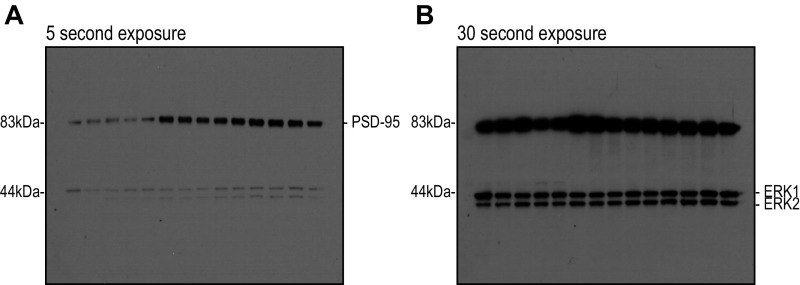
“…model of Tau pathology led to an attenuated atrophy of the entorhinal and piriform cortices, increased detection of PSD95 in the hippocampus, normalization of microglial density and morphology, and downregulation of pro-inflammatory markers (IL-1α, IL-1β, TNFα and C1q) in the piriform cortex [183].”
Tissue-specific features of microglial innate immune responses
Timmerman, R., Burm, S. M., & Bajramovic, J. J. (2020) · Neurochemistry International · doi:10.1016/j.neuint.2020.104924 · Cited by 10
Wickstead, E. S., Irving, M. A., Getting, S. J., & McArthur, S. (2021) · FEBS Journal · doi:10.1111/febs.15861 · Cited by 10
Muráni, E., Trakooljul, N., Hadlich, F., Ponsuksili, S., & Wimmers, K. (2021) · Neuroendocrinology · doi:10.1159/000516500 · Cited by 10
Diagnostic and therapeutic targeting of pathological tau proteins in neurodegenerative disorders
Sahara, N., & Higuchi, M. (2023) · FEBS Open Bio · doi:10.1002/2211-5463.13711 · Cited by 9
Almalki, W. H., & Almujri, S. S. (2024) · Pathology - Research and Practice · doi:10.1016/j.prp.2024.155614 · Cited by 9
Therapeutic potential and microRNA regulating properties of phytochemicals in Alzheimer’s disease
Kumari, A., Rahaman, A., Zeng, X., & Baloch, Z. (2024) · Molecular Therapy — Nucleic Acids · doi:10.1016/j.omtn.2024.102439 · Cited by 9
Singhaarachchi, P. H., Antal, P., Calon, F., Culmsee, C., Delpech, J.-C., Feldotto, M., Geertsema, J., Hoeksema, E. E., Kőrösi, A., Layé, S., et al. (2025) · Progress in Neurobiology · doi:10.1016/j.pneurobio.2025.102821 · Cited by 13
Tabor, G. T., Litvinchuk, A., Chen, Y., Allison, A., Sun, E. W., van Lengerich, B., Davis, S. S., West, E., Schlachetzki, J. C. M., Zeng, C., et al. (2026) · Cell Reports · doi:10.1016/j.celrep.2025.116841 · Cited by 14
“The system software (Hamilton-Kinder, LLC) was used to define a 33 × 11 cm central zone and a peripheral or surrounding zone that was 5.5 cm wide with the sides of the cage being the outermost boundary.”
InfluentialSelf-citationTau aggregation and its relation to selected forms of neuronal cell death.
Tolkovsky, A. M., & Spillantini, M. G. (2021) · Apollo (University of Cambridge) · doi:10.17863/cam.80530 · Cited by 9
Presymptomatic change in microRNAs modulates Tau pathology
Sharma, S., Khadimallah, I., Corya, A. W., Ali, Y., Rao, X., Liu, Y., & Lu, H. (2018) · Scientific Reports · doi:10.1038/s41598-018-27527-6 · Cited by 9
Alzheimer’s Disease and Dementia
Lewis, P. A., & Spillane, J. E. (2018) · Elsevier eBooks · doi:10.1016/b978-0-12-811069-0.00002-1 · Cited by 9
Bartfai, T., & Lees, G. V. (2020) · ASN NEURO · doi:10.1177/1759091420918557 · Cited by 9
“…on myeloid cells 2-DNAX-activating protein of 12 kDa (TREM2-DAP12) articles are now in great abundance showing that microglial activity and their proteins play a role in AD and may also prevent the strong transgenically driven amyloidosis in transgenic AD models (see, e.g., Leyns et al., 2017).”
BackgroundDistinct factors drive the progression of tau pathology in Alzheimer’s disease
Luo, Y., Yu, H., & Ye, K. (2025) · Fundamental Research · doi:10.1016/j.fmre.2025.04.001 · Cited by 9
Ruan, E., Lin, J., Zhao, C., Sheng, Q., Chen, L., He, J., Duan, X., Qin, Y., Xing, T., Yang, S., et al. (2025) · Journal of Clinical Investigation · doi:10.1172/jci178349 · Cited by 8
The cGAS–STING Pathway in Dementia: An Emerging Mechanism of Neuroinflammation
Min, Y., Lee, Y.-S., Lee, J.-W., Keum, D.-Y., Gwag, J.-Y., Jeon, S., Jo, H., & Kang, S.-U. (2025) · Brain Sciences · doi:10.3390/brainsci15111241 · Cited by 8
“Furthermore, in FTD, mutations in the microtubule-associated protein tau (MAPT)gene have been shown to drive neuroinflammation by promoting tau pathology and inducing a reactive microglial state [49].”
Recent advances in Alzheimer’s disease: From molecular mechanisms to therapeutic strategies
Rudman, M. D., Ulrich, J. D., & Holtzman, D. M. (2026) · Cell · doi:10.1016/j.cell.2026.06.006 · Cited by 12
Self-citationRueda‐Carrasco, J., & Hong, S. Y. (2020) · Trends in Neurosciences · doi:10.1016/j.tins.2020.08.002 · Cited by 8
Boscher, E., Hernandez-Rapp, J., Petry, S., Keraudren, R., Rainone, S., Loiselle, A., Goupil, C., Turgeon, A., St‐Amour, I., Planel, E., et al. (2020) · Frontiers in Neurology · doi:10.3389/fneur.2020.578720 · Cited by 8
“Interestingly, changes in the immune response and neuroinflammation are known to play a role on tau pathology in PS19 mice (62, 81).”
BackgroundFriend turned foe: TREM2 agonist in battles against tau
Carling, G., Luo, W., & Gan, L. (2023) · Journal of Experimental Medicine · doi:10.1084/jem.20221850 · Cited by 8
A systematic review of the role of TREM2 in Alzheimer’s disease
Yin, Y., Yang, H.-C., Li, R., Wu, G., Qin, Q., & Tang, Y. (2024) · Chinese Medical Journal · doi:10.1097/cm9.0000000000003000 · Cited by 8
Wang, M., Zhao, R., Su, Y., Zhai, D., Liang, H., Zhang, L., Wang, W., Wang, Z., Qi, M., Jiang, X., et al. (2025) · Inflammation · doi:10.1007/s10753-025-02279-4 · Cited by 8
“Some studies have shown that TREM2-deficient mice exhibit distinct neuropathological features in tau-related neurodegenerative diseases, including less brain atrophy, diminished microglial activation, and reduced tau hyperphosphorylation and synaptic damage [44].”
Wang, H., Chen, S., Jiang, L., Liu, X., Tang, R., & Tang, M. (2024) · Frontiers in Aging Neuroscience · doi:10.3389/fnagi.2024.1485657 · Cited by 7
Malhi, N. K., Luo, Y., Tang, X., Chadha, R. S., Tapia, A., Yuan, D., Yin, S., Liu, X., Chen, M., Qi, M., et al. (2024) · bioRxiv (Cold Spring Harbor Laboratory) · doi:10.1101/2024.05.14.594235 · Cited by 7
“These data indicate that TREM2 is increased by ischemic injury under DM condition and TREM2 inhibition promotes angiogenesis and ischemic recovery.”
TREM2-dependent senescent microglia conserved in aging and Alzheimer’s disease
Rachmian, N., Medina, S., Cherqui, U., Akiva, H., Deitch, D., Edilbi, D., Croese, T., Salame, T., Peralta Ramos, J., Cahalon, L., et al. (2023) · doi:10.1101/2023.03.20.533401 · Cited by 6
“It was suggested that TREM2 deficiency in animal models plays a role in AD progression 33,34 .”
BackgroundTurner, A. K., Shaw, B. C., Simpson, J. F., & Estus, S. (2022) · Genes · doi:10.3390/genes13091607 · Cited by 7
Synergistic potential of TREM2 agonists and exercise training in Alzheimer’s disease
Zhang, J., Schneider, B. A., Muguerza, E., Chung, E. K., & Hsu, C. G. (2026) · American Journal of Physiology-Endocrinology and Metabolism · doi:10.1152/ajpendo.00124.2025 · Cited by 6
Immune signaling and function in neurodegeneration
Latour, Y. L., & McGavern, D. B. (2026) · Journal of Clinical Investigation · doi:10.1172/jci199850 · Cited by 9
“In the PS19 mouse line, TREM2 deficiency reduced microgliosis and attenuated microglial activation without altering pT au aggregation (132).”
Trem2 exacerbates ischemic brain injury through Gpnmb in a photothrombotic stroke model
Chen, X., Li, K., Liu, S., Zhao, J., Tiwari, S., Zeng, F., ZHAO, Y., Zhang, P., Tang, H., Zhao, H., et al. (2026) · Proceedings of the National Academy of Sciences · doi:10.1073/pnas.2523148123 · Cited by 7
“In tauopathy models, Trem2 deficiency attenuates neuroinflammation and ameliorates tau pathology (14, 15).”
Mark4 ablation attenuates pathological phenotypes in a mouse model of tauopathy
Sultanakhmetov, G., Limlingan, S. J. M., Fukuchi, A., Tsuda, K., Suzuki, H., Kato, I., Saito, T., Weitemier, A. Z., & Ando, K. (2024) · Brain Communications · doi:10.1093/braincomms/fcae136 · Cited by 5
“34,36,47 First, we performed immunostaining using an antibody against the post-synaptic marker PSD-95 to identify synapse density.”
BackgroundMethodThe engagement of microglia in tau-targeted immunotherapy in Alzheimer’s disease
Palova, D., Csokova, N. T., Markova, K., Kontseková, E., Kováčech, B., & Žilková, M. (2021) · General Physiology and Biophysics · doi:10.4149/gpb_2021029 · Cited by 6
Primate cerebrospinal fluid CHI3L1 reflects brain TREM2 agonism
Schauer, S. P., Cho, C. H., Novikova, G., Roth, G. A., Lee, J., Sharma, A. D., Foley, A. R., Ng, C., Shen, P., Choi, M., et al. (2024) · Alzheimer s & Dementia · doi:10.1002/alz.13921 · Cited by 5
Lancaster, T. M. (2019) · Alzheimer s & Dementia Diagnosis Assessment & Disease Monitoring · doi:10.1016/j.dadm.2019.03.005 · Cited by 6
“There is also evidence that rare variation in TREM2 may also influence basal ganglia volumes [32] and altered markers of brain health (such as cerebral blood flow/ventricular expansion) in animal models [34,35].”
BackgroundTakuwa, H., Orihara, A., Takado, Y., Urushihata, T., Shimojo, M., Ishikawa, A., Takahashi, M., Barron, A. M., Ono, M., Maeda, J., et al. (2020) · bioRxiv (Cold Spring Harbor Laboratory) · doi:10.1101/2020.11.04.368977 · Cited by 6
Microglial Drivers of Alzheimer's Disease Pathology: An Evolution of Diverse Participating States
Kuhn, M. K., & Proctor, E. A. (2024) · Proteins Structure Function and Bioinformatics · doi:10.1002/prot.26723 · Cited by 5
“TREM2 deficiency has produced both neurotoxic effects and exacerbated tau pathology in a primary tauopathy model [98, 99] as well as neuroprotection with the prevention of brain atrophy without affecting phosphorylated tau levels [100].”
TREM2 mediates parkinsonism-like neurodegeneration in carbon disulfide-induced neurotoxicity
Zhidan, L., Li, X., Shan, S., Jia, Q., Lou, J., & Song, F. (2025) · Neuroscience · doi:10.1016/j.neuroscience.2025.08.063 · Cited by 6
Immuno‐Regulation of Brain Region‐Specific Organoids Containing Isogenic Microglia‐Like Cells
Liu, C., Ene, J., Lü, W., Syed, F., Sun, L. J., Raulin, A., Ren, Y., Wang, X. S., Kanekiyo, T., & Li, Y. (2025) · Advanced Healthcare Materials · doi:10.1002/adhm.202503579 · Cited by 5
“The role of TREM2 in developed Tau neurofibrillary tangles remains unclear: The TREM2 deficiency was shown to reduce pathology in one study butcorrelatewithexacerbatedpathologyinanotherstudy[70,71].”
Bridging the molecular and clinical aspects of resveratrol in Alzheimer’s disease: a review
Mathew, L. S., Marathe, A., Aman, A., Vats, A., Joy, T., & Rao, Y. L. (2025) · 3 Biotech · doi:10.1007/s13205-025-04451-x · Cited by 5
“This process can be both neurotoxic by promoting synapse loss (Schindler et al. 2019; Wu et al. 2015; Kapogiannis et al. 2011; Spangen-berg and Green 2017) and exacerbating tauopathy-mediated pathology (Leyns and Holtzman 2017; Leyns et al. 2017).”
Rate of tau propagation is a heritable disease trait in genetically diverse mouse strains
Welikovitch, L. A., Dujardin, S., Dunn, A. R., Fernandes, A. R., Khasnavis, A., Chibnik, L. B., Kaczorowski, C. C., & Hyman, B. T. (2023) · iScience · doi:10.1016/j.isci.2023.105983 · Cited by 6
Akinluyi, E. T., Takahashi, K., Connolly, M. G., Poon, W. W., & Macauley, M. S. (2025) · ACS Chemical Neuroscience · doi:10.1021/acschemneuro.5c00805 · Cited by 5
Stephenson, H. G., Betthauser, T. J., Jonaitis, E. M., Hulle, C. V., Kollmorgen, G., Quijano‐Rubio, C., Ewers, M., Denecke, J., Ulland, T. K., Chin, N. A., et al. (2026) · Brain Behavior and Immunity · doi:10.1016/j.bbi.2026.106468 · Cited by 5
Neuroinflammation in Dementia—Therapeutic Directions in a COVID-19 Pandemic Setting
Łuc, M., Woźniak, M., & Rymaszewska, J. (2022) · Cells · doi:10.3390/cells11192959 · Cited by 4
Generation of an Inducible Destabilized‐Domain Cre Mouse Line to Target Disease Associated Microglia
Henningfield, C. M., Ngo, M., Murray, K. M., Kwang, N. E., Tsourmas, K. I., Neumann, J. C., Pashkutz, Z. A., Kawauchi, S., Swarup, V., Lane, T. E., et al. (2025) · Glia · doi:10.1002/glia.70004 · Cited by 4
“…or DAM-like cells have since been found in other plaque models (Ofengeim et al. 2017; Friedman et al. 2018), tauopathy models (Friedman et al. 2018; Leyns et al. 2017), and other mouse models of neurodegeneration or demyelination (Chiu et al. 2013; Mathys et al. 2019; Krasemann et al. 2017;…”
Role of Tau Protein Hyperphosphorylation in Diabetic Retinal Neurodegeneration
Mu, J., Zhang, Z., Jiang, C., Geng, H., & Duan, J. (2025) · Journal of Ophthalmology · doi:10.1155/joph/3278794 · Cited by 5
Pathological changes induced by Alzheimer’s brain inoculation in amyloid-beta plaque-bearing micePreprint
Lam, S., Hérard, A., Boluda, S., Petit, F., Eddarkaoui, S., Cambon, K., The Brainbank Neuro-CEB Neuropathology Network, Picq, J., Buée, L., Duyckaerts, C. J., et al. (2021) · bioRxiv (Cold Spring Harbor Laboratory) · doi:10.1101/2021.04.06.438654 · Cited by 4
“In contradiction with our results, several studies showed that synaptic alterations are associated with increased microglial activation in amyloid-plaque bearing models (Spangenberg et al., 2016) as well as in mice overexpressing human tau (Leyns et al., 2017; Dejanovic et al., 2018).”
ResultNiou, Z., Yang, S., Sri, A., Rodriquez, H., Gilley, J., Coleman, M. P., & Lu, H. (2022) · bioRxiv (Cold Spring Harbor Laboratory) · doi:10.1101/2022.02.05.479195 · Cited by 3
ÇELİK, H., Çelik, O., Aydın, Ş., Küçükler, S., Çomaklı, S., Topal, A., Akay, R., Gönüllü, S., Yıldız, M. O., Alım, B., et al. (2026) · Gene · doi:10.1016/j.gene.2026.150014 · Cited by 4
Kumari, A., & Zeng, X.-A. (2026) · Nutrients · doi:10.3390/nu18060907 · Cited by 4
Duwat, C., Léal, P., Vautheny, A., Aurégan, G., Joséphine, C., Gaillard, M., Hérard, A., Jan, C., Gipchtein, P., Mitja, J., et al. (2023) · Neurobiology of Disease · doi:10.1016/j.nbd.2023.106116 · Cited by 6
The Role of Disease-Associated Microglia in Neurodegenerative Disease: A Review
Labuda, V., & Sundara, M. A. (2024) · Undergraduate Research in Natural and Clinical Science and Technology (URNCST) Journal · doi:10.26685/urncst.575 · Cited by 2
Ramos, J. M. P., Kviatcovsky, D., & Schwartz, M. (2022) · European Journal of Neuroscience · doi:10.1111/ejn.15609 · Cited by 3
Geerts, H., & van der Graaf, P. (2021) · Journal of Alzheimer s Disease Reports · doi:10.3233/adr-210039 · Cited by 3
“The impact of activated microglia cells on tau pathology is complex as preclinical studies suggest a beneficial effect of TREM2 mediated activation on tau pathology only in the presence of amyloid pathology [50] and TREM2 activation can exacerbate tau pathology in a pure tauopathy model [51].”
BackgroundHe, M., Lian, T., Guo, P. F., Zhang, W., Zhang, Y., Huang, Y. M., Liu, G., Guan, H., Li, J., Luo, D., et al. (2023) · CNS Neuroscience & Therapeutics · doi:10.1111/cns.14440 · Cited by 2
Recent Advances in Neurodegeneration
Borreca, A. (2019) · IntechOpen eBooks · doi:10.5772/intechopen.71995 · Cited by 3
Distinct effects of disease-associated TREM2 R47H/+ and T66M mutations on iPSC-derived microgliaPreprint
Penney, J., Ralvenius, W. T., Loon, A. R., Cerit, O., Dileep, V., Milo, B., Woolf, H., & Tsai, L. (2022) · bioRxiv (Cold Spring Harbor Laboratory) · doi:10.1101/2022.10.05.511003 · Cited by 3
Cell autonomous microglia defects in a stem cell model of frontotemporal dementiaPreprint
Iyer, A. K., Vermunt, L., Mirfakhar, F. S., Minaya, M., Acquarone, M., Koppisetti, R. K., Renganathan, A., You, S., Danhash, E., Verbeck, A. C., et al. (2024) · medRxiv · doi:10.1101/2024.05.15.24307444 · Cited by 3
“Impaired microglia-mediated clearance of phagocytosed tau can lead to propagation of tau pathology through secretion and promote a vicious cycle that may drive pathological decline 10, 25, 29, 30 .”
BackgroundInfluentialChiba, T., Hattori, Y., Asakura, K., Sano, Y., Saitô, S., Minami, M., Yamamoto, H., & Ihara, M. (2025) · Frontiers in Nutrition · doi:10.3389/fnut.2025.1686381 · Cited by 2
Chen, F., Wang, H., & He, H. (2025) · Applied Physics Reviews · doi:10.1063/5.0297319 · Cited by 2
Revisiting TREM2: from multi-omics signaling networks to clinical translation
Yang, J., Wan, D., Ren, L., Lv, Y., & Zhao, H. (2026) · Frontiers in Immunology · doi:10.3389/fimmu.2026.1782384 · Cited by 2
Gong, M., Lan, J. X., & Miao, J. (2026) · Frontiers in Aging Neuroscience · doi:10.3389/fnagi.2026.1908574 · Cited by 3
Liu, C., Wang, X., Xu, W., Yu, S., Zhang, Y., Xu, Q., & Tan, X. (2025) · Pharmaceuticals · doi:10.3390/ph18070977 · Cited by 2
“Notably, TREM2 expression is upregulated around A β plaques, suggesting a compensatory neuroprotective response during AD pathogenesis [29,30].”
Sex differences in microglia as a risk factor for Alzheimer’s disease
Delage, C. I., Rendina, D. N., Malacon, K. E., Tremblay, M., & Bilbo, S. D. (2021) · Elsevier eBooks · doi:10.1016/b978-0-12-819344-0.00008-9 · Cited by 2
Molecular Basis of Neurodegeneration: Lessons from Alzheimer’s and Parkinson’s Diseases
Zolezzi, J. M., Candia, S. B., & Inestrosa, N. C. (2019) · IntechOpen eBooks · doi:10.5772/intechopen.81270 · Cited by 2
“The precise impact of such findings is just emerging, and some discrepancies have already been identified regarding which should be the appropriate approach to a TREM2-related intervention [76, 77].”
BackgroundPickett, E. K., Herrmann, A. G., McQueen, J., Abt, K. M., Dando, O., Tulloch, J., Jain, P., Dunnett, S. L., Sohrabi, S., Fjeldstad, M. P., et al. (2018) · SSRN Electronic Journal · doi:10.1101/393405 · Cited by 2
“Recently, immune/inflammatory gene changes have also been observed to contribute to tau toxicity (Leyns et al., 2017; Shi et al., 2017b).”
BackgroundSayed, F. A., Kodama, L., Udeochu, J. C., Fan, L., Carling, G. K., Le, D., Li, Q., Zhou, L., Mathys, H., Wang, M., et al. (2020) · doi:10.1101/2020.07.24.218719 · Cited by 3
Genetically Engineered Mouse Models for Alzheimer Disease and Frontotemporal Dementia
Chiu, Y., Xia, S., Qiao, H., & Zhao, Z. (2024) · American Journal Of Pathology · doi:10.1016/j.ajpath.2024.11.006 · Cited by 3
Koller, E. J., McFarland, K. N., Angelle, C., Howard, J. C., Ryu, D., Dillon, K. D., Erquizi, A., Beheray, M., Cruz, E. G. D. L., Cruz, P. E., et al. (2025) · Acta Neuropathologica Communications · doi:10.1186/s40478-025-01968-3 · Cited by 1
Carpanini, S. M., Bradford, B. M., Alfieri, A., Piccardo, P., Monzón‐Sandoval, J., Brown, D., Boyle, A., Pokrovskaya, A., Mabbott, N. A., Manson, J. C., et al. (2025) · Frontiers in Neuroscience · doi:10.3389/fnins.2025.1525017 · Cited by 1
Pottorf, T. S., Lane, E. L., & Álvarez, F. J. (2025) · Cells · doi:10.3390/cells14191520 · Cited by 1
“For example, Leyns et al. (2017) found that in a pure tauopathy model of AD, Trem2 knockout was beneficial and neuroprotective [117].”
Lü, M., Bai, K., Bai, Y., Miao, Y., Zhao, T., Yang, Y., Chen, J., Yang, T., Li, T., & Wei, H. (2025) · Pediatric Discovery · doi:10.1002/pdi3.70024 · Cited by 1
“AAV, adeno‐associated virus; AAV‐CON, control empty virus; AAV‐shTREM2, AAV particles containing TREM2 ; kd, knockdown; PFC, prefrontal cortex; Sham, no injection. deficiency impeded microglial uptake of tau fibrils, accelerating transneuronal tau spread [57].”
Madetko‐Alster, N., Otto‐Ślusarczyk, D., Struga, M., Chunowski, P., & Alster, P. (2025) · Diagnostics · doi:10.3390/diagnostics15212676 · Cited by 1
Song, M., Liu, R., Zhang, L., Liu, C., Song, F., & Zhao, X. (2025) · Biochemical Pharmacology · doi:10.1016/j.bcp.2025.117551 · Cited by 1
Harnessing the microbiome to regulate myeloid TREM2 expression and innate immune responses
Mihori, S., Nichols, F. C., Jellison, E. R., Blesso, C. N., Graziano, V. R., Rathinam, V. A. K., & Clark, R. B. (2026) · ImmunoHorizons · doi:10.1093/immhor/vlaf073 · Cited by 1
Gaudet, A. D., & Fonken, L. K. (2026) · Trends in Neurosciences · doi:10.1016/j.tins.2026.01.002 · Cited by 3
TREM2 as a possible link between Alzheimer's disease and diabetes mellitus
Chen, W., Huang, N., Huang, W., Wang, M., Luo, Y., & Huang, J. (2026) · Experimental Neurology · doi:10.1016/j.expneurol.2026.115739 · Cited by 3
Metadata
- Authors
- Leyns, C. E. G., Ulrich, J. D., Finn, M. B., Stewart, F. R., Koscal, L. J., Remolina Serrano, J., Robinson, G. O., Anderson, E., Colonna, M., & Holtzman, D. M.
- Affiliations
- Washington University in St. Louis (US)
- Department of Neurology, Washington University School of Medicine, St. Louis, MO 63110;
- Corresponding author
- Holtzman, David M.
- ORCID
- Venue
- Proceedings of the National Academy of Sciences
- Publisher
- National Academy of Sciences
- Published
- 2017-10-09
- Volume
- 114
- Issue
- 43
- Pages
- 11524-11529
- ISSN
- 0027-8424 (ISSN-L)
- 1091-6490
- PMC
- PMC5663386
- OpenAlex
- W2763928642
- Cited by
- 517
- References
- 50
- Citations by year
- 2026: 41 · 2025: 51 · 2024: 55 · 2023: 78 · 2022: 79 · 2021: 69 · 2020: 54 · 2019: 44 · 2018: 42 · 2017: 3
- FWCI
- 19.48
- Type
- journal article
- Language
- en
- Open access
- hybrid
- doi.org
- Licence
- Locations
- Proceedings of the National Academy of Sciences (publishedVersion, cc-by-nc-nd)
- PubMed Central (publishedVersion, cc-by-nc-nd)
- PubMed (publishedVersion)
- Digital Commons@Becker (Washington University School of Medicine) (submittedVersion, cc-by-nc-nd)
- Funders
- Cure Alzheimer's Fund
- Hope Center for Neurological Disorders
- Center for Cellular Imaging, Washington University
- National Institute on Aging (F31AG053976)
- Topics
- Life Sciences › Neuroscience › Neurology › Neuroinflammation and Neurodegeneration Mechanisms
- Life Sciences › Neuroscience › Cellular and Molecular Neuroscience › Alzheimer's disease research and treatments
- Life Sciences › Neuroscience › Neurology › Neurological Disease Mechanisms and Treatments
- Keywords
- TREM2, tauopathy, neuroinflammation, neurodegeneration, Alzheimer's disease, microglia, tau pathology, brain atrophy, amyloid-beta, TREM2 deficiency, mouse model
- MeSH terms
- Animals, Gene Expression Regulation, Inflammation, Membrane Glycoproteins, Mice, Transgenic, Receptors, Immunologic, Mice, Knockout, Neurodegenerative Diseases, Tauopathies, Mice
About these checks
Registry, retraction, Cites and statistics results are computed, not judged, with one exception: a printed reference that no index lists is read once by a model before it counts as a citation error. Claims are extracted by a model and kept only when their quote appears verbatim in the text; each cited source is then checked, with a model’s help, for whether it says what the claim relies on. Those verdicts can be wrong — read the claim’s quote and the cited source before relying on one.
Statistics and arithmetic are recomputed, not judged.
Confidence bands are shown only for fields calibrated on our annotated test set. None is calibrated yet, so no band is shown.
What counts as a claim ›How we measure confidence ›How we check this ›
Are you an author, or do you see a problem with this page? Request a review
