

Predictability of human differential gene expression
Open accessThe DOI matches its Crossref record; 94 of the 94 references it cites were found in a registry or an index.
Abstract
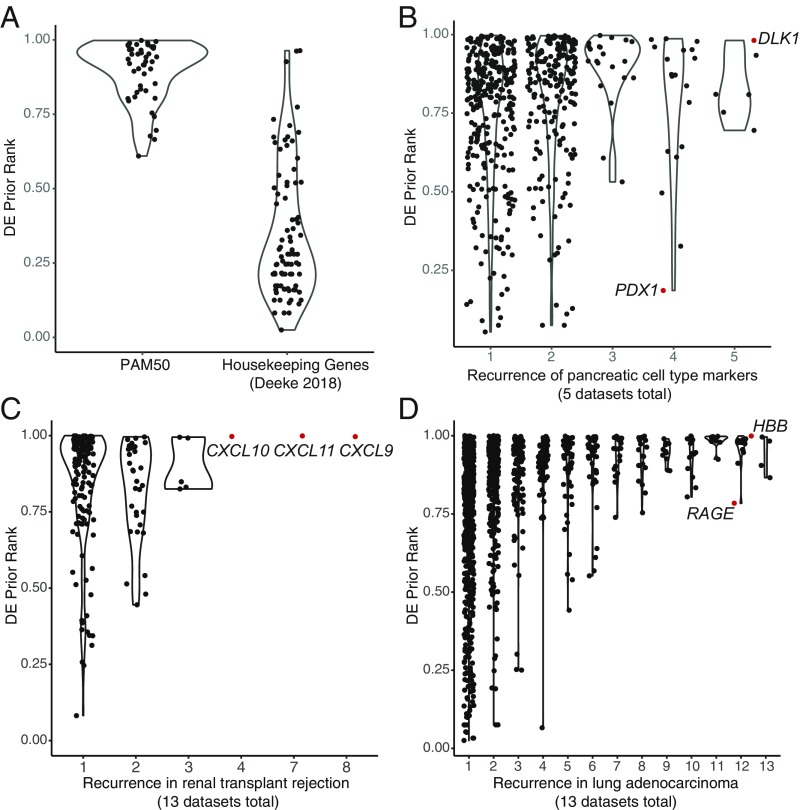
Differential expression (DE) is commonly used to explore molecular mechanisms of biological conditions. While many studies report significant results between their groups of interest, the degree to which results are specific to the question at hand is not generally assessed, potentially leading to inaccurate interpretation. This could be particularly problematic for metaanalysis where replicability across datasets is taken as strong evidence for the existence of a specific, biologically relevant signal, but which instead may arise from recurrence of generic processes. To address this, we developed an approach to predict DE based on an analysis of over 600 studies. A predictor based on empirical prior probability of DE performs very well at this task (mean area under the receiver operating characteristic curve, ∼0.8), indicating that a large fraction of DE hit lists are nonspecific. In contrast, predictors based on attributes such as gene function, mutation rates, or network features perform poorly. Genes associated with sex, the extracellular matrix, the immune system, and stress responses are prominent within the “DE prior.” In a series of control studies, we show that these patterns reflect shared biology rather than technical artifacts or ascertainment biases. Finally, we demonstrate the application of the DE prior to data interpretation in three use cases: ( i ) breast cancer subtyping, ( ii ) single-cell genomics of pancreatic islet cells, and ( iii ) metaanalysis of lung adenocarcinoma and renal transplant rejection transcriptomics. In all cases, we find hallmarks of generic DE, highlighting the need for nuanced interpretation of gene phenotypic associations.
Overview
The claims and statistics of this paper haven’t been checked yet.
Free: it reads the open-access text and checks the first 5 claims that cite a source we can check. Create a free account to check every claim.
Integrity signals
Registry
Cites
Statistics
Figures
Verification
Claims the paper makes
The claims and statistics of this paper haven’t been checked yet.
Free: it reads the open-access text and checks the first 5 claims that cite a source we can check. Create a free account to check every claim.
Claims other papers make about this one
Each is checked against this paper’s own text: does it say what the citing paper says it does?
The check wasn’t confident either way, so it gives no verdict — never disputed.
In the citing paper
“In simulations, we confirmed that the TRADE perturbation impact and response enrichment estimators are approximately unbiased, including for small gene sets (Supplementary Fig. 14), and we performed further validation with positive-control gene sets19,20 (Supplementary Fig. 15).”
From Transcriptome-wide analysis of differential expression in perturbation atlases (2025) · cites this paper as [19]
Experimental — accuracy not yet measured
Self-check
Percentages, sums and reported differences re-computed from the paper’s own numbers.
The self-check needs the paper’s full text.
Citations
Cites
Molecular portraits of human breast tumours
Perou, C. M., Sørlie, T., Eisen, M. B., van de Rijn, M., Jeffrey, S. S., Rees, C. A., Pollack, J. R., Ross, D. T., Johnsen, H., Akslen, L. A., et al. (2000) · Nature · doi:10.1038/35021093 · Cited by 16,261 · cited 1×
“Almost two decades ago, it was observed that breast cancer subtypes were distinguishable by their mRNA expression patterns (30).”
BackgroundNishimura, R., Osako, T., Nishiyama, Y., Tashima, R., Nakano, M., Fujisue, M., Toyozumi, Y., & Arima, N. (2013) · Oncology · doi:10.1159/000353099 · Cited by 13,166
Gene expression profiling predicts clinical outcome of breast cancer
van 't Veer, L. J., Dai, H., van de Vijver, M. J., He, Y. D., Hart, A. A. M., Mao, M., Peterse, H. L., van der Kooy, K., Marton, M. J., Witteveen, A. T., et al. (2002) · Nature · doi:10.1038/415530a · Cited by 9,536 · cited 1×
“This type of analysis has been used as the basis for key insights into the genes that drive physiological and disease mechanisms, for example, identifying novel circadian rhythm genes (1), characterizing transcriptional mechanisms of stem cell differentiation (2), and highlighting the critical role of cell proliferati…”
Methodlimma: Linear Models for Microarray Data
Smyth, G. K. (2005) · Statistics for Biology and Health · doi:10.1007/0-387-29362-0_23 · Cited by 5,796 · cited 1×
“Processed and parsed kidney transplant rejection data and lung adenocarcinoma data were kindly provided by Purvesh Khatri, Stanford University, Stanford, CA, and Timothy Sweeney, Inflammatix, Burlingame, CA, as RDS files (87), and limma (91) was used for DE analysis.”
MethodRepeated observation of breast tumor subtypes in independent gene expression data sets
Sørlie, T., Tibshirani, R., Parker, J., Hastie, T., Marron, J. S., Nobel, A., Deng, S., Johnsen, H., Pesich, R., Geisler, S., et al. (2003) · Proceedings of the National Academy of Sciences · doi:10.1073/pnas.0932692100 · Cited by 5,429 · cited 1×
“Since then, the set of genes required for classification was increasingly refined (31, 32), and now a set of 50 genes called “PAM50” for “Prediction Analysis of Microarray 50,” are available as a commercial kit for clinical use (33).”
BackgroundThe Genotype-Tissue Expression (GTEx) pilot analysis: Multitissue gene regulation in humans
The GTEx Consortium, Ardlie, K. G., Deluca, D. S., Segrè, A. V., Sullivan, T. J., Young, T. R., Gelfand, E. T., Trowbridge, C. A., Maller, J. B., Tukiainen, T., et al. (2015) · Science · doi:10.1126/science.1262110 · Cited by 5,062 · cited 4×
“The genotype-tissue expression (GTEx) pilot analysis: Multitissue gene regulation in humans.”
MethodInfluentialDissecting the multicellular ecosystem of metastatic melanoma by single-cell RNA-seq
Tirosh, I., Izar, B., Prakadan, S. M., Wadsworth, M. H., Treacy, D., Trombetta, J. J., Rotem, A., Rodman, C., Lian, C., Murphy, G., et al. (2016) · Science · doi:10.1126/science.aad0501 · Cited by 4,944 · cited 1×
“Studies of single-cell transcriptomics are perhaps the most obvious method for doing this, as they allow for expression to be dissected into cell type-specific signals, already helping to deconvolve immune responses within the tumor microenvironment, for example (80).”
MethodSupervised Risk Predictor of Breast Cancer Based on Intrinsic Subtypes
Parker, J. S., Mullins, M., Cheang, M. C. U., Leung, S., Voduc, D., Vickery, T., Davies, S., Fauron, C., He, X., Hu, Z., et al. (2009) · Journal of Clinical Oncology · doi:10.1200/jco.2008.18.1370 · Cited by 4,721 · cited 1×
“Since then, the set of genes required for classification was increasingly refined (31, 32), and now a set of 50 genes called “PAM50” for “Prediction Analysis of Microarray 50,” are available as a commercial kit for clinical use (33).”
BackgroundElkablawy, M. A., Albasri, A. M., Mohammed, R. A., Hussainy, A. S., Nouh, M. M., & Alhujaily, A. S. (2016) · Saudi Medical Journal · doi:10.15537/smj.2016.2.12285 · Cited by 4,382
Minimum information about a microarray experiment (MIAME)-toward standards for microarray data
Brazma, A., Hingamp, P., Quackenbush, J., Sherlock, G., Spellman, P., Stoeckert, C., Aach, J., Ansorge, W., Ball, C. A., Causton, H. C., et al. (2001) · Nature Genetics · doi:10.1038/ng1201-365 · Cited by 4,109 · cited 1×
“In tandem, efforts to encourage data sharing have led to the deposition of raw data on public servers (12, 13), which may be thought of as a digital commons ready to be mined for scientific insight.”
Background
Cited by
Qin, Q., Fan, J., Zheng, R., Wan, C., Mei, S., Wu, Q., Sun, H., Brown, M., Zhang, J., Meyer, C. A., et al. (2020) · Genome Biology · doi:10.1186/s13059-020-1934-6 · Cited by 296
(2020) · doi:10.1093/nar/gkaa609 · Cited by 268
Ellis, J. L., Jacobs, M., Dijkstra, J., van Laar, H., Cant, J. P., Tulpan, D., & Ferguson, N. D. (2020) · animal · doi:10.1017/s1751731120000312 · Cited by 121
“Mechanistic models used to interpret big ‘omics’ data There is a plethora of ‘omics’ data currently being generated but with minimal biological interpretation of their meaning (data translated into information) (Crow et al., 2019; Misra et al., 2018).”
MethodGoosens, S., Wybouw, N., Leeuwen, T. V., & Bonte, D. (2020) · Movement Ecology · doi:10.1186/s40462-020-0192-2 · Cited by 94
Meena, J., & Hasija, Y. (2022) · Computers in Biology and Medicine · doi:10.1016/j.compbiomed.2022.105505 · Cited by 72
Transcriptome-wide analysis of differential expression in perturbation atlases
Nadig, A., Replogle, J. M., Pogson, A. N., Murthy, M., McCarroll, S. A., Weissman, J. S., Robinson, E. B., & O’Connor, L. J. (2025) · Nature Genetics · doi:10.1038/s41588-025-02169-3 · Cited by 70
“We quantified two types of enrichment: (1) the perturbation impact enrichment, which quantifies enrichment for effects on other genes and (2) the perturbation response enrichment, which quantifies enrichment for differential expression in response to perturbations (Supplementary Table 7 and Methods).”
InfluentialAllostery: Allosteric Cancer Drivers and Innovative Allosteric Drugs
Nussinov, R., Zhang, M., Maloney, R., Liu, Y., Tsai, C.-J., & Jang, H. (2022) · Journal of Molecular Biology · doi:10.1016/j.jmb.2022.167569 · Cited by 66
Curation of over 10 000 transcriptomic studies to enable data reuse
Lim, N., Tesar, S., Belmadani, M., Poirier‐Morency, G., Mancarci, B. O., Sicherman, J., Jacobson, M., Leong, J., Tan, P., & Pavlidis, P. (2021) · Database · doi:10.1093/database/baab006 · Cited by 64
“Recently, we showed that for certain genes, there is some level of predictability in their differential expression (67).”
BackgroundSelf-citationSigalova, O. M., Shaeiri, A., Forneris, M., Furlong, E. E. M., & Zaugg, J. B. (2020) · Molecular Systems Biology · doi:10.15252/msb.20209539 · Cited by 64
“In line with the above, it was recently shown that genes with DE across many experiments are generally predictable, and to a large extent seem to reflect some basic underlying biology of the genes rather than the specific conditions tested (Crow et al , 2019).”
MethodInfluentialJiang, Y., Chen, S., Li, Q., Liang, J., Lin, W., Li, J., Liu, Z., Wen, M., Cao, M., & Hong, J. (2021) · Frontiers in Immunology · doi:10.3389/fimmu.2021.612139 · Cited by 65
“Differentially expressed genes are involved in count for the molecular mechanisms of biological conditions (46).”
BackgroundIntegrated transcriptomic correlation network analysis identifies COPD molecular determinants
Paci, P., Fiscon, G., Conte, F., Licursi, V., Morrow, J. D., Hersh, C. P., Cho, M. H., Castaldi, P. J., Glass, K., Silverman, E. K., et al. (2020) · Scientific Reports · doi:10.1038/s41598-020-60228-7 · Cited by 52
Yu, Y., Hou, W., Liu, Y., Wang, H., Dong, L., Mai, Y., Chen, Q., Li, Z., Sun, S., Yang, J., et al. (2023) · Nature Biotechnology · doi:10.1038/s41587-023-01867-9 · Cited by 48
“It should be noticed that clinically relevant differences in gene expression among study groups are often small 11–13 .”
BackgroundAllostery, and how to define and measure signal transduction
Nussinov, R., Tsai, C., & Jang, H. (2022) · Biophysical Chemistry · doi:10.1016/j.bpc.2022.106766 · Cited by 47
Deep learning decodes the principles of differential gene expression
Tasaki, S., Gaiteri, C., Mostafavi, S., & Wang, Y. (2020) · Nature Machine Intelligence · doi:10.1038/s42256-020-0201-6 · Cited by 44
“A recent meta-analysis of over 600 human transcriptome data revealed that some genes are more likely to be detected as DE genes than others in diverse case–control studies 32 .”
Ardesch, D. J., Libedinsky, I., Scholtens, L. H., Wei, Y., & van den Heuvel, M. P. (2023) · Biological Psychiatry Cognitive Neuroscience and Neuroimaging · doi:10.1016/j.bpsc.2022.12.013 · Cited by 44
Self-organization of whole-gene expression through coordinated chromatin structural transition
Zimatore, G., Tsuchiya, M., Hashimoto, M., Kasperski, A., & Giuliani, A. (2021) · Biophysics Reviews · doi:10.1063/5.0058511 · Cited by 37
Wang, Q., Chen, K., Su, Y., Reiman, E. M., Dudley, J. T., & Readhead, B. (2022) · Brain Communications · doi:10.1093/braincomms/fcab293 · Cited by 31
“seq experiments are generic, with a high probability of DE across a wide variety of biological conditions, so their specificity related to disease mechanisms have been challenged.(41) Additionally, DEGs are those passing certain statistical cutoffs systematically for both fold change and p values selected as the “hit…”
BackgroundWu, W., Howard, D., Sibille, E. L., & French, L. (2021) · Translational Psychiatry · doi:10.1038/s41398-020-01127-3 · Cited by 33
Genes and Diseases: Insights from Transcriptomics Studies
Kolobkov, D. S., Sviridova, D. A., Abilev, S. K., Kuzovlev, A. N., & Salnikova, L. E. (2022) · Genes · doi:10.3390/genes13071168 · Cited by 33
“Our results support the conclusion on predictable DE for a specific fraction of genes [4].”
BackgroundResultThe transcriptional legacy of developmental stochasticity
Ballouz, S., Kawaguchi, R. K., Peña, M. T., Fischer, S., Crow, M., French, L., Knight, F. M., Adams, L. B., & Gillis, J. (2023) · Nature Communications · doi:10.1038/s41467-023-43024-5 · Cited by 27
Self-citationBlood and brain gene expression signatures of chronic intermittent ethanol consumption in mice
Ferguson, L. B., Roberts, A. J., Mayfield, R. D., & Messing, R. O. (2022) · PLoS Computational Biology · doi:10.1371/journal.pcbi.1009800 · Cited by 26
Resource: A curated database of brain-related functional gene sets (Brain.GMT)
Hagenauer, M. H., Sannah, Y., Hebda‐Bauer, E. K., Rhoads, C., O’Connor, A. M., Flandreau, E. I., Watson, S. J., & Akil, H. (2024) · MethodsX · doi:10.1016/j.mex.2024.102788 · Cited by 26
Liu, Y., Li, D., Zhang, X., Xia, S., Qu, Y., Ling, X., Li, Y., Kong, X., Zhang, L., Cui, C.-P., et al. (2024) · Nature Communications · doi:10.1038/s41467-024-48446-3 · Cited by 26
“In-depth analysis of omics data often begins with exploring key molecules of interest identi fi ed from differential expression or survival analysis, to investigate their associations with disease prognosis 45,46 .”
Huzard, D., Rappeneau, V., Meijer, O. C., Touma, C., Arango-Lievano, M., Garabedian, M. J., & Jeanneteau, F. D. (2020) · Stress · doi:10.1080/10253890.2020.1806226 · Cited by 24
“The heterogeneity in transcriptional patterns that are important for programming the stress response is reduced when comparing cell types issued from the same tissue of the same mouse, and yet meta-analyses emphasize more differences than similarities (Crow et al., 2019; Sacta et al., 2016).”
BackgroundAuwul, M. R., Zhang, C., Rahman, M. R., Shahjaman, M., Alyami, S. A., & Moni, M. A. (2021) · Saudi Journal of Biological Sciences · doi:10.1016/j.sjbs.2021.06.015 · Cited by 22
GEOlimma: differential expression analysis and feature selection using pre-existing microarray data
Lu, L., Townsend, K. A., & Daigle, B. J. (2021) · BMC Bioinformatics · doi:10.1186/s12859-020-03932-5 · Cited by 21
Mellis, I. A., Edelstein, H. I., Truitt, R., Goyal, Y., Beck, L. E., Symmons, O., Dunagin, M. C., Linares-Saldana, R., Shah, P. P., Pérez-Bermejo, J. A., et al. (2021) · Cell Systems · doi:10.1016/j.cels.2021.07.003 · Cited by 20
The dual protease inhibitor lopinavir/ritonavir (LPV/r) exerts genotoxic stress on lung cells
Marima, R. M., Hull, R., Dlamini, Z., & Penny, C. B. (2020) · Biomedicine & Pharmacotherapy · doi:10.1016/j.biopha.2020.110829 · Cited by 19
“Although the identification of differentially expressed genes is commonly used to explore molecular mechanisms of biological conditions and provides a molecular foothold on biological questions of interest [39].”
Correcting for experiment-specific variability in expression compendia can remove underlying signals
Lee, A. J., Park, Y., Doing, G., Hogan, D. A., & Greene, C. S. (2020) · GigaScience · doi:10.1093/gigascience/giaa117 · Cited by 19
“Theresidualsimilaritywaslikelyduetocommonlydifferentially expressed genes that have been observed previously [28, 29].”
Wang, Y., Lin, M., Chen, W., Wu, W., & Wang, F. (2021) · FEBS Open Bio · doi:10.1002/2211-5463.13231 · Cited by 18
“Identifying differentially expressed genes (DEGs) is critical in exploring molecular mechanisms of biological conditions [37].”
BackgroundNair, A. R., Lakhiani, P., Zhang, C., Macchi, F., & Sadler, K. C. (2021) · Genomics · doi:10.1016/j.ygeno.2021.11.034 · Cited by 17
Patel, S., Howard, D., Man, A., Schwartz, D. H., Jee, J., Felsky, D., Pausová, Z., Paus, T., & French, L. (2020) · eNeuro · doi:10.1523/eneuro.0255-20.2020 · Cited by 16
“This group was also not top-ranked in any of the 635 studies systematically examined in a broad study of differential gene expression predictability (Crow et al., 2019).”
BackgroundFigueiredo, R. Q., del Ser, S. D., Raschka, T., Hofmann‐Apitius, M., Kodamullil, A. T., Mubeen, S., & Domingo‐Fernándéz, D. (2022) · BMC Bioinformatics · doi:10.1186/s12859-022-04765-0 · Cited by 16
“This is in line with Crow et al. [3] who found that certain gene modules are predictably found across biological conditions, such as those of the immune response.”
ResultRole of PCK2 in the proliferation of vascular smooth muscle cells in neointimal hyperplasia
Ko, D. S., Kang, J., Heo, H. J., Kim, K., Kim, K., Kang, J. M., Jung, Y., Baek, S. E., & Kim, Y. H. (2022) · International Journal of Biological Sciences · doi:10.7150/ijbs.75577 · Cited by 16
“High-throughput technologies have been indispensable tools for investigating candidate biomarkers and biological pathways [23].”
MethodGene signatures for cancer research: A 25-year retrospective and future avenues
Liu, W., He, H., & Chicco, D. (2024) · PLoS Computational Biology · doi:10.1371/journal.pcbi.1012512 · Cited by 15
Ren, K., Wang, L., Wang, L., Du, Q.-X., Cao, J., Jin, Q., An, G., Li, N., Dang, L.-H., Tian, Y., et al. (2021) · Frontiers in Genetics · doi:10.3389/fgene.2021.650874 · Cited by 15
Agrawal, P., Sambaturu, N., Olgun, G., & Hannenhalli, S. S. (2022) · Frontiers in Immunology · doi:10.3389/fimmu.2022.918817 · Cited by 15
“One issue with theDEG-centric approach is that certain genes are knowntobe differentially expressed in a wide variety of contexts and represent generic transcriptional response and are not specific to SC2 infection (9).”
RNA biomarkers for alcohol use disorder
Ferguson, L. B., Mayfield, R. D., & Messing, R. O. (2022) · Frontiers in Molecular Neuroscience · doi:10.3389/fnmol.2022.1032362 · Cited by 14
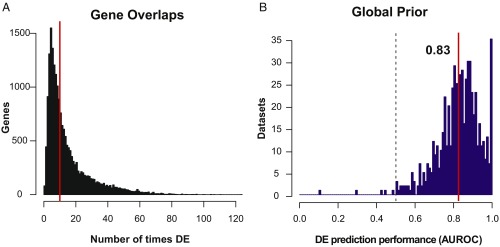
“8 is generally considered high performance (Crow et al., 2019).”
Manatakis, D. V., VanDevender, A. P., & Manolakos, E. S. (2020) · Bioinformatics · doi:10.1093/bioinformatics/btaa654 · Cited by 13
AN OVERVIEW ON MECHANISM OF GENE EXPRESSION REGULATION
Elsahookie, M. M., Cheyed, S. H., & Dawood, A. A. (2021) · IRAQI JOURNAL OF AGRICULTURAL SCIENCES · doi:10.36103/ijas.v52i2.1307 · Cited by 12
“Crow et al (10) studied three cases in humans; breast cancer”
BackgroundChen, H., & MacDonald, J. A. (2021) · iScience · doi:10.1016/j.isci.2021.102831 · Cited by 12
“Differential expression analysis is routinely used to interpret the biological importance of transcriptomics experiments (Crow et al., 2019).”
Ke, C., Tomiyasu, H., Lin, Y., Huang, W., Huang, H.-H., Chiang, H.-C., & Lin, C. (2022) · BMC Veterinary Research · doi:10.1186/s12917-021-03093-4 · Cited by 11
Ahmed, S. S. Z., Vetrivel, M., Khader, S. Z. A., Yoithapprabhunath, T. R., Kumar, S. K., Prabhu, P., & Rajaram, D. L. D. (2024) · In Silico Pharmacology · doi:10.1007/s40203-024-00223-2 · Cited by 10
“…by the k mean algorithm was carried out by Kruskal Walli’s test a type of one way ANOVA with a significance of < 0.01 with WNL scores in different types of treatment by an online calculator using the link (https:// www. socsc istat istics. com/ tests/ krusk al/ defau lt. aspx) (Crow et al. 2019).”
InfluentialLiu, L., Zeng, P., Yang, S., & Yuan, Z. (2020) · Oncology Letters · doi:10.3892/ol.2020.11564 · Cited by 10
Sarkar, J. P., Saha, I., Łańcucki, A., Ghosh, N., Wlasnowolski, M., Bokota, G., Dey, A., Lipiński, P., & Plewczyński, D. (2020) · Frontiers in Genetics · doi:10.3389/fgene.2020.00982 · Cited by 10
“Alternative techniques can also be used (Conesa et al., 2016; Costa-Silva et al., 2017; Crow et al., 2019).”
Agrawal, P., Jain, N., Gopalan, V., Timon, A., Singh, A., Rajagopal, P. S., & Hannenhalli, S. S. (2024) · iScience · doi:10.1016/j.isci.2024.109752 · Cited by 9
“6,7 Furthermore, transcriptional changes are often due to perturbations of key mediators (such as transcription factors, kinases, and other regulatory proteins) in a complex gene regulatory network.”
Ullah, M. A., Sarkar, B., & Akter, F. (2020) · Informatics in Medicine Unlocked · doi:10.1016/j.imu.2020.100346 · Cited by 9
Translational research into frailty from bench to bedside: Salivary biomarkers for inflammaging
Cárdenas, A. N., Bareke, H., Juanes‐Velasco, P., Landeira‐Viñuela, A., Hernández, Á., Montalvillo, E., Góngora, R., Arroyo-Anlló, E. M., Puente-González, A. S., Sánchez, R. M., et al. (2022) · Experimental Gerontology · doi:10.1016/j.exger.2022.112040 · Cited by 9
“Many studies have indicated that an increase in BMI, waist circumference, intramuscular and pericardial adipose tissue is associated with higher frailty scores and probably with sarcopenia ( Hubbard et al., 2010;Crow et al., 2019; Karczewski et al., 2018).”
Transcriptome Analysis of Duck and Chicken Brains Infected with Aquatic Bird Bornavirus-1 (ABBV-1)
Pham, P. H., Tockovska, T., Leacy, A., Iverson, M., Ricker, N., & Susta, L. (2022) · Viruses · doi:10.3390/v14102211 · Cited by 8
“The high threshold (|log2FC| > 2) was used to increase reproducibility, since replicability of gene calling is correlated with the magnitude of their differential expression [31,32].”
MethodSOPHIE: Generative Neural Networks Separate Common and Specific Transcriptional Responses
Lee, A. J., Mould, D. L., Crawford, J., Hu, D., Powers, R. K., Doing, G., Costello, J. C., Hogan, D. A., & Greene, C. S. (2022) · Genomics Proteomics & Bioinformatics · doi:10.1016/j.gpb.2022.09.011 · Cited by 8
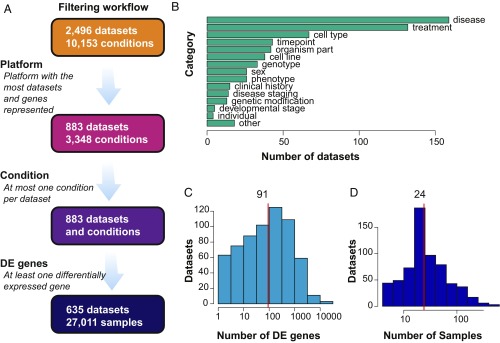
“The first human compendium that we used contained gene expression data from the study by Crow et al. [6], named as Crow et al. compendium.”
InfluentialTranscriptional signatures of cell-cell interactions are dependent on cellular contextPreprint
Innes, B. T., & Bader, G. D. (2021) · bioRxiv (Cold Spring Harbor Laboratory) · doi:10.1101/2021.09.06.459134 · Cited by 8
“That independent experimental perturbations can have similar transcriptional effects has been noted before, most notably by Crow et al., who built a prior probability of differential expression for all genes with 80% accuracy across a wide variety of transcriptomic datasets (Crow et al, 2019).”
BackgroundA multivariate statistical test for differential expression analysis
Tumminello, M., Bertolazzi, G., Sottile, G., Sciaraffa, N., Arancio, W., & Coronnello, C. (2022) · Scientific Reports · doi:10.1038/s41598-022-12246-w · Cited by 7
Ankeny, R. A., Whittaker, A. L., Ryan, M., Boer, J. C., Plebanski, M., Tuke, J., & Spencer, S. J. (2023) · Brain Behavior and Immunity · doi:10.1016/j.bbi.2023.06.012 · Cited by 7
“, 2021); common genetic patterns may exist regardless of disease (Crow et al., 2019).”
BackgroundHendrickx, D. M., & Glaab, E. (2020) · BMC Medical Genomics · doi:10.1186/s12920-020-00761-6 · Cited by 7
Sokolowski, D., Ahn, J., Erdman, L., Hou, H., Ellis, K., Wang, L., Goldenberg, A., & Wilson, M. D. (2023) · NAR Genomics and Bioinformatics · doi:10.1093/nargab/lqad003 · Cited by 7
“used 635 pairwise human DE comparisons from consistently processed microarray data from Gemma database to better understand common distributions of DEGs (28,29).”
BackgroundMethodInfluentialProtein structure–based gene expression signatures
Rahman, R., Zatorski, N., Hansen, J., Xiong, Y., van Hasselt, J. G. C., Sobie, E. A., Birtwistle, M. R., Azeloglu, E. U., Iyengar, R., & Schlessinger, A. (2021) · Proceedings of the National Academy of Sciences · doi:10.1073/pnas.2014866118 · Cited by 7
Gural, B., Kirkland, L. G., Hockett, A., Sandroni, P. B., Zhang, J., Rosa‐Garrido, M., Swift, S. K., Chapski, D. J., Flinn, M. A., O'Meara, C. C., et al. (2025) · PLoS Genetics · doi:10.1371/journal.pgen.1011807 · Cited by 6
Predicting which genes will respond to transcription factor perturbations
Kang, Y., Jung, W. J., & Brent, M. R. (2022) · G3 Genes Genomes Genetics · doi:10.1093/g3journal/jkac144 · Cited by 6
“Models have also been trained to predict the variability of gene expression within or across cell types (Ouyang et al. 2009; Zhou et al. 2014; González et al. 2015; Crow et al. 2019; Sigalova et al. 2020).”
BackgroundMethod(2023) · doi:10.1101/2023.02.28.530483 · Cited by 5
“In extended options, users can select any factor that demonstrated a significant association with the selection of genes.”
Defining the extent of gene function using ROC curvature
Fischer, S., & Gillis, J. (2022) · Bioinformatics · doi:10.1093/bioinformatics/btac692 · Cited by 5
Self-citationMorin, A. M., Chu, E. C.-P., Sharma, A., Adrian-Hamazaki, A., & Pavlidis, P. (2023) · Genome Research · doi:10.1101/gr.277273.122 · Cited by 5
“We compared these counts with a previous metric that ranks genes by their predictability of being DE (DE prior) (Crow et al. 2019), finding a weak but significant trend in both human ( r =0.09, P -value<2.2×10 − 16 ) and mouse ( r =0.18, P -value< 2.2×10 − 16 ) (Fig.”
BackgroundMethodResultInfluentialSelf-citationResistance signatures manifested in early drug response across cancer types and species
Ruoff, C., Mitchell, A. V., Mondal, P., Gopalan, V., Singh, A., Gottesman, M. M., & Hannenhalli, S. S. (2025) · Cancer Drug Resistance · doi:10.20517/cdr.2025.112 · Cited by 4
Meiring, S., Aydin, Ö., van Baar, A. C. G., van der Vossen, E. W. J., Rampanelli, E., van Grieken, N. C. T., Holleman, F., Nieuwdorp, M., & Bergman, J. J. G. H. M. (2025) · Digestive Diseases and Sciences · doi:10.1007/s10620-024-08710-4 · Cited by 4
“[20, 21] By looking at the expression of specific genes in target tissues, and using information found in the genome databank, it is possible to find which pathways are linked to the (increased) expression of specific genes.”
Pradines, J., Farutin, V., Cilfone, N. A., Ghavami, A., Kurtagic, E., Guess, J. R., Manning, A. M., & Capila, I. (2020) · PLoS Computational Biology · doi:10.1371/journal.pcbi.1007684 · Cited by 4
Wallace, S. J., de Solla, S. R., & Langlois, V. S. (2022) · Comparative Biochemistry and Physiology Part D Genomics and Proteomics · doi:10.1016/j.cbd.2022.101029 · Cited by 4
Lakhssassi, K., Sarto, P., Crespo, B. L., Alabart, J. L., Folch, J., Serrano, M., & Calvo, J. H. (2023) · Journal of Animal Science · doi:10.1093/jas/skad098 · Cited by 4
Differential expression of glycosyltransferases identified through comprehensive pan-cancer analysisPreprint
Dingerdissen, H., Vora, J. K., Cauley, E. S., Bell, A. L., King, C. H., & Mazumder, R. (2021) · bioRxiv (Cold Spring Harbor Laboratory) · doi:10.1101/2021.06.15.448506 · Cited by 4
“2017), and to employ the knowledge of a gene’s prior probability of DE to better predict that gene’s differential expression across diverse biological experiments (Crow et al. 2019).”
BackgroundWake, C., Schneider, J. A., Stein, T. D., Bregu, J., Labadorf, A. T., McKee, A. C., Jager, P. L. D., Bennett, D. A., Seshadri, S. S., Myers, R. H., et al. (2022) · bioRxiv (Cold Spring Harbor Laboratory) · doi:10.1101/2022.01.08.473382 · Cited by 4
Richardson, R. A. K., Navarro, H. T., Amaral, L. A. N., & Stoeger, T. (2023) · eLife · doi:10.7554/elife.93429.1 · Cited by 4
A strategy for the identification of paracrine regulators of cancer cell migration
Chavez, B., Farmaki, E., Zhang, Y., Altomare, D., Hao, J., Soltanmohammadi, E., Shtutman, M. S., Chatzistamou, I., & Kiaris, H. (2020) · Clinical and Experimental Pharmacology and Physiology · doi:10.1111/1440-1681.13366 · Cited by 3
Soltanmohammadi, E., Zhang, Y., Chatzistamou, I., & Kiaris, H. (2021) · BMC Genomics · doi:10.1186/s12864-021-07613-2 · Cited by 3
Oba, G. M., & Nakato, R. (2024) · Genes to Cells · doi:10.1111/gtc.13119 · Cited by 3
“We downloaded values of DE prior from Crow et al. (2019) and the number of publications from the NCBI gene2pubmed dataset.”
BackgroundMethodInfluentialTargeting the Transcriptome Through Globally Acting Components
Parrello, D., Vlasenok, M., Kranz, L. A., & Nechaev, S. (2021) · Frontiers in Genetics · doi:10.3389/fgene.2021.749850 · Cited by 3
“Comparison of RNA profiles showed that the group of genes that are differentially expressed is rather similar between distant cell lines (Crow et al., 2019).”
BackgroundForlani, G., & Ventura, B. D. (2021) · Current Opinion in Systems Biology · doi:10.1016/j.coisb.2021.100356 · Cited by 3
Sahu, S., Dholaniya, P. S., & Rani, T. S. (2022) · Network Modeling Analysis in Health Informatics and Bioinformatics · doi:10.1007/s13721-021-00349-9 · Cited by 3
“Some genes are expressed in basic cellular pathways and possess a higher probability of being differentially expressed across several biological conditions (Crow and Lim 2019).”
BackgroundPTPN18 Serves as a Potential Oncogene for Glioblastoma by Enhancing Immune Suppression
Wang, T., Yu, Y. W., Ba, X., Zhang, X., Zhang, N., Wang, G., Bai, B., Li, T., Zhao, J., Zhao, Y., et al. (2023) · Oxidative Medicine and Cellular Longevity · doi:10.1155/2023/2994316 · Cited by 3
Ullah, M. A., Alam, S., Moin, A. T., Ahamed, T., & Shohael, A. M. (2023) · Computers in Biology and Medicine · doi:10.1016/j.compbiomed.2023.106855 · Cited by 3
Richardson, R., Tejedor Navarro, H., Amaral, L. A. N., & Stoeger, T. (2024) · eLife · doi:10.7554/elife.93429.3 · Cited by 2
Knowles, E. E. M., Peralta, J. M., Rodrigue, A., Mathias, S. R., Mollon, J., Leandro, A. C., Curran, J. E., Blangero, J., & Glahn, D. (2023) · Schizophrenia Research · doi:10.1016/j.schres.2025.04.018 · Cited by 2
Large-scale analysis of temporal gene expression variation in peripheral blood
Mishra, N., Kimmig, F., Vandeputte, D., Talevi, V., Commer, L. D., Verspecht, C., Vila, A. V., Moustafa, J. S. E.-S., Kreft, Ł., Botzki, A., et al. (2026) · Nature Communications · doi:10.1038/s41467-026-73218-6 · Cited by 3
“Consistent with this observation, outlier genes were signi fi cantly enriched for previously described “ frequent DEGs ” 63 across multiple prior rank thresholds (Fisher exact test, q 0.05), which re fl ect how consistently genes have been identi fi ed as differentially expressed across independent…”
InfluentialContext-aware query design combines knowledge and data for efficient reading and reasoning
Holtzapple, E., Cochran, B., & Miškov-Živanov, N. (2021) · Workshop on Biomedical Language Processing (BioNLP) · doi:10.18653/v1/2021.bionlp-1.26 · Cited by 2
“…of the sorted DEG list, previous work on analyzing many RNA-seq datasets over a wide range of conditions, including disease, tissues, cell types, drug treatments, etc., has shown that the median number of DEGs (with 𝑑 𝑋 ≥ 2.0 ) per dataset is 92 (Crow, Lim, Ballouz, Pavlidis, & Gillis, 2019).”
BackgroundInfluentialA Cross-Species and Sex-Specific Meta-Analysis of Transcriptomic Studies of Pulmonary Hypertension
Zhao, L., Cunningham, C. M., Hong, J. S., Agarwal, S., Yuan, K., Pérez, V. D. J., & Nicolls, M. R. (2025) · American Journal of Respiratory Cell and Molecular Biology · doi:10.1165/rcmb.2024-0410oc · Cited by 3
New transcriptomics biomarkers involved in Cisplatin-flurouracil resistance in gastric cancer
Hosseinkhan, N. (2020) · Informatics in Medicine Unlocked · doi:10.1016/j.imu.2020.100340 · Cited by 2
COVID-19 and the differential dilemma
Climer, S. (2021) · Patterns · doi:10.1016/j.patter.2021.100260 · Cited by 2
“Pattern ticle under the CC BY-NC-ND license (http://cr expressed regardless of the phenotype being tested.(5) By using over 600 Affymetrix Human Genome U155 Plus 2.”
MethodGenome-Wide Co-Expression Distributions as a Metric to Prioritize Genes of Functional Importance
Alexandre, P. A., Hudson, N. J., Lehnert, S. A., Fortes, M. R. S., Naval-Sánchez, M., Nguyen, L. T., Porto-Neto, L. R., & Reverter, A. (2020) · Genes · doi:10.3390/genes11101231 · Cited by 2
“Moreover, genes were defined as DE (793 genes) if they were identified by Crow et al. (2019) as having high probability (>0.95) of being DE in any experiment, based on a meta-analysis of over 600 differential expression studies.”
BackgroundInfluentialLicursi, V., Wang, W., Nisio, E. D., Cammarata, F. P., Acquaviva, R., Russo, G. I., Manti, L., Guidi, M. C., Fratini, E., Kamel, G. S., et al. (2021) · Journal of Radiation Research and Applied Sciences · doi:10.1080/16878507.2021.1949675 · Cited by 2
An Optimized Weighted Consensus Clustering with Removal of Less Informative Composite Clusters
Sangeetha, G., & Kousalya, R. (2022) · International Conference on Computing for Sustainable Global Development · doi:10.23919/indiacom54597.2022.9763260 · Cited by 2
Ullah, M. A., Sarkar, B., Araf, Y., Islam, M. S., Saha, A., Jahan, T., Boby, A. S., & Islam, M. S. (2019) · medRxiv · doi:10.1101/2019.12.12.19014746 · Cited by 2
“However, although these studies provide fruitful findings but the prediction of actual mechanism of biological condition using the data of differentially expressed genes (DEGs) is often difficult and may come with erroneous interpretation sometime (Crow et al., 2019).”
BackgroundGural, B., Kirkland, L. G., Hockett, A., Sandroni, P. B., Zhang, J., Rosa‐Garrido, M., Swift, S. K., Chapski, D. J., Flinn, M. A., O'Meara, C. C., et al. (2024) · bioRxiv (Cold Spring Harbor Laboratory) · doi:10.1101/2024.08.09.607400 · Cited by 2
“Variation in either cell state or abundance 63 can be responsible for differences in the overall transcriptional profiles of cellularly heterogeneous tissue ( Figure 4A).”
BackgroundOkwori, M., & Eslami, A. (2024) · Computational Biology and Chemistry · doi:10.1016/j.compbiolchem.2024.108026 · Cited by 1
CpG Islands, Gene Expression and Pseudogenization: A Case for a Potential Trilogy
Khan, A. A., & Fatima, A. (2024) · Frontiers in Bioscience-Scholar · doi:10.31083/j.fbs1601002 · Cited by 1
Agrawal, P., & Hannenhalli, S. S. (2024) · STAR Protocols · doi:10.1016/j.xpro.2024.103472 · Cited by 1
Giwa, A. O., Oladipupo, B., Ishola, O. J., Abdulrahmon, M. A., Abdulrahman-Giwa, Z., & Ogunmolu, O. (2026) · UMYU Scientifica · doi:10.56919/usci.2651.008 · Cited by 1
Talebi, H., Ghiam, S., Koli, A. M., Yeganeh, P. N., & Eslahchi, C. (2025) · Computers in Biology and Medicine · doi:10.1016/j.compbiomed.2025.110283 · Cited by 1
Denton, J. A., Velasque, M., & Reed, F. A. (2020) · bioRxiv (Cold Spring Harbor Laboratory) · doi:10.1101/2020.12.11.420604 · Cited by 1
“As new components are added to a network, complexity can increase exponentially, such that it is difficult to predict or even assess the reverberations the consequences small changes have throughout entire networks (Crow et al., 2019).”
Morin, A. M., Chu, E. C.-P., Sharma, A., Adrian-Hamazaki, A., & Pavlidis, P. (2022) · bioRxiv (Cold Spring Harbor Laboratory) · doi:10.1101/2022.08.30.505909 · Cited by 1
Self-citationWhatIsMyGene: Back to the Basics of Gene EnrichmentPreprint
Hodge, K. G., & Saethang, T. (2023) · bioRxiv (Cold Spring Harbor Laboratory) · doi:10.1101/2023.10.31.564902 · Cited by 1
“…set could range from a specific list of genes typically associated with innate immunity, which could be hiding subtleties involved in the response to a particular virus, to a more general list of genes which evince disproportionate differential expression over a large range of phenotypes[40].”
Latent spaces for tumour transcriptomes
Ivich, A., & Greene, C. S. (2024) · Nature Biomedical Engineering · doi:10.1038/s41551-024-01322-3 · Cited by 1
Metadata
- Authors
- Crow, M., Lim, N., Ballouz, S., Pavlidis, P., & Gillis, J.
- Affiliations
- Cold Spring Harbor Laboratory (US)
- University of British Columbia (CA)
- Corresponding author
- Gillis, Jesse
- Venue
- Proceedings of the National Academy of Sciences
- Publisher
- National Academy of Sciences
- Published
- 2019-03-07
- Volume
- 116
- Issue
- 13
- Pages
- 6491-6500
- ISSN
- 0027-8424 (ISSN-L)
- 1091-6490
- PMC
- PMC6442595
- OpenAlex
- W2921170286
- Cited by
- 117
- References
- 92
- Citations by year
- 2026: 2 · 2025: 9 · 2024: 13 · 2023: 15 · 2022: 22 · 2021: 29 · 2020: 24 · 2019: 3
- FWCI
- 6.45
- Type
- journal article
- Language
- en
- Open access
- hybrid
- doi.org
- Licence
- Locations
- Proceedings of the National Academy of Sciences (publishedVersion, cc-by-nc-nd)
- Europe PMC (PubMed Central) (publishedVersion, cc-by-nc-nd)
- PubMed Central (publishedVersion, cc-by-nc-nd)
- PubMed (publishedVersion)
- Cold Spring Harbor Laboratory Institutional Repository (Cold Spring Harbor Laboratory) (acceptedVersion)
- UNSWorks (University of New South Wales, Sydney, Australia) (submittedVersion, cc-by-nc-nd)
- Funders
- HHS | NIH | National Institute of Mental Health (F32MH114501, R01MH113005, R01MH111099)
- Brain and Behavior Research Foundation (26140)
- HHS | NIH | U.S. National Library of Medicine (R01LM012736)
- Topics
- Life Sciences › Biochemistry, Genetics and Molecular Biology › Molecular Biology › Gene expression and cancer classification
- Life Sciences › Biochemistry, Genetics and Molecular Biology › Molecular Biology › Bioinformatics and Genomic Networks
- Life Sciences › Biochemistry, Genetics and Molecular Biology › Molecular Biology › Genomics and Phylogenetic Studies
- Keywords
- differential gene expression, ascertainment bias, extracellular matrix, immune system genes, stress response genes, breast cancer subtyping, lung adenocarcinoma, renal allograft rejection
- MeSH terms
- Human Genetics, Adenocarcinoma, Electronic Data Processing, Breast Neoplasms, Female, Gene Expression Regulation, Graft Rejection, Humans, Lung Neoplasms, Probability, Recurrence, ROC Curve, Sensitivity and Specificity, Biomarkers, Tumor, Kidney Transplantation, Genes, Essential, Gene Expression Profiling, Genomics, Gene Regulatory Networks, Transcriptome
About these checks
Registry, retraction, Cites and statistics results are computed, not judged, with one exception: a printed reference that no index lists is read once by a model before it counts as a citation error. Claims are extracted by a model and kept only when their quote appears verbatim in the text; each cited source is then checked, with a model’s help, for whether it says what the claim relies on. Those verdicts can be wrong — read the claim’s quote and the cited source before relying on one.
Statistics and arithmetic are recomputed, not judged.
Confidence bands are shown only for fields calibrated on our annotated test set. None is calibrated yet, so no band is shown.
What counts as a claim ›How we measure confidence ›How we check this ›
Are you an author, or do you see a problem with this page? Request a review
Data sources
Bibliographic data: Semantic Scholar, OpenAlex, Crossref.
Contains information from the Semantic Scholar Academic Graph Datasets, made available under the ODC Attribution License (ODC-BY 1.0).
Semantic Scholar’s data is described in: Kinney, R., et al. (2023). The Semantic Scholar Open Data Platform. arXiv:2301.10140.
