

Selective incorporation of proteinaceous over nonproteinaceous cationic amino acids in model prebiotic oligomerization reactions
Open accessThe DOI matches its Crossref record; 87 of the 88 references it cites were found in a registry or an index.
Abstract
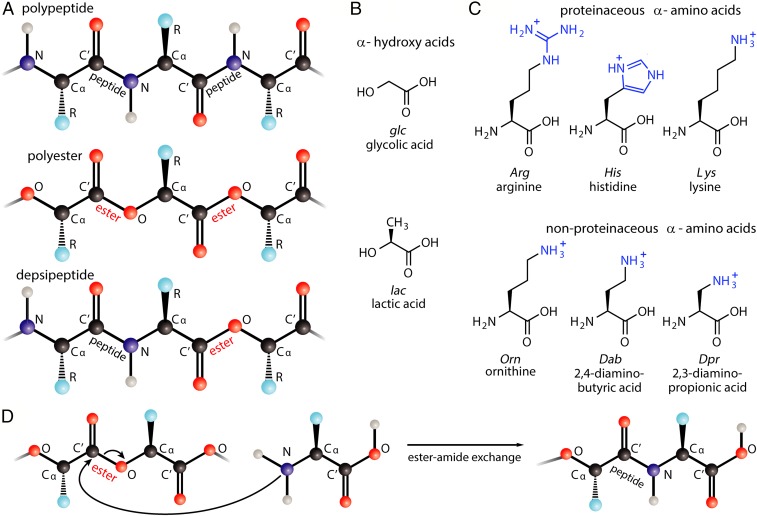
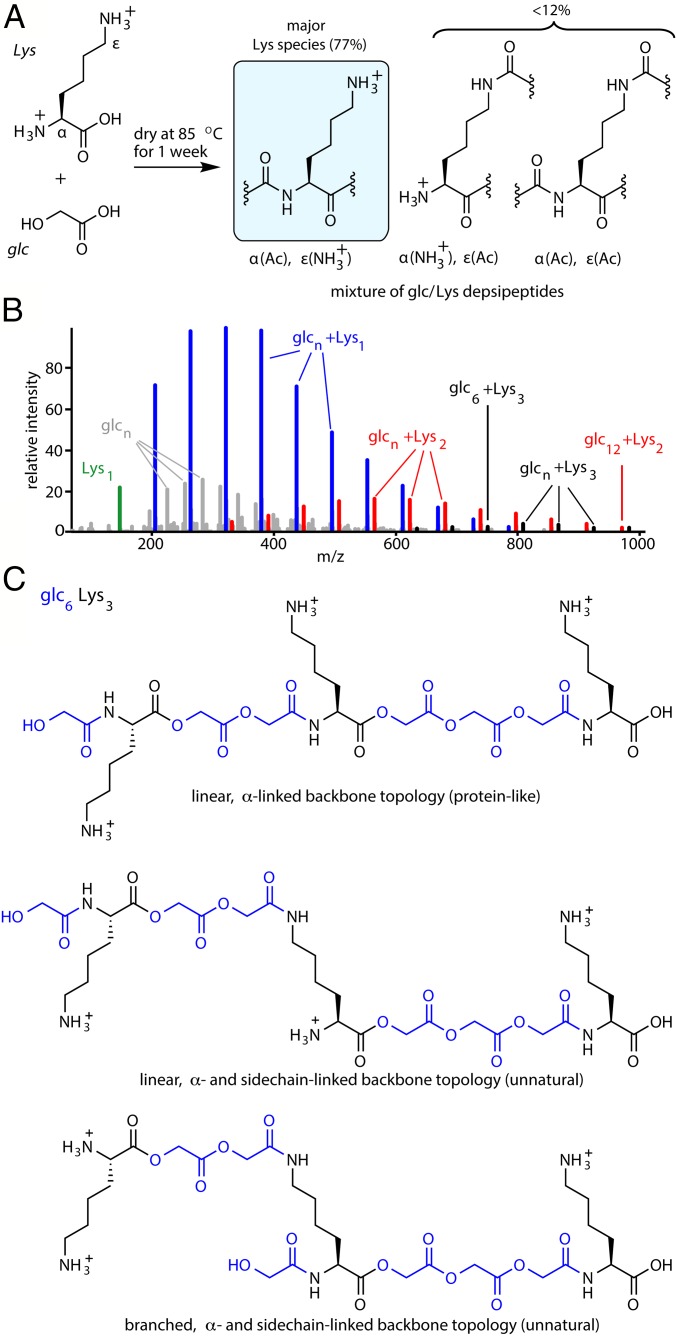
Significance: One of the long-standing questions in origins-of-life research centers on how the proteinaceous side chains and the protein backbone were selected during the earliest phases of evolution. Here we have studied oligomerization reactions of a group of positively charged amino acids, both proteinaceous and nonproteinaceous. Amino acids spontaneously oligomerized without the use of enzymes or activating agents, under mild, hydroxy acid-catalyzed, dry-down conditions. We observed that the proteinaceous amino acids oligomerized more extensively and with greater preference for reactivity through their α-amine compared with nonproteinaceous amino acids, forming predominantly linear, protein-like backbone topologies. These findings provide a purely chemical basis for selection of the positively charged amino acids found in today’s proteins.
Overview
The claims and statistics of this paper haven’t been checked yet.
Free: it reads the open-access text and checks the first 5 claims that cite a source we can check. Create a free account to check every claim.
Integrity signals
Registry
Cites
Statistics
Figures
Verification
Claims the paper makes
The claims and statistics of this paper haven’t been checked yet.
Free: it reads the open-access text and checks the first 5 claims that cite a source we can check. Create a free account to check every claim.
Claims other papers make about this one
Each is checked against this paper’s own text: does it say what the citing paper says it does?
The source backs part of the claim, not all of it — or backs it for a different population, condition or comparison.
In the citing paper
“A specific example is the greater reactivity of proteinaceous amino acids when compared to their non-proteinaceous counterparts, which naturally selects from oligomers of the former [206].”
From The Future of Origin of Life Research: Bridging Decades-Old Divisions (2020) · cites this paper as [206]
Experimental — accuracy not yet measured
Self-check
Percentages, sums and reported differences re-computed from the paper’s own numbers.
The self-check needs the paper’s full text.
Citations
Cites
A Production of Amino Acids Under Possible Primitive Earth Conditions
Miller, S. L. (1953) · Science · doi:10.1126/science.117.3046.528 · Cited by 3,522 · cited 5×
“Our results provide an empirical chemical basis for the selection of proteinaceous cationic amino acids over these nonproteinaceous amino acids on early Earth.”
Influential(1987) · Comparative Biochemistry and Physiology Part A: Physiology · doi:10.1016/0300-9629(87)90411-7 · Cited by 2,958
Prebiotic chemistry and the origin of the RNA world.
Leslie E., O. (2004) · Critical Reviews in Biochemistry and Molecular Biology · doi:10.1080/10409230490460765 · Cited by 1,124
Common origins of RNA, protein and lipid precursors in a cyanosulfidic protometabolism
Patel, B. H., Percivalle, C., Ritson, D. J., Duffy, C. D., & Sutherland, J. D. (2015) · Nature Chemistry · doi:10.1038/nchem.2202 · Cited by 949 · cited 4×
“Lys, Arg, and His are considered less prebiotically plausible, even though Lys has been found in meteorites (31, 32) and prebiotic routes have been proposed for production of both Arg and His (33, 34).”
InfluentialHigh Resolution Structure of the Large Ribosomal Subunit from a Mesophilic Eubacterium
Harms, J., Schluenzen, F., Zarivach, R., Bashan, A., Gat, S., Agmon, I., Bartels, H., Franceschi, F., & Yonath, A. (2001) · Cell · doi:10.1016/s0092-8674(01)00546-3 · Cited by 901
Racemic amino acids from the ultraviolet photolysis of interstellar ice analogues
Bernstein, M. P., Dworkin, J. P., Sandford, S. A., Cooper, G. W., & Allamandola, L. J. (2002) · Nature · doi:10.1038/416401a · Cited by 785
Converging roles of caspases in inflammasome activation, cell death and innate immunity
Man, S. M., & Kanneganti, T.-D. (2016) · Nature Reviews Immunology · doi:10.1038/nri.2015.7 · Cited by 701
Short peptides self-assemble to produce catalytic amyloids
Rufo, C. M., Moroz, Y. S., Moroz, O. V., Stöhr, J., Smith, T. A., Hu, X., DeGrado, W. F., & Korendovych, I. V. (2014) · Nature Chemistry · doi:10.1038/nchem.1894 · Cited by 663
RNA evolution and the origins of life
Joyce, G. F. (1989) · Nature · doi:10.1038/338217a0 · Cited by 658
Just, T., Oparin, A. I., & Morgulis, S. (1938) · American Midland Naturalist · doi:10.2307/2420646 · Cited by 622
Cited by
Amino Assets: How Amino Acids Support Immunity
Kelly, B., & Pearce, E. L. (2020) · Cell Metabolism · doi:10.1016/j.cmet.2020.06.010 · Cited by 643
Prebiotic Peptides: Molecular Hubs in the Origin of Life
Frenkel-Pinter, M., Samanta, M., Ashkenasy, G., & Leman, L. J. (2020) · Chemical Reviews · doi:10.1021/acs.chemrev.9b00664 · Cited by 354
Self-citationNonenzymatic Metabolic Reactions and Life’s Origins
Muchowska, K. B., Varma, S. J., & Moran, J. (2020) · Chemical Reviews · doi:10.1021/acs.chemrev.0c00191 · Cited by 317
Root of the Tree: The Significance, Evolution, and Origins of the Ribosome
Bowman, J. C., Petrov, A. S., Frenkel-Pinter, M., Penev, P. I., & Williams, L. D. (2020) · Chemical Reviews · doi:10.1021/acs.chemrev.9b00742 · Cited by 197
Self-citationThe Future of Origin of Life Research: Bridging Decades-Old Divisions
Preiner, M., Asche, S., Becker, S., Betts, H. C., Boniface, A., Camprubi, E., Chandru, K., Erastova, V., Garg, S. G., Khawaja, N., et al. (2020) · Life · doi:10.3390/life10030020 · Cited by 140
“A specific example is the greater reactivity of proteinaceous amino acids when compared to their non-proteinaceous counterparts, which naturally selects from oligomers of the former [206].”
BackgroundMutually stabilizing interactions between proto-peptides and RNA
Frenkel-Pinter, M., Haynes, J. W., Mohyeldin, A. M., C, M., Sargon, A. B., Petrov, A. S., Krishnamurthy, R., Hud, N. V., Williams, L. D., & Leman, L. J. (2020) · Nature Communications · doi:10.1038/s41467-020-16891-5 · Cited by 118
Self-citationCoenzymes and their role in the evolution of life
Kirschning, A. (2021) · Angewandte Chemie International Edition · doi:10.1002/anie.201914786 · Cited by 107
Longo, L. M., Despotović, D., Weil‐Ktorza, O., Walker, M. J. P., Jabłońska, J., Fridmann‐Sirkis, Y., Varani, G., Metanis, N., & Tawfik, D. S. (2020) · Proceedings of the National Academy of Sciences · doi:10.1073/pnas.2001989117 · Cited by 104
“The superior properties of arginine in promoting coacervate formation, binding to dsDNA, and protein folding on the one hand, and the instability of ornithine esters on the other hand, likely led to the takeover of arginine as a protein building block (57).”
BackgroundSelf-reproducing catalytic micelles as nanoscopic protocell precursors
Kahana, A., & Lancet, D. (2021) · Nature Reviews Chemistry · doi:10.1038/s41570-021-00329-7 · Cited by 90
Temporal variation of planetary iron as a driver of evolution
Wade, J., Byrne, D. J., Ballentine, C. J., & Drakesmith, H. (2021) · Proceedings of the National Academy of Sciences · doi:10.1073/pnas.2109865118 · Cited by 85
Thioesters provide a plausible prebiotic path to proto-peptides
Frenkel‐Pinter, M., Bouza, M., Fernández, F. M., Leman, L. J., Williams, L. D., Hud, N. V., & Guzmán-Martínez, A. (2022) · Nature Communications · doi:10.1038/s41467-022-30191-0 · Cited by 79
Self-citationWater and Life: The Medium is the Message
Frenkel-Pinter, M., Rajaei, V., Glass, J. B., Hud, N. V., & Williams, L. D. (2021) · Journal of Molecular Evolution · doi:10.1007/s00239-020-09978-6 · Cited by 71
Self-citationEnhanced Ribozyme‐Catalyzed Recombination and Oligonucleotide Assembly in Peptide‐RNA Condensates
Vay, K. K. L., Song, E. Y., Ghosh, B., Tang, T. ‐. D., & Mutschler, H. (2021) · Angewandte Chemie International Edition · doi:10.1002/anie.202109267 · Cited by 63
Features, roles and chiral analyses of proteinogenic amino acids
Ayon, N. J. (2020) · AIMS molecular science · doi:10.3934/molsci.2020011 · Cited by 59
The Alanine World Model for the Development of the Amino Acid Repertoire in Protein Biosynthesis
Kubyshkin, V., & Budiša, N. (2019) · International Journal of Molecular Sciences · doi:10.3390/ijms20215507 · Cited by 58
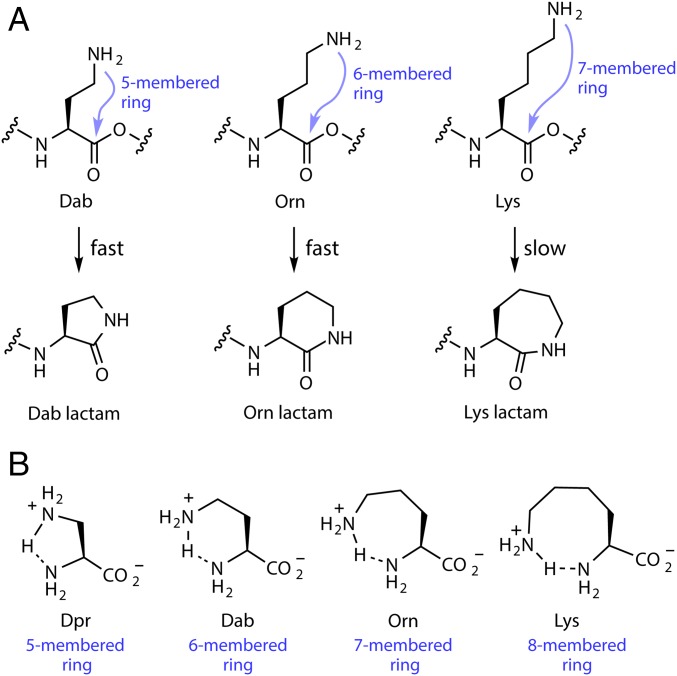
“Nonetheless, it has been pointed out that ornithine might generate truncations due to the likelihood of the side-chainbackbone cyclization [74] (see Figure 7).”
BackgroundInfluentialHow the first life on Earth survived its biggest threat — water
Marshall, M. (2020) · Nature · doi:10.1038/d41586-020-03461-4 · Cited by 65
Chandru, K., Mamajanov, I., Cleaves, H. J., & Jia, T. Z. (2020) · Life · doi:10.3390/life10010006 · Cited by 47
Diverse geochemical conditions for prebiotic chemistry in shallow-sea alkaline hydrothermal vents
Barge, L. M., & Price, R. E. (2022) · Nature Geoscience · doi:10.1038/s41561-022-01067-1 · Cited by 50
“41,42 ).”
The “Water Problem”(sic), the Illusory Pond and Life’s Submarine Emergence—A Review
Russell, M. J. (2021) · Life · doi:10.3390/life11050429 · Cited by 48
Seven Amino Acid Types Suffice to Create the Core Fold of RNA Polymerase
Yagi, S., Padhi, A. K., Vučinić, J., Barbe, S., Schiex, T., Nakagawa, R., Simoncini, D., Zhang, K. Y. J., & Tagami, S. (2021) · Journal of the American Chemical Society · doi:10.1021/jacs.1c05367 · Cited by 45
Dai, K., Pol, M. D., Saile, L., Sharma, A., Liu, B., Thomann, R., Trefs, J. L., Qiu, D., Moser, S., Wiesler, S., et al. (2023) · Journal of the American Chemical Society · doi:10.1021/jacs.3c07918 · Cited by 45
Hydrophobic-cationic peptides modulate RNA polymerase ribozyme activity by accretion
Li, P., Holliger, P., & Tagami, S. (2022) · Nature Communications · doi:10.1038/s41467-022-30590-3 · Cited by 40
Biomolecular condensates – extant relics or evolving microcompartments?
Rangachari, V. (2023) · Communications Biology · doi:10.1038/s42003-023-04963-3 · Cited by 39
Transition metals enhance prebiotic depsipeptide oligomerization reactions involving histidine
Frenkel‐Pinter, M., Sargon, A. B., Glass, J. B., Hud, N. V., & Williams, L. D. (2021) · RSC Advances · doi:10.1039/d0ra07965k · Cited by 36
Self-citationThe origin of life: RNA and protein co‐evolution on the ancient Earth
Tagami, S., & Li, P. (2023) · Development Growth & Differentiation · doi:10.1111/dgd.12845 · Cited by 34
“Simple non-coded cationic peptides (or peptide analogs) mutually stabilize RNA (Figure 3 (i)) (Frenkel-Pinter et al., 2019; Frenkel-Pinter, Haynes, et al., 2020) and support the activities of ribozymes (Figure 3 (ii)) (Drobot et al., 2018; Le Vay et al., 2021; Poudyal et al., 2019; Rahman et al.,…”
BackgroundFrom amino acid mixtures to peptides in liquid sulphur dioxide on early Earth
Sauer, F., Haas, M., Sydow, C., Siegle, A. F., Lauer, C. A., & Trapp, O. (2021) · Nature Communications · doi:10.1038/s41467-021-27527-7 · Cited by 32
Bedoin, L., Alvès, S., & Lambert, J. (2020) · ACS Earth and Space Chemistry · doi:10.1021/acsearthspacechem.0c00183 · Cited by 31
Singh, J., Whitaker, D. E., Thoma, B., Islam, S., Foden, C. S., Aliev, A. E., Sheppard, T. D., & Powner, M. W. (2022) · Journal of the American Chemical Society · doi:10.1021/jacs.2c03486 · Cited by 32
Vincent, L., Colón‐Santos, S. M., Cleaves, H. J., Baum, D., & Maurer, S. (2021) · Life · doi:10.3390/life11111221 · Cited by 29
Matange, K., Rajaei, V., Capera-Aragones, P., Costner, J. T., Robertson, A., Kim, J. S., Petrov, A. S., Bowman, J. C., Williams, L. D., & Frenkel‐Pinter, M. (2025) · Nature Chemistry · doi:10.1038/s41557-025-01734-x · Cited by 32
“Glucose oligomerizes during wet–dry cycling to form oligo-saccharides 33 ; hydroxy acids oligomerize during wet–dry cycling to form polyesters 34–36 ; and mixtures of hydroxy acids, mercapto acids and amino acids form oligomers that contain ester, thioester and amide bonds 11,37–45 .”
Self-citationJia, T. Z., Bapat, N. V., Verma, A., Mamajanov, I., Cleaves, H. J., & Chandru, K. (2021) · Biomacromolecules · doi:10.1021/acs.biomac.0c01697 · Cited by 26
Bocková, J., Jones, N. C., Meierhenrich, U. J., Hoffmann, S. V., & Meinert, C. (2021) · Communications Chemistry · doi:10.1038/s42004-021-00524-z · Cited by 26
Peptides En Route from Prebiotic to Biotic Catalysis
Hlouchová, K. (2024) · Accounts of Chemical Research · doi:10.1021/acs.accounts.4c00137 · Cited by 24
Protocellular Heme and Iron–Sulfur Clusters
Rossetto, D., Cvjetan, N., Walde, P., & Mansy, S. S. (2024) · Accounts of Chemical Research · doi:10.1021/acs.accounts.4c00254 · Cited by 24
Biological Polymers: Evolution, Function, and Significance
Matange, K., Marland, E., Frenkel‐Pinter, M., & Williams, L. D. (2025) · Accounts of Chemical Research · doi:10.1021/acs.accounts.4c00546 · Cited by 24
Self-citationXeno Amino Acids: A Look into Biochemistry as We Do Not Know It
Brown, S. M., Mayer-Bacon, C., & Freeland, S. J. (2023) · Life · doi:10.3390/life13122281 · Cited by 22
From Catalysis of Evolution to Evolution of Catalysis
Edri, R., Williams, L. D., & Frenkel‐Pinter, M. (2024) · Accounts of Chemical Research · doi:10.1021/acs.accounts.4c00196 · Cited by 21
Self-citationMadrigal‐Trejo, D., Villanueva-Barragán, P. S., Ramírez, R. Z., la Cruz, K. E. C.-D., Mejía-Luna, I., Chacón, E., Negrón-Mendoza, A., Ramos-Bernal, S., & Heredia, A. (2021) · Origins of Life and Evolution of Biospheres · doi:10.1007/s11084-021-09606-3 · Cited by 21
Chapter 4: A Geological and Chemical Context for the Origins of Life on Early Earth
Rodriguez, L. E., Altair, T., Hermis, N. Y., Jia, T. Z., Roche, T. P., Steller, L. H., & Weber, J. M. (2024) · Astrobiology · doi:10.1089/ast.2021.0139 · Cited by 24
Ni, J., Zhang, J.-S., Bhandari, B., Xiao, H., Ding, C., Peng, W., & Fang, X.-M. (2022) · Drying Technology · doi:10.1080/07373937.2022.2048306 · Cited by 20
“A recent study demonstrated that drying causes the binding of simple amino acids to form more complex proteins,([34]) and Marshall([35]) demonstrated that only those combined molecules could survive in the water, while the other simple molecules were destroyed during drying.”
BackgroundTakada, M., Ito, T., Kurashima, M., Matsunaga, N., Demizu, Y., & Misawa, T. (2022) · Antibiotics · doi:10.3390/antibiotics12010019 · Cited by 19
“These side chains show differences in hydrophobicity and pKa [17] and may affect their secondary”
BackgroundInfluentialAssembly‐driven protection from hydrolysis as key selective force during chemical evolution
Edri, R., Fisher, S., Menor-Salván, C. A., Williams, L. D., & Frenkel‐Pinter, M. (2023) · FEBS Letters · doi:10.1002/1873-3468.14766 · Cited by 20
Self-citationCation exchange to montmorillonite induces selective adsorption of amino acids
Millman, E., Chatterjee, A., Parker, K. M., & Catalano, J. G. (2024) · Geochimica et Cosmochimica Acta · doi:10.1016/j.gca.2024.02.020 · Cited by 21
Smokers, I. B. A., Visser, B. S., Lipiński, W. P., Nakashima, K. K., & Spruijt, E. (2024) · ChemSystemsChem · doi:10.1002/syst.202400056 · Cited by 18
Frenkel‐Pinter, M., Jacobson, K. C., Eskew-Martin, J. C., Forsythe, J. G., Grover, M. A., Williams, L. D., & Hud, N. V. (2022) · Life · doi:10.3390/life12020265 · Cited by 20
“Hydroxy acids readily form esters when dried, and via ester-amide exchange, act as catalysts for the generation of amide bonds [25,32,44,45].”
BackgroundSelf-citationAnalytical Chemistry in Astrobiology
Seaton, K. M., Cable, M. L., & Stockton, A. M. (2021) · Analytical Chemistry · doi:10.1021/acs.analchem.0c04271 · Cited by 16
The astrochemical evolutionary traits of phospholipid membrane homochirality
Bocková, J., Jones, N. C., Hoffmann, S. V., & Meinert, C. (2024) · Nature Reviews Chemistry · doi:10.1038/s41570-024-00627-w · Cited by 16
“In wet–dry cycles on the primeval Earth, l-enriched depsipeptides would spontaneously emerge from l-enriched amino and hydroxycar-boxylic acids 60,104,105 (Fig.”
Modulating the Stability of Collagen Triple Helices by Terminal Charged Residues
Chiu, H.-S., & Horng, J. (2021) · The Journal of Physical Chemistry B · doi:10.1021/acs.jpcb.1c01631 · Cited by 14
Hazra, B., Prasad, M., Roy, R., & Tarafdar, P. K. (2021) · Organic & Biomolecular Chemistry · doi:10.1039/d1ob00798j · Cited by 14
Amino Acid Specific Nonenzymatic Montmorillonite‐Promoted RNA Polymerization
Namani, T., Snyder, S. R., Eagan, J. M., Bevilacqua, P. C., Wesdemiotis, C., & Sahai, N. (2021) · ChemSystemsChem · doi:10.1002/syst.202000060 · Cited by 15
Proline Behavior in Model Prebiotic Peptides Formed by Wet–Dry Cycling
Ervin, J. N., Bouza, M., Fernández, F. M., & Forsythe, J. G. (2020) · ACS Earth and Space Chemistry · doi:10.1021/acsearthspacechem.0c00119 · Cited by 14
Temperini, A., Aiello, D., Mazzotti, F., Athanassopoulos, C. M., Luca, P. D., & Siciliano, C. (2020) · Molecules · doi:10.3390/molecules25061313 · Cited by 12
A broader context for understanding amino acid alphabet optimality
Mayer-Bacon, C., & Freeland, S. J. (2021) · Journal of Theoretical Biology · doi:10.1016/j.jtbi.2021.110661 · Cited by 15
Mayer-Bacon, C., Meringer, M., Havel, R., Aponte, J. C., & Freeland, S. J. (2022) · Journal of Molecular Evolution · doi:10.1007/s00239-022-10061-5 · Cited by 13
“The nearest evidence for this view of which we are aware comes from a finding that three of the genetically encoded amino acids (Lys, Arg, and His) tend to oligomerize with each other better than with three other, plausible alternatives which did not become part of the genetic code (Frenkel-Pinter et al. 2019).”
BackgroundAmino Acid Polymerization on Silica Surfaces
Samrout, O. E., Berlier, G., & Lambert, J. (2024) · ChemPlusChem · doi:10.1002/cplu.202300642 · Cited by 13
Hendrickson, T. L., Wood, W. N., & Rathnayake, U. M. (2021) · Genes · doi:10.3390/genes12030409 · Cited by 12
“In one effort to recapitulate how peptide bonds might have formed spontaneously under prebiotic conditions, lysine was readily incorporated into peptides and depsipeptides under conditions where ornithine and diaminobutyric acid (a serine isostere) cyclized to their corresponding lactams [23].”
BackgroundZaia, D. A. M., & Zaia, C. T. B. V. (2020) · Symmetry · doi:10.3390/sym12122046 · Cited by 11
“We could draw several hypotheses as to why the PAAs were selected instead of non-PAAs: higher protein amino acid concentration compared to non-PAA concentration on the prebiotic Earth [11], PAAs condense more extensively than non-PAAs [40], some sequences of PAAs formed small peptides with catalytic activity [41], and…”
BackgroundSelf-assembled prebiotic amphiphile-mixture exhibits tunable catalytic properties
Mandal, R., Ghosh, A., Rout, N. K., Prasad, M., Hazra, B., Sar, S., Das, S. K., Datta, A., & Tarafdar, P. K. (2023) · Organic & Biomolecular Chemistry · doi:10.1039/d3ob00606a · Cited by 10
Phosphoric acid salts of amino acids as a source of oligopeptides on the early Earth
Šponer, J. E., Coulon, R., Otyepka, M., Šponer, J., Siegle, A. F., Trapp, O., Ślepokura, K. A., Zdráhal, Z., & Šedo, O. (2024) · Communications Chemistry · doi:10.1038/s42004-024-01264-6 · Cited by 10
Chandru, K., Potiszil, C., & Jia, T. Z. (2024) · Life · doi:10.3390/life14091069 · Cited by 11
“Although this has not been irrefutably proven or disproven for all such combinations/mixtures of prebiotic chemicals, some specific studies show selective reactivity of biomolecules over non-biomolecules (or non-canonical biomolecules) or vice versa [65,66].”
BackgroundRoot-Bernstein, R. S., & Brown, A. W. (2022) · Life · doi:10.3390/life12101508 · Cited by 11
Amino acid analogues provide multiple plausible pathways to prebiotic peptides
Zhang, L., & Ying, J. (2024) · Journal of The Royal Society Interface · doi:10.1098/rsif.2024.0014 · Cited by 9
“The results revealed that compared to the non-protein amino acids Orn, Dab and Dpr, protein amino acids Lys, Arg and His readily and preferentially polymerize into linear depsipeptides through α -amino [24].”
ResultWhat Would an Alien Amino Acid Alphabet Look Like and Why?
Brown, S. M., Voràček, V., & Freeland, S. J. (2023) · Astrobiology · doi:10.1089/ast.2022.0107 · Cited by 11
Qualitative Monitoring of Proto-Peptide Condensation by Differential FTIR Spectroscopy
Rezaeerod, K., Heinzmann, H., Torrence, A. V., Patel, J., & Forsythe, J. G. (2024) · ACS Earth and Space Chemistry · doi:10.1021/acsearthspacechem.3c00257 · Cited by 9
Prebiotic synthesis of the major classes of iron–sulfur clusters
Scintilla, S., Rossetto, D., Clémancey, M., Rendon, J., Ranieri, A., Guella, G., Assfalg, M., Borsari, M., Gambarelli, S., Blondin, G., et al. (2025) · Chemical Science · doi:10.1039/d5sc00524h · Cited by 9
Recent progress in primitive polyester synthesis and membraneless microdroplet assembly
Jia, T. Z., & Chandru, K. (2023) · Biophysics and Physicobiology · doi:10.2142/biophysico.bppb-v20.0012 · Cited by 10
Zhang, H., Cui, H., Xia, X., Zhang, F., Hayat, K., Zhang, X., & Ho, C. (2023) · Journal of Agricultural and Food Chemistry · doi:10.1021/acs.jafc.3c00388 · Cited by 8
Despotović, D., & Tawfik, D. S. (2021) · ChemSystemsChem · doi:10.1002/syst.202100002 · Cited by 8
Heat‐Flow‐Driven Nonequilibria for Prebiotic Chemistry
Mast, C. B. (2024) · ChemSystemsChem · doi:10.1002/syst.202400039 · Cited by 10
A building blocks perspective on protein emergence and evolution
Ezerzer, Y., Frenkel‐Pinter, M., Kolodny, R., & Ben‐Tal, N. (2025) · Current Opinion in Structural Biology · doi:10.1016/j.sbi.2025.102996 · Cited by 8
Self-citationEnhanced Ribozyme‐Catalyzed Recombination and Oligonucleotide Assembly in Peptide‐RNA Condensates
Vay, K. K. L., Song, E. Y., Ghosh, B., Tang, T. ‐. D., & Mutschler, H. (2021) · Angewandte Chemie · doi:10.1002/ange.202109267 · Cited by 7
Frontiers in Prebiotic Chemistry and Early Earth Environments
Müller, U. F., Elsila, J. E., Trail, D., DasGupta, S., Giese, C., Walton, C. R., Cohen, Z. R., Stolar, T., Krishnamurthy, R., Lyons, T. W., et al. (2022) · Origins of Life and Evolution of Biospheres · doi:10.1007/s11084-022-09622-x · Cited by 8
Self-citationEvolution of Realistic Organic Mixtures for the Origins of Life through Wet–Dry Cycling
Foster, K. D., Hillman, B., Rajaei, V., Seng, K., & Maurer, S. (2022) · Sci · doi:10.3390/sci4020022 · Cited by 10
Prebiotic dimer and trimer peptide formation in gas-phase atmospheric nanoclusters of water
Harold, S. E., Warf, S. L., & Shields, G. C. (2023) · Physical Chemistry Chemical Physics · doi:10.1039/d3cp02915h · Cited by 7
Cruz-Hernández, A. E. A. E., Colín-García, M., Ortega‐Gutiérrez, F., & Mateo‐Martí, E. (2022) · Life · doi:10.3390/life12111788 · Cited by 7
“In addition, it has been observed that they (lysine, histidine, and arginine) condense more extensively than non-proteinogenic amino acids (ornithine; 2,4-diaminobutyric acid; and 2,3-diaminopropionic acid); they are more selective in oligomerization because of the nature of their side chains, which represents an adva…”
BackgroundCoenzyme-protein interactions since early life
Sánchez-Rocha, A. C., Makarov, M., Pravda, L., Novotný, M., & Hlouchová, K. (2025) · eLife · doi:10.1101/2023.10.28.563965 · Cited by 9
The Systems Chemistry of Nucleic‐acid‐Peptide Networks
Bandela, A. K., Sadihov, H., Cohen‐Luria, R., Gordon-Kim, C., Blake, A., Poppitz, G., Lynn, D. G., & Ashkenasy, G. (2022) · Israel Journal of Chemistry · doi:10.1002/ijch.202200030 · Cited by 6
Evolution of protein-RNA interactions
Kolář, M. H., & Hlouchová, K. (2025) · Current Opinion in Structural Biology · doi:10.1016/j.sbi.2025.103109 · Cited by 5
“Nevertheless, both Dab and Orn are known to exhibit limited stability within peptide chains due to intramolecular cyclization, which leads to chain termination ( 41,42 ).”
Experimental Models on the Prebiotic Formation of Biopolymer Building Blocks
Menor-Salván, C., & Ruiz‐Bermejo, M. (2025) · Astrobiology · doi:10.1177/15311074251365950 · Cited by 6
“…and hydrolysis cycles could be a driving force for chemical evolution that hardly could happen in submarine environments (Edri et al., 2023; Frenkel-Pinter et al., 2019) and drying environments, as evaporites or even desertic ambient conditions with low rainfall, favor prebiotic formation…”
Protopeptide backbone affects assembly in aqueous solutions
Fisher, S., Ezerzer, Y., Edri, R., Akulenko, D., Marland, E., & Frenkel‐Pinter, M. (2025) · Proceedings of the National Academy of Sciences · doi:10.1073/pnas.2500503122 · Cited by 5
Self-citationMahubessy, N. A., Sohilait, H. J., & Elim, H. I. (2021) · SCIENCE NATURE · doi:10.30598/snvol4iss1pp304-317year2021 · Cited by 5
The Bootstrap Model of Prebiotic Networks of Proteins and Nucleic Acids
Farquharson, T., Agozzino, L., & Dill, K. A. (2022) · Life · doi:10.3390/life12050724 · Cited by 6
“The importance and evidence of mutually fruitful interactions between RNA and proteins at life’s origin has been recently elucidated [11,12].”
BackgroundCannelli, S. M. C., Gupta, R. S., Nguyen, T., Poddar, A., Sharma, S., Vithole, P. V., & Jia, T. Z. (2023) · Peptide Science · doi:10.1002/pep2.24331 · Cited by 6
Edri, R., Joshi, M. P., Frenkel‐Pinter, M., Hud, N. V., Keating, C. D., & Leman, L. J. (2025) · Astrobiology · doi:10.1177/15311074251365943 · Cited by 8
“…another example, the proteinaceous cationic amino acids oligomerized with higher ef fi - ciencies and regioselectivities than nonproteinaceous analogs (Frenkel-Pinter et al., 2019), and products containing proteinaceous cationic amino acids were superior in terms of stabilizing RNA compared with…”
InfluentialSelf-citationMolecular-level insights into a tripolyphosphate and pyrophosphate templated membrane assembly
Prasad, M., Hazra, B., Sardar, A., Mandal, R., Gayen, S., & Tarafdar, P. K. (2023) · Soft Matter · doi:10.1039/d3sm00017f · Cited by 5
Coenzyme-Protein Interactions since Early LifePreprint
Sánchez-Rocha, A. C., Makarov, M., Pravda, L., Novotný, M., & Hlouchová, K. (2024) · eLife · doi:10.7554/elife.94174.1 · Cited by 5
Stringent selection on kinetics of condensation reactions: early steps in chemical evolution
Capera-Aragones, P., Matange, K., Rajaei, V., Pinter, Y., Petrov, A., Williams, L. D., & Frenkel‐Pinter, M. (2026) · Physical Chemistry Chemical Physics · doi:10.1039/d5cp03057a · Cited by 5
Self-citationHou, M., Li, W., Cen, J., Pan, W., Deng, Z., Hu, J., & Liu, S. (2025) · Angewandte Chemie International Edition · doi:10.1002/anie.202502629 · Cited by 4
Introduction—First Billion Years: Habitability
Valentín, E. G. R., Filiberto, J. R., Lynch, K. L., Mamajanov, I., Lyons, T. W., Schulte, M. D., & Méndez, A. (2021) · Astrobiology · doi:10.1089/ast.2020.2314 · Cited by 4
“Frenkel-Pinter et al. (2019) demonstrated that cationic amino acids found in modern peptides are more likely to incorporate into depsipeptides, polymers with mixed peptide and ester backbone, via esteramine exchange process than nonbiological amino acids.”
BackgroundCarter, C. W. (2024) · Life · doi:10.3390/life14020199 · Cited by 5
Singh, R. S. (2024) · Journal of Molecular Evolution · doi:10.1007/s00239-024-10169-w · Cited by 3
“…of each component of life forms, both concurrently and independently as an enrichment and improvement process before it was combined into the protocell (Biebricher et al. 1986; Sharma and Annila 2007; Vasas et al. 2010; Markovitch and Lancet 2012; Frenkel-Pinter et al. 2019; Preiner et al. 2020).”
Mg 2+ -driven selection of natural phosphatidic acids in primitive membranes
Madanan, K. T., Li, Y., Boide-Trujillo, V. J., Russell, D. A., & Bonfio, C. (2024) · Chemical Science · doi:10.1039/d4sc05362a · Cited by 6
Bocková, J., Jones, N. C., Leyva, V., Gaysinski, M., Hoffmann, S. V., & Meinert, C. (2021) · Chirality · doi:10.1002/chir.23407 · Cited by 3
Why we are made of proteins and nucleic acids: Structural biology views on extraterrestrial life
Tagami, S. (2023) · Biophysics and Physicobiology · doi:10.2142/biophysico.bppb-v20.0026 · Cited by 4
Coenzyme und ihre Rolle in der Evolution des Lebens
Kirschning, A. (2020) · Angewandte Chemie · doi:10.1002/ange.201914786 · Cited by 3
Ditzler, M. A., Popović, M., & Zajkowski, T. (2022) · Elsevier eBooks · doi:10.1016/b978-0-12-824162-2.00010-5 · Cited by 4
The early origin of cooperation
Xavier, J. C. (2019) · Nature Ecology & Evolution · doi:10.1038/s41559-019-1075-z · Cited by 3
The quest for the definition of lifePreprint
Azar, K. H. (2022) · arXiv (Cornell University) · doi:10.48550/arxiv.2210.12072 · Cited by 3
“Frenkel-Pinter et al. (2019)[15] conducted a study on the oligomerization reactions of a group of positively charged amino acids, both proteinaceous and non-proteinaceous.”
BackgroundOrigins of Life: Chemistry and EvolutionPreprint
Matange, K., Rajaei, V., Schuster, G. B., Hud, N. V., Capera-Aragones, P., Frenkel‐Pinter, M., & Williams, L. D. (2023) · ChemRxiv · doi:10.26434/chemrxiv-2023-1jrcq · Cited by 3
Self-citationHou, M., Li, W., Cen, J., Pan, W., Deng, Z., Hu, J., & Liu, S. (2025) · Angewandte Chemie · doi:10.1002/ange.202502629 · Cited by 3
Metadata
- Authors
- Frenkel-Pinter, M., Haynes, J. W., C, M., Petrov, A. S., Burcar, B. T., Krishnamurthy, R., Hud, N. V., Leman, L. J., & Williams, L. D.
- Affiliations
- National Science Foundation (NSF)–National Aeronautics and Space Administration (NASA) Center for Chemical Evolution, Atlanta, GA 30332;
- Georgia Institute of Technology (US)
- Scripps Research Institute (US)
- Corresponding author
- Leman, Luke J.
- ORCID
- Venue
- Proceedings of the National Academy of Sciences
- Publisher
- National Academy of Sciences
- Published
- 2019-07-29
- Volume
- 116
- Issue
- 33
- Pages
- 16338-16346
- ISSN
- 0027-8424 (ISSN-L)
- 1091-6490
- PMC
- PMC6697887
- OpenAlex
- W2964861802
- Cited by
- 128
- References
- 88
- Citations by year
- 2026: 13 · 2025: 14 · 2024: 20 · 2023: 17 · 2022: 19 · 2021: 26 · 2020: 17 · 2019: 2
- FWCI
- 8.54
- Type
- journal article
- Language
- en
- Open access
- hybrid
- doi.org
- Licence
- Locations
- Proceedings of the National Academy of Sciences (publishedVersion, cc-by-nc-nd)
- Europe PMC (PubMed Central) (publishedVersion, cc-by-nc-nd)
- PubMed Central (publishedVersion, cc-by-nc-nd)
- PubMed (publishedVersion)
- eScholarship (California Digital Library) (submittedVersion)
- eScholarship (California Digital Library) (submittedVersion, cc-by-nc-nd)
- Funders
- National Science Foundation (1504217)
- National Aeronautics and Space Administration (CHE-1504217)
- Division of Chemistry (CHE-1504217, 1504217)
- Topics
- Physical Sciences › Physics and Astronomy › Astronomy and Astrophysics › Origins and Evolution of Life
- Life Sciences › Biochemistry, Genetics and Molecular Biology › Molecular Biology › RNA and protein synthesis mechanisms
- Life Sciences › Biochemistry, Genetics and Molecular Biology › Genetics › Evolution and Genetic Dynamics
- Keywords
- basic amino acids, depsipeptides, origin of life, lysine analogs, ornithine, 2,4-diaminobutyric acid, 2,3-diaminopropionic acid, lactams, electrostatic interactions, early Earth
- MeSH terms
- Origin of Life, Amino Acids, Aminobutyrates, Cations, DNA-Binding Proteins, Peptides, Proteins, beta-Alanine, RNA-Binding Proteins, Depsipeptides, Static Electricity
About these checks
Registry, retraction, Cites and statistics results are computed, not judged, with one exception: a printed reference that no index lists is read once by a model before it counts as a citation error. Claims are extracted by a model and kept only when their quote appears verbatim in the text; each cited source is then checked, with a model’s help, for whether it says what the claim relies on. Those verdicts can be wrong — read the claim’s quote and the cited source before relying on one.
Statistics and arithmetic are recomputed, not judged.
Confidence bands are shown only for fields calibrated on our annotated test set. None is calibrated yet, so no band is shown.
What counts as a claim ›How we measure confidence ›How we check this ›
Are you an author, or do you see a problem with this page? Request a review
Data sources
Bibliographic data: Semantic Scholar, OpenAlex, Crossref.
Contains information from the Semantic Scholar Academic Graph Datasets, made available under the ODC Attribution License (ODC-BY 1.0).
Semantic Scholar’s data is described in: Kinney, R., et al. (2023). The Semantic Scholar Open Data Platform. arXiv:2301.10140.
