

Trop2 is a driver of metastatic prostate cancer with neuroendocrine phenotype via PARP1
Open accessThe DOI matches its Crossref record; 46 of the 46 references it cites were found in a registry or an index.
Abstract
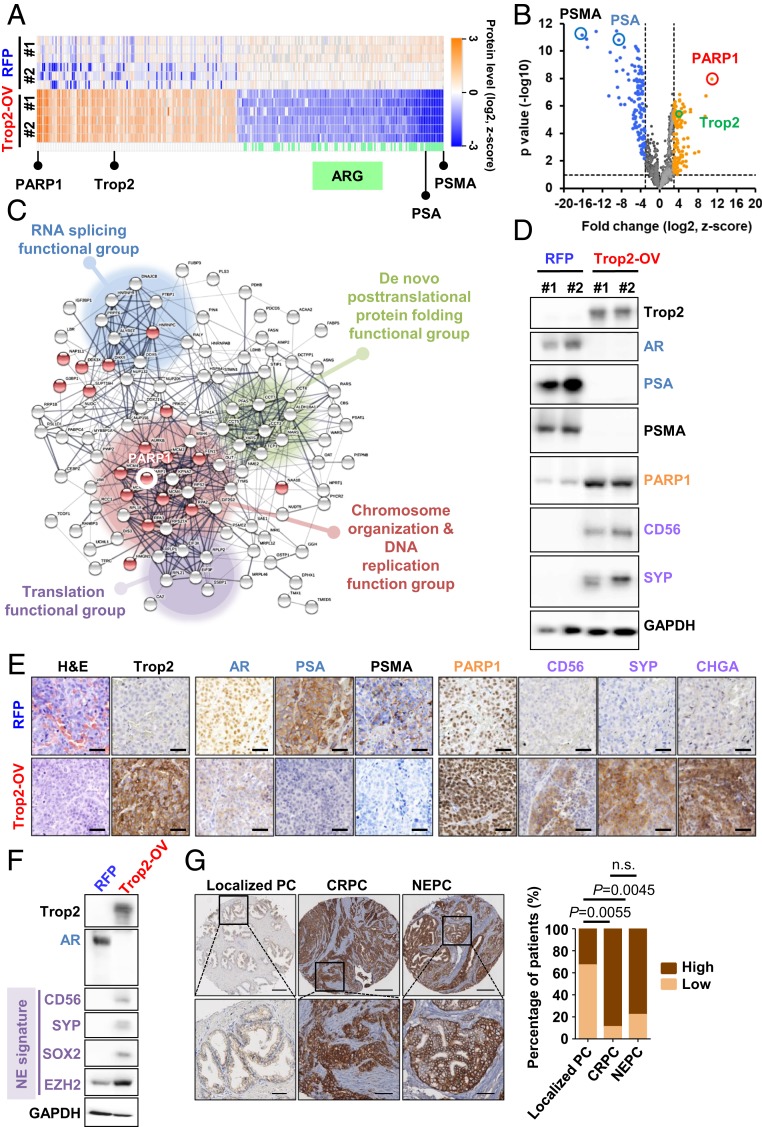
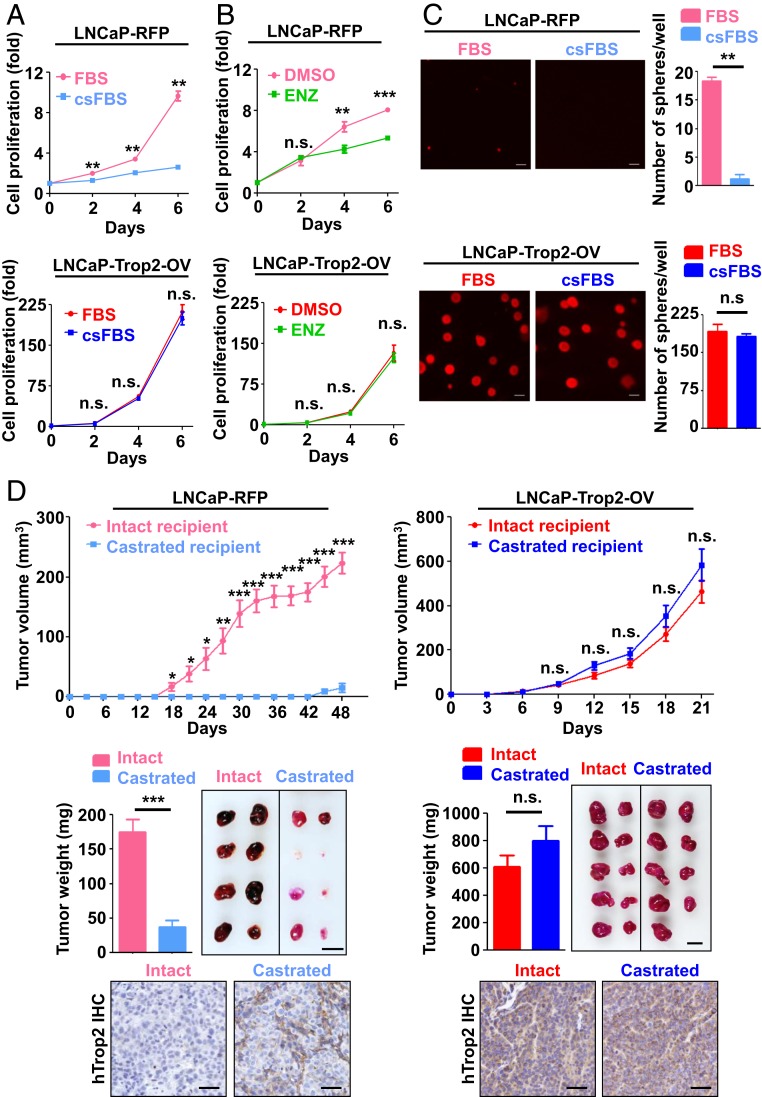
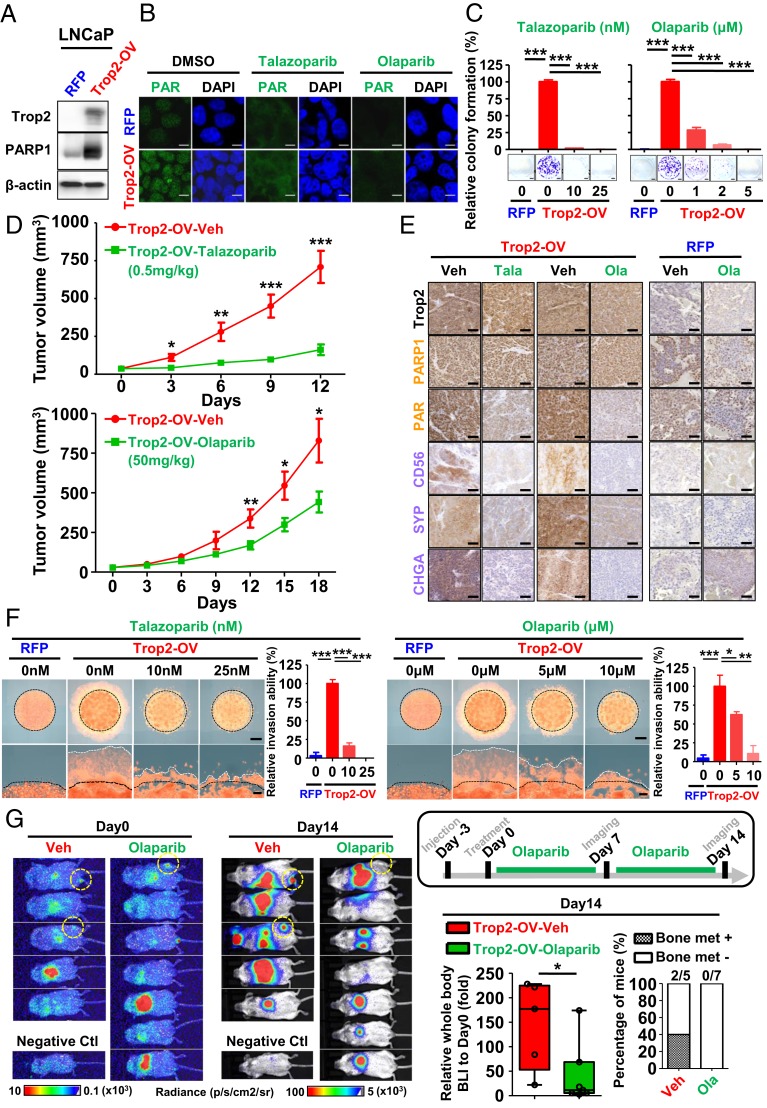
Significance: NEPC is a highly aggressive subtype of prostate cancer that is increasing in incidence, likely due to use of new secondary androgen deprivation therapies. Here, we demonstrate that Trop2 is significantly elevated in CRPC and NEPC and represents a driver of metastatic NEPC. Trop2 overexpression increases tumor growth, drives metastasis and neuroendocrine phenotype, and significantly increases PARP1 levels. Inhibition of PARP1 in Trop2-driven NEPC significantly decreases neuroendocrine features, tumor growth, and metastatic colonization in vivo, suggesting that PARP1 inhibitors may represent a promising therapeutic strategy for metastatic prostate cancer expressing high levels of Trop2.
Overview
The claims and statistics of this paper haven’t been checked yet.
Free: it reads the open-access text and checks the first 5 claims that cite a source we can check. Create a free account to check every claim.
Integrity signals
Registry
Cites
Statistics
Figures
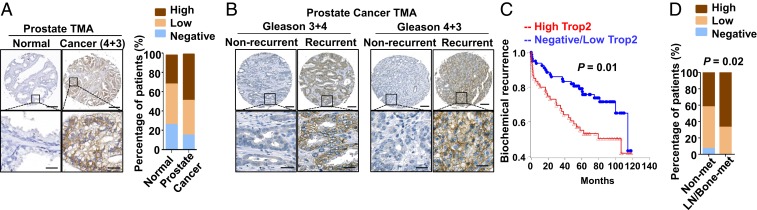
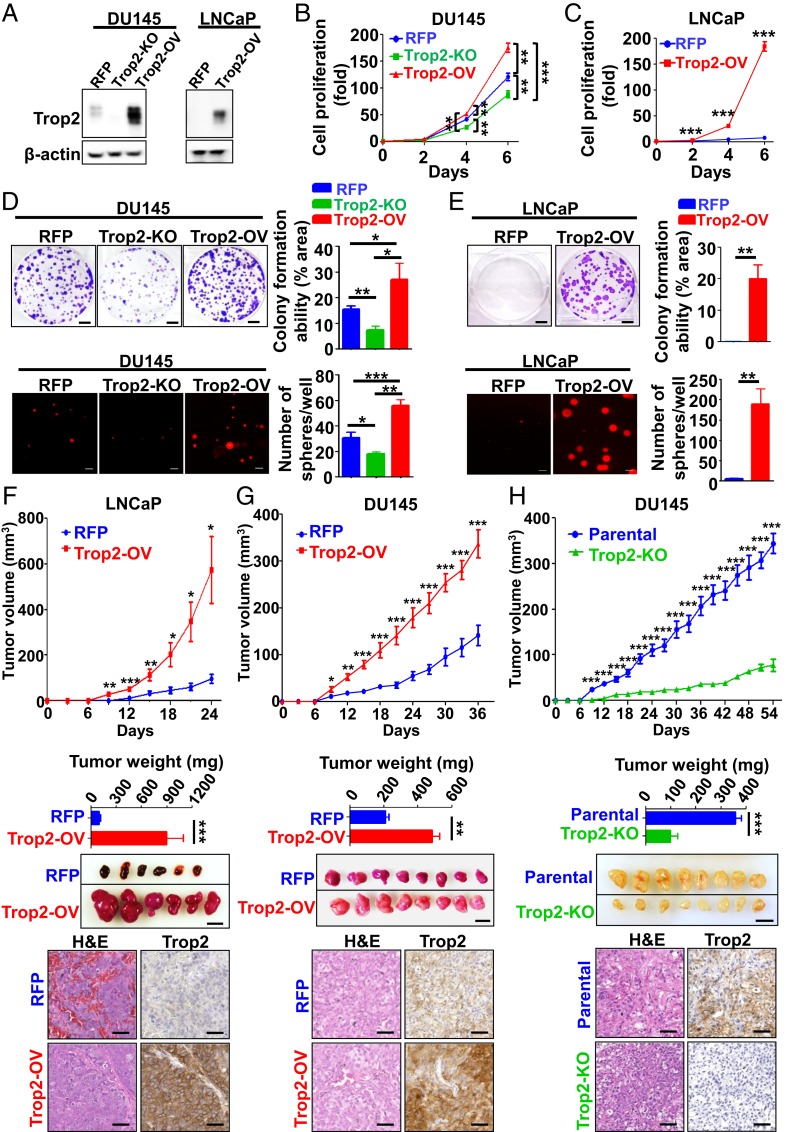
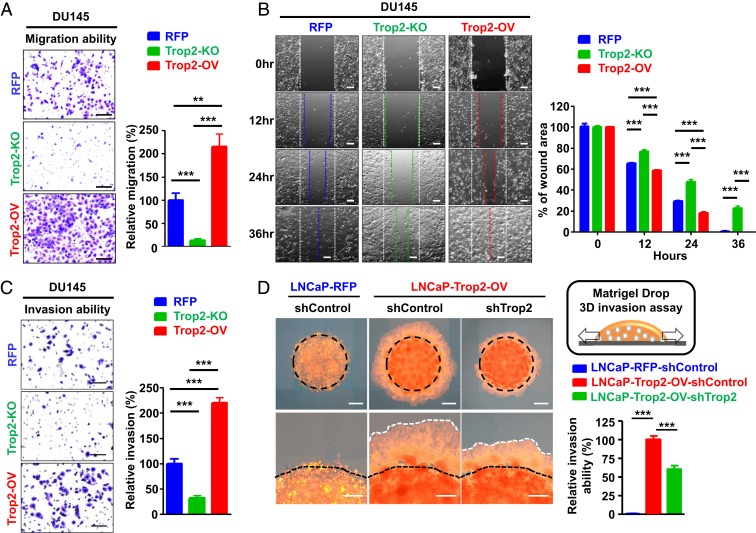
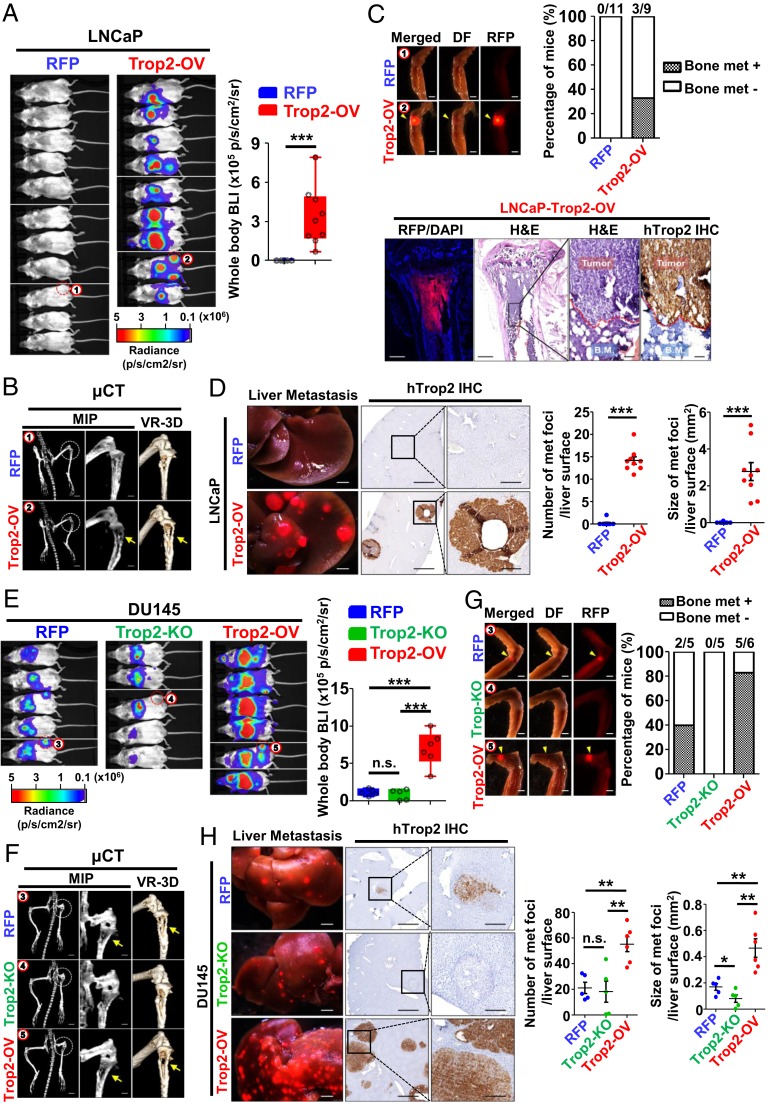
Verification
Claims the paper makes
The claims and statistics of this paper haven’t been checked yet.
Free: it reads the open-access text and checks the first 5 claims that cite a source we can check. Create a free account to check every claim.
Claims other papers make about this one
Each is checked against this paper’s own text: does it say what the citing paper says it does?
The cited source says what the claim attributes to it.
In the citing paper
“Trop2 promotes prostate cancer growth, metastasis, and treatment resistance, and its expression is associated with inferior outcomes123–125.”
From The evolving landscape of antibody-drug conjugates (ADCs) for treatment of prostate cancer (2025) · cites this paper as [124]
The cited source says what the claim attributes to it.
In the citing paper
“Trop2 may also play a role in the neuroendocrine differentiation phenotype, a well-characterized mechanism for ADT-resistance in prostate tumors123,124.”
From The evolving landscape of antibody-drug conjugates (ADCs) for treatment of prostate cancer (2025) · cites this paper as [124]
Self-check
Percentages, sums and reported differences re-computed from the paper’s own numbers.
The self-check needs the paper’s full text.
Citations
Cites
Siegel, R. L., Miller, K. D., & Jemal, A. (2019) · CA: A Cancer Journal for Clinicians · doi:10.3322/caac.21551 · Cited by 20,160
Szklarczyk, D., Morris, J. H., Cook, H., Kuhn, M., Wyder, S., Simonovic, M., Santos, A., Doncheva, N. T., Roth, A., Bork, P., et al. (2017) · Nucleic Acids Research · doi:10.1093/nar/gkw937 · Cited by 6,980 · cited 1×
“org/) (21) was performed (SI Appendix, Fig.”
Increased Survival with Enzalutamide in Prostate Cancer after Chemotherapy
Scher, H. I., Fizazi, K., Saad, F., Taplin, M.-E., Sternberg, C. N., Miller, K., de Wit, R., Mulders, P., Chi, K. N., Shore, N. D., et al. (2012) · New England Journal of Medicine · doi:10.1056/nejmoa1207506 · Cited by 4,586
Integrative Clinical Genomics of Advanced Prostate Cancer
Robinson, D., Van Allen, E. M., Wu, Y.-M., Schultz, N., Lonigro, R. J., Mosquera, J.-M., Montgomery, B., Taplin, M.-E., Pritchard, C. C., Attard, G., et al. (2015) · Cell · doi:10.1016/j.cell.2015.05.001 · Cited by 3,645 · cited 1×
“In prostate cancer, mutations in BRCA1, BRCA2, and ATM genes are observed in roughly 20% of advanced prostate cancer (44).”
BackgroundSelf-citationDNA-Repair Defects and Olaparib in Metastatic Prostate Cancer
Mateo, J., Carreira, S., Sandhu, S., Miranda, S., Mossop, H., Perez-Lopez, R., Nava Rodrigues, D., Robinson, D., Omlin, A., Tunariu, N., et al. (2015) · New England Journal of Medicine · doi:10.1056/nejmoa1506859 · Cited by 2,185 · cited 1×
“Clinical responses have been observed utilizing PARP inhibitors in CRPC with these mutations (45).”
BackgroundThe multifaceted roles of PARP1 in DNA repair and chromatin remodelling
Ray Chaudhuri, A., & Nussenzweig, A. (2017) · Nature Reviews Molecular Cell Biology · doi:10.1038/nrm.2017.53 · Cited by 1,786
Divergent clonal evolution of castration-resistant neuroendocrine prostate cancer
Beltran, H., Prandi, D., Mosquera, J. M., Benelli, M., Puca, L., Cyrta, J., Marotz, C., Giannopoulou, E., Chakravarthi, B. V. S. K., Varambally, S., et al. (2016) · Nature Medicine · doi:10.1038/nm.4045 · Cited by 1,685
Ku, S. Y., Rosario, S., Wang, Y., Mu, P., Seshadri, M., Goodrich, Z. W., Goodrich, M. M., Labbé, D. P., Gomez, E. C., Wang, J., et al. (2017) · Science · doi:10.1126/science.aah4199 · Cited by 1,089
Nuclear structure in cancer cells
Zink, D., Fischer, A. H., & Nickerson, J. A. (2004) · Nature Reviews Cancer · doi:10.1038/nrc1430 · Cited by 1,068 · cited 1×
“Small nuclear size and a speckled heterochromatin aggregation pattern are two histopathologic features associated with the SCLC subtype, and the latter feature is associated with neuroendocrine differentiation (33).”
BackgroundMu, P., Zhang, Z., Benelli, M., Karthaus, W. R., Hoover, E., Chen, C.-C., Wongvipat, J., Ku, S.-Y., Gao, D., Cao, Z., et al. (2017) · Science · doi:10.1126/science.aah4307 · Cited by 1,050
Cited by
A proteogenomic portrait of lung squamous cell carcinoma
Satpathy, S., Krug, K., Jean Beltran, P. M., Savage, S. R., Petralia, F., Kumar-Sinha, C., Dou, Y., Reva, B., Kane, M. H., Avanessian, S. C., et al. (2021) · Cell · doi:10.1016/j.cell.2021.07.016 · Cited by 377
Ferroptosis Inducers Are a Novel Therapeutic Approach for Advanced Prostate Cancer
Ghoochani, A., Hsu, E.-C., Aslan, M., Rice, M. A., Nguyen, H. M., Brooks, J. D., Corey, E., Paulmurugan, R., & Stoyanova, T. (2021) · Cancer Research · doi:10.1158/0008-5472.can-20-3477 · Cited by 306
“We investigated whether ferroptosis induction affected prostate cancer cell migration and invasion by utilizing a 3D Matrigel drop invasion assay (49, 50) and a transwell chamber migration assay.”
BackgroundMethodInfluentialSelf-citationPance, K., Gramespacher, J. A., Byrnes, J. R., Salangsang, F., Serrano, J.-A. C., Cotton, A. D., Steri, V., & Wells, J. A. (2023) · Nature Biotechnology · doi:10.1038/s41587-022-01456-2 · Cited by 265
Trop2: Jack of All Trades, Master of None
Lénart, S., Lenárt, P., Šmarda, J., Remšík, J., Souček, K., & Beneš, P. (2020) · Cancers · doi:10.3390/cancers12113328 · Cited by 154
“prostate IHC 339 membrane, cytoplasm [84]”
BackgroundInfluentialAdvances in Trop2-targeted therapy: Novel agents and opportunities beyond breast cancer
Liu, X., Deng, J., Yuan, Y., Chen, W., Sun, W., Wang, Y., Huang, H., Liang, B., Ming, T., Wen, J., et al. (2022) · Pharmacology & Therapeutics · doi:10.1016/j.pharmthera.2022.108296 · Cited by 124
Aggressive variants of prostate cancer: underlying mechanisms of neuroendocrine transdifferentiation
Bergmann, L., Sailer, V., Lessel, D., Janzen, E., Greimeier, S., Kirfel, J., Perner, S., Pantel, K., Werner, S., & Amsberg, G. V. (2022) · Journal of Experimental & Clinical Cancer Research · doi:10.1186/s13046-022-02255-y · Cited by 141
Targeting Trop-2 in cancer: Recent research progress and clinical application
Qiu, S., Zhang, J., Wang, Z., Lan, H., Hou, J., Zhang, N., Wang, X., & Lu, H. (2023) · Biochimica et Biophysica Acta (BBA) - Reviews on Cancer · doi:10.1016/j.bbcan.2023.188902 · Cited by 128
Treating Prostate Cancer by Antibody–Drug Conjugates
Rosellini, M., Santoni, M., Mollica, V., Rizzo, A., Cimadamore, A., Scarpelli, M., Storti, N., Battelli, N., Montironi, R., & Massari, F. (2021) · International Journal of Molecular Sciences · doi:10.3390/ijms22041551 · Cited by 114
“correlated with neuroendocrine differentiation of prostate cancer cells [52], which confers resistance to standard therapies and is associated with poor outcome [53,54].”
BackgroundJin, P., Duan, X., Huang, Z., Dong, Y., Zhu, J., Guo, H., Tian, H., Zou, C., & Xie, K. (2025) · Signal Transduction and Targeted Therapy · doi:10.1038/s41392-025-02270-3 · Cited by 107
“53,54 57 Dysfunction of NRs has been associated with speci fi c diseases, such as infertility, obesity, and diabetes.”
Chou, J., Trepka, K. R., Sjöström, M., Egusa, E. A., Chu, C. E., Zhu, J., Chan, E., Gibb, E. A., Badura, M. L., Contreras‐Sanz, A., et al. (2022) · European Urology Oncology · doi:10.1016/j.euo.2021.11.005 · Cited by 103
Trop2-targeted therapies in solid tumors: advances and future directions
Liu, X., Ma, L., Li, J., Sun, L., Yang, Y., Liu, T., Xing, D., Yan, S., & Zhang, M. (2024) · Theranostics · doi:10.7150/thno.98178 · Cited by 102
“Preliminary data from preclinical and early clinical studies have shown that Trop2-direct ADCs, when combined with chemotherapeutic agents, small molecule inhibitors, immunotherapy, or anti-angiogenic therapy, can lead to synergistic antitumor effects in drug-resistant tumors [43, 88, 98].”
BackgroundMolecular mechanisms underlying the development of neuroendocrine prostate cancer
Liu, S., Alabi, B. R., Yin, Q., & Stoyanova, T. I. (2022) · Seminars in Cancer Biology · doi:10.1016/j.semcancer.2022.05.007 · Cited by 99
Self-citationA literature review of the promising future of TROP2: a potential drug therapy target
Wen, Y., Ouyang, D., Zou, Q., Chen, Q., Luo, N., He, H., Anwar, M., & Yi, W. (2022) · Annals of Translational Medicine · doi:10.21037/atm-22-5976 · Cited by 85
“Elevated levels of TROP2 are also correlated with poor patient outcomes and a more aggressive clinical course in prostate cancer (38,39).”
BackgroundOncogene-mediated metabolic gene signature predicts breast cancer outcome
Aslan, M., Hsu, E., Garcia-Marques, F. J., Bermudez, A., Liu, S., Shen, M., West, M., Zhang, C. A., Rice, M. A., Brooks, J. D., et al. (2021) · npj Breast Cancer · doi:10.1038/s41523-021-00341-6 · Cited by 80
Self-citationTrop‐2 cleavage by ADAM10 is an activator switch for cancer growth and metastasis
Trerotola, M., Guerra, E., Ali, Z., Aloisi, A. L., Ceci, M., Simeone, P., Acciarito, A., Zanna, P. T., Vacca, G., D’Amore, A., et al. (2021) · Neoplasia · doi:10.1016/j.neo.2021.03.006 · Cited by 77
Current and emerging therapies for neuroendocrine prostate cancer
Alabi, B. R., Liu, S., & Stoyanova, T. I. (2022) · Pharmacology & Therapeutics · doi:10.1016/j.pharmthera.2022.108255 · Cited by 76
Self-citationDual-inhibitory domain iCARs improve the efficiency of the AND-NOT gate CAR T strategy
Bangayan, N. J., Wang, L., Sojo, G. B., Noguchi, M., Cheng, D., Ta, L. H., Gunn, D., Mao, Z., Liu, S., Yin, Q., et al. (2023) · Proceedings of the National Academy of Sciences · doi:10.1073/pnas.2312374120 · Cited by 76
“A DU145 cell line in which the TROP2 gene was deleted using CRISPR/Cas9n (44) (CEA – /TROP2 – ) was engineered to express GFP and either CEACAM5 alone (CEA + /TROP2 – ) or both CEACAM5 and TROP2 (CEA + /TROP2 + ) by lentiviral trans duction.”
MethodSelf-citationCancer stem cell in prostate cancer progression, metastasis and therapy resistance
Verma, P., Shukla, N., Kumari, S., Ansari, M. S., Gautam, N. K., & Patel, G. K. (2023) · Biochimica et Biophysica Acta (BBA) - Reviews on Cancer · doi:10.1016/j.bbcan.2023.188887 · Cited by 70
Plectin is a regulator of prostate cancer growth and metastasis
Buckup, M., Rice, M. A., Hsu, E.-C., Garcia-Marques, F., Liu, S., Aslan, M., Bermudez, A., Huang, J., Pitteri, S. J., & Stoyanova, T. (2021) · Oncogene · doi:10.1038/s41388-020-01557-9 · Cited by 59
“Hematoxylin and eosin (H&E) and IHC staining were performed as previously described [50, 51].”
MethodSelf-citationNeuroendocrine cells of the prostate: Histology, biological functions, and molecular mechanisms
Butler, W., & Huang, J. (2021) · Precision Clinical Medicine · doi:10.1093/pcmedi/pbab003 · Cited by 65
Recent advances in trophoblast cell‐surface antigen 2 targeted therapy for solid tumors
Liao, S., Wang, B., Zeng, R., Bao, H., Chen, X., Dixit, R., & Xing, X. (2021) · Drug Development Research · doi:10.1002/ddr.21870 · Cited by 60
Rosenbaum, D., & Säftig, P. (2023) · FEBS Journal · doi:10.1111/febs.16870 · Cited by 60
“The monomeric transmembrane protein Trop-2 is a signal transducer in epithelial cells [44], with implications for the development and progression of various malignant diseases [45,46].”
BackgroundSoltani, S., Ojaghi, A., Qiao, H., Kaza, N., Li, X., Dai, Q., Osunkoya, A. O., & Robles, F. E. (2022) · Scientific Reports · doi:10.1038/s41598-022-13332-9 · Cited by 61
The role of Trop2 in prostate cancer: an oncogene, biomarker, and therapeutic target.
Shen, M., Liu, S., & Stoyanova, T. I. (2021) · PubMed Central · Cited by 55
Self-citationTrop-2 induces ADAM10-mediated cleavage of E-cadherin and drives EMT-less metastasis in colon cancer
Guerra, E., Trerotola, M., Relli, V., Lattanzio, R., Tripaldi, R., Vacca, G., Ceci, M., Boujnah, K., Garbo, V., Moschella, A., et al. (2021) · Neoplasia · doi:10.1016/j.neo.2021.07.002 · Cited by 56
“We and others showed that Trop-2 drives liver colonization of prostate cancer cells [ 7 , 8 ].”
Izci, H., Punie, K., Waumans, L., Laenen, A., Wildiers, H. P. M. W., Verdoodt, F., Desmedt, C., Ardui, J., Smeets, A., Han, S., et al. (2022) · Scientific Reports · doi:10.1038/s41598-022-27093-y · Cited by 53
Jiang, M., Li, Q., & Xu, B. (2024) · Drug Resistance Updates · doi:10.1016/j.drup.2024.101086 · Cited by 52
Abel, M. L., Takahashi, N., Peer, C. J., Redon, C. E., Nichols, S., Vilimas, R. J., Lee, M.-J., Lee, S., Shelat, M., Kattappuram, R., et al. (2023) · Clinical Cancer Research · doi:10.1158/1078-0432.ccr-23-0536 · Cited by 49
Ajkunic, A., Sayar, E., Roudier, M. P., Patel, R. A., Coleman, I. M., Sarkar, N. D., Hanratty, B. P., Adil, M., Zhao, J. L., Zaidi, S., et al. (2024) · npj Precision Oncology · doi:10.1038/s41698-024-00599-6 · Cited by 48
“Prior studies have suggested that TROP2 expression induces a neuroendocrine phenotype and that TROP2 is enriched in NEPC 44 .”
BackgroundAslan, M., Hsu, E., Liu, S., & Stoyanova, T. I. (2021) · Biology Methods and Protocols · doi:10.1093/biomethods/bpab014 · Cited by 47
Self-citationGuimarães, C. F., Ahmed, R., Mataji‐Kojouri, A., Soto, F., Wang, J., Liu, S., Stoyanova, T. I., Marques, A. P., Reis, R. L., & Demirci, U. (2021) · Advanced Materials · doi:10.1002/adma.202105361 · Cited by 46
Self-citationTrop-2 in Upper Tract Urothelial Carcinoma
Tomiyama, E., Fujita, K., Nakano, K., Kuwahara, K., Minami, T., Kato, T., Hatano, K., Kawashima, A., Uemura, M., Takao, T., et al. (2022) · Current Oncology · doi:10.3390/curroncol29060312 · Cited by 46
Zhao, M., DiPeri, T. P., Raso, M. G., Zheng, X., Rizvi, Y. Q., Evans, K. W., Yang, F., Akçakanat, A., Estecio, M. R., Tripathy, D., et al. (2023) · npj Breast Cancer · doi:10.1038/s41523-023-00573-8 · Cited by 44
UCHL1 is a potential molecular indicator and therapeutic target for neuroendocrine carcinomas
Liu, S., Chai, T., Garcia-Marques, F. J., Yin, Q., Hsu, E., Shen, M., Toland, A. M. S., Bermudez, A., Hartono, A. B., Massey, C. F., et al. (2024) · Cell Reports Medicine · doi:10.1016/j.xcrm.2023.101381 · Cited by 43
“48 Increasing evidence has shown that cancers with neuroendocrine differentiation share commonalities ingeneexpression,druggabletargets,andtherapeuticvulnerabil-ities.”
BackgroundSelf-citationTang, W., Hu, Y., Tu, K.-H., Gong, Z., Zhu, M., Yang, T., Sarwar, A., Dai, B., Zhang, D., Zhan, Y., et al. (2023) · Journal of Advanced Research · doi:10.1016/j.jare.2023.05.012 · Cited by 42
Curcumin in the treatment of urological cancers: Therapeutic targets, challenges and prospects
Hashemi, M., Mirzaei, S., Barati, M., Hejazi, E. S., Kakavand, A., Entezari, M., Salimimoghadam, S., Kalbasi, A., Rashidi, M., Taheriazam, A., et al. (2022) · Life Sciences · doi:10.1016/j.lfs.2022.120984 · Cited by 42
Evolution of TROP2: Biological insights and clinical applications
Zhang, X., Xiao, H. L., Na, F., Sun, J., Guan, Q., Liu, R., Cai, L., Li, H., & Zhao, M. (2025) · European Journal of Medicinal Chemistry · doi:10.1016/j.ejmech.2025.117863 · Cited by 41
Kwon, O., Zhang, L., Jia, D., & Xin, L. (2020) · Oncogene · doi:10.1038/s41388-020-01526-2 · Cited by 41
“This hypothesis is supported by a recent study showing that high expression of TACSTD2 was associated with biochemical recurrence (26).”
ResultKwon, O., Zhang, L., Jia, D., Zhou, Z., Li, Z., Haffner, M. C., Lee, J. K., True, L. D., Morrissey, C. M., & Xin, L. (2020) · Oncogene · doi:10.1038/s41388-020-01487-6 · Cited by 39
Prostate luminal progenitor cells: from mouse to human, from health to disease
Baurès, M., Dariane, C., Tika, E., Lombardi, E. P., Delongchamps, N. B., Blanpain, C., Guidotti, J., & Goffin, V. (2022) · Nature Reviews Urology · doi:10.1038/s41585-021-00561-2 · Cited by 39
Vranić, S., & Gatalica, Z. (2022) · Biomolecules and Biomedicine · doi:10.17305/bjbms.2021.6100 · Cited by 39
“of a humanized anti-Trop-2 immunoglobulin (Ig)G antibody described in some rare and aggressive malignancies, such as salivary duct carcinomas [9], anaplastic thyroid carcinomas [10], uterine/ovarian carcinosarcomas [11,12], and neuroendocrine carcinoma (NEC) of the prostate [13].”
BackgroundMCM2-7 complex is a novel druggable target for neuroendocrine prostate cancer
Hsu, E., Shen, M., Aslan, M., Liu, S., Kumar, M., Garcia-Marques, F. J., Nguyen, H. M., Nolley, R., Pitteri, S. J., Corey, E., et al. (2021) · Scientific Reports · doi:10.1038/s41598-021-92552-x · Cited by 37
Self-citationRice, M. A., Kumar, V., Tailor, D., Garcia-Marques, F. J., Hsu, E., Liu, S., Bermudez, A., Vijayalakshmi, K., Shankar, V., Inde, Z., et al. (2022) · Cell Reports Medicine · doi:10.1016/j.xcrm.2021.100502 · Cited by 37
“To determine the effects of SU086 on migratory and invasive characteristics of prostate cancer cells, we performed transwell migration chamber experiments (Figure 2D), transwell invasion chamber experiments (Figure 2E; Figure S2B) and 3D Matrigel Drop invasion assays (Figure 2F; Figure S2C).(24,25) In all three assays…”
MethodSelf-citationAntibody drug conjugates in gastrointestinal cancer: From lab to clinical development
Singh, D., Dheer, D., Samykutty, A. K., & Shankar, R. (2021) · Journal of Controlled Release · doi:10.1016/j.jconrel.2021.10.006 · Cited by 36
Demény, M. Á., & Virág, L. (2021) · Cancers · doi:10.3390/cancers13092057 · Cited by 35
“TROP2-driven prostate cancer xenografts are sensitive to PARP inhibition [84].”
BackgroundDing, L., Zheng, Q., Lin, Y., Wang, R., Wang, H., Luo, W., Lu, Z., Xie, H., Ren, L., Lu, H., et al. (2023) · Clinical and Translational Medicine · doi:10.1002/ctm2.1156 · Cited by 35
Lu, B., Chen, X., Liu, X., Chen, J., Qin, H., Chen, S., & Zhao, Y. (2022) · Journal of Translational Medicine · doi:10.1186/s12967-022-03802-z · Cited by 34
“In prostate cancer and kidney cancer, PARP1 is closely related to the metastasis of tumor cells [45, 46].”
BackgroundMakino, T., Izumi, K., & Mizokami, A. (2021) · Biomedicines · doi:10.3390/biomedicines9040414 · Cited by 31
“Recent data showed that Trop2 is a driver of metastatic PC with NE phenotype via poly-ADP ribose polymerase 1 (PARP1).”
BackgroundATF2 loss promotes tumor invasion in colorectal cancer cells via upregulation of cancer driver TROP2
Huebner, K., Erlenbach‐Wuensch, K., Procházka, J., Sheraj, I., Hampel, C., Mrázková, B., Michalčíková, T., Turečková, J., Iatsiuk, V., Weissmann, A., et al. (2022) · Cellular and Molecular Life Sciences · doi:10.1007/s00018-022-04445-5 · Cited by 31
Molecular mechanisms of neuroendocrine differentiation in prostate cancer progression
Xie, Y., Ning, S., & Hu, J. (2022) · Journal of Cancer Research and Clinical Oncology · doi:10.1007/s00432-022-04061-7 · Cited by 29
TROP2 (trophoblast cell-surface antigen 2): a drug target for breast cancer
Cortesi, M., Zanoni, M., Maltoni, R., Ravaioli, S., Tumedei, M. M., Pirini, F., & Bravaccini, S. (2022) · Expert Opinion on Therapeutic Targets · doi:10.1080/14728222.2022.2113513 · Cited by 28
“In BC, Trop2 promotes epithelial-to-mesenchymal transition (EMT) [56] a well-known transcriptional program in which cancer cells acquire a mesenchymal phenotype with enhanced invasive and migratory abilities [57].”
BackgroundInfluentialTROP2 translation mediated by dual m6A/m7G RNA modifications promotes bladder cancer development
Chen, C., Chao, Y., Zhang, C., Hu, W., Huang, Y., Lv, Y., Liu, B., Ji, D., Liu, M., Yang, B., et al. (2023) · Cancer Letters · doi:10.1016/j.canlet.2023.216246 · Cited by 25
Self-citationSacituzumab govitecan in triple-negative breast cancer: from bench to bedside, and back
Rossi, V., Turati, A., Rosato, A., & Carpanese, D. (2024) · Frontiers in Immunology · doi:10.3389/fimmu.2024.1447280 · Cited by 25
“In this regard, observations were reported in literature concerning in both prostate cancer and TNBC, where Trop-2 and AR showed interconnection in their expression (56, 57).”
BackgroundTrop2-Targeted Molecular Imaging in Solid Tumors: Current Advances and Future Outlook
Liu, Y., Huang, W., Saladin, R. J., Hsu, J. C., Cai, W., & Kang, L. (2024) · Molecular Pharmaceutics · doi:10.1021/acs.molpharmaceut.4c00848 · Cited by 24
Differential expression of αVβ3 and αVβ6 integrins in prostate cancer progression
Quaglia, F., Krishn, S. R., Wang, Y., Goodrich, D. W., McCue, P. A., Kossenkov, A. V., Mandigo, A. C., Knudsen, K. E., Weinreb, P. H., Corey, E., et al. (2021) · PLoS ONE · doi:10.1371/journal.pone.0244985 · Cited by 24
“Consistent with these previous publications, PARP1 expression is upregulated in DKO and TKO tumors (Table 1).”
BackgroundInfluentialŠvec, J., Šťastná, M., Janečková, L., Hrčkulák, D., Vojtěchová, M., Onhajzer, J., Kříž, V., Galušková, K., Šloncová, E., Kubovčiak, J., et al. (2022) · Cancers · doi:10.3390/cancers14174137 · Cited by 23
Neuroendocrine transdifferentiation in human cancer: molecular mechanisms and therapeutic targets
Jiang, J., Han, D., Wang, J., Wen, W., Zhang, R., & Qin, W. (2024) · MedComm · doi:10.1002/mco2.761 · Cited by 23
Targeting Trop-2 as a Cancer Driver
Guerra, E., Trerotola, M., & Alberti, S. (2023) · Journal of Clinical Oncology · doi:10.1200/jco.23.01207 · Cited by 22
Trop2 Expression in Extramammary Paget’s Disease and Normal Skin
Ito, T., Tanegashima, K., Tanaka, Y., Hashimoto, H., Murata, M., Oda, Y., & Kaku‐Ito, Y. (2021) · International Journal of Molecular Sciences · doi:10.3390/ijms22147706 · Cited by 22
Targeting Key Players of Neuroendocrine Differentiation in Prostate Cancer
Zamora, I., Freeman, M. R., Encío, I., & Rotinen, M. (2023) · International Journal of Molecular Sciences · doi:10.3390/ijms241813673 · Cited by 21
“PARP1 Talazoparib Pre-clinical (in vitro and in vivo) [100] Olaparib Pre-clinical (in vitro and in vivo) [100,115,168,169]”
BackgroundThe evolving landscape of antibody-drug conjugates (ADCs) for treatment of prostate cancer
Lin, C., Hadfield, M. J., Santopietro, A., Lagos, G., Cheng, L., El-Deiry, W. S., Aggarwal, R., Mega, A., Hyams, E., & Carneiro, B. A. (2025) · npj Precision Oncology · doi:10.1038/s41698-025-01131-0 · Cited by 20
Wu, W., Yu, F., Zhang, P., Bu, T., Fu, J., Ai, S., You, Q., Shi, L., Shao, G., Wang, F., et al. (2022) · Journal of Nuclear Medicine · doi:10.2967/jnumed.121.263132 · Cited by 20
“As an aggressive subtype of CRPC, NEPC has a median survival time of less than 1 y because identification is difficult and because the androgen deficiency results in fewer treatment options (9).”
BackgroundInfluentialBasal epithelial cells in prostate development, tumorigenesis, and cancer progression
Pitzen, S. P., & Dehm, S. M. (2023) · Cell Cycle · doi:10.1080/15384101.2023.2206502 · Cited by 21
“The levels of TROP-2 are higher in prostate cancer compared to healthy prostate tissue, and increase further in metastatic CRPC, making it an intriguing biomarker and therapeutic target [85].”
BackgroundCai, M., Zheng, F., Ren, Y.-Z., Zhen, C., Fu, D., Song, X., Li, Q., Qu, Y., Chen, Z., & Zhao, S. (2025) · Research · doi:10.34133/research.0791 · Cited by 18
“…for NEPC, molecular targets [DLL3, tumor-associated calcium signal transducer 2 (Trop2), and carcinoembryonic antigen associated cell adhesion molecule 5 (CEACAM5)] also demonstrate diagnostic utility in both preclinical and clinical settings for this aggressive disease variant [ 26 , 27 , 100 ].”
InfluentialIn Vivo Imaging of Methionine Aminopeptidase II for Prostate Cancer Risk Stratification
Xie, J., Rice, M. A., Chen, Z., Cheng, Y., Hsu, E., Chen, M., Song, G., Cui, L., Zhou, K., Castillo, J. B., et al. (2021) · Cancer Research · doi:10.1158/0008-5472.can-20-2969 · Cited by 18
“LNCaP-Trop2 are engineered LNCaP cells overexpressing Trop2, as reported previously (25).”
BackgroundSelf-citationProgress and challenges in biomarker enrichment for cancer early detection
Sinawang, P. D., Soto, F., Ozen, M. O., Akin, D., & Demirci, U. (2021) · Progress in Biomedical Engineering · doi:10.1088/2516-1091/ac1ea3 · Cited by 17
“Therefore, proteomic profiling can be beneficial for novel biomarker discovery, especially if the expression of such proteomes can be correlated to the genomic pathways [108].”
Guo, Y., Zheng, Z., Mao, S., Yang, F., Wang, R., Wang, H., Liu, J. T., Li, C., Wang, Q., Zhang, W., et al. (2022) · Molecular Carcinogenesis · doi:10.1002/mc.23475 · Cited by 17
“5 × 10(4) T24 cells were suspended in 10 μl Matrigel, seeded in a 24‐well plate in the form of droplets, and the droplets were imaged using a microscope (Olympus Corporation) on Day 0 and Day 4, as described previously.(18,19) The added medium was changed once a day.”
MethodSelf-citationCurrent and future directions in theranostics for neuroendocrine prostate cancer
Bilgin, G. B., Lucien, F., Chaudhuri, A. A., Orme, J. J., Childs, D. S., Muniz, M., Li, G. G., Chauhan, P. S., Lee, S., Gupta, S., et al. (2025) · Cancer Treatment Reviews · doi:10.1016/j.ctrv.2025.102941 · Cited by 17
Shao, B., & Zeng, Y. (2025) · Annals of Medicine · doi:10.1080/07853890.2025.2548975 · Cited by 16
“Currently, TROP2-targeted therapeutic strategies primarily include antibody-drug conjugates (ADC) and combination therapy with PARP inhibitors (PARPi) [90].”
Plasticity within Aldehyde Dehydrogenase–Positive Cells Determines Prostate Cancer Radiosensitivity
Schwarz, F. M., Schniewind, I., Besso, M. J., Lange, S., Linge, A., Patil, S. G., Löck, S., Klusa, D., Dietrich, A., Voß-Böhme, A., et al. (2022) · Molecular Cancer Research · doi:10.1158/1541-7786.mcr-21-0806 · Cited by 16
An assembly of TROP2-mediated signaling events
Upadhyay, S. S., Balaya, R. D. A., Parate, S. S., Dagamajalu, S., Prasad, T. S. K., Shetty, R., & Raju, R. (2023) · Journal of Cell Communication and Signaling · doi:10.1007/s12079-023-00742-1 · Cited by 16
“Hsu et al (2020), reported that TROP2 overexpression in the neuroendocrine phenotype of metastatic prostate cancer (NEPC) induces tumor growth and metastasis by the upregulation of Poly ADPRibose Polymerase 1 (PARP1) (Hsu et al.”
BackgroundLiu, J., Maskey, N., Zhu, X., Guo, Y., Zhang, Z., Kadier, A., Gu, Z., Wang, H., Zou, L., Guo, C., et al. (2025) · Experimental & Molecular Medicine · doi:10.1038/s12276-025-01540-y · Cited by 16
The yin and yang of chromosomal instability in prostate cancer
Carceles‐Cordon, M., Orme, J. J., Domenech, J. M. D., & Rodríguez-Bravo, V. (2024) · Nature Reviews Urology · doi:10.1038/s41585-023-00845-9 · Cited by 15
Bamodu, O. A., Wang, Y., Ho, C., Hu, S.-W., Lin, C.-D., Tzou, K.-Y., Wu, W., Chen, K., & Wu, C. (2021) · Cancers · doi:10.3390/cancers13163959 · Cited by 15
“, who conversely stated that TACSTD2 is overexpressed in CRPC, drives cancer growth, and induces the neuroendocrine phenotype [23].”
BackgroundResultInfluentialBravaccini, S., & Maltoni, R. (2021) · Journal of Personalized Medicine · doi:10.3390/jpm11111211 · Cited by 14
“Trop-2 expression has also been described in some rare and aggressive malignancies, such as salivary duct carcinomas [19], anaplastic thyroid carcinomas [20], uterine/ovarian carcinosarcomas [21,22], and neuroendocrine carcinoma (NEC) of the prostate [23].”
Weiten, R., Niemann, M., Below, E., Friker, L. L., Ralser, D. J., Toma, M. I., Kristiansen, G., Hahn, O., Zechel, S., Grünwald, V., et al. (2024) · Cancer Medicine · doi:10.1002/cam4.7320 · Cited by 14
“17 The strong expression of Trop-2 on tumor cells, coupled with the absence of Trop-2 expression in adjacent brain tissue and the ability of the SG payload SN-38 to cross the blood–brain barrier, 18,19 may lead to a significant therapeutic opportunity.”
BackgroundThe reactive stroma response regulates the immune landscape in prostate cancer
Thomas, R., Jerome, J. M., Krieger, K. L., Ashraf, N., & Rowley, D. R. (2024) · Journal of Translational Genetics and Genomics · doi:10.20517/jtgg.2024.15 · Cited by 14
Yao, B., Gao, X. Z., Dan, M., Yuan, C., Hu, X., Sun, Z., Hui, X., Liu, B., Ouyang, P., & Chen, G. (2022) · The AAPS Journal · doi:10.1208/s12248-022-00720-2 · Cited by 13
Liu, S., Hawley, S. J., Kunder, C. A., Hsu, E., Shen, M., Westphalen, L., Auman, H. J., Newcomb, L. F., Lin, D. W., Nelson, P. S., et al. (2024) · Scientific Reports · doi:10.1038/s41598-023-50215-z · Cited by 13
“In our previous study, we demonstrated that high levels of tissue Trop2 predict a shorter time to recurrence in a prostate cancer cohort with 234 patients, suggesting that Trop2 could serve as a prognostic tissue biomarker for early detection of clinically significant localized prostate cancer 15 .”
BackgroundInfluentialSelf-citationBlagoev, K. B., Iordanov, R. B., Zhou, M., Fojo, T., & Bates, S. E. (2021) · Oncotarget · doi:10.18632/oncotarget.27855 · Cited by 13
“The rates of tumor growth and regression were estimated using an R package, designated tumgr, that uses a regression-growth model previously validated for other types of tumors and treatments [10, 26].”
BackgroundMethodLupsa, N., Héninger, E., Ding, A. B., Sánchez‐de‐Diego, C., Vietor, K. J., Reese, S. R., LeBeau, A. M., Kosoff, D., Beebe, D. J., Kerr, S. C., et al. (2026) · International Journal of Molecular Sciences · doi:10.3390/ijms27031585 · Cited by 12
“…antigen 2 (TROP2) is a cell surface glycoprotein with high expression in CRPC and NEPC that functions as a driver of metastatic disease and a biomarker for biochemical recurrence and prostate-specific membrane antigen (PSMA) is a critical prognostic and diagnostic biomarker in PCa [199–201].”
Frantzi, M., Hupe, M. C., Merseburger, A. S., Schanstra, J. P., Mischak, H., & Latosińska, A. (2020) · Diagnostics · doi:10.3390/diagnostics10090658 · Cited by 12
A colorimetric biosensor to track Trop-2 status of tumor cells for diagnosis of breast cancer
Zeng, T., Wu, S., Liang, Q., Shi, H., Gong, J., Duan, N., Li, W., Li, G., & Yin, Y. (2023) · Sensors and Actuators B Chemical · doi:10.1016/j.snb.2023.134020 · Cited by 11
MicroRNAs in treatment-induced neuroendocrine differentiation in prostate cancer
Akoto, T., Bhagirath, D., & Saini, S. (2020) · Cancer Drug Resistance · doi:10.20517/cdr.2020.30 · Cited by 11
“However, after treatment with AR pathway inhibitors such as ENZ and ABI, these luminal cells transdifferentiate to form neuroendocrine cells leading to therapy-induced PCa (NEPC), an aggressive subtype of CRPC characterized by low PSA and no AR signaling([26-30]).”
BackgroundGehring, A., Huebner, K., Rani, H., Erlenbach‐Wuensch, K., Merkel, S., Mahadevan, V., Grützmann, R., Hartmann, A., & Schneider‐Stock, R. (2024) · Scientific Reports · doi:10.1038/s41598-024-52437-1 · Cited by 10
“Although the functions of TROP2 overexpression are well studied and are associated with tumor aggressiveness, EMT, metastasis and decreased overall survival 9,12,13 , little is known about the regulation of TACSTD2 expression.”
Extracellular Domain Shedding of TROP2 Activates EGFR Signaling to Drive Prostate Cancer Metastasis
Liu, S., Hsu, E., Aslan, M., Garcia-Marques, F. J., Shen, M., Hartono, A. B., Solano, F., Le, K., Hwang, H., Lee, C. S., et al. (2025) · Cancer Research · doi:10.1158/0008-5472.can-24-4855 · Cited by 10
Self-citationA non-mutated TROP2 fingerprint in cancer genetics
Guerra, E., Pietro, R. D., Stati, G., & Alberti, S. (2023) · Frontiers in Oncology · doi:10.3389/fonc.2023.1151090 · Cited by 10
“Upregulation of Trop-2 has been associated to poor prognosis of lung (8), breast (9), pancreas (10, 11), stomach (12), head and neck (13), ovary (14) and colon-rectum cancers (11), suggesting a pivotal role of this molecule in tumor progression (15) and metastatic diffusion (16).”
BackgroundEmmenis, L. V., Ku, S., Gayvert, K. M., Branch, J. R., Brady, N. J., Basu, S., Russell, M. R., Cyrta, J., Vosoughi, A., Sailer, V. W., et al. (2023) · Cancer Research Communications · doi:10.1158/2767-9764.crc-22-0491 · Cited by 10
Regulation of Neuroendocrine-like Differentiation in Prostate Cancer by Non-Coding RNAs
Slabáková, E., Kahounová, Z., Procházková, J., & Souček, K. (2021) · Non-Coding RNA · doi:10.3390/ncrna7040075 · Cited by 10
Nanomedicine for the Treatment of Advanced Prostate Cancer
Vicente‐Ruiz, S., Serrano‐Martí, A., Armiñán, A., & Vicent, M. J. (2020) · Advanced Therapeutics · doi:10.1002/adtp.202000136 · Cited by 10
Current status and future prospects of antibody–drug conjugates in urological malignancies
Hayashi, T., & Hinata, N. (2022) · International Journal of Urology · doi:10.1111/iju.14925 · Cited by 9
Kanaan, M. R., Schmitz, J., Braesen, J. H., Kuczyk, M. A., & Tezval, H. (2025) · BMC Cancer · doi:10.1186/s12885-025-15042-7 · Cited by 8
“Differences in subcellular localization (membranous vs. cytoplasmic), signaling partners, and co-expression with luminal markers may modulate its function and prognostic implications in UTUC [15, 20].”
TROP2 Expression in Sebaceous and Sweat Gland Carcinoma
Ito, T., Hashimoto, H., Tanaka, Y., Tanegashima, K., Murata, M., Ichiki, T., Iwasaki, T., Oda, Y., & Kaku‐Ito, Y. (2022) · Journal of Clinical Medicine · doi:10.3390/jcm11030607 · Cited by 8
Shin, Y., Shin, J., Jeong, H., Ryoo, B., Kim, K.-P., Park, I., Seo, D., Yoon, D. H., Song, T. J., Oh, D., et al. (2025) · Targeted Oncology · doi:10.1007/s11523-025-01193-x · Cited by 7
Co-axial hydrogel spinning for facile biofabrication of prostate cancer-like 3D models
Guimarães, C. F., Liu, S., Wang, J., Purcell, E., Ozedirne, T., Ren, T., Aslan, M., Yin, Q., Reis, R. L., Stoyanova, T. I., et al. (2024) · Biofabrication · doi:10.1088/1758-5090/ad2535 · Cited by 7
“We integrated our recently validated NEPC cancer cell model driven by Trop2 [37].”
InfluentialSelf-citationZhou, D., Sun, L., Yu, Q., Zhai, X.-T., Zhang, L.-W., Gao, R., Zhen, Y., Wang, R., & Miao, Q. (2023) · International Journal of Biological Macromolecules · doi:10.1016/j.ijbiomac.2023.127105 · Cited by 7
ACAA2 is a novel molecular indicator for cancers with neuroendocrine phenotype
Shen, M., Liu, S., Toland, A. M. S., Hsu, E., Hartono, A. B., Alabi, B. R., Aslan, M., Nguyen, H. M., Sessions, C. J., Nolley, R., et al. (2023) · British Journal of Cancer · doi:10.1038/s41416-023-02448-y · Cited by 7
“We demonstrated that Acetyl-CoA acyltransferase 2 (ACAA2) is highly upregulated in a Trop2-driven NEPC (TD-NEPC) model [26].”
BackgroundMethodInfluentialSelf-citationÖzdemir, B. C., Arnold, N., Fleischmann, A., Hensel, J., Klima, I., Julio, M. K., Burkhard, F. C., Hayoz, S., Kiss, B. M., & Thalmann, G. N. (2022) · European Urology Open Science · doi:10.1016/j.euros.2022.07.005 · Cited by 6
“TROP2 is a marker of prostate basal cells with SC characteristics, and high TROP2 expression by immunohistochemistry was recently shown to predict biochemical recurrence after RP [24].”
BackgroundLiu, S., Garcia-Marques, F. J., Shen, M., Bermudez, A., Pitteri, S. J., & Stoyanova, T. I. (2024) · American Journal of Clinical and Experimental Urology · doi:10.62347/jnbr1463 · Cited by 6
“…test the role of UCH-L1 in double-negative prostate cancer metastasis, we adopted another well-established intracardiac Am J Clin Exp Urol 2024;12(5):306-322 injection metastasis model to test the role of UCH-L1 on the ability of DU-145 cells to home at distant sites ( Figure 3 ) [70, 74, 75].”
Self-citationCell-surface targets for prostate cancer therapeutics
Ruder, S. F., Ziaeefar, P., Jaswal, A. P., & Tagawa, S. T. (2026) · Urologic Oncology Seminars and Original Investigations · doi:10.1016/j.urolonc.2026.111032 · Cited by 6
Metadata
- Authors
- Hsu, E.-C., Rice, M. A., Bermudez, A., Marques, F. J. G., Aslan, M., Liu, S., Ghoochani, A., Zhang, C. A., Chen, Y.-S., Zlitni, A., Kumar, S., Nolley, R., Habte, F., Shen, M., Koul, K., Peehl, D. M., Zoubeidi, A., Gambhir, S. S., Kunder, C. A., Pitteri, S. J., Brooks, J. D., & Stoyanova, T.
- Affiliations
- Stanford Medicine (US)
- Department of Radiology, Stanford University, Stanford, CA 94304;
- University of British Columbia (CA)
- University of California, San Francisco (US)
- Corresponding author
- Stoyanova, Tanya
- ORCID
- Hsu, En-Chi
- Rice, Meghan A.
- Bermudez, Abel
- Marques, Fernando Jose Garcia
- Aslan, Merve
- Liu, Shiqin
- Ghoochani, Ali
- Zhang, Chiyuan Amy
- Chen, Yun-Sheng
- Zlitni, Aimen
- Kumar, Sahil
- Nolley, Rosalie
- Habte, Frezghi
- Shen, Michelle
- Peehl, Donna M.
- Zoubeidi, Amina
- Gambhir, Sanjiv S.
- Kunder, Christian A.
- Pitteri, Sharon J.
- Brooks, James D.
- Stoyanova, Tanya
- Venue
- Proceedings of the National Academy of Sciences
- Publisher
- National Academy of Sciences
- Published
- 2020-01-13
- Volume
- 117
- Issue
- 4
- Pages
- 2032-2042
- ISSN
- 0027-8424 (ISSN-L)
- 1091-6490
- PMC
- PMC6994991
- OpenAlex
- W2999659032
- Cited by
- 146
- References
- 46
- Citations by year
- 2026: 14 · 2025: 22 · 2024: 19 · 2023: 28 · 2022: 30 · 2021: 25 · 2020: 8
- FWCI
- 12.81
- Type
- journal article
- Language
- en
- Open access
- hybrid
- doi.org
- Licence
- Locations
- Proceedings of the National Academy of Sciences (publishedVersion, cc-by-nc-nd)
- PubMed Central (publishedVersion, cc-by-nc-nd)
- PubMed (publishedVersion)
- eScholarship (California Digital Library) (submittedVersion, cc-by-nc-nd)
- Funders
- NIH (R03CA230819)
- DOD PCRP (W81XWH1810323, W81XWH1810141)
- Topics
- Life Sciences › Biochemistry, Genetics and Molecular Biology › Cancer Research › Prostate Cancer Treatment and Research
- Health Sciences › Medicine › Urology › Prostate Cancer Diagnosis and Treatment
- Health Sciences › Medicine › Oncology › PARP inhibition in cancer therapy
- Keywords
- TROP2, neuroendocrine prostate cancer, castration-resistant prostate cancer, PARP1, PARP inhibitors, metastasis, androgen deprivation therapy resistance, tumor recurrence, therapeutic target, tumor growth
- MeSH terms
- Poly(ADP-ribose) Polymerase Inhibitors, Poly (ADP-Ribose) Polymerase-1, Animals, Antigens, Neoplasm, Bone Neoplasms, Cell Movement, Follow-Up Studies, Humans, Male, Neoplasm Invasiveness, Phenotype, Prognosis, Tumor Cells, Cultured, Biomarkers, Tumor, Cell Adhesion Molecules, Gene Expression Regulation, Neoplastic, Survival Rate, Mice, SCID, Mice, Inbred NOD, Apoptosis, Carcinoma, Neuroendocrine, Xenograft Model Antitumor Assays, Cell Proliferation, Mice, Prostatic Neoplasms, Castration-Resistant
About these checks
Registry, retraction, Cites and statistics results are computed, not judged, with one exception: a printed reference that no index lists is read once by a model before it counts as a citation error. Claims are extracted by a model and kept only when their quote appears verbatim in the text; each cited source is then checked, with a model’s help, for whether it says what the claim relies on. Those verdicts can be wrong — read the claim’s quote and the cited source before relying on one.
Statistics and arithmetic are recomputed, not judged.
Confidence bands are shown only for fields calibrated on our annotated test set. None is calibrated yet, so no band is shown.
What counts as a claim ›How we measure confidence ›How we check this ›
Are you an author, or do you see a problem with this page? Request a review
Data sources
Bibliographic data: Semantic Scholar, OpenAlex, Crossref.
Contains information from the Semantic Scholar Academic Graph Datasets, made available under the ODC Attribution License (ODC-BY 1.0).
Semantic Scholar’s data is described in: Kinney, R., et al. (2023). The Semantic Scholar Open Data Platform. arXiv:2301.10140.
