

The effects of communicating uncertainty on public trust in facts and numbers
Open accessThe DOI matches its Crossref record; 42 of the 42 references it cites were found in a registry or an index.
Abstract
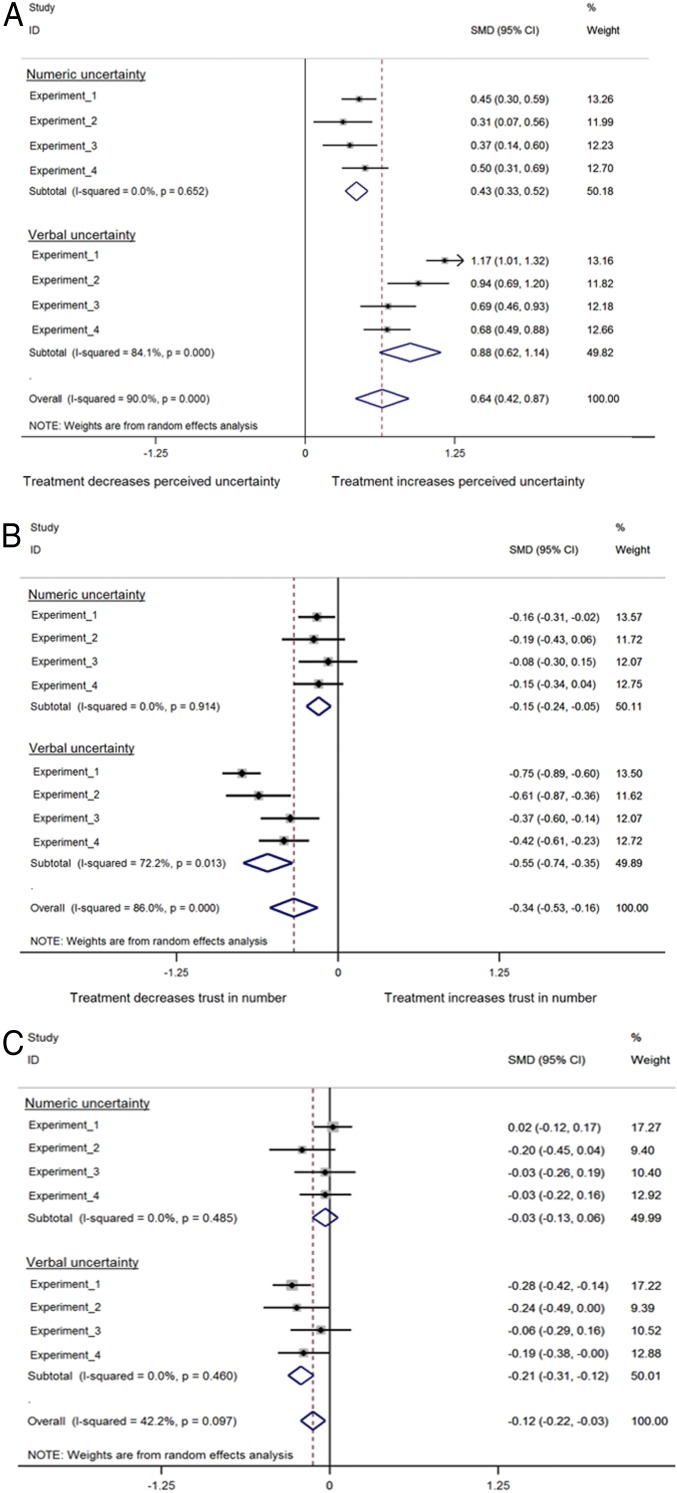
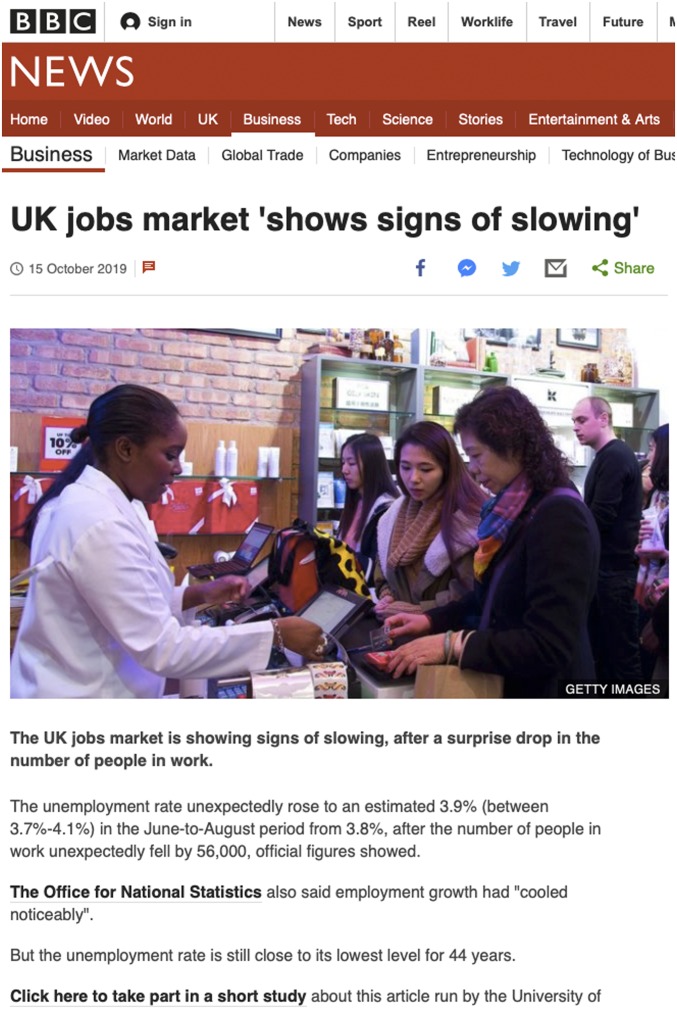
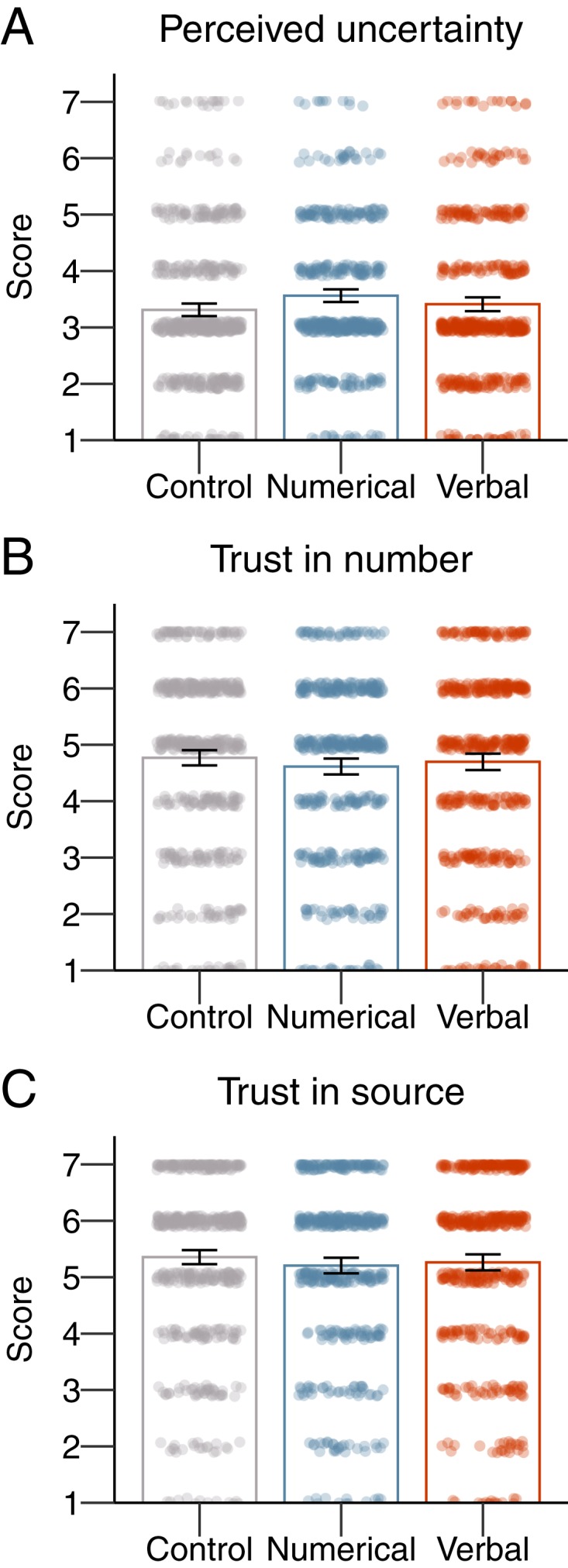
Uncertainty is inherent to our knowledge about the state of the world yet often not communicated alongside scientific facts and numbers. In the “posttruth” era where facts are increasingly contested, a common assumption is that communicating uncertainty will reduce public trust. However, a lack of systematic research makes it difficult to evaluate such claims. We conducted five experiments—including one preregistered replication with a national sample and one field experiment on the BBC News website (total n = 5,780)—to examine whether communicating epistemic uncertainty about facts across different topics (e.g., global warming, immigration), formats (verbal vs. numeric), and magnitudes (high vs. low) influences public trust. Results show that whereas people do perceive greater uncertainty when it is communicated, we observed only a small decrease in trust in numbers and trustworthiness of the source, and mostly for verbal uncertainty communication. These results could help reassure all communicators of facts and science that they can be more open and transparent about the limits of human knowledge.
Overview
The claims and statistics of this paper haven’t been checked yet.
Free: it reads the open-access text and checks the first 5 claims that cite a source we can check. Create a free account to check every claim.
Integrity signals
Registry
Cites
Statistics
Figures
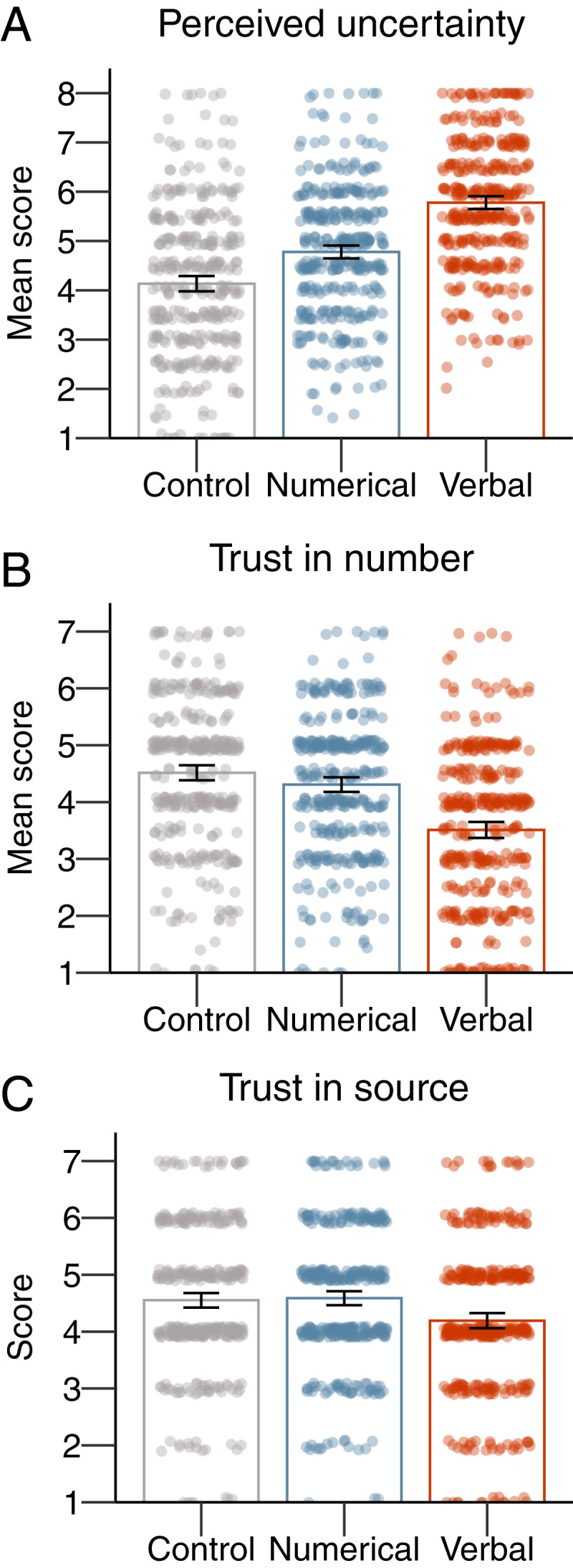
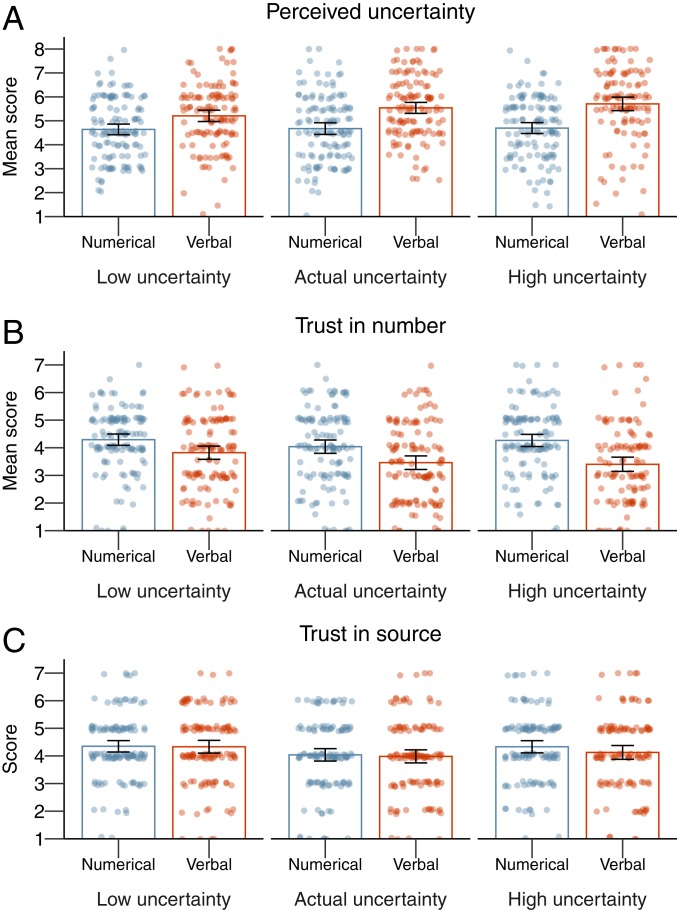
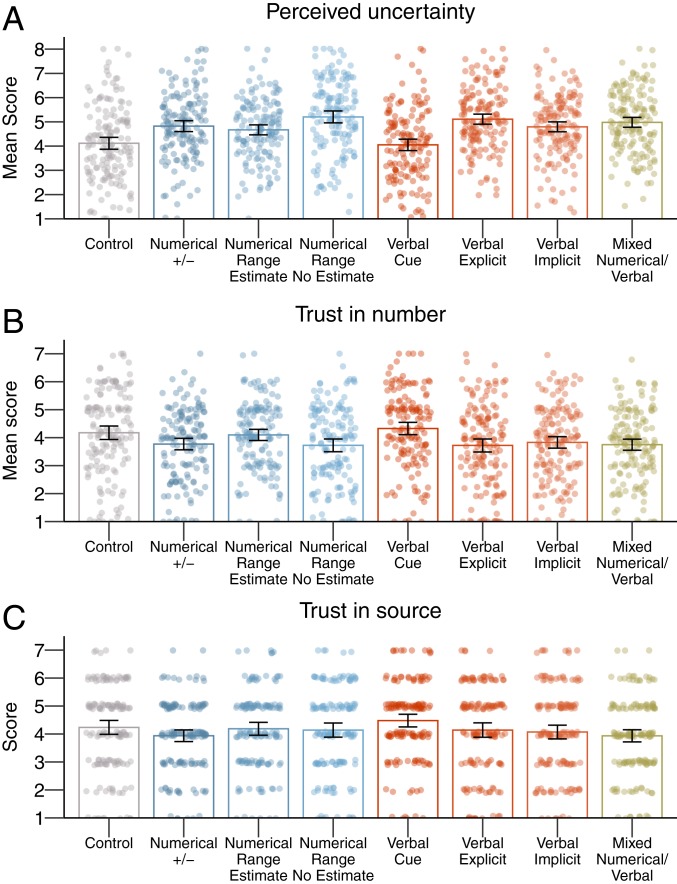
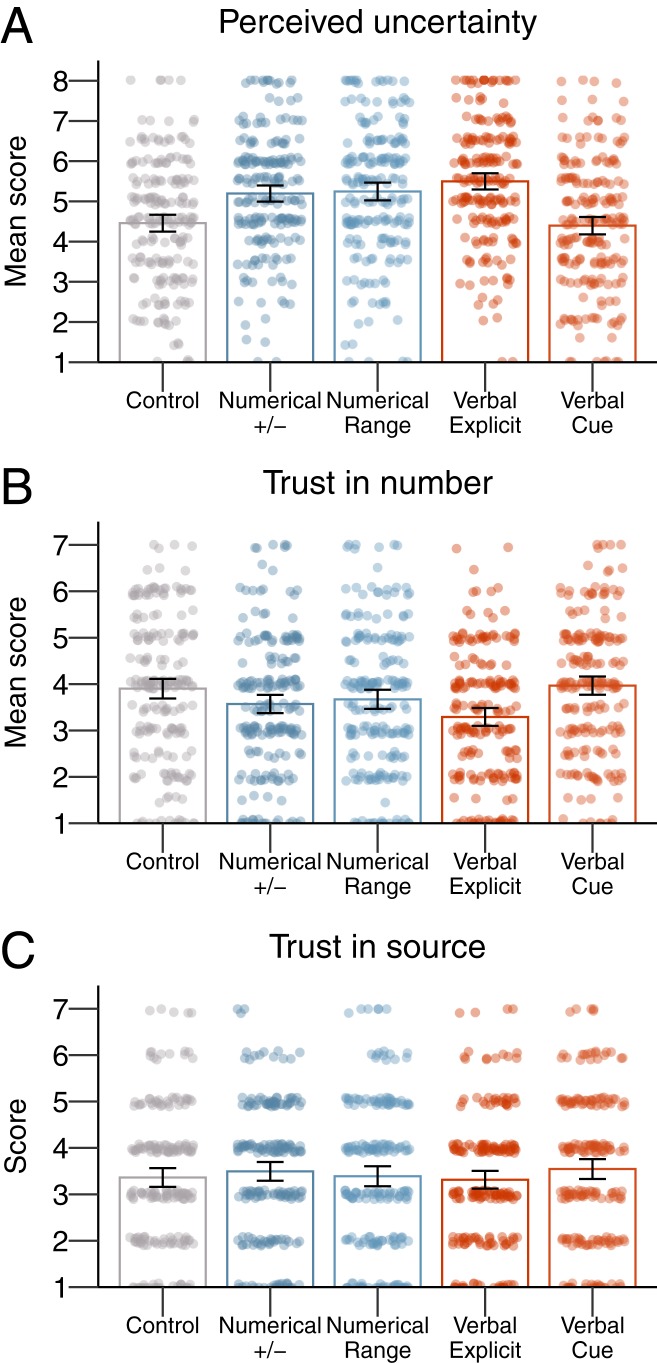
Verification
Claims the paper makes
The claims and statistics of this paper haven’t been checked yet.
Free: it reads the open-access text and checks the first 5 claims that cite a source we can check. Create a free account to check every claim.
Claims other papers make about this one
Each is checked against this paper’s own text: does it say what the citing paper says it does?
The cited source doesn’t support the claim as written.
In the citing paper
“anticipated them to be less useful (d = 0.17, P < 0.001)”
From Expressions of uncertainty in online science communication hinder information diffusion (2024) · cites this paper as [9]
Checked by a reasoning model — may be wrong.
Experimental — accuracy not yet measuredThe source backs part of the claim, not all of it — or backs it for a different population, condition or comparison.
In the citing paper
“trusted uncertain messages less (d = 0.39, P < 0.001)”
From Expressions of uncertainty in online science communication hinder information diffusion (2024) · cites this paper as [9]
Experimental — accuracy not yet measuredThe source backs part of the claim, not all of it — or backs it for a different population, condition or comparison.
In the citing paper
“Most importantly, recent studies have shown that incorporating uncertain language in science communication reduces trust in the message content as well as in its source, and even hinders information diffusion20–22.”
From Scientific publications that use promotional language in the abstract receive more citations and public attention (2025) · cites this paper as [21]
Experimental — accuracy not yet measuredThe source backs part of the claim, not all of it — or backs it for a different population, condition or comparison.
In the citing paper
“A sequence of several experiments by van der Bles and colleagues (2020) concluded that verbal (but not numerical) expressions of uncertainty slightly reduced participants' own levels of certainty as well as their trust in the message source.”
From A review of the effects of uncertainty in public science communication (2020) · cites this paper as van der Bles et al., 2020
Experimental — accuracy not yet measuredThe cited source says what the claim attributes to it.
In the citing paper
“Despite worry by some scientists that communicating uncertainty would lower public trust in science 151,152 , there is little conclusive evidence to support this claim 153 .”
From Predictors and consequences of intellectual humility (2022) · cites this paper as [153]
8 more claims about this paper
Create a free account to see every claim other papers make about this one.
Self-check
Percentages, sums and reported differences re-computed from the paper’s own numbers.
The self-check needs the paper’s full text.
Citations
Cites
(2007) · Medical Entomology and Zoology · Cited by 9,612
Prolific.ac—A subject pool for online experiments
Palan, S., & Schitter, C. (2018) · Journal of Behavioral and Experimental Finance · doi:10.1016/j.jbef.2017.12.004 · Cited by 3,450
Beyond the Turk: Alternative platforms for crowdsourcing behavioral research
Peer, E., Brandimarte, L., Samat, S., & Acquisti, A. (2017) · Journal of Experimental Social Psychology · doi:10.1016/j.jesp.2017.01.006 · Cited by 2,957
Predictably irrational: the hidden forces that shape our decisions
(2008) · Choice Reviews Online · doi:10.5860/choice.46-0969 · Cited by 2,514
Ambiguity Aversion and Comparative Ignorance
Fox, C. R., & Tversky, A. (1995) · The Quarterly Journal of Economics · doi:10.2307/2946693 · Cited by 1,022
Education at a Glance 2018: OECD Indicators
OECD (2018) · Education at a Glance · doi:10.1787/eag-2018-en · Cited by 854
Ambiguity Aversion and Comparative Ignorance
Fox, C. R., & Tversky, A. (2000) · Choices, Values, and Frames · doi:10.1017/cbo9780511803475.031 · Cited by 670
Tolerance of uncertainty: Conceptual analysis, integrative model, and implications for healthcare
Hillen, M. A., Gutheil, C. M., Strout, T. D., Smets, E. M. A., & Han, P. K. J. (2017) · Social Science & Medicine · doi:10.1016/j.socscimed.2017.03.024 · Cited by 536
Gaining trust as well as respect in communicating to motivated audiences about science topics
Fiske, S. T., & Dupree, C. (2014) · Proceedings of the National Academy of Sciences · doi:10.1073/pnas.1317505111 · Cited by 496
Communicating uncertainty about facts, numbers and science
van der Bles, A. M., van der Linden, S., Freeman, A. L. J., Mitchell, J., Galvao, A. B., Zaval, L., & Spiegelhalter, D. J. (2019) · Royal Society Open Science · doi:10.1098/rsos.181870 · Cited by 456
Self-citation
Research works printed but not linked: 4
- Pew Research Center, Beyond distrust: How Americans view their government. https://www.people-press.org/2015/11/23/beyond-distrust-how-americans-view-their-government/. Accessed 5 March 2020.
- Dunwoody S., Hendriks F., Massarani L., Peters H. P., “How journalists deal with scientific uncertainty and what that means for the audience” in 15th International Public Communication of Science and Technology Conference (PCST 2018) (Public Communication of Science and Technology, 2018), pp. 3– 6.
- Druzdzel M. J., Verbal Uncertainty Expressions: Literature Review (Carnegie Mellon University, Pittsburgh, PA, 1989).
- IPCC, “Summary for policymakers” in Climate Change 2013: The Physical Science Basis. Contribution of Working Group I to the Fifth Assessment Report of the Intergovernmental Panel on Climate Change, Stocker T. F., Eds. (IPCC, 2013), pp. 33– 36.
Cited by
Risk perceptions of COVID-19 around the world
Dryhurst, S., Schneider, C. R., Kerr, J., Freeman, A. L. J., Recchia, G., van der Bles, A. M., Spiegelhalter, D., & van der Linden, S. (2020) · Journal of Risk Research · doi:10.1080/13669877.2020.1758193 · Cited by 1,809
Self-citationForecasting: theory and practice
Petropoulos, F., Apiletti, D., Assimakopoulos, V., Babai, M. Z., Barrow, D. K., Ben Taieb, S., Bergmeir, C., Bessa, R. J., Bijak, J., Boylan, J. E., et al. (2022) · International Journal of Forecasting · doi:10.1016/j.ijforecast.2021.11.001 · Cited by 921
Toward effective government communication strategies in the era of COVID-19
Hyland-Wood, B., Gardner, J., Leask, J., & Ecker, U. K. H. (2021) · Humanities and Social Sciences Communications · doi:10.1057/s41599-020-00701-w · Cited by 488
How COVID-19 shaped mental health: from infection to pandemic effects
Penninx, B. W. J. H., Benros, M. E., Klein, R. S., & Vinkers, C. H. (2022) · Nature Medicine · doi:10.1038/s41591-022-02028-2 · Cited by 445
Fact-checking as risk communication: the multi-layered risk of misinformation in times of COVID-19
Krause, N. M., Freiling, I., Beets, B., & Brossard, D. (2020) · Journal of Risk Research · doi:10.1080/13669877.2020.1756385 · Cited by 421
Effective health communication – a key factor in fighting the COVID-19 pandemic
Finset, A., Bosworth, H., Butow, P., Gulbrandsen, P., Hulsman, R. L., Pieterse, A. H., Street, R., Tschoetschel, R., & van Weert, J. (2020) · Patient Education and Counseling · doi:10.1016/j.pec.2020.03.027 · Cited by 387
Uncertainty as a Form of Transparency: Measuring, Communicating, and Using Uncertainty
Bhatt, U., Antorán, J., Zhang, Y., Liao, Q. V., Sattigeri, P., Fogliato, R., Melançon, G., Krishnan, R., Stanley, J., Tickoo, O., et al. (2021) · Proceedings of the 2021 AAAI/ACM Conference on AI, Ethics, and Society · doi:10.1145/3461702.3462571 · Cited by 300
Ten considerations for effectively managing the COVID-19 transition
Habersaat, K. B., Betsch, C., Danchin, M., Sunstein, C. R., Böhm, R., Falk, A., Brewer, N. T., Omer, S. B., Scherzer, M., Sah, S., et al. (2020) · Nature Human Behaviour · doi:10.1038/s41562-020-0906-x · Cited by 297
Enhancing public trust in COVID-19 vaccination: The role of governments
(2021) · OECD Policy Responses to Coronavirus (COVID-19) · doi:10.1787/eae0ec5a-en · Cited by 297
A review of the effects of uncertainty in public science communication
Gustafson, A., & Rice, R. E. (2020) · Public Understanding of Science · doi:10.1177/0963662520942122 · Cited by 291
Psychological Distress during the COVID-19 Lockdown: The Young Adults Most at Risk
Glowacz, F., & Schmits, E. (2020) · Psychiatry Research · doi:10.1016/j.psychres.2020.113486 · Cited by 280
Predictors and consequences of intellectual humility
Porter, T., Elnakouri, A., Meyers, E. A., Shibayama, T., Jayawickreme, E., & Grossmann, I. (2022) · Nature Reviews Psychology · doi:10.1038/s44159-022-00081-9 · Cited by 248
Trust in scientists in times of pandemic: Panel evidence from 12 countries
Algan, Y., Cohen, D., Davoine, E., Foucault, M., & Stantcheva, S. (2021) · Proceedings of the National Academy of Sciences · doi:10.1073/pnas.2108576118 · Cited by 238
Petersen, M. B., Bor, A., Jørgensen, F., & Lindholt, M. F. (2021) · Proceedings of the National Academy of Sciences · doi:10.1073/pnas.2024597118 · Cited by 226
The Evolving Field of Risk Communication
Balog‐Way, D., McComas, K., & Besley, J. (2020) · Risk Analysis · doi:10.1111/risa.13615 · Cited by 220
COVID-19: Reflections on trust, tradeoffs, and preparedness
Balog-Way, D. H. P., & McComas, K. A. (2020) · Journal of Risk Research · doi:10.1080/13669877.2020.1758192 · Cited by 214
Science skepticism in times of COVID-19
Rutjens, B. T., van der Linden, S., & van der Lee, R. (2021) · Group Processes & Intergroup Relations · doi:10.1177/1368430220981415 · Cited by 191
Escandón, K., Rasmussen, A. L., Bogoch, I. I., Murray, E. J., Escandón, K., Popescu, S. V., & Kindrachuk, J. (2021) · BMC Infectious Diseases · doi:10.1186/s12879-021-06357-4 · Cited by 187
Measuring voluntary and policy-induced social distancing behavior during the COVID-19 pandemic
Yan, Y., Malik, A. A., Bayham, J., Fenichel, E. P., Couzens, C., & Omer, S. B. (2021) · Proceedings of the National Academy of Sciences · doi:10.1073/pnas.2008814118 · Cited by 177
“In the case of COVID-19 that means local testing that provides clear, accurate, timely, and locally relevant information for people to make decisions about behavior and maintaining trust (37).”
BackgroundFive rules for evidence communication
Blastland, M., Freeman, A. L. J., van der Linden, S., Marteau, T. M., & Spiegelhalter, D. J. (2020) · Nature · doi:10.1038/d41586-020-03189-1 · Cited by 176
Self-citationKerr, J. R., Schneider, C. R., Recchia, G. L., Dryhurst, S., Sahlin, U., Dufouil, C., Arwidson, P., Freeman, A. L. J., & van der Linden, S. (2021) · BMJ Open · doi:10.1136/bmjopen-2020-048025 · Cited by 163
Self-citationZielinski, S., & Botero, C. M. (2020) · International Journal of Environmental Research and Public Health · doi:10.3390/ijerph17197288 · Cited by 165
Fleerackers, A., Riedlinger, M. E., Moorhead, L. L., Ahmed, R., & Alperín, J. P. (2021) · Health Communication · doi:10.1080/10410236.2020.1864892 · Cited by 153
Revenge of the experts: Will COVID-19 renew or diminish public trust in science?
Eichengreen, B. J., Aksoy, C. G., & Saka, O. (2020) · Journal of Public Economics · doi:10.1016/j.jpubeco.2020.104343 · Cited by 145
Risk posed by microplastics: Scientific evidence and public perception
Catarino, A. I., Kramm, J., Völker, C., Henry, T. B., & Everaert, G. (2021) · Current Opinion in Green and Sustainable Chemistry · doi:10.1016/j.cogsc.2021.100467 · Cited by 144
Science Communication in the Age of Misinformation
Goldstein, C. M., Murray, E. J., Beard, J., Schnoes, A. M., & Wang, M. L. (2020) · Annals of Behavioral Medicine · doi:10.1093/abm/kaaa088 · Cited by 96
Health communication in and out of public health emergencies: to persuade or to inform?
Oxman, A. D., Fretheim, A., Lewin, S. A., Flottorp, S. A., Glenton, C., Helleve, A., Vestrheim, D. F., Iversen, B. G., & Rosenbaum, S. (2022) · Health Research Policy and Systems · doi:10.1186/s12961-022-00828-z · Cited by 94
Bostrom, A., Demuth, J. L., Wirz, C. D., Cains, M. G., Schumacher, A., Madlambayan, D., Bansal, A. S., Bearth, A., Chase, R. J., Crosman, K. M., et al. (2023) · Risk Analysis · doi:10.1111/risa.14245 · Cited by 92
What are you assessing when you measure “trust” in scientists with a direct measure?
Besley, J. C., & Tiffany, L. A. (2023) · Public Understanding of Science · doi:10.1177/09636625231161302 · Cited by 82
Polygenic risk scores in the clinic: Translating risk into action
Lewis, A. C. F., Green, R. C., & Vassy, J. L. (2021) · Human Genetics and Genomics Advances · doi:10.1016/j.xhgg.2021.100047 · Cited by 82
Scientific Testimony: Its roles in science and society
Gerken, M. (2022) · doi:10.1093/oso/9780198857273.001.0001 · Cited by 76
Ihlen, Ø., Just, S. N., Kjeldsen, J. E., Mølster, R., Offerdal, T. S., Rasmussen, J., & Skogerbø, E. (2022) · Journal of Risk Research · doi:10.1080/13669877.2022.2077416 · Cited by 74
Padilla, L. M. K., Powell, M., Kay, M., & Hullman, J. (2021) · Frontiers in Psychology · doi:10.3389/fpsyg.2020.579267 · Cited by 73
Colman, E., Wanat, M., Goossens, H., Tonkin-Crine, S. K., & Anthierens, S. (2021) · BMJ Global Health · doi:10.1136/bmjgh-2021-006928 · Cited by 73
Moore, A., & MacKenzie, M. K. (2020) · BMJ · doi:10.1136/bmj.m4039 · Cited by 68
Padilla, L., Fygenson, R., Castro, S. C., & Bertini, E. (2022) · IEEE Transactions on Visualization and Computer Graphics · doi:10.1109/tvcg.2022.3209457 · Cited by 67
Bias, Information, Noise: The BIN Model of Forecasting
Satopää, V., Salikhov, M., Tetlock, P. E., & Mellers, B. A. (2020) · Management Science · doi:10.1287/mnsc.2020.3882 · Cited by 66
Misinformed about the “infodemic?” Science’s ongoing struggle with misinformation.
Scheufele, D. A., Krause, N. M., & Freiling, I. (2021) · Journal of Applied Research in Memory and Cognition · doi:10.1016/j.jarmac.2021.10.009 · Cited by 64
Oswald, S., Lewiński, M., Greco, S., & Villata, S. (2022) · Argumentation library · doi:10.1007/978-3-030-91017-4 · Cited by 64
Griffin, A. L. (2020) · Journal of Spatial Information Science · doi:10.5311/josis.2020.20.654 · Cited by 62
Making Sense of Uncertainty in the Science Classroom: A Bayesian Approach
Rosenberg, J. M., Kubsch, M., Wagenmakers, E., & Dogucu, M. (2022) · Science & Education · doi:10.1007/s11191-022-00341-3 · Cited by 60
Does Scientific Uncertainty in News Articles Affect Readers’ Trust and Decision-Making?
Hendriks, F., & Jucks, R. (2020) · Media and Communication · doi:10.17645/mac.v8i2.2824 · Cited by 60
Towards trust-based governance of health data research
Bak, M., Ploem, M. C., Tan, H. L., Blom, M. T., & Willems, D. L. (2023) · Medicine Health Care and Philosophy · doi:10.1007/s11019-022-10134-8 · Cited by 59
Good practice principles for public communication responses to mis- and disinformation
OECD (2023) · Public governance policy papers · doi:10.1787/6d141b44-en · Cited by 57
Gillman, A. S., Scharnetzki, L., Boyd, P., Ferrer, R. A., Klein, W. M. P., & Han, P. K. J. (2022) · Journal of Behavioral Medicine · doi:10.1007/s10865-022-00302-9 · Cited by 56
Weiskopf, S. R., Harmáčková, Z. V., Johnson, C. G., Londoño, M. C., Miller, B. W., Myers, B. J. E., Pereira, L. M., Arce-Plata, M. I., Blanchard, J. L., Ferrier, S., et al. (2022) · Environmental Modelling & Software · doi:10.1016/j.envsoft.2022.105318 · Cited by 54
Communicating the absence of evidence for microplastics risk: Balancing sensation and reflection
Wardman, T., Koelmans, A. A., Whyte, J., & Pahl, S. (2021) · Environment International · doi:10.1016/j.envint.2020.106116 · Cited by 50
Hussein, M. A., & Tormala, Z. L. (2021) · Personality and Social Psychology Review · doi:10.1177/10888683211001269 · Cited by 50
Batteux, E., Bilovich, A., Johnson, S. G. B., & Tuckett, D. (2022) · BMJ Open · doi:10.1136/bmjopen-2021-051352 · Cited by 49
Public health decisions in the COVID-19 pandemic require more than ‘follow the science’
de Campos, T. C., & Undurraga, E. A. (2021) · Journal of Medical Ethics · doi:10.1136/medethics-2020-107134 · Cited by 49
Kelp, N., Witt, J. K., & Sivakumar, G. (2021) · Science Communication · doi:10.1177/10755470211063628 · Cited by 47
Altenmüller, M. S., Nuding, S., & Gollwitzer, M. (2021) · Public Understanding of Science · doi:10.1177/09636625211022181 · Cited by 47
König, L. M., Altenmüller, M. S., Fick, J., Crusius, J., Genschow, O., & Sauerland, M. (2024) · Zeitschrift für Psychologie · doi:10.1027/2151-2604/a000572 · Cited by 45
Kittel, B., Kalleitner, F., & Schiestl, D. W. (2021) · PLoS ONE · doi:10.1371/journal.pone.0260171 · Cited by 44
Schneider, C. R., Freeman, A. L. J., Spiegelhalter, D. J., & van der Linden, S. (2022) · Judgment and Decision Making · doi:10.1017/s1930297500008962 · Cited by 44
Self-citationCOVID-19 and the Paradox of Scientific Advice
Pamuk, Z. (2021) · Perspectives on Politics · doi:10.1017/s1537592721001201 · Cited by 44
van Antwerpen, N., Turnbull, D. A., & Searston, R. A. (2022) · Journalism Studies · doi:10.1080/1461670x.2022.2032804 · Cited by 45
Accounting for uncertainty during a pandemic
Zelner, J., Riou, J., Etzioni, R., & Gelman, A. (2021) · Patterns · doi:10.1016/j.patter.2021.100310 · Cited by 45
COVID-19: Lost opportunities and lessons for the future.
Saqr, M., & Wasson, B. (2020) · PubMed Central · Cited by 44
Communicate hope to motivate the public during the COVID-19 pandemic
Petersen, M. B., Christiansen, L. E., Bor, A., Lindholt, M. F., Jørgensen, F. J., Adler‐Nissen, R., Roepstorff, A., & Lehmann, S. (2022) · Scientific Reports · doi:10.1038/s41598-022-06316-2 · Cited by 43
Vistrust: a Multidimensional Framework and Empirical Study of Trust in Data Visualizations
Elhamdadi, H., Stefkovics, Á., Beyer, J., Mörth, E., Pfister, H., Xiong, C., & Nobre, C. (2023) · IEEE Transactions on Visualization and Computer Graphics · doi:10.1109/tvcg.2023.3326579 · Cited by 44
Transparent communication of evidence does not undermine public trust in evidence
Kerr, J. R., Schneider, C. R., Freeman, A. L. J., Marteau, T., & van der Linden, S. (2022) · PNAS Nexus · doi:10.1093/pnasnexus/pgac280 · Cited by 42
Self-citation“What’s Up with the Weather?” Public Engagement with Extreme Event Attribution in the United Kingdom
Ettinger, J., Walton, P., Painter, J., Osaka, S., & Otto, F. E. L. (2021) · Weather Climate and Society · doi:10.1175/wcas-d-20-0155.1 · Cited by 43
Janssen, I., Hendriks, F., & Jucks, R. (2021) · Journal of Language and Social Psychology · doi:10.1177/0261927x211044512 · Cited by 41
Communicating personalized risks from COVID-19: guidelines from an empirical study
Freeman, A. L. J., Kerr, J. R., Recchia, G. L., Schneider, C. R., Lawrence, A. C. E., Finikarides, L., Luoni, G., Dryhurst, S., & Spiegelhalter, D. J. (2021) · Royal Society Open Science · doi:10.1098/rsos.201721 · Cited by 41
Self-citationDijk, J. V., Leopold, A., Flerlage, H., van Wezel, A. P., Seiler, T., Enrici, M., & Bloor, M. C. (2021) · Integrated Environmental Assessment and Management · doi:10.1002/ieam.4429 · Cited by 41
Perceived public health threat a key factor for willingness to get the COVID-19 vaccine in Australia
Dodd, R. H., Pickles, K. M., Cvejic, E., Cornell, S., Isautier, J., Copp, T., Nickel, B., Bonner, C., Batcup, C., Muscat, D. M., et al. (2021) · Vaccine · doi:10.1016/j.vaccine.2021.08.007 · Cited by 41
Arcos, R., Barrio, M. G., Arribas, C. M., & Cardarilli, M. (2022) · Open Research Europe · doi:10.12688/openreseurope.14088.1 · Cited by 41
OECD Report on Public Communication: The Global Context and the Way Forward
OECD (2021) · doi:10.1787/22f8031c-en · Cited by 39
Information, incentives, and goals in election forecasts
Gelman, A., Hullman, J. R., Wlezien, C. B., & Morris, G. E. (2020) · Judgment and Decision Making · doi:10.1017/s1930297500007981 · Cited by 40
The effect of seeing scientists as intellectually humble on trust in scientists and their research
Koetke, J., Schumann, K., Bowes, S. M., & Vaupotič, N. (2024) · Nature Human Behaviour · doi:10.1038/s41562-024-02060-x · Cited by 38
When evidence changes: Communicating uncertainty protects against a loss of trust
Dries, C., McDowell, M., Rebitschek, F. G., & Leuker, C. (2024) · Public Understanding of Science · doi:10.1177/09636625241228449 · Cited by 38
The effects of communicating uncertainty around statistics, on public trust
Kerr, J. R., van der Bles, A. M., Dryhurst, S., Schneider, C. R., Chopurian, V., Freeman, A. L. J., & van der Linden, S. (2023) · Royal Society Open Science · doi:10.1098/rsos.230604 · Cited by 37
Self-citationGoulão, B., Bruhn, H., Campbell, M., Ramsay, C. R., & Gillies, K. (2021) · Trials · doi:10.1186/s13063-021-05451-x · Cited by 35
Revenge of the Experts: Will COVID-19 Renew or Diminish Public Trust in Science?Preprint
Aksoy, C. G., Eichengreen, B. J., & Saka, O. (2020) · SSRN Electronic Journal · doi:10.31235/osf.io/5ym9n · Cited by 35
The influence of media narratives on microplastics risk perception
Pop, V., Ozunu, A., Petrescu, D. C., Stan, A.-D., & Petrescu‐Mag, R. M. (2023) · PeerJ · doi:10.7717/peerj.16338 · Cited by 35
Lee, Y.-I., Lu, X., & Jin, Y. (2021) · Journal of Communication Management · doi:10.1108/jcom-02-2021-0018 · Cited by 34
Zipper, S. C., Brookfield, A. E., Ajami, H., Ayers, J. R., Beightel, C., Fienen, M. N., Gleeson, T., Hammond, J. C., Hill, M. C., Kendall, A. D., et al. (2024) · Water Resources Research · doi:10.1029/2023wr035727 · Cited by 35
Climate change and public perception. Citizens' proposals for better communication and involvement
Dzimińska, M., Mendoza, I., Pellegrini, G., & Rowland, J. (2021) · Journal of Science Communication · doi:10.22323/2.20030209 · Cited by 35
Vitruvian plot: a visualisation tool for multiple outcomes in network meta-analysis
Ostinelli, E. G., Efthimiou, O., Naci, H., Furukawa, T. A., Leucht, S., Salanti, G., Wainwright, L., Zangani, C., Crescenzo, F. D., Smith, K., et al. (2022) · Evidence-Based Mental Health · doi:10.1136/ebmental-2022-300457 · Cited by 33
Colley, M., Speidel, O., Strohbeck, J., Rixen, J. O., Belz, J. H., & Rukzio, E. (2023) · Proceedings of the ACM on Interactive Mobile Wearable and Ubiquitous Technologies · doi:10.1145/3631408 · Cited by 33
Schneider, C. R., Freeman, A. L. J., Spiegelhalter, D. J., & van der Linden, S. (2021) · PLoS ONE · doi:10.1371/journal.pone.0259048 · Cited by 32
Self-citationCommunications to Promote Interest and Confidence in COVID-19 Vaccines
Thorpe, A., Fagerlin, A., Drews, F. A., Butler, J. M., Stevens, V. W., Riddoch, M. S., & Scherer, L. D. (2022) · American Journal of Health Promotion · doi:10.1177/08901171221082904 · Cited by 32
Ross, A. R. N., Vaccari, C., & Chadwick, A. (2022) · Mass Communication & Society · doi:10.1080/15205436.2022.2119871 · Cited by 49
Trust in COVID ‐19 public health information
Verma, N., Fleischmann, K. R., Zhou, L., Xie, B., Lee, M. K., Rich, K., Shiroma, K., Jia, C., & Zimmerman, T. (2022) · Journal of the Association for Information Science and Technology · doi:10.1002/asi.24712 · Cited by 30
Visualising SARS-CoV-2 transmission routes and mitigations
Rutter, H., Parker, S. T., Stahl-Timmins, W., Noakes, C. J., Smyth, A., Macbeth, R., Fitzgerald, S., & Freeman, A. L. J. (2021) · BMJ · doi:10.1136/bmj-2021-065312 · Cited by 29
Self-citationExpert Uncertainty: Arguments Bolstering the Ethos of Expertise in Situations of Uncertainty
Kjeldsen, J. E., Mølster, R., & Ihlen, Ø. (2022) · Argumentation library · doi:10.1007/978-3-030-91017-4_5 · Cited by 28
Kondolele, S., Sultan, M. I., Akbar, M., & Putra, B. A. (2025) · Frontiers in Communication · doi:10.3389/fcomm.2025.1556747 · Cited by 28
In Science We Trust? Being Honest About the Limits of Medical Research During COVID-19
Veit, W., Brown, R. C. H., & Earp, B. D. (2020) · The American Journal of Bioethics · doi:10.1080/15265161.2020.1845861 · Cited by 28
Fighting misinformation in seismology: Expert opinion on earthquake facts vs. fiction
Dryhurst, S., Mulder, F., Dallo, I., Kerr, J. R., McBride, S. K., Fallou, L., & Becker, J. (2022) · Frontiers in Earth Science · doi:10.3389/feart.2022.937055 · Cited by 27
Visual Communication of Probabilistic Information to Enhance Decision Support
Heggli, A., Hatchett, B. J., Tolby, Z., Lambrecht, K., Collins, M., Olman, L. C., & Jeglum, M. E. (2023) · Bulletin of the American Meteorological Society · doi:10.1175/bams-d-22-0220.1 · Cited by 27
Markant, D. B., Rogha, M., Karduni, A., Wesslen, R. S., & Dou, W. (2023) · CHI Conference on Human Factors in Computing Systems · doi:10.1145/3544548.3581330 · Cited by 27
An agenda for science communication research and practice
Druckman, J. N., Ellenbogen, K. M., Scheufele, D. A., & Yanovitzky, I. (2025) · Proceedings of the National Academy of Sciences · doi:10.1073/pnas.2400932122 · Cited by 25
Theories of Uncertainty Communication: An Interdisciplinary Literature Review
Lammers, W., Ferrari, S., Wenmackers, S., Pattyn, V., & de Walle, S. V. (2024) · Science Communication · doi:10.1177/10755470241231290 · Cited by 25
Doyle, E. E. H., Thompson, J., Hill, S., Williams, M. N., Paton, D., Harrison, S., Bostrom, A., & Becker, J. (2023) · International Journal of Disaster Risk Reduction · doi:10.1016/j.ijdrr.2023.103948 · Cited by 26
Abir, Y., Marvin, C. B., van Geen, C., Leshkowitz, M., Hassin, R. R., & Shohamy, D. (2022) · Nature Communications · doi:10.1038/s41467-022-30011-5 · Cited by 24
Wiedemann, P., Boerner, F., & Freudenstein, F. (2021) · PLoS ONE · doi:10.1371/journal.pone.0253762 · Cited by 23
Vaupotič, N., Kienhues, D., & Jucks, R. (2024) · Public Understanding of Science · doi:10.1177/09636625241227800 · Cited by 22
Savadori, L., Ronzani, P., Sillari, G., Bucci, D. D., & Dolce, M. (2022) · Frontiers in Communication · doi:10.3389/fcomm.2022.743172 · Cited by 22
Framing COVID-19 Preprint Research as Uncertain: A Mixed-Method Study of Public Reactions
Ratcliff, C. L., Fleerackers, A., Wicke, R., Harvill, B., King, A. J., & Jensen, J. D. (2023) · Health Communication · doi:10.1080/10410236.2023.2164954 · Cited by 22
Metadata
- Authors
- van der Bles, A. M., van der Linden, S., Freeman, A. L. J., & Spiegelhalter, D. J.
- Affiliations
- Winton Centre for Risk and Evidence Communication, University of Cambridge, Cambridge CB3 0WA, United Kingdom;
- University of Cambridge (GB)
- Venue
- Proceedings of the National Academy of Sciences
- Publisher
- National Academy of Sciences
- Published
- 2020-03-23
- Volume
- 117
- Issue
- 14
- Pages
- 7672-7683
- ISSN
- 0027-8424 (ISSN-L)
- 1091-6490
- PMC
- PMC7149229
- OpenAlex
- W3012585012
- Cited by
- 348
- References
- 42
- Citations by year
- 2026: 61 · 2025: 41 · 2024: 48 · 2023: 39 · 2022: 70 · 2021: 61 · 2020: 28
- FWCI
- 66.33
- Type
- journal article
- Language
- en
- Open access
- hybrid
- doi.org
- Licence
- Locations
- Proceedings of the National Academy of Sciences (publishedVersion, cc-by)
- PubMed Central (publishedVersion, cc-by)
- PubMed (publishedVersion)
- University of Groningen research database (University of Groningen / Centre for Information Technology) (submittedVersion, cc-by)
- Apollo (University of Cambridge) (submittedVersion)
- Apollo (University of Cambridge) (submittedVersion, cc-by)
- Apollo
- Apollo (cc-by)
- Funders
- Nuffield Foundation (OSP/43227)
- Topics
- Social Sciences › Sociology and Political Science › Risk Perception and Management
- Social Sciences › Sociology and Political Science › Climate Change Communication and Perception
- Social Sciences › Sociology and Political Science › Misinformation and Its Impacts
- Keywords
- epistemic uncertainty, uncertainty communication, public trust, source trustworthiness, science communication, global warming, immigration, BBC News
- MeSH terms
- Communication, Humans, Meta-Analysis as Topic, Internet, Uncertainty, Trust
About these checks
Registry, retraction, Cites and statistics results are computed, not judged, with one exception: a printed reference that no index lists is read once by a model before it counts as a citation error. Claims are extracted by a model and kept only when their quote appears verbatim in the text; each cited source is then checked, with a model’s help, for whether it says what the claim relies on. Those verdicts can be wrong — read the claim’s quote and the cited source before relying on one.
Statistics and arithmetic are recomputed, not judged.
Confidence bands are shown only for fields calibrated on our annotated test set. None is calibrated yet, so no band is shown.
What counts as a claim ›How we measure confidence ›How we check this ›
Are you an author, or do you see a problem with this page? Request a review
Data sources
Bibliographic data: Semantic Scholar, OpenAlex, Crossref.
Contains information from the Semantic Scholar Academic Graph Datasets, made available under the ODC Attribution License (ODC-BY 1.0).
Semantic Scholar’s data is described in: Kinney, R., et al. (2023). The Semantic Scholar Open Data Platform. arXiv:2301.10140.
