

The NLRP3 inflammasome inhibitor OLT1177 rescues cognitive impairment in a mouse model of Alzheimer’s disease
Open accessThe DOI matches its Crossref record; 73 of the 74 references it cites were found in a registry or an index.
Abstract
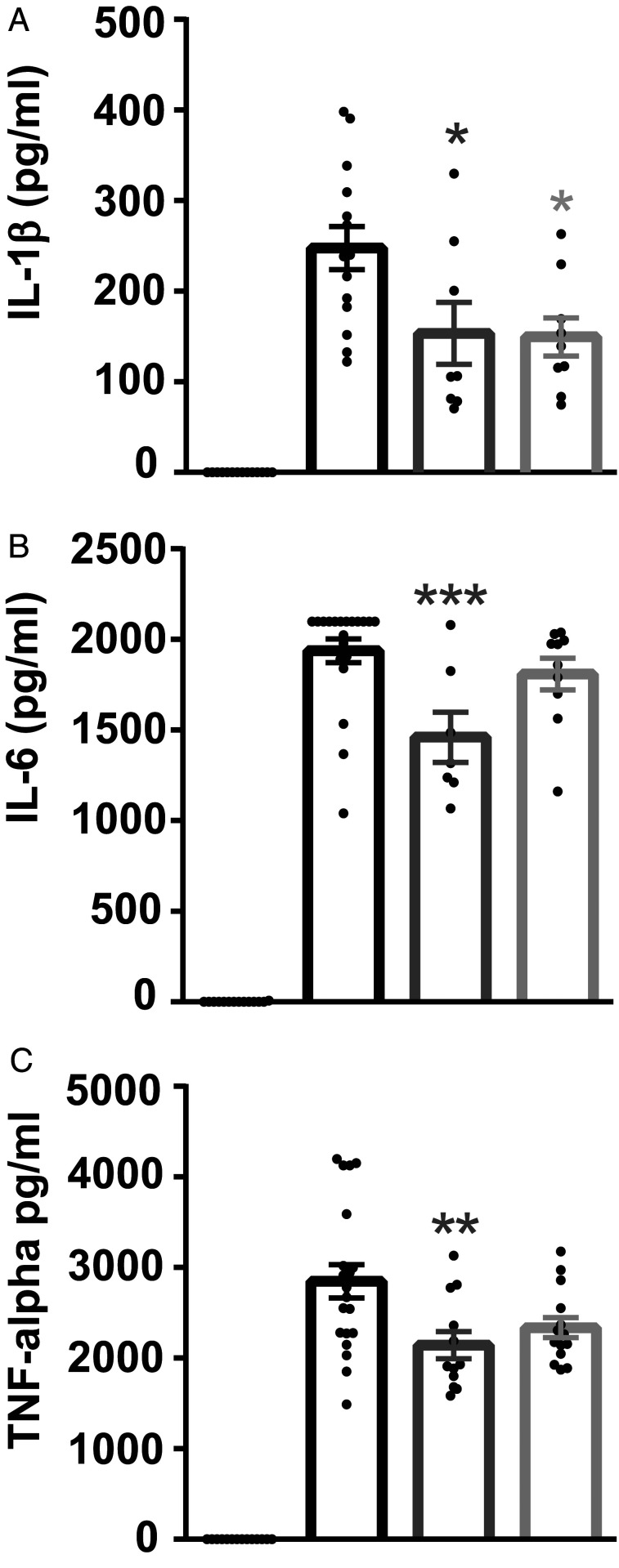
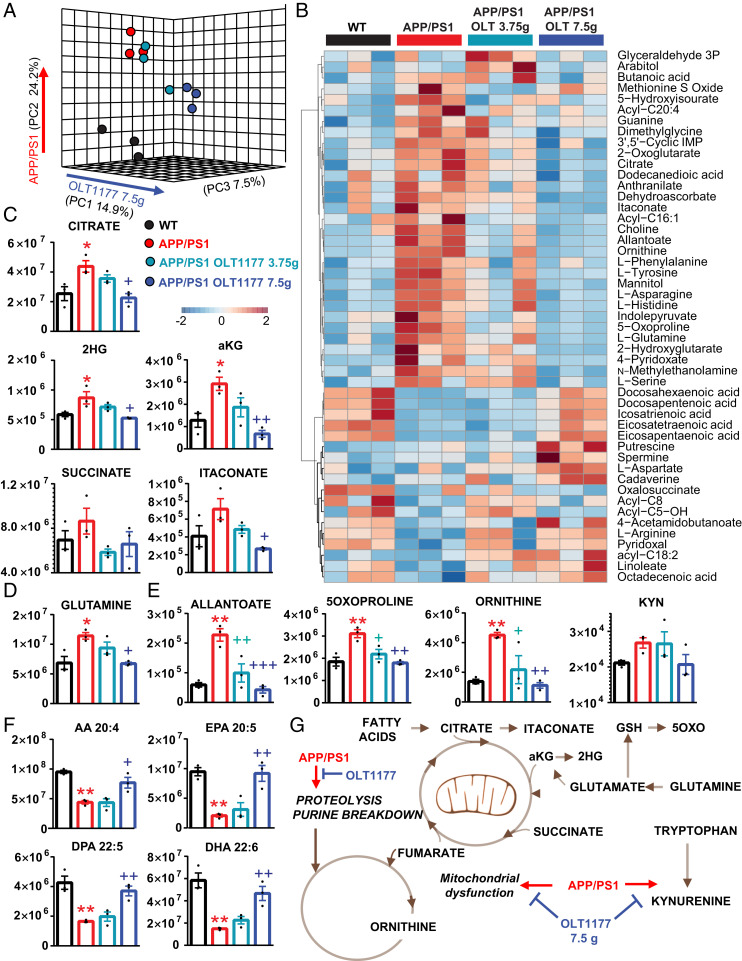
Significance: IL-1β is an immunomodulatory cytokine that is overexpressed in the brains of patients with Alzheimer’s disease (AD). The NLRP3 inflammasome is an intracellular complex that activates caspase-1, which processes the IL-1β and IL-18 precursors into active molecules. In this study, we used an APP/PS1 mouse model for AD, which confirms significant cognitive losses that are recovered in NLRP3-deficient mice, to evaluate the therapeutic potential of an orally bioavailable and safe NLRP3 inhibitor, OLT1177. OLT1177 ameliorated the phenotype in APP/PS1 mice, as evidenced by rescued spatial learning and memory in the Morris water maze test. Microglia were less activated, cortical plaques reduced, and plasma AD metabolic markers were normalized. OLT1177 is a potential therapeutic option for AD.
Overview
The claims and statistics of this paper haven’t been checked yet.
Free: it reads the open-access text and checks the first 5 claims that cite a source we can check. Create a free account to check every claim.
Integrity signals
Registry
Cites
Statistics
Figures
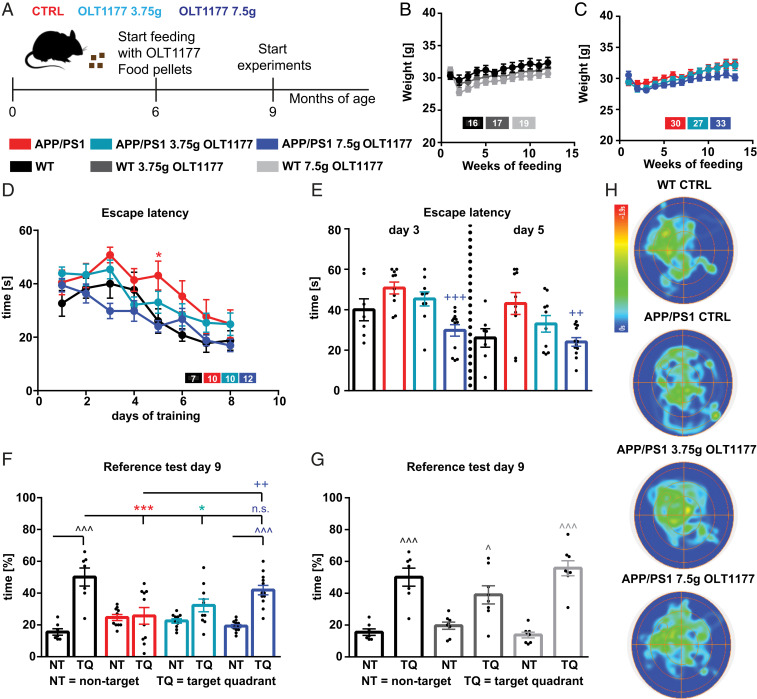
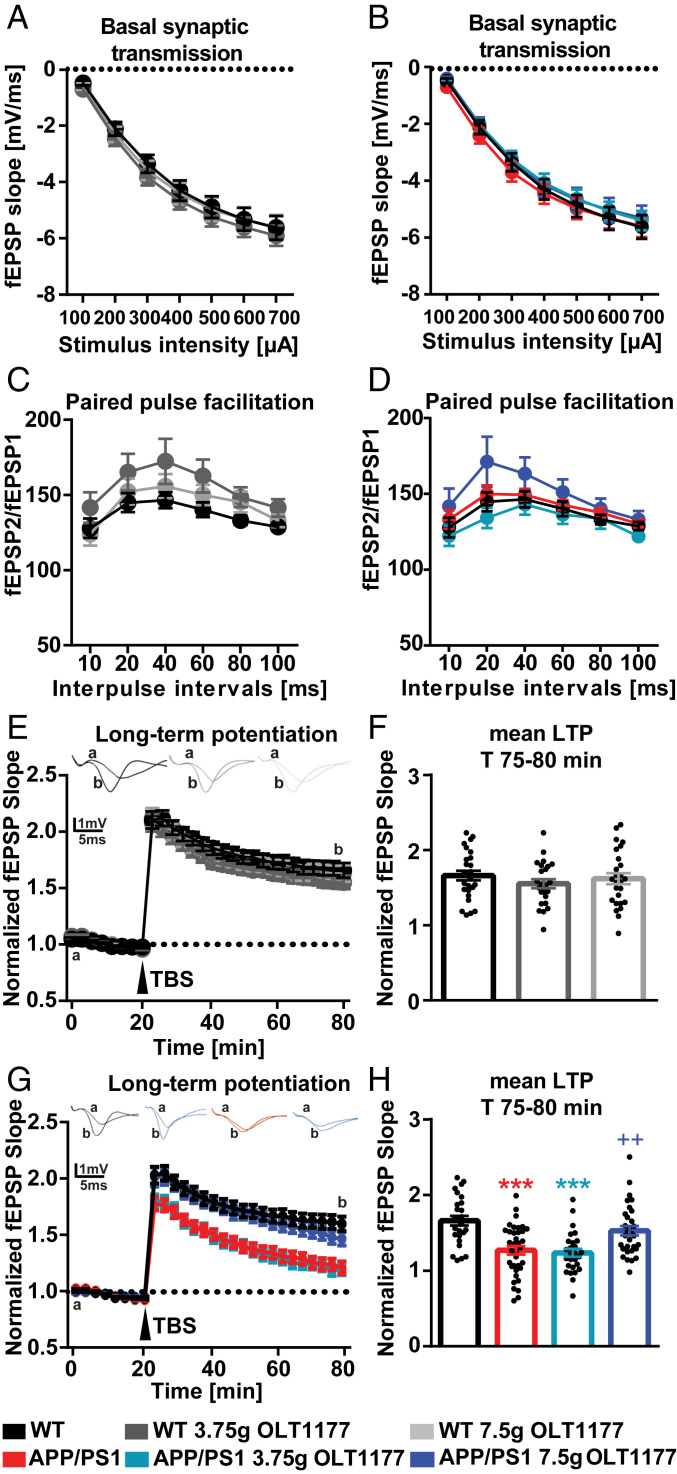
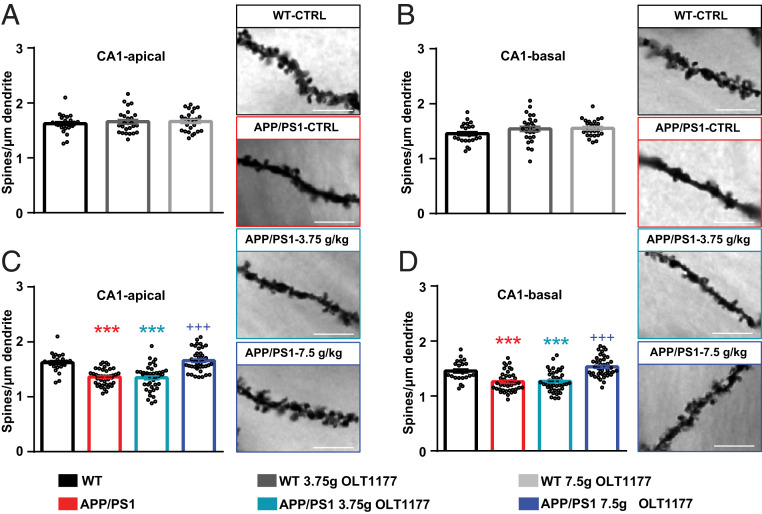
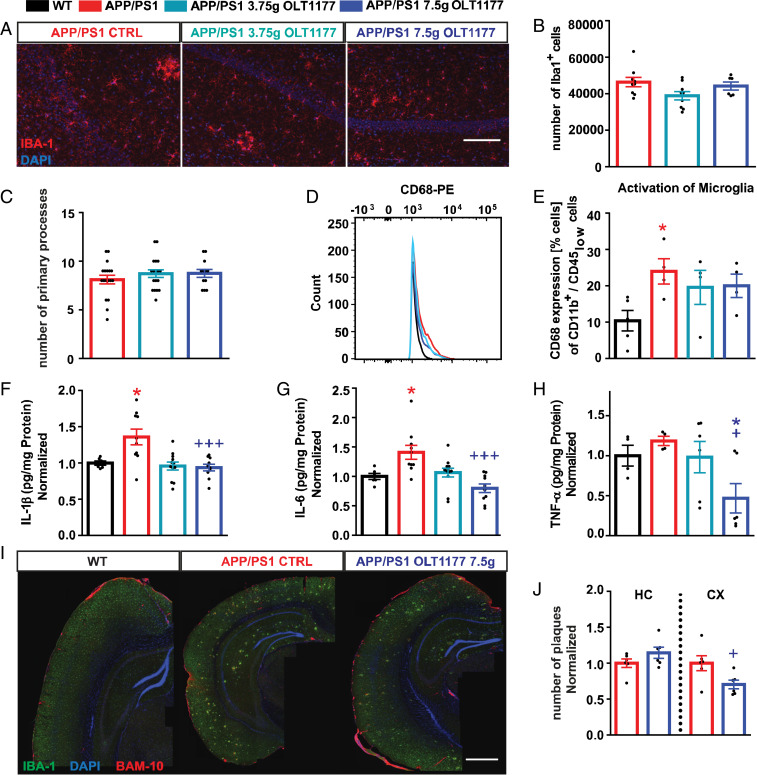
Verification
Claims the paper makes
The claims and statistics of this paper haven’t been checked yet.
Free: it reads the open-access text and checks the first 5 claims that cite a source we can check. Create a free account to check every claim.
Claims other papers make about this one
Each is checked against this paper’s own text: does it say what the citing paper says it does?
In the citing paper
“in another study, the inhibition of NLRP3 by OLT1177 significantly improved cognitive impairment in a mouse model of Alzheimer’s disease [84].”
From Neuroprotective effect of SGLT2 inhibitors. (2021) · cites this paper as [84]
Self-check
Percentages, sums and reported differences re-computed from the paper’s own numbers.
The self-check needs the paper’s full text.
Citations
Cites
Neuropathological stageing of Alzheimer-related changes.
Braak, H., & Braak, E. (1991) · Acta Neuropathologica · doi:10.1007/bf00308809 · Cited by 16,123
Developments of a water-maze procedure for studying spatial learning in the rat
Morris, R. (1984) · Journal of Neuroscience Methods · doi:10.1016/0165-0270(84)90007-4 · Cited by 7,180
Inflammation and Alzheimer’s disease
Akiyama, H. (2000) · Neurobiology of Aging · doi:10.1016/s0197-4580(00)00124-x · Cited by 4,514 · cited 3×
“A drastic increase in TNF-α levels has been shown to be toxic to cortical neurons (37).”
NLRP3 is activated in Alzheimer’s disease and contributes to pathology in APP/PS1 mice
Heneka, M. T., Kummer, M. P., Stutz, A., Delekate, A., Schwartz, S., Vieira-Saecker, A., Griep, A., Axt, D., Remus, A., Tzeng, T.-C., et al. (2013) · Nature · doi:10.1038/nature11729 · Cited by 2,898 · cited 4×
“Heneka et al. (16) pointed out the important role of the NLRP3 inflammasome/caspase-1 axis in AD pathogenesis by demonstrating significant improvements (e.g., in cognition) in APP/PS1 mice (a mouse model for AD) when crossed with NLRP3 − / − animals.”
InfluentialThe NALP3 inflammasome is involved in the innate immune response to amyloid-β
Halle, A., Hornung, V., Petzold, G. C., Stewart, C. R., Monks, B. G., Reinheckel, T., Fitzgerald, K. A., Latz, E., Moore, K. J., & Golenbock, D. T. (2008) · Nature Immunology · doi:10.1038/ni.1636 · Cited by 2,441 · cited 2×
“Halle et al. (14) showed evidence of increased activation of the NLRP3 inflammasome in microglia cells due to A β , and in mice with complete NLRP3 inflammasome deletion by genetic manipulation, spatial memory impairment was prevented (16).”
(2015) · HAL · Cited by 2,238
Brain interleukin 1 and S-100 immunoreactivity are elevated in Down syndrome and Alzheimer disease.
Griffin, W. S., Stanley, L. C., Ling, C., White, L., MacLeod, V, Perrot, L. J., White, C. L., & Araoz, C. (1989) · Proceedings of the National Academy of Sciences · doi:10.1073/pnas.86.19.7611 · Cited by 1,777
Hoffman, H. M., Mueller, J. L., Broide, D. H., Wanderer, A. A., & Kolodner, R. D. (2001) · Nature Genetics · doi:10.1038/ng756 · Cited by 1,682
Jankowsky, J. L., Fadale, D. J., Anderson, J., Xu, G. M., Gonzales, V., Jenkins, N. A., Copeland, N. G., Lee, M. K., Younkin, L. H., Wagner, S. L., et al. (2004) · Human Molecular Genetics · doi:10.1093/hmg/ddh019 · Cited by 1,575
Innate immune activation in neurodegenerative disease
Heneka, M. T., Kummer, M. P., & Latz, E. (2014) · Nature Reviews Immunology · doi:10.1038/nri3705 · Cited by 1,437
Cited by
Items 201–300 of 300
Kurmi, S., Doshi, G., & Parab, S. B. (2025) · CNS & Neurological Disorders - Drug Targets · doi:10.2174/0118715273377780250505115039 · Cited by 9
Neuronal inflammasomes: balancing immunity, neuroinflammation, and homeostasis
Vaccari, J. P. D. R., & Keane, R. W. (2025) · Trends in Immunology · doi:10.1016/j.it.2025.11.007 · Cited by 10
Sheriff, L., & Lalor, P. F. (2021) · Livers · doi:10.3390/livers1020007 · Cited by 7
“OLT177 is another orally bioavailable NLRP3 inhibitor, which is safe and has been shown to correct metabolic parameters, including fatty acid metabolism and mitochondrial function, and reduce IL-1β production in a murine inflammatory disease model [89].”
BackgroundXiu, C., He, J.-L., Liu, X.-T., Zhao, N., Geng, F., Zhu, M., Liu, G., & Ren, Q. (2022) · Neurobiology of Stress · doi:10.1016/j.ynstr.2022.100486 · Cited by 8
Dyer, A. H., Batten, I., Reddy, C., Townsend, L., Woods, C. P., O’Neill, D. J., Gibney, J., Kennelly, S., & Bourke, N. M. (2022) · Frontiers in Immunology · doi:10.3389/fimmu.2022.1021351 · Cited by 8
Ferroptosis and its modulators: A raising target for cancer and Alzheimer’s disease
Singh, G., Kesharwani, P., Singh, G. K., Kumar, S., Putta, A., & Modi, G. P. (2023) · Bioorganic & Medicinal Chemistry · doi:10.1016/j.bmc.2023.117564 · Cited by 7
Ion transporter cascade, reactive astrogliosis and cerebrovascular diseases
Rahman, M. S., Islam, R., & Bhuiyan, M. I. H. (2024) · Frontiers in Pharmacology · doi:10.3389/fphar.2024.1374408 · Cited by 10
Almazán, J. L., Cortes-Flores, E., Ramírez-Olvera, A., Palomero‐Rivero, M., Camacho‐Concha, N., Guerra‐Crespo, M., Prieto, G. A., Pérez‐Martínez, L., & Pedraza‐Alva, G. (2025) · Brain Behavior and Immunity · doi:10.1016/j.bbi.2025.06.019 · Cited by 6
Modulating NLRP3 splicing with antisense oligonucleotides to control pathological inflammation
Klein, R., Onyuru, J., Centa, J. L., Viera, E. M., Duelli, F. J., Putnam, C. D., Hoffman, H. M., & Hastings, M. L. (2025) · Nucleic Acids Research · doi:10.1093/nar/gkaf1116 · Cited by 6
Lee, H., Kang, S., Lee, Y. J., Oh, S., Joo, B., Hwang, J.-W., Kim, J., Kim, T.-E., Jung, T.-M., Kim, Y., et al. (2025) · Frontiers in Immunology · doi:10.3389/fimmu.2025.1661791 · Cited by 6
Innate and adaptive immune mechanisms regulating central nervous system remyelination
Creswell, R., & Dombrowski, Y. (2022) · Current Opinion in Pharmacology · doi:10.1016/j.coph.2021.12.002 · Cited by 6
Martins, G. L., Ferreira, C. N., Palotás, A., Rocha, N. P., & Reis, H. J. (2022) · Current Neuropharmacology · doi:10.2174/1570159x20666220327215245 · Cited by 6
“Therefore, this drug was considered a potential therapeutic alternative for AD [96].”
Zhang, Y., Zhang, D., & Xiao, H. (2026) · Journal of Alzheimer s Disease · doi:10.1177/13872877261430002 · Cited by 8
Innate Immune Mechanisms in the Central Nervous System
Shastri, A., Yasmin, H., & Kishore, U. (2025) · Advances in experimental medicine and biology · doi:10.1007/978-3-031-85340-1_15 · Cited by 4
The effects of urolithin A on poly I:C-induced microglial activation
Mingo, Y. B., Gabele, L., Lonnemann, N., Brône, B., Körte, M., & Hosseini, S. (2024) · Frontiers in Cellular Neuroscience · doi:10.3389/fncel.2024.1343562 · Cited by 5
Self-citationCognitive Sequelae of COVID ‐19: Mechanistic Insights and Therapeutic Approaches
Chen, Y., Jan, J., Yang, C., Yen, T., Linh, T. T. D., Annavajjula, S., Satapathy, M. K., Tsao, S., & Hsieh, C. (2025) · CNS Neuroscience & Therapeutics · doi:10.1111/cns.70348 · Cited by 7
“Its potential in reducing neuroinflammation in the context of COVID-19 is under investigation [96]. iv.”
Trans-urocanic acid facilitates spatial memory, implications for Alzheimer's disease
Yu, X., Li, A., Li, X., Zhou, Y., Li, X., He, Z., Wang, L., Reilly, J., Tan, Z., Xiao, Z.-Y., et al. (2022) · Physiology & Behavior · doi:10.1016/j.physbeh.2022.113827 · Cited by 6
Nassir, C. M. N. C. M., Damodaran, T. K., Ismail, N. I., Hashim, S., Jaffer, U., Hamid, H. A., Mehat, M. Z., Norazit, A., & Mustapha, M. (2023) · Life · doi:10.3390/life13010216 · Cited by 8
Treatment mechanism of immune triad from the repurposing drug against COVID-19
Lee, J. (2023) · Translational Medicine of Aging · doi:10.1016/j.tma.2023.06.005 · Cited by 6
“Thus, dapansutrile is a therapeutic option for AD [27].”
Zeng, N., Wang, Q., Zhang, C., Zhou, Y., & Yan, J. (2023) · Neurochemistry International · doi:10.1016/j.neuint.2023.105610 · Cited by 8
Leibold, N. S., & Despa, F. (2024) · Biophysical Chemistry · doi:10.1016/j.bpc.2024.107252 · Cited by 5
Nair, V. S., Plazzi, G., & Tucci, V. (2026) · Sleep Medicine Reviews · doi:10.1016/j.smrv.2026.102283 · Cited by 6
Zhao, P., Li, S., Liu, Q., Peng, X.-C., Liu, L., Yang, F.-Y., Wang, C., Qian, F., & Tang, F.-R. (2026) · Frontiers in Cellular Neuroscience · doi:10.3389/fncel.2026.1726194 · Cited by 7
Role of Peripheral NLRP3 Inflammasome in Cognitive Impairments: Insights of Non-central Factors
Qiao, M., Ni, J., Qing, H., Qiu, Y., & Quan, Z. (2025) · Molecular Neurobiology · doi:10.1007/s12035-025-04779-8 · Cited by 4
“Studies have suggested OLT1177’s ability of reducing microglia activation and cortical plaques using AD mouse model [148], as well as OLT1177’s safety and tolerability through clinical trials [158].”
NLRP3 inflammasome: A link between systemic infection and Alzheimer’s disease
Barichello, T., & Dal‐Pizzol, F. (2025) · Neural Regeneration Research · doi:10.4103/nrr.nrr-d-25-00073 · Cited by 5
“…strong interplay between systemic infection (Gasparotto et al., 2018; Giridharan et al., 2023), gut dysbiosis (Giridharan et al., 2023), and neuroinflammation in underlying mechanisms of AD pathology (Gasparotto et al., 2018; Danielski et al., 2020; Lonnemann et al., 2020; Giridharan et al., 2023).”
Hua, M., Huang, S., Zhuang, Z., Han, X., Liu, X.-J., Liang, Z., Lou, N.-J., Zheng, F., lv, L., Zhuang, X., et al. (2026) · Acta Pharmacologica Sinica · doi:10.1038/s41401-026-01774-0 · Cited by 5
Neamtu, M., Petreus, T., Temelie-Olinici, D., Stoica, L., Arcan, O. D., Stoica, B. A., & Moşoiu, C. (2026) · International Journal of Molecular Sciences · doi:10.3390/ijms27073127 · Cited by 4
Abdelrahman, R. S., Miski, S. F., & Saeedi, T. A. (2026) · Journal of Biochemical and Molecular Toxicology · doi:10.1002/jbt.70790 · Cited by 3
NLRP3 Inflammasome Activation in Oxidative Stress: A Key Mechanism Driving Neuroinflammation
Ramirez-Celis, C., Martínez-Torres, A. M., & Morán, J. (2026) · NeuroImmunoModulation · doi:10.1159/000551943 · Cited by 4
Targeting pyroptosis in tauopathies: A redox-driven axis of neuroinflammation and neurodegeneration
López, E. A., Silva-Llanes, I., Diez-Tejedor, E., & Lastres‐Becker, I. (2026) · Free Radical Biology and Medicine · doi:10.1016/j.freeradbiomed.2026.04.029 · Cited by 4
Huang, R., Zhang, L., Deng, L., & Chen, C. (2023) · Scandinavian Journal of Clinical and Laboratory Investigation · doi:10.1080/00365513.2023.2255974 · Cited by 3
“Besides, several therapeutic methods such as electroacupuncture, curcumin, or NLRP3 inhibitor, were also considered to alleviate cerebral vascular dysfunction and cognitive impairment through suppression of NLRP3 [28– 30].”
Bang, Y., Moon, S.-H., Lee, S., & Choi, H. J. (2024) · Drug Targets and Therapeutics · doi:10.58502/dtt.24.0030 · Cited by 3
Elford, J., O’Reilly, R. J., Babey, A., Rafeek, R. A. M., & Ketheesan, N. (2025) · Pharmacology Research & Perspectives · doi:10.1002/prp2.70155 · Cited by 3
“This is evidenced by improved cognitive function and reduced accumulation of β-amyloid plaques in mice treated with OLT1177 (0, 3.75, or 7.5 mg/kg) and JC124 (50 mg/kg or 100 mg/ kg) [83, 84].”
InfluentialWu, P., Tang, X., Cui, K., Hu, A., Yang, B., Lu, X., Yang, F., Lin, J., Kong, H., Shanshan, Y., et al. (2025) · International Immunopharmacology · doi:10.1016/j.intimp.2025.116066 · Cited by 4
Akbaş, B., Dinç, G., Akbaş, A., Ercan, G., Aygün, H., & Erbaş, O. (2026) · Bratislavské lekárske listy/Bratislava medical journal · doi:10.1007/s44411-026-00514-4 · Cited by 2
“Previous studies have demonstrated that NLRP3 inflammasome overactivation impairs granulosa cell function and disrupts follicular dynamics [5, 7, 12, 14, 36]. contributing to dysregulated AMH secretion, follicular arrest, and anovulatory cycles [13, 32].”
Neuroinflammation as a driver of Down syndrome-associated Alzheimer’s disease
Qu, H., Snorradóttir, Á. Ó., Gutierrez-Uzquiza, A., Kao, C., March, M., & Hakonarson, H. H. (2026) · Brain Behavior and Immunity · doi:10.1016/j.bbi.2026.106513 · Cited by 2
A patent review of NLRP3 inhibitors for inflammatory diseases (2023-present)
Namme, J. N., Xu, Y., McClendon, E., Zhang, C. M., & Zhang, S. (2026) · Expert Opinion on Therapeutic Patents · doi:10.1080/13543776.2026.2656161 · Cited by 3
“Human brain tissue from individuals with mild cognitive impairment and AD shows elevated active CASP1, supporting inflammasome involvement in disease progression [29].”
Kumar, D., Kondaveeti, S. B., Agrawal, M., Kumar, A., Awasthi, A., Mahmood, S., Singh, T. G., & Kumar, M. (2026) · Molecular Neurobiology · doi:10.1007/s12035-026-05857-1 · Cited by 2
Decoding neuroinflammation: the critical role of NLRP3 inflammasome in Alzheimer’s disease
Chaudhary, B. N., Kumari, S., Sharma, P., Dhapola, R., Paidlewar, M., Vellingiri, B., Medhi, B., & HariKrishnaReddy, D. (2026) · Inflammopharmacology · doi:10.1007/s10787-026-02274-7 · Cited by 2
“Its phase I trial safety profile supports its possible clinical use in AD (Lonnemann et al. 2020 ).”
Yao, M., Liu, A., Song, J., Xing, L., Zi, M., & Li, H. (2026) · Neuroscience · doi:10.1016/j.neuroscience.2026.06.001 · Cited by 3
Mikołajczak, K., Chmiel, J., & Leszek, J. (2026) · Cells · doi:10.3390/cells15121111 · Cited by 3
“Consistent with this model, experimental studies have shown that genetic or pharmacologic inhibition of NLRP3 inflammasomes ameliorates pathology in AD models, reducing IL-1 β levels and improving cognitive outcomes [33,41].”
廉文文, Zhou, F., Tong, Z., 夏聪媛, Yu, Y., He, J., Jiekun, X., & Zhang, W. (2026) · Ageing Research Reviews · doi:10.1016/j.arr.2026.103273 · Cited by 2
Lee, I., Song, T., Chen, C.-L., Yang, J., & Yang, N.-C. (2024) · ACS Omega · doi:10.1021/acsomega.3c09469 · Cited by 2
The NLRP3 Inflammasome as a Target for Antiinflammatory Drugs
Rowaiye, A. B., Oni, S. O., Abubakar, U. S., Aondona, P. Y., Emenyeonu, L. C., & Agbalalah, T. (2024) · BENTHAM SCIENCE PUBLISHERS eBooks · doi:10.2174/9789815223941124010009 · Cited by 4
Inflammasome Treatment against Adverse Events of Special InterestPreprint
Lee, J. (2022) · OSF Preprints (OSF Preprints) · doi:10.31219/osf.io/qpu2m · Cited by 2
Anton, P. E., Nagpal, P., Moreno, J. A., Burchill, M. A., Chatterjee, A., Busquet, N., Mesches, M. H., Kovacs, E. J., & McCullough, R. L. (2024) · bioRxiv (Cold Spring Harbor Laboratory) · doi:10.1101/2024.02.26.582114 · Cited by 2
Wang, Y., Deng, L., Wang, L., & Liu, W. (2025) · European Journal of Pharmacology · doi:10.1016/j.ejphar.2025.178268 · Cited by 2
Hu, D., Li, X., Li, Y., Zhang, Q., Dai, Y., Teng, X., Hou, H., & Li, J. (2025) · ChemBioChem · doi:10.1002/cbic.202500515 · Cited by 1
TLRs and NLRs modulate oral microbiome involvement in Alzheimer’s disease
Motevalli, H., Mehrani, A., Zolfaghari, K., Khodaee, P., Yazdanpanah, N., Saleki, K., & Rezaei, N. (2025) · Metabolic Brain Disease · doi:10.1007/s11011-025-01771-y · Cited by 1
“…(OLT1177) is another NLRP3 inhibitor that has entered clinical evaluation in inflamma - tory disorders such as gout, but there are no large, ongoing clinical trials of this inhibitor in Alzheimer’s disease (Liang et al. 2022; Barczuk et al. 2022; Lonnemann et al. 2020 ; Klück et al. 2020 ).”
Eyolfson, E., Bettio, L. E. B., Brand, J., Gupta, N. K., Hamer, E., Salas, R., Kulkarni, A. A., & Christie, B. R. (2026) · Hippocampus · doi:10.1002/hipo.70072 · Cited by 1
“In a mouse model of Alzheimer's disease, the oral NLRP3 inflammasome inhibitor, OLT1177, improved learning and memory deficits in the Morris water maze, restored LTP deficits in Schaffer collateral synapses, and reduced microglial reactivity (Lonnemann et al. 2020).”
Wu, Y., Fu, H., Zhu, M., Yao, Y., Jin, L., Lin, X., & Zhou, J. (2026) · Diabetes Obesity and Metabolism · doi:10.1111/dom.70492 · Cited by 1
Ahmad, H. A., Zafar, M., Khan, T., & Khan, M. I. (2026) · Molecular and Cellular Biochemistry · doi:10.1007/s11010-026-05505-1 · Cited by 2
“Brain-penetrant NLRP3 inhibitors (e.g. dapansutrile [96 ]) have shown reductions in amyloid and tau patholo - gies in preclinical studies ultimately rescuing cognition [97 ] .”
Mayeri, Z., Woods, G., Rane, A., Kifle, A., Chamoli, M., Shukla, S., Walton, C. C., & Andersen, J. K. (2026) · GeroScience · doi:10.1007/s11357-026-02139-5 · Cited by 2
Momen, Y. S. (2026) · Drug Development Research · doi:10.1002/ddr.70283 · Cited by 2
Bang-feng, L., Chen, X., Xie, R., Mo, Y.-F., Wu, Y.-Z., Meng, Y., Han, X.-L., Chen, M., & Peng, Y. (2026) · Frontiers in Immunology · doi:10.3389/fimmu.2026.1818802 · Cited by 5
Beyond brain fog: viral proteins as convergent drivers of neuroinflammation and proteinopathy
Käufer, C., Kotzur, R., Lau, K., & Richter, F. (2026) · Current Opinion in Virology · doi:10.1016/j.coviro.2026.101559 · Cited by 1
Shi, Y., Zhu, X., Sun, M., Yang, Y., Lin, S., Song, T., Xu, D., Gu, R., Yu, X., Ma, T., et al. (2026) · Biochemical Pharmacology · doi:10.1016/j.bcp.2026.118165 · Cited by 2
Waseem, A., Ghosh, S., Kumari, M., Raza, S. S., & Verma, S. K. (2026) · Ageing Research Reviews · doi:10.1016/j.arr.2026.103257 · Cited by 1
Lei, Y., Liu, L., & Tang, Y. (2026) · Ageing Research Reviews · doi:10.1016/j.arr.2026.103287 · Cited by 1
The mitophagy-inflammasome axis: a shared pathological hub in Alzheimer’s and Parkinson’s diseases
Long, W., Yuan, M., Wang, S., Tan, X., & Gao, L.-C. (2026) · Translational Neurodegeneration · doi:10.1186/s40035-026-00578-w · Cited by 2
Yaduvanshi, D., Aggarwal, R., Sameeya, A., Aqil, M., Mujeeb, M., Akhtar, M., & Najmi, A. K. (2026) · Expert Opinion on Therapeutic Targets · doi:10.1080/14728222.2026.2723488 · Cited by 1
Yang, L., Zhang, L., Yang, X., & Yu, Y. (2026) · Frontiers in Immunology · doi:10.3389/fimmu.2026.1920166 · Cited by 1
Role of Microglia in Parkinson’s Disease Pathology
Ciolac, D., & González‐Escamilla, G. (2024) · Neuromethods · doi:10.1007/978-1-0716-4083-8_4 · Cited by 1
Chukwunyere, U. (2024) · Chronobiology in Medicine · doi:10.33069/cim.2024.0019 · Cited by 2
“Several selective NLRP3 inflammasome inhibitors have been developed and tested in preclinical and early phase clinical studies, showing potential for efficacy across a wide range of inflammatory disorders with no safety concerns [52,53].”
BackgroundInflammasome and neurodegenerative diseases
Ravichandran, K. A., & Heneka, M. T. (2022) · Elsevier eBooks · doi:10.1016/b978-0-323-91802-2.00029-3 · Cited by 1
Erdağ, E., Küçük, M., Aksoy, U., Abacıoğlu, N., & Şehirli, A. Ö. (2022) · SSRN Electronic Journal · doi:10.2139/ssrn.4118123 · Cited by 1
Nortriptyline Induces Sterile Inflammation by Directly Targeting NLRP3 Inflammasome ActivationPreprint
Mu, W., Xu, G., Wang, Z., Li, Q., Sun, S., Qin, Q., Li, Z., Shi, W., Dai, W., Zhan, X., et al. (2021) · SSRN Electronic Journal · doi:10.2139/ssrn.3904659
Peng, M., Si, G., Hongbo, M. A., Yuan, L. I. U., Qianqian, L. I. U., & Hongyan, M. E. N. G. (2022) · Kafkas Universitesi Veteriner Fakultesi Dergisi · doi:10.9775/kvfd.2022.27531
Knowledge Mapping of Inflammasome and Pyroptosis in Stroke: A Bibliometric Analysis (2007-2023)
Wu, M., Sun, A., Jiang, H., Zhang, Y., Zhao, Z., & Zhu, B. (2023) · Clinical and investigative medicine · doi:10.25011/cim.v46i3.40760
Yan, Z. (2023) · Theoretical and Natural Science · doi:10.54254/2753-8818/20/20230795
Lin, W., Zhao, L., Liang, G., Zhou, R., Zheng, X., Tao, R., Huo, Q., Su, C.-F., Li, M., Xu, N., et al. (2023) · Figshare · doi:10.6084/m9.figshare.22612913
Sun, M., Chen, Z. Z., Li, G., Weng, Y., & Hou, Y. (2024) · International Journal of Neuroscience · doi:10.1080/00207454.2024.2347558 · Cited by 1
The Role of Microglia and NLRP3 Inflammasome in Perioperative Neurocognitive DisordersPreprint
Sun, J., Li, C., Du, X., & Chen, Y. (2024) · SSRN Electronic Journal · doi:10.2139/ssrn.4887482
Lee, H., Kang, S., Jeong, Y. J., Park, J.-H., Hwang, J.-W., Gu, C.-H., Jung, T.-M., Oh, S., Jang, J.-Y., & Hoe, H. (2025) · Molecular Brain · doi:10.1186/s13041-025-01225-7
李, 文. (2025) · Advances in Clinical Medicine · doi:10.12677/acm.2025.1572141
Neuroinflammation and Autophagy in Neurodegenerative Therapy
Nadh, A. G., Chakraborty, S., Raju, R., Rizvi, A., & Chaudhary, R. K. (2025) · Springer eBooks · doi:10.1007/978-981-95-3945-1_14 · Cited by 1
Amo‐Aparicio, J., Daly, J., Højen, J. F., & Dinarello, C. A. (2024) · Figshare · doi:10.6084/m9.figshare.26599028
Self-citationFu, Y., Zhang, Y.-L., Liu, R.-Q., Xu, M.-M., Xie, J.-L., Zhang, X.-L., Xie, G.-M., Han, Y.-T., Zhang, X.-M., Zhang, W.-T., et al. (2024) · Figshare · doi:10.6084/m9.figshare.26682352
Lin, W., Li, Z., Liang, G., Zhou, R., Zheng, X., Tao, R., Huo, Q., Su, C., Li, M., Xu, N., et al. (2023) · Figshare · doi:10.6084/m9.figshare.22612910
Ohm, M., Hosseini, S., Lonnemann, N., He, W., More, T., Goldmann, O., Medina, E., Hiller, K., & Körte, M. (2024) · Figshare · doi:10.6084/m9.figshare.26798844
Self-citationFaridar, A., Vasquez, M., Thome, A. D., Yin, Z., Xuan, H., Wang, J. H., Wen, S., Li, X., Thonhoff, J. R., Zhao, W., et al. (2022) · Figshare · doi:10.6084/m9.figshare.21256713
Hussain, M., Ikram, M., & Vohora, D. (2026) · Fundamental and Clinical Pharmacology · doi:10.1111/fcp.70079
“Preclinical and clinical trials are ongoing for several compounds, such as OLT1177 [13], VEN-02XX [14], NT-0527 [15], VENT-02 [16] and DFV890 [17].”
Raajasekar, S., Thangadurai, M., & Marimuthu, S. K. (2026) · Research Square · doi:10.21203/rs.3.rs-9251932/v1
Xu, H., Li, Q., Luo, Y., & Zhu, H. (2026) · Journal of Translational Medicine · doi:10.1186/s12967-026-08156-4
“…excessive microglial activation has been linked to cognitive impairment via NLRP3-inflammasome signaling; however, direct evidence supporting this mechanism in ME/CFS is currently lacking, and its relevance should therefore be regarded as hypothesis-generating rather than established [23–25].”
Sandhu, J. K., Tanha, J., & Arbabi‐Ghahroudi, M. (2026) · Expert Opinion on Therapeutic Targets · doi:10.1080/14728222.2026.2671675 · Cited by 2
“Similarly, OLT1177 and JC124 reduced Aβ plaque burden, suppressed neuroinflammation, and improved spatial learning and memory deficits in the APP/PS1 mice [67,68].”
Microglia crosstalk with T cells in neurodegenerative diseases: pathogenesis and treatment targets
Chen, G., Zhao, C., Wang, C., Chen, G., Shi, J., & Chen, H. (2026) · International Immunopharmacology · doi:10.1016/j.intimp.2026.116781 · Cited by 1
Pankratz, K. A., Raza, M., Ypil, J., Banks, M., Marchetti, C., Azam, T., Dinarello, C. A., & Atif, S. M. (2026) · bioRxiv (Cold Spring Harbor Laboratory) · doi:10.64898/2026.05.31.729061
Self-citationMicroglial advances in Parkinson’s disease
Debasa‐Mouce, M., Ouro, A., Leon, J. D., Gulkarov, S., Reiss, A. B., & Bougea, A. M. (2026) · Advances in immunology · doi:10.1016/bs.ai.2026.06.003
Microglial synaptic pruning in early Alzheimer’s disease: emerging roles of the IL-1β-NLRP3 axis
Kaushik, A. S., & Singh, N. (2026) · Inflammopharmacology · doi:10.1007/s10787-026-02335-x
“Blockade of IL-1β signaling of these systems or pharmacological suppression of NLRP3 has a considerable effect in avoiding synaptic injury, which is a causal link (Lonnemann et al. 2020 ).”
InfluentialInfectious vs. Sterile Neuroinflammation: Differential Consequences on Neuronal CircuitryPreprint
Talero-López, D. (2026) · Qeios · doi:10.32388/1h63qt.3
Choudhary, G. P., Rajput, H., Kulkarni, R., Siddiqui, H., Prakash, A., & Medhi, B. (2026) · In Silico Pharmacology · doi:10.1007/s40203-026-00696-3
“Other synthetic inhibitors like CY-09 and OLT11777 have shown neuroprotective effects in animal models but required extensive safety profiling (Lonnemann et al. 2020).”
Xu, L., Zhang, Y., Jiang, L., Xing, J. F., Hu, J., Lan, T., & Ta, G. (2026) · Frontiers in Cellular Neuroscience · doi:10.3389/fncel.2026.1902577
Wang, W., Xing, Y., Xu, Z., Liu, S., Zhou, L., Ning, X., Li, X., Zheng, F., Yang, A., Li, Z., et al. (2026) · Frontiers in Pharmacology · doi:10.3389/fphar.2026.1892218
“With the global AD patient population exceeding 55 million in 2022 and projected to rise to 139 million by 2050, the disease imposes a growing burden worldwide (Lonnemann et al., 2020).”
Immunogenic cell death in CNS diseases: From bench to bedside
Li, P., Zhou, Z., Qing, Y., Wei, X., Mei, Z., & Zhang, W. (2026) · Ageing Research Reviews · doi:10.1016/j.arr.2026.103342
High-Throughput Metabolomics in Transfusion Medicine
Nemkov, T. G., Stephenson, D., Reisz, J. A., & D’Alessandro, A. (2026) · Methods in molecular biology · doi:10.1007/978-1-0716-5376-0_25
Self-citationSharma, N., & An, S. S. A. (2026) · Molecules · doi:10.3390/molecules31183274
“In APP/PS1 AD mouse models, it reduced hippocampal IL-1 β , attenuated microglial activation, and improved spatial memory through a mechanism independent of amyloid or tau [102].”
Kasaraneni, R., Gurram, P. C., sai, S., Babiker, M. A. M., Salah, A., Rao, A. N., & Rebello, A. (2026) · Neuroscience Letters · doi:10.1016/j.neulet.2026.138763
Microglia in Alzheimer’s disease: from pathogenic mechanisms to therapeutic targeting
Tang, L., Li, X., Ran, Z., Qin, Z.-Z., Chen, S., Zhang, M., Zhou, L., Wang, W., & Chen, L. (2026) · Frontiers in Immunology · doi:10.3389/fimmu.2026.1952810
BindingDB (2025) · UC San Diego · doi:10.7270/q21z492q
Metadata
- Authors
- Lonnemann, N., Hosseini, S., Marchetti, C., Skouras, D. B., Stefanoni, D., D’Alessandro, A., Dinarello, C. A., & Korte, M.
- Affiliations
- Technische Universität Braunschweig (DE)
- Helmholtz Centre for Infection Research (DE)
- University of Colorado Anschutz (US)
- Olatec (United States) (US)
- University of Colorado Denver (US)
- Radboud University Nijmegen (NL)
- Department of Cellular Neurobiology, Zoological Institute, Technische Universität Braunschweig, 38106 Braunschweig, Germany;
- Corresponding author
- Dinarello, Charles A.
- ORCID
- Venue
- Proceedings of the National Academy of Sciences
- Publisher
- National Academy of Sciences
- Published
- 2020-11-30
- Volume
- 117
- Issue
- 50
- Pages
- 32145-32154
- ISSN
- 0027-8424 (ISSN-L)
- 1091-6490
- PMC
- PMC7749353
- OpenAlex
- W3108308610
- Cited by
- 298
- References
- 74
- Citations by year
- 2026: 51 · 2025: 53 · 2024: 50 · 2023: 56 · 2022: 55 · 2021: 33
- FWCI
- 21.81
- Type
- journal article
- Language
- en
- Open access
- hybrid
- doi.org
- Licence
- Locations
- Proceedings of the National Academy of Sciences (publishedVersion, cc-by)
- PubMed Central (publishedVersion, cc-by)
- PubMed (publishedVersion)
- HZI (Helmholtz Centre for Infection Research) (submittedVersion, cc-by-nc-nd)
- Radboud Repository (Radboud University) (submittedVersion)
- Radboud Repository (Radboud University) (submittedVersion, other-oa)
- Funders
- HHS | NIH | National Institute of Allergy and Infectious Diseases (AI15614)
- Deutsche Forschungsgemeinschaft (SFB854)
- Topics
- Life Sciences › Neuroscience › Cellular and Molecular Neuroscience › Alzheimer's disease research and treatments
- Life Sciences › Biochemistry, Genetics and Molecular Biology › Molecular Biology › Inflammasome and immune disorders
- Life Sciences › Neuroscience › Neurology › Neuroinflammation and Neurodegeneration Mechanisms
- Keywords
- NLRP3 inflammasome, Alzheimer's disease, cognitive impairment, IL-1β, caspase-1, APP/PS1 mice, microglial activation, amyloid plaques, spatial learning and memory, anti-inflammatory therapy
- MeSH terms
- Behavior Observation Techniques, NLR Family, Pyrin Domain-Containing 3 Protein, Administration, Oral, Alzheimer Disease, Animals, Behavior, Animal, Cerebral Cortex, Disease Models, Animal, Humans, Male, Mice, Transgenic, Neuronal Plasticity, Nitriles, Sulfones, Amyloid beta-Protein Precursor, Microglia, Mice, Presenilin-1, Inflammasomes, Cognitive Dysfunction, Spatial Memory
About these checks
Registry, retraction, Cites and statistics results are computed, not judged, with one exception: a printed reference that no index lists is read once by a model before it counts as a citation error. Claims are extracted by a model and kept only when their quote appears verbatim in the text; each cited source is then checked, with a model’s help, for whether it says what the claim relies on. Those verdicts can be wrong — read the claim’s quote and the cited source before relying on one.
Statistics and arithmetic are recomputed, not judged.
Confidence bands are shown only for fields calibrated on our annotated test set. None is calibrated yet, so no band is shown.
What counts as a claim ›How we measure confidence ›How we check this ›
Are you an author, or do you see a problem with this page? Request a review
Data sources
Bibliographic data: Semantic Scholar, OpenAlex, Crossref.
Contains information from the Semantic Scholar Academic Graph Datasets, made available under the ODC Attribution License (ODC-BY 1.0).
Semantic Scholar’s data is described in: Kinney, R., et al. (2023). The Semantic Scholar Open Data Platform. arXiv:2301.10140.
