

The NLRP3 inflammasome inhibitor OLT1177 rescues cognitive impairment in a mouse model of Alzheimer’s disease
Open accessThe DOI matches its Crossref record; 73 of the 74 references it cites were found in a registry or an index.
Abstract
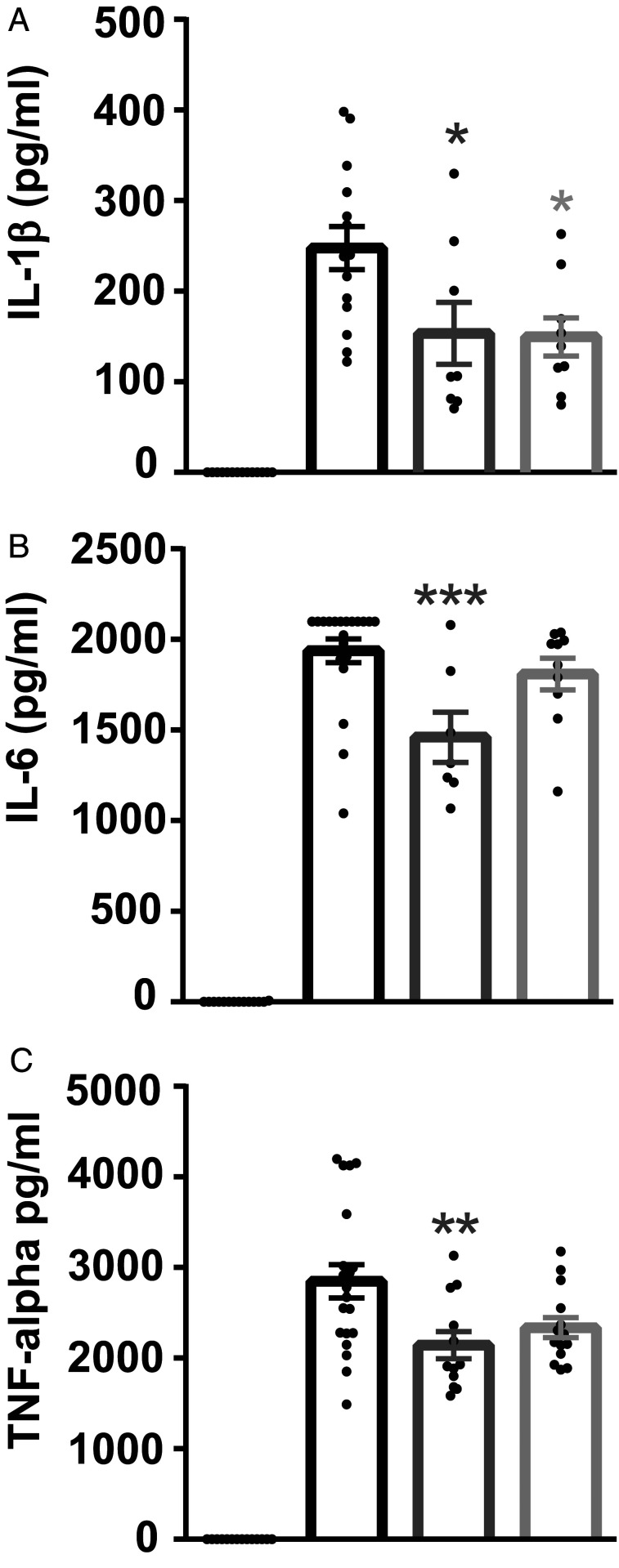
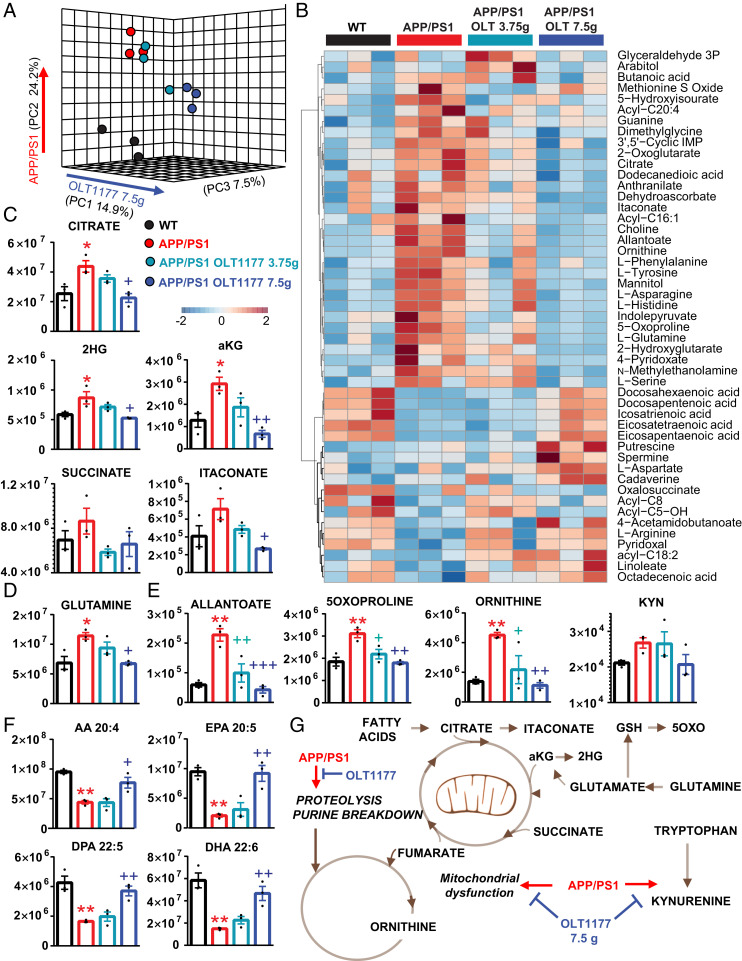
Significance: IL-1β is an immunomodulatory cytokine that is overexpressed in the brains of patients with Alzheimer’s disease (AD). The NLRP3 inflammasome is an intracellular complex that activates caspase-1, which processes the IL-1β and IL-18 precursors into active molecules. In this study, we used an APP/PS1 mouse model for AD, which confirms significant cognitive losses that are recovered in NLRP3-deficient mice, to evaluate the therapeutic potential of an orally bioavailable and safe NLRP3 inhibitor, OLT1177. OLT1177 ameliorated the phenotype in APP/PS1 mice, as evidenced by rescued spatial learning and memory in the Morris water maze test. Microglia were less activated, cortical plaques reduced, and plasma AD metabolic markers were normalized. OLT1177 is a potential therapeutic option for AD.
Overview
The claims and statistics of this paper haven’t been checked yet.
Free: it reads the open-access text and checks the first 5 claims that cite a source we can check. Create a free account to check every claim.
Integrity signals
Registry
Cites
Statistics
Figures
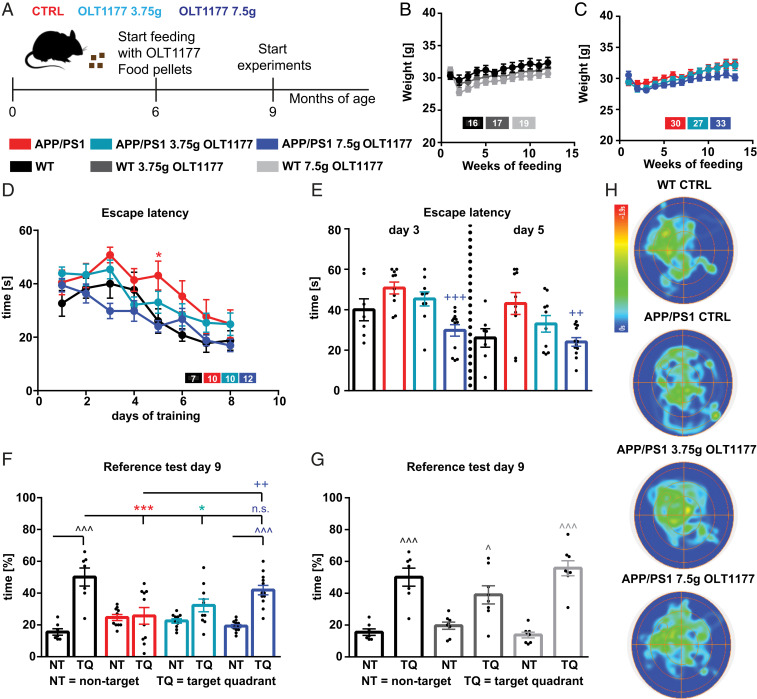
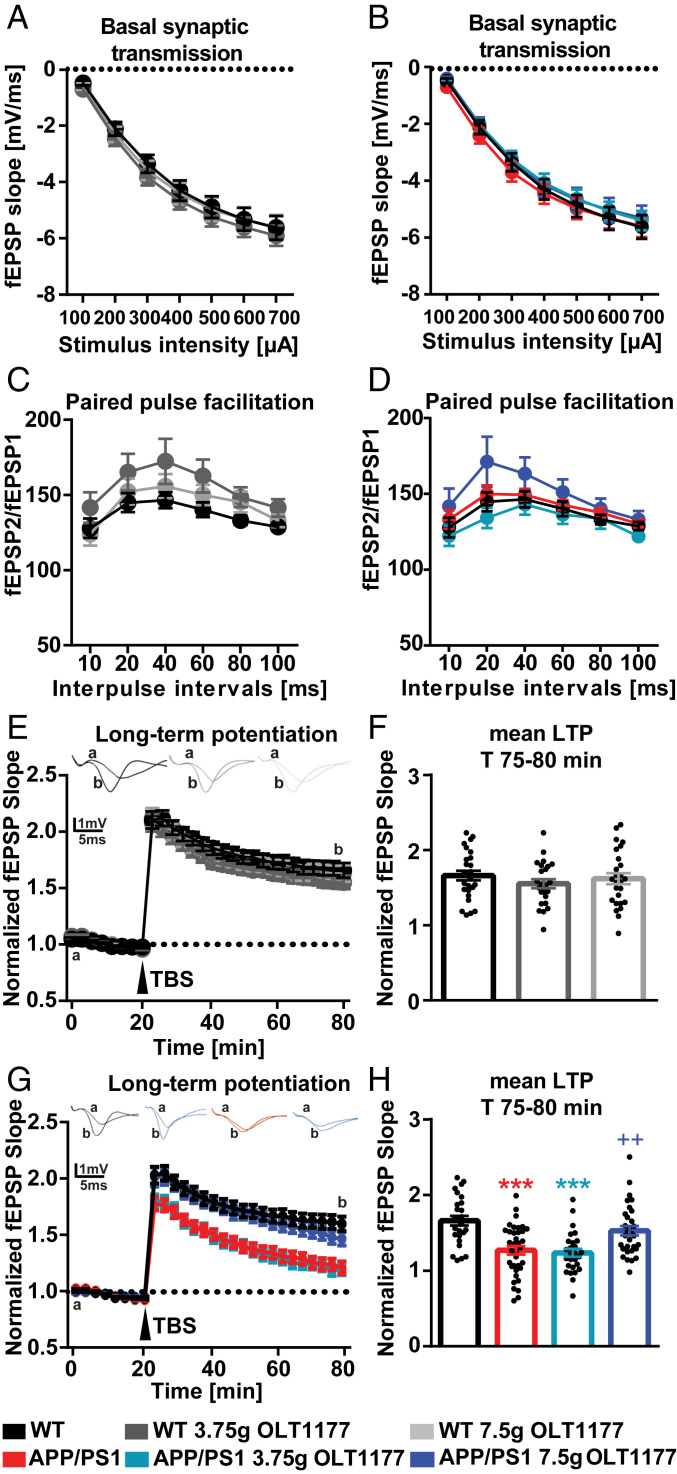
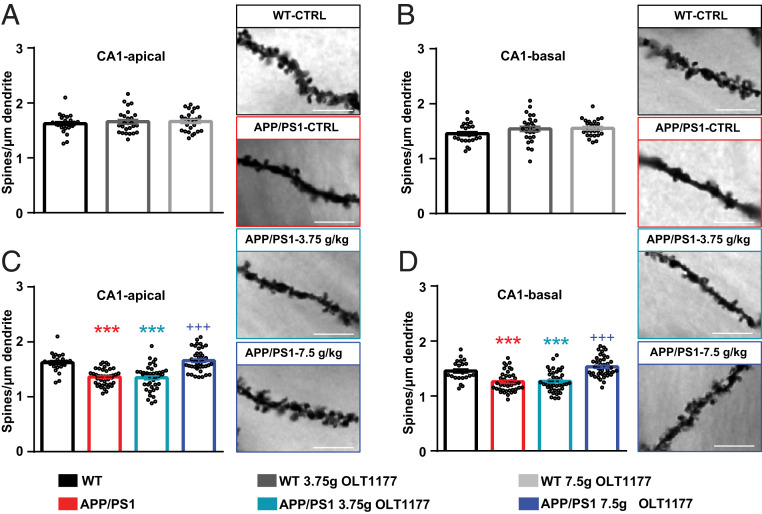
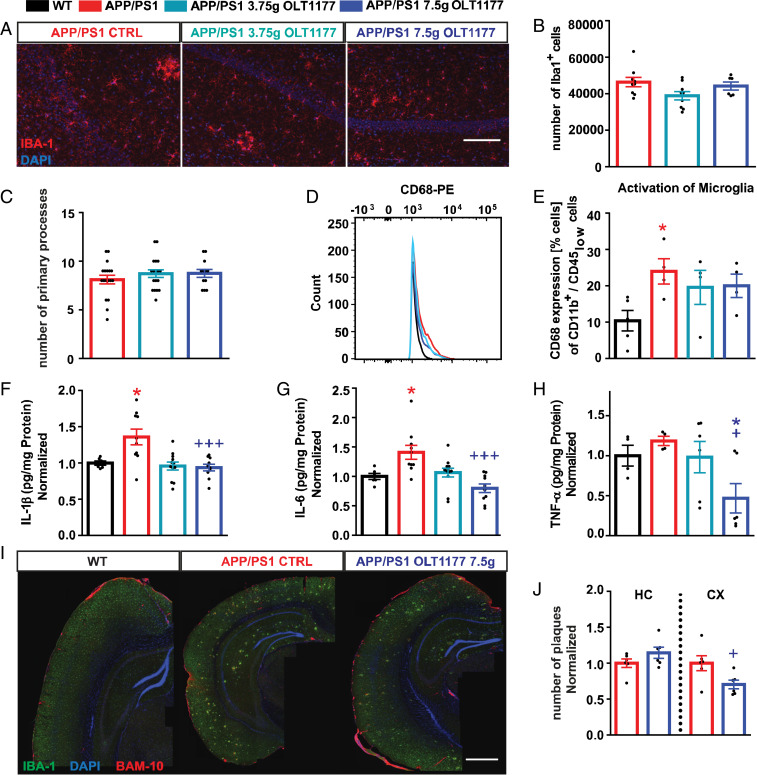
Verification
Claims the paper makes
The claims and statistics of this paper haven’t been checked yet.
Free: it reads the open-access text and checks the first 5 claims that cite a source we can check. Create a free account to check every claim.
Claims other papers make about this one
Each is checked against this paper’s own text: does it say what the citing paper says it does?
In the citing paper
“in another study, the inhibition of NLRP3 by OLT1177 significantly improved cognitive impairment in a mouse model of Alzheimer’s disease [84].”
From Neuroprotective effect of SGLT2 inhibitors. (2021) · cites this paper as [84]
Self-check
Percentages, sums and reported differences re-computed from the paper’s own numbers.
The self-check needs the paper’s full text.
Citations
Cites
Neuropathological stageing of Alzheimer-related changes.
Braak, H., & Braak, E. (1991) · Acta Neuropathologica · doi:10.1007/bf00308809 · Cited by 16,123
Developments of a water-maze procedure for studying spatial learning in the rat
Morris, R. (1984) · Journal of Neuroscience Methods · doi:10.1016/0165-0270(84)90007-4 · Cited by 7,180
Inflammation and Alzheimer’s disease
Akiyama, H. (2000) · Neurobiology of Aging · doi:10.1016/s0197-4580(00)00124-x · Cited by 4,514 · cited 3×
“A drastic increase in TNF-α levels has been shown to be toxic to cortical neurons (37).”
NLRP3 is activated in Alzheimer’s disease and contributes to pathology in APP/PS1 mice
Heneka, M. T., Kummer, M. P., Stutz, A., Delekate, A., Schwartz, S., Vieira-Saecker, A., Griep, A., Axt, D., Remus, A., Tzeng, T.-C., et al. (2013) · Nature · doi:10.1038/nature11729 · Cited by 2,898 · cited 4×
“Heneka et al. (16) pointed out the important role of the NLRP3 inflammasome/caspase-1 axis in AD pathogenesis by demonstrating significant improvements (e.g., in cognition) in APP/PS1 mice (a mouse model for AD) when crossed with NLRP3 − / − animals.”
InfluentialThe NALP3 inflammasome is involved in the innate immune response to amyloid-β
Halle, A., Hornung, V., Petzold, G. C., Stewart, C. R., Monks, B. G., Reinheckel, T., Fitzgerald, K. A., Latz, E., Moore, K. J., & Golenbock, D. T. (2008) · Nature Immunology · doi:10.1038/ni.1636 · Cited by 2,441 · cited 2×
“Halle et al. (14) showed evidence of increased activation of the NLRP3 inflammasome in microglia cells due to A β , and in mice with complete NLRP3 inflammasome deletion by genetic manipulation, spatial memory impairment was prevented (16).”
(2015) · HAL · Cited by 2,238
Brain interleukin 1 and S-100 immunoreactivity are elevated in Down syndrome and Alzheimer disease.
Griffin, W. S., Stanley, L. C., Ling, C., White, L., MacLeod, V, Perrot, L. J., White, C. L., & Araoz, C. (1989) · Proceedings of the National Academy of Sciences · doi:10.1073/pnas.86.19.7611 · Cited by 1,777
Hoffman, H. M., Mueller, J. L., Broide, D. H., Wanderer, A. A., & Kolodner, R. D. (2001) · Nature Genetics · doi:10.1038/ng756 · Cited by 1,682
Jankowsky, J. L., Fadale, D. J., Anderson, J., Xu, G. M., Gonzales, V., Jenkins, N. A., Copeland, N. G., Lee, M. K., Younkin, L. H., Wagner, S. L., et al. (2004) · Human Molecular Genetics · doi:10.1093/hmg/ddh019 · Cited by 1,575
Innate immune activation in neurodegenerative disease
Heneka, M. T., Kummer, M. P., & Latz, E. (2014) · Nature Reviews Immunology · doi:10.1038/nri3705 · Cited by 1,437
Cited by
Items 101–200 of 300
Interrogating direct NLRP3 engagement and functional inflammasome inhibition using cellular assays
Teske, K. A., Corona, C. R., Wilkinson, J., Mamott, D., Good, D. A., Zambrano, D., Lazar, D. F., Cali, J. J., Robers, M. B., & O’Brien, M. A. (2023) · Cell chemical biology · doi:10.1016/j.chembiol.2023.09.016 · Cited by 33
Qi, Y., Zhang, J., Zhang, Y., Zhu, H., Wang, J., Xu, X., Jin, S., Wang, C., Zhang, F., Zhao, M., et al. (2025) · Phytomedicine · doi:10.1016/j.phymed.2025.156482 · Cited by 39
Liu, X., Lai, L., Chen, J.-X., Li, X., Wang, N., Zhou, L., Jiang, X., Hu, X., Liu, W.-W., Jiao, X., et al. (2023) · Neuropharmacology · doi:10.1016/j.neuropharm.2023.109525 · Cited by 33
Haseeb, M., Javaid, N., Yasmeen, F., Jeong, U., Han, J. H., Yoon, J., Seo, J. Y., Heo, J.-K., Shin, H. C., Kim, M. S., et al. (2022) · ACS Chemical Neuroscience · doi:10.1021/acschemneuro.1c00831 · Cited by 32
GLP-1 Analogs, SGLT-2, and DPP-4 Inhibitors: A Triad of Hope for Alzheimer’s Disease Therapy
Złotek, M., Kurowska, A., Herbet, M., & Piątkowska‐Chmiel, I. (2023) · Biomedicines · doi:10.3390/biomedicines11113035 · Cited by 32
Targeting the inflammasome in Parkinson’s disease
Su, Q., Ng, W. L., Goh, S. Y., Gulam, M. Y., Wang, L., Tan, E., Ahn, M., & Chao, Y. (2022) · Frontiers in Aging Neuroscience · doi:10.3389/fnagi.2022.957705 · Cited by 34
“, 2018) Unknown binding site Alzheimer’s disease mice (Lonnemann et al., 2020) Experimental autoimmune encephalomyelitis (Sanchez-Fernandez et al.”
BackgroundGasdermins in pyroptosis, inflammation, and cancer
Min, R., Bai, Y., Wang, N.-R., & Liu, X. (2025) · Trends in Molecular Medicine · doi:10.1016/j.molmed.2025.04.003 · Cited by 31
The Impact of Ageing on the CNS Immune Response in Alzheimer’s Disease
Chee, S. E. J., & Solito, E. (2021) · Frontiers in Immunology · doi:10.3389/fimmu.2021.738511 · Cited by 30
Lonnemann, N., Hosseini, S., Ohm, M., Geffers, R., Hiller, K., Dinarello, C. A., & Körte, M. (2021) · eLife · doi:10.7554/elife.75889 · Cited by 34
Self-citationKattan, D., Barsa, C., Mekhijian, S., Shakkour, Z., Jammoul, M., Doumit, M., Zabala, M. C. P., Darwiche, N., Eid, A. H., Mechref, Y. S., et al. (2022) · Neuroscience & Biobehavioral Reviews · doi:10.1016/j.neubiorev.2022.104969 · Cited by 28
Shadab, A., Abbasi‐Kolli, M., Saharkhiz, M., Ahadi, S. H., Shokouhi, B., & Nahand, J. S. (2024) · Biomedicine & Pharmacotherapy · doi:10.1016/j.biopha.2024.116673 · Cited by 31
Almutary, A. G., Begum, M. Y., Kyada, A., Gupta, S. K., Jyothi, S. R., Chaudhary, K., Sharma, S., Sinha, A., Abomughaid, M. M., Imran, M., et al. (2024) · Ageing Research Reviews · doi:10.1016/j.arr.2024.102548 · Cited by 31
Chen, J., Zhao, S., Zhou, Y., Wang, L., Chen, Q., & Zheng, K. (2025) · BioScience Trends · doi:10.5582/bst.2025.01148 · Cited by 34
NLRP3 Inhibitor Tranilast Attenuates Gestational Diabetes Mellitus in a Genetic Mouse Model
Cao, J., & Peng, Q. (2022) · Drugs in R&D · doi:10.1007/s40268-022-00382-7 · Cited by 28
“Several NLRP3 inhibitors have been recognized, including MCC950 and ODLT1177 [12, 13], and they were also reported to ameliorate some NLRP3 inflammasome-driven diseases.”
BackgroundGut Microbiome and Serum Metabolome Profiles of Capsaicin with Cognitive Benefits in APP/PS1 Mice
Li, J., Liao, X., Yin, X., Deng, Z., Hu, G., Zhang, W., Jiang, F., & Zhao, L. (2022) · Nutrients · doi:10.3390/nu15010118 · Cited by 28
Anti-amyloid: An antibody to cure Alzheimer’s or an attitude
Osborne, O., Naranjo, O., Heckmann, B. L., Dykxhoorn, D. M., & Toborek, M. J. (2023) · iScience · doi:10.1016/j.isci.2023.107461 · Cited by 26
“New brain-penetrant therapeutics are being developed to target IL-1b production by inhibiting the NLPR3 inflammasome as well as key cleavage enzymes including caspase-1.(62,63) Another route of modulation exists by targeting mitochondrial dynamics and ROS production.”
BackgroundAuger, A., Faidi, R., Rickman, A. D., Peña-Martinez, C., Fajfer, A., Carling, J., Hilyard, A., Ali, M., Ono, R., Cleveland, C., et al. (2025) · npj Dementia · doi:10.1038/s44400-025-00011-5 · Cited by 32
Kan, W., Li, Q., Li, P., Ren, L., Mu, W., Lin, L., Wen, J., Ge, F., Hou, M., Hui, S., et al. (2022) · Journal of Functional Foods · doi:10.1016/j.jff.2022.105386 · Cited by 26
Xu, J., Liu, J., Li, Q., Li, G., Zhang, G., Mi, Y., Zhao, T., Mu, D., Wang, D., Zeng, K., et al. (2023) · Phytomedicine · doi:10.1016/j.phymed.2023.155011 · Cited by 28
Hu, B., Zhang, J., Huang, J., Luo, B., Zeng, X., & Jia, J. (2023) · Neural Regeneration Research · doi:10.4103/1673-5374.391311 · Cited by 29
“…of OLT1177 in AD was underscored by the finding that it completely restored learning and memory functions and synaptic plasticity, suppressed microglia activation, normalized blood metabolic markers, and reduced the number of Aβ plaques in the cortex of APP/PS1 mice (Lonnemann et al., 2020).”
BackgroundTherapeutic Interventions Targeting Innate Immune Receptors: A Balancing Act
Cao, X., Cordova, A. F., & Li, L. (2021) · Chemical Reviews · doi:10.1021/acs.chemrev.1c00716 · Cited by 26
Microglia and microglial-based receptors in the pathogenesis and treatment of Alzheimer’s disease
Wang, Z., & Weaver, D. F. (2022) · International Immunopharmacology · doi:10.1016/j.intimp.2022.109070 · Cited by 24
Cao, J., Yang, X., Xiong, L., Wu, M., Chen, S., Xu, H., Gong, Y., Zhang, L., Zhang, Q., & Zhang, X. L. (2022) · Frontiers in Physiology · doi:10.3389/fphys.2022.990469 · Cited by 28
“Dapansutrile has been shown to specifically block NLRP3 inflammasome formation and prevent caspase-1 activation and IL1B maturation and release (Yang et al., 2019; Lonnemann et al., 2020).”
BackgroundTherapeutic Strategies Aimed at Improving Neuroplasticity in Alzheimer Disease
Colavitta, M. F., & Barrantes, F. J. (2023) · Pharmaceutics · doi:10.3390/pharmaceutics15082052 · Cited by 25
Brain resident microglia in Alzheimer’s disease: foe or friends
Kaur, S., Malleshwari, K., Sharma, A., Giridharan, V. V., & Dandekar, M. P. (2024) · Inflammopharmacology · doi:10.1007/s10787-024-01550-8 · Cited by 27
“Lonnemann et al. showed improved spatial memory, lesser plaque formation, synaptic plasticity restoration, and reduction in microglial cell activation following dapansutrile treatment, an oral NLRP3 inhibitor, in APP/PS1 mice (Lonnemann et al. 2020).”
Ayyubova, G., & Madhu, L. N. (2025) · Molecular Neurobiology · doi:10.1007/s12035-025-04758-z · Cited by 23
“Additionally, the research has demonstrated that, depending on the dose of OLT117, it can recover the plasma levels of metabolic indicators of AD, such as glutaminolysis and carboxylic acids [117].”
InfluentialLinkage of circadian rhythm disruptions with Alzheimer's disease and therapeutic interventions
Madhamanchi, K., Zhang, J., & Melkani, G. C. (2025) · Acta Pharmaceutica Sinica B · doi:10.1016/j.apsb.2025.04.011 · Cited by 30
Berry, A., Collacchi, B., Masella, R., Varì, R., & Cirulli, F. (2021) · Nutrients · doi:10.3390/nu13051519 · Cited by 23
“Furthermore, in a mouse model of AD, NLRP3 knockout (KO) mice were protected from impaired spatial memory performance and showed a decrease in the Aβ plaque load [67], similar results were obtained when a specific NLRP3 inhibitor was administered to mice [68].”
ResultGrossmann, K. (2022) · Biomedicines · doi:10.3390/biomedicines10081890 · Cited by 26
“In contrast, pharmacological inhibition of the NLRP3 (nucleotide-binding oligomerization domain-like receptor family, pyrin domain containing 3) inflammasome by the small molecule dapansutrile, led to reduced microglia activity and cortical amyloid plaque deposition, accompanied by improved cognitive abilities in AD m…”
BackgroundLi, C., Zhao, Z., Jin, J., Zhao, C., Zhao, B., & Liu, Y. (2023) · Neuroscience · doi:10.1016/j.neuroscience.2023.12.006 · Cited by 28
Circadian rhythm, microglia-mediated neuroinflammation, and Alzheimer’s disease
Geng, F., Zhao, N., & Ren, Q. (2025) · Neuroscience & Biobehavioral Reviews · doi:10.1016/j.neubiorev.2025.106044 · Cited by 26
Takada, N., Nakamura, Y., Ikeda, K., Takaoka, N., Hisaoka‐Nakashima, K., Sanoh, S., Kotake, Y., Nakata, Y., & Morioka, N. (2021) · Neurochemical Research · doi:10.1007/s11064-021-03367-1 · Cited by 22
Rickman, A. D., Hilyard, A., & Heckmann, B. L. (2021) · Neural Regeneration Research · doi:10.4103/1673-5374.317958 · Cited by 24
“Targeting inflammatory cytokine production and/or signaling for mediators including IL-1β, TNFɑ, and IL-6 have been proposed (Camargo et al., 2015; Wu et al., 2015; Bronzuoli et al., 2016; Kinney et al., 2018; Lonnemann et al., 2020).”
Identification of NLRP3PYD Homo-Oligomerization Inhibitors with Anti-Inflammatory Activity
Ghafary, S. M., Soriano‐Teruel, P. M., Lotfollahzadeh, S., Sancho, M., Serrano‐Candelas, E., Karami, F., Barigye, S. J., Fernández-Pérez, I., Gozalbes, R., Nikkhah, M., et al. (2022) · International Journal of Molecular Sciences · doi:10.3390/ijms23031651 · Cited by 26
“A range of pharmacological inhibitors of the NLRP3 inflammasome has been previously described, including JC124 [16], Parthenolide [17], Bay 11-7082 [18], MCC950 [19], MNS [20], CY-09 [21], Tranilast [22], OLT1177 [23], Oridonin [24], and type I Interferons (IFNs) [25].”
BackgroundTLR4/Rac1/NLRP3 Pathway Mediates Amyloid-β-Induced Neuroinflammation in Alzheimer’s Disease
Zhu, M., Liu, Y., Chen, C., Chen, H., Ni, W., Song, Y., Lv, B., Hua, F., Cui, G., & Zhang, Z. (2024) · Journal of Alzheimer s Disease · doi:10.3233/jad-240012 · Cited by 28
The NLRP3 Inflammasome in the Pathogenesis and Treatment of Alzheimer’s Disease
Golzari-Sorkheh, M., Brown, C. E., Weaver, D. F., & Reed, M. A. (2021) · Journal of Alzheimer s Disease · doi:10.3233/jad-210660 · Cited by 23
Doke, R. R., Lamkhade, G., Vinchurkar, K., & Singh, S. K. (2024) · ACS Pharmacology & Translational Science · doi:10.1021/acsptsci.4c00457 · Cited by 26
Decoding NLRP3 Inflammasome Activation in Alzheimer’s Disease: A Focus on Receptor Dynamics
Maurya, R., Sharma, A., & Naqvi, S. (2025) · Molecular Neurobiology · doi:10.1007/s12035-025-04918-1 · Cited by 28
“OLT1177, another ATPase inhibitor, impairs NLRP3 ATPase function and reduces inflammatory cytokine release in neuro-degenerative and systemic inflammatory conditions [50, 124].”
Abdelaziz, A. M. (2025) · International Immunopharmacology · doi:10.1016/j.intimp.2025.114692 · Cited by 20
Mechanisms of NLRP3 activation and pathology during neurodegeneration
Jose, S., Groves, N. J., Roper, K. E., & Gordon, R. (2022) · The International Journal of Biochemistry & Cell Biology · doi:10.1016/j.biocel.2022.106273 · Cited by 23
Panbhare, K., Pandey, R., Chauhan, C., Sinha, A., Shukla, R., & Kaundal, R. K. (2023) · ACS Chemical Neuroscience · doi:10.1021/acschemneuro.3c00536 · Cited by 24
Vidyanti, A. N., Rahmawati, F., Rahman, R. H., Prodjohardjono, A., & Gofir, A. (2025) · The Journal of Prevention of Alzheimer's Disease · doi:10.1016/j.tjpad.2024.100028 · Cited by 19
Komaroff, A. L., & Dantzer, R. (2025) · Cell Reports Medicine · doi:10.1016/j.xcrm.2025.102259 · Cited by 26
Ioannou, G. N., Horn, C. L., Kothari, V. M., Yeh, M. M., Shyu, I., Lee, S. P., & Savard, C. E. (2023) · Journal of Lipid Research · doi:10.1016/j.jlr.2023.100330 · Cited by 21
“Pharmacologic inhibitors of NLRP3, some of which are orally bioavailable, have been recently reviewed (9), including OLT177 (10), MCC950 (2, 11, 12), CY-09 (13, 14) and IFM-514 (7).”
BackgroundAlzheimer’s Disease—Rationales for Potential Treatment with the Thrombin Inhibitor Dabigatran
Grossmann, K. (2021) · International Journal of Molecular Sciences · doi:10.3390/ijms22094805 · Cited by 20
“Accordingly, blocking microglial inflammasome by the inhibitor dapansutrile (OLT1177) reduced microglia activity and cortical Aβ plaque deposition, and rescued cognitive function in AD mouse model [46].”
BackgroundInflammasome links traumatic brain injury, chronic traumatic encephalopathy, and Alzheimer’s disease
Seplovich, G., Bouchi, Y., Vaccari, J. P. D. R., Pareja, J. C. M., Reisner, A., Blackwell, L. S., Mechref, Y. S., Wang, K., Tyndall, J. A., Tharakan, B., et al. (2024) · Neural Regeneration Research · doi:10.4103/nrr.nrr-d-24-00107 · Cited by 22
Cliff, C. L., Williams, B. M., Chadjichristos, C. E., Mouritzen, U., Squires, P. E., & Hills, C. E. (2022) · International Journal of Molecular Sciences · doi:10.3390/ijms23020600 · Cited by 21
“sis [64], Alzheimer’s disease [27], inflammatory bowel disease [65], and non-alcoholic ste-”
BackgroundRoy, M. K., Carpia, F. L., Cendali, F. I., Fernando, S., Moriconi, C., Wójczyk, B. S., Wang, L., Nemkov, T. G., Hod, E. A., & D’Alessandro, A. (2022) · Journal of Proteome Research · doi:10.1021/acs.jproteome.1c00912 · Cited by 19
Self-citationInhibition of NLRP3 alleviated chemotherapy-induced cognitive impairment in rats
Jia, L., Zhou, Y., Ma, L., Li, W., Chan, C., Zhang, S., & Zhao, Y. (2022) · Neuroscience Letters · doi:10.1016/j.neulet.2022.136975 · Cited by 20
Gao, R., Gao, Y., Su, W., & Wang, R. (2025) · Aging and Disease · doi:10.14336/ad.2024.1629 · Cited by 35
Pyroptosis in Alzheimer’s Disease: Mechanisms and Therapeutic Potential
Tang, T. (2025) · Cellular and Molecular Neurobiology · doi:10.1007/s10571-025-01579-5 · Cited by 20
“Additionally, it inhibits the inflammatory response triggered by LPS in microglial (Lonnemann et al. 2020).”
Dapansutrile in multidisciplinary therapeutic applications: mechanisms and clinical perspectives
Bai, F., Wang, D., & Wu, Y. (2025) · Frontiers in Pharmacology · doi:10.3389/fphar.2025.1731165 · Cited by 19
Li, S., Wang, Y., Zhang, X., Xiong, X., Zhou, F., Li, X., Fan, J., Liang, X., Li, G., Peng, Y., et al. (2023) · Metabolomics · doi:10.1007/s11306-023-02023-9 · Cited by 18
Kodali, M., Madhu, L. N., Somayaji, Y., Attaluri, S., Huard, C., Panda, P. K., Shankar, G., Rao, S., Shuai, B., Gonzalez, J. J., et al. (2024) · Aging Cell · doi:10.1111/acel.14398 · Cited by 21
“Therefore, many studies have focused on inhibiting NLRP3 inflam - masome activation in AD to suppress chronic neuroinflammation and improve brain function (Bai & Zhang, 2021 ; Feng et al., 2020; Lonnemann et al., 2020; Milner et al., 2021 ; Van Zeller et al., 2021 ).”
Ding, J., Shen, L., Ye, Y., Hu, S., Ren, Z., Liu, T., Dai, J., Li, Z., Wang, J., Luo, Y., et al. (2022) · Frontiers in Molecular Neuroscience · doi:10.3389/fnmol.2022.861340 · Cited by 17
Clénet, M., Keaney, J., Gillet, G., Valadas, J. S., Langlois, J., Cardenas, A., Gasser, J., & Kadiu, I. (2023) · Frontiers in Immunology · doi:10.3389/fimmu.2023.1190219 · Cited by 18
IL‐38–mediated NLRP3/caspase‐1 inhibition is a disease‐modifying treatment for TMJ inflammation
Luo, P., Zhao, T., & He, H. (2021) · Annals of the New York Academy of Sciences · doi:10.1111/nyas.14704 · Cited by 16
Li, Y., Qi, S., Wu, C., Jin, R., Hu, C., Wang, A., Wang, B., Yu, H., Wang, L., Liu, J. L., et al. (2024) · Acta Pharmacologica Sinica · doi:10.1038/s41401-024-01434-1 · Cited by 18
Padhy, D. S., Vesmaker, K., & Banerjee, S. (2025) · International Immunopharmacology · doi:10.1016/j.intimp.2025.114691 · Cited by 15
Ciani, M., Rigillo, G., Benatti, C., Pani, L., Blom, J. M. C., Brunello, N., Tascedda, F., & Alboni, S. (2024) · Current Neuropharmacology · doi:10.2174/1570159x22666240705143649 · Cited by 16
Therapeutic Targets in Innate Immunity to Tackle Alzheimer’s Disease
Serradas, M. L., Ding, Y., Martorell, P., Kulińska, I., & Castro‐Gomez, S. (2024) · Cells · doi:10.3390/cells13171426 · Cited by 17
“In recent studies performed in APP/PS1 mice, OLT1177 rescued spatial learning and memory, reduced microglia activation as well as cortical plaque burden, and normalized plasma AD metabolic markers [183].”
BackgroundTherapeutic role of NLRP3 inflammasome inhibitors against Alzheimer’s disease
Tantra, T., A, A. R. T., Nandini, N., & Chaudhary, S. (2024) · Bioorganic Chemistry · doi:10.1016/j.bioorg.2024.107912 · Cited by 16
Jiang, S., Tian, T., Li, W., Liu, T., Wang, C., Hu, G., Du, R., Liu, Y., & Lu, M. (2023) · EMBO Reports · doi:10.15252/embr.202357101 · Cited by 14
NLRP3 Inflammasome: An Emerging Therapeutic Target for Alzheimer’s Disease
Tao, S., Fan, W., Liu, J., Wang, T., Zheng, H., Qi, G., Chen, Y., Zhang, H., Guo, Z., & Zhou, F. (2023) · Journal of Alzheimer s Disease · doi:10.3233/jad-230567 · Cited by 18
Riemma, M. A., Mele, E., Donniacuo, M., Telesca, M., Bellocchio, G., Castaldo, G., Rossi, F., Angelis, A. D., Cappetta, D., Urbanek, K., et al. (2024) · Frontiers in Pharmacology · doi:10.3389/fphar.2024.1422740 · Cited by 15
Redox Regulation of Nucleotide-Binding and Oligomerization Domain-Like Receptors Inflammasome
Ferrara, F., Pecorelli, A., & Valacchi, G. (2023) · Antioxidants and Redox Signaling · doi:10.1089/ars.2022.0180 · Cited by 14
NLRP3 inflammasome: From drug target to drug discovery
Yin, L., Zhang, H., Shang, Y., Wu, S., & Jin, T. (2025) · Drug Discovery Today · doi:10.1016/j.drudis.2025.104375 · Cited by 15
Kang, X., Tian, J., Shu, Q., Cheng, T., Wang, S., & Hu, Y. (2025) · Neuroscience · doi:10.1016/j.neuroscience.2025.07.019 · Cited by 12
“The NLRP3 inflammasome inhibitor OLT1177 demonstrates significant therapeutic efficacy in AD models through a tripartite mechanism that involves the suppression of neuroinflammation, enhancement of Aβ clearance, and preservation of synaptic integrity (Lonnemann et al., 2020).”
Mir, P. A., Kumar, N. G., Bhutia, G. T., Chaudhary, P., Kaur, G., & Gupta, S. K. (2026) · GeroScience · doi:10.1007/s11357-025-02062-1 · Cited by 15
Interlacing the relevance of caspase activation in the onset and progression of Alzheimer’s disease
Dhage, P. A., Sharbidre, A. A., & Magdum, S. M. (2022) · Brain Research Bulletin · doi:10.1016/j.brainresbull.2022.11.008 · Cited by 14
Demuth, H., Hosseini, S., Düsedau, H. P., Dunay, I. R., Körte, M., & Zagrebelsky, M. (2023) · Frontiers in Molecular Neuroscience · doi:10.3389/fnmol.2023.1163087 · Cited by 11
“Taken together, these data confirm the previously shown strong inflammation in old APP/PS1tg mice (Heneka et al., 2013; Lonnemann et al., 2020).”
MethodResultSelf-citationLok, H. C., Katzeff, J. S., Hodges, J. R., Piguet, O., Fu, Y., Halliday, G. M., & Kim, W. S. (2023) · Scientific Reports · doi:10.1038/s41598-023-35945-4 · Cited by 16
Shen, Z., Yang, X., Lan, Y., & Chen, G. (2024) · Journal of Alzheimer s Disease · doi:10.3233/jad-231159 · Cited by 14
Qiao, O., Zhang, X., Zhang, Y., Ji, H., Li, Z., Han, X., Wang, W., Li, X., Wang, J., Liu, C., et al. (2021) · Chinese Medicine · doi:10.1186/s13020-021-00456-9 · Cited by 12
Neurogenesis and Neuroinflammation in Dialogue: Mapping Gaps, Modulating Microglia, Rewiring Aging
Tanaka, M. (2026) · Cells · doi:10.3390/cells15010078 · Cited by 11
“Rodent studies demonstrate that targeting the NLRP3 inflammasome, boosting neurotrophic signaling, or harnessing epigenetic editing can restore neurogenesis and rescue cognition, inspiring translational efforts such as NLRP3 inhibitors now advancing toward human trials [160].”
Modelling the ageing dependence of cancer evolutionary trajectories
Henry, C. J., & DeGregori, J. V. (2025) · Nature reviews. Cancer · doi:10.1038/s41568-025-00838-3 · Cited by 15
“Indeed, inhibitors of the NACHT, LRR and PYD domain-containing 3 (NLRP3) inflammasome responsible for generating mature IL-1β and IL-18 are in clinical development and have been shown to be effective in mouse models (but in young mice thus far) 212,213 .”
NLRP3 inflammasome and Alzheimer’s disease: bridging inflammation and neurodegeneration
Wasim, R., Azmi, S., Ahmad, A., & Srivastava, A. (2026) · Inflammopharmacology · doi:10.1007/s10787-025-02092-3 · Cited by 12
“Crucially, Lonnemann et al. (2020) showed that OLT1177 treatment in AD animal models reduced microglial activation, lowered the development of amyloid plaques in the cerebral cortex, and markedly enhanced cognitive function and synaptic plasticity.”
The NLRP3 inhibitor Dapansutrile improves the therapeutic action of lonafarnib on progeroid mice
Muela‐Zarzuela, I., Suarez-Rivero, J. M., Boy‐Ruiz, D., López‐Pérez, J., Sotelo‐Montoro, M., Navarrete‐Alonso, M. D. M., Collado, I. G., Botubol‐Ares, J. M., Sanz, A., & Cordero, M. D. (2024) · Aging Cell · doi:10.1111/acel.14272 · Cited by 17
“In the current study, we provide evidence demonstrating that inhibition of the NLRP3-inflammasome complex in both human Lonnemann et al., 2020; Sánchez-Fernández et al., 2019; Tang et al., 2022).”
BackgroundBarati, A., Moghimi, S., Zanjani, K. T., Rohani, M., Hesar, M. S., Arfaie, A., Khamsiyan, M. G., Mahmoudi, J., & Sadigh‐Eteghad, S. (2024) · Molecular Neurobiology · doi:10.1007/s12035-024-04541-6 · Cited by 13
“Previous studies have indicated that the inhibition of necroptosis and NLRP3 pathways can enhance learning and memory [52, 121–123].”
Zhou, L., Wu, Z., Li, Y., Xiao, L., Wang, H., & Wang, G. (2022) · Brain Sciences · doi:10.3390/brainsci12091250 · Cited by 13
“NLRP3 has been found to cause deficits in synaptic plasticity in animal models of Alzheimer’s disease [58].”
BackgroundLuque, M., Matić, M., Heras‐Garvin, A., Amo‐Aparicio, J., Luk, K. C., Haindl, M. T., Khalil, M., Skouras, D. B., Dinarello, C. A., & Stefanova, N. (2026) · Journal of Neuroinflammation · doi:10.1186/s12974-026-03716-3 · Cited by 10
“Dapansutrile-enriched feed pellets (OLT1177®, Olatec Therapeutics LLC, New York, NY, USA) were provided at different concentrations (1.5 g, 3.75–7.5 g/kg pellets) selected based on previous studies in mice [22].”
InfluentialSelf-citationDinarello, A., Mills, T., Tengesdal, I. W., Powers, N. E., Azam, T., & Dinarello, C. A. (2023) · Cells · doi:10.3390/cells12020294 · Cited by 12
“5 mg OLT1177 per kg of food) or a standard food diet [21,25,52].”
BackgroundSelf-citationShi, W. M., Liu, T., Yang, H., Zhao, J., Wei, Z., Huang, Y., Li, Z., Li, H., Liang, L., Hou, X., et al. (2023) · Journal of Ethnopharmacology · doi:10.1016/j.jep.2023.117063 · Cited by 11
Chan, A., Xu, X. S., Chin, I. L., Grant, A. J., Lau, K., Hu, Y., Michael, P. L., Lam, Y. T., Wise, S. G., & Tan, R. P. (2024) · Journal of Materials Chemistry B · doi:10.1039/d4tb00705k · Cited by 11
Targeting NLRP3 Inflammasomes: A Trojan Horse Strategy for Intervention in Neurological Disorders
Tork, M. A. B., Fotouhi, S., Roozi, P., & Negah, S. S. (2024) · Molecular Neurobiology · doi:10.1007/s12035-024-04359-2 · Cited by 12
“For example, MCC950 [47, 72] and OLT1177 [73] inhibit NLRP3 inflammasome activation by blocking ATPase activity, preventing the assembly of the inflammasome complex, and releasing proinflammatory cytokines like IL-β and IL-18 [74].”
Targeting NLRP3 Inflammasome: Structure, Function, and Inhibitors
Lou, S., Wu, M., & Cui, S. (2024) · Current Medicinal Chemistry · doi:10.2174/0109298673289984231127062528 · Cited by 10
Wu, Y., & Zhou, J. (2025) · Current Issues in Molecular Biology · doi:10.3390/cimb47030148 · Cited by 9
“After seeding, the cells were treated with either 0.5 mM free fatty acids (FFA) alone [17] or 0.5 mM FFA combined with 10 µ M DAPA for 24 h [18].”
InfluentialIC100 blocks inflammasome activation induced by α-synuclein aggregates and ASC specks
Cyr, B. S., Vontell, R., Hadad, R., Vaccari, J. P. D. R., & Keane, R. W. (2025) · npj Parkinson's Disease · doi:10.1038/s41531-025-00963-8 · Cited by 13
Asaba, T., Hamano, S., Nanmo, A., Seo, J., Kageyama, T., & Fukuda, J. (2025) · Regenerative Therapy · doi:10.1016/j.reth.2025.06.013 · Cited by 8
“In addition, OXT has been reported to inhibit NLRP3 inflammasome activation [34,35], contributing to an anti-inflammatory environment that may enhance A β phagocytosis [36].”
Lin, W., Wang, P., Zhang, Y., Lü, W., Yang, M., Zhu, Z., Yin, X., Lv, J., Zheng, Z., Mei, S., et al. (2025) · Journal of Medicinal Chemistry · doi:10.1021/acs.jmedchem.5c01663 · Cited by 13
Environmental Stressors and Neuroinflammation: Linking Climate Change to Alzheimer’s Disease
Caldarelli, M., Rio, P., Gasbarrini, A., Gambassi, G., & Cianci, R. (2025) · Current Issues in Molecular Biology · doi:10.3390/cimb47110959 · Cited by 10
“For example, small molecules like MCC950 and dapan-sutrile (OLT1177) have ameliorated cognition in several mouse models [172].”
Neuroimmune Dysregulation and AI-Driven Therapeutic Strategies in Alzheimer’s Disease
Ghosh, S., Bhaskar, R., Singh, K. K., Sharma, S., Yarlagadda, B., Sinha, J. K., & Han, S. S. (2025) · Cellular and Molecular Neurobiology · doi:10.1007/s10571-025-01651-0 · Cited by 11
Zhao, J., Bu, F., Wu, H., He, J., & Liu, J. (2026) · Translational Psychiatry · doi:10.1038/s41398-026-03941-7 · Cited by 9
Liu, M., Liu, R., Yang, M., Ba, Y., Deng, Q., Zhang, Y., Han, L. G., Gao, L., & Huang, H. (2023) · Food and Chemical Toxicology · doi:10.1016/j.fct.2023.113857 · Cited by 8
Guo, Y., Wang, S., Li, L., Zhang, H., Chen, X., Huang, Z., & Liu, Y. (2023) · Molecular Neurobiology · doi:10.1007/s12035-023-03564-9 · Cited by 11
Macrophage pyroptosis induced by Candida albicans
Zhang, F.-Y., Lian, N., & Li, M. (2024) · Pathogens and Disease · doi:10.1093/femspd/ftae003 · Cited by 12
“T he curr ent r esearc h and application about NLRP3 inhibitors are mainly focused on inflammatory and autoimmune diseases (Coll et al. 2015 , Lonnemann et al. 2020 , Chen et al. 2021 , Zhu et al. 2021 ).”
BackgroundZhang, N.-Y., Wang, T., Chou, C.-H., Wu, K.-C., Yang, C., Kung, F., & Lin, C. (2022) · European Journal of Pharmacology · doi:10.1016/j.ejphar.2022.175256 · Cited by 8
Cacabelos, R. (2025) · International Journal of Molecular Sciences · doi:10.3390/ijms26157175 · Cited by 9
“Some combination strategies consider the use of monoclonals that can be combined with anti-tau agents, NLRP3 inhibitors, or metabolic drugs (e.g., GLP-1 agonists) for synergistic effects [82].”
Anton, P. E., Twardy, S. M., Nagpal, P., Moreno, J. A., Burchill, M. A., Chatterjee, A., Busquet, N., Mesches, M. H., Kovacs, E. J., & McCullough, R. L. (2025) · Journal of Leukocyte Biology · doi:10.1093/jleuko/qiaf024 · Cited by 11
Wei, X., Ran, S., Yan, X., Huang, J., Xue, L., He, T., Zhang, H., & Wu, S. (2025) · Journal of Inflammation Research · doi:10.2147/jir.s516502 · Cited by 8
“58,59 As an alternative inhibitor of NLRP3 inflammasome, MCC950 was studied extensively.”
Metadata
- Authors
- Lonnemann, N., Hosseini, S., Marchetti, C., Skouras, D. B., Stefanoni, D., D’Alessandro, A., Dinarello, C. A., & Korte, M.
- Affiliations
- Technische Universität Braunschweig (DE)
- Helmholtz Centre for Infection Research (DE)
- University of Colorado Anschutz (US)
- Olatec (United States) (US)
- University of Colorado Denver (US)
- Radboud University Nijmegen (NL)
- Department of Cellular Neurobiology, Zoological Institute, Technische Universität Braunschweig, 38106 Braunschweig, Germany;
- Corresponding author
- Dinarello, Charles A.
- ORCID
- Venue
- Proceedings of the National Academy of Sciences
- Publisher
- National Academy of Sciences
- Published
- 2020-11-30
- Volume
- 117
- Issue
- 50
- Pages
- 32145-32154
- ISSN
- 0027-8424 (ISSN-L)
- 1091-6490
- PMC
- PMC7749353
- OpenAlex
- W3108308610
- Cited by
- 298
- References
- 74
- Citations by year
- 2026: 51 · 2025: 53 · 2024: 50 · 2023: 56 · 2022: 55 · 2021: 33
- FWCI
- 21.81
- Type
- journal article
- Language
- en
- Open access
- hybrid
- doi.org
- Licence
- Locations
- Proceedings of the National Academy of Sciences (publishedVersion, cc-by)
- PubMed Central (publishedVersion, cc-by)
- PubMed (publishedVersion)
- HZI (Helmholtz Centre for Infection Research) (submittedVersion, cc-by-nc-nd)
- Radboud Repository (Radboud University) (submittedVersion)
- Radboud Repository (Radboud University) (submittedVersion, other-oa)
- Funders
- HHS | NIH | National Institute of Allergy and Infectious Diseases (AI15614)
- Deutsche Forschungsgemeinschaft (SFB854)
- Topics
- Life Sciences › Neuroscience › Cellular and Molecular Neuroscience › Alzheimer's disease research and treatments
- Life Sciences › Biochemistry, Genetics and Molecular Biology › Molecular Biology › Inflammasome and immune disorders
- Life Sciences › Neuroscience › Neurology › Neuroinflammation and Neurodegeneration Mechanisms
- Keywords
- NLRP3 inflammasome, Alzheimer's disease, cognitive impairment, IL-1β, caspase-1, APP/PS1 mice, microglial activation, amyloid plaques, spatial learning and memory, anti-inflammatory therapy
- MeSH terms
- Behavior Observation Techniques, NLR Family, Pyrin Domain-Containing 3 Protein, Administration, Oral, Alzheimer Disease, Animals, Behavior, Animal, Cerebral Cortex, Disease Models, Animal, Humans, Male, Mice, Transgenic, Neuronal Plasticity, Nitriles, Sulfones, Amyloid beta-Protein Precursor, Microglia, Mice, Presenilin-1, Inflammasomes, Cognitive Dysfunction, Spatial Memory
About these checks
Registry, retraction, Cites and statistics results are computed, not judged, with one exception: a printed reference that no index lists is read once by a model before it counts as a citation error. Claims are extracted by a model and kept only when their quote appears verbatim in the text; each cited source is then checked, with a model’s help, for whether it says what the claim relies on. Those verdicts can be wrong — read the claim’s quote and the cited source before relying on one.
Statistics and arithmetic are recomputed, not judged.
Confidence bands are shown only for fields calibrated on our annotated test set. None is calibrated yet, so no band is shown.
What counts as a claim ›How we measure confidence ›How we check this ›
Are you an author, or do you see a problem with this page? Request a review
Data sources
Bibliographic data: Semantic Scholar, OpenAlex, Crossref.
Contains information from the Semantic Scholar Academic Graph Datasets, made available under the ODC Attribution License (ODC-BY 1.0).
Semantic Scholar’s data is described in: Kinney, R., et al. (2023). The Semantic Scholar Open Data Platform. arXiv:2301.10140.
