

The NLRP3 inflammasome inhibitor OLT1177 rescues cognitive impairment in a mouse model of Alzheimer’s disease
Open accessThe DOI matches its Crossref record; 73 of the 74 references it cites were found in a registry or an index.
Abstract
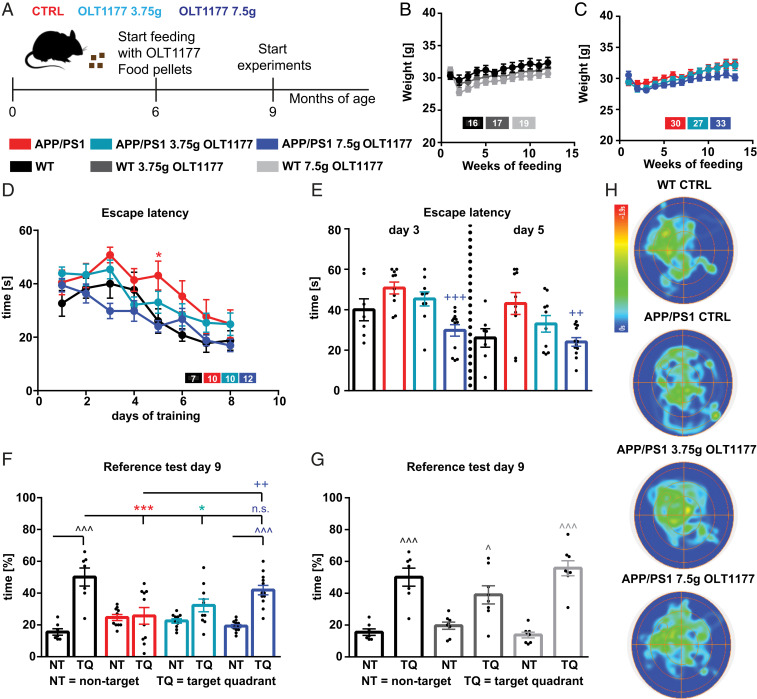
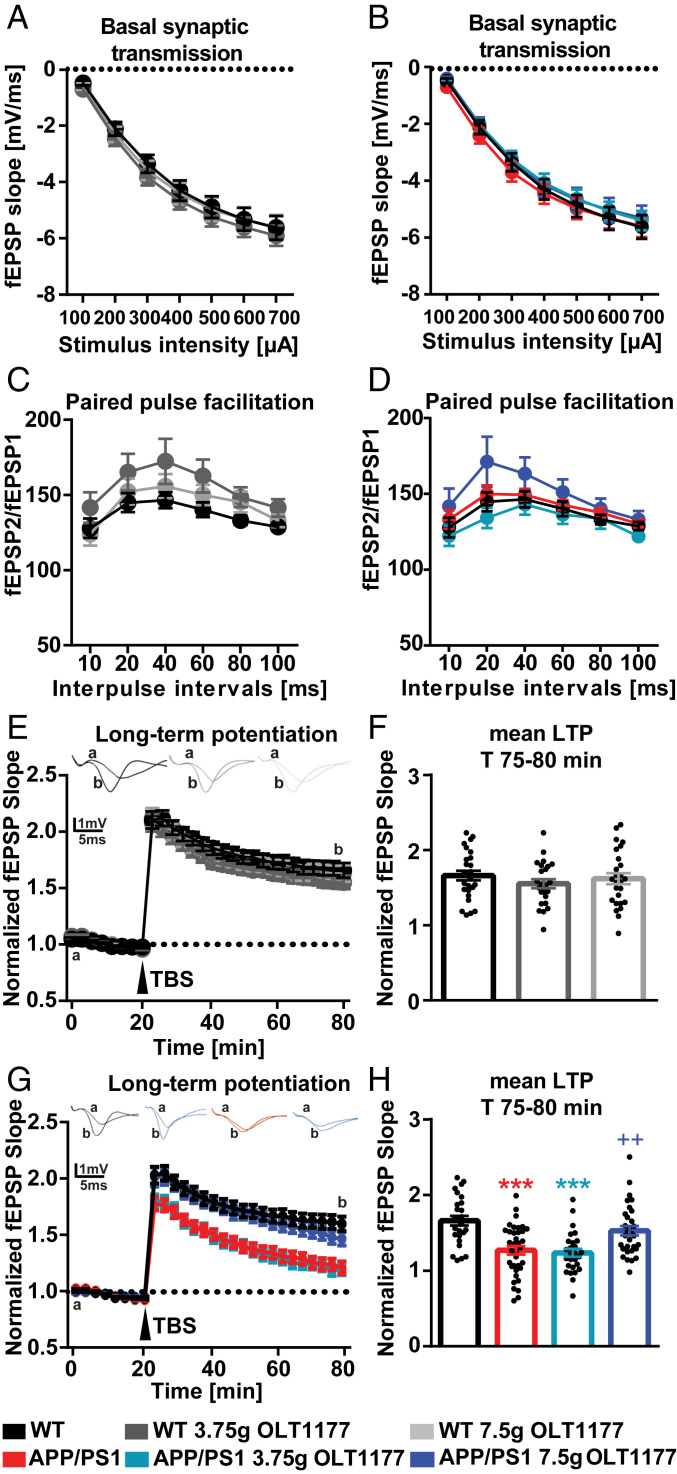
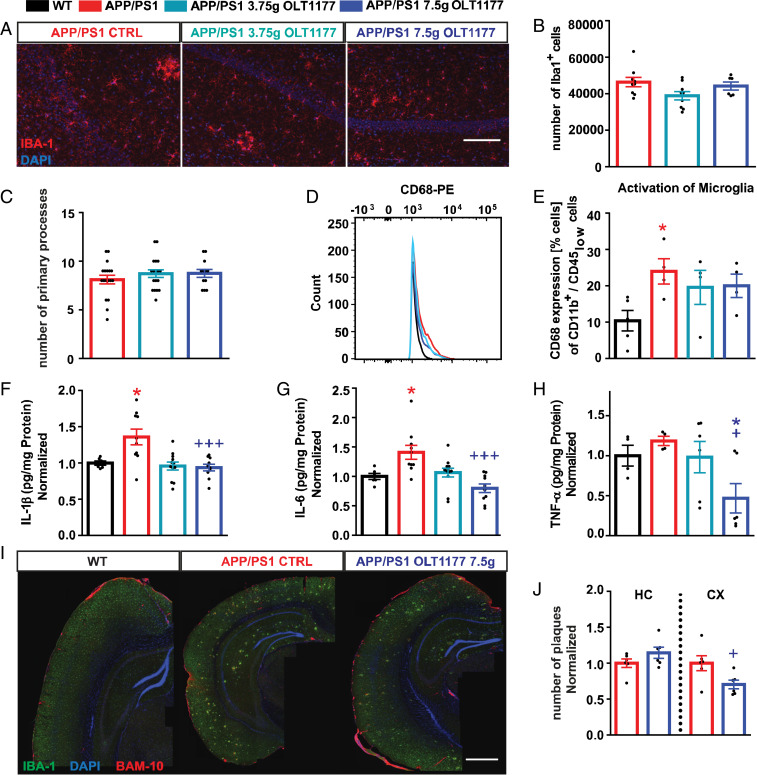
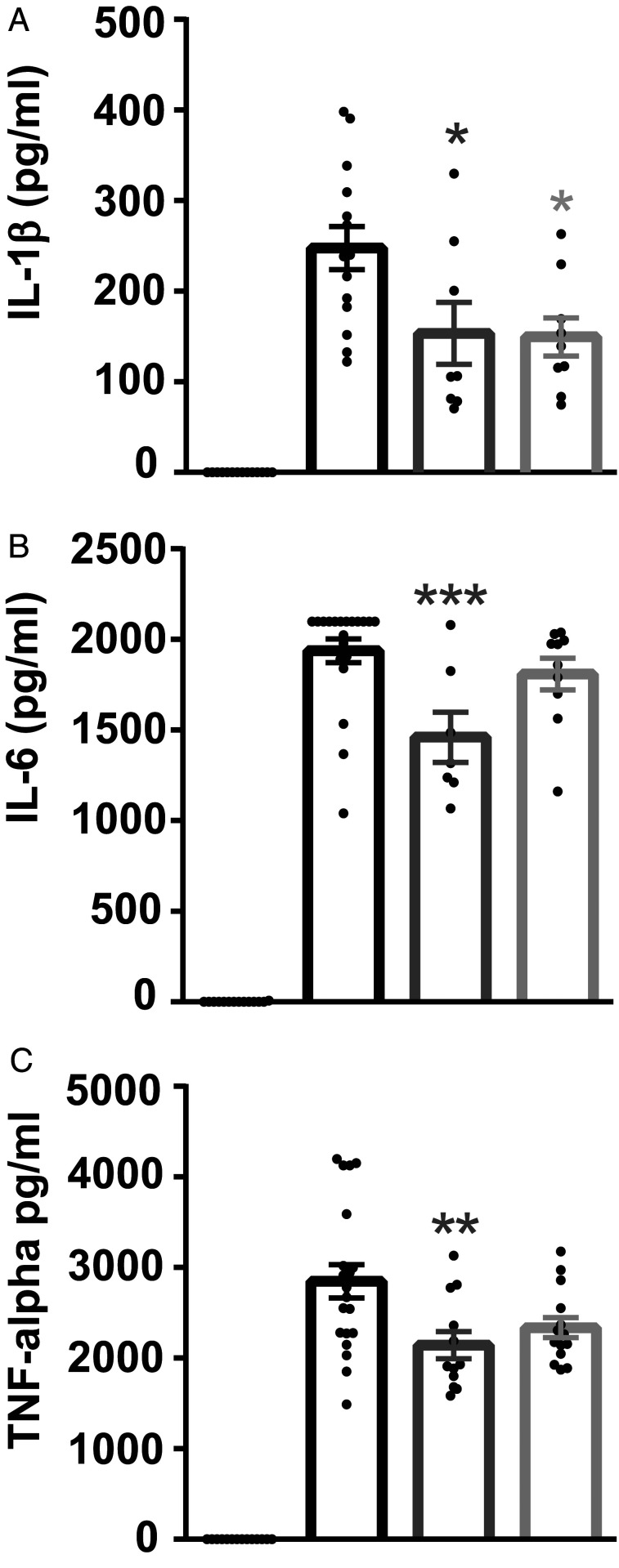
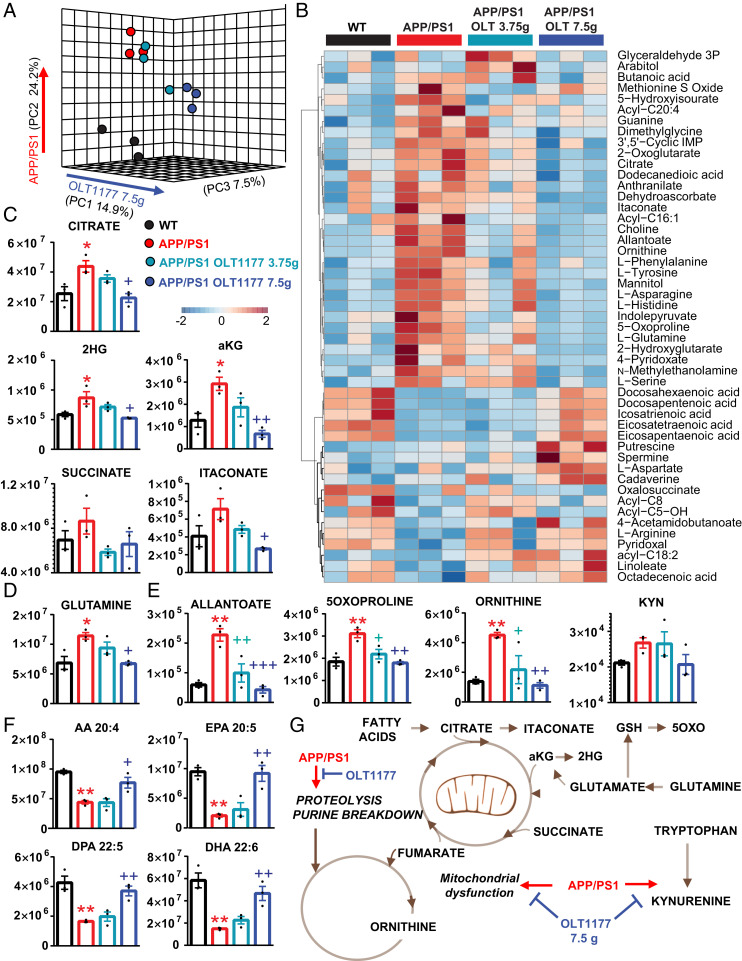
Significance: IL-1β is an immunomodulatory cytokine that is overexpressed in the brains of patients with Alzheimer’s disease (AD). The NLRP3 inflammasome is an intracellular complex that activates caspase-1, which processes the IL-1β and IL-18 precursors into active molecules. In this study, we used an APP/PS1 mouse model for AD, which confirms significant cognitive losses that are recovered in NLRP3-deficient mice, to evaluate the therapeutic potential of an orally bioavailable and safe NLRP3 inhibitor, OLT1177. OLT1177 ameliorated the phenotype in APP/PS1 mice, as evidenced by rescued spatial learning and memory in the Morris water maze test. Microglia were less activated, cortical plaques reduced, and plasma AD metabolic markers were normalized. OLT1177 is a potential therapeutic option for AD.
Overview
The claims and statistics of this paper haven’t been checked yet.
Free: it reads the open-access text and checks the first 5 claims that cite a source we can check. Create a free account to check every claim.
Integrity signals
Registry
Cites
Statistics
Figures
Verification
Claims the paper makes
The claims and statistics of this paper haven’t been checked yet.
Free: it reads the open-access text and checks the first 5 claims that cite a source we can check. Create a free account to check every claim.
Claims other papers make about this one
Each is checked against this paper’s own text: does it say what the citing paper says it does?
In the citing paper
“in another study, the inhibition of NLRP3 by OLT1177 significantly improved cognitive impairment in a mouse model of Alzheimer’s disease [84].”
From Neuroprotective effect of SGLT2 inhibitors. (2021) · cites this paper as [84]
Self-check
Percentages, sums and reported differences re-computed from the paper’s own numbers.
The self-check needs the paper’s full text.
Citations
Cites
Neuropathological stageing of Alzheimer-related changes.
Braak, H., & Braak, E. (1991) · Acta Neuropathologica · doi:10.1007/bf00308809 · Cited by 16,123
Developments of a water-maze procedure for studying spatial learning in the rat
Morris, R. (1984) · Journal of Neuroscience Methods · doi:10.1016/0165-0270(84)90007-4 · Cited by 7,180
Inflammation and Alzheimer’s disease
Akiyama, H. (2000) · Neurobiology of Aging · doi:10.1016/s0197-4580(00)00124-x · Cited by 4,514 · cited 3×
“A drastic increase in TNF-α levels has been shown to be toxic to cortical neurons (37).”
NLRP3 is activated in Alzheimer’s disease and contributes to pathology in APP/PS1 mice
Heneka, M. T., Kummer, M. P., Stutz, A., Delekate, A., Schwartz, S., Vieira-Saecker, A., Griep, A., Axt, D., Remus, A., Tzeng, T.-C., et al. (2013) · Nature · doi:10.1038/nature11729 · Cited by 2,898 · cited 4×
“Heneka et al. (16) pointed out the important role of the NLRP3 inflammasome/caspase-1 axis in AD pathogenesis by demonstrating significant improvements (e.g., in cognition) in APP/PS1 mice (a mouse model for AD) when crossed with NLRP3 − / − animals.”
InfluentialThe NALP3 inflammasome is involved in the innate immune response to amyloid-β
Halle, A., Hornung, V., Petzold, G. C., Stewart, C. R., Monks, B. G., Reinheckel, T., Fitzgerald, K. A., Latz, E., Moore, K. J., & Golenbock, D. T. (2008) · Nature Immunology · doi:10.1038/ni.1636 · Cited by 2,441 · cited 2×
“Halle et al. (14) showed evidence of increased activation of the NLRP3 inflammasome in microglia cells due to A β , and in mice with complete NLRP3 inflammasome deletion by genetic manipulation, spatial memory impairment was prevented (16).”
(2015) · HAL · Cited by 2,238
Brain interleukin 1 and S-100 immunoreactivity are elevated in Down syndrome and Alzheimer disease.
Griffin, W. S., Stanley, L. C., Ling, C., White, L., MacLeod, V, Perrot, L. J., White, C. L., & Araoz, C. (1989) · Proceedings of the National Academy of Sciences · doi:10.1073/pnas.86.19.7611 · Cited by 1,777
Hoffman, H. M., Mueller, J. L., Broide, D. H., Wanderer, A. A., & Kolodner, R. D. (2001) · Nature Genetics · doi:10.1038/ng756 · Cited by 1,682
Jankowsky, J. L., Fadale, D. J., Anderson, J., Xu, G. M., Gonzales, V., Jenkins, N. A., Copeland, N. G., Lee, M. K., Younkin, L. H., Wagner, S. L., et al. (2004) · Human Molecular Genetics · doi:10.1093/hmg/ddh019 · Cited by 1,575
Innate immune activation in neurodegenerative disease
Heneka, M. T., Kummer, M. P., & Latz, E. (2014) · Nature Reviews Immunology · doi:10.1038/nri3705 · Cited by 1,437
Cited by
Microglia in neurodegenerative diseases: mechanism and potential therapeutic targets
Gao, C., Jiang, J., Tan, Y., & Chen, S. (2023) · Signal Transduction and Targeted Therapy · doi:10.1038/s41392-023-01588-0 · Cited by 1,616
“145 These results suggest that microglia respond to the pathology of AD.”
MethodInfluentialNLRP3 and pyroptosis blockers for treating inflammatory diseases
Coll, R. C., Schroder, K., & Pelegrín, P. (2022) · Trends in Pharmacological Sciences · doi:10.1016/j.tips.2022.04.003 · Cited by 755
Blevins, H. M., Xu, Y., Biby, S., & Zhang, S. (2022) · Frontiers in Aging Neuroscience · doi:10.3389/fnagi.2022.879021 · Cited by 587
“Aside from clinical trials, OLT1177 has recently been tested as a potential treatment for numerous disease states including AD, autoimmune encephalomyelitis, myocardial ischemia, arthritis, and more (Marchetti et al., 2018b; SánchezFernández et al., 2019; Toldo et al., 2019; Lonnemann et al., 2020).”
BackgroundCai, Y., Liu, J., Wang, B., Sun, M., & Yang, H. (2022) · Frontiers in Immunology · doi:10.3389/fimmu.2022.856376 · Cited by 351
“Dapansutrile (OLT1177), an orally available small molecule inhibitor for NLRP3 inflammasome which can silence caspase1 and IL-1b and has well tolerated and free side effects in humans, could rescue synaptic plasticity, suppress inimical microglia, and reduce the number of plaques in APP/PS1 mouse model for AD (59).”
BackgroundTargeting the NLRP3 inflammasome in cardiovascular diseases
Toldo, S., Mezzaroma, E., Buckley, L. F., Potere, N., Di Nisio, M., Biondi-Zoccai, G., Van Tassell, B. W., & Abbate, A. (2022) · Pharmacology & Therapeutics · doi:10.1016/j.pharmthera.2021.108053 · Cited by 328
NLRP3 inflammasome in neuroinflammation and central nervous system diseases
Xu, W., Huang, Y., & Zhou, R. (2025) · Cellular & Molecular Immunology · doi:10.1038/s41423-025-01275-w · Cited by 295
Neuroprotective effect of SGLT2 inhibitors.
Pawlos, A., Broncel, M., Woźniak, E., & Gorzelak-Pabiś, P. (2021) · Molecules · doi:10.3390/molecules26237213 · Cited by 304
“This effect may be clinically significant, as, in another study, the inhibition of NLRP3 by OLT1177 significantly improved cognitive impairment in a mouse model of Alzheimer’s disease [84].”
ResultInflammasomes as therapeutic targets in human diseases
Li, Y., Huang, H., Liu, B., Zhang, Y., Pan, X., Yu, X.-Y., Shen, Z., & Song, Y.-H. (2021) · Signal Transduction and Targeted Therapy · doi:10.1038/s41392-021-00650-z · Cited by 223
The Role of NLRP3 Inflammasome in Alzheimer’s Disease and Potential Therapeutic Targets
Liang, T., Zhang, Y., Wu, S., Chen, Q., & Wang, L. (2022) · Frontiers in Pharmacology · doi:10.3389/fphar.2022.845185 · Cited by 213
Impaired insulin signalling and allostatic load in Alzheimer disease
De Felice, F. G., Gonçalves, R. A., & Ferreira, S. T. (2022) · Nature Reviews Neuroscience · doi:10.1038/s41583-022-00558-9 · Cited by 177
The synapse as a treatment avenue for Alzheimer’s Disease
Peng, L., Bestard‐Lorigados, I., & Song, W. (2022) · Molecular Psychiatry · doi:10.1038/s41380-022-01565-z · Cited by 180
“An inhibitor of NLRP3 inflammasome called dapansutrile or OLT117 improved synaptic plasticity and caused less microglia activation in AD mouse models [69].”
BackgroundChalcone and its analogs: Therapeutic and diagnostic applications in Alzheimer’s disease
Thapa, P., Upadhyay, S. P., Suo, W. Z., Singh, V., Gurung, P., Lee, E. S., Sharma, R., & Sharma, M. (2021) · Bioorganic Chemistry · doi:10.1016/j.bioorg.2021.104681 · Cited by 166
“Association of NLRP3 inflammasome in AD pathogenesis and demonstration that pharmacological intervention of NLRP3 inflammasome improves cognitive impairment in AD mouse model has attracted many researchers on developing NLRP3 inflammasome inhibitors for AD [180, 181].”
BackgroundExercise suppresses neuroinflammation for alleviating Alzheimer’s disease
Wang, M., Zhang, H., Liang, J., Huang, J., & Chen, N. (2023) · Journal of Neuroinflammation · doi:10.1186/s12974-023-02753-6 · Cited by 162
“Numerous animal studies have also confirmed that inhibiting NLRP3 in microglia is a potential target for the treatment of AD in the future [218, 219], indicating that the regulation of PPRs in microglia by exercise is a potential immunotherapeutic direction.”
BackgroundNLRP3 inflammasome in neurodegenerative disease
Anderson, F. L., Biggs, K. E., Rankin, B. E., & Havrda, M. C. (2022) · Translational research · doi:10.1016/j.trsl.2022.08.006 · Cited by 162
New Insights on NLRP3 Inflammasome: Mechanisms of Activation, Inhibition, and Epigenetic Regulation
Kodi, T., Sankhe, R., Gopinathan, A., Nandakumar, K., & Kishore, A. (2024) · Journal of Neuroimmune Pharmacology · doi:10.1007/s11481-024-10101-5 · Cited by 167
“…sodium sulfate (DSS)-induced colitis in rodents (Oizumi et al. 2022; Saber et al. 2021), spinal cord injury (SCI) (Amo-Aparicio et al. 2022), myocardial infarction (Aliaga et al. 2021), AD (Lonnemann et al. 2020), MS (Sánchez-Fernández et al. 2019), and acute arthritis (Marchetti et al. 2018b).”
BackgroundNeuroinflammation in neurological disorders: pharmacotherapeutic targets from bench to bedside
Mishra, A., Bandopadhyay, R., Singh, P. K., Mishra, P. S., Sharma, N., & Khurana, N. (2021) · Metabolic Brain Disease · doi:10.1007/s11011-021-00806-4 · Cited by 141
Zhang, X., Wang, Z., Zheng, Y., Yu, Q., Zeng, M., Bai, L., Yang, L., Guo, M., Jiang, X., & Gan, J. (2023) · International Journal of Molecular Medicine · doi:10.3892/ijmm.2023.5238 · Cited by 150
Inflammation: The Cause of All Diseases
Chavda, V. P., Feehan, J., & Apostolopoulos, V. (2024) · Cells · doi:10.3390/cells13221906 · Cited by 188
Activation of NLRP3 Inflammasome and Onset of Alzheimer’s Disease
Bai, H., & Zhang, Q. (2021) · Frontiers in Immunology · doi:10.3389/fimmu.2021.701282 · Cited by 126
“(62) used OLT1177 to inhibit the activation of NLRP3 inflammasome and thus improve the function of AD mice.”
MethodNLRP3 inflammasome signalling in Alzheimer's disease
McManus, R. M., & Latz, E. (2024) · Neuropharmacology · doi:10.1016/j.neuropharm.2024.109941 · Cited by 144
“…(Teske et al., 2024), however, this does not detract from the effectiveness of OLT1177 at preventing the release of active IL-1 β (Marchetti et al., 2018; Ten-gesdal et al., 2021; Oizumi et al., 2022; Lonnemann et al., 2020) and the promising findings from the ongoing clinical trials (Table 1).”
BackgroundTherapeutic regulation of the NLRP3 inflammasome in chronic inflammatory diseases
Seok, J. K., Kang, H. C., Cho, Y., Lee, H. S., & Lee, J. Y. (2021) · Archives of Pharmacal Research · doi:10.1007/s12272-021-01307-9 · Cited by 133
The role of the immune system in Alzheimer’s disease
Wu, K., Zhang, Y.-R., Huang, Y., Dong, Q., Tan, L., & Yu, J. (2021) · Ageing Research Reviews · doi:10.1016/j.arr.2021.101409 · Cited by 127
Targeting the NLRP3 inflammasome as new therapeutic avenue for inflammatory bowel disease
Chen, Q.-L., Yin, H., He, Q., & Wang, Y. (2021) · Biomedicine & Pharmacotherapy · doi:10.1016/j.biopha.2021.111442 · Cited by 121
Licochalcone B specifically inhibits the NLRP3 inflammasome by disrupting NEK7‐NLRP3 interaction
Li, Q., Feng, H., Wang, H., Wang, Y., Mou, W., Xu, G., Zhang, P., Li, R., Shi, W., Wang, Z., et al. (2021) · EMBO Reports · doi:10.15252/embr.202153499 · Cited by 119
“…(Huang et al , 2018), oridonin (He et al , 2018), MCC950 (Coll et al , 2015, 2019; Tapia-Abellan et al , 2019), OLT1177 (Marchetti et al , 2018; Lonnemann et al , 2020), CY-09 (Jiang et al , 2017), sulforaphane (Greaney et al , 2016), cardamonin (Wang et al , 2019b), carnosol (Shi et al ,…”
Choi, E.-H., Kim, M.-H., & Park, S.-J. (2024) · International Journal of Molecular Sciences · doi:10.3390/ijms25147952 · Cited by 126
“The pharmacological inhibition of the NLRP3 inflammasome using OLT1177, an NLRP3 inhibitor, and VX − 765, a caspase − 1 inhibitor, significantly reduces IL − 1 β levels, thereby preventing microglial activation and memory deficits in AD mouse models [87,89].”
BackgroundMethodInfluentialTargeting the NLRP3 inflammasome–IL-1β pathway in type 2 diabetes and obesity
Meier, D. T., Souza, J. D. P., & Donath, M. Y. (2024) · Diabetologia · doi:10.1007/s00125-024-06306-1 · Cited by 133
Li, T., Lu, L., Pember, E., Li, X., Zhang, B., & Zhu, Z. (2022) · Cells · doi:10.3390/cells11121925 · Cited by 104
“reported that APP/PS1 mice treated with OLT1177 showed rescue effects in various assessments, ranging from improved cognitive function to overall reduction in proinflammatory cytokines in the brain, suggesting the potential benefits of pharmaceutically blocking NLRP3 signaling in AD [84].”
BackgroundInflammasomes in neurological disorders — mechanisms and therapeutic potential
Ravichandran, K. A., & Heneka, M. T. (2024) · Nature Reviews Neurology · doi:10.1038/s41582-023-00915-x · Cited by 117
“Synthetic NLRP3 inhibitors include MCC950 (also known as CRID3), JC-124, NLRP3-inhibitory compound 7, the sulfonamide compound sulfa 4/22 and DAPPD, all of which reduced memory deficits and decreased levels of inflammasome components and Aβ plaques in APP/PS1 and TgCRND8 mice 65,69–74 .”
Long, H., Zhou, Z.-W., Cheng, Y., Luo, H., Li, F., Xu, S., & Gao, L. (2022) · Frontiers in Aging Neuroscience · doi:10.3389/fnagi.2022.888989 · Cited by 106
Naeem, A., Prakash, R., Kumari, N., Ali Khan, M., Quaiyoom Khan, A., Uddin, S., Verma, S., AB Robertson, A., Boltze, J., & Shadab Raza, S. (2024) · Brain, Behavior, and Immunity · doi:10.1016/j.bbi.2023.11.031 · Cited by 96
Role of NLRP3 Inflammasome in Parkinson’s Disease and Therapeutic Considerations
Nguyen, L. T. N., Nguyễn, H. Đ., Kim, Y. J., Nguyen, T. T., Lai, T. T., Lee, Y. K., Ma, H., & Kim, Y. E. (2022) · Journal of Parkinson s Disease · doi:10.3233/jpd-223290 · Cited by 102
“Moreover, OLT1177, which suppresses NLRP3 via the NLRP3–ASC interaction, was found to be protective in an AD murine model [123].”
BackgroundKynurenine Pathway Metabolites as Biomarkers in Alzheimer’s Disease
Liang, Y., Xie, S., He, Y., Xu, M., Qiao, X., Zhu, Y. H., & Wu, W. (2022) · Disease Markers · doi:10.1155/2022/9484217 · Cited by 105
“These mice also showed less cognitive impairment [65, 69].”
BackgroundBai, R., Lang, Y., Shao, J., Deng, Y., Refuhati, R., & Cui, L. (2021) · ASN NEURO · doi:10.1177/17590914211018100 · Cited by 93
“(2020) observed that OLT1177 could inhibit the release of TNF-a by microglial cells (Lonnemann et al., 2020); however, Marchetti et al.”
BackgroundMethodResultInfluentialLitwiniuk, A., Bik, W., Kalisz, M., & Baranowska-Bik, A. (2021) · International Journal of Molecular Sciences · doi:10.3390/ijms22115603 · Cited by 82
“provided strong evidence that OLT1177 can ameliorate neurodegeneration and loss of synaptic plasticity in a murine AD model [153].”
BackgroundTrained immunity: induction of an inflammatory memory in disease
Schlüter, T., van Elsas, Y., Priem, B., Ziogas, A., & Netea, M. G. (2025) · Cell Research · doi:10.1038/s41422-025-01171-y · Cited by 114
Noh, M., Kwon, H. S., Kwon, M., Nahm, M., Jin, H. K., Bae, J., & Kim, S. H. (2025) · Molecular Neurodegeneration · doi:10.1186/s13024-025-00867-4 · Cited by 97
“Dapansutrile (OLT1177), another oral NLRP3 inhibitor, has been shown to improve cognition and reduce pathology in AD and PD models [45, 184].”
Involvement of inflammasomes in tumor microenvironment and tumor therapies
Zhang, Z., Li, X., Wang, Y., Wei, Y., & Wei, X. (2023) · Journal of Hematology & Oncology · doi:10.1186/s13045-023-01407-7 · Cited by 88
“Alzheimer’s disease OLT1177 reduces the number of plaques in cortex and rescues cognitive impairment [302]”
BackgroundNLRP3 Inflammasome Inhibitors in Cardiovascular Diseases
Mezzaroma, E., Abbate, A., & Toldo, S. A. (2021) · Molecules · doi:10.3390/molecules26040976 · Cited by 87
Inflammasome: structure, biological functions, and therapeutic targets
Dai, Y., Zhou, J., & Shi, C. (2023) · MedComm · doi:10.1002/mco2.391 · Cited by 98
Sharma, B., Satija, G., Madan, A., Garg, M., Alam, M. M., Shaquiquzzaman, M., Khanna, S., Tiwari, P., Parvez, S., Iqubal, A., et al. (2023) · Inflammation · doi:10.1007/s10753-022-01730-0 · Cited by 75
“Thus, inhibiting the NLRP3 inflammasome activation can improve the abnormal behavior in AD [140, 141].”
BackgroundTargeting NLRP3 inflammasome for neurodegenerative disorders
Yao, J., Wang, Z., Song, W., & Zhang, Y. (2023) · Molecular Psychiatry · doi:10.1038/s41380-023-02239-0 · Cited by 86
Pyroptosis in development, inflammation and disease
Pan, Y., Cai, W., Huang, J., Cheng, A., Wang, M., Yin, Z., & Jia, R. (2022) · Frontiers in Immunology · doi:10.3389/fimmu.2022.991044 · Cited by 79
Targeting NLRP3-Mediated Neuroinflammation in Alzheimer’s Disease Treatment
Barczuk, J., Siwecka, N., Lusa, W., Rozpędek‐Kamińska, W., Kucharska, E., & Majsterek, I. (2022) · International Journal of Molecular Sciences · doi:10.3390/ijms23168979 · Cited by 80
Melchiorri, D., Merlo, S., Micallef, B., Borg, J.-J., & Dráfi, F. (2023) · Frontiers in Pharmacology · doi:10.3389/fphar.2023.1196413 · Cited by 70
Yoo, J., Lee, J., Ahn, B., Han, J., & Lim, M. H. (2025) · Chemical Science · doi:10.1039/d4sc06762b · Cited by 81
Microglial Activation and Priming in Alzheimer’s Disease: State of the Art and Future Perspectives
Bivona, G., Iemmolo, M., Agnello, L., Sasso, B. L., Gambino, C. M., Giglio, R. V., Scazzone, C., Ghersi, G., & Ciaccio, M. (2023) · International Journal of Molecular Sciences · doi:10.3390/ijms24010884 · Cited by 80
“Microglia produce many cytokines and chemokines, including tumour necrosis factor (TNF), IL-1beta, IL-6, IL-8 and monocyte chemo-attractant protein 1 (MCP-1), in the absence of pathogenic stimulation.”
BackgroundInfluentialNLRP3 inflammasome in cardiovascular diseases: an update
Mo, B., Ding, Y., & Ji, Q. (2025) · Frontiers in Immunology · doi:10.3389/fimmu.2025.1550226 · Cited by 86
Madhu, L. N., Kodali, M., Upadhya, R., Rao, S., Somayaji, Y., Attaluri, S., Shuai, B., Kirmani, M., Gupta, S., Maness, N., et al. (2024) · Journal of Extracellular Vesicles · doi:10.1002/jev2.12519 · Cited by 79
“…products (IL-1 β and IL-18) in AD patients (Ojala et al., 2009; Torres et al., 2014), and better cognitive function, reduced chronic neuroinflammation and A β 42 in AD models with the inhibition of NLRP3 inflammasome activation (Dempsey et al., 2017; Heneka et al., 2013; Lonnemann et al., 2020).”
BackgroundModulation of Glial Function in Health, Aging, and Neurodegenerative Disease
Hanslik, K. L., Marino, K. M., & Ulland, T. K. (2021) · Frontiers in Cellular Neuroscience · doi:10.3389/fncel.2021.718324 · Cited by 72
Chiarini, A., Gui, L., Viviani, C., Armato, U., & Prà, I. D. (2023) · Biomedicines · doi:10.3390/biomedicines11040999 · Cited by 72
Faridar, A., Vasquez, M., Thome, A. D., Yin, Z., Xuan, H., Wang, J. H., Wen, S., Li, X., Thonhoff, J. R., Zhao, W., et al. (2022) · Acta Neuropathologica Communications · doi:10.1186/s40478-022-01447-z · Cited by 72
Amo‐Aparicio, J., Daly, J., Højen, J. F., & Dinarello, C. A. (2023) · Journal of Neuroinflammation · doi:10.1186/s12974-023-02830-w · Cited by 69
“OLT1177 is safe for humans [25, 26] and has been shown to reduce disease severity in neurodegenerative mouse models of multiple sclerosis [27], spinal cord injury [28], and AD [29].”
BackgroundSelf-citationChen, C., Bao, Y., Lü, X., Jiang, C., Guo, Y., Tong, S., Zhang, J., Chen, L., & Mao, Y. Q. (2023) · Advanced Science · doi:10.1002/advs.202304025 · Cited by 80
Role of pyroptosis in the pathogenesis and treatment of diseases
Jin, X., Ma, Y., Liu, D., & Huang, Y. (2023) · MedComm · doi:10.1002/mco2.249 · Cited by 66
Portrayal of NLRP3 Inflammasome in Atherosclerosis: Current Knowledge and Therapeutic Targets
Tănase, D. M., Valasciuc, E., Gosav, E. M., Ouatu, A., Buliga-Finiș, O. N., Floria, M., Maranducă, M. A., & Șerban, I. L. (2023) · International Journal of Molecular Sciences · doi:10.3390/ijms24098162 · Cited by 70
“OLT1177, also referred to as dapanustrile, is a nitrile sulfonyl derivative that selectively inhibits the inflammasome ATPase activity, disabling NLRP3-ASC and NLRP3-caspase-1 interactions and IL-1β generation in neutrophils and monocyte-derived macrophages [136].”
BackgroundPotere, N., Garrad, E. C., Kanthi, Y. M., Nisio, M. D., Kaplanski, G., Bonaventura, A., Connors, J. M., Caterina, R. D., & Abbate, A. (2023) · Cardiovascular Research · doi:10.1093/cvr/cvad084 · Cited by 61
Kumari, S., Dhapola, R., Sharma, P., Singh, S. K., & HariKrishnaReddy, D. (2023) · Ageing Research Reviews · doi:10.1016/j.arr.2023.102098 · Cited by 58
Exercise mimetics: a novel strategy to combat neuroinflammation and Alzheimer’s disease
Zhao, R. (2024) · Journal of Neuroinflammation · doi:10.1186/s12974-024-03031-9 · Cited by 67
“Compelling evidence from animal experiments has suggested that mediating microglia activation by blocking NLRP3 could be a potential target for preventing AD [194, 195].”
BackgroundActivation and Pharmacological Regulation of Inflammasomes
Chen, C., & Xu, P. (2022) · Biomolecules · doi:10.3390/biom12071005 · Cited by 61
“OLT1177 is suggested to covalently modify the NACHT domain to block its ATPase activity [211] and ameliorate cognitive impairment in a mouse model of Alzheimer’s disease [212].”
BackgroundZheng, Y., Zhang, X., Zhang, R., Wang, Z., Gan, J., Gao, Q., Yang, L., Xu, P., & Jiang, X. (2023) · International Journal of Molecular Medicine · doi:10.3892/ijmm.2023.5314 · Cited by 52
“Among these inhibitors, dapansutrile (OLT1177) (198), a novel oral agent that selectively targets the NLRP3 inflammasome, has demonstrated the ability to block caspase‑1 activation and IL‑1 β maturation and release.”
BackgroundMethodInfluentialXiang, T., Luo, X., Ye, L., Huang, H., & Wu, Y. (2022) · Epilepsy & Behavior · doi:10.1016/j.yebeh.2021.108509 · Cited by 56
Silica Nanoparticles Cause Activation of NLRP3 Inflammasome in-vitro Model-Using Microglia
Hou, S., Li, C., Wang, Y., Sun, J., Guo, Y., Ning, X., Ma, K., Li, X., Shao, H., Cui, G., et al. (2022) · International Journal of Nanomedicine · doi:10.2147/ijn.s372485 · Cited by 52
Microglial TLR4/NLRP3 Inflammasome Signaling in Alzheimer’s Disease
Li, Y., Chen, X., Zhou, M., Feng, S., Peng, X., & Wang, Y. (2023) · Journal of Alzheimer s Disease · doi:10.3233/jad-230273 · Cited by 62
Inflammasome Activation in Parkinson’s Disease
Jewell, S. L., Herath, A. M., & Gordon, R. (2022) · Journal of Parkinson s Disease · doi:10.3233/jpd-223338 · Cited by 61
“OTL1177, another NLRP3 therapeutic that has been investigated for a potential protective effect in AD, resulted in increased cognitive function and decreased microglial activation [120].”
BackgroundAbdallah, I. M., Al-Shami, K. M., Yang, E., Wang, J., Guillaume, C., & Kaddoumi, A. (2022) · ACS Chemical Neuroscience · doi:10.1021/acschemneuro.2c00005 · Cited by 53
Sun, Y., Li, F., Liu, Y., Qiao, D., Yao, X., Liu, G., Li, D., Xiao, C., Wang, T., & Chi, W. (2024) · Progress in Retinal and Eye Research · doi:10.1016/j.preteyeres.2024.101263 · Cited by 62
“…during a phase 2 gout flare trial, disrupting NLRP3-mediated ASC recruitment and caspase-1 interaction, showcasing its potential for broader applications in numerous diseases (Aliaga et al., 2021; Kluck et al., 2020; Lonnemann et al., 2020; Lunding et al., 2022; San-chez-Fernandez et al., 2019).”
BackgroundAliaga, J., Bonaventura, A., Mezzaroma, E., Dhakal, Y., Mauro, A. G., Abbate, A., & Toldo, S. A. (2021) · Molecules · doi:10.3390/molecules26123534 · Cited by 54
“We explored two oral doses that have been tested and were proven to be effective in different mouse models of disease (Alzheimer’s and cancer) [22,36].”
BackgroundMicroglia-Mediated Neurovascular Unit Dysfunction in Alzheimer’s Disease
Huang, W., Xia, Q., Zheng, F., Zhao, X. L., Ge, F., Xiao, J., Liu, Z., Shen, Y., Ye, K., Wang, D., et al. (2023) · Journal of Alzheimer s Disease · doi:10.3233/jad-221064 · Cited by 51
Ibrahim, W. W., Skalicka‐Woźniak, K., Budzyńska, B., & Sayed, N. S. E. (2023) · International Immunopharmacology · doi:10.1016/j.intimp.2023.110239 · Cited by 49
Mechanistic and therapeutic role of NLRP3 inflammasome in the pathogenesis of Alzheimer's disease
Jha, D., Bakker, E. N. T. P., & Kumar, R. K. (2023) · Journal of Neurochemistry · doi:10.1111/jnc.15788 · Cited by 73
“Furthermore, AD-related cognitive deficits and neuroinflammation were rescued in transgenic murine model of AD upon pharmacological inhibition of NLRP3 inflammasome using MCC-950 (Dempsey et al., 2017 ), OLT-1177 (Lonnemann et al., 2020 ) and JC-124 (Yin et al., 2018 ).”
Litwiniuk, A., Baranowska-Bik, A., Domańska, A., Kalisz, M., & Bik, W. (2021) · Pharmaceuticals · doi:10.3390/ph14121221 · Cited by 51
“Lonnemann and co-workers showed that OLT1177, a specific inhibitor of the NLRP3 inflammasome, ameliorated the phenotype of APP/PS1 mice, as evidenced by rescued spatial learning and memory [148].”
BackgroundInnate Immunity and Cell Death in Alzheimer’s Disease
Lee, S., Cho, H.-J., & Ryu, J.-H. (2021) · ASN Neuro · doi:10.1177/17590914211051908 · Cited by 45
Wirianto, M., Wang, C., Kim, E., Koike, N., Gomez‐Gutierrez, R., Nohara, K., Escobedo, G., Choi, J. M., Han, C., Yagita, K., et al. (2022) · The FASEB Journal · doi:10.1096/fj.202101633r · Cited by 54
“6,7 62 We therefore investigated NOB effects on cytokine gene expression and inflammasome formation using cortex samples (Figure 4).”
Liu, X., Liu, W., Wang, C., Chen, Y., Liu, P., Hayashi, T., Mizuno, K., Hattori, S., Fujisaki, H., & Takashi, I. (2021) · Physiology & Behavior · doi:10.1016/j.physbeh.2021.113510 · Cited by 46
SGLT-2 Inhibitors and the Inflammasome: What’s Next in the 21st Century?
Kounatidis, D. C., Vallianou, N. G., Evangelopoulos, A. A., Vlahodimitris, I., Grivakou, E., Kotsi, E., Dimitriou, K., Skourtis, A., & Mourouzis, I. S. (2023) · Nutrients · doi:10.3390/nu15102294 · Cited by 44
“This effect may be clinically significant, as, in another study, the inhibition of NLRP3 by OLT1177 significantly improved cognitive impairment in an animal model of Alzheimer’s disease [86].”
BackgroundResultXu, Y., Lin, F., Liao, G., Sun, J., Chen, W., & Zhang, L. (2024) · Molecular Neurobiology · doi:10.1007/s12035-024-03981-4 · Cited by 47
“Patients with Alzheimer’s disease have increased levels of IL-1 in their brains, and animal models of the illness benefit from the genetic inactivation of the NLRP3 inflammasome, which leads to improved behavioral testing and synaptic plasticity characteristics [93].”
Mitochondrial DAMPs: Key mediators in neuroinflammation and neurodegenerative disease pathogenesis
Yu, H., Ren, K., Jin, Y., Zhang, L., Liu, H., Huang, Z., Zhang, Z., Chen, X., Yang, Y., & Wei, Z. (2024) · Neuropharmacology · doi:10.1016/j.neuropharm.2024.110217 · Cited by 51
NLRP3 and Infections: β-Amyloid in Inflammasome beyond Neurodegeneration
Sita, G., Graziosi, A., Hrelia, P., & Morroni, F. (2021) · International Journal of Molecular Sciences · doi:10.3390/ijms22136984 · Cited by 44
“Furthermore, the authors observed an increased phagocytic capacity of microglia in the cortex of APP/PS1 mice treated with the compound in the study as compared to control animals [65].”
BackgroundResultCurrent status on the therapeutic strategies for heart failure and diabetic cardiomyopathy
Kim, A. H., Jang, J. E., & Han, J. (2021) · Biomedicine & Pharmacotherapy · doi:10.1016/j.biopha.2021.112463 · Cited by 52
Inflammasomes in neurodegenerative diseases
Wang, Q., Yang, S., Zhang, X., Zhang, S., Chen, L., Wang, W., Chen, N., & Yan, J. (2024) · Translational Neurodegeneration · doi:10.1186/s40035-024-00459-0 · Cited by 52
Dutta, D., Liu, J., & Xiong, H. (2022) · PubMed Central · Cited by 53
Shao, J.-J., Li, W., Sun, J., Zhuang, Z., Min, J., Long, X., Wu, G., Xu, H., & Liang, G. (2024) · Acta Pharmacologica Sinica · doi:10.1038/s41401-023-01212-5 · Cited by 43
NLRP3 inflammasome in Alzheimer’s disease: molecular mechanisms and emerging therapies
Li, Z., & Gong, C. (2025) · Frontiers in Immunology · doi:10.3389/fimmu.2025.1583886 · Cited by 74
Xiao, L., Wang, M., Shi, Y., Xu, Y., Gao, Y., Zhang, W., Wu, Y., Deng, H., Pan, W., Wang, W., et al. (2022) · Current Neuropharmacology · doi:10.2174/1570159x20666220830115018 · Cited by 41
“This compound has ameliorated disease severity in models of joint inflammation, myocardial ischemia-reperfusion injury, MS, and AD [132-134].”
Fu, Y., Zhang, Y., Liu, R.-Q., Xu, M., Xie, J., Zhang, X.-L., Xie, G.-M., Han, Y.-T., Zhang, X., Zhang, W., et al. (2024) · Journal of Nanobiotechnology · doi:10.1186/s12951-024-02338-2 · Cited by 43
“The slides were first immersed in 1:1 hydrochloric acid and 100% ethanol for 2 h, then washed under running water [61].”
MethodInflammasome-Mediated Neuroinflammation: A Key Driver in Alzheimer’s Disease Pathogenesis
McGroarty, J., Salinas, S., Evans, H., Jimenez, B., Tran, V., Kadavakollu, S., Vashist, A., & Atluri, V. S. R. (2025) · Biomolecules · doi:10.3390/biom15050676 · Cited by 51
“In APP/PS1 AD mouse models, Dapansutrile reduced neuroinflammation by decreasing IL-1 β and microglial activation, leading to a lower A β plaque burden [78].”
The expanding role of the NLRP3 inflammasome from periodic fevers to therapeutic targets
Weber, A. N. R., McManus, R. M., Hornung, V., Geyer, M., Kuemmerle-Deschner, J. B., & Latz, E. (2025) · Nature Immunology · doi:10.1038/s41590-025-02230-7 · Cited by 51
“Olatec’s dapansutrile (OLT1177) 143 or newly identified scaffolds such as BAL-0028 (ref.”
Amo‐Aparicio, J., Garcia-Garcia, J., Puigdomenech, M., Francos-Quijorna, I., Skouras, D. B., Dinarello, C. A., & López‐Vales, R. (2021) · Experimental Neurology · doi:10.1016/j.expneurol.2021.113889 · Cited by 39
Self-citationTherapeutic Potential of Targeting the NLRP3 Inflammasome in Rheumatoid Arthritis
Gao, J., Zhang, H., Yang, Y., & Tao, J. (2023) · Inflammation · doi:10.1007/s10753-023-01795-5 · Cited by 43
Lee, H., Park, J.-H., & Hoe, H. (2022) · Frontiers in Immunology · doi:10.3389/fimmu.2022.749336 · Cited by 54
“In APP/PS1 mice, a model of AD, agents that inhibit NLRP3 improve spatial memory function/ synaptic plasticity/dendritic spine number and suppress microglial activation/proinflammatory cytokine expression (7).”
BackgroundNLRP3-mediated inflammation in cardio-oncology: sterile yet harmful
Mauro, A. G., Mezzaroma, E., Toldo, S. A., Meléndez, G. C., Franco, R. L., Lesnefsky, E. J., Abbate, A., Hundley, W. G., & Salloum, F. N. (2022) · Translational research · doi:10.1016/j.trsl.2022.08.004 · Cited by 36
Duan, M., Sun, L., He, X., Wang, Z., Hou, Y., & Zhao, Y. (2023) · European Journal of Medicinal Chemistry · doi:10.1016/j.ejmech.2023.115750 · Cited by 39
Maran, J. J., Adesina, M. M., Green, C. R., Kwakowsky, A., & Mugisho, O. O. (2023) · Ageing Research Reviews · doi:10.1016/j.arr.2023.101954 · Cited by 40
Lin, L., Huang, L., Huang, S., Chen, W., Huang, H., Li, C., Su, F., Liu, X., Yuan, K., Jiang, Q., et al. (2024) · Molecular Neurobiology · doi:10.1007/s12035-024-03914-1 · Cited by 39
Tengesdal, I. W., Banks, M., Dinarello, C. A., & Marchetti, C. (2024) · Frontiers in Immunology · doi:10.3389/fimmu.2024.1422249 · Cited by 41
Self-citationInflammasome activation in neurodegenerative diseases
Ravichandran, K. A., & Heneka, M. T. (2021) · Essays in Biochemistry · doi:10.1042/ebc20210021 · Cited by 38
Yang, T., Zhang, L., Shang, Y., Zhu, Z., Jin, S., Guo, Z., & Wang, X. (2022) · Chemical Science · doi:10.1039/d1sc06071f · Cited by 36
Ohm, M., Hosseini, S., Lonnemann, N., He, W., More, T. H., Goldmann, O., Medina, E., Hiller, K., & Körte, M. (2024) · Journal of Neuroinflammation · doi:10.1186/s12974-024-03188-3 · Cited by 39
“Single cell suspension from fresh brain tissue was created using Adult Brain Dissociation Kit (Milteny Biotec, 130–107-677) and the GentleMACS Milteny Biotec), as described before [7, 31] according to the manufacturer´s protocol.”
MethodSelf-citationLin, W., Zhao, L., Liang, G., Zhou, R., Zheng, X., Tao, R., Huo, Q., Su, C.-F., Li, M., Xu, N., et al. (2023) · Journal of Neuroinflammation · doi:10.1186/s12974-023-02698-w · Cited by 33
Research progress of NLRP3 inflammasome and its inhibitors with aging diseases
Yuan, Z., Yu, D., Gou, T., Tang, G., Guo, C., & Shi, J. (2023) · European Journal of Pharmacology · doi:10.1016/j.ejphar.2023.175931 · Cited by 33
Metadata
- Authors
- Lonnemann, N., Hosseini, S., Marchetti, C., Skouras, D. B., Stefanoni, D., D’Alessandro, A., Dinarello, C. A., & Korte, M.
- Affiliations
- Technische Universität Braunschweig (DE)
- Helmholtz Centre for Infection Research (DE)
- University of Colorado Anschutz (US)
- Olatec (United States) (US)
- University of Colorado Denver (US)
- Radboud University Nijmegen (NL)
- Department of Cellular Neurobiology, Zoological Institute, Technische Universität Braunschweig, 38106 Braunschweig, Germany;
- Corresponding author
- Dinarello, Charles A.
- ORCID
- Venue
- Proceedings of the National Academy of Sciences
- Publisher
- National Academy of Sciences
- Published
- 2020-11-30
- Volume
- 117
- Issue
- 50
- Pages
- 32145-32154
- ISSN
- 0027-8424 (ISSN-L)
- 1091-6490
- PMC
- PMC7749353
- OpenAlex
- W3108308610
- Cited by
- 298
- References
- 74
- Citations by year
- 2026: 51 · 2025: 53 · 2024: 50 · 2023: 56 · 2022: 55 · 2021: 33
- FWCI
- 21.81
- Type
- journal article
- Language
- en
- Open access
- hybrid
- doi.org
- Licence
- Locations
- Proceedings of the National Academy of Sciences (publishedVersion, cc-by)
- PubMed Central (publishedVersion, cc-by)
- PubMed (publishedVersion)
- HZI (Helmholtz Centre for Infection Research) (submittedVersion, cc-by-nc-nd)
- Radboud Repository (Radboud University) (submittedVersion)
- Radboud Repository (Radboud University) (submittedVersion, other-oa)
- Funders
- HHS | NIH | National Institute of Allergy and Infectious Diseases (AI15614)
- Deutsche Forschungsgemeinschaft (SFB854)
- Topics
- Life Sciences › Neuroscience › Cellular and Molecular Neuroscience › Alzheimer's disease research and treatments
- Life Sciences › Biochemistry, Genetics and Molecular Biology › Molecular Biology › Inflammasome and immune disorders
- Life Sciences › Neuroscience › Neurology › Neuroinflammation and Neurodegeneration Mechanisms
- Keywords
- NLRP3 inflammasome, Alzheimer's disease, cognitive impairment, IL-1β, caspase-1, APP/PS1 mice, microglial activation, amyloid plaques, spatial learning and memory, anti-inflammatory therapy
- MeSH terms
- Behavior Observation Techniques, NLR Family, Pyrin Domain-Containing 3 Protein, Administration, Oral, Alzheimer Disease, Animals, Behavior, Animal, Cerebral Cortex, Disease Models, Animal, Humans, Male, Mice, Transgenic, Neuronal Plasticity, Nitriles, Sulfones, Amyloid beta-Protein Precursor, Microglia, Mice, Presenilin-1, Inflammasomes, Cognitive Dysfunction, Spatial Memory
About these checks
Registry, retraction, Cites and statistics results are computed, not judged, with one exception: a printed reference that no index lists is read once by a model before it counts as a citation error. Claims are extracted by a model and kept only when their quote appears verbatim in the text; each cited source is then checked, with a model’s help, for whether it says what the claim relies on. Those verdicts can be wrong — read the claim’s quote and the cited source before relying on one.
Statistics and arithmetic are recomputed, not judged.
Confidence bands are shown only for fields calibrated on our annotated test set. None is calibrated yet, so no band is shown.
What counts as a claim ›How we measure confidence ›How we check this ›
Are you an author, or do you see a problem with this page? Request a review
Data sources
Bibliographic data: Semantic Scholar, OpenAlex, Crossref.
Contains information from the Semantic Scholar Academic Graph Datasets, made available under the ODC Attribution License (ODC-BY 1.0).
Semantic Scholar’s data is described in: Kinney, R., et al. (2023). The Semantic Scholar Open Data Platform. arXiv:2301.10140.
