

The DOI matches its Crossref record; 49 of the 49 references it cites were found in a registry or an index.
Mechanistic transmission modeling of COVID-19 on the Diamond Princess cruise ship demonstrates the importance of aerosol transmission
Open accessPublished version of a preprint
Abstract
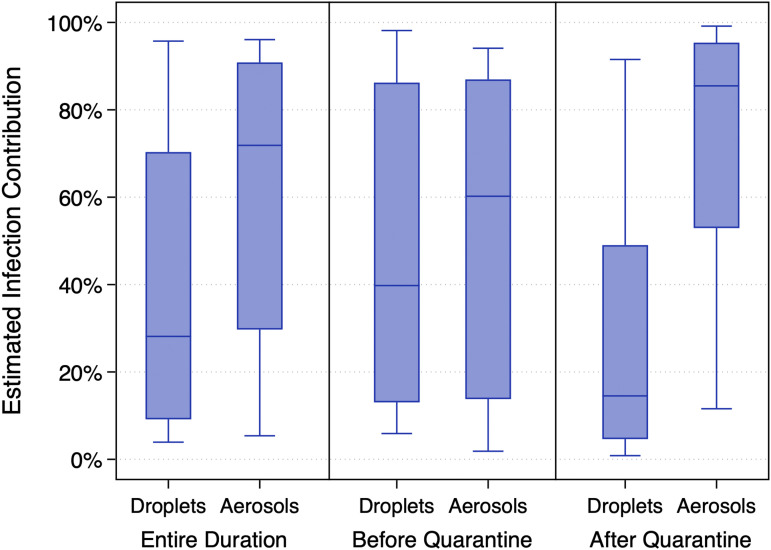
Significance: We find that airborne transmission likely accounted for >50% of disease transmission on the Diamond Princess cruise ship, which includes inhalation of aerosols during close contact as well as longer range. These findings underscore the importance of implementing public health measures that target the control of inhalation of aerosols in addition to ongoing measures targeting control of large-droplet and fomite transmission, not only aboard cruise ships but in other indoor environments as well. Guidance from health organizations should include a greater emphasis on controls for reducing spread by airborne transmission. Last, although our work is based on a cruise ship outbreak of COVID-19, the model approach can be applied to other indoor environments and other infectious diseases.
Overview
The claims and statistics of this paper haven’t been checked yet.
Run the check — free, no account needed. It reads the open-access text and checks the sources it cites.
Integrity signals
Registry
Cites
Statistics
Figures
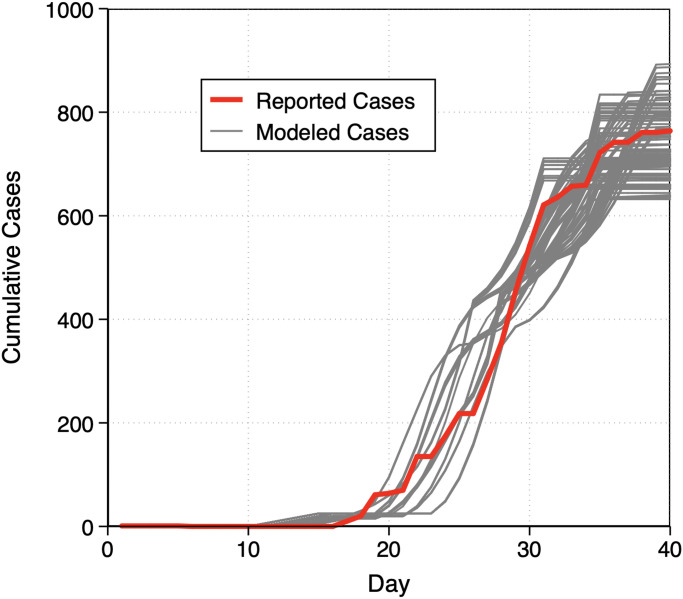
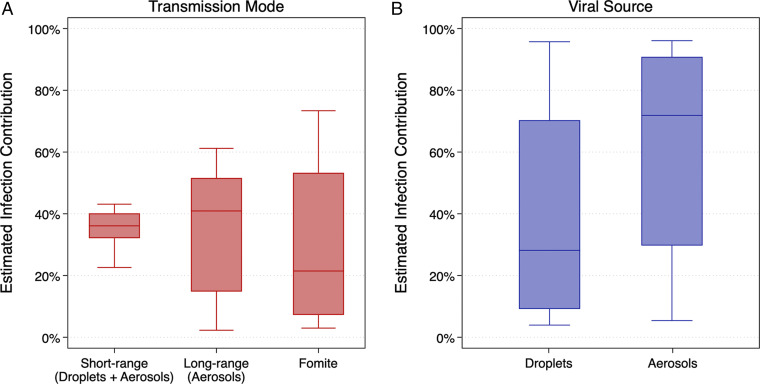
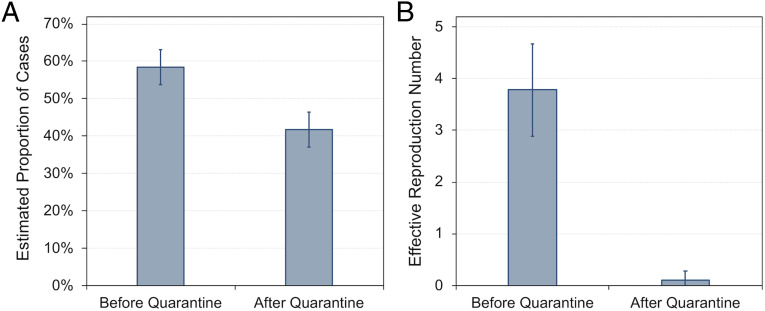
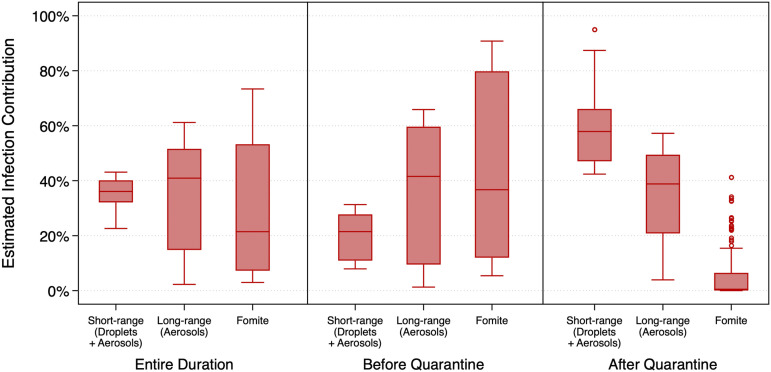
Verification
Claims the paper makes
The claims and statistics of this paper haven’t been checked yet.
Run the check — free, no account needed. It reads the open-access text and checks the sources it cites.
Claims other papers make about this one
Each is checked against this paper’s own text: does it say what the citing paper says it does?
In the citing paper
“Laboratory, field, modelling, and case studies have shown that airborne transmission through the inhalation of a virus-laden aerosol is important, if not dominant, for COVID-19.119, 120, 121, 122, 123, 124, 125, 126, 127, 128, 129, 130, 131, 132”
From The Lancet Commission on lessons for the future from the COVID-19 pandemic (2022) · cites this paper as [127]
In the citing paper
“showing that building-level strategies are key to reducing the spread of airborne infectious diseases.40, 127, 401, 402, 403”
From The Lancet Commission on lessons for the future from the COVID-19 pandemic (2022) · cites this paper as [127]
Self-check
Percentages, sums and reported differences re-computed from the paper’s own numbers.
The self-check needs the paper’s full text.
Citations
Cites
Aerodynamic Analysis of SARS-CoV-2 in Two Wuhan Hospitals
Liu, Y., Ning, Z., Chen, Y., Guo, M., Liu, Y., Gali, N. K., Sun, L., Duan, Y., Cai, J., Westerdahl, D., et al. (2020) · Nature · doi:10.1038/s41586-020-2271-3 · Cited by 1,872
Airborne transmission of SARS-CoV-2: The world should face the reality
Morawska, L., & Cao, J. (2020) · Environment International · doi:10.1016/j.envint.2020.105730 · Cited by 1,728
How can airborne transmission of COVID-19 indoors be minimised?
Morawska, L., Tang, J. W., Bahnfleth, W., Bluyssen, P. M., Boerstra, A., Buonanno, G., Cao, J., Dancer, S., Floto, A., Franchimon, F., et al. (2020) · Environment International · doi:10.1016/j.envint.2020.105832 · Cited by 1,343
Pathogenesis and transmission of SARS-CoV-2 in golden hamsters
Sia, S. F., Yan, L.-M., Chin, A. W. H., Fung, K., Choy, K.-T., Wong, A. Y. L., Kaewpreedee, P., Perera, R. A. P. M., Poon, L. L. M., Nicholls, J. M., et al. (2020) · Nature · doi:10.1038/s41586-020-2342-5 · Cited by 1,342
It is time to address airborne transmission of coronavirus disease 2019 (COVID-19)
Morawska, L., & Milton, D. K. (2020) · Clinical Infectious Diseases · doi:10.1093/cid/ciaa939 · Cited by 1,189
Stadnytskyi, V., Bax, C. E., Bax, A., & Anfinrud, P. (2020) · Proceedings of the National Academy of Sciences · doi:10.1073/pnas.2006874117 · Cited by 1,104
Bourouiba, L. (2020) · JAMA · doi:10.1001/jama.2020.4756 · Cited by 1,066
Aerosol and surface contamination of SARS-CoV-2 observed in quarantine and isolation care
Santarpia, J. L., Rivera, D. N., Herrera, V. L., Morwitzer, M. J., Creager, H. M., Santarpia, G. W., Crown, K. K., Brett‐Major, D. M., Schnaubelt, E. R., Broadhurst, M. J., et al. (2020) · Scientific Reports · doi:10.1038/s41598-020-69286-3 · Cited by 956
Detection of air and surface contamination by SARS-CoV-2 in hospital rooms of infected patients
Chia, P. Y., Coleman, K. K., Tan, Y. K., Ong, S. W. X., Gum, M., Lau, S. K., Lim, X. F., Lim, A. S., Sutjipto, S., Lee, P. H., et al. (2020) · Nature Communications · doi:10.1038/s41467-020-16670-2 · Cited by 932
Reducing transmission of SARS-CoV-2
Prather, K. A., Wang, C. C., & Schooley, R. T. (2020) · Science · doi:10.1126/science.abc6197 · Cited by 850
Cited by
Sorted by citations
Items 101–200 of 244
Analysis of Bluetooth RSSI for Proximity Detection of Ship Passengers
Lin, Q., & Son, J. (2022) · Applied Sciences · doi:10.3390/app12010517 · Cited by 9
Chrysikou, E. G. (2024) · Tourism Review · doi:10.1108/tr-01-2024-0002 · Cited by 8
Parry-Nweye, E., Liu, Z., Dhaouadi, Y., Guo, X., Huang, W., Zhang, J. “., & Ren, D. (2025) · PLoS ONE · doi:10.1371/journal.pone.0313604 · Cited by 8
Zhen, Q., Zhang, A., Huang, Q., Li, J., Du, Y., & Zhang, Q. (2022) · International Journal of Environmental Research and Public Health · doi:10.3390/ijerph191711007 · Cited by 8
Doff Thy Gown—Shedding Contact Precautions for COVID-19
Rabin, A. S., Marr, L. C., & Blumberg, H. M. (2024) · Clinical Infectious Diseases · doi:10.1093/cid/ciae276 · Cited by 8
SARS-CoV-2 detection in aerosol from community indoor environments
Alfaro, C. E. M., Porru, S., Barberá-Riera, M., Esplugues, A., Galindo, N., Carrasco, P., Aparicio, E., Barneo‐Muñoz, M., Estarlich, M., Esteve, V., et al. (2024) · Building and Environment · doi:10.1016/j.buildenv.2024.111723 · Cited by 9
Giri, C., Cleaves, H. J., Meringer, M., & Chandru, K. (2021) · Sustainability · doi:10.3390/su13147614 · Cited by 8
Sustainable Ship Management Post COVID-19 with In-Ship Positioning Services
Lin, Q., & Son, J. (2021) · Sustainability · doi:10.3390/su14010369 · Cited by 8
Should we use ceiling fans indoors to reduce the risk of transmission of infectious aerosols?
Li, J., Sultan, Z., & Schiavon, S. (2024) · Indoor Environments · doi:10.1016/j.indenv.2024.100039 · Cited by 6
Evaluating infectious disease outbreak potential and mitigation effectiveness on cruise ships
Mosleh, R., Haskuee, M. B., Ghasemi, A., Grunnill, M. D., Arino, J., Tofighi, M., Thommes, E. W., & Wu, J. (2024) · Journal of Theoretical Biology · doi:10.1016/j.jtbi.2024.111875 · Cited by 8
Sultan, Z., Luhung, I., Aung, N. W., Uchida, A., Natarajan, A., Santhi, P. S., Li, J., Schuster, S. C., & Schiavon, S. (2024) · Indoor Environments · doi:10.1016/j.indenv.2024.100042 · Cited by 8
Pesticides, Organic Contaminants, and Pathogens in Air
Seiber, J. N., & Cahill, T. (2021) · CRC Press eBooks · doi:10.1201/9781003217602 · Cited by 12
Yoshihara, J., Yamanaka, T., Kobayashi, T., Choi, N., & Kobayashi, N. (2023) · Japan Architectural Review · doi:10.1002/2475-8876.12413 · Cited by 7
SARS-CoV-2-Übertragungswege und Implikationen für den Selbst- und Fremdschutz
Oh, D., Böttcher, S., Kröger, S., & von Kleist, M. (2021) · Bundesgesundheitsblatt - Gesundheitsforschung - Gesundheitsschutz · doi:10.1007/s00103-021-03389-8 · Cited by 12
Pham, T. M., Mo, Y., & Cooper, B. S. (2022) · Proceedings of the Royal Society A Mathematical Physical and Engineering Sciences · doi:10.1098/rspa.2021.0746 · Cited by 9
Airborne micro- and nanoplastics: hidden vectors for human infection?
Wu, M., & Zhong, H. (2025) · New Contaminants · doi:10.48130/newcontam-0025-0010 · Cited by 6
Parmaksiz, K., Yeşilnacar, M. İ., & Karabulut, A. İ. (2024) · Atmosphere · doi:10.3390/atmos16010029 · Cited by 6
New proximities during and after the Covid 19 pandemic
Torre, A. (2025) · Regional Science Policy & Practice · doi:10.1016/j.rspp.2025.100199 · Cited by 6
Contact network analysis of Covid-19 in tourist areas——Based on 333 confirmed cases in China
Yang, Z., Song, J., Gao, S., Wang, H., Du, Y., & Lin, Q. (2021) · PLoS ONE · doi:10.1371/journal.pone.0261335 · Cited by 7
A stochastic contact network model for assessing outbreak risk of COVID-19 in workplaces
Guo, X., Gupta, A., Sampat, A., & Zhai, C. (2022) · PLoS ONE · doi:10.1371/journal.pone.0262316 · Cited by 6
Yuan, Z., Hsu, S., Cheung, C. M., & Asghari, V. (2022) · Journal of Management in Engineering · doi:10.1061/(asce)me.1943-5479.0001033 · Cited by 6
Identification of measures to contain the outbreaks on passenger ships using pedestrian simulations
Braidotti, L., Bertagna, S., Dodero, M., Piu, M., Marinò, A., & Bucci, V. (2022) · Procedia Computer Science · doi:10.1016/j.procs.2022.01.357 · Cited by 6
Testing Different COVID-19 Vaccination Strategies Using an Agent-Based Modeling Approach
Trad, F. S., & Falou, S. E. (2022) · SN Computer Science · doi:10.1007/s42979-022-01199-6 · Cited by 6
A Close Contact Tracing Method Based on Bluetooth Signals Applicable to Ship Environments
Lin, Q., & Son, J. (2023) · KSII Transactions on Internet and Information Systems · doi:10.3837/tiis.2023.02.020 · Cited by 6
Mizukoshi, A., Okumura, J., & Azuma, K. (2023) · Risk Analysis · doi:10.1111/risa.14249 · Cited by 6
Unsupervised machine learning of virus dispersion indoors
Christakis, N., Drikakis, D., Ritos, K., & Kokkinakis, I. W. (2024) · Physics of Fluids · doi:10.1063/5.0188610 · Cited by 6
Meiksin, A. A. (2022) · Mathematical Biosciences & Engineering · doi:10.3934/mbe.2022164 · Cited by 7
Sadeghi, S., Aminossadati, S. M., & Leonardi, C. R. (2025) · Archives of Computational Methods in Engineering · doi:10.1007/s11831-025-10403-8 · Cited by 5
Olsen-Martinez, A., Dietz, L. G., Parhizkar, H., Kaya, D., Northcutt, D., Horve, P. F., Stenson, J., Harry, M., Mickle, D., Jaaf, S., et al. (2025) · Journal of Exposure Science & Environmental Epidemiology · doi:10.1038/s41370-025-00757-3 · Cited by 5
Modeling Transport of SARS-CoV-2 Inside a Charlotte Area Transit System (CATS) Bus
Goodson, M., Feaster, J., Jones, A., McGowan, G. Z., Agricola, L., Timms, W., & Uddin, M. (2022) · Fluids · doi:10.3390/fluids7020080 · Cited by 5
High efficacy of layered controls for reducing exposure to airborne pathogens
Fierce, L. M., Robey, A. J., & Hamilton, C. (2022) · Indoor Air · doi:10.1111/ina.12989 · Cited by 5
Lin, Q., & Son, J. (2023) · Journal of King Saud University - Computer and Information Sciences · doi:10.1016/j.jksuci.2023.101564 · Cited by 5
Disease Spread Control in Cruise Ships: Monitoring, Simulation, and Decision Making
Triantafyllou, G., Kalozoumis, P. G., Cholopoulou, E., & Iakovidis, D. K. (2024) · Springer eBooks · doi:10.1007/978-3-031-48831-3_8 · Cited by 5
Estimated relative potential for airborne SARS-CoV-2 transmission in a day care centre
Kulmala, I. K., Taipale, A., Sanmark, E., Lastovets, N., Sormunen, P., Nuorti, P., Saari, S. E., Luoto, A., & Säämänen, A. J. (2024) · Heliyon · doi:10.1016/j.heliyon.2024.e30724 · Cited by 6
A review of mathematical researches on the COVID-19 pandemic
Chen, Y., Pei, L., & Lei, Y. (2025) · International Journal of Dynamics and Control · doi:10.1007/s40435-024-01519-z · Cited by 4
Gall, E. T., Laguerre, A., Noelck, M. B., Meurs, A. V., Austin, J. P., & Foster, B. A. (2021) · Journal of Hospital Infection · doi:10.1016/j.jhin.2021.04.002 · Cited by 5
Statistical Modeling of Airborne Virus Transmission Through Imperfectly Fitted Face Masks
Lotter, S., Brand, L., Schäfer, M., & Schober, R. (2021) · ACM International Conference on Nanoscale Computing and Communication (NANOCOM) · doi:10.1145/3477206.3477478 · Cited by 5
Whitfield, C. A., van Tongeren, M., Han, Y., Wei, H., Daniels, S., Regan, M., Denning, D. W., Verma, A., Pellis, L., & Hall, I. (2023) · PLoS ONE · doi:10.1371/journal.pone.0284805 · Cited by 6
How airborne transmission of SARS-CoV-2 confirmed the need for new ways of proper ventilation
Bluyssen, P. M. (2022) · Routledge eBooks · doi:10.4324/9781003244929-41 · Cited by 5
Towards Using Deep Reinforcement Learning for Better COVID-19 Vaccine Distribution Strategies
Trad, F. S., & Falou, S. E. (2022) · International Conference on Data Science and Machine Learning Applications (CDMA) · doi:10.1109/cdma54072.2022.00007 · Cited by 5
Haut, B., Atasi, O., & Sobac, B. (2025) · Journal of Colloid and Interface Science · doi:10.1016/j.jcis.2025.137715 · Cited by 4
SARS-CoV-2 transmission pathways within the indoor environment
Jaddaoui, I. E., Hamdi, S., Idrissi, N. A., Bakkali, F., Nejjari, C., Amzazi, S., Belyamani, L., Jaoudi, R. E., Bakri, Y., & Ghazal, H. (2025) · Discover Public Health · doi:10.1186/s12982-025-00766-5 · Cited by 6
A case of primary COVID-19 pneumonia: plausible airborne transmission of SARS-CoV-2
Dumont-Leblond, N., Duchaine, C. S., Veillette, M., Pen, V., & Bergevin, M. (2022) · European journal of medical research · doi:10.1186/s40001-022-00668-1 · Cited by 4
Sadeghian, P., Bi, Y., Cao, G., & Sadrizadeh, S. (2022) · Patient Safety in Surgery · doi:10.1186/s13037-022-00332-x · Cited by 4
Respiratory Virus Deposition and Resuspension from Indoor Surfaces
Rawat, M. S., & Ferro, A. R. (2022) · Springer eBooks · doi:10.1007/978-981-19-1356-3_7 · Cited by 4
On particle dispersion statistics using unsupervised learning and Gaussian mixture models
Christakis, N., & Drikakis, D. (2024) · Physics of Fluids · doi:10.1063/5.0229111 · Cited by 4
Airborne pathogen monitoring and dispersion modelling on passenger ships: A review
Kumar, P., Hama, S. M. L., Cheung, H. Y. W., Hadjichristodoulou, C. S., Mouchtouri, V. Α., Anagnostopoulos, L., Kourentis, L., Wang, Z., Galea, E. R., Ewer, J., et al. (2025) · The Science of The Total Environment · doi:10.1016/j.scitotenv.2025.179571 · Cited by 3
Li, X., Wang, C., Li, H., & Bertozzi, A. L. (2022) · Networks and Heterogeneous Media · doi:10.3934/nhm.2022009 · Cited by 4
Veenstra, T., van Schelven, P. D., ten Have, Y. M., Swaan, C. M., & van den Akker, W. M. R. (2023) · Emerging infectious diseases · doi:10.3201/eid2904.221433 · Cited by 4
Extremely Inexpensive and Simple Method To Remove Indoor Respiratory Aerosols
Zhang, R., Lu, X., Wang, L., Chen, J., Chen, D., & Wang, X. (2023) · Environmental Science & Technology Letters · doi:10.1021/acs.estlett.3c00541 · Cited by 4
Usmani, M., Brumfield, K. D., Magers, B. M., Zhou, A., Oh, C., Mao, Y., Brown, W. M., Schmidt, A. R., Wu, C., Shisler, J. L., et al. (2024) · American Journal of Tropical Medicine and Hygiene · doi:10.4269/ajtmh.23-0077 · Cited by 4
Falou, S. E., & Trad, F. S. (2021) · International Conference on Advances in Biomedical Engineering (ICABME) · doi:10.1109/icabme53305.2021.9604861 · Cited by 4
SARS-CoV-2 Remained Airborne for a Prolonged Time in a Lockdown Confined Space
Li, X., Qi, X., Ma, J., Pan, Y., Tian, T., Zhang, Y., Li, Z., Li, W., Sun, L., Zhang, L., et al. (2022) · Aerosol and Air Quality Research · doi:10.4209/aaqr.210131 · Cited by 4
Modes de transmission du SARS-CoV-2 : que sait-on actuellement ?
Birgand, G., Kernéis, S., & Lucet, J. (2022) · Médecine et Maladies Infectieuses Formation · doi:10.1016/j.mmifmc.2021.11.001 · Cited by 4
Lange, P., Westhoff, A., Kohl, A., & Müller, A. (2022) · SSRN Electronic Journal · doi:10.2139/ssrn.4028479 · Cited by 3
Cao, B., Zhang, H., & Zhang, N. (2025) · Infectious Disease Modelling · doi:10.1016/j.idm.2025.07.004 · Cited by 4
Unseen pathogen pathways: the impact of high-touch surfaces in public spaces
Ackerley, L., Cooper, S., Upson, S. E., Gent, L., Paskey, A. C., Buckley, C., Spitzer, M., Sexton, J. D., Picton, J., & Reynolds, K. A. (2025) · Perspectives in Public Health · doi:10.1177/17579139251371964 · Cited by 3
Zafeiriadou, A., Georgakopoulou, G., Gerokonstantis, T.-D., Kostakis, M. G., Papamichalis, S., Stiapis, C. S., Tsolaki, E., Kokona, K., Τhomaidis, Ν. S., & Markou, A. N. (2026) · Environmental Pollution · doi:10.1016/j.envpol.2026.127953 · Cited by 3
A Sanitation Argument for Clean Indoor Air: Meeting a Requisite for Safe Public Spaces
Leonardi, A. J., & Mishra, A. K. (2022) · Frontiers in Public Health · doi:10.3389/fpubh.2022.805780 · Cited by 4
A Clustering Mechanism to Identify Close Contact for the Ship Passenger Health
Lin, Q., & Son, J. (2022) · Prognostics and Health Management Conference (PHM) · doi:10.1109/phm2022-london52454.2022.00035 · Cited by 3
Pan, S., Lin, K., Liu, Y.-C., Wu, C.-T., Ting, L., Ho, S., Huang, Y., Chen, Y., & Kao, J. (2023) · Journal of the Formosan Medical Association · doi:10.1016/j.jfma.2023.08.017 · Cited by 3
van Schaik, L., Duives, D. C., Hoogendoorn-Lanser, S., Hoekstra, J. W., Daamen, W., Gavriilidou, A., Krishnakumari, P., Rinaldi, M., & Hoogendoorn, S. P. (2024) · Transportation research procedia · doi:10.1016/j.trpro.2023.12.072 · Cited by 3
Higham, C. A., López‐García, M., Noakes, C. J., Tidswell, E. L., & Fletcher, L. A. (2024) · Indoor Environments · doi:10.1016/j.indenv.2024.100069 · Cited by 3
Air circulation effects on airborne particles aboard cruise ships
Kokkinakis, I. W., & Drikakis, D. (2025) · Physics of Fluids · doi:10.1063/5.0272922 · Cited by 3
Pasquale, D. K., Welsh, W. E., Olson, A., Yacoub, M. N., Moody, J. W., Gomez, B. A. B., Bentley‐Edwards, K. L., McCall, J., Solis-Guzman, M. L., Dunn, J., et al. (2023) · Journal of Public Health Management and Practice · doi:10.1097/phh.0000000000001780 · Cited by 3
Li, F., Zhuang, J., Li, M., Cai, H., Zhang, J., & Cao, X. (2021) · Building and Environment · doi:10.1016/j.buildenv.2021.108689 · Cited by 3
The Influence of Plastic Barriers on Aerosol Infection Risk during Airport Security Checks
Zhu, S., Lin, T., Spengler, J. D., Laurent, J. G. C., & Srebric, J. (2022) · Sustainability · doi:10.3390/su141811281 · Cited by 3
Offshore COVID-19 risk assessment based on a fishing vessel
Huang, L., Hetharia, W. R., Rosa, A. G. L., Tavakoli, S., Khojasteh, D., Li, M., Riyadi, S., Setyawan, D., Utama, I. K. A. P., & Thomas, G. A. (2023) · Ocean Engineering · doi:10.1016/j.oceaneng.2023.115408 · Cited by 3
Ishigaki, Y., Enoki, K., & Yokogawa, S. (2021) · medRxiv · doi:10.1101/2021.07.30.21261265 · Cited by 3
Action Levels for SARS-CoV-2 in Air: A Preliminary ApproachPreprint
Haas, C. N. (2020) · OSF Preprints (OSF Preprints) · doi:10.31219/osf.io/erntm · Cited by 3
Enhanced aerosol dispersion of a sequential cough and social distancing implications
Wang, C., Xu, J., Zhai, H., So, L. K., & Guo, H. (2025) · Journal of Hazardous Materials · doi:10.1016/j.jhazmat.2025.140002 · Cited by 2
Effectiveness of Face Masks and Respiratory Aid Devices for Prophylaxis against COVID-19
Hussain, S., Faizan, M., Javed, M., Ahmad, M., Nadeem, S., Feroz, F., Rauf, A., Rasool, L., Ibrar, A., Ibrar, A., et al. (2022) · Lahore Garrison University Journal of Life Sciences · doi:10.54692/lgujls.2022.0601197 · Cited by 2
Wang, C., Xu, H., Chan, K. C., Chao, C. Y. H., & Fu, S. C. (2022) · Aerosol Science and Technology · doi:10.1080/02786826.2022.2109451 · Cited by 2
Cooper, D. K., Sobolik, J. S., Kovačević, J. J., Rock, C. M., Sajewski, E. T., Guest, J. L., Lopman, B. A., Jaykus, L., & León, J. S. (2023) · Applied and Environmental Microbiology · doi:10.1128/aem.00128-23 · Cited by 2
Ji, S., Jones, R. M., & Lei, H. (2023) · Risk Analysis · doi:10.1111/risa.14227 · Cited by 2
Risk Assessment of COVID-19 Transmission on Cruise Ships Using Fuzzy Rules
Sovatzidi, G., Triantafyllou, G., Dimas, G., Kalozoumis, P. G., Drikakis, D., Kokkinakis, I. W., Markakis, I. A., Golna, C., & Iakovidis, D. K. (2024) · IFIP advances in information and communication technology · doi:10.1007/978-3-031-63219-8_25 · Cited by 2
Sensor-Based Fuzzy Inference of COVID-19 Transmission Risk in Cruise Ships
Triantafyllou, G., Sovatzidi, G., Dimas, G., Kalozoumis, P. G., Drikakis, D., Kokkinakis, I. W., Markakis, I. A., Golna, C., & Iakovidis, D. K. (2024) · Studies in health technology and informatics · doi:10.3233/shti240784 · Cited by 2
COVID-19 mitigation strategies for reduced transmission in U.S. prisons
Pfeiffer, O. P., Antony, S., Jacquot, G., Huynh, A., Kostioukhina, E., & Kumar, A. (2021) · MIT Science Policy Review · doi:10.38105/spr.ows1yan96v · Cited by 2
Heterogeneous epidemic modelling within an enclosed space and corresponding Bayesian estimation
Wen, C., Wei, J., Feei, Z., He, M., Zhao, S., Ji, J., & He, D. (2022) · Infectious Disease Modelling · doi:10.1016/j.idm.2022.02.001 · Cited by 2
Park, D. H., Park, S. J., Hwang, J., Kim, Y., Lee, G., Park, I., Lee, Y., Kim, Y., Kim, H., Kim, S. B., et al. (2024) · IEEE Transactions on Industry Applications · doi:10.1109/tia.2024.3379955 · Cited by 2
Modelling indoor pollutant distribution via passive scalar and virtual box approach
Pichurov, G., Markov, D. G., Симова, И., Величкова, Р., Stankov, P., & Angelova, R. A. (2021) · E3S Web of Conferences · doi:10.1051/e3sconf/202132705001 · Cited by 1
Kagami, K., Oyamada, R., Watanabe, T., Nakakubo, S., Hayashi, T., Iwasaki, S., Fukumoto, T., Usami, T., Hayasaka, K., Fujisawa, S., et al. (2023) · International Journal of Nursing Practice · doi:10.1111/ijn.13195 · Cited by 1
Ventikos, N. P., Sotiralis, P., & Annetis, M. (2023) · International Conference on Transportation Information and Safety · doi:10.1109/ictis60134.2023.10243723 · Cited by 1
Zhou, P., Watt, J., Mai, J., Cao, H., Li, Z., Chen, Z., Duan, R. C., Quan, Y., Gingras, A., Rini, J. M., et al. (2024) · Frontiers in Immunology · doi:10.3389/fimmu.2024.1430928 · Cited by 1
A brief review of methods for determining time-activity patterns in California
Yu, H., Hasan, M. H., Ji, Y., & Ivey, C. E. (2025) · Journal of the Air & Waste Management Association · doi:10.1080/10962247.2025.2455119 · Cited by 1
An innovative ventilation system hygienizing the air in continuous mode
Müller, J., Żmuda, I., Dziechciowski, Z., Polus, M., & Grądziel, S. (2025) · Energy · doi:10.1016/j.energy.2025.136575 · Cited by 1
Preventing SARS-CoV-2 superspreading events with antiviral intranasal sprays
Booth, G. C., Hadjichrysanthou, C., Rice, K. L., Frallicciardi, J., Magyarics, Z., de Wolf, F., Goudsmit, J., Beukenhorst, A. L., & Anderson, R. M. (2025) · Journal of Theoretical Biology · doi:10.1016/j.jtbi.2025.112237 · Cited by 1
A Smart Fuzzy Risk Assessment System for Epidemic Prevention on Cruise Ships
Triantafyllou, G., Sovatzidi, G., Dimas, G., Kalozoumis, P. G., & Iakovidis, D. K. (2025) · IEEE Access · doi:10.1109/access.2025.3600859 · Cited by 1
Wang, C., Xu, J., Zhai, H., So, L. K., & Guo, H. (2025) · Building and Environment · doi:10.1016/j.buildenv.2025.113904 · Cited by 1
Spatial and operational interventions for healthy cruise ship design using agent-based modelling
Pan, J., Aguilar, L., Gath-Morad, M., Bardhan, R., & Steemers, K. (2026) · Travel Behaviour and Society · doi:10.1016/j.tbs.2026.101232 · Cited by 1
Srinivasan, S., King, J., Collins, J. M., Colubri, A., & Korkin, D. (2026) · Proceedings of the National Academy of Sciences · doi:10.1073/pnas.2422574123 · Cited by 1
Wei, J., Ma, Y., Zhu, H., Deng, H., Yang, R. J., Mai, Y., Fan, J., & Wu, J. (2026) · Journal of Hazardous Materials · doi:10.1016/j.jhazmat.2026.141707 · Cited by 1
May SARS-CoV-2 be prevented by an indoor air monitoring smart data service?
Longo, A., Ardebili, A. A., Zappatore, M. S., & Mulla, D. P. (2021) · IEEE International Conference on Internet of Things (iThings) and IEEE Green Computing and Communications (GreenCom) and IEEE Cyber, Physical and Social Computing (CPSCom) and IEEE Smart Data (SmartData) · doi:10.1109/ithings-greencom-cpscom-smartdata-cybermatics53846.2021.00065 · Cited by 1
Heatherington, E. B., Zhao, X., Goyal, N., Ounaies, Z., & Frecker, M. (2022) · Journal of Medical Devices · doi:10.1115/1.4055251 · Cited by 1
Analysis of a super-transmission of SARS-CoV-2 omicron variant BA.5.2 in the outdoor night market
Luo, M., Liu, S., Zhu, L., Wang, F., Wu, K., He, H., Qi, X., Pang, Z., Dong, X., Gong, Z., et al. (2023) · Frontiers in Public Health · doi:10.3389/fpubh.2023.1153303 · Cited by 1
Estimation of air change rate by CO2 sensor network in workplace with COVID-19 outbreak
Yokogawa, S., Ishigaki, Y., Kitamura, H., Saito, A., Kawauchi, Y., & Hiraide, T. (2023) · Environmental and Occupational Health Practice · doi:10.1539/eohp.2023-0007-oa · Cited by 1
Kong, M. (2024) · Building and Environment · doi:10.1016/j.buildenv.2024.111325 · Cited by 1
Studying the mixed transmission in a community with age heterogeneity: COVID-19 as a case study
Wang, X., Han, Q., & Kong, J. D. (2022) · Infectious Disease Modelling · doi:10.1016/j.idm.2022.05.006 · Cited by 1
Reconstruction of uncertain parameters in a multizone model based on contam and bayesian inference
Li, F., Zhuang, J., Zhang, J., Li, M., Cai, H., & Cao, X. (2022) · E3S Web of Conferences · doi:10.1051/e3sconf/202235604018 · Cited by 1
Luo, W., Baldwin, E., Jiang, A. Y., Li, S., Yang, B., & Li, H. (2022) · medRxiv · doi:10.1101/2022.04.05.22273358 · Cited by 1
Metadata
- Authors
- Azimi, P., Keshavarz, Z., Cedeno Laurent, J. G., Stephens, B., & Allen, J. G.
- Affiliations
- Harvard University (US)
- Environmental Health Department, Harvard T.H. Chan School of Public Health, Boston, MA 02115;
- Illinois Institute of Technology (US)
- Corresponding author
- Azimi, Parham
- Allen, Joseph G.
- Venue
- Proceedings of the National Academy of Sciences
- Publisher
- National Academy of Sciences
- Published
- 2021-02-03
- Volume
- 118
- Issue
- 8
- ISSN
- 0027-8424 (ISSN-L)
- 1091-6490
- PMC
- PMC7923347
- OpenAlex
- W3126546596
- Cited by
- 245
- References
- 46
- Citations by year
- 2026: 12 · 2025: 31 · 2024: 32 · 2023: 38 · 2022: 72 · 2021: 52
- FWCI
- 31.49
- Type
- journal article
- Language
- en
- Open access
- hybrid
- doi.org
- Licence
- Locations
- Proceedings of the National Academy of Sciences (publishedVersion, cc-by)
- medRxiv (acceptedVersion, cc-by-nc-nd)
- PubMed Central (publishedVersion, cc-by)
- PubMed (publishedVersion)
- Topics
- Health Sciences › Medicine › Pulmonary and Respiratory Medicine › Infection Control and Ventilation
- Physical Sciences › Mathematics › Modeling and Simulation › COVID-19 epidemiological studies
- Physical Sciences › Environmental Science › Global and Planetary Change › COVID-19 impact on air quality
- Keywords
- COVID-19 pandemic, airborne transmission, respiratory droplets, fomite transmission, long-range transmission, cruise ships, transmission modelling, ventilation, air recirculation
- MeSH terms
- COVID-19, SARS-CoV-2, Aerosols, Disease Outbreaks, Humans, Models, Theoretical, Quarantine, Ships
About these checks
Registry, retraction, Cites and statistics results are computed, not judged, with one exception: a printed reference that no index lists is read once by a model before it counts as a citation error. Claims are extracted by a model and kept only when their quote appears verbatim in the text; each cited source is then checked, with a model’s help, for whether it says what the claim relies on. Those verdicts can be wrong — read the claim’s quote and the cited source before relying on one.
Statistics and arithmetic are recomputed, not judged.
Confidence bands are shown only for fields calibrated on our annotated test set. None is calibrated yet, so no band is shown.
What counts as a claim ›How we measure confidence ›How we check this ›
Are you an author, or do you see a problem with this page? Request a review
