

Incident dementia and long-term exposure to constituents of fine particle air pollution: A national cohort study in the United States
Open accessThe DOI matches its Crossref record; 52 of the 52 references it cites were found in a registry or an index.
Abstract
Growing evidence suggests that fine particulate matter (PM 2.5 ) likely increases the risks of dementia, yet little is known about the relative contributions of different constituents. Here, we conducted a nationwide population-based cohort study (2000 to 2017) by integrating the Medicare Chronic Conditions Warehouse database and two independently sourced datasets of high-resolution PM 2.5 major chemical composition, including black carbon (BC), organic matter (OM), nitrate (NO 3 − ), sulfate (SO 4 2− ), ammonium (NH 4 + ), and soil dust (DUST). To investigate the impact of long-term exposure to PM 2.5 constituents on incident all-cause dementia and Alzheimer’s disease (AD), hazard ratios for dementia and AD were estimated using Cox proportional hazards models, and penalized splines were used to evaluate potential nonlinear concentration–response (C-R) relationships. Results using two exposure datasets consistently indicated higher rates of incident dementia and AD for an increased exposure to PM 2.5 and its major constituents. An interquartile range increase in PM 2.5 mass was associated with a 6 to 7% increase in dementia incidence and a 9% increase in AD incidence. For different PM 2.5 constituents, associations remained significant for BC, OM, SO 4 2− , and NH 4 + for both end points (even after adjustments of other constituents), among which BC and SO 4 2− showed the strongest associations. All constituents had largely linear C-R relationships in the low exposure range, but most tailed off at higher exposure concentrations. Our findings suggest that long-term exposure to PM 2.5 is significantly associated with higher rates of incident dementia and AD and that SO 4 2− , BC, and OM related to traffic and fossil fuel combustion might drive the observed associations.
Overview
The claims and statistics of this paper haven’t been checked yet.
Free: it reads the open-access text and checks the first 5 claims that cite a source we can check. Create a free account to check every claim.
Integrity signals
Registry
Cites
Statistics
Figures
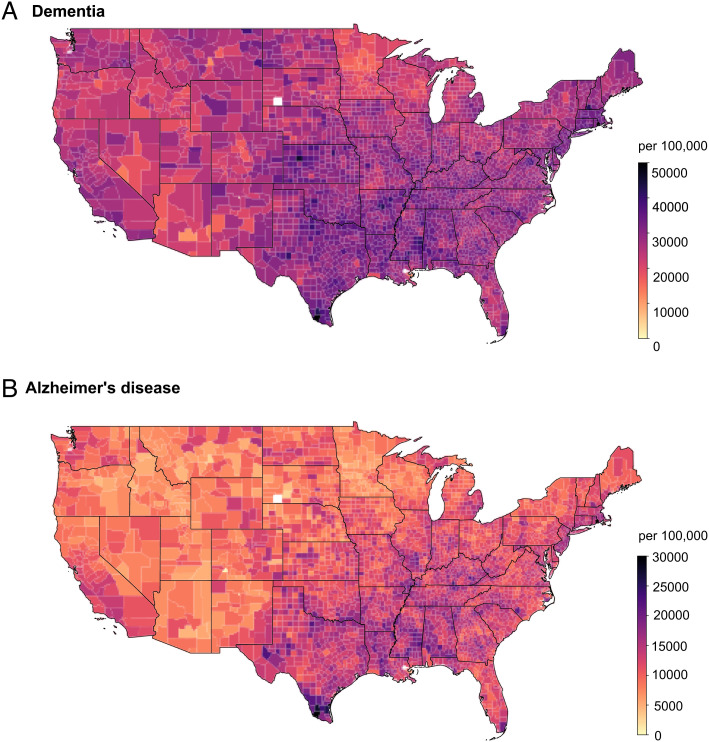
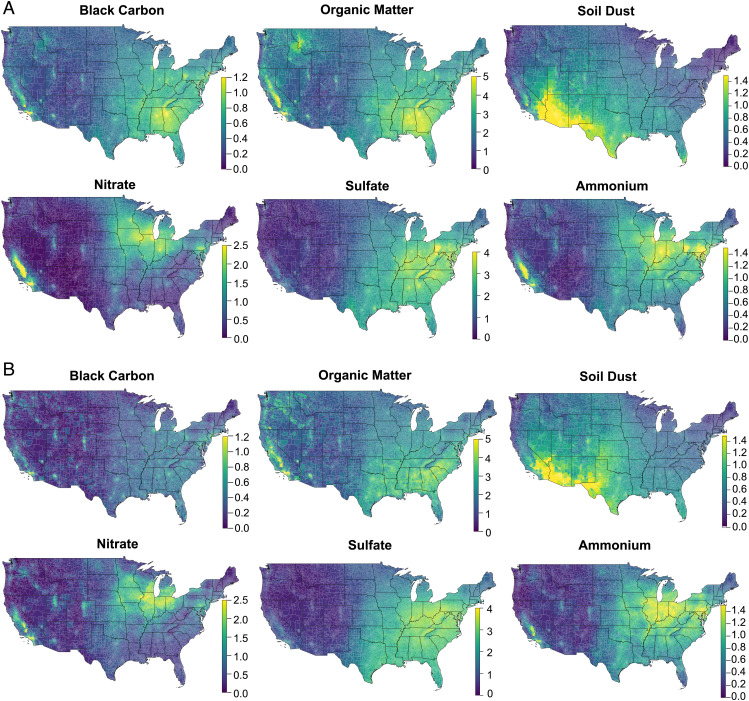
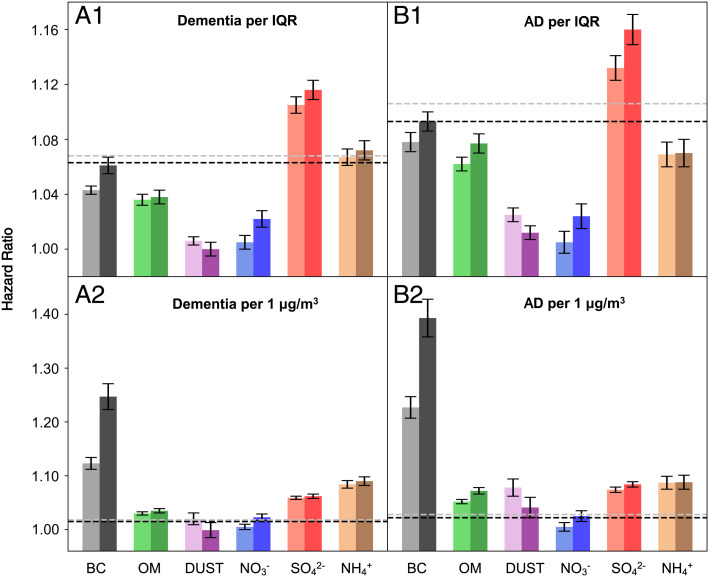
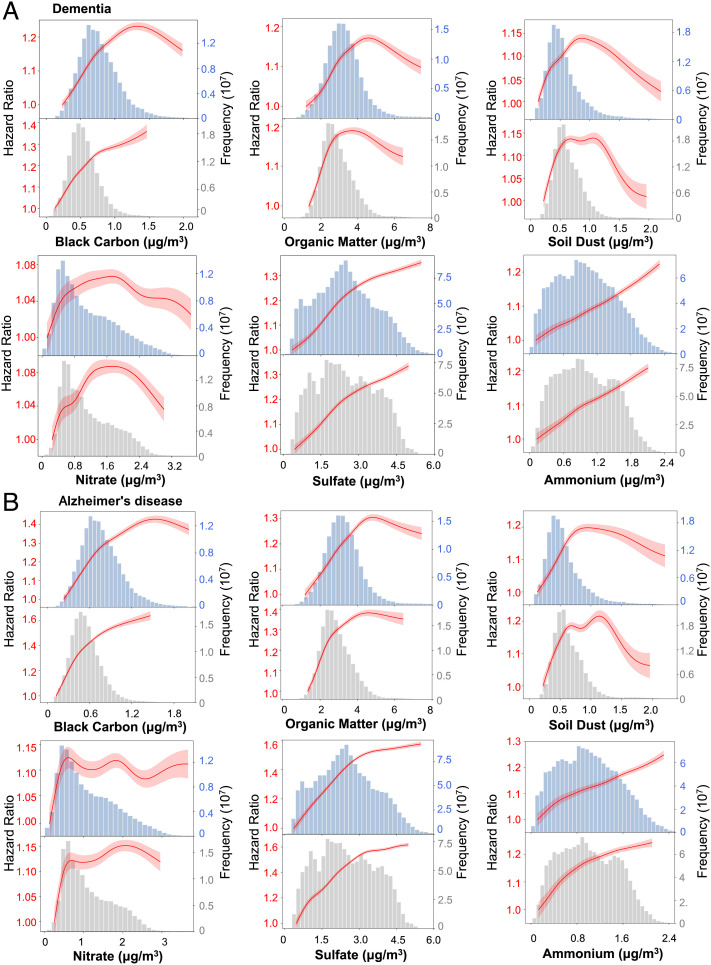
Verification
Claims the paper makes
The claims and statistics of this paper haven’t been checked yet.
Free: it reads the open-access text and checks the first 5 claims that cite a source we can check. Create a free account to check every claim.
Self-check
Percentages, sums and reported differences re-computed from the paper’s own numbers.
The self-check needs the paper’s full text.
Citations
Cites
Global prevalence of dementia: a Delphi consensus study
Ferri, C. P., Prince, M., Brayne, C., Brodaty, H., Fratiglioni, L., Ganguli, M., Hall, K., Hasegawa, K., Hendrie, H., Huang, Y., et al. (2005) · The Lancet · doi:10.1016/s0140-6736(05)67889-0 · Cited by 5,332
Zhang, Q., Jimenez, J. L., Canagaratna, M. R., Allan, J. D., Coe, H., Ulbrich, I., Alfarra, M. R., Takami, A., Middlebrook, A. M., Sun, Y. L., et al. (2007) · Geophysical Research Letters · doi:10.1029/2007gl029979 · Cited by 2,452
2022 Alzheimer's disease facts and figures
(2022) · Alzheimer's & Dementia · doi:10.1002/alz.12638 · Cited by 2,341
Oxidative Stress, Synaptic Dysfunction, and Alzheimer’s Disease
Tönnies, E., & Trushina, E. (2017) · Journal of Alzheimer s Disease · doi:10.3233/jad-161088 · Cited by 1,750 · cited 1×
“Excessive oxidative stress has been linked with the production of α-synuclein, amyloid-β, and hyperphosphorylated tau protein and may play a role in ADRD etiology (17).”
BackgroundCornelissen, G., Gustafsson, Ö., Bucheli, T. D., Jonker, M. T. O., Koelmans, A. A., & van Noort, P. C. M. (2005) · Environmental Science & Technology · doi:10.1021/es050191b · Cited by 1,389
Translocation of Inhaled Ultrafine Manganese Oxide Particles to the CentralNervous System
Elder, A., Gelein, R., Silva, V., Feikert, T., Opanashuk, L., Carter, J., Potter, R., Maynard, A., Ito, Y., Finkelstein, J., et al. (2006) · Environmental Health Perspectives · doi:10.1289/ehp.9030 · Cited by 1,180
Hansen, A. D. A., Rosen, H., & Novakov, T. (1984) · Science of The Total Environment · doi:10.1016/0048-9697(84)90265-1 · Cited by 1,081
Sandradewi, J., Prévôt, A. S. H., Szidat, S., Perron, N., Alfarra, M. R., Lanz, V. A., Weingartner, E., & Baltensperger, U. (2008) · Environmental Science & Technology · doi:10.1021/es702253m · Cited by 885
Random measurement error and regression dilution bias
Hutcheon, J. A., Chiolero, A., & Hanley, J. A. (2010) · BMJ · doi:10.1136/bmj.c2289 · Cited by 752 · cited 1×
“Third, we assessed the impact of possible outcome misclassification in two ways: 1) fitting linear regression models for incidence rates of dementia or AD with GEE, which yielded additive effect estimates that were less sensitive to bias, because random misclassification of the outcome would be absorbed into the resid…”
MethodDi, Q., Amini, H., Shi, L., Kloog, I., Silvern, R., Kelly, J., Sabath, M. B., Choirat, C., Koutrakis, P., Lyapustin, A., et al. (2019) · Environment International · doi:10.1016/j.envint.2019.104909 · Cited by 733
Self-citationvan Donkelaar, A., Martin, R. V., Li, C., & Burnett, R. T. (2019) · Environmental Science & Technology · doi:10.1021/acs.est.8b06392 · Cited by 715
Self-citationPope, C. A., Burnett, R. T., Krewski, D., Jerrett, M., Shi, Y., Calle, E. E., & Thun, M. J. (2009) · Circulation · doi:10.1161/circulationaha.109.857888 · Cited by 711
Bates, J. T., Fang, T., Verma, V., Zeng, L., Weber, R. J., Tolbert, P. E., Abrams, J. Y., Sarnat, S. E., Klein, M., Mulholland, J. A., et al. (2019) · Environmental Science & Technology · doi:10.1021/acs.est.8b03430 · Cited by 684
Self-citationFang, T., Guo, H., Zeng, L., Verma, V., Nenes, A., & Weber, R. J. (2017) · Environmental Science & Technology · doi:10.1021/acs.est.6b06151 · Cited by 584
Self-citationBrain Inflammation and Alzheimer's-Like Pathology in Individuals Exposed to Severe Air Pollution
Calderón-Garcidueñas, L., Reed, W., Maronpot, R. R., Henriquez-Roldán, C., Delgado-Chavez, R., Calderón-Garcidueñas, A., Dragustinovis, I., Franco-Lira, M., Aragón-Flores, M., Solt, A. C., et al. (2004) · Toxicologic Pathology · doi:10.1080/01926230490520232 · Cited by 583
Health Effects of Organic Aerosols
Mauderly, J. L., & Chow, J. C. (2008) · Inhalation Toxicology · doi:10.1080/08958370701866008 · Cited by 493
High aerosol acidity despite declining atmospheric sulfate concentrations over the past 15 years
Weber, R. J., Guo, H., Russell, A. G., & Nenes, A. (2016) · Nature Geoscience · doi:10.1038/ngeo2665 · Cited by 476
Self-citationFussell, J. C., Franklin, M., Green, D. C., Gustafsson, M., Harrison, R. M., Hicks, W., Kelly, F. J., Kishta, F., Miller, M. R., Mudway, I. S., et al. (2022) · Environmental Science & Technology · doi:10.1021/acs.est.2c01072 · Cited by 466
Traffic-Related Air Pollution and Cognitive Function in a Cohort of Older Men
Power, M. C., Weisskopf, M. G., Alexeeff, S. E., Coull, B. A., Spiro, A., & Schwartz, J. (2011) · Environmental Health Perspectives · doi:10.1289/ehp.1002767 · Cited by 449
Self-citationYang, Y., Ruan, Z., Wang, X., Yang, Y., Mason, T. G., Lin, H., & Tian, L. (2019) · Environmental Pollution · doi:10.1016/j.envpol.2018.12.060 · Cited by 408
The Accuracy of Medicare Claims as an Epidemiological Tool: The Case of Dementia Revisited
Taylor, Jr., Østbye, T., Langa, K. M., Weir, D., & Plassman, B. L. (2009) · Journal of Alzheimer's Disease · doi:10.3233/jad-2009-1099 · Cited by 354 · cited 3×
“This algorithm has been shown to be reasonably accurate in classifying diseases based on validation studies such as those by Taylor et al. (46, 47) who found high sensitivity for dementia (0.85) but lower for AD (0.65).”
MethodInfluentialShi, L., Wu, X., Danesh Yazdi, M., Braun, D., Abu Awad, Y., Wei, Y., Liu, P., Di, Q., Wang, Y., Schwartz, J., et al. (2020) · The Lancet Planetary Health · doi:10.1016/s2542-5196(20)30227-8 · Cited by 315
Self-citationRisks of combined alcohol/medication use in older adults
Moore, A. A., Whiteman, E. J., & Ward, K. T. (2007) · The American Journal of Geriatric Pharmacotherapy · doi:10.1016/j.amjopharm.2007.03.006 · Cited by 307
A method to automate probabilistic sensitivity analyses of misclassified binary variables
Fox, M. P., Lash, T. L., & Greenland, S. (2005) · International Journal of Epidemiology · doi:10.1093/ije/dyi184 · Cited by 288
Characterization of particulate matter sources in an urban environment
Mazzei, F., D'Alessandro, A., Lucarelli, F., Nava, S., Prati, P., Valli, G., & Vecchi, R. (2008) · Science of The Total Environment · doi:10.1016/j.scitotenv.2008.03.008 · Cited by 283
The accuracy of medicare claims data in identifying Alzheimer's disease
Taylor, D. H., Fillenbaum, G. G., & Ezell, M. E. (2002) · Journal of Clinical Epidemiology · doi:10.1016/s0895-4356(02)00452-3 · Cited by 258
2008 Alzheimer's disease facts and figures
Alzheimer's Association (2008) · Alzheimer's & Dementia · doi:10.1016/j.jalz.2008.02.005 · Cited by 247
Delgado-Saborit, J. M., Guercio, V., Gowers, A. M., Shaddick, G., Fox, N. C., & Love, S. (2021) · Science of The Total Environment · doi:10.1016/j.scitotenv.2020.143734 · Cited by 246
Shi, L., Steenland, K., Li, H., Liu, P., Zhang, Y., Lyles, R. H., Requia, W. J., Ilango, S. D., Chang, H. H., Wingo, T., et al. (2021) · Nature Communications · doi:10.1038/s41467-021-27049-2 · Cited by 239 · cited 3×
“Given that previous studies (5) have found a greater effect of long-term PM2.”
BackgroundMethodSelf-citation2017 Alzheimers Disease Facts and Figures
Alzheimers Association (2017) · Issue Lab (Candid) · Cited by 212
Goldman, G. T., Mulholland, J. A., Russell, A. G., Strickland, M. J., Klein, M., Waller, L. A., & Tolbert, P. E. (2011) · Environmental Health · doi:10.1186/1476-069x-10-61 · Cited by 197
Self-citationPassage of exogeneous fine particles from the lung into the brain in humans and animals
Qi, Y., Wei, S., Xin, T., Huang, C., Pu, Y., Ma, J., Zhang, C., Liu, Y., Lynch, I., & Liu, S. (2022) · Proceedings of the National Academy of Sciences · doi:10.1073/pnas.2117083119 · Cited by 194
Characterization of the Sunset Semi-Continuous Carbon Aerosol Analyzer
Bauer, J. J., Yu, X., Cary, R. A., Laulainen, N. S., & Berkowitz, C. M. (2009) · Journal of the Air & Waste Management Association · doi:10.3155/1047-3289.59.7.826 · Cited by 148
Huang, L., Liu, Y., Jin, W., Ji, X., & Dong, Z. (2012) · Brain Research · doi:10.1016/j.brainres.2012.07.059 · Cited by 116
Differential Mortality Risks Associated With PM2.5 Components: A Multi-Country, Multi-City Study
Masselot, P., Sera, F., Schneider, R., Kan, H., Lavigne, É., Stafoggia, M., Tobías, A., Chen, H., Burnett, R. T., Schwartz, J. D., et al. (2021) · Epidemiology · doi:10.1097/ede.0000000000001455 · Cited by 114
Self-citationCalderón-Garcidueñas, L., González-Maciel, A., Reynoso-Robles, R., Kulesza, R. J., Mukherjee, P. S., Torres-Jardón, R., Rönkkö, T., & Doty, R. L. (2018) · Environmental Research · doi:10.1016/j.envres.2018.06.027 · Cited by 110
Sakhvidi, M. J. Z., Yang, J., Lequy, É., Chen, J., de Hoogh, K., Letellier, N., Mortamais, M., Ozguler, A., Vienneau, D., Zins, M., et al. (2022) · The Lancet Planetary Health · doi:10.1016/s2542-5196(22)00001-8 · Cited by 106
Patten, K. T., Valenzuela, A. E., Wallis, C., Berg, E. L., Silverman, J. L., Bein, K. J., Wexler, A. S., & Lein, P. J. (2021) · Environmental Health Perspectives · doi:10.1289/ehp8905 · Cited by 95
Repeated Iron–Soot Exposure and Nose-to-brain Transport of Inhaled Ultrafine Particles
Hopkins, L. E., Laing, E. A., Peake, J. L., Uyeminami, D. L., Mack, S. M., Li, X., Smiley‐Jewell, S. M., & Pinkerton, K. E. (2017) · Toxicologic Pathology · doi:10.1177/0192623317729222 · Cited by 86
The Health–Related Effects of Alcohol Use in Older Persons: A Systematic Review
Reid, M. C., Boutros, N. N., O'Connor, P. G., Cadariu, A., & Concato, J. (2002) · Substance Abuse · doi:10.1080/08897070209511485 · Cited by 85
Peer Reviewed: Unraveling the role of aerosols in climate change
Penner, J. E., Hegg, D. A., & Leaitch, W. R. (2001) · Environmental Science & Technology · doi:10.1021/es0124414 · Cited by 76
Shi, L., Rosenberg, A. L., Wang, Y., Liu, P. F., Yazdi, M. D., Réquia, W. J., Steenland, K., Chang, H. H., Sarnat, J. A., Wang, W., et al. (2021) · Environmental Science & Technology · doi:10.1021/acs.est.1c03653 · Cited by 76
Self-citationLong-term effects of PM2.5 components on incident dementia in the northeastern United States
Li, J., Wang, Y., Steenland, K., Liu, P., van Donkelaar, A., Martin, R. V., Chang, H. H., Caudle, W. M., Schwartz, J., Koutrakis, P., et al. (2022) · The Innovation · doi:10.1016/j.xinn.2022.100208 · Cited by 74
Self-citationLi, J., Dong, Y., Song, Y., Dong, B., van Donkelaar, A., Martin, R. V., Shi, L., Ma, Y., Zou, Z., & Ma, J. (2022) · Environment International · doi:10.1016/j.envint.2022.107134 · Cited by 72
Self-citationSamara, C. A. (2017) · Atmosphere · doi:10.3390/atmos8100205 · Cited by 47
Association of improved air quality with lower dementia risk in older women
Wang, X., Younan, D., Millstein, J., Petkus, A. J., Garcia, E., Beavers, D. P., Espeland, M. A., Chui, H. C., Resnick, S. M., Gatz, M., et al. (2022) · Proceedings of the National Academy of Sciences · doi:10.1073/pnas.2107833119 · Cited by 46
Hyperlocal super-learned PM2.5 components across the contiguous USPreprint
Amini, H., Yazdi, M. D., Di, Q., Réquia, W. J., Wei, Y., Awad, Y. A., Shi, L., Franklin, M., Kang, C., Wolfson, J., et al. (2022) · Research Square · doi:10.21203/rs.3.rs-1745433/v1 · Cited by 41
Self-citationDifferential mortality risks associated with PM2.5 components: a multi-country, multi-city study.
Masselot, P., Sera, F., Schneider, R., Kan, H., Lavigne, É., Stafoggia, M., Tobı́as, A., Chen, H., Burnett, R. T., Schwartz, J. D., et al. (2022) · PubMed · doi:10.48350/162932 · Cited by 31
Self-citationKaumbekova, S., Torkmahalleh, M. A., & Shah, D. (2021) · Environmental Pollution · doi:10.1016/j.envpol.2021.117147 · Cited by 17
Bein, K. J., Wallis, C. D., Silverman, J. L., Lein, P. J., & Wexler, A. S. (2022) · Environmental Science & Technology · doi:10.1021/acs.est.1c07047 · Cited by 16
la Rosa, N. S.-D., Múgica-Álvarez, V., González-Cardoso, G., Vizcaya‐Ruíz, A. D., Uribe-Ramírez, M., & Valle-Hernández, B. L. (2021) · Polycyclic aromatic compounds · doi:10.1080/10406638.2021.1924801 · Cited by 14
The Effect of Ammonium Sulfate Injection on Peripheral Nerve
Kobayashi, J., Mackinnon, S. E., Langer, J. C., Hertl, M., Hunter, D. A., & Tarasidis, G. (1997) · Journal of Reconstructive Microsurgery · doi:10.1055/s-2007-1006418 · Cited by 13
Research works printed but not linked: 2
- 7. National Research Council, Research Priorities for Airborne Particulate Matter: IV. Continuing Research Progress (The National Academies Press, Washington, DC, 2004).
- 8. World Health Organization, “Health relevance of particulate matter from various sources: Report on a WHO workshop, Bonn, Germany 26–27 March 2007” (WHO Regional Office for Europe, Copenhagen, 2007).
Cited by
Dementia prevention, intervention, and care: 2024 report of the Lancet standing Commission
Livingston, G., Huntley, J., Liu, K. Y., Costafreda, S. G., Selbæk, G., Alladi, S., Ames, D., Banerjee, S., Burns, A., Brayne, C., et al. (2024) · The Lancet · doi:10.1016/s0140-6736(24)01296-0 · Cited by 3,860
Air pollution deaths attributable to fossil fuels: observational and modelling study
Lelieveld, J., Haines, A., Burnett, R., Tonne, C., Klingmüller, K., Münzel, T., & Pozzer, A. (2023) · BMJ · doi:10.1136/bmj-2023-077784 · Cited by 289
An update on adverse health effects from exposure to PM2.5
Sangkham, S., Phairuang, W., Sherchan, S. P., Pansakun, N., Munkong, N., Sarndhong, K., Islam, M. A., & Sakunkoo, P. (2024) · Environmental Advances · doi:10.1016/j.envadv.2024.100603 · Cited by 196
Zhang, B., Weuve, J., Langa, K. M., D’Souza, J., Szpiro, A., Faul, J., Mendes de Leon, C., Gao, J., Kaufman, J. D., Sheppard, L., et al. (2023) · JAMA Internal Medicine · doi:10.1001/jamainternmed.2023.3300 · Cited by 164
Particulate Matter-Induced Emerging Health Effects Associated with Oxidative Stress and Inflammation
Lim, E. Y., & Kim, G.-D. (2024) · Antioxidants · doi:10.3390/antiox13101256 · Cited by 145
Metadata
- Authors
- Shi, L., Zhu, Q., Wang, Y., Hao, H., Zhang, H., Schwartz, J., Amini, H., van Donkelaar, A., Martin, R. V., Steenland, K., Sarnat, J. A., Caudle, W. M., Ma, T., Li, H., Chang, H. H., Liu, J. Z., Wingo, T., Mao, X., Russell, A. G., Weber, R. J., & Liu, P.
- Affiliations
- Emory University (US)
- Harvard University (US)
- University of Copenhagen (DK)
- Department of Energy, Environmental & Chemical Engineering, Washington University at St. Louis, St. Louis, MO 63130
- Washington University in St. Louis (US)
- Johns Hopkins University (US)
- Georgia Institute of Technology (US)
- Corresponding author
- Shi, Liuhua
- Liu, Pengfei
- ORCID
- Venue
- Proceedings of the National Academy of Sciences
- Publisher
- National Academy of Sciences
- Published
- 2022-12-27
- Volume
- 120
- Issue
- 1
- Pages
- e2211282119-e2211282119
- ISSN
- 0027-8424 (ISSN-L)
- 1091-6490
- PMC
- PMC9910468
- OpenAlex
- W4313251685
- Cited by
- 145
- References
- 52
- Citations by year
- 2026: 28 · 2025: 46 · 2024: 55 · 2023: 16
- FWCI
- 11.45
- Type
- journal article
- Language
- en
- Open access
- hybrid
- doi.org
- Licence
- Locations
- Proceedings of the National Academy of Sciences (publishedVersion, cc-by-nc-nd)
- PubMed Central (publishedVersion, cc-by-nc-nd)
- PubMed (publishedVersion)
- Research at the University of Copenhagen (University of Copenhagen) (publishedVersion, cc-by-nc-nd)
- eScholarship (California Digital Library) (submittedVersion, cc-by-nc-nd)
- Funders
- HHS | NIH | National Institute on Aging (R01 AG074357, P50 AG025688)
- U.S. Environmental Protection Agency (RD-83587201)
- HHS | NIH | National Institute of Environmental Health Sciences (P30 ES000002, R01 ES032418-01, R21 ES032606, P30 ES019776)
- Novo Nordisk Foundation Center for Basic Metabolic Research (NNF17OC0027812)
- Topics
- Physical Sciences › Environmental Science › Health, Toxicology and Mutagenesis › Air Quality and Health Impacts
- Health Sciences › Medicine › Psychiatry and Mental health › Dementia and Cognitive Impairment Research
- Physical Sciences › Earth and Planetary Sciences › Atmospheric Science › Atmospheric chemistry and aerosols
- Keywords
- PM2.5, PM2.5 chemical composition, dementia, Alzheimer's disease, black carbon, organic matter, sulfate, ammonium, soil dust, nitrate, long-term air pollution exposure, concentration-dependent effects, traffic-related pollution, fossil fuel combustion
- MeSH terms
- Aged, Air Pollutants, Air Pollution, China, Dementia, Dust, Environmental Exposure, Medicare, Humans, United States, Cohort Studies, Particulate Matter
About these checks
Registry, retraction, Cites and statistics results are computed, not judged, with one exception: a printed reference that no index lists is read once by a model before it counts as a citation error. Claims are extracted by a model and kept only when their quote appears verbatim in the text; each cited source is then checked, with a model’s help, for whether it says what the claim relies on. Those verdicts can be wrong — read the claim’s quote and the cited source before relying on one.
Statistics and arithmetic are recomputed, not judged.
Confidence bands are shown only for fields calibrated on our annotated test set. None is calibrated yet, so no band is shown.
What counts as a claim ›How we measure confidence ›How we check this ›
Are you an author, or do you see a problem with this page? Request a review
Data sources
Bibliographic data: Semantic Scholar, OpenAlex, Crossref.
Contains information from the Semantic Scholar Academic Graph Datasets, made available under the ODC Attribution License (ODC-BY 1.0).
Semantic Scholar’s data is described in: Kinney, R., et al. (2023). The Semantic Scholar Open Data Platform. arXiv:2301.10140.
