

The DOI matches its Crossref record; 71 of the 71 references it cites were found in a registry or an index.
Structural Basis for Cul3 Protein Assembly with the BTB-Kelch Family of E3 Ubiquitin Ligases
Open accessAbstract
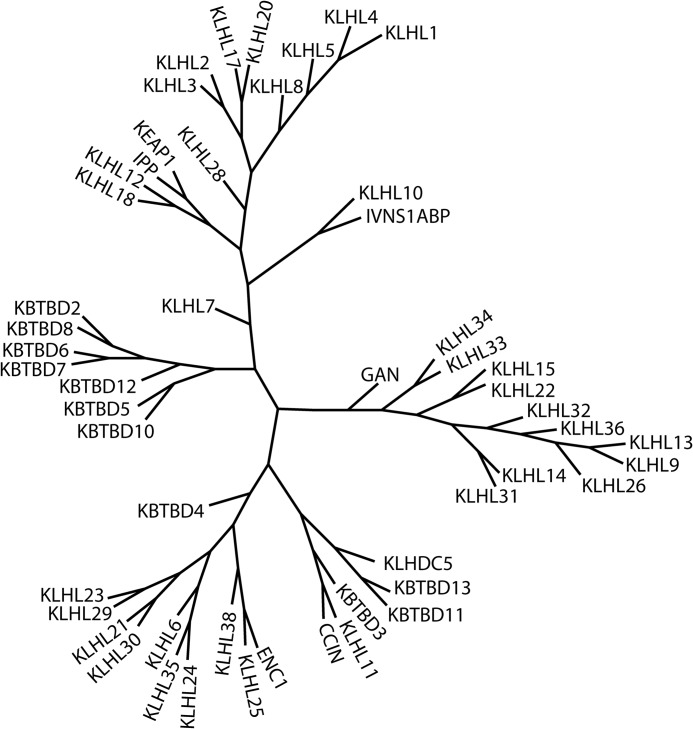
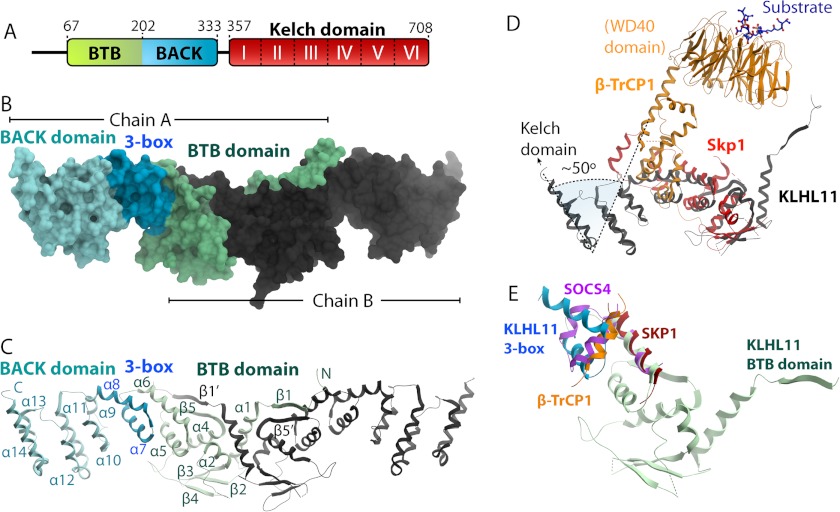
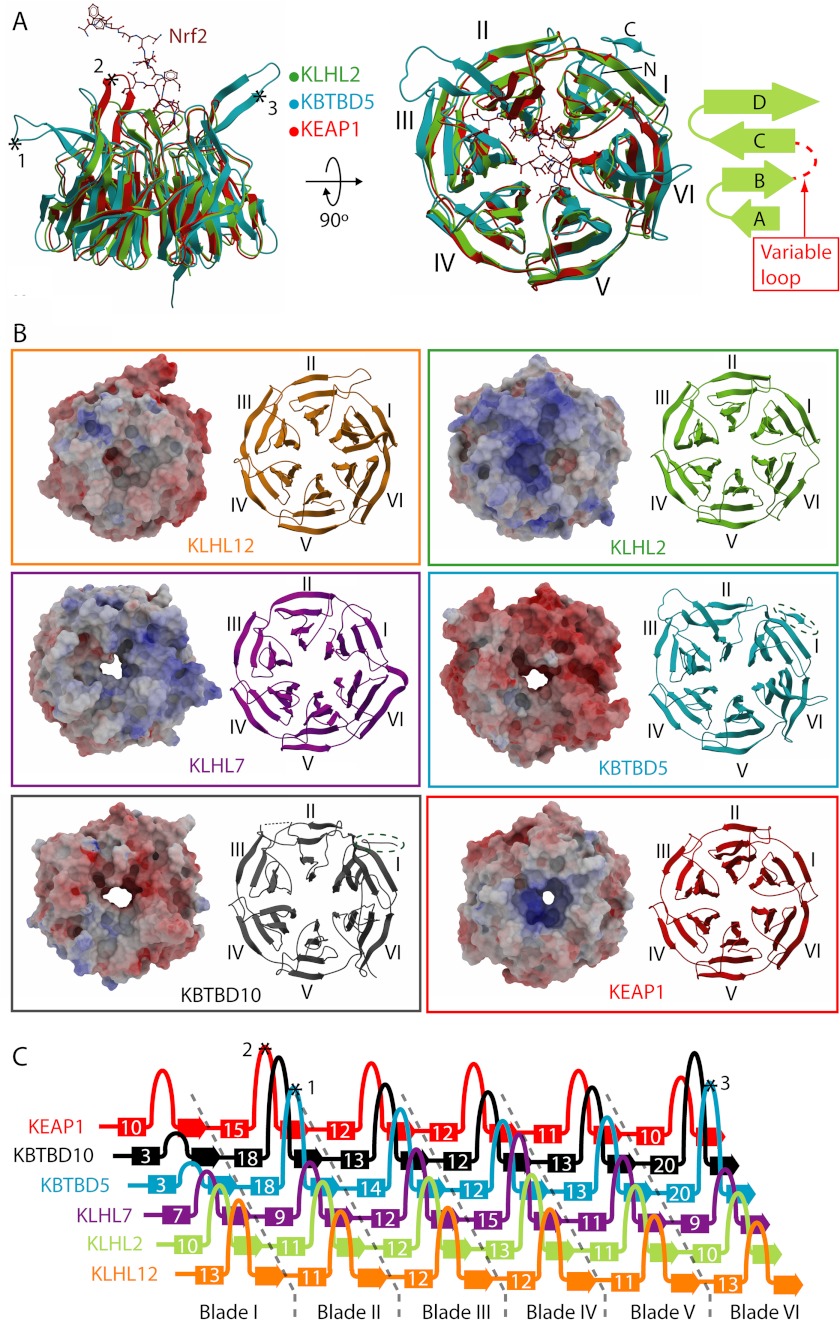
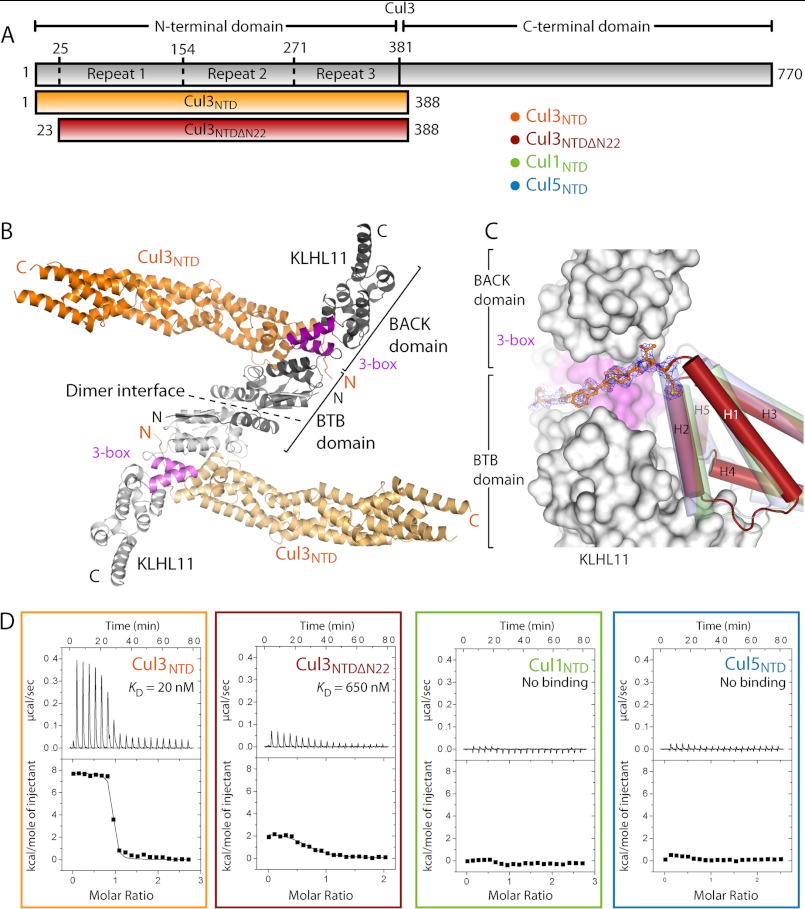
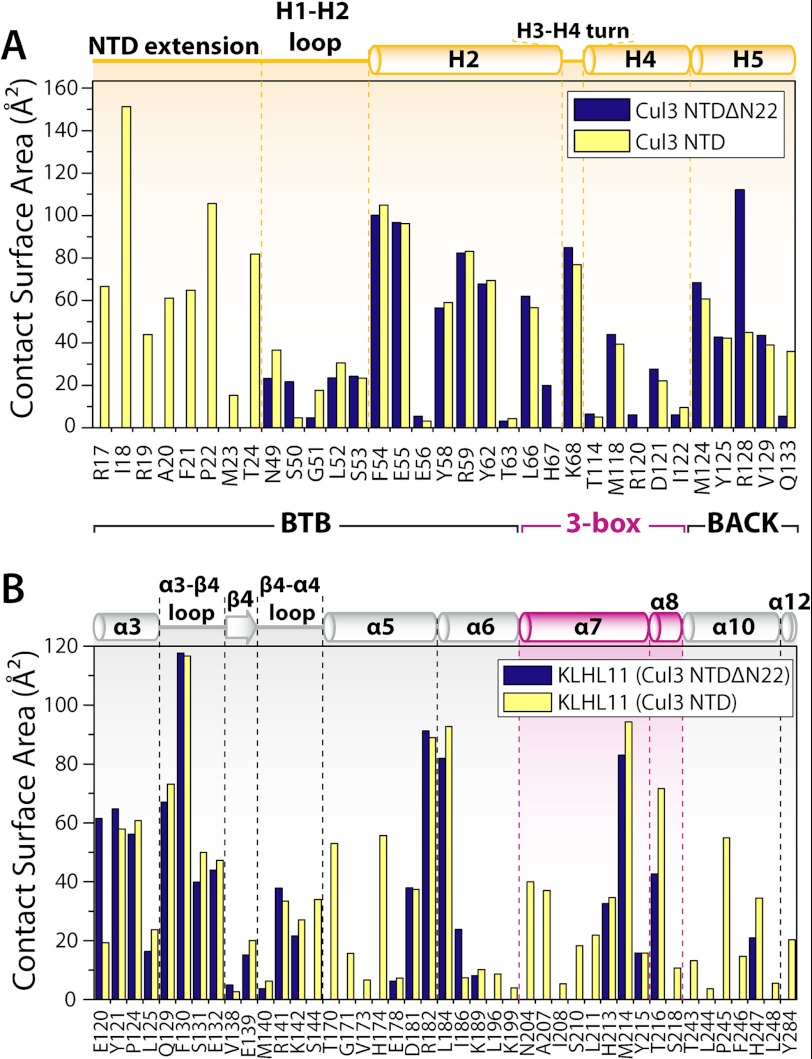
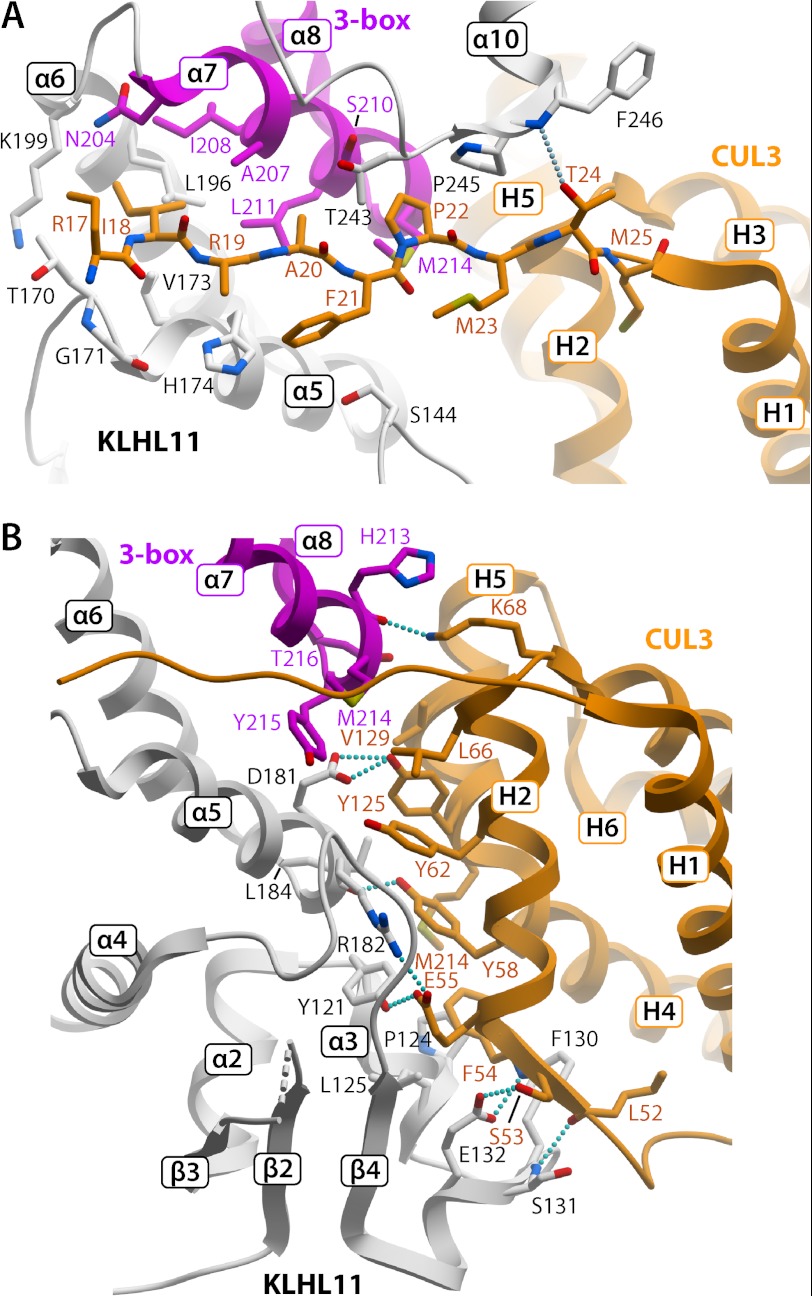
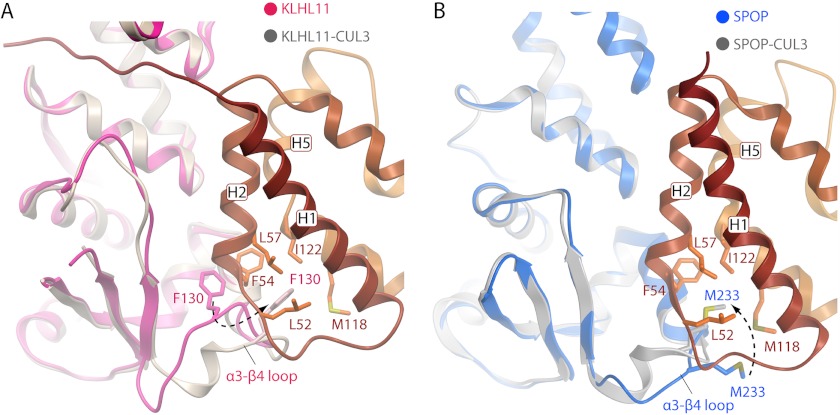
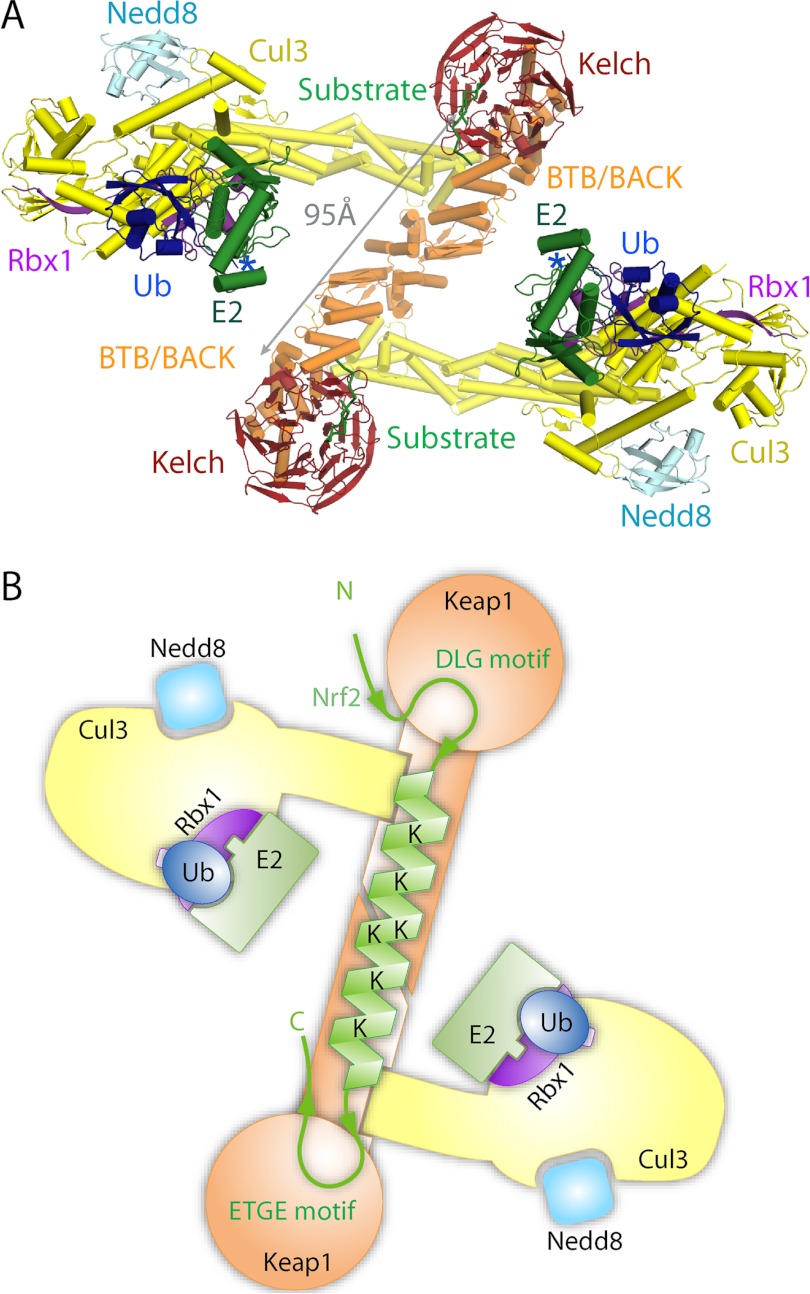
Cullin-RING ligases are multisubunit E3 ubiquitin ligases that recruit substrate-specific adaptors to catalyze protein ubiquitylation. Cul3-based Cullin-RING ligases are uniquely associated with BTB adaptors that incorporate homodimerization, Cul3 assembly, and substrate recognition into a single multidomain protein, of which the best known are BTB-BACK-Kelch domain proteins, including KEAP1. Cul3 assembly requires a BTB protein "3-box" motif, analogous to the F-box and SOCS box motifs of other Cullin-based E3s. To define the molecular basis for this assembly and the overall architecture of the E3, we determined the crystal structures of the BTB-BACK domains of KLHL11 both alone and in complex with Cul3, along with the Kelch domain structures of KLHL2 (Mayven), KLHL7, KLHL12, and KBTBD5. We show that Cul3 interaction is dependent on a unique N-terminal extension sequence that packs against the 3-box in a hydrophobic groove centrally located between the BTB and BACK domains. Deletion of this N-terminal region results in a 30-fold loss in affinity. The presented data offer a model for the quaternary assembly of this E3 class that supports the bivalent capture of Nrf2 and reveals potential new sites for E3 inhibitor design.
Overview
The claims and statistics of this paper haven’t been checked yet.
Run the check — free, no account needed. It reads the open-access text and checks the sources it cites.
Integrity signals
Registry
Cites
Statistics
Figures
Verification
Claims the paper makes
The claims and statistics of this paper haven’t been checked yet.
Run the check — free, no account needed. It reads the open-access text and checks the sources it cites.
Claims other papers make about this one
Each is checked against this paper’s own text: does it say what the citing paper says it does?
In the citing paper
“Accordingly, Keap1 contains three functional domains (Figure 5). The N-terminal BTB (broad complex, tramtrack, and bric à brac) domain mediates Keap1 homodimerization and contributes to its interaction with Cul3 [68]. Additional Cul3 interaction is provided by a 3-box motif found within the proximal part of the intervening region (IVR) [67]. The IVR contains key reactive cysteine residues through”
From Nrf2 and Oxidative Stress: A General Overview of Mechanisms and Implications in Human Disease (2022) · cites this paper as [67]
In the citing paper
“BTB-containing E3 ligases are typically distinguished by the presence of a 3-box motif that enables high-affinity binding of Cullin 3 (refs 74,75 ).”
From Targeted protein degradation: expanding the toolbox (2019) · cites this paper as [74]
Self-check
Percentages, sums and reported differences re-computed from the paper’s own numbers.
The self-check needs the paper’s full text.
Citations
Cites
Features and development of Coot
Emsley, P., Lohkamp, B., Scott, W. G., & Cowtan, K. (2010) · Acta Crystallographica Section D Biological Crystallography · doi:10.1107/s0907444910007493 · Cited by 29,915 · cited 1×
“Manual model building was performed with COOT (42) and the models refined with CNS (43, 44), REFMAC (45, 46), or BUSTER (47) using TLS and NCS restraints as appropriate.”
PHENIX : a comprehensive Python-based system for macromolecular structure solution
Adams, P. D., Afonine, P. V., Bunkóczi, G., Chen, V. B., Davis, I. W., Echols, N., Headd, J. J., Hung, L.-W., Kapral, G. J., Grosse-Kunstleve, R. W., et al. (2010) · Acta Crystallographica Section D Biological Crystallography · doi:10.1107/s0907444909052925 · Cited by 23,716 · cited 2×
“Automated model building tasks were conducted with BUCCANEER (39, 40) or PHENIX.”
Phaser crystallographic software
McCoy, A. J., Grosse-Kunstleve, R. W., Adams, P. D., Winn, M. D., Storoni, L. C., & Read, R. J. (2007) · Journal of Applied Crystallography · doi:10.1107/s0021889807021206 · Cited by 20,612
The CCP4 suite: programs for protein crystallography
Number Collaborative Computational Project (1994) · Acta Crystallographica Section D Biological Crystallography · doi:10.1107/s0907444994003112 · Cited by 17,317
Kabsch, W. (2010) · Acta Crystallographica Section D Biological Crystallography · doi:10.1107/s0907444909047337 · Cited by 16,463
Crystallography & NMR System: A New Software Suite for Macromolecular Structure Determination
Brünger, A. T., Adams, P. D., Clore, G. M., DeLano, W. L., Gros, P., Grosse‐Kunstleve, R. W., Jiang, J., Kuszewski, J. J., Nilges, M., Pannu, N., et al. (1998) · Acta Crystallographica Section D Biological Crystallography · doi:10.1107/s0907444998003254 · Cited by 15,723
Refinement of Macromolecular Structures by the Maximum-Likelihood Method
Murshudov, G. N., Vagin, A. A., & Dodson, E. J. (1997) · Acta Crystallographica Section D Biological Crystallography · doi:10.1107/s0907444996012255 · Cited by 14,796 · cited 1×
“Manual model building was performed with COOT (42) and the models refined with CNS (43, 44), REFMAC (45, 46), or BUSTER (47) using TLS and NCS restraints as appropriate.”
MolProbity : all-atom structure validation for macromolecular crystallography
Chen, V. B., Arendall, W. B., Headd, J. J., Keedy, D. A., Immormino, R. M., Kapral, G. J., Murray, L. W., Richardson, J. S., & Richardson, D. C. (2010) · Acta Crystallographica Section D Biological Crystallography · doi:10.1107/s0907444909042073 · Cited by 14,115
Inference of Macromolecular Assemblies from Crystalline State
Krissinel, E., & Henrick, K. (2007) · Journal of Molecular Biology · doi:10.1016/j.jmb.2007.05.022 · Cited by 10,007 · cited 1×
“Values were calculated using the protein interfaces, surfaces, and assemblies service at the European Bioinformatics Institute (68).”
Hershko, A., & Ciechanover, A. (1998) · Annual Review of Biochemistry · doi:10.1146/annurev.biochem.67.1.425 · Cited by 8,840
Cited by
Sorted by citations
Items 101–200 of 290
Hushpulian, D. M., Kaidery, N. A., Ahuja, M., Poloznikov, A. A., Sharma, S. M., Gazaryan, I. G., & Thomas, B. (2021) · Frontiers in Aging Neuroscience · doi:10.3389/fnagi.2021.673205 · Cited by 41
Hernández‐Damián, J., Andérica‐Romero, A. C., & Pedraza‐Chaverrí, J. (2014) · Archiv der Pharmazie · doi:10.1002/ardp.201400159 · Cited by 41
Zhang, K., Shang, G., Padavannil, A., Wang, J., Sakthivel, R., Chen, X., Kim, M., Thompson, M. G., García‐Sastre, A., Lynch, K. W., et al. (2018) · Proceedings of the National Academy of Sciences · doi:10.1073/pnas.1818012115 · Cited by 40
“The sequences of these helices in NS1-BP align well with helices in the KLHL11 BACK [23% sequence identity; PDB ID code: 4AP2 (28)], suggesting that the NS1-BP BACK is also likely a series of five tandem helical repeats.”
Structural basis of high-order oligomerization of the cullin-3 adaptor SPOP
van Geersdaele, L. K., Stead, M., Harrison, C. M., Carr, S. B., Close, H. J., Rosbrook, G. O., Connell, S. D., & Wright, S. C. (2013) · Acta Crystallographica Section D Biological Crystallography · doi:10.1107/s0907444913012687 · Cited by 40
“…of SPOP, consistent with a recent structure that revealed the interaction of Cul3 with both the BTB and BACK domains of KLHL11 (PDB entry 4ap2; Canning et al., 2013); the relative orientation of the BTB and Cul3 molecules is identical in the KLHL11–Cul3 and SPOP–Cul3 structures (PDB entries…”
BackgroundInfluentialKLHL39 suppresses colon cancer metastasis by blocking KLHL20-mediated PML and DAPK ubiquitination
Chen, H. Y., Hu, J. Y., Chen, T. H., Lin, Y. C., Liu, X., Lin, M. Y., Lang, Y. D., Yen, Y., & Chen, R. H. (2015) · Oncogene · doi:10.1038/onc.2014.435 · Cited by 39
New insights into the function of Cullin 3 in trophoblast invasion and migration
Zhang, Q., Song, Y., Huang, X., Tan, Y., Zhu, C., Wang, Y., Wang, H., Lin, H., Fu, J., & Wang, H. (2015) · Reproduction · doi:10.1530/rep-15-0126 · Cited by 38
“In contrast, CUL3 associates with Bric-a-bracTramtrack-Broad (BTB) complex and Rbx1 to form a BTBCUL3-Rbx1 (BCR) ubiquitin ligase complex (Canning et al. 2013).”
BackgroundMutation in the Plasmodium falciparum BTB/POZ Domain of K13 Protein Confers Artemisinin Resistance
Paloque, L., Coppée, R., Stokes, B. H., Gnädig, N. F., Niaré, K., Augereau, J., Fidock, D. A., Clain, J., & Benoit‐Vical, F. (2021) · Antimicrobial Agents and Chemotherapy · doi:10.1128/aac.01320-21 · Cited by 37
“main often serves as a receptor for substrate proteins to be ubiquitinated (42, 43).”
BackgroundNarahara, S., Sakai, E., Kadowaki, T., Yamaguchi, Y., Narahara, H., Okamoto, K., Asahina, I., & Tsukuba, T. (2019) · Scientific Reports · doi:10.1038/s41598-019-40240-2 · Cited by 38
Sun, X., Guo, C., Huang, C., Lv, N., Chen, H., Huang, H., Zhao, Y., Sun, S., Zhao, D., Tian, J., et al. (2024) · Redox Biology · doi:10.1016/j.redox.2024.103116 · Cited by 36
Cullin3 - BTB Interface: A Novel Target for Stapled Peptides
de Paola, I., Pirone, L., Palmieri, M., Balasco, N., Esposito, L., Russo, L., Mazzà, D., Marcotullio, L. D., Gaetano, S. D., Malgieri, G., et al. (2015) · PLoS ONE · doi:10.1371/journal.pone.0121149 · Cited by 36
“These considerations suggest that stapled peptides efficiently mimic these protein-protein interactions, although BTB-Cul3 recognition involves large and often non-contiguous, surfaces [48].”
BackgroundLi, X., Xue, W., Wang, M.-J., Zhou, Y., Zhang, C.-C., Sun, C., Zhu, L., Liang, K., Chen, Y., Tao, B., et al. (2017) · Scientific Reports · doi:10.1038/srep44807 · Cited by 36
Structural Basis for Recruitment of DAPK1 to the KLHL20 E3 Ligase
Chen, Z., Picaud, S., Filippakopoulos, P., D'Angiolella, V., & Bullock, A. N. (2019) · Structure · doi:10.1016/j.str.2019.06.005 · Cited by 37
Self-citationMolecular Architecture of the Ankyrin SOCS Box Family of Cul5-Dependent E3 Ubiquitin Ligases
Muniz, J. R. C., Guo, K., Kershaw, N. J., Ayinampudi, V., von Delft, F., Babon, J. J., & Bullock, A. N. (2013) · Journal of Molecular Biology · doi:10.1016/j.jmb.2013.06.015 · Cited by 34
Self-citationSatoh, M., Saburi, H., Tanaka, T. U., Matsuura, Y., Naitow, H., Shimozono, R., Yamamoto, N., Inoue, H., Nakamura, N., Yoshizawa, Y., et al. (2015) · FEBS Open Bio · doi:10.1016/j.fob.2015.06.011 · Cited by 35
“The N-terminal domain also mediates interactions with other components of the Cullin 3-based E3 ubiquitin ligase complex [22], and contains a cysteine residue Cys151 that senses the oxidative stress [19].”
BackgroundBoizot, A., Talmat-Amar, Y., Morrogh, D., Kuntz, N. L., Halbert, C., Chabrol, B., Houlden, H., Stojkovic, T., Schulman, B. A., Rautenstrauss, B. W., et al. (2014) · Acta Neuropathologica Communications · doi:10.1186/2051-5960-2-47 · Cited by 33
Regulation of E3 ubiquitin ligases by homotypic and heterotypic assembly
Balaji, V., & Hoppe, T. (2020) · F1000Research · doi:10.12688/f1000research.21253.1 · Cited by 32
Posttranscriptional regulation of Nrf2 through miRNAs and their role in Alzheimer's disease
Kaundal, R. K., Datusalia, A. K., & Sharma, S. S. (2021) · Pharmacological Research · doi:10.1016/j.phrs.2021.106018 · Cited by 32
Adamson, R. J., Payne, N. C., Bartual, S. G., Mazitschek, R., & Bullock, A. N. (2023) · Free Radical Biology and Medicine · doi:10.1016/j.freeradbiomed.2023.04.021 · Cited by 30
Self-citationThomas, J. C., Matak‐Vinković, D., Molle, I. V., & Ciulli, A. (2013) · Biochemistry · doi:10.1021/bi400758h · Cited by 33
Anthocyanins As Modulators of Cell Redox-Dependent Pathways in Non-Communicable Diseases
Speciale, A., Saija, A., Bashllari, R., Molonia, M. S., Muscarà, C., Occhiuto, C., Cimino, F., & Cristani, M. (2018) · Current Medicinal Chemistry · doi:10.2174/0929867325666181112093336 · Cited by 31
Biophysical Studies on Interactions and Assembly of Full-size E3 Ubiquitin Ligase
Bulatov, E., Martin, E. M., Chatterjee, S., Knebel, A., Shimamura, S., Konijnenberg, A., Johnson, C., Zinn, N., Grandi, P., Sobott, F., et al. (2014) · Journal of Biological Chemistry · doi:10.1074/jbc.m114.616664 · Cited by 30
“More recently, a two-site model for substrate recognition was proposed for CRL3 based on the crystal structure of KLHL11-Cul3NTD (49).”
BackgroundNew strategies to inhibit KEAP1 and the Cul3-based E3 ubiquitin ligases
Canning, P., & Bullock, A. N. (2014) · Biochemical Society Transactions · doi:10.1042/bst20130215 · Cited by 29
Self-citationCullin 3 and Its Role in Tumorigenesis
Chen, R. (2020) · Advances in experimental medicine and biology · doi:10.1007/978-981-15-1025-0_12 · Cited by 29
Targeting Cul3-scaffold E3 ligase complex via KLHL substrate adaptors for cancer therapy
Xiang, S., Shi, X., Chen, P., Chen, Y., Bing, S., Jin, X., Cao, J., Wang, J., Yang, B., Shao, X., et al. (2021) · Pharmacological Research · doi:10.1016/j.phrs.2021.105616 · Cited by 29
Chauhan, N., Chaunsali, L., Deshmukh, P. H., & Padmanabhan, B. (2013) · Bioinformation · doi:10.6026/97320630009450 · Cited by 29
Zhong, J., & Tang, Y. J. (2024) · Progress in Biophysics and Molecular Biology · doi:10.1016/j.pbiomolbio.2024.02.005 · Cited by 29
Foygel, K., Sekar, T. V., & Paulmurugan, R. (2015) · PLoS ONE · doi:10.1371/journal.pone.0141913 · Cited by 28
“The discovery of the dual role of Nrf2 (redox signaling and apoptotic regulation) in cells has brought some safety concerns with respect to the use of Nrf2 activators for disease prevention; however, in normal cells, Nrf2 is under tight regulation by the Keap1-Cul3E3 ligase [10, 11].”
An updated patent review of Nrf2 activators (2020-present)
Zhao, Z., Dong, R., Cui, K., You, Q., & Jiang, Z. (2023) · Expert Opinion on Therapeutic Patents · doi:10.1080/13543776.2023.2178299 · Cited by 28
Hudson, A. M., Mannix, K. M., & Cooley, L. (2015) · Genetics · doi:10.1534/genetics.115.181289 · Cited by 27
“Structural analysis identified a hydrophobic/acidic “F-X-E” amino acid triplet in this loop that is unstructured in crystals of BTB domains alone, but forms a short a-helix in crystals with BTB domains bound to Cul3 (Errington et al. 2012; Canning et al. 2013; Ji and Prive 2013).”
BackgroundMethodInfluentialThe Role of Cullin-RING Ligases in Striated Muscle Development, Function, and Disease
Blondelle, J., Biju, A., & Lange, S. (2020) · International Journal of Molecular Sciences · doi:10.3390/ijms21217936 · Cited by 27
Lee, S., Abed, D. A., Nguyen, M.-U., Verzi, M. P., & Hu, L. (2022) · European Journal of Medicinal Chemistry · doi:10.1016/j.ejmech.2022.114380 · Cited by 27
Structural basis for the ubiquitination of G protein βγ subunits by KCTD5/Cullin3 E3 ligase
Jiang, W., Wang, W., Kong, Y., & Zheng, S. (2023) · Science Advances · doi:10.1126/sciadv.adg8369 · Cited by 26
Oncogenic KEAP1 mutations activate TRAF2-NFκB signaling to prevent apoptosis in lung cancer cells
Deen, A. J., Adinolfi, S., Härkönen, J., Patinen, T., Liu, X., Laitinen, T., Takabe, P., Kainulainen, K., Pasonen-Seppänen, S., Gawriyski, L. M., et al. (2024) · Redox Biology · doi:10.1016/j.redox.2024.103031 · Cited by 27
Li, W., Sun, K., Hu, F., Chen, L., Zhang, X., Wang, F., & Yan, B. (2020) · Journal of Biochemical and Molecular Toxicology · doi:10.1002/jbt.22658 · Cited by 27
Shilovsky, G. A., & Dibrova, D. V. (2023) · Life · doi:10.3390/life13041045 · Cited by 27
“Further interaction with Cul3 is provided by the so-called 3-box motif (residues 181–212 in human Keap1), which is located at the beginning of the IVR domain [15].”
BackgroundInfluentialDynamic molecular architecture and substrate recruitment of cullin3–RING E3 ligase CRL3KBTBD2
Hu, Y., Zhang, Z., Mao, Q., Zhang, X., Hao, A., Xun, Y., Wang, Y., Han, L., Zhan, W., Liu, Q., et al. (2024) · Nature Structural & Molecular Biology · doi:10.1038/s41594-023-01182-6 · Cited by 26
Advances in KEAP1-based PROTACs as emerging therapeutic modalities: Structural basis and progress
Chen, J., Feng, D., Zhu, R., Li, H., & Chen, L. (2025) · Redox Biology · doi:10.1016/j.redox.2025.103781 · Cited by 29
Mechanisms of CP190 Interaction with Architectural Proteins in Drosophila Melanogaster
Sabirov, M. S., Popovich, A., Boyko, K. M., Nikolaeva, A. Y., Kyrchanova, O., Maksimenko, O. G., Popov, V. O., Georgiev, P. G., & Bonchuk, A. N. (2021) · International Journal of Molecular Sciences · doi:10.3390/ijms222212400 · Cited by 26
Roles of Cullin-RING Ubiquitin Ligases in Cardiovascular Diseases
Diaz, S., Wang, K., Sjögren, B., & Liu, X. (2022) · Biomolecules · doi:10.3390/biom12030416 · Cited by 27
“The BTB domain also dimerizes, and as a result, CRL3 complexes exist as homodimers [86,87].”
BackgroundThe E3-ome gene-centric compendium reveals the human E3 ligase landscape
Chua, N. K., González-Robles, T. J., Reddington, C. J., Dudley-Fraser, J., Birkinshaw, R. W., Han, J., Solano, A. N., Wong, S. W., Kochańczyk, T., Peter, J. J., et al. (2026) · Cell · doi:10.1016/j.cell.2026.01.029 · Cited by 29
Self-citationKlhl6 Deficiency Impairs Transitional B Cell Survival and Differentiation
Bertocci, B., Lecoeuche, D., Sterlin, D., Kühn, J., Gaillard, B., Smet, A. D., Lembo, F., Bôle‐Feysot, C., Cagnard, N., Fadeev, T., et al. (2017) · The Journal of Immunology · doi:10.4049/jimmunol.1700708 · Cited by 24
“Although data on the molecular function of KLHL proteins are still fragmentary, several of them have been identified as adaptors of Cullin 3 (Cul3)-based E3 ubiquitin ligases (25).”
BackgroundLiu, Z., Zhao, M., Jiang, X., Zhang, Y., Zhang, S., Xu, Y., Ren, H., Su, H., Wang, H., & Qiu, X. (2022) · Laboratory Investigation · doi:10.1038/s41374-022-00806-7 · Cited by 24
Proteome-scale induced proximity screens reveal highly potent protein degraders and stabilizersPreprint
Poirson, J., Dhillon, A., Cho, H., Lam, M. H. Y., Alerasool, N., Lacoste, J., Mizan, L., & Taipale, M. (2022) · bioRxiv (Cold Spring Harbor Laboratory) · doi:10.1101/2022.08.15.503206 · Cited by 24
“The E3 ligases we identified in the screens represented multiple families, including individual RING E3 ligases (e.g., RNF121) and components of multiprotein E3 complexes such as the CTLH complex (GID8)(Lampert et al., 2018), the BAG6 membrane protein quality control complex (GET4 and RNF126)(Mock et al., 2017), CUL1…”
BackgroundInfluentialStructural mapping of Kelch13 mutations associated with artemisinin resistance in malaria
Singh, G. P., Goel, P., & Sharma, A. K. (2016) · Journal of Structural and Functional Genomics · doi:10.1007/s10969-016-9205-1 · Cited by 23
Jiang, X., Xu, Y., Ren, H., Jiang, J., Wudu, M., Wang, Q., Guan, J., Su, H., Zhang, Y., Zhang, B., et al. (2020) · Cell & Bioscience · doi:10.1186/s13578-020-00499-9 · Cited by 23
Counting Degrons: Lessons From Multivalent Substrates for Targeted Protein Degradation
Okoye, C. N., Rowling, P. J. E., Itzhaki, L. S., & Lindon, C. (2022) · Frontiers in Physiology · doi:10.3389/fphys.2022.913063 · Cited by 26
Sahu, M., & Jain, U. (2025) · Biochimica et Biophysica Acta (BBA) - Molecular Basis of Disease · doi:10.1016/j.bbadis.2025.167764 · Cited by 24
Update on Congenital Myopathies in Adulthood
Papadimas, G. K., Xirou, S., Kararizou, E. G., & Papadopoulos, C. (2020) · International Journal of Molecular Sciences · doi:10.3390/ijms21103694 · Cited by 25
Cul3-KLHL20 ubiquitin ligase: physiological functions, stress responses, and disease implications
Chen, H., Liu, C.-C., & Chen, R. (2016) · Cell Division · doi:10.1186/s13008-016-0017-2 · Cited by 21
“The human genome contains more than 50 BTB-kelch members, which are termed as Kelch-like 1-42 (KLHL1-42) and kelch and BTB domain containing 1-14 (KBTBD1-14) with the KLHL proteins containing an additional BACK domain in between the BTB and kelch domain [10, 11].”
BackgroundChen, Z., Wasney, G. A., Picaud, S., Filippakopoulos, P., Vedadi, M., D’Angiolella, V., & Bullock, A. N. (2020) · Open Biology · doi:10.1098/rsob.200041 · Cited by 21
Self-citationThe Olfactomedin Domain from Gliomedin Is a β-Propeller with Unique Structural Properties
Han, H., & Kursula, P. (2014) · Journal of Biological Chemistry · doi:10.1074/jbc.m114.627547 · Cited by 22
“Superposition based on blades 1– 4 on a six-bladed structure (72) gives a much better fit for these blades (right), which are”
BackgroundCUL3 and protein kinases: Insights from PLK1/KLHL22 interaction
Metzger, T., Kleiss, C., & Sumara, I. (2013) · Cell Cycle · doi:10.4161/cc.25369 · Cited by 21
Ubiquitylation of the ER-Shaping Protein Lunapark via the CRL3KLHL12 Ubiquitin Ligase Complex
Yuniati, L., Lauriola, A., Gerritsen, M., Abreu, S., Ni, E., Tesoriero, C., Onireti, J., Low, T. Y., Heck, A. J. R., Vettori, A., et al. (2020) · Cell Reports · doi:10.1016/j.celrep.2020.107664 · Cited by 20
Wang, L., & Peng, J. (2016) · Protein Science · doi:10.1002/pro.3063 · Cited by 20
Andrographolide Derivatives Target the KEAP1/NRF2 Axis and Possess Potent Anti‐SARS‐CoV‐2 Activity
Schulte, B., König, M., Escher, B. I., Wittenburg, S., Proj, M., Wolf, V., Lemke, C., Schnakenburg, G., Sosič, I., Streeck, H., et al. (2022) · ChemMedChem · doi:10.1002/cmdc.202100732 · Cited by 20
Wang, J., Zhu, Z., Yang, H., Zhang, Y., Zhao, X., Zhang, M., Liu, Y., Xu, Y., & Lei, Q. (2016) · FEBS Journal · doi:10.1111/febs.13759 · Cited by 20
Mutation-induced LZTR1 polymerization provokes cardiac pathology in recessive Noonan syndrome
Busley, A. V., Gutiérrez‐Gutiérrez, Ó., Hammer, E., Koitka, F., Mirzaiebadizi, A., Steinegger, M., Pape, C., Böhmer, L., Schroeder, H., Kleinsorge, M., et al. (2024) · Cell Reports · doi:10.1016/j.celrep.2024.114448 · Cited by 19
Gong, W., Gohla, R. M., Bowlin, K. M., Koyano‐Nakagawa, N., Garry, D. J., & Shi, X. (2015) · Journal of Biological Chemistry · doi:10.1074/jbc.m114.629956 · Cited by 19
Molecular evolution of Keap1 was essential for adaptation of vertebrates to terrestrial life
Yumimoto, K., Sugiyama, S., Motomura, S., Takahashi, D., & Nakayama, K. I. (2023) · Science Advances · doi:10.1126/sciadv.adg2379 · Cited by 19
“In addition to KLHL proteins, some Kelch repeat– and BTB domain–containing (KBTBD) proteins (21), BTB domain–containing (BTBD) proteins (22), speckle-type POZ (SPOP) proteins (20), potassium channel tetramerization domain–containing (KCTD) proteins (23), and RhoBTB proteins (atypical members of the Rho family of small…”
BackgroundComparative Meta-Analysis of Transcriptomics Data during Cellular Senescence andIn VivoTissue Ageing
Voutetakis, K., Chatziioannou, A. A., Gonos, E. S., & Trougakos, I. P. (2015) · Oxidative Medicine and Cellular Longevity · doi:10.1155/2015/732914 · Cited by 17
Molecular basis of cullin-3 (Cul3) ubiquitin ligase subversion by vaccinia virus protein A55
Gao, C., Pallett, M. A., Croll, T. I., Smith, G. L., & Graham, S. C. (2019) · Journal of Biological Chemistry · doi:10.1074/jbc.ra118.006561 · Cited by 17
“In Cul3-bound KLHL3, KLHL11, and SPOP structures, the 3– 4 loops, which contain the residue and interact with hydrophobic pockets on the Cul3 surface, adopt helical conformations (helix 3.1, Fig.”
BackgroundResultInfluentialKLHL4, a novel p53 target gene, inhibits cell proliferation by activating p21
Choi, S., Cho, S.-Y., Song, J.-Y., & Hur, M. (2020) · Biochemical and Biophysical Research Communications · doi:10.1016/j.bbrc.2020.07.100 · Cited by 17
Genetic ablation of Gpnmb does not alter synuclein-related pathology
Brendza, R. P., Lin, H., Stark, K. L., Foreman, O., Tao, J., Pierce, A. A., Ngu, H., Shen, K., Easton, A. E., Bhangale, T., et al. (2021) · Neurobiology of Disease · doi:10.1016/j.nbd.2021.105494 · Cited by 17
“Loss of function mutations in KLHL7, which functions as a co-factor for Cullin-RING E3 ubiquitin ligases (Canning et al., 2013), are associated with retinitis pigmentosa, although connections between retinitis pigmentosa and PD in the literature are sparse.”
BackgroundA conserved N-terminal motif of CUL3 contributes to assembly and E3 ligase activity of CRL3KLHL22
Wang, W., Liang, L., Dai, Z., Zuo, P., Yu, S., Lu, Y., Ding, D., Chen, H., Shan, H., Jin, Y., et al. (2024) · Nature Communications · doi:10.1038/s41467-024-48045-2 · Cited by 17
Kctd9 Deficiency Impairs Natural Killer Cell Development and Effector Function
Zhang, X., Wang, P., Chen, T., Yan, W., Guan, X., Shen, G., Luo, X., Wan, X., & Ning, Q. (2019) · Frontiers in Immunology · doi:10.3389/fimmu.2019.00744 · Cited by 17
“The CUL3-RING ubiquitin ligase complex associates with BTB adaptors, which enable homodimerization, assembly, and substrate recognition, thereby specifying the substrate selectivity of E3 ligase (36, 37).”
BackgroundPoh, J., Ponsford, A. H., Boyd, J., Woodsmith, J., Stelzl, U., Wanker, E. E., Harper, N., MacEwan, D. J., & Sanderson, C. M. (2020) · Redox Biology · doi:10.1016/j.redox.2020.101686 · Cited by 17
Klotho gene improves oxidative stress injury after myocardial infarction
Xu, Z., Zheng, S., Feng, X., Cai, C.-Z., Ye, X., & Liu, P. (2020) · Experimental and Therapeutic Medicine · doi:10.3892/etm.2020.9484 · Cited by 17
“When oxidation‐reduction reactions reach equilibrium, Nrf2 returns to the cytoplasm and maintains a normal level through degradation or negative feedback, via the ubiquitin‐protea‐ some pathway (18).”
BackgroundGoel, N., Dhiman, K., Kalidas, N., Mukhopadhyay, A., Ashish, F., & Bhattacharjee, S. (2022) · FEBS Journal · doi:10.1111/febs.16378 · Cited by 21
Bidirectional regulation of KEAP1 BTB domain-based sensor activity
Suzuki, T., Takagi, K., Iso, T., Wen, H., Zhang, A., Hatakeyama, T., Oshima, H., Mizushima, T., & Yamamoto, M. P. (2025) · Redox Biology · doi:10.1016/j.redox.2025.103885 · Cited by 16
“Co-crystal structure analyses of the KLHL11 – CUL3 complex indicate that CUL3-NT is essential for binding BTB-containing proteins [55].”
Cryo-EM structure of the KLHL22 E3 ligase bound to an oligomeric metabolic enzyme
Teng, F., Wang, Y., Liu, M., Tian, S., Stjepanović, G., & Su, M.-Y. (2023) · Structure · doi:10.1016/j.str.2023.09.002 · Cited by 16
Structure and dynamics of a pentameric KCTD5/CUL3/Gβγ E3 ubiquitin ligase complex
Nguyen, D. M., Rath, D. H., Devost, D., Pétrin, D., Rizk, R., Ji, A. X., Narayanan, N., Yong, D., Zhai, A., Kuntz, D. A., et al. (2024) · Proceedings of the National Academy of Sciences · doi:10.1073/pnas.2315018121 · Cited by 17
Thareja, S. K., North, L. M., Stamm, K., Earing, M. G., Frommelt, M. A., Willes, R. J., Tripathi, S., Dsouza, N. R., Zimmermann, M. T., Mahnke, D. K., et al. (2020) · Molecular Genetics & Genomic Medicine · doi:10.1002/mgg3.1152 · Cited by 16
“Both the BTB and BACK domains permit assembly with CUL3 (Canning et al., 2013).”
BackgroundKato, K., Miya, F., Oka, Y., Mizuno, S., & Saitoh, S. (2020) · Journal of Human Genetics · doi:10.1038/s10038-020-00868-9 · Cited by 14
Targeting kelch-like (KLHL) proteins: achievements, challenges and perspectives
Zhou, Y., Zhang, Q., Zhao, Z., Hu, X., You, Q., & Jiang, Z. (2024) · European Journal of Medicinal Chemistry · doi:10.1016/j.ejmech.2024.116270 · Cited by 15
Speciale, A., Molonia, M. S., Muscarà, C., Cristani, M., Salamone, F. L., Saija, A., & Cimino, F. (2024) · Fitoterapia · doi:10.1016/j.fitote.2024.105953 · Cited by 17
Isoliquiritigenin as a modulator of the Nrf2 signaling pathway: potential therapeutic implications
Qiu, M., Ma, K., Zhang, J., Zhao, Z., Wang, S., Wang, Q., & Xu, H. (2024) · Frontiers in Pharmacology · doi:10.3389/fphar.2024.1395735 · Cited by 18
Asmar, A. J., Beck, D. B., & Werner, A. A. (2020) · Experimental Cell Research · doi:10.1016/j.yexcr.2020.112300 · Cited by 13
Redox Sensitive Transcription via Nrf2-Keap1 in Suppression of Inflammation
Bhakkiyalakshmi, E., Sireesh, D., & Ramkumar, K. M. (2017) · Elsevier eBooks · doi:10.1016/b978-0-12-805417-8.00012-3 · Cited by 14
Cullin-3: Renal and Vascular Mechanisms Regulating Blood Pressure
Wu, J., McCormick, J. A., & Sigmund, C. D. (2020) · Current Hypertension Reports · doi:10.1007/s11906-020-01076-8 · Cited by 13
Kelch-like proteins in the gastrointestinal tumors
Fu, A., Xiang, S., He, Q., & Ying, M. (2022) · Acta Pharmacologica Sinica · doi:10.1038/s41401-022-01007-0 · Cited by 13
Jiang, D. H., Yang, G., Chen, K., Yu, P., Chen, J., Luo, Y., Li, N., & Huang, L. (2023) · Forests · doi:10.3390/f14081578 · Cited by 13
Zhao, B., Payne, W. G., Sai, J., Lu, Z., Olejniczak, E. T., & Fesik, S. W. (2020) · Biochemistry · doi:10.1021/acs.biochem.9b01073 · Cited by 13
Sogabe, S., Sakamoto, K., Kamada, Y., Kadotani, A., Fukuda, Y., & Sakamoto, J. (2017) · Biochemical and Biophysical Research Communications · doi:10.1016/j.bbrc.2017.03.038 · Cited by 15
A novel long non-coding RNA, lncKBTBD10, involved in bovine skeletal muscle myogenesis
Chen, M., Li, X., Zhang, X., Li, Y., Zhang, J., Liu, M., Zhang, L., Ding, X., Liu, X., & Guo, H. (2018) · In Vitro Cellular & Developmental Biology - Animal · doi:10.1007/s11626-018-0306-y · Cited by 12
Wu, H., Li, S., Huang, Y., Xia, Q., Zhou, P., Li, X.-M., Xiao, Y., Wang, S., Ye, Z., & Hu, J. (2021) · Cancer Cell International · doi:10.1186/s12935-021-02331-x · Cited by 11
Characteristics of the Kelch domain containing ( KLHDC ) subfamily and relationships with diseases
Pilcher, C., Buco, P. A. V., Truong, J. Q., Ramsland, P. A., Smeets, M. F. M. A., Walkley, C. R., & Holien, J. K. (2025) · FEBS Letters · doi:10.1002/1873-3468.15108 · Cited by 12
Watanabe, K., Yoshida, K., & Iwamoto, S. (2018) · Journal of Diabetes Investigation · doi:10.1111/jdi.12995 · Cited by 11
Zhang, E., Dong, X., Chen, S., Shao, J., Zhang, P., Wang, Y., & Wang, X. (2020) · PubMed Central · Cited by 8
Retinal Nrf2 expression in normal and early streptozotocin-diabetic rats
Albert-Garay, J. S., Riesgo‐Escovar, J. R., Sánchez‐Chávez, G., & Salceda, R. (2021) · Neurochemistry International · doi:10.1016/j.neuint.2021.105007 · Cited by 11
Andérica‐Romero, A. C., Escobar, L. I., Padilla‐Flores, T., & Pedraza‐Chaverrí, J. (2014) · Cellular Signalling · doi:10.1016/j.cellsig.2014.01.032 · Cited by 12
Farrell, B. M., Gerth, F., Yang, C.-H. R., & Yeh, J. T. ‐. (2022) · Genes & Development · doi:10.1101/gad.349717.122 · Cited by 12
“There are >60 member proteins of the BTB-Kelch family that serve as the adaptor proteins for CUL3 (Canning et al. 2013), and among the BTB-Kelch adaptor proteins, KLHL20 has been discovered as an onco-protein mediating the degradation of the death-activated protein kinase 1 (DAPK1) and…”
Chen, Z., Chi, G., Balo, T., Chen, X., Montes, B. R., Clifford, S. C., D’Angiolella, V., Szabo, T., Kiss, A., Novak, T., et al. (2025) · Nature Communications · doi:10.1038/s41467-025-58350-z · Cited by 10
Self-citationMeyer, S. J., Böser, A., Korn, M. A., Koller, C., Bertocci, B., Reimann, L., Warscheid, B., & Nitschke, L. (2020) · The Journal of Immunology · doi:10.4049/jimmunol.1900925 · Cited by 10
Clemen, C. S., Schmidt, A., Winter, L., Canneva, F., Wittig, I., Becker, L., Coras, R., Berwanger, C., Hofmann, A., Eggers, B., et al. (2021) · Neuropathology and Applied Neurobiology · doi:10.1111/nan.12750 · Cited by 10
“KLHL11 is a component of a cullin-RING-based BCR (BTB-CUL3-RBX1) E3 ubiquitin-protein ligase complex [50] mediating ubiquitination of tar-”
Lee, H. H., Wong, S., Leung, F. Y.-K., Ho, L., Chan, S.-K. T., Fung, T.-H. S., Kwan, K.-F., Yau, K.-C. E., Li, K.-W., Yau, W. H., et al. (2019) · Journal of Neuropathology & Experimental Neurology · doi:10.1093/jnen/nlz056 · Cited by 10
Yu, C., Shen, Q. “., Holmes, A. B., Mo, T., Tosato, A., Soni, R. K., Corinaldesi, C., Koul, S., Pasqualucci, L., Hussein, S., et al. (2024) · Nature Communications · doi:10.1038/s41467-024-51644-8 · Cited by 9
KCTD10 is a sensor for co-directional transcription–replication conflicts
Kloeber, J. A., Chen, B., Sun, G., King, C. S., Wang, Z., Wang, L., Wu, Z., Zhu, S., Zhao, F., Qin, H., et al. (2025) · Nature · doi:10.1038/s41586-025-09585-9 · Cited by 9
The CRL3 gigaxonin ubiquitin ligase–USP15 pathway governs the destruction of neurofilament proteins
Park, H.-M., Le, L., Nguyen, T. T., Nam, K. H., Ordureau, A., Lee, J. E., & Nguyen, T. V. (2023) · Proceedings of the National Academy of Sciences · doi:10.1073/pnas.2306395120 · Cited by 9
Oh, J. K., de Carvalho, J. R. L., Sun, Y. J., Ragi, S. D., Yang, J., Levi, S. R., Ryu, J., Bassuk, A. G., Mahajan, V. B., & Tsang, S. H. (2019) · Orphanet Journal of Rare Diseases · doi:10.1186/s13023-019-1275-2 · Cited by 9
Cullin 3 and Blood Pressure Regulation: Insights From Familial Hyperkalemic Hypertension
Maeoka, Y., Cornelius, R. J., & McCormick, J. A. (2023) · Hypertension · doi:10.1161/hypertensionaha.123.20525 · Cited by 9
Metadata
- Authors
- Canning, P., Cooper, C. D. O., Krojer, T., Murray, J. W., Pike, A. C. W., Chaikuad, A., Keates, T., Thangaratnarajah, C., Hojzan, V., Marsden, B. D., Gileadi, O., Knapp, S., von Delft, F., & Bullock, A. N.
- Affiliations
- University of Oxford (GB)
- Corresponding author
- Bullock, Alex N.
- ORCID
- Venue
- Journal of Biological Chemistry
- Publisher
- Elsevier BV
- Published
- 2013-03
- Volume
- 288
- Issue
- 11
- Pages
- 7803-7814
- ISSN
- 0021-9258 (ISSN-L)
- PMC
- PMC3597819
- OpenAlex
- W2029330932
- Cited by
- 284
- References
- 71
- Citations by year
- 2026: 16 · 2025: 22 · 2024: 22 · 2023: 18 · 2022: 25 · 2021: 28 · 2020: 32 · 2019: 22 · 2018: 13 · 2017: 23 · 2016: 15 · 2015: 20 · 2014: 15 · 2013: 13
- FWCI
- 9.41
- Type
- journal article
- Language
- en
- Open access
- hybrid
- doi.org
- Licence
- Locations
- Journal of Biological Chemistry (publishedVersion, cc-by)
- Europe PMC (PubMed Central) (publishedVersion, cc-by-nc)
- PubMed Central (publishedVersion, cc-by-nc)
- PubMed (publishedVersion)
- University of Huddersfield Repository (University of Huddersfield) (acceptedVersion)
- DORA PSI (Paul Scherrer Institute) (submittedVersion, cc-by)
- Funders
- Eli Lilly and Company
- Pfizer (1097737)
- GlaxoSmithKline
- Genome Canada (1097737)
- Wellcome Trust (092809, 092809/Z/10/Z, 1097737, 092809/Z/10)
- Diamond Light Source (1097737)
- Ontario Ministry of Economic Development and Innovation (092809/Z/10/Z, 1097737)
- Ministero dello Sviluppo Economico
- Topics
- Life Sciences › Biochemistry, Genetics and Molecular Biology › Molecular Biology › Ubiquitin and proteasome pathways
- Life Sciences › Biochemistry, Genetics and Molecular Biology › Structural Biology › Enzyme Structure and Function
- Life Sciences › Biochemistry, Genetics and Molecular Biology › Molecular Biology › Protein Degradation and Inhibitors
- Keywords
- CUL3, cullin-RING ligases, protein assembly, Kelch domain, N-terminal extension, Keap1, E3 ubiquitin ligase inhibitors, crystal structure
- MeSH terms
- Binding Sites, Calorimetry, Carrier Proteins, Humans, Models, Molecular, Molecular Conformation, Phylogeny, Protein Binding, Protein Conformation, Substrate Specificity, Protein Structure, Secondary, Protein Structure, Tertiary, Crystallography, X-Ray, Dimerization, Ubiquitin, Protein Interaction Mapping, Ubiquitin-Protein Ligases, Cullin Proteins, Proteasome Endopeptidase Complex
About these checks
Registry, retraction, Cites and statistics results are computed, not judged, with one exception: a printed reference that no index lists is read once by a model before it counts as a citation error. Claims are extracted by a model and kept only when their quote appears verbatim in the text; each cited source is then checked, with a model’s help, for whether it says what the claim relies on. Those verdicts can be wrong — read the claim’s quote and the cited source before relying on one.
Statistics and arithmetic are recomputed, not judged.
Confidence bands are shown only for fields calibrated on our annotated test set. None is calibrated yet, so no band is shown.
What counts as a claim ›How we measure confidence ›How we check this ›
Are you an author, or do you see a problem with this page? Request a review
