

Functional Characterization of Rat Brain-specific Organic Anion Transporter (Oatp14) at the Blood-Brain Barrier
Open accessThe DOI matches its Crossref record; 38 of the 38 references it cites were found in a registry or an index.
Abstract
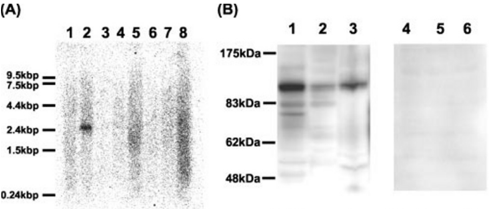
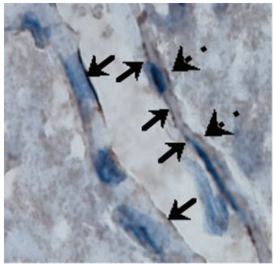
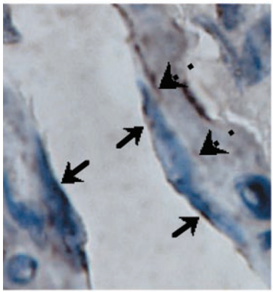
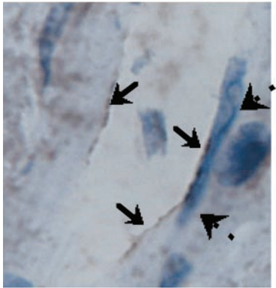
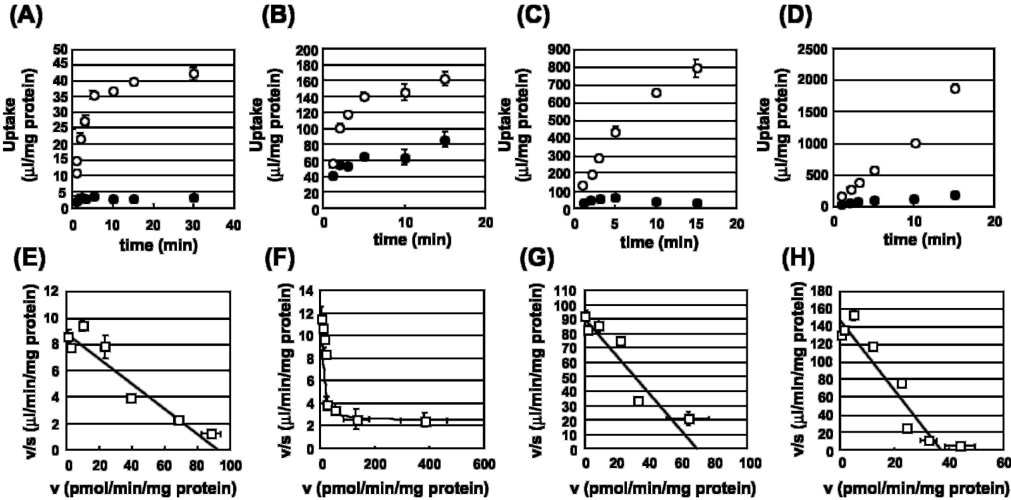
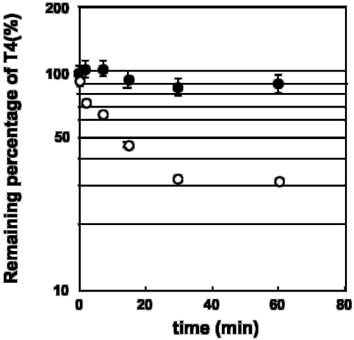
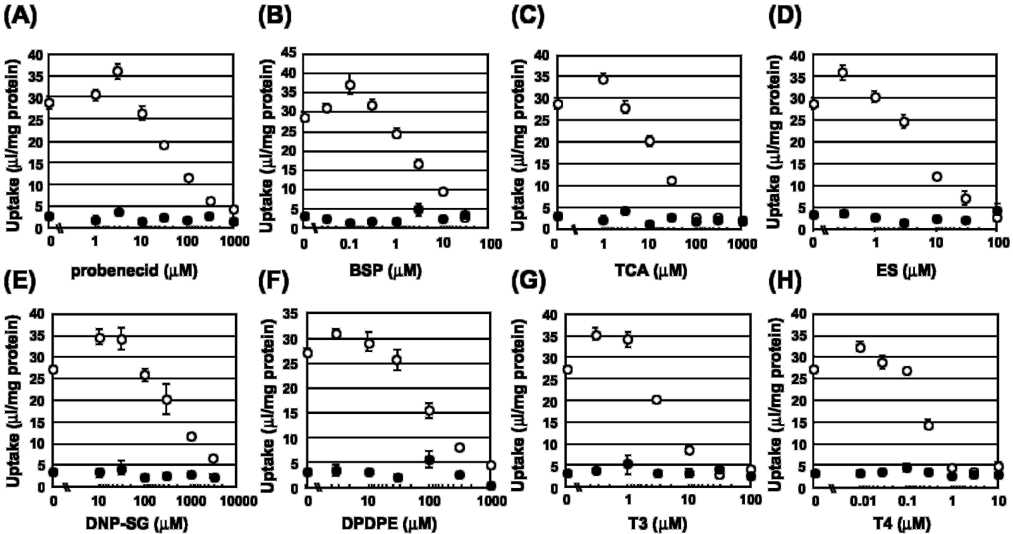
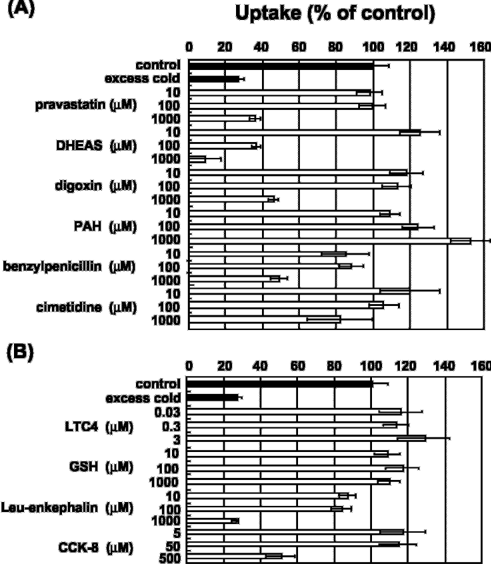
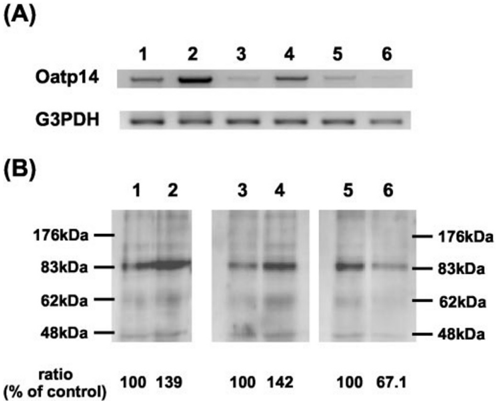
Oatp14/blood-brain barrier-specific anion transporter 1 (Slc21a14) is a novel member of the organic anion transporting polypeptide (Oatp/OATP) family. Northern blot analysis revealed predominant expression of Oatp14 in the brain, and Western blot analysis revealed its expression in the brain capillary and choroid plexus. Immunohistochemical staining indicated that Oatp14 is expressed in the border of the brain capillary endothelial cells. When expressed in human embryonic kidney 293 cells, Oatp14 transports thyroxine (T4; prothyroid hormone) (Km = 0.18 mum), as well as amphipathic organic anions such as 17beta estradiol-d-17beta-glucuronide (Km = 10 mum), cerivastatin (Km = 1.3 mum), and troglitazone sulfate (Km = 0.76 mum). The uptake of triiodothyronine (T3), an active form produced from T4, was significantly greater in Oatp14-expressed cells than in vector-transfected cells, but the transport activity for T3 was approximately 6-fold lower that for T4. The efflux of T4, preloaded into the cells, from Oatp14-expressed cells was more rapid than that from vector-transfected cells (0.032 versus 0.006 min-1). Therefore, Oatp14 can mediate a bidirectional transport of T4. Sulfobromophthalein, taurocholate, and estrone sulfate were potent inhibitors for Oatp14, whereas digoxin, p-aminohippurate, or leukotriene C4, or organic cations such as tetraetheylammonium or cimetidine had no effect. The expression levels of Oatp14 mRNA and protein were up- and down-regulated under hypo- and hyperthyroid conditions, respectively. Therefore, it may be speculated that Oatp14 plays a role in maintaining the concentration of T4 and, ultimately, T3 in the brain by transporting T4 from the circulating blood to the brain.
Overview
The claims and statistics of this paper haven’t been checked yet.
Free: it reads the open-access text and checks the first 5 claims that cite a source we can check. Create a free account to check every claim.
Integrity signals
Registry
Cites
Statistics
Figures
Verification
Claims the paper makes
The claims and statistics of this paper haven’t been checked yet.
Free: it reads the open-access text and checks the first 5 claims that cite a source we can check. Create a free account to check every claim.
Claims other papers make about this one
Each is checked against this paper’s own text: does it say what the citing paper says it does?
In the citing paper
“OATP1C1 has a similar high affinity for T 4 and T 3 and is abundantly expressed in endothelial cells of brain blood vessels, the choroid plexus, and tanycytes (102, 137)”
From Central regulation of hypothalamic-pituitary-thyroid axis under physiological and pathophysiological conditions (2014) · cites this paper as [137]
Self-check
Percentages, sums and reported differences re-computed from the paper’s own numbers.
The self-check needs the paper’s full text.
Citations
Cites
PROTEIN MEASUREMENT WITH THE FOLIN PHENOL REAGENT
Lowry, O., Rosebrough, N., Farr, A. L., & Randall, R. (1951) · Journal of Biological Chemistry · doi:10.1016/s0021-9258(19)52451-6 · Cited by 317,331
Kullak-Ublick, G. A., Ismair, M. G., Stieger, B., Landmann, L., Huber, R., Pizzagalli, F., Fattinger, K., Meier, P. J., & Hagenbuch, B. (2001) · Gastroenterology · doi:10.1053/gast.2001.21176 · Cited by 723
Drug Transporters in the Central Nervous System: Brain Barriers and Brain Parenchyma Considerations
Lee, G., Dallas, S., Hong, M., & Bendayan, R. (2001) · Pharmacological Reviews · doi:10.1016/s0031-6997(24)01513-8 · Cited by 539
Expression cloning of a rat liver Na(+)-independent organic anion transporter.
Jacquemin, E., Hagenbuch, B., Stieger, B., Wolkoff, A. W., & Meier, P. J. (1994) · Proceedings of the National Academy of Sciences · doi:10.1073/pnas.91.1.133 · Cited by 535
Neurotrophic and Neuroprotective Actions of Estrogens and Their Therapeutic Implications
Lee, S. J., & McEwen, B. S. (2001) · Annual Review of Pharmacology and Toxicology · doi:10.1146/annurev.pharmtox.41.1.569 · Cited by 534
Molecular Basis of Thyroid Hormone-Dependent Brain Development*
Oppenheimer, J. H., & Schwartz, H. L. (1997) · Endocrine Reviews · doi:10.1210/edrv.18.4.0309 · Cited by 517
Kullak-Ublick, G. A., Hagenbuch, B., Stieger, B., Schteingart, C. D., Hofmann, A. F., Wolkoff, A. W., & Meier, P. J. (1995) · Gastroenterology · doi:10.1016/0016-5085(95)90588-x · Cited by 428
Gao, B., Hagenbuch, B., Kullak-Ublick, G. A., Benke, D., Aguzzi, A., & Meier, P. J. (2000) · The Journal of Pharmacology and Experimental Therapeutics · doi:10.1016/s0022-3565(24)39041-x · Cited by 412
Isolation of a multispecific organic anion and cardiac glycoside transporter from rat brain
Noé, B., Hagenbuch, B., Stieger, B., & Meier, P. J. (1997) · Proceedings of the National Academy of Sciences · doi:10.1073/pnas.94.19.10346 · Cited by 396
Abe, T., Kakyo, M., Sakagami, H., Tokui, T., Nishio, T., Tanemoto, M., Nomura, H., Hebert, S. C., Matsuno, S., Kondo, H., et al. (1998) · Journal of Biological Chemistry · doi:10.1074/jbc.273.35.22395 · Cited by 337
Research works printed but not linked: 7
- Pardridge, W. M. (1991) Semin. Cell Biol. 2, 419 -426
- Gao, B., Hagenbuch, B., Kullak-Ublick, G. A., Benke, D., Aguzzi, A., and Meier, P. J. (2000) J. Pharmacol. Exp. Ther. 294, 73-79
- Sugiyama, D., Kusuhara, H., Shitara, Y., Abe, T., Meier, P. J., Sekine, T., Endou, H., Suzuki, H., and Sugiyama, Y. (2001) J. Pharmacol. Exp. Ther. 298, 316 -322
- Izumi, T., Hosiyama, K., Enomoto, S., Sasahara, K., and Sugiyama, Y. (1997) J. Pharmacol. Exp. Ther. 280, 1392-40021
- Burmeister, L. A., Pachucki, J., and Germain, D. L. S. (1997) Endocrinology 138, 5231-5237 · doi:10.1210/endo.138.12.5602 · Paper page
- Oppenheimer, J. H., and Schwartz, H. L. (1997) Endocr. Rev. 18, 462-475
- Li, L., Meier, P. J., and Ballatori, N. (2000) Mol. Pharmacol. 58, 335-340 · doi:10.1124/mol.58.2.335 · Paper page
Cited by
Items 101–200 of 314
Herwig, A., Wilson, D., Logie, T. J., Boelen, A., Morgan, P. J., Mercer, J. G., & Barrett, P. (2009) · American Journal of Physiology-Regulatory, Integrative and Comparative Physiology · doi:10.1152/ajpregu.90755.2008 · Cited by 66
Chan, S., Martín-Santos, A., Loubière, L. S., Gonzalez, A. M., Stieger, B., Logan, A., McCabe, C. J., Franklyn, J. A., & Kilby, M. D. (2011) · The Journal of Physiology · doi:10.1113/jphysiol.2011.207290 · Cited by 65
Thyroid Hormone Function in the Rat Testis
Gao, Y., Lee, W. M., & Cheng, C. Y. (2014) · Frontiers in Endocrinology · doi:10.3389/fendo.2014.00188 · Cited by 65
Heuer, H., & Visser, T. J. (2013) · Biochimica et Biophysica Acta (BBA) - General Subjects · doi:10.1016/j.bbagen.2012.04.009 · Cited by 64
Developmental and Cell-Specific Expression of Thyroid Hormone Transporters in the Mouse Cochlea
Sharlin, D. S., Visser, T. J., & Forrest, D. (2011) · Endocrinology · doi:10.1210/en.2011-1372 · Cited by 61
The role of membrane transporters in drug delivery to brain tumors
Nies, A. T. (2007) · Cancer Letters · doi:10.1016/j.canlet.2006.12.023 · Cited by 64
Erratum: Thyroid hormone transporters—functions and clinical implications
Bernal, J., Guadaño-Ferraz, A., & Morte, B. (2015) · Nature Reviews Endocrinology · doi:10.1038/nrendo.2015.186 · Cited by 63
Herwig, A., Campbell, G., Mayer, C.-D., Boelen, A., Anderson, R. A., Ross, A. W., Mercer, J. G., & Barrett, P. (2014) · Thyroid · doi:10.1089/thy.2014.0169 · Cited by 59
Ronaldson, P. T., & Davis, T. P. (2011) · Therapeutic Delivery · doi:10.4155/tde.11.67 · Cited by 63
“In rodent brain, expression of Oatp1a4 and Oatp1c1 has been reported in capillary enriched fractions, capillary endothelial cells and/or isolated brain microvessels [8,44,45,153,203–205].”
Popović, M., Žaja, R., Fent, K., & Smital, T. (2014) · Toxicology and Applied Pharmacology · doi:10.1016/j.taap.2014.07.015 · Cited by 63
“Unfortunately, majority of studies on human OATPs report only inhibition of a model substrate (% inhibition or Ki), while omitting the analysis of the interaction type (e.g. Hirano et al., 2006; Sugiyama et al., 2003).”
Richardson, S. J., Lemkine, G. F., Alfama, G., Hassani, Z., & DEMENEIX, B. A. (2007) · Neuroscience Letters · doi:10.1016/j.neulet.2007.05.040 · Cited by 62
Drug Transporters in the Central Nervous System
Stieger, B., & Gao, B. (2015) · Clinical Pharmacokinetics · doi:10.1007/s40262-015-0241-y · Cited by 61
Novel and Emerging Strategies in Drug Delivery for Overcoming the Blood–Brain Barrier
Stenehjem, D. D., Hartz, A. M. S., Bauer, B., & Anderson, G. W. (2009) · Future Medicinal Chemistry · doi:10.4155/fmc.09.137 · Cited by 51
Lee, S. Y., Williamson, B., Caballero, O. L., Chen, Y. T., Scanlan, M. J., Ritter, G., Jongeneel, C. V., Simpson, A. J. G., & Old, L. J. (2004) · PubMed · Cited by 61
Ohtsuki, S., Takizawa, T., Takanaga, H., Hori, S., Hosoya, K., & Terasaki, T. (2004) · Journal of Neurochemistry · doi:10.1111/j.1471-4159.2004.02549.x · Cited by 59
Thyroid Hormone in the CNS: Contribution of Neuron–Glia Interaction
Noda, M. (2017) · Vitamins and hormones · doi:10.1016/bs.vh.2017.05.005 · Cited by 58
Effects of 3,3',5‐triiodothyronine on microglial functions
Mori, Y., Tomonaga, D., Kalashnikova, A., Furuya, F., Akimoto, N., Ifuku, M., Okuno, Y., Beppu, K., Fujita, K., Katafuchi, T., et al. (2015) · Glia · doi:10.1002/glia.22792 · Cited by 57
“…crosses blood-brain barrier via specific transporters such as organic anion-transporting polypeptides (OATPs) containing OATP14/SLCO1C1 (OATP1c1) (Sugiyama et al., 2003; Tohyama et al., 2004) and OATP1a2 (Gao et al., 2000; Hagenbuch, 2007; Lee et al., 2005), L-type amino acid transporters (LAT),…”
BackgroundSakamoto, K., Mikami, H., & Kimura, J. (2008) · British Journal of Pharmacology · doi:10.1038/bjp.2008.192 · Cited by 53
“Some are expressed in other tissues such as endothelial cells and the retina (Gao et al., 2002; Sugiyama et al., 2003).”
BackgroundTomi, M., & Hosoya, K. (2004) · Journal of Neurochemistry · doi:10.1111/j.1471-4159.2004.02842.x · Cited by 57
“The present study revealed, for the first time, that oatp14 is also expressed at the inner BRB and may play an important role in transporting the neurosteroid conjugate of estradiolD-17b glucuronide and thyroid hormones to the neural retina as well as oatp2 (Sugiyama et al. 2003).”
BackgroundThe Isolated Brain Microvessel: A Versatile Experimental Model of the Blood-Brain Barrier
Pardridge, W. M. (2020) · Frontiers in Physiology · doi:10.3389/fphys.2020.00398 · Cited by 50
Bárez‐López, S., Grijota-Martínez, C., Ausó, E., Frutos, M. F.-D., Montero‐Pedrazuela, A., & Guadaño‐Ferraz, A. (2019) · Thyroid · doi:10.1089/thy.2019.0068 · Cited by 55
Efflux proteins at the blood–brain barrier: review and bioinformatics analysis
Saidijam, M., Dermani, F. K., Sohrabi, S., & Patching, S. G. (2017) · Xenobiotica · doi:10.1080/00498254.2017.1328148 · Cited by 54
“OATP1C1 (previously known as OATP14) is a high affinity bi-directional transporter for the thyroid hormone thyroxine at the blood–brain barrier (Roberts et al., 2008; Sugiyama et al., 2003).”
BackgroundExpression Profiling of Solute Carrier Gene Families at the Blood-CSF Barrier
Ho, H. T. B., Dahlin, A., & Wang, J. (2012) · Frontiers in Pharmacology · doi:10.3389/fphar.2012.00154 · Cited by 46
“It should be noted that MCT8 and OATP1C1 are also expressed at the BBB (Sugiyama et al., 2003; Heuer et al., 2005; Dahlin et al., 2009).”
BackgroundInfluentialWestholm, D. E., Stenehjem, D. D., Rumbley, J. N., Drewes, L. R., & Anderson, G. W. (2009) · Endocrinology · doi:10.1210/en.2008-0188 · Cited by 53
Structure and Function of Thyroid Hormone Plasma Membrane Transporters
Schweizer, U., Johannes, J., Bayer, D., & Braun, D. (2014) · European Thyroid Journal · doi:10.1159/000367858 · Cited by 49
Muzzio, A. M., Noyes, P. D., Stapleton, H. M., & Lema, S. C. (2013) · Comparative Biochemistry and Physiology Part A Molecular & Integrative Physiology · doi:10.1016/j.cbpa.2013.09.019 · Cited by 54
Vautier, S., Lacomblez, L., Chacun, H., Picard, V., Gimenez, F., Farinotti, R., & Fernandez, C. (2005) · European Journal of Pharmaceutical Sciences · doi:10.1016/j.ejps.2005.09.009 · Cited by 53
Westholm, D. E., Salo, D. R., Viken, K. J., Rumbley, J. N., & Anderson, G. W. (2009) · Endocrinology · doi:10.1210/en.2009-0769 · Cited by 47
“(15) observed a classic biphasic Eadie Hofstee plot for Oatp1c1-mediated cerivastatin uptake.”
BackgroundRegulation of Brain Development by Thyroid Hormone and its Modulation by Environmental Chemicals
Koibuchi, N., & Iwasaki, T. (2006) · Endocrine Journal · doi:10.1507/endocrj.kr-69 · Cited by 51
Akanuma, S.-I., Hirose, S., Tachikawa, M., & Hosoya, K.-I. (2013) · Fluids and Barriers of the CNS · doi:10.1186/2045-8118-10-29 · Cited by 44
“These features indicate that Oatp1c1 is expressed in both the abluminal and luminal membrane of rat brain capillaries and the localization of Oatp1c1 at the BBB is identical to that described in a previous report [10].”
BackgroundResultInfluentialLimitations of Sulforhodamine 101 for Brain Imaging
Hülsmann, S., Hagos, L., Heuer, H., & Schnell, C. (2017) · Frontiers in Cellular Neuroscience · doi:10.3389/fncel.2017.00044 · Cited by 51
“The fact that SR101 uses OATP1C1, a thyroid hormone transporter (Sugiyama et al., 2003; Friesema et al., 2005), for entering the astrocytes, does not offer a plausible explanation for the changes of excitability alone.”
BackgroundEmerging role of thyroid hormone metabolites
Gnocchi, D., Steffensen, K. R., Bruscalupi, G., & Parini, P. (2016) · Acta Physiologica · doi:10.1111/apha.12648 · Cited by 50
“In the brain, it is principally expressed in the capillaries, thus being probably involved in the passage of T4 through the blood–brain barrier (Sugiyama et al. 2003, Tohyama et al. 2004).”
BackgroundPolymer-based nanocarriers to transport therapeutic biomacromolecules across the blood-brain barrier
Romero‐Ben, E., Goswami, U., Soto-Cruz, J., Mansoori-Kermani, A., Mishra, D., Martín‐Saldaña, S., Ugartemendia, J. M., Sosnik, A., Calderón, M., Beloqui, A., et al. (2025) · Acta Biomaterialia · doi:10.1016/j.actbio.2025.02.065 · Cited by 50
Herck, S. L. J. V., Geysens, S., Delbaere, J., Tylżanowski, P., & Darras, V. (2011) · Molecular and Cellular Endocrinology · doi:10.1016/j.mce.2011.11.012 · Cited by 49
“It is difficult to conclude whether or not these changes can be interpreted as a compensatory response, since TH transporters can stimulate cellular TH influx but also efflux (Visser et al., 2008; Sugiyama et al., 2003).”
Herck, S. L. J. V., Delbaere, J., Bourgeois, N. M. A., McAllan, B. M., Richardson, S. J., & Darras, V. (2015) · General and Comparative Endocrinology · doi:10.1016/j.ygcen.2015.02.021 · Cited by 48
“Exclusive expression of OATP1C1 in the choroid plexus is similar to the situation in adult humans, but differs from the situation described in (foetal) rodents where OATP1C1 mRNA and protein are also found in the brain microvasculature (Grijota-Martinez et al., 2011; Muller and Heuer, 2014; Roberts et al., 2008b; Sugi…”
ResultThe Role of Thyroid Hormone in Neuronal Protection
Liu, Y., & Brent, G. A. (2021) · Comprehensive physiology · doi:10.1002/cphy.c200019 · Cited by 48
Changes Within the Thyroid Axis During the Course of Critical Illness
Mebis, L., Debaveye, Y. A., Visser, T. J., & den Berghe, G. V. (2006) · Endocrinology and Metabolism Clinics of North America · doi:10.1016/j.ecl.2006.09.009 · Cited by 48
“OATP1C1 is known to be regulated by thyroid state in the brain ( 81 ) but up until now, the regulation of these thyroid hormone transporters in the hypothalamus 206 Part II / Non-Endocrine Critical Illnesses”
BackgroundCoras, R., Hölsken, A., Seufert, S., Hauke, J., Eyüpoglu, I. Y., Reichel, M., Tränkle, C., Siebzehnrübl, F. A., Buslei, R., Blümcke, I., et al. (2007) · Molecular Cancer Therapeutics · doi:10.1158/1535-7163.mct-06-0763 · Cited by 47
“It has not been established whether troglitazone penetrates the blood-brain barrier in humans; however, rat studies provide evidence that troglitazone is actively incorporated by the bidirectional transporter Oatp14 (Slco1c1) expressed in brain capillary endothelial cells, which is likely to provide troglitazone homeo…”
BackgroundCapelo, L. P., Beber, E. H., Fonseca, T. L., & Gouveia, C. H. A. (2009) · Thyroid · doi:10.1089/thy.2008.0120 · Cited by 45
“In addition, it was shown to be expressed preferentially in capillary endothelial cells in the brain, which suggests that it is important for T4 transport across the bloodbrain barrier (10,11).”
Blood—Brain Barrier Genomics and Cloning of a Novel Organic Anion Transporter
Chu, C., Li, J. Y., Boado, R. J., & Pardridge, W. M. (2008) · Journal of Cerebral Blood Flow & Metabolism · doi:10.1038/sj.jcbfm.9600538 · Cited by 42
“This orphan transporter was originally designated BBB-specific anion transporter type 1 (BSAT1) (Li et al, 2001a, 2002), and was subsequently shown to transport organic anions (Sugiyama et al, 2003), and was named oatp14, and finally designated Slco1c1 (Hagenbuch and Meier, 2003).”
BackgroundMethodDonne, M. L., Settineri, S., & Benvenga, S. (2011) · Psychoneuroendocrinology · doi:10.1016/j.psyneuen.2011.08.001 · Cited by 45
“, 2008); (ii) the organic anion transporting polypeptides (OATPs) and other proteins that bring plasma TH inside and outside the blood—brainbarrier (BBB) as well as inside and outside the various cells of the body (Sugiyama et al., 2003; Roberts et al., 2008; Heuer and Visser, 2009; Braun et al., 2010); (iii) the fund…”
BackgroundThyroid hormone transporters in the brain
Suzuki, T., & Abe, T. (2008) · The Cerebellum · doi:10.1007/s12311-008-0029-9 · Cited by 44
“Sugiyama and colleagues also reported the altered expression level of Oatp1c1(oatp14) in isolated brain capillaries in hypothyroid and hyperthyroid rat models (36).”
BackgroundBlood-brain barrier genomics, proteomics, and new transporter discovery
Shusta, E. V. (2004) · NeuroRx · doi:10.1602/neurorx.2.1.151 · Cited by 44
“It was also demonstrated that Oatp14 facilitates the transport of thyroxine and thus might help regulate the concentration of this hormone in the CNS.(20)”
BackgroundShibayama, T., Sugiyama, D., Kamiyama, E., Tokui, T., Hirota, T., & Ikeda, T. (2007) · Drug Metabolism and Pharmacokinetics · doi:10.2133/dmpk.22.41 · Cited by 46
Self-citationGeysens, S., Ferrán, J. L., Herck, S. L. J. V., Tylżanowski, P., Puelles, L., & Darras, V. (2012) · Neuroscience · doi:10.1016/j.neuroscience.2012.06.057 · Cited by 43
Schäfer, A. M., zu Schwabedissen, H. E. M., & Grube, M. (2021) · Pharmaceutics · doi:10.3390/pharmaceutics13060834 · Cited by 43
“Besides its expression, the authors reported on the thyroid hormone transport function of this particular orthologue in rats, showing high transport capacity for T4 and lower transport of T3 in OATP14-expressing HEK293 cells [74].”
BackgroundOrganic Anion‐Transporting Polypeptides at the Blood–Brain and Blood–Cerebrospinal Fluid Barriers
Westholm, D. E., Rumbley, J. N., Salo, D. R., Rich, T. P., & Anderson, G. W. (2007) · Current topics in developmental biology/Current Topics in Developmental Biology · doi:10.1016/s0070-2153(07)80004-4 · Cited by 43
Inherited defects in thyroid hormone cell-membrane transport and metabolism
Fu, J., & Dumitrescu, A. M. (2014) · Best Practice & Research Clinical Endocrinology & Metabolism · doi:10.1016/j.beem.2013.05.014 · Cited by 41
Niazi, S. K. (2006) · CRC Press eBooks · doi:10.3109/9781420006629 · Cited by 40
Isolation of Cerebral Capillaries from Fresh Human Brain Tissue
Hartz, A. M. S., Schulz, J., Sokola, B. S., Edelmann, S. E., Shen, A. N., Rempe, R. G., Zhong, Y., Seblani, N. E., & Bauer, B. (2018) · Journal of Visualized Experiments · doi:10.3791/57346 · Cited by 40
Wittmann, G., Szabon, J., Mohácsik, P., Nouriel, S. S., Gereben, B., Fekete, C., & Lechan, R. M. (2015) · Endocrinology · doi:10.1210/en.2014-1830 · Cited by 35
“crovessels is up-regulated by hypothyroidism (28).”
Characterization of Chicken Thyroid Hormone Transporters
Bourgeois, N. M. A., Herck, S. L. J. V., Vancamp, P., Delbaere, J., Zevenbergen, C., Kersseboom, S., Darras, V., & Visser, T. J. (2016) · Endocrinology · doi:10.1210/en.2015-2025 · Cited by 38
Thyroid Hormone Transporters in Pregnancy and Fetal Development
Chen, Z., Meima, M. E., Peeters, R. P., & Visser, W. E. (2022) · International Journal of Molecular Sciences · doi:10.3390/ijms232315113 · Cited by 38
Recent advances in drug and nutrient transport across the blood-retinal barrier
Kubo, Y., Akanuma, S., & Hosoya, K. (2018) · Expert Opinion on Drug Metabolism & Toxicology · doi:10.1080/17425255.2018.1472764 · Cited by 38
“inal sides, suggesting similar membrane localization in the inner BRB and the BBB (Figure 3B) [92,93,126].”
BackgroundTransport of prostaglandin E1 across the blood-brain barrier in rats
Taogoshi, T., Nomura, A., Murakami, T., Nagai, J., & Takano, M. (2004) · Journal of Pharmacy and Pharmacology · doi:10.1211/0022357055173 · Cited by 36
“Among these Oatps, Oatp1 and Oatp14 do not transport PGs such as PGE2, PGD2 and PGF2 (Kanai et al 1996; Sugiyama et al 2003).”
BackgroundConnors, K. A., Korte, J. J., Anderson, G. W., & Degitz, S. J. (2010) · General and Comparative Endocrinology · doi:10.1016/j.ygcen.2010.04.015 · Cited by 36
Inherited defects of thyroid hormone-cell-membrane transport: review of recent findings
Fu, J., Refetoff, S., & Dumitrescu, A. M. (2013) · Current Opinion in Endocrinology Diabetes and Obesity · doi:10.1097/01.med.0000432531.03233.ad · Cited by 35
“OATP1C1, which preferentially transports T4, is highly enriched in the choroid plexus and endothelial cells of the blood–brain barrier, wherein it may mediate the entry of T4 into the astrocytes [14,39,40].”
BackgroundVancamp, P., & Darras, V. M. (2018) · General and Comparative Endocrinology · doi:10.1016/j.ygcen.2017.11.023 · Cited by 33
Thyroid Hormone Replacement Therapy: Three Simple Questions, Complex Answers
Bianco, A. C., & Casula, S. (2012) · European Thyroid Journal · doi:10.1159/000339447 · Cited by 32
Richardson, T. A., & Klaassen, C. D. (2010) · Toxicological Sciences · doi:10.1093/toxsci/kfq125 · Cited by 35
“…transporting polypeptides Oatp1a1, 1a4, 1b2 (Abe et al., 1999; Cattori et al., 2000; Friesema et al., 1999), OATP4A1 (Fujiwara et al., 2001), OATP1C1 (Pizzagalli et al., 2002; Sugiyama et al., 2003; Tohyama et al., 2004), and monocarboxylate transporter 8 (Friesema et al., 2003) also transport T4.”
Evidence for a Homodimeric Structure of Human Monocarboxylate Transporter 8
Visser, W. E., Philp, N. J., van Dijk, T. B., Klootwijk, W., Friesema, E. C. H., Jansen, J., Beesley, P. W., Ianculescu, A. G., & Visser, T. J. (2009) · Endocrinology · doi:10.1210/en.2009-0699 · Cited by 28
The Challenges and Complexities of Thyroid Hormone Replacement
Kansagra, S. M., McCudden, C. R., & Willis, M. S. (2010) · Laboratory Medicine · doi:10.1309/lmb39th2fzgndgim · Cited by 34
Fujii, S., Setoguchi, C., Kawazu, K., & Hosoya, K. (2014) · Investigative Ophthalmology & Visual Science · doi:10.1167/iovs.13-13819 · Cited by 35
“(oatp14; slco1c1) is expressed at both sides of the inner BRB and at the 391 basolateral membrane of the RPE, but digoxin is not recognized by oatp1c1.(42) 392 Oatp1a5, with a low affinity for digoxin,(43) is also expressed in rat retina 45 as 393”
BackgroundBakos, É., Német, O., Patik, I., Kucsma, N., Várady, G., Szakács, G., & Özvegy‐Laczka, C. (2019) · FEBS Journal · doi:10.1111/febs.15156 · Cited by 34
Meyer zu Schwabedissen, H. E., Ferreira, C., Schaefer, A. M., Oufir, M., Seibert, I., Hamburger, M., & Tirona, R. G. (2018) · Molecular Pharmacology · doi:10.1124/mol.117.111161 · Cited by 28
“Within this protein family, OATP1C1 appears to be highly active and specific for TH transport, although it is only expressed at the blood-brain barrier and in the testis (Pizzagalli et al., 2002; Sugiyama et al., 2003).”
BackgroundTransporter Regulation in Critical Protective Barriers: Focus on Brain and Placenta
Taggi, V., Riera‐Romo, M., Piquette‐Miller, M., zu Schwabedissen, H. E. M., & Neuhoff, S. (2022) · Pharmaceutics · doi:10.3390/pharmaceutics14071376 · Cited by 33
“Based on data obtained in rat brain, localization of Oatp1c1 is expected in both the abluminal and luminal membrane of the capillary endothelial cells [22].”
BackgroundOgata, S., Ito, S., Masuda, T., & Ohtsuki, S. (2020) · Journal of Cerebral Blood Flow & Metabolism · doi:10.1177/0271678x20941449 · Cited by 32
Hormonal regulation of the arcuate nucleus melanocortin system
Coppola, A. M., & Diano, S. (2007) · Frontiers in bioscience · doi:10.2741/2331 · Cited by 30
“In the CNS, T4, is transported by OTP1C1mainly through the blood-brain barrier (62), and to a lesser degree through the blood-CSF barrier using both OTP1C1 and MCT8 transporters (63).”
BackgroundLang, M.-F., Salinin, S., Ridder, D. A., Kleesiek, J., Hroudova, J., Berger, S., Schütz, G., & Schwaninger, M. (2011) · Journal of Neuroendocrinology · doi:10.1111/j.1365-2826.2011.02216.x · Cited by 29
Katayama, K., Ohshima, Y., Tomi, M., & Hosoya, K. (2006) · Journal of Neuroscience Methods · doi:10.1016/j.jneumeth.2006.03.012 · Cited by 30
Thyroid Hormone Transporters in the Brain
Braun, D., Wirth, E. K., & Schweizer, U. (2010) · Reviews in the Neurosciences · doi:10.1515/revneuro.2010.21.3.173 · Cited by 31
Cellular Uptake of Thyroid Hormones
Visser, T. J. (2016) · MDText.com, Inc. eBooks · Cited by 29
Fukuda, M., Kitaichi, K., Abe, F., Fujimoto, Y., Takagi, K., Takagi, K., Morishima, T., & Hasegawa, T. (2005) · Journal of Pharmacological Sciences · doi:10.1254/jphs.fp0040752 · Cited by 29
Thyroid Hormone Transport and Actions
Feldt‐Rasmussen, U., & Rasmussen, Å. K. (2006) · KARGER eBooks · doi:10.1159/000098021 · Cited by 28
Kassem, N. A., Deane, R., Segal, M. B., Chen, R., & Preston, J. E. (2007) · Brain Research · doi:10.1016/j.brainres.2007.08.052 · Cited by 28
Do, T. M., Bedussi, B., Chasseigneaux, S., Dodacki, A., Yapo, C., Chacun, H., Scherrmann, J.-M., Farinotti, R., & Bourasset, F. (2013) · Journal of Alzheimer's Disease · doi:10.3233/jad-121891 · Cited by 20
“Oatp14 transports thyroid hormones like L-thyroxine (T4) and, to a lesser extent, taurocholate and some statins [19, 22].”
Sun, Y., Liu, Y., Zhang, L., Yan, Y., Lin, L., Li, Y., Yan, Y.-Q., & Zu-pei, C. (2014) · PLoS ONE · doi:10.1371/journal.pone.0096047 · Cited by 27
“Sugiyama D et al [22] also reported the expression levels of Oatp1c1 mRNA and protein in the rat brain up-regulated under hypothyroid conditions.”
BackgroundResultInfluentialFisher, J. W., Li, S., Crofton, K. M., Zoeller, R. T., McLanahan, E. D., Lumen, A., & Gilbert, M. E. (2013) · Toxicological Sciences · doi:10.1093/toxsci/kfs336 · Cited by 27
“For example, hypothyroidism decreases plasma membrane transport of thyroid hormones into adipocytes (Richie et al., 2001), whereas in the brain, hypothyroidism leads to upregulation of Oatp14 expression (Sugiyama et al., 2003).”
BackgroundFew Amino Acid Exchanges Expand the Substrate Spectrum of Monocarboxylate Transporter 10*
Johannes, J., Braun, D., Kinne, A., Rathmann, D., Köhrle, J., & Schweizer, U. (2016) · Molecular Endocrinology · doi:10.1210/me.2016-1037 · Cited by 23
“A closely related transporter is Oatp14 (Slco1c1), which selectively transports T4 and is expressed along the bloodbrain barrier (9).”
BackgroundWang, Y., Wang, T., Montero‐Pedrazuela, A., Guadaño‐Ferraz, A., & Rausell, E. (2023) · International Journal of Molecular Sciences · doi:10.3390/ijms24043207 · Cited by 27
“Thus, MCT8 is strongly expressed in endothelial cells in all parts of the brain, ependymal cells of the choroid plexus and tanycytes of the third and fourth ventricle in fetal, juvenile and adult mice and rats, neonatal and adult cynomolgus monkeys, and fetal and adult humans [26–40], while OATP1C1 is only very weakly…”
BackgroundWestholm, D. E., Marold, J. D., Viken, K. J., Duerst, A. H., Anderson, G. W., & Rumbley, J. N. (2010) · Endocrinology · doi:10.1210/en.2010-0640 · Cited by 25
Herrmann, B., Harder, L., Oelkrug, R., Chen, J., Gachkar, S., Nock, S., Resch, J., Korkowski, M., Heuer, H., & Mittag, J. (2020) · Thyroid · doi:10.1089/thy.2019.0705 · Cited by 26
The Elemental Importance of Sufficient Iodine Intake: A Trace Is Not Enough
Visser, T. J. (2006) · Endocrinology · doi:10.1210/en.2006-0203 · Cited by 24
“that it is important for T4 transport across the blood-brain barrier (19, 20).”
BackgroundRolaki, A., Pistollato, F., Munn, S., & Bal‐Price, A. (2019) · OECD series on adverse outcome pathways · doi:10.1787/7ca86a34-en · Cited by 28
Tachikawa, M., Uchida, Y., Ohtsuki, S., & Terasaki, T. (2013) · AAPS advances in the pharmaceutical sciences series · doi:10.1007/978-1-4614-9105-7_2 · Cited by 23
Moffett, S. X., Giannopoulos, P. F., James, T. D., & Martin, J. V. (2013) · Brain Research · doi:10.1016/j.brainres.2013.04.017 · Cited by 21
Membrane-traversing mechanism of thyroid hormone transport by monocarboxylate transporter 8
Protze, J., Braun, D., Hinz, K. M., Bayer-Kusch, D., Schweizer, U., & Krause, G. (2017) · Cellular and Molecular Life Sciences · doi:10.1007/s00018-017-2461-9 · Cited by 21
Furihata, T., & Anzai, N. (2017) · Biological and Pharmaceutical Bulletin · doi:10.1248/bpb.b17-00076 · Cited by 21
Kim, J. H., Kim, Y., Yum, M., Choi, J., Lee, B. H., Kim, G.-H., & Yoo, H. (2015) · Hormone Research in Paediatrics · doi:10.1159/000371466 · Cited by 20
Thyroid hormone transport across the placenta
Visser, T. J. (2016) · Annales d Endocrinologie · doi:10.1016/j.ando.2016.07.006 · Cited by 19
Inherited tertiary hypothyroidism in Sprague–Dawley rats
Stoica, G., Lungu, G. F., Xie, X., Abbott, L. C., Martini‐Stoica, H., & Jaques, J. T. (2007) · Brain Research · doi:10.1016/j.brainres.2007.02.042 · Cited by 19
Kiss, D., Ioja, E., Toth, I., Barany, Z., Jocsak, G., Bartha, T., Horvath, T., & Zsarnovszky, A. (2018) · International Journal of Molecular Sciences · doi:10.3390/ijms19051440 · Cited by 18
Kumabe, H., Masuda, T., Ito, S., Furihata, T., Toda, A., Mogi, M., Araki, N., & Ohtsuki, S. (2025) · Fluids and Barriers of the CNS · doi:10.1186/s12987-025-00650-z · Cited by 18
“Additionally, SLCO1C1/Slco1c1 transports thyroid hormones [51].”
Seabrooke, S., & O’Donnell, M. J. (2013) · American Journal of Physiology-Cell Physiology · doi:10.1152/ajpcell.00408.2012 · Cited by 18
Mayerl, S. E., Alcaide, M. A., Bauer, R., Schwaninger, M., Heuer, H., & ffrench‐Constant, C. (2022) · Cells · doi:10.3390/cells11030524 · Cited by 18
Erratum: Thyroid hormone transporters—functions and clinical implications
Bernal, J., Guadaño‐Ferraz, A., & Morte, B. (2015) · Nature Reviews Endocrinology · doi:10.1038/nrendo.2015.113 · Cited by 18
Li, W., Iusuf, D., Sparidans, R. W., Wagenaar, E., Wang, Y., de Waart, D. R., Martins, M. L. F., van Hoppe, S., Lebre, M. C., van Tellingen, O., et al. (2023) · Pharmacological Research · doi:10.1016/j.phrs.2023.106724 · Cited by 17
Thyroid hormone transporters in the human
Karapanou, O., & Papadimitriou, A. (2011) · HORMONES · doi:10.14310/horm.2002.1318 · Cited by 17
Strawn, M., Moraes, J. G. N., Safranski, T. J., & Behura, S. K. (2021) · Cells · doi:10.3390/cells10092439 · Cited by 16
“play crucial roles in fetal development [52,53,56,58].”
Inner Blood—Retinal Barrier: Transport Biology and Methodology
Hosoya, K., & Tomi, M. (2007) · Springer eBooks · doi:10.1007/978-0-387-74901-3_14 · Cited by 16
Metadata
- Authors
- Sugiyama, D., Kusuhara, H., Taniguchi, H., Ishikawa, S., Nozaki, Y., Aburatani, H., & Sugiyama, Y.
- Affiliations
- The University of Tokyo (JP)
- Research Center for Advanced Science and Technology, The University of Tokyo (JP)
- Corresponding author
- Sugiyama, Yuichi
- Venue
- Journal of Biological Chemistry
- Publisher
- Elsevier BV
- Published
- 2003-10
- Volume
- 278
- Issue
- 44
- Pages
- 43489-43495
- ISSN
- 0021-9258 (ISSN-L)
- OpenAlex
- W2094704242
- Cited by
- 283
- References
- 36
- Citations by year
- 2026: 3 · 2025: 4 · 2024: 6 · 2023: 4 · 2022: 5 · 2021: 8 · 2020: 5 · 2019: 8 · 2018: 7 · 2017: 17 · 2016: 10 · 2015: 15 · 2014: 18 · 2013: 20 · 2012: 15
- FWCI
- 7.33
- Type
- journal article
- Language
- en
- Open access
- hybrid
- doi.org
- Licence
- cc-by
- www.elsevier.com/tdm/userlicense/1.0/ (tdm)
- creativecommons.org/licenses/by/4.0/ (vor, 6206 d)
- Locations
- Journal of Biological Chemistry (publishedVersion, cc-by)
- PubMed (publishedVersion)
- Topics
- Health Sciences › Medicine › Oncology › Drug Transport and Resistance Mechanisms
- Life Sciences › Neuroscience › Neurology › Barrier Structure and Function Studies
- Life Sciences › Pharmacology, Toxicology and Pharmaceutics › Pharmacology › Pharmacogenetics and Drug Metabolism
- Keywords
- organic anion transporting polypeptides, blood-brain barrier, thyroxine transport, triiodothyronine, bidirectional transport, brain microvascular endothelial cells, choroid plexus, thyroid hormone transport, estradiol glucuronide, cerivastatin, taurocholate, estrone sulfate, thyroid function
- MeSH terms
- Animals, Anions, Biological Transport, Blood-Brain Barrier, Brain, Carrier Proteins, Cations, Cell Line, Central Nervous System, Cloning, Molecular, Genetic Vectors, Humans, Immunohistochemistry, Kinetics, Male, Protein Binding, Pyridines, Substrate Specificity, Thyroxine, Time Factors, Tissue Distribution, Transfection, Triiodothyronine, Blotting, Northern, Blotting, Western, Down-Regulation, Rats, Sprague-Dawley, DNA, Complementary, Organic Anion Transporters, Organic Cation Transport Proteins, Rats
About these checks
Registry, retraction, Cites and statistics results are computed, not judged, with one exception: a printed reference that no index lists is read once by a model before it counts as a citation error. Claims are extracted by a model and kept only when their quote appears verbatim in the text; each cited source is then checked, with a model’s help, for whether it says what the claim relies on. Those verdicts can be wrong — read the claim’s quote and the cited source before relying on one.
Statistics and arithmetic are recomputed, not judged.
Confidence bands are shown only for fields calibrated on our annotated test set. None is calibrated yet, so no band is shown.
What counts as a claim ›How we measure confidence ›How we check this ›
Are you an author, or do you see a problem with this page? Request a review
Data sources
Bibliographic data: Semantic Scholar, OpenAlex, Crossref.
Contains information from the Semantic Scholar Academic Graph Datasets, made available under the ODC Attribution License (ODC-BY 1.0).
Semantic Scholar’s data is described in: Kinney, R., et al. (2023). The Semantic Scholar Open Data Platform. arXiv:2301.10140.
