

Functional Characterization of Rat Brain-specific Organic Anion Transporter (Oatp14) at the Blood-Brain Barrier
Open accessThe DOI matches its Crossref record; 38 of the 38 references it cites were found in a registry or an index.
Abstract
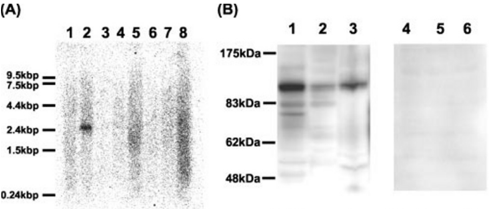
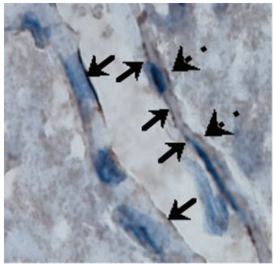
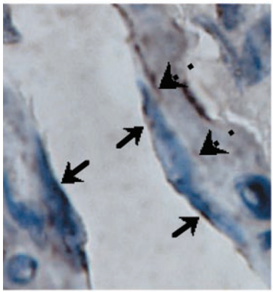
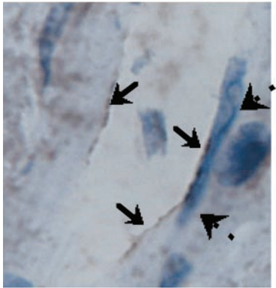
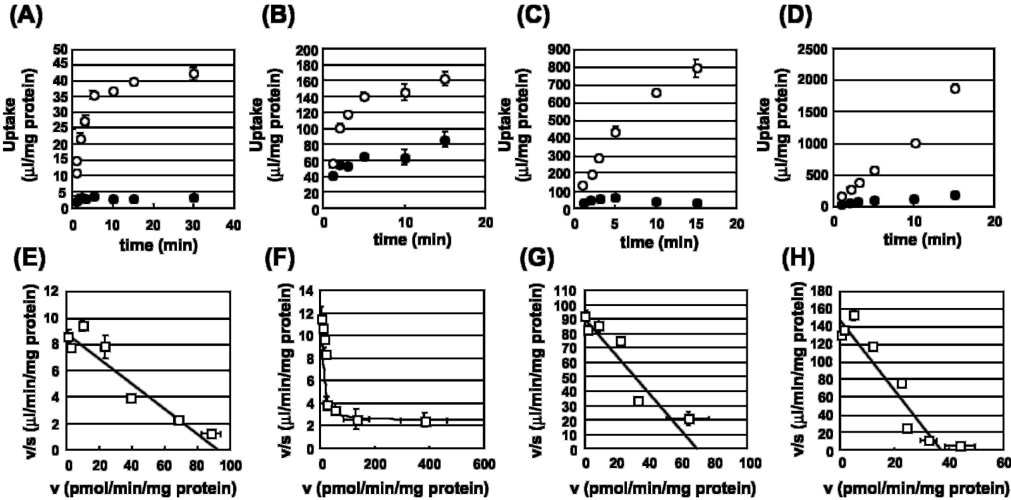
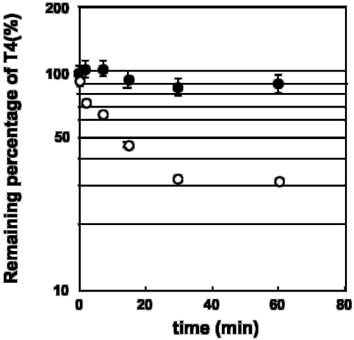
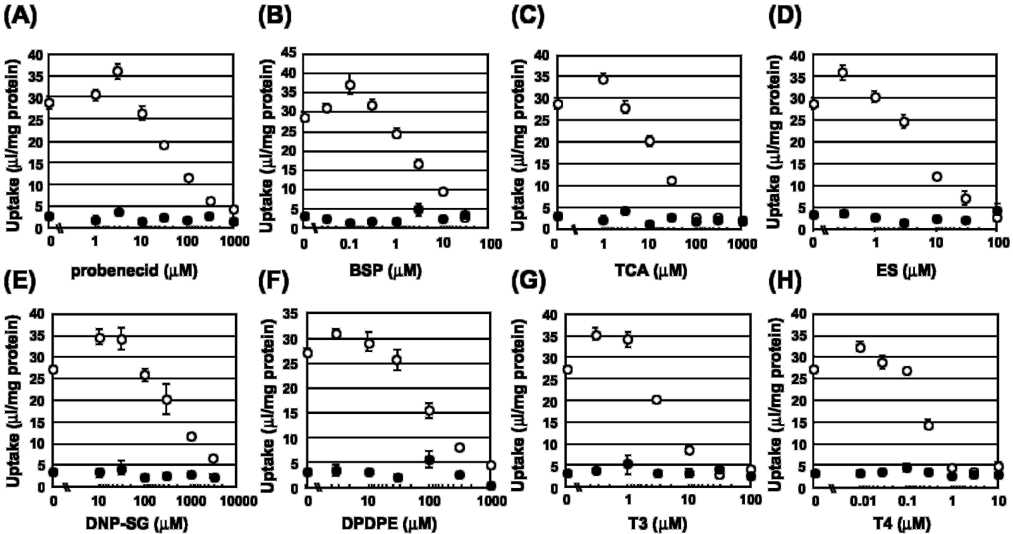
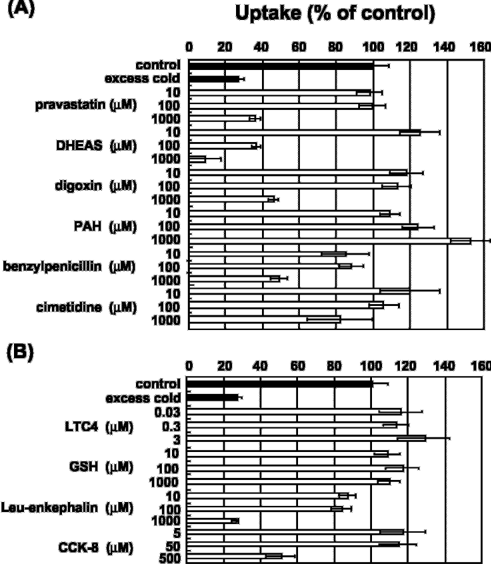
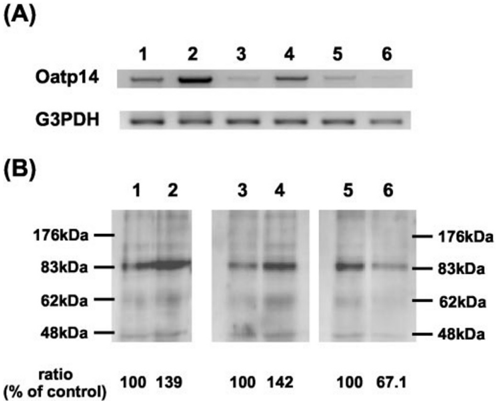
Oatp14/blood-brain barrier-specific anion transporter 1 (Slc21a14) is a novel member of the organic anion transporting polypeptide (Oatp/OATP) family. Northern blot analysis revealed predominant expression of Oatp14 in the brain, and Western blot analysis revealed its expression in the brain capillary and choroid plexus. Immunohistochemical staining indicated that Oatp14 is expressed in the border of the brain capillary endothelial cells. When expressed in human embryonic kidney 293 cells, Oatp14 transports thyroxine (T4; prothyroid hormone) (Km = 0.18 mum), as well as amphipathic organic anions such as 17beta estradiol-d-17beta-glucuronide (Km = 10 mum), cerivastatin (Km = 1.3 mum), and troglitazone sulfate (Km = 0.76 mum). The uptake of triiodothyronine (T3), an active form produced from T4, was significantly greater in Oatp14-expressed cells than in vector-transfected cells, but the transport activity for T3 was approximately 6-fold lower that for T4. The efflux of T4, preloaded into the cells, from Oatp14-expressed cells was more rapid than that from vector-transfected cells (0.032 versus 0.006 min-1). Therefore, Oatp14 can mediate a bidirectional transport of T4. Sulfobromophthalein, taurocholate, and estrone sulfate were potent inhibitors for Oatp14, whereas digoxin, p-aminohippurate, or leukotriene C4, or organic cations such as tetraetheylammonium or cimetidine had no effect. The expression levels of Oatp14 mRNA and protein were up- and down-regulated under hypo- and hyperthyroid conditions, respectively. Therefore, it may be speculated that Oatp14 plays a role in maintaining the concentration of T4 and, ultimately, T3 in the brain by transporting T4 from the circulating blood to the brain.
Overview
The claims and statistics of this paper haven’t been checked yet.
Free: it reads the open-access text and checks the first 5 claims that cite a source we can check. Create a free account to check every claim.
Integrity signals
Registry
Cites
Statistics
Figures
Verification
Claims the paper makes
The claims and statistics of this paper haven’t been checked yet.
Free: it reads the open-access text and checks the first 5 claims that cite a source we can check. Create a free account to check every claim.
Claims other papers make about this one
Each is checked against this paper’s own text: does it say what the citing paper says it does?
In the citing paper
“OATP1C1 has a similar high affinity for T 4 and T 3 and is abundantly expressed in endothelial cells of brain blood vessels, the choroid plexus, and tanycytes (102, 137)”
From Central regulation of hypothalamic-pituitary-thyroid axis under physiological and pathophysiological conditions (2014) · cites this paper as [137]
Self-check
Percentages, sums and reported differences re-computed from the paper’s own numbers.
The self-check needs the paper’s full text.
Citations
Cites
PROTEIN MEASUREMENT WITH THE FOLIN PHENOL REAGENT
Lowry, O., Rosebrough, N., Farr, A. L., & Randall, R. (1951) · Journal of Biological Chemistry · doi:10.1016/s0021-9258(19)52451-6 · Cited by 317,331
Kullak-Ublick, G. A., Ismair, M. G., Stieger, B., Landmann, L., Huber, R., Pizzagalli, F., Fattinger, K., Meier, P. J., & Hagenbuch, B. (2001) · Gastroenterology · doi:10.1053/gast.2001.21176 · Cited by 723
Drug Transporters in the Central Nervous System: Brain Barriers and Brain Parenchyma Considerations
Lee, G., Dallas, S., Hong, M., & Bendayan, R. (2001) · Pharmacological Reviews · doi:10.1016/s0031-6997(24)01513-8 · Cited by 539
Expression cloning of a rat liver Na(+)-independent organic anion transporter.
Jacquemin, E., Hagenbuch, B., Stieger, B., Wolkoff, A. W., & Meier, P. J. (1994) · Proceedings of the National Academy of Sciences · doi:10.1073/pnas.91.1.133 · Cited by 535
Neurotrophic and Neuroprotective Actions of Estrogens and Their Therapeutic Implications
Lee, S. J., & McEwen, B. S. (2001) · Annual Review of Pharmacology and Toxicology · doi:10.1146/annurev.pharmtox.41.1.569 · Cited by 534
Molecular Basis of Thyroid Hormone-Dependent Brain Development*
Oppenheimer, J. H., & Schwartz, H. L. (1997) · Endocrine Reviews · doi:10.1210/edrv.18.4.0309 · Cited by 517
Kullak-Ublick, G. A., Hagenbuch, B., Stieger, B., Schteingart, C. D., Hofmann, A. F., Wolkoff, A. W., & Meier, P. J. (1995) · Gastroenterology · doi:10.1016/0016-5085(95)90588-x · Cited by 428
Gao, B., Hagenbuch, B., Kullak-Ublick, G. A., Benke, D., Aguzzi, A., & Meier, P. J. (2000) · The Journal of Pharmacology and Experimental Therapeutics · doi:10.1016/s0022-3565(24)39041-x · Cited by 412
Isolation of a multispecific organic anion and cardiac glycoside transporter from rat brain
Noé, B., Hagenbuch, B., Stieger, B., & Meier, P. J. (1997) · Proceedings of the National Academy of Sciences · doi:10.1073/pnas.94.19.10346 · Cited by 396
Abe, T., Kakyo, M., Sakagami, H., Tokui, T., Nishio, T., Tanemoto, M., Nomura, H., Hebert, S. C., Matsuno, S., Kondo, H., et al. (1998) · Journal of Biological Chemistry · doi:10.1074/jbc.273.35.22395 · Cited by 337
Research works printed but not linked: 7
- Pardridge, W. M. (1991) Semin. Cell Biol. 2, 419 -426
- Gao, B., Hagenbuch, B., Kullak-Ublick, G. A., Benke, D., Aguzzi, A., and Meier, P. J. (2000) J. Pharmacol. Exp. Ther. 294, 73-79
- Sugiyama, D., Kusuhara, H., Shitara, Y., Abe, T., Meier, P. J., Sekine, T., Endou, H., Suzuki, H., and Sugiyama, Y. (2001) J. Pharmacol. Exp. Ther. 298, 316 -322
- Izumi, T., Hosiyama, K., Enomoto, S., Sasahara, K., and Sugiyama, Y. (1997) J. Pharmacol. Exp. Ther. 280, 1392-40021
- Burmeister, L. A., Pachucki, J., and Germain, D. L. S. (1997) Endocrinology 138, 5231-5237 · doi:10.1210/endo.138.12.5602 · Paper page
- Oppenheimer, J. H., and Schwartz, H. L. (1997) Endocr. Rev. 18, 462-475
- Li, L., Meier, P. J., and Ballatori, N. (2000) Mol. Pharmacol. 58, 335-340 · doi:10.1124/mol.58.2.335 · Paper page
Cited by
Items 201–300 of 314
Understanding the Hypothalamus-Pituitary-Thyroid Axis in Mct8 Deficiency
Müller, J., & Heuer, H. (2012) · European Thyroid Journal · doi:10.1159/000339474 · Cited by 16
“Thyroglobulin Storage, Processing and Degradation for Thyroid Hormone Liberation”
Brix, K., Qatato, M., Szumska, J., Venugopalan, V., & Rehders, M. (2019) · Springer eBooks · doi:10.1007/978-3-319-72102-6_3 · Cited by 17
Active efflux across the blood-brain barrier: Role of the solute carrier family
Kusuhara, H., & Sugiyama, Y. (2005) · Neurotherapeutics · doi:10.1007/bf03206644 · Cited by 15
Self-citationVancamp, P., & Darras, V. (2017) · Molecular and Cellular Endocrinology · doi:10.1016/j.mce.2017.01.045 · Cited by 14
Ohtsuki, S. (2004) · YAKUGAKU ZASSHI · doi:10.1248/yakushi.124.791 · Cited by 14
The role of thyroid hormone in fetal and neonatal brain development
Jones, S. A., Thoemke, K., & Anderson, G. W. (2005) · Current Opinion in Endocrinology & Diabetes · doi:10.1097/01.med.0000151393.51033.fa · Cited by 14
Neuronal effects of thyroid hormone metabolites
Wirth, E. K., & Meyer, F. I. (2017) · Molecular and Cellular Endocrinology · doi:10.1016/j.mce.2017.01.007 · Cited by 14
Wagenaars, F., Cenijn, P. H., Chen, Z., Meima, M. E., Scholze, M., & Hamers, T. (2024) · Archives of Toxicology · doi:10.1007/s00204-024-03787-2 · Cited by 14
Identification of Rat Hippocampal mRNAs Altered by the Mitochondrial Toxicant, 3-NPA
Przybyla‐Zawislak, B., THORN, B. T., ALI, S. F., DENNIS, R. A., AMATO, A., VIRMANI, A., & BINIENDA, Z. K. (2005) · Annals of the New York Academy of Sciences · doi:10.1111/j.1749-6632.2005.tb00022.x · Cited by 13
Taskar, K. S., Mariappan, T. T., Kurawattimath, V., Gautam, S. S., Mullapudi, T. R., Sridhar, S. K., Kallem, R. R., Marathe, P., & Mandlekar, S. (2017) · Journal of Central Nervous System Disease · doi:10.1177/1179573517693596 · Cited by 13
“of digoxin; (5) similar fold changes and trends were seen with the spinal cord-to-plasma concentration ratio of digoxin, indicating the similarity”
BackgroundWang, P., Yu, J., Yin, Q., Li, W., Ren, X., & Hao, X. (2012) · Neurochemical Research · doi:10.1007/s11064-012-0828-8 · Cited by 13
“brain capillary endothelial cells, which is likely to provide troglitazone homeostasis [32].”
Evidence for thyroid hormone regulation of amygdala-dependent fear-relevant memory and plasticity
Maddox, S. A., Ponomareva, O. Y., Zaleski, C. E., Chen, M. X., Vella, K. R., Hollenberg, A. N., Klengel, C., & Ressler, K. J. (2024) · Molecular Psychiatry · doi:10.1038/s41380-024-02679-2 · Cited by 13
Brain Perivascular Macrophages Do Not Mediate Interleukin-1-Induced Sickness Behavior in Rats
Chaskiel, L., Dantzer, R., & Konsman, J. P. (2021) · Pharmaceuticals · doi:10.3390/ph14101030 · Cited by 12
Drake, S., Zaman, A., Simas, T., & Fournier, A. E. (2023) · WIREs Mechanisms of Disease · doi:10.1002/wsbm.1594 · Cited by 12
Maternal thyroid hormones and fetal brain development
Chan, S., Franklyn, J. A., & Kilby, M. D. (2005) · Current Opinion in Endocrinology & Diabetes · doi:10.1097/01.med.0000151392.73904.69 · Cited by 12
Efflux transport systems at the blood–brain barrier and blood CSF barrier
Kusuhara, H., & Sugiyama, Y. (2005) · International Congress Series · doi:10.1016/j.ics.2005.02.015 · Cited by 12
Self-citationBrožaitienė, J., Skiriutė, D., Burkauskas, J., Podlipskytė, A., Jankauskienė, E., Serretti, A., & Mickuvienė, N. (2018) · Genetic Testing and Molecular Biomarkers · doi:10.1089/gtmb.2017.0283 · Cited by 11
Hear, Hear! Thyroid Hormone Transporters in Cochlear Development
Heuer, H. (2011) · Endocrinology · doi:10.1210/en.2011-1722 · Cited by 11
Sodium Phenylbutyrate Rescues Thyroid Hormone Transport in Brain Endothelial-Like Cells
Braun, D., Bohleber, S., Vatine, G. D., Svendsen, C. N., & Schweizer, U. (2022) · Thyroid · doi:10.1089/thy.2021.0643 · Cited by 11
Impact of endocrine-disrupting chemicals on thyroid function and brain development
Ibhazehiebo, K., & Koibuchi, N. (2014) · Expert Review of Endocrinology & Metabolism · doi:10.1586/17446651.2014.950227 · Cited by 10
“This is probably because the brain-specific organic anion transporter (Oatp) 1c1, a major TH transporter at BBB, preferentially binds to T4 [13].”
BackgroundChen, J., Dalirsefat, S. B., Han, D., Dong, X., Hua, G., Zheng, X., Xia, T., Shao, T., Deng, X., & Wu, C. (2020) · Poultry Science · doi:10.1016/j.psj.2020.09.002 · Cited by 10
“Of these,SLCO1C1 is known to play a prominent role in the transport of molecules, including thyroid hormones, which is a well-documented function of this gene in humans (Pizzagalli et al., 2002; Sugiyama et al., 2003).”
BackgroundAge-Dependent Changes of Monocarboxylate Transporter 8 Availability in the Postnatal Murine Retina
Henning, Y., & Szafranski, K. (2016) · Frontiers in Cellular Neuroscience · doi:10.3389/fncel.2016.00205 · Cited by 10
Zhang, H., Song, Y., Liu, W., Guo, X., & Yu, L. (2010) · Journal of Clinical Neuroscience · doi:10.1016/j.jocn.2009.11.001 · Cited by 10
“Kassem et al. showed that the accumulation of labeled iodine (125I)-T4 in the CP occurs after application of 1 mM probenecid, a prototypical inhibitor of OAT systems in the BBB and BCSFB.44,45 Due to their apical and basolateral localization at the CP and BBB, Oatp1c1 and Oatp1a4 possibly mediate transfer of 125I-T4 f…”
InfluentialDeiodinases, organic anion transporter polypeptide polymorphisms and ischemic stroke outcomes
Taroza, S., Rastenytė, D., Podlipskytė, A., Patamsytė, V., & Mickuvienė, N. (2019) · Journal of the Neurological Sciences · doi:10.1016/j.jns.2019.116457 · Cited by 10
Tatenhorst, L., Hahnen, E., & Heneka, M. T. (2008) · PPAR Research · doi:10.1155/2008/204514 · Cited by 9
“The best characterized PPARγ agonists are the TZDs including pioglitazone (Actos) and rosiglitazone (Avandia), which are Food and Drug Association (FDA) approved for treatment of type-2 diabetes.”
InfluentialAlevyzaki, A., Markova, B., Angelis, M. D., Müller, T. D., Chandrasekar, A., Müller-Fielitz, H., Schwaninger, M., Boelen, A., Führer-Sakel, D., Mayerl, S. E., et al. (2025) · Thyroid · doi:10.1089/thy.2025.0089 · Cited by 8
Sun, A., Hagenbuch, B., Kelly, E. J., & Wang, J. (2023) · Molecular Pharmacology · doi:10.1124/molpharm.123.000703 · Cited by 8
“18 μM (Sugiyama et al., 2003), suggesting OATP1C1 does not play a role in apical uptake of SR101.”
BackgroundZibara, K., Zein, N. E., Sabra, M., Hneino, M., Harati, H., Mohamed, W. M. Y., Kobeissy, F. H., & Kassem, N. A. (2017) · Frontiers in Neurology · doi:10.3389/fneur.2017.00214 · Cited by 8
The Hypothalamic–Pituitary–Thyroid Axis as a Target for Environmental Chemicals
Cooper, R. L., & Zorrilla, L. M. (2017) · Elsevier eBooks · doi:10.1016/b978-0-12-801238-3.66101-9 · Cited by 8
Transport of Thyroxine and 3,3′,5-Triiodothyronine in Human Umbilical Vein Endothelial Cells
Visser, W. E., Friesema, E. C. H., & Visser, T. J. (2008) · Endocrinology · doi:10.1210/en.2008-0627 · Cited by 8
“OATP1A2 are expressed in brain capillaries (10, 11), there is only”
BackgroundThyroid hormone signaling in the hypothalamus
Alkemade, A., Visser, T. J., & Fliers, E. (2008) · Current Opinion in Endocrinology Diabetes and Obesity · doi:10.1097/med.0b013e32830eb887 · Cited by 8
Tatke, A., Janga, K. Y., Avula, B., Wang, X., Jablonski, M. M., Khan, I. A., & Majumdar, S. (2018) · AAPS PharmSciTech · doi:10.1208/s12249-018-0979-2 · Cited by 7
Butruille, L., Vancamp, P., DEMENEIX, B. A., & Remaud, S. (2021) · Vitamins and hormones · doi:10.1016/bs.vh.2021.02.009 · Cited by 7
Berbel, P. J., & de Escobar, G. M. (2011) · Springer eBooks · doi:10.1007/978-0-387-92271-3_135 · Cited by 6
Akanuma, S., Kida, R., Tsuchiyama, A., Tachikawa, M., Kubo, Y., & Hosoya, K. (2019) · Drug Metabolism and Pharmacokinetics · doi:10.1016/j.dmpk.2019.04.001 · Cited by 6
Amino Acid Transport Across the Blood—Brain Barrier
Smith, Q. R., Mandula, H., & Parepally, J. M. R. (2006) · Elsevier eBooks · doi:10.1016/b978-012369442-3/50200-2 · Cited by 6
Durmuş, B., Başer, H., & Çakır, B. (2021) · Ankara Medical Journal · doi:10.5505/amj.2021.47542 · Cited by 5
Jomaa, B. (2014) · Elsevier eBooks · doi:10.1016/b978-0-12-397862-2.00009-7 · Cited by 5
Kundu, S., & Ray, A. K. (2010) · DOAJ (DOAJ: Directory of Open Access Journals) · Cited by 5
Challenges in replacement therapy of hypothyroidism: everyday practice and perspectives
Fadeyev, V. V. (2012) · Clinical and experimental thyroidology · doi:10.14341/ket20128317-29 · Cited by 5
Baklaushev, V. P., Kardashova, K. S., Gurina, O. I., Leopold, A. V., Semenova, A. V., Ryabukhin, I. A., & Chekhonin, V. P. (2012) · Bulletin of Experimental Biology and Medicine · doi:10.1007/s10517-012-1619-6 · Cited by 4
Changes Within the Thyroid Axis During the Course of Critical Illness
Mebis, L., Langouche, L., & den Berghe, G. V. (2008) · Humana Press eBooks · doi:10.1007/978-1-60327-177-6_10 · Cited by 4
Luis, E., Fernández, Y., Alvarado, M., Juárez-Santacruz, L., García-Nieto, E., & Anaya‐Hernández, A. (2019) · Acta Histochemica · doi:10.1016/j.acthis.2019.151440 · Cited by 3
Thyroid Hormone in Neural Tissue
Lechan, R. M., Fekete, C., & Toni, R. (2009) · Elsevier eBooks · doi:10.1016/b978-008088783-8.00039-5 · Cited by 5
Brain and the Drug Transporters
Gülsün, T., Izat, N., & Şahin, S. (2017) · Elsevier eBooks · doi:10.1016/b978-0-12-803796-6.00003-4 · Cited by 3
Giacco, A., Iervolino, S., Cioffi, F., Peluso, T., Mercurio, G., Roberto, L., de Rosa, V., Cammarota, M., Varricchio, S., Staibano, S., et al. (2024) · Molecular Neurobiology · doi:10.1007/s12035-024-04524-7 · Cited by 2
“This transporter prefers T4 and rT3 [49] and is restricted to the CNS, localized mainly in capillary endothelial cells and the choroid plexus [50, 51].”
Organic Anion Transporting Polypeptides (Oatps/OATPs)
Yarım, M., & Köksal, M. (2009) · Methods and principles in medicinal chemistry · doi:10.1002/9783527627424.ch3 · Cited by 2
Organ, Cellular, and Subcellular Localization of Brain-Specific Anion Transporter BSAT1
Baklaushev, V. P., Kardashova, K. S., Gurina, O. I., Yusubaliyeva, G. M., Zorkina, Y., & Chekhonin, V. P. (2013) · Bulletin of Experimental Biology and Medicine · doi:10.1007/s10517-013-2186-1 · Cited by 2
Hormones and adult neurogenesis in mammals
Richardson, S. J., Almeida, O. F. X., & DEMENEIX, B. A. (2007) · Expert Review of Endocrinology & Metabolism · doi:10.1586/17446651.2.2.261 · Cited by 2
Genetic Influences on Thyroid Function Tests
van der Deure, W. M., Medici, M., Peeters, R. P., & Visser, T. J. (2010) · Endocrine updates · doi:10.1007/978-1-4419-1485-9_2 · Cited by 2
“This important role is substantiated by Sugiyama and colleagues who showed that expression levels of Oatp1c1 in isolated rat brain capillaries are regulated by thyroid hormone concentrations [116].”
BackgroundResultInfluentialA structure function study of organic anion transporting polypeptide 1c1 (Oatp1c1)
Baldeshwiler, G. A. (2011) · University of Minnesota Digital Conservancy (University of Minnesota) · Cited by 2
Membrane transporters for thyroid hormone
Friesema, E. C. H., Jansen, J., & Visser, T. J. (2005) · Current Opinion in Endocrinology & Diabetes · doi:10.1097/01.med.0000178272.01741.54 · Cited by 2
Gong, Y., Korzekwa, K., & Nagar, S. (2024) · Drug Metabolism and Disposition · doi:10.1016/j.dmd.2024.100033 · Cited by 1
The Role of Thyroid Modulation by Methylmercury in Developmental Neurotoxicity
Mori, K., & Yoshida, K. (2012) · Springer eBooks · doi:10.1007/978-1-4614-2383-6_7 · Cited by 1
Organic Anion and Cation Drug Transporters
Sekine, T., & Kusuhara, H. (2011) · Wiley eBooks · doi:10.1002/9781118067598.ch19 · Cited by 1
Self-citationZubkov, E. A., Baklaushev, V. P., Kardashova, K. S., Gurina, O. I., Morozova, A. Y., Storozheva, Z. I., Kekelidze, Z. I., & Chekhonin, V. P. (2013) · Bulletin of Experimental Biology and Medicine · doi:10.1007/s10517-013-2173-6 · Cited by 1
Zubkov, E. A., Zorkina, Y., Gurina, O. I., Melnikov, P., Morozova, A. Y., & Chekhonin, V. P. (2017) · Neuropeptides · doi:10.1016/j.npep.2017.07.001 · Cited by 1
“BSAT-1 location on the surface of ECs in rat brain microvessels (Gao et al., 1999; Sugiyama et al., 2003; Tohyama et al., 2004).”
InfluentialIndividual and Combined Neurotoxic Effects of Cyanobacterial Toxins
Feurstein, D. (2011) · Cited by 1
Sittig, L. J., & Redei, E. E. (2011) · Expert Review of Endocrinology & Metabolism · doi:10.1586/eem.11.64 · Cited by 1
Molecular structure and drug transport of the blood-brain barrier
Kusuhara, H. (2012) · Drug Delivery System · doi:10.2745/dds.27.370 · Cited by 2
Self-citationDisorders of Thyroid Hormone Transporters and Receptors
Visser, W. E. (2019) · Springer eBooks · doi:10.1007/978-3-319-72102-6_4 · Cited by 1
Noda, M. (2020) · Medical University · doi:10.2478/medu-2020-0001 · Cited by 1
Sandoval, P., & Hagenbuch, B. (2021) · Elsevier eBooks · doi:10.1016/b978-0-12-820472-6.00149-3 · Cited by 1
Mutations in Thyroid Hormone Transporter MCT8: genotype, function and phenotype
Jansen, J. (2008) · RePub (Erasmus University Rotterdam) · Cited by 1
Blood–Brain Barrier Genomics and Proteomics
Shusta, E. V. (2005) · CRC Press eBooks · doi:10.1201/b14290-6 · Cited by 1
Mannila, A. (2009) · UEF eRepo (University of Eastern Finland) · Cited by 1
Thompson, B. J. (2014) · UA Campus Repository (The University of Arizona)
Martinho, A. (2013) · Portuguese National Funding Agency for Science, Research and Technology (RCAAP Project by FCT)
Capelo, L. P. (2009) · Digital Library of Theses and Dissertations (Universidade de São Paulo) · doi:10.11606/t.42.2009.tde-06042009-160228
Thyroid hormone and development: the importance of transporters and deiodinases
Visser, W. (2010) · EUR Research Repository (Erasmus University Rotterdam)
Sánchez, C. A. (2009) · REMERI - Red Mexicana de Repositorios Institucionales
Transporte y acción de las hormonas tiroideas en cerebro de ratón: interrleación entre MCT8 y LAT2
Fernández, B. (2013) · Biblos-e Archivo (Universidad Autónoma de Madrid)
Brain Damage in Clinical Hypothyroidism in Childhood
Arii, J., & Tanabe, Y. (2009) · Elsevier eBooks · doi:10.1016/b978-0-12-374135-6.00108-4
“In addition, despite the restricted access of molecules from the blood to the brain parenchyma due to the blood– brain barrier, small amounts of T4 and T3 may enter the brain in the fetus through specific transporters (Sugiyama et al., 2003).”
BackgroundThoemke, K., Bastian, T. W., & Anderson, G. W. (2011) · Humana Press eBooks · doi:10.1007/978-1-60761-561-3_5
Transporter; 2. The Pharmacological Characterization of the Organic Anion Transpoter (OATP) Family
Mikkaichi, T. (2004) · Rinsho yakuri/Japanese Journal of Clinical Pharmacology and Therapeutics · doi:10.3999/jscpt.35.2_51
(2006) · CRC Press eBooks · doi:10.3109/9781420006629-4
Mebis, L., Debaveye, Y. A., Ellger, B., Derde, S., Ververs, E.-J., Langouche, L., Darras, V., Fliers, E., Visser, T. J., & den Berghe, G. V. (2009)
Molecular and Functional Analyses of Transport Proteins for Organic Anions
Reichel, V. (2006) · heiDOK (Heidelberg University) · doi:10.11588/heidok.00006122
Deficit in Thyroid Hormone Transporters and Brain Development
Suzuki, T., & Abe, T. (2016) · Contemporary clinical neuroscience · doi:10.1007/978-1-4939-3737-0_11
Using Mouse Genetics to Investigate Thyroid Hormone Signaling in the Developing and Adult Brain
Chatonnet, F., Richard, S., & Flamant, F. (2016) · Contemporary clinical neuroscience · doi:10.1007/978-1-4939-3737-0_8
Torgersbråten, A. (2016) · NVA (Nasjonalt vitenarkiv)
A transgenic strategy to define SLCO1C1-expressingstructures during brain development
Lang, M. (2008) · heiDOK (Heidelberg University) · doi:10.11588/heidok.00008709
Biochemical and Phylogenetic Analysis of Organic Anion Transporting Polypeptides
DeVoll, K. (2017) · University of Minnesota Digital Conservancy (University of Minnesota)
Blood–brain barrier genomics: the discovery of new targeted therapeutics
Wang, Y., & Li, J. Y. (2015) · doi:10.4155/fseb2013.13.54
Mineiro, R. M. (2020) · Portuguese National Funding Agency for Science, Research and Technology (RCAAP Project by FCT)
A Comparative Investigation of Neural Sodium Iodide Symporter (NIS) Expression in Teleost Fish
Holloway, N. D. (2017) · OakTrust (Texas A&M University Libraries)
Molecular regulation of fetal brain development in pigs
Strawn, M. (2021) · MOspace Institutional Repository (University of Missouri) · doi:10.32469/10355/88112
Organic Anion Transporting Polypeptide 1C1
Hagenbuch, B. (2007) · Elsevier eBooks · doi:10.1016/b978-008055232-3.62897-1
(2006) · CRC Press eBooks · doi:10.1201/9781420006629-2
Blood–Brain Barrier Genomics and Proteomics
Shusta, E. V. (2005) · CRC Press eBooks · doi:10.1201/b14290-3
Blood-brain barrier genomics, proteomics, and new transporter discovery
Shusta, E. V. (2005) · Neurotherapeutics · doi:10.1007/bf03206651
Cellular Transporters for Thyroid Hormones
Bernal, J. (2024) · BENTHAM SCIENCE PUBLISHERS eBooks · doi:10.2174/9789815274226124010010
Charakterisierung kritisch kranker Patienten mit Non-Thyroidal-Illness-Syndrom
Krug, N. (2019) · Qucosa (Saxon State and University Library Dresden)
Braun, D. (2013) · Universitätsbibliothek der FU Berlin Hochschulschriftenstelle u. Dokumentenserver
Ständer, L., Bartelt, A., & München, T. U. (2024)
Die individuellen und kombinierten neurotoxischen Effekte cyanobakterieller Toxine
Feurstein, D. (2009) · KOPS (University of Konstanz)
組織薬物分布に対するMDR1およびBCRP寄与の胎盤・脳関門間比較 (要約)
フジタ, ア., Fujita, A., & 藤田, 有. (2021) · Institutional Repositories DataBase (IRDB)
Metadata
- Authors
- Sugiyama, D., Kusuhara, H., Taniguchi, H., Ishikawa, S., Nozaki, Y., Aburatani, H., & Sugiyama, Y.
- Affiliations
- The University of Tokyo (JP)
- Research Center for Advanced Science and Technology, The University of Tokyo (JP)
- Corresponding author
- Sugiyama, Yuichi
- Venue
- Journal of Biological Chemistry
- Publisher
- Elsevier BV
- Published
- 2003-10
- Volume
- 278
- Issue
- 44
- Pages
- 43489-43495
- ISSN
- 0021-9258 (ISSN-L)
- OpenAlex
- W2094704242
- Cited by
- 283
- References
- 36
- Citations by year
- 2026: 3 · 2025: 4 · 2024: 6 · 2023: 4 · 2022: 5 · 2021: 8 · 2020: 5 · 2019: 8 · 2018: 7 · 2017: 17 · 2016: 10 · 2015: 15 · 2014: 18 · 2013: 20 · 2012: 15
- FWCI
- 7.33
- Type
- journal article
- Language
- en
- Open access
- hybrid
- doi.org
- Licence
- cc-by
- www.elsevier.com/tdm/userlicense/1.0/ (tdm)
- creativecommons.org/licenses/by/4.0/ (vor, 6206 d)
- Locations
- Journal of Biological Chemistry (publishedVersion, cc-by)
- PubMed (publishedVersion)
- Topics
- Health Sciences › Medicine › Oncology › Drug Transport and Resistance Mechanisms
- Life Sciences › Neuroscience › Neurology › Barrier Structure and Function Studies
- Life Sciences › Pharmacology, Toxicology and Pharmaceutics › Pharmacology › Pharmacogenetics and Drug Metabolism
- Keywords
- organic anion transporting polypeptides, blood-brain barrier, thyroxine transport, triiodothyronine, bidirectional transport, brain microvascular endothelial cells, choroid plexus, thyroid hormone transport, estradiol glucuronide, cerivastatin, taurocholate, estrone sulfate, thyroid function
- MeSH terms
- Animals, Anions, Biological Transport, Blood-Brain Barrier, Brain, Carrier Proteins, Cations, Cell Line, Central Nervous System, Cloning, Molecular, Genetic Vectors, Humans, Immunohistochemistry, Kinetics, Male, Protein Binding, Pyridines, Substrate Specificity, Thyroxine, Time Factors, Tissue Distribution, Transfection, Triiodothyronine, Blotting, Northern, Blotting, Western, Down-Regulation, Rats, Sprague-Dawley, DNA, Complementary, Organic Anion Transporters, Organic Cation Transport Proteins, Rats
About these checks
Registry, retraction, Cites and statistics results are computed, not judged, with one exception: a printed reference that no index lists is read once by a model before it counts as a citation error. Claims are extracted by a model and kept only when their quote appears verbatim in the text; each cited source is then checked, with a model’s help, for whether it says what the claim relies on. Those verdicts can be wrong — read the claim’s quote and the cited source before relying on one.
Statistics and arithmetic are recomputed, not judged.
Confidence bands are shown only for fields calibrated on our annotated test set. None is calibrated yet, so no band is shown.
What counts as a claim ›How we measure confidence ›How we check this ›
Are you an author, or do you see a problem with this page? Request a review
Data sources
Bibliographic data: Semantic Scholar, OpenAlex, Crossref.
Contains information from the Semantic Scholar Academic Graph Datasets, made available under the ODC Attribution License (ODC-BY 1.0).
Semantic Scholar’s data is described in: Kinney, R., et al. (2023). The Semantic Scholar Open Data Platform. arXiv:2301.10140.
