

Functional Characterization of Rat Brain-specific Organic Anion Transporter (Oatp14) at the Blood-Brain Barrier
Open accessThe DOI matches its Crossref record; 38 of the 38 references it cites were found in a registry or an index.
Abstract
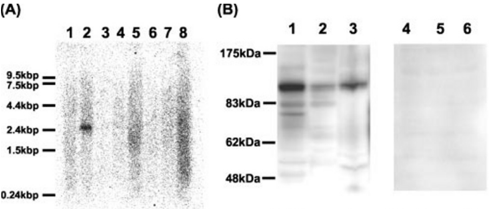
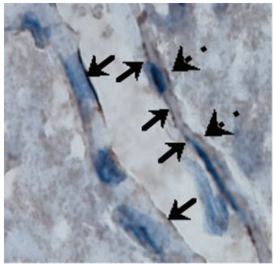
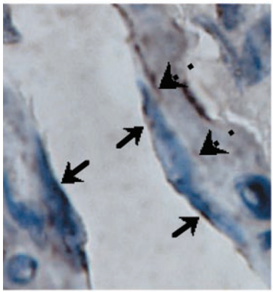
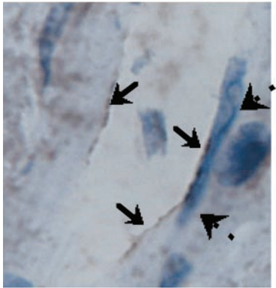
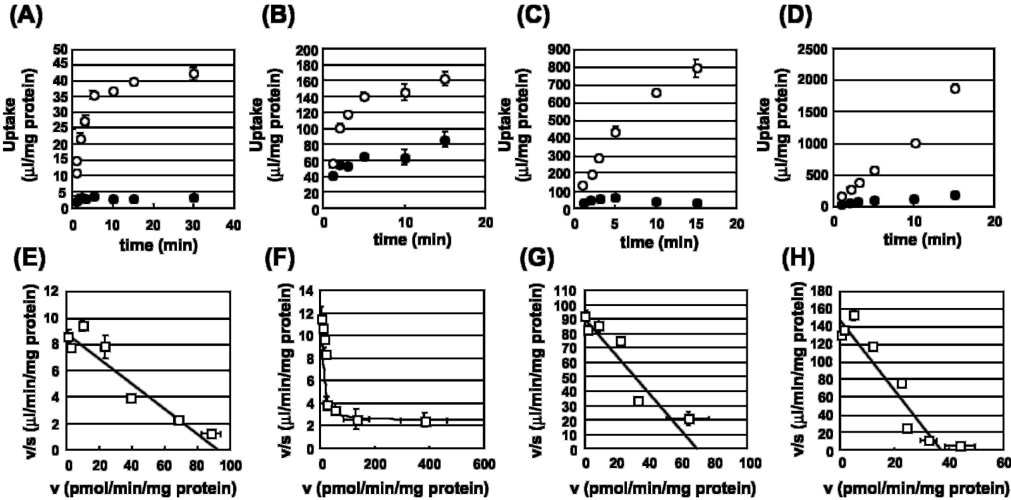
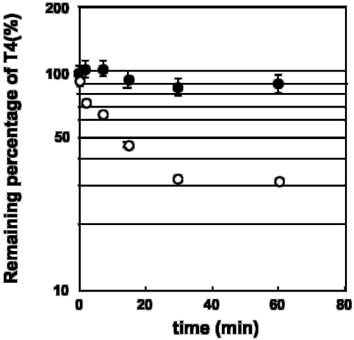
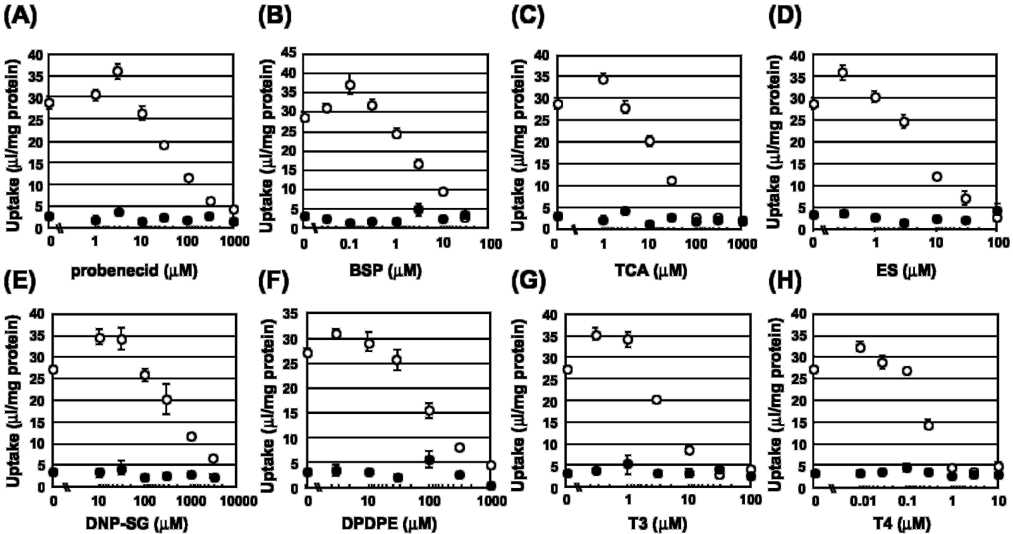
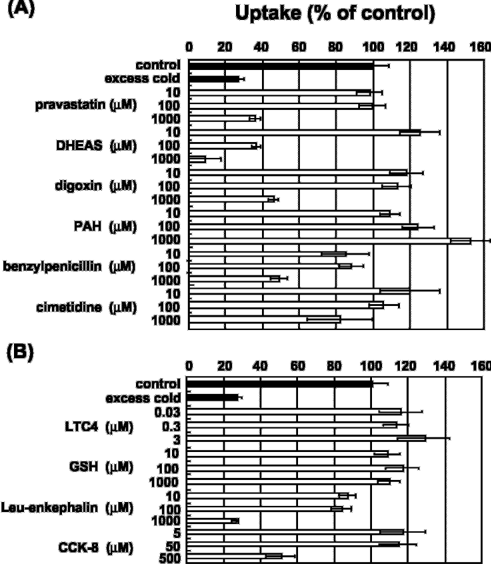
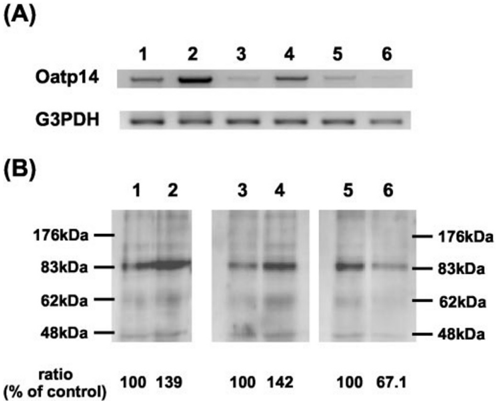
Oatp14/blood-brain barrier-specific anion transporter 1 (Slc21a14) is a novel member of the organic anion transporting polypeptide (Oatp/OATP) family. Northern blot analysis revealed predominant expression of Oatp14 in the brain, and Western blot analysis revealed its expression in the brain capillary and choroid plexus. Immunohistochemical staining indicated that Oatp14 is expressed in the border of the brain capillary endothelial cells. When expressed in human embryonic kidney 293 cells, Oatp14 transports thyroxine (T4; prothyroid hormone) (Km = 0.18 mum), as well as amphipathic organic anions such as 17beta estradiol-d-17beta-glucuronide (Km = 10 mum), cerivastatin (Km = 1.3 mum), and troglitazone sulfate (Km = 0.76 mum). The uptake of triiodothyronine (T3), an active form produced from T4, was significantly greater in Oatp14-expressed cells than in vector-transfected cells, but the transport activity for T3 was approximately 6-fold lower that for T4. The efflux of T4, preloaded into the cells, from Oatp14-expressed cells was more rapid than that from vector-transfected cells (0.032 versus 0.006 min-1). Therefore, Oatp14 can mediate a bidirectional transport of T4. Sulfobromophthalein, taurocholate, and estrone sulfate were potent inhibitors for Oatp14, whereas digoxin, p-aminohippurate, or leukotriene C4, or organic cations such as tetraetheylammonium or cimetidine had no effect. The expression levels of Oatp14 mRNA and protein were up- and down-regulated under hypo- and hyperthyroid conditions, respectively. Therefore, it may be speculated that Oatp14 plays a role in maintaining the concentration of T4 and, ultimately, T3 in the brain by transporting T4 from the circulating blood to the brain.
Overview
The claims and statistics of this paper haven’t been checked yet.
Free: it reads the open-access text and checks the first 5 claims that cite a source we can check. Create a free account to check every claim.
Integrity signals
Registry
Cites
Statistics
Figures
Verification
Claims the paper makes
The claims and statistics of this paper haven’t been checked yet.
Free: it reads the open-access text and checks the first 5 claims that cite a source we can check. Create a free account to check every claim.
Claims other papers make about this one
Each is checked against this paper’s own text: does it say what the citing paper says it does?
In the citing paper
“OATP1C1 has a similar high affinity for T 4 and T 3 and is abundantly expressed in endothelial cells of brain blood vessels, the choroid plexus, and tanycytes (102, 137)”
From Central regulation of hypothalamic-pituitary-thyroid axis under physiological and pathophysiological conditions (2014) · cites this paper as [137]
Self-check
Percentages, sums and reported differences re-computed from the paper’s own numbers.
The self-check needs the paper’s full text.
Citations
Cites
PROTEIN MEASUREMENT WITH THE FOLIN PHENOL REAGENT
Lowry, O., Rosebrough, N., Farr, A. L., & Randall, R. (1951) · Journal of Biological Chemistry · doi:10.1016/s0021-9258(19)52451-6 · Cited by 317,331
Kullak-Ublick, G. A., Ismair, M. G., Stieger, B., Landmann, L., Huber, R., Pizzagalli, F., Fattinger, K., Meier, P. J., & Hagenbuch, B. (2001) · Gastroenterology · doi:10.1053/gast.2001.21176 · Cited by 723
Drug Transporters in the Central Nervous System: Brain Barriers and Brain Parenchyma Considerations
Lee, G., Dallas, S., Hong, M., & Bendayan, R. (2001) · Pharmacological Reviews · doi:10.1016/s0031-6997(24)01513-8 · Cited by 539
Expression cloning of a rat liver Na(+)-independent organic anion transporter.
Jacquemin, E., Hagenbuch, B., Stieger, B., Wolkoff, A. W., & Meier, P. J. (1994) · Proceedings of the National Academy of Sciences · doi:10.1073/pnas.91.1.133 · Cited by 535
Neurotrophic and Neuroprotective Actions of Estrogens and Their Therapeutic Implications
Lee, S. J., & McEwen, B. S. (2001) · Annual Review of Pharmacology and Toxicology · doi:10.1146/annurev.pharmtox.41.1.569 · Cited by 534
Molecular Basis of Thyroid Hormone-Dependent Brain Development*
Oppenheimer, J. H., & Schwartz, H. L. (1997) · Endocrine Reviews · doi:10.1210/edrv.18.4.0309 · Cited by 517
Kullak-Ublick, G. A., Hagenbuch, B., Stieger, B., Schteingart, C. D., Hofmann, A. F., Wolkoff, A. W., & Meier, P. J. (1995) · Gastroenterology · doi:10.1016/0016-5085(95)90588-x · Cited by 428
Gao, B., Hagenbuch, B., Kullak-Ublick, G. A., Benke, D., Aguzzi, A., & Meier, P. J. (2000) · The Journal of Pharmacology and Experimental Therapeutics · doi:10.1016/s0022-3565(24)39041-x · Cited by 412
Isolation of a multispecific organic anion and cardiac glycoside transporter from rat brain
Noé, B., Hagenbuch, B., Stieger, B., & Meier, P. J. (1997) · Proceedings of the National Academy of Sciences · doi:10.1073/pnas.94.19.10346 · Cited by 396
Abe, T., Kakyo, M., Sakagami, H., Tokui, T., Nishio, T., Tanemoto, M., Nomura, H., Hebert, S. C., Matsuno, S., Kondo, H., et al. (1998) · Journal of Biological Chemistry · doi:10.1074/jbc.273.35.22395 · Cited by 337
Research works printed but not linked: 7
- Pardridge, W. M. (1991) Semin. Cell Biol. 2, 419 -426
- Gao, B., Hagenbuch, B., Kullak-Ublick, G. A., Benke, D., Aguzzi, A., and Meier, P. J. (2000) J. Pharmacol. Exp. Ther. 294, 73-79
- Sugiyama, D., Kusuhara, H., Shitara, Y., Abe, T., Meier, P. J., Sekine, T., Endou, H., Suzuki, H., and Sugiyama, Y. (2001) J. Pharmacol. Exp. Ther. 298, 316 -322
- Izumi, T., Hosiyama, K., Enomoto, S., Sasahara, K., and Sugiyama, Y. (1997) J. Pharmacol. Exp. Ther. 280, 1392-40021
- Burmeister, L. A., Pachucki, J., and Germain, D. L. S. (1997) Endocrinology 138, 5231-5237 · doi:10.1210/endo.138.12.5602 · Paper page
- Oppenheimer, J. H., and Schwartz, H. L. (1997) Endocr. Rev. 18, 462-475
- Li, L., Meier, P. J., and Ballatori, N. (2000) Mol. Pharmacol. 58, 335-340 · doi:10.1124/mol.58.2.335 · Paper page
Cited by
Maternal thyroid hormones early in pregnancy and fetal brain development
Escobar, G. M. D., Obregón, M. J., & Rey, F. E. D. (2004) · Best Practice & Research Clinical Endocrinology & Metabolism · doi:10.1016/j.beem.2004.03.012 · Cited by 585
Neurodevelopmental and Neurophysiological Actions of Thyroid Hormone
Williams, G. R. (2008) · Journal of Neuroendocrinology · doi:10.1111/j.1365-2826.2008.01733.x · Cited by 559
Thyroid Hormones and Brain Development
Bernal, J. (2005) · Vitamins & Hormones · doi:10.1016/s0083-6729(05)71004-9 · Cited by 471
Ohtsuki, S., & Terasaki, T. (2007) · Pharmaceutical Research · doi:10.1007/s11095-007-9374-5 · Cited by 454
Thyroid function in critically ill patients
Fliers, E., Bianco, A. C., Langouche, L., & Boelen, A. (2015) · The Lancet Diabetes & Endocrinology · doi:10.1016/s2213-8587(15)00225-9 · Cited by 441
The Thyroid‐Brain Interaction in Thyroid Disorders and Mood Disorders
Bauer, M., Goetz, T., Glenn, T., & Whybrow, P. C. (2008) · Journal of Neuroendocrinology · doi:10.1111/j.1365-2826.2008.01774.x · Cited by 438
Minireview: Thyroid Hormone Transporters: The Knowns and the Unknowns
Visser, W. E., Friesema, E. C. H., & Visser, T. J. (2011) · Molecular Endocrinology · doi:10.1210/me.2010-0095 · Cited by 390
“In hypothyroid rats, Oatp1c1 expression in brain capillaries increases, whereas the opposite is observed in hyperthyroid animals (62).”
BackgroundThe SLCO (former SLC21) superfamily of transporters
Hagenbuch, B., & Stieger, B. (2013) · Molecular Aspects of Medicine · doi:10.1016/j.mam.2012.10.009 · Cited by 385
“…~ 1 pM (Sugiyama et al., 2003) estradiol-17β-glucuronide 11 µM (Sugiyama et al., 2003) estrone ~ 0.1 nM (Sugiyama et al., 2003) estrone-3-sulfate (Sugiyama et al., 2003) dehydroepiandrostenone sulfate ~ 0.1 nM (Sugiyama et al., 2003) dihydrotestosterone ~ 1 nM (Sugiyama et…”
BackgroundInfluentialAbnormal thyroid hormone metabolism in mice lacking the monocarboxylate transporter 8
Trajkovic, M., Visser, T. J., Mittag, J., Horn, S., Lukas, J., Darras, V. M., Raivich, G., Bauer, K., & Heuer, H. (2007) · Journal of Clinical Investigation · doi:10.1172/jci28253 · Cited by 353
Fekete, C., & Lechan, R. M. (2014) · Endocrine Reviews · doi:10.1210/er.2013-1087 · Cited by 342
Physiology and pharmacological role of the blood-brain barrier.
Bernacki, J., Dobrowolska, A., Nierwińska, K., & Małecki, A. (2008) · PubMed · Cited by 332
Roberts, L. M., Woodford, K., Zhou, M., Black, D. S., Haggerty, J. E., Tate, E. H., Grindstaff, K. K., Mengesha, W., Raman, C., & Zerangue, N. (2008) · Endocrinology · doi:10.1210/en.2008-0378 · Cited by 320
Thyroid hormone transporters—functions and clinical implications
Bernal, J., Guadaño-Ferraz, A., & Morte, B. (2015) · Nature Reviews Endocrinology · doi:10.1038/nrendo.2015.66 · Cited by 298
Beyond Low Plasma T3: Local Thyroid Hormone Metabolism during Inflammation and Infection
Boelen, A., Kwakkel, J., & Fliers, E. (2011) · Endocrine Reviews · doi:10.1210/er.2011-0007 · Cited by 287
“The expression levels of OATP14 mRNA and protein are inversely related to thyroid hormone availability (17).”
BackgroundEffective cellular uptake and efflux of thyroid hormone by human monocarboxylate transporter 10
Friesema, E. C. H., Jansen, J., Jachtenberg, J.-W., Visser, W. E., Kester, M. H. A., & Visser, T. J. (2008) · Molecular Endocrinology · doi:10.1210/me.2007-0112 · Cited by 285
Transporters MCT8 and OATP1C1 maintain murine brain thyroid hormone homeostasis
Mayerl, S., Müller, J., Bauer, R., Richert, S., Kassmann, C. M., Darras, V. M., Buder, K., Boelen, A., Visser, T. J., & Heuer, H. (2014) · Journal of Clinical Investigation · doi:10.1172/jci70324 · Cited by 281
“org Volume 124 Number 5 May 2014 sion is restricted to the CNS, where it is predominantly localized in capillary endothelial cells as well as in choroid plexus structures (16, 17).”
Heuer, H., Maier, M. K., Iden, S., Mittag, J., Friesema, E. C. H., Visser, T. J., & Bauer, K. (2005) · Endocrinology · doi:10.1210/en.2004-1179 · Cited by 269
Strazielle, N., & Ghersi-Egea, J. F. (2013) · Molecular Pharmaceutics · doi:10.1021/mp300518e · Cited by 263
Yokel, R. A. (2006) · Journal of Alzheimer's Disease · doi:10.3233/jad-2006-102-309 · Cited by 246
“BBB-specific Slco1c1, x I & E T4 [273] anion transporter type 1 (Bsat1, oatp14) Slc21a14”
Thyroid hormone transport in and out of cells
Visser, W. E., Friesema, E. C. H., Jansen, J., & Visser, T. J. (2008) · Trends in Endocrinology & Metabolism · doi:10.1016/j.tem.2007.11.003 · Cited by 237
Active efflux across the blood-brain barrier: Role of the solute carrier family
Kusuhara, H., & Sugiyama, Y. (2005) · NeuroRX · doi:10.1602/neurorx.2.1.73 · Cited by 236
“Among these substrates, thyroxine and reverse T3 show the highest transport activity.(44)”
BackgroundMethodInfluentialSelf-citationTransporters at CNS Barrier Sites: Obstacles or Opportunities for Drug Delivery?
Sanchez-Covarrubias, L., Slosky, L., Thompson, B., Davis, T., & Ronaldson, P. (2014) · Current Pharmaceutical Design · doi:10.2174/13816128113199990463 · Cited by 231
Groeneweg, S., van Geest, F. S., Peeters, R. P., Heuer, H., & Visser, W. E. (2020) · Endocrine Reviews · doi:10.1210/endrev/bnz008 · Cited by 216
“Moreover, rat OATP1C1 facilitates the efflux of T4 in transfected human embryonic kidney 293 cells (95), indicating that OATP1C1 may also be involved in the cellular efflux of T4.”
BackgroundFriesema, E. C. H., Kuiper, G. G. J. M., Jansen, J., Visser, T. J., & Kester, M. H. A. (2006) · Molecular Endocrinology · doi:10.1210/me.2005-0256 · Cited by 214
Thyroid hormone action during brain development: More questions than answers
Horn, S., & Heuer, H. (2010) · Molecular and Cellular Endocrinology · doi:10.1016/j.mce.2009.09.008 · Cited by 199
“…Oatp1c1, a member of the organic anion transporting polypeptide family which not only exhibits a high degree of substrate specificity towards T4 (and the inactive metabolite rT3) but is also strongly expressed in capillary endothelial cells in the CNS (Sugiyama et al., 2003; Tohyama et al., 2004).”
Wirth, E. K., Roth, S., Blechschmidt, C., Hölter, S. M., Becker, L., Racz, I., Zimmer, A., Klopstock, T., Gailus-Durner, V., Fuchs, H., et al. (2009) · The Journal of Neuroscience · doi:10.1523/jneurosci.6055-08.2009 · Cited by 193
“Accordingly, Oatp-14, a T4-specific transporter, mediates T4 uptake at the BBB (Sugiyama et al., 2003; Roberts et al., 2008b).”
BackgroundMethodInfluentialThe molecular basis of the non-thyroidal illness syndrome
de Vries, E. M., Fliers, E., & Boelen, A. (2015) · Journal of Endocrinology · doi:10.1530/joe-15-0133 · Cited by 192
“The organic anion transporting polypeptide family consists of a variety of homologous proteins of which OATP1C1 is expressed in brain capillaries and in astrocytes where it is involved in the uptake of T4 across the blood–brain barrier (Sugiyama et al. 2003).”
BackgroundThe Organic Anion Transporter (OATP) Family
Mikkaichi, T., Suzuki, T., Tanemoto, M., Ito, S., & Abe, T. (2004) · Drug Metabolism and Pharmacokinetics · doi:10.2133/dmpk.19.171 · Cited by 191
Organic Anion-Transporting Polypeptides
(2014) · Current Topics in Membranes · doi:10.1016/b978-0-12-800223-0.00005-0 · Cited by 187
Thyroid hormone transporters in health and disease
Jansen, J., Friesema, E. C. H., Milici, C., & Visser, T. J. (2005) · Thyroid · doi:10.1089/thy.2005.15.757 · Cited by 181
“In agreement with these findings regarding human OATP1C1, Sugiyama and colleagues have recently reported on the characterization of the orthologous rat and mouse OATP1C1 transporters (43,44).”
Apical/Basolateral Surface Expression of Drug Transporters and its Role in Vectorial Drug Transport
Ito, K., Suzuki, H., Horie, T., & Sugiyama, Y. (2005) · Pharmaceutical Research · doi:10.1007/s11095-005-6810-2 · Cited by 174
Self-citationCeballos, A., Belinchon, M. M., Sanchez-Mendoza, E., Grijota-Martinez, C., Dumitrescu, A. M., Refetoff, S., Morte, B., & Bernal, J. (2009) · Endocrinology · doi:10.1210/en.2008-1616 · Cited by 173
“Other thyroid hormone transporters are expressed in the blood-brain barrier, such as organic anion transporters and L-type amino acid transporters (10, 11).”
BackgroundT. Ronaldson, P., & P. Davis, T. (2012) · Current Pharmaceutical Design · doi:10.2174/138161212802002625 · Cited by 156
Delivery of maternal thyroid hormones to the fetus
Patel, J., Landers, K., Li, H., Mortimer, R. H., & Richard, K. (2011) · Trends in Endocrinology and Metabolism · doi:10.1016/j.tem.2011.02.002 · Cited by 173
TISSUE DISTRIBUTION AND ONTOGENY OF MOUSE ORGANIC ANION TRANSPORTING POLYPEPTIDES (OATPS)
Cheng, X., Maher, J., Chen, C., & Klaassen, C. D. (2005) · Drug Metabolism and Disposition · doi:10.1124/dmd.105.003640 · Cited by 167
“…liver and brain (Noé et al., 1997; Guo et al., 2002a), Oatp1a6 in kidney (Ogura et al., 2000; Choudhuri et al., 2001), Oatp1b2 in liver (Li et al., 2002), Oatp1c1 in brain (Sugiyama et al., 2003), Oatp4a1 in placenta (Leazer and Klaassen, 2003), and Oatp6b1 and 6c1 in testes (Suzuki et al., 2003).”
BackgroundFriesema, E. C. H., Jansen, J., Milici, C., & Visser, T. J. (2005) · Vitamins & Hormones · doi:10.1016/s0083-6729(05)70005-4 · Cited by 166
Pathophysiological Importance of Thyroid Hormone Transporters
Heuer, H., & Visser, T. J. (2009) · Endocrinology · doi:10.1210/en.2008-1518 · Cited by 150
“We speculate that OATP1C1, which exhibits a striking substrate specificity toward T4 and rT3, is critically involved in the transport of T4 via the blood-brain and blood-cerebrospinal fluid barrier because this transporter is highly enriched in capillary endothelial cells as well as in the choroid plexus (9, 25).”
BackgroundTohyama, K., Kusuhara, H., & Sugiyama, Y. (2004) · Endocrinology · doi:10.1210/en.2004-0058 · Cited by 156
Self-citationPardridge, W. M. (2015) · Expert Opinion on Therapeutic Targets · doi:10.1517/14728222.2015.1042364 · Cited by 159
“The relative brain uptake of E2G in the OATP1C1 knockout mouse would be of interest.”
BackgroundMethodInfluentialLee, S., & Farwell, A. P. (2016) · Comprehensive Physiology · doi:10.1002/cphy.c150017 · Cited by 158
“It is also found to be regulated in part by thyroid hormone levels in the brain (101).”
Cellular entry of thyroid hormones by organic anion transporting polypeptides
Hagenbuch, B. (2007) · Best Practice & Research Clinical Endocrinology & Metabolism · doi:10.1016/j.beem.2007.03.004 · Cited by 156
The special relationship: glia–neuron interactions in the neuroendocrine hypothalamus
Clasadonte, J., & Prévot, V. (2017) · Nature Reviews Endocrinology · doi:10.1038/nrendo.2017.124 · Cited by 151
Neuroanatomical Pathways for Thyroid Hormone Feedback in the Human Hypothalamus
Alkemade, A., Friesema, E. C., Unmehopa, U. A., Fabriek, B. O., Kuiper, G. G., Leonard, J. L., Wiersinga, W. M., Swaab, D. F., Visser, T. J., & Fliers, E. (2005) · The Journal of Clinical Endocrinology & Metabolism · doi:10.1210/jc.2004-2567 · Cited by 146
“In rats, organic anion transporter 1C1 is localized in brain capillaries and may be particularly important for transport of T4 across the blood-brain barrier (BBB) (33, 34).”
BackgroundDöring, B., Lütteke, T., Geyer, J., & Petzinger, E. (2012) · Current topics in membranes · doi:10.1016/b978-0-12-394316-3.00004-1 · Cited by 144
Braun, D., Kinne, A., Bräuer, A. U., Sapin, R., Klein, M. O., Köhrle, J., Wirth, E. K., & Schweizer, U. (2011) · Glia · doi:10.1002/glia.21116 · Cited by 126
“While the organic aniontransporting peptide 14 (OATP14) is primarily expressed in brain microvessels (Sugiyama et al., 2003), L-type amino acid transporters (Lat) were implicated in T3 uptake into astrocytes (Blondeau et al.”
BackgroundImpact of Oatp1c1 deficiency on thyroid hormone metabolism and action in the mouse brain
Mayerl, S., Visser, T. J., Darras, V. M., Horn, S., & Heuer, H. (2012) · Endocrinology · doi:10.1210/en.2011-1633 · Cited by 138
Friesema, E. C. H., Jansen, J., & Visser, T. J. (2005) · Biochemical Society Transactions · doi:10.1042/bst0330228 · Cited by 97
Morte, B., Ceballos, A., Diez, D., Grijota-Martínez, C., Dumitrescu, A. M., Di Cosmo, C., Galton, V. A., Refetoff, S., & Bernal, J. (2010) · Endocrinology · doi:10.1210/en.2009-0944 · Cited by 123
“Slco1c1) (17, 18) with higher affinity for T4 than for T3.”
Backgroundvan der Deure, W. M., Peeters, R. P., & Visser, T. J. (2010) · Journal of Molecular Endocrinology · doi:10.1677/jme-09-0042 · Cited by 130
“Loss of OATP1C1 function may well lead to neuronal deficits similar to those seen in subjects with untreated congenital hypothyroidism or in patients with MCT8 mutations (Sugiyama et al. 2003).”
BackgroundResultGenetics and phenomics of thyroid hormone transport by MCT8
Friesema, E. C. H., Visser, W. E., & Visser, T. J. (2010) · Molecular and Cellular Endocrinology · doi:10.1016/j.mce.2010.01.016 · Cited by 129
Thyroid hormones and the control of cell proliferation or cell differentiation: Paradox or duality?
Kress, E., Samarut, J., & Plateroti, M. (2009) · Molecular and Cellular Endocrinology · doi:10.1016/j.mce.2009.08.028 · Cited by 125
“On the other hand, the availability of the THs also depends on the presence of specific transporters such as OATP1c1 and MCT8, which are both expressed in the central nervous system in astrocytes and neurons (Sugiyama et al., 2003; Tohyama et al., 2004; Heuer et al., 2005).”
BackgroundFriesema, E. C. H., Jansen, J., Heuer, H., Trajkovic, M., Bauer, K., & Visser, T. J. (2006) · Nature Clinical Practice Endocrinology & Metabolism · doi:10.1038/ncpendmet0262 · Cited by 124
Thyroid Hormone Action: Astrocyte–Neuron Communication
Morte, B., & Bernal, J. (2014) · Frontiers in Endocrinology · doi:10.3389/fendo.2014.00082 · Cited by 107
Efflux transport systems for organic anions and cations at the blood?CSF barrier
Kusuhara, H., & Sugiyama, Y. (2004) · Advanced Drug Delivery Reviews · doi:10.1016/j.addr.2004.07.007 · Cited by 117
Self-citationTransport of Thyroid Hormone in Brain
Wirth, E. K., Schweizer, U., & Köhrle, J. (2014) · Frontiers in Endocrinology · doi:10.3389/fendo.2014.00098 · Cited by 107
Pregnenolone sulfate in the brain: A controversial neurosteroid
Schumacher, M., Lière, P., Akwa, Y., Rajkowski, K. M., Griffiths, W. J., Bodin, K., Sjövall, J., & Baulieu, É.-É. (2007) · Neurochemistry International · doi:10.1016/j.neuint.2007.08.022 · Cited by 115
Ohtsuki, S. (2004) · Biological and Pharmaceutical Bulletin · doi:10.1248/bpb.27.1489 · Cited by 94
Farwell, A. P. (2013) · Current Opinion in Endocrinology, Diabetes & Obesity · doi:10.1097/01.med.0000433069.09294.e8 · Cited by 100
“The organic anion transport polypeptide OATP1C1 is expressed in capillaries involved in transport of T4 across the blood–brain barrier and levels of OATP1C1 mRNA and protein are inversely related to thyroid hormone availability in the brain [27].”
BackgroundPrimary and secondary thyroid hormone transporters
Kinne, A., Schülein, R., & Krause, G. (2011) · Thyroid Research · doi:10.1186/1756-6614-4-s1-s7 · Cited by 94
“SLCO1C1 OATP1C1 brain, testis, cochlea [38,39]”
BackgroundThyroid hormone signalling genes are regulated by photoperiod in the hypothalamus of F344 rats
Ross, A. W., Helfer, G., Russell, L., Darras, V. M., & Morgan, P. J. (2011) · PLoS ONE · doi:10.1371/journal.pone.0021351 · Cited by 104
“This transporter has been reported to transport T4 from the CSF into endothelial cells with higher affinity than T3 and also mediates bidirectional transport [23].”
BackgroundGao, B., Vavricka, S. R., Meier, P. J., & Stieger, B. (2015) · Pflügers Archiv - European Journal of Physiology · doi:10.1007/s00424-014-1596-x · Cited by 100
“Brain”
BackgroundThyroid hormone transport by monocarboxylate transporters
Visser, W. E., Friesema, E. C. H., Jansen, J., & Visser, T. J. (2007) · Best Practice & Research Clinical Endocrinology & Metabolism · doi:10.1016/j.beem.2007.03.008 · Cited by 103
Strazielle, N., Khuth, S. T., & Ghersi‐Egea, J. (2004) · Advanced Drug Delivery Reviews · doi:10.1016/j.addr.2004.07.006 · Cited by 99
Van Der Deure, W. M., Appelhof, B. C., Peeters, R. P., Wiersinga, W. M., Wekking, E. M., Huyser, J., Schene, A. H., Tijssen, J. G. P., Hoogendijk, W. J. G., Visser, T. J., et al. (2008) · Clinical Endocrinology · doi:10.1111/j.1365-2265.2008.03267.x · Cited by 97
Yang, Z., Kuboyama, T., & Tohda, C. (2017) · Frontiers in Pharmacology · doi:10.3389/fphar.2017.00340 · Cited by 91
“The organic anion transporter (OAT) is localized at the membrane of BBB cells and is responsible for the transportation of numerous endogenous and xenobiotic amphipathic compounds (Kullak-Ublick et al., 2001; Sugiyama et al., 2003; Ohtsuki et al., 2004).”
BackgroundNamba, N., Etani, Y., Kitaoka, T., Nakamoto, Y., Nakacho, M., Bessho, K., Miyoshi, Y., Mushiake, S., Mohri, I., Arai, H., et al. (2007) · European Journal of Pediatrics · doi:10.1007/s00431-007-0589-6 · Cited by 97
“However, all reported cases of AHDS, including our patient, lack manifestations of hypothyroidism such as prolonged neonatal jaundice, constipation, short stature, bradycardia, or myxedematous skin changes, indicating that organs/cells other thantheCNSutilizeother transporterssuchastheOATP (SLCO)/Oatp (Slco) family fo…”
BackgroundThyroid Development and Effect on the Nervous System
Santisteban, P., & Bernal, J. (2005) · Reviews in Endocrine and Metabolic Disorders · doi:10.1007/s11154-005-3053-9 · Cited by 94
“T4 transfer may be facilitated by the presence in the endothelial cells of a thyroid hormone transporter, from the family of the organic anion transporting polypeptides, OATP14, which has higher affinity for T4 than for T3 [ 44 ].”
BackgroundThyroid hormone and astrocyte morphogenesis
Trentin, A. G. (2006) · Journal of Endocrinology · doi:10.1677/joe.1.06680 · Cited by 84
“Hypothyroidism during the early stages of the development of the CNS produces severe mental retardation in both animals and humans.”
BackgroundInfluentialDevelopmental changes in the transcriptome of the rat choroid plexus in relation to neuroprotection
Kratzer, I., Liddelow, S. A., Saunders, N. R., Dzięgielewska, K. M., Strazielle, N., & Ghersi‐Egea, J. (2013) · Fluids and Barriers of the CNS · doi:10.1186/2045-8118-10-25 · Cited by 95
“Thyroid hormone deficiency in the brain during the fetal and neonatal period can cause mental retardation [48,49].”
BackgroundHosoya, K., & Tachikawa, M. (2011) · Clinical and Experimental Nephrology · doi:10.1007/s10157-011-0460-y · Cited by 92
“Oatp1c1 (oatp14/Slco1c1) is most likely localized in the luminal and abluminal membranes of brain capillary endothelial cells and mediates uptake of thyroxine, triiodothyronine, and organic anions [21].”
BackgroundArjona, F. J., de Vrieze, E., Visser, T. J., Flik, G., & Klaren, P. H. M. (2011) · Endocrinology · doi:10.1210/en.2011-1166 · Cited by 77
Berbel, P., Navarro, D., & Román, G. C. (2014) · Frontiers in Endocrinology · doi:10.3389/fendo.2014.00146 · Cited by 87
Schnell, C., Shahmoradi, A., Wichert, S. P., Mayerl, S., Hagos, Y., Heuer, H., Rossner, M. J., & Hülsmann, S. (2015) · Brain Structure and Function · doi:10.1007/s00429-013-0645-0 · Cited by 79
“2002) and, indeed, this candidate was the only one with a very similar pharmacological profile (Sugiyama et al. 2003) as”
BackgroundInfluentialTissue-specific alterations in thyroid hormone homeostasis in combined Mct10 and Mct8 deficiency
Müller, J., Mayerl, S., Visser, T. J., Darras, V. M., Boelen, A., Frappart, L., Mariotta, L., Verrey, F., & Heuer, H. (2014) · Endocrinology · doi:10.1210/en.2013-1800 · Cited by 88
“specific transporter Oatp1c1 that in rodents is highly expressed in the choroid plexus and in blood-brain-barrier (BBB) endothelial cells (11, 12) but absent in BBB endothelial cells of primates (13) and only weakly expressed in the human CNS (14).”
BackgroundGrijota-Martínez, C., Díez, D., Morreale de Escobar, G., Bernal, J., & Morte, B. (2011) · Endocrinology · doi:10.1210/en.2010-1014 · Cited by 78
“Oatp14 is also expressed in the brain capillaries and the choroid plexus (14, 15).”
BackgroundTargeted Drug Delivery to Treat Pain and Cerebral Hypoxia
Ronaldson, P. T., & Davis, T. P. (2013) · Pharmacological Reviews · doi:10.1124/pr.112.005991 · Cited by 84
“and is directly involved in blood-to-CSF thyroxine transport (Sugiyama et al., 2003; Mayerl et al., 2012).”
BackgroundUpdate on 3-iodothyronamine and its neurological and metabolic actions
Zucchi, R., Accorroni, A., & Chiellini, G. (2014) · Frontiers in Physiology · doi:10.3389/fphys.2014.00402 · Cited by 83
“In rodents these carriers are mainly represented by MCT8, which transports both T3 and T4, and OATP1C1, which shows a higher affinity for T4 and reverse T3 (Sugiyama et al., 2003).”
Mebis, L., Debaveye, Y., Ellger, B., Derde, S., Ververs, E.-J., Langouche, L., Darras, V. M., Fliers, E., Visser, T. J., & Van den Berghe, G. (2009) · Critical Care · doi:10.1186/cc8043 · Cited by 82
“OATP1C1 is mainly expressed in brain capillaries and is considered to be important for the uptake of T4 across the bloodbrain barrier [ 11-13 ].”
BackgroundTargeting transporters: Promoting blood–brain barrier repair in response to oxidative stress injury
Ronaldson, P. T., & Davis, T. P. (2015) · Brain Research · doi:10.1016/j.brainres.2015.03.018 · Cited by 82
“…brain, expression of Oatp1a4, Oatp1 c1, and Oatp2a1 has been reported in capillary enriched fractions, capillary endothelial cells and/or isolated brain microvessels (Sugiyama et al. 2003; Taogoshi et al. 2005; Chu et al. 2008; Westholm et al. 2009a, b; Ronaldson et al. 2011; Thompson et al. 2014).”
BackgroundExpression Pattern of Thyroid Hormone Transporters in the Postnatal Mouse Brain
Müller, J., & Heuer, H. (2014) · Frontiers in Endocrinology · doi:10.3389/fendo.2014.00092 · Cited by 68
Molecules important for thyroid hormone synthesis and action - known facts and future perspectives
Brix, K., Führer, D., & Biebermann, H. (2011) · Thyroid Research · doi:10.1186/1756-6614-4-s1-s9 · Cited by 62
“Oatp14, Lat1, Lat2, Mct10) in mice and require functional characterization [30-33].”
BackgroundRonaldson, P. T., Finch, J. D., DeMarco, K. M., Quigley, C. E., & Davis, T. P. (2010) · Journal of Pharmacology and Experimental Therapeutics · doi:10.1124/jpet.110.174151 · Cited by 80
Horn, S., Kersseboom, S., Mayerl, S., Müller, J., Groba, C., Trajkovic-Arsic, M., Ackermann, T., Visser, T. J., & Heuer, H. (2013) · Endocrinology · doi:10.1210/en.2012-1628 · Cited by 78
Solute Carriers in the Blood–Brain Barier: Safety in Abundance
Nałęcz, K. A. (2016) · Neurochemical Research · doi:10.1007/s11064-016-2030-x · Cited by 78
van der Deure, W. M., Hansen, P. S., Peeters, R. P., Kyvik, K. O., Friesema, E. C. H., Hegedüs, L., & Visser, T. J. (2008) · Endocrinology · doi:10.1210/en.2008-0430 · Cited by 68
“Based on the expression of OATP1C1 in capillaries in multiple brain regions, this protein is thought to play an important role in delivering serum TH to the brain (7, 8).”
BackgroundDisorder of thyroid hormone transport into the tissues
Groeneweg, S., Visser, W. E., & Visser, T. J. (2017) · Best Practice & Research Clinical Endocrinology & Metabolism · doi:10.1016/j.beem.2017.05.001 · Cited by 75
Possible role of glial cells in the relationship between thyroid dysfunction and mental disorders
Noda, M. (2015) · Frontiers in Cellular Neuroscience · doi:10.3389/fncel.2015.00194 · Cited by 77
“Circulating T4 is transported across the blood-brain barrier via specific transporters such as organic anion-transporting polypeptides (OATPs) containing OATP14/SLCO1C1 (OATP1c1) (Sugiyama et al., 2003; Tohyama et al., 2004) and OATP1a2 (Gao et al.”
BackgroundZebrafish as a Model for Monocarboxyl Transporter 8-Deficiency
Vatine, G. D., Zada, D., Lerer-Goldshtein, T., Tovin, A., Malkinson, G., Yaniv, K., & Appelbaum, L. (2013) · Journal of Biological Chemistry · doi:10.1074/jbc.m112.413831 · Cited by 72
“Similarly, in rodents, oatp1c1 shows a strong expression in brain endothelial cells and in choroid plexus structures (6, 12, 45).”
BackgroundNakao, N., Takagi, T., Iigo, M., Tsukamoto, T., Yasuo, S., Masuda, T., Yanagisawa, T., Ebihara, S., & Yoshimura, T. (2006) · Endocrinology · doi:10.1210/en.2005-1090 · Cited by 72
“cOatp1c1 and transthyretin expressed in the choroid plexus could transport thyroxine into the CSF from the bloodstream (1, 2, 18, 19), whereas cOatp1c1 that was expressed in the ventro-lateral walls of the BTH could play a role in the cellular uptake of thyroxine from the CSF, which is then converted intracellularly e…”
BackgroundHosoya, K., Yamamoto, A., Akanuma, S., & Tachikawa, M. (2010) · Pharmaceutical Research · doi:10.1007/s11095-010-0272-x · Cited by 75
The importance of thyroid hormone transporters for brain development and function
Heuer, H. (2007) · Best Practice & Research Clinical Endocrinology & Metabolism · doi:10.1016/j.beem.2007.03.003 · Cited by 77
Thyroid Hormone Transport and Transporters
Braun, D., & Schweizer, U. (2018) · Vitamins and Hormones · doi:10.1016/bs.vh.2017.04.005 · Cited by 74
Baklaushev, V. P., Nukolova, N. N., Khalansky, A. S., Gurina, O. I., Yusubalieva, G. M., Grinenko, N. P., Gubskiy, I. L., Melnikov, P. A., Kardashova, K. S., Kabanov, A. V., et al. (2015) · Drug Delivery · doi:10.3109/10717544.2013.876460 · Cited by 72
“BSAT1 is an organic anion transporter specific for cerebral microvascular endothelial cells (Li et al., 2004) that regulates transendothelial transport of thyroxine (T4) and some other amphiphilic anions through blood–brain barrier (Sugiyama et al., 2003).”
The Significance of Thyroid Hormone Transporters in the Brain
Bernal, J. (2005) · Endocrinology · doi:10.1210/en.2005-0134 · Cited by 65
“The Oatp14 protein is localized in the border of brain capillary endothelial cells and in the choroid plexus.”
Role of the Thyroid System in Myelination and Neural Connectivity
Calzà, L., Fernández, M., & Giardino, L. (2015) · Comprehensive physiology · doi:10.1002/cphy.c140035 · Cited by 74
Acıoğlu, Ç., & Elkabes, S. (2025) · Journal of Neuroinflammation · doi:10.1186/s12974-025-03360-3 · Cited by 72
A unifying hypothesis for control of body weight and reproduction in seasonally breeding mammals
Helfer, G., Barrett, P., & Morgan, P. J. (2019) · Journal of Neuroendocrinology · doi:10.1111/jne.12680 · Cited by 71
Function of thyroid hormone transporters in the central nervous system
Schweizer, U., & Köhrle, J. (2012) · Biochimica et Biophysica Acta (BBA) - General Subjects · doi:10.1016/j.bbagen.2012.07.015 · Cited by 71
Hypothalamic Thyroid Hormone in Energy Balance Regulation
Herwig, A., Ross, A. W., Nilaweera, K. N., Morgan, P. J., & Barrett, P. (2008) · Obesity Facts · doi:10.1159/000123428 · Cited by 54
Kakinuma, H., Itoh, M., & Takahashi, H. (2005) · The Journal of Pediatrics · doi:10.1016/j.jpeds.2005.05.012 · Cited by 68
Metadata
- Authors
- Sugiyama, D., Kusuhara, H., Taniguchi, H., Ishikawa, S., Nozaki, Y., Aburatani, H., & Sugiyama, Y.
- Affiliations
- The University of Tokyo (JP)
- Research Center for Advanced Science and Technology, The University of Tokyo (JP)
- Corresponding author
- Sugiyama, Yuichi
- Venue
- Journal of Biological Chemistry
- Publisher
- Elsevier BV
- Published
- 2003-10
- Volume
- 278
- Issue
- 44
- Pages
- 43489-43495
- ISSN
- 0021-9258 (ISSN-L)
- OpenAlex
- W2094704242
- Cited by
- 283
- References
- 36
- Citations by year
- 2026: 3 · 2025: 4 · 2024: 6 · 2023: 4 · 2022: 5 · 2021: 8 · 2020: 5 · 2019: 8 · 2018: 7 · 2017: 17 · 2016: 10 · 2015: 15 · 2014: 18 · 2013: 20 · 2012: 15
- FWCI
- 7.33
- Type
- journal article
- Language
- en
- Open access
- hybrid
- doi.org
- Licence
- cc-by
- www.elsevier.com/tdm/userlicense/1.0/ (tdm)
- creativecommons.org/licenses/by/4.0/ (vor, 6206 d)
- Locations
- Journal of Biological Chemistry (publishedVersion, cc-by)
- PubMed (publishedVersion)
- Topics
- Health Sciences › Medicine › Oncology › Drug Transport and Resistance Mechanisms
- Life Sciences › Neuroscience › Neurology › Barrier Structure and Function Studies
- Life Sciences › Pharmacology, Toxicology and Pharmaceutics › Pharmacology › Pharmacogenetics and Drug Metabolism
- Keywords
- organic anion transporting polypeptides, blood-brain barrier, thyroxine transport, triiodothyronine, bidirectional transport, brain microvascular endothelial cells, choroid plexus, thyroid hormone transport, estradiol glucuronide, cerivastatin, taurocholate, estrone sulfate, thyroid function
- MeSH terms
- Animals, Anions, Biological Transport, Blood-Brain Barrier, Brain, Carrier Proteins, Cations, Cell Line, Central Nervous System, Cloning, Molecular, Genetic Vectors, Humans, Immunohistochemistry, Kinetics, Male, Protein Binding, Pyridines, Substrate Specificity, Thyroxine, Time Factors, Tissue Distribution, Transfection, Triiodothyronine, Blotting, Northern, Blotting, Western, Down-Regulation, Rats, Sprague-Dawley, DNA, Complementary, Organic Anion Transporters, Organic Cation Transport Proteins, Rats
About these checks
Registry, retraction, Cites and statistics results are computed, not judged, with one exception: a printed reference that no index lists is read once by a model before it counts as a citation error. Claims are extracted by a model and kept only when their quote appears verbatim in the text; each cited source is then checked, with a model’s help, for whether it says what the claim relies on. Those verdicts can be wrong — read the claim’s quote and the cited source before relying on one.
Statistics and arithmetic are recomputed, not judged.
Confidence bands are shown only for fields calibrated on our annotated test set. None is calibrated yet, so no band is shown.
What counts as a claim ›How we measure confidence ›How we check this ›
Are you an author, or do you see a problem with this page? Request a review
Data sources
Bibliographic data: Semantic Scholar, OpenAlex, Crossref.
Contains information from the Semantic Scholar Academic Graph Datasets, made available under the ODC Attribution License (ODC-BY 1.0).
Semantic Scholar’s data is described in: Kinney, R., et al. (2023). The Semantic Scholar Open Data Platform. arXiv:2301.10140.
