

Bayesian PTSD-Trajectory Analysis with Informed Priors Based on a Systematic Literature Search and Expert Elicitation
Open accessThe DOI matches its Crossref record; 87 of the 87 references it cites were found in a registry or an index.
Abstract
There is a recent increase in interest of Bayesian analysis. However, little effort has been made thus far to directly incorporate background knowledge via the prior distribution into the analyses. This process might be especially useful in the context of latent growth mixture modeling when one or more of the latent groups are expected to be relatively small due to what we refer to as limited data. We argue that the use of Bayesian statistics has great advantages in limited data situations, but only if background knowledge can be incorporated into the analysis via prior distributions. We highlight these advantages through a data set including patients with burn injuries and analyze trajectories of posttraumatic stress symptoms using the Bayesian framework following the steps of the WAMBS-checklist. In the included example, we illustrate how to obtain background information using previous literature based on a systematic literature search and by using expert knowledge. Finally, we show how to translate this knowledge into prior distributions and we illustrate the importance of conducting a prior sensitivity analysis. Although our example is from the trauma field, the techniques we illustrate can be applied to any field.
Overview
The claims and statistics of this paper haven’t been checked yet.
Free: it reads the open-access text and checks the first 5 claims that cite a source we can check. Create a free account to check every claim.
Integrity signals
Registry
Cites
Statistics
Figures




Verification
Claims the paper makes
The claims and statistics of this paper haven’t been checked yet.
Free: it reads the open-access text and checks the first 5 claims that cite a source we can check. Create a free account to check every claim.
Claims other papers make about this one
Each is checked against this paper’s own text: does it say what the citing paper says it does?
The source backs part of the claim, not all of it — or backs it for a different population, condition or comparison.
In the citing paper
“5,782 studies were obtained by searching Pubmed, Embase, PsychInfo and Scopus and through a snowballing strategy in which both the references and the citation of the included papers were screened.Thirty-eight studies were included in the review (0.66%).”
From An open source machine learning framework for efficient and transparent systematic reviews (2021) · cites this paper as [47]
Experimental — accuracy not yet measuredIn the citing paper
“The authors labeled 4,455 papers for the initial review to include 38 relevant ones in their systematic review.”
From ASReview LAB v.2: Open-source text screening with multiple agents and a crowd of experts (2025) · cites this paper as [49]
Self-check
Percentages, sums and reported differences re-computed from the paper’s own numbers.
The self-check needs the paper’s full text.
Citations
Cites
Diagnostic and Statistical Manual of Mental Disorders
American Psychiatric Association (2013) · doi:10.1176/appi.books.9780890425596 · Cited by 116,369
Gelman, A., Carlin, J. B., Stern, H. S., & Rubin, D. B. (2003) · doi:10.1201/9780429258480 · Cited by 27,276
Inference from iterative simulation using multiple sequences
Gelman, A., & Rubin, D. B. (1992) · Statistical Science · doi:10.1214/ss/1177011136 · Cited by 16,627
Nylund, K. L., Asparouhov, T., & Muthén, B. O. (2007) · Structural Equation Modeling: A Multidisciplinary Journal · doi:10.1080/10705510701575396 · Cited by 11,415
Impact of Event Scale: A Measure of Subjective Stress
Horowitz, M., Wilner, N., & Alvarez, W. (1979) · Psychosomatic Medicine · doi:10.1097/00006842-197905000-00004 · Cited by 7,813
Bonanno, G. A. (2004) · American Psychologist · doi:10.1037/0003-066x.59.1.20 · Cited by 6,851 · cited 2×
“First, the number of latent classes we specified was based on Bonanno (2004), who expected four distinct trajectories.”
BackgroundMethodHandbook of Structural Equation Modeling
Howard, A. L. (2013) · Structural Equation Modeling: A Multidisciplinary Journal · doi:10.1080/10705511.2013.769397 · Cited by 3,440
Muthén, B., & Muthén, L. K. (2000) · Alcoholism: Clinical and Experimental Research · doi:10.1111/j.1530-0277.2000.tb02070.x · Cited by 3,149 · cited 1×
“To estimate trajectory membership, a conventional latent growth model is combined with a mixture component (e.g., Vermunt, 2010) to uncover unobserved subgroups of individuals developing over time (Muthén & Muthén, 2000).”
Resilience definitions, theory, and challenges: interdisciplinary perspectives
Southwick, S. M., Bonanno, G. A., Masten, A. S., Panter-Brick, C., & Yehuda, R. (2014) · European Journal of Psychotraumatology · doi:10.3402/ejpt.v5.25338 · Cited by 2,968
(2014) · Thammasat University Digital Collections · Cited by 1,732
Research works printed but not linked: 8
- Brom, D., & Kleber, R. J. (1985). De Schok Verwerkings Lijst. Nederlands Tijdschrift voor de Psychologie , 40 , 164-168.
- Muthén, L. K., & Muthén, B. O. (1998-2015). Mplus user's guide (7th ed.). Los Angeles, CA, USA.
- Tofighi, D., & Enders, C. K. (2008). Identifying the correct number of classes in growth mixture models. In G. R. Hancock (Ed.), Mixture models in latent variable research (pp. 317341). Greenwich, CT: Information Age.
- Yang, R., & Berger, J. (1998). A catalog of noninformative priors . Institute of Statistics and Decision Sciences, Retrieved from https://yaroslavvb.com/papers/yang-catalog.pdf.
- 10.1192/bjp.bp.111.096552 · DOI · Paper page
- 10.1016/j.jpsychires.2012.12.005 · DOI · Paper page
- Thormar, S. B., Sijbrandij, M., Gersons, B. P ., Van de Schoot, R., Juen, B., Karlsson, T., …Olff, M. (2016). PTSD Symptom trajectories in disaster volunteers: The role of Self-efficacy, social acknowledgement, and tasks carried out. Journal of Traumatic Stress , 29 (1), 17-25. · DOI
- Van Loey, N. E., van de Schoot, R., & Faber, A. W. (2012). Posttraumatic stress symptoms after exposure to two fire disasters: Comparative study. PLoS ONE , 7 (7), e41532. · DOI
Cited by
Bayesian statistics and modelling
van de Schoot, R., Depaoli, S., King, R., Kramer, B., Märtens, K., Tadesse, M. G., Vannucci, M., Gelman, A., Veen, D., Willemsen, J., et al. (2021) · Nature Reviews Methods Primers · doi:10.1038/s43586-020-00001-2 · Cited by 1,176
Self-citationAn open source machine learning framework for efficient and transparent systematic reviews
van de Schoot, R., de Bruin, J., Schram, R., Zahedi, P., de Boer, J., Weijdema, F., Kramer, B., Huijts, M., Hoogerwerf, M., Ferdinands, G., et al. (2021) · Nature Machine Intelligence · doi:10.1038/s42256-020-00287-7 · Cited by 1,157
Post‐traumatic growth as positive personality change: Challenges, opportunities, and recommendations
Jayawickreme, E., Infurna, F. J., Alajak, K., Blackie, L. E. R., Chopik, W. J., Chung, J. M., Dorfman, A., Fleeson, W., Forgeard, M. J. C., Frazier, P., et al. (2021) · Journal of Personality · doi:10.1111/jopy.12591 · Cited by 333
Smid, S. C., McNeish, D., Miočević, M., & van de Schoot, R. (2020) · Structural Equation Modeling: A Multidisciplinary Journal · doi:10.1080/10705511.2019.1577140 · Cited by 280
“For examples in which expert knowledge and previous literature is used to construct priors, see van de Schoot et al. (2018) and Zondervan-Zwijnenburg et al. (2017).”
InfluentialDepaoli, S. A., Winter, S. D., & Visser, M. (2020) · Frontiers in Psychology · doi:10.3389/fpsyg.2020.608045 · Cited by 199
“Some examples include research with models such as the latent growth mixture model (Depaoli et al., 2017b; van de Schoot et al., 2018), the confirmatory factor analytic model (Golay et al., 2013), and logistic regression (Heitjan et al., 2008).”
MethodSelf-citationDennstädt, F., Zink, J., Putora, P. M., Hastings, J., & Cihoric, N. (2024) · Systematic Reviews · doi:10.1186/s13643-024-02575-4 · Cited by 145
Trajectories of grief, depression, and posttraumatic stress in disaster‐bereaved people
Lenferink, L. I. M., Nickerson, A., Keijser, J., Smid, G. E., & Boelen, P. A. (2020) · Depression and Anxiety · doi:10.1002/da.22850 · Cited by 140
“In line with previous studies (Galatzer-Levy et al., 2018; van de Schoot et al., 2018), we expected to identify three trajectories for PCBD, depression, and PTSD (subjected to distinct analyses): a resilient, recovery, and chronic pattern.”
BackgroundResultBayesian statistics and modelling
van de Schoot, R., Depaoli, S. A., Gelman, A., King, R., Kramer, B. M. R., Märtens, K., Tadesse, M. G., Vannucci, M., Willemsen, J. E., & Yau, C. (2021) · Nature Reviews Methods Primers · doi:10.1038/s43586-020-00003-0 · Cited by 155
Self-citationTwo-Level Dynamic Structural Equation Models with Small Samples
McNeish, D. (2019) · Structural Equation Modeling A Multidisciplinary Journal · doi:10.1080/10705511.2019.1578657 · Cited by 78
Schultebraucks, K., Sijbrandij, M., Galatzer‐Levy, I. R., Mouthaan, J., Olff, M., & van Zuiden, M. (2021) · Neurobiology of Stress · doi:10.1016/j.ynstr.2021.100297 · Cited by 73
Self-citationHerzog, P., & Kaiser, T. (2022) · Journal of Anxiety Disorders · doi:10.1016/j.janxdis.2022.102611 · Cited by 69
Smid, S. C., & Winter, S. D. (2020) · Frontiers in Psychology · doi:10.3389/fpsyg.2020.611963 · Cited by 62
Self-citationCovariance pattern mixture models: Eliminating random effects to improve convergence and performance
McNeish, D., & Harring, J. R. (2019) · Behavior Research Methods · doi:10.3758/s13428-019-01292-4 · Cited by 47
Proposal for a Five-Step Method to Elicit Expert Judgment
Veen, D., Stoel, D., Zondervan-Zwijnenburg, M. A. J., & van de Schoot, R. (2017) · Frontiers in Psychology · doi:10.3389/fpsyg.2017.02110 · Cited by 44
Brooks, S. K., & Greenberg, N. L. (2024) · BMC Psychiatry · doi:10.1186/s12888-023-05460-x · Cited by 43
Báez, S., Tangarife, M. A., Davila-Mejia, G., Trujillo‐Güiza, M. L., & Forero, D. A. (2023) · Frontiers in Psychiatry · doi:10.3389/fpsyt.2023.1192683 · Cited by 41
“Indeed, rescaling clinical outcomes on a 0 to 100 scale to aid interpretability is a standard procedure previously used in meta-analyses (39, 40) and clinical studies using scales with different ranges (41, 42).”
MethodLee, K., Ng, S. F., & Bull, R. (2018) · Developmental Psychology · doi:10.1037/dev0000561 · Cited by 33
Predicting a Distal Outcome Variable From a Latent Growth Model: ML versus Bayesian Estimation
Smid, S. C., Depaoli, S. A., & van de Schoot, R. (2019) · Structural Equation Modeling A Multidisciplinary Journal · doi:10.1080/10705511.2019.1604140 · Cited by 34
“An example of a sensitivity analysis in an empirical setting can be found in van de Schoot et al. (2018).”
Self-citationNonconvergence, covariance constraints, and class enumeration in growth mixture models.
McNeish, D., Harring, J. R., & Bauer, D. J. (2023) · Psychological Methods · doi:10.1037/met0000456 · Cited by 27
Sex-differential PTSD symptom trajectories across one year following suspected serious injury
van Zuiden, M., Engel, S., Karchoud, J. F., Wise, T. J., Sijbrandij, M., Mouthaan, J., Olff, M., & van de Schoot, R. (2022) · European Journal of Psychotraumatology · doi:10.1080/20008198.2022.2031593 · Cited by 29
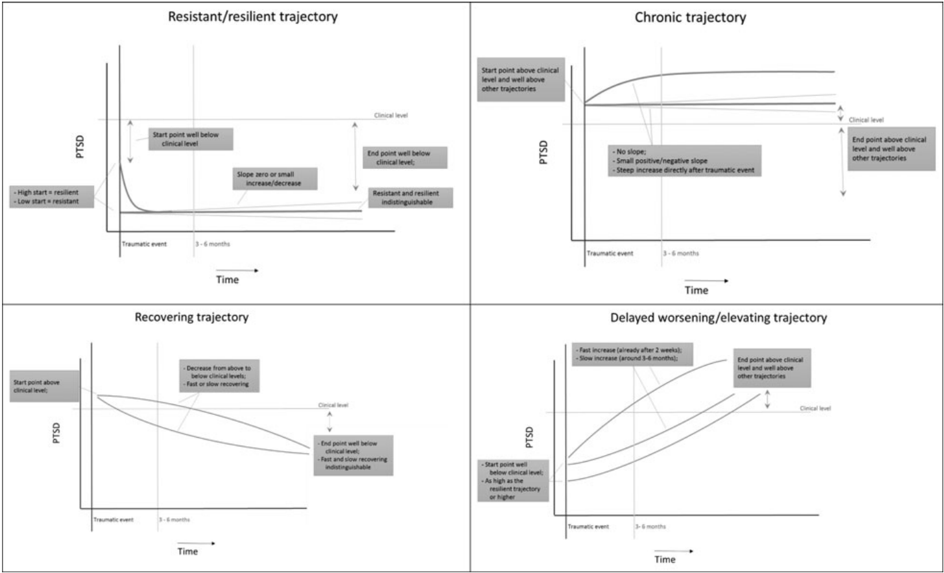
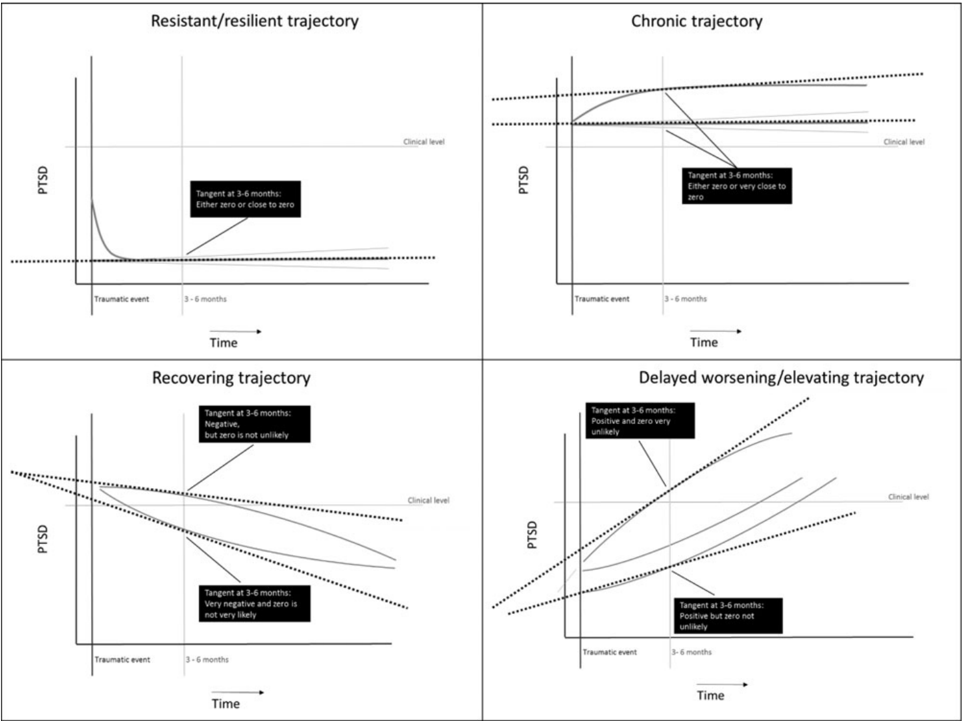
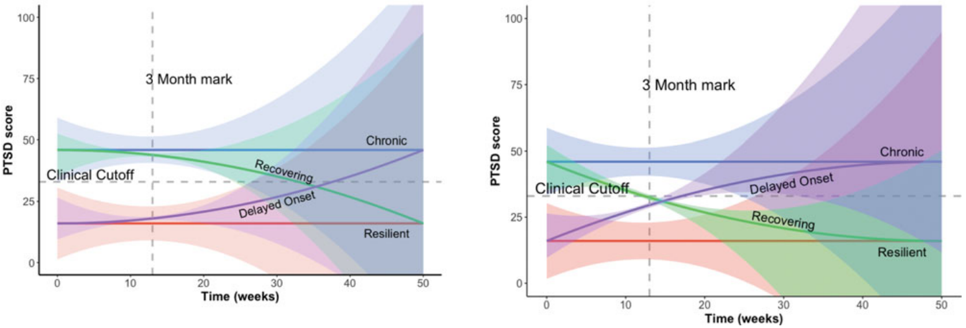
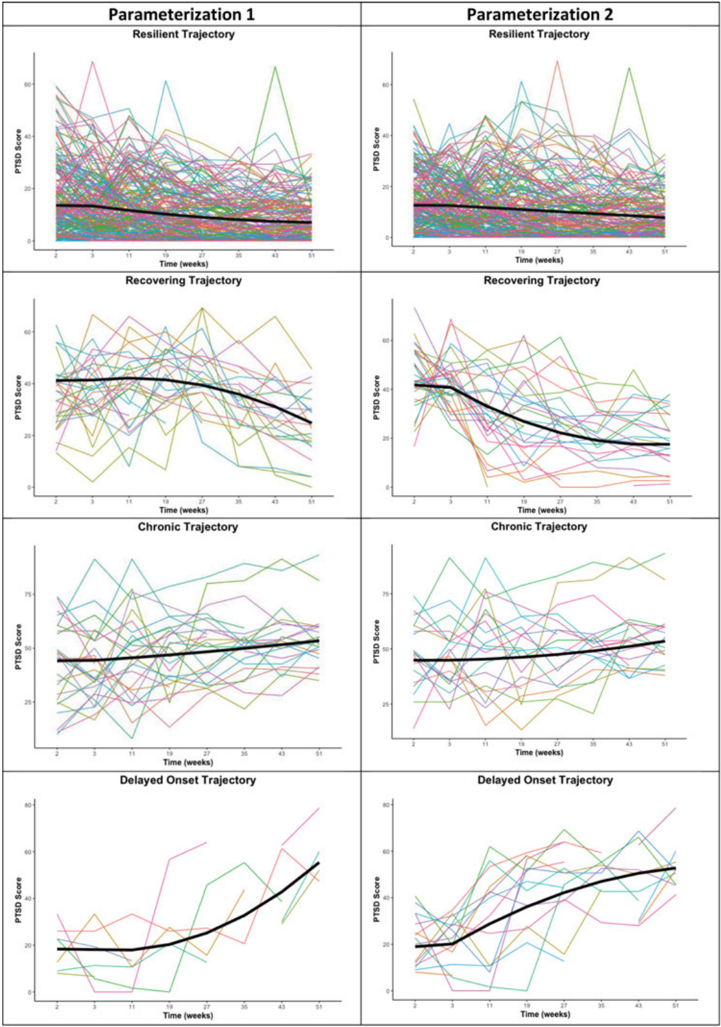
“The specification of the priors for the mean intercepts and linear slopes, as well as their description in terms of general trends was informed by a previously published systematic review and expert elicitation on latent PTSD trajectories (van de Schoot et al., 2018), see Table 2 and Figure 1.”
InfluentialSelf-citationASReview LAB v.2: Open-source text screening with multiple agents and a crowd of experts
de Bruin, J., Lombaers, P., Kaandorp, C., Teijema, J., van der Kuil, T., Yazan, B., Dong, A., & van de Schoot, R. (2025) · Patterns · doi:10.1016/j.patter.2025.101318 · Cited by 27
Bayesian estimation and model selection in group-based trajectory models.
Zang, E. X., & Max, J. T. (2022) · Psychological Methods · doi:10.1037/met0000359 · Cited by 26
Representative Sampling of the Via Assessment Suite for Adults
McGrath, R. E., Brown, M., Westrich, B., & Han, H. (2021) · Journal of Personality Assessment · doi:10.1080/00223891.2021.1955692 · Cited by 26
“…studies of latent structure of the VIA-IS-R based on relevant information, such as previous studies or meta-analyses, can decrease false negative and positive rates (Han, 2020, 2021) as well as improve model performance in general (van de Schoot et al., 2018; Zondervan-Zwijnenburg et al., 2017).”
MethodQuantifying body ownership information processing and perceptual bias in the rubber hand illusion
Lanfranco, R. C., Chancel, M., & Ehrsson, H. H. (2023) · Cognition · doi:10.1016/j.cognition.2023.105491 · Cited by 25
Impact of Informative Priors on Model Fit Indices in Bayesian Confirmatory Factor Analysis
Edwards, K., & Konold, T. R. (2022) · Structural Equation Modeling A Multidisciplinary Journal · doi:10.1080/10705511.2022.2126359 · Cited by 21
“Inaccurate informative priors with small-sample data will result in biased parameter estimates (Depaoli, 2014; van de Schoot et al., 2018).”
BackgroundImproving convergence in growth mixture models without covariance structure constraints
McNeish, D., & Harring, J. R. (2021) · Statistical Methods in Medical Research · doi:10.1177/0962280220981747 · Cited by 20
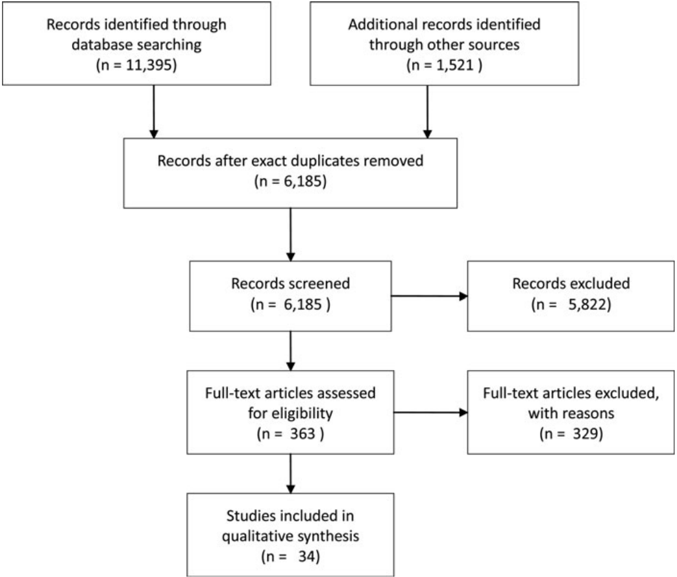
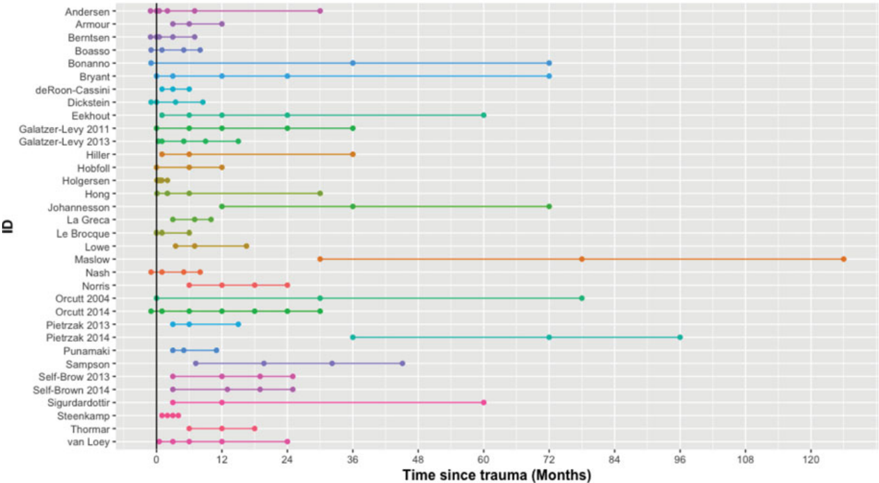
“To facilitate this review, we use the work of van de Schoot et al.(54) as a baseline, whose review screened 11,395 papers that satisfied keywords, ultimately whittling down to 34 papers containing 38 unique studies.”
MethodInfluentialASReview: Open Source Software for Efficient and Transparent Active Learning for Systematic Reviews.Preprint
van de Schoot, R., Bruin, J. D., Schram, R. D., Zahedi, P., de Boer, J., Weijdema, F., Kramer, B. M. R., Huijts, M., Hoogerwerf, M., Ferdinands, G., et al. (2020) · arXiv (Cornell University) · Cited by 21
Ofori-Boateng, R., Escobar, T. G. T., Aceves‐Martins, M., Wiratunga, N., & Moreno‐García, C. F. (2024) · Artificial Intelligence in Medicine · doi:10.1016/j.artmed.2024.102989 · Cited by 12
Dam, E. B.-V., Shepherd, L., van de Schoot, R., Engelhard, I. M., & Loey, N. E. E. V. (2024) · Health Psychology Review · doi:10.1080/17437199.2024.2423725 · Cited by 12
“…years, as the most recent longitudinal studies in the United States (Deng et al., 2024; McKibben et al., 2008) showed a very similar trend to the European, and especially Dutch-Belgian studies (Boersma-van Dam et al., 2022; Kwa et al., 2018; Van Loey et al., 2003, 2012; Van Loey et al., 2018).”
InfluentialByrne, B. M., & Matsumoto, D. (2021) · Cambridge University Press eBooks · doi:10.1017/9781108675475.015 · Cited by 15
Muñoz, A. V. A., Montesinos, J. L. G., Fernández‐Santos, J. R., Pardal, C. V., Domínguez, C. E., Ponce‐González, J. G., & Cuenca‐García, M. (2020) · International Journal of Environmental Research and Public Health · doi:10.3390/ijerph17103669 · Cited by 12
A method to adjust a prior distribution in Bayesian second-level fMRI analysis
Han, H. (2021) · PeerJ · doi:10.7717/peerj.10861 · Cited by 12
The hunt for the last relevant paper: blending the best of humans and AI
van de Schoot, R., Messina Coimbra, B., Evenhuis, T., Lombaers, P., Weijdema, F., de Bruin, L., Neeleman, R., Grandfield, E., Sijbrandij, M., Teijema, J. J., et al. (2025) · European Journal of Psychotraumatology · doi:10.1080/20008066.2025.2546214 · Cited by 6
“The initial dataset contained 7,511 records, of which 38 were deemed relevant in (Van De Schoot et al., 2017) and 34 in (van de Schoot et al., 2018).”
Self-citationAn introduction to an old acquaintance: using Bayesian inference in sales research
Rouziou, M., & Dugan, R. G. (2019) · Journal of Personal Selling and Sales Management · doi:10.1080/08853134.2019.1680294 · Cited by 12
Veen, D., Egberts, M. R., Loey, N. E. E. V., & van de Schoot, R. (2020) · Frontiers in Psychology · doi:10.3389/fpsyg.2020.01197 · Cited by 11
“…psychology, Gronau et al. (2019) elicited expert judgments on effect sizes such that these could be used in informed Bayesian t -tests; Lek and van de Schoot (2018) elicited prior distribution from teachers concerning the math abilities of their students; and Zondervan-Zwijnenburg et al. (2017)…”
Detecting Model Misspecification in Bayesian Piecewise Growth Models
Depaoli, S. A., Jia, F., & Heo, I. (2022) · Structural Equation Modeling A Multidisciplinary Journal · doi:10.1080/10705511.2022.2144865 · Cited by 10
“…research has indicated that prior specification is an important element in properly estimating growth factor means and variances in LGMs (see e.g., Depaoli, 2013; van de Schoot et al., 2018; Depaoli et al., 2017; Smid et al., 2020), it was not a key element to detecting model misfit in this study.”
BackgroundSelf-citationBayesian Multilevel Compositional Data Analysis with the R Package multilevelcoda
Le, F., Dumuid, D., Stanford, T., & Wiley, J. F. (2025) · Multivariate Behavioral Research · doi:10.1080/00273171.2025.2565598 · Cited by 10
“…robustness to small sample sizes (Le et al., 2025; Stegmueller, 2013), benefits from incorporating existing empirical information (i.e., priors; van de Schoot et al., 2018), and the ease of quantifying uncertainty around arbitrary calculated quantities using posterior samples (Gelman et al.,…”
Post-traumatic Stress Disorder Following Acute Stroke
Schultebraucks, K., Wen, T., Kronish, I. M., Willey, J. Z., & Chang, B. (2020) · Current Emergency and Hospital Medicine Reports · doi:10.1007/s40138-020-00206-5 · Cited by 10
Scholten, S., Herzog, P., Glombiewski, J. A., & Kaiser, T. (2024) · Pain · doi:10.1097/j.pain.0000000000003363 · Cited by 13
Bayesian approach to piecewise growth mixture modeling: Issues and applications in school psychology
Heo, I., Depaoli, S. A., Jia, F., & Liu, H. (2024) · Journal of School Psychology · doi:10.1016/j.jsp.2024.101366 · Cited by 9
Self-citationGouweloos, J., Brake, H. T., Sijbrandij, M., Boelen, P. A., Brewin, C. R., & Kleber, R. J. (2019) · European Journal of Psychotraumatology · doi:10.1080/20008198.2018.1554406 · Cited by 11
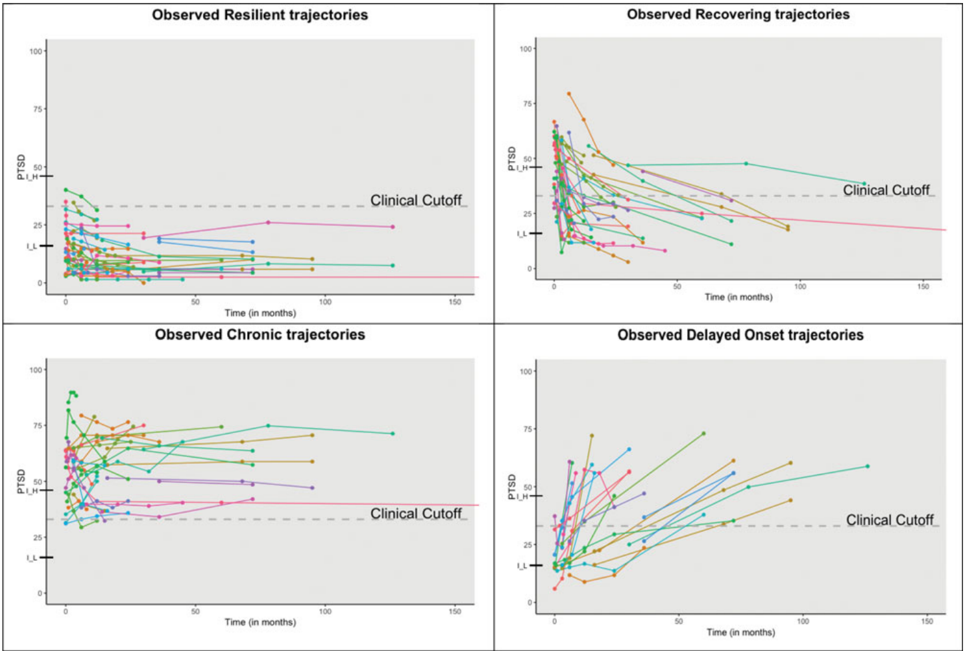
“…symptoms after disasters and large-scale incidents: resilient (no or only mild symptoms), recovery (initial high symptoms that decrease over time), chronic (continuously high symptoms) and delayed onset (high symptoms that start at a minimum of 6 months post-event) (Van de Schoot et al., 2018).”
BackgroundSelf-citationHad Enough of Experts? Quantitative Knowledge Retrieval From Large Language Models
Selby, D., Iwashita, Y., Spriestersbach, K., Saad, M., Bappert, D., Warrier, A., Mukherjee, S., Kise, K., & Vollmer, S. J. (2025) · Stat · doi:10.1002/sta4.70054 · Cited by 18
“In a similar vein, prior distributions may be elicited from academic publications: Linde et al. (2023) describe the use of a systematic review of the biomedical literature to perform ‘data-driven’ prior elicitation (see also Rietbergen et al., 2011; van de Schoot et al., 2018).”
Zhou, X., & Wu, X. (2021) · Development and Psychopathology · doi:10.1017/s0954579421000213 · Cited by 9
“Moreover, previous studies considered stable low levels of PTSD symptoms across time as resilience (e.g., Galatzer-Levy et al., 2018; Lai et al., 2017; van de Schoot et al., 2018).”
BackgroundResultInfluentialAlonso‐Llamazares, C., López, B., & Pardiñas, A. F. (2021) · American Journal of Biological Anthropology · doi:10.1002/ajpa.24425 · Cited by 11
Bayesian Mediation Analysis with Power Prior Distributions
Miočević, M., & Golchi, S. (2021) · Multivariate Behavioral Research · doi:10.1080/00273171.2021.1935202 · Cited by 9
“Bayesian analysis is exact for small samples and is often suggested as a solution for convergence issues and low power (e.g., Depaoli, 2013; Lee & Song, 2004; Yuan & MacKinnon, 2009).”
BackgroundMethodInfluentialAli, F., Tan, A. S.-C., & Wang, S. J.-W. (2025) · Research Synthesis Methods · doi:10.1017/rsm.2024.16 · Cited by 9
“We also added a benchmark dataset from a distinct but related field of psychiatry 32 to directly compare to the educational datasets in our study.”
Romanov, S., Siqueira, A. S., de Bruin, J., Teijema, J., Hofstee, L., & van de Schoot, R. (2024) · Data Intelligence · doi:10.1162/dint_a_00244 · Cited by 7
“In our work, we used PTSD dataset [37].”
MethodPTSD course and predictors in a 15 year longitudinal cohort following suspected serious injury
Karchoud, J. F., Hoeboer, C. M., Karaban, I., Mouthaan, J., Sijbrandij, M., Olff, M., van de Schoot, R., & van Zuiden, M. (2025) · npj Mental Health Research · doi:10.1038/s44184-025-00153-7 · Cited by 8
“…informative priors for the growth parameters of the intercept (T1) and linear slope (T2-T4), derived from a systematic review and expert elicitation on latent PTSD trajectories 26 ; and priors on the expected size of each PTSD trajectory based on mean prevalence rates of a meta-analytic study 13 .”
Self-citationWeiss, S., Elmdust, L. S., & Goecke, B. (2025) · Journal of Intelligence · doi:10.3390/jintelligence13110150 · Cited by 6
“In practice, different parameters demand distinct priors, e.g., normal distributions typically model means, factor loadings, and intercepts (Van De Schoot et al. 2018).”
Schulz, S., Zondervan-Zwijnenburg, M. A. J., Nelemans, S. A., Veen, D., Oldehinkel, A. J., Branje, S., & Meeus, W. (2021) · Frontiers in Psychology · doi:10.3389/fpsyg.2021.620802 · Cited by 6
Han, H. (2022) · Mathematics · doi:10.3390/math10030356 · Cited by 5
Karchoud, J. F., Hoeboer, C. M., Piwanski, G., Haagsma, J. A., Olff, M., van de Schoot, R., & van Zuiden, M. (2024) · BMC Psychiatry · doi:10.1186/s12888-024-06110-6 · Cited by 5
Self-citationTrajectories of grief-related psychopathology: A decade after the MH17 plane disaster
Nijborg, L. C. J., Westerhof, G. J., Pociūnaitė-Ott, J., Kunst, M. J. J., de Keijser, J., & Lenferink, L. I. M. (2025) · Journal of Anxiety Disorders · doi:10.1016/j.janxdis.2025.103036 · Cited by 4
AiReview: An Open Platform for Accelerating Systematic Reviews with LLMs
Mao, X., Leelanupab, T., Potthast, M., Scells, H., & Zuccon, G. (2025) · International ACM SIGIR Conference on Research and Development in Information Retrieval (SIGIR) · doi:10.1145/3726302.3730133 · Cited by 6
The Specification and Impact of Prior Distributions for Categorical Latent Variable Models
Depaoli, S. A. (2021) · Structural Equation Modeling A Multidisciplinary Journal · doi:10.1080/10705511.2021.1997605 · Cited by 5
Self-citationBayesian SEM with Small Samples: Precautions and Guidelines
Smid, S. C. (2023) · Utrecht University Repository (Utrecht University) · doi:10.33540/1755 · Cited by 4
SENSITIVITY ANALYSIS OF PRIOR DISTRIBUTIONS IN REGRESSION MODEL ESTIMATION
Adewole, A. I., & Bodunwa, O. K. (2024) · Al-Bahir Journal for Engineering and Pure Sciences · doi:10.55810/2313-0083.1056 · Cited by 2
“In Bayesian context, the so-called informative prior has a fundamental impact on posterior estimates of some important models such as latent growth models [10], con fi rmatory factor model [11], Logistic regression [12] among others, as it was explored by researchers.”
MethodData-driven prior elicitation for Bayes factors in Cox regression for nine subfields in biomedicine
Linde, M., Jochim, L., Tendeiro, J. N., & van Ravenzwaaij, D. (2025) · PLoS ONE · doi:10.1371/journal.pone.0322144 · Cited by 2
Quantitative Framework for Astrobiology Strategies and in situ Biogenic Assessments
Hartz, J., & George, S. C. (2022) · Frontiers in Astronomy and Space Sciences · doi:10.3389/fspas.2022.769607 · Cited by 2
Bayesian Estimation and Model Selection in Group-Based Trajectory ModelsPreprint
Zang, E. X., & Max, J. T. (2019) · SSRN Electronic Journal · doi:10.2139/ssrn.3315029 · Cited by 2
Bayesian prior elicitation for malaria modelling
Sehlabana, M. A., Maposa, D., Boateng, A., & Das, S. (2025) · Scientific African · doi:10.1016/j.sciaf.2025.e02810 · Cited by 1
Tolend, M., Halabi, R., Ghaouari, K., Lau, Y. C. Y., Alda, M., Hintze, A., Mulsant, B. H., & Ortiz, A. (2026) · The Canadian Journal of Psychiatry · doi:10.1177/07067437261445767 · Cited by 2
Hutchinson, M., Kinghorn, D., Hall, E. C. R., Metcalfe, R. S., Pavăl, D. R., Gallagher, I. J., & Vollaard, N. B. J. (2026) · Scandinavian Journal of Medicine and Science in Sports · doi:10.1111/sms.70347 · Cited by 2
“To confirm this, a prior sensitivity analysis was performed using wider priors, and the resulting posterior estimates were compared [69, 70] (File S1).”
InfluentialRecovering knot placements in Bayesian piecewise growth models with missing data
Heo, I., Jia, F., & Depaoli, S. A. (2025) · Behavior Research Methods · doi:10.3758/s13428-025-02716-0 · Cited by 1
“Specifically for latent growth modeling, see van de Schoot et al. (2018) and Veen et al. (2020).”
Self-citationBayesian Statistical Methods in Psychology
Depaoli, S. A. (2021) · Oxford University Press eBooks · doi:10.1093/obo/9780199828340-0277 · Cited by 1
Self-citationXia, Z., Ye, J., Hu, B., Qiang, Q., & Debnath, R. (2024) · Research Square · doi:10.21203/rs.3.rs-5063165/v1 · Cited by 1
(2021) · PeerJ · doi:10.7287/peerj.10861v0.1/reviews/2
“This result is consistent with previous non-fMRI studies that compared the performance of the default prior versus that of the prior informed by relevant previous literature [van de Schoot et al., 2018, Avci, 2017, Zondervan-Zwijnenburg et al., 2017].”
MethodResultInfluentialModel Estimation Approaches for Fully-Latent Principal Stratification with Small Samples
Lee, S., Sales, A., Kang, H., & Whittaker, T. A. (2024) · Structural Equation Modeling A Multidisciplinary Journal · doi:10.1080/10705511.2024.2402331
“Alternatively, systematic reviews and meta-analyses can be conducted to synthesize information across studies and construct priors for your research (e.g., van de Schoot et al., 2018; Zondervan-Zwijnenburg et al., 2017).”
He, Z., Li, Y., Ye, Y., Liu, Z., Peng, N., & Zhou, X. (2025) · Stress and Health · doi:10.1002/smi.70059
Prädiktive Bayes’sche Modellierung in der Sportwissenschaft
Asteroth, A. (2025) · Springer eBooks · doi:10.1007/978-3-662-68950-9_4
Predictive Bayesian Modeling in Sport Science
Asteroth, A. (2025) · Springer eBooks · doi:10.1007/978-3-662-70155-3_4
Detecting Transition Points in the Slope-Intercept Relation in Linear Latent Growth Models
Lee, D., & Hancock, G. R. (2025) · Multivariate Behavioral Research · doi:10.1080/00273171.2025.2583158
“Such empirical-based informative priors can potentially enhance estimation efficiency while maintaining appropriate uncertainty quantification in the Bayesian framework (Ibrahim & Chen, 2000; van de Schoot et al., 2018).”
Dennstädt, F., Zink, J., Putora, P. M., Hastings, J., & Cihoric, N. (2024) · Figshare · doi:10.6084/m9.figshare.26045554
Dennstädt, F., Zink, J., Putora, P. M., Hastings, J., & Cihoric, N. (2024) · Figshare · doi:10.6084/m9.figshare.26734479
Dennstädt, F., Zink, J., Putora, P. M., Hastings, J., & Cihoric, N. (2024) · Figshare · doi:10.6084/m9.figshare.26045481
Brooks, S. K., & Greenberg, N. (2024) · Figshare · doi:10.6084/m9.figshare.26665873
Dennstädt, F., Zink, J., Putora, P. M., Hastings, J., & Cihoric, N. (2024) · Figshare · doi:10.6084/m9.figshare.26734476
Workplace Physical Activity Interventions: Longitudinal, Dynamic, and Meta-Analytic Insights
Nath, A. (2025) · MACAU: Open Access Repository of Kiel University (University Library Kiel)
Ofori-Boateng, R. (2025) · Open Access Institutional Repository at Robert Gordon University (Robert Gordon University) · doi:10.48526/rgu-wt-3020586
Bayesian inference on fermentation kinetics: Comparative analysis with frequentist approach
Li, X., & Lin, Y. (2026) · Bioresource Technology · doi:10.1016/j.biortech.2026.134012
Pradhan, M. M., Upadhayaya, R., Wenyon, S., Viszolay, A. D., Rethlefsen, M. L., Metzger, V. T., Villarreal, G., Lesmes, S. A., Andrade, D., Timm, J., et al. (2026) · medRxiv · doi:10.64898/2026.06.13.26355589
Enhancing Title and Abstract Priority Screening Through EdRoSi AI PipelinePreprint
Lecot, P., Tonoli-Catez, H., Noseda, A., Buisse, T., Chanut, S., & Chanel, I. (2026) · medRxiv · doi:10.64898/2026.06.26.26356718
Jalsovec, E., Neeleman, R. C., van der Mark, B., Coimbra, B. M., van de Schoot, R., & van Zuiden, M. (2026) · DataverseNL · doi:10.34894/a5p5rf
Abbasi‐Asl, R., Keces, N., Lerner, R. M., Mackin, M., Zhang, R., Dowling, E. M., Tirrell, J. M., Hasse, A., Olander, K., Larkan, A., et al. (2026) · Applied Psychology Health and Well-Being · doi:10.1111/aphw.70212
Metadata
- Authors
- van de Schoot, R., Sijbrandij, M., Depaoli, S., Winter, S. D., Olff, M., & van Loey, N. E.
- Affiliations
- Department of Methods and Statistics, Utrecht University
- Vrije Universiteit Amsterdam (NL)
- University of California System (US)
- Utrecht University (NL)
- Amsterdam UMC Location University of Amsterdam (NL)
- Department of Clinical Psychology, Utrecht University
- Venue
- Multivariate Behavioral Research
- Publisher
- Informa UK Limited
- Published
- 2018-01-11
- Volume
- 53
- Issue
- 2
- Pages
- 267-291
- ISSN
- 0027-3171 (ISSN-L)
- 1532-7906
- OpenAlex
- W2783658081
- Cited by
- 85
- References
- 87
- Citations by year
- 2026: 5 · 2025: 16 · 2024: 17 · 2023: 3 · 2022: 7 · 2021: 19 · 2020: 8 · 2019: 7 · 2018: 2
- FWCI
- 7.50
- Type
- journal article
- Language
- en
- Open access
- hybrid
- doi.org
- Licence
- cc-by-nc-nd
- Locations
- Multivariate Behavioral Research (publishedVersion, cc-by-nc-nd)
- PubMed (publishedVersion)
- VU Research Portal (publishedVersion, other-oa)
- Data Archiving and Networked Services (DANS) (submittedVersion)
- Utrecht University Repository (Utrecht University) (submittedVersion, other-oa)
- Pure Amsterdam UMC (submittedVersion, other-oa)
- Data Archiving and Networked Services (DANS) (submittedVersion, other-oa)
- Funders
- Netherlands organization for scientific research (NWO-VIDI-452-14-006)
- Topics
- Physical Sciences › Mathematics › Statistics and Probability › Statistical Methods and Bayesian Inference
- Social Sciences › Decision Sciences › Management Science and Operations Research › Psychometric Methodologies and Testing
- Social Sciences › Psychology › Clinical Psychology › Posttraumatic Stress Disorder Research
- Keywords
- Bayesian analysis, informative priors, expert elicitation, growth mixture modeling, PTSD symptom trajectories, burns, data scarcity, prior sensitivity, systematic search
- MeSH terms
- Bayes Theorem, Burn Units, Humans, Review Literature as Topic, Stress Disorders, Post-Traumatic, Wounds and Injuries, Models, Statistical
About these checks
Registry, retraction, Cites and statistics results are computed, not judged, with one exception: a printed reference that no index lists is read once by a model before it counts as a citation error. Claims are extracted by a model and kept only when their quote appears verbatim in the text; each cited source is then checked, with a model’s help, for whether it says what the claim relies on. Those verdicts can be wrong — read the claim’s quote and the cited source before relying on one.
Statistics and arithmetic are recomputed, not judged.
Confidence bands are shown only for fields calibrated on our annotated test set. None is calibrated yet, so no band is shown.
What counts as a claim ›How we measure confidence ›How we check this ›
Are you an author, or do you see a problem with this page? Request a review
Data sources
Bibliographic data: Semantic Scholar, OpenAlex, Crossref.
Contains information from the Semantic Scholar Academic Graph Datasets, made available under the ODC Attribution License (ODC-BY 1.0).
Semantic Scholar’s data is described in: Kinney, R., et al. (2023). The Semantic Scholar Open Data Platform. arXiv:2301.10140.
