

Effect of single or combined caffeine and L-Theanine supplementation on shooting and cognitive performance in elite curling athletes: a double-blind, placebo-controlled study
Open accessThe DOI matches its Crossref record; 76 of the 76 references it cites were found in a registry or an index.
Abstract
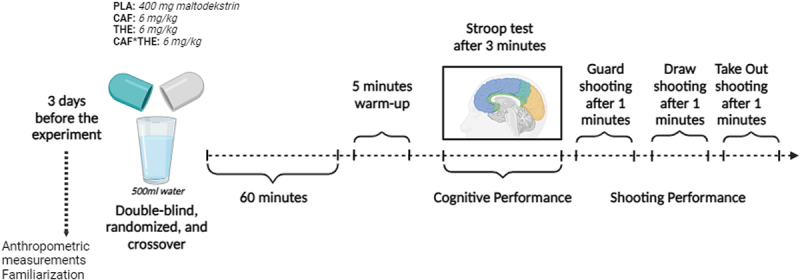
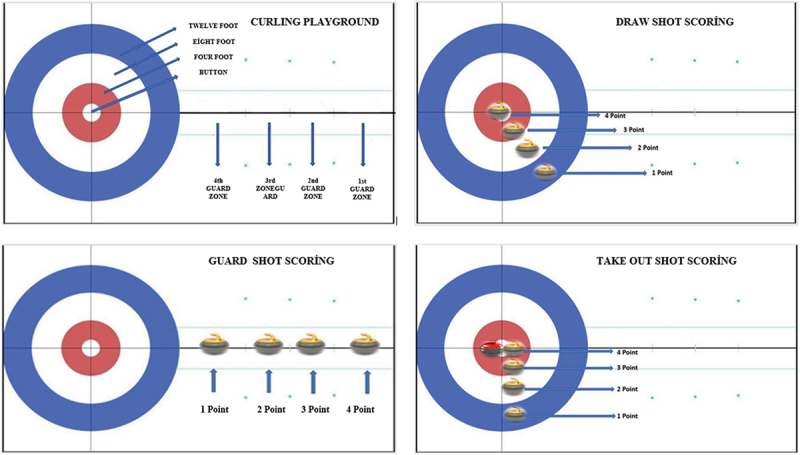
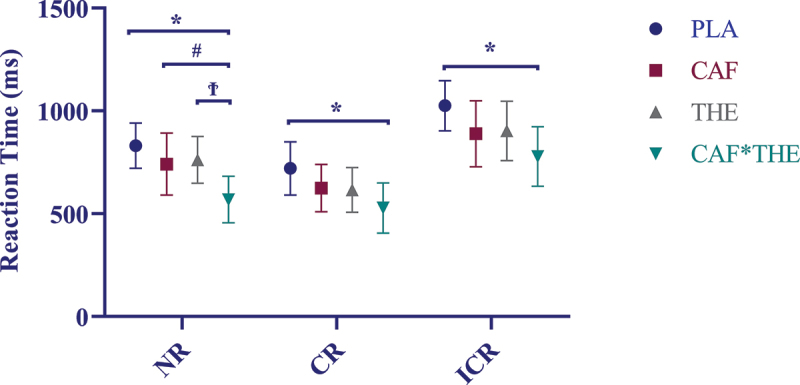
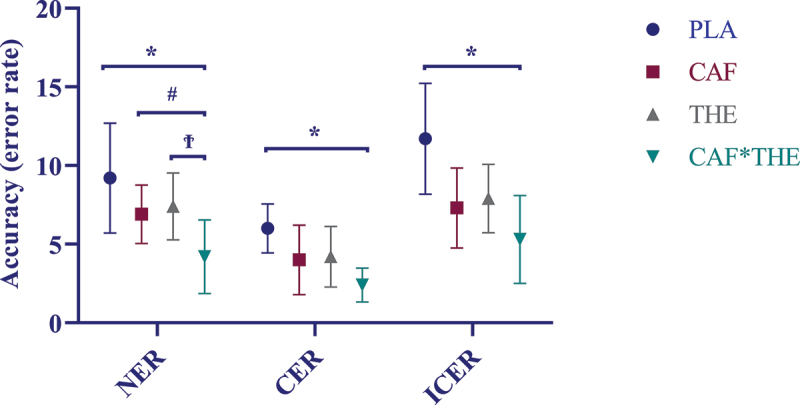
Purpose Previous studies have investigated the effect of single or combined caffeine (CAF) and L-theanine (THE) intake on attention performance. However, its effect on shooting performance and cognitive performance in a sport is unknown. The aim of this study was to investigate the hypothesis “Does single or combined CAF and THE supplementation have an effect on shooting and cognitive performance in elite curling athletes?.” It is predicted that over the next decade, studies based on nutritional ergogenic supplements in the developing sport of curling will continue to increase, leading to a significant increase in studies examining the effects of CAF and THE supplementation, alone or in combination, on throwing and cognitive performance in elite curling athletes.Methods In this double-blind, randomized controlled crossover study, twenty-two elite national curling athletes (age 20.20 ± 1.61 and sports age 6.20 ± 0.51 years, height 174.10 ± 7.21 cm, BMI 21.80 ± 3.47 kg/m2) were randomly assigned to CAF (6 mg/kg single dose CAF), THE (6 mg/kg single dose THE), CAF*THE (6 mg/kg CAF and 6 mg/kg THE combined) and PLA (400 mg maltodextrin) groups at each of four sessions. 60 minutes after taking the supplement, the athletes were first given the Stroop test and then asked to shoot.Results Our main findings have shown that the performance of athletes in guard (F=3.452, P < .001, ηp2 = .842), draw (F=1.647, P < .001, ηp2 = .485), and take-out (F=3.121, P < .001, ηp2 = .743) shot styles significantly improved when comparing the combined intake of CAF and THE to the PLA. Regarding cognitive performance evaluation through the Stroop test, during the NR task (F=4.743, P = .001, ηp2 = .653), the combined intake of CAF and THE significantly improved reaction times compared to the intake of single CAF, THE, or PLA. The best reaction times during the CR and ICR (respectively; F=2.742, P = .004, ηp2 = .328; F = 1.632, P < .001, ηp2 = .625) tasks were achieved with the combined CAF and THE intake, showing a significant improvement compared to PLA. During the NER (F=2.961, P < .001, ηp2 = .741), task, the combined intake of CAF and THE significantly improved error rates compared to the intake of CAF, THE, or PLA single. The best accuracy rates during the CER and ICER (respectively; F=4.127, P < .001, ηp2 = .396; F=3.899, P < .001, ηp2 = .710) tasks were achieved with the combined CAF and THE intake, leading to a significant reduction in error rates compared to PLA. Based on these findings, it has been demonstrated in this study that the best shooting scores and cognitive performance were achieved, particularly with the combined intake of CAF and THE.Conclusions Based on these findings, it has been demonstrated in this study that the best shooting scores and cognitive performance were achieved, particularly with the combined intake of CAF and THE. The combined use of these supplements has been found to be more effective on shooting and cognitive performance than their single use.
Overview
The claims and statistics of this paper haven’t been checked yet.
Free: it reads the open-access text and checks the first 5 claims that cite a source we can check. Create a free account to check every claim.
Integrity signals
Registry
Cites
Statistics
Figures
Verification
Claims the paper makes
The claims and statistics of this paper haven’t been checked yet.
Free: it reads the open-access text and checks the first 5 claims that cite a source we can check. Create a free account to check every claim.
Claims other papers make about this one
Each is checked against this paper’s own text: does it say what the citing paper says it does?
The cited source says what the claim attributes to it.
In the citing paper
“Individual studies have, however, suggested that co-ingestion of caffeine and L-theanine may have an additive effect, with additional benefits noted compared to when each is administered in isolation (20–27), although such findings have been somewhat inconsistent (28, 29) and would benefit from further behavioral and mechanistic evaluation.”
From Effects of L-theanine on cognition, mood and sleep: evidence from human trials (2026) · cites this paper as [27]
The cited source says what the claim attributes to it.
In the citing paper
“indicating that this plant-derived amino acid may provide a broad spectrum of benefits for human health and performance.”
From Effects of L-theanine on cognition, mood and sleep: evidence from human trials (2026) · cites this paper as [27]
Self-check
Percentages, sums and reported differences re-computed from the paper’s own numbers.
The self-check needs the paper’s full text.
Citations
Cites
Eta squared and partial eta squared as measures of effect size in educational research
Richardson, J. T. E. (2011) · Educational Research Review · doi:10.1016/j.edurev.2010.12.001 · Cited by 3,465
Studies of interference in serial verbal reactions.
Stroop, J. R. (1992) · Journal of Experimental Psychology: General · doi:10.1037/0096-3445.121.1.15 · Cited by 918
Effects of caffeine on human behavior
Smith, A. (2002) · Food and Chemical Toxicology · doi:10.1016/s0278-6915(02)00096-0 · Cited by 741 · cited 1×
“Accordingly, caffeine supplementation is thought to promote a more positive mood [39,40], increase alertness, and reduce feelings of fatigue [41,42].”
BackgroundInternational society of sports nutrition position stand: caffeine and performance
Goldstein, E. R., Ziegenfuss, T., Kalman, D., Kreider, R., Campbell, B., Wilborn, C., Taylor, L., Willoughby, D., Stout, J., Graves, B. S., et al. (2010) · Journal of the International Society of Sports Nutrition · doi:10.1186/1550-2783-7-5 · Cited by 686
International Society of Sports Nutrition Position Stand: Caffeine and Exercise Performance
Guest, N. S., VanDusseldorp, T. A., Nelson, M. T., Grgic, J., Schoenfeld, B. J., Jenkins, N. D. M., Arent, S. M., Antonio, J., Stout, J. R., Trexler, E. T., et al. (2021) · Journal of the International Society of Sports Nutrition · doi:10.1186/s12970-020-00383-4 · Cited by 665 · cited 2×
“to generally reflect the highest plasma presence of both THE [32] and CAF [30].”
BackgroundCaffeine: Cognitive and Physical Performance Enhancer or Psychoactive Drug?
Cappelletti, S., Daria, P., Sani, G., & Aromatario, M. (2015) · Current Neuropharmacology · doi:10.2174/1570159x13666141210215655 · Cited by 631
Central nervous system effects of caffeine and adenosine on fatigue
Davis, J. M., Zhao, Z., Stock, H. S., Mehl, K. A., Buggy, J., & Hand, G. A. (2003) · American Journal of Physiology-Regulatory, Integrative and Comparative Physiology · doi:10.1152/ajpregu.00386.2002 · Cited by 588
Effects of caffeine ingestion on metabolism and exercise performance.
COSTILL, D. L., Dalsky, G. P., & Fink, W. J. (1978) · PubMed · Cited by 498
Exercise and mood: A selective review and synthesis of research employing the profile of mood states
Berger, B. G., & Motl, R. W. (2000) · Journal of Applied Sport Psychology · doi:10.1080/10413200008404214 · Cited by 467
l-theanine reduces psychological and physiological stress responses
Kimura, K., Ozeki, M., Juneja, L. R., & Ohira, H. (2007) · Biological Psychology · doi:10.1016/j.biopsycho.2006.06.006 · Cited by 349 · cited 1×
“THE’s anti-stress effects (200 mg/day) have been observed following both once-daily [63,64] and twice-daily [65] administrations, while attention-enhancing effects were observed with four separate daily administrations of 100 mg/day [66].”
BackgroundThe Effects of L-Theanine, Caffeine and Their Combination on Cognition and Mood
Haskell, C. F., Kennedy, D. O., Milne, A. L., Wesnes, K. A., & Scholey, A. B. (2008) · Biological Psychology · doi:10.1016/j.biopsycho.2007.09.008 · Cited by 280 · cited 1×
“In terms of cognitive function, there are studies in the literature that suggest THE may cause performance decrements when administered single [62,68] or have no effect [69,70].”
BackgroundCaffeine Use in Sports: Considerations for the Athlete
Sökmen, B., Armstrong, L. E., Kraemer, W. J., Casa, D. J., Dias, J. C., Judelson, D. A., & Maresh, C. M. (2008) · Journal of Strength and Conditioning Research · doi:10.1519/jsc.0b013e3181660cec · Cited by 211
L-Theanine, Unique Amino Acid of Tea, and Its Metabolism, Health Effects, and Safety
Türközü, D., & Şanlier, N. (2017) · Critical Reviews in Food Science and Nutrition · doi:10.1080/10408398.2015.1016141 · Cited by 207 · cited 1×
“Furthermore, THE has been reported to have beneficial effects on mental state [61], including sleep quality [62].”
BackgroundCaffeine Improves Physical and Cognitive Performance during Exhaustive Exercise
HOGERVORST, E., BANDELOW, S., SCHMITT, J., JENTJENS, R., OLIVEIRA, M., ALLGROVE, J., CARTER, T., & GLEESON, M. (2008) · Medicine & Science in Sports & Exercise · doi:10.1249/mss.0b013e31817bb8b7 · Cited by 185
Rogers, P. J., Smith, J. E., Heatherley, S. V., & Pleydell-Pearce, C. W. (2007) · Psychopharmacology · doi:10.1007/s00213-007-0938-1 · Cited by 183
Hidese, S., Ogawa, S., Ota, M., Ishida, I., Yasukawa, Z., Ozeki, M., & Kunugi, H. (2019) · Nutrients · doi:10.3390/nu11102362 · Cited by 170
Caffeine increases maximal anaerobic power and blood lactate concentration
Anselme, F., Collomp, K., Mercier, B., Ahma�di, S., & Prefaut, C. (1992) · European Journal of Applied Physiology and Occupational Physiology · doi:10.1007/bf00705079 · Cited by 167
Antinociceptive Effects of Novel A2B Adenosine Receptor Antagonists
Abo‐Salem, O. M., Hayallah, A. M., Bilkei‐Gorzó, A., Filipek, B., Zimmer, A., & Müller, C. E. (2004) · Journal of Pharmacology and Experimental Therapeutics · doi:10.1124/jpet.103.056036 · Cited by 160
An overview of biological production of L-theanine
Mu, W., Zhang, T., & Jiang, B. (2015) · Biotechnology Advances · doi:10.1016/j.biotechadv.2015.04.004 · Cited by 156
Camfield, D. A., Stough, C., Farrimond, J., & Scholey, A. B. (2014) · Nutrition Reviews · doi:10.1111/nure.12120 · Cited by 155 · cited 3×
“In a meta-analysis study, Camfield, Stough [32], analyzed the”
Background(2008) · PubMed · Cited by 154
Urine Caffeine Concentration in Doping Control Samples from 2004 to 2015
Aguilar-Navarro, M., Muñoz, G., Salinero, J. J., Muñoz-Guerra, J., Fernández-Álvarez, M., Plata, M. D. M., & Del Coso, J. (2019) · Nutrients · doi:10.3390/nu11020286 · Cited by 147
The effect of caffeine ingestion on 8 km run performance in a field setting
Bridge, C. A., & Jones, M. A. (2006) · Journal of Sports Sciences · doi:10.1080/02640410500231496 · Cited by 138
KAKUDA, T., NOZAWA, A., SUGIMOTO, A., & NIINO, H. (2002) · Bioscience, Biotechnology, and Biochemistry · doi:10.1271/bbb.66.2683 · Cited by 131 · cited 2×
“THE uptake appears to exert its effects primarily through glutamatergic mechanisms [76].”
BackgroundInhibiting effects of theanine on caffeine stimulation evaluated by EEG in the rat
KAKUDA, T., NOZAWA, A., UNNO, T., OKAMURA, N., & OKAI, O. (2000) · Bioscience, Biotechnology, and Biochemistry · doi:10.1271/bbb.64.287 · Cited by 131
Williams, J. L., Everett, J. M., D’Cunha, N. M., Sergi, D., Georgousopoulou, E. N., Keegan, R. J., McKune, A. J., Mellor, D. D., Anstice, N., & Naumovski, N. (2020) · Plant Foods for Human Nutrition · doi:10.1007/s11130-019-00771-5 · Cited by 123 · cited 1×
“to these effects, THE can enhance concentration and improve mental suitability [22,23].”
BackgroundBryan, J. (2008) · Nutrition Reviews · doi:10.1111/j.1753-4887.2007.00011.x · Cited by 122 · cited 1×
“The dosage of THE was chosen due to its characteristic dosage found in green tea, which is already available in the market [31].”
BackgroundKelly, S. P., Gomez-Ramirez, M., Montesi, J. L., & Foxe, J. J. (2008) · The Journal of Nutrition · doi:10.1093/jn/138.8.1572s · Cited by 119 · cited 1×
“In terms of cognitive function, there are studies in the literature that suggest THE may cause performance decrements when administered single [62,68] or have no effect [69,70].”
BackgroundMielgo-Ayuso, J., Marques-Jiménez, D., Refoyo, I., Del Coso, J., León-Guereño, P., & Calleja-González, J. (2019) · Nutrients · doi:10.3390/nu11102313 · Cited by 119
The combined effects of L-theanine and caffeine on cognitive performance and mood
Owen, G. N., Parnell, H., De Bruin, E. A., & Rycroft, J. A. (2008) · Nutritional Neuroscience · doi:10.1179/147683008x301513 · Cited by 113 · cited 1×
“In terms of cognitive function, there are studies in the literature that suggest THE may cause performance decrements when administered single [62,68] or have no effect [69,70].”
BackgroundTERASHIMA, T., TAKIDO, J., & YOKOGOSHI, H. (1999) · Bioscience, Biotechnology, and Biochemistry · doi:10.1271/bbb.63.615 · Cited by 112
Improvements on neuromuscular performance with caffeine ingestion depend on the time-of-day
Mora-Rodríguez, R., Pallarés, J. G., López-Gullón, J. M., López-Samanes, Á., Fernández-Elías, V. E., & Ortega, J. F. (2015) · Journal of science and medicine in sport · doi:10.1016/j.jsams.2014.04.010 · Cited by 110
Giesbrecht, T., Rycroft, J. A., Rowson, M. J., & De Bruin, E. A. (2010) · Nutritional Neuroscience · doi:10.1179/147683010x12611460764840 · Cited by 108
KIMURA, R., & MURATA, T. (1971) · Chemical and Pharmaceutical Bulletin · doi:10.1248/cpb.19.1257 · Cited by 98
Gomez-Ramirez, M., Higgins, B. A., Rycroft, J. A., Owen, G. N., Mahoney, J., Shpaner, M., & Foxe, J. J. (2007) · Clinical Neuropharmacology · doi:10.1097/01.wnf.0000240940.13876.17 · Cited by 96 · cited 2×
“Furthermore, THE has been reported to have beneficial effects on mental state [61], including sleep quality [62].”
BackgroundGomez-Ramirez, M., Kelly, S. P., Montesi, J. L., & Foxe, J. J. (2009) · Brain Topography · doi:10.1007/s10548-008-0068-z · Cited by 90
White, D., De Klerk, S., Woods, W., Gondalia, S., Noonan, C., & Scholey, A. (2016) · Nutrients · doi:10.3390/nu8010053 · Cited by 85
Caffeine Improves Cognitive Performance After Strenuous Physical Exercise
Hogervorst, E., Riedel, W., Kovacs, E., Brouns, F., & Jolles, J. (1999) · International Journal of Sports Medicine · doi:10.1055/s-2007-971144 · Cited by 81
Acute consumption of a caffeinated energy drink enhances aspects of performance in sprint swimmers
Lara, B., Ruiz-Vicente, D., Areces, F., Abián-Vicén, J., Salinero, J. J., Gonzalez-Millán, C., Gallo-Salazar, C., & Del Coso, J. (2015) · British Journal of Nutrition · doi:10.1017/s0007114515002573 · Cited by 80
How does the tea L-theanine buffer stress and anxiety
Wang, L., Brennan, M., Li, S., Zhao, H., Lange, K. W., & Brennan, C. (2022) · Food Science and Human Wellness · doi:10.1016/j.fshw.2021.12.004 · Cited by 80 · cited 1×
“to these effects, THE can enhance concentration and improve mental suitability [22,23].”
BackgroundYamada, T., Terashima, T., Okubo, T., Juneja, L. R., & Yokogoshi, H. (2005) · Nutritional Neuroscience · doi:10.1080/10284150500170799 · Cited by 72 · cited 1×
“Both peripherally and centrally administered THE has been shown to have effects on the brain [47,48], modulating monoamine levels in the central nervous system [49,50] and neurotransmissions of glutamate and glycine [51,52].”
BackgroundUnno, K., Tanida, N., Ishii, N., Yamamoto, H., Iguchi, K., Hoshino, M., Takeda, A., Ozawa, H., Ohkubo, T., Juneja, L. R., et al. (2013) · Pharmacology Biochemistry and Behavior · doi:10.1016/j.pbb.2013.09.004 · Cited by 72 · cited 1×
“THE’s anti-stress effects (200 mg/day) have been observed following both once-daily [63,64] and twice-daily [65] administrations, while attention-enhancing effects were observed with four separate daily administrations of 100 mg/day [66].”
BackgroundYamada, T., Terashima, T., Kawano, S., Furuno, R., Okubo, T., Juneja, L. R., & Yokogoshi, H. (2009) · Amino Acids · doi:10.1007/s00726-007-0020-7 · Cited by 71 · cited 1×
“Both peripherally and centrally administered THE has been shown to have effects on the brain [47,48], modulating monoamine levels in the central nervous system [49,50] and neurotransmissions of glutamate and glycine [51,52].”
BackgroundAcute Effects of Theanine, Caffeine and Theanine–Caffeine Combination on Attention
Kahathuduwa, C. N., Dassanayake, T. L., Amarakoon, A. M. T., & Weerasinghe, V. S. (2017) · Nutritional Neuroscience · doi:10.1080/1028415x.2016.1144845 · Cited by 71 · cited 1×
“THE’s anti-stress effects (200 mg/day) have been observed following both once-daily [63,64] and twice-daily [65] administrations, while attention-enhancing effects were observed with four separate daily administrations of 100 mg/day [66].”
BackgroundIngestion of theanine, an amino acid in tea, suppresses psychosocial stress in mice
Unno, K., Iguchi, K., Tanida, N., Fujitani, K., Takamori, N., Yamamoto, H., Ishii, N., Nagano, H., Nagashima, T., Hara, A., et al. (2013) · Experimental Physiology · doi:10.1113/expphysiol.2012.065532 · Cited by 69 · cited 1×
“In behavioral experiments, THE has also been suggested to exhibit anti-stress or antidepressant-like effects [55,56].”
BackgroundThe sports science of curling: a practical review.
Bradley, J. L. (2009) · Europe PMC (PubMed Central) · Cited by 67
Behavioral and molecular evidence for psychotropic effects in l-theanine
Wakabayashi, C., Numakawa, T., Ninomiya, M., Chiba, S., & Kunugi, H. (2012) · Psychopharmacology · doi:10.1007/s00213-011-2440-z · Cited by 65
Einöther, S. J. L., Martens, V. E. G., Rycroft, J. A., & De Bruin, E. A. (2010) · Appetite · doi:10.1016/j.appet.2010.01.003 · Cited by 62
Protective effect of l-theanine on chronic restraint stress-induced cognitive impairments in mice
Tian, X., Sun, L., Gou, L., Ling, X., Feng, Y., Wang, L., Yin, X., & Liu, Y. (2013) · Brain Research · doi:10.1016/j.brainres.2013.01.048 · Cited by 57
Black tea improves attention and self-reported alertness
De Bruin, E. A., Rowson, M. J., Van Buren, L., Rycroft, J. A., & Owen, G. N. (2011) · Appetite · doi:10.1016/j.appet.2010.12.011 · Cited by 54
Effect of theanine on norepinephrine and serotonin levels in rat brain
KIMURA, R., & MURATA, T. (1986) · Chemical and Pharmaceutical Bulletin · doi:10.1248/cpb.34.3053 · Cited by 51 · cited 1×
“Both peripherally and centrally administered THE has been shown to have effects on the brain [47,48], modulating monoamine levels in the central nervous system [49,50] and neurotransmissions of glutamate and glycine [51,52].”
BackgroundBaba, Y., Inagaki, S., Nakagawa, S., Kaneko, T., Kobayashi, M., & Takihara, T. (2021) · Journal of Medicinal Food · doi:10.1089/jmf.2020.4803 · Cited by 51
Bello, M. L., Walker, A. J., McFadden, B. A., Sanders, D. J., & Arent, S. M. (2019) · Journal of the International Society of Sports Nutrition · doi:10.1186/s12970-019-0287-6 · Cited by 49
Ali, A., O’Donnell, J., Von Hurst, P., Foskett, A., Holland, S., Starck, C., & Rutherfurd-Markwick, K. (2016) · Journal of Sports Sciences · doi:10.1080/02640414.2015.1052746 · Cited by 48
Analysis of Nutritional Supplements Consumption by Squash Players
Ventura Comes, A., Sánchez-Oliver, A. J., Martínez-Sanz, J. M., & Domínguez, R. (2018) · Nutrients · doi:10.3390/nu10101341 · Cited by 47
Kahathuduwa, C. N., Dhanasekara, C. S., Chin, S.-H., Davis, T., Weerasinghe, V. S., Dassanayake, T. L., & Binks, M. (2018) · Nutrition Research · doi:10.1016/j.nutres.2017.11.002 · Cited by 46
Yokogoshi, H., & Terashima, T. (2000) · Nutrition · doi:10.1016/s0899-9007(00)00384-1 · Cited by 45 · cited 1×
“Both peripherally and centrally administered THE has been shown to have effects on the brain [47,48], modulating monoamine levels in the central nervous system [49,50] and neurotransmissions of glutamate and glycine [51,52].”
BackgroundAnalysis of Sports Supplements Consumption in Young Spanish Elite Dinghy Sailors
Caraballo, I., Domínguez, R., Guerra-Hernandez, E. J., & Sánchez-Oliver, A. J. (2020) · Nutrients · doi:10.3390/nu12040993 · Cited by 39
Ogawa, S., Ota, M., Ogura, J., Kato, K., & Kunugi, H. (2018) · Psychopharmacology · doi:10.1007/s00213-017-4743-1 · Cited by 37
Karayiğit, R., Ali, A., Rezaei, S., Ersöz, G., Lago-Rodríguez, Á., Domínguez, R., & Naderi, A. (2021) · Journal of the International Society of Sports Nutrition · doi:10.1186/s12970-021-00462-0 · Cited by 36
Ozan, M., Buzdağlı, Y., Eyipınar, C. D., Baygutalp, N. K., Yüce, N., Öget, F., Kan, E., & Baygutalp, F. (2022) · Nutrients · doi:10.3390/nu14204399 · Cited by 36
Paraxanthine Supplementation Increases Muscle Mass, Strength, and Endurance in Mice
Jäger, R., Purpura, M., Wells, S. D., Liao, K., & Godavarthi, A. (2022) · Nutrients · doi:10.3390/nu14040893 · Cited by 35
Tamano, H., Fukura, K., Suzuki, M., Sakamoto, K., Yokogoshi, H., & Takeda, A. (2013) · Brain Research Bulletin · doi:10.1016/j.brainresbull.2013.02.005 · Cited by 33
Juszkiewicz, A., Glapa, A., Basta, P., Petriczko, E., Żołnowski, K., Machaliński, B., Trzeciak, J., Łuczkowska, K., & Skarpańska-Stejnborn, A. (2019) · Journal of the International Society of Sports Nutrition · doi:10.1186/s12970-019-0274-y · Cited by 31
Takeda, A., Tamano, H., Suzuki, M., Sakamoto, K., Oku, N., & Yokogoshi, H. (2012) · Cellular and Molecular Neurobiology · doi:10.1007/s10571-011-9732-z · Cited by 25
Evans, M., McDonald, A. C., Xiong, L., Crowley, D. C., & Guthrie, N. (2021) · Neurology and Therapy · doi:10.1007/s40120-021-00284-x · Cited by 25 · cited 1×
“Balancing cortisol levels with THE supplementation may lead to improved endurance during exercise [24,25].”
BackgroundThiagarajah, K., Chee, H. P., & Sit, N. W. (2022) · Nutrients · doi:10.3390/nu14030652 · Cited by 23
The Effects of Cognitive General Imagery Use on Decision Accuracy and Speed in Curling
Stewart, N. W., & Hall, C. R. (2016) · The Sport Psychologist · doi:10.1123/tsp.2016-0001 · Cited by 21
de Almeida, R. F., de Oliveira, M., Furigo, I. C., Aquino, R., Clarke, N. D., Tallis, J. A., & Guimarães‐Ferreira, L. (2023) · Nutrients · doi:10.3390/nu15143094 · Cited by 20
Takarada, T., Nakamichi, N., Kakuda, T., Nakazato, R., Kokubo, H., Ikeno, S., Nakamura, S., Hinoi, E., & Yoneda, Y. (2015) · Journal of Pharmacological Sciences · doi:10.1016/j.jphs.2014.12.018 · Cited by 19 · cited 1×
“In behavioral experiments, THE has also been suggested to exhibit anti-stress or antidepressant-like effects [55,56].”
BackgroundEffects of Different Sources of Low-Dose Caffeine on Mood/Arousal and Cognitive Performance
Irwin, C. G., McCartney, D., Grant, G. D., Delang, N., Bartrim, K., Cox, G. R., & Desbrow, B. (2022) · Perceptual and Motor Skills · doi:10.1177/00315125221124369 · Cited by 13
Lin, L., Han, S., Gong, Z., Ding, F., Liu, Z., & Xiao, W. (2023) · Food & Function · doi:10.1039/d3fo01001e · Cited by 12
Effect Of Caffeine On Exercise Performance: Current Review
Buzdağlı, Y., Tekin, A., Şıktar, E., & Eskici, G. (2021) · Turkish Journal of Sport and Exercise · doi:10.15314/tsed.895754 · Cited by 10
From Past to Present The Most Mysterious Olympic Sport: A Review of Curling Sport
Ağduman, F., & Bedir, D. (2023) · The Online Journal of Recreation and Sport · doi:10.22282/tojras.1302666 · Cited by 8
Daou, M., Sassi, J., Miller, M. W., & Gonzalez, A. M. (2018) · Journal of Dietary Supplements · doi:10.1080/19390211.2018.1440686 · Cited by 6
Nathan, P. J., Lu, K., Gray, M., & Oliver, C. (2006) · Journal of Herbal Pharmacotherapy · doi:10.1080/j157v06n02_02 · cited 1×
“a competitive low-affinity glutamate receptor antagonist [46,76].”
Research works printed but not linked: 1
- Steele, AM, Johnson, BT, Kraft, J. Physical fitness levels for beginning curlers. Res Q Exerc Sport. 2014; 85(S1): A87.
Cited by
Le, J., Li, L., Wang, C., Hu, Q., Shao, K., Zhao, Y. F., & Jin, Y. (2025) · Food Chemistry · doi:10.1016/j.foodchem.2025.145613 · Cited by 20
Yu, T., & Ding, C. (2025) · Frontiers in Nutrition · doi:10.3389/fnut.2025.1675654 · Cited by 19
The Impact of Stroboscopic Visual Conditions on the Performance of Elite Curling Athletes
Li, T., Zhang, C., Wang, X., Zhang, X., Wu, Z., & Liang, Y. (2024) · Life · doi:10.3390/life14091184 · Cited by 13
Razazan, R., Hemmatinafar, M., Imanian, B., Jahaniboushehri, N., Rezaei, R., & Nazemzadegan, G. (2025) · Journal of the International Society of Sports Nutrition · doi:10.1080/15502783.2025.2564238 · Cited by 11
“Compared to caffeine or theanine alone, the CAF+THE group exhibited the fastest Stroop reaction times and lowest error rates, as well as superior performance across all shot types [15].”
Influential„Brain doping” substances: prohibited or not in sports?
Pokrywka, A., Surała, O., Grabowska, K., Przybyła, M., Granda, D., Małecki, A., Faiss, R., & Nowacka-Chmielewska, M. M. (2025) · Biology of Sport · doi:10.5114/biolsport.2025.150047 · Cited by 11
Metadata
- Authors
- Yilmaz, U., Buzdagli, Y., Polat, M. L., Bakir, Y., Ozhanci, B., Alkazan, S., & Ucar, H.
- Affiliations
- Hakkâri University, Department of Physical Education and Sports, Faculty of Education, Hakkâri, Turkey
- Erzurum Technical University, Department of Coaching Education, Faculty of Sport Sciences, Erzurum, Turkey
- Erzurum Technical University (TR)
- Atatürk University, Institute of Winter Sports and Sport Sciences, Erzurum, Turkey
- ORCID
- Buzdagli, Yusuf
- Venue
- Journal of the International Society of Sports Nutrition
- Publisher
- Informa UK Limited
- Published
- 2023-10-10
- Volume
- 20
- Issue
- 1
- Pages
- 2267536-2267536
- ISSN
- 1550-2783 (ISSN-L)
- PMC
- PMC10566444
- OpenAlex
- W4387473377
- Cited by
- 19
- References
- 76
- Citations by year
- 2026: 7 · 2025: 9 · 2024: 3
- FWCI
- 2.95
- Type
- journal article
- Language
- en
- Open access
- gold
- doi.org
- Licence
- Locations
- Journal of the International Society of Sports Nutrition (publishedVersion, cc-by-nc)
- PubMed Central (publishedVersion, cc-by-nc)
- PubMed (publishedVersion)
- Funders
- Institutional Review Board Statement
- Erzurum Atatürk University Ethics Committee (E-70400699-060.10.06-3200456396)
- Topics
- Health Sciences › Medicine › Pharmacology (medical) › Coffee research and impacts
- Health Sciences › Medicine › Orthopedics and Sports Medicine › Sports Performance and Training
- Social Sciences › Psychology › Developmental and Educational Psychology › Sport Psychology and Performance
- Keywords
- caffeine, theanine, curling, throwing performance, cognitive performance, reaction time, Stroop task, attention, ergogenic aids, elite athletes, maltodextrin placebo, caffeine dose-response
- MeSH terms
- Adolescent, Adult, Caffeine, Child, Child, Preschool, Cognition, Double-Blind Method, Glutamates, Humans, Polyesters, Cross-Over Studies, Dietary Supplements, Athletic Performance, Young Adult, Athletes
About these checks
Registry, retraction, Cites and statistics results are computed, not judged, with one exception: a printed reference that no index lists is read once by a model before it counts as a citation error. Claims are extracted by a model and kept only when their quote appears verbatim in the text; each cited source is then checked, with a model’s help, for whether it says what the claim relies on. Those verdicts can be wrong — read the claim’s quote and the cited source before relying on one.
Statistics and arithmetic are recomputed, not judged.
Confidence bands are shown only for fields calibrated on our annotated test set. None is calibrated yet, so no band is shown.
What counts as a claim ›How we measure confidence ›How we check this ›
Are you an author, or do you see a problem with this page? Request a review
Data sources
Bibliographic data: Semantic Scholar, OpenAlex, Crossref.
Contains information from the Semantic Scholar Academic Graph Datasets, made available under the ODC Attribution License (ODC-BY 1.0).
Semantic Scholar’s data is described in: Kinney, R., et al. (2023). The Semantic Scholar Open Data Platform. arXiv:2301.10140.
