

Acute, dose–response effects of guayusa leaf extract on mood, cognitive and motor-cognitive performance, and blood pressure, heart rate, and ventricular repolarization
Open accessThe DOI matches its Crossref record; 43 of the 43 references it cites were found in a registry or an index.
Abstract
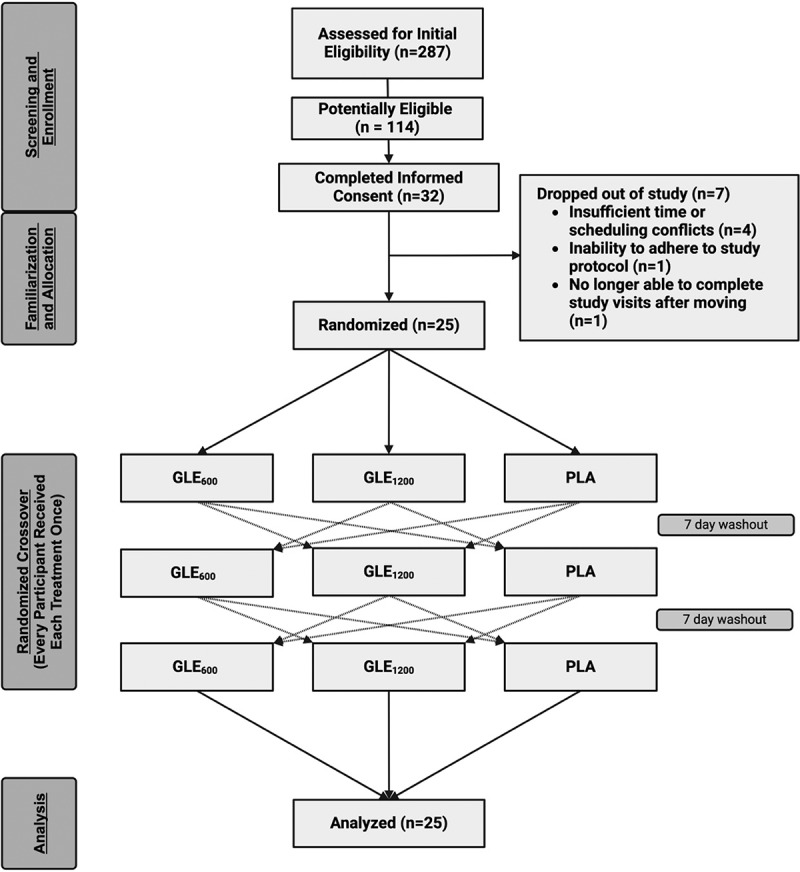
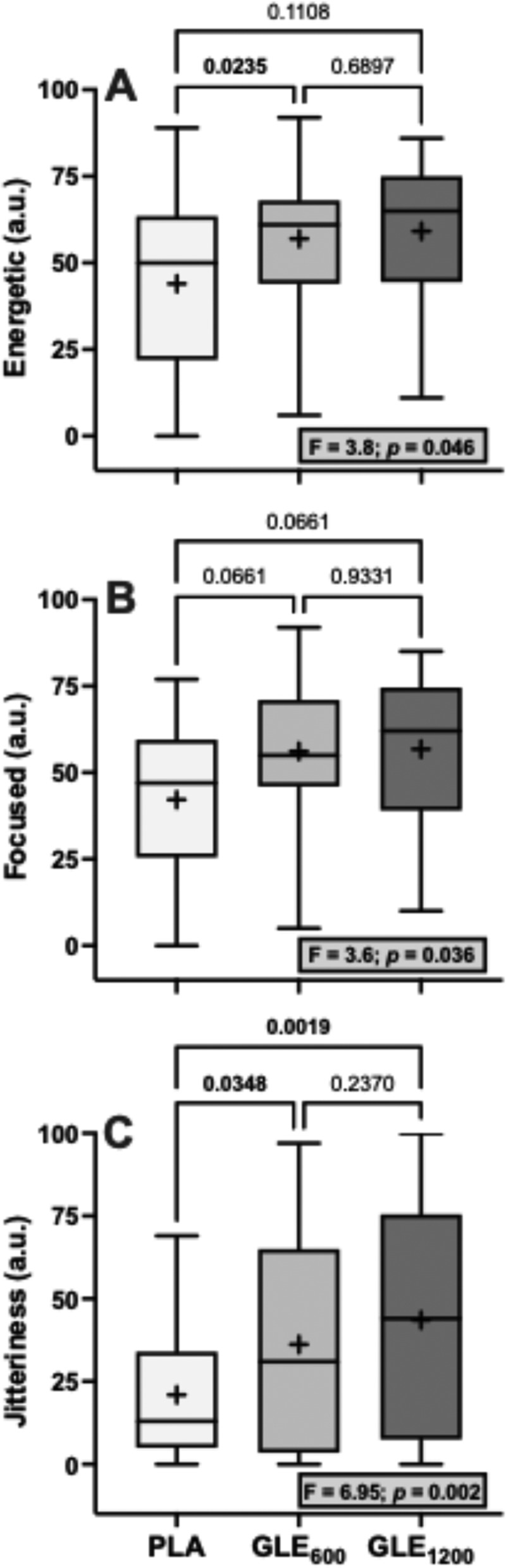
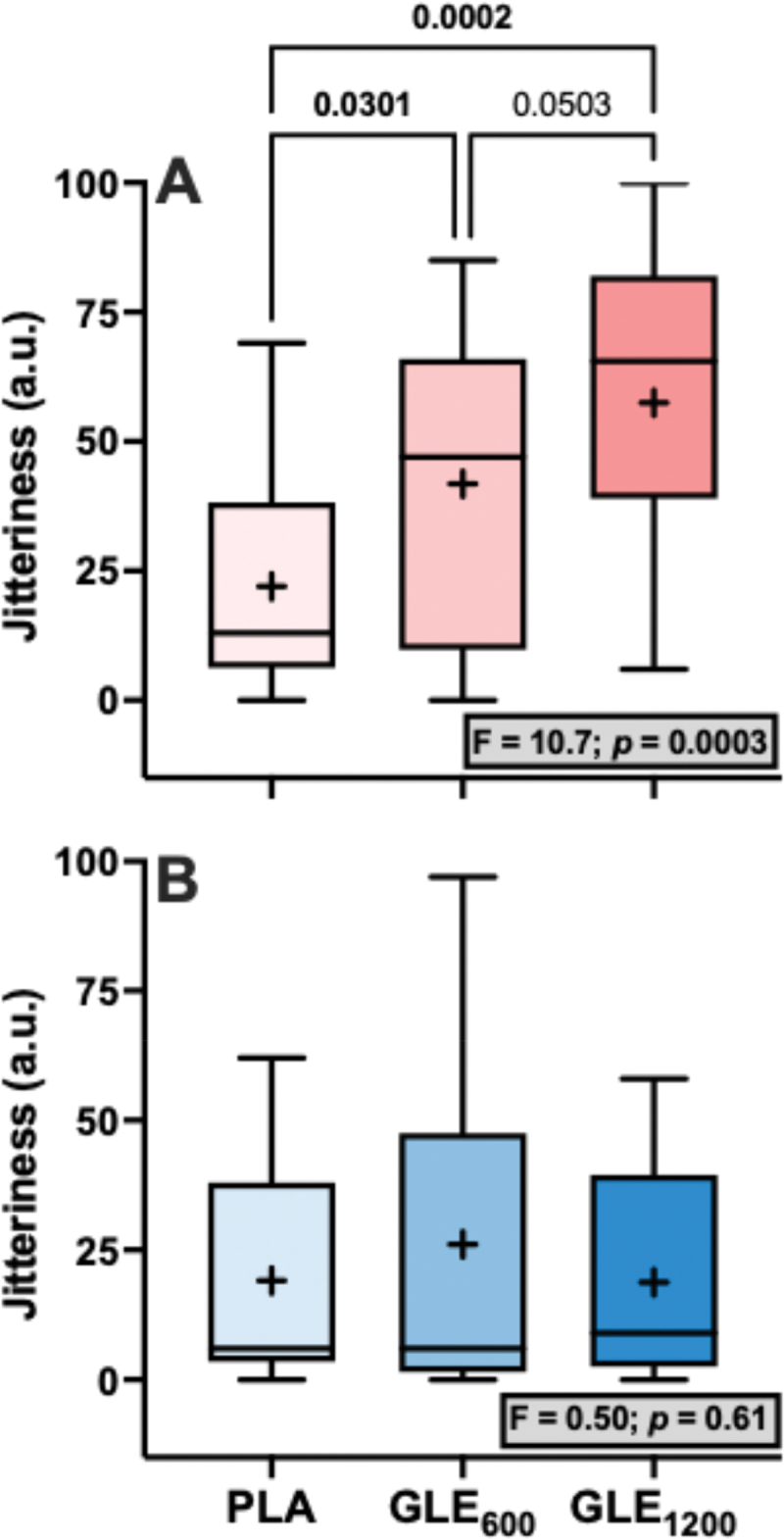
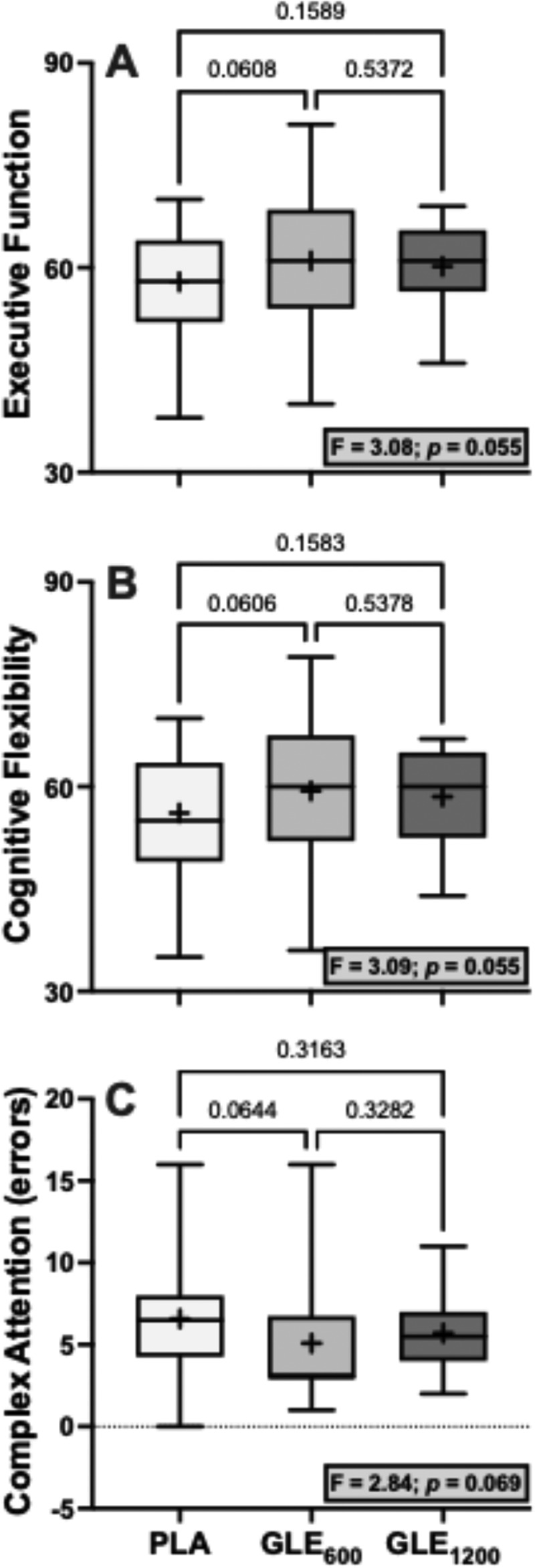
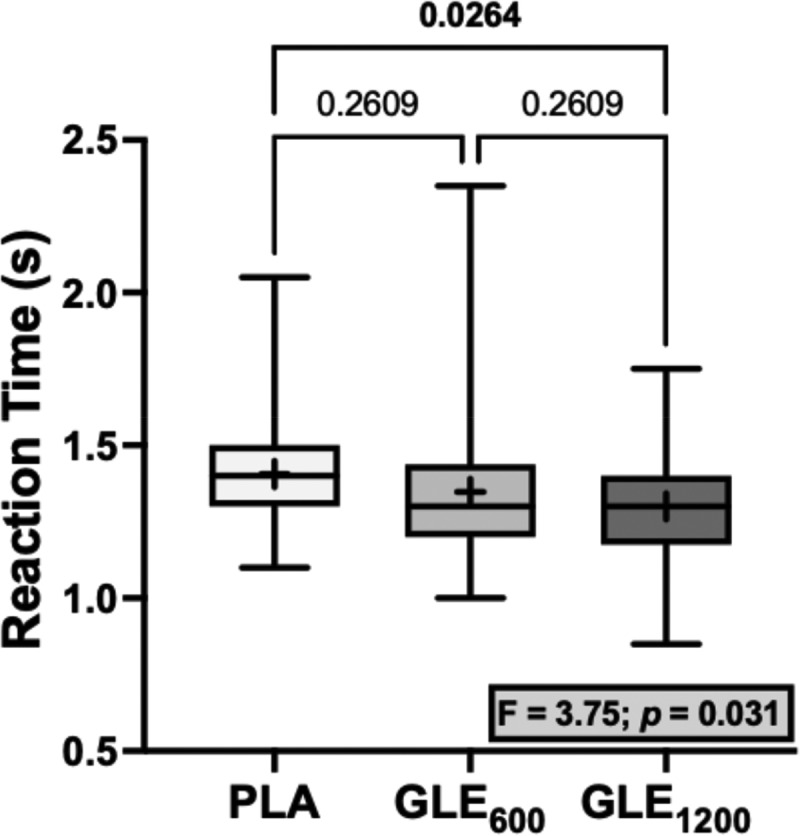
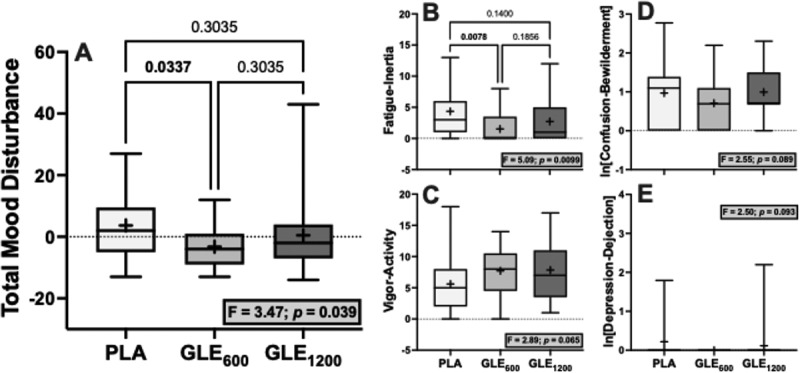
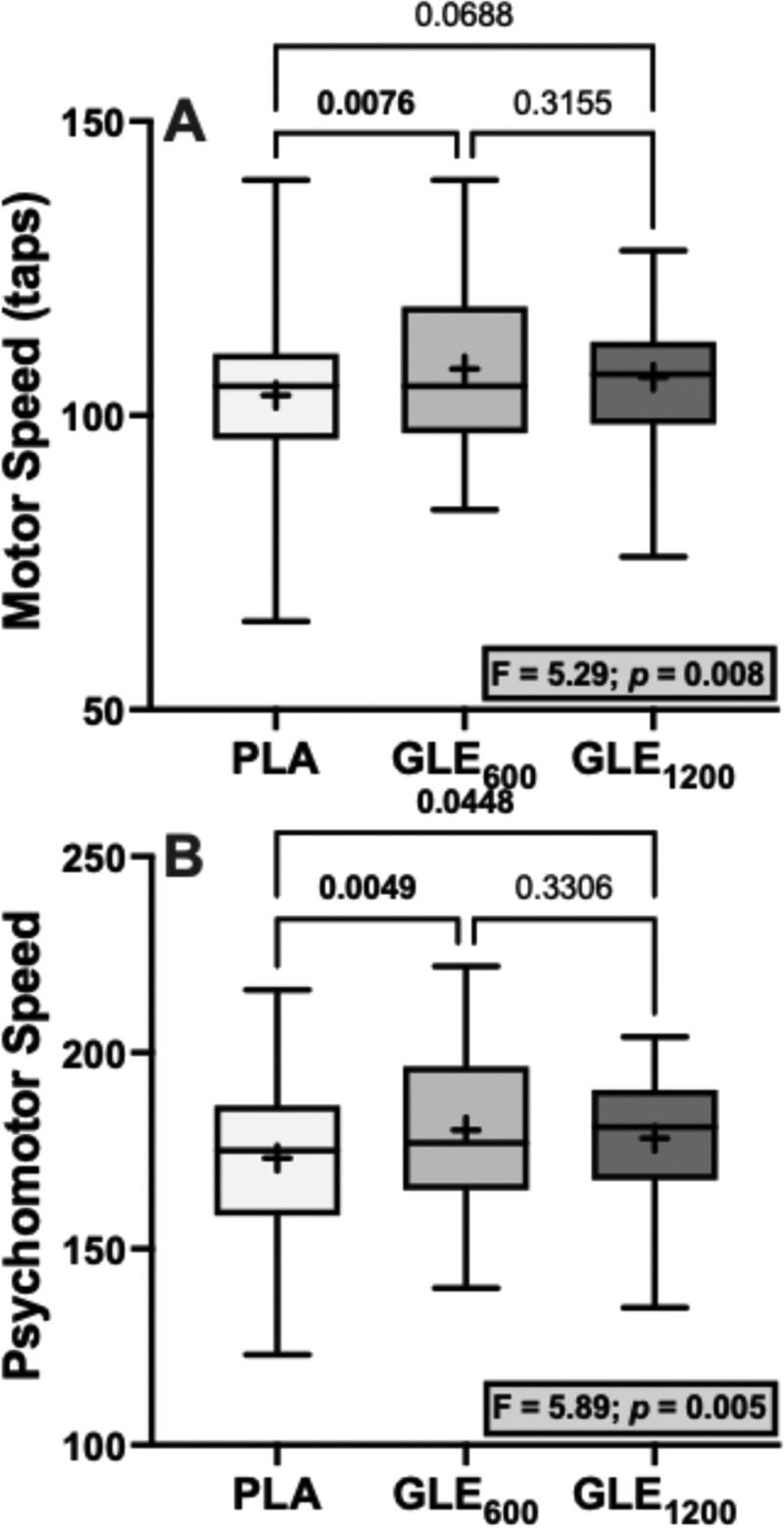
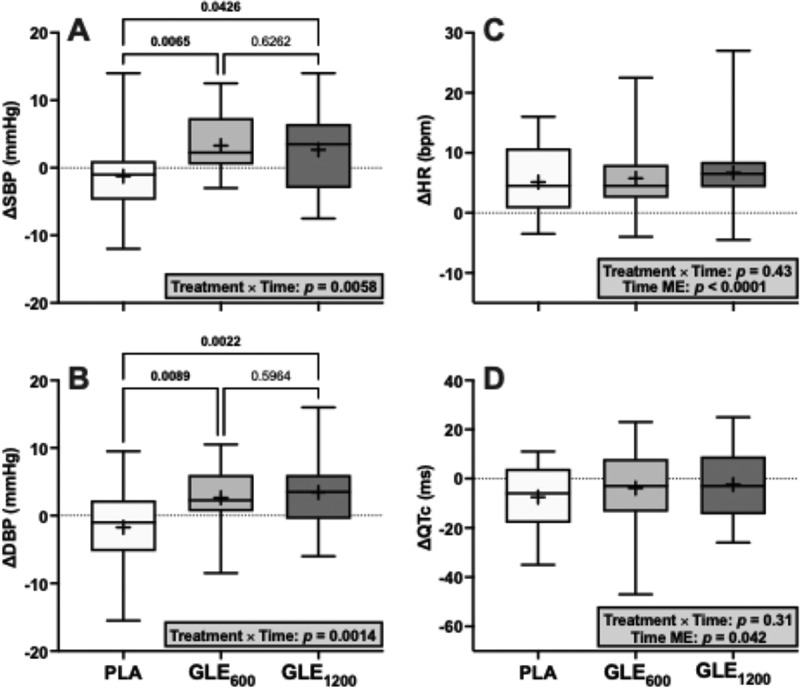
An emerging sector of the nootropic market is tea-based nutraceutical products, but there are limited data assessing the dose-dependent effects of these products.Purpose We conducted a randomized, double-blind, placebo-controlled crossover trial in young adults to examine the dose-dependent (600 mg versus 1200 mg), acute effects of consumption of an Ilex guayusa tea extract (GLE) on mood, cognitive and motor-cognitive performance, as well as its acute cardiovascular effects.Methods Twenty-five adults (mean ± SD, age = 28 ± 7 y; 9 M/16 F) completed familiarization and then three randomly ordered experimental visits where they consumed either 600 mg (GLE600) or 1200 mg (GLE1200) GLE or placebo (PLA). Following supplement consumption, participants completed a mood state survey, assessments of perceived jitteriness, energy, and focus, and neurocognitive and motor-cognitive testing. Blood pressure (BP), heart rate, and QT interval length were determined before and after supplementation.Results GLE600 significantly improved total mood disturbance (mean ± SE difference = -6.9 ± 2.6 au, p = 0.034), fatigue-inertia (−2.84 ± 0.89 au, p = 0.008), perceived energy (+13.00 ± 4.49 au; p = 0.02), motor speed (+4.52 ± 1.42 au, p = 0.008), and psychomotor speed (+7.20 ± 2.16 au, p = 0.005) relative to PLA. GLE1200 also improved psychomotor speed (+5.08 ± 2.16 ms, p = 0.045) and uniquely increased motor-cognitive performance as reflected by a decrease in reaction time (−0.106 ± 0.04 ms, p = 0.026) during a neurocognitive hop test. The effect of GLE on jitteriness was both dose- and sex-dependent. Jitteriness increased with increasing GLE dose in women only (p < 0.001). Both GLE600 and GLE1200 similarly increased systolic and diastolic BP by 4–5 mmHg (p ≤ 0.022). Neither GLE600 nor GLE1200 acutely influenced QTc length (p = 0.31).Conclusions The goal of GLE supplementation should be considered when selecting a dosing strategy. Lower dosages of GLE (e.g. 600 mg) appear to optimize cognitive and mood-related outcomes while limiting side-effects such as jitteriness in women, and higher dosages may be necessary (e.g. 1200 mg) to promote improvements in motor-cognitive performance.
Overview
The claims and statistics of this paper haven’t been checked yet.
Free: it reads the open-access text and checks the first 5 claims that cite a source we can check. Create a free account to check every claim.
Integrity signals
Registry
Cites
Statistics
Figures
Verification
Claims the paper makes
The claims and statistics of this paper haven’t been checked yet.
Free: it reads the open-access text and checks the first 5 claims that cite a source we can check. Create a free account to check every claim.
Claims other papers make about this one
Each is checked against this paper’s own text: does it say what the citing paper says it does?
The check wasn’t confident either way, so it gives no verdict — never disputed.
In the citing paper
“Further, exercise training appears to confer reductions in submaximal exercising BP which are greater in magnitude than for resting BP [27–30].”
From Habitual preexercise caffeine supplementation prevents exercise training-induced attenuation of exercising systolic blood pressure and double product (2025) · cites this paper as [30]
Experimental — accuracy not yet measured
Self-check
Percentages, sums and reported differences re-computed from the paper’s own numbers.
The self-check needs the paper’s full text.
Citations
Cites
(2002) · The Lancet · doi:10.1016/s0140-6736(02)11911-8 · Cited by 10,266 · cited 1×
“Indeed, even 3–4 mmHg increases in blood pressure are associated with increased cardio-and cerebrovascular events at a population level [38].”
BackgroundThe relation of strength of stimulus to rapidity of habit formation
Yerkes, R. M., & Dodson, J. D. (1908) · Journal of Comparative Neurology and Psychology · doi:10.1002/cne.920180503 · Cited by 6,911
A Review of Caffeine’s Effects on Cognitive, Physical and Occupational Performance
McLellan, T. M., Caldwell, J. A., & Lieberman, H. R. (2016) · Neuroscience & Biobehavioral Reviews · doi:10.1016/j.neubiorev.2016.09.001 · Cited by 840 · cited 1×
“As previously described [36,37], there is an association between arousal and performance described by an inverted-U function, such that increasing arousal improves performance up to a point at which further increases in arousal will cause progressive decreases in performance.”
BackgroundShort Form of the Profile of Mood States (POMS-SF): Psychometric information.
Curran, S. L., Andrykowski, M. A., & Studts, J. L. (1995) · Psychological Assessment · doi:10.1037//1040-3590.7.1.80 · Cited by 808 · cited 2×
“Moods were assessed using the Profile of Mood States (POMS, 2nd Edition, Multi-Health Systems, North Tonawanda, NY), a commonly used and validated [27–29] psychological screening instrument to examine transient affective states comprising 35 items (adjectives).”
MethodInternational society of sports nutrition position stand: caffeine and performance
Goldstein, E. R., Ziegenfuss, T., Kalman, D., Kreider, R., Campbell, B., Wilborn, C., Taylor, L., Willoughby, D., Stout, J., Graves, B. S., et al. (2010) · Journal of the International Society of Sports Nutrition · doi:10.1186/1550-2783-7-5 · Cited by 686
International Society of Sports Nutrition Position Stand: Caffeine and Exercise Performance
Guest, N. S., VanDusseldorp, T. A., Nelson, M. T., Grgic, J., Schoenfeld, B. J., Jenkins, N. D. M., Arent, S. M., Antonio, J., Stout, J. R., Trexler, E. T., et al. (2021) · Journal of the International Society of Sports Nutrition · doi:10.1186/s12970-020-00383-4 · Cited by 665 · cited 1×
“…that caffeine-containing sources that are high in CGA content (e.g. coffee, GLE standardized for CGA) may promote unique effects, perhaps promoting similar mood and performance-based nootropic benefits while limiting negative caffeine-induced side effects such as anxiety and jitteriness [11,12,15].”
BackgroundSelf-citationCaffeine: Cognitive and Physical Performance Enhancer or Psychoactive Drug?
Cappelletti, S., Daria, P., Sani, G., & Aromatario, M. (2015) · Current Neuropharmacology · doi:10.2174/1570159x13666141210215655 · Cited by 631 · cited 1×
“The primary mechanism for caffeine’s ergogenic effects is via antagonism of adenosine receptors, which indirectly alters the release of neurotransmitters that include dopamine, serotonin, and norepinephrine, heightening arousal [16].”
BackgroundAlgra, A., Tijssen, J. G., Roelandt, J. R., Pool, J., & Lubsen, J. (1991) · Circulation · doi:10.1161/01.cir.83.6.1888 · Cited by 592 · cited 2×
“The primary outcome from each ECG recording was heart-rate corrected QT interval (QTc, ms), which is an indirect measure of ventricular repolarization that is associated with incidence of cardiac arrhythmias and sudden death [23,24].”
BackgroundDimensions of the Beck depression inventory-II in clinically depressed outpatients
Steer, R. A., Ball, R., Ranieri, W. F., & Beck, A. T. (1999) · Journal of Clinical Psychology · doi:10.1002/(sici)1097-4679(199901)55:1<117::aid-jclp12>3.0.co;2-a · Cited by 577
Mesas, A. E., Leon-Muñoz, L. M., Rodriguez-Artalejo, F., & Lopez-Garcia, E. (2011) · The American Journal of Clinical Nutrition · doi:10.3945/ajcn.111.016667 · Cited by 350
Exercise and Sport Performance with Low Doses of Caffeine
Spriet, L. L. (2014) · Sports Medicine · doi:10.1007/s40279-014-0257-8 · Cited by 347 · cited 1×
“In support of this conclusion, prior evidence also appears to indicate that lower doses of caffeine (≤200 mg) seem to maximize improvements in mood in response to acute caffeine supplementation [32].”
ResultSmit, H. J., & Rogers, P. J. (2000) · Psychopharmacology · doi:10.1007/s002130000506 · Cited by 339 · cited 1×
“…analog scale, in which a score of zero signified the lowest rating (indicating no feeling at all or being at the absolute lowest value on the scale) and a score of 100 represented the highest rating (indicating an extreme feeling or being at the absolute highest value on the scale) [11,30,31].”
BackgroundAdult and geriatric normative data and validation of the profile of mood states
Nyenhuis, D. L., Yamamoto, C., Luchetta, T., Terrien, A., & Parmentier, A. (1999) · Journal of Clinical Psychology · doi:10.1002/(sici)1097-4679(199901)55:1<79::aid-jclp8>3.0.co;2-7 · Cited by 339 · cited 1×
“Moods were assessed using the Profile of Mood States (POMS, 2nd Edition, Multi-Health Systems, North Tonawanda, NY), a commonly used and validated [27–29] psychological screening instrument to examine transient affective states comprising 35 items (adjectives).”
MethodThe significance of QT interval in drug development
Shah, R. R. (2002) · British Journal of Clinical Pharmacology · doi:10.1046/j.1365-2125.2002.01627.x · Cited by 231 · cited 1×
“Prolongation of the QTc interval, which is an indirect measurement of ventricular repolarization, is an established risk factor for ventricular arrhythmias (e.g. torsades de pointes) [41].”
BackgroundJohnson, J. N., & Ackerman, M. J. (2009) · British Journal of Sports Medicine · doi:10.1136/bjsm.2008.054734 · Cited by 229 · cited 1×
“A prolongation of the QTc interval that is ≥30 ms or an absolute QTc interval ≥500 ms is considered clinically significant and reason for careful follow-up [42].”
BackgroundEffects of member mood states on creative performance in temporary workgroups.
Grawitch, M. J., Munz, D. C., & Kramer, T. J. (2003) · Group Dynamics: Theory, Research, and Practice · doi:10.1037/1089-2699.7.1.41 · Cited by 162 · cited 1×
“These dramatic increases in consumption likely coincide with the increasing cultural valuation placed on productivity and work performance and the reported ability of caffeinated products to improve cognitive performance and mood [3–6].”
BackgroundTemple, J. L., & Ziegler, A. M. (2011) · Journal of Caffeine Research · doi:10.1089/jcr.2011.0005 · Cited by 131 · cited 1×
“…negative side-effects such as anxiety, nervousness, palpitations, and headache and negative subjective responses than males in response to the same relative doses of caffeine, [33,34] and also that caffeine intake is associated with higher odds of generalized anxiety in females, but not males.”
BackgroundCropley, V., Croft, R. J., Silber, B. Y., Neale, C., Scholey, A. B., Stough, C. K. K., & Schmitt, J. A. J. (2011) · Psychopharmacology · doi:10.1007/s00213-011-2395-0 · Cited by 119 · cited 3×
“…that caffeine-containing sources that are high in CGA content (e.g. coffee, GLE standardized for CGA) may promote unique effects, perhaps promoting similar mood and performance-based nootropic benefits while limiting negative caffeine-induced side effects such as anxiety and jitteriness [11,12,15].”
BackgroundTrends in Energy Drink Consumption Among U.S. Adolescents and Adults, 2003–2016
Vercammen, K. A., Koma, J. W., & Bleich, S. N. (2019) · American Journal of Preventive Medicine · doi:10.1016/j.amepre.2018.12.007 · Cited by 111 · cited 1×
“For example, consumption of caffeine-based energy drinks increased 11-fold among young adults from 2003 to 2016 [1], and the energy drink market is now evaluated at just over $86.35 billion with an expected growth rate of 8.3% annually until the year 2030 [2].”
BackgroundInfluentialShah, S. A., Szeto, A. H., Farewell, R., Shek, A., Fan, D., Quach, K. N., Bhattacharyya, M., Elmiari, J., Chan, W., O'Dell, K., et al. (2019) · Journal of the American Heart Association · doi:10.1161/jaha.118.011318 · Cited by 111 · cited 4×
“Prior studies have indicated that energy drinks containing 300–320 mg of caffeine may produce worrisome increases in the QTc interval, with some individuals experiencing prolongation greater than 50 ms [20].”
BackgroundInfluentialNeurocognitive Functioning is Associated ith Employment Status: A Quantitative Review
Kalechstein, A. D., Newton, T. F., & van Gorp, W. G. (2003) · Journal of Clinical and Experimental Neuropsychology · doi:10.1076/jcen.25.8.1186.16723 · Cited by 103
Establishing Natural Nootropics: Recent Molecular Enhancement Influenced by Natural Nootropic
Suliman, N. A., Taib, C. N. M., Moklas, M. A. M., Adenan, M. I., Baharuldin, M. T. H., & Basir, R. (2016) · Evidence-based Complementary and Alternative Medicine · doi:10.1155/2016/4391375 · Cited by 102 · cited 1×
“Nootropics are reported to support mood [7] and improve cognitive performance by augmenting cognitive function, cognitive flexibility, concentration, and attention [8,9] and are frequently incorporated into energy drink formulations.”
BackgroundNon Pharmacological Cognitive Enhancers – Current Perspectives
Sachdeva, A., Kumar, K., & Anand, K. S. (2015) · JOURNAL OF CLINICAL AND DIAGNOSTIC RESEARCH · doi:10.7860/jcdr/2015/13392.6186 · Cited by 96 · cited 2×
“Improvements in mood have been shown when caffeine is consumed at moderate dosages (2–5 mg/kg), whereas studies assessing higher doses of caffeine (5–8 mg/kg) report increases in tension and anxiety [8].”
BackgroundDicinnamoylquinides in roasted coffee inhibit the human adenosine transporter
de Paulis, T., Schmidt, D. E., Bruchey, A. K., Kirby, M. T., McDonald, M. P., Commers, P. A., Lovinger, D. M., & Martin, P. (2002) · European Journal of Pharmacology · doi:10.1016/s0014-2999(02)01540-6 · Cited by 88 · cited 1×
“[13] It has also been reported that even when matched for caffeine content and producing equivalent increases in serum caffeine concentrations, GLE produces a smaller increase in urinary epinephrine than synthetic caffeine.”
BackgroundMillikan, N., Grooms, D. R., Hoffman, B. A., & Simon, J. E. (2018) · Journal of Sport Rehabilitation · doi:10.1123/jsr.2018-0037 · Cited by 74 · cited 3×
“…(or neurocognitive) testing has been proven to be a reliable way to evaluate the interaction between physical and mental performance, as it challenges an individual’s ability to multitask and emphasizes visual-spatial processing during the performance of simple and complex motor tasks [18].”
BackgroundCamfield, D. A., Silber, B. Y., Scholey, A. B., Nolidin, K., Goh, A., & Stough, C. (2013) · PLoS ONE · doi:10.1371/journal.pone.0082897 · Cited by 71 · cited 3×
“…analog scale, in which a score of zero signified the lowest rating (indicating no feeling at all or being at the absolute lowest value on the scale) and a score of 100 represented the highest rating (indicating an extreme feeling or being at the absolute highest value on the scale) [11,30,31].”
BackgroundBasrai, M., Schweinlin, A., Menzel, J., Mielke, H., Weikert, C., Dusemund, B., Putze, K., Watzl, B., Lampen, A., & Bischoff, S. C. (2019) · The Journal of Nutrition · doi:10.1093/jn/nxy303 · Cited by 71 · cited 1×
“It also appears that the potential for energy products to produce worrisome electrocardiographic changes is dependent on the dose consumed [20,25].”
BackgroundTeramoto, M., Yamagishi, K., Muraki, I., Tamakoshi, A., & Iso, H. (2022) · Journal of the American Heart Association · doi:10.1161/jaha.122.026477 · Cited by 64 · cited 1×
“…and more prolonged elevations in blood pressure in mildly hypertensive individuals, GLE-induced blood pressure elevations may be more dramatic and troublesome in those with chronic hypertension and/or when superimposed on other acute hypertensive stimuli (e.g. physical or mental stress) [39,40].”
BackgroundChronic and acute tolerance to subjective effects of nicotine
Perkins, K. A., Grobe, J. E., Epstein, L. H., Caggiula, A. R., Stiller, R. L., & Jacob, R. G. (1993) · Pharmacology Biochemistry and Behavior · doi:10.1016/0091-3057(93)90254-q · Cited by 59 · cited 1×
“…analog scale, in which a score of zero signified the lowest rating (indicating no feeling at all or being at the absolute lowest value on the scale) and a score of 100 represented the highest rating (indicating an extreme feeling or being at the absolute highest value on the scale) [11,30,31].”
BackgroundKeep the QT interval: It is a reliable predictor of ventricular arrhythmias
Roden, D. M. (2008) · Heart Rhythm · doi:10.1016/j.hrthm.2008.05.008 · Cited by 54 · cited 2×
“The primary outcome from each ECG recording was heart-rate corrected QT interval (QTc, ms), which is an indirect measure of ventricular repolarization that is associated with incidence of cardiac arrhythmias and sudden death [23,24].”
BackgroundImpact of Acute Energy Drink Consumption on Blood Pressure Parameters: A Meta-analysis
Shah, S. A., Chu, B. W., Lacey, C. S., Riddock, I. C., Lee, M., & Dargush, A. E. (2016) · Annals of Pharmacotherapy · doi:10.1177/1060028016656433 · Cited by 54
Oberhoffer, F. S., Li, P., Jakob, A., Dalla‐Pozza, R., Haas, N. A., & Mandilaras, G. (2022) · Frontiers in Cardiovascular Medicine · doi:10.3389/fcvm.2022.862041 · Cited by 51 · cited 1×
“Of the constituents, caffeine has the highest potential to cause adverse effects by altering hemodynamic and electrocardiographic parameters [5,20–22].”
BackgroundGuayusa ( Ilex guayusa L.) new tea: phenolic and carotenoid composition and antioxidant capacity
García‐Ruiz, A., Baenas, N., Benítez-González, A. M., Stinco, C. M., Meléndez‐Martínez, A. J., Moreno, D. A., & Ruales, J. (2017) · Journal of the Science of Food and Agriculture · doi:10.1002/jsfa.8255 · Cited by 46 · cited 3×
“In addition to its antioxidant effects, [10] CGA derivatives have been shown to bind to adenosine transporters and also to inhibit adenosine reuptake at a potency that is greater than the antagonistic binding affinity of caffeine with the adenosine A 2A receptor.”
BackgroundInfluentialProlonged Increase in Blood Pressure by a Single Oral Dose of Caffeine in Mildly Hypertensive Men
Sung, B. H., Whitsett, T. L., Lovallo, W. R., al’Absi, M., Pincomb, G. A., & Wilson, M. F. (1994) · American Journal of Hypertension · doi:10.1093/ajh/7.8.755 · Cited by 42 · cited 1×
“…and more prolonged elevations in blood pressure in mildly hypertensive individuals, GLE-induced blood pressure elevations may be more dramatic and troublesome in those with chronic hypertension and/or when superimposed on other acute hypertensive stimuli (e.g. physical or mental stress) [39,40].”
BackgroundDomaszewski, P. (2023) · Nutrients · doi:10.3390/nu15061318 · Cited by 38
Paz‐Graniel, I., Kose, J., Babió, N., Herçberg, S., Galan, P., Touvier, M., Salas‐Salvadó, J., & Andreeva, V. A. (2022) · Nutrients · doi:10.3390/nu14061242 · Cited by 35 · cited 1×
“[ 35] Therefore, it appears that the effect of GLE on perceived jitteriness is dependent on sex, and females who supplement with GLE may wish to avoid higher doses to avoid this side-effect.”
BackgroundBloomer, R. J., Martin, K. R., & Pence, J. C. (2022) · Journal of Clinical and Translational Research · doi:10.18053/jctres.08.202202.005 · Cited by 27
PREDICTIVE EFFECTIVENESS OF MOOD MEASURES
Lane, A. M., & Lane, H. J. (2002) · Perceptual and Motor Skills · doi:10.2466/pms.2002.94.3.785 · Cited by 21
Krieger, D., Kalman, D., Feldman, S., Arnillas, L., Goldberg, D., Gisbert, O., & Nader, S. (2016) · Clinical and Translational Science · doi:10.1111/cts.12403 · Cited by 21 · cited 1×
“[14] Thus, it has been proposed that caffeine-containing sources that are high in CGA content (e.g. coffee, GLE standardized for CGA) may promote unique effects, perhaps promoting similar mood and performance-based nootropic benefits while limiting negative caffeine-induced side effects such as…”
BackgroundRelationship between objective cognitive functioning and work performance among Japanese workers
Shibaoka, M., Masuda, M., Iwasawa, S., Ikezawa, S., Eguchi, H., & Nakagome, K. (2023) · Journal of Occupational Health · doi:10.1002/1348-9585.12385 · Cited by 18 · cited 1×
“These dramatic increases in consumption likely coincide with the increasing cultural valuation placed on productivity and work performance and the reported ability of caffeinated products to improve cognitive performance and mood [3–6].”
BackgroundMedrano, M., Molina‐Hidalgo, C., Alcántara, J. M. A., Ruiz, J. R., & Jurado‐Fasoli, L. (2022) · Frontiers in Nutrition · doi:10.3389/fnut.2022.858910 · Cited by 17 · cited 1×
“Nootropics are reported to support mood [7] and improve cognitive performance by augmenting cognitive function, cognitive flexibility, concentration, and attention [8,9] and are frequently incorporated into energy drink formulations.”
BackgroundSchwager, L. E., Helwig, N. J., Rogers, E. M., Banks, N. F., Alpers, J. P., Schulte, S. L., Lockwood, C. M., & Jenkins, N. D. M. (2023) · Journal of the American Nutrition Association · doi:10.1080/27697061.2023.2207096 · Cited by 16 · cited 6×
“Instead, participants were given picture books containing scenic landscape photography to prevent severe boredom and to standardize the stimulus during the waiting period [5].”
BackgroundResultInfluentialSelf-citationSuzukamo, C., Ochiai, R., Mitsui, Y., Osaki, N., & Ono, T. (2022) · Brain Sciences · doi:10.3390/brainsci12030370 · Cited by 9 · cited 1×
“As these processes are heavily involved in physical function, it is paramount to investigate the potential link between the perceived benefits of GLE consumption and physical function [18,19].”
Background
Research works printed but not linked: 1
- 10.1002/(SICI)1097-4679(199901)55:1<79:AID-JCLP8>3.0.CO;2-7 · doi:10.1002/(sici)1097-4679(199901)55:1
Cited by
West, K. S., Helwig, N. J., Schwager, L. E., Hart, T. W., Zucker, A. C., Venenga, J. S., Flores, M., & Jenkins, N. D. M. (2025) · Journal of Applied Physiology · doi:10.1152/japplphysiol.00874.2024 · Cited by 6
Self-citationZhang, M., Montero, L., Mendiola, J. A., & Ibáñez, E. (2025) · The Journal of Supercritical Fluids · doi:10.1016/j.supflu.2025.106801 · Cited by 6
Chen, N., Li, J., Zhang, X., Li, Y., Li, Y., & Zhang, L. (2025) · South African Journal of Botany · doi:10.1016/j.sajb.2025.03.060 · Cited by 3
Sánchez-Martín, V., Zhang, M., Montero, L., Ibáñez, E., Mendiola, J. A., & del Castillo, M. D. (2026) · Sustainable Chemistry and Pharmacy · doi:10.1016/j.scp.2026.102338 · Cited by 2
Metadata
- Authors
- Helwig, N. J., Schwager, L. E., Berry, A. C., Zucker, A. C., Venenga, J. S., Sterbenz, S. C., & Jenkins, N. D. M.
- Affiliations
- University of Iowa (US)
- Corresponding author
- Jenkins, Nathaniel D.M.
- Venue
- Journal of the International Society of Sports Nutrition
- Publisher
- Informa UK Limited
- Published
- 2024-07-16
- Volume
- 21
- Issue
- 1
- Pages
- 2379424-2379424
- ISSN
- 1550-2783 (ISSN-L)
- PMC
- PMC11257001
- OpenAlex
- W4400743879
- Cited by
- 4
- References
- 42
- Citations by year
- 2026: 1 · 2025: 2 · 2024: 1
- FWCI
- 1.13
- Type
- journal article
- Language
- en
- Open access
- gold
- doi.org
- Licence
- Locations
- Journal of the International Society of Sports Nutrition (publishedVersion, cc-by)
- PubMed Central (publishedVersion, cc-by)
- PubMed (publishedVersion)
- DOAJ (DOAJ: Directory of Open Access Journals) (submittedVersion, cc-by-sa)
- Funders
- Applied Food Sciences, Inc
- National Center For Advancing Translational Sciences
- National Institutes of Health (UL1TR002537)
- Topics
- Health Sciences › Medicine › Pharmacology (medical) › Coffee research and impacts
- Health Sciences › Medicine › Complementary and alternative medicine › Medicinal Plants and Bioactive Compounds
- Health Sciences › Medicine › Complementary and alternative medicine › Medicinal Plant Extracts Effects
- Keywords
- Ilex guayusa, nootropic drugs, nutraceuticals, dose-dependent effects, mood, cognitive performance, psychomotor speed, jitteriness, blood pressure, heart rate, QT interval, ventricular repolarization, caffeine, young adults, sex differences, reaction time, hop tests
- MeSH terms
- Adult, Affect, Blood Pressure, Cognition, Dose-Response Relationship, Drug, Double-Blind Method, Female, Heart Rate, Humans, Male, Plant Extracts, Plant Leaves, Cross-Over Studies, Dietary Supplements, Young Adult
About these checks
Registry, retraction, Cites and statistics results are computed, not judged, with one exception: a printed reference that no index lists is read once by a model before it counts as a citation error. Claims are extracted by a model and kept only when their quote appears verbatim in the text; each cited source is then checked, with a model’s help, for whether it says what the claim relies on. Those verdicts can be wrong — read the claim’s quote and the cited source before relying on one.
Statistics and arithmetic are recomputed, not judged.
Confidence bands are shown only for fields calibrated on our annotated test set. None is calibrated yet, so no band is shown.
What counts as a claim ›How we measure confidence ›How we check this ›
Are you an author, or do you see a problem with this page? Request a review
Data sources
Bibliographic data: Semantic Scholar, OpenAlex, Crossref.
Contains information from the Semantic Scholar Academic Graph Datasets, made available under the ODC Attribution License (ODC-BY 1.0).
Semantic Scholar’s data is described in: Kinney, R., et al. (2023). The Semantic Scholar Open Data Platform. arXiv:2301.10140.
