

Autophagic death of neural stem cells mediates chronic stress-induced decline of adult hippocampal neurogenesis and cognitive deficits
Open accessThe DOI matches its Crossref record; 41 of the 41 references it cites were found in a registry or an index.
Abstract
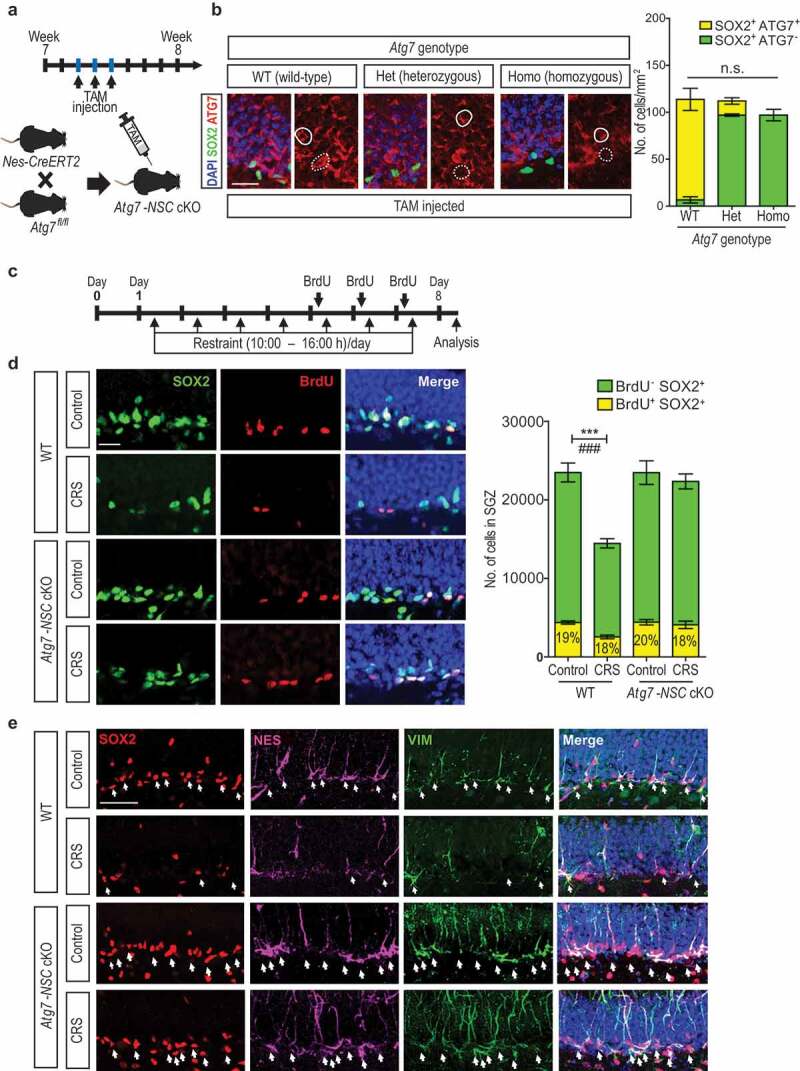
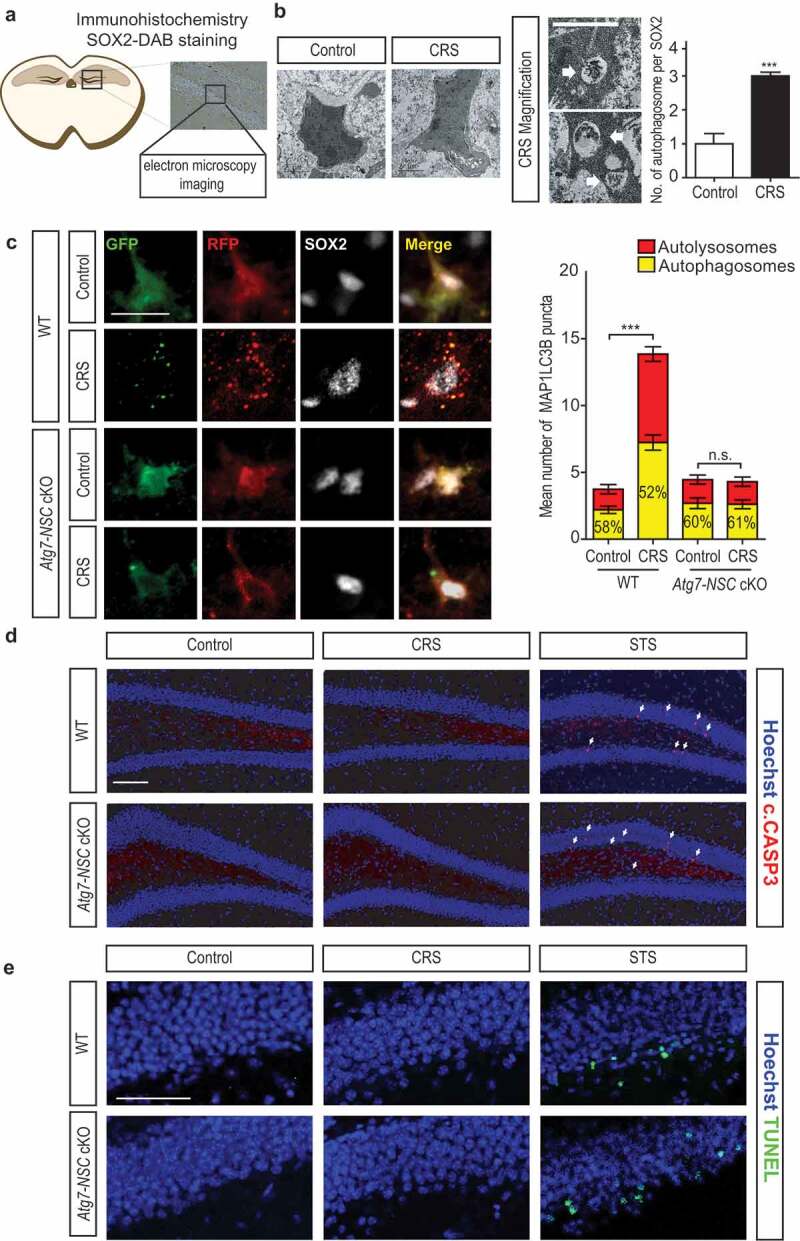
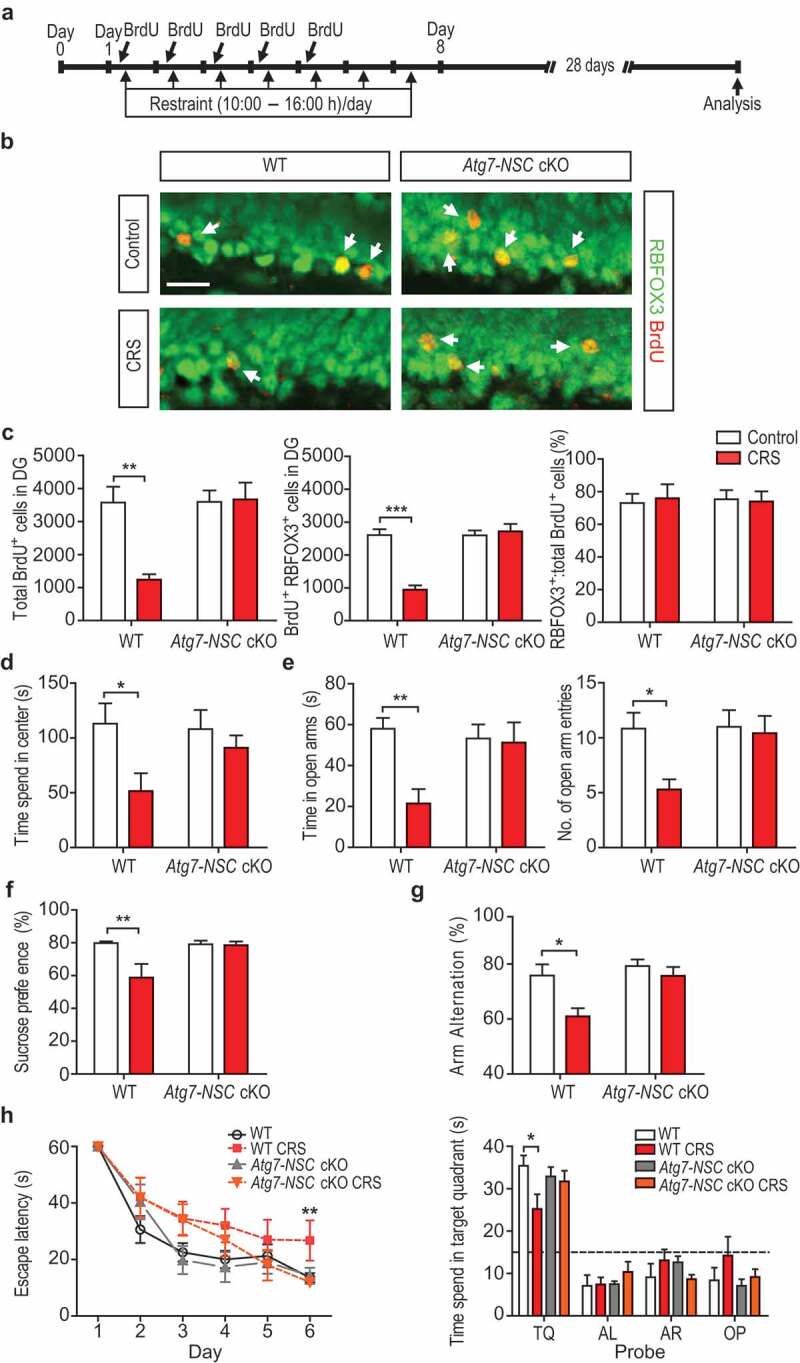
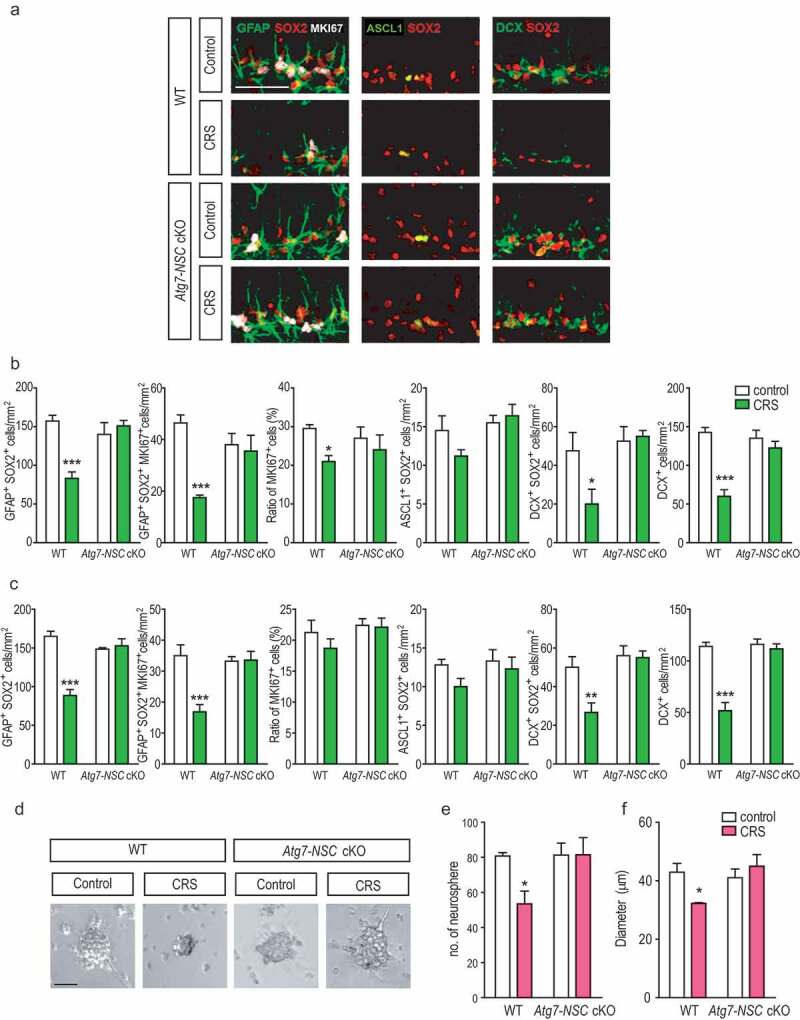
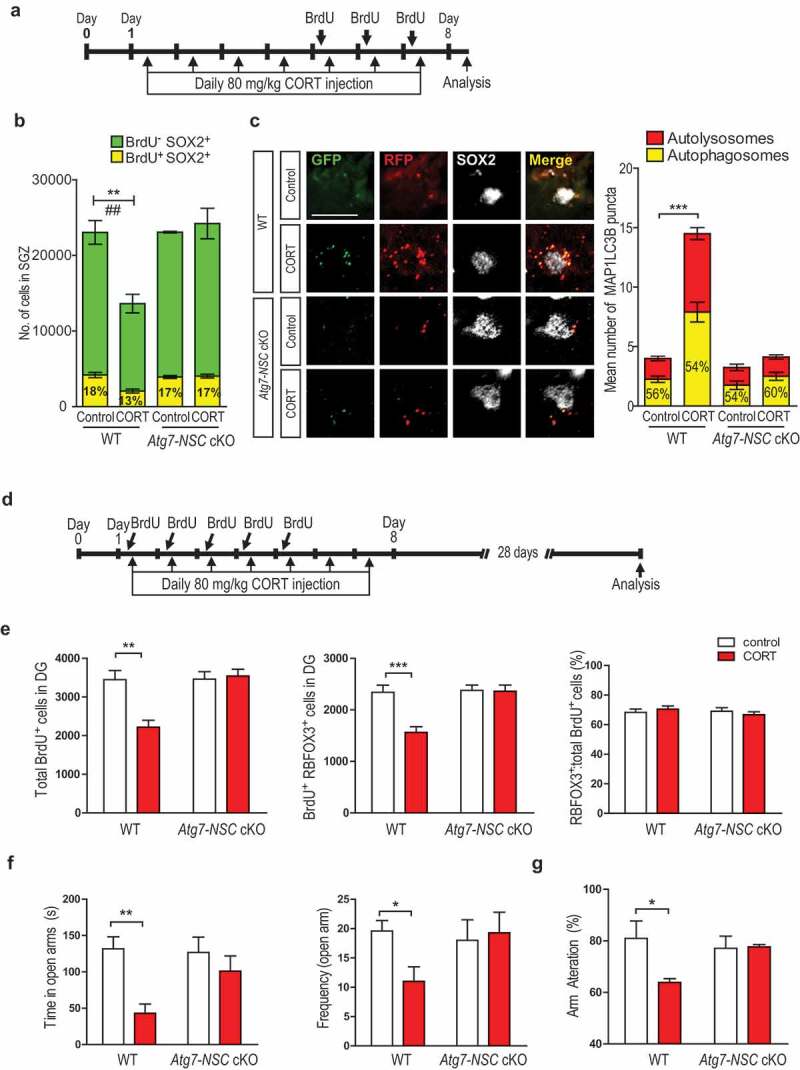
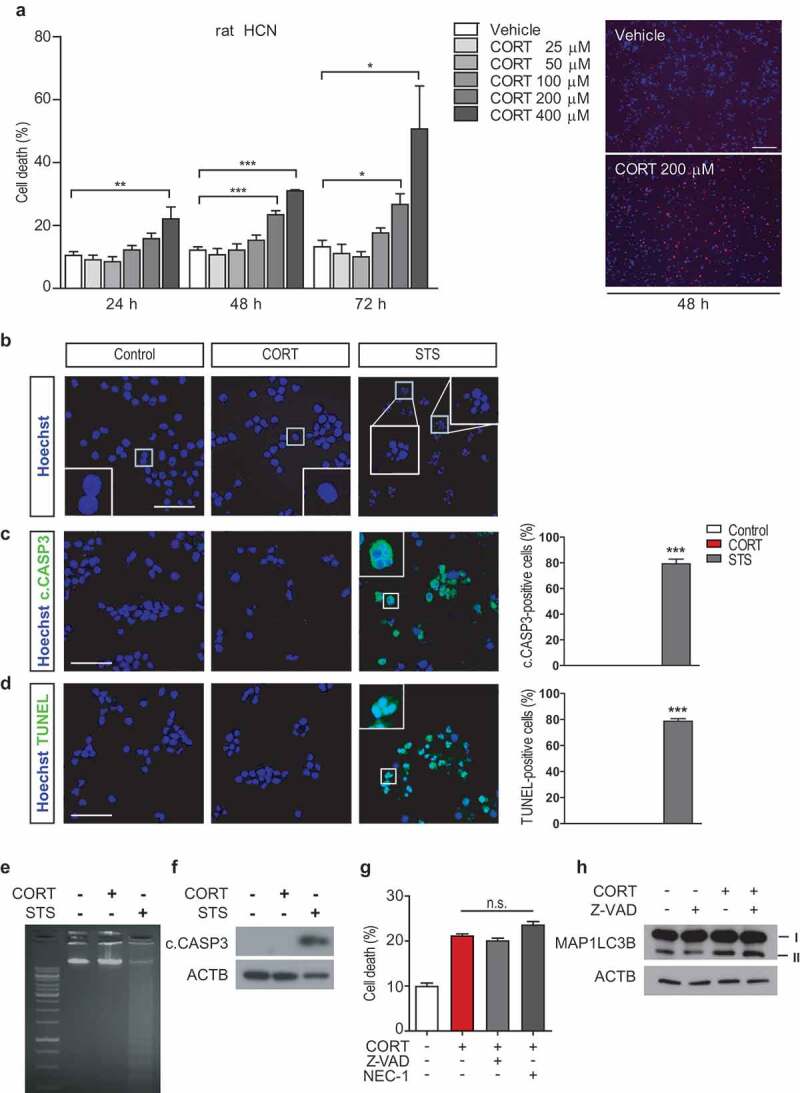
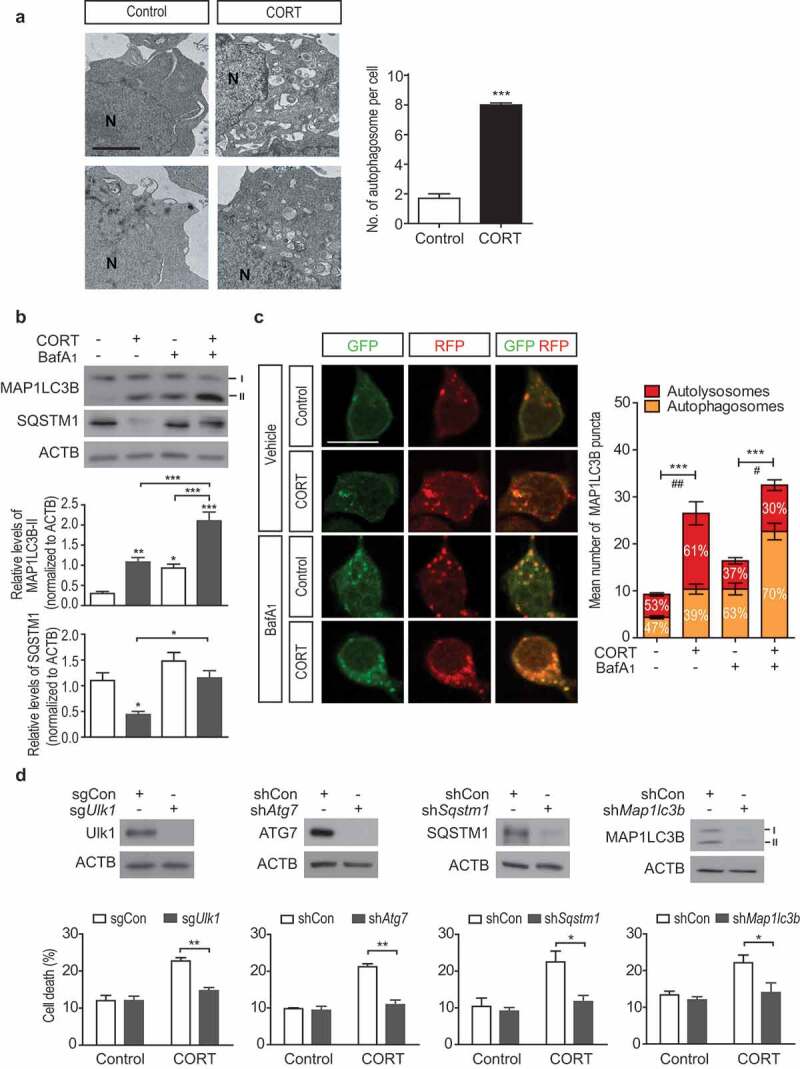
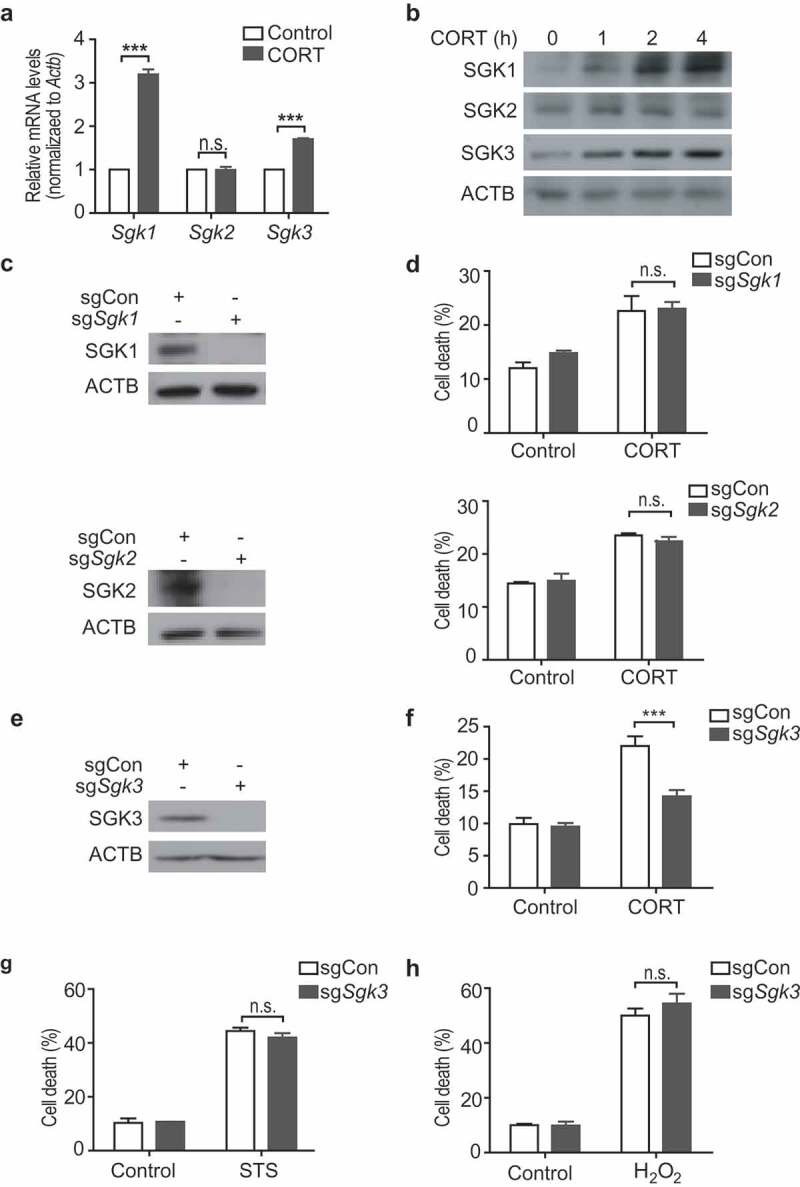
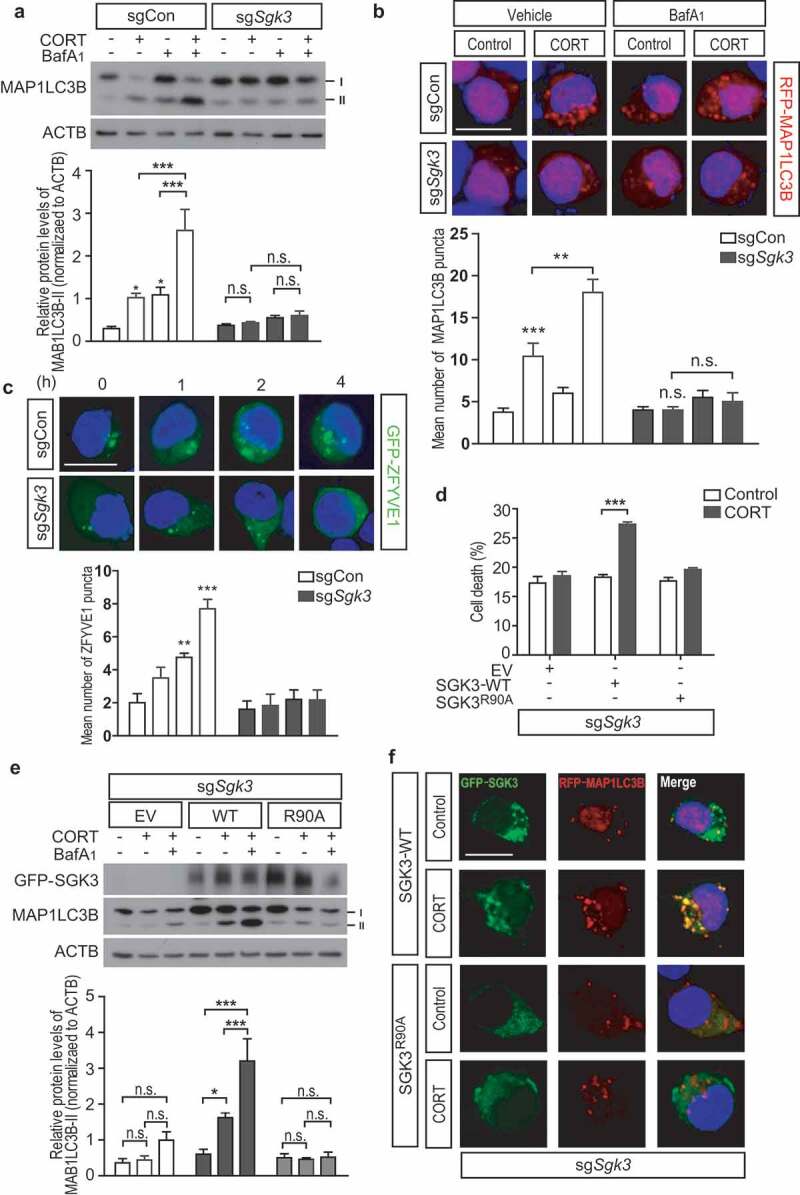
Macroautophagy/autophagy is generally regarded as a cytoprotective mechanism, and it remains a matter of controversy whether autophagy can cause cell death in mammals. Here, we show that chronic restraint stress suppresses adult hippocampal neurogenesis in mice by inducing autophagic cell death (ACD) of hippocampal neural stem cells (NSCs). We generated NSC-specific, inducible Atg7 conditional knockout mice and found that they had an intact number of NSCs and neurogenesis level under chronic restraint stress and were resilient to stress- or corticosterone-induced cognitive and mood deficits. Corticosterone treatment of adult hippocampal NSC cultures induced ACD via SGK3 (serum/glucocorticoid regulated kinase 3) without signs of apoptosis. Our results demonstrate that ACD is biologically important in a mammalian system in vivo and would be an attractive target for therapeutic intervention for psychological stress-induced disorders.Abbreviations AAV: adeno-associated virus; ACD: autophagic cell death; ACTB: actin, beta; Atg: autophagy-related; ASCL1/MASH1: achaete-scute family bHLH transcription factor 1; BafA1: bafilomycin A1; BrdU: Bromodeoxyuridine/5-bromo-2ʹ-deoxyuridine; CASP3: caspase 3; cKO: conditional knockout; CLEM: correlative light and electron microscopy; CORT: corticosterone; CRS: chronic restraint stress; DAB: 3,3ʹ–diaminobenzidine; DCX: doublecortin; DG: dentate gyrus; GC: glucocorticoid; GFAP: glial fibrillary acidic protein; HCN: hippocampal neural stem; i.p.: intraperitoneal; MAP1LC3B: microtubule-associated protein 1 light chain 3 beta; MKI67/Ki67: antigen identified by monoclonal antibody Ki 67; MWM: Morris water maze; Nec-1: necrostatin-1; NES: nestin; NR3C1/GR: nuclear receptor subfamily 3, group C, member 1; NSC: neural stem cell; PCD: programmed cell death; PFA: paraformaldehyde; PX: Phox homology; PtdIns3P: phosphatidylinositol-3-phosphate; RBFOX3/NeuN: RNA binding protein, fox-1 homolog (C. elegans) 3; SGK: serum/glucocorticoid-regulated kinases; SGZ: subgranular zone; SOX2: SRY (sex determining region Y)-box 2; SQSTM1: sequestosome 1; STS: staurosporine; TAM: tamoxifen; Ulk1: unc-51 like kinase 1; TUNEL: terminal deoxynucleotidyl transferase dUTP nick end labeling; VIM: vimentin; WT: wild type; ZFYVE1: zinc finger, FYVE domain containing 1; Z-VAD/Z-VAD-FMK: pan-caspase inhibitor
Overview
Integrity signals
Registry
Cites
Statistics
Figures
Verification
Claims the paper makes
Self-check
Percentages, sums and reported differences re-computed from the paper’s own numbers.
The text we found for this paper looks like another document, so the self-check wasn’t run.
Citations
Cites
Repertoires of Autophagy in the Pathogenesis of Ocular Diseases
Li, Y.-J., Jiang, Q., Cao, G.-F., Yao, J., & Yan, B. (2015) · Cellular Physiology and Biochemistry · doi:10.1159/000373980 · Cited by 16,304
LC3, a mammalian homologue of yeast Apg8p, is localized in autophagosome membranes after processing.
Kabeya, Y., Mizushima, N., Ueno, T., Yamamoto, A., Kirisako, T., Noda, T., Kominami, E., Ohsumi, Y., & Yoshimori, T. (2000) · The EMBO Journal · doi:10.1093/emboj/19.21.5720 · Cited by 6,605 · cited 1×
“MAP1LC3B/LC3B (microtubule-associated protein 1 light chain 3 beta; a mammalian homolog of yeast Atg8) is the bestknown biochemical marker of autophagy [19].”
BackgroundAutophagy fights disease through cellular self-digestion
Mizushima, N., Levine, B., Cuervo, A. M., & Klionsky, D. J. (2008) · Nature · doi:10.1038/nature06639 · Cited by 6,452 · cited 1×
“Autophagy is essential for normal development and physiology, and is generally considered as a cell survival mechanism that supplies nutrients and ensures turnover of obsolete cellular constituents [1].”
BackgroundCui, C., Cui, J., Jin, F., Cui, Y., Li, R., Jiang, X., Tian, Y., Wang, K., Jiang, P., & Gao, J. (2017) · Cellular Physiology and Biochemistry · doi:10.1159/000479571 · Cited by 5,203
Loss of autophagy in the central nervous system causes neurodegeneration in mice
Komatsu, M., Waguri, S., Chiba, T., Murata, S., Iwata, J.-I., Tanida, I., Ueno, T., Koike, M., Uchiyama, Y., Kominami, E., et al. (2006) · Nature · doi:10.1038/nature04723 · Cited by 3,500 · cited 2×
“A previous study that used the same Atg7 flox mice showed that the constitutive heterozygous Atg7 KO mice under the control of Nes-Cre developed normally to adulthood, but homozygous KO mice suffered developmental abnormalities [18].”
MethodMechanisms and Functional Implications of Adult Neurogenesis
Zhao, C., Deng, W., & Gage, F. H. (2008) · Cell · doi:10.1016/j.cell.2008.01.033 · Cited by 3,007 · cited 1×
“Adult hippocampal neurogenesis is implicated in learning and memory, and mood regulation [10].”
BackgroundGalluzzi, L., Vitale, I., Abrams, J. M., Alnemri, E. S., Baehrecke, E. H., Blagosklonny, M. V., Dawson, T. M., Dawson, V. L., El-Deiry, W. S., Fulda, S., et al. (2012) · Cell Death & Differentiation · doi:10.1038/cdd.2011.96 · Cited by 2,421 · cited 1×
“This approach of targeting multiple, distinct autophagy steps, as recommended by the Nomenclature Committee on Cell Death [25], demonstrates the primary role of autophagy in CORT-induced death of HCN cells.”
BackgroundCRISPR-Cas9 Knockin Mice for Genome Editing and Cancer Modeling
Platt, R. J., Chen, S., Zhou, Y., Yim, M. J., Swiech, L., Kempton, H. R., Dahlman, J. E., Parnas, O., Eisenhaure, T. M., Jovanovic, M., et al. (2014) · Cell · doi:10.1016/j.cell.2014.09.014 · Cited by 2,001 · cited 1×
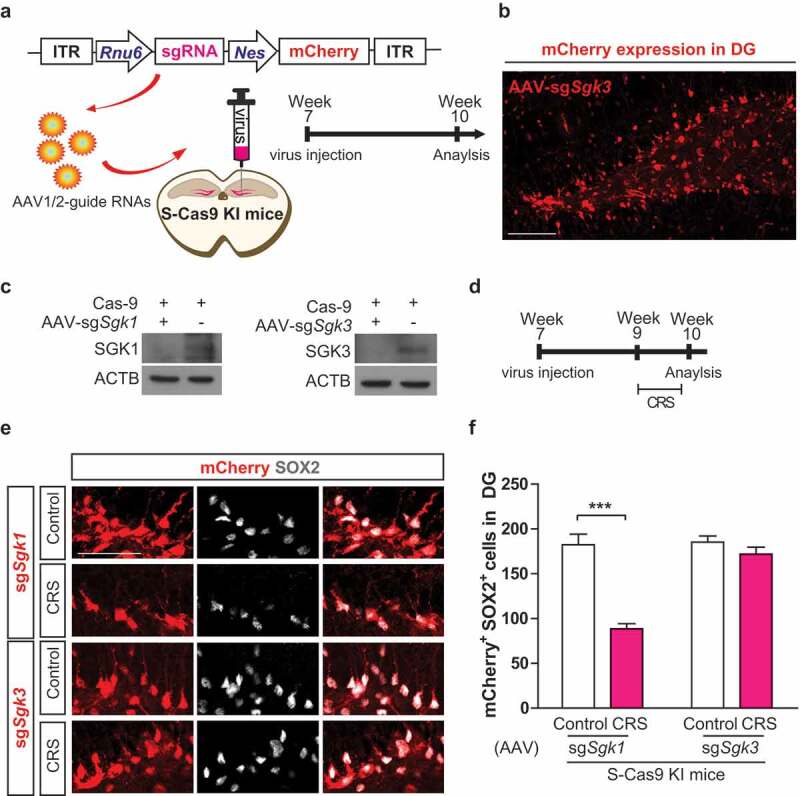
“S-Cas9 mice constitutively express Cas9 for CRISPR/Cas9-mediated gene editing in vivo [31].”
BackgroundAdult hippocampal neurogenesis buffers stress responses and depressive behaviour
Snyder, J. S., Soumier, A., Brewer, M., Pickel, J., & Cameron, H. A. (2011) · Nature · doi:10.1038/nature10287 · Cited by 1,473 · cited 3×
“Stress-induced suppression of adult hippocampal neurogenesis causes anxiety-like and depressive behaviors [20]; however, the effects of neurogenesis suppression by stress on hippocampal learning and memory have not been well elucidated.”
BackgroundMethodInfluentialAutophagic cell death: the story of a misnomer
Kroemer, G., & Levine, B. (2008) · Nature Reviews Molecular Cell Biology · doi:10.1038/nrm2529 · Cited by 1,453 · cited 2×
“Another criticism of ACD is that there is no evidence that autophagy-deficient cells show a resistance to cell death and survive for a long time in vivo [32].”
Background
Cited by
Guidelines for the use and interpretation of assays for monitoring autophagy (4th edition) 1
Klionsky, D. J., Abdel-Aziz, A. K., Abdelfatah, S., Abdellatif, M., Abdoli, A., Abel, S., Abeliovich, H., Abildgaard, M. H., Abudu, Y. P., Acevedo-Arozena, A., et al. (2021) · Autophagy · doi:10.1080/15548627.2020.1797280 · Cited by 2,897
Chronic Stress Promotes Cancer Development
Dai, S., Mo, Y., Wang, Y., Xiang, B., Liao, Q., Zhou, M., Li, X., Li, Y., Xiong, W., Li, G., et al. (2020) · Frontiers in Oncology · doi:10.3389/fonc.2020.01492 · Cited by 405
“The corticosteroids and catecholamines produced by the HPA and the SNS can cause a decline in the functions of the prefrontal cortex (20) and the hippocampus (21), and may enhance the activation of the SNS and the HPA by regulating the expression of glucocorticoid receptors (5, 22, 23).”
BackgroundAutophagy as a decisive process for cell death
Jung, S., Jeong, H., & Yu, S.-W. (2020) · Experimental & Molecular Medicine · doi:10.1038/s12276-020-0455-4 · Cited by 311
Self-citationZhang, K., Wang, F., Zhai, M., He, M., Hu, Y., Feng, L., Li, Y., Yang, J., & Wu, C. (2023) · Theranostics · doi:10.7150/thno.81067 · Cited by 217
“Stress/CORT-induced autophagic death of NSCs has been reported to attenuate AHN and induce cognitive defects [18].”
InfluentialEmerging roles of ATG7 in human health and disease
Collier, J. J., Suomi, F., Oláhová, M., McWilliams, T. G., & Taylor, R. W. (2021) · EMBO Molecular Medicine · doi:10.15252/emmm.202114824 · Cited by 193
Understanding stress: Insights from rodent models
Atrooz, F., Alkadhi, K. A., & Salim, S. (2021) · Current Research in Neurobiology · doi:10.1016/j.crneur.2021.100013 · Cited by 189
“US pairings produce robust fear learning, as a result, subsequent presentations of the CS, without pairing with US, induces fear responses (Kamin and Jones, 1968).”
BackgroundAutophagy and Stem Cells: Self-Eating for Self-Renewal
Chang, N. C. (2020) · Frontiers in Cell and Developmental Biology · doi:10.3389/fcell.2020.00138 · Cited by 170
“Lipidated LC3B (referred to as LC3-II) is incorporated into the autophagosome membrane during elongation and is commonly used as an experimental marker to detect and quantify autophagosomes within cells (Kabeya et al., 2000).”
BackgroundInflammation: A New Look at an Old Problem
Gusev, E., & Zhuravleva, Y. A. (2022) · International Journal of Molecular Sciences · doi:10.3390/ijms23094596 · Cited by 176
Gut bacteria-driven homovanillic acid alleviates depression by modulating synaptic integrity
Zhao, M., Ren, Z., Zhao, A., Tang, Y., Kuang, J., Li, M., Chen, T., Wang, S., Wang, J., Zhang, H., et al. (2024) · Cell Metabolism · doi:10.1016/j.cmet.2024.03.010 · Cited by 153
Current Understanding of the Neural Stem Cell Niches
Llorente, V., Velarde, P., Desco, M., & Gómez‐Gaviro, M. V. (2022) · Cells · doi:10.3390/cells11193002 · Cited by 123
Natural Compounds and Autophagy: Allies Against Neurodegeneration
Stacchiotti, A., & Corsetti, G. (2020) · Frontiers in Cell and Developmental Biology · doi:10.3389/fcell.2020.555409 · Cited by 111
Tang, C., Wang, C., Wang, J., Wang, Q., Li, S., Wang, H., Zhou, F., & Li, J. (2022) · Nutrients · doi:10.3390/nu14091882 · Cited by 105
“We also observed the changes of hippocampal NSCs in mice exposed to FruD and/or chronic stress.”
BackgroundInfluentialZhang, H., Jiao, W., Cui, H., Sun, Q., & Fan, H. (2021) · Journal of Hazardous Materials · doi:10.1016/j.jhazmat.2021.125179 · Cited by 100
Astragaloside IV: A promising natural neuroprotective agent for neurological disorders
Yao, M., Zhang, L., & Wang, L. (2023) · Biomedicine & Pharmacotherapy · doi:10.1016/j.biopha.2023.114229 · Cited by 98
Cao, Y., Ren, Q., Hao, R., & Sun, Z. (2022) · Materials & Design · doi:10.1016/j.matdes.2022.110391 · Cited by 84
Lou, S.-C., Gong, D., Yang, M., Qiu, Q., Luo, J., & Chen, T. (2024) · International Journal of Molecular Sciences · doi:10.3390/ijms25105123 · Cited by 83
“DCX is a microtubule-associated protein which is used to label young, immature neurons [26].”
BackgroundDeng, X., Guan, W., Qing, X., Yang, W., Que, Y., Tan, L., Liang, H., Zhang, Z., Wang, B., Liu, X., et al. (2020) · ACS Applied Materials & Interfaces · doi:10.1021/acsami.9b19148 · Cited by 82
GSK3B induces autophagy by phosphorylating ULK1
Ryu, H. Y., Kim, L. E., Jeong, H., Yeo, B. K., Lee, J., Nam, H., Ha, S., An, H., Park, H., Jung, S., et al. (2021) · Experimental & Molecular Medicine · doi:10.1038/s12276-021-00570-6 · Cited by 82
Self-citationLeschik, J., Lutz, B., & Gentile, A. (2021) · International Journal of Molecular Sciences · doi:10.3390/ijms22147339 · Cited by 83
Zhou, Y., Yan, M., Pan, R., Wang, Z., Xue, T., Li, C., Xia, T., Liu, X., & Chang, Q. (2020) · Journal of Ethnopharmacology · doi:10.1016/j.jep.2020.113317 · Cited by 79
TGF-β/Smad Signalling in Neurogenesis: Implications for Neuropsychiatric Diseases
Hiew, L.-F., Poon, C.-H., You, H.-Z., & Lim, L.-W. (2021) · Cells · doi:10.3390/cells10061382 · Cited by 71
Li, Z., Bao, X., Liu, X., Wang, Y., Zhu, X., Zhang, Y., Wang, Z., Maslennikov, S., Whiteside, M., Wang, W., et al. (2024) · Agriculture Communications · doi:10.1016/j.agrcom.2024.100064 · Cited by 68
The fluorescence toolbox for visualizing autophagy
Ding, S., & Hong, Y. (2020) · Chemical Society Reviews · doi:10.1039/d0cs00913j · Cited by 64
Glucocorticoid‐mediated mechanisms of hippocampal damage: Contribution of subgranular neurogenesis
Podgorny, O. V., & Gulyaeva, N. V. (2020) · Journal of Neurochemistry · doi:10.1111/jnc.15265 · Cited by 65
“Chronic restraint stress suppressed the AHN in mice by inducing autophagic cell death (ACD) of hippocampal neural stem cells (Jung et al., 2020).”
BackgroundRecent advances in the crosstalk between the brain-derived neurotrophic factor and glucocorticoids
Tsimpolis, A., Kalafatakis, K., & Charalampopoulos, I. (2024) · Frontiers in Endocrinology · doi:10.3389/fendo.2024.1362573 · Cited by 58
Regulation of Autophagy via Carbohydrate and Lipid Metabolism in Cancer
Alizadeh, J., Kavoosi, M., Singh, N., Lorzadeh, S., Ravandi, A., Kidane, B., Ahmed, N., Mraiche, F., Mowat, M. R. A., & Ghavami, S. (2023) · Cancers · doi:10.3390/cancers15082195 · Cited by 54
“Autophagic-dependent cell death is mechanistically dependent on the autophagic machinery [34,35] and is characterized by the existence of a large number of cellular vacuoles (vacuolization), lysosomal degradation, no nuclear condensation and no caspase activation [12,13].”
BackgroundHan, H., Yao, J., Wu, J., Mao, S., Pan, H., Qv, L., Zhu, G., Ren, J., Yu, Y., Xuan, F., et al. (2025) · Molecular Psychiatry · doi:10.1038/s41380-025-03044-7 · Cited by 52
“CRS has been shown to inhibit AHN in mice by inducing autophagic death of neural stem cells [76].”
Dattilo, V., Amato, R., Perrotti, N., & Gennarelli, M. (2020) · Frontiers in Genetics · doi:10.3389/fgene.2020.00826 · Cited by 49
Autophagic Cell Death During Development – Ancient and Mysterious
Schwartz, L. M. (2021) · Frontiers in Cell and Developmental Biology · doi:10.3389/fcell.2021.656370 · Cited by 49
“, 2008) or following chronic stress in vivo (Jung et al., 2020).”
BackgroundZhang, H., Wei, M., Sun, Q., Yang, T., Lu, X., Feng, X., Song, M., Cui, L., & Fan, H. (2020) · Food and Chemical Toxicology · doi:10.1016/j.fct.2020.111688 · Cited by 45
Liu, J., Hu, Y., Feng, Y., Guo, Y., Liu, Y., Yang, J., Mao, Q.-S., & Xue, W. (2019) · Experimental Cell Research · doi:10.1016/j.yexcr.2019.111691 · Cited by 42
The role of autophagy in the metabolism and differentiation of stem cells
Adelipour, M., Saleth, L. R., Ghavami, S., Alagarsamy, K. N., Dhingra, S., & Allameh, A. (2022) · Biochimica et Biophysica Acta (BBA) - Molecular Basis of Disease · doi:10.1016/j.bbadis.2022.166412 · Cited by 42
Zhang, H., Wang, J., Ruan, C., Gao, Z., Zhu, Q., & Li, S. (2022) · Journal of Hazardous Materials · doi:10.1016/j.jhazmat.2022.129093 · Cited by 39
Effect of chronic stress on tumorigenesis and development
Wang, C., Shen, Y., Ni, J., Hu, W., & Yang, Y. (2022) · Cellular and Molecular Life Sciences · doi:10.1007/s00018-022-04455-3 · Cited by 37
“Another animal experiment supports that chronic restraint stress suppresses the hippocampal neurogenesis in adult mice by inducing the autophagic cell death of hippocampal neural stem cells [8].”
BackgroundNeuron stem cell NLRP6 sustains hippocampal neurogenesis to resist stress-induced depression
Tang, C., Wang, Q., Shen, J., Wang, C., Ding, H., Wen, S., Yang, F., Jiao, R., Wu, X., Li, J., et al. (2023) · Acta Pharmaceutica Sinica B · doi:10.1016/j.apsb.2023.03.010 · Cited by 34
Shen, J., Xie, P., Wang, J., Yang, F., Li, S., Jiang, H., Wu, X., Zhou, F., & Li, J. (2024) · Redox Biology · doi:10.1016/j.redox.2024.103196 · Cited by 34
Zhang, L., Zhou, Y., Xia, Q., Chen, Y., & Li, J. (2020) · Toxicology Letters · doi:10.1016/j.toxlet.2020.01.005 · Cited by 33
Stem Cell-based Therapeutic and Diagnostic Approaches in Alzheimer's Disease
Abdi, S., Javanmehr, N., Ghasemi-Kasman, M., Bali, H. Y., & Pirzadeh, M. (2021) · Current Neuropharmacology · doi:10.2174/1570159x20666211231090659 · Cited by 33
“It is perceived that CNS diseases entail the endogenous adult NSPCs to proliferate, redirect their migration path towards the lesion area and preferentially differentiate into glial cells or remain in a precursor state contributing to brain repair [37, 38].”
Targeting autophagy to counteract neuroinflammation: A novel antidepressant strategy
Gan, H. T., Ma, Q., Hao, W., Yang, N., Chen, Z., Deng, L., & Chen, J. (2024) · Pharmacological Research · doi:10.1016/j.phrs.2024.107112 · Cited by 32
From energy metabolism to mood regulation: The rise of lactate as a therapeutic target
Zhang, S., Xia, J., He, W., Zou, Y., Liu, W., Li, L., Huang, Z., Li, Q., Li, Q. X., & Liu, W. (2025) · Journal of Advanced Research · doi:10.1016/j.jare.2025.04.018 · Cited by 32
“Similarly, chronic restraint stress (CRS) induces autophagic cell death in hippocampal neural stem cells [152].”
Woo, H., Park, S., Kim, H. L., Jung, M.-K., Pack, C., Park, J., Cho, Y., Jo, D., Kim, D., Mook‐Jung, I., et al. (2020) · Molecular Therapy — Nucleic Acids · doi:10.1016/j.omtn.2020.12.014 · Cited by 32
“According to a recent report, conditional knockout of autophagy regulators in neural stem cells prevented the death of hippocampal neural stem cells induced by chronic stress.(9) These data indicate that HCN cells can be considered a genuine model for the study of adult neurogenesis and autophagy-dependent cell death…”
BackgroundSelf-citationAutophagy in neural stem cells and glia for brain health and diseases
Nagayach, A., & Wang, C. (2023) · Neural Regeneration Research · doi:10.4103/1673-5374.382227 · Cited by 33
“A recent study has shown that under chronic stress, NSCs undergo autophagic cell death (Jung et al., 2020b).”
Defects of Nutrient Signaling and Autophagy in Neurodegeneration
Ondaro, J., Hernández-Eguiazu, H., Garciandia-Arcelus, M., Loera‐Valencia, R., Rodríguez-Gómez, L., Jiménez-Zúñiga, A., Goikolea, J., Rodriguez‐Rodriguez, P., Ruiz‐Martínez, J., Moreno, F., et al. (2022) · Frontiers in Cell and Developmental Biology · doi:10.3389/fcell.2022.836196 · Cited by 30
Regulatory Molecules of Synaptic Plasticity in Anxiety Disorder
Sha, Z., Xu, J., Li, N., & Li, O. (2023) · International Journal of General Medicine · doi:10.2147/ijgm.s413176 · Cited by 30
Autophagy in chronic stress induced atherosclerosis
Li, N., Zhang, R., Xie, X., & Gu, H. (2020) · Clinica Chimica Acta · doi:10.1016/j.cca.2020.01.006 · Cited by 28
Mitochondrial and Autophagic Regulation of Adult Neurogenesis in the Healthy and Diseased Brain
Büeler, H. (2021) · International Journal of Molecular Sciences · doi:10.3390/ijms22073342 · Cited by 29
“Moreover, mice with inducible Atg7 knockout in adult hippocampal NSPC were resilient to chronic stress- and corticosterone-induced deficits of AHN, cognition (spatial memory), and mood (anxiety-like and depressive behaviors) [134].”
BackgroundInfluentialBi, T., Zhan, L., Zhou, W., & Sui, H. X. (2020) · Frontiers in Psychiatry · doi:10.3389/fpsyt.2020.00272 · Cited by 27
“In vitro experiments have also confirmed that elevated CORT can change neuronal cell function and excitability (33).”
BackgroundLiu, B., Zhao, L. R., Chen, Y., Meng, Q., & Xie, M. (2019) · Physiology & Behavior · doi:10.1016/j.physbeh.2019.112656 · Cited by 28
Lu, J., Huang, J., Zhao, S., Xu, W., Chen, Y., Li, Y., Wang, Z., Dong, Y., You, R., Cao, J., et al. (2021) · Oxidative Medicine and Cellular Longevity · doi:10.1155/2021/1172273 · Cited by 26
“CRS suppresses adult hippocampal neurogenesis in mice by inducing autophagic cell death (ACD) of hippocampal neural stem cells (NSCs) [55].”
BackgroundZhang, X., Liang, Y., Huang, Y. S., Liu, S., Li, Q., Wang, S., Wu, G., Du, Z., Wang, Y., Wang, J., et al. (2024) · Investigative Ophthalmology & Visual Science · doi:10.1167/iovs.65.3.12 · Cited by 24
Hoshi, Y., Shibasaki, K., Gailly, P. L., Ikegaya, Y., & Koyama, R. (2021) · Science Advances · doi:10.1126/sciadv.abj8080 · Cited by 25
Macroautophagy in quiescent and senescent cells: a pathway to longevity?
Murley, A., & Dillin, A. G. (2022) · Trends in Cell Biology · doi:10.1016/j.tcb.2022.10.004 · Cited by 23
Zhu, Q., Gao, Z., Peng, J., Liu, C., Wang, X., Li, S., & Zhang, H. (2023) · Journal of Agricultural and Food Chemistry · doi:10.1021/acs.jafc.3c02749 · Cited by 23
Du, G., Yang, Z., Yin, W., Li, X., Zhong, W., Li, Z., Zhang, S., Luo, E., Ding, H., & Li, W. (2024) · Neuroreport · doi:10.1097/wnr.0000000000002042 · Cited by 23
“To clarify the upstream and downstream connections between caspase-1 and IL-1 β and IL-18, Z-VAD-FMK was used as caspase-1 inhibitor [25].”
MethodSocial defeat stress induces genome-wide 5mC and 5hmC alterations in the mouse brain
Kuehner, J. N., Walia, N. R., Seong, R., Li, Y., Martínez-Feduchi, P., & Yao, B. (2023) · G3 Genes Genomes Genetics · doi:10.1093/g3journal/jkad114 · Cited by 22
Zhang, H., Wei, M., Sun, N., Wang, H., & Fan, H. (2022) · Food and Chemical Toxicology · doi:10.1016/j.fct.2022.113441 · Cited by 22
The Role of the Adrenal–Gut–Brain Axis on Comorbid Depressive Disorder Development in Diabetes
Mázala-de-Oliveira, T., da Silva, B. P. B., Campello‐Costa, P., & Carvalho, V. F. (2023) · Biomolecules · doi:10.3390/biom13101504 · Cited by 20
Sheng, X., Jin, L., Yao, Z., Gu, J., Zhu, L., Huang, A., Peng, J., Xu, X. J., Ge, X., Zhou, W., et al. (2025) · Cell Discovery · doi:10.1038/s41421-025-00796-y · Cited by 18
“It is widely acknowledged that the unique properties and functions of somatic stem cells render them particularly susceptible to stressors 12 – 17 .”
Zhang, X., Wang, D., Liu, Y., Sun, J., Fan, B., Wang, F., & Lü, C. (2025) · Journal of Ethnopharmacology · doi:10.1016/j.jep.2025.120219 · Cited by 18
Liu, X., Hou, Z., Han, M., Chen, K., Wang, Y., Jie, Q., & Yang, F. (2022) · Journal of Psychiatric Research · doi:10.1016/j.jpsychires.2022.04.014 · Cited by 18
Autophagy regulation combined with stem cell therapy for treatment of spinal cord injury
Shen, Y., Wang, Y.-P., Cheng, X., Yang, X., & Wang, G. (2022) · Neural Regeneration Research · doi:10.4103/1673-5374.363189 · Cited by 18
“Blocking autophagy in adult NSCs can lead to defects in adult neurogenesis and astrogenesis (Fleming and Rubinsztein, 2020), and blocking autophagy in vitro and in animal models decreases synaptic plasticity, leading to learning and memory deficits (Jung et al., 2020).”
BackgroundZapater‐Fajarí, M., Crespo-Sanmiguel, I., Pérez, V., Hidalgo, V., & Salvador, A. (2022) · Personality and Individual Differences · doi:10.1016/j.paid.2022.111768 · Cited by 18
Miao, H., Song, R., Xin, Y., Wang, L., Lv, J., Liu, N., Wu, Z., Zhang, W., Li, Y., Zhang, D., et al. (2023) · NeuroMolecular Medicine · doi:10.1007/s12017-023-08737-2 · Cited by 17
“Moreover, autophagy inhibition has been demonstrated to mitigate anxiety disorders and cognitive dysfunction (Duan et al., 2021; Jung et al., 2020).”
Zhang, L., Zhang, D.-X., Miao, H.-T., Song, R., Shao, J.-J., Liu, J.-Z., Jia, S.-Y., Xin, Y., Wang, H., & Zhang, W. (2023) · International Immunopharmacology · doi:10.1016/j.intimp.2023.109906 · Cited by 15
Sun, L., Zou, Y., Su, P., Xue, C., Wang, D., Zhao, F., Luo, W., & Zhang, J. (2022) · Oxidative Medicine and Cellular Longevity · doi:10.1155/2022/7676872 · Cited by 15
“It is increasingly recognized that abnormal autophagy pathways can contribute to pathogenesis in AD and PD, as it preserves the complex neuronal architecture of various regions in the brain [17].”
RetractedGraves, C. L., Norloff, E., Thompson, D., Kosyk, O., Sang, Y., Chen, A., Zannas, A. S., & Wallet, S. M. (2023) · Brain Behavior & Immunity - Health · doi:10.1016/j.bbih.2023.100655 · Cited by 14
Chronic academic stress improves attentional control: Behavioral and electrophysiological evidence
Qi, M., Gai, R., Wang, Y., & Gao, H. (2024) · International Journal of Clinical and Health Psychology · doi:10.1016/j.ijchp.2024.100484 · Cited by 14
“…increase the individual ’ s susceptibility to physical and mental diseases (Kuehl et al., 2020; Moon et al., 2022), leading to a decline and dysfunction of the prefrontal cortex (PFC), hippocampus, and a variety of cognitive prefrontal functions (Arnsten, 2015; Jung et al., 2020; Shi & Wu, 2020).”
BackgroundModulation of autophagy by melatonin and its receptors: implications in brain disorders
Zhu, C., Li, G., Lyu, H.-F., Lu, Y., Li, Y., & Zhang, X. (2024) · Acta Pharmacologica Sinica · doi:10.1038/s41401-024-01398-2 · Cited by 190
“Under CRS, autophagy fl ux in SOX2 + hippocampal neural stem cells increases, while knockdown of Atg7 enhances resilience to stress-induced cognitive and mood disorders [213].”
Zhao, J., Jia, Y., Zhao, W., Chen, H., Zhang, X., Ngo, F. Y., Luo, D., Song, Y., Lao, L., & Rong, J. (2021) · Oxidative Medicine and Cellular Longevity · doi:10.1155/2021/7716201 · Cited by 14
“Neurogenesis is implicated in the depression [71].”
Jerath, R., Beveridge, C., Jensen, M. A., & Paladiya, R. D. (2019) · Open Journal of Medical Psychology · doi:10.4236/ojmp.2020.91003 · Cited by 13
“Some of these negative health outcomes include accelerated aging [18] [19], heart disease, panic disorders, depression, anxiety, anger [20] [21], neurotoxicity, cognitive impairment [22] [23], gastrointestinal issues [24], and autoimmune disease [25].”
Shen, J., Yang, L., & Wei, W. (2022) · Neuroreport · doi:10.1097/wnr.0000000000001819 · Cited by 13
Zhang, L., Tang, W., Ouyang, Y.-N., Zhang, M., Li, R., Sun, L.-P., Liu, C., & Yu, H.-L. (2023) · European Journal of Pharmacology · doi:10.1016/j.ejphar.2023.176041 · Cited by 13
Antidepressant pharmacological mechanisms: focusing on the regulation of autophagy
Lv, S., Zhang, G., Huang, Y., Li, J., Yang, N., Lu, Y., Ma, H., Ma, Y., & Jing, T. (2023) · Frontiers in Pharmacology · doi:10.3389/fphar.2023.1287234 · Cited by 15
Zhang, Y., Zhang, X., Liu, N., Ren, S., Xia, C., Yang, X., Lou, Y., Wang, H., Zhang, N., Xu, Y., et al. (2021) · Frontiers in Neuroscience · doi:10.3389/fnins.2021.675430 · Cited by 13
Chen, S., Wang, W., Tan, H., Lu, Y., Li, Z., Qu, Y., Wang, N., & Wang, D. (2021) · Frontiers in Cell and Developmental Biology · doi:10.3389/fcell.2021.715200 · Cited by 13
Geng, J., Yuan, Q., Ni, C., Zhang, Y., Liu, X., Zhu, X., Hao, X., Liang, G., Wang, D., & Fan, H. (2025) · Ecotoxicology and Environmental Safety · doi:10.1016/j.ecoenv.2025.118396 · Cited by 12
Lv, S., Dai, W., Zheng, Y., Dong, P., Yu, Y., Zhao, Y., Sun, S., Bi, D., Liu, C., Han, F., et al. (2022) · Frontiers in Pharmacology · doi:10.3389/fphar.2022.966218 · Cited by 12
Are Nestin-positive cells responsive to stress?
Bornstein, S. R., Berger, I., & Steenblock, C. (2020) · Stress · doi:10.1080/10253890.2020.1766441 · Cited by 12
ULK1 confers neuroprotection by regulating microglial/macrophages activation after ischemic stroke
Xiong, Y., Cui, M. Y., Li, Z. L., Fu, Y. Q., Zheng, Y., Yu, Y., Zhang, C., Huang, X. Y., & Chen, B. H. (2023) · International Immunopharmacology · doi:10.1016/j.intimp.2023.111379 · Cited by 11
Advances in neural stem cells in aging and age-related neurodegenerative diseases
Zhong, R., Huang, W., Chen, C., Zhang, B., Pu, J., & Zhang, F. (2025) · Ageing and Neurodegenerative Diseases · doi:10.20517/and.2024.32 · Cited by 11
Autophagy—Unlocking New Dimensions in the Pathology and Treatment of Depression
Luo, Q., Zhao, Y., Ren, P., Liu, X., Chen, Y., Ying, Q., & Zhou, J. (2025) · Cells · doi:10.3390/cells14110795 · Cited by 12
“In mice subjected to CORT to simulate psychological stress, autophagic death of NSCs was found to be severely compromised as well as the integrity of neurogenesis [113].”
Chen, W., Li, Z., Zhong, R., Sun, W., & Chu, M. (2023) · G3 Genes Genomes Genetics · doi:10.1093/g3journal/jkad270 · Cited by 10
“The mRNA NES (nestin) was enriched in these GO terms, and as the key regulator in the neural response, most nestin-positive cells have been found strongly positive for vimentin (Jung et al. 2020), a differentiation marker in preimplantation embryo (Viebahn et al. 1988; Tolstonog et al. 2005).”
BackgroundSelf-citationLi, C., Wu, Z., Xue, H., Gao, Q., Kuai, S., & Zhao, P. (2025) · Anesthesia & Analgesia · doi:10.1213/ane.0000000000007547 · Cited by 11
Wu, S.-T., Han, S., Xu, X.-M., Sun, H., Zhou, H., Shang, K., Liu, Z.-H., & Liang, S. (2023) · Metabolic Brain Disease · doi:10.1007/s11011-023-01217-3 · Cited by 10
“Besides, the inhibition of autophagy has been demonstrated to mitigate cognitive and memory dysfunction (Jung et al. 2020).”
BackgroundJeong, S.-H., An, H., Ha, S., & Yu, S. (2023) · International Journal of Molecular Sciences · doi:10.3390/ijms24098289 · Cited by 10
Self-citationHan, A. R., Moon, T. K., Kang, I. K., Yu, D. B., Kim, Y., Byon, C., Park, S., Kim, H. L., Lee, K. J., Lee, H., et al. (2024) · BMB Reports · doi:10.5483/bmbrep.2023-0167 · Cited by 10
“Seong-Woon Yu et al . demonstrated that triggering autophagy-dependent cell death in mice HCN cells not only repressed hippocampal neurogenesis but also resulted in cognitive and mood impairments (16).”
Self-citationChronic unpredictable stress induces autophagic death of adult hippocampal neural stem cells
Choe, S., Jeong, H., Choi, J., & Yu, S. (2024) · Molecular Brain · doi:10.1186/s13041-024-01105-6 · Cited by 10
“We previously reported that chronic restraint stress (CRS) leads to cognitive deficits and mood dysregulation by inducing autophagic death of adult hippocampal neural stem cells (NSCs), highlighting the potential impact of stress on the regenerative capacity of the brain [9].”
BackgroundMethodInfluentialSelf-citationZhao, P., Gao, Q., Zhang, Y., Xue, H., Wu, Z., & Li, C. (2020) · Neural Regeneration Research · doi:10.4103/1673-5374.300456 · Cited by 10
“As a pivotal part of learning and recognition, the hippocampus, including the dentate gyrus (DG), CA1, and CA3 regions, participates in transforming and integrating peripheral information into nerve centers (Morris et al., 2012; Jung et al., 2020).”
BackgroundWang, T.-F., Tsai, S., Zhao, Z., Shih, M. M.-C., Wang, C., Yang, T., & Kuo, Y. (2021) · The Chinese Journal of Physiology · doi:10.4103/cjp.cjp_39_21 · Cited by 10
Hou, M., Wang, S., Yu, D., Lu, X., Zhao, X., Chen, Z., & Yan, C. (2022) · Frontiers of Medicine · doi:10.1007/s11684-021-0896-8 · Cited by 10
“Previous studies have shown that exposure to stress could induce the activation of rNSCs and impair normal hippocampal neurogenesis [10].”
BackgroundInterleukin-1 beta in psychosocial stress
Yin, W., Godbout, J. P., & Sheridan, J. F. (2023) · Elsevier eBooks · doi:10.1016/b978-0-12-817558-3.00007-x · Cited by 9
Jung, M., Jung, J., Pfeifer, J., Hartmann, C., Ehrhardt, T., Abid, C. L., Kintzel, J., Puls, A., Santos, A. N., Hollemann, T., et al. (2023) · Molecular Neurobiology · doi:10.1007/s12035-023-03633-z · Cited by 9
“Moreover, recent findings in murine NSCs demonstrated that autophagy is involved in autophagy-mediated cell death induced by apoptosis in response to chronic restraint stress [41].”
BackgroundZhang, X., Feng, Y., Zhong, Y., Ding, R., Guo, Y., Jiang, F., Xing, Y., Shi, H., Bao, H., & Si, Y. (2024) · ACS Chemical Neuroscience · doi:10.1021/acschemneuro.4c00486 · Cited by 9
Li, Z.-X., & Han, J. J. (2024) · Translational Medicine of Aging · doi:10.1016/j.tma.2024.12.003 · Cited by 9
Zhang, Y., Jia, L., Wang, Z., Guo, W., Qin, X., Ge, C., Niu, Q. L., & Zhang, Q. (2025) · Ecotoxicology and Environmental Safety · doi:10.1016/j.ecoenv.2025.118177 · Cited by 9
Cai, K., Chen, X., Cao, Y., Ran, L., Bu, Q., Hu, D., Feng, Z., & Cao, M. (2025) · BMC Complementary Medicine and Therapies · doi:10.1186/s12906-025-04898-8 · Cited by 8
“Its damage has led to psychological disorders such as anxiety and depression [21].”
Chen, T., Zhang, Q., Zhang, L., Ai, Y., Chen, Z., Liu, J., Liu, G., Chen, X., Xu, T., Xia, Y., et al. (2025) · ACS Nano · doi:10.1021/acsnano.5c10672 · Cited by 8
Zhang, W., Wu, Y., Guo, Y., Wang, C., Long, X., & Jiang, P. (2022) · Clinical and Translational Discovery · doi:10.1002/ctd2.161 · Cited by 8
Du, Y., Pan, Z., Chen, B.-C., & Sun, F. (2024) · Acta Pharmacologica Sinica · doi:10.1038/s41401-024-01339-z · Cited by 8
Tang, C., Ding, H., Wu, Y.-Q., Miao, Z.-A., Wang, Z.-X., Wang, W.-X., Pan, Y., & Kong, L. (2024) · Journal of Advanced Research · doi:10.1016/j.jare.2024.09.025 · Cited by 8
Metadata
- Authors
- Jung, S., Choe, S., Woo, H., Jeong, H., An, H.-K., Moon, H., Ryu, H. Y., Yeo, B. K., Lee, Y. W., Choi, H., Mun, J. Y., Sun, W., Choe, H. K., Kim, E.-K., & Yu, S.-W.
- Affiliations
- Daegu Gyeongbuk Institute of Science and Technology (KR)
- Eulji University (KR)
- Korea Brain Research Institute (KR)
- Korea University (KR)
- Corresponding author
- Yu, Seong-Woon
- Venue
- Autophagy
- Publisher
- Informa UK Limited
- Published
- 2019-06-24
- Volume
- 16
- Issue
- 3
- Pages
- 512-530
- ISSN
- 1554-8627 (ISSN-L)
- 1554-8635
- PMC
- PMC6999625
- OpenAlex
- W2954601620
- Cited by
- 183
- References
- 41
- Citations by year
- 2026: 20 · 2025: 37 · 2024: 29 · 2023: 30 · 2022: 27 · 2021: 18 · 2020: 19 · 2019: 3
- FWCI
- 6.31
- Type
- journal article
- Language
- en
- Open access
- hybrid
- doi.org
- Licence
- Locations
- Autophagy (publishedVersion, cc-by-nc-nd)
- Europe PMC (PubMed Central) (publishedVersion, cc-by-nc-nd)
- PubMed Central (publishedVersion, cc-by-nc-nd)
- PubMed (publishedVersion)
- Funders
- National Research Foundation of Korea (2018M3C7A1056275, 2017R1A2B4004289)
- Ministry of Science and ICT of Korea (19-BR-01-08, 19-BD-04)
- Topics
- Life Sciences › Neuroscience › Developmental Neuroscience › Neurogenesis and neuroplasticity mechanisms
- Life Sciences › Biochemistry, Genetics and Molecular Biology › Cell Biology › Autophagy in Disease and Therapy
- Life Sciences › Neuroscience › Behavioral Neuroscience › Stress Responses and Cortisol
- Keywords
- autophagic cell death, neural stem cells, adult hippocampal neurogenesis, chronic restraint stress, ATG7, SGK3, corticosterone, cognitive impairment, depression-like behavior, stress resilience, glucocorticoid receptor, nestin, doublecortin, LC3B
- MeSH terms
- Autophagy-Related Protein 7, Necroptosis, Doublecortin Protein, Serum-Glucocorticoid Regulated Kinases, Animals, Anxiety, Autophagy, Cognition Disorders, Corticosterone, Depression, Hippocampus, Stress, Physiological, Apoptosis, Protein Serine-Threonine Kinases, Gene Deletion, Immediate-Early Proteins, Mice, Knockout, Gene Silencing, Neurogenesis, Neural Stem Cells
About these checks
Registry, retraction, Cites and statistics results are computed, not judged, with one exception: a printed reference that no index lists is read once by a model before it counts as a citation error. Claims are extracted by a model and kept only when their quote appears verbatim in the text; each cited source is then checked, with a model’s help, for whether it says what the claim relies on. Those verdicts can be wrong — read the claim’s quote and the cited source before relying on one.
Statistics and arithmetic are recomputed, not judged.
Confidence bands are shown only for fields calibrated on our annotated test set. None is calibrated yet, so no band is shown.
What counts as a claim ›How we measure confidence ›How we check this ›
Are you an author, or do you see a problem with this page? Request a review
Data sources
Bibliographic data: Semantic Scholar, OpenAlex, Crossref.
Contains information from the Semantic Scholar Academic Graph Datasets, made available under the ODC Attribution License (ODC-BY 1.0).
Semantic Scholar’s data is described in: Kinney, R., et al. (2023). The Semantic Scholar Open Data Platform. arXiv:2301.10140.
