

Autophagic death of neural stem cells mediates chronic stress-induced decline of adult hippocampal neurogenesis and cognitive deficits
Open accessThe DOI matches its Crossref record; 41 of the 41 references it cites were found in a registry or an index.
Abstract
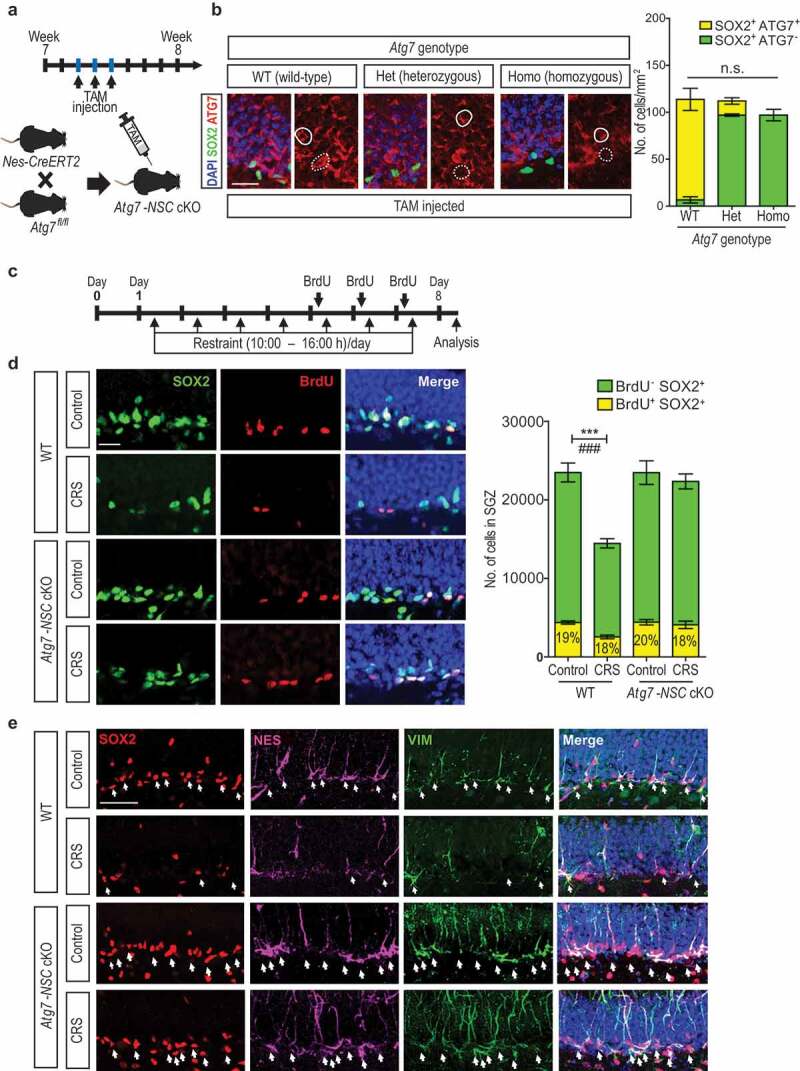
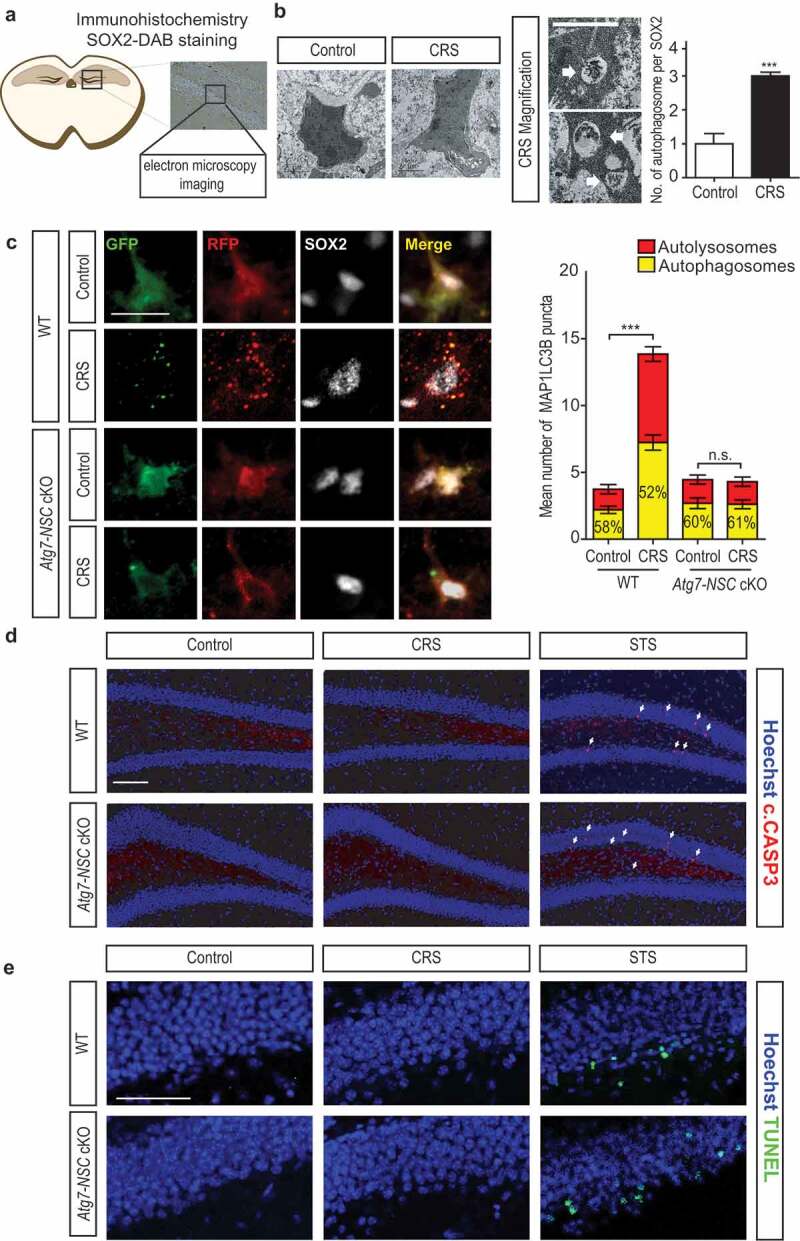
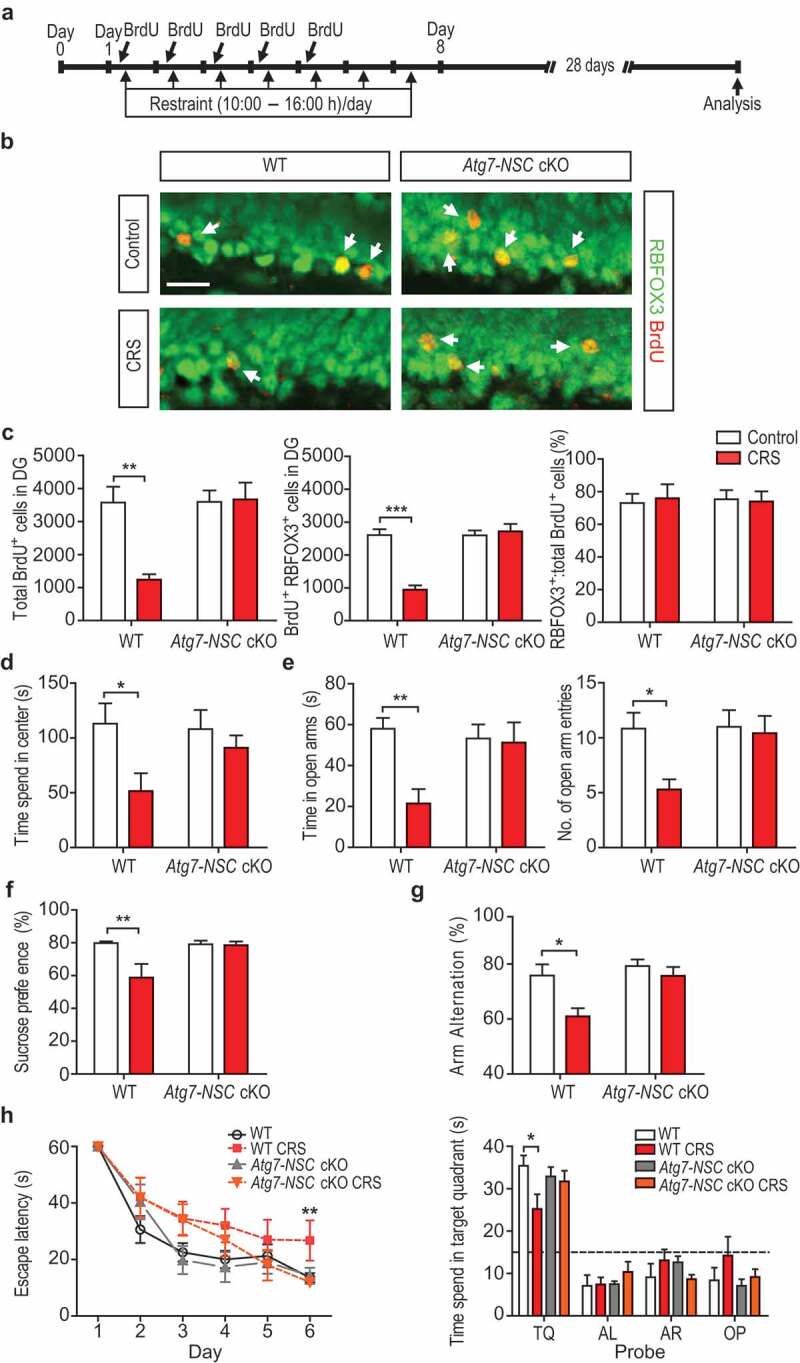
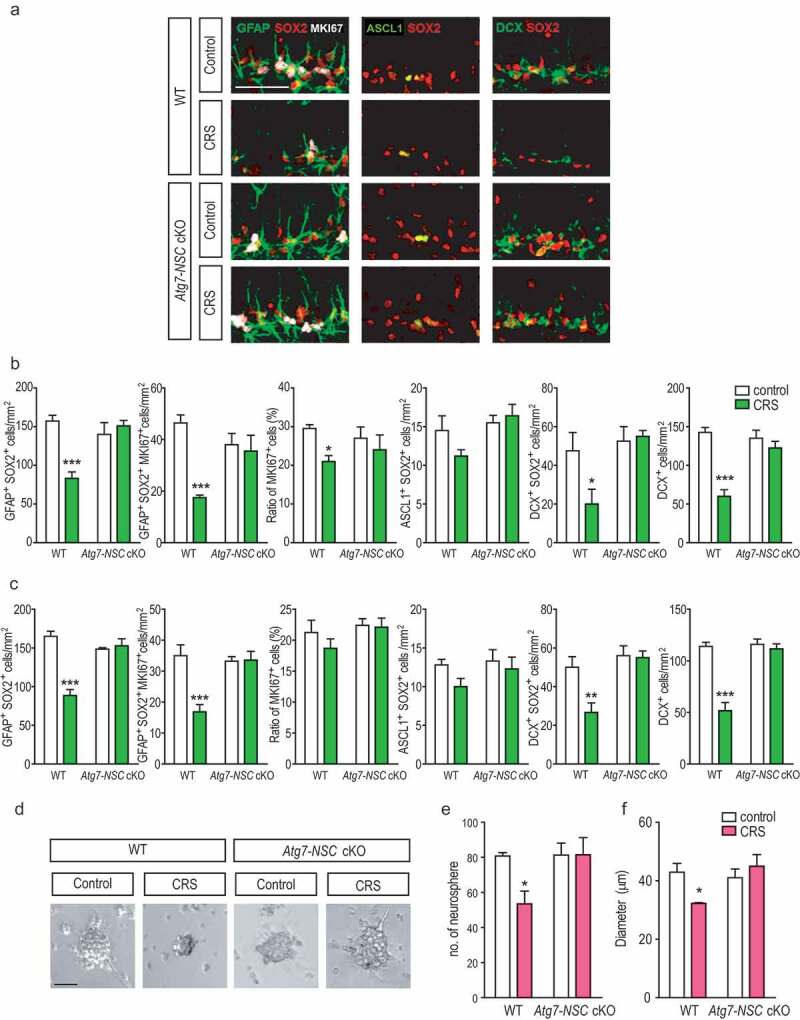
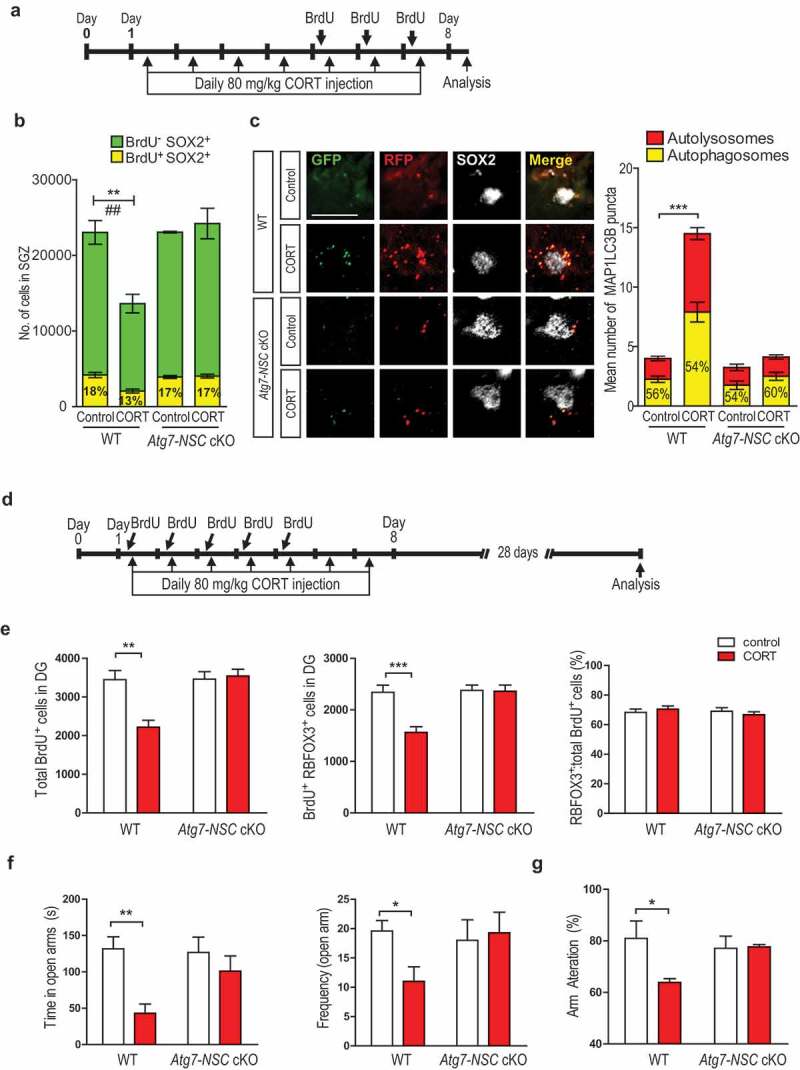
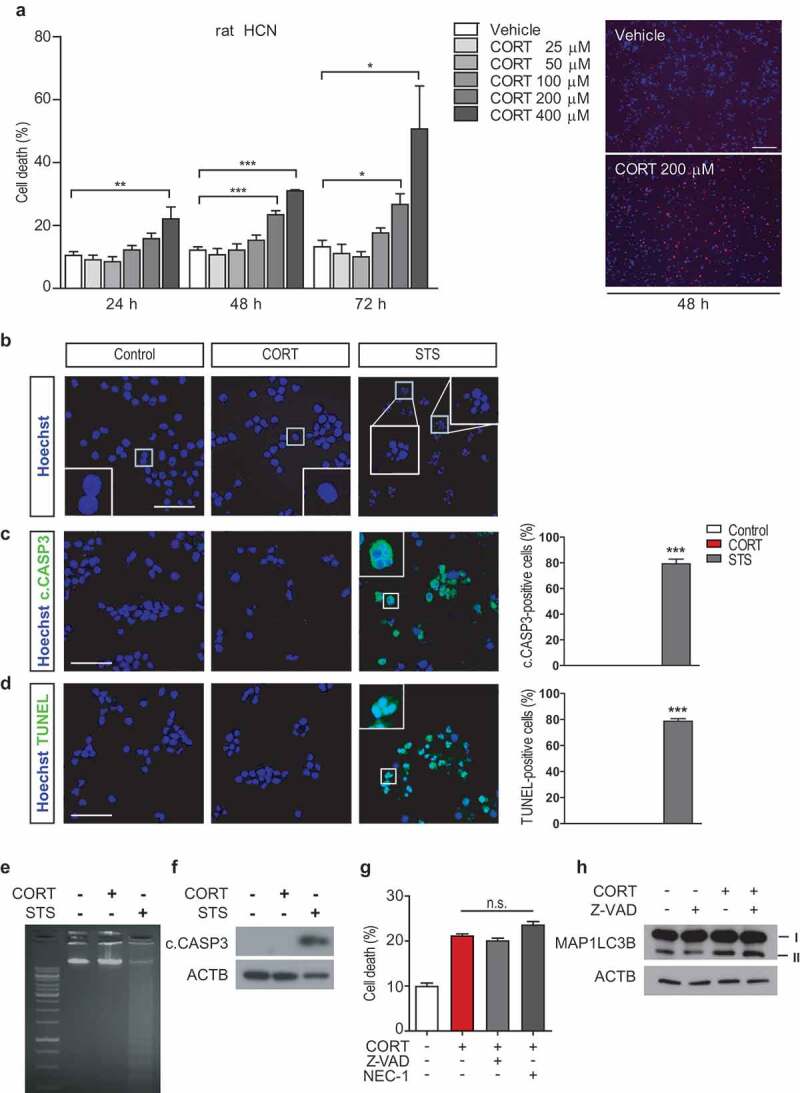
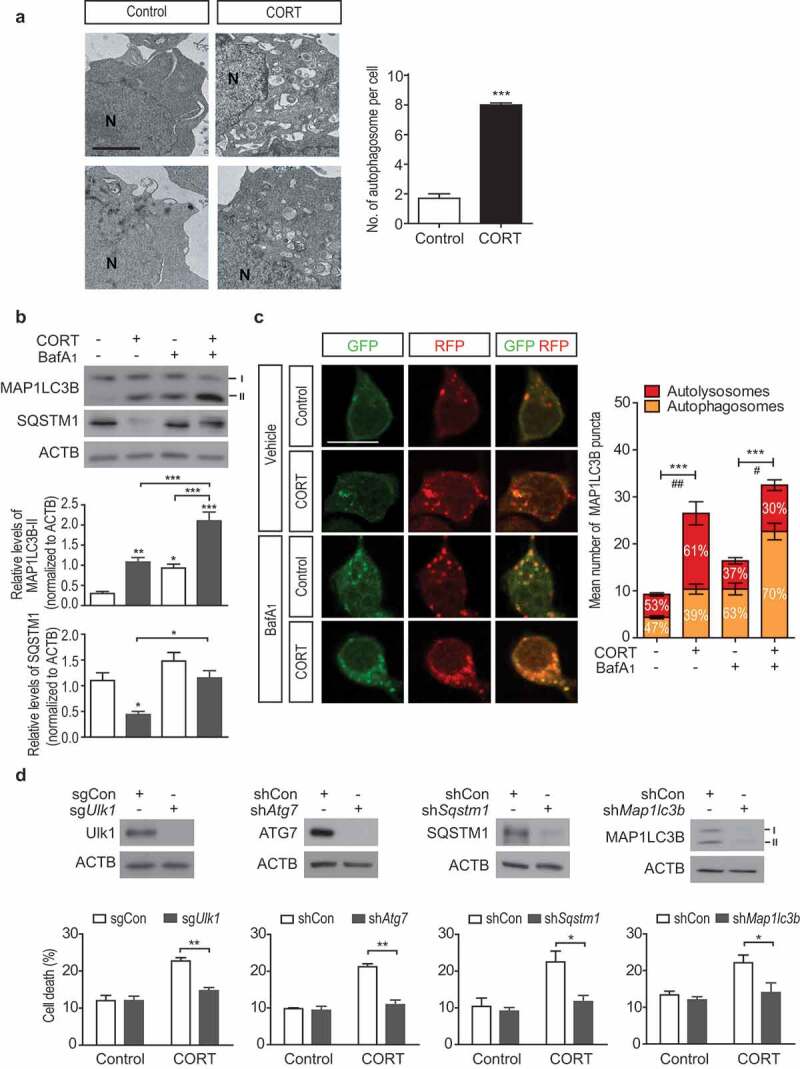
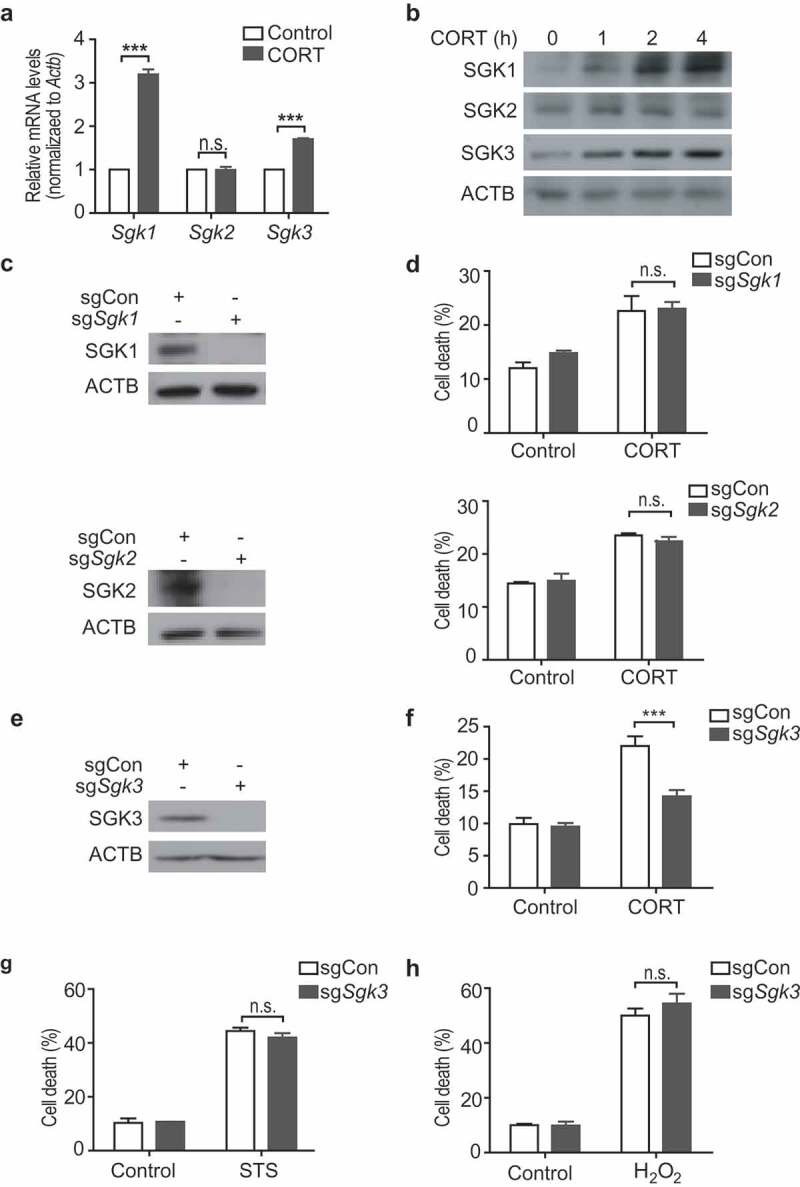
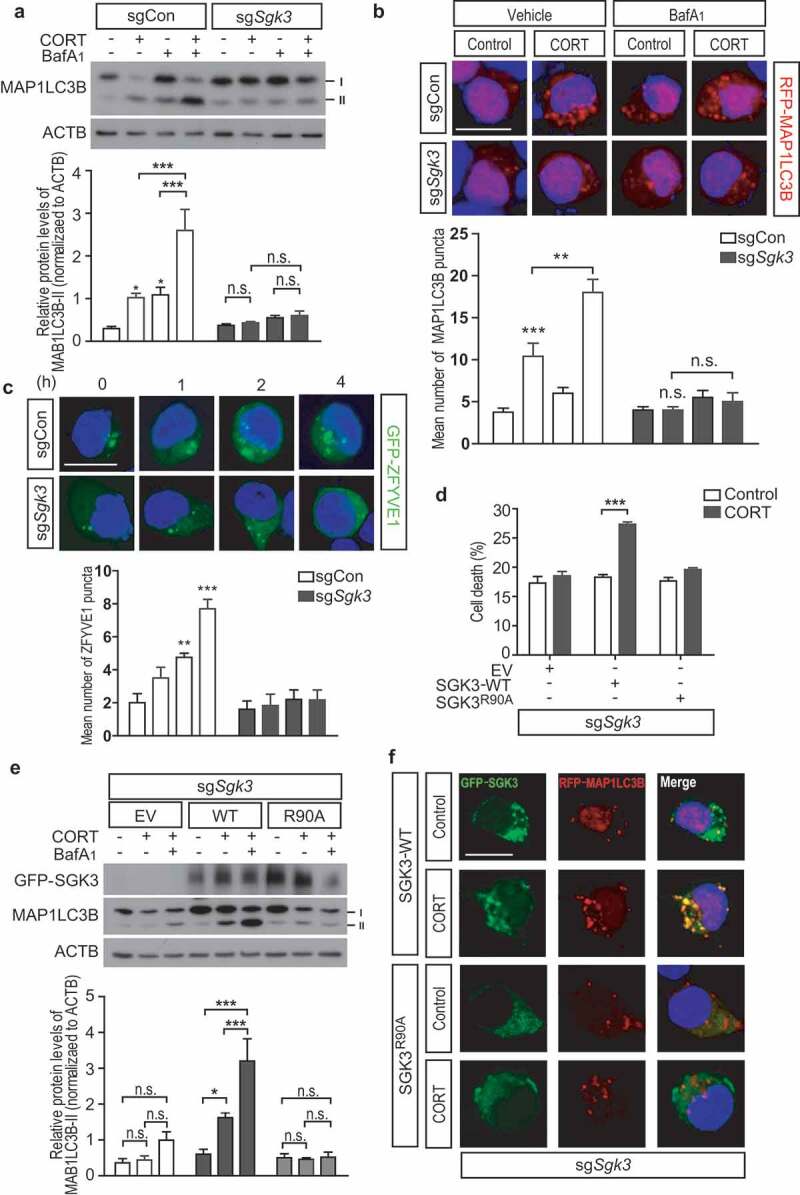
Macroautophagy/autophagy is generally regarded as a cytoprotective mechanism, and it remains a matter of controversy whether autophagy can cause cell death in mammals. Here, we show that chronic restraint stress suppresses adult hippocampal neurogenesis in mice by inducing autophagic cell death (ACD) of hippocampal neural stem cells (NSCs). We generated NSC-specific, inducible Atg7 conditional knockout mice and found that they had an intact number of NSCs and neurogenesis level under chronic restraint stress and were resilient to stress- or corticosterone-induced cognitive and mood deficits. Corticosterone treatment of adult hippocampal NSC cultures induced ACD via SGK3 (serum/glucocorticoid regulated kinase 3) without signs of apoptosis. Our results demonstrate that ACD is biologically important in a mammalian system in vivo and would be an attractive target for therapeutic intervention for psychological stress-induced disorders.Abbreviations AAV: adeno-associated virus; ACD: autophagic cell death; ACTB: actin, beta; Atg: autophagy-related; ASCL1/MASH1: achaete-scute family bHLH transcription factor 1; BafA1: bafilomycin A1; BrdU: Bromodeoxyuridine/5-bromo-2ʹ-deoxyuridine; CASP3: caspase 3; cKO: conditional knockout; CLEM: correlative light and electron microscopy; CORT: corticosterone; CRS: chronic restraint stress; DAB: 3,3ʹ–diaminobenzidine; DCX: doublecortin; DG: dentate gyrus; GC: glucocorticoid; GFAP: glial fibrillary acidic protein; HCN: hippocampal neural stem; i.p.: intraperitoneal; MAP1LC3B: microtubule-associated protein 1 light chain 3 beta; MKI67/Ki67: antigen identified by monoclonal antibody Ki 67; MWM: Morris water maze; Nec-1: necrostatin-1; NES: nestin; NR3C1/GR: nuclear receptor subfamily 3, group C, member 1; NSC: neural stem cell; PCD: programmed cell death; PFA: paraformaldehyde; PX: Phox homology; PtdIns3P: phosphatidylinositol-3-phosphate; RBFOX3/NeuN: RNA binding protein, fox-1 homolog (C. elegans) 3; SGK: serum/glucocorticoid-regulated kinases; SGZ: subgranular zone; SOX2: SRY (sex determining region Y)-box 2; SQSTM1: sequestosome 1; STS: staurosporine; TAM: tamoxifen; Ulk1: unc-51 like kinase 1; TUNEL: terminal deoxynucleotidyl transferase dUTP nick end labeling; VIM: vimentin; WT: wild type; ZFYVE1: zinc finger, FYVE domain containing 1; Z-VAD/Z-VAD-FMK: pan-caspase inhibitor
Overview
Integrity signals
Registry
Cites
Statistics
Figures
Verification
Claims the paper makes
Self-check
Percentages, sums and reported differences re-computed from the paper’s own numbers.
The text we found for this paper looks like another document, so the self-check wasn’t run.
Citations
Cites
Repertoires of Autophagy in the Pathogenesis of Ocular Diseases
Li, Y.-J., Jiang, Q., Cao, G.-F., Yao, J., & Yan, B. (2015) · Cellular Physiology and Biochemistry · doi:10.1159/000373980 · Cited by 16,304
LC3, a mammalian homologue of yeast Apg8p, is localized in autophagosome membranes after processing.
Kabeya, Y., Mizushima, N., Ueno, T., Yamamoto, A., Kirisako, T., Noda, T., Kominami, E., Ohsumi, Y., & Yoshimori, T. (2000) · The EMBO Journal · doi:10.1093/emboj/19.21.5720 · Cited by 6,605 · cited 1×
“MAP1LC3B/LC3B (microtubule-associated protein 1 light chain 3 beta; a mammalian homolog of yeast Atg8) is the bestknown biochemical marker of autophagy [19].”
BackgroundAutophagy fights disease through cellular self-digestion
Mizushima, N., Levine, B., Cuervo, A. M., & Klionsky, D. J. (2008) · Nature · doi:10.1038/nature06639 · Cited by 6,452 · cited 1×
“Autophagy is essential for normal development and physiology, and is generally considered as a cell survival mechanism that supplies nutrients and ensures turnover of obsolete cellular constituents [1].”
BackgroundCui, C., Cui, J., Jin, F., Cui, Y., Li, R., Jiang, X., Tian, Y., Wang, K., Jiang, P., & Gao, J. (2017) · Cellular Physiology and Biochemistry · doi:10.1159/000479571 · Cited by 5,203
Loss of autophagy in the central nervous system causes neurodegeneration in mice
Komatsu, M., Waguri, S., Chiba, T., Murata, S., Iwata, J.-I., Tanida, I., Ueno, T., Koike, M., Uchiyama, Y., Kominami, E., et al. (2006) · Nature · doi:10.1038/nature04723 · Cited by 3,500 · cited 2×
“A previous study that used the same Atg7 flox mice showed that the constitutive heterozygous Atg7 KO mice under the control of Nes-Cre developed normally to adulthood, but homozygous KO mice suffered developmental abnormalities [18].”
MethodMechanisms and Functional Implications of Adult Neurogenesis
Zhao, C., Deng, W., & Gage, F. H. (2008) · Cell · doi:10.1016/j.cell.2008.01.033 · Cited by 3,007 · cited 1×
“Adult hippocampal neurogenesis is implicated in learning and memory, and mood regulation [10].”
BackgroundGalluzzi, L., Vitale, I., Abrams, J. M., Alnemri, E. S., Baehrecke, E. H., Blagosklonny, M. V., Dawson, T. M., Dawson, V. L., El-Deiry, W. S., Fulda, S., et al. (2012) · Cell Death & Differentiation · doi:10.1038/cdd.2011.96 · Cited by 2,421 · cited 1×
“This approach of targeting multiple, distinct autophagy steps, as recommended by the Nomenclature Committee on Cell Death [25], demonstrates the primary role of autophagy in CORT-induced death of HCN cells.”
BackgroundCRISPR-Cas9 Knockin Mice for Genome Editing and Cancer Modeling
Platt, R. J., Chen, S., Zhou, Y., Yim, M. J., Swiech, L., Kempton, H. R., Dahlman, J. E., Parnas, O., Eisenhaure, T. M., Jovanovic, M., et al. (2014) · Cell · doi:10.1016/j.cell.2014.09.014 · Cited by 2,001 · cited 1×
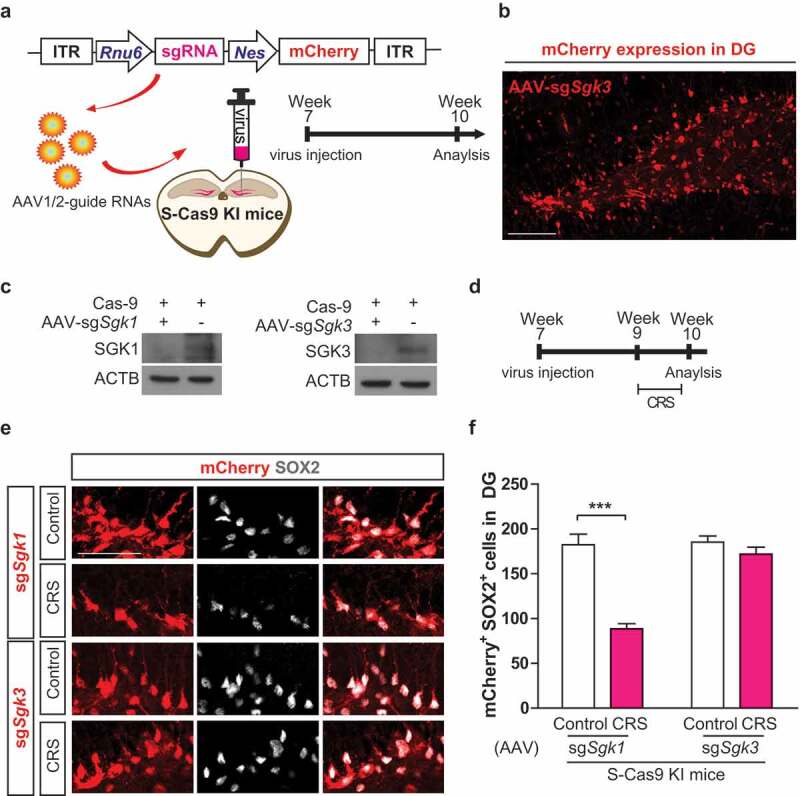
“S-Cas9 mice constitutively express Cas9 for CRISPR/Cas9-mediated gene editing in vivo [31].”
BackgroundAdult hippocampal neurogenesis buffers stress responses and depressive behaviour
Snyder, J. S., Soumier, A., Brewer, M., Pickel, J., & Cameron, H. A. (2011) · Nature · doi:10.1038/nature10287 · Cited by 1,473 · cited 3×
“Stress-induced suppression of adult hippocampal neurogenesis causes anxiety-like and depressive behaviors [20]; however, the effects of neurogenesis suppression by stress on hippocampal learning and memory have not been well elucidated.”
BackgroundMethodInfluentialAutophagic cell death: the story of a misnomer
Kroemer, G., & Levine, B. (2008) · Nature Reviews Molecular Cell Biology · doi:10.1038/nrm2529 · Cited by 1,453 · cited 2×
“Another criticism of ACD is that there is no evidence that autophagy-deficient cells show a resistance to cell death and survive for a long time in vivo [32].”
Background
Cited by
Items 101–200 of 200
Halakos, E. G., Connell, A. J., Glazewski, L., Wei, S., & Mason, R. W. (2020) · Journal of Proteomics · doi:10.1016/j.jprot.2020.104068 · Cited by 8
Lv, S., Zhang, G., Huang, Y., Zhong, X., Yi, Y., Lu, Y., Li, J., Ma, Y., & Jing, T. (2023) · Frontiers in Pharmacology · doi:10.3389/fphar.2023.1307746 · Cited by 7
Lin, K., Zhang, J., Chung, H.-L., Wu, X., Liu, B., Zhao, B., Sze, S. C. W., Zhou, P., Yung, K. K. L., & Zhang, S. (2022) · Chinese Journal of Integrative Medicine · doi:10.1007/s11655-021-3508-1 · Cited by 7
The role of autophagy in brain health and disease: Insights into exosome and autophagy interactions
Wang, H., Lv, C., Feng, L., Guo, J., Zhao, S., & Jiang, P. (2024) · Heliyon · doi:10.1016/j.heliyon.2024.e38959 · Cited by 8
Role of Rapamycin and 3-MA in oxidative damage of HLECs caused by two doses of UVB radiation
Yang, H., Ping, X., Cui, Y., Zheng, S., & Shentu, X. (2022) · Advances in Ophthalmology Practice and Research · doi:10.1016/j.aopr.2022.09.002 · Cited by 7
“36,37 We also observed by TEM that there were a large number of vacuoles in the cells treated with Rapamycin and a large number of organelles surrounded by autophagy lysosomes. these dying cells did not show typical characteristics of apoptosis, which may be described as autophagic cell death or…”
BackgroundKe, X., Yu, S., Situ, S., Lin, Z., & Yuan, Y. S. (2023) · In Vitro Cellular & Developmental Biology - Animal · doi:10.1007/s11626-023-00768-0 · Cited by 7
Self-citationInhibition of Autophagy In Vivo Extends Methamphetamine Toxicity to Mesencephalic Cell Bodies
Ferrucci, M., Biagioni, F., Busceti, C. L., Vidoni, C., Castino, R., Isidoro, C., Ryskalin, L., Frati, A., Puglisi‐Allegra, S., & Fornai, F. (2021) · Pharmaceuticals · doi:10.3390/ph14101003 · Cited by 7
Zhang, J., Hu, Q., Jiang, X., Wang, S., Zhou, X., Lu, Y., Huang, X., Duan, H., Zhang, T.-X., Ge, H., et al. (2022) · Oxidative Medicine and Cellular Longevity · doi:10.1155/2022/7486726 · Cited by 10
“Furthermore, the majority of cultured cells in neurosphere were immunopositive for Nestin and Sox2, two of the NSC markers [26, 27], using immunostaining assays (Figure 1(b)).”
MethodThe Critical Role of Autophagy and Phagocytosis in the Aging Brain
Bondy, S. C., & Wu, M. (2024) · International Journal of Molecular Sciences · doi:10.3390/ijms26010057 · Cited by 6
“Extended restraint stress of rats inhibits hippocampal neurogenesis, and this was associated with the autophagic death of neural stem cells [49].”
Gao, S., Guo, X., Tian, S., Huang, H., Ying, C., Wang, J., Zhang, J., Lin, J., Shao, A., Wang, J., et al. (2025) · Advanced Science · doi:10.1002/advs.202415984 · Cited by 6
Luo, S., Lyu, Z., Huang, H., Zhao, J., Li, Y., & Luo, Y. (2026) · Brain Behavior and Immunity · doi:10.1016/j.bbi.2026.106493 · Cited by 6
Wang, J., Wang, Z., Dai, L., Zhu, X., Guan, X., Wang, J., Li, J., Zhang, M., Bai, Y., & Guo, H. (2023) · International Journal of Molecular Sciences · doi:10.3390/ijms24033035 · Cited by 6
“Autophagy deficiency also suppresses adult hippocampal neurogenesis in mice by inducing the autophagic cell death of hippocampal NSCs [44].”
BackgroundWang, J., Wang, X., Yang, J., Zhen, Y., Ban, W., & Zhu, G. (2024) · Brain Research · doi:10.1016/j.brainres.2024.149254 · Cited by 6
Autophagy-Based Hypothesis on the Role of Brain Catecholamine Response During Stress
Limanaqi, F., Busceti, C. L., Biagioni, F., Fornai, F., & Puglisi‐Allegra, S. (2020) · Frontiers in Psychiatry · doi:10.3389/fpsyt.2020.569248 · Cited by 6
Li, L., Gu, L., Yang, H., Xu, H., Ling, Y., Li, T., Chen, M., & Ma, R. (2025) · European Journal of Pharmacology · doi:10.1016/j.ejphar.2025.177688 · Cited by 5
Amini, M., Motevaseli, E., Zahmatkesh, M., Yousefi, Z., Esmaeil-Jamaat, E., Hassanzadeh, G., & Mokhtari, T. (2026) · Molecular Neurobiology · doi:10.1007/s12035-025-05656-0 · Cited by 6
“Histologically, L.PS-pretreated BM-MSCs preserved hippocampal integrity, reducing neuronal damage in the CA1, CA2, CA3, and DG regions while maintaining pyramidal cell layer organization, aligning with reports of MSC-mediated neuroprotection and neurogenesis [97, 98].”
miR-124 mediates the effects of gut microbial dysbiosis on brain function in chronic stressed mice
Chen, H., Ouyang, W., Cui, X., Ma, X., Hu, S., Qing, W., & Tong, J. (2024) · Behavioural Brain Research · doi:10.1016/j.bbr.2024.115262 · Cited by 5
Yang, C., Chen, J., Tang, J., Li, L., Zhang, Y., Li, Y., Ruan, C., & Wang, C. (2024) · Nutrients · doi:10.3390/nu16213785 · Cited by 5
“GABAergic neurons are equipped with glutamate decarboxylase, an enzyme that facilitates the conversion of glutamate into GABA [15].”
BackgroundZhang, H., Sun, Q., Peng, J., Zhao, Y., Wei, M., & Fan, H. (2025) · Food Bioscience · doi:10.1016/j.fbio.2025.105859 · Cited by 5
Cx3cr1CreERT2-driven Atg7 deletion in adult mice induces intestinal adhesion
Lee, Y., Lee, J., Nam, H., & Yu, S. (2020) · Molecular Brain · doi:10.1186/s13041-020-00630-4 · Cited by 5
Self-citationLiu, H., Zhang, X., Ge, X., Hsu, C., Wang, Y., Chen, S., Yan, X., Xu, R., Ma, J., & Guo, S. (2025) · Cell Proliferation · doi:10.1111/cpr.13799 · Cited by 4
“For the TUNEL assay in SCAPs, we used the apoptosis inhibitor Z- VAD-FMK (25 μM) [48] in OPTN knockout SCAPs and stained them with TUNEL after 4 h to observe apoptosis.”
Liu, K., Li, Q., Sun, C., Cao, G., Liang, Z., Zhu, H., Liu, S., & Liu, L. (2025) · Experimental Neurology · doi:10.1016/j.expneurol.2025.115428 · Cited by 4
Atg5 in microglia regulates sex-specific effects on postnatal neurogenesis in Alzheimer’s disease
Walter, E. M., Angst, G., Bollinger, J. L., Truong, L., Ware, E., Wohleb, E. S., Fan, Y., & Wang, C. (2025) · npj Aging · doi:10.1038/s41514-025-00209-0 · Cited by 4
Xiao, Z., Zhang, X., Li, G., Sun, L., Li, J., Jing, Z., Qiu, Q., He, G., Gao, C., & Sun, X. (2023) · Molecular Brain · doi:10.1186/s13041-023-01024-y · Cited by 4
“of previous studies [40, 49, 50], our findings confirmed that the cognitive decline in mice after surgery is related to the decrease in SOX2 expression.”
ResultZhou, L., Wu, Z., Li, Y., Lin, S., Xiao, L., Wang, H., & Wang, G. (2024) · Neurochemical Research · doi:10.1007/s11064-024-04231-8 · Cited by 4
“Some research suggests that AHN can increase neuroplasticity in the hippocampus and improve learning and memory deficits in rodents, promot - ing resilience to stress-induced depressive and anxiety-like behaviors [ 15, 16].”
Sullens, D. G., Gilley, K., Moraglia, L. E., Dison, S., Hoffman, J. T., Wiffler, M. B., Barnes, R. C., Ginty, A. T., & Sekeres, M. J. (2025) · Frontiers in Aging Neuroscience · doi:10.3389/fnagi.2024.1508801 · Cited by 4
Jeong, H., Choe, S., Jung, S., & Yu, S. (2025) · Molecular Brain · doi:10.1186/s13041-025-01189-8 · Cited by 4
“We previously reported that chronic psychological stress suppresses adult hippocampal neurogenesis by inducing ACD of NSCs using different animal models of stress, such as CRS and chronic unpredictable stress [8, 9].”
Self-citationPrimitive and Definitive Neural Precursor Cells Are Present in Human Cerebral Organoids
Islam, R., Noman, H., Azimi, A., Siu, R., Chinchalongporn, V., Schuurmans, C., & Morshead, C. M. (2024) · International Journal of Molecular Sciences · doi:10.3390/ijms25126549 · Cited by 3
“Herein, we did not observe the pro-survival effects of caspase inhibition on human dNSCs, as was reported in mice, which may suggest that human NSCs undergo cell death through non-apoptotic pathways, such as autophagy, necrosis, or necroptosis [22,31,38,39].”
BackgroundZhao, W., Wang, Z., Chen, X., Zhao, S., Zong, F., & Zhang, H. (2025) · The FASEB Journal · doi:10.1096/fj.202501537r · Cited by 3
“Adequate AHN exerts a buffering effect on stress, whereas its impairment is closely linked to depression [6, 7].”
Li, C., Wang, Z., Ye, X., Lv, J., Chen, F., Zhang, Y., Liu, J., Li, X., Duan, J., Wang, Y., et al. (2025) · Frontiers in Psychiatry · doi:10.3389/fpsyt.2025.1692751 · Cited by 3
Song, S., Wei, Q., Tu, Y., Zhou, S., Zhou, J., Tao, J., Chen, Y., Zhou, H., & You, M. (2026) · Environmental Pollution · doi:10.1016/j.envpol.2026.127670 · Cited by 3
Larrieu, T., Grieco, F., Carron, C., Vilademunt, M., Weber, C., Ginggen, K., Delacrétaz, A., Gallart‐Ayala, H., Tsuda, M. C., Cameron, H. A., et al. (2026) · Nature Communications · doi:10.1038/s41467-026-69240-3 · Cited by 3
“Indicators of apoptosis, including nuclear condensation and caspase-3 activation 42 , revealednotoxicityfromHAserum(SupplementaryFig.2a – d).”
Sun, L.-H., Liao, Y., Chan, Y.-H., Yu, A. E., Wu, C.-H., Kuo, I.-T., & Yu, L. (2023) · International Journal of Molecular Sciences · doi:10.3390/ijms24031983 · Cited by 3
Xiao, M., Yan, X., Li, P., Ma, X., & Ma, C.-B. (2024) · PubMed · doi:10.13702/j.1000-0607.20230450 · Cited by 3
Older people, dementia and neuro-dramatic-play: A personal and theoretical drama therapy perspective
Holmwood, C. (2021) · Drama Therapy Review · doi:10.1386/dtr_00061_1 · Cited by 3
Zhang, Y., Zhang, Y., Shen, X., Wang, G., & Zhu, L. (2024) · PubMed Central · doi:10.12122/j.issn.1673-4254.2024.07.11 · Cited by 2
Kim, D., Lee, Y. H., Kim, S., & Yu, S. (2025) · Behavioural Brain Research · doi:10.1016/j.bbr.2025.115724 · Cited by 2
“…we measured blood CORT level. n Prolonged stress is known to gradually reduce production of CORT over time through a negative feedback loop (Jung et al., 2020). r Therefore, to assess the effect of GV1001 on CORT production, blood CORT level was measured after only two sessions of…”
Self-citationDafale, R. S., Kamath, S. U., Bhasin, G., Vasanthalaxmi, K., Bose, U., G, R. B. M., Punja, D., Bharadwaj, A., & Manjula, S. D. (2025) · Nutritional Neuroscience · doi:10.1080/1028415x.2025.2573226 · Cited by 2
“For stress induction, the animal was immobilized for 6 hrs/day daily for 21 days with food and water deprivation in the restrainer [33–35].”
Li, Y.-Y., Wang, X., Pu, Y.-J., Psakhye, I., Wang, Y., Chen, Z., & Li, W.-L. (2026) · Acta Pharmacologica Sinica · doi:10.1038/s41401-026-01779-9 · Cited by 2
Research progress of acupuncture regulating ERK signaling pathway in the treatment of depression.
Xiao, M., Li, P., Ma, X., Yan, X., & Ma, C.-B. (2024) · PubMed · doi:10.13702/j.1000-0607.20230278 · Cited by 2
Zhang, L., Chen, D., Xu, K., Shang, R., Liu, X., Li, Z., Wang, K., & Zhang, M. (2025) · ALPHA PSYCHIATRY · doi:10.31083/ap45685 · Cited by 2
“In a chronic restraint stress (CRS) depression model, autophagic cell death of neural stem cells (NSCs) led to hippocampal neuron damage in mice [23].”
Tokuda, A., Nagumo, Y., Kajino, K., Iio, K., Sakurai, K., Mizuno, S., Saitoh, A., Saitoh, T., & Nagase, H. (2025) · Neuropsychopharmacology Reports · doi:10.1002/npr2.70059 · Cited by 2
“This effect is evidenced by a reduction in BrdU-positive cells [40–43] and decreased expression of markers specific to neural stem and progenitor cells [40, 44].”
Assays for Monitoring Autophagy in Stem Cells
Chhatre, A. S., & Shravage, B. V. (2022) · Stem cell biology and regenerative medicine · doi:10.1007/978-3-031-17362-2_1 · Cited by 2
The Interplay between Autophagy and Adult Hippocampal Neurogenesis
Chen, H. (2025) · International Conference on Bioinformatics and Biomedical Technology (ICBBT) · doi:10.1109/icbbt65815.2025.11276558 · Cited by 1
“However, there are also some studies declare autophagic cell death (ACD) without apoptosis is found in stress-induced or corticosterone-induced mice model [26].”
Influential(2024) · Frontiers research topics · doi:10.3389/978-2-8325-4734-2 · Cited by 2
Zhou, L., Wu, Z., Li, Y., Xiao, L., Wang, H., & Wang, G. (2024) · Pharmacology Biochemistry and Behavior · doi:10.1016/j.pbb.2024.173898 · Cited by 1
Zhang, W., Lan, L., Xu, X., Chen, K., Yang, X., Feng, X., & Lu, D. (2025) · Biomedicines · doi:10.3390/biomedicines13112806 · Cited by 1
“The regulatory mechanisms of postnatal hippocampal neurogenesis are diverse, including intrinsic signaling (key intracellular cascades, metabolism, neurotransmitters) [4,5], as well as extrinsic signals like stress, exercise, and pharmacological agents [6,7].”
Synaptotagmin-7 drives stress-induced cardiomyocyte necroptosis via the p53-Bak-mPTP axis
Li, J., Shuang, W., Han, Y., Liu, J., Li, Y., Zhang, J., Guo, L., Jin, Y., Chang, J., Liu, T., et al. (2025) · Theranostics · doi:10.7150/thno.119528 · Cited by 1
“Models employing chronic restraint or sustained CORT exposure demonstrate increased autophagic flux in both neuronal and cardiac tissues [63, 76].”
He, X., Huang, T., Yang, A., Li, Y., Bai, L., Chen, Y., Bai, J., & Zhang, X. (2025) · Pathology - Research and Practice · doi:10.1016/j.prp.2025.156340 · Cited by 1
Ji, Y., Chen, W., Yao, L., Liu, F., Sun, X., & Wang, Z. (2026) · Brain Behavior and Immunity · doi:10.1016/j.bbi.2026.106556 · Cited by 3
Zhang, Y. H., Zhao, J., Huang, T., Gao, X., Zhang, L., Wang, Y., Guo, X., Zhang, L., Niu, Q., & Zhang, Q. (2026) · Journal of Applied Toxicology · doi:10.1002/jat.70186 · Cited by 1
Huang, J., Xia, X., Luo, F., Qu, L., Feng, X. H., & Zheng, L. (2026) · Advanced Biotechnology · doi:10.1007/s44307-026-00121-y · Cited by 1
Du, H., Du, G., Zhang, Q., Zhao, Y., Fan, J., Zhou, Y., Sun, Z., Li, C., & Li, W. (2026) · Depression and Anxiety · doi:10.1155/da/7688691 · Cited by 2
“NR3C1 activates SGK3, inducing autophagic death of hippocampal neural stem cells and suppressing neurogenesis, thereby promoting depression [81, 82].”
Ocular and neural genes jointly regulate the visuospatial working memory in ADHD children
Zhao, Y., Zhong, Y., Chen, W., Chang, S., Cao, Q., Wang, Y., & Yang, L. (2023) · Behavioral and Brain Functions · doi:10.1186/s12993-023-00216-9 · Cited by 1
Ma, W. (2025) · Theoretical and Natural Science · doi:10.54254/2753-8818/2024.19375 · Cited by 1
Ratmirov, A. M., Алексеевна, Г. М., & Storozheva, Z. I. (2025) · Journal of Evolutionary Biochemistry and Physiology · doi:10.1134/s0022093025030123 · Cited by 1
“This is partially supported by literature data showing that among adult hippocampal stem cells, those express(cid:2) ing Ascl1 exhibit a highest tolerance to severe stress induced by a 6-h immobilization for 7 days [49].”
Zhang, Y.-M., Zhang, Y., Lv, Y.-C., Liu, X.-X., Fan, R., & Zhang, X. (2023) · Research Square · doi:10.21203/rs.3.rs-2770744/v1 · Cited by 1
Soper, O., Assir, M. Z. K., Ramírez, D., Crawford, G., Gyuris, R., Valkila, S. S. M., Lecante, L. L., Liu, P., Fowler, P., González, J. A., et al. (2025) · bioRxiv (Cold Spring Harbor Laboratory) · doi:10.1101/2025.11.03.686207 · Cited by 1
Chenard, K. C., & Chenard, K. C. (2023) · UA Campus Repository (The University of Arizona) · Cited by 1
Silva, D. F. M. D. [. (2025) · LA Referencia (Red Federada de Repositorios Institucionales de Publicaciones Científicas) · Cited by 1
Halakos, E. G. (2020) · Library, Museums and Press - UDSpace (University of Delaware) · doi:10.58088/wbm8-yy83
Wu, Z., & Huang, T. (2021) · Journal of Biomaterials and Tissue Engineering · doi:10.1166/jbt.2022.2912
Autophagy in Embryonic Stem Cells and Neural Stem Cells
Puri, D., Bivalkar-Mehla, S., & Subramanyam, D. (2022) · Stem cell biology and regenerative medicine · doi:10.1007/978-3-031-17362-2_3
The Autophagy Lysosomal Pathway: Friend or Foe in Adult Neural Stem Cells?
Calatayud-Baselga, I., & Mira, H. (2022) · Stem cell biology and regenerative medicine · doi:10.1007/978-3-031-17362-2_8
Liu, W., Wu, C., Fu, M., Tain, Y., Liang, C., Chen, I., Hung, C., Lee, Y., & Wu, K. L. H. (2022) · Experimental Neurobiology · doi:10.5607/en22005
“Similar to a previous study [28], SOX2 signaling was significantly enhanced by LPS administration in this study.”
BackgroundResultInfluentialSelf-citationGinsenoside Rg1 Delays the Aging of Mouse Hippocampus and NSCs Through the Keap1-Nrf2/ARE PathwayPreprint
Wang, L., Wu, Q., Wang, S., Xiao, C., Wang, Z., Wang, L., & Wang, Y. (2022) · doi:10.22541/au.167042416.63605216/v1
Scarante, F. F. (2023) · Digital Library of Theses and Dissertations (Universidade de São Paulo) · doi:10.11606/t.17.2023.tde-29062023-112405
Mitotic Activity and DNA Maintenance of Adult Neural Stem Cells is Regulated by Beclin1Preprint
Kalinina, A., Dhaliwal, J., Xue, Y., Vaculik, M., McCambley, M., Fong, B. C., Cook, D. P., Slack, R. S., & Lagace, D. C. (2024) · bioRxiv (Cold Spring Harbor Laboratory) · doi:10.1101/2024.01.26.573092
Roh, J., Jang, J., Oh, T., Kim, J., Lee, B., Hong, Y., Jang, J., & Ko, S. (2024) · Pharmacological Reports · doi:10.1007/s43440-024-00572-x
Xiao, Z., Zhang, X., Li, G., Sun, L., Li, J., Jing, Z., Qiu, Q., He, G., Gao, C., & Sun, X. (2023) · Figshare · doi:10.6084/m9.figshare.22697139
Chen, E. Y., Chen, Y., & Lin, Y. (2025) · Theoretical and Natural Science · doi:10.54254/2753-8818/2024.19966
Li, C. (2025) · Theoretical and Natural Science · doi:10.54254/2753-8818/2024.19964
Comparison the Hippocampal Stathmin and TFEB Proteins Level in Animal Models of PTSD and Depression
Kavoosi, E., Khalifeh, S., Nasehi, M., Rohallah, F., Kheradmand, A., & Nazari-Serenjeh, F. (2025) · Jentashapir Journal of Cellular and Molecular Biology · doi:10.5812/jjcmb-155637
“It is well-established that under anxious or depressive conditions, autophagic mechanisms are impaired in the hippocampus (8, 62, 63).”
Xiong, Y., Xu, S., Hao, K., Chen, F., Xu, R., Wang, S., Huang, H., Liu, Z., Wang, G., & Wang, H. (2025) · Behavioural Brain Research · doi:10.1016/j.bbr.2025.115579
Shen, W., Li, Z., Tao, Y., Zhou, H., Wu, H., Shi, H., Huang, F., & Wu, X. (2025) · Current Pharmaceutical Design · doi:10.2174/0113816128369486250519021344
Liang, M., Cui, C., Li, X., Guo, J., Wang, X., Hu, Y., Yan, C., Shi, X., Li, M., Cao, J., et al. (2025) · European Journal of Nuclear Medicine and Molecular Imaging · doi:10.1007/s00259-025-07604-5
Hong, J., An, H., Nam, H., Choi, J., & Yu, S.-W. (2025) · Animal Cells and Systems · doi:10.1080/19768354.2025.2589558
“As such, we also previously demonstrated that long-term injection of CORT in mice induces ACD of HCN cells and causes depressive behaviors and cognitive deficits (Jung et al. 2020).”
InfluentialSelf-citationChoe, S., Jeong, H., Choi, J., & Yu, S.-W. (2024) · Figshare · doi:10.6084/m9.figshare.25963139
Self-citationXiao, Z., Zhang, X., Li, G., Sun, L., Li, J., Jing, Z., Qiu, Q., He, G., Gao, C., & Sun, X. (2023) · Figshare · doi:10.6084/m9.figshare.22697136
Regulación de la quiescencia en células madre neurales adultas a través de la vía autofagia-lisosoma
Calatayud-Baselga, I. (2022) · DIGITAL.CSIC (Spanish National Research Council (CSIC))
Yi, S., Yang, B., Zhang, X., Zhao, B., Wei, L., Yao, Z., & Zhang, R. (2026) · Behavioral and Brain Functions · doi:10.1186/s12993-026-00319-z
“Recent researches indicate that stress, especially chronic stress, is a significant environmental factor contributing to the development of neuropsychiatric diseases in both humans and animals and is associated with anxiety, depression-like behavior, and cognitive dysfunction [4, 5].”
Stem Cell-Based Strategies to Promote Neural Repair
Islam, R. (2024) · TSpace (University of Toronto)
Yang, Y., Fan, B., Zhi, T. T., Wu, Y., Wu, L., Xie, Z., Zhang, S., Mu, R. H., & Wu, X. (2026) · International Immunopharmacology · doi:10.1016/j.intimp.2026.116465
Atg7-dependent autophagy is indispensable for mice spiral ganglion neurons
Sun, C., Gao, X., Zhang, Y., Li, Y., Cheng, C., Li, S., Gao, X., 钱晓云, & Zhou, H. (2026) · Hearing Research · doi:10.1016/j.heares.2026.109607
Yang, H., Fu, R., DUAN, Y., Hua, Y., Wei, T., Li, G., Gu, X., Li, M., Yu, X., Li, L., et al. (2026) · Neurotoxicity Research · doi:10.1007/s12640-026-00791-5
Yu, L., Zhang, T., Lou, X., Zou, H., Xie, H., Yan, F., Ran, Q., Zhou, L., Gao, X., Hu, Y., et al. (2026) · Small · doi:10.1002/smll.202508100
Jung, S., Jeong, H., Choe, S., Choi, J., Chung, K. M., Kim, J. Y., Lee, E., Lee, H.-W., Jeong, Y., Kim, E., et al. (2026) · Autophagy · doi:10.1080/15548627.2026.2676073
“We previously demonstrated that ahNSCs undergo ACD, rather than apoptosis, in response to psychological stress, which contributes to the suppression of AHN [6,11,12].”
InfluentialSelf-citationShen, J., Zi, Y., Xu, Y., Zhu, X., & Shi, L. (2026) · Behavioural Brain Research · doi:10.1016/j.bbr.2026.116339
Shi, M., Yan, L., Hu, K., Li, L., Xu, J., Li, X., Liu, R., Zhang, Y., Zhao, Y., Guo, Y., et al. (2026) · Cell Death and Disease · doi:10.1038/s41419-026-09135-9
Chronic stress regulates endometrial autophagy through IL-6/JAK2/BECN1 signaling pathway
曹欣欣, Wang, Y., Gao, D., Chen, J., Wang, X., Liu, X., & Lei, M. (2026) · Biology of Reproduction · doi:10.1093/biolre/ioag173
Advances in the Study of Mechanisms Underlying the Role of Gut Microbiota in Depressive Disorders
张, 慧. (2026) · Advances in Clinical Medicine · doi:10.12677/acm.2026.1682895
Natural medicine‑empowered treatment of depression via restoring neurogenesis (Review)
Zhong, X., & Gui, J. (2026) · Molecular Medicine Reports · doi:10.3892/mmr.2026.14002
“Furthermore, Jung et al (13) identified that autophagic death of nScs mediates the decline in aHn and contributes to cognitive impairments associated with chronic stress. accordingly, natural compounds capable of modulating autophagy, either by preventing its excessive activation or by promoting…”
InfluentialYu, Y., Fu, R., Rong, H., & Fang, Q. (2026) · Neurotherapeutics · doi:10.1016/j.neurot.2026.e01063
“Animals were placed in restraint devices from 10:00 a.m. to 4:00 p.m. for 3 weeks [18].”
Thioredoxin system: mechanisms and therapeutic potential in mental disorders
Zhang, L., Wang, X., Guo, N., & Bai, J. (2026) · Frontiers in Pharmacology · doi:10.3389/fphar.2026.1928981
“Chronic stress impairs neural plasticity in the brain and particularly suppresses adult hippocampal neurogenesis (Jung et al., 2020).”
Autophagy and Rab24 in Health and Disease
Ramm, M. (2026) · UTUPub (University of Turku)
Cognitive Improvement Through Non-Invasive Brain Stimulation Techniques in Healthy Adults
Kurniawan, W., Jixiong, C., Abdullah, A., Wei, Z., & Sari, F. (2024) · World Psychology
Glucocorticoid-Mediated Regulation of BDNF and Autophagy in Dentate Gyrus Neurons
Xu, Y. (2026) · Theoretical and Natural Science · doi:10.54254/2753-8818/2026.38900
Wen, L., Li, X., Huang, L., Du, Y., Guo, M., & Qu, M. (2026) · Frontiers in Pharmacology · doi:10.3389/fphar.2026.1979631
Lv, S., Dai, W., Zheng, Y., Dong, P., Yu, Y., Zhao, Y., Sun, S., Bi, D., Liu, C., Han, F., et al. (2022) · doi:10.3389/fphar.2022.966218.s002
Metadata
- Authors
- Jung, S., Choe, S., Woo, H., Jeong, H., An, H.-K., Moon, H., Ryu, H. Y., Yeo, B. K., Lee, Y. W., Choi, H., Mun, J. Y., Sun, W., Choe, H. K., Kim, E.-K., & Yu, S.-W.
- Affiliations
- Daegu Gyeongbuk Institute of Science and Technology (KR)
- Eulji University (KR)
- Korea Brain Research Institute (KR)
- Korea University (KR)
- Corresponding author
- Yu, Seong-Woon
- Venue
- Autophagy
- Publisher
- Informa UK Limited
- Published
- 2019-06-24
- Volume
- 16
- Issue
- 3
- Pages
- 512-530
- ISSN
- 1554-8627 (ISSN-L)
- 1554-8635
- PMC
- PMC6999625
- OpenAlex
- W2954601620
- Cited by
- 183
- References
- 41
- Citations by year
- 2026: 20 · 2025: 37 · 2024: 29 · 2023: 30 · 2022: 27 · 2021: 18 · 2020: 19 · 2019: 3
- FWCI
- 6.31
- Type
- journal article
- Language
- en
- Open access
- hybrid
- doi.org
- Licence
- Locations
- Autophagy (publishedVersion, cc-by-nc-nd)
- Europe PMC (PubMed Central) (publishedVersion, cc-by-nc-nd)
- PubMed Central (publishedVersion, cc-by-nc-nd)
- PubMed (publishedVersion)
- Funders
- National Research Foundation of Korea (2018M3C7A1056275, 2017R1A2B4004289)
- Ministry of Science and ICT of Korea (19-BR-01-08, 19-BD-04)
- Topics
- Life Sciences › Neuroscience › Developmental Neuroscience › Neurogenesis and neuroplasticity mechanisms
- Life Sciences › Biochemistry, Genetics and Molecular Biology › Cell Biology › Autophagy in Disease and Therapy
- Life Sciences › Neuroscience › Behavioral Neuroscience › Stress Responses and Cortisol
- Keywords
- autophagic cell death, neural stem cells, adult hippocampal neurogenesis, chronic restraint stress, ATG7, SGK3, corticosterone, cognitive impairment, depression-like behavior, stress resilience, glucocorticoid receptor, nestin, doublecortin, LC3B
- MeSH terms
- Autophagy-Related Protein 7, Necroptosis, Doublecortin Protein, Serum-Glucocorticoid Regulated Kinases, Animals, Anxiety, Autophagy, Cognition Disorders, Corticosterone, Depression, Hippocampus, Stress, Physiological, Apoptosis, Protein Serine-Threonine Kinases, Gene Deletion, Immediate-Early Proteins, Mice, Knockout, Gene Silencing, Neurogenesis, Neural Stem Cells
About these checks
Registry, retraction, Cites and statistics results are computed, not judged, with one exception: a printed reference that no index lists is read once by a model before it counts as a citation error. Claims are extracted by a model and kept only when their quote appears verbatim in the text; each cited source is then checked, with a model’s help, for whether it says what the claim relies on. Those verdicts can be wrong — read the claim’s quote and the cited source before relying on one.
Statistics and arithmetic are recomputed, not judged.
Confidence bands are shown only for fields calibrated on our annotated test set. None is calibrated yet, so no band is shown.
What counts as a claim ›How we measure confidence ›How we check this ›
Are you an author, or do you see a problem with this page? Request a review
Data sources
Bibliographic data: Semantic Scholar, OpenAlex, Crossref.
Contains information from the Semantic Scholar Academic Graph Datasets, made available under the ODC Attribution License (ODC-BY 1.0).
Semantic Scholar’s data is described in: Kinney, R., et al. (2023). The Semantic Scholar Open Data Platform. arXiv:2301.10140.
