

Autophagic death of neural stem cells mediates chronic stress-induced decline of adult hippocampal neurogenesis and cognitive deficits
Open accessThe DOI matches its Crossref record; 41 of the 41 references it cites were found in a registry or an index.
Abstract
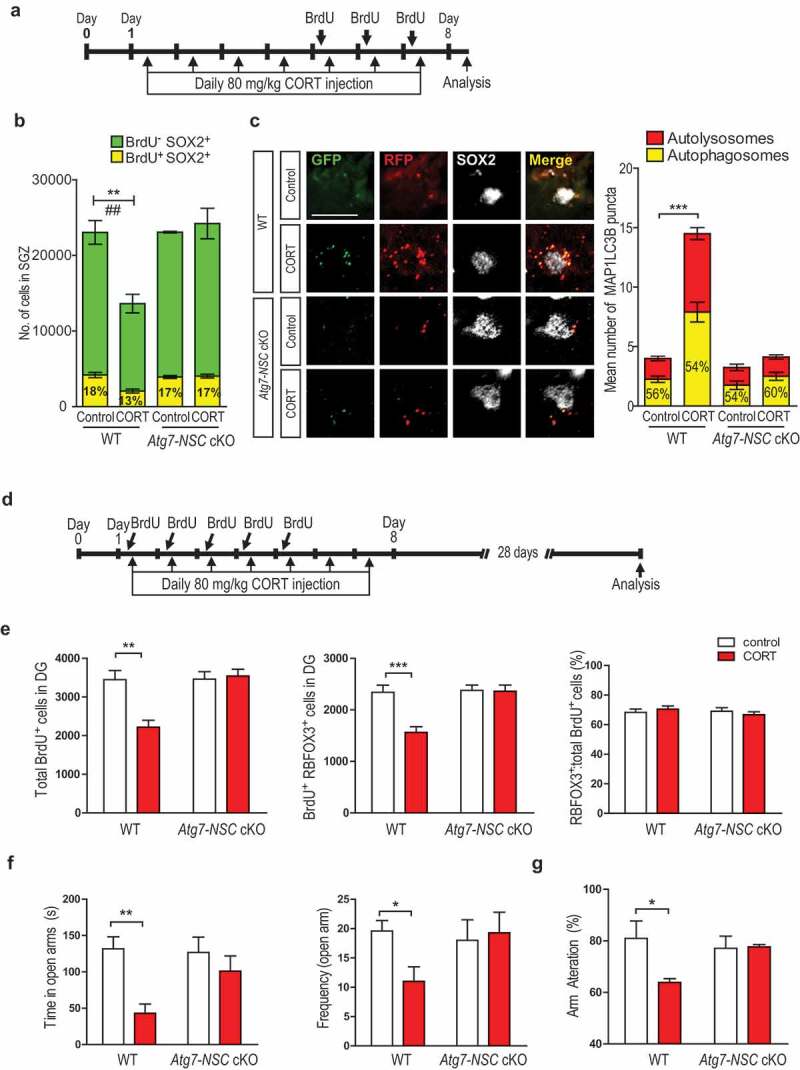
Macroautophagy/autophagy is generally regarded as a cytoprotective mechanism, and it remains a matter of controversy whether autophagy can cause cell death in mammals. Here, we show that chronic restraint stress suppresses adult hippocampal neurogenesis in mice by inducing autophagic cell death (ACD) of hippocampal neural stem cells (NSCs). We generated NSC-specific, inducible Atg7 conditional knockout mice and found that they had an intact number of NSCs and neurogenesis level under chronic restraint stress and were resilient to stress- or corticosterone-induced cognitive and mood deficits. Corticosterone treatment of adult hippocampal NSC cultures induced ACD via SGK3 (serum/glucocorticoid regulated kinase 3) without signs of apoptosis. Our results demonstrate that ACD is biologically important in a mammalian system in vivo and would be an attractive target for therapeutic intervention for psychological stress-induced disorders.Abbreviations AAV: adeno-associated virus; ACD: autophagic cell death; ACTB: actin, beta; Atg: autophagy-related; ASCL1/MASH1: achaete-scute family bHLH transcription factor 1; BafA1: bafilomycin A1; BrdU: Bromodeoxyuridine/5-bromo-2ʹ-deoxyuridine; CASP3: caspase 3; cKO: conditional knockout; CLEM: correlative light and electron microscopy; CORT: corticosterone; CRS: chronic restraint stress; DAB: 3,3ʹ–diaminobenzidine; DCX: doublecortin; DG: dentate gyrus; GC: glucocorticoid; GFAP: glial fibrillary acidic protein; HCN: hippocampal neural stem; i.p.: intraperitoneal; MAP1LC3B: microtubule-associated protein 1 light chain 3 beta; MKI67/Ki67: antigen identified by monoclonal antibody Ki 67; MWM: Morris water maze; Nec-1: necrostatin-1; NES: nestin; NR3C1/GR: nuclear receptor subfamily 3, group C, member 1; NSC: neural stem cell; PCD: programmed cell death; PFA: paraformaldehyde; PX: Phox homology; PtdIns3P: phosphatidylinositol-3-phosphate; RBFOX3/NeuN: RNA binding protein, fox-1 homolog (C. elegans) 3; SGK: serum/glucocorticoid-regulated kinases; SGZ: subgranular zone; SOX2: SRY (sex determining region Y)-box 2; SQSTM1: sequestosome 1; STS: staurosporine; TAM: tamoxifen; Ulk1: unc-51 like kinase 1; TUNEL: terminal deoxynucleotidyl transferase dUTP nick end labeling; VIM: vimentin; WT: wild type; ZFYVE1: zinc finger, FYVE domain containing 1; Z-VAD/Z-VAD-FMK: pan-caspase inhibitor
Overview
Integrity signals
Registry
Cites
Statistics
Figures
Verification
Claims the paper makes
Self-check
Percentages, sums and reported differences re-computed from the paper’s own numbers.
The text we found for this paper looks like another document, so the self-check wasn’t run.
Citations
Cites
Repertoires of Autophagy in the Pathogenesis of Ocular Diseases
Li, Y.-J., Jiang, Q., Cao, G.-F., Yao, J., & Yan, B. (2015) · Cellular Physiology and Biochemistry · doi:10.1159/000373980 · Cited by 16,304
LC3, a mammalian homologue of yeast Apg8p, is localized in autophagosome membranes after processing.
Kabeya, Y., Mizushima, N., Ueno, T., Yamamoto, A., Kirisako, T., Noda, T., Kominami, E., Ohsumi, Y., & Yoshimori, T. (2000) · The EMBO Journal · doi:10.1093/emboj/19.21.5720 · Cited by 6,605 · cited 1×
“MAP1LC3B/LC3B (microtubule-associated protein 1 light chain 3 beta; a mammalian homolog of yeast Atg8) is the bestknown biochemical marker of autophagy [19].”
BackgroundAutophagy fights disease through cellular self-digestion
Mizushima, N., Levine, B., Cuervo, A. M., & Klionsky, D. J. (2008) · Nature · doi:10.1038/nature06639 · Cited by 6,452 · cited 1×
“Autophagy is essential for normal development and physiology, and is generally considered as a cell survival mechanism that supplies nutrients and ensures turnover of obsolete cellular constituents [1].”
BackgroundCui, C., Cui, J., Jin, F., Cui, Y., Li, R., Jiang, X., Tian, Y., Wang, K., Jiang, P., & Gao, J. (2017) · Cellular Physiology and Biochemistry · doi:10.1159/000479571 · Cited by 5,203
Loss of autophagy in the central nervous system causes neurodegeneration in mice
Komatsu, M., Waguri, S., Chiba, T., Murata, S., Iwata, J.-I., Tanida, I., Ueno, T., Koike, M., Uchiyama, Y., Kominami, E., et al. (2006) · Nature · doi:10.1038/nature04723 · Cited by 3,500 · cited 2×
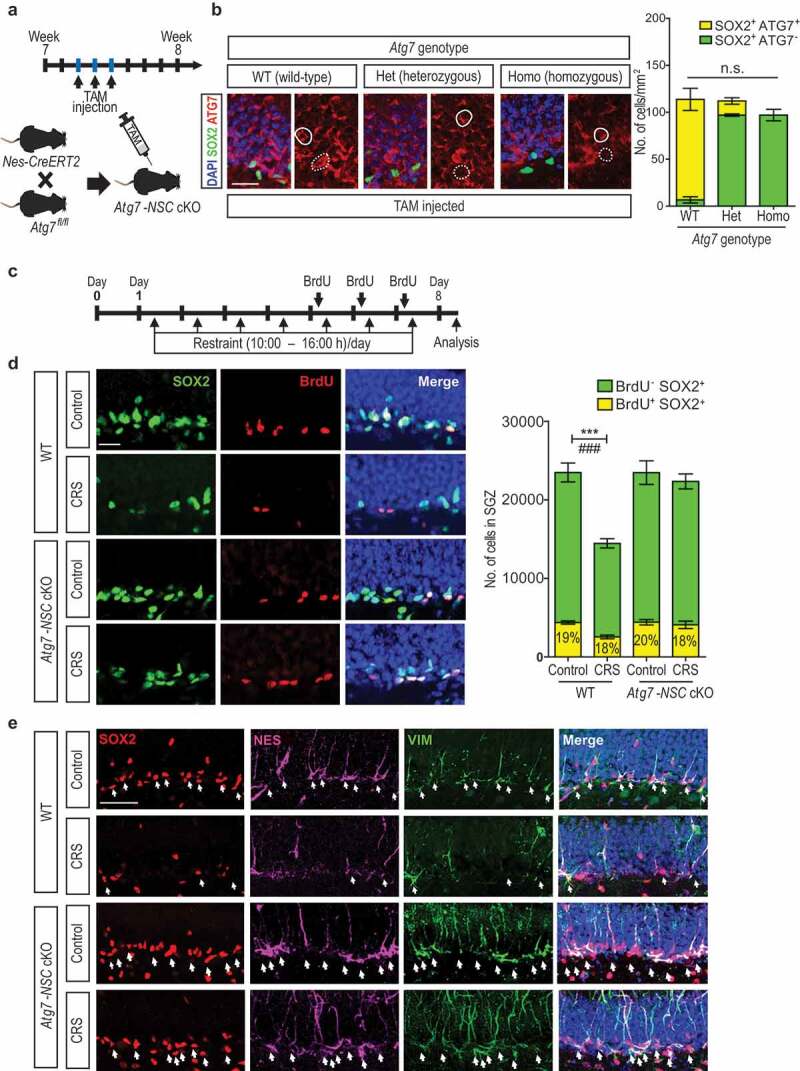
“A previous study that used the same Atg7 flox mice showed that the constitutive heterozygous Atg7 KO mice under the control of Nes-Cre developed normally to adulthood, but homozygous KO mice suffered developmental abnormalities [18].”
MethodMechanisms and Functional Implications of Adult Neurogenesis
Zhao, C., Deng, W., & Gage, F. H. (2008) · Cell · doi:10.1016/j.cell.2008.01.033 · Cited by 3,007 · cited 1×
“Adult hippocampal neurogenesis is implicated in learning and memory, and mood regulation [10].”
BackgroundGalluzzi, L., Vitale, I., Abrams, J. M., Alnemri, E. S., Baehrecke, E. H., Blagosklonny, M. V., Dawson, T. M., Dawson, V. L., El-Deiry, W. S., Fulda, S., et al. (2012) · Cell Death & Differentiation · doi:10.1038/cdd.2011.96 · Cited by 2,421 · cited 1×
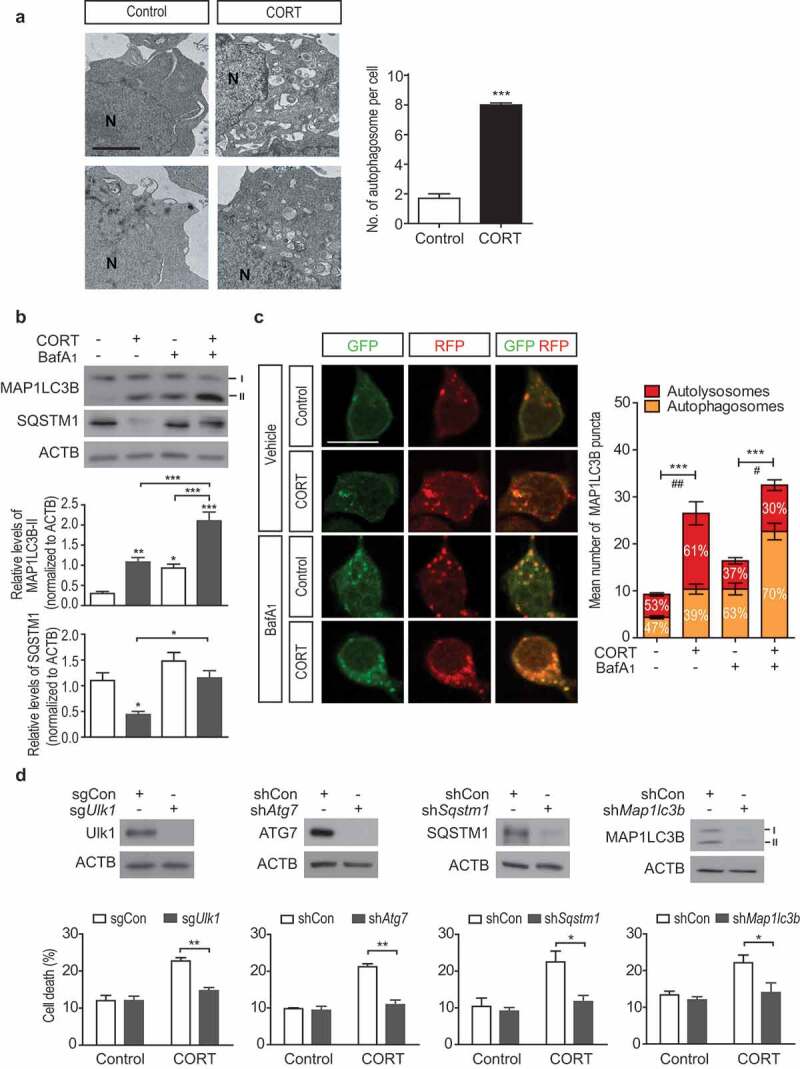
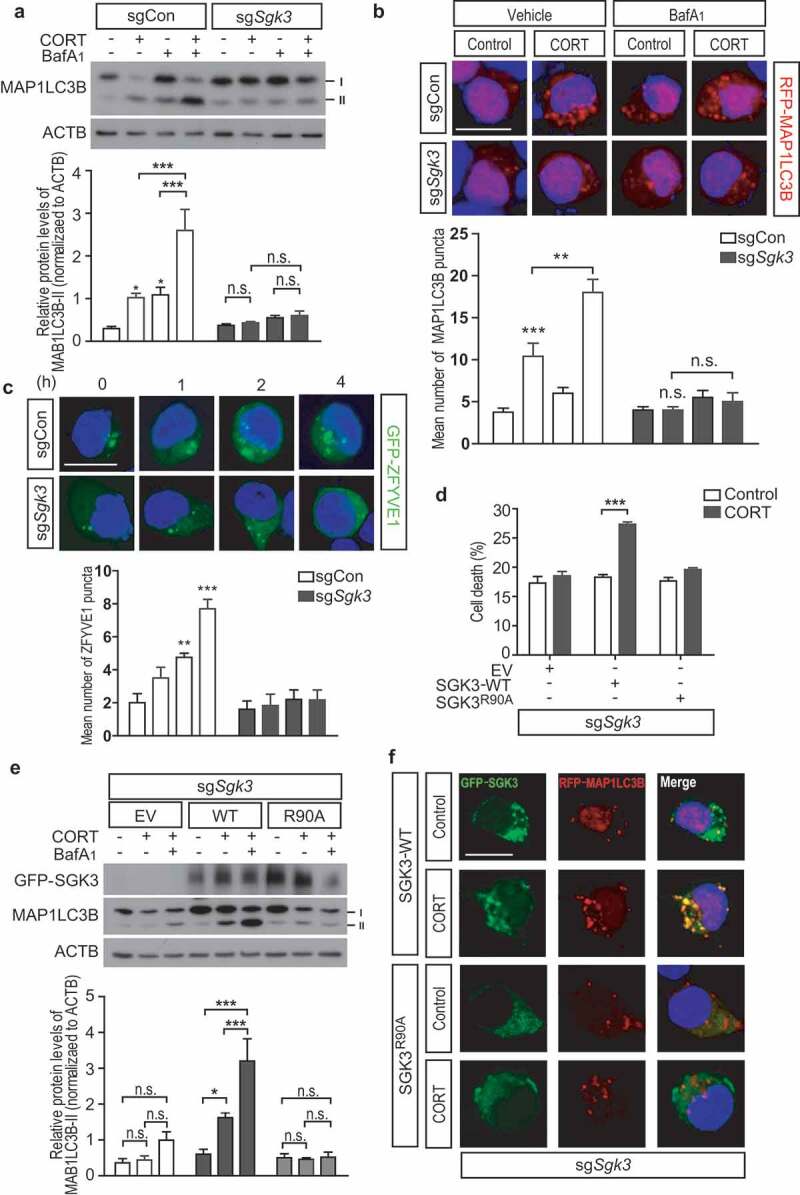
“This approach of targeting multiple, distinct autophagy steps, as recommended by the Nomenclature Committee on Cell Death [25], demonstrates the primary role of autophagy in CORT-induced death of HCN cells.”
BackgroundCRISPR-Cas9 Knockin Mice for Genome Editing and Cancer Modeling
Platt, R. J., Chen, S., Zhou, Y., Yim, M. J., Swiech, L., Kempton, H. R., Dahlman, J. E., Parnas, O., Eisenhaure, T. M., Jovanovic, M., et al. (2014) · Cell · doi:10.1016/j.cell.2014.09.014 · Cited by 2,001 · cited 1×
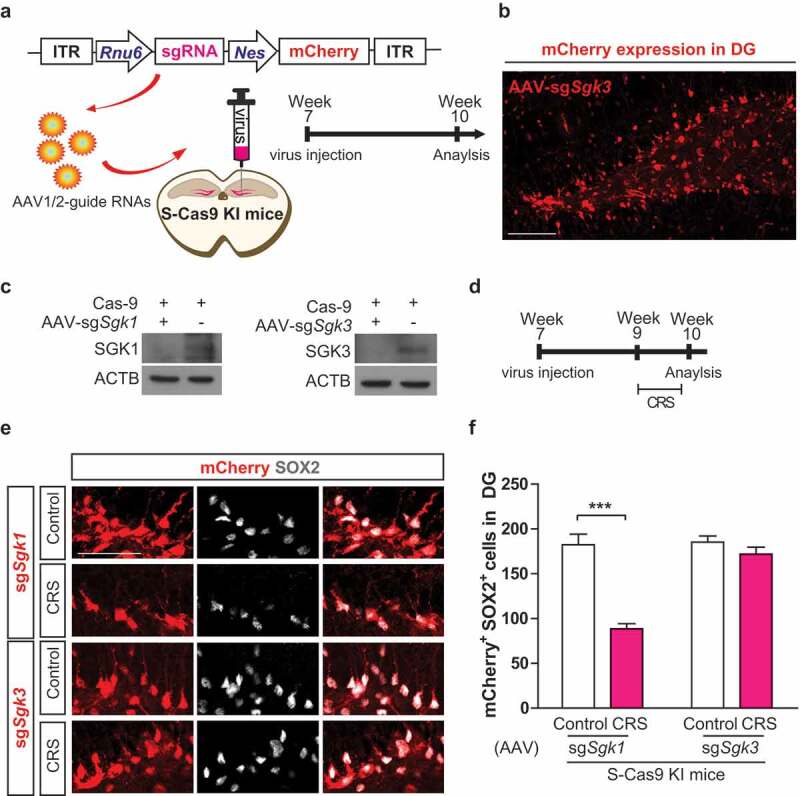
“S-Cas9 mice constitutively express Cas9 for CRISPR/Cas9-mediated gene editing in vivo [31].”
BackgroundAdult hippocampal neurogenesis buffers stress responses and depressive behaviour
Snyder, J. S., Soumier, A., Brewer, M., Pickel, J., & Cameron, H. A. (2011) · Nature · doi:10.1038/nature10287 · Cited by 1,473 · cited 3×
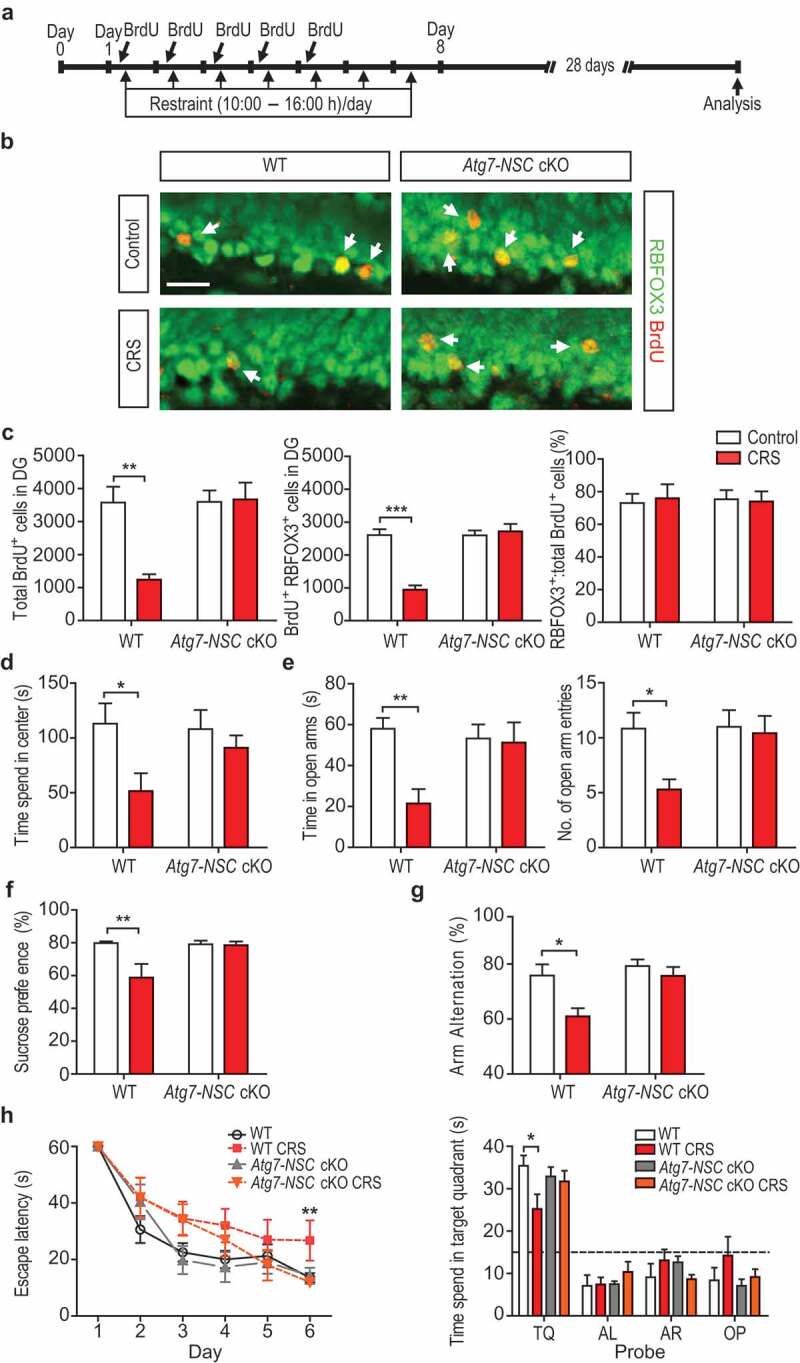
“Stress-induced suppression of adult hippocampal neurogenesis causes anxiety-like and depressive behaviors [20]; however, the effects of neurogenesis suppression by stress on hippocampal learning and memory have not been well elucidated.”
BackgroundMethodInfluentialAutophagic cell death: the story of a misnomer
Kroemer, G., & Levine, B. (2008) · Nature Reviews Molecular Cell Biology · doi:10.1038/nrm2529 · Cited by 1,453 · cited 2×
“Another criticism of ACD is that there is no evidence that autophagy-deficient cells show a resistance to cell death and survive for a long time in vivo [32].”
BackgroundMolecular dissection of autophagy: two ubiquitin-like systems
Ohsumi, Y. (2001) · Nature Reviews Molecular Cell Biology · doi:10.1038/35056522 · Cited by 1,240 · cited 1×
“ATG7 is an E1-like enzyme for the two ubiquitin-like ATG8 and ATG12 conjugation systems, which are required for autophagosome formation [17].”
BackgroundProduction and purification of lentiviral vectors
Tiscornia, G., Singer, O., & Verma, I. M. (2006) · Nature Protocols · doi:10.1038/nprot.2006.37 · Cited by 996 · cited 1×
“Lentivirus production followed a published protocol [36].”
Sgk1-Dependent Stimulation of Cardiac Na+/H+Exchanger Nhe1 by Dexamethasone
Voelkl, J., Pasham, V., Ahmed, M. S. E., Walker, B., Szteyn, K., Kuhl, D., Metzler, B., Alesutan, I., & Lang, F. (2013) · Cellular Physiology and Biochemistry · doi:10.1159/000350120 · Cited by 857
Another way to die: autophagic programmed cell death
Tsujimoto, Y., & Shimizu, S. (2005) · Cell Death & Differentiation · doi:10.1038/sj.cdd.4401777 · Cited by 754 · cited 1×
“However, accumulating evidence suggests that autophagy may cause or contribute to cell death under certain conditions [2].”
BackgroundLugert, S., Basak, O., Knuckles, P., Haussler, U., Fabel, K., Götz, M., Haas, C. A., Kempermann, G., Taylor, V., & Giachino, C. (2010) · Cell stem cell · doi:10.1016/j.stem.2010.03.017 · Cited by 704 · cited 1×
“Each NSC group is known to respond distinctly to physiological and pathological stimuli [22].”
Background(Patho)physiological Significance of the Serum- and Glucocorticoid-Inducible Kinase Isoforms
Lang, F., Böhmer, C., Palmada, M., Seebohm, G., Strutz-Seebohm, N., & Vallon, V. (2006) · Physiological Reviews · doi:10.1152/physrev.00050.2005 · Cited by 689 · cited 1×
“SGK (serum/glucocorticoid regulated kinases) is a family of serine/threonine kinases consisting of 3 isoforms that play various physiological roles, including regulation of ion channels, neuroexcitability, metabolism, proliferation, and apoptosis [27].”
BackgroundAdrenal hormones suppress cell division in the adult rat dentate gyrus
Gould, E., Cameron, H., Daniels, D., Woolley, C., & McEwen, B. (1992) · The Journal of Neuroscience · doi:10.1523/jneurosci.12-09-03642.1992 · Cited by 653
Nuclear factor-κB is a critical mediator of stress-impaired neurogenesis and depressive behavior
Koo, J. W., Russo, S. J., Ferguson, D., Nestler, E. J., & Duman, R. S. (2010) · Proceedings of the National Academy of Sciences · doi:10.1073/pnas.0910658107 · Cited by 607
Production and characterization of adeno-associated viral vectors
Grieger, J. C., Choi, V. W., & Samulski, R. J. (2006) · Nature Protocols · doi:10.1038/nprot.2006.207 · Cited by 581 · cited 1×
“AAV virus was produced, as described previously [37].”
MethodNeurogenesis and generalization: a new approach to stratify and treat anxiety disorders
Kheirbek, M. A., Klemenhagen, K. C., Sahay, A., & Hen, R. (2012) · Nature Neuroscience · doi:10.1038/nn.3262 · Cited by 508 · cited 1×
“Therefore, alteration in adult hippocampal neurogenesis is intimately involved in stress-induced psychological disorders, such as anxiety, depression, post-traumatic stress disorder, and panic disorder [14].”
BackgroundDynamic Contribution of Nestin-Expressing Stem Cells to Adult Neurogenesis
Lagace, D. C., Whitman, M. C., Noonan, M. A., Ables, J. L., DeCarolis, N. A., Arguello, A. A., Donovan, M. H., Fischer, S. J., Farnbauch, L. A., Beech, R. D., et al. (2007) · The Journal of Neuroscience · doi:10.1523/jneurosci.3812-07.2007 · Cited by 502 · cited 1×
“to mice at 180 mg/kg/d for 3 days at the age of 7 weeks [35].”
BackgroundStress, stress hormones, and adult neurogenesis
Schoenfeld, T. J., & Gould, E. (2012) · Experimental Neurology · doi:10.1016/j.expneurol.2011.01.008 · Cited by 428 · cited 2×
“Due to its low affinity, NR3C1 is activated only when GC concentrations are high and NR3C1 activation is considered to be important for the regulation of hippocampal neurogenesis, subsequent anxiety-like and depressive behavior, and deficits in learning and memory [12,13,26].”
BackgroundAutophagy, Not Apoptosis, Is Essential for Midgut Cell Death in Drosophila
Denton, D., Shravage, B., Simin, R., Mills, K., Berry, D. L., Baehrecke, E. H., & Kumar, S. (2009) · Current Biology · doi:10.1016/j.cub.2009.08.042 · Cited by 385 · cited 1×
“The best demonstration of the role of ACD in physiological cell death was presented in the model organism Drosophila, where ACD acts as a cell death mechanism independent of apoptosis in the removal of the larval midgut during development [4].”
BackgroundDie another way – non-apoptotic mechanisms of cell death
Tait, S. W. G., Ichim, G., & Green, D. R. (2014) · Journal of Cell Science · doi:10.1242/jcs.093575 · Cited by 366 · cited 1×
“Recent progress in the field of cell death indicates the importance of the modes of programmed cell death (PCD) other than apoptosis, such as autophagic cell death (ACD) or necroptosis in human physiology and diseases [3].”
BackgroundAutophagic cell death: Loch Ness monster or endangered species?
Shen, H.-M., & Codogno, P. (2011) · Autophagy · doi:10.4161/auto.7.5.14226 · Cited by 327 · cited 1×
“Hence, insulin-deprived HCN cells have been considered to be a genuine model of ACD that meets all criteria of ACD proposed by Shen and Codogno [9].”
BackgroundAnacker, C., Cattaneo, A., Musaelyan, K., Zunszain, P. A., Horowitz, M., Molteni, R., Luoni, A., Calabrese, F., Tansey, K., Gennarelli, M., et al. (2013) · Proceedings of the National Academy of Sciences · doi:10.1073/pnas.1300886110 · Cited by 319 · cited 1×
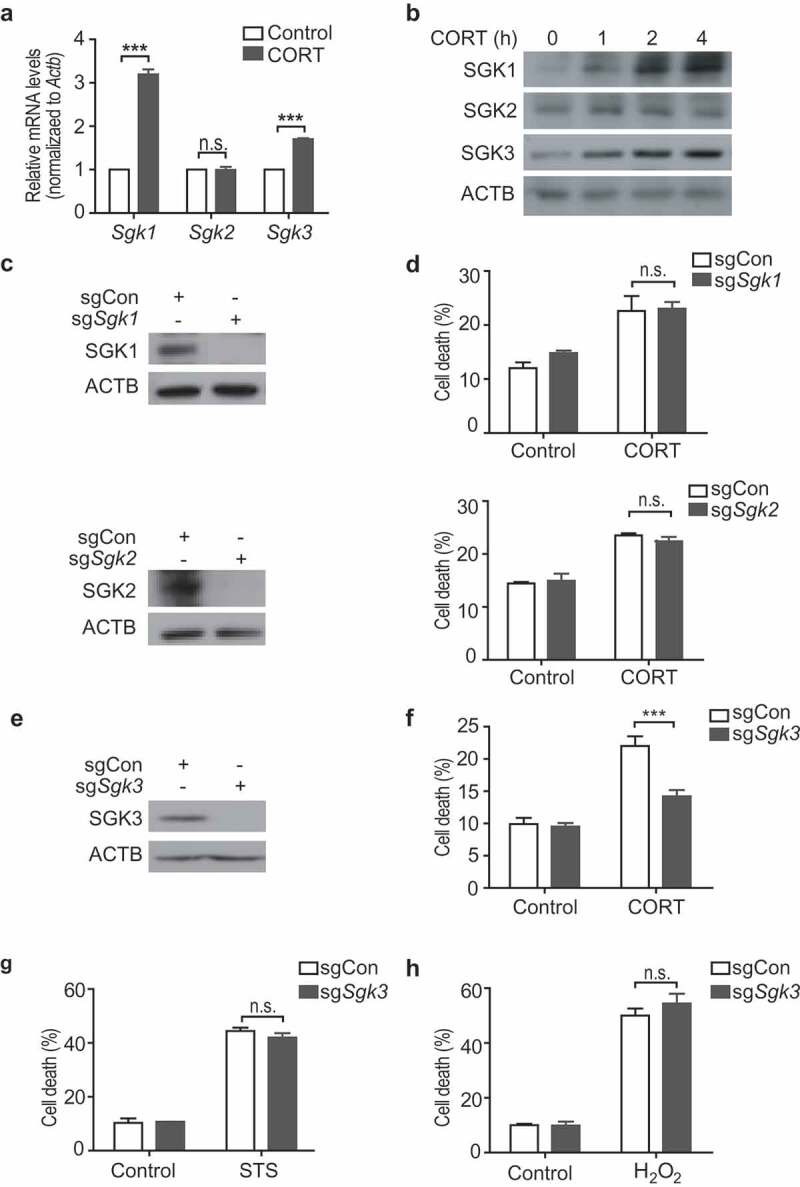
“In particular, SGK1 has been reported to be transcriptionally upregulated by NR3C1 activation and mediate the stress-induced suppression of hippocampal neurogenesis [26,28].”
BackgroundAdult hippocampal neurogenesis is functionally important for stress-induced social avoidance
Lagace, D. C., Donovan, M. H., DeCarolis, N. A., Farnbauch, L. A., Malhotra, S., Berton, O., Nestler, E. J., Krishnan, V., & Eisch, A. J. (2010) · Proceedings of the National Academy of Sciences · doi:10.1073/pnas.0910072107 · Cited by 314 · cited 1×
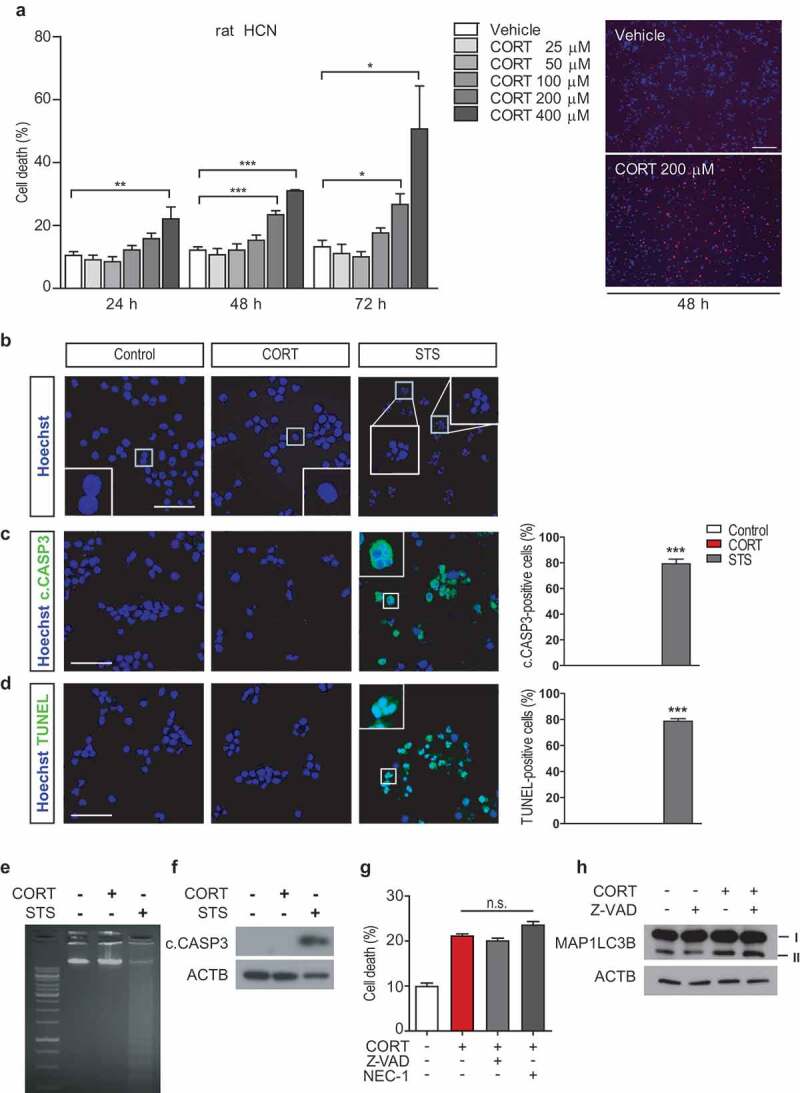
“Previous studies suggested that apoptosis is not involved in stressinduced suppression of adult neurogenesis, as evidenced by the lack of DNA fragmentation or caspase-3 activation as an indicator of cell death [15,16].”
BackgroundThe end of autophagic cell death?
Shen, S., Kepp, O., & Kroemer, G. (2012) · Autophagy · doi:10.4161/auto.8.1.16618 · Cited by 290 · cited 1×
“Therefore, it was contended that ACD may not exist in mammalian cells under physiologically relevant conditions [33].”
BackgroundYu, X., Long, Y. C., & Shen, H.-M. (2015) · Autophagy · doi:10.1080/15548627.2015.1043076 · Cited by 205
Molecular mechanisms in the regulation of adult neurogenesis during stress
Egeland, M., Zunszain, P. A., & Pariante, C. M. (2015) · Nature Reviews Neuroscience · doi:10.1038/nrn3855 · Cited by 203 · cited 1×
“Due to its low affinity, NR3C1 is activated only when GC concentrations are high and NR3C1 activation is considered to be important for the regulation of hippocampal neurogenesis, subsequent anxiety-like and depressive behavior, and deficits in learning and memory [12,13,26].”
BackgroundGlucocorticoids Orchestrate Divergent Effects on Mood through Adult Neurogenesis
Lehmann, M. L., Brachman, R. A., Martinowich, K., Schloesser, R. J., & Herkenham, M. (2013) · The Journal of Neuroscience · doi:10.1523/jneurosci.3878-12.2013 · Cited by 168 · cited 1×
“Due to its low affinity, NR3C1 is activated only when GC concentrations are high and NR3C1 activation is considered to be important for the regulation of hippocampal neurogenesis, subsequent anxiety-like and depressive behavior, and deficits in learning and memory [12,13,26].”
BackgroundAutophagic Death of Adult Hippocampal Neural Stem Cells Following Insulin Withdrawal
Yu, S.-W., Baek, S.-H., Brennan, R. T., Bradley, C. J., Park, S. K., Lee, Y. S., Jun, E. J., Lookingland, K. J., Kim, E.-K., Lee, H., et al. (2008) · Stem Cells · doi:10.1634/stemcells.2008-0153 · Cited by 114 · cited 3×
“Most of HCN cells were stained with NES (data not shown), confirming their neural stem cellstage in accordance with the previous report [5].”
MethodResultInfluentialSelf-citationGenetic Methods to Identify and Manipulate Newly Born Neurons in the Adult Brain
Imayoshi, I., Sakamoto, M., & Kageyama, R. (2011) · Frontiers in Neuroscience · doi:10.3389/fnins.2011.00064 · Cited by 70 · cited 1×
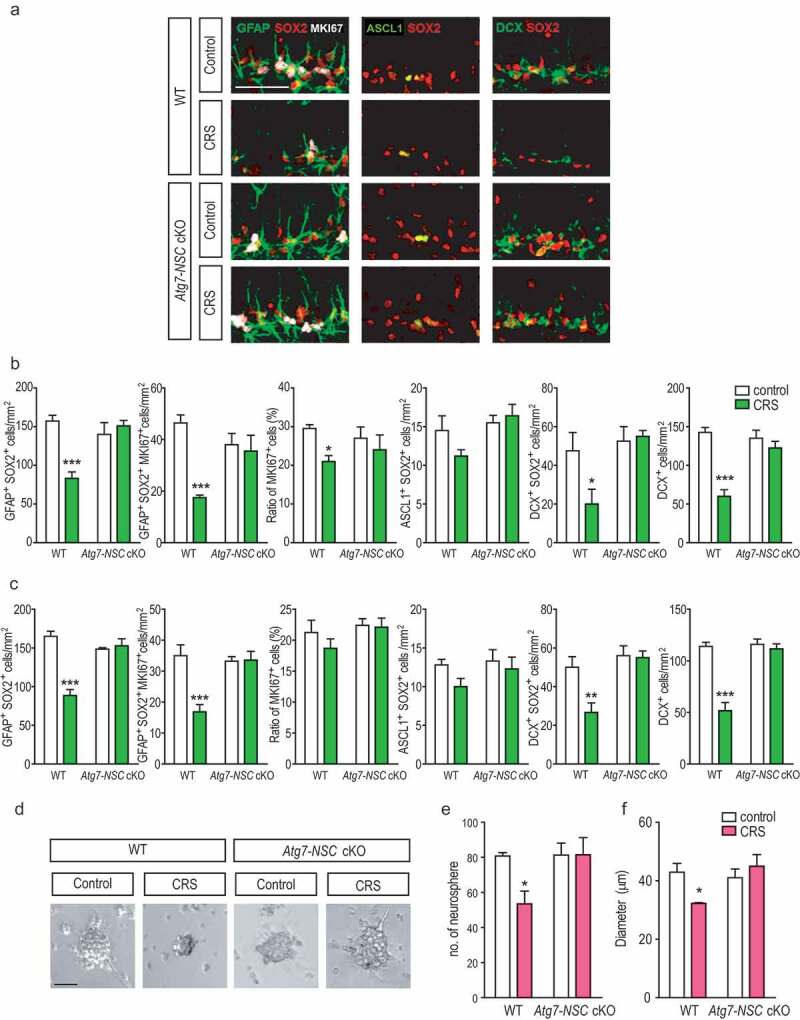
“NSCs in the SGZ of the adult DG are heterogeneous and different groups composed of early progenitor cells (type 1), intermediate progenitor cells (type 2a and 2b), and neuroblasts (type 3) can be distinguished by expression of stage-specific marker proteins [21].”
BackgroundTessier, M., & Woodgett, J. R. (2006) · Journal of Biological Chemistry · doi:10.1074/jbc.m604333200 · Cited by 69 · cited 4×
“Abbreviations: AAV: adeno-associated virus; ACD: autophagic cell death; ACTB: actin, beta; Atg: autophagy-related; ASCL1/MASH1: achaete-scute family bHLH transcription factor 1; BafA1: bafilomycin A1; BrdU: Bromodeoxyuridine/5-bromo-2ʹ-deoxyuridine; CASP3: caspase 3; cKO: conditional knockout; CLEM: correlative light…”
BackgroundInfluentialHa, S., Jeong, S.-H., Yi, K., Chung, K. M., Hong, C. J., Kim, S. W., Kim, E.-K., & Yu, S.-W. (2017) · Journal of Biological Chemistry · doi:10.1074/jbc.m117.780874 · Cited by 61 · cited 1×
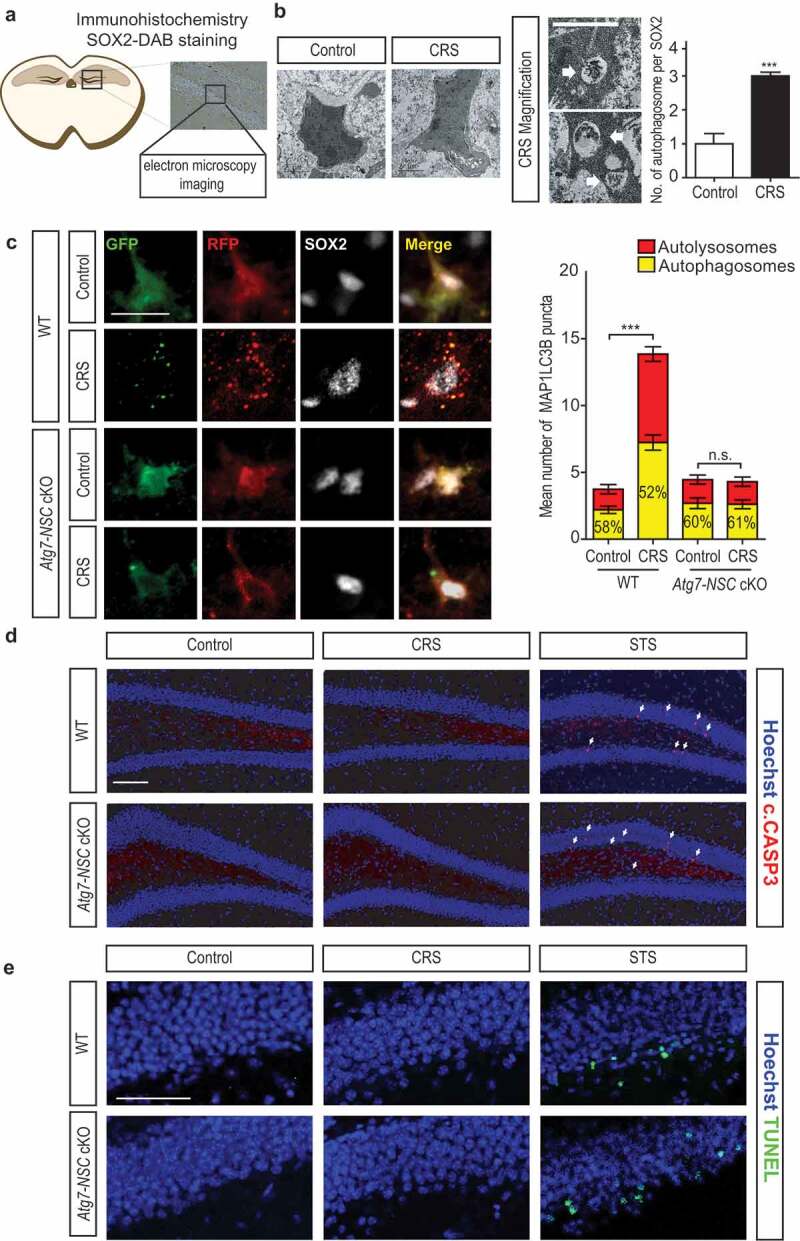
“The quenching of the GFP, but not RFP signal at the acidic pH upon fusion of autophagosomes and lysosomes results in red puncta, while yellow puncta (merged red and green fluorescence signals) indicate autophagosomes before fusion with lysosomes [8].”
BackgroundSelf-citationJongbloets, B. C., Lemstra, S., Schellino, R., Broekhoven, M. H., Parkash, J., Hellemons, A. J. C. G. M., Mao, T., Giacobini, P., van Praag, H., De Marchis, S., et al. (2017) · Nature Communications · doi:10.1038/ncomms14666 · Cited by 46 · cited 2×
“Neurosphere assays is frequently used to measure the activities of NSCs [23].”
MethodChung, K. M., Jeong, E.-J., Park, H., An, H.-K., & Yu, S.-W. (2016) · Frontiers in Cellular Neuroscience · doi:10.3389/fncel.2016.00116 · Cited by 45
Self-citationPao, A. C., McCormick, J. A., Li, H., Siu, J., Govaerts, C., Bhalla, V., Soundararajan, R., & Pearce, D. (2007) · American Journal of Physiology-Renal Physiology · doi:10.1152/ajprenal.00027.2007 · Cited by 40
Ha, S., Ryu, H. Y., Chung, K. M., Baek, S.-H., Kim, E.-K., & Yu, S.-W. (2015) · Molecular Brain · doi:10.1186/s13041-015-0119-9 · Cited by 39
Self-citationYoshida, M., Koyanagi, S., Matsuo, A., Fujioka, T., To, H., Higuchi, S., & Ohdo, S. (2005) · Journal of Pharmacology and Experimental Therapeutics · doi:10.1124/jpet.105.091488 · Cited by 35 · cited 1×
“Circulating CORT level in rodents is higher in the afternoon than in the morning due to circadian regulation [24].”
BackgroundReduced locomotion in the serum and glucocorticoid inducible kinase 3 knock out mouse
Lang, U. E., Wolfer, D. P., Grahammer, F., Strutz‐Seebohm, N., Seebohm, G., Lipp, H.-P., McCormick, J. A., Hellweg, R., Dawson, K., Wang, J., et al. (2005) · Behavioural Brain Research · doi:10.1016/j.bbr.2005.08.017 · Cited by 22 · cited 1×
“However, conventional Sgk3 KO adult mice have deficit in locomotion and space navigation [34].”
Background
Cited by
Guidelines for the use and interpretation of assays for monitoring autophagy (4th edition) 1
Klionsky, D. J., Abdel-Aziz, A. K., Abdelfatah, S., Abdellatif, M., Abdoli, A., Abel, S., Abeliovich, H., Abildgaard, M. H., Abudu, Y. P., Acevedo-Arozena, A., et al. (2021) · Autophagy · doi:10.1080/15548627.2020.1797280 · Cited by 2,897
Chronic Stress Promotes Cancer Development
Dai, S., Mo, Y., Wang, Y., Xiang, B., Liao, Q., Zhou, M., Li, X., Li, Y., Xiong, W., Li, G., et al. (2020) · Frontiers in Oncology · doi:10.3389/fonc.2020.01492 · Cited by 405
“The corticosteroids and catecholamines produced by the HPA and the SNS can cause a decline in the functions of the prefrontal cortex (20) and the hippocampus (21), and may enhance the activation of the SNS and the HPA by regulating the expression of glucocorticoid receptors (5, 22, 23).”
BackgroundAutophagy as a decisive process for cell death
Jung, S., Jeong, H., & Yu, S.-W. (2020) · Experimental & Molecular Medicine · doi:10.1038/s12276-020-0455-4 · Cited by 311
Self-citationZhang, K., Wang, F., Zhai, M., He, M., Hu, Y., Feng, L., Li, Y., Yang, J., & Wu, C. (2023) · Theranostics · doi:10.7150/thno.81067 · Cited by 217
“Stress/CORT-induced autophagic death of NSCs has been reported to attenuate AHN and induce cognitive defects [18].”
InfluentialEmerging roles of ATG7 in human health and disease
Collier, J. J., Suomi, F., Oláhová, M., McWilliams, T. G., & Taylor, R. W. (2021) · EMBO Molecular Medicine · doi:10.15252/emmm.202114824 · Cited by 193
Metadata
- Authors
- Jung, S., Choe, S., Woo, H., Jeong, H., An, H.-K., Moon, H., Ryu, H. Y., Yeo, B. K., Lee, Y. W., Choi, H., Mun, J. Y., Sun, W., Choe, H. K., Kim, E.-K., & Yu, S.-W.
- Affiliations
- Daegu Gyeongbuk Institute of Science and Technology (KR)
- Eulji University (KR)
- Korea Brain Research Institute (KR)
- Korea University (KR)
- Corresponding author
- Yu, Seong-Woon
- Venue
- Autophagy
- Publisher
- Informa UK Limited
- Published
- 2019-06-24
- Volume
- 16
- Issue
- 3
- Pages
- 512-530
- ISSN
- 1554-8627 (ISSN-L)
- 1554-8635
- PMC
- PMC6999625
- OpenAlex
- W2954601620
- Cited by
- 183
- References
- 41
- Citations by year
- 2026: 20 · 2025: 37 · 2024: 29 · 2023: 30 · 2022: 27 · 2021: 18 · 2020: 19 · 2019: 3
- FWCI
- 6.31
- Type
- journal article
- Language
- en
- Open access
- hybrid
- doi.org
- Licence
- Locations
- Autophagy (publishedVersion, cc-by-nc-nd)
- Europe PMC (PubMed Central) (publishedVersion, cc-by-nc-nd)
- PubMed Central (publishedVersion, cc-by-nc-nd)
- PubMed (publishedVersion)
- Funders
- National Research Foundation of Korea (2018M3C7A1056275, 2017R1A2B4004289)
- Ministry of Science and ICT of Korea (19-BR-01-08, 19-BD-04)
- Topics
- Life Sciences › Neuroscience › Developmental Neuroscience › Neurogenesis and neuroplasticity mechanisms
- Life Sciences › Biochemistry, Genetics and Molecular Biology › Cell Biology › Autophagy in Disease and Therapy
- Life Sciences › Neuroscience › Behavioral Neuroscience › Stress Responses and Cortisol
- Keywords
- autophagic cell death, neural stem cells, adult hippocampal neurogenesis, chronic restraint stress, ATG7, SGK3, corticosterone, cognitive impairment, depression-like behavior, stress resilience, glucocorticoid receptor, nestin, doublecortin, LC3B
- MeSH terms
- Autophagy-Related Protein 7, Necroptosis, Doublecortin Protein, Serum-Glucocorticoid Regulated Kinases, Animals, Anxiety, Autophagy, Cognition Disorders, Corticosterone, Depression, Hippocampus, Stress, Physiological, Apoptosis, Protein Serine-Threonine Kinases, Gene Deletion, Immediate-Early Proteins, Mice, Knockout, Gene Silencing, Neurogenesis, Neural Stem Cells
About these checks
Registry, retraction, Cites and statistics results are computed, not judged, with one exception: a printed reference that no index lists is read once by a model before it counts as a citation error. Claims are extracted by a model and kept only when their quote appears verbatim in the text; each cited source is then checked, with a model’s help, for whether it says what the claim relies on. Those verdicts can be wrong — read the claim’s quote and the cited source before relying on one.
Statistics and arithmetic are recomputed, not judged.
Confidence bands are shown only for fields calibrated on our annotated test set. None is calibrated yet, so no band is shown.
What counts as a claim ›How we measure confidence ›How we check this ›
Are you an author, or do you see a problem with this page? Request a review
Data sources
Bibliographic data: Semantic Scholar, OpenAlex, Crossref.
Contains information from the Semantic Scholar Academic Graph Datasets, made available under the ODC Attribution License (ODC-BY 1.0).
Semantic Scholar’s data is described in: Kinney, R., et al. (2023). The Semantic Scholar Open Data Platform. arXiv:2301.10140.
