

A grounded theory of positive youth development through sport based on results from a qualitative meta-study
Open accessThe DOI matches its Crossref record; 142 of the 142 references it cites were found in a registry or an index; none of the 46 sources its claims cite is checked for support yet.
Abstract
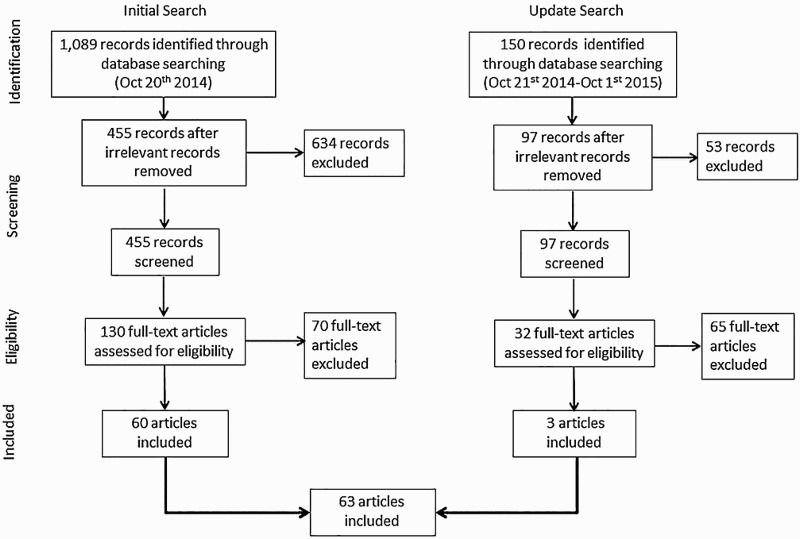
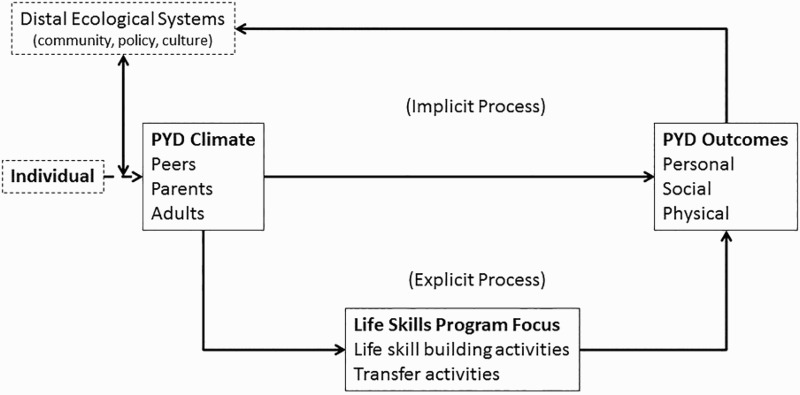
The overall purpose of this study was to create a model of positive youth development (PYD) through sport grounded in the extant qualitative literature. More specifically, the first objective was to review and evaluate qualitative studies of PYD in sport. The second objective was to analyze and synthesize findings from these studies. Following record identification and screening, 63 articles were retained for analysis. Meta-method analysis revealed strengths of studies were the use of multiple data collection and validity techniques, which produced high-quality data. Weaknesses were limited use of 'named' methodologies and inadequate reporting of sampling procedures. Philosophical perspectives were rarely reported, and theory was used sparingly. Results of an inductive meta-data analysis produced three categories: PYD climate (adult relationships, peer relationships, and parental involvement), life skills program focus (life skill building activities and transfer activities), and PYD outcomes (in personal, social, and physical domains). A model that distinguishes between implicit and explicit processes to PYD is presented.
Overview
CoChat Summary
TL;DR
This qualitative meta-study synthesized 63 articles on positive youth development (PYD) through sport and proposed a grounded model linking social context, life skills programming, and PYD outcomes. The model distinguishes implicit pathways (PYD climate alone) from explicit pathways (PYD climate plus life skills and transfer activities) and was built from evidence across more than 2,400 participants.
Key findings
- After screening, the authors retained 63 articles for analysis; the model was based on a meta-study of qualitative research in sport.
- Meta-method findings: strengths were multiple data collection and validity techniques; weaknesses were limited use of named methodologies and inadequate reporting of sampling procedures.
- Meta-data synthesis produced three categories: PYD climate (adult relationships, peer relationships, parental involvement), life skills program focus (life skill building activities, transfer activities), and PYD outcomes (personal, social, physical domains).
- Reported outcome frequencies included 30 studies for personal outcomes, 32 for social outcomes, and 7 for physical outcomes; transfer was reported in 17 studies and adult/peer relationship themes each drew on 19 studies, parental involvement on 9 studies.
Methods
- Qualitative meta-study using meta-method, meta-theory, and meta-data analysis, followed by a final meta-synthesis framed by grounded theory and an interpretive paradigm.
- Search strategy combined PYD and sport terms across databases, with searches run on 20 October 2014 and repeated on 1 October 2015; inclusion required primary qualitative data from sport-related settings with explicit PYD relevance.
- Screening yielded 1,089 records, then 455 articles, 130 full texts, and finally 63 included articles; extracted findings were organized into a database of over 29,000 words for inductive coding.
Limitations
- The authors state they did not review quantitative studies and note a need for a systematic review of them.
- They state the model does not account for developmental change (for example, differences between children and adolescents) and that they did not include negative outcomes associated with sport participation.
- Evident from the text: the synthesis is limited by the underlying literature, where philosophical perspectives were rarely reported, theory was used sparingly, and sampling procedures were often poorly reported.
Model-written summary. Check it against the paper before relying on it.
Integrity signals
Registry
Cites
Statistics
Figures
Verification
Claims the paper makes
0 Valid · 0 Not valid · 45 Not checked · 78 Own results and interpretations
A result the paper reports from its own data — it cites no other source for it, so there is none to check. The quote shows it is in the paper.
In the paper
“Meta-method analysis revealed strengths of studies were the use of multiple data collection and validity techniques, which produced high-quality data.”
§ A grounded theory of positive youth development through sport based on results from a qualitative meta-study > Abstract
plainstates a cause- Asserted: passes — The authors put it forward as true.
- Checkable: passes — It can be checked against evidence.
- Load-bearing: unclear — It is unclear whether the paper’s conclusions depend on it.
- Based: passes — The paper gives a reason why it holds.
None of the sources cited for this claim have been checked yet.
In the paper
“It was not possible to calculate precisely the total number of participants who had provided data, because two studies (Armour & Sandford, 2013; Armour et al., 2013) appeared to draw participants from the same sample (of 486 students), one study (Weiss et al., 2013) reported 95 youth and 36 coaches in the total sample, but it was not clear which individuals provided qualitative data, and one study”
§ A grounded theory of positive youth development through sport based on results from a qualitative meta-study > Results > Meta-method analysis (see Table 1)
What the sources say
- Not matchedcites Armour & Sandford, 2013
An author–year citation the paper’s reference list doesn’t settle. We don’t search these by name.
- Not matchedcites Armour et al., 2013
An author–year citation the paper’s reference list doesn’t settle. We don’t search these by name.
- Not checked — no full text of the sourcecites Weiss et al., 2013 matched to “‘More than a game’: impact of The First Tee life skills programme on positive youth development: project introduction and Year 1 findings” (2013) source
plain- Asserted: passes — The authors put it forward as true.
- Checkable: passes — It can be checked against evidence.
- Load-bearing: unclear — It is unclear whether the paper’s conclusions depend on it.
- Based: passes — The paper gives a reason why it holds.
- Not matched
A result the paper reports from its own data — it cites no other source for it, so there is none to check. The quote shows it is in the paper.
In the paper
“Philosophical perspectives were rarely reported, and theory was used sparingly.”
- Also stated in: § Meta-theory analysis (Table 1) · plain
“No theoretical model or conceptual framework was specified clearly in 26 studies.”
§ A grounded theory of positive youth development through sport based on results from a qualitative meta-study > Abstract
plain- Asserted: passes — The authors put it forward as true.
- Checkable: passes — It can be checked against evidence.
- Load-bearing: unclear — It is unclear whether the paper’s conclusions depend on it.
- Based: passes — The paper gives a reason why it holds.
- Also stated in: § Meta-theory analysis (Table 1) · plain
A result the paper reports from its own data — it cites no other source for it, so there is none to check. The quote shows it is in the paper.
In the paper
“Results of an inductive meta-data analysis produced three categories: PYD climate (adult relationships, peer relationships, and parental involvement), life skills program focus (life skill building activities and transfer activities), and PYD outcomes (in personal, social, and physical domains).”
§ A grounded theory of positive youth development through sport based on results from a qualitative meta-study > Abstract
plain- Asserted: passes — The authors put it forward as true.
- Checkable: passes — It can be checked against evidence.
- Load-bearing: passes — The paper’s conclusions depend on it.
- Based: passes — The paper gives a reason why it holds.
A result the paper reports from its own data — it cites no other source for it, so there is none to check. The quote shows it is in the paper.
In the paper
“We were not able to compile accurate statistics on social and demographic factors (e.g., socioeconomic states, gender, ethnicity) because these data were not reported with sufficient clarity across the studies.”
§ A grounded theory of positive youth development through sport based on results from a qualitative meta-study > Results > Meta-method analysis (see Table 1)
plainstates a cause- Asserted: passes — The authors put it forward as true.
- Checkable: passes — It can be checked against evidence.
- Load-bearing: unclear — It is unclear whether the paper’s conclusions depend on it.
- Based: passes — The paper gives a reason why it holds.
50 more claims
Create a free account to see all 123 claims and to verify the 1 reference still open.
- Probably not a substantial claim. 55
- It may state two separate claims as one. 22
- The quote only partly states this claim. 3
Citations
Cites
The Discovery of Grounded Theory: Strategies for Qualitative Research.
Wagner, H. R., Glaser, B. G., & Strauss, A. L. (1968) · Social Forces · doi:10.2307/2575405 · Cited by 46,361
Situated Learning: Legitimate Peripheral Participation.
Bloch, M., Lave, J., & Wenger, E. (1994) · Man · doi:10.2307/2804509 · Cited by 39,454
The Discovery of Grounded Theory; Strategies for Qualitative Research
Glaser, B. G., Strauss, A. L., & Strutzel, E. (1968) · Nursing Research · doi:10.1097/00006199-196807000-00014 · Cited by 39,449
Qualitative research and evaluation methods
Patton, M. Q. (1980) · Cited by 35,733
Situated Learning: Legitimate Peripheral Participation
Lave, J., & Wenger, E. (1991) · Cambridge University Press eBooks · doi:10.1017/cbo9780511815355 · Cited by 35,324
The "what" and "why" of goal pursuits: Human needs and the self-determination of behavior
Deci, E. L., & Ryan, R. M. (2000) · Psychological Inquiry · doi:10.1207/s15327965pli1104_01 · Cited by 34,210 · cited 1×
“…and Baker (2012) To explore the coaching in a soccer program aimed at promoting life skills to disadvantaged youth UK Selfdetermination theory (Deci & Ryan, 2000) Interpretive Case study 3 males (aged 17– 18 years) Not specified Nonparticipant observation Video footage Semi-structured…”
BackgroundBasics of Qualitative Research: Grounded Theory Procedures and Techniques.
Ellis, C., Strauss, A., & Corbin, J. (1992) · Contemporary Sociology · doi:10.2307/2074814 · Cited by 29,249
(1998) · Medical Entomology and Zoology · Cited by 18,397
Basics of Qualitative Research: Grounded Theory Procedures and Techniques
Long, D. R., Strauss, A., & Corbin, J. (1993) · The Modern Language Journal · doi:10.2307/328955 · Cited by 17,576
The Logic of Scientific Discovery.
Hutchison, T. W., & Popper, K. R. (1959) · Economica · doi:10.2307/2550489 · Cited by 7,499
Research works printed but not linked: 24
- 10.1080/174089989.2012.666791 · doi:10.1080/174089989.2012.666791
- Bruening J., 2015, Journal of Park and Recreation Administration, 33, 87
- Catalano R. F., 2002, Prevention & Treatment, 5, 98
- Côté J., 2014, Kinesiologia Slovenica, 20, 14
- Danish S. J., 2002, SUPER (Sports United to Promote Education and Recreation) program leader manual
- Daud R., 2008, Journal of Parks and Recreation Administration, 26, 95
- Escarti A., 2010, International Journal of Psychology and Psychological Therapy, 10, 387
- Goudas M., 2010, Hellenic Journal of Psychology, 7, 315
- Harrist C. J., 2012, Journal of Sport Behavior, 35, 125
- Harrist C. J., 2014, Journal of Adolescent Research, 1
- Higham A., 2005, Momentum in soccer: Controlling the game
- Holt N. L., 2011, Revista de Iberoamericana de Psicología del Ejercicio y el Deporte (English version), 6, 299
- Holt N. L., 2008, Canadian Journal of Education, 31, 281
- Jones M. I., 2011, Journal of Sport Behavior, 34, 250
- Kellogg Foundation W. K., 2004, Using logic models to bring together planning, evaluation, and action: Logic model development guide
- Lin N., 1999, Connections, 22, 28
- McCallister S. G., 2000, Physical Educator, 57, 35
- Roth J. L., 2003, Enhancing the life chances of youth and families: Public Service Systems and Public Policy Perspectives, 2, 197
- Search Institute, 2005, Developmental assets profile technical manual
- Simard S., 2014, Journal of Sport for Development, 2, 1
- Walsh D. S., 2007, Physical Educator, 64, 48
- Weiss M. R., 2009, President’s Council on Physical Fitness and Sports. Research Digest, 10, 1
- Whitley M. A., 2013, Journal of Sport for Development, 1, 53
- Yin R. K., 2003, Case study research
Cited by
Malm, C., Jakobsson, J., & Isaksson, A. (2019) · Sports · doi:10.3390/sports7050127 · Cited by 610
“Holt [56] argued that the environment for positive development in young people is distinctly different from an environment for performance, as the latter is based on being measured and assessed.”
BackgroundInfluentialPositive Youth Development Through Sport
Holt, N. L., Deal, C. J., & Pankow, K. (2020) · Handbook of Sport Psychology · doi:10.1002/9781119568124.ch20 · Cited by 314
Self-citationThe Implicit/Explicit Continuum of Life Skills Development and Transfer
Bean, C., Kramers, S., Forneris, T., & Camiré, M. (2018) · Quest · doi:10.1080/00336297.2018.1451348 · Cited by 206
“…2008b’s, levels of social–emotional and life skills development through sport; Turnnidge et al., 2014’s, implicit and explicit approaches) and (b) align with recent frameworks that model PYD and life skills development and transfer in sport (Holt et al., 2017; Pierce, Gould, & Camiré, 2017).”
BackgroundResultInfluentialSelf-citationJakobsson, J., Malm, C., Furberg, M., Ekelund, U., & Svensson, M. (2020) · Frontiers in Sports and Active Living · doi:10.3389/fspor.2020.00057 · Cited by 172
“In addition to promoting PA, taking part in sports gives the participant a chance for psychosocial development, being part of a community, and developing a social network (Holt et al., 2017).”
BackgroundBruner, M. W., McLaren, C. D., Sutcliffe, J. T., Gardner, L. A., Lubans, D. R., Smith, J. J., & Vella, S. A. (2023) · International Review of Sport and Exercise Psychology · doi:10.1080/1750984x.2021.1875496 · Cited by 158
“While two of the outcome categories leveraged past reviews (e.g. Holt et al., 2017) to understand generally the sample of tested variables (i.e. health and PYD climate), the remaining two make up one-half of the widely used 4 C ’ s conceptualization – character and connection (Côté et al., 2010).”
BackgroundMethodInfluentialBissett, J. E., Kroshus, E., & Hebard, S. (2020) · BMJ Open Sport & Exercise Medicine · doi:10.1136/bmjsem-2019-000676 · Cited by 147
Youth sport as a context for supporting mental health: Adolescent male perspectives
Swann, C., Telenta, J., Draper, G., Liddle, S. K., Fogarty, A. S., Hurley, D., & Vella, S. A. (2017) · Psychology of sport and exercise · doi:10.1016/j.psychsport.2017.11.008 · Cited by 184
Trends of Positive Youth Development Publications (1995–2020): A Scientometric Review
Qi, S., Hua, F., Zhou, Z., & Shek, D. T. L. (2020) · Applied Research in Quality of Life · doi:10.1007/s11482-020-09878-3 · Cited by 151
“The 26 recent burst references in Table 9 include Holt et al. (2017), Jennifer et al. (2014), Camiré et al. (2013), Benson et al. (2011), and Tolan et al. (2016); these references are expected to continue to be important in the future because bursts are usually a predictor of subsequent research…”
BackgroundTies That Bond: Youth Sport as a Vehicle for Social Identity and Positive Youth Development
Bruner, M. W., Balish, S. M., Forrest, C. K., Brown, S., Webber, K., Gray, E., McGuckin, M., Keats, M. R., Rehman, L. A., & Shields, C. (2017) · Research Quarterly for Exercise and Sport · doi:10.1080/02701367.2017.1296100 · Cited by 160
“PYD is a broad umbrella term and was recently conceptualized in a sport setting as having several potential outcomes including personal development and life skills (i.e., skills that can be transferred to other contexts; Holt et al., 2017).”
BackgroundReimagining positive youth development and life skills in sport through a social justice lens
Camiré, M., Newman, T. J., Bean, C. N., & Strachan, L. (2021) · Journal of Applied Sport Psychology · doi:10.1080/10413200.2021.1958954 · Cited by 137
“In youth sport research, life skills have often been positioned as key developmental outcomes, with Holt et al. (2017) stating that “life skill building activities are an essential feature of programs designed to foster PYD” (p. 3).”
BackgroundResultSelf-citationCronin, L., & Allen, J. B. (2018) · International Journal of Sports Science & Coaching · doi:10.1177/1747954118787949 · Cited by 142
“This is particularly the case given the dominance of qualitative research within the literature(6) and past difficulties in measuring life skills development within sport.(17) Our findings should encourage other researchers to utilise the LSSS when investigating life skills development through sport.”
BackgroundElliott, S., Drummond, M., Prichard, I. J., Eime, R., Drummond, C., & Mason, R. J. (2021) · BMC Public Health · doi:10.1186/s12889-021-10505-5 · Cited by 115
A systematic review of sport for development interventions across six global cities
Whitley, M. A., Massey, W. V., Camiré, M., Blom, L. C., Chawansky, M., Forde, S., Boutet, M., Borbee, A., & Darnell, S. C. (2018) · Sport Management Review · doi:10.1016/j.smr.2018.06.013 · Cited by 116
“…cited frequently, several other models and frameworks have been utilized within the research literature (e.g., ecological systems theory, self-determination theory, feminist theory, neoliberalism, symbolic interactionism, theory of planned behaviour; Holt et al., 2017; Schulenkorf et al., 2016).”
BackgroundMethodResultInfluentialSelf-citationYouth Sport as a Vehicle for Social Development
Anderson‐Butcher, D. (2019) · Kinesiology Review · doi:10.1123/kr.2019-0029 · Cited by 125
Rethinking Sportland: A New Research Agenda for the Sport for Development and Peace Sector
Giulianotti, R., Coalter, F., Collison, H., & Darnell, S. C. (2019) · Journal of Sport and Social Issues · doi:10.1177/0193723519867590 · Cited by 128
“See, for example, Hartmann and Kwauk (2011), Collison (2016), Welty Peachey, Bruening, Cohen, Lyras, and Cunningham (2015), Holt et al. (2017), Giulianotti (2011b), Spaaij and Jeanes (2013), and Kelly (2013).”
BackgroundYouth Sport Participation Trends Across Europe: Implications for Policy and Practice
Emmonds, S., Till, K., Weaving, D., Burton, A. M., & Lara-Bercial, S. (2023) · Research Quarterly for Exercise and Sport · doi:10.1080/02701367.2022.2148623 · Cited by 135
“…building young people’s self-confidence and providing opportunities to experience situations, positive and negative, similar to those that appear in adult life (i.e., conflict, disap-pointment, failure, success, struggle, competition, diversity) (Alberga et al., 2012; Holt et al., 2017).”
BackgroundThree strikes and you’re out: culture, facilities, and participation among LGBTQ youth in sports
Kulick, A., Wernick, L. J., Espinoza‐Kulick, M. A. V., Newman, T. J., & Dessel, A. B. (2018) · Sport Education and Society · doi:10.1080/13573322.2018.1532406 · Cited by 110
“Several recent reviews have indicated that participation in youth sport is associated with positive physical, psychological, emotional, and social developmental outcomes (Eime, Young, Harvey, Charity, & Payne, 2013; Holt et al., 2017; Jones, Edwards, et al., 2017).”
BackgroundHarwood, C., Knight, C. J., Thrower, S. N., & Berrow, S. R. (2019) · Psychology of sport and exercise · doi:10.1016/j.psychsport.2019.01.007 · Cited by 140
Cronin, L., Allen, J. B., Mulvenna, C., & Russell, P. (2017) · Physical Education and Sport Pedagogy · doi:10.1080/17408989.2017.1371684 · Cited by 134
“…on Benson and Saito’s (2001) framework and research supporting the framework (Scales et al. 2016) – along with the propositions of various models of youth development through sport (e.g. Holt et al. 2017; Pierce, Gould, and Camiré 2016) – it was expected that this hypothesis would be supported.”
BackgroundMethodCronin, L., Marchant, D., Allen, J. B., Mulvenna, C., Cullen, D., Williams, G., & Ellison, P. (2019) · Psychology of sport and exercise · doi:10.1016/j.psychsport.2019.05.003 · Cited by 101
Mental Health and Organized Youth Sport
Vella, S. A. (2019) · Kinesiology Review · doi:10.1123/kr.2019-0025 · Cited by 90
Mental Health Among Elite Youth Athletes: A Narrative Overview to Advance Research and Practice
Walton, C. C., Purcell, R., Henderson, J. L., Kim, J., Kerr, G., Frost, J., Gwyther, K., Pilkington, V., Rice, S., & Tamminen, K. A. (2024) · Sports Health: A Multidisciplinary Approach · doi:10.1177/19417381231219230 · Cited by 74
“22,49 However, many young people drop out of sports during adolescence.”
BackgroundSelf-citationMoeijes, J., van Busschbach, J. T., Bosscher, R. J., & Twisk, J. W. R. (2019) · Quality of Life Research · doi:10.1007/s11136-019-02219-4 · Cited by 91
Applying in life the skills learned in sport: A grounded theory
Kendellen, K., & Camiré, M. (2018) · Psychology of sport and exercise · doi:10.1016/j.psychsport.2018.09.002 · Cited by 99
Self-citationCronin, L., Marchant, D., Johnson, L., Huntley, E., Kosteli, M. C., Varga, J., & Ellison, P. (2020) · Psychology of sport and exercise · doi:10.1016/j.psychsport.2020.101711 · Cited by 114
Life Skill Development and Transfer: “They’re Not Just Meant for Playing Sports”
Newman, T. J. (2020) · Research on Social Work Practice · doi:10.1177/1049731520903427 · Cited by 98
“While there is growing support for the impact of community sport-based PYD programs, life skills are challenging to conceptualize and misunderstood by researchers and practitioners alike (Gould & Carson, 2008; Holt et al., 2017; Pierce et al., 2017).”
BackgroundCamiré, M., Rathwell, S., Turgeon, S., & Kendellen, K. (2019) · International Journal of Sports Science & Coaching · doi:10.1177/1747954119869542 · Cited by 88
Self-citationNewman, T. J., Black, S., Santos, F., Jefka, B., & Brennan, N. J. (2021) · International Review of Sport and Exercise Psychology · doi:10.1080/1750984x.2021.1910977 · Cited by 97
“Speci fi cally, fi ndings from the scoping review suggest that encouraging youth to engage in volunteer work is an e ff ective approach to enhancing life skill transfer (e.g. Holt et al., 2017; Kramers et al., 2021; Pierce et al., 2017).”
BackgroundMethodInfluentialLife skills development and enjoyment in youth soccer: The importance of parental behaviours
Mossman, G. J., & Cronin, L. (2018) · Journal of Sports Sciences · doi:10.1080/02640414.2018.1530580 · Cited by 82
“In terms of life skills development, researchers have suggested that coaches, peers, and parents play a role in participants’ life skills development through sport (Holt et al., 2017).”
BackgroundInfluentialStanger, N., Backhouse, S. H., Jennings, A., & McKenna, J. (2018) · Sport Exercise and Performance Psychology · doi:10.1037/spy0000122 · Cited by 87
“For some time, it has been suggested that sport provides an avenue for young people to learn and develop a range of positive psychosocial and behavioral outcomes, such as moral character, which is reflected in values such as being respectful and honest (Holt et al., 2017; Weiss, 2008).”
Reverdito, R. S., Carvalho, H. M., Galatti, L. R., Scaglia, A. J., Gonçalves, C. E., & Paes, R. R. (2017) · Perceptual and Motor Skills · doi:10.1177/0031512517697069 · Cited by 80
“Youth participation in extracurricular activities is of interest to several scientific areas given their potential benefits to positive youth development (PYD).”
BackgroundInfluentialA systems theory of development through sport for traumatized and disadvantaged youth
Whitley, M. A., Massey, W. V., & Wilkison, M. (2018) · Psychology of sport and exercise · doi:10.1016/j.psychsport.2018.06.004 · Cited by 71
The role of parents in the motivation of young athletes: a systematic review
Gao, Z., Chee, C. S., Wazir, M. R. W. N., Wang, J., Zheng, X., & Wang, T. (2024) · Frontiers in Psychology · doi:10.3389/fpsyg.2023.1291711 · Cited by 123
“This aligns with the principles of positive youth development, which emphasize that when young athletes in sports environments receive appropriate support from others, it ensures more positive developmental outcomes and sustained participation in youth sports (Holt et al., 2017).”
BackgroundClark, C., & Kosciw, J. G. (2021) · Psychology in the Schools · doi:10.1002/pits.22500 · Cited by 75
Mental Health in Youth Athletes
Walton, C. C., Rice, S., Hutter, V., Currie, A., Reardon, C. L., & Purcell, R. (2021) · Advances in Psychiatry and Behavioral Health · doi:10.1016/j.ypsc.2021.05.011 · Cited by 73
“skills, stress management, goal setting, taking personal responsibility, instilling perseverance, working hard and independence, in addition to developing friendships, communication skills, and leadership.(12) Vella and colleagues(13) have demonstrated that the relationships between sport participation and adolescent…”
BackgroundEvaluating Approaches to Physical Literacy Through the Lens of Positive Youth Development
Allan, V., Turnnidge, J., & Côté, J. (2017) · Quest · doi:10.1080/00336297.2017.1320294 · Cited by 62
A self-determination theory based investigation of life skills development in youth sport
Cronin, L., Ellison, P., Allen, J. B., Huntley, E., Johnson, L., Kosteli, M. C., Hollis, A. L., & Marchant, D. (2022) · Journal of Sports Sciences · doi:10.1080/02640414.2022.2028507 · Cited by 91
“As such, future studies could assess how autonomy, competence, and relatedness support (Bean et al., 2020) emanating from peers, parents, and coaches (Holt et al., 2017) may influence participants’ BNS and life skills development in sport.”
BackgroundResultInfluentialBowers, E. P., Larson, L. R., & Parry, B. J. (2021) · Frontiers in Psychology · doi:10.3389/fpsyg.2021.688574 · Cited by 76
Inclusion and Exclusion Criteria
Tod, D. (2019) · Springer eBooks · doi:10.1007/978-3-030-12263-8_5 · Cited by 61
Positive youth development and observed athlete behavior in recreational sport
Vierimaa, M., Bruner, M. W., & Côté, J. (2018) · PLoS ONE · doi:10.1371/journal.pone.0191936 · Cited by 71
Dubnewick, M., Hopper, T., Spence, J. C., & McHugh, T.-L. F. (2018) · Journal of Sport and Social Issues · doi:10.1177/0193723518758456 · Cited by 49
“It is widely understood in the general sport literature that the supportive involvement of coaches and parents is important for enhancing positive experiences in youth sport (Holt et al., 2017).”
BackgroundBjørnarå, H. B., Westergren, T., Sejersted, E., Torstveit, M. K., Hansen, B. H., Berntsen, S., & Bere, E. T. (2021) · Preventive Medicine Reports · doi:10.1016/j.pmedr.2021.101425 · Cited by 70
Talent Development in Football—A Holistic Perspective: The Case of KRC Genk
Ryom, K., Ravn, M., Düring, R., & Henriksen, K. (2020) · International Sport Coaching Journal · doi:10.1123/iscj.2019-0045 · Cited by 71
Holt, N. L., Camiré, M., Tamminen, K. A., Pankow, K., Pynn, S. R., Strachan, L., MacDonald, D. J., & Fraser-Thomas, J. L. (2017) · Journal of Sport Psychology in Action · doi:10.1080/21520704.2017.1388893 · Cited by 58
Self-citationThe impact of humanistic coach training on youth athletes’ development through sport
Falcão, W. R., Bloom, G. A., & Sabiston, C. M. (2020) · International Journal of Sports Science & Coaching · doi:10.1177/1747954120933975 · Cited by 67
“A meta-study reviewing qualitative studies in PYD through sport examined 63 articles and found the most common outcomes of youth participation included improved competence and fundamental movement skills, motivation and self-perceptions, teamwork and communications skills, as well as leadership, autonomy, and respect…”
BackgroundA community capacity building approach to sport-based youth development
Jones, G. J., Edwards, M. B., Bocarro, J. N., Svensson, P. G., & Misener, K. E. (2019) · Sport Management Review · doi:10.1016/j.smr.2019.09.001 · Cited by 58
Questions and answers about conducting systematic reviews in sport and exercise psychology
Gunnell, K., Poitras, V. J., & Tod, D. (2020) · International Review of Sport and Exercise Psychology · doi:10.1080/1750984x.2019.1695141 · Cited by 45
“The synthesis methods described above are not exhaustive; other strategies for synthesizing quantitative and qualitative primary studies are available (Barnett-Page & Thomas, 2009; Deeks et al., 2019; Holt et al., 2017).”
MethodMossman, G. J., Robertson, C. M., Williamson, B., & Cronin, L. (2021) · Journal of Sports Sciences · doi:10.1080/02640414.2021.1939980 · Cited by 68
Júnior, J. R. A. D. N., Fortes, L. D. S., Freire, G. L. M., de Oliveira, D. V., Fiorese, L., & Cronin, L. (2019) · Measurement in Physical Education and Exercise Science · doi:10.1080/1091367x.2019.1647208 · Cited by 57
“This point is highlighted by recent review articles and book publications (e.g., Holt, 2016; Holt et al., 2017), which have focused specifically on the topic of positive youth development through sport.”
BackgroundExamining the influence of sport program staff and parent/caregiver support on youth outcomes
Newman, T. J., Anderson‐Butcher, D., & Amorose, A. J. (2018) · Applied Developmental Science · doi:10.1080/10888691.2018.1467762 · Cited by 64
Preston, C., & Fraser-Thomas, J. L. (2017) · The Sport Psychologist · doi:10.1123/tsp.2016-0099 · Cited by 56
Self-citationTamminen, K. A., & Poucher, Z. A. (2018) · Psychology of sport and exercise · doi:10.1016/j.psychsport.2017.12.010 · Cited by 53
Self-citationHealth-related outcomes of youth sport participation: a systematic review and meta-analysis
Bengtsson, D., Svensson, J., Wiman, V., Stenling, A., Lundkvist, E., & Ivarsson, A. (2025) · International Journal of Behavioral Nutrition and Physical Activity · doi:10.1186/s12966-025-01792-x · Cited by 112
“This highlights the potential of sport environments, particularly those with an inherent social nature, to supply players with supportive social networks [4, 61, 62], which in turn can serve as long-term health-promoting resources as long as individuals remain engaged [9, 10, 62].”
Delivering Positive Youth Development at a Residential Summer Sport Camp
Povilaitis, V., & Tamminen, K. A. (2017) · Journal of Adolescent Research · doi:10.1177/0743558417702478 · Cited by 60
“…through sport suggests that PYD outcomes may be facilitated through both implicit and explicit processes in sport settings which promote a PYD climate characterized by empathetic relationships with adults, positive interactions with peers, and supportive parental involvement (Holt et al., 2017).”
BackgroundInfluentialSelf-citationProcess and Outcome Evaluation of a Positive Youth Development-Focused Online Coach Education Course
Santos, F., Camiré, M., MacDonald, D. J., de Campos, H. F., Conceição, M., & Silva, A. (2019) · International Sport Coaching Journal · doi:10.1123/iscj.2017-0101 · Cited by 55
Self-citationPatterns of social skill development over-time among clusters of LiFEsports participants
Anderson‐Butcher, D., Martin, E., Paluta, L. M., & Gould, D. (2018) · Children and Youth Services Review · doi:10.1016/j.childyouth.2018.01.044 · Cited by 51
Ponsoda, F. C., Escartí, A., Jiménez-Olmedo, J. M., & Cortell-Tormo, J. M. (2021) · Frontiers in Psychology · doi:10.3389/fpsyg.2021.624018 · Cited by 64
Newman, T. J., Lower‐Hoppe, L. M., Burch, M., & Paluta, L. M. (2020) · Managing Sport and Leisure · doi:10.1080/23750472.2020.1766760 · Cited by 59
“A plethora of research has examined the influence of sport environments, climates, and norms on youth development (e.g. Cronin et al., 2018; Gould et al., 2012; Holt et al., 2017; Weiss et al., 2012).”
BackgroundEvaluating the Coaching for Life Skills online training program: A randomised controlled trial
Camiré, M., Kendellen, K., Rathwell, S., & Turgeon, S. (2020) · Psychology of sport and exercise · doi:10.1016/j.psychsport.2020.101649 · Cited by 56
Self-citationCamiré, M., Santos, F., Newman, T. J., Vella, S. A., MacDonald, D. J., Milistetd, M., Pierce, S., & Strachan, L. (2023) · Psychology of sport and exercise · doi:10.1016/j.psychsport.2023.102505 · Cited by 51
Self-citationHarlow, M., Wolman, L., & Fraser-Thomas, J. L. (2018) · International Review of Sport and Exercise Psychology · doi:10.1080/1750984x.2018.1550796 · Cited by 46
“…(i.e. increased levels of PA, fundamental movement skill [FMS] acquisition), psychological (i.e. enhanced self-esteem, discipline, competence), and social (i.e. teamwork, cooperation, friendship) developmental outcomes relating to children and youth (Côté & Fraser-Thomas, 2016; Holt et al., 2017).”
BackgroundSelf-citationThe parental experience in youth sport: a systematic review and qualitative meta-study
Sutcliffe, J., Fernandez, D. K., Kelly, P. J., & Vella, S. A. (2021) · International Review of Sport and Exercise Psychology · doi:10.1080/1750984x.2021.1998576 · Cited by 52
“Parents have discussed a sense of parent community among their child ’ s team (e.g. Peter, 2011), and these parents ultimately serve as outlets of support (Knight & Holt, 2013b; Neely et al., 2017).”
BackgroundMethodResultInfluentialParental strategies for supporting children’s psychosocial development within and beyond elite sport
Kramers, S., Thrower, S. N., Steptoe, K., & Harwood, C. (2022) · Journal of Applied Sport Psychology · doi:10.1080/10413200.2022.2043486 · Cited by 66
Conceptualizing and measuring positive youth development in sport: a scoping review
Bruner, M. W., McLaren, C. D., Sutcliffe, J., Gardner, L. A., & Vella, S. A. (2022) · International Review of Sport and Exercise Psychology · doi:10.1080/1750984x.2022.2070861 · Cited by 47
“The primary searches were conducted by three of the authors based on the search strategy used in a recent qualitative meta-synthesis on PYD (Holt et al., 2017).”
InfluentialFlow in youth sport, physical activity, and physical education: A systematic review
Jackman, P. C., Dargue-Fox, E. J., Johnston, J., & Hawkins, R. M. (2020) · Psychology of sport and exercise · doi:10.1016/j.psychsport.2020.101852 · Cited by 62
Santos, F., Gould, D. R., & Strachan, L. (2019) · International Sport Coaching Journal · doi:10.1123/iscj.2018-0013 · Cited by 49
Self-citationPazmiño, E. J. A., Párraga, A. P. B., Cobos, C. A. S., López, L. G. S., Anangono, E. J. F., Ortega, S. L. M., & Velez, K. L. M. (2024) · Ciencia Latina Revista Científica Multidisciplinar · doi:10.37811/cl_rcm.v8i4.12549 · Cited by 68
Jacobs, J. M., & Wright, P. M. (2019) · International Journal of Sport and Exercise Psychology · doi:10.1080/1612197x.2019.1655776 · Cited by 43
“Current state of transfer of life skills research Despite many high-quality efforts of SBYD programmes, Holt et al. (2017) contend there is still a lack of theoretical support to explain life skills transfer in sport.”
BackgroundInfluentialPositive youth development and gender differences in high performance sport
O’Connor, D., Gardner, L. A., Larkin, P., Pope, A., & Williams, A. M. (2019) · Journal of Sports Sciences · doi:10.1080/02640414.2019.1698001 · Cited by 60
“Youth sport has been identified as a valuable vehicle for PYD (Fraser-Thomas, Côté, & Deakin, 2005; Holt & Neely, 2011); however, researchers have tended to focus on the school or recreational sport setting (Holt et al., 2016), with little known about PYD within high performance sports environments (Santos et al.”
BackgroundThe effect of a sport-based intervention to prevent juvenile delinquency in at-risk adolescents
Spruit, A., Hoffenaar, P. J., van der Put, C. E., van Vugt, E., & Stams, G. J. J. M. (2018) · Children and Youth Services Review · doi:10.1016/j.childyouth.2018.09.013 · Cited by 48
Holt, N. L., Pankow, K., Tamminen, K. A., Strachan, L., MacDonald, D. J., Fraser-Thomas, J. L., Côté, J., & Camiré, M. (2018) · Psychology of sport and exercise · doi:10.1016/j.psychsport.2018.01.002 · Cited by 48
“…been associated with negative outcomes (e.g., increased substance use; Veliz, Schulenberg, Kloska, McCabe, & Zarrett, 2015), there is a growing body of evidence depicting the reported benefits of sport participation (see Eime, Young, Harvey, Charity, & Payne, 2013; Holt et al., 2017 for reviews).”
BackgroundSelf-citationMetasynthesis: issues of empirical and theoretical context
Sim, J., & Mengshoel, A. M. (2022) · Quality & Quantity · doi:10.1007/s11135-022-01502-w · Cited by 50
“Many metasyntheses (e.g. Smith et al. 2005; Lindahl and Lindblad 2011; Uhrenfeldt et al. 2013; Fegran et al. 2014; Honein-AbouHaidar et al. 2016; Holt et al. 2017; Kersey et al. 2022) use quotations from participants in the primary studies in direct support of their interpretations.”
BackgroundShen, Y., Martinek, T. J., & Dyson, B. P. (2022) · Quest · doi:10.1080/00336297.2021.2017988 · Cited by 49
“As suggested in previous studies (Holt et al., 2017; Pozo et al., 2018), utilizing a mixed-methods approach that includes qualitative and quantitative data should be recommended for future TPSR studies.”
MethodJørgensen, H., Lemyre, P., & Holt, N. L. (2019) · Journal of Applied Sport Psychology · doi:10.1080/10413200.2019.1570570 · Cited by 42
“Questions for the interview guide were initially developed through brainstorming and using previous qualitative research on life skills (e.g., Holt et al., 2017; Jones & Lavallee, 2009; Kendellen & Camir e, 2017).”
BackgroundMethodInfluentialSelf-citationThe two continua model for life skills teaching
Camiré, M. (2022) · Sport Education and Society · doi:10.1080/13573322.2022.2073438 · Cited by 39
“teach life skills, by structuring the sport context with clear rules and by fostering healthy learning climates, youth can still acquire life skills as they socialize and strive to meet the various demands of sport (Holt et al., 2017).”
BackgroundSelf-citationHealthy Lifestyle Behaviors and the 5Cs of Positive Youth Development in Mexico
Espinosa, A. D. C. D., Wiium, N., Jackman, D. M., & Ferrer‐Wreder, L. (2021) · Springer series on child and family studies · doi:10.1007/978-3-030-70262-5_8 · Cited by 35
Williams, C., Neil, R., Cropley, B., Woodman, T., & Roberts, R. (2020) · Journal of Applied Sport Psychology · doi:10.1080/10413200.2020.1792583 · Cited by 66
Teacher-Coaches’ Perceptions of Life Skills Transfer from High School Sport to the Classroom
Pierce, S., Erickson, K. T., & Dinu, R. (2018) · Journal of Applied Sport Psychology · doi:10.1080/10413200.2018.1500402 · Cited by 55
“Greater clarity is needed about the individual and environmental processes and factors that support or limit life skills transfer (Camir e, 2014; Gould & Carson, 2008) and how these various explicit and implicit strategies impact life skills transfer (Holt et al., 2017).”
BackgroundMethodInfluentialJacobs, J. M., Lawson, M. A., Ivy, V. N., & Richards, K. A. R. (2017) · Journal of Amateur Sport · doi:10.17161/jas.v3i3.6514 · Cited by 41
Malete, L., McCole, D., Tshube, T., Mphela, T., Maro, C. N., Adamba, C., Machuve, J. Z., & Ocansey, R. T.-A. (2022) · PLoS ONE · doi:10.1371/journal.pone.0261809 · Cited by 64
“This is consistent with what has been reported in previous studies about the direct and indirect learning of these skills from sport [9,30,48,49].”
ResultSports as a passport to success: life skill integration in a positive youth development program
Hemphill, M. A., Gordon, B., & Wright, P. M. (2019) · Physical Education and Sport Pedagogy · doi:10.1080/17408989.2019.1606901 · Cited by 58
“For the purpose of this paper, we use the term ‘life skills’ because they refer to specific examples of skills that youth can practice and are consistent with other research on SBYD programs (Holt et al. 2017).”
BackgroundMethodOrr, K., Tamminen, K. A., Sweet, S. N., Tomasone, J. R., & Arbour‐Nicitopoulos, K. P. (2017) · Adapted Physical Activity Quarterly · doi:10.1123/apaq.2017-0028 · Cited by 39
Self-citationLi, L., Olson, H. O., Tereschenko, I., Wang, A. T., & McCleery, J. (2024) · International Journal of Sports Science & Coaching · doi:10.1177/17479541241283442 · Cited by 68
“18,31,32 35 Studies showed that online learning platforms, especially those utilizing video-based interactions, were effective in promoting collaborative learning, critical re fl ection, and analytical coach-athlete interactions.”
Anderson‐Butcher, D., & Bates, S. M. (2021) · Child and Adolescent Social Work Journal · doi:10.1007/s10560-021-00777-6 · Cited by 38
“(Coalter, 2010; Eimeet al., 2013; Hermens et al., 2017; Holt et al., 2017; Jones et al., 2016) One promising area where there has been significant attention in social work practice relates to SEL, an area also emphasized in some of the papers in this special issue.”
BackgroundKent, S., Devonport, T. J., Lane, A. M., & Nicholls, W. (2021) · Journal of Applied Sport Psychology · doi:10.1080/10413200.2020.1868618 · Cited by 32
Pre-service teachers learning through service-learning in a low SES school
Marttinen, R. H. J., Daum, D. N., Banville, D., et al. (2019) · Physical Education and Sport Pedagogy · doi:10.1080/17408989.2019.1670153 · Cited by 31
“REACH promoted physical activity and character development through a strengths-based model which aligns with Positive Youth Development (PYD) through sport (Holt et al. 2017).”
BackgroundMaking High School Sport Impactful
Turgeon, S., Kendellen, K., Kramers, S., Rathwell, S., & Camiré, M. (2019) · Kinesiology Review · doi:10.1123/kr.2019-0015 · Cited by 36
Self-citationA Meta-Study of Qualitative Research Examining Sport and Recreation Experiences of Indigenous Youth
McHugh, T.-L. F., Deal, C. J., Blye, C.-J., Dimler, A. J., Halpenny, E. A., Sivak, A., & Holt, N. L. (2019) · Qualitative Health Research · doi:10.1177/1049732318759668 · Cited by 31
Self-citationYouth sport participation and parental mental health
Sutcliffe, J., Kelly, P. J., & Vella, S. A. (2020) · Psychology of sport and exercise · doi:10.1016/j.psychsport.2020.101832 · Cited by 33
High school student-athletes’ perceptions and experiences of leadership as a life skill
Pierce, S., Erickson, K. T., & Sarkar, M. (2020) · Psychology of sport and exercise · doi:10.1016/j.psychsport.2020.101716 · Cited by 49
Profiling Patterns of Congruence in Youth Golf Coaches’ Life Skills Teaching
Kramers, S., Camiré, M., & Bean, C. N. (2019) · Journal of Applied Sport Psychology · doi:10.1080/10413200.2019.1596178 · Cited by 33
Self-citationThe Dropout From Youth Sport Crisis: Not as Simple as It Appears
Battaglia, A., Kerr, G. A., & Tamminen, K. A. (2024) · Kinesiology Review · doi:10.1123/kr.2023-0024 · Cited by 47
“Harmful interpersonal dynamics are problematic for youth as they impact the attainment of other developmental outcomes in sport, such as fun and enjoyment, motivation, and sport maintenance (Holt et al., 2017).”
Self-citationA move to rethink life skills as assemblages: a call to postqualitative inquiry
Camiré, M. (2021) · Qualitative Research in Sport Exercise and Health · doi:10.1080/2159676x.2021.2002395 · Cited by 30
“Based on Lather’s (2013) continuum, qualitative research on PYD/life skills in sport appears to sit mostly in the first two levels, as evidenced in Holt et al. (2017), with some studies conducted at the third level through postmodern critiques of life skills (e.g. Ronkainen et al. 2021).”
BackgroundInfluentialSelf-citationNewman, T. J., & Anderson‐Butcher, D. (2021) · Journal of the Society for Social Work and Research · doi:10.1086/715890 · Cited by 51
Quarmby, T., Sandford, R. A., & Pickering, K. (2018) · Leisure Studies · doi:10.1080/02614367.2018.1535614 · Cited by 37
“As such, opportunities to engage in activities and develop relationships with other key adults (e.g. foster carers, mentors, youth workers, teachers or coaches) may be vital in fostering positive development among this population of young people (Holt et al., 2017).”
InfluentialElsborg, P., Nielsen, G., Klinker, C. D., Melby, P. S., Christensen, J. H., & Bentsen, P. (2019) · BMC Public Health · doi:10.1186/s12889-019-7428-3 · Cited by 32
Hemphill, M. A., Janke, E. M., Gordon, B., & Farrar, H. (2018) · Journal of Youth Development · doi:10.5195/jyd.2018.603 · Cited by 28
Cairney, J., Clark, H. J., KWAN, M. Y. W., Bruner, M. W., & Tamminen, K. A. (2018) · BMC Public Health · doi:10.1186/s12889-018-5325-9 · Cited by 41
“Referring back to Holt and colleagues’ [26] model, the YES-S captures the PYD outcomes box.”
MethodSelf-citationAssessing Differences in Athlete-Reported Outcomes Between High and Low-Quality Youth Sport Programs
Bean, C. N., Harlow, M., Mosher, A., Fraser-Thomas, J. L., & Forneris, T. (2018) · Journal of Applied Sport Psychology · doi:10.1080/10413200.2017.1413019 · Cited by 36
“The sport context has been credited with providing school-age youth and adolescents an outlet to be physically active while fostering psychosocial development (Côté & Fraser-Thomas, 2016; Holt et al., 2017).”
BackgroundSelf-citationBengtsson, D., Stenling, A., Nygren, J., Ntoumanis, N., & Ivarsson, A. (2023) · Psychology of sport and exercise · doi:10.1016/j.psychsport.2023.102558 · Cited by 53
Metadata
- Authors
- Holt, N. L., Neely, K. C., Slater, L. G., Camiré, M., Côté, J., Fraser-Thomas, J., MacDonald, D., Strachan, L., & Tamminen, K. A.
- Affiliations
- University of Alberta (CA)
- University of Ottawa (CA)
- Queen's University (CA)
- York University (CA)
- University of Prince Edward Island (CA)
- University of Manitoba (CA)
- University of Toronto (CA)
- Corresponding author
- Holt, Nicholas L.
- ORCID
- Venue
- International Review of Sport and Exercise Psychology
- Publisher
- Informa UK Limited
- Published
- 2016-09-04
- Volume
- 10
- Issue
- 1
- Pages
- 1-49
- ISSN
- 1750-984X (ISSN-L)
- 1750-9858
- PMC
- PMC5020349
- OpenAlex
- W2512505877
- Cited by
- 720
- References
- 142
- Citations by year
- 2026: 94 · 2025: 78 · 2024: 82 · 2023: 81 · 2022: 82 · 2021: 95 · 2020: 91 · 2019: 51 · 2018: 45 · 2017: 20 · 2016: 1
- FWCI
- 95.15
- Type
- journal article
- Language
- en
- Open access
- hybrid
- doi.org
- Licence
- Locations
- International Review of Sport and Exercise Psychology (publishedVersion, cc-by-nc-nd)
- Europe PMC (PubMed Central) (publishedVersion, cc-by-nc-nd)
- PubMed Central (publishedVersion, cc-by-nc-nd)
- PubMed (publishedVersion)
- TSpace (University of Toronto) (submittedVersion)
- Stirling Online Research Repository (University of Stirling) (submittedVersion, cc-by-nc-nd)
- IslandScholar (University of Prince Edward Island) (submittedVersion, cc-by-nd)
- Funders
- Social Sciences and Humanities Research Council of Canada (Grant # 890-2014-0022)
- Topics
- Social Sciences › Psychology › Developmental and Educational Psychology › Youth Development and Social Support
- Social Sciences › Psychology › Developmental and Educational Psychology › Sport Psychology and Performance
- Social Sciences › Education › Physical Education and Pedagogy
- Keywords
- positive youth development, sport, grounded theory, adult relationships, peer relationships, parental involvement, life skills program, transfer activities
About these checks
Registry, retraction, Cites and statistics results are computed, not judged, with one exception: a printed reference that no index lists is read once by a model before it counts as a citation error. Claims are extracted by a model and kept only when their quote appears verbatim in the text; each cited source is then checked, with a model’s help, for whether it says what the claim relies on. Those verdicts can be wrong — read the claim’s quote and the cited source before relying on one.
A language model drew the claims from the paper on 2026-10-10, under version 3 of the claim definition (model deepseek-v4.1-flash, prompt extract-v3).
A second model labelled each claim on 2026-10-10 (model jev-1.13-20260917, definition revision gold-guideline-v0.2).
Statistics and arithmetic are recomputed, not judged.
Confidence bands are shown only for fields calibrated on our annotated test set. None is calibrated yet, so no band is shown.
What counts as a claim ›How we measure confidence ›How we check this ›
Are you an author, or do you see a problem with this page? Request a review
Data sources
Bibliographic data: Semantic Scholar, OpenAlex, Crossref.
Contains information from the Semantic Scholar Academic Graph Datasets, made available under the ODC Attribution License (ODC-BY 1.0).
Semantic Scholar’s data is described in: Kinney, R., et al. (2023). The Semantic Scholar Open Data Platform. arXiv:2301.10140.
