

The DOI matches its Crossref record; 58 of the 58 references it cites were found in a registry or an index.
Intestinal permeability, microbial translocation, changes in duodenal and fecal microbiota, and their associations with alcoholic liver disease progression in humans
Open accessAbstract
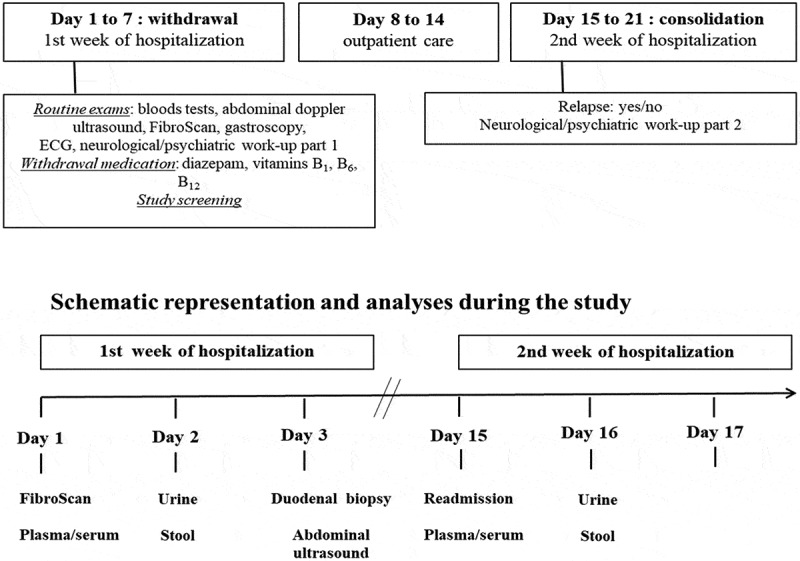
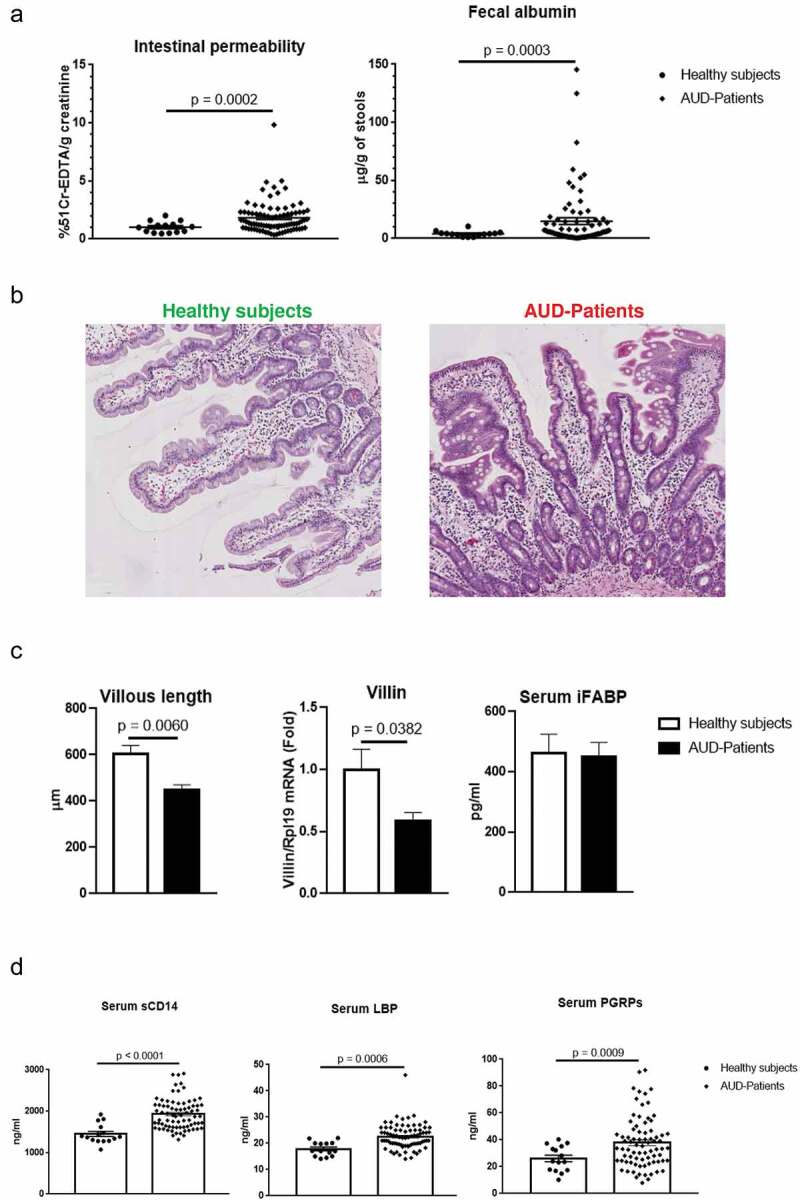
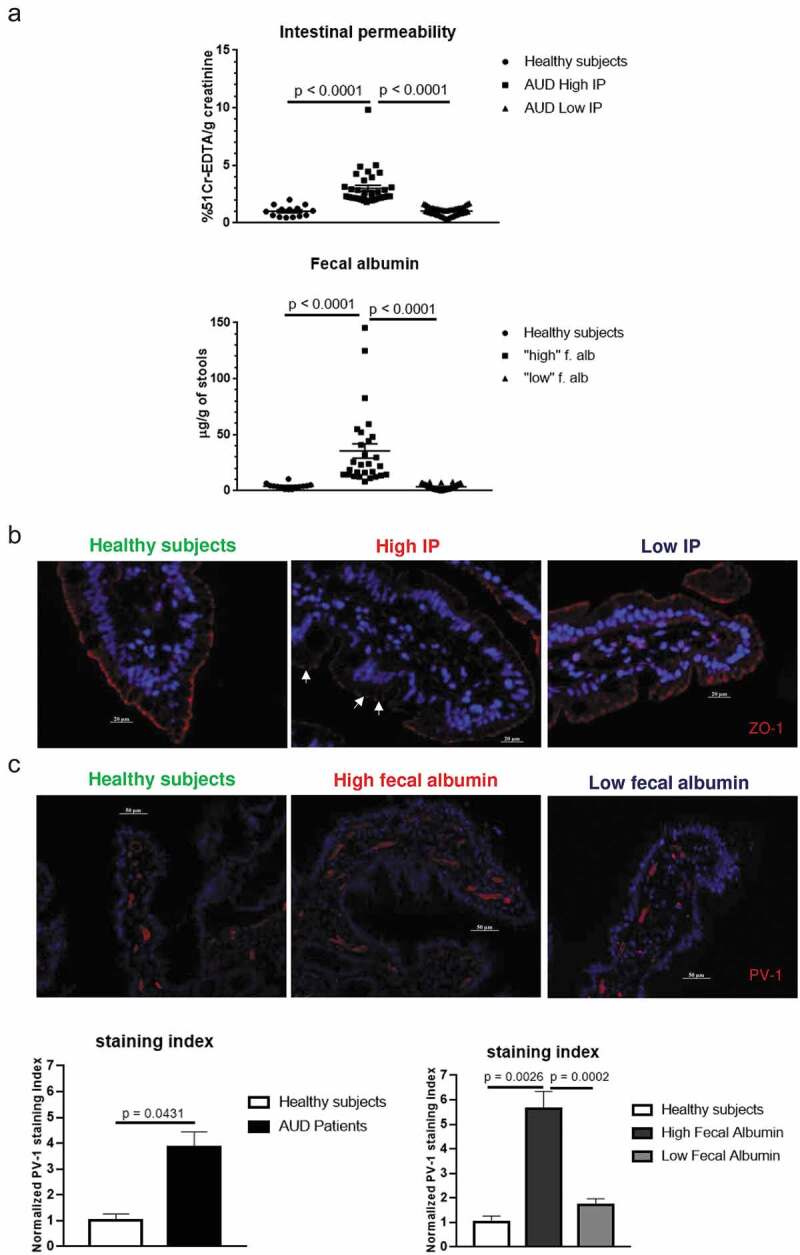
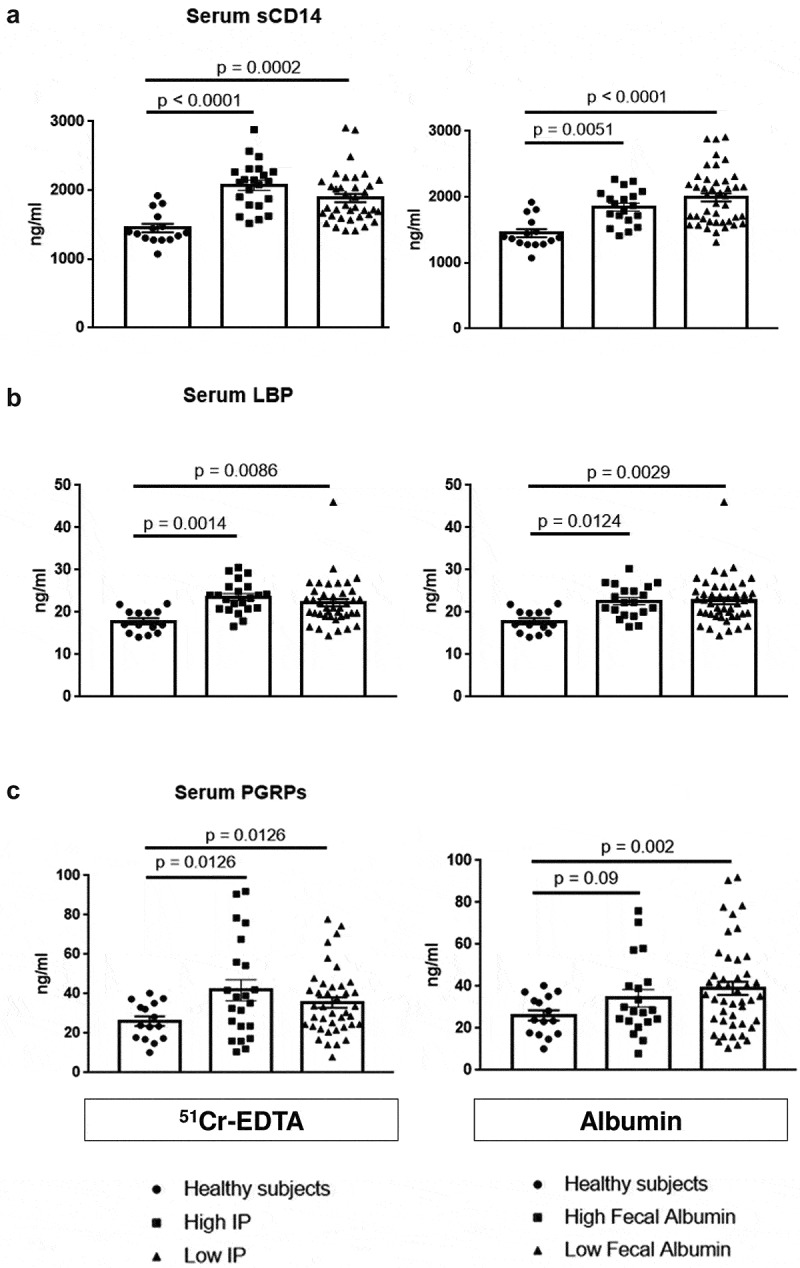
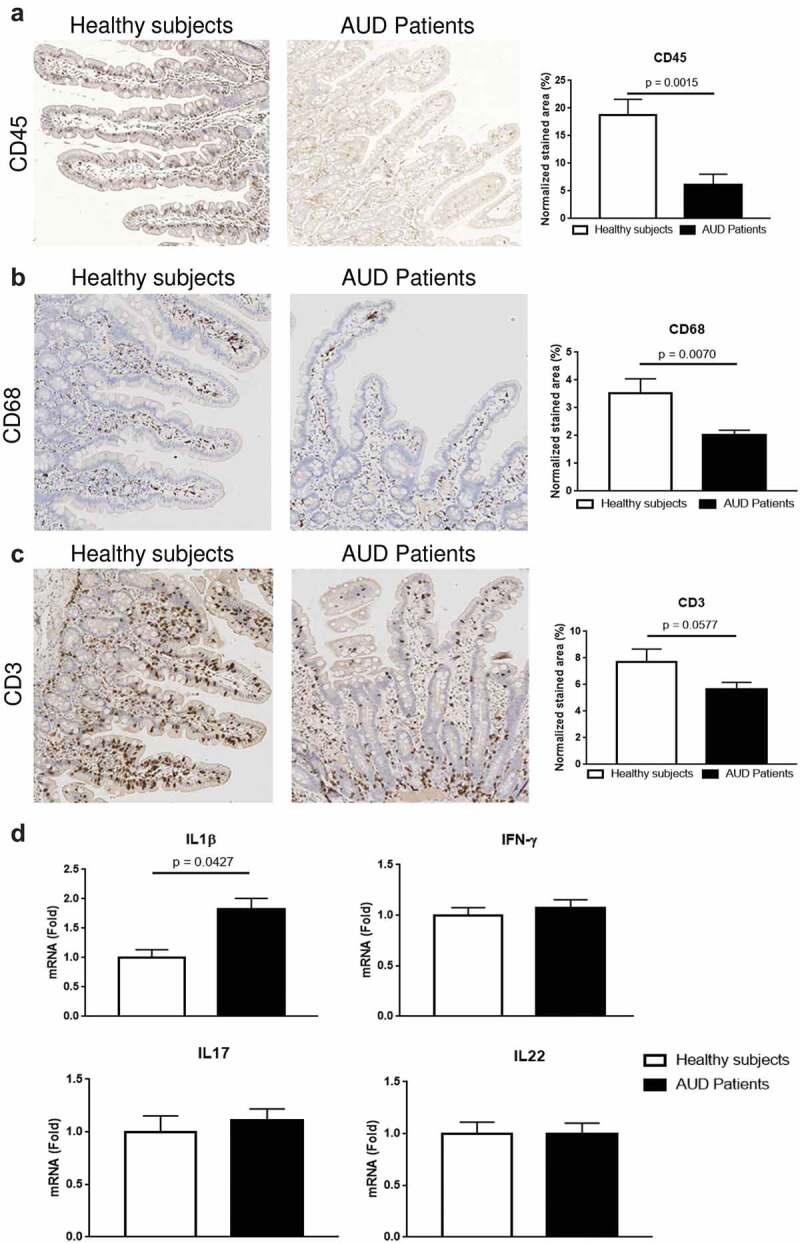
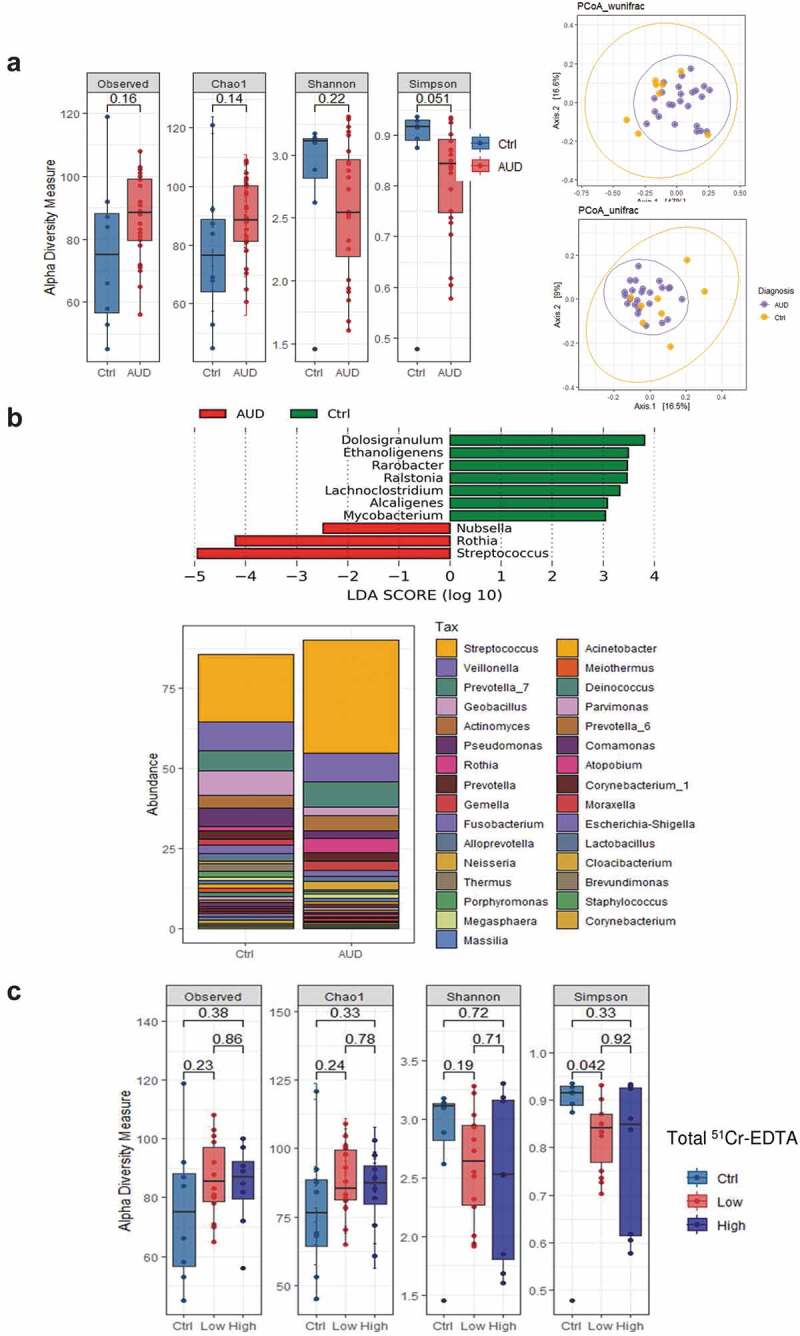
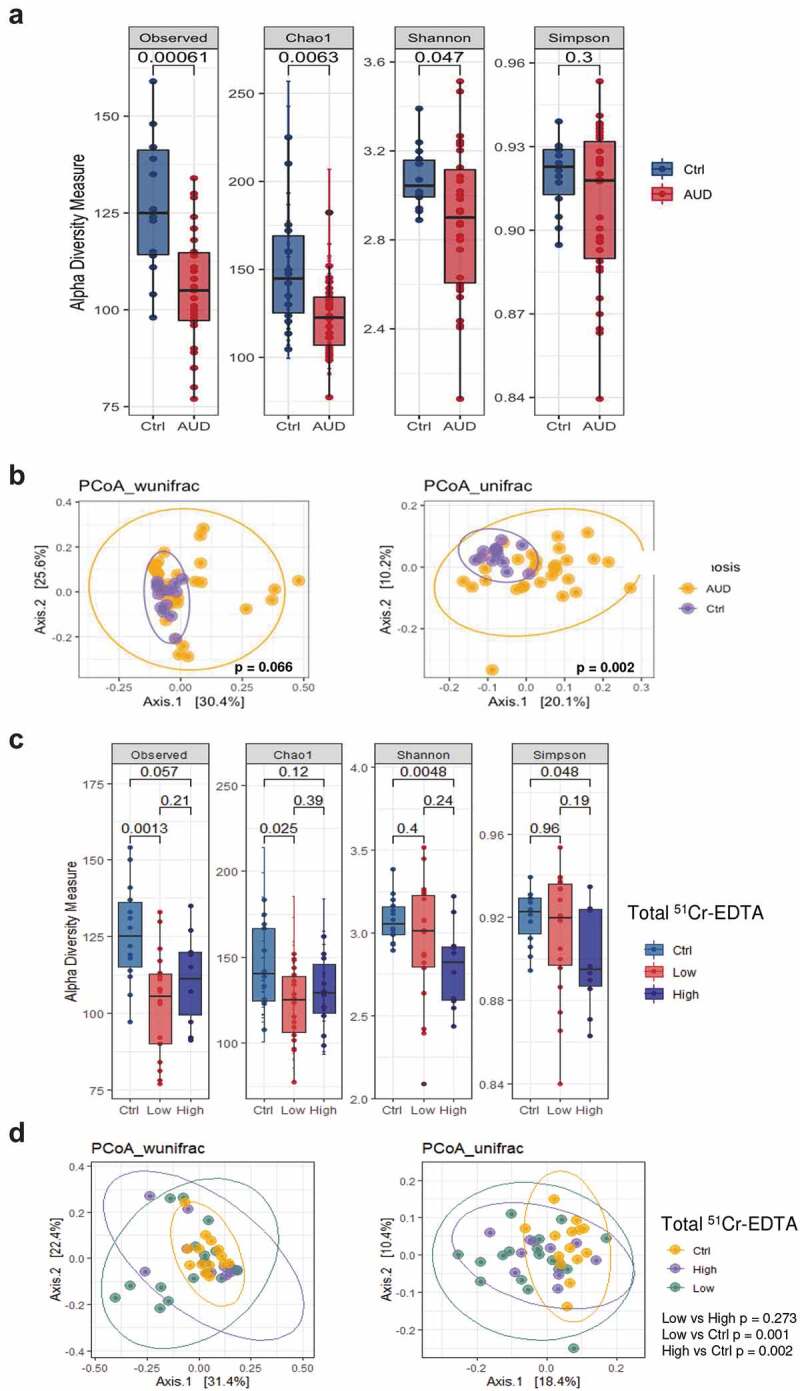
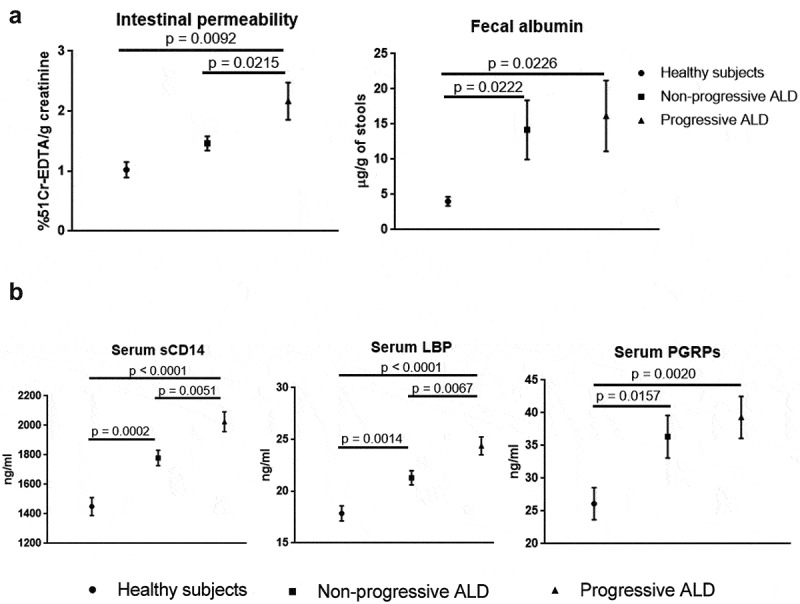
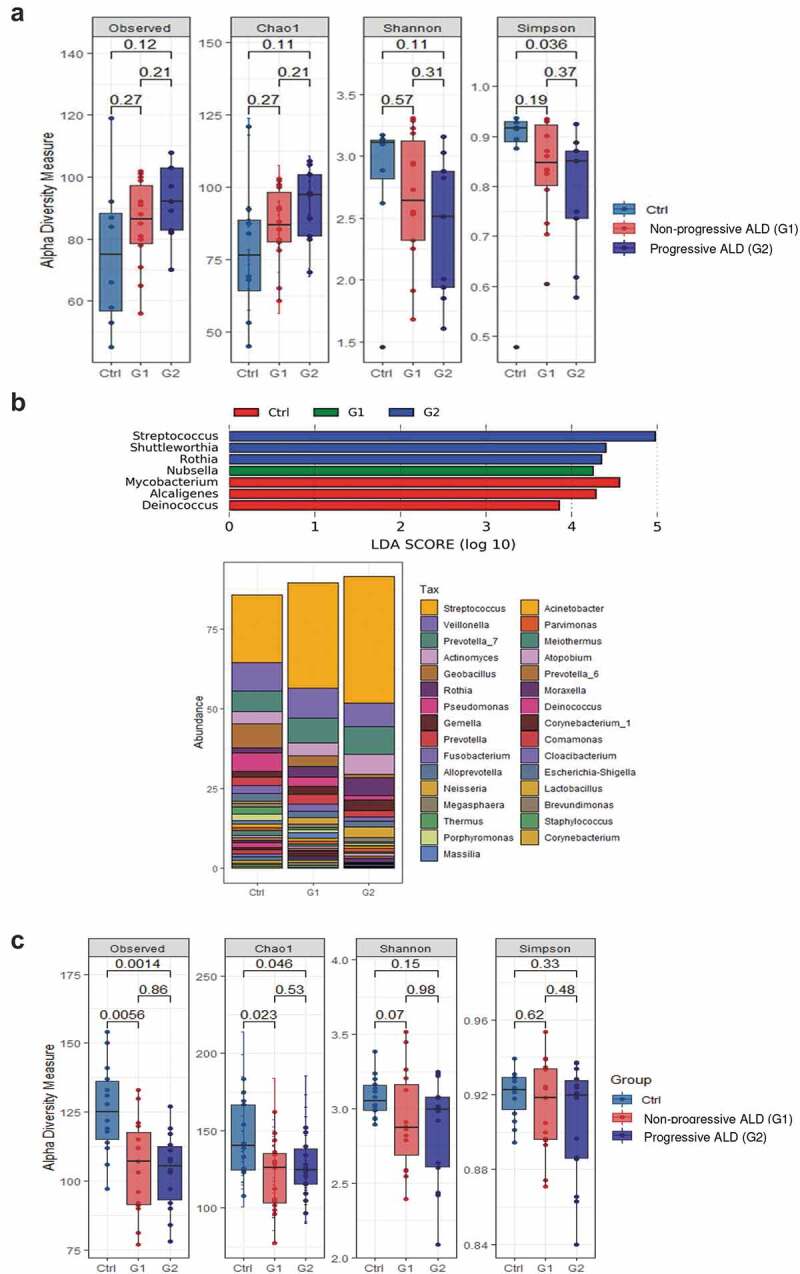
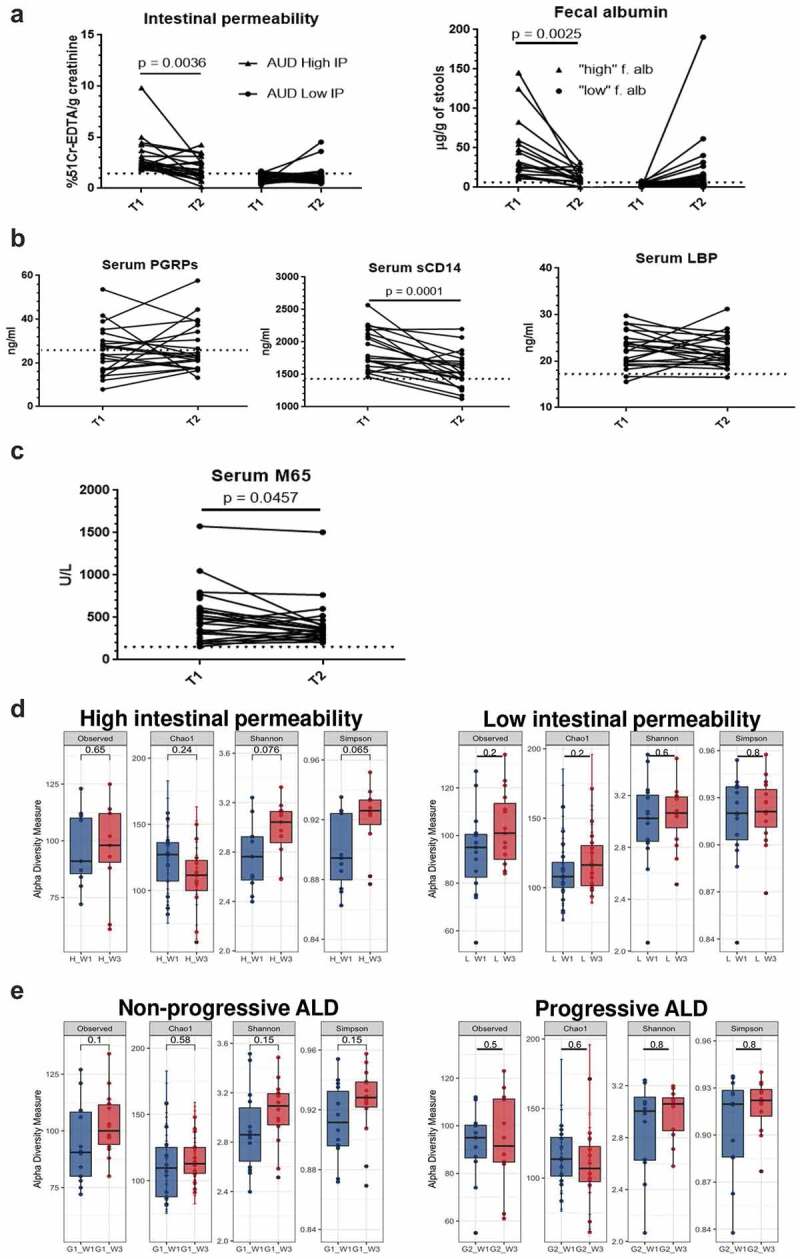
Background Animal data suggest a role of the gut-liver axis in progression of alcoholic liver disease (ALD), but human data are scarce especially for early disease stages.Methods We included patients with alcohol use disorder (AUD) who follow a rehabilitation program and matched healthy controls. We determined intestinal epithelial and vascular permeability (IP) (using urinary excretion of 51Cr-EDTA, fecal albumin content, and immunohistochemistry in distal duodenal biopsies), epithelial damage (histology, serum iFABP, and intestinal gene expression), and microbial translocation (Gram – and Gram + serum markers by ELISA). Duodenal mucosa-associated microbiota and fecal microbiota were analyzed by 16 S rRNA sequencing. ALD was staged by Fibroscan® (liver stiffness, controlled attenuation parameter) in combination with serum AST, ALT, and CK18-M65.Results Only a subset of AUD patients had increased 51Cr-EDTA and fecal albumin together with disrupted tight junctions and vasculature expression of plasmalemma Vesicle-Associated Protein-1. The so-defined increased intestinal permeability was not related to changes of the duodenal microbiota or alterations of the intestinal epithelium but associated with compositional changes of the fecal microbiota. Leaky gut alone did not explain increased microbial translocation in AUD patients. By contrast, duodenal dysbiosis with a dominance shift toward specific potential pathogenic bacteria genera (Streptococcus, Shuttleworthia, Rothia), increased IP and elevated markers of microbial translocation characterized AUD patients with progressive ALD (steato-hepatitis, steato-fibrosis).Conclusion Progressive ALD already at early disease stages is associated with duodenal mucosa-associated dysbiosis and elevated microbial translocation. Surprisingly, such modifications were not linked with increased IP. Rather, increased IP appears related to fecal microbiota dysbiosis.
Overview
The claims and statistics of this paper haven’t been checked yet.
Run the check — free, no account needed. It reads the open-access text and checks the sources it cites.
Integrity signals
Registry
Cites
Statistics
Figures
Verification
Claims the paper makes
The claims and statistics of this paper haven’t been checked yet.
Run the check — free, no account needed. It reads the open-access text and checks the sources it cites.
Claims other papers make about this one
Each is checked against this paper’s own text: does it say what the citing paper says it does?
In the citing paper
“Alcoholic liver disease (ALD) is associated with gut microbial dysbiosis,113, 114, 115”
From Regulation of Intestinal Barrier Function by Microbial Metabolites (2021) · cites this paper as [113]
Self-check
Percentages, sums and reported differences re-computed from the paper’s own numbers.
The self-check needs the paper’s full text.
Citations
Cites
phyloseq: An R Package for Reproducible Interactive Analysis and Graphics of Microbiome Census Data
McMurdie, P. J., & Holmes, S. (2013) · PLoS ONE · doi:10.1371/journal.pone.0061217 · Cited by 21,942
Metagenomic biomarker discovery and explanation
Segata, N., Izard, J., Waldron, L., Gevers, D., Miropolsky, L., Garrett, W. S., & Huttenhower, C. (2011) · Genome Biology · doi:10.1186/gb-2011-12-6-r60 · Cited by 16,192
Of Mice and Not Men: Differences between Mouse and Human Immunology
Mestas, J., & Hughes, C. C. W. (2004) · The Journal of Immunology · doi:10.4049/jimmunol.172.5.2731 · Cited by 3,822
Microbial translocation is a cause of systemic immune activation in chronic HIV infection
Brenchley, J. M., Price, D. A., Schacker, T. W., Asher, T. E., Silvestri, G., Rao, S., Kazzaz, Z., Bornstein, E., Lambotte, O., Altmann, D., et al. (2006) · Nature Medicine · doi:10.1038/nm1511 · Cited by 3,559
Alterations of the human gut microbiome in liver cirrhosis
Qin, N., Yang, F., Li, A., Prifti, E., Chen, Y., Shao, L., Guo, J., Le Chatelier, E., Yao, J., Wu, L., et al. (2014) · Nature · doi:10.1038/nature13568 · Cited by 2,177
How informative is the mouse for human gut microbiota research?
Nguyen, T. L. A., Vieira-Silva, S., Liston, A., & Raes, J. (2015) · Disease Models & Mechanisms · doi:10.1242/dmm.017400 · Cited by 1,334
Characterization of fecal microbial communities in patients with liver cirrhosis
Chen, Y., Yang, F., Lu, H., Wang, B., Chen, Y., Lei, D., Wang, Y., Zhu, B., & Li, L. (2011) · Hepatology · doi:10.1002/hep.24423 · Cited by 1,038
Leclercq, S., Matamoros, S., Cani, P. D., Neyrinck, A. M., Jamar, F., Stärkel, P., Windey, K., Tremaroli, V., Bäckhed, F., Verbeke, K., et al. (2014) · Proceedings of the National Academy of Sciences · doi:10.1073/pnas.1415174111 · Cited by 972
Self-citationProton pump inhibitors alter the composition of the gut microbiota
Jackson, M. A., Goodrich, J. K., Maxan, M.-E., Freedberg, D. E., Abrams, J. A., Poole, A. C., Sutter, J. L., Welter, D., Ley, R. E., Bell, J. T., et al. (2016) · Gut · doi:10.1136/gutjnl-2015-310861 · Cited by 895
Bacteriophage targeting of gut bacterium attenuates alcoholic liver disease
Duan, Y., Llorente, C., Lang, S., Brandl, K., Chu, H., Jiang, L., White, R. C., Clarke, T. H., Nguyen, K., Torralba, M., et al. (2019) · Nature · doi:10.1038/s41586-019-1742-x · Cited by 850
Self-citation
Research works printed but not linked: 2
- Tabakoff B, 2000, Alcohol Res Heal, 24, 77
- 10.1016/j.cld.2012.08.002.ALCOHOL · DOI
Cited by
Sorted by citations
Regulation of Intestinal Barrier Function by Microbial Metabolites
Ghosh, S., Whitley, C. S., Haribabu, B., & Jala, V. R. (2021) · Cellular and Molecular Gastroenterology and Hepatology · doi:10.1016/j.jcmgh.2021.02.007 · Cited by 835
Intestinal Barrier in Human Health and Disease
Tommaso, N. D., Gasbarrini, A., & Ponziani, F. R. (2021) · International Journal of Environmental Research and Public Health · doi:10.3390/ijerph182312836 · Cited by 577
“Recently, OCA has been shown to restore GVB integrity and reduce bacterial translocation in experimental models [223,224].”
BackgroundInfluentialGut–liver axis: barriers and functional circuits
Pabst, O., Hornef, M. W., Schaap, F. G., Cerovic, V., Clavel, T., & Bruns, T. (2023) · Nature Reviews Gastroenterology & Hepatology · doi:10.1038/s41575-023-00771-6 · Cited by 488
“Parallel to the decrease in gut microbial diversity, mucosal barrier failure and GVB breakdown occur early in MAFLD and ALD and worsen as disease progresses to cirrhosis 56,107,108 (Fig.”
BackgroundImmunological mechanisms and therapeutic targets of fatty liver diseases
Wang, H., Mehal, W. Z., Nagy, L. E., & Rotman, Y. (2020) · Cellular and Molecular Immunology · doi:10.1038/s41423-020-00579-3 · Cited by 234
The Role of Intestinal Permeability in Gastrointestinal Disorders and Current Methods of Evaluation
Vanuytsel, T., Tack, J. F., & Farré, R. (2021) · Frontiers in Nutrition · doi:10.3389/fnut.2021.717925 · Cited by 242
“A similar correlation between intestinal barrier function and fecal microbial alterations has also been shown in alcohol-dependent patients (149, 164).”
BackgroundZhao, L., Fang, J., Tang, S., Deng, F., Liu, X., Shen, Y., Liu, Y., Kong, F., Du, Y., Cui, L., et al. (2022) · Environmental Health Perspectives · doi:10.1289/ehp9688 · Cited by 170
“These fi ndings suggest that the translocation of Shuttleworthia may be a potential determinant in alcoholic liver disease progression (Maccioni et al. 2020).”
Plaza‐Díaz, J., Solis‐Urra, P., Rodríguez‐Rodríguez, F., Arancibia, J. E. O., Navarro-Oliveros, M., Abadía‐Molina, F., & Álvarez‐Mercado, A. I. (2020) · International Journal of Molecular Sciences · doi:10.3390/ijms21218351 · Cited by 150
“The bacterial species related to these changes include Streptococcus, Shuttleworthia, and Rothia [96].”
BackgroundLu, J., Zhang, S., Huang, Y., Qian, J., Tan, B., Qian, X., Jia, Z., Zou, X., Li, Y., & Yan, F. (2022) · Gut Microbes · doi:10.1080/19490976.2022.2126272 · Cited by 141
“Periodontitis-related salivary microbiota treatment also considerably increased the content of fecal albumin in PAP mice, which is recognized as a biomarker for the assessment of intestinal permeability (Figure 5e).(33,34) Additionally, Alcian blue and periodic acid-Schiff (AB-PAS) staining showed the damage to intest…”
Backgrounddi Vito, R., Conte, C., & Traina, G. (2022) · Cells · doi:10.3390/cells11162617 · Cited by 117
Gut dysbiosis as a driver in alcohol-induced liver injury
Fairfield, B., & Schnabl, B. (2020) · JHEP Reports · doi:10.1016/j.jhepr.2020.100220 · Cited by 109
“Thus, dysbiosis appears to be an important prerequisite for gut permeability and progression to ALD.(38,39)”
BackgroundSelf-citationReview article: therapeutic aspects of bile acid signalling in the gut‐liver axis
Simbrunner, B., Trauner, M., & Reiberger, T. (2021) · Alimentary Pharmacology & Therapeutics · doi:10.1111/apt.16602 · Cited by 108
The IARC Perspective on Alcohol Reduction or Cessation and Cancer Risk
Gapstur, S. M., Bouvard, V., Nethan, S. T., Freudenheim, J. L., Abnet, C. C., English, D. R., Rehm, J. T., Balbo, S., Buykx, P., Crabb, D. W., et al. (2023) · New England Journal of Medicine · doi:10.1056/nejmsr2306723 · Cited by 107
Intestinal permeability disturbances: causes, diseases and therapy
Macura, B., Kiecka, A., & Szczepanik, M. (2024) · Clinical and Experimental Medicine · doi:10.1007/s10238-024-01496-9 · Cited by 108
“Impaired not only the intestinal epithelial barrier, but also the vascular barrier is responsible for damage to intestinal epithelial function in alcoholic liver disease [106–108].”
BackgroundRajapakse, J., Khatiwada, S., Akon, A. C., Yu, K. L., Shen, S., & Zekry, A. (2023) · Gut Microbes · doi:10.1080/19490976.2023.2240031 · Cited by 99
“This may compromise gut barrier integrity by disrupting epithelial tight junctions (TJ) and the brush border.(7,9,10,13) Increased intestinal permeability could be one mechanism that underpins direct effects of the gut microbiota on hepatic inflammation and pro-tumor responses (Figure 1).”
BackgroundCell-to-cell and organ-to-organ crosstalk in the pathogenesis of alcohol-associated liver disease
Gao, H., Jiang, Y., Zeng, G., Huda, N., Thoudam, T., Yang, Z., Liangpunsakul, S., & Ma, J. (2024) · eGastroenterology · doi:10.1136/egastro-2024-100104 · Cited by 97
Dynamic Changes of the Fungal Microbiome in Alcohol Use Disorder
Hartmann, P., Lang, S., Zeng, S.-L., Duan, Y., Zhang, X., Wang, Y., Bondareva, M. A., Kruglov, A., Fouts, D. E., Stärkel, P., et al. (2021) · Frontiers in Physiology · doi:10.3389/fphys.2021.699253 · Cited by 78
Self-citationGut-liver axis: Recent concepts in pathophysiology in alcohol-associated liver disease
Raya Tonetti, F., Eguileor, A., Mrdjen, M., Pathak, V., Travers, J., Nagy, L. E., & Llorente, C. (2024) · Hepatology · doi:10.1097/hep.0000000000000924 · Cited by 78
The Gut–Vascular Barrier as a New Protagonist in Intestinal and Extraintestinal Diseases
Tommaso, N. D., Santopaolo, F., Gasbarrini, A., & Ponziani, F. R. (2023) · International Journal of Molecular Sciences · doi:10.3390/ijms24021470 · Cited by 74
“In alcohol-associated liver disease (ALD), liver toxicity is mediated by direct effects of ethanol and its metabolite acetaldehyde, but also by their indirect effect on the gut microbiome and intestinal barrier function [76–79].”
BackgroundThe gut–liver axis in immune remodeling of hepatic cirrhosis
Guan, H., Zhang, X., Kuang, M., & Yu, J. Q. (2022) · Frontiers in Immunology · doi:10.3389/fimmu.2022.946628 · Cited by 73
Alcohol-associated bowel disease: new insights into pathogenesis
Maccioni, L., Fu, Y., Horsmans, Y., Leclercq, I., Stärkel, P., Kunos, G., & Gao, B. (2023) · eGastroenterology · doi:10.1136/egastro-2023-100013 · Cited by 69
Self-citationDrugs and Bugs: The Gut-Brain Axis and Substance Use Disorders
Simpson, S., Mclellan, R., Wellmeyer, E., Matalon, F., & George, O. (2021) · Journal of Neuroimmune Pharmacology · doi:10.1007/s11481-021-10022-7 · Cited by 63
“Several studies have shown that AUD-mediated increases in intestinal permeability reverse following alcohol abstinence (Maccioni et al. 2020; Ohlsson et al. 2019; Flux and Lowry 2020; Peirce and Alvina 2019).”
Zhong, X., Cui, P., Jiang, J., Ning, C., Liang, B., Zhou, J., Li, T., Zhang, Y., Lei, T., Zuo, T., et al. (2021) · Frontiers in Cellular and Infection Microbiology · doi:10.3389/fcimb.2021.649060 · Cited by 58
Grander, C., Grabherr, F., Spadoni, I., Enrich, B., Oberhuber, G., Rescigno, M., & Tilg, H. (2020) · Gut Microbes · doi:10.1080/19490976.2020.1851986 · Cited by 53
Hong, X., Huang, S., Jiang, H., Ma, Q., Qiu, J., Luo, Q., Cao, C., Xu, Y., Chen, F., Chen, Y., et al. (2024) · Frontiers in Pharmacology · doi:10.3389/fphar.2024.1432480 · Cited by 55
Bacterial translocation occurs early in cirrhosis and triggers a selective inflammatory response
Simbrunner, B., Caparrós, E., Neuwirth, T., Schwabl, P., Königshofer, P., Bauer, D. J. M., Marculescu, R., Trauner, M. A., Scheiner, B., Stary, G., et al. (2023) · Hepatology International · doi:10.1007/s12072-023-10496-y · Cited by 51
Amadieu, C., Coste, V., Neyrinck, A. M., Thijssen, V., Leyrolle, Q., Bindels, L. B., Piessevaux, H. H., Stärkel, P., de Timary, P., Delzenne, N. M., et al. (2021) · Gut Microbes · doi:10.1080/19490976.2021.2007042 · Cited by 58
Self-citationIntestinal virome in patients with alcohol use disorder and after abstinence
Hsu, C. L., Zhang, X., Jiang, L., Lang, S., Hartmann, P., Pride, D. T., Fouts, D. E., Stärkel, P., & Schnabl, B. (2022) · Hepatology Communications · doi:10.1002/hep4.1947 · Cited by 50
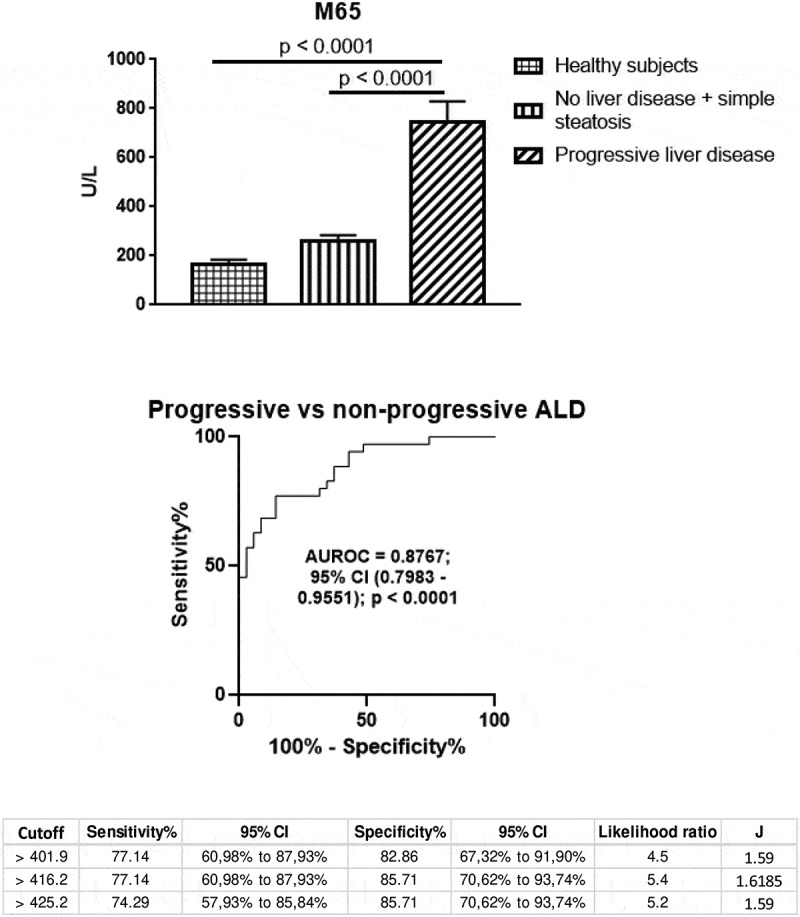
“Additionally, serum intact cytokeratin 18 (CK18- M65) was measured using the CK18- M65 enzyme- linked immunosorbent assay kit (TECOmedical AG, Sissach, Switzerland) according to the manufacturer’s instructions.[18]”
BackgroundMethodInfluentialSelf-citationGut Barrier and Microbiota in Cirrhosis
Philips, C. A., & Augustine, P. (2021) · Journal of Clinical and Experimental Hepatology · doi:10.1016/j.jceh.2021.08.027 · Cited by 52
The Role of Gut Bacteria and Fungi in Alcohol-Associated Liver Disease
Chen, L., Zhu, Y., Hou, X., Yang, L., & Chu, H. (2022) · Frontiers in Medicine · doi:10.3389/fmed.2022.840752 · Cited by 46
“Leakage of intestinal vascular endothelia has been observed in experimental ALD mice and patients with ALD (18, 19).”
BackgroundZhang, N., Gou, Y., Liang, S., Chen, N., Liu, Y., He, Q., & Zhang, J. (2021) · Journal of Immunology Research · doi:10.1155/2021/4973589 · Cited by 46
“The effect of microbial translocation on cirrhosis was well studied [10], but was not researched in HCC.”
BackgroundInfluentialWu, S., Wen, F., Zhong, X., Du, W., Chen, M., & Wang, J. (2023) · Annals of Medicine · doi:10.1080/07853890.2023.2216942 · Cited by 45
“composition of gut microbiota in patients with ALD have altered [7].”
BackgroundZafari, N., Velayati, M., Fahim, M., Maftouh, M., Pourali, G., Khazaei, M., Nassiri, M., Hassanian, S. M., Ghayour‐Mobarhan, M., Ferns, G. A., et al. (2022) · Life Sciences · doi:10.1016/j.lfs.2022.120760 · Cited by 45
Inflammation in Alcohol-Associated Hepatitis: Pathogenesis and Therapeutic Targets
Feng, D., Hwang, S., Guillot, A., Wang, Y., Guan, Y., Chen, C., Maccioni, L., & Gao, B. (2024) · Cellular and Molecular Gastroenterology and Hepatology · doi:10.1016/j.jcmgh.2024.04.009 · Cited by 44
“…mediators of the gut-liver axis during ALD, 23 such as disruption of intestinal epithelial barrier integrity, 24 reduction of duodenal immune effector cell types (eg, macrophages, CD8 þ T resident memory lymphocytes), 25,26 changes in the gut microbiome (dysbiosis), 27 and bile acid alterations.”
BackgroundSelf-citationAdvances in the understanding and management of alcohol-related liver disease
Thursz, M. R., & Lingford-Hughes, A. R. (2023) · BMJ · doi:10.1136/bmj-2023-077090 · Cited by 41
“31 Epithelial cells in the stomach and upper gastrointestinal tract metabolise alcohol to acetaldehyde, which may damage the cell, but lack the ability to convert this to relatively inert acetate.”
BackgroundThe role of gut microbiota, exosomes, and their interaction in the pathogenesis of ALD
Cheng, Z., Yang, L., & Chu, H. (2024) · Journal of Advanced Research · doi:10.1016/j.jare.2024.07.002 · Cited by 40
The gut mycobiome: a novel player in chronic liver diseases
Jiang, L., Stärkel, P., Fan, J., Fouts, D. E., Bächer, P., & Schnabl, B. (2020) · Journal of Gastroenterology · doi:10.1007/s00535-020-01740-5 · Cited by 42
“alcohol use disorder (AUD) patients with simple steatosis or progressive ALD [86] as well as in patients with alco-”
BackgroundSelf-citationKaufmann, B. K., Seyfried, N., Hartmann, D., & Hartmann, P. (2023) · American Journal of Physiology-Gastrointestinal and Liver Physiology · doi:10.1152/ajpgi.00017.2023 · Cited by 40
Wolstenholme, J. T. (2024) · Alcohol research · doi:10.35946/arcr.v44.1.01 · Cited by 38
Mak, K. M., & Shekhar, A. C. (2024) · The Anatomical Record · doi:10.1002/ar.25562 · Cited by 39
“The relationship between intestinal permeability, duodenal and fecal microbiomes, and microbial translocation in alcoholic patients and how these changes are associated with liver disease were recently evaluated by Maccioni et al. (2020).”
Metabolic dysfunction and alcohol-associated liver disease (MetALD)
Gao, B., Arab, J. P., Liangpunsakul, S., Ding, W., Szabó, G., Mehal, W. Z., Wang, H., He, Y., Stärkel, P., Llorente, C., et al. (2025) · eGastroenterology · doi:10.1136/egastro-2025-100319 · Cited by 43
“Experimental models of MetALD-associated liver cancer are lacking.”
Self-citationDoggui, R., Elsawy, W., Conti, A. A., & Baldacchino, A. (2021) · Neuroscience & Biobehavioral Reviews · doi:10.1016/j.neubiorev.2021.02.031 · Cited by 36
Tao, M., Xie, Y., Fan, X., Yan, X., Fan, W., Cao, R., Li, M., Li, R., & Wang, L. (2025) · International Journal of Biological Macromolecules · doi:10.1016/j.ijbiomac.2025.144719 · Cited by 35
Key Signaling in Alcohol-Associated Liver Disease: The Role of Bile Acids
Way, G. W., Jackson, K. G., Muscu, S., & Zhou, H. (2022) · Cells · doi:10.3390/cells11081374 · Cited by 36
Cuesta, C. M., Pascual, M., Pérez-Moraga, R., Rodríguez-Navarro, I., Garcia‐García, F., Ureña‐Peralta, J. R., & Guerri, C. (2021) · International Journal of Molecular Sciences · doi:10.3390/ijms222312830 · Cited by 34
“Both groups have been shown to decrease with alcohol consumption in humans [53,54] and are butyrate-producing microorganisms [55,56].”
BackgroundLanthier, N., & Delzenne, N. M. (2022) · Cells · doi:10.3390/cells11172718 · Cited by 35
Any alcohol use in NAFLD patients is associated with significant changes to the intestinal virome
Hsu, C. L., Lang, S., Demir, M., Fouts, D. E., Stärkel, P., & Schnabl, B. (2023) · Hepatology · doi:10.1097/hep.0000000000000238 · Cited by 31
“The study protocol conforms to the ethical guidelines of the 1975 Declaration of Helsinki and was approved by the institution’s human research and ethical committee (Université Catholique de Louvain, Brussels, Belgium; B403201422657 and the Local Ethics Committee at the University of Cologne, Germany; # 15-056), as de…”
MethodSelf-citationHost Factors in Dysregulation of the Gut Barrier Function during Alcohol-Associated Liver Disease
Maccioni, L., Leclercq, I. A., Schnabl, B., & Stärkel, P. (2021) · International Journal of Molecular Sciences · doi:10.3390/ijms222312687 · Cited by 31
“However, a leaky gut was observed in only a fraction of AUD patients at early ALD stages (steatohepatitis, steato-fibrosis) [14,15].”
BackgroundInfluentialSelf-citationKhan, M. A. S., & Chang, S. L. (2023) · Cells · doi:10.3390/cells12202475 · Cited by 30
Gut microbiome and metabolome in a non-human primate model of chronic excessive alcohol drinking
Piacentino, D., Grant-Beurmann, S., Vizioli, C., Li, X., Moore, C. F., Ruiz‐Rodado, V., Lee, M. R., Joseph, P. V., Fraser, C. M., Weerts, E. M., et al. (2021) · Translational Psychiatry · doi:10.1038/s41398-021-01728-6 · Cited by 29
“The individuals with greater gut dysbiosis show increased intestinal permeability and transfer of bacterial products into the bloodstream [4, 5, 7, 36], which induce the release of pro‐inflammatory mediators such as reactive oxygen species, chemokines, and cytokines [37]; they are also more likely to have liver damage…”
BackgroundResultInfluentialAdvancements in the Alcohol-Associated Liver Disease Model
Zhu, L., Li, H.-D., Xu, J., Li, J., Cheng, M., Meng, X., Huang, C., & Li, J. (2022) · Biomolecules · doi:10.3390/biom12081035 · Cited by 30
“Studies have shown that the increased translocation of microorganisms such as Streptococcus, Shuttleworthia, Rothia, and Nubsella in the duodenal mucosa is associated with the early stages of progressive ALD [76].”
BackgroundDumitru, A., Matei, E., Cozaru, G. C., Chisoi, A., Alexandrescu, L., Popescu, R. C., Pundiche, M. B., Dumitru, E., Rugină, S., & Tocia, C. (2024) · International Journal of Molecular Sciences · doi:10.3390/ijms25052472 · Cited by 26
Amadieu, C., Leclercq, S., Coste, V., Thijssen, V., Neyrinck, A. M., Bindels, L. B., Cani, P. D., Piessevaux, H. H., Stärkel, P., de Timary, P., et al. (2021) · Clinical Nutrition · doi:10.1016/j.clnu.2021.03.029 · Cited by 28
Self-citationPatel, D. N., Sharma, D., & Mandal, P. (2022) · Mediators of Inflammation · doi:10.1155/2022/4230599 · Cited by 26
The role of the gut microbiome in the development of hepatobiliary cancers
Daniel, N., Genua, F., Jenab, M., Mayén, A., Chatziioannou, A. C., Keski‐Rahkonen, P., & Hughes, D. J. (2023) · Hepatology · doi:10.1097/hep.0000000000000406 · Cited by 30
“[40] The mycobiome, which refers to the diverse array of fungal species found in tissue, has also been seen to be altered in fecal samples from patients with alcohol-dependence, alcoholic hepatitis, or alcohol-associated cirrhosis compared with controls.”
BackgroundThe Gut‒Liver Axis in Liver Disease: Molecular Mechanisms and Therapeutic Targets
Chen, Z., Liao, S., Wu, S., Chen, S., Tang, Q., Zhou, L., Li, X., Hu, H., Xu, J., Zhang, A., et al. (2025) · MedComm · doi:10.1002/mco2.70458 · Cited by 29
Effects of Gut Metabolites and Microbiota in Healthy and Marginal Livers Submitted to Surgery
Micó-Carnero, M., Rojano-Alfonso, C., Álvarez‐Mercado, A. I., Gracia‐Sancho, J., Casillas-Ramírez, A., & Peralta, C. (2020) · International Journal of Molecular Sciences · doi:10.3390/ijms22010044 · Cited by 25
“The bacterial species related with such changes include Streptococcus, Shuttleworthia, and Rothia [34].”
BackgroundYang, Y. M., Zhou, Z., Liu, Y., Xu, X., Xu, Y., Zhou, W., Chen, S., & Ma, D. (2022) · Foods · doi:10.3390/foods11111537 · Cited by 26
“It is well established that the loss of intestinal barrier integrity would result in intestinal endotoxin translocation [9].”
BackgroundMalassezia restricta promotes alcohol-induced liver injury
Zeng, S.-L., Hartmann, P., Park, M., Duan, Y., Lang, S., Llorente, C., Wang, Y., Cabré, N., Fouts, D. E., Bächer, P., et al. (2023) · Hepatology Communications · doi:10.1097/hc9.0000000000000029 · Cited by 27
“CK18-M65 can differentiate progressive from nonprogressive liver disease and has predictive value for mortality in patients with AUD.”
MethodSelf-citationThe Role of Gut Dysbiosis in Acute-on-Chronic Liver Failure
Kim, S. E., Park, J. W., Kim, H. S., Jang, M. K., Suk, K. T., & Kim, D. J. (2021) · International Journal of Molecular Sciences · doi:10.3390/ijms222111680 · Cited by 24
Amadieu, C., Maccioni, L., Leclercq, S., Neyrinck, A. M., Delzenne, N. M., de Timary, P., & Stärkel, P. (2022) · EBioMedicine · doi:10.1016/j.ebiom.2022.104033 · Cited by 26
Self-citationTherapeutic advances in alcohol-associated hepatitis
Szabó, G., Thursz, M. R., & Shah, V. H. (2022) · Journal of Hepatology · doi:10.1016/j.jhep.2022.03.025 · Cited by 24
Viebahn, G., Hartmann, P., Lang, S., Demir, M., Zhang, X., Fouts, D. E., Stärkel, P., & Schnabl, B. (2024) · Gut Microbes · doi:10.1080/19490976.2024.2307586 · Cited by 24
Self-citationMaccioni, L., Loriot, A., Dewulf, J., Bommer, G., Horsmans, Y., Lanthier, N., Leclercq, I., Schnabl, B., & Stärkel, P. (2022) · Alimentary Pharmacology & Therapeutics · doi:10.1111/apt.17177 · Cited by 23
Self-citationAssociations Between Peripheral Blood Microbiome and the Risk of Hypertension
Yang, J., Zhou, H. J., Lu, H., Chen, X., Zhou, L., Zhang, J., Wu, J. Q., & Dong, C. (2021) · American Journal of Hypertension · doi:10.1093/ajh/hpab084 · Cited by 22
Fang, C., Zhou, Q., Liu, Q., Jia, W. P., & Xu, Y. (2021) · Food & Function · doi:10.1039/d1fo02892h · Cited by 22
Role of ER Stress in Xenobiotic‐Induced Liver Diseases and Hepatotoxicity
Zhang, Y., Qi, Y., Huang, S., Jiang, X., Xiao, W., Wang, L., Liu, Z., & Liu, S. (2022) · Oxidative Medicine and Cellular Longevity · doi:10.1155/2022/4640161 · Cited by 25
“ALD attributed to long-term alcohol consumption is one of the major causes of chronic liver disease [17], a ff ecting millions of patients around the world.”
Zhao, L., Wang, S., Zhang, N., Zhou, J., Mehmood, A., Raka, R. N., Zhou, F. L., & Zhao, L. (2022) · Antioxidants · doi:10.3390/antiox11061211 · Cited by 23
“Therefore, increased intestinal permeability caused by microbial dysregulation is an important prerequisite for the progression of ALD [57,58].”
BackgroundGut Microbiota Modulation of Short Bowel Syndrome and the Gut–Brain Axis
Carter, J., Bettag, J., Morfin, S., Manithody, C., Nagarapu, A., Jain, A., Nazzal, H., Prem, S., Unes, M., McHale, M., et al. (2023) · Nutrients · doi:10.3390/nu15112581 · Cited by 21
“An increase in permeability can also drive endotoxin mediated hepatic and systemic inflammatory responses [53,54].”
BackgroundBetaine regulates the gut-liver axis: a therapeutic approach for chronic liver diseases
Perumal, S. K., Arumugam, M. K., Osna, N. A., Rasineni, K., & Kharbanda, K. K. (2025) · Frontiers in Nutrition · doi:10.3389/fnut.2025.1478542 · Cited by 22
LeFort, K. R., Rungratanawanich, W., & Song, B. (2023) · Antioxidants · doi:10.3390/antiox13010043 · Cited by 21
“Alcohol (ethanol) also changes the composition of the microbiome in ALD [31,42–45], even at the early stages of ALD, causing dysbiosis and bacterial translocation [45].”
BackgroundMaccioni, L., Guan, Y., Kim, M., Parra, M. A., Peiffer, B., Fu, Y., Wang, Y., Lin, Y.-H., Mackowiak, B., Feng, D., et al. (2025) · Gut · doi:10.1136/gutjnl-2024-334412 · Cited by 21
Self-citationGut microbiome and liver diseases
Xu, J., Chen, N., Zhou, L., & Liu, Y. (2024) · Fundamental Research · doi:10.1016/j.fmre.2024.09.007 · Cited by 20
“Additionally, microbial translocation into the liver directly leads to immunological disturbances, dysbiosis of hepatic triglyceride metabolism, and NAFLD progression [ 39 , 41 ].”
Gut Microbiota as Emerging Players in the Development of Alcohol-Related Liver Disease
Li, W., Gao, W., Yan, Q. S., Yang, L., Zhu, Q., & Chu, H. (2024) · Biomedicines · doi:10.3390/biomedicines13010074 · Cited by 19
“The intestinal barrier is disrupted in ALD, allowing pathogens and microbial products to be transferred into the circulation [16,22,48].”
Fuke, N., Yamashita, T., Shimizu, S., Matsumoto, M., Sawada, K., Jung, S., Tokuda, I., Misawa, M., Suzuki, S., Ushida, Y., et al. (2023) · Metabolites · doi:10.3390/metabo13020250 · Cited by 22
“Patients with alcoholic liver disease have a higher composition ratio of Streptococcus in the fecal flora, intestinal permeability, and blood LBP concentration compared to healthy subjects [97].”
BackgroundChen, D., Xiong, J., CHEN, G., ZHANG, Z., LIU, Y., XU, J., & XU, H. (2023) · In Vivo · doi:10.21873/invivo.13308 · Cited by 18
Liu, L., Zhao, Z., Liu, H., Xia, X., Ai, C., Song, S., & Yan, C. (2024) · International Journal of Biological Macromolecules · doi:10.1016/j.ijbiomac.2024.133014 · Cited by 17
Targeting the gut microbiota to treat alcoholic liver diseases: evidence and promises.
Leclercq, S., de Timary, P., & Stärkel, P. (2020) · PubMed · Cited by 17
Self-citationImmune cells in alcohol-related liver disease
Xu, H., & Wang, H. (2022) · Liver Research · doi:10.1016/j.livres.2022.01.001 · Cited by 17
Insights into the gut-liver axis: mechanisms and emerging therapies in hepatocellular carcinoma
Hu, Y., Gao, M., Chenghuang, J., & Bao, R. (2025) · Frontiers in Pharmacology · doi:10.3389/fphar.2025.1595853 · Cited by 16
Activation of intestinal endogenous retroviruses by alcohol exacerbates liver disease
Cabré, N., Fondevila, M. F., Wei, W., Yamazaki, T., Tonetti, F. R., Eguileor, Á., Garcia‐Carbonell, R., Meijnikman, A. S., Miyamoto, Y., Mayo, S. L., et al. (2025) · Journal of Clinical Investigation · doi:10.1172/jci188541 · Cited by 15
Self-citationPuhakka, E., Ahmed, H., Haikonen, R., Leclercq, S., Hanhineva, K., Maccioni, L., Amadieu, C., Lehtonen, M., Männistö, V., Rysä, J., et al. (2025) · Liver International · doi:10.1111/liv.70128 · Cited by 14
Self-citationXiang, M., Zheng, L., Pu, D., Lin, F., Ma, X., Ye, H., Pu, D., Zhang, Y., Wang, D., Wang, X., et al. (2022) · Frontiers in Microbiology · doi:10.3389/fmicb.2022.909729 · Cited by 14
Liu, L., Zhu, S., Zhang, Y., Zhu, Z., Xue, Y., & Liu, X. (2024) · Foods · doi:10.3390/foods13081145 · Cited by 14
“In addition, alcohol abuse alters the composition and function of intestinal microorganisms, leading to disorders of hepatic lipid metabolism and increased hepatic fats deposition; the accumulation of these fats in the liver may lead to the development of fatty liver and other liver diseases [8].”
BackgroundIntestinal ELF4 Deletion Exacerbates Alcoholic Liver Disease by Disrupting Gut Homeostasis
Liu, T., Yu, H., Zhang, Z., Xie, Y., Yang, L., & You, F. (2022) · International Journal of Molecular Sciences · doi:10.3390/ijms23094825 · Cited by 14
“Reported results indicate that increased intestinal permeability is related to fecal microbiota dysbiosis [15].”
BackgroundBalakrishnan, J., Kannan, S., Arivazhagan, G., Ramachandran, N., & Sundarasamy, V. G. (2025) · Medicine in Microecology · doi:10.1016/j.medmic.2025.100154 · Cited by 15
Implications of the Liver-Gut Axis in Liver Disease: From Mechanisms to Therapeutic Targets
Ramírez-Mejía, M. M., Ponciano‐Rodríguez, G., & Méndez‐Sánchez, N. (2025) · Archives of Medical Research · doi:10.1016/j.arcmed.2025.103335 · Cited by 15
Piacentino, D., Vizioli, C., Barb, J. J., Grant-Beurmann, S., Bouhlal, S., Battista, J. T., Jennings, O., Lee, M. R., Schwandt, M. L., Walter, P. J., et al. (2024) · PLoS ONE · doi:10.1371/journal.pone.0302195 · Cited by 13
Yak milk protects against alcohol-induced liver injury in rats
Wang, M., Jiang, Y., Wang, S., Fu, L., Liang, Z., Zhang, Y., Huang, X., Li, X., Feng, M., & Long, D. (2023) · Food & Function · doi:10.1039/d3fo03675h · Cited by 12
Role of the Gut Microbiome in Metabolic Dysfunction-Associated Steatotic Liver Disease
Maher, S., Rajapakse, J., El-Omar, E. M., & Zekry, A. (2024) · Seminars in Liver Disease · doi:10.1055/a-2438-4383 · Cited by 14
Liu, S., Zhao, Y., Liu, Y., Tang, Y., Xu, X., Wang, M., Tao, X., & Xu, H. (2021) · Toxicological Sciences · doi:10.1093/toxsci/kfab127 · Cited by 12
Gao, B., Zhu, Y., Gao, N., Shen, W., Stärkel, P., & Schnabl, B. (2021) · Metabolites · doi:10.3390/metabo11110766 · Cited by 11
Self-citationImmune dysregulation and pathophysiology of alcohol consumption and alcoholic liver disease
Martínez‐Castillo, M., Altamirano-Mendoza, I., Sánchez-Valle, S., García-Islas, L., Sánchez-Barragán, M., Hernandez-Santillan, M., Hernández-Barragán, A., Pérez-Hernández, J. L., la Tijera, F. H., & Gutiérrez‐Reyes, G. (2023) · Revista de Gastroenterología de México (English Edition) · doi:10.1016/j.rgmxen.2023.03.003 · Cited by 11
Alcohol-associated liver disease: Emerging therapeutic strategies
Mullish, B. H., & Thursz, M. R. (2024) · Hepatology · doi:10.1097/hep.0000000000000986 · Cited by 11
“A systematic review of 13 studies [5 randomized controlled trial (RCTs)] of the impact of psychosocial studies in 1945 patients with chronic liver disease observed that only an integrated approach combining cognitive behavioral therapy, motivational enhancement therapy, and medical care, provided…”
Gao, H., Bai, H., Su, Y., Gao, Y., Fang, H., Li, D., Yu, Y., Xing, L., Xia, D., Mao, D., et al. (2025) · Journal of Translational Medicine · doi:10.1186/s12967-025-06573-5 · Cited by 11
“1F), all of which have been implicated in the pathogenesis of ALD [37, 38].”
Probiotics attenuate alcohol-induced muscle mechanical hyperalgesia: Preliminary observations
Green, P. G., Álvarez, P., & Levine, J. D. (2022) · Molecular Pain · doi:10.1177/17448069221075345 · Cited by 12
“It is well established that chronic alcohol consumption has a marked impact on the gastrointestinal (gut) microbiome, as well as increasing gut permeability.(12,13) Given the recent appreciation of the ability of gut microbiota to modulate chronic pain, and that gut microbial diversity is markedly affected by alcohol…”
BackgroundMaccioni, L., Kasavuli, J., Leclercq, S., Pirlot, B., Laloux, G., Horsmans, Y., Leclercq, I. A., Schnabl, B., & Stärkel, P. (2023) · Hepatology Communications · doi:10.1097/hc9.0000000000000107 · Cited by 12
“Conclusions: Our results point to the contribution of activated monocytes to systemic inflammation and ALD.”
BackgroundInfluentialSelf-citationHuang, J., Yu, Y., Feng, Z., Yin, Y., Liu, Y., Liu, X., & Yu, R. (2025) · International Journal of Nanomedicine · doi:10.2147/ijn.s548624 · Cited by 10
Yang, W., Xi, C., Yao, H., Yuan, Q., Zhang, J., Chen, Q., Wu, G., & Hu, J. (2024) · Frontiers in Cellular and Infection Microbiology · doi:10.3389/fcimb.2024.1304218 · Cited by 11
Joon, A., Sharma, A., Jalandra, R., Bayal, N., Dhar, R., & Karmakar, S. (2024) · Journal of Translational Gastroenterology · doi:10.14218/jtg.2023.00018 · Cited by 11
Gut cannabinoid receptor 1 regulates alcohol binge-induced intestinal permeability
Maccioni, L., Dvorácskó, S., Godlewski, G., Çınar, R., Iyer, M. R., Gao, B., & Kunos, G. (2025) · eGastroenterology · doi:10.1136/egastro-2024-100173 · Cited by 12
Self-citation
Metadata
- Authors
- Maccioni, L., Gao, B., Leclercq, S., Pirlot, B., Horsmans, Y., De Timary, P., Leclercq, I., Fouts, D., Schnabl, B., & Stärkel, P.
- Affiliations
- UCLouvain (BE)
- University of California San Diego (US)
- Cliniques Universitaires Saint-Luc (BE)
- Department of Adult Psychiatry, Cliniques Universitaires Saint-Luc, Brussels, Belgium
- J. Craig Venter Institute (US)
- Corresponding author
- Stärkel, Peter
- ORCID
- Venue
- Gut Microbes
- Publisher
- Informa UK Limited
- Published
- 2020-06-26
- Volume
- 12
- Issue
- 1
- Pages
- 1782157
- ISSN
- 1949-0976 (ISSN-L)
- 1949-0984
- PMC
- PMC7524402
- OpenAlex
- W3037663071
- Cited by
- 174
- References
- 58
- Citations by year
- 2026: 25 · 2025: 33 · 2024: 31 · 2023: 29 · 2022: 27 · 2021: 22 · 2020: 7
- FWCI
- 6.86
- Type
- journal article
- Language
- en
- Open access
- gold
- doi.org
- Licence
- Locations
- Gut Microbes (publishedVersion, cc-by-nc-nd)
- PubMed Central (publishedVersion, cc-by-nc-nd)
- PubMed (publishedVersion)
- Digital Access to Libraries (Université catholique de Louvain (UCL), l'Université de Namur (UNamur) and the Université Saint-Louis (USL-B)) (submittedVersion)
- Digital Access to Libraries (Université catholique de Louvain (UCL), l'Université de Namur (UNamur) and the Université Saint-Louis (USL-B)) (submittedVersion, other-oa)
- DOAJ (DOAJ: Directory of Open Access Journals) (submittedVersion, cc-by-sa)
- Funders
- Fonds De La Recherche Scientifique - FNRS (J.0146.17, T.0217.18)
- National Institutes of Health (U01 AA026939, R01 AA24726)
- Université Catholique de Louvain (ARC 2018)
- Topics
- Life Sciences › Biochemistry, Genetics and Molecular Biology › Molecular Biology › Gut microbiota and health
- Health Sciences › Medicine › Pathology and Forensic Medicine › Alcohol Consumption and Health Effects
- Health Sciences › Medicine › Gastroenterology › Gastrointestinal motility and disorders
- Keywords
- alcoholic liver disease, alcoholism, intestinal permeability, leaky gut, microbial translocation, gut-liver axis, duodenal microbiota, duodenal mucosa, tight junctions, intestinal epithelial damage, Streptococcus, Shuttleworthia, Rothia, liver fibrosis, steatohepatitis
- MeSH terms
- Gastrointestinal Microbiome, Adult, Alcoholism, Bacteria, Capillary Permeability, Duodenum, Feces, Female, Humans, Intestinal Mucosa, Liver, Liver Diseases, Alcoholic, Male, Middle Aged, RNA, Ribosomal, 16S, Dysbiosis
About these checks
Registry, retraction, Cites and statistics results are computed, not judged, with one exception: a printed reference that no index lists is read once by a model before it counts as a citation error. Claims are extracted by a model and kept only when their quote appears verbatim in the text; each cited source is then checked, with a model’s help, for whether it says what the claim relies on. Those verdicts can be wrong — read the claim’s quote and the cited source before relying on one.
Statistics and arithmetic are recomputed, not judged.
Confidence bands are shown only for fields calibrated on our annotated test set. None is calibrated yet, so no band is shown.
What counts as a claim ›How we measure confidence ›How we check this ›
Are you an author, or do you see a problem with this page? Request a review
