

The DOI matches its Crossref record; 58 of the 58 references it cites were found in a registry or an index.
Intestinal permeability, microbial translocation, changes in duodenal and fecal microbiota, and their associations with alcoholic liver disease progression in humans
Open accessAbstract
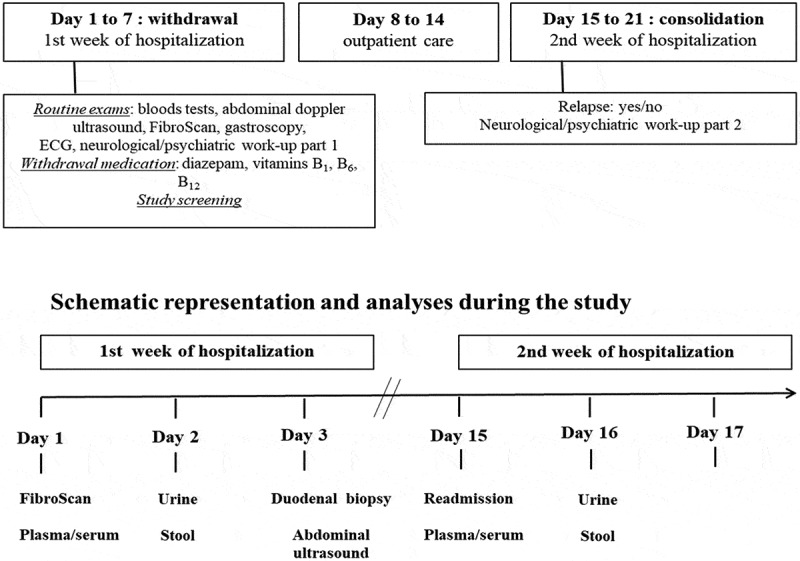
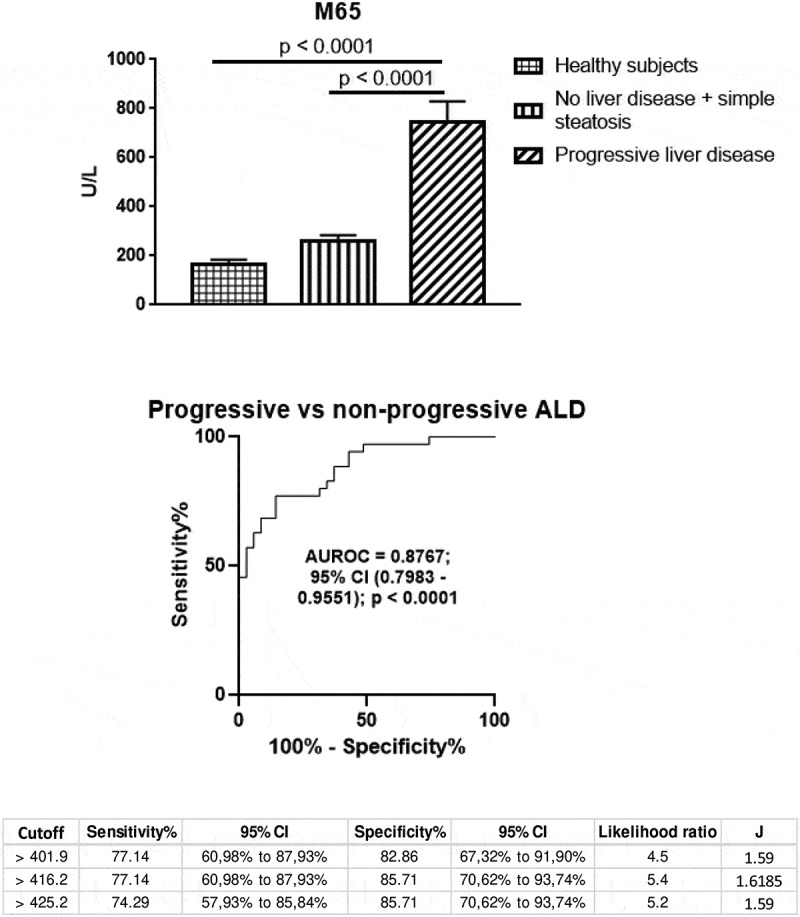
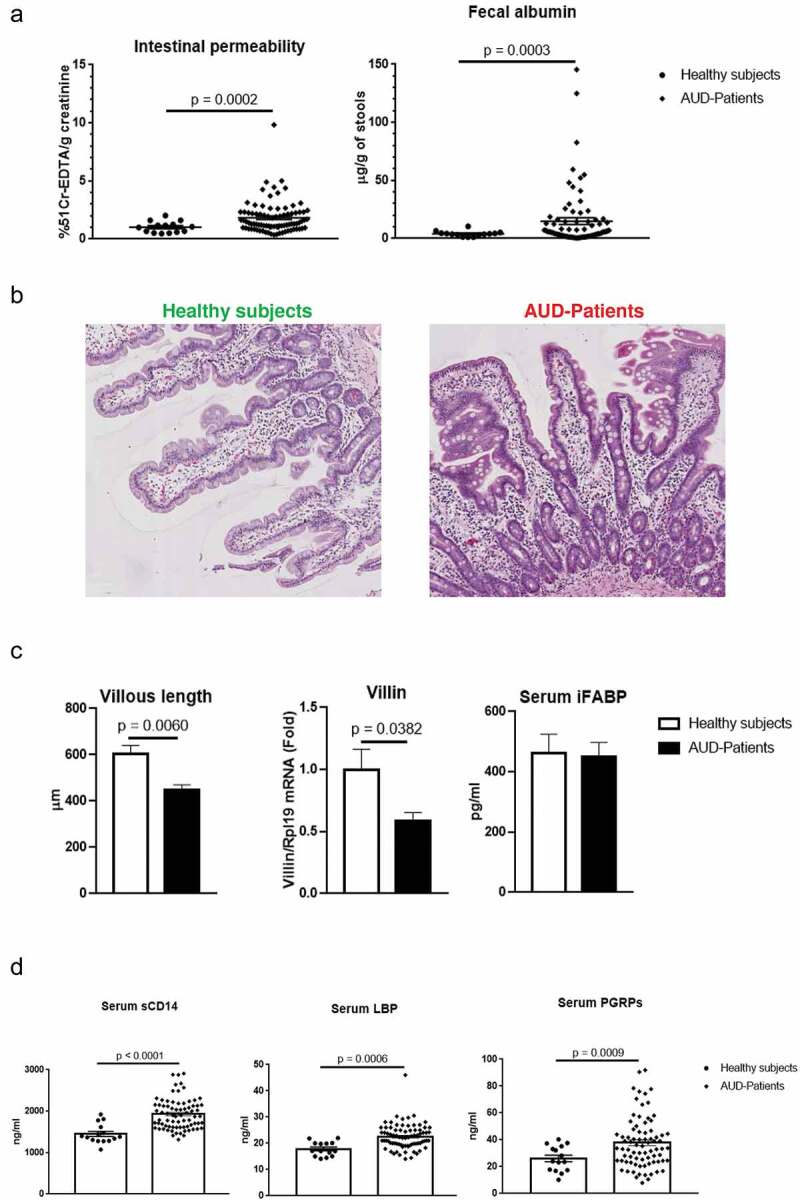
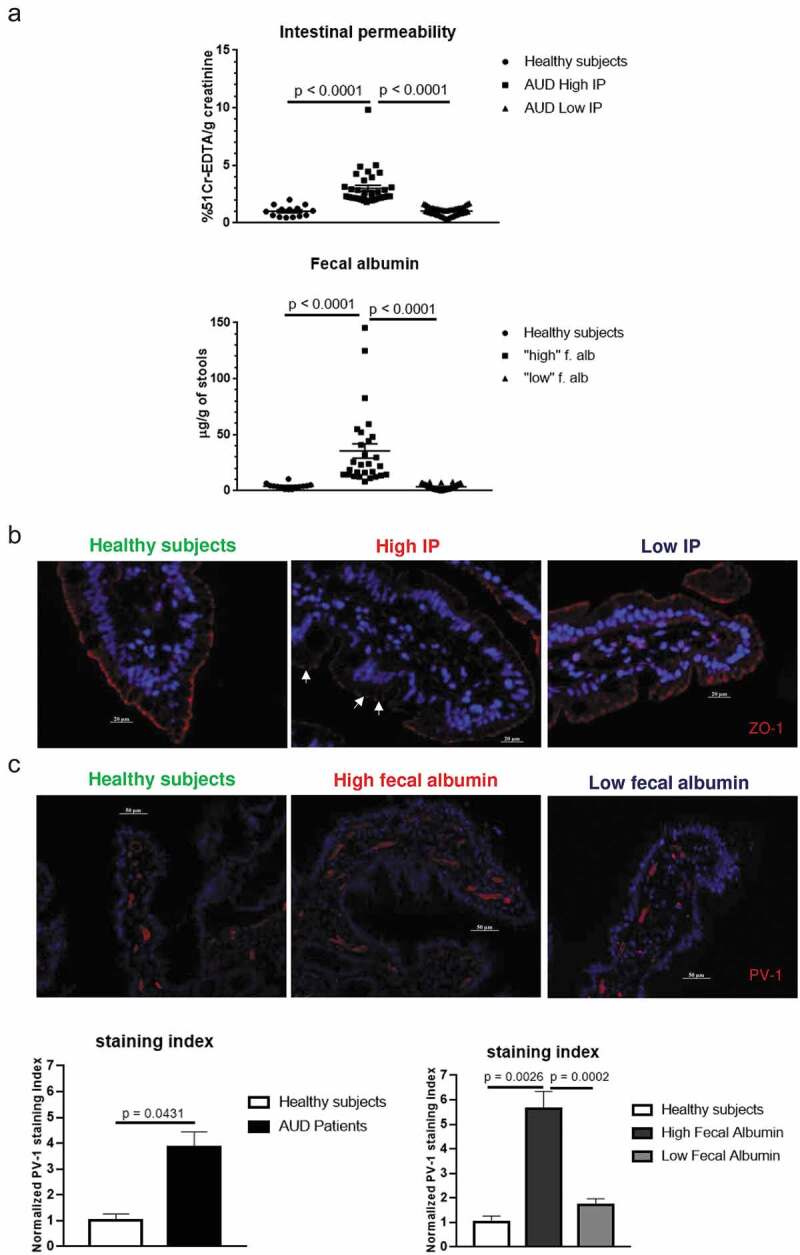
Background Animal data suggest a role of the gut-liver axis in progression of alcoholic liver disease (ALD), but human data are scarce especially for early disease stages.Methods We included patients with alcohol use disorder (AUD) who follow a rehabilitation program and matched healthy controls. We determined intestinal epithelial and vascular permeability (IP) (using urinary excretion of 51Cr-EDTA, fecal albumin content, and immunohistochemistry in distal duodenal biopsies), epithelial damage (histology, serum iFABP, and intestinal gene expression), and microbial translocation (Gram – and Gram + serum markers by ELISA). Duodenal mucosa-associated microbiota and fecal microbiota were analyzed by 16 S rRNA sequencing. ALD was staged by Fibroscan® (liver stiffness, controlled attenuation parameter) in combination with serum AST, ALT, and CK18-M65.Results Only a subset of AUD patients had increased 51Cr-EDTA and fecal albumin together with disrupted tight junctions and vasculature expression of plasmalemma Vesicle-Associated Protein-1. The so-defined increased intestinal permeability was not related to changes of the duodenal microbiota or alterations of the intestinal epithelium but associated with compositional changes of the fecal microbiota. Leaky gut alone did not explain increased microbial translocation in AUD patients. By contrast, duodenal dysbiosis with a dominance shift toward specific potential pathogenic bacteria genera (Streptococcus, Shuttleworthia, Rothia), increased IP and elevated markers of microbial translocation characterized AUD patients with progressive ALD (steato-hepatitis, steato-fibrosis).Conclusion Progressive ALD already at early disease stages is associated with duodenal mucosa-associated dysbiosis and elevated microbial translocation. Surprisingly, such modifications were not linked with increased IP. Rather, increased IP appears related to fecal microbiota dysbiosis.
Overview
The claims and statistics of this paper haven’t been checked yet.
Run the check — free, no account needed. It reads the open-access text and checks the sources it cites.
Integrity signals
Registry
Cites
Statistics
Figures
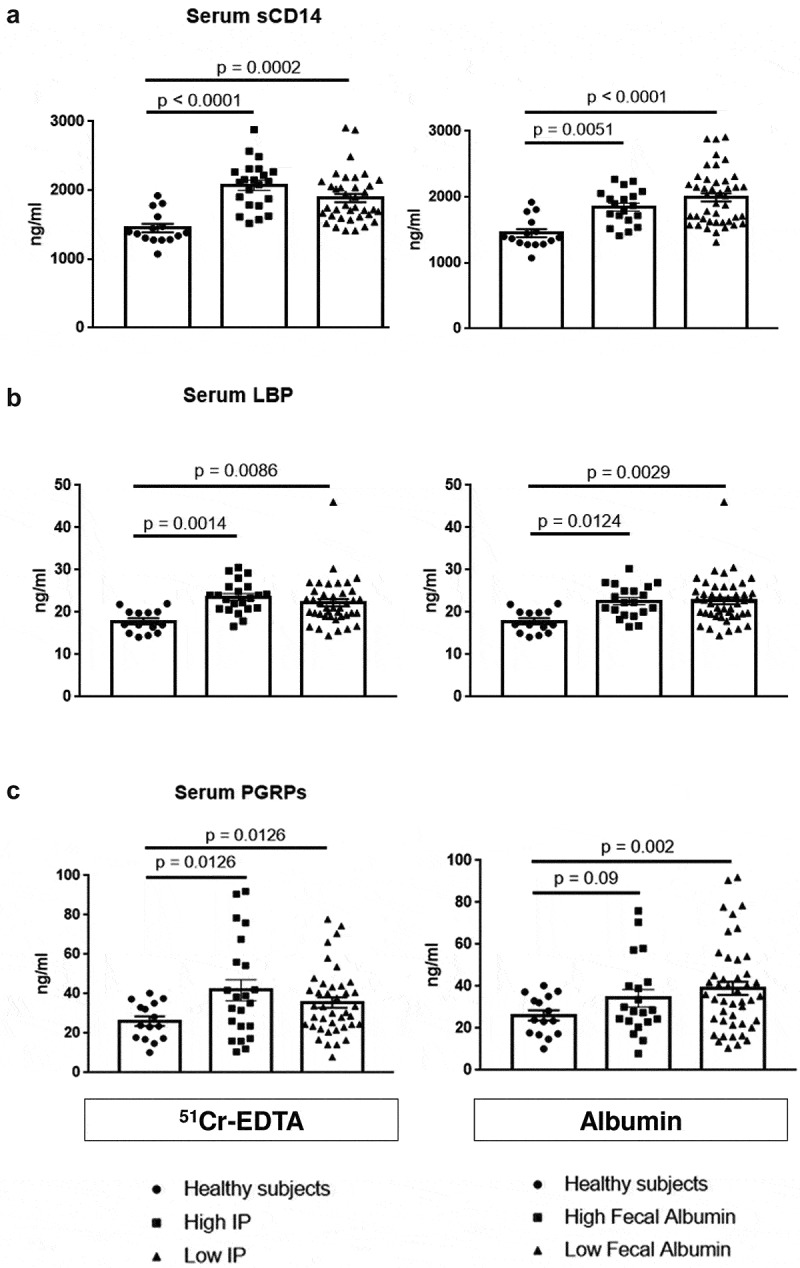
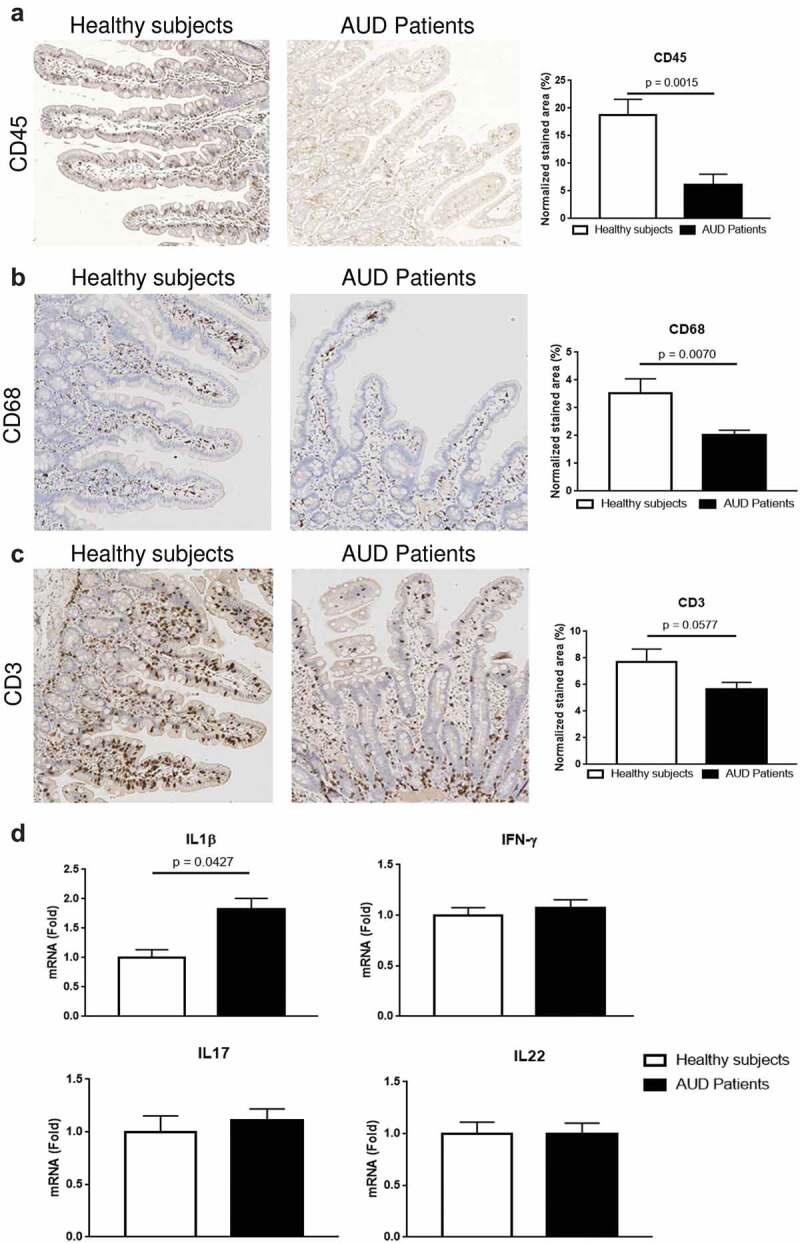
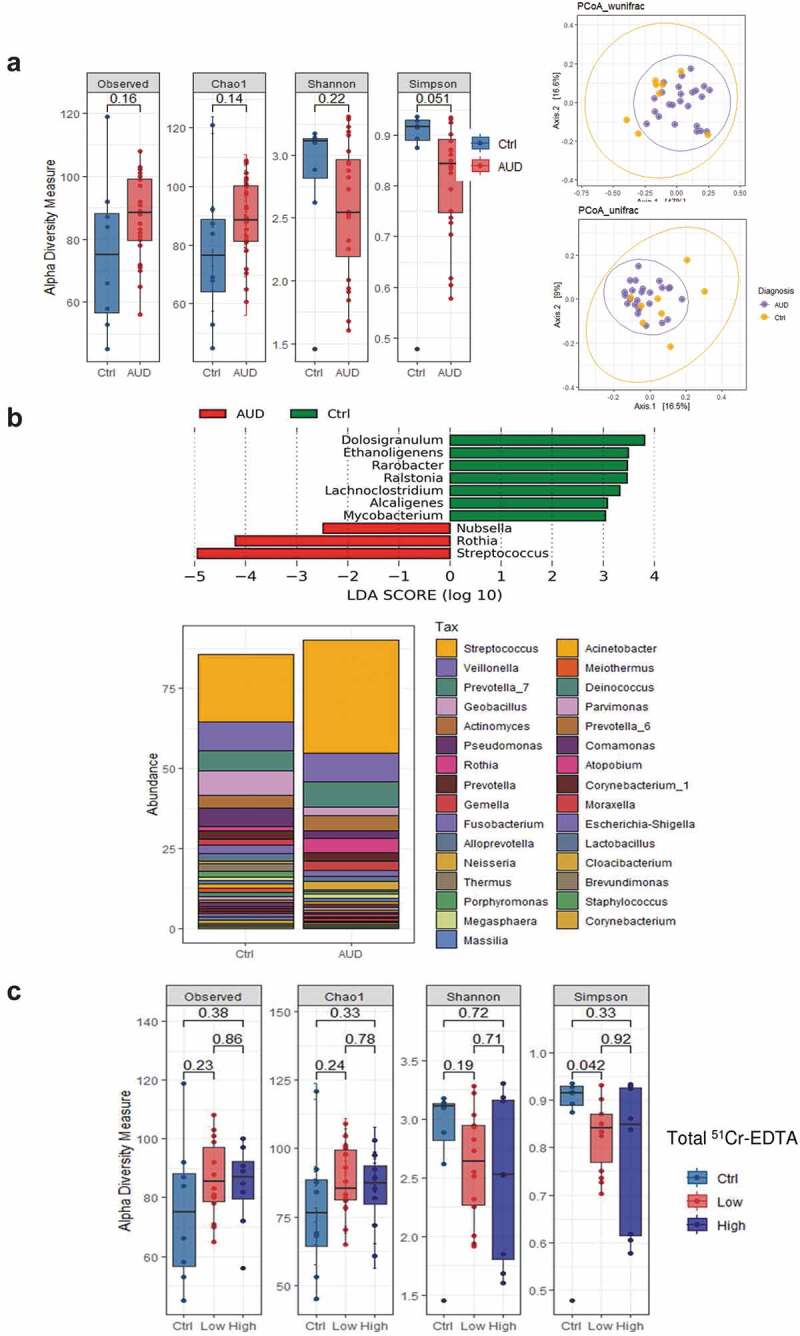
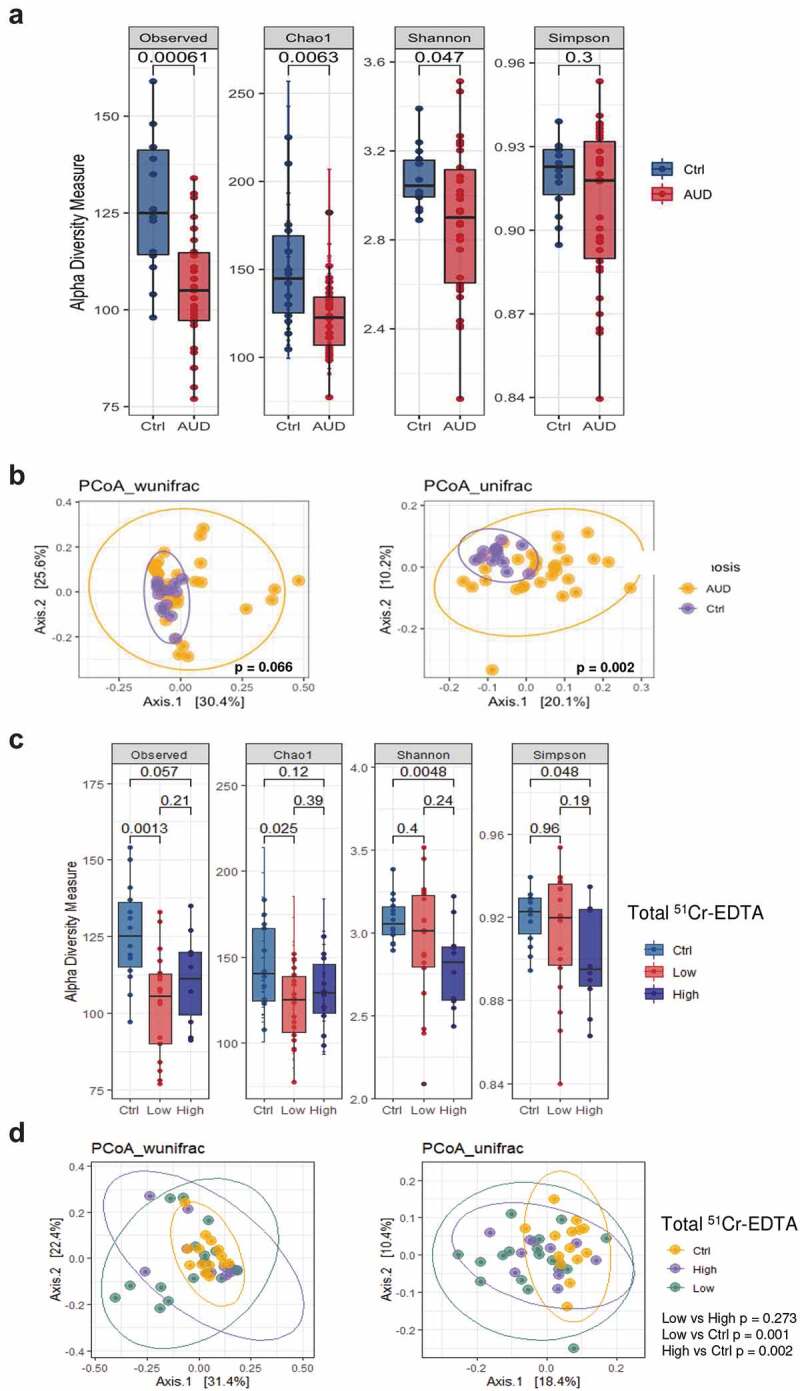
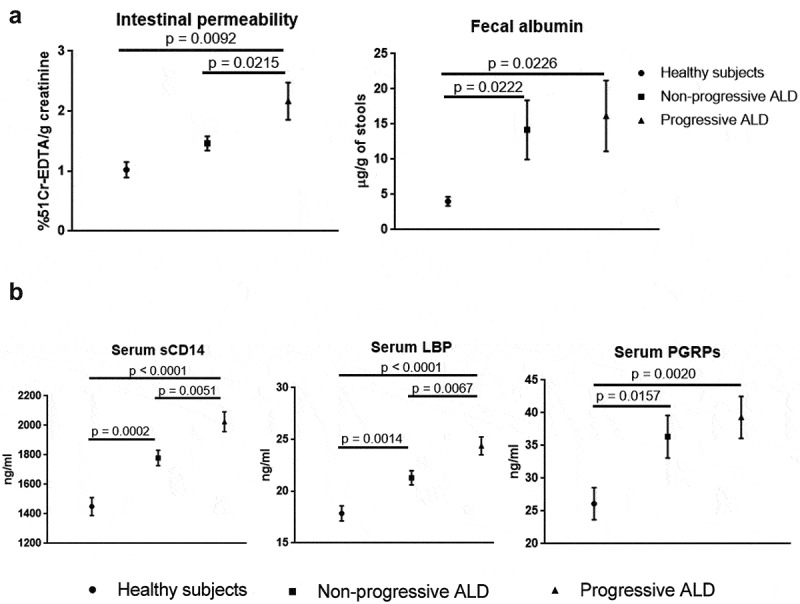
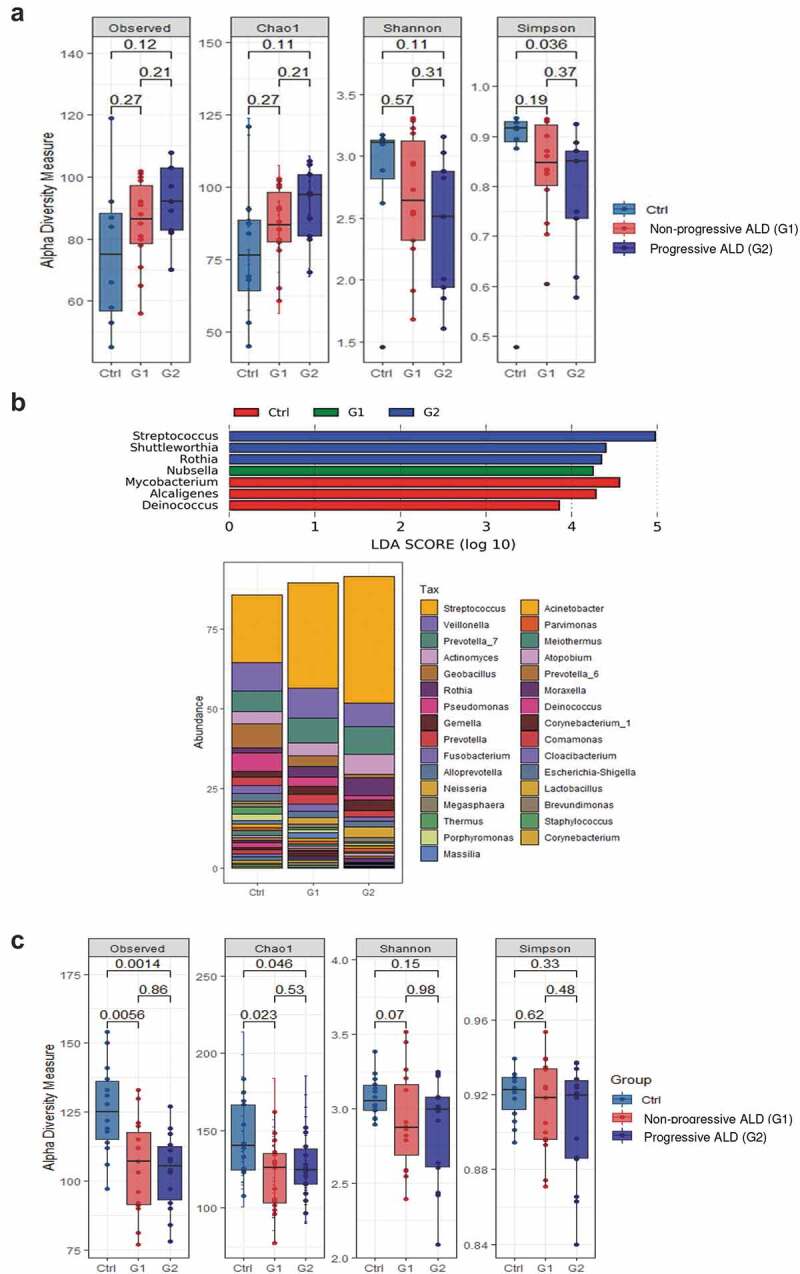
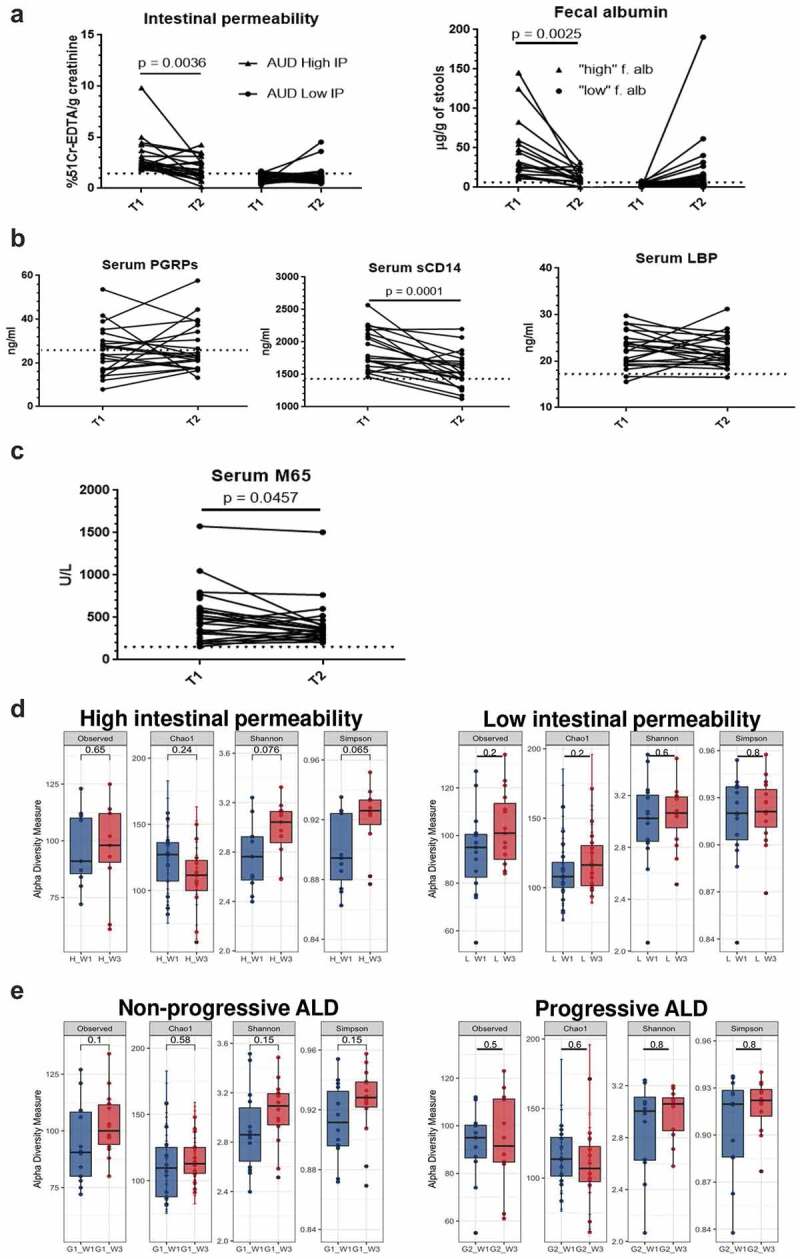
Verification
Claims the paper makes
The claims and statistics of this paper haven’t been checked yet.
Run the check — free, no account needed. It reads the open-access text and checks the sources it cites.
Claims other papers make about this one
Each is checked against this paper’s own text: does it say what the citing paper says it does?
In the citing paper
“Alcoholic liver disease (ALD) is associated with gut microbial dysbiosis,113, 114, 115”
From Regulation of Intestinal Barrier Function by Microbial Metabolites (2021) · cites this paper as [113]
Self-check
Percentages, sums and reported differences re-computed from the paper’s own numbers.
The self-check needs the paper’s full text.
Citations
Cites
phyloseq: An R Package for Reproducible Interactive Analysis and Graphics of Microbiome Census Data
McMurdie, P. J., & Holmes, S. (2013) · PLoS ONE · doi:10.1371/journal.pone.0061217 · Cited by 21,942
Metagenomic biomarker discovery and explanation
Segata, N., Izard, J., Waldron, L., Gevers, D., Miropolsky, L., Garrett, W. S., & Huttenhower, C. (2011) · Genome Biology · doi:10.1186/gb-2011-12-6-r60 · Cited by 16,192
Of Mice and Not Men: Differences between Mouse and Human Immunology
Mestas, J., & Hughes, C. C. W. (2004) · The Journal of Immunology · doi:10.4049/jimmunol.172.5.2731 · Cited by 3,822
Microbial translocation is a cause of systemic immune activation in chronic HIV infection
Brenchley, J. M., Price, D. A., Schacker, T. W., Asher, T. E., Silvestri, G., Rao, S., Kazzaz, Z., Bornstein, E., Lambotte, O., Altmann, D., et al. (2006) · Nature Medicine · doi:10.1038/nm1511 · Cited by 3,559
Alterations of the human gut microbiome in liver cirrhosis
Qin, N., Yang, F., Li, A., Prifti, E., Chen, Y., Shao, L., Guo, J., Le Chatelier, E., Yao, J., Wu, L., et al. (2014) · Nature · doi:10.1038/nature13568 · Cited by 2,177
How informative is the mouse for human gut microbiota research?
Nguyen, T. L. A., Vieira-Silva, S., Liston, A., & Raes, J. (2015) · Disease Models & Mechanisms · doi:10.1242/dmm.017400 · Cited by 1,334
Characterization of fecal microbial communities in patients with liver cirrhosis
Chen, Y., Yang, F., Lu, H., Wang, B., Chen, Y., Lei, D., Wang, Y., Zhu, B., & Li, L. (2011) · Hepatology · doi:10.1002/hep.24423 · Cited by 1,038
Leclercq, S., Matamoros, S., Cani, P. D., Neyrinck, A. M., Jamar, F., Stärkel, P., Windey, K., Tremaroli, V., Bäckhed, F., Verbeke, K., et al. (2014) · Proceedings of the National Academy of Sciences · doi:10.1073/pnas.1415174111 · Cited by 972
Self-citationProton pump inhibitors alter the composition of the gut microbiota
Jackson, M. A., Goodrich, J. K., Maxan, M.-E., Freedberg, D. E., Abrams, J. A., Poole, A. C., Sutter, J. L., Welter, D., Ley, R. E., Bell, J. T., et al. (2016) · Gut · doi:10.1136/gutjnl-2015-310861 · Cited by 895
Bacteriophage targeting of gut bacterium attenuates alcoholic liver disease
Duan, Y., Llorente, C., Lang, S., Brandl, K., Chu, H., Jiang, L., White, R. C., Clarke, T. H., Nguyen, K., Torralba, M., et al. (2019) · Nature · doi:10.1038/s41586-019-1742-x · Cited by 850
Self-citationEnteric dysbiosis associated with a mouse model of alcoholic liver disease
Yan, A. W., Fouts, D. E., Brandl, J., Stärkel, P., Torralba, M., Schott, E., Tsukamoto, H., Nelson, K. E., Brenner, D. A., & Schnabl, B. (2011) · Hepatology · doi:10.1002/hep.24018 · Cited by 791
Self-citationColonic microbiome is altered in alcoholism
Mutlu, E. A., Gillevet, P. M., Rangwala, H., Sikaroodi, M., Naqvi, A., Engen, P. A., Kwasny, M., Lau, C. K., & Keshavarzian, A. (2012) · American Journal of Physiology-Gastrointestinal and Liver Physiology · doi:10.1152/ajpgi.00380.2011 · Cited by 775
A gut-vascular barrier controls the systemic dissemination of bacteria
Spadoni, I., Zagato, E., Bertocchi, A., Paolinelli, R., Hot, E., Sabatino, A. D., Caprioli, F., Bottiglieri, L., Oldani, A., Viale, G., et al. (2015) · Science · doi:10.1126/science.aad0135 · Cited by 710
Antibiotics prevent liver injury in rats following long-term exposure to ethanol
Adachi, Y., Moore, L. E., Bradford, B. U., Gao, W., & Thurman, R. G. (1995) · Gastroenterology · doi:10.1016/0016-5085(95)90027-6 · Cited by 692
Noninvasive biomarkers in NAFLD and NASH — current progress and future promise
Wong, V. W., Adams, L. A., de Lédinghen, V., Wong, G. L., & Sookoian, S. C. (2018) · Nature Reviews Gastroenterology & Hepatology · doi:10.1038/s41575-018-0014-9 · Cited by 617
Intestinal microbiota contributes to individual susceptibility to alcoholic liver disease
Llopis, M., Cassard, A., Wrzosek, L., Boschat, L., Bruneau, A., Ferrere, G., Puchois, V., Martin, J., Lepage, P., Roy, T. L., et al. (2015) · Gut · doi:10.1136/gutjnl-2015-310585 · Cited by 578
Bull–Otterson, L., Feng, W., Kirpich, I., Wang, Y., Qin, X., Liu, Y., Gobejishvili, L., Joshi‐Barve, S., Ayvaz, T., Petrosino, J. F., et al. (2013) · PLoS ONE · doi:10.1371/journal.pone.0053028 · Cited by 553
Moor, A. E., Harnik, Y., Ben-Moshe, S., Massasa, E. E., Rozenberg, M., Eilam, R., Bahar Halpern, K., & Itzkovitz, S. (2018) · Cell · doi:10.1016/j.cell.2018.08.063 · Cited by 480
Intestinal fungi contribute to development of alcoholic liver disease
Yang, A., Inamine, T., Hochrath, K., Chen, P., Wang, L., Llorente, C., Bluemel, S., Hartmann, P., Xu, J., Koyama, Y., et al. (2017) · Journal of Clinical Investigation · doi:10.1172/jci90562 · Cited by 470
Self-citationPeptidoglycan recognition proteins: modulators of the microbiome and inflammation
Royet, J., Gupta, D., & Dziarski, R. (2011) · Nature reviews. Immunology · doi:10.1038/nri3089 · Cited by 388
Wang, L., Fouts, D. E., Stärkel, P., Hartmann, P., Chen, P., Llorente, C., DePew, J., Moncera, K. J., Ho, S. B., Brenner, D. A., et al. (2016) · Cell Host & Microbe · doi:10.1016/j.chom.2016.01.003 · Cited by 387
Self-citationHendrikx, T., Duan, Y., Wang, Y., Oh, J., Alexander, L. M., Huang, W. J. M., Stärkel, P., Ho, S. B., Gao, B., Fiehn, O., et al. (2018) · Gut · doi:10.1136/gutjnl-2018-317232 · Cited by 376
Self-citationSalivary microbiota reflects changes in gut microbiota in cirrhosis with hepatic encephalopathy
Bajaj, J. S., Betrapally, N. S., Hylemon, P. B., Heuman, D. M., Daita, K., White, M. B., Unser, A., Thacker, L. R., Sanyal, A. J., Kang, D. J., et al. (2015) · Hepatology · doi:10.1002/hep.27819 · Cited by 325
Chen, P., Torralba, M., Tan, J., Embree, M., Zengler, K., Stärkel, P., van Pijkeren, J.-P., DePew, J., Loomba, R., Ho, S. B., et al. (2015) · Gastroenterology · doi:10.1053/j.gastro.2014.09.014 · Cited by 322
Self-citationChen, P., Stärkel, P., Turner, J. R., Ho, S. B., & Schnabl, B. (2015) · Hepatology · doi:10.1002/hep.27489 · Cited by 312
Self-citationLeclercq, S., Cani, P. D., Neyrinck, A. M., Stärkel, P., Jamar, F., Mikolajczak, M., Delzenne, N. M., & de Timary, P. (2012) · Brain, Behavior, and Immunity · doi:10.1016/j.bbi.2012.04.001 · Cited by 310
Self-citationAlcoholic Liver Disease: The Gut Microbiome and Liver Cross Talk
Hartmann, P., Seebauer, C. T., & Schnabl, B. (2015) · Alcoholism Clinical and Experimental Research · doi:10.1111/acer.12704 · Cited by 285
Self-citationMicrobial sensing by goblet cells controls immune surveillance of luminal antigens in the colon
Knoop, K. A., McDonald, K. G., McCrate, S., Mcdole, J. R., & Newberry, R. D. (2014) · Mucosal Immunology · doi:10.1038/mi.2014.58 · Cited by 276
Microbiota, cirrhosis, and the emerging oral-gut-liver axis
Acharya, C., Sahingur, S. E., & Bajaj, J. S. (2017) · JCI Insight · doi:10.1172/jci.insight.94416 · Cited by 260
Methods to determine intestinal permeability and bacterial translocation during liver disease
Wang, L., Llorente, C., Hartmann, P., Yang, A.-M., Chen, P., & Schnabl, B. (2015) · Journal of Immunological Methods · doi:10.1016/j.jim.2014.12.015 · Cited by 257
Self-citationLlorente, C., Jepsen, P., Inamine, T., Wang, L., Bluemel, S., Wang, H. J., Loomba, R., Bajaj, J. S., Schubert, M. L., Sikaroodi, M., et al. (2017) · Nature Communications · doi:10.1038/s41467-017-00796-x · Cited by 257
Self-citationDeficiency of intestinal mucin-2 ameliorates experimental alcoholic liver disease in mice
Hartmann, P., Chen, P., Wang, H. J., Wang, L., McCole, D. F., Brandl, K., Stärkel, P., Belzer, C., Hellerbrand, C., Tsukamoto, H., et al. (2013) · Hepatology · doi:10.1002/hep.26321 · Cited by 246
Self-citationGut permeability and mucosal inflammation: bad, good or context dependent
Ahmad, R., Sorrell, M. F., Batra, S. K., Dhawan, P., & Singh, A. B. (2017) · Mucosal Immunology · doi:10.1038/mi.2016.128 · Cited by 243
Hammer, J. H., Parent, M. C., & Spiker, D. A. (2018) · Journal of Counseling Psychology · doi:10.1037/cou0000248 · Cited by 207
M Cells: Intelligent Engineering of Mucosal Immune Surveillance
Dillon, A., & Lo, D. D. (2019) · Frontiers in Immunology · doi:10.3389/fimmu.2019.01499 · Cited by 194
Gut dysbiosis in acute‐on‐chronic liver failure and its predictive value for mortality
Chen, Y., Guo, J., Qian, G., Fang, D., Shi, D., Guo, L., & Li, L. (2015) · Journal of Gastroenterology and Hepatology · doi:10.1111/jgh.12932 · Cited by 168
Animal models in alcohol research.
Tabakoff, B., & Hoffman, P. L. (2000) · PubMed · Cited by 135
Stehle, J. R., Leng, X., Kitzman, D. W., Nicklas, B. J., Kritchevsky, S. B., & High, K. P. (2012) · The Journals of Gerontology Series A · doi:10.1093/gerona/gls178 · Cited by 134
Enomoto, N., Yamashina, S., Kono, H., Schemmer, P., Rivera, C. A., Enomoto, A., Nishiura, T., Nishimura, T., Brenner, D. A., & Thurman, R. G. (1999) · Hepatology · doi:10.1002/hep.510290633 · Cited by 132
Keratins: Biomarkers and modulators of apoptotic and necrotic cell death in the liver
Ku, N., Strnad, P., Bantel, H., & Omary, M. B. (2016) · Hepatology · doi:10.1002/hep.28493 · Cited by 130
He, L., Deng, L.-F., Zhang, Q., Guo, J., Zhou, J., Wen-jian, S., & Yuan, F. (2017) · BioMed Research International · doi:10.1155/2017/9729107 · Cited by 130
Stärkel, P., Leclercq, S., de Timary, P., & Schnabl, B. (2018) · Clinical Science · doi:10.1042/cs20171055 · Cited by 127
Self-citationAddolorato, G., Ponziani, F. R., Dionisi, T., Mosoni, C., Vassallo, G. A., Sestito, L., Petito, V., Picca, A., Marzetti, E., Tarli, C., et al. (2020) · Liver International · doi:10.1111/liv.14383 · Cited by 125
Zamakhchari, M., Wei, G., Dewhirst, F. E., Lee, J., Schuppan, D., Oppenheim, F. G., & Helmerhorst, E. J. (2011) · PLoS ONE · doi:10.1371/journal.pone.0024455 · Cited by 121
Animal Models of Alcoholic Liver Disease: Pathogenesis and Clinical Relevance
Gao, B., Xu, M.-J., Bertola, A., Wang, H., Zhou, Z., & Liangpunsakul, S. (2017) · Gene Expression · doi:10.3727/105221617x695519 · Cited by 116
Self-citationEffect of daily ethanol ingestion on intestinal permeability to macromolecules
Worthington, B. S., Meserole, L., & Syrotuck, J. A. (1978) · Digestive Diseases and Sciences · doi:10.1007/bf01072571 · Cited by 105
Effect of alcohol on the integrity of the intestinal epithelium.
Draper, L. R., Gyure, L. A., Hall, J. G., & Robertson, D. (1983) · Gut · doi:10.1136/gut.24.5.399 · Cited by 92
Increased Serum Concentration of Soluble CD14 Is a Prognostic Marker in Gram-Positive Sepsis
Burgmann, H., Winkler, S., Locker, G. J., Presterl, E., Laczika, K. F., Staudinger, T., Knapp, S., Thalhammer, F., Wenisch, C., Zedtwitz‐Liebenstein, K., et al. (1996) · Clinical Immunology and Immunopathology · doi:10.1006/clin.1996.0128 · Cited by 78
Mueller, S., Nahon, P., Rausch, V., Peccerella, T., da Silva, I. P., Yagmur, E., Straub, B. K., Lackner, C., Seitz, H. K., Rufat, P., et al. (2017) · Hepatology · doi:10.1002/hep.29099 · Cited by 77
Shuttleworthia satelles gen. nov., sp. nov., isolated from the human oral cavity.
Downes, J., Munson, M. A., Radford, D. R., Spratt, D. A., & Wade, W. G. (2002) · INTERNATIONAL JOURNAL OF SYSTEMATIC AND EVOLUTIONARY MICROBIOLOGY · doi:10.1099/00207713-52-5-1469 · Cited by 75
Risk of Cirrhosis and Hepatocellular Cancer in Patients With NAFLD and Normal Liver Enzymes
Natarajan, Y., Kramer, J. R., Yu, X., Li, L., Thrift, A. P., El‐Serag, H. B., & Kanwal, F. (2020) · Hepatology · doi:10.1002/hep.31157 · Cited by 74
Serum and Fecal Oxylipins in Patients with Alcohol-Related Liver Disease
Gao, B., Lang, S., Duan, Y., Wang, Y., Shawcross, D. L., Louvet, A., Mathurin, P., Ho, S. B., Stärkel, P., & Schnabl, B. (2019) · Digestive Diseases and Sciences · doi:10.1007/s10620-019-05638-y · Cited by 43
Self-citationMorbidity and mortality attributable to Rothia bacteremia in neutropenic and nonneutropenic patients
Abidi, M. Z., Ledeboer, N., Banerjee, A., & Hari, P. (2016) · Diagnostic Microbiology and Infectious Disease · doi:10.1016/j.diagmicrobio.2016.01.005 · Cited by 36
Murine Models of Acute Alcoholic Hepatitis and Their Relevance to Human Disease
Wilkin, R. J. W., Lalor, P. F., Parker, R., & Newsome, P. N. (2016) · The American Journal of Pathology · doi:10.1016/j.ajpath.2015.12.003 · Cited by 36
Kunisawa, J., & Kiyono, H. (2012) · Frontiers in Immunology · doi:10.3389/fimmu.2012.00065 · Cited by 35
Darweesh, S. K., Abdelaziz, R., Abdelfatah, D., AbdElazim, N. A., Fathi, S. A., Attia, D. I., & AbdAllah, M. (2019) · European Journal of Gastroenterology & Hepatology · doi:10.1097/meg.0000000000001385 · Cited by 34
NFκB, cytokines, TLR 3 and 7 expression in human end‐stage HCV and alcoholic liver disease
Stärkel, P., Saeger, C. D., Strain, A. J., Leclercq, I. A., & Horsmans, Y. (2010) · European Journal of Clinical Investigation · doi:10.1111/j.1365-2362.2010.02295.x · Cited by 29
Self-citationKorpelainen, S., Intke, C., Hämäläinen, S., Jantunen, E., Juutilainen, A., & Pulkki, K. (2017) · Disease Markers · doi:10.1155/2017/9805609 · Cited by 21
Research works printed but not linked: 2
- Tabakoff B, 2000, Alcohol Res Heal, 24, 77
- 10.1016/j.cld.2012.08.002.ALCOHOL · DOI
Cited by
Sorted by citations
Regulation of Intestinal Barrier Function by Microbial Metabolites
Ghosh, S., Whitley, C. S., Haribabu, B., & Jala, V. R. (2021) · Cellular and Molecular Gastroenterology and Hepatology · doi:10.1016/j.jcmgh.2021.02.007 · Cited by 835
Intestinal Barrier in Human Health and Disease
Tommaso, N. D., Gasbarrini, A., & Ponziani, F. R. (2021) · International Journal of Environmental Research and Public Health · doi:10.3390/ijerph182312836 · Cited by 577
“Recently, OCA has been shown to restore GVB integrity and reduce bacterial translocation in experimental models [223,224].”
BackgroundInfluentialGut–liver axis: barriers and functional circuits
Pabst, O., Hornef, M. W., Schaap, F. G., Cerovic, V., Clavel, T., & Bruns, T. (2023) · Nature Reviews Gastroenterology & Hepatology · doi:10.1038/s41575-023-00771-6 · Cited by 488
“Parallel to the decrease in gut microbial diversity, mucosal barrier failure and GVB breakdown occur early in MAFLD and ALD and worsen as disease progresses to cirrhosis 56,107,108 (Fig.”
BackgroundImmunological mechanisms and therapeutic targets of fatty liver diseases
Wang, H., Mehal, W. Z., Nagy, L. E., & Rotman, Y. (2020) · Cellular and Molecular Immunology · doi:10.1038/s41423-020-00579-3 · Cited by 234
The Role of Intestinal Permeability in Gastrointestinal Disorders and Current Methods of Evaluation
Vanuytsel, T., Tack, J. F., & Farré, R. (2021) · Frontiers in Nutrition · doi:10.3389/fnut.2021.717925 · Cited by 242
“A similar correlation between intestinal barrier function and fecal microbial alterations has also been shown in alcohol-dependent patients (149, 164).”
Background
Metadata
- Authors
- Maccioni, L., Gao, B., Leclercq, S., Pirlot, B., Horsmans, Y., De Timary, P., Leclercq, I., Fouts, D., Schnabl, B., & Stärkel, P.
- Affiliations
- UCLouvain (BE)
- University of California San Diego (US)
- Cliniques Universitaires Saint-Luc (BE)
- Department of Adult Psychiatry, Cliniques Universitaires Saint-Luc, Brussels, Belgium
- J. Craig Venter Institute (US)
- Corresponding author
- Stärkel, Peter
- ORCID
- Venue
- Gut Microbes
- Publisher
- Informa UK Limited
- Published
- 2020-06-26
- Volume
- 12
- Issue
- 1
- Pages
- 1782157
- ISSN
- 1949-0976 (ISSN-L)
- 1949-0984
- PMC
- PMC7524402
- OpenAlex
- W3037663071
- Cited by
- 174
- References
- 58
- Citations by year
- 2026: 25 · 2025: 33 · 2024: 31 · 2023: 29 · 2022: 27 · 2021: 22 · 2020: 7
- FWCI
- 6.86
- Type
- journal article
- Language
- en
- Open access
- gold
- doi.org
- Licence
- Locations
- Gut Microbes (publishedVersion, cc-by-nc-nd)
- PubMed Central (publishedVersion, cc-by-nc-nd)
- PubMed (publishedVersion)
- Digital Access to Libraries (Université catholique de Louvain (UCL), l'Université de Namur (UNamur) and the Université Saint-Louis (USL-B)) (submittedVersion)
- Digital Access to Libraries (Université catholique de Louvain (UCL), l'Université de Namur (UNamur) and the Université Saint-Louis (USL-B)) (submittedVersion, other-oa)
- DOAJ (DOAJ: Directory of Open Access Journals) (submittedVersion, cc-by-sa)
- Funders
- Fonds De La Recherche Scientifique - FNRS (J.0146.17, T.0217.18)
- National Institutes of Health (U01 AA026939, R01 AA24726)
- Université Catholique de Louvain (ARC 2018)
- Topics
- Life Sciences › Biochemistry, Genetics and Molecular Biology › Molecular Biology › Gut microbiota and health
- Health Sciences › Medicine › Pathology and Forensic Medicine › Alcohol Consumption and Health Effects
- Health Sciences › Medicine › Gastroenterology › Gastrointestinal motility and disorders
- Keywords
- alcoholic liver disease, alcoholism, intestinal permeability, leaky gut, microbial translocation, gut-liver axis, duodenal microbiota, duodenal mucosa, tight junctions, intestinal epithelial damage, Streptococcus, Shuttleworthia, Rothia, liver fibrosis, steatohepatitis
- MeSH terms
- Gastrointestinal Microbiome, Adult, Alcoholism, Bacteria, Capillary Permeability, Duodenum, Feces, Female, Humans, Intestinal Mucosa, Liver, Liver Diseases, Alcoholic, Male, Middle Aged, RNA, Ribosomal, 16S, Dysbiosis
About these checks
Registry, retraction, Cites and statistics results are computed, not judged, with one exception: a printed reference that no index lists is read once by a model before it counts as a citation error. Claims are extracted by a model and kept only when their quote appears verbatim in the text; each cited source is then checked, with a model’s help, for whether it says what the claim relies on. Those verdicts can be wrong — read the claim’s quote and the cited source before relying on one.
Statistics and arithmetic are recomputed, not judged.
Confidence bands are shown only for fields calibrated on our annotated test set. None is calibrated yet, so no band is shown.
What counts as a claim ›How we measure confidence ›How we check this ›
Are you an author, or do you see a problem with this page? Request a review
