

VDAC-dependent permeabilization of the outer mitochondrial membrane by superoxide induces rapid and massive cytochrome c release
Open accessThe DOI matches its Crossref record; 69 of the 69 references it cites were found in a registry or an index.
Abstract
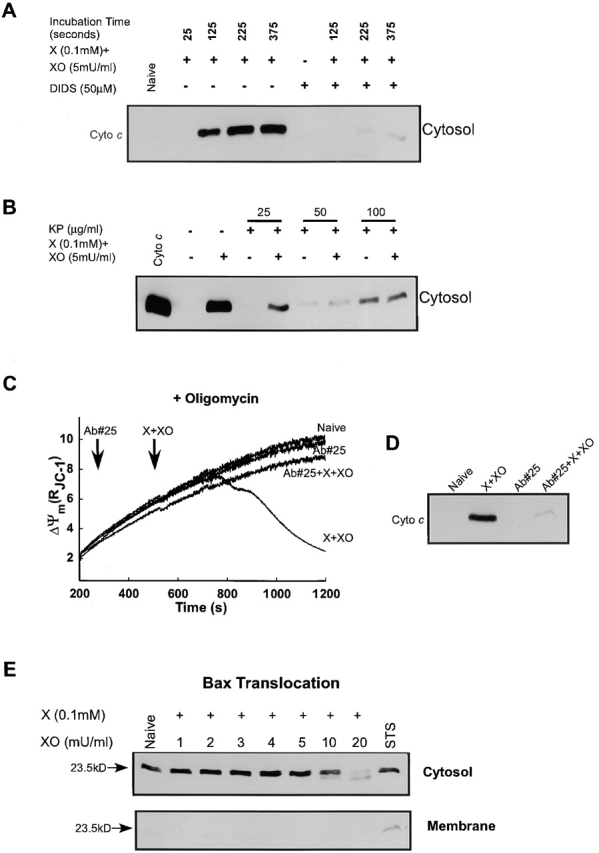
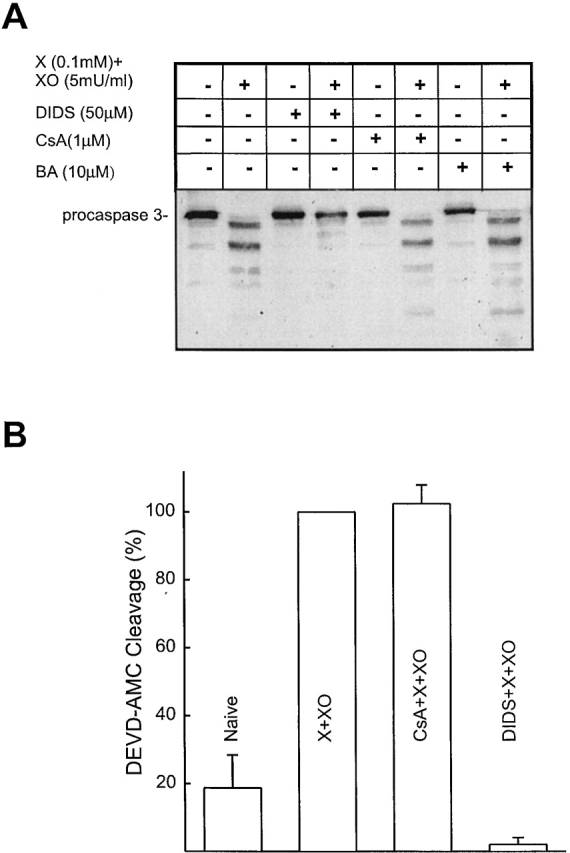
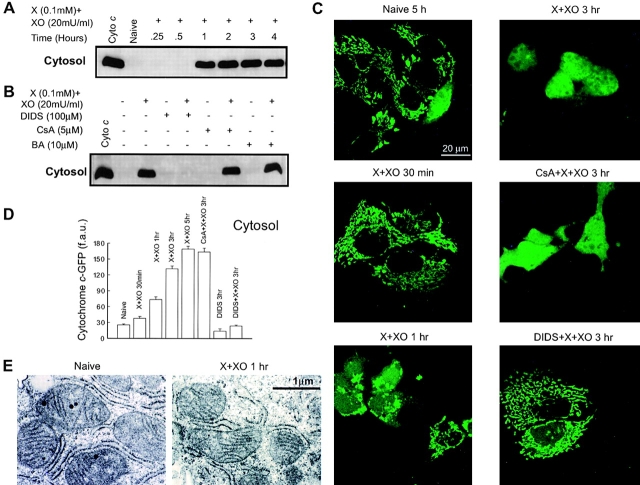
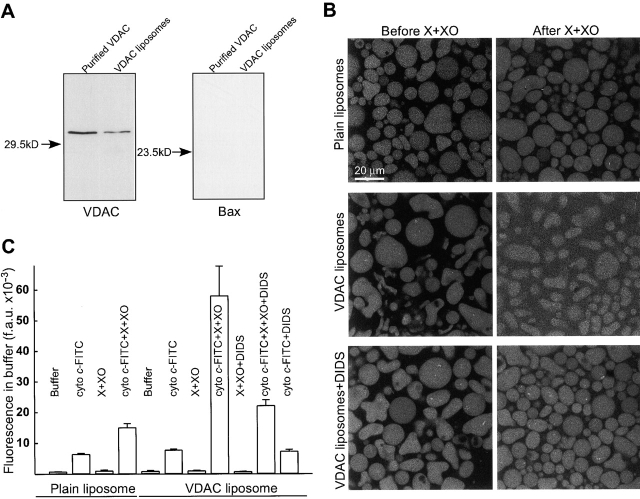
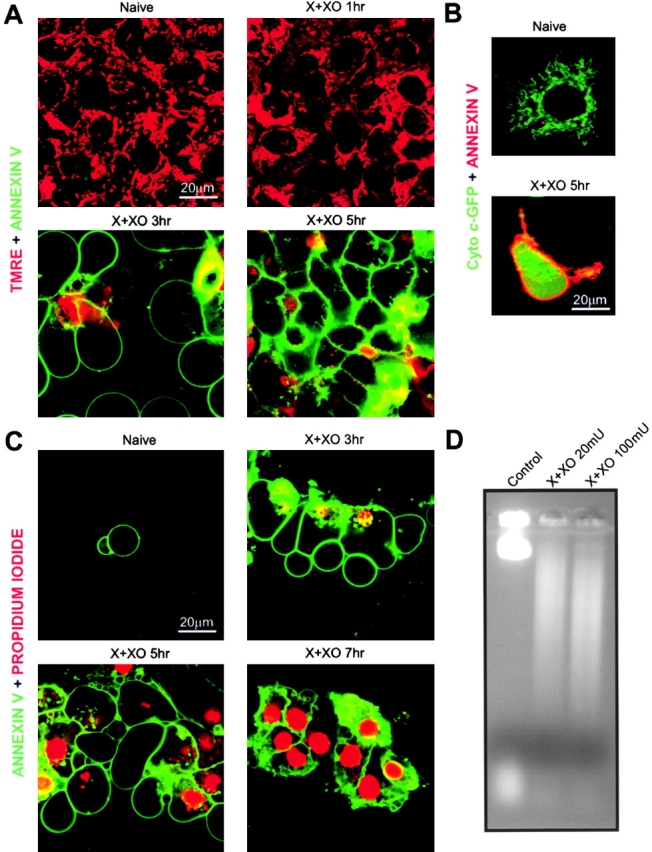
Enhanced formation of reactive oxygen species (ROS), superoxide (O2·−), and hydrogen peroxide (H2O2) may result in either apoptosis or other forms of cell death. Here, we studied the mechanisms underlying activation of the apoptotic machinery by ROS. Exposure of permeabilized HepG2 cells to O2·− elicited rapid and massive cytochrome c release (CCR), whereas H2O2 failed to induce any release. Both O2·− and H2O2 promoted activation of the mitochondrial permeability transition pore by Ca2+, but Ca2+-dependent pore opening was not required for O2·−-induced CCR. Furthermore, O2·− alone evoked CCR without damage of the inner mitochondrial membrane barrier, as mitochondrial membrane potential was sustained in the presence of extramitochondrial ATP. Strikingly, pretreatment of the cells with drugs or an antibody, which block the voltage-dependent anion channel (VDAC), prevented O2·−-induced CCR. Furthermore, VDAC-reconstituted liposomes permeated cytochrome c after O2·− exposure, and this release was prevented by VDAC blocker. The proapoptotic protein, Bak, was not detected in HepG2 cells and O2·−-induced CCR did not depend on Bax translocation to mitochondria. O2·−-induced CCR was followed by caspase activation and execution of apoptosis. Thus, O2·− triggers apoptosis via VDAC-dependent permeabilization of the mitochondrial outer membrane without apparent contribution of proapoptotic Bcl-2 family proteins.
Overview
The claims and statistics of this paper haven’t been checked yet.
Free: it reads the open-access text and checks the first 5 claims that cite a source we can check. Create a free account to check every claim.
Integrity signals
Registry
Cites
Statistics
Figures
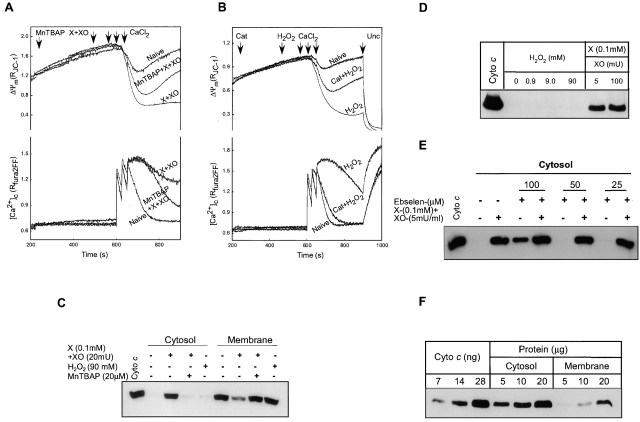
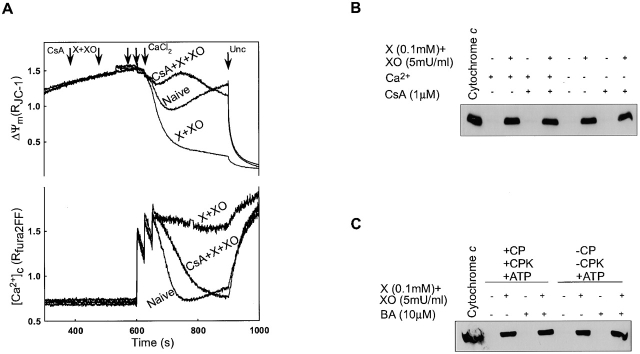
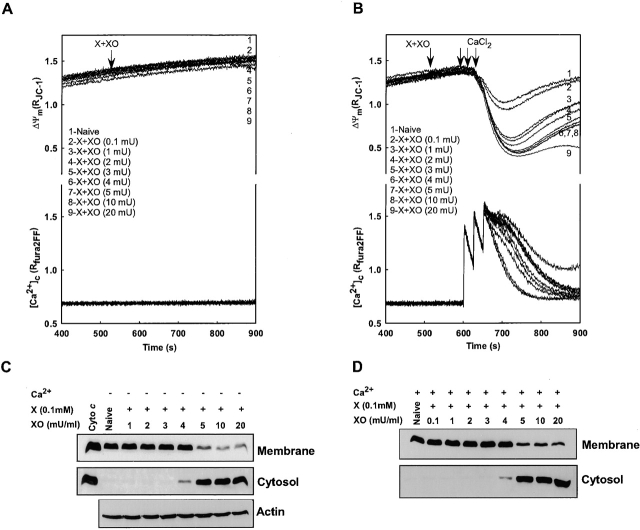
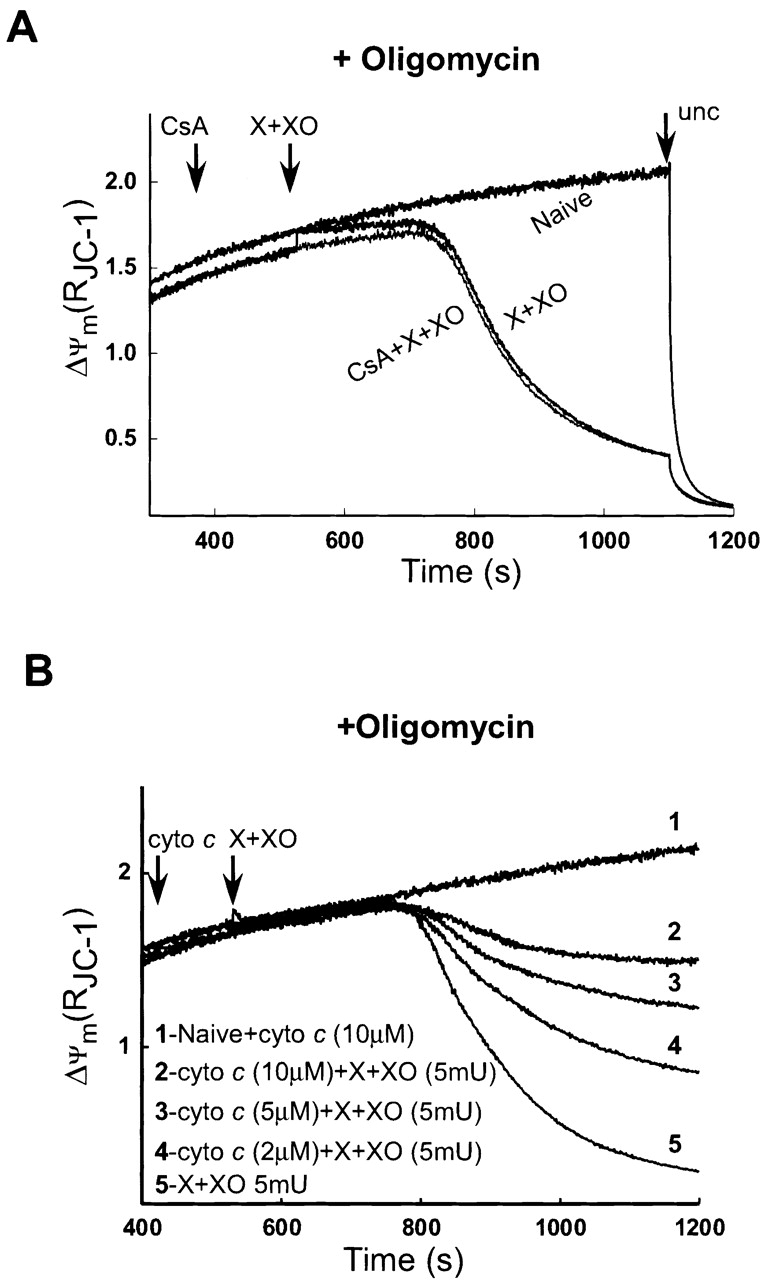
Verification
Claims the paper makes
The claims and statistics of this paper haven’t been checked yet.
Free: it reads the open-access text and checks the first 5 claims that cite a source we can check. Create a free account to check every claim.
Claims other papers make about this one
Each is checked against this paper’s own text: does it say what the citing paper says it does?
The source backs part of the claim, not all of it — or backs it for a different population, condition or comparison.
In the citing paper
“In fact, ROS induce the three major components critical for the opening of the PTPs, the voltage-dependent anion-selective channel (VDAC), adenine nucleotide translocase (ANT) and cyclophilin D, via the oxidation of specific cysteines in their active sites81,82.”
From ROS in cancer therapy: the bright side of the moon (2020) · cites this paper as [81]
Experimental — accuracy not yet measured
Self-check
Percentages, sums and reported differences re-computed from the paper’s own numbers.
The self-check needs the paper’s full text.
Citations
Cites
Green, D. R., & Reed, J. C. (1998) · Science · doi:10.1126/science.281.5381.1309 · Cited by 8,965
Li, P., Nijhawan, D., Budihardjo, I., Srinivasula, S. M., Ahmad, M., Alnemri, E. S., & Wang, X. (1997) · Cell · doi:10.1016/s0092-8674(00)80434-1 · Cited by 7,289 · cited 2×
“Activated caspase-9 O2 and VDAC-dependent cytochrome c release | Madesh and Hajnóczky 1013 can process inactive procaspase-3 into active caspase-3 and thereby triggers intracellular disintegration (Li et al., 1997).”
BackgroundThe Bcl-2 Protein Family: Arbiters of Cell Survival
Adams, J. M., & Cory, S. (1998) · Science · doi:10.1126/science.281.5381.1322 · Cited by 5,332 · cited 2×
“The Rockefeller University Press, 0021-9525/2001/12/1003/13 $5.00 The Journal of Cell Biology, Volume 155, Number 6, December 10, 2001 1003–1015 http://www.jcb.org/cgi/doi/10.1083/jcb.200105057 JCB Article 1003”
BackgroundInfluentialInduction of Apoptotic Program in Cell-Free Extracts: Requirement for dATP and Cytochrome c
Liu, X., Kim, C. N., Yang, J., Jemmerson, R., & Wang, X. (1996) · Cell · doi:10.1016/s0092-8674(00)80085-9 · Cited by 5,167 · cited 4×
“several apoptotic inducing factors, such as cytochrome c (cyto c ), Smac/DIABLO, apoptosis-inducing factor (AIF), and caspases from the intermembrane space into the cytosolic environment in response to a variety of apoptotic stimuli ( Liu et al., 1996; Adams and Cory, 1998; Green and Reed, 1998; Krajewski et al., 1999…”
BackgroundInfluentialMolecular characterization of mitochondrial apoptosis-inducing factor
Susin, S. A., Lorenzo, H. K., Zamzami, N., Marzo, I., Snow, B. E., Brothers, G. M., Mangion, J., Jacotot, E., Costantini, P., Loeffler, M., et al. (1999) · Nature · doi:10.1038/17135 · Cited by 4,060 · cited 2×
“The Rockefeller University Press, 0021-9525/2001/12/1003/13 $5.00 The Journal of Cell Biology, Volume 155, Number 6, December 10, 2001 1003–1015 http://www.jcb.org/cgi/doi/10.1083/jcb.200105057 JCB Article 1003”
BackgroundInfluentialProapoptotic BAX and BAK: A Requisite Gateway to Mitochondrial Dysfunction and Death
Wei, M. C., Zong, W.-X., Cheng, E. H.-Y., Lindsten, T., Panoutsakopoulou, V., Ross, A. J., Roth, K. A., MacGregor, G. R., Thompson, C. B., & Korsmeyer, S. J. (2001) · Science · doi:10.1126/science.1059108 · Cited by 3,988 · cited 1×
“Another proapoptotic Bcl-2 family protein, Bak, may substitute for Bax in the CCR (Wei et al., 2001).”
BackgroundDu, C., Fang, M., Li, Y., Li, L., & Wang, X. (2000) · Cell · doi:10.1016/s0092-8674(00)00008-8 · Cited by 3,513 · cited 2×
“several apoptotic inducing factors, such as cytochrome c (cyto c ), Smac/DIABLO, apoptosis-inducing factor (AIF), and caspases from the intermembrane space into the cytosolic environment in response to a variety of apoptotic stimuli (Liu et al., 1996; Adams and Cory, 1998; Green and Reed, 1998; Krajewski et al., 1999;…”
BackgroundBcl-2 functions in an antioxidant pathway to prevent apoptosis
Hockenbery, D. M., Oltvai, Z. N., Yin, X.-M., Milliman, C. L., & Korsmeyer, S. J. (1993) · Cell · doi:10.1016/0092-8674(93)80066-n · Cited by 3,419 · cited 3×
“The Rockefeller University Press, 0021-9525/2001/12/1003/13 $5.00 The Journal of Cell Biology, Volume 155, Number 6, December 10, 2001 1003–1015 http://www.jcb.org/cgi/doi/10.1083/jcb.200105057 JCB Article 1003”
BackgroundInfluentialZou, H., Henzel, W. J., Liu, X., Lutschg, A., & Wang, X. (1997) · Cell · doi:10.1016/s0092-8674(00)80501-2 · Cited by 3,145 · cited 1×
“In the cytosol, released cyto c can bind to Apaf-1 and upstream caspases to form a complex, where they are cleaved into their active forms (Zou et al., 1997).”
BackgroundMitochondrial control of cell death
Kroemer, G., & Reed, J. C. (2000) · Nature Medicine · doi:10.1038/74994 · Cited by 3,103 · cited 1×
“Recently, several models have been proposed to elucidate how cyto c and other apoptotic factors are released from mitochondria during apoptosis (for reviews see Green and Reed, 1998; Desagher and Martinou, 2000; Harris and Thompson, 2000; Korsmeyer et al., 2000; Kroemer and Reed, 2000).”
BackgroundThe mitochondrial permeability transition pore and its role in cell death
CROMPTON, M. (1999) · Biochemical Journal · doi:10.1042/bj3410233 · Cited by 2,432 · cited 5×
“ROS and high intramitochondrial Ca 2 may act together to trigger PTP opening, and ROS in interaction with Ca 2 have been proposed to utilize PTP opening to evoke CCR and subsequent activation of caspases (for review see Zoratti and Szabo, 1995; Ankarcrona et al., 1996; Marzo et al., 1998; Crompton, 1999; Duchen, 2000;…”
BackgroundInfluentialThe mitochondrial permeability transition
Zoratti, M., & Szabò, I. (1995) · Biochimica et Biophysica Acta (BBA) - Reviews on Biomembranes · doi:10.1016/0304-4157(95)00003-a · Cited by 2,401
Verhagen, A. M., Ekert, P. G., Pakusch, M., Silke, J., Connolly, L. M., Reid, G. E., Moritz, R. L., Simpson, R. J., & Vaux, D. L. (2000) · Cell · doi:10.1016/s0092-8674(00)00009-x · Cited by 2,372 · cited 2×
“The Rockefeller University Press, 0021-9525/2001/12/1003/13 $5.00 The Journal of Cell Biology, Volume 155, Number 6, December 10, 2001 1003–1015 http://www.jcb.org/cgi/doi/10.1083/jcb.200105057 JCB Article 1003”
BackgroundInfluentialShimizu, S., Narita, M., Tsujimoto, Y., & Tsujimoto, Y. (1999) · Nature · doi:10.1038/20959 · Cited by 2,178 · cited 6×
“Bax has also been reported to interact with VDAC to release cyto c (Shimizu et al., 1999).”
BackgroundInfluentialOxidative stress as a mediator of apoptosis
Buttke, T. M., & Sandstrom, P. A. (1994) · Immunology Today · doi:10.1016/0167-5699(94)90018-3 · Cited by 2,165
Babior, B. M. (1999) · Blood · doi:10.1182/blood.v93.5.1464 · Cited by 2,134
THE MITOCHONDRIAL DEATH/LIFE REGULATOR IN APOPTOSIS AND NECROSIS
Kroemer, G., Dallaporta, B., & Resche-Rigon, M. (1998) · Annual Review of Physiology · doi:10.1146/annurev.physiol.60.1.619 · Cited by 1,963 · cited 3×
“…was performed in duplicates. on A ugust 17, 2017 jcb.rupress.org D ow nloaded from 1012 The Journal of Cell Biology | Volume 155, Number 6, 2001 Kroemer et al., 1998; Bernardi et al., 1999; Crompton, 1999; Desagher and Martinou, 2000), but reversible PTP opening was also shown to set up…”
BackgroundMitochondria as the central control point of apoptosis
Desagher, S., & Martinou, J.-C. (2000) · Trends in Cell Biology · doi:10.1016/s0962-8924(00)01803-1 · Cited by 1,913 · cited 5×
“Selective permeabilization of mitochondrial outer membrane may be established by pores formed by Bcl-2 family proteins (for review see Green and Reed, 1998; Desagher and Martinou, 2000; Korsmeyer et al., 2000) or by pores produced by the interaction of VDAC and Bax (Shimizu et al., 1999, 2001).”
BackgroundInfluentialApoptosis in the nervous system
Yuan, J., & Yankner, B. A. (2000) · Nature · doi:10.1038/35037739 · Cited by 1,877 · cited 2×
“The Rockefeller University Press, 0021-9525/2001/12/1003/13 $5.00 The Journal of Cell Biology, Volume 155, Number 6, December 10, 2001 1003–1015 http://www.jcb.org/cgi/doi/10.1083/jcb.200105057 JCB Article 1003”
BackgroundInfluentialBax directly induces release of cytochrome c from isolated mitochondria
Jürgensmeier, J. M., Xie, Z., Deveraux, Q., Ellerby, L., Bredesen, D., & Reed, J. C. (1998) · Proceedings of the National Academy of Sciences · doi:10.1073/pnas.95.9.4997 · Cited by 1,716 · cited 2×
“The interaction of Bcl-2 family proteins in the mitochondrial membranes can control the permeability to cyto c. During apoptosis, translocation of Bax from cytosol to mitochondria facilitates the release of cyto c through the OMM (Eskes et al., 1998; Jurgensmeier et al., 1998; Marzo et al., 1998; Narita et al., 1998;…”
BackgroundBcl-2 inhibition of neural death: decreased generation of reactive oxygen species
Kane, D., Sarafian, T., Anton, R., Hahn, H., Gralla, E., Valentine, J., Ord, T., & Bredesen, D. (1993) · Science · doi:10.1126/science.8235659 · Cited by 1,671 · cited 2×
“The Rockefeller University Press, 0021-9525/2001/12/1003/13 $5.00 The Journal of Cell Biology, Volume 155, Number 6, December 10, 2001 1003–1015 http://www.jcb.org/cgi/doi/10.1083/jcb.200105057 JCB Article 1003”
BackgroundInfluentialZamzami, N., Marchetti, P., Castedo, M., Decaudin, D., Macho, A., Hirsch, T., Susin, S. A., Petit, P. X., Mignotte, B., & Kroemer, G. (1995) · The Journal of experimental medicine · doi:10.1084/jem.182.2.367 · Cited by 1,567 · cited 6×
“O2 produced by the respiratory chain has been reported to cause cardiolipid destruction in the IMM and dissipation of the m (Zamzami et al., 1995a).”
BackgroundInfluentialMitochondrial control of nuclear apoptosis.
Zamzami, N., Susin, S. A., Marchetti, P., Hirsch, T., Gómez-Monterrey, I., Castedo, M., & Kroemer, G. (1996) · The Journal of experimental medicine · doi:10.1084/jem.183.4.1533 · Cited by 1,361 · cited 2×
“One paradigm suggests that apoptotic agents trigger mitochondrial permeability transition pore (PTP) opening that results in swelling of the mitochondrial matrix space, causing rupture of the outer mitochondrial membrane (OMM; Marchetti et al., 1996; Zamzami et al., 1996; Kroemer et al., 1998; Bernardi et al., 1999; C…”
BackgroundtBID, a membrane-targeted death ligand, oligomerizes BAK to release cytochrome c
Wei, M. C., Lindsten, T., Mootha, V. K., Weiler, S., Gross, A., Ashiya, M., Thompson, C. B., & Korsmeyer, S. J. (2000) · Genes & Development · doi:10.1101/gad.14.16.2060 · Cited by 1,268 · cited 2×
“The Rockefeller University Press, 0021-9525/2001/12/1003/13 $5.00 The Journal of Cell Biology, Volume 155, Number 6, December 10, 2001 1003–1015 http://www.jcb.org/cgi/doi/10.1083/jcb.200105057 JCB Article 1003”
BackgroundInfluentialBax and Adenine Nucleotide Translocator Cooperate in the Mitochondrial Control of Apoptosis
Marzo, I., Brenner, C., Zamzami, N., Jürgensmeier, J. M., Susin, S. A., Vieira, H. L. A., Prévost, M.-C., Xie, Z., Matsuyama, S., Reed, J. C., et al. (1998) · Science · doi:10.1126/science.281.5385.2027 · Cited by 1,168 · cited 4×
“The Rockefeller University Press, 0021-9525/2001/12/1003/13 $5.00 The Journal of Cell Biology, Volume 155, Number 6, December 10, 2001 1003–1015 http://www.jcb.org/cgi/doi/10.1083/jcb.200105057 JCB Article 1003”
BackgroundInfluentialZamzami, N., Marchetti, P., Castedo, M., Zanin, C., Vayssière, J. L., Petit, P. X., & Kroemer, G. (1995) · The Journal of experimental medicine · doi:10.1084/jem.181.5.1661 · Cited by 1,166 · cited 5×
“O2 produced by the respiratory chain has been reported to cause cardiolipid destruction in the IMM and dissipation of the m (Zamzami et al., 1995a).”
BackgroundInfluentialEnforced dimerization of BAX results in its translocation, mitochondrial dysfunction and apoptosis
Gross, A., Jockel, J., Wei, M. C., & Korsmeyer, S. J. (1998) · The EMBO Journal · doi:10.1093/emboj/17.14.3878 · Cited by 1,086 · cited 2×
“The Rockefeller University Press, 0021-9525/2001/12/1003/13 $5.00 The Journal of Cell Biology, Volume 155, Number 6, December 10, 2001 1003–1015 http://www.jcb.org/cgi/doi/10.1083/jcb.200105057 JCB Article 1003”
BackgroundInfluentialKorsmeyer, S. J., Wei, M. C., Saito, M., Weiler, S., Oh, K. J., & Schlesinger, P. H. (2000) · Cell Death & Differentiation · doi:10.1038/sj.cdd.4400783 · Cited by 1,034 · cited 3×
“Other models suggest that release of apoptotic factors occurs via large pores assembled from Bcl-2 family proteins (Bax, Bak) in the mitochondrial outer membrane (for review see Green and Reed, 1998; Desagher and Martinou, 2000; Korsmeyer et al., 2000).”
BackgroundGreen, D. R. (2000) · Cell · doi:10.1016/s0092-8674(00)00003-9 · Cited by 1,008 · cited 2×
“The Rockefeller University Press, 0021-9525/2001/12/1003/13 $5.00 The Journal of Cell Biology, Volume 155, Number 6, December 10, 2001 1003–1015 http://www.jcb.org/cgi/doi/10.1083/jcb.200105057 JCB Article 1003”
BackgroundInfluentialNarita, M., Shimizu, S., Ito, T., Chittenden, T., Lutz, R. J., Matsuda, H., & Tsujimoto, Y. (1998) · Proceedings of the National Academy of Sciences · doi:10.1073/pnas.95.25.14681 · Cited by 933 · cited 2×
“The interaction of Bcl-2 family proteins in the mitochondrial membranes can control the permeability to cyto c. During apoptosis, translocation of Bax from cytosol to mitochondria facilitates the release of cyto c through the OMM (Eskes et al., 1998; Jurgensmeier et al., 1998; Marzo et al., 1998; Narita et al., 1998;…”
BackgroundMitochondrial permeability transition is a central coordinating event of apoptosis.
Marchetti, P., Castedo, M., Susin, S. A., Zamzami, N., Hirsch, T., Macho, A., Haeffner, A., Hirsch, F., Geuskens, M., & Kroemer, G. (1996) · The Journal of experimental medicine · doi:10.1084/jem.184.3.1155 · Cited by 847 · cited 2×
“One paradigm suggests that apoptotic agents trigger mitochondrial permeability transition pore (PTP) opening that results in swelling of the mitochondrial matrix space, causing rupture of the outer mitochondrial membrane (OMM; Marchetti et al., 1996; Zamzami et al., 1996; Kroemer et al., 1998; Bernardi et al., 1999; C…”
BackgroundMitochondria and cell death: Mechanistic aspects and methodological issues
Bernardi, P., Scorrano, L., Colonna, R., Petronilli, V., & Di Lisa, F. (1999) · European Journal of Biochemistry · doi:10.1046/j.1432-1327.1999.00725.x · Cited by 752 · cited 3×
“One paradigm suggests that apoptotic agents trigger mitochondrial permeability transition pore (PTP) opening that results in swelling of the mitochondrial matrix space, causing rupture of the outer mitochondrial membrane (OMM; Marchetti et al., 1996; Zamzami et al., 1996; Kroemer et al., 1998; Bernardi et al., 1999; C…”
BackgroundReactive oxygen species and programmed cell death
Jacobson, M. D. (1996) · Trends in Biochemical Sciences · doi:10.1016/s0968-0004(96)20008-8 · Cited by 738 · cited 7×
“E-mail: gyorgy.hajnoczky@mail.tju.edu *Abbreviations used in this paper: BA, bongkrekic acid; CCR, cytochrome c release; CsA, cyclosporin A; cyto c , cytochrome c ; DIDS, 4,4 - diisothiocyanatostilbene-2,29-disulfonic acid; GFP, green fluorescent protein; IMM, inner mitochondrial membrane; KP, Konig’s polyanion; NO, n…”
BackgroundInfluentialMitochondrial Release of Caspase-2 and -9 during the Apoptotic Process
Susin, S. A., Lorenzo, H. K., Zamzami, N., Marzo, I., Brenner, C., Larochette, N., Prévost, M.-C., Alzari, P. M., & Kroemer, G. (1999) · The Journal of Experimental Medicine · doi:10.1084/jem.189.2.381 · Cited by 710 · cited 1×
“…factor (AIF), and caspases from the intermembrane space into the cytosolic environment in response to a variety of apoptotic stimuli (Liu et al., 1996; Adams and Cory, 1998; Green and Reed, 1998; Krajewski et al., 1999; Susin et al., 1999a,b; Du et al., 2000; Verhagen et al., 2000).”
BackgroundIschemia-reperfusion injury: role of oxygen-derived free radicals.
Granger, D. N., Höllwarth, M. E., & Parks, D. A. (1986) · PubMed · Cited by 676
Eskes, R., Antonsson, B., Osen-Sand, A., Montessuit, S., Richter, C., Sadoul, R., Mazzei, G., Nichols, A., & Martinou, J.-C. (1998) · The Journal of Cell Biology · doi:10.1083/jcb.143.1.217 · Cited by 651 · cited 1×
“During apoptosis, translocation of Bax from cytosol to mitochondria facilitates the release of cyto c through the OMM (Eskes et al., 1998; Jurgensmeier et al., 1998; Marzo et al., 1998; Narita et al., 1998; Pastorino et al., 1998).”
BackgroundAntonsson, B. E., Montessuit, S., Lauper, S., Eskes, R., & Martinou, J. (2000) · Biochemical Journal · doi:10.1042/0264-6021:3450271 · Cited by 645 · cited 2×
“Insertion of Bax to the outer membrane and formation of Bax oligomers may provide channels conducting large proteins (Gross et al., 1998; Basanez et al., 1999; Antonsson et al., 2000; Saito et al., 2000).”
BackgroundPetit, P. X., Lecoeur, H., Zorn, E., Dauguet, C., Mignotte, B., & Gougeon, M. L. (1995) · The Journal of cell biology · doi:10.1083/jcb.130.1.157 · Cited by 592 · cited 4×
“The Rockefeller University Press, 0021-9525/2001/12/1003/13 $5.00 The Journal of Cell Biology, Volume 155, Number 6, December 10, 2001 1003–1015 http://www.jcb.org/cgi/doi/10.1083/jcb.200105057 JCB Article 1003”
BackgroundInfluentialPastorino, J. G., Chen, S.-T., Tafani, M., Snyder, J. W., & Farber, J. L. (1998) · Journal of Biological Chemistry · doi:10.1074/jbc.273.13.7770 · Cited by 577 · cited 11×
“Selective permeabilization of the OMM by truncated Bid has been described to initiate CCR in the absence of major damage of the mitochondrial structure (von Ahsen et al., 2000).”
BackgroundInfluentialRelease of caspase-9 from mitochondria during neuronal apoptosis and cerebral ischemia
Krajewski, S., Krajewska, M., Ellerby, L. M., Welsh, K., Xie, Z., Deveraux, Q. L., Salvesen, G. S., Bredesen, D. E., Rosenthal, R. E., Fiskum, G., et al. (1999) · Proceedings of the National Academy of Sciences · doi:10.1073/pnas.96.10.5752 · Cited by 542 · cited 2×
“The Rockefeller University Press, 0021-9525/2001/12/1003/13 $5.00 The Journal of Cell Biology, Volume 155, Number 6, December 10, 2001 1003–1015 http://www.jcb.org/cgi/doi/10.1083/jcb.200105057 JCB Article 1003”
BackgroundInfluentialThe role of the Bcl-2 family in the regulation of outer mitochondrial membrane permeability
Harris, M. H., & Thompson, C. B. (2000) · Cell Death & Differentiation · doi:10.1038/sj.cdd.4400781 · Cited by 513 · cited 2×
“Recently, several models have been proposed to elucidate how cyto c and other apoptotic factors are released from mitochondria during apoptosis (for reviews see Green and Reed, 1998; Desagher and Martinou, 2000; Harris and Thompson, 2000; Korsmeyer et al., 2000; Kroemer and Reed, 2000).”
BackgroundHeiden, M. G. V., Chandel, N. S., Schumacker, P. T., & Thompson, C. B. (1999) · Molecular Cell · doi:10.1016/s1097-2765(00)80307-x · Cited by 505
Apoptosis driven by IP3-linked mitochondrial calcium signals
Szalai, G., Krishnamurthy, R., & Hajnóczky, G. (1999) · The EMBO Journal · doi:10.1093/emboj/18.22.6349 · Cited by 491 · cited 9×
“For the simultaneous measurements of m and mitochondrial Ca2 uptake, the permeabilized cells were supplemented with 800 nM JC-1 and 0.5 M fura2FF/FA.”
BackgroundMethodInfluentialReactive Oxygen Species Regulate Activation-Induced T Cell Apoptosis
Hildeman, D. A., Mitchell, T., Teague, T. K., Henson, P., Day, B. J., Kappler, J., & Marrack, P. C. (1999) · Immunity · doi:10.1016/s1074-7613(00)80072-2 · Cited by 482 · cited 2×
“The Rockefeller University Press, 0021-9525/2001/12/1003/13 $5.00 The Journal of Cell Biology, Volume 155, Number 6, December 10, 2001 1003–1015 http://www.jcb.org/cgi/doi/10.1083/jcb.200105057 JCB Article 1003”
BackgroundInfluentialDavies, K. J. A. (1999) · International Union of Biochemistry and Molecular Biology: Life · doi:10.1080/152165499307404 · Cited by 453 · cited 2×
“Notably, cultured cells grown in 20% oxygen are essentially preadapted to conditions of oxidative stress (e.g., Davies, 1999).”
BackgroundWaterhouse, N. J., Goldstein, J. C., von Ahsen, O., Schuler, M., Newmeyer, D. D., & Green, D. R. (2001) · The Journal of Cell Biology · doi:10.1083/jcb.153.2.319 · Cited by 451 · cited 1×
“If depolarization was due to cyto c depletion–induced impairment of m generation by the oxidative pathway, supply of exogenous cyto c to the bulk cytosolic buffer may sustain m in oligomycin-treated cells (Waterhouse et al., 2001).”
BackgroundBAX-dependent transport of cytochrome c reconstituted in pure liposomes
Saito, M., Korsmeyer, S. J., & Schlesinger, P. H. (2000) · Nature Cell Biology · doi:10.1038/35019596 · Cited by 446 · cited 2×
“Insertion of Bax to the outer membrane and formation of Bax oligomers may provide channels conducting large proteins (Gross et al., 1998; Basanez et al., 1999; Antonsson et al., 2000; Saito et al., 2000).”
BackgroundRequirement for Superoxide in Excitotoxic Cell Death
Patel, M., Day, B. J., Crapo, J. D., Fridovich, I., & McNamara, J. O. (1996) · Neuron · doi:10.1016/s0896-6273(00)80052-5 · Cited by 436 · cited 2×
“The Rockefeller University Press, 0021-9525/2001/12/1003/13 $5.00 The Journal of Cell Biology, Volume 155, Number 6, December 10, 2001 1003–1015 http://www.jcb.org/cgi/doi/10.1083/jcb.200105057 JCB Article 1003”
BackgroundInfluentialEssential Role of Voltage-Dependent Anion Channel in Various Forms of Apoptosis in Mammalian Cells
Shimizu, S., Matsuoka, Y., Shinohara, Y., Yoneda, Y., & Tsujimoto, Y. (2001) · The Journal of Cell Biology · doi:10.1083/jcb.152.2.237 · Cited by 367
Mitochondrial Participation in Ischemic and Traumatic Neural Cell Death
FISKUM, G. (2000) · Journal of Neurotrauma · doi:10.1089/neu.2000.17.843 · Cited by 346 · cited 3×
“The Rockefeller University Press, 0021-9525/2001/12/1003/13 $5.00 The Journal of Cell Biology, Volume 155, Number 6, December 10, 2001 1003–1015 http://www.jcb.org/cgi/doi/10.1083/jcb.200105057 JCB Article 1003”
BackgroundInfluentialMitochondrial Depolarization Accompanies Cytochrome cRelease During Apoptosis in PC6 Cells
Heiskanen, K. M., Bhat, M. B., Wang, H.-W., Ma, J., & Nieminen, A.-L. (1999) · Journal of Biological Chemistry · doi:10.1074/jbc.274.9.5654 · Cited by 346 · cited 1×
“For transient transfections, cells were transfected using plasmid DNA (cyto c–GFP; Heiskanen et al., 1999) keeping total DNA at 2 g/ml and cationic lipid Lipofecta–AMINE 2000 according to the manufacturer’s instructions.”
MethodGhafourifar, P., Schenk, U., Klein, S. D., & Richter, C. (1999) · Journal of Biological Chemistry · doi:10.1074/jbc.274.44.31185 · Cited by 328 · cited 4×
“, 2000) and to inhibit ONOO -induced CCR from isolated mitochondria distal to ONOO formation (Ghafourifar et al., 1999).”
BackgroundInfluentialGottlieb, E., Vander Heiden, M. G., & Thompson, C. B. (2000) · Molecular and Cellular Biology · doi:10.1128/mcb.20.15.5680-5689.2000 · Cited by 317 · cited 2×
“Antiapoptotic Bcl-2 family proteins have been shown to regulate mitochondrial ROS formation (Hockenbery et al., 1993; Kane et al., 1993; Gottlieb et al., 2000) and to inhibit”
BackgroundMitochondria and Ca2+in cell physiology and pathophysiology
Duchen, M. R. (2000) · Cell Calcium · doi:10.1054/ceca.2000.0170 · Cited by 309 · cited 2×
“…PTP opening, and ROS in interaction with Ca 2 have been proposed to utilize PTP opening to evoke CCR and subsequent activation of caspases (for review see Zoratti and Szabo, 1995; Ankarcrona et al., 1996; Marzo et al., 1998; Crompton, 1999; Duchen, 2000; Fiskum, 2000; Hajnóczky et al., 2000).”
BackgroundPeroxynitrite-induced Apoptosis in HL-60 Cells
Lin, K.-T., Xue, J.-Y., Nomen, M., Spur, B., & Wong, P. Y.-K. (1995) · Journal of Biological Chemistry · doi:10.1074/jbc.270.28.16487 · Cited by 297 · cited 4×
“also been shown to evoke CCR and apoptosis ( Lin et al., 1995; Ghafourifar et al., 1999).”
BackgroundInfluentialChronic inhibition of superoxide dismutase produces apoptotic death of spinal neurons.
Rothstein, J. D., Bristol, L. A., Hosler, B., Brown, R. H., & Kuncl, R. W. (1994) · Proceedings of the National Academy of Sciences · doi:10.1073/pnas.91.10.4155 · Cited by 292 · cited 2×
“The Rockefeller University Press, 0021-9525/2001/12/1003/13 $5.00 The Journal of Cell Biology, Volume 155, Number 6, December 10, 2001 1003–1015 http://www.jcb.org/cgi/doi/10.1083/jcb.200105057 JCB Article 1003”
BackgroundInfluentialBasañez, G., Nechushtan, A., Drozhinin, O., Chanturiya, A., Choe, E., Tutt, S., Wood, K. A., Hsu, Y.-T., Zimmerberg, J., & Youle, R. J. (1999) · Proceedings of the National Academy of Sciences · doi:10.1073/pnas.96.10.5492 · Cited by 270 · cited 2×
“The Rockefeller University Press, 0021-9525/2001/12/1003/13 $5.00 The Journal of Cell Biology, Volume 155, Number 6, December 10, 2001 1003–1015 http://www.jcb.org/cgi/doi/10.1083/jcb.200105057 JCB Article 1003”
BackgroundInfluentialTumour necrosis factor-α induces superoxide anion generation in mitochondria of L929 cells
Hennet, T., Richter, C., & Peterhans, E. (1993) · Biochemical Journal · doi:10.1042/bj2890587 · Cited by 263 · cited 4×
“O 2 is considered one of the primary ROS generated in cells stimulated by TNF (Hennet et al., 1993).”
BackgroundInfluentialVDAC, a Channel in the Outer Mitochondrial Membrane
Colombini, M., Blachly-Dyson, E., & Forte, M. (1996) · Ion Channels · doi:10.1007/978-1-4899-1775-1_5 · Cited by 259 · cited 1×
“The OMM contains a large amount of VDAC, and this protein channel can act as a track for the transport of substances in and out of mitochondria (Colombini et al., 1996).”
BackgroundPreservation of Mitochondrial Structure and Function after Bid- or Bax-Mediated Cytochrome c Release
von Ahsen, O., Renken, C., Perkins, G., Kluck, R. M., Bossy-Wetzel, E., & Newmeyer, D. D. (2000) · The Journal of Cell Biology · doi:10.1083/jcb.150.5.1027 · Cited by 244 · cited 2×
“Selective permeabilization of the OMM by truncated Bid has been described to initiate CCR in the absence of major damage of the mitochondrial structure (von Ahsen et al., 2000).”
BackgroundCalcineurin and mitochondrial function in glutamate‐induced neuronal cell death
Ankarcrona, M., Dypbukt, J. M., Orrenius, S., & Nicotera, P. (1996) · FEBS Letters · doi:10.1016/0014-5793(96)00959-3 · Cited by 230 · cited 2×
“ROS and high intramitochondrial Ca 2 may act together to trigger PTP opening, and ROS in interaction with Ca 2 have been proposed to utilize PTP opening to evoke CCR and subsequent activation of caspases (for review see Zoratti and Szabo, 1995; Ankarcrona et al., 1996; Marzo et al., 1998; Crompton, 1999; Duchen, 2000;…”
BackgroundRegulation of reactive oxygen species-induced apoptosis and necrosis by caspase 3-like proteases
Higuchi, M., Honda, T., Proske, R. J., & Yeh, E. T. (1998) · Oncogene · doi:10.1038/sj.onc.1202211 · Cited by 222 · cited 1×
“Protection of the IMM may be particularly effective when a small amount of O2 is produced, whereas a robust increase in extramitochondrial O2 may cause an early damage of both the OMM and IMM and, in turn, necrosis (Higuchi et al., 1998).”
BackgroundYang, J. C., & Cortopassi, G. A. (1998) · Free Radical Biology and Medicine · doi:10.1016/s0891-5849(97)00367-5 · Cited by 218 · cited 2×
“In the cells, O2 can be converted to other ROS (H2O2, ONOO ), which have been reported to evoke CCR from isolated mitochondria (Yang and Cortopassi, 1998; Ghafourifar et al., 1999).”
BackgroundControl of apoptosis by IP3and ryanodine receptor driven calcium signals
Hajnóczky, G., Csordás, G., Madesh, M., & Pacher, P. (2000) · Cell Calcium · doi:10.1054/ceca.2000.0169 · Cited by 178 · cited 2×
“ROS and high intramitochondrial Ca 2 may act together to trigger PTP opening, and ROS in interaction with Ca 2 have been proposed to utilize PTP opening to evoke CCR and subsequent activation of caspases (for review see Zoratti and Szabo, 1995; Ankarcrona et al., 1996; Marzo et al., 1998; Crompton, 1999; Duchen, 2000;…”
BackgroundSelf-citationLewis, W., Levine, E. S., Griniuviene, B., Tankersley, K. O., Colacino, J. M., Sommadossi, J. P., Watanabe, K. A., & Perrino, F. W. (1996) · Proceedings of the National Academy of Sciences · doi:10.1073/pnas.93.8.3592 · Cited by 168 · cited 2×
“Consistent with previous studies in HepG2 cells (e.g., Lewis et al., 1996), the majority of the mitochondria appeared in close association with the endoplasmic reticulum, was oval shaped, and was packed with cristae (left).”
ResultQuantification of calcium signal transmission from sarco‐endoplasmic reticulum to the mitochondria
Pacher, P., Csordás, G., Schneider, T. G., & Hajnóczky, G. (2000) · The Journal of Physiology · doi:10.1111/j.1469-7793.2000.00553.x · Cited by 108 · cited 1×
“Processing, embedding of the fixed cells, cutting, staining, and examination of the sections (80-nm thick) were performed as described recently (Pacher et al., 2000).”
MethodA simple and rapid method for the purification of the mitochondrial porin from mammalian tissues
Pinto, V. D., Prezioso, G., & Palmieri, F. (1987) · Biochimica et Biophysica Acta (BBA) - Biomembranes · doi:10.1016/0005-2736(87)90480-9 · Cited by 99 · cited 2×
“Purification and incorporation of VDAC into liposomes and confocal imaging of cyto c translocation Mitochondria isolated from rat liver were used for purification of VDAC as described previously (de Pinto et al., 1987).”
MethodShafir, I., Feng, W., & Shoshan-Barmataz, V. (1998) · Journal of Bioenergetics and Biomembranes · doi:10.1023/a:1020598315287 · Cited by 41 · cited 2×
“Thus, we next investigated the effect of VDAC blockers, 4,4 -diisothiocyanatostilbene-2,2 -disulfonic acid (DIDS) (Shafir et al., 1998) and Konig’s polyanion (KP), on the O2 -induced CCR. Pretreatment with DIDS (50 M) for 1 min before the addition of X XO completely inhibited O2 -induced CCR (Fig.”
BackgroundApoptotic process in the monkey small intestinal epithelium: 2. Possible role of oxidative stress
Madesh, M., Benard, O., & Balasubramanian, K. A. (1999) · Free Radical Biology and Medicine · doi:10.1016/s0891-5849(98)00218-4 · Cited by 29
Self-citation
Cited by
Reactive Oxygen Species in Inflammation and Tissue Injury
Mittal, M., Siddiqui, M. R., Tran, K., Reddy, S. P., & Malik, A. B. (2014) · Antioxidants & Redox Signaling · doi:10.1089/ars.2012.5149 · Cited by 4,897
“Superoxide-induced mitochondrial Cyt-c release in HepG2 cells depends on VDAC, and blockers of VDAC inhibited the release (259).”
Activation of apoptosis signalling pathways by reactive oxygen species
Redza-Dutordoir, M., & Averill-Bates, D. A. (2016) · Biochimica et Biophysica Acta (BBA) - Molecular Cell Research · doi:10.1016/j.bbamcr.2016.09.012 · Cited by 3,731
Mitochondrial membrane permeabilization in cell death
Kroemer, G., Galluzzi, L., & Brenner, C. (2007) · Physiological Reviews · doi:10.1152/physrev.00013.2006 · Cited by 3,598
Reactive oxygen species, cellular redox systems, and apoptosis
Circu, M. L., & Aw, T. Y. (2010) · Free Radical Biology and Medicine · doi:10.1016/j.freeradbiomed.2009.12.022 · Cited by 3,340
“, VDAC [170], ANT [171] and cypD [172] are targets of ROS, and oxidative modifications of PTP proteins will significantly impact mitochondrial anion fluxes.”
InfluentialROS in cancer therapy: the bright side of the moon
Perillo, B., Di Donato, M., Pezone, A., Di Zazzo, E., Giovannelli, P., Galasso, G., Castoria, G., & Migliaccio, A. (2020) · Experimental & Molecular Medicine · doi:10.1038/s12276-020-0384-2 · Cited by 2,176
Metadata
- Authors
- Madesh, M., & Hajnóczky, G.
- Affiliations
- Thomas Jefferson University (US)
- Department of Pathology, Anatomy and Cell Biology, Thomas Jefferson University, Philadelphia, PA 19107
- ORCID
- Madesh, Muniswamy
- Venue
- The Journal of Cell Biology
- Publisher
- Rockefeller University Press
- Published
- 2001-12-10
- Volume
- 155
- Issue
- 6
- Pages
- 1003-1016
- ISSN
- 0021-9525 (ISSN-L)
- 1540-8140
- PMC
- PMC2150912
- OpenAlex
- W2135874321
- Semantic Scholar
- eac56ce602ba74a4b9d237918caafbc2533503b3
- Cited by
- 538
- References
- 69
- Citations by year
- 2026: 15 · 2025: 20 · 2024: 14 · 2023: 14 · 2022: 17 · 2021: 15 · 2020: 22 · 2019: 11 · 2018: 14 · 2017: 24 · 2016: 15 · 2015: 13 · 2014: 28 · 2013: 19 · 2012: 36
- FWCI
- 7.46
- Type
- journal article
- Language
- en
- Open access
- green
- www.ncbi.nlm.nih.gov
- Licence
- cc-by-nc-sa
- Locations
- The Journal of Cell Biology (publishedVersion)
- PubMed Central (publishedVersion, cc-by-nc-sa)
- PubMed (publishedVersion)
- The Medicine Forum (submittedVersion)
- Topics
- Life Sciences › Biochemistry, Genetics and Molecular Biology › Molecular Biology › Cell death mechanisms and regulation
- Life Sciences › Biochemistry, Genetics and Molecular Biology › Molecular Biology › Mitochondrial Function and Pathology
- Health Sciences › Medicine › Cardiology and Cardiovascular Medicine › Cardiac Ischemia and Reperfusion
- Keywords
- superoxide, cytochrome c release, mitochondrial outer membrane permeabilization, voltage-dependent anion channel, mitochondrial permeability transition pore, reactive oxygen species, apoptosis, hydrogen peroxide, Bax, Bcl-2 family proteins, caspase activation, mitochondrial membrane potential, HepG2 cells
- MeSH terms
- Adenosine Triphosphate, Cell Membrane Permeability, Cytochrome c Group, Carcinoma, Hepatocellular, Humans, Hydrogen Peroxide, Intracellular Membranes, Liposomes, Liver Neoplasms, Microscopy, Electron, Mitochondria, Superoxides, Transfection, Tumor Cells, Cultured, Oxidants, Apoptosis, Porins, Proto-Oncogene Proteins c-bcl-2, Caspases, Voltage-Dependent Anion Channels, Caspase 3
About these checks
Registry, retraction, Cites and statistics results are computed, not judged, with one exception: a printed reference that no index lists is read once by a model before it counts as a citation error. Claims are extracted by a model and kept only when their quote appears verbatim in the text; each cited source is then checked, with a model’s help, for whether it says what the claim relies on. Those verdicts can be wrong — read the claim’s quote and the cited source before relying on one.
Statistics and arithmetic are recomputed, not judged.
Confidence bands are shown only for fields calibrated on our annotated test set. None is calibrated yet, so no band is shown.
What counts as a claim ›How we measure confidence ›How we check this ›
Are you an author, or do you see a problem with this page? Request a review
Data sources
Bibliographic data: Semantic Scholar, OpenAlex, Crossref.
Contains information from the Semantic Scholar Academic Graph Datasets, made available under the ODC Attribution License (ODC-BY 1.0).
Semantic Scholar’s data is described in: Kinney, R., et al. (2023). The Semantic Scholar Open Data Platform. arXiv:2301.10140.
