

Impairment of starvation-induced and constitutive autophagy in Atg7 -deficient mice
Open accessThe DOI matches its Crossref record; 49 of the 49 references it cites were found in a registry or an index.
Abstract
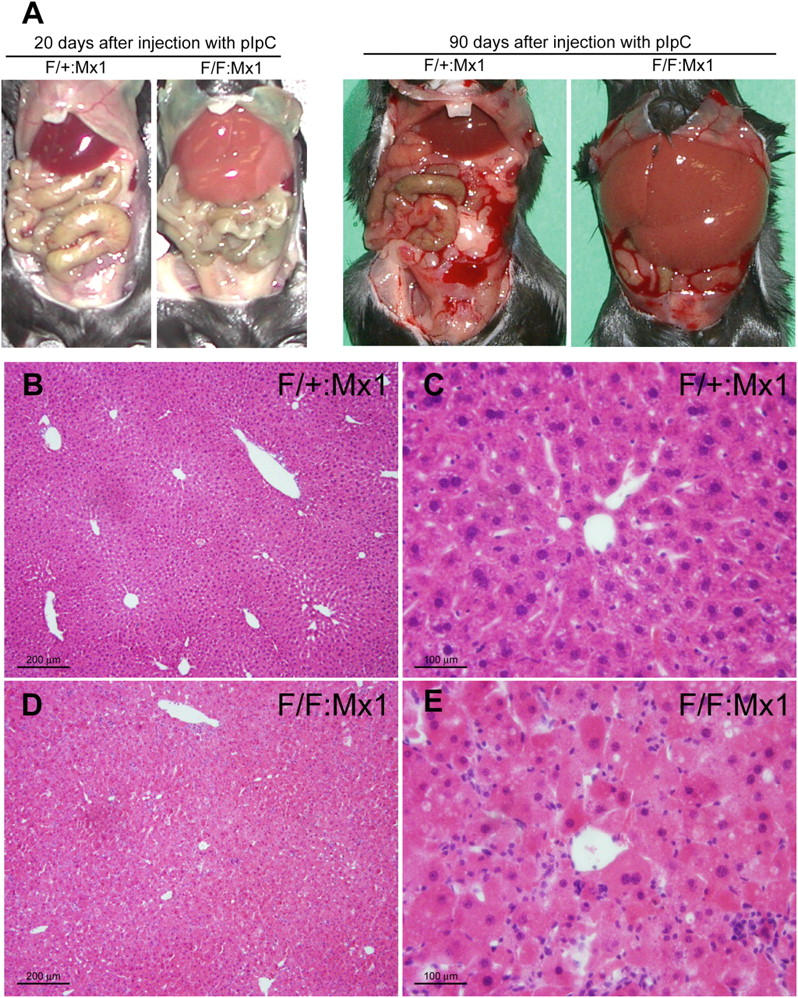
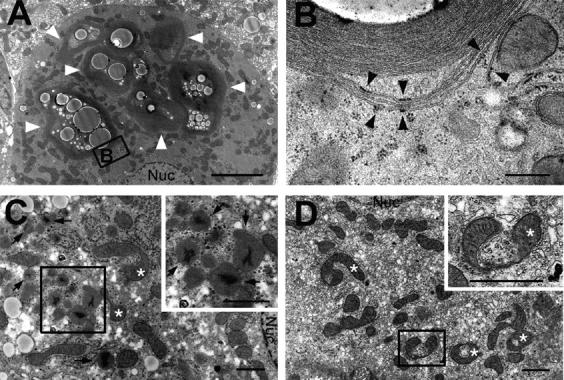
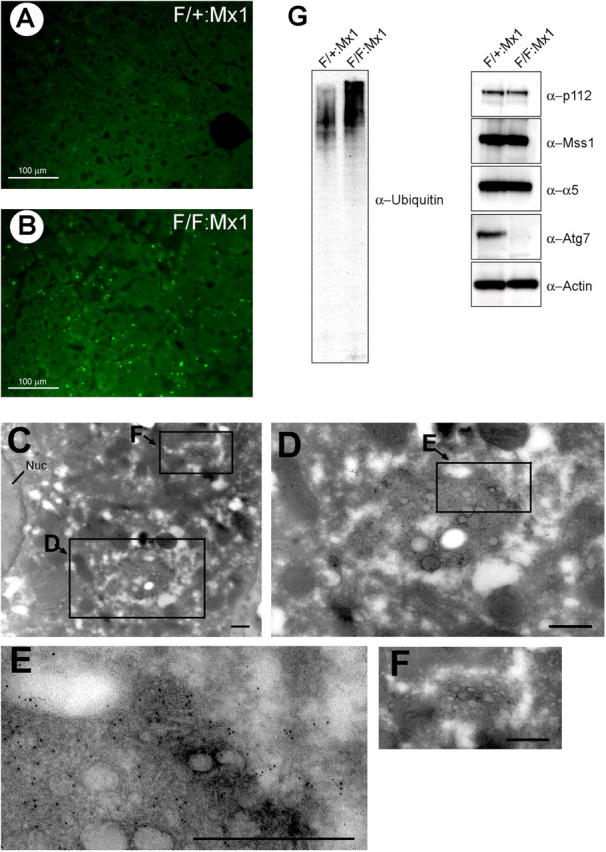
Autophagy is a membrane-trafficking mechanism that delivers cytoplasmic constituents into the lysosome/vacuole for bulk protein degradation. This mechanism is involved in the preservation of nutrients under starvation condition as well as the normal turnover of cytoplasmic component. Aberrant autophagy has been reported in several neurodegenerative disorders, hepatitis, and myopathies. Here, we generated conditional knockout mice of Atg7, an essential gene for autophagy in yeast. Atg7 was essential for ATG conjugation systems and autophagosome formation, amino acid supply in neonates, and starvation-induced bulk degradation of proteins and organelles in mice. Furthermore, Atg7 deficiency led to multiple cellular abnormalities, such as appearance of concentric membranous structure and deformed mitochondria, and accumulation of ubiquitin-positive aggregates. Our results indicate the important role of autophagy in starvation response and the quality control of proteins and organelles in quiescent cells.
Overview
The claims and statistics of this paper haven’t been checked yet.
Free: it reads the open-access text and checks the first 5 claims that cite a source we can check. Create a free account to check every claim.
Integrity signals
Registry
Cites
Statistics
Figures
Verification
Claims the paper makes
The claims and statistics of this paper haven’t been checked yet.
Free: it reads the open-access text and checks the first 5 claims that cite a source we can check. Create a free account to check every claim.
Claims other papers make about this one
Each is checked against this paper’s own text: does it say what the citing paper says it does?
The source backs part of the claim, not all of it — or backs it for a different population, condition or comparison.
In the citing paper
“whole‐body autophagy‐deficient mice undergo perinatal death due to their inability to withstand postnatal starvation (Kuma et al, 2004; Komatsu et al, 2005; Kuma et al, 2017).”
From Autophagy in major human diseases (2021) · cites this paper as Komatsu et al, 2005
Experimental — accuracy not yet measuredThe cited source says what the claim attributes to it.
In the citing paper
“Indeed, mice deficient for autophagy essential genes, such as ATG5, or ATG7, die soon after birth [220, 221].”
From The connection between the dynamic remodeling of the mitochondrial network and the regulation of muscle mass (2021) · cites this paper as [221]
The cited source says what the claim attributes to it.
In the citing paper
“The genetic suppression of basal autophagy in hepatocytes leads to hepatomegaly and exacerbated liver injury (Komatsu et al, 2005; Ni et al, 2012b; Cassidy et al, 2018).”
From Autophagy in major human diseases (2021) · cites this paper as Komatsu et al, 2005
The cited source says what the claim attributes to it.
In the citing paper
“mice with global KOs of the other autophagy related genes like Atg5 and Atg7 that die within a day after birth (Kuma et al., 2004; Komatsu et al., 2005; Cann et al., 2008).”
From Microtubule-associated protein 1 light chain 3B, (LC3B) is necessary to maintain lipid-mediated homeostasis in the retinal pigment epithelium (2018) · cites this paper as Komatsu et al., 2005
The cited source says what the claim attributes to it.
In the citing paper
“Atg7 encodes an E1-like enzyme essential in the ubiquitin-like conjugation systems required for autophagy, and Atg14 encodes a positive regulator of VPS34 (refs. 38,39).”
From Microglia clear neuron-released α-synuclein via selective autophagy and prevent neurodegeneration (2020) · cites this paper as [38]
2 more claims about this paper
Create a free account to see every claim other papers make about this one.
Self-check
Percentages, sums and reported differences re-computed from the paper’s own numbers.
The self-check needs the paper’s full text.
Citations
Cites
Repertoires of Autophagy in the Pathogenesis of Ocular Diseases
Li, Y.-J., Jiang, Q., Cao, G.-F., Yao, J., & Yan, B. (2015) · Cellular Physiology and Biochemistry · doi:10.1159/000373980 · Cited by 16,304
LC3, a mammalian homologue of yeast Apg8p, is localized in autophagosome membranes after processing.
Kabeya, Y., Mizushima, N., Ueno, T., Yamamoto, A., Kirisako, T., Noda, T., Kominami, E., Ohsumi, Y., & Yoshimori, T. (2000) · The EMBO Journal · doi:10.1093/emboj/19.21.5720 · Cited by 6,605 · cited 8×
“In mammals, there exist at least three Atg8 homologues that can all be activated by Atg7 (Tanida et al., 2001), GATE-16, GABARAP, and LC3 (Ohsumi, 2001), and they localize to the autophagosome (Kabeya et al., 2000, 2004).”
BackgroundMethodSelf-citationCui, C., Cui, J., Jin, F., Cui, Y., Li, R., Jiang, X., Tian, Y., Wang, K., Jiang, P., & Gao, J. (2017) · Cellular Physiology and Biochemistry · doi:10.1159/000479571 · Cited by 5,203
Levine, B., & Klionsky, D. J. (2004) · Developmental Cell · doi:10.1016/s1534-5807(04)00099-1 · Cited by 3,678 · cited 2×
“Furthermore, autophagy plays a role in cellular remodeling during differentiation and development of multicellular organisms, such as fly, worm, and slime mold (Levine and Klionsky, 2004), and cellular defense against invading streptococcus (Nakagawa et al.”
BackgroundAutophagy as a Regulated Pathway of Cellular Degradation
Klionsky, D. J., & Emr, S. D. (2000) · Science · doi:10.1126/science.290.5497.1717 · Cited by 3,608 · cited 1×
“In this lysosomal pathway, degradation of plasma membrane proteins and extracellular proteins is mediated by endocytosis, whereas degradation of cytoplasmic components is achieved through several pathways: macroautophagy, microautophagy, and chaperone-mediated autophagy (Seglen and Bohley, 1992; Dunn, 1994; Klionsky a…”
BackgroundAntimicrobial Autophagy: A Conserved Innate Immune Response in Drosophila
Moy, R. H., & Cherry, S. (2013) · Journal of Innate Immunity · doi:10.1159/000350326 · Cited by 3,539
Induction of autophagy and inhibition of tumorigenesis by beclin 1
Liang, X. H., Jackson, S., Seaman, M., Brown, K., Kempkes, B., Hibshoosh, H., & Levine, B. (1999) · Nature · doi:10.1038/45257 · Cited by 3,347 · cited 3×
“, low levels of autophagy were described in some malignant tumors (Liang et al., 1999).”
BackgroundThe role of autophagy during the early neonatal starvation period
Kuma, A., Hatano, M., Matsui, M., Yamamoto, A., Nakaya, H., Yoshimori, T., Ohsumi, Y., Tokuhisa, T., & Mizushima, N. (2004) · Nature · doi:10.1038/nature03029 · Cited by 2,865 · cited 4×
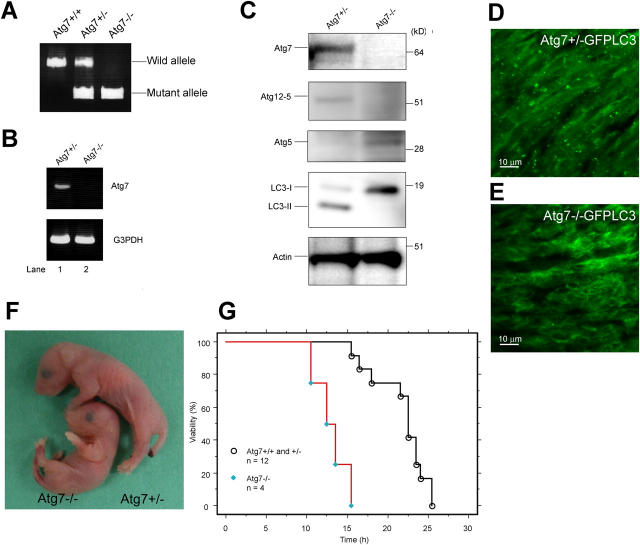
“We considered that Atg7 / mice could survive in utero by virtue of the nutrients supplied through the placenta but could not survive when the supply terminates after birth, as recently reported (Kuma et al., 2004).”
BackgroundSelf-citationAutophagy in Health and Disease: A Double-Edged Sword
Shintani, T., & Klionsky, D. J. (2004) · Science · doi:10.1126/science.1099993 · Cited by 2,534 · cited 2×
“In humans, autophagy has been implicated in several pathological conditions ( Shintani and Klionsky, 2004 ); e.g., low levels of autophagy were described in some malignant tumors (Liang et al., 1999).”
BackgroundPromotion of tumorigenesis by heterozygous disruption of the beclin 1 autophagy gene
Qu, X., Yu, J., Bhagat, G., Furuya, N., Hibshoosh, H., Troxel, A., Rosen, J., Eskelinen, E.-L., Mizushima, N., Ohsumi, Y., et al. (2003) · Journal of Clinical Investigation · doi:10.1172/jci20039 · Cited by 2,311 · cited 2×
“In contrast, elevated levels of autophagosome formation were reported in other human pathologies such as neurodegenerative diseases, myopathies, and liver injury (Mizushima et al., 2002; Perlmutter, 2002 ), and autophagy is implicated in the execution of cell death (Xue et al., 1999; Bursch, 2001).”
BackgroundSelf-citationImpairment of the Ubiquitin-Proteasome System by Protein Aggregation
Bence, N. F., Sampat, R. M., & Kopito, R. R. (2001) · Science · doi:10.1126/science.292.5521.1552 · Cited by 2,187
Yue, Z., Jin, S., Yang, C., Levine, A. J., & Heintz, N. (2003) · Proceedings of the National Academy of Sciences · doi:10.1073/pnas.2436255100 · Cited by 2,116 · cited 1×
“Indeed, heterozygous disruption of mouse Beclin 1 led to enhanced tumorigenesis (Qu et al., 2003; Yue et al., 2003).”
BackgroundMizushima, N., Yamamoto, A., Matsui, M., Yoshimori, T., & Ohsumi, Y. (2004) · Molecular Biology of the Cell · doi:10.1091/mbc.e03-09-0704 · Cited by 2,105 · cited 3×
“When crossed with GFP-LC3 transgenic mice (Mizushima et al., 2004), the punctate structures representing autophagosomes were detected in Atg7 / but not in Atg7 / heart (Fig.”
BackgroundSelf-citationProtein degradation and protection against misfolded or damaged proteins.
Goldberg, A. L. (2003) · Nature · doi:10.1038/nature02263 · Cited by 2,088 · cited 1×
“It plays crucial roles in selective degradation of not only short-lived regulatory proteins but also abnormal proteins that should be eliminated from the cells (Goldberg, 2003).”
BackgroundA ubiquitin-like system mediates protein lipidation
Ichimura, Y., Kirisako, T., Takao, T., Satomi, Y., Shimonishi, Y., Ishihara, N., Mizushima, N., Tanida, I., Kominami, E., Ohsumi, M., et al. (2000) · Nature · doi:10.1038/35044114 · Cited by 2,059 · cited 5×
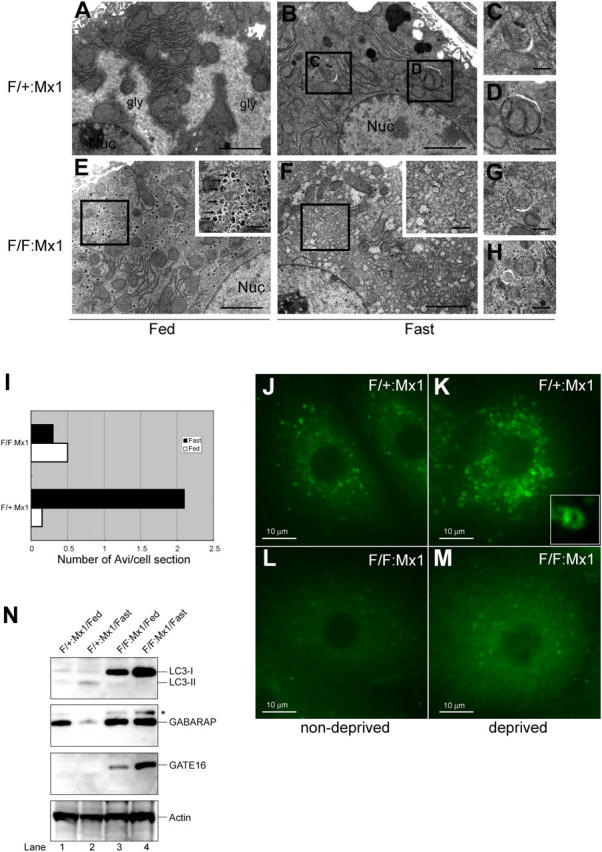
“It is generally accepted that LC3-I is the free mature form whereas LC3-II is the lipidated form, in analogy to yeast Atg8p (Ichimura et al., 2000; Kabeya et al., 2000).”
BackgroundSelf-citationAggresomes, inclusion bodies and protein aggregation
Kopito, R. R. (2000) · Trends in Cell Biology · doi:10.1016/s0962-8924(00)01852-3 · Cited by 1,921 · cited 2×
“Autophagy has been implicated in not only organelle turnover but also in elimination of protein aggregates (Kopito, 2000).”
BackgroundIsolation and characterization of autophagy‐defective mutants of Saccharomyces cerevisiae
Tsukada, M., & Ohsumi, Y. (1993) · FEBS Letters · doi:10.1016/0014-5793(93)80398-e · Cited by 1,772 · cited 4×
“Although autophagy has been extensively studied, little was known about its molecular mechanism until the recent discovery of ATG genes in budding yeast ( Tsukada and Ohsumi, 1993 ).”
BackgroundSelf-citationA protein conjugation system essential for autophagy
Mizushima, N., Noda, T., Yoshimori, T., Tanaka, Y., Ishii, T., George, M. D., Klionsky, D. J., Ohsumi, M., & Ohsumi, Y. (1998) · Nature · doi:10.1038/26506 · Cited by 1,699 · cited 2×
“…J O U R N A L O F C E L L B IO L O G Y © The Rockefeller University Press $8.00 The Journal of Cell Biology, Vol. 169, No. 3, May 9, 2005 425–434 http://www.jcb.org/cgi/doi/10.1083/jcb.200412022 JCB: ARTICLE JCB 425 Impairment of starvation-induced and constitutive autophagy in Atg7 -deficient mice”
BackgroundSelf-citationInducible Gene Targeting in Mice
Kühn, R., Schwenk, F., Aguet, M., & Rajewsky, K. (1995) · Science · doi:10.1126/science.7660125 · Cited by 1,641 · cited 1×
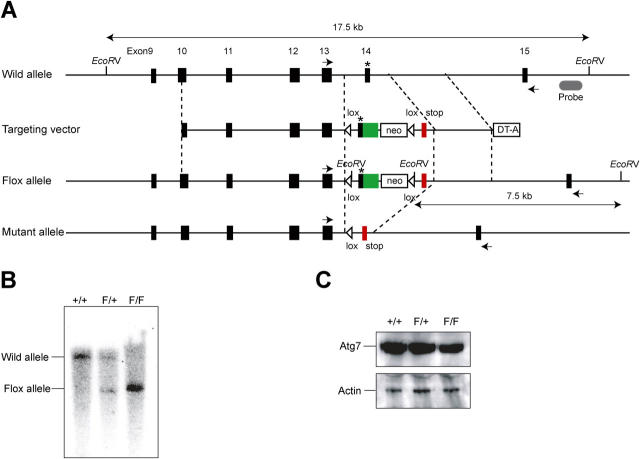
“The Mx1-Cre transgenic mice can excise Flox allele completely in the liver and spleen and partially in the kidney and heart (Kuhn et al., 1995).”
BackgroundThe Proteasome: Paradigm of a Self-Compartmentalizing Protease
Baumeister, W., Walz, J., Zühl, F., & Seemüller, E. (1998) · Cell · doi:10.1016/s0092-8674(00)80929-0 · Cited by 1,494
LC3, GABARAP and GATE16 localize to autophagosomal membrane depending on form-II formation
Kabeya, Y., Mizushima, N., Yamamoto, A., Oshitani-Okamoto, S., Ohsumi, Y., & Yoshimori, T. (2004) · Journal of Cell Science · doi:10.1242/jcs.01131 · Cited by 1,394 · cited 3×
“In mammals, there exist at least three Atg8 homologues that can all be activated by Atg7 (Tanida et al., 2001), GATE-16, GABARAP, and LC3 (Ohsumi, 2001), and they localize to the autophagosome (Kabeya et al., 2000, 2004).”
BackgroundSelf-citationDissection of Autophagosome Formation Using Apg5-Deficient Mouse Embryonic Stem Cells
Mizushima, N., Yamamoto, A., Hatano, M., Kobayashi, Y., Kabeya, Y., Suzuki, K., Tokuhisa, T., Ohsumi, Y., & Yoshimori, T. (2001) · The Journal of Cell Biology · doi:10.1083/jcb.152.4.657 · Cited by 1,361 · cited 7×
“The antibodies for Atg7 (Tanida et al., 1999) and Atg5 (Mizushima et al., 2001) were described previously.”
BackgroundSelf-citationMolecular dissection of autophagy: two ubiquitin-like systems
Ohsumi, Y. (2001) · Nature Reviews Molecular Cell Biology · doi:10.1038/35056522 · Cited by 1,240 · cited 4×
“In mammals, there exist at least three Atg8 homologues that can all be activated by Atg7 (Tanida et al., 2001), GATE-16, GABARAP, and LC3 (Ohsumi, 2001), and they localize to the autophagosome (Kabeya et al., 2000, 2004).”
BackgroundSelf-citationAutophagy Defends Cells Against Invading Group A Streptococcus
Nakagawa, I., Amano, A., Mizushima, N., Yamamoto, A., Yamaguchi, H., Kamimoto, T., Nara, A., Funao, J., Nakata, M., Tsuda, K., et al. (2004) · Science · doi:10.1126/science.1103966 · Cited by 1,090 · cited 1×
“However, the high level of autophagosome formation does not necessarily reflect enhanced protein degradation because the formation of autophagosomes is increased in Danon cardiomyopathy, which is characterized by defective lysosomal degradation (Nishino et al., 2000; Tanaka et al., 2000).”
BackgroundSelf-citationThe Ubiquitin Proteasome System in Neurodegenerative Diseases
Ciechanover, A., & Brundin, P. (2003) · Neuron · doi:10.1016/s0896-6273(03)00606-8 · Cited by 982 · cited 1×
“A growing number of disease-associated proteins have been found to accumulate in aggresome, including huntingtin, parkin, -synuclein, and peripheral myelin protein 22 (Notterpek et al., 1999; Ciechanover and Brundin, 2003).”
BackgroundPrimary LAMP-2 deficiency causes X-linked vacuolar cardiomyopathy and myopathy (Danon disease)
Nishino, I., Fu, J., Tanji, K., Yamada, T., Shimojo, S., Koori, T., Mora, M., Riggs, J. E., Oh, S. J., Koga, Y., et al. (2000) · Nature · doi:10.1038/35022604 · Cited by 959 · cited 2×
“…J O U R N A L O F C E L L B IO L O G Y © The Rockefeller University Press $8.00 The Journal of Cell Biology, Vol. 169, No. 3, May 9, 2005 425–434 http://www.jcb.org/cgi/doi/10.1083/jcb.200412022 JCB: ARTICLE JCB 425 Impairment of starvation-induced and constitutive autophagy in Atg7 -deficient mice”
BackgroundInfluentialAccumulation of autophagic vacuoles and cardiomyopathy in LAMP-2-deficient mice
Tanaka, Y., Guhde, G., Suter, A., Eskelinen, E.-L., Hartmann, D., Lüllmann-Rauch, R., Janssen, P. M. L., Blanz, J., von Figura, K., & Saftig, P. (2000) · Nature · doi:10.1038/35022595 · Cited by 925 · cited 2×
“…J O U R N A L O F C E L L B IO L O G Y © The Rockefeller University Press $8.00 The Journal of Cell Biology, Vol. 169, No. 3, May 9, 2005 425–434 http://www.jcb.org/cgi/doi/10.1083/jcb.200412022 JCB: ARTICLE JCB 425 Impairment of starvation-induced and constitutive autophagy in Atg7 -deficient mice”
BackgroundInfluentialAutophagosome Formation in Mammalian Cells.
Mizushima, N., Ohsumi, Y., & Yoshimori, T. (2002) · Cell Structure and Function · doi:10.1247/csf.27.421 · Cited by 877
Self-citationUbiquitin tag for sperm mitochondria
Sutovsky, P., Moreno, R. D., Ramalho-Santos, J., Dominko, T., Simerly, C., & Schatten, G. (1999) · Nature · doi:10.1038/46466 · Cited by 652
The autophagosomal–lysosomal compartment in programmed cell death
Bursch, W. (2001) · Cell Death & Differentiation · doi:10.1038/sj.cdd.4400852 · Cited by 616 · cited 3×
“…J O U R N A L O F C E L L B IO L O G Y © The Rockefeller University Press $8.00 The Journal of Cell Biology, Vol. 169, No. 3, May 9, 2005 425–434 http://www.jcb.org/cgi/doi/10.1083/jcb.200412022 JCB: ARTICLE JCB 425 Impairment of starvation-induced and constitutive autophagy in Atg7 -deficient mice”
BackgroundInfluentialHanaoka, H., Noda, T., Shirano, Y., Kato, T., Hayashi, H., Shibata, D., Tabata, S., & Ohsumi, Y. (2002) · Plant Physiology · doi:10.1104/pp.011024 · Cited by 595 · cited 1×
“Plants deficient in autophagy show accelerated senescence (Hanaoka et al., 2002).”
BackgroundSelf-citationAutophagy and related mechanisms of lysosome-mediated protein degradation
Dunn, W. A. (1994) · Trends in Cell Biology · doi:10.1016/0962-8924(94)90069-8 · Cited by 521 · cited 1×
“…J O U R N A L O F C E L L B IO L O G Y © The Rockefeller University Press $8.00 The Journal of Cell Biology, Vol. 169, No. 3, May 9, 2005 425–434 http://www.jcb.org/cgi/doi/10.1083/jcb.200412022 JCB: ARTICLE JCB 425 Impairment of starvation-induced and constitutive autophagy in Atg7 -deficient mice”
InfluentialIntracellular Protein Catabolism and its Control During Nutrient Deprivation and Supply
Mortimore, G. E., & Pösö, A. R. (1987) · Annual Review of Nutrition · doi:10.1146/annurev.nu.07.070187.002543 · Cited by 458
Xue, L., Fletcher, G. C., & Tolkovsky, A. M. (1999) · Molecular and Cellular Neuroscience · doi:10.1006/mcne.1999.0780 · Cited by 427 · cited 3×
“…J O U R N A L O F C E L L B IO L O G Y © The Rockefeller University Press $8.00 The Journal of Cell Biology, Vol. 169, No. 3, May 9, 2005 425–434 http://www.jcb.org/cgi/doi/10.1083/jcb.200412022 JCB: ARTICLE JCB 425 Impairment of starvation-induced and constitutive autophagy in Atg7 -deficient mice”
BackgroundInfluentialApg7p/Cvt2p: A Novel Protein-activating Enzyme Essential for Autophagy
Tanida, I., Mizushima, N., Kiyooka, M., Ohsumi, M., Ueno, T., Ohsumi, Y., & Kominami, E. (1999) · Molecular Biology of the Cell · doi:10.1091/mbc.10.5.1367 · Cited by 417 · cited 4×
“In this process, Atg12p is activated by an E1-like enzyme, Atg7p (Tanida et al., 1999), and transferred to an E2-like enzyme, Atg10p (Shintani et al.”
BackgroundSelf-citationAutophagy and other vacuolar protein degradation mechanisms
Seglen, P. O., & Bohley, P. (1992) · Experientia · doi:10.1007/bf01923509 · Cited by 406 · cited 1×
“In this lysosomal pathway, degradation of plasma membrane proteins and extracellular proteins is mediated by endocytosis, whereas degradation of cytoplasmic components is achieved through several pathways: macroautophagy, microautophagy, and chaperone-mediated autophagy (Seglen and Bohley, 1992; Dunn, 1994; Klionsky a…”
BackgroundLewandoski, M., Wassarman, K. M., & Martin, G. R. (1997) · Current Biology · doi:10.1016/s0960-9822(06)00059-5 · Cited by 353 · cited 2×
“To examine the Atg7 -deficient phenotype, we bred Atg7 F/F mice with a line of transgenic mice that express the Cre recombinase under the control of the Zp3 promoter in the oocyte ( Lewandoski et al., 1997 ).”
BackgroundTanida, I., Tanida-Miyake, E., Ueno, T., & Kominami, E. (2001) · Journal of Biological Chemistry · doi:10.1074/jbc.c000752200 · Cited by 344 · cited 4×
“In mammals, there exist at least three Atg8 homologues that can all be activated by Atg7 (Tanida et al., 2001), GATE-16, GABARAP, and LC3 (Ohsumi, 2001), and they localize to the autophagosome (Kabeya et al., 2000, 2004).”
BackgroundSelf-citationApg10p, a novel protein‐conjugating enzyme essential for autophagy in yeast
Shintani, T., Mizushima, N., Ogawa, Y., Matsuura, A., Noda, T., & Ohsumi, Y. (1999) · The EMBO Journal · doi:10.1093/emboj/18.19.5234 · Cited by 269 · cited 2×
“, 1999), and transferred to an E2-like enzyme, Atg10p (Shintani et al., 1999), and then finally conjugates to Atg5p.”
BackgroundSelf-citationThe NEDD8 system is essential for cell cycle progression and morphogenetic pathway in mice
Tateishi, K., Omata, M., Tanaka, K., & Chiba, T. (2001) · The Journal of Cell Biology · doi:10.1083/jcb.200104035 · Cited by 230 · cited 1×
“Apoptotic cells were detected by TUNEL assay using Apoptag kit (Intergen Company) as described previously (Tateishi et al., 2001).”
MethodSelf-citationPathophysiology of chaperone-mediated autophagy
Massey, A., Kiffin, R., & Cuervo, A. M. (2004) · The International Journal of Biochemistry & Cell Biology · doi:10.1016/j.biocel.2004.04.010 · Cited by 202 · cited 2×
“In this lysosomal pathway, degradation of plasma membrane proteins and extracellular proteins is mediated by endocytosis, whereas degradation of cytoplasmic components is achieved through several pathways: macroautophagy, microautophagy, and chaperone-mediated autophagy (Seglen and Bohley, 1992; Dunn, 1994; Klionsky a…”
BackgroundImmunoproteasome assembly and antigen presentation in mice lacking both PA28alpha and PA28beta
Murata, S. (2001) · The EMBO Journal · doi:10.1093/emboj/20.21.5898 · Cited by 163 · cited 1×
“Other procedures MEFs were prepared as described previously (Murata et al., 2001).”
MethodSelf-citationLiver injury in α1-antitrypsin deficiency: an aggregated protein induces mitochondrial injury
Perlmutter, D. H. (2002) · Journal of Clinical Investigation · doi:10.1172/jci0216787 · Cited by 156
PMP22 Accumulation in Aggresomes: Implications for CMT1A Pathology
Notterpek, L., Ryan, M. C., Tobler, A. R., & Shooter, E. M. (1999) · Neurobiology of Disease · doi:10.1006/nbdi.1999.0274 · Cited by 155 · cited 1×
“A growing number of disease-associated proteins have been found to accumulate in aggresome, including huntingtin, parkin, -synuclein, and peripheral myelin protein 22 (Notterpek et al., 1999; Ciechanover and Brundin, 2003).”
BackgroundLiver injury in α1-antitrypsin deficiency: an aggregated protein induces mitochondrial injury
Perlmutter, D. H. (2002) · Journal of Clinical Investigation · doi:10.1172/jci16787 · Cited by 150 · cited 1×
“…contrast, elevated levels of autophagosome formation were reported in other human pathologies such as neurodegenerative diseases, myopathies, and liver injury (Mizushima et al., 2002; Perlmutter, 2002), and autophagy is implicated in the execution of cell death (Xue et al., 1999; Bursch, 2001).”
BackgroundKomatsu, M., Tanida, I., Ueno, T., Ohsumi, M., Ohsumi, Y., & Kominami, E. (2001) · Journal of Biological Chemistry · doi:10.1074/jbc.m007737200 · Cited by 97 · cited 1×
“Immunoblot analysis The fractions were immunoblotted as described previously (Komatsu et al., 2001).”
MethodSelf-citationProtein degradation in 3T3 cells and tumorigenic transformed 3T3 cells
Gronostajski, R. M., & Pardee, A. B. (1984) · Journal of Cellular Physiology · doi:10.1002/jcp.1041190120 · Cited by 53 · cited 2×
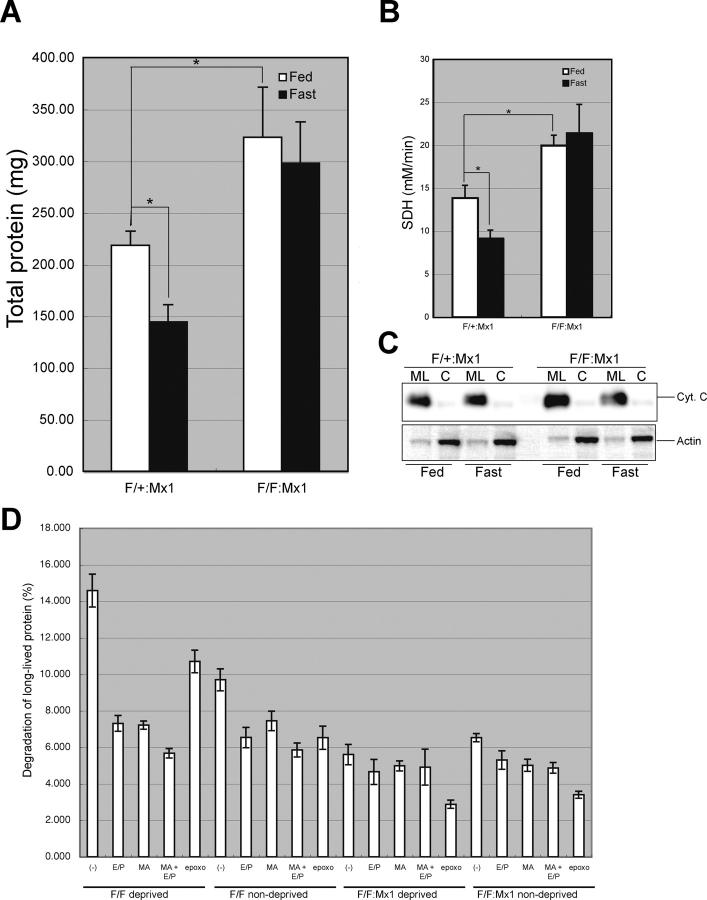
“Protein degradation assay The assay was performed essentially as described previously (Gronostajski and Pardee, 1984).”
MethodWaguri, S., Sato, N., Watanabe, T., Ishidoh, K., Kominami, E., Sato, K., & Uchiyama, Y. (1995) · PubMed · Cited by 27
Self-citationUeno, T., Watanabe, S., Hirose, M., Namihisa, T., & Kominami, E. (1990) · European Journal of Biochemistry · doi:10.1111/j.1432-1033.1990.tb15546.x · Cited by 14 · cited 2×
“The SDH activity was assayed as described previously (Ueno et al., 1990).”
MethodSelf-citation
Research works printed but not linked: 1
- 1995, Eur. J. Cell Biol., 67, 308
Cited by
Repertoires of Autophagy in the Pathogenesis of Ocular Diseases
Li, Y.-J., Jiang, Q., Cao, G.-F., Yao, J., & Yan, B. (2015) · Cellular Physiology and Biochemistry · doi:10.1159/000373980 · Cited by 16,304
Autophagy in the Pathogenesis of Disease
Levine, B., & Kroemer, G. (2008) · Cell · doi:10.1016/j.cell.2007.12.018 · Cited by 7,069
Autophagy fights disease through cellular self-digestion
Mizushima, N., Levine, B., Cuervo, A. M., & Klionsky, D. J. (2008) · Nature · doi:10.1038/nature06639 · Cited by 6,452
Self-citationAutophagy: Renovation of Cells and Tissues
Mizushima, N., & Komatsu, M. (2011) · Cell · doi:10.1016/j.cell.2011.10.026 · Cited by 6,418
“Similarly, mice with systemic deletion of Atg3 (Sou et al., 2008), Atg5 (Kuma et al., 2004), and Atg7 (Komatsu et al., 2005) die immediately after birth and show reduced amino acid levels in tissues and plasma during the neonatal starvation period.”
BackgroundInfluentialSelf-citationDe Cillà, S. D., Farruggio, S., Vujosevic, S., Raina, G., Filippini, D., Gatti, V., Clemente, N., Mary, D., Vezzola, D., Casini, G., et al. (2017) · Cellular Physiology and Biochemistry · doi:10.1159/000479441 · Cited by 5,136
Metadata
- Authors
- Komatsu, M., Waguri, S., Ueno, T., Iwata, J., Murata, S., Tanida, I., Ezaki, J., Mizushima, N., Ohsumi, Y., Uchiyama, Y., Kominami, E., Tanaka, K., & Chiba, T.
- Affiliations
- Juntendo University (JP)
- The University of Osaka (JP)
- Tokyo Metropolitan Institute of Medical Science (JP)
- National Institute for Basic Biology (JP)
- Corresponding author
- Chiba, Tomoki
- ORCID
- Venue
- The Journal of Cell Biology
- Publisher
- Rockefeller University Press
- Published
- 2005-05-02
- Volume
- 169
- Issue
- 3
- Pages
- 425-434
- ISSN
- 0021-9525 (ISSN-L)
- 1540-8140
- PMC
- PMC2171928
- OpenAlex
- W2146887271
- Cited by
- 2,331
- References
- 49
- Citations by year
- 2026: 43 · 2025: 91 · 2024: 82 · 2023: 96 · 2022: 112 · 2021: 123 · 2020: 138 · 2019: 135 · 2018: 128 · 2017: 134 · 2016: 160 · 2015: 156 · 2014: 148 · 2013: 154 · 2012: 127
- FWCI
- 44.94
- Type
- journal article
- Language
- en
- Open access
- bronze
- doi.org
- Locations
- The Journal of Cell Biology (publishedVersion)
- PubMed Central (publishedVersion, cc-by-nc-sa)
- PubMed (publishedVersion)
- Funders
- Ministry of Education, Culture, Sports, Science and Technology
- Topics
- Life Sciences › Biochemistry, Genetics and Molecular Biology › Cell Biology › Autophagy in Disease and Therapy
- Life Sciences › Biochemistry, Genetics and Molecular Biology › Molecular Biology › Ubiquitin and proteasome pathways
- Life Sciences › Biochemistry, Genetics and Molecular Biology › Aging › Genetics, Aging, and Longevity in Model Organisms
- Keywords
- autophagy, ATG7, starvation response, autophagosome formation, protein quality control, organelle degradation, mitochondrial abnormalities, lysosomes, conditional knockout mice, neurodegenerative diseases
- MeSH terms
- Autophagy-Related Protein 7, Animals, Animals, Newborn, Autophagy, Cell Line, Inclusion Bodies, Hepatomegaly, Intracellular Membranes, Liver, Microtubule-Associated Proteins, Mitochondria, Phenotype, Starvation, Organelles, Mice, Knockout, Hepatocytes, Ubiquitin, Saccharomyces cerevisiae Proteins, Mice
About these checks
Registry, retraction, Cites and statistics results are computed, not judged, with one exception: a printed reference that no index lists is read once by a model before it counts as a citation error. Claims are extracted by a model and kept only when their quote appears verbatim in the text; each cited source is then checked, with a model’s help, for whether it says what the claim relies on. Those verdicts can be wrong — read the claim’s quote and the cited source before relying on one.
Statistics and arithmetic are recomputed, not judged.
Confidence bands are shown only for fields calibrated on our annotated test set. None is calibrated yet, so no band is shown.
What counts as a claim ›How we measure confidence ›How we check this ›
Are you an author, or do you see a problem with this page? Request a review
Data sources
Bibliographic data: Semantic Scholar, OpenAlex, Crossref.
Contains information from the Semantic Scholar Academic Graph Datasets, made available under the ODC Attribution License (ODC-BY 1.0).
Semantic Scholar’s data is described in: Kinney, R., et al. (2023). The Semantic Scholar Open Data Platform. arXiv:2301.10140.
