

The DOI matches its Crossref record; 12 of the 12 references it cites were found in a registry or an index.
GM-CSF in inflammation
Abstract
Granulocyte–macrophage colony-stimulating factor (GM-CSF) has many more functions than its original in vitro identification as an inducer of granulocyte and macrophage development from progenitor cells. Key features of GM-CSF biology need to be defined better, such as the responding and producing cell types, its links with other mediators, its prosurvival versus activation/differentiation functions, and when it is relevant in pathology. Significant preclinical data have emerged from GM-CSF deletion/depletion approaches indicating that GM-CSF is a potential target in many inflammatory/autoimmune conditions. Clinical trials targeting GM-CSF or its receptor have shown encouraging efficacy and safety profiles, particularly in rheumatoid arthritis. This review provides an update on the above topics and current issues/questions surrounding GM-CSF biology.
Overview
The claims and statistics of this paper haven’t been checked yet.
Run the check — free, no account needed. It reads the open-access text and checks the sources it cites.
Integrity signals
Registry
Cites
Statistics
Figures
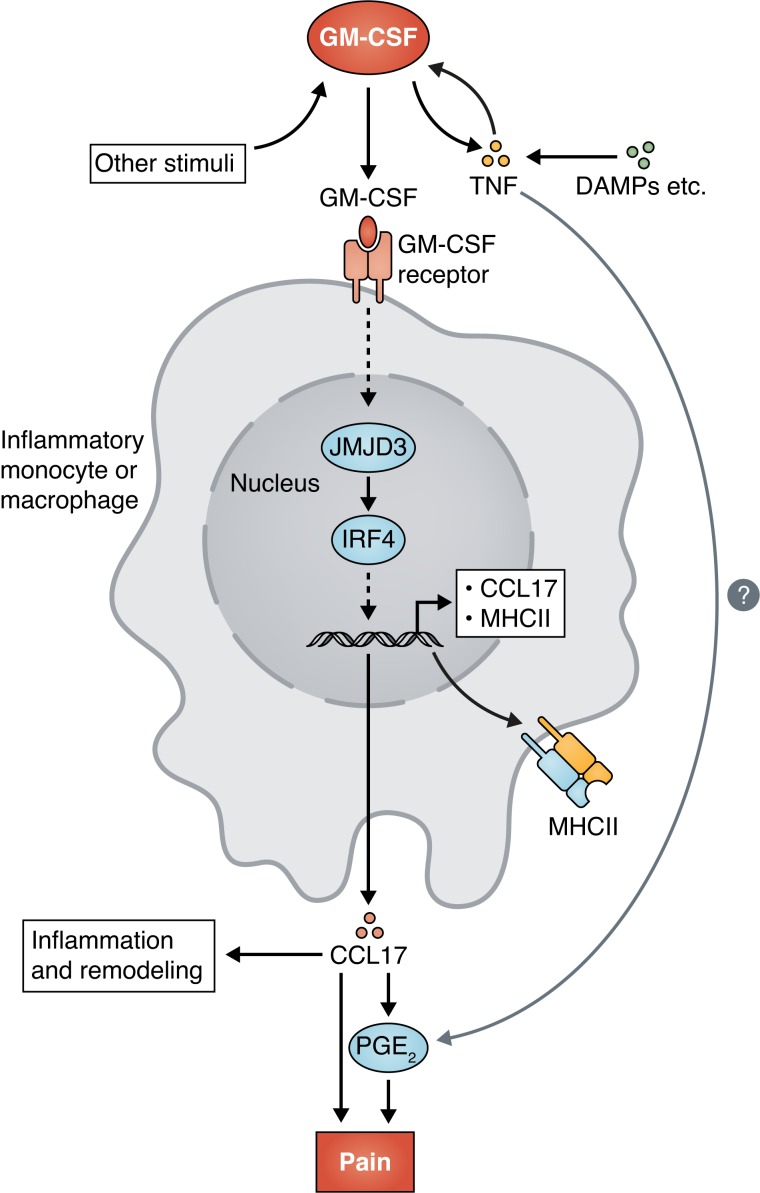
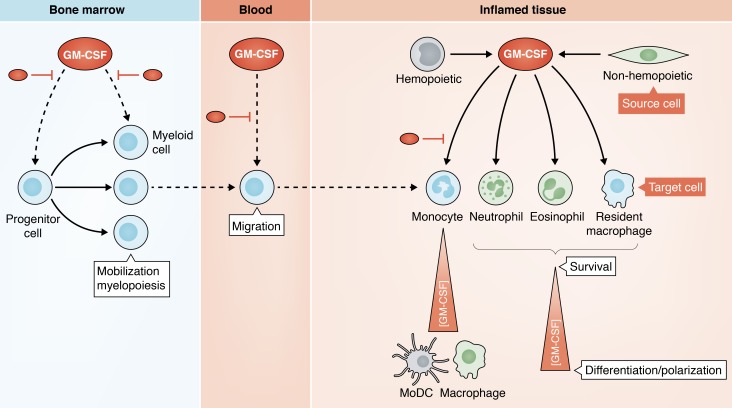
Verification
Claims the paper makes
The claims and statistics of this paper haven’t been checked yet.
Run the check — free, no account needed. It reads the open-access text and checks the sources it cites.
Claims other papers make about this one
Each is checked against this paper’s own text: does it say what the citing paper says it does?
In the citing paper
“GM-CSF has been shown to be up-regulated either systemically and/or in tissues in various diseases [60,61], implying that RHOH might represent a common transcriptional adaptation in distinct inflammatory conditions.”
From Nascent RHOH acts as a molecular brake on actomyosin-mediated effector functions of inflammatory neutrophils (2022) · cites this paper as [61]
Self-check
Percentages, sums and reported differences re-computed from the paper’s own numbers.
The self-check needs the paper’s full text.
Citations
Cites
Transcriptome-Based Network Analysis Reveals a Spectrum Model of Human Macrophage Activation
Xue, J., Schmidt, S. V., Sander, J., Draffehn, A., Krebs, W., Quester, I., De Nardo, D., Gohel, T. D., Emde, M., Schmidleithner, L., et al. (2014) · Immunity · doi:10.1016/j.immuni.2014.01.006 · Cited by 2,210
Colony-stimulating factors in inflammation and autoimmunity
Hamilton, J. A. (2008) · Nature reviews. Immunology · doi:10.1038/nri2356 · Cited by 1,305
Self-citationCodarri, L., Gyülvészi, G., Tosevski, V., Hesske, L., Fontana, A., Magnenat, L., Suter, T., & Becher, B. (2011) · Nature Immunology · doi:10.1038/ni.2027 · Cited by 1,191
El-Behi, M., Ciric, B., Dai, H., Yan, Y., Cullimore, M., Safavi, F., Zhang, G.-X., Dittel, B. N., & Rostami, A. (2011) · Nature Immunology · doi:10.1038/ni.2031 · Cited by 1,071
Viable neutrophils release mitochondrial DNA to form neutrophil extracellular traps
Yousefi, S., Mihalache, C., Kozlowski, E., Schmid, I., & Simon, H. U. (2009) · Cell Death & Differentiation · doi:10.1038/cdd.2009.96 · Cited by 1,036
Greter, M., Helft, J., Chow, A., Hashimoto, D., Mortha, A., Agudo-Cantero, J., Bogunovic, M., Gautier, E. L., Miller, J., Leboeuf, M., et al. (2012) · Immunity · doi:10.1016/j.immuni.2012.03.027 · Cited by 433
Therapeutic options for targeting inflammatory osteoarthritis pain
Conaghan, P. G., Cook, A. D., Hamilton, J. A., & Tak, P. P. (2019) · Nature Reviews Rheumatology · doi:10.1038/s41584-019-0221-y · Cited by 405
Self-citationSierra-Filardi, E., Puig-Kröger, A., Blanco, F. J., Nieto, C., Bragado, R., Palomero, M. I., Bernabéu, C., Vega, M. A., & Corbí, A. L. (2011) · Blood · doi:10.1182/blood-2010-09-306993 · Cited by 268
Komuczki, J., Tuzlak, S., Friebel, E., Hartwig, T., Spath, S., Rosenstiel, P., Waisman, A., Opitz, L., Oukka, M., Schreiner, B., et al. (2019) · Immunity · doi:10.1016/j.immuni.2019.04.006 · Cited by 201
Cardiac fibroblasts mediate IL-17A–driven inflammatory dilated cardiomyopathy
Wu, L., Ong, S., Talor, M. V., Barin, J. G., Baldeviano, G. C., Kass, D. A., Bedja, D., Zhang, H., Sheikh, A., Margolick, J. B., et al. (2014) · Journal of Experimental Medicine · doi:10.1084/jem.20132126 · Cited by 181
Can DCs be distinguished from macrophages by molecular signatures?
Hume, D. A., Mabbott, N., Raza, S., & Freeman, T. C. (2013) · Nature Immunology · doi:10.1038/ni.2516 · Cited by 69
Sca‐1 + cardiac fibroblasts promote development of heart failure
Chen, G., Bracamonte‐Baran, W., Diny, N. L., Hou, X., Talor, M. V., Fu, K., Liu, Y., Davogustto, G., Vasquez, H., Taegtmeyer, H., et al. (2018) · European Journal of Immunology · doi:10.1002/eji.201847583 · Cited by 53
Research works printed but not linked: 202
- Achuthan, 2016, Granulocyte macrophage colony-stimulating factor induces CCL17 production via IRF4 to mediate inflammation, J. Clin. Invest., 126, 3453, 10.1172/JCI87828 · DOI
- Achuthan, 2018, Glucocorticoids promote apoptosis of proinflammatory monocytes by inhibiting ERK activity, Cell Death Dis., 9, 267, 10.1038/s41419-018-0332-4 · DOI
- Alferink, 2003, Compartmentalized production of CCL17 in vivo: strong inducibility in peripheral dendritic cells contrasts selective absence from the spleen, J. Exp. Med., 197, 585, 10.1084/jem.20021859 · DOI
- Al-Mossawi, 2017, Unique transcriptome signatures and GM-CSF expression in lymphocytes from patients with spondyloarthritis, Nat. Commun., 8, 1510, 10.1038/s41467-017-01771-2 · DOI
- Alnek, 2015, Increased Blood Levels of Growth Factors, Proinflammatory Cytokines, and Th17 Cytokines in Patients with Newly Diagnosed Type 1 Diabetes, PLoS One., 10, 10.1371/journal.pone.0142976 · DOI
- Alvaro-Gracia, 1989, Cytokines in chronic inflammatory arthritis. IV. Granulocyte/macrophage colony-stimulating factor-mediated induction of class II MHC antigen on human monocytes: a possible role in rheumatoid arthritis, J. Exp. Med., 170, 865, 10.1084/jem.170.3.865 · DOI
- Andtbacka, 2015, Talimogene Laherparepvec Improves Durable Response Rate in Patients With Advanced Melanoma, J. Clin. Oncol., 33, 2780, 10.1200/JCO.2014.58.3377 · DOI
- Anzai, 2017, The infarcted myocardium solicits GM-CSF for the detrimental oversupply of inflammatory leukocytes, J. Exp. Med., 214, 3293, 10.1084/jem.20170689 · DOI
- Bali, 2013, Transcriptional mechanisms underlying sensitization of peripheral sensory neurons by granulocyte-/granulocyte-macrophage colony stimulating factors, Mol. Pain., 9, 48, 10.1186/1744-8069-9-48 · DOI
- Becher, 2016, GM-CSF: From Growth Factor to Central Mediator of Tissue Inflammation, Immunity., 45, 963, 10.1016/j.immuni.2016.10.026 · DOI
- Bhattacharya, 2015, GM-CSF: An immune modulatory cytokine that can suppress autoimmunity, Cytokine., 75, 261, 10.1016/j.cyto.2015.05.030 · DOI
- Bischof, 2000, Exacerbation of acute inflammatory arthritis by the colony-stimulating factors CSF-1 and granulocyte macrophage (GM)-CSF: evidence of macrophage infiltration and local proliferation, Clin. Exp. Immunol., 119, 361, 10.1046/j.1365-2249.2000.01125.x · DOI
- Borriello, 2017, GM-CSF and IL-3 Modulate Human Monocyte TNF-α Production and Renewal in In Vitro Models of Trained Immunity, Front. Immunol., 7, 680, 10.3389/fimmu.2016.00680 · DOI
- Bozinovski, 2002, Granulocyte/macrophage-colony-stimulating factor (GM-CSF) regulates lung innate immunity to lipopolysaccharide through Akt/Erk activation of NFkappa B and AP-1 in vivo, J. Biol. Chem., 277, 42808, 10.1074/jbc.M207840200 · DOI
- Broughton, 2016, Conformational changes in the GM-CSF receptor suggest a molecular mechanism for affinity conversion and receptor signaling, Structure., 24, 1271, 10.1016/j.str.2016.05.017 · DOI
- Burgess, 1980, The nature and action of granulocyte-macrophage colony stimulating factors, Blood., 56, 947, 10.1182/blood.V56.6.947.947 · DOI
- Burmester, 2011, Mavrilimumab, a human monoclonal antibody targeting GM-CSF receptor-α, in subjects with rheumatoid arthritis: a randomised, double-blind, placebo-controlled, phase I, first-in-human study, Ann. Rheum. Dis., 70, 1542, 10.1136/ard.2010.146225 · DOI
- Burmester, 2013, Tofacitinib (CP-690,550) in combination with methotrexate in patients with active rheumatoid arthritis with an inadequate response to tumour necrosis factor inhibitors: a randomised phase 3 trial, Lancet., 381, 451, 10.1016/S0140-6736(12)61424-X · DOI
- Burmester, 2017, A randomised phase IIb study of mavrilimumab, a novel GM-CSF receptor alpha monoclonal antibody, in the treatment of rheumatoid arthritis, Ann. Rheum. Dis., 76, 1020, 10.1136/annrheumdis-2016-210624 · DOI
- Burmester, 2018, Mavrilimumab, a Fully Human Granulocyte-Macrophage Colony-Stimulating Factor Receptor α Monoclonal Antibody: Long-Term Safety and Efficacy in Patients With Rheumatoid Arthritis, Arthritis Rheumatol., 70, 679, 10.1002/art.40420 · DOI
- Campbell, 1997, Granulocyte-macrophage colony stimulating factor exacerbates collagen induced arthritis in mice, Ann. Rheum. Dis., 56, 364, 10.1136/ard.56.6.364 · DOI
- Campbell, 1998, Protection from collagen-induced arthritis in granulocyte-macrophage colony-stimulating factor-deficient mice, J. Immunol., 161, 3639, 10.4049/jimmunol.161.7.3639 · DOI
- Campbell, 2011, Differentiation of inflammatory dendritic cells is mediated by NF-κB1-dependent GM-CSF production in CD4 T cells, J. Immunol., 186, 5468, 10.4049/jimmunol.1002923 · DOI
- Carbajal, 2015, Th Cell Diversity in Experimental Autoimmune Encephalomyelitis and Multiple Sclerosis, J. Immunol., 195, 2552, 10.4049/jimmunol.1501097 · DOI
- Carrieri, 1998, Profile of cerebrospinal fluid and serum cytokines in patients with relapsing-remitting multiple sclerosis: a correlation with clinical activity, Immunopharmacol. Immunotoxicol., 20, 373, 10.3109/08923979809034820 · DOI
- Cates, 2004, Intranasal exposure of mice to house dust mite elicits allergic airway inflammation via a GM-CSF-mediated mechanism, J. Immunol., 173, 6384, 10.4049/jimmunol.173.10.6384 · DOI
- Chow, 2016, Innate Allorecognition Results in Rapid Accumulation of Monocyte-Derived Dendritic Cells, J. Immunol., 197, 2000, 10.4049/jimmunol.1600181 · DOI
- Cohen, 2018, Lung Single-Cell Signaling Interaction Map Reveals Basophil Role in Macrophage Imprinting, Cell., 175, 1031, 10.1016/j.cell.2018.09.009 · DOI
- Constantinescu, 2015, Randomized phase 1b trial of MOR103, a human antibody to GM-CSF, in multiple sclerosis, Neurol. Neuroimmunol. Neuroinflamm., 2, 10.1212/NXI.0000000000000117 · DOI
- Conti, 2008, GM-CSF in the generation of dendritic cells from human blood monocyte precursors: recent advances, Immunobiology., 213, 859, 10.1016/j.imbio.2008.07.017 · DOI
- Cook, 2018, Investigational therapies targeting the granulocyte macrophage colony-stimulating factor receptor-α in rheumatoid arthritis: focus on mavrilimumab, Ther. Adv. Musculoskelet. Dis., 10, 29, 10.1177/1759720X17752036 · DOI
- Cook, 2001, Blockade of collagen-induced arthritis post-onset by antibody to granulocyte-macrophage colony-stimulating factor (GM-CSF): requirement for GM-CSF in the effector phase of disease, Arthritis Res., 3, 293, 10.1186/ar318 · DOI
- Cook, 2003, The phenotype of inflammatory macrophages is stimulus dependent: implications for the nature of the inflammatory response, J. Immunol., 171, 4816, 10.4049/jimmunol.171.9.4816 · DOI
- Cook, 2004, Stimulus-dependent requirement for granulocyte-macrophage colony-stimulating factor in inflammation, J. Immunol., 173, 4643, 10.4049/jimmunol.173.7.4643 · DOI
- Cook, 2011, Regulation of systemic and local myeloid cell subpopulations by bone marrow cell-derived granulocyte-macrophage colony-stimulating factor in experimental inflammatory arthritis, Arthritis Rheum., 63, 2340, 10.1002/art.30354 · DOI
- Cook, 2013, Granulocyte-macrophage colony-stimulating factor is a key mediator in inflammatory and arthritic pain, Ann. Rheum. Dis., 72, 265, 10.1136/annrheumdis-2012-201703 · DOI
- Cook, 2016, Granulocyte macrophage colony-stimulating factor receptor α expression and its targeting in antigen-induced arthritis and inflammation, Arthritis Res. Ther., 18, 287, 10.1186/s13075-016-1185-9 · DOI
- Cook, 2018, Immune Cytokines and Their Receptors in Inflammatory Pain, Trends Immunol., 39, 240, 10.1016/j.it.2017.12.003 · DOI
- Cook, 2018, TNF and granulocyte macrophage-colony stimulating factor interdependence mediates inflammation via CCL17, JCI Insight., 3, 10.1172/jci.insight.99249 · DOI
- Cowburn, 2011, Granulocyte/macrophage colony-stimulating factor causes a paradoxical increase in the BH3-only pro-apoptotic protein Bim in human neutrophils, Am. J. Respir. Cell Mol. Biol., 44, 879, 10.1165/rcmb.2010-0101OC · DOI
- Croxford, 2015, The Cytokine GM-CSF Drives the Inflammatory Signature of CCR2+ Monocytes and Licenses Autoimmunity, Immunity., 43, 502, 10.1016/j.immuni.2015.08.010 · DOI · Paper page
- Croxford, 2015, GM-CSF in Neuroinflammation: Licensing Myeloid Cells for Tissue Damage, Trends Immunol., 36, 651, 10.1016/j.it.2015.08.004 · DOI
- Curran, 2012, Lactoferrin regulates an axis involving CD11b and CD49d integrins and the chemokines MIP-1α and MCP-1 in GM-CSF-treated human primary eosinophils, J. Interferon Cytokine Res., 32, 450, 10.1089/jir.2011.0111 · DOI
- Däbritz, 2014, Granulocyte macrophage colony-stimulating factor and the intestinal innate immune cell homeostasis in Crohn’s disease, Am. J. Physiol. Gastrointest. Liver Physiol., 306, G455, 10.1152/ajpgi.00409.2013 · DOI
- Däbritz, 2015, GM-CSF and the role of myeloid regulatory cells in the pathogenesis and treatment of Crohn’s disease, Mol. Cell Pediatr., 2, 12, 10.1186/s40348-015-0024-4 · DOI
- Ditiatkovski, 2006, GM-CSF deficiency reduces macrophage PPAR-gamma expression and aggravates atherosclerosis in ApoE-deficient mice, Arterioscler. Thromb. Vasc. Biol., 26, 2337, 10.1161/01.ATV.0000238357.60338.90 · DOI
- Dohlman, 2017, T Cell-Derived Granulocyte-Macrophage Colony-Stimulating Factor Contributes to Dry Eye Disease Pathogenesis by Promoting CD11b+ Myeloid Cell Maturation and Migration, Invest. Ophthalmol. Vis. Sci., 58, 1330, 10.1167/iovs.16-20789 · DOI
- Dougan, 2019, GM-CSF, IL-3, and IL-5 Family of Cytokines: Regulators of Inflammation, Immunity., 50, 796, 10.1016/j.immuni.2019.03.022 · DOI
- Dranoff, 1993, Vaccination with irradiated tumor cells engineered to secrete murine granulocyte-macrophage colony-stimulating factor stimulates potent, specific, and long-lasting anti-tumor immunity, Proc. Natl. Acad. Sci. USA., 90, 3539, 10.1073/pnas.90.8.3539 · DOI
- Dranoff, 1994, Involvement of granulocyte-macrophage colony-stimulating factor in pulmonary homeostasis, Science., 264, 713, 10.1126/science.8171324 · DOI
- Edelson, 2011, Batf3-dependent CD11b(low/-) peripheral dendritic cells are GM-CSF-independent and are not required for Th cell priming after subcutaneous immunization, PLoS One., 6, 10.1371/journal.pone.0025660 · DOI
- Egea, 2010, GM-CSF: a role in immune and inflammatory reactions in the intestine, Expert Rev. Gastroenterol. Hepatol., 4, 723, 10.1586/egh.10.73 · DOI
- Eguchi, 2013, Interferon regulatory factor 4 regulates obesity-induced inflammation through regulation of adipose tissue macrophage polarization, Diabetes., 62, 3394, 10.2337/db12-1327 · DOI
- Enzler, 2003, Deficiencies of GM-CSF and interferon gamma link inflammation and cancer, J. Exp. Med., 197, 1213, 10.1084/jem.20021258 · DOI
- Erlich, 2019, Macrophages, rather than DCs, are responsible for inflammasome activity in the GM-CSF BMDC model, Nat. Immunol., 20, 397, 10.1038/s41590-019-0313-5 · DOI
- Etemad, 2012, A novel in vitro human microglia model: characterization of human monocyte-derived microglia, J. Neurosci. Methods., 209, 79, 10.1016/j.jneumeth.2012.05.025 · DOI
- Fleetwood, 2005, Functions of granulocyte-macrophage colony-stimulating factor, Crit. Rev. Immunol., 25, 405, 10.1615/CritRevImmunol.v25.i5.50 · DOI
- Fleetwood, 2007, Granulocyte-macrophage colony-stimulating factor (CSF) and macrophage CSF-dependent macrophage phenotypes display differences in cytokine profiles and transcription factor activities: implications for CSF blockade in inflammation, J. Immunol., 178, 5245, 10.4049/jimmunol.178.8.5245 · DOI · Paper page
- Ganesh, 2009, GM-CSF-induced CD11c+CD8a--dendritic cells facilitate Foxp3+ and IL-10+ regulatory T cell expansion resulting in suppression of autoimmune thyroiditis, Int. Immunol., 21, 269, 10.1093/intimm/dxn147 · DOI
- Gao, 2013, Control of T helper 2 responses by transcription factor IRF4-dependent dendritic cells, Immunity., 39, 722, 10.1016/j.immuni.2013.08.028 · DOI
- Gathungu, 2013, Granulocyte-macrophage colony-stimulating factor autoantibodies: a marker of aggressive Crohn’s disease, Inflamm. Bowel Dis., 19, 1671, 10.1097/MIB.0b013e318281f506 · DOI
- Goldmann, 2013, The expanding world of extracellular traps: not only neutrophils but much more, Front. Immunol., 3, 420, 10.3389/fimmu.2012.00420 · DOI
- Greven, 2015, Preclinical characterisation of the GM-CSF receptor as a therapeutic target in rheumatoid arthritis, Ann. Rheum. Dis., 74, 1924, 10.1136/annrheumdis-2014-205234 · DOI
- Grifka-Walk, 2015, IL-12-polarized Th1 cells produce GM-CSF and induce EAE independent of IL-23, Eur. J. Immunol., 45, 2780, 10.1002/eji.201545800 · DOI
- Griseri, 2012, Dysregulated hematopoietic stem and progenitor cell activity promotes interleukin-23-driven chronic intestinal inflammation, Immunity., 37, 1116, 10.1016/j.immuni.2012.08.025 · DOI
- Griseri, 2015, Granulocyte Macrophage Colony-Stimulating Factor-Activated Eosinophils Promote Interleukin-23 Driven Chronic Colitis, Immunity., 43, 187, 10.1016/j.immuni.2015.07.008 · DOI
- Guo, 2018, Blockade of GM-CSF pathway induced sustained suppression of myeloid and T cell activities in rheumatoid arthritis, Rheumatology (Oxford)., 57, 175, 10.1093/rheumatology/kex383 · DOI
- Guo, 2019, Pharmacodynamic biomarkers and differential effects of TNF- and GM-CSF-targeting biologics in rheumatoid arthritis, Int. J. Rheum. Dis., 22, 646, 10.1111/1756-185X.13395 · DOI
- Hamilton, 1993, A colony-stimulating factor network involving mononuclear phagocytes and other cells, 29, 10.1159/000422228 · DOI
- Hamilton, 1993, Rheumatoid arthritis: opposing actions of haemopoietic growth factors and slow-acting anti-rheumatic drugs, Lancet., 342, 536, 10.1016/0140-6736(93)91653-4 · DOI
- Hamilton, 1994, Coordinate and noncoordinate colony stimulating factor formation by human monocytes, J. Leukoc. Biol., 55, 355, 10.1002/jlb.55.3.355 · DOI
- Hamilton, 2002, GM-CSF in inflammation and autoimmunity, Trends Immunol., 23, 403, 10.1016/S1471-4906(02)02260-3 · DOI
- Hamilton, 2015, GM-CSF as a target in inflammatory/autoimmune disease: current evidence and future therapeutic potential, Expert Rev. Clin. Immunol., 11, 457, 10.1586/1744666X.2015.1024110 · DOI
- Hamilton, 2013, Colony stimulating factors and myeloid cell biology in health and disease, Trends Immunol., 34, 81, 10.1016/j.it.2012.08.006 · DOI · Paper page
- Hamilton, 2009, The dynamics of macrophage lineage populations in inflammatory and autoimmune diseases, Arthritis Rheum., 60, 1210, 10.1002/art.24505 · DOI
- Hamilton, 1980, Stimulation of macrophage plasminogen activator activity by colony-stimulating factors, J. Cell. Physiol., 103, 435, 10.1002/jcp.1041030309 · DOI
- Hamilton, 2017, Anti-colony-stimulating factor therapies for inflammatory and autoimmune diseases, Nat. Rev. Drug Discov., 16, 53, 10.1038/nrd.2016.231 · DOI
- Handman, 1979, Stimulation by granulocyte-macrophage colony-stimulating factor of Leishmania tropica killing by macrophages, J. Immunol., 122, 1134, 10.4049/jimmunol.122.3.1134 · DOI
- Hansen, 2008, The structure of the GM-CSF receptor complex reveals a distinct mode of cytokine receptor activation, Cell., 134, 496, 10.1016/j.cell.2008.05.053 · DOI
- Hart, 1988, Synergistic activation of human monocytes by granulocyte-macrophage colony-stimulating factor and IFN-gamma. Increased TNF-alpha but not IL-1 activity, J. Immunol., 141, 1516, 10.4049/jimmunol.141.5.1516 · DOI
- Hazenberg, 1989, Correction of granulocytopenia in Felty’s syndrome by granulocyte-macrophage colony-stimulating factor. Simultaneous induction of interleukin-6 release and flare-up of the arthritis, Blood., 74, 2769, 10.1182/blood.V74.8.2769.2769 · DOI
- Heiseke, 2012, CCL17 promotes intestinal inflammation in mice and counteracts regulatory T cell-mediated protection from colitis, Gastroenterology., 142, 335, 10.1053/j.gastro.2011.10.027 · DOI
- Helft, 2015, GM-CSF Mouse Bone Marrow Cultures Comprise a Heterogeneous Population of CD11c(+)MHCII(+) Macrophages and Dendritic Cells, Immunity., 42, 1197, 10.1016/j.immuni.2015.05.018 · DOI
- Hilgendorf, 2014, Innate response activator B cells aggravate atherosclerosis by stimulating T helper-1 adaptive immunity, Circulation., 129, 1677, 10.1161/CIRCULATIONAHA.113.006381 · DOI
- Hirota, 2018, Autoimmune Th17 Cells Induced Synovial Stromal and Innate Lymphoid Cell Secretion of the Cytokine GM-CSF to Initiate and Augment Autoimmune Arthritis, Immunity., 48, 1220, 10.1016/j.immuni.2018.04.009 · DOI
- Hodi, 2014, Ipilimumab plus sargramostim vs ipilimumab alone for treatment of metastatic melanoma: a randomized clinical trial, JAMA., 312, 1744, 10.1001/jama.2014.13943 · DOI
- Honma, 2005, Interferon regulatory factor 4 negatively regulates the production of proinflammatory cytokines by macrophages in response to LPS, Proc. Natl. Acad. Sci. USA., 102, 16001, 10.1073/pnas.0504226102 · DOI
- Hornell, 2003, Regulation of the class II MHC pathway in primary human monocytes by granulocyte-macrophage colony-stimulating factor, J. Immunol., 171, 2374, 10.4049/jimmunol.171.5.2374 · DOI
- Hu, 2019, Interleukin-1β-induced IRAK1 ubiquitination is required for TH-GM-CSF cell differentiation in T cell-mediated inflammation, J. Autoimmun., 102, 50, 10.1016/j.jaut.2019.04.010 · DOI
- Huizinga, 2017, Phase 1b randomized, double-blind study of namilumab, an anti-granulocyte macrophage colony-stimulating factor monoclonal antibody, in mild-to-moderate rheumatoid arthritis, Arthritis Res. Ther., 19, 53, 10.1186/s13075-017-1267-3 · DOI
- Iellem, 2001, Unique chemotactic response profile and specific expression of chemokine receptors CCR4 and CCR8 by CD4(+)CD25(+) regulatory T cells, J. Exp. Med., 194, 847, 10.1084/jem.194.6.847 · DOI
- Ifergan, 2017, Targeting the GM-CSF receptor for the treatment of CNS autoimmunity, J. Autoimmun., 84, 1, 10.1016/j.jaut.2017.06.005 · DOI
- Ina, 1999, Increased mucosal production of granulocyte colony-stimulating factor is related to a delay in neutrophil apoptosis in Inflammatory Bowel disease, J. Gastroenterol. Hepatol., 14, 46, 10.1046/j.1440-1746.1999.01807.x · DOI
- Inaba, 1992, Generation of large numbers of dendritic cells from mouse bone marrow cultures supplemented with granulocyte/macrophage colony-stimulating factor, J. Exp. Med., 176, 1693, 10.1084/jem.176.6.1693 · DOI
- Izquierdo, 2015, Reshaping of Human Macrophage Polarization through Modulation of Glucose Catabolic Pathways, J. Immunol., 195, 2442, 10.4049/jimmunol.1403045 · DOI
- Jiao, 2014, The closely related CD103+ dendritic cells (DCs) and lymphoid-resident CD8+ DCs differ in their inflammatory functions, PLoS One., 9, 10.1371/journal.pone.0091126 · DOI
- Kabat, 2016, The autophagy gene Atg16l1 differentially regulates Treg and TH2 cells to control intestinal inflammation, eLife., 5, 10.7554/eLife.12444 · DOI · Paper page
- Kasinrerk, 1993, CD1 molecule expression on human monocytes induced by granulocyte-macrophage colony-stimulating factor, J. Immunol., 150, 579, 10.4049/jimmunol.150.2.579 · DOI
- Kelso, 2015, Granulocyte-macrophage colony stimulating factor exerts protective and immunomodulatory effects in cortical trauma, J. Neuroimmunol., 278, 162, 10.1016/j.jneuroim.2014.11.002 · DOI
- Khajah, 2011, Granulocyte-macrophage colony-stimulating factor (GM-CSF): a chemoattractive agent for murine leukocytes in vivo, J. Leukoc. Biol., 89, 945, 10.1189/jlb.0809546 · DOI
- Kim, 2018, Dysregulated IL-1β-GM-CSF Axis in Acute Rheumatic Fever That Is Limited by Hydroxychloroquine, Circulation., 138, 2648, 10.1161/CIRCULATIONAHA.118.033891 · DOI
- King, 2009, Circulating Ly-6C+ myeloid precursors migrate to the CNS and play a pathogenic role during autoimmune demyelinating disease, Blood., 113, 3190, 10.1182/blood-2008-07-168575 · DOI · Paper page
- King, 2010, GM-CSF-dependent, CD103+ dermal dendritic cells play a critical role in Th effector cell differentiation after subcutaneous immunization, J. Exp. Med., 207, 953, 10.1084/jem.20091844 · DOI
- Kitching, 2002, The requirement for granulocyte-macrophage colony-stimulating factor and granulocyte colony-stimulating factor in leukocyte-mediated immune glomerular injury, J. Am. Soc. Nephrol., 13, 350, 10.1681/ASN.V132350 · DOI
- Knoop, 2018, GM-CSF producing autoreactive CD4+ T cells in type 1 diabetes, Clin. Immunol., 188, 23, 10.1016/j.clim.2017.12.002 · DOI
- Ko, 2014, GM-CSF-responsive monocyte-derived dendritic cells are pivotal in Th17 pathogenesis, J. Immunol., 192, 2202, 10.4049/jimmunol.1302040 · DOI
- Korzenik, 2007, Is Crohn’s disease due to defective immunity?, Gut., 56, 2, 10.1136/gut.2006.095588 · DOI
- Krausgruber, 2011, IRF5 promotes inflammatory macrophage polarization and TH1-TH17 responses, Nat. Immunol., 12, 231, 10.1038/ni.1990 · DOI
- Kwon, 2018, IL-17A+GM-CSF+ Neutrophils Are the Major Infiltrating Cells in Interstitial Lung Disease in an Autoimmune Arthritis Model, Front. Immunol., 9, 1544, 10.3389/fimmu.2018.01544 · DOI
- Lacey, 2012, Defining GM-CSF- and macrophage-CSF-dependent macrophage responses by in vitro models, J. Immunol., 188, 5752, 10.4049/jimmunol.1103426 · DOI
- Lam, 2015, GM-CSF and uPA are required for Porphyromonas gingivalis-induced alveolar bone loss in a mouse periodontitis model, Immunol. Cell Biol., 93, 705, 10.1038/icb.2015.25 · DOI
- Lari, 2007, Macrophage lineage phenotypes and osteoclastogenesis--complexity in the control by GM-CSF and TGF-beta, Bone., 40, 323, 10.1016/j.bone.2006.09.003 · DOI
- Lee, 2018, CCL17 blockade as a therapy for osteoarthritis pain and disease, Arthritis Res. Ther., 20, 62, 10.1186/s13075-018-1560-9 · DOI
- Lee, 2019, GM-CSF- and IRF4-Dependent Signaling Can Regulate Myeloid Cell Numbers and the Macrophage Phenotype during Inflammation, J. Immunol., 202, 3033, 10.4049/jimmunol.1801549 · DOI
- Lehtonen, 2002, Granulocyte-macrophage colony-stimulating factor (GM-CSF)-induced STAT5 activation and target-gene expression during human monocyte/macrophage differentiation, J. Leukoc. Biol., 71, 511, 10.1189/jlb.71.3.511 · DOI
- Lehtonen, 2005, Differential expression of IFN regulatory factor 4 gene in human monocyte-derived dendritic cells and macrophages, J. Immunol., 175, 6570, 10.4049/jimmunol.175.10.6570 · DOI
- Li, 2016, Somatosensory neuron types identified by high-coverage single-cell RNA-sequencing and functional heterogeneity, Cell Res., 26, 83, 10.1038/cr.2015.149 · DOI
- Li, 2015, Proinflammatory GM-CSF-producing B cells in multiple sclerosis and B cell depletion therapy, Sci. Transl. Med., 7, 10.1126/scitranslmed.aab4176 · DOI
- Liu, 2015, Notch signaling mediates granulocyte-macrophage colony-stimulating factor priming-induced transendothelial migration of human eosinophils, Allergy., 70, 805, 10.1111/all.12624 · DOI
- Liu, 2019, Role of GM-CSF in a mouse model of experimental autoimmune prostatitis, Am. J. Physiol. Renal Physiol., 317, F23, 10.1152/ajprenal.00013.2018 · DOI
- Llop-Guevara, 2014, A GM-CSF/IL-33 pathway facilitates allergic airway responses to sub-threshold house dust mite exposure, PLoS One., 9, 10.1371/journal.pone.0088714 · DOI
- Louis, 2015, Specific Contributions of CSF-1 and GM-CSF to the Dynamics of the Mononuclear Phagocyte System, J. Immunol., 195, 134, 10.4049/jimmunol.1500369 · DOI
- Magri, 2014, Innate lymphoid cells integrate stromal and immunological signals to enhance antibody production by splenic marginal zone B cells, Nat. Immunol., 15, 354, 10.1038/ni.2830 · DOI
- McQualter, 2001, Granulocyte macrophage colony-stimulating factor: a new putative therapeutic target in multiple sclerosis, J. Exp. Med., 194, 873, 10.1084/jem.194.7.873 · DOI · Paper page
- Metcalf, 1995, The hemopoietic colony-stimulating factors: from biology to clinical applications., 10.1017/CBO9780511663376 · DOI
- Molfino, 2016, Phase 2, randomised placebo-controlled trial to evaluate the efficacy and safety of an anti-GM-CSF antibody (KB003) in patients with inadequately controlled asthma, BMJ Open., 6, 10.1136/bmjopen-2015-007709 · DOI
- Murray, 2014, Macrophage activation and polarization: nomenclature and experimental guidelines, Immunity., 41, 14, 10.1016/j.immuni.2014.06.008 · DOI · Paper page
- Na, 2016, GM-CSF Grown Bone Marrow Derived Cells Are Composed of Phenotypically Different Dendritic Cells and Macrophages, Mol. Cells., 39, 734, 10.1016/molcells.2016.0160 · DOI
- Negishi, 2005, Negative regulation of Toll-like-receptor signaling by IRF-4, Proc. Natl. Acad. Sci. USA., 102, 15989, 10.1073/pnas.0508327102 · DOI
- Nicol, 2018, Central inhibition of granulocyte-macrophage colony-stimulating factor is analgesic in experimental neuropathic pain, Pain., 159, 550, 10.1097/j.pain.0000000000001130 · DOI
- Nieto, 2018, The Activin A-Peroxisome Proliferator-Activated Receptor Gamma Axis Contributes to the Transcriptome of GM-CSF-Conditioned Human Macrophages, Front. Immunol., 9, 31, 10.3389/fimmu.2018.00031 · DOI
- Nobs, 2019, GM-CSF intrinsically controls eosinophil accumulation in the setting of allergic airway inflammation, J. Allergy Clin. Immunol., 143, 1513, 10.1016/j.jaci.2018.08.044 · DOI
- Noguchi, 2001, Increased secretion of granulocyte-macrophage colony-stimulating factor in mucosal lesions of inflammatory bowel disease, Digestion., 63, 32, 10.1159/000051908 · DOI
- Noster, 2014, IL-17 and GM-CSF expression are antagonistically regulated by human T helper cells, Sci. Transl. Med., 6, 10.1126/scitranslmed.3008706 · DOI
- Oh, 2001, Chemokines and glycoprotein120 produce pain hypersensitivity by directly exciting primary nociceptive neurons, J. Neurosci., 21, 5027, 10.1523/JNEUROSCI.21-14-05027.2001 · DOI
- Papp, 2019, Granulocyte-macrophage colony-stimulating factor (GM-CSF) as a therapeutic target in psoriasis: randomized, controlled investigation using namilumab, a specific human anti-GM-CSF monoclonal antibody, Br. J. Dermatol., 180, 1352, 10.1111/bjd.17195 · DOI
- Pearson, 2016, ILC3 GM-CSF production and mobilisation orchestrate acute intestinal inflammation, eLife., 5, 10.7554/eLife.10066 · DOI
- Perugini, 2010, Alternative modes of GM-CSF receptor activation revealed using activated mutants of the common beta-subunit, Blood., 115, 3346, 10.1182/blood-2009-08-235846 · DOI
- Piccoli, 2015, Neutralization and clearance of GM-CSF by autoantibodies in pulmonary alveolar proteinosis, Nat. Commun., 6, 7375, 10.1038/ncomms8375 · DOI
- Ponomarev, 2007, GM-CSF production by autoreactive T cells is required for the activation of microglial cells and the onset of experimental autoimmune encephalomyelitis, J. Immunol., 178, 39, 10.4049/jimmunol.178.1.39 · DOI
- Puzanov, 2016, Talimogene Laherparepvec in Combination With Ipilimumab in Previously Untreated, Unresectable Stage IIIB-IV Melanoma, J. Clin. Oncol., 34, 2619, 10.1200/JCO.2016.67.1529 · DOI
- Rasouli, 2015, Expression of GM-CSF in T Cells Is Increased in Multiple Sclerosis and Suppressed by IFN-β Therapy, J. Immunol., 194, 5085, 10.4049/jimmunol.1403243 · DOI
- Rauch, 2012, Innate response activator B cells protect against microbial sepsis, Science., 335, 597, 10.1126/science.1215173 · DOI
- Reynolds, 2016, Synovial CD4+ T-cell-derived GM-CSF supports the differentiation of an inflammatory dendritic cell population in rheumatoid arthritis, Ann. Rheum. Dis., 75, 899, 10.1136/annrheumdis-2014-206578 · DOI
- Ribechini, 2017, Novel GM-CSF signals via IFN-γR/IRF-1 and AKT/mTOR license monocytes for suppressor function, Blood Adv., 1, 947, 10.1182/bloodadvances.2017006858 · DOI
- Ridwan, 2012, Distribution of granulocyte-monocyte colony-stimulating factor and its receptor α-subunit in the adult human brain with specific reference to Alzheimer’s disease, J. Neural Transm. (Vienna)., 119, 1389, 10.1007/s00702-012-0794-y · DOI
- Rogers, 2017, Analysis of the developmental stages, kinetics, and phenotypes exhibited by myeloid cells driven by GM-CSF in vitro, PLoS One., 12, 10.1371/journal.pone.0181985 · DOI
- Roth, 2012, Sargramostim (GM-CSF) for induction of remission in Crohn’s disease: a cochrane inflammatory bowel disease and functional bowel disorders systematic review of randomized trials, Inflamm. Bowel Dis., 18, 1333, 10.1002/ibd.22973 · DOI
- Sallese, 2017, Targeting cholesterol homeostasis in lung diseases, Sci. Rep., 7, 10211, 10.1038/s41598-017-10879-w · DOI
- Samavedam, 2014, GM-CSF modulates autoantibody production and skin blistering in experimental epidermolysis bullosa acquisita, J. Immunol., 192, 559, 10.4049/jimmunol.1301556 · DOI
- Schäbitz, 2008, A neuroprotective function for the hematopoietic protein granulocyte-macrophage colony stimulating factor (GM-CSF), J. Cereb. Blood Flow Metab., 28, 29, 10.1038/sj.jcbfm.9600496 · DOI
- Schneider, 2014, Induction of the nuclear receptor PPAR-γ by the cytokine GM-CSF is critical for the differentiation of fetal monocytes into alveolar macrophages, Nat. Immunol., 15, 1026, 10.1038/ni.3005 · DOI
- Scholz, 2017, GM-CSF in murine psoriasiform dermatitis: Redundant and pathogenic roles uncovered by antibody-induced neutralization and genetic deficiency, PLoS One., 12, 10.1371/journal.pone.0182646 · DOI
- Schön, 2000, Critical role of neutrophils for the generation of psoriasiform skin lesions in flaky skin mice, J. Invest. Dermatol., 114, 976, 10.1046/j.1523-1747.2000.00953.x · DOI
- Schweizerhof, 2009, Hematopoietic colony-stimulating factors mediate tumor-nerve interactions and bone cancer pain, Nat. Med., 15, 802, 10.1038/nm.1976 · DOI
- Shaposhnik, 2007, Granulocyte macrophage colony-stimulating factor regulates dendritic cell content of atherosclerotic lesions, Arterioscler. Thromb. Vasc. Biol., 27, 621, 10.1161/01.ATV.0000254673.55431.e6 · DOI
- Sheih, 2017, GM-CSF produced by the airway epithelium is required for sensitization to cockroach allergen, Mucosal Immunol., 10, 705, 10.1038/mi.2016.90 · DOI
- Sheng, 2014, STAT5 programs a distinct subset of GM-CSF-producing T helper cells that is essential for autoimmune neuroinflammation, Cell Res., 24, 1387, 10.1038/cr.2014.154 · DOI · Paper page
- Shiomi, 2014, GM-CSF but not IL-17 is critical for the development of severe interstitial lung disease in SKG mice, J. Immunol., 193, 849, 10.4049/jimmunol.1303255 · DOI
- Sonderegger, 2008, GM-CSF mediates autoimmunity by enhancing IL-6-dependent Th17 cell development and survival, J. Exp. Med., 205, 2281, 10.1084/jem.20071119 · DOI
- Song, 2015, Unique and redundant functions of NKp46+ ILC3s in models of intestinal inflammation, J. Exp. Med., 212, 1869, 10.1084/jem.20151403 · DOI
- Spath, 2017, Dysregulation of the Cytokine GM-CSF Induces Spontaneous Phagocyte Invasion and Immunopathology in the Central Nervous System, Immunity., 46, 245, 10.1016/j.immuni.2017.01.007 · DOI
- Stanley, 1994, Granulocyte/macrophage colony-stimulating factor-deficient mice show no major perturbation of hematopoiesis but develop a characteristic pulmonary pathology, Proc. Natl. Acad. Sci. USA., 91, 5592, 10.1073/pnas.91.12.5592 · DOI
- Sterner, 2019, GM-CSF inhibition reduces cytokine release syndrome and neuroinflammation but enhances CAR-T cell function in xenografts, Blood., 133, 697, 10.1182/blood-2018-10-881722 · DOI
- Stock, 2016, GM-CSF primes cardiac inflammation in a mouse model of Kawasaki disease, J. Exp. Med., 213, 1983, 10.1084/jem.20151853 · DOI
- Stösser, 2011, Hematopoietic colony-stimulating factors: new players in tumor-nerve interactions, J. Mol. Med. (Berl.)., 89, 321, 10.1007/s00109-010-0697-z · DOI
- Su, 2014, A positive feedback loop between mesenchymal-like cancer cells and macrophages is essential to breast cancer metastasis, Cancer Cell., 25, 605, 10.1016/j.ccr.2014.03.021 · DOI
- Sun, 2018, GM-CSF quantity has a selective effect on granulocytic vs. monocytic myeloid development and function, Front. Immunol., 9, 1922, 10.3389/fimmu.2018.01922 · DOI
- Suzuki, 2004, Activities of granulocyte-macrophage colony-stimulating factor and interleukin-3 on monocytes, Am. J. Hematol., 75, 179, 10.1002/ajh.20010 · DOI
- Suzuki, 2004, Critical roles of interferon regulatory factor 4 in CD11bhighCD8alpha- dendritic cell development, Proc. Natl. Acad. Sci. USA., 101, 8981, 10.1073/pnas.0402139101 · DOI
- Takeuchi, 2015, Efficacy and safety of mavrilimumab in Japanese subjects with rheumatoid arthritis: findings from a Phase IIa study, Mod. Rheumatol., 25, 21, 10.3109/14397595.2014.896448 · DOI
- Taylor, 2019, Efficacy and safety of namilumab, a human monoclonal antibody against granulocyte-macrophage colony-stimulating factor (GM-CSF) ligand in patients with rheumatoid arthritis (RA) with either an inadequate response to background methotrexate therapy or an inadequate response or intolerance to an anti-TNF (tumour necrosis factor) biologic therapy: a randomized, controlled trial, Arthritis Res. Ther., 21, 101, 10.1186/s13075-019-1879-x · DOI
- Thakur, 2014, Defining the nociceptor transcriptome, Front. Mol. Neurosci., 7, 87, 10.3389/fnmol.2014.00087 · DOI
- Timoshanko, 2005, Granulocyte macrophage colony-stimulating factor expression by both renal parenchymal and immune cells mediates murine crescentic glomerulonephritis, J. Am. Soc. Nephrol., 16, 2646, 10.1681/ASN.2004121107 · DOI
- Trapnell, 2019, Pulmonary alveolar proteinosis, Nat. Rev. Dis. Primers., 5, 16, 10.1038/s41572-019-0066-3 · DOI
- Tugues, 2018, Graft-versus-host disease, but not graft-versus-leukemia immunity, is mediated by GM-CSF-licensed myeloid cells, Sci. Transl. Med., 10, 10.1126/scitranslmed.aat8410 · DOI
- Uchida, 2009, Granulocyte/macrophage-colony-stimulating factor autoantibodies and myeloid cell immune functions in healthy subjects, Blood., 113, 2547, 10.1182/blood-2008-05-155689 · DOI
- van de Laar, 2012, Regulation of dendritic cell development by GM-CSF: molecular control and implications for immune homeostasis and therapy, Blood., 119, 3383, 10.1182/blood-2011-11-370130 · DOI
- Van der Borght, 2018, Myocarditis Elicits Dendritic Cell and Monocyte Infiltration in the Heart and Self-Antigen Presentation by Conventional Type 2 Dendritic Cells, Front. Immunol., 9, 2714, 10.3389/fimmu.2018.02714 · DOI
- van Nieuwenhuijze, 2014, Transgenic expression of GM-CSF in T cells causes disseminated histiocytosis, Am. J. Pathol., 184, 184, 10.1016/j.ajpath.2013.09.014 · DOI
- van Nieuwenhuijze, 2015, Complementary action of granulocyte macrophage colony-stimulating factor and interleukin-17A induces interleukin-23, receptor activator of nuclear factor-κB ligand, and matrix metalloproteinases and drives bone and cartilage pathology in experimental arthritis: rationale for combination therapy in rheumatoid arthritis, Arthritis Res. Ther., 17, 163, 10.1186/s13075-015-0683-5 · DOI
- Vlahos, 2006, Therapeutic potential of treating chronic obstructive pulmonary disease (COPD) by neutralising granulocyte macrophage-colony stimulating factor (GM-CSF), Pharmacol. Ther., 112, 106, 10.1016/j.pharmthera.2006.03.007 · DOI
- Wang, 2014, Interleukin-3/granulocyte macrophage colony-stimulating factor receptor promotes stem cell expansion, monocytosis, and atheroma macrophage burden in mice with hematopoietic ApoE deficiency, Arterioscler. Thromb. Vasc. Biol., 34, 976, 10.1161/ATVBAHA.113.303097 · DOI
- Wang, 2013, Characterization of pathogenic human monoclonal autoantibodies against GM-CSF, Proc. Natl. Acad. Sci. USA., 110, 7832, 10.1073/pnas.1216011110 · DOI
- Weber, 2011, CCL17-expressing dendritic cells drive atherosclerosis by restraining regulatory T cell homeostasis in mice, J. Clin. Invest., 121, 2898, 10.1172/JCI44925 · DOI
- Weber, 2014, Pleural innate response activator B cells protect against pneumonia via a GM-CSF-IgM axis, J. Exp. Med., 211, 1243, 10.1084/jem.20131471 · DOI
- Weinblatt, 2018, A Randomized Phase IIb Study of Mavrilimumab and Golimumab in Rheumatoid Arthritis, Arthritis Rheumatol., 70, 49, 10.1002/art.40323 · DOI
- Wicks, 2016, Targeting GM-CSF in inflammatory diseases, Nat. Rev. Rheumatol., 12, 37, 10.1038/nrrheum.2015.161 · DOI
- Willart, 2012, Interleukin-1α controls allergic sensitization to inhaled house dust mite via the epithelial release of GM-CSF and IL-33, J. Exp. Med., 209, 1505, 10.1084/jem.20112691 · DOI
- Willebrand, 2016, IL-33-Induced Cytokine Secretion and Survival of Mouse Eosinophils Is Promoted by Autocrine GM-CSF, PLoS One., 11, 10.1371/journal.pone.0163751 · DOI
- Williams, 2013, Transcription factor IRF4 drives dendritic cells to promote Th2 differentiation, Nat. Commun., 4, 2990, 10.1038/ncomms3990 · DOI
- Wright, 2013, RNA-seq reveals activation of both common and cytokine-specific pathways following neutrophil priming, PLoS One., 8, 10.1371/journal.pone.0058598 · DOI
- Wu, 2016, Pathogenic IL-23 signaling is required to initiate GM-CSF-driven autoimmune myocarditis in mice, Eur. J. Immunol., 46, 582, 10.1002/eji.201545924 · DOI
- Xu, 2008, The role of granulocyte macrophage-colony-stimulating factor in acute intestinal inflammation, Cell Res., 18, 1220, 10.1038/cr.2008.310 · DOI
- Yamada, 2017, Th1 is the predominant helper T cell subset that produces GM-CSF in the joint of rheumatoid arthritis, RMD Open., 3, 10.1136/rmdopen-2017-000487 · DOI
- Yamashita, 2002, Attenuation of airway hyperresponsiveness in a murine asthma model by neutralization of granulocyte-macrophage colony-stimulating factor (GM-CSF), Cell. Immunol., 219, 92, 10.1016/S0008-8749(02)00565-8 · DOI
- Yang, 2001, Dependence of interleukin-1-induced arthritis on granulocyte-macrophage colony-stimulating factor, Arthritis Rheum., 44, 111, 10.1002/1529-0131(200101)44:1<111::AID-ANR15>3.0.CO;2-1 · DOI
- Yashiro, 2018, The Transcription Factors PU.1 and IRF4 Determine Dendritic Cell-Specific Expression of RALDH2, J. Immunol., 201, 3677, 10.4049/jimmunol.1800492 · DOI
- Ye, 2013, GM-CSF contributes to aortic aneurysms resulting from SMAD3 deficiency, J. Clin. Invest., 123, 2317, 10.1172/JCI67356 · DOI
- Yong, 1992, Granulocyte-macrophage colony-stimulating factor induces neutrophil adhesion to pulmonary vascular endothelium in vivo: role of beta 2 integrins, Blood., 80, 1565, 10.1182/blood.V80.6.1565.1565 · DOI
200 of 202 shown
Cited by
Peng, S., Stojkov, D., Gao, J., Oberson, K., Latzin, P., Casaulta, C., Yousefi, S., & Simon, H.-U. (2022) · PLOS Biology · doi:10.1371/journal.pbio.3001794 · Cited by 15
Metadata
- Authors
- Hamilton, J. A.
- Affiliations
- The University of Melbourne, Department of Medicine, Royal Melbourne Hospital, Parkville, Victoria, Australia 1
- ORCID
- Hamilton, John A.
- Venue
- Journal of Experimental Medicine
- Publisher
- Rockefeller University Press
- Published
- 2019-10-14
- Volume
- 217
- Issue
- 1
- ISSN
- 0022-1007
- 1540-9538
- PMC
- PMC7037240
- Cited by
- 301
- References
- 12
- Language
- en
- Funders
- National Health and Medical Research Council (1085240)
About these checks
Registry, retraction, Cites and statistics results are computed, not judged, with one exception: a printed reference that no index lists is read once by a model before it counts as a citation error. Claims are extracted by a model and kept only when their quote appears verbatim in the text; each cited source is then checked, with a model’s help, for whether it says what the claim relies on. Those verdicts can be wrong — read the claim’s quote and the cited source before relying on one.
Statistics and arithmetic are recomputed, not judged.
Confidence bands are shown only for fields calibrated on our annotated test set. None is calibrated yet, so no band is shown.
What counts as a claim ›How we measure confidence ›How we check this ›
Are you an author, or do you see a problem with this page? Request a review
