

Familial hypercholesterolaemia in children and adolescents: gaining decades of life by optimizing detection and treatment
Open accessThe DOI matches its Crossref record, with a small difference in title or year; 149 of the 150 references it cites were found in a registry or an index.
Abstract
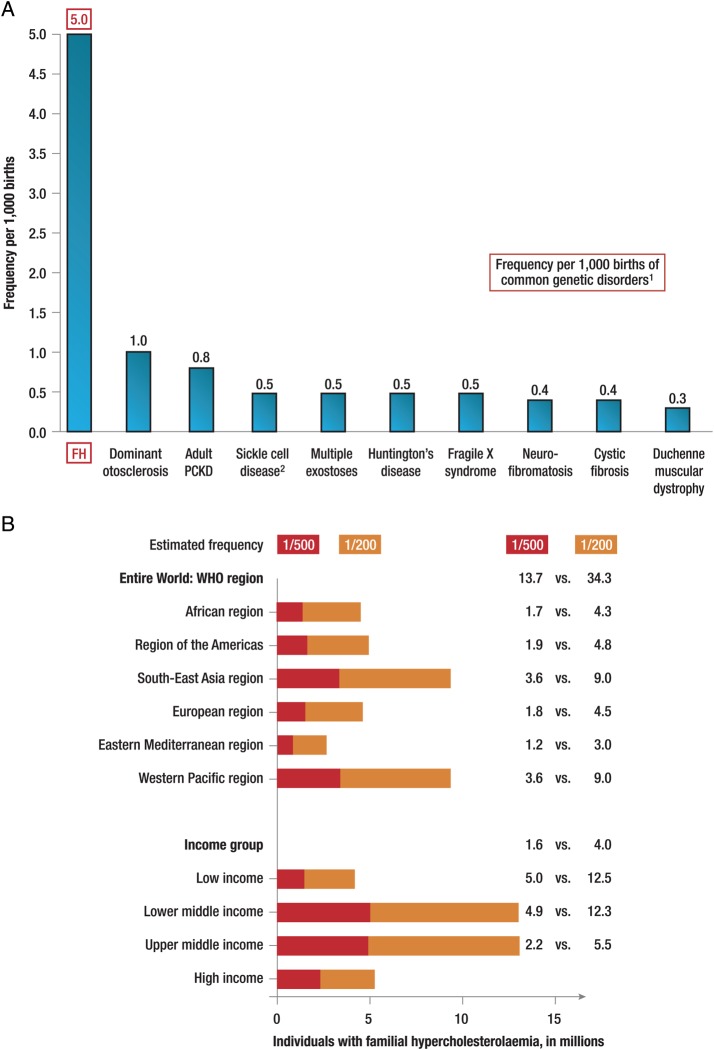
Familial hypercholesterolaemia (FH) is a common genetic cause of premature coronary heart disease (CHD). Globally, one baby is born with FH every minute. If diagnosed and treated early in childhood, individuals with FH can have normal life expectancy. This consensus paper aims to improve awareness of the need for early detection and management of FH children. Familial hypercholesterolaemia is diagnosed either on phenotypic criteria, i.e. an elevated low-density lipoprotein cholesterol (LDL-C) level plus a family history of elevated LDL-C, premature coronary artery disease and/or genetic diagnosis, or positive genetic testing. Childhood is the optimal period for discrimination between FH and non-FH using LDL-C screening. An LDL-C ≥5 mmol/L (190 mg/dL), or an LDL-C ≥4 mmol/L (160 mg/dL) with family history of premature CHD and/or high baseline cholesterol in one parent, make the phenotypic diagnosis. If a parent has a genetic defect, the LDL-C cut-off for the child is ≥3.5 mmol/L (130 mg/dL). We recommend cascade screening of families using a combined phenotypic and genotypic strategy. In children, testing is recommended from age 5 years, or earlier if homozygous FH is suspected. A healthy lifestyle and statin treatment (from age 8 to 10 years) are the cornerstones of management of heterozygous FH. Target LDL-C is <3.5 mmol/L (130 mg/dL) if >10 years, or ideally 50% reduction from baseline if 8-10 years, especially with very high LDL-C, elevated lipoprotein(a), a family history of premature CHD or other cardiovascular risk factors, balanced against the long-term risk of treatment side effects. Identifying FH early and optimally lowering LDL-C over the lifespan reduces cumulative LDL-C burden and offers health and socioeconomic benefits. To drive policy change for timely detection and management, we call for further studies in the young. Increased awareness, early identification, and optimal treatment from childhood are critical to adding decades of healthy life for children and adolescents with FH.
Overview
The claims and statistics of this paper haven’t been checked yet.
Free: it reads the open-access text and checks the first 5 claims that cite a source we can check. Create a free account to check every claim.
Integrity signals
Registry
Cites
Statistics
Figures
Verification
Claims the paper makes
The claims and statistics of this paper haven’t been checked yet.
Free: it reads the open-access text and checks the first 5 claims that cite a source we can check. Create a free account to check every claim.
Claims other papers make about this one
Each is checked against this paper’s own text: does it say what the citing paper says it does?
The source backs part of the claim, not all of it — or backs it for a different population, condition or comparison.
In the citing paper
“Monogenic disorders such as familial hypercholesterolemia (FH) can be easily recognized from the standard lipid panel without the need to measure apoB [31,32].”
From Quantifying atherogenic lipoproteins for lipid-lowering strategies: Consensus-based recommendations from EAS and EFLM (2020) · cites this paper as [32]
Experimental — accuracy not yet measuredThe source backs part of the claim, not all of it — or backs it for a different population, condition or comparison.
In the citing paper
“In a pediatric setting, reporting age-and gender-specific reference intervals is relevant for early identification of children with hyperlipidemia associated with premature atherosclerosis, especially FH [32].”
From Quantifying atherogenic lipoproteins for lipid-lowering strategies: Consensus-based recommendations from EAS and EFLM (2020) · cites this paper as [32]
Experimental — accuracy not yet measuredIn the citing paper
“Volanesorsen reduced plasma TGs by ∼70% and ApoC-III by 80-90% [349].”
From 2019 ESC/EAS guidelines for the management of dyslipidaemias: lipid modification to reduce cardiovascular risk (2019) · cites this paper as [349]
In the citing paper
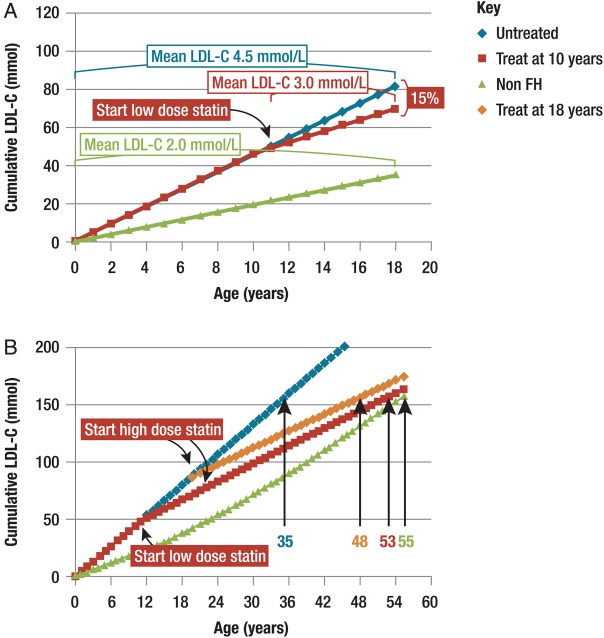
“Although placebo-controlled trials are missing in children, there are observational studies suggesting that early treatment can reduce LDL-C burden, improve endothelial function, substantially attenuate development of atherosclerosis and improve coronary outcomes. 303”
From 2016 ESC/EAS Guidelines for the Management of Dyslipidaemias (2016) · cites this paper as [303]
In the citing paper
“FH is diagnosed in children based on phenotypic criteria including elevated LDL-C plus a family history of elevated LDL-C, premature CAD and/or positive genetic testing. 303”
From 2016 ESC/EAS Guidelines for the Management of Dyslipidaemias (2016) · cites this paper as [303]
1 more claim about this paper
Create a free account to see every claim other papers make about this one.
Self-check
Percentages, sums and reported differences re-computed from the paper’s own numbers.
The self-check needs the paper’s full text.
Citations
Cites
A Receptor-Mediated Pathway for Cholesterol Homeostasis
Brown, M. S., & Goldstein, J. L. (1986) · Science · doi:10.1126/science.3513311 · Cited by 5,703
Berenson, G. S., Srinivasan, S. R., Bao, W., Newman, W. P., Tracy, R. E., & Wattigney, W. A. (1998) · New England Journal of Medicine · doi:10.1056/nejm199806043382302 · Cited by 4,032
ESC/EAS Guidelines for the management of dyslipidaemias
Reiner, Ž., Catapano, A. L., De Backer, G., Graham, I., Taskinen, M.-R., Wiklund, O., Agewall, S., Alegria, E., Chapman, M. J., Durrington, P., et al. (2011) · European Heart Journal · doi:10.1093/eurheartj/ehr158 · Cited by 3,549
Self-citationPrinciples and Practice of Screening for Disease.
(1968) · Annals of Internal Medicine · doi:10.7326/0003-4819-69-5-1085_2 · Cited by 3,066
Nordestgaard, B. G., Chapman, M. J., Humphries, S. E., Ginsberg, H. N., Masana, L., Descamps, O. S., Wiklund, O., Hegele, R. A., Raal, F. J., Defesche, J. C., et al. (2013) · European Heart Journal · doi:10.1093/eurheartj/eht273 · Cited by 2,761
Self-citationSystematic review and meta-analysis
(2019) · Providing Information for Health · doi:10.1201/9781315377315-19 · Cited by 2,659
Role of Oxidative Modifications in Atherosclerosis
Stocker, R., & Keaney, J. F. (2004) · Physiological Reviews · doi:10.1152/physrev.00047.2003 · Cited by 2,624 · cited 1×
“then accumulate in the artery wall, become oxidatively modified, and subsequently initiate an inflammatory response, which results in vascular injury and formation of atherosclerotic plaque.(25,26) Additional alterations in the lipoproteinprofile in FHmay involveelevated”
BackgroundLipoprotein(a) as a cardiovascular risk factor: current status
Nordestgaard, B. G., Chapman, M. J., Ray, K., Borén, J., Andreotti, F., Watts, G. F., Ginsberg, H., Amarenco, P., Catapano, A., Descamps, O. S., et al. (2010) · European Heart Journal · doi:10.1093/eurheartj/ehq386 · Cited by 1,807
Self-citationAllhoff, P., Laaser, U., & Heinrich, J. (1991) · Kompendium der Lipid-Studien · doi:10.1007/978-3-642-95642-3_7 · Cited by 1,329
Cuchel, M., Bruckert, E., Ginsberg, H. N., Raal, F. J., Santos, R. D., Hegele, R. A., Kuivenhoven, J. A., Nordestgaard, B. G., Descamps, O. S., Steinhagen-Thiessen, E., et al. (2014) · European Heart Journal · doi:10.1093/eurheartj/ehu274 · Cited by 1,057
Self-citation
Research works printed but not linked: 1
- Nherera LM Saving Lives, Saving Families: The Health, Social and Economic Advantages of Detecting and Treating Familial Hypercholesterolaemia (FH). Economics Chapter: Estimating the Benefits from Treatment and Increasing the Implementation of Cascading Screening http://heartuk.org.uk/files/uploads/documents/HUK_HealthEconomics_FINAL2012_2702.pdf (4 February 2015).
Cited by
Items 401–500 of 886
Statins in Familial Hypercholesterolemia
Knowles, J. W. (2016) · Journal of the American College of Cardiology · doi:10.1016/j.jacc.2016.05.024 · Cited by 9
Johansen, A. K., Bogsrud, M. P., Thoresen, M., Christensen, J. J., Narverud, I., Langslet, G., Svilaas, T., Retterstøl, K., & Holven, K. B. (2024) · Atherosclerosis Plus · doi:10.1016/j.athplu.2024.06.002 · Cited by 12
“Early initiation of lipid-lowering treatment in children with FH, with statins as first drug of choice, is recommended to reduce the life-long LDL-cholesterol burden and ASCVD risk [10].”
BackgroundKhandelwal, P., Fish, J. D., Gorfinkel, L., Guilcher, G. M. T., Howell, J. C., Nishitani, M., Nuechterlein, B., Obeng, E. A., Shah, A. J., Cuvelier, G. D. E., et al. (2025) · Transplantation and Cellular Therapy · doi:10.1016/j.jtct.2025.01.891 · Cited by 13
Svendsen, K., Christensen, J. J., Igland, J., Krogh, H. W., Mundal, L. J., Jacobs, D. R., Bogsrud, M. P., Holven, K. B., & Retterstøl, K. (2025) · Atherosclerosis · doi:10.1016/j.atherosclerosis.2025.120442 · Cited by 12
Langslet, G. (2016) · European Heart Journal · doi:10.1093/eurheartj/ehw098 · Cited by 8
A perspective for sequencing familial hypercholesterolaemia in African Americans
Wright, M. L., Housman, D. E., & Taylor, J. Y. (2016) · npj Genomic Medicine · doi:10.1038/npjgenmed.2016.12 · Cited by 8
Capra, M. E., Stanyevic, B., Giudice, A., Monopoli, D., Decarolis, N. M., Esposito, S., & Biasucci, G. (2023) · Nutrients · doi:10.3390/nu15071661 · Cited by 11
“Their use is of particular interest in pediatric patients with familial hypercholesterolemia (FH), one of the most common inherited diseases, involving approximately 1 out of 250 individuals in the general population [9].”
BackgroundJones, L. K., Gidding, S. S., Santos, R. D., Libby, P., Watts, G. F., & Sarkies, M. (2024) · Journal of clinical lipidology · doi:10.1016/j.jacl.2024.03.010 · Cited by 11
Self-citationIssues and Challenges in Diagnostic Sequencing for Inherited Cardiac Conditions
Walsh, R., & Cook, S. A. (2016) · Clinical Chemistry · doi:10.1373/clinchem.2016.254698 · Cited by 9
Li, Y., Yeh, H., Jeng, J., & Charng, M. (2018) · Journal of the Chinese Medical Association · doi:10.1016/j.jcma.2018.05.003 · Cited by 8
López, G., Bernal, L. M., Gelvez, N. Y., Gómez, L. F., Nova, A., Sánchez, A. I., & Tamayo, M. L. (2018) · Atherosclerosis · doi:10.1016/j.atherosclerosis.2018.08.052 · Cited by 8
Improving the global care of familial hypercholesterolaemia: Starting the ball rolling.
Ray, K., & Watts, G. (2018) · Atherosclerosis · doi:10.1016/j.atherosclerosis.2018.09.002 · Cited by 10
Self-citationLDLR Gene Mutation p.Asp360His and Familial Hypercholesterolemia in a Mexican Community
Hernández-Flores, T. D. J., García, J. R. G., Sánchez-López, J. Y., Cárdenas, N. A. V., Fausto, A. G. C., Rodríguez‐Preciado, S. Y., & Magaña‐Torres, M. T. (2020) · Archives of Medical Research · doi:10.1016/j.arcmed.2019.12.017 · Cited by 9
Alzahrani, S. H., Bima, A. I. H., Algethami, M. R., & Awan, Z. A. (2020) · Lipids in Health and Disease · doi:10.1186/s12944-020-01266-y · Cited by 8
Multiparametric platform for profiling lipid trafficking in human leukocytes
Pfisterer, S. G., Brock, I., Kanerva, K., Hlushchenko, I., Paavolainen, L., Ripatti, P., Islam, M. M., Kyttälä, A., Taranto, M. D. D., di Frega, A. S., et al. (2022) · Cell Reports Methods · doi:10.1016/j.crmeth.2022.100166 · Cited by 10
“These, in turn, might facilitate the detection of hypercholesterolemia risk at younger age when clinical manifestations are not yet overt, enabling faster initiation of treatment and improved disease prevention (Wiegman et al., 2015).”
BackgroundQiu, H., Zhang, L., & Zhu, Z. (2022) · Medicina · doi:10.3390/medicina58101430 · Cited by 9
“The current guidelines recommend that HoFH patients receive aggressive lipidlowering regimens as soon as possible after diagnosis [3,4,6] because the risk of ASCVDs increases with age and decreases with decreasing LDL-C levels [43,44].”
BackgroundFamilial Hypercholesterolemia in Children. The Current State of the Problem
Sadykova, D. I., Salakhova, K. R., Галимова, Л. Ф., Сластникова, Е. С., & Данилевна, Х. Ч. (2023) · Вопросы современной педиатрии · doi:10.15690/vsp.v22i3.2576 · Cited by 10
Cascade screening and treatment of children with familial hypercholesterolemia in Turkey
Köse, E., Köse, M., Ozturk, S. I., Özcan, E., Onay, H., & Özkan, B. (2020) · Journal of Pediatric Endocrinology and Metabolism · doi:10.1515/jpem-2020-0234 · Cited by 9
Karapostolakis, G., Vakaki, M., Attilakos, A., Marmarinos, A., Papadaki, M., Koumanidou, C., Alexopoulou, E., Gourgiotis, D., & Garoufi, A. (2020) · Angiology · doi:10.1177/0003319720975635 · Cited by 11
Buganza, R., Massini, G., Taranto, M. D. D., Cardiero, G., SANCTIS, L. D., & Guardamagna, O. (2024) · Journal of Cardiovascular Development and Disease · doi:10.3390/jcdd11040123 · Cited by 11
“Childhood is the optimal period to discriminate between HeFH and non-HeFH based on the LDL-C concentration, due to the minimal environmental and hormonal influences [12,13].”
BackgroundMethodInfluentialLokkesmoe, R., & Hamilton, L. (2024) · Current Atherosclerosis Reports · doi:10.1007/s11883-024-01211-9 · Cited by 10
Scilletta, S., Miano, N., Marco, M. D., Musmeci, M., Carasi, S., Capuccio, S., Pistritto, C., Ippolito, C., Tiralongo, M., Ricci, A., et al. (2025) · European Journal of Internal Medicine · doi:10.1016/j.ejim.2025.106511 · Cited by 9
Thajer, A., Baumgartner-Kaut, M., Jorda, A., Hallwirth, U., Lischka, J., & Greber‐Platzer, S. (2022) · Children · doi:10.3390/children9050590 · Cited by 11
“These interventions are often effective in lowering LDL-C levels in young heFH patients [3,8,27,28].”
BackgroundInfluentialWang, C., Yu, P., Hu, L., Liang, M., Mao, Y., Zeng, Q., Wang, X., Huang, K., Jin, Y., Xie, L., et al. (2022) · Frontiers in Cardiovascular Medicine · doi:10.3389/fcvm.2022.921803 · Cited by 11
Rodríguez-Borjabad, C., Narveud, I., Christensen, J. J., Ibarretxe, D., Andreychuk, N., Girona, J., Torvik, K., Folkedal, G., Bogsrud, M. P., Retterstøl, K., et al. (2023) · Atherosclerosis · doi:10.1016/j.atherosclerosis.2023.04.009 · Cited by 8
Self-citationAl-Ashwal, A. A., Alsagheir, A., Dubayee, M. A., Al-Khnifsawi, M., Al-Sarraf, A., Awan, Z. A., Ben‐Omran, T., Al-Yaarubi, S., Almutair, A., Habeb, A. M., et al. (2023) · Journal of clinical lipidology · doi:10.1016/j.jacl.2023.12.003 · Cited by 10
Newborn screening for lipid disorders
Shao, X., Steiner, R. D., & Peterson, A. L. H. (2024) · Current Opinion in Lipidology · doi:10.1097/mol.0000000000000928 · Cited by 7
Xiao, G., Gao, S., Xie, Y., Wang, Z., & Shu, M. (2024) · Medicina · doi:10.3390/medicina60101646 · Cited by 9
“…guidelines from the European Atherosclerosis Society for management of FH recommend an LDL-C reduction to less than 130 mg/dL for patients over 10 years, or by at least 50% from baseline for patients from 8 years, especially among those with very high LDL-C and elevated lipoprotein(a) [4].”
BackgroundSerum non-cholesterol sterols and cholesterol metabolism in childhood and adolescence
Gylling, H., Korhonen, M., Mutanen, A., Nissinen, M. J., Pakarinen, M. P., & Simonen, P. P. (2018) · Atherosclerosis · doi:10.1016/j.atherosclerosis.2018.09.017 · Cited by 7
Diagnosis of familial hypercholesterolemia in children: cascade screening from theory to practice
Галимова, Л. Ф., Sadykova, D. I., Сластникова, Е. С., & Usova, N. E. U. (2020) · CARDIOVASCULAR THERAPY AND PREVENTION · doi:10.15829/1728-8800-2020-2348 · Cited by 7
“Полученные данные согласуются с результатами зарубежных исследований [2, 20-22], где подчеркивается, что при отсутствии молекулярно-генетического тестирования пробанда необТаблица 1 Клинико-лабораторные характеристики индексных пациентов и их детей с СГХС”
Preventing Premature Atherosclerotic Disease
Baker-Smith, C. M., & Peterson, A. L. H. (2020) · Current Hypertension Reports · doi:10.1007/s11906-020-01097-3 · Cited by 8
Watts, G. F., SULLIVAN, D. R., Hare, D. L., Kostner, K., Horton, A., Bell, D. A., Brett, T., Trent, R. J., Poplawski, N. K., Martin, A. C., et al. (2021) · American Journal of Preventive Cardiology · doi:10.1016/j.ajpc.2021.100151 · Cited by 8
Self-citationRisk factors for nephropathy in persons with type 1 diabetes: a population-based study
Ahmadi, S. S., Pivodic, A., Svensson, A., Wedel, H., Rathsman, B., Nyström, T., Ludvigsson, J., & Lind, M. (2022) · Acta Diabetologica · doi:10.1007/s00592-022-01863-6 · Cited by 10
“With clearly increased LDL and cholesterol levels in younger individuals, one should first exclude familial hypercholesterolemia and then consider medication if dietary advice is not enough [32].”
BackgroundWilliams, K. B., Horst, M., Young, M., Pascua, C. J., Puffenberger, E. G., Brigatti, K. W., Gonzaga-Jauregui, C. G., Shuldiner, A. R., Gidding, S. S., Strauss, K. A., et al. (2022) · BMC Cardiovascular Disorders · doi:10.1186/s12872-022-02539-3 · Cited by 10
Self-citation2022 Consensus statement on the management of familial hypercholesterolemia in Korea
Lee, C. J., Yoon, M., Kang, H., Kim, B. J., Choi, S. H., Jeong, I., Lee, S., on behalf of Task Force Team for Familial Hypercholesterolemia, & Korean Society of Lipid and Atherosclerosis (2022) · The Korean Journal of Internal Medicine · doi:10.3904/kjim.2022.121 · Cited by 13
“Diagnosis In a child, FH is diagnosed based on phenotypic criteria, including elevated LDL-C plus a family history of premature CAD and/or elevated LDL-C or positive genetic testing [50].”
BackgroundAdorni, M. P., Biolo, M., Zimetti, F., Palumbo, M., Ronda, N., Scarinzi, P., Simioni, P., Lupo, M. G., Ferri, N., Previato, L., et al. (2022) · International Journal of Molecular Sciences · doi:10.3390/ijms23158255 · Cited by 7
“Early treatment indeed can reduce LDL-c burden, resulting in attenuation of atherosclerotic disease progression and improved cardiovascular (CV) outcome [2,6].”
BackgroundFamilial Hypercholesterolaemia in Children and Adolescents: Current and Future Perspectives
Bassareo, P. P., Martino, F., Barillà, F., Martino, E., Calcaterra, G., & Fanos, V. (2022) · Current Pediatric Reviews · doi:10.2174/1573396318666220921155314 · Cited by 8
Diet and Lipid-Lowering Nutraceuticals in Pediatric Patients with Familial Hypercholesterolemia
Capra, M. E., Biasucci, G., Banderali, G., Vania, A., & Pederiva, C. (2024) · Children · doi:10.3390/children11020250 · Cited by 10
“…by the principal Guidelines and Consensus Statements from the American Academy of Pediatrics (AAP) and the European Atherosclerosis Society (EAS) [2,3], the nutritional and dietary approach, along with adopting healthier lifestyles, are the first-line treatments of hypercholesterolemia in children…”
BackgroundResultDyslipidemia in children as a risk factor for cardiovascular diseases
Bușilă, C., Stuparu-Crețu, M., Barna, O., & Bălan, G. (2017) · Biotechnology & Biotechnological Equipment · doi:10.1080/13102818.2017.1376596 · Cited by 7
“In the PDAY 2 study, each increase by 30 mg/dL of the non-HDL cholesterol level was associated with a visible increase of the number of atheroma plaques and of the extension and severity of the atherosclerosis process [21,22].”
BackgroundUtilidad de los esteroles vegetales en el tratamiento de la hipercolesterolemia
Fuster, V. P. (2017) · Nutrición Hospitalaria · doi:10.20960/nh.1574 · Cited by 7
Katzmann, J. L., Schürfeld, C., März, W., & Laufs, U. (2018) · Journal of clinical lipidology · doi:10.1016/j.jacl.2018.05.001 · Cited by 7
Benedek, P., Jiao, H., Duvefelt, K., Skoog, T., Linde, M., Kiviluoma, P., Kere, J., Eriksson, M., & Angelin, B. (2021) · Journal of Internal Medicine · doi:10.1111/joim.13287 · Cited by 7
Bulsara, C., Brett, T., Radford, J. C., Heal, C. F., Gill, G., Hespe, C. M., Vargas-García, C., Li, I. W., SULLIVAN, D. R., Vickery, A. W., et al. (2021) · Australian Journal of General Practice · doi:10.31128/ajgp-04-21-5952 · Cited by 11
Self-citationLindell, O. P., Karlsson, L., Nilsson, S., Charitakis, E., Hagström, E., Muhr, T., Nilsson, L. E., Henriksson, M., & Janzon, M. (2022) · American Heart Journal · doi:10.1016/j.ahj.2022.02.005 · Cited by 8
Hadjicharalambous, M., Zaras, N. D., Apostolidis, A., & Tsofliou, F. (2022) · International journal of human movement and sports sciences · doi:10.13189/saj.2022.100320 · Cited by 9
Bagnasco, M. S. (2021) · IntechOpen eBooks · doi:10.5772/intechopen.96031 · Cited by 8
Gidding, S. S. (2016) · Journal of the American College of Cardiology · doi:10.1016/j.jacc.2016.03.567 · Cited by 9
Self-citationLp(a): a genetic cause of clinical FH in children
Averna, M. R., & Cefalu, A. B. (2022) · European Heart Journal · doi:10.1093/eurheartj/ehac789 · Cited by 8
Self-citationSanin, V., Schmieder, R. S., & Köenig, W. (2024) · European Journal of Preventive Cardiology · doi:10.1093/eurjpc/zwae068 · Cited by 8
Advances in familial hypercholesterolemia
Paquette, M., & Baass, A. W. (2024) · Advances in clinical chemistry · doi:10.1016/bs.acc.2024.02.004 · Cited by 6
Peretti, N., Vimont, A., Mas, E., Lemale, J., Reynaud, R., Tounian, P., Poinsot, P., Restier, L., Paillard, F., Pradignac, A., et al. (2024) · Archives de Pédiatrie · doi:10.1016/j.arcped.2024.01.004 · Cited by 8
Bihorel, S., Dingman, R. K., Mendell, J., Norman, K. C., George, R. T., Zhao, X.-Q., Pordy, R. C., Garcia, D., Putnam, W. S., Raghuveer, G., et al. (2025) · CPT Pharmacometrics & Systems Pharmacology · doi:10.1002/psp4.70017 · Cited by 8
Arvanitakis, K., Chatzikalil, E., Antza, C., Topalidis, C., Kalopitas, G., Solomou, E. E., Kotsis, V., Germanidis, G. S., Koufakis, T., & Doumas, M. N. (2025) · Nutrients · doi:10.3390/nu17142357 · Cited by 9
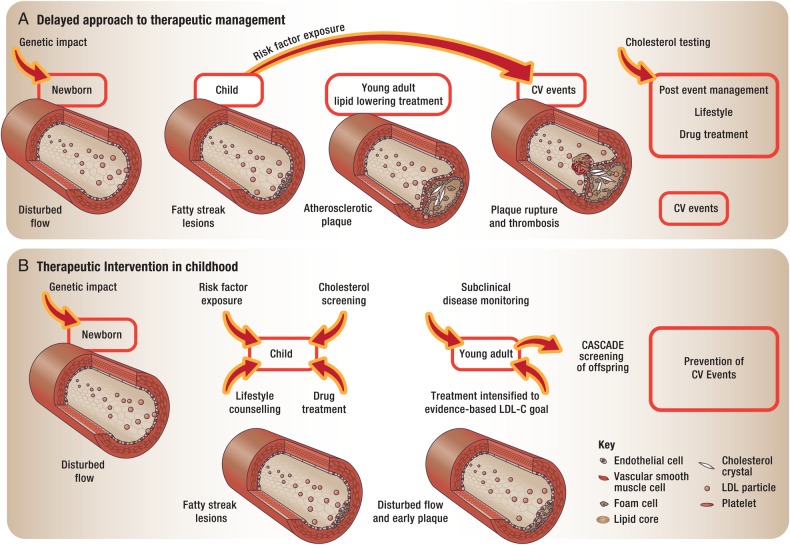
“…studies indicate that the pathophysiological atherosclerotic changes in individuals with FH occur early in their course of the disease; therefore, therapeutic interventions in childhood aiming to reduce LDL-C levels may be important to prevent FH complications, mainly cardiovascular disease [18].”
Wiegman, A., Peterson, A. L. H., Bruckert, É., Defesche, J. C., Schweizer, A., Bergeron, J., Chueca, M. J., van Lennep, J. E. R., Santos, R. D., Schwab, K. O., et al. (2026) · The Lancet Diabetes & Endocrinology · doi:10.1016/s2213-8587(25)00351-1 · Cited by 9
Self-citation14. Familial hypercholesterolemia
Vladimirova‐Kitova, L., & Kitov, S. (2016) · Wageningen Academic Publishers eBooks · doi:10.3920/978-90-8686-821-6_14 · Cited by 7
Atherogenic lipid profile in patients with Niemann-Pick disease type B: What treatment strategies?
Maines, E., Franceschi, R., Rizzardi, C., Deodato, F., Piccoli, G., Gragnaniello, V., Burlina, A., & Soffiati, M. (2022) · Journal of clinical lipidology · doi:10.1016/j.jacl.2022.01.008 · Cited by 5
Pederiva, C., Gazzotti, M., Arca, M., Averna, M. R., Banderali, G., Biasucci, G., Brambilla, M., Buonuomo, P. S., Calabrò, P., Cipollone, F., et al. (2023) · Nutrients · doi:10.3390/nu15153468 · Cited by 6
Self-citationLow-Cost High-Throughput Genotyping for Diagnosing Familial Hypercholesterolemia
Ibrahim, S., van Rooij, J., Verkerk, A. J. M. H., de Vries, J., Zuurbier, L. C., Defesche, J. C., Peter, J., Schonck, W. A. M., Sedaghati-khayat, B., Hovingh, G. K., et al. (2023) · Circulation Genomic and Precision Medicine · doi:10.1161/circgen.123.004103 · Cited by 8
Self-citationEvaluating the prevalence of lipid assessments in children in Alberta, Canada
Christian, S., Ridsdale, R. A., Mu, L., & Khoury, M. (2023) · CMAJ Open · doi:10.9778/cmajo.20220163 · Cited by 6
Exome-wide association study of blood lipids in 1,158,017 individuals from diverse populations
Koyama, S., Yu, Z., Choi, S. H., Jurgens, S. J., Selvaraj, M. S., Klarin, D. M., Huffman, J. E., Clarke, S. L., Zhang, S. K., Trinh, M. N., et al. (2026) · Nature Genetics · doi:10.1038/s41588-026-02613-y · Cited by 13
“Family-based discovery and characterization of rare coding alleles causative of familial hypercholesterolemia (FH) have yielded important insights for coronary artery disease (CAD), the leading cause of premature mortality among adults 1,2 .”
Lewek, J., Sosnowska, B., Starostecka, E., Konopka, A., Gach, A., Rutkowska, L., Adach, W., Mierczak, K., Bielecka-Dabrowa, A. M., & Banach, M. (2024) · International Journal of Cardiology · doi:10.1016/j.ijcard.2024.132667 · Cited by 7
The hinterland of familial hypercholesterolaemia: what do we not know?
Wierzbicki, A. S., & Watts, G. F. (2015) · Current Opinion in Lipidology · doi:10.1097/mol.0000000000000238 · Cited by 7
Self-citationCiveira, F., & Plana, N. (2017) · Revista Española de Cardiología · doi:10.1016/j.recesp.2016.12.007 · Cited by 6
Rodríguez-Borjabad, C., Malo, A. I., Ibarretxe, D., Girona, J., Heras, M., Ferré, R., Feliu, A., Maria, S., Varela, A., Amigó, N., et al. (2020) · Clínica e Investigación en Arteriosclerosis · doi:10.1016/j.arteri.2019.10.001 · Cited by 8
Self-citationFourgeaud, M., Lebreton, L., Belabbas, K., Filippo, M. D., Rigalleau, V., Couffinhal, T., Pucheu, Y., Barat, P., Ged, C., & Bérard, A. M. (2022) · Journal of clinical lipidology · doi:10.1016/j.jacl.2022.03.002 · Cited by 6
Should We Be Screening for Ischaemic Heart Disease Earlier in Childhood?
Bassareo, P. P., O'Brien, S. T., Dunne, E., Duignan, S. M., Martino, E., Martino, F., & McMahon, C. J. (2022) · Children · doi:10.3390/children9070982 · Cited by 8
“5 mmol/L (130 mg/dL) in children aged ≥10 years, especially when additional risk factors, increased lipoprotein(a) included, are present [83].”
BackgroundBarde, A. K., Sethi, S., Bhargav, M., & Waghdhare, S. (2022) · International Journal of Advances in Medicine · doi:10.18203/2349-3933.ijam20223018 · Cited by 8
Cupido, A. J., Hof, M. H. P., de Boer, L. M., Huijgen, R., Stroes, E. S. G., Kastelein, J. J. P., Hovingh, G. K., & Hutten, B. A. (2022) · Journal of clinical lipidology · doi:10.1016/j.jacl.2022.12.004 · Cited by 9
Self-citationGeneration of a familial hypercholesterolemia model in non-human primate
Sato, A., Tsukiyama, T., Komeno, M., Iwatani, C., Tsuchiya, H., Kawamoto, I., Murase, M., Nakagawa, T., Itagaki, I., Seita, Y., et al. (2023) · Scientific Reports · doi:10.1038/s41598-023-42763-1 · Cited by 7
Prediction of atherosclerotic cardiovascular risk in early childhood
Ferraro, S., Benedetti, S., Mannarino, S., Marcovina, S. M., Biganzoli, E. M., & Zuccotti, G. (2023) · Clinica Chimica Acta · doi:10.1016/j.cca.2023.117684 · Cited by 7
Membrane Transporter of Serotonin and Hypercholesterolemia in Children
Sadykova, D. I., Nigmatullina, R. R., Salakhova, K. R., Сластникова, Е. С., Galimova, L., Данилевна, Х. Ч., & Valeeva, I. (2024) · International Journal of Molecular Sciences · doi:10.3390/ijms25020767 · Cited by 7
“There are approximately 35 million people living in the world today with familial hypercholesterolemia, and 6.8–8.5 million of them are children; one child is born with a heterozygous form of familial hypercholesterolemia every minute worldwide [33,34].”
BackgroundInfluentialCardiero, G., Ferrandino, M., Calcaterra, I. L., Iannuzzo, G., Minno, M. N. D. D., Buganza, R., Guardamagna, O., Auricchio, R., Taranto, M. D. D., & Fortunato, G. (2024) · Genes · doi:10.3390/genes15040462 · Cited by 7
“Correct genetic identification of the cause of hypercholesterolemia could help patient management, particularly impacting therapy and CVD prevention from childhood on-ward [1,21].”
BackgroundEkici, F., Özçobanoğlu, S., & Kardelen, F. (2017) · Balkan Medical Journal · doi:10.4274/balkanmedj.2017.0490 · Cited by 6
“However, only mild reduction (10-25%) in the LDL plasma levels is reported in most patients with HoFH, even at the highest doses of the most efficacious statins (1,5).”
BackgroundInfluentialIntegrating lipid screening with ideal cardiovascular health assessment in pediatric settings
Blackett, P. R., George, M. M., & Wilson, D. P. (2018) · Journal of clinical lipidology · doi:10.1016/j.jacl.2018.08.009 · Cited by 9
Essentials of a new clinical practice guidance on familial hypercholesterolaemia for physicians
Watts, G. F., SULLIVAN, D. R., Hare, D. L., Kostner, K., Horton, A., Bell, D. A., Brett, T., Trent, R. J., Poplawski, N. K., Martin, A. C., et al. (2021) · Internal Medicine Journal · doi:10.1111/imj.15327 · Cited by 7
Self-citationDocumenting family history in children with hypercholesterolaemia: A lost opportunity
Sorubarajan, T., Lewis, B. D., Burnett, J. R., & Martin, A. C. (2017) · Journal of Paediatrics and Child Health · doi:10.1111/jpc.13457 · Cited by 6
Zenti, M. G., Stefanutti, C., Sanga, V., Altomari, A., Fabris, A., Dauriz, M., & Bonora, E. (2018) · Journal of Clinical Apheresis · doi:10.1002/jca.21632 · Cited by 6
“9 mmol/L) in individuals with a family history of hypercholesterolemia and/or early coronary heart disease.(2,3)”
BackgroundTreatment of children with heterozygous familial hypercholesterolemia
Reiner, Ž., & Sahebkar, A. (2019) · International Journal of Cardiology · doi:10.1016/j.ijcard.2019.10.055 · Cited by 6
Pirillo, A., & Catapano, A. L. (2017) · Elsevier eBooks · doi:10.1016/b978-0-12-809657-4.99567-x · Cited by 6
Self-citationGrošelj, U., Šikonja, J., Mlinarič, M., Kotnik, P., Battelino, T., & Knowles, J. W. (2022) · JAMA Network Open · doi:10.1001/jamanetworkopen.2022.31097 · Cited by 5
Lin, D., Lu, Y., Qiu, B., Feng, M., Luo, Y., Xue, F., Zhou, T., Zhu, J., Zhang, J., Wang, L., et al. (2024) · Journal of clinical lipidology · doi:10.1016/j.jacl.2024.08.008 · Cited by 6
Mourre, F., Giorgi, R., Cattieuw, L., Gallo, A., Moulin, P., Charrière, S., Aouchiche, K., Rigalleau, V., Schiele, F., Sultan, A., et al. (2025) · European Journal of Preventive Cardiology · doi:10.1093/eurjpc/zwaf234 · Cited by 7
Consensus statement on the management of dyslipidaemias in adults
Béliard, S., Bonnet, F., Bouhanick, B., Bruckert, É., Cariou, B., Charrière, S., Durlach, V., Moulin, P., Valéro, R., & Vergès, B. L. (2017) · Annales d Endocrinologie · doi:10.1016/j.ando.2016.11.001 · Cited by 7
Detecting familial hypercholesterolemia: The Jack and the Beanstalk principle
Martin, A. C., Allen, C., Pang, J., & Watts, G. F. (2017) · Journal of clinical lipidology · doi:10.1016/j.jacl.2017.02.003 · Cited by 5
Self-citationTsuda, T. (2017) · Japanese Society of Pediatric Cardiology and Cardiac Surgery · doi:10.24509/jpccs.170110 · Cited by 7
Regulatory Non-Coding RNAs in Familial Hypercholesterolemia, Theranostic Applications
Alikhani, H. K., Pourhamzeh, M., Seydi, H., Shokoohian, B., Hossein‐Khannazer, N., Jamshidi‐Adegani, F., Al‐Hashmi, S., Hassan, M., & Vosough, M. (2022) · Frontiers in Cell and Developmental Biology · doi:10.3389/fcell.2022.894800 · Cited by 6
Phenotypic vs. genetic cascade screening for familial hypercholesterolemia: A case report
Блохина, А. В., Ershova, A. I., Meshkov, A. N., Kiseleva, A. V., Климушина, М. В., Zharikova, A. A., Сотникова, Е. А., Ramensky, V. E., & Drapkina, O. M. (2022) · Frontiers in Cardiovascular Medicine · doi:10.3389/fcvm.2022.982607 · Cited by 6
Gaisenok, O. V. (2022) · Health Risk Analysis · doi:10.21668/health.risk/2022.3.13 · Cited by 4
Shibayama, J., Tada, H., Sakata, K., Usui, S., Takamura, M., & Kawashiri, M. (2022) · Internal Medicine · doi:10.2169/internalmedicine.9249-21 · Cited by 5
Update on management of paediatric dyslipidaemia
Bansal, N., Kumar, S., & Brar, P. C. (2022) · Current Opinion in Endocrinology Diabetes and Obesity · doi:10.1097/med.0000000000000794 · Cited by 4
Are We Using Ezetimibe As Much As We Should?
Manolis, A. S., Manolis, T. A., Mikhailidis, D. P., & Manolis, A. S. (2024) · Biomarker Insights · doi:10.1177/11772719241257410 · Cited by 9
“83 In the United States, pravastatin can be employed from 8 years of age, while all other statins can be considered from 10 years of age.”
BackgroundHasegawa, N., Iwashima, S., Furusawa, Y., Hayakawa, A., Katuki, J., Hayano, S., Seki, K., Yata, S., Kinjo, K., & Sano, S. (2024) · Journal of Atherosclerosis and Thrombosis · doi:10.5551/jat.64795 · Cited by 6
Vuorio, A. F., Watts, G. F., & Kovanen, P. T. (2016) · Journal of clinical lipidology · doi:10.1016/j.jacl.2016.07.003 · Cited by 5
Self-citationČeška, R., Paragh, G., Reiner, Ž., Banach, M., Tokgözoğlu, L. S., Susekov, A. V., Rašlová, K., Freiberger, T., Vohnout, B., Rynkiewicz, A., et al. (2017) · Vnitřní lékařství · doi:10.36290/vnl.2017.008 · Cited by 6
Brett, T., Radford, J. C., Heal, C. F., Hespe, C. M., Garton‐Smith, J., Kirke, A. B., Chan, D. C., Pang, J., & Watts, G. F. (2021) · Australian Journal of General Practice · doi:10.31128/ajgp-02-21-5836 · Cited by 5
Self-citationCiveira, F., & Plana, N. (2017) · Revista Española de Cardiología (English Edition) · doi:10.1016/j.rec.2017.02.008 · Cited by 7
“Safe and well-tolerated drugs such as statins can be used to dramatically reduce LDL cholesterol in children and adolescents and considerable evidence shows that they reduce cardiovascular disease in adults.(14)”
Familial hypercholesterolemia in childhood and adolescents: A hidden reality
Plana, N., Rodríguez-Borjabad, C., Ibarretxe, D., & Masana, L. (2017) · Clínica e Investigación en Arteriosclerosis (English Edition) · doi:10.1016/j.artere.2016.11.002 · Cited by 8
Self-citationBuonuomo, P. S., Macchiaiolo, M., Leone, G., Valente, P., Mastrogiorgio, G., Gnazzo, M., Rana, I., Gonfiantini, M. V., Gagliardi, M. G., Romano, F., et al. (2018) · European Journal of Preventive Cardiology · doi:10.1177/2047487318776836 · Cited by 4
“It is considered a rare disease, with a previously estimated prevalence of 1:1,000,000 in the general population.(2) More recent data from The Netherlands indicate that in Europe the prevalence could be about 1:300,000 or even higher.”
BackgroundLDL-cholesterol targets: perspectives for the use of PCSK9 inhibitors
Lüscher, T. F. (2016) · European Heart Journal · doi:10.1093/eurheartj/ehw150 · Cited by 5
Mirzaee, S., Rashid, H. N. Z., Tumur, O., Nogic, J., Verma, K. P., Cameron, J. D., Nicholls, S. J., & Nasis, A. (2019) · CJC Open · doi:10.1016/j.cjco.2019.05.001 · Cited by 5
“Although there is no consensus with regard to the age of testing and commencement of statin therapy in children with a first-degree relative with FH, screening from age 5 years or even younger is recommended if homozygous FH is clinically suspected.(18) Recognition of the importance of familial screening in FH, in par…”
Background
Metadata
- Authors
- Wiegman, A., Gidding, S. S., Watts, G. F., Chapman, M. J., Ginsberg, H. N., Cuchel, M., Ose, L., Averna, M., Boileau, C., Borén, J., Bruckert, E., Catapano, A. L., Defesche, J. C., Descamps, O. S., Hegele, R. A., Hovingh, G. K., Humphries, S. E., Kovanen, P. T., Kuivenhoven, J. A., Masana, L., Nordestgaard, B. G., Pajukanta, P., Parhofer, K. G., Raal, F. J., Ray, K. K., Santos, R. D., Stalenhoef, A. F. H., Steinhagen- Thiessen, E., Stroes, E. S., Taskinen, M.-R., Tybjærg-Hansen, A., & Wiklund, O.
- Affiliations
- Amsterdam UMC Location University of Amsterdam (NL)
- Alfred I. duPont Hospital for Children (US)
- The University of Western Australia (AU)
- Inserm (FR)
- Columbia University Irving Medical Center (US)
- University of Pennsylvania (US)
- Oslo University Hospital (NO)
- University of Palermo (IT)
- University of Gothenburg (SE)
- University of Milan (IT)
- Hôpital de Jolimont (BE)
- Western University (CA)
- University of London (GB)
- Wihuri Research Institute (FI)
- University Medical Center Groningen (NL)
- Universitat Rovira i Virgili (ES)
- University of Copenhagen (DK)
- University of California, Los Angeles (US)
- Ludwig-Maximilians-Universität München (DE)
- University of the Witwatersrand (ZA)
- Imperial College London (GB)
- Universidade de São Paulo (BR)
- Radboud University Medical Center (NL)
- University of Helsinki (FI)
- Sahlgrenska University Hospital (SE)
- Corresponding author
- Wiegman, Albert
- ORCID
- Wiegman, Albert
- Gidding, Samuel S.
- Watts, Gerald F.
- Chapman, M. John
- Ginsberg, Henry N.
- Cuchel, Marina
- Averna, Maurizio
- Borén, Jan
- Catapano, Alberico L.
- Defesche, Joep C.
- Descamps, Olivier S.
- Hegele, Robert A.
- Hovingh, G. Kees
- Humphries, Steve E.
- Kovanen, Petri T.
- Kuivenhoven, Jan Albert
- Masana, Luis
- Nordestgaard, Børge G.
- Pajukanta, Päivi
- Parhofer, Klaus G.
- Raal, Frederick J.
- Ray, Kausik K.
- Santos, Raul D.
- Stroes, Erik S.
- Taskinen, Marja-Riitta
- Wiklund, Olov
- Venue
- European Heart Journal
- Publisher
- Oxford University Press (OUP)
- Published
- 2015-05-25
- Volume
- 36
- Issue
- 36
- Pages
- 2425-2437
- ISSN
- 0195-668X (ISSN-L)
- 1522-9645
- PMC
- PMC4576143
- OpenAlex
- W2104299102
- Semantic Scholar
- 5252620a0f0a43ef249072de6865f44b88243a5b
- Cited by
- 891
- References
- 150
- Citations by year
- 2026: 79 · 2025: 80 · 2024: 74 · 2023: 87 · 2022: 99 · 2021: 77 · 2020: 80 · 2019: 60 · 2018: 89 · 2017: 77 · 2016: 68 · 2015: 21
- FWCI
- 85.68
- Type
- journal article
- Language
- en
- Open access
- hybrid
- doi.org
- Licence
- cc-by-nc
- Locations
- European Heart Journal (publishedVersion, cc-by-nc)
- Europe PMC (PubMed Central) (publishedVersion, cc-by-nc)
- PubMed Central (publishedVersion, cc-by-nc)
- UWA Profiles and Research Repository (UWA) (publishedVersion, cc-by-nc)
- PubMed (publishedVersion)
- Research at the University of Copenhagen (University of Copenhagen) (publishedVersion, cc-by-nc)
- Rovira & Virgili repository (submittedVersion, cc-by)
- Data Archiving and Networked Services (DANS) (submittedVersion)
- UCL Discovery (University College London) (submittedVersion)
- Työväentutkimus Vuosikirja (submittedVersion)
- Nova Science Publishers (Nova Science Publishers, Inc.) (submittedVersion, other-oa)
- Pure Amsterdam UMC (submittedVersion, other-oa)
- University of Groningen research database (University of Groningen / Centre for Information Technology) (submittedVersion)
- Radboud Repository (Radboud University) (submittedVersion)
- Spiral (Imperial College London) (submittedVersion, other-oa)
- Radboud Repository (Radboud University) (submittedVersion, other-oa)
- Funders
- Amgen, Aegerion, AstraZeneca, Genzyme, Hoffman-La Roche, Kowa Europe, Novartis, and Sanofi-Aventis/Regeneron
- Topics
- Health Sciences › Medicine › Cardiology and Cardiovascular Medicine › Lipoproteins and Cardiovascular Health
- Health Sciences › Medicine › Cardiology and Cardiovascular Medicine › Lipid metabolism and disorders
- Life Sciences › Biochemistry, Genetics and Molecular Biology › Clinical Biochemistry › Metabolism and Genetic Disorders
- Keywords
- familial hypercholesterolemia, children and adolescents, family screening, phenotypic diagnosis, genetic testing, statin therapy, LDL cholesterol targets, premature coronary artery disease, life expectancy, cardiovascular risk, heterozygous familial hypercholesterolemia, lipoprotein(a)
- MeSH terms
- Adolescent, Adult, Child, Counseling, Diet, Economics, Medical, Female, Genetic Testing, Heterozygote, Homozygote, Humans, Hyperlipoproteinemia Type II, Life Expectancy, Middle Aged, Pregnancy, Pregnancy Complications, Risk Factors, Cost of Illness, Evidence-Based Medicine, Clinical Laboratory Techniques, Dietary Supplements, Early Diagnosis, Atherosclerosis, Medication Adherence, Young Adult, Carotid Intima-Media Thickness
About these checks
Registry, retraction, Cites and statistics results are computed, not judged, with one exception: a printed reference that no index lists is read once by a model before it counts as a citation error. Claims are extracted by a model and kept only when their quote appears verbatim in the text; each cited source is then checked, with a model’s help, for whether it says what the claim relies on. Those verdicts can be wrong — read the claim’s quote and the cited source before relying on one.
Statistics and arithmetic are recomputed, not judged.
Confidence bands are shown only for fields calibrated on our annotated test set. None is calibrated yet, so no band is shown.
What counts as a claim ›How we measure confidence ›How we check this ›
Are you an author, or do you see a problem with this page? Request a review
Data sources
Bibliographic data: Semantic Scholar, OpenAlex, Crossref.
Contains information from the Semantic Scholar Academic Graph Datasets, made available under the ODC Attribution License (ODC-BY 1.0).
Semantic Scholar’s data is described in: Kinney, R., et al. (2023). The Semantic Scholar Open Data Platform. arXiv:2301.10140.
