

Low-density lipoproteins cause atherosclerotic cardiovascular disease. 1. Evidence from genetic, epidemiologic, and clinical studies. A consensus statement from the European Atherosclerosis Society Consensus Panel
Open accessThe DOI matches its Crossref record; 57 of the 58 references it cites were found in a registry or an index.
Abstract
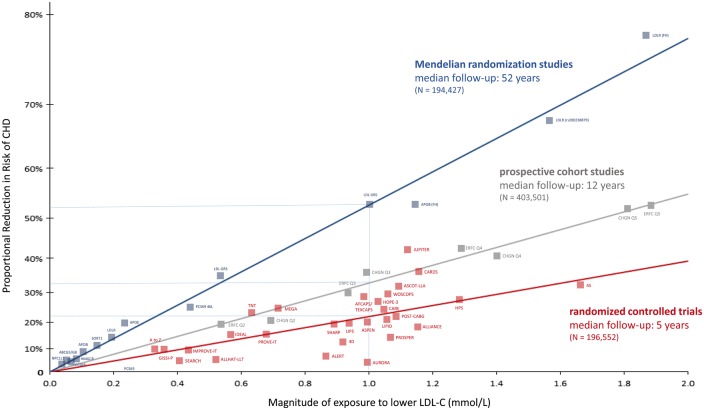
AIMS: To appraise the clinical and genetic evidence that low-density lipoproteins (LDLs) cause atherosclerotic cardiovascular disease (ASCVD). METHODS AND RESULTS: We assessed whether the association between LDL and ASCVD fulfils the criteria for causality by evaluating the totality of evidence from genetic studies, prospective epidemiologic cohort studies, Mendelian randomization studies, and randomized trials of LDL-lowering therapies. In clinical studies, plasma LDL burden is usually estimated by determination of plasma LDL cholesterol level (LDL-C). Rare genetic mutations that cause reduced LDL receptor function lead to markedly higher LDL-C and a dose-dependent increase in the risk of ASCVD, whereas rare variants leading to lower LDL-C are associated with a correspondingly lower risk of ASCVD. Separate meta-analyses of over 200 prospective cohort studies, Mendelian randomization studies, and randomized trials including more than 2 million participants with over 20 million person-years of follow-up and over 150 000 cardiovascular events demonstrate a remarkably consistent dose-dependent log-linear association between the absolute magnitude of exposure of the vasculature to LDL-C and the risk of ASCVD; and this effect appears to increase with increasing duration of exposure to LDL-C. Both the naturally randomized genetic studies and the randomized intervention trials consistently demonstrate that any mechanism of lowering plasma LDL particle concentration should reduce the risk of ASCVD events proportional to the absolute reduction in LDL-C and the cumulative duration of exposure to lower LDL-C, provided that the achieved reduction in LDL-C is concordant with the reduction in LDL particle number and that there are no competing deleterious off-target effects. CONCLUSION: Consistent evidence from numerous and multiple different types of clinical and genetic studies unequivocally establishes that LDL causes ASCVD.
Overview
The claims and statistics of this paper haven’t been checked yet.
Free: it reads the open-access text and checks the first 5 claims that cite a source we can check. Create a free account to check every claim.
Integrity signals
Registry
Cites
Statistics
Figures
Verification
Claims the paper makes
The claims and statistics of this paper haven’t been checked yet.
Free: it reads the open-access text and checks the first 5 claims that cite a source we can check. Create a free account to check every claim.
Claims other papers make about this one
Each is checked against this paper’s own text: does it say what the citing paper says it does?
The source backs part of the claim, not all of it — or backs it for a different population, condition or comparison.
In the citing paper
“In contrast, the clinical benefit of therapies that lower LDL-C by a mechanism that may dramatically modify their composition may not be proportional to the observed absolute reduction in LDL-C, but instead would be expected to be proportional to the absolute change in LDL particle concentration as measured by a reduction in ApoB [2,53].”
From 2019 ESC/EAS guidelines for the management of dyslipidaemias: lipid modification to reduce cardiovascular risk (2019) · cites this paper as [2]
Experimental — accuracy not yet measuredThe source backs part of the claim, not all of it — or backs it for a different population, condition or comparison.
In the citing paper
“The clinical effectiveness of LDLC-guided management of cardio- vascular risk is most strongly evidence-based [7,8].”
From Quantifying atherogenic lipoproteins for lipid-lowering strategies: Consensus-based recommendations from EAS and EFLM (2020) · cites this paper as [7]
Experimental — accuracy not yet measuredThe source backs part of the claim, not all of it — or backs it for a different population, condition or comparison.
In the citing paper
“Second, genetic variants reflect the effect of lifelong changes in ApoB-containing lipoproteins on the risk of cardiovascular disease, which appear to be cumulative over time.5,34”
From Association of Triglyceride-Lowering LPL Variants and LDL-C–Lowering LDLR Variants With Risk of Coronary Heart Disease (2019) · cites this paper as [5]
Experimental — accuracy not yet measuredThe cited source says what the claim attributes to it.
In the citing paper
“While LDL-C is an established major causal factor for ASCVD,93,103,104 the causality of TG, TRL, or TRL remnants for ASCVD is contentious.17,36,105–107”
The cited source says what the claim attributes to it.
In the citing paper
“New evidence has confirmed that the key initiating event in atherogenesis is the retention of low-density lipoprotein (LDL) cholesterol (LDL-C) and other cholesterol-rich apolipoprotein (Apo) B-containing lipoproteins within the arterial wall [2].”
From 2019 ESC/EAS guidelines for the management of dyslipidaemias: lipid modification to reduce cardiovascular risk (2019) · cites this paper as [2]
11 more claims about this paper
Create a free account to see every claim other papers make about this one.
Self-check
Percentages, sums and reported differences re-computed from the paper’s own numbers.
The self-check needs the paper’s full text.
Citations
Cites
Yusuf, S., Hawken, S., Ôunpuu, S., Dans, T., Avezum, A., Lanas, F., McQueen, M., Budaj, A., Pais, P., Varigos, J., et al. (2004) · The Lancet · doi:10.1016/s0140-6736(04)17018-9 · Cited by 12,026
Ahmed, A., Jorna, T., & Bhandari, S. (2016) · Nephron · doi:10.1159/000447068 · Cited by 11,717
The environment and disease: association or causation?
Hill, A. B. (2015) · Journal of the Royal Society of Medicine · doi:10.1177/0141076814562718 · Cited by 7,285
Stone, N. J., Robinson, J. G., Lichtenstein, A. H., Bairey Merz, C. N., Blum, C. B., Eckel, R. H., Goldberg, A. C., Gordon, D., Levy, D., Lloyd-Jones, D. M., et al. (2014) · Circulation · doi:10.1161/01.cir.0000437738.63853.7a · Cited by 7,081
The Environment and Disease: Association or Causation?
Hill, A. B. (1965) · Proceedings of the Royal Society of Medicine · doi:10.1177/003591576505800503 · Cited by 6,974
Cholesterol Treatment Trialists' (CTT) Collaboration (2010) · The Lancet · doi:10.1016/s0140-6736(10)61350-5 · Cited by 6,550
Evolocumab and Clinical Outcomes in Patients with Cardiovascular Disease
Sabatine, M. S., Giugliano, R. P., Keech, A. C., Honarpour, N., Wiviott, S. D., Murphy, S. A., Kuder, J. F., Wang, H., Liu, T., Wasserman, S. M., et al. (2017) · New England Journal of Medicine · doi:10.1056/nejmoa1615664 · Cited by 6,138
Mendelian randomization: Using genes as instruments for making causal inferences in epidemiology
Lawlor, D. A., Harbord, R. M., Sterne, J. A. C., Timpson, N., & Davey Smith, G. (2008) · Statistics in Medicine · doi:10.1002/sim.3034 · Cited by 4,618 · cited 1×
“whether an observed association between an exposure and an outcome is likely to be causal.(23) Numerous variants in multiple genes have been reported to be associated with lower LDL-C levels.”
BackgroundEzetimibe Added to Statin Therapy after Acute Coronary Syndromes
Cannon, C. P., Blazing, M. A., Giugliano, R. P., McCagg, A., White, J. A., Theroux, P., Darius, H., Lewis, B. S., Ophuis, T. O., Jukema, J. W., et al. (2015) · New England Journal of Medicine · doi:10.1056/nejmoa1410489 · Cited by 4,487
Biological, clinical and population relevance of 95 loci for blood lipids
Teslovich, T. M., Musunuru, K., Smith, A. V., Edmondson, A. C., Stylianou, I. M., Koseki, M., Pirruccello, J. P., Ripatti, S., Chasman, D. I., Willer, C. J., et al. (2010) · Nature · doi:10.1038/nature09270 · Cited by 3,487
Sequence Variations in PCSK9, Low LDL, and Protection against Coronary Heart Disease
Cohen, J. C., Boerwinkle, E., Mosley, T. H., & Hobbs, H. H. (2006) · New England Journal of Medicine · doi:10.1056/nejmoa054013 · Cited by 3,181 · cited 11×
“The second paper discusses the evidence for LDL causality based on the current understanding of the pathophysiology of ASCVD.”
BackgroundInfluential2016 ESC/EAS Guidelines for the Management of Dyslipidaemias
Catapano, A. L., Graham, I., De Backer, G., Wiklund, O., Chapman, M. J., Drexel, H., Hoes, A. W., Jennings, C. S., Landmesser, U., Pedersen, T. R., et al. (2016) · European Heart Journal · doi:10.1093/eurheartj/ehw272 · Cited by 3,162
Self-citationWiller (2013) · doi:10.1038/ng.2797 · Cited by 2,983
Nordestgaard, B. G., Chapman, M. J., Humphries, S. E., Ginsberg, H. N., Masana, L., Descamps, O. S., Wiklund, O., Hegele, R. A., Raal, F. J., Defesche, J. C., et al. (2013) · European Heart Journal · doi:10.1093/eurheartj/eht273 · Cited by 2,761
Self-citationBaigent, C., Landray, M. J., Reith, C., Emberson, J., Wheeler, D. C., Tomson, C., Wanner, C., Krane, V., Cass, A., Craig, J., et al. (2011) · The Lancet · doi:10.1016/s0140-6736(11)60739-3 · Cited by 2,479
A comprehensive 1000 Genomes–based genome-wide association meta-analysis of coronary artery disease
the CARDIoGRAMplusC4D Consortium (2015) · Nature Genetics · doi:10.1038/ng.3396 · Cited by 2,447
Self-citation(2007) · The Lancet · doi:10.1016/s0140-6736(07)61778-4 · Cited by 2,331 · cited 1×
“This meta-analysis reported a strong, graded log-linear association between total plasma cholesterol and the risk of ischaemic heart disease mortality.(22) Importantly, in a subsample of 153 798 participants for whom HDL-C measurements were available, the effect of non-HDLC on the risk of ischaemic heart disease morta…”
BackgroundNissen, S. E., Nicholls, S. J., Sipahi, I., Libby, P., Raichlen, J. S., Ballantyne, C. M., Davignon, J., Erbel, R., Fruchart, J. C., Tardif, J.-C., et al. (2006) · JAMA · doi:10.1001/jama.295.13.jpc60002 · Cited by 2,047
Self-citationInterpretation of the evidence for the efficacy and safety of statin therapy
Collins, R., Reith, C., Emberson, J., Armitage, J., Baigent, C., Blackwell, L., Blumenthal, R., Danesh, J., Smith, G. D., DeMets, D., et al. (2016) · The Lancet · doi:10.1016/s0140-6736(16)31357-5 · Cited by 1,857 · cited 3×
“The magnitude of this effect was independent of baseline LDL-C level, similar among persons with and without preexisting cardiovascular disease at baseline, and remarkably consistent in all subgroups studied.(32,33) This meta-analysis therefore provides powerful evidence that reducing plasma LDL-C levels by inhibiting…”
BackgroundResult2016 ESC/EAS Guidelines for the Management of Dyslipidaemias
Catapano, A. L., Graham, I., De Backer, G., Wiklund, O., Chapman, M. J., Drexel, H., Hoes, A. W., Jennings, C. S., Landmesser, U., Pedersen, T. R., et al. (2016) · Atherosclerosis · doi:10.1016/j.atherosclerosis.2016.08.018 · Cited by 1,582
Self-citationSilverman, M. G., Ference, B. A., Im, K., Wiviott, S. D., Giugliano, R. P., Grundy, S. M., Braunwald, E., & Sabatine, M. S. (2016) · JAMA · doi:10.1001/jama.2016.13985 · Cited by 1,483 · cited 9×
“Indeed, in a recent meta-analysis of 49 studies including 312 175 participants and 39 645 major vascular events that compared the effects of 9 different types of lipid-lowering therapies, nearly all of these therapeutic approaches to lowering LDL-C were associated with a consistent 20–25% proportional reduction in vas…”
ResultInfluentialSelf-citationTabas, I., Williams, K. J., & Borén, J. (2007) · Circulation · doi:10.1161/circulationaha.106.676890 · Cited by 1,399
Self-citationA Century of Cholesterol and Coronaries: From Plaques to Genes to Statins
Goldstein, J. L., & Brown, M. S. (2015) · Cell · doi:10.1016/j.cell.2015.01.036 · Cited by 1,233 · cited 12×
“The second paper discusses the evidence for LDL causality based on the current understanding of the pathophysiology of ASCVD.”
BackgroundInfluentialNicholls, S. J., Puri, R., Anderson, T., Ballantyne, C. M., Cho, L., Kastelein, J. J. P., Koenig, W., Somaratne, R., Kassahun, H., Yang, J., et al. (2016) · JAMA · doi:10.1001/jama.2016.16951 · Cited by 1,178 · cited 1×
“6 mg/ dl).(44) Taken together, the results of these studies strongly suggest that PCSK9 inhibitors and statins have biologically equivalent effects on the risk of cardiovascular events per unit change in LDL-C.”
ResultSelf-citationCuchel, M., Bruckert, E., Ginsberg, H. N., Raal, F. J., Santos, R. D., Hegele, R. A., Kuivenhoven, J. A., Nordestgaard, B. G., Descamps, O. S., Steinhagen-Thiessen, E., et al. (2014) · European Heart Journal · doi:10.1093/eurheartj/ehu274 · Cited by 1,057
Self-citationSubendothelial retention of atherogenic lipoproteins in early atherosclerosis
Skålén, K., Gustafsson, M., Rydberg, E. K., Hultén, L. M., Wiklund, O., Innerarity, T. L., & Borén, J. (2002) · Nature · doi:10.1038/nature00804 · Cited by 1,019 · cited 2×
“The probability that LDL will be retained within the arterial intima leading to the development and growth of atherosclerotic plaque increases with increasing concentration of circulating LDL particles.(6) Because retention of LDL particles is a probabilistic event, one would expect, therefore, that people with simila…”
BackgroundSelf-citationBuchwald, H., Varco, R. L., Matts, J. P., Long, J. M., Fitch, L. L., Campbell, G. S., Pearce, M. B., Yellin, A. E., Edmiston, W. A., Smink, R. D., et al. (1990) · New England Journal of Medicine · doi:10.1056/nejm199010043231404 · Cited by 1,001
Khera, A. V., Won, H.-H., Peloso, G. M., Lawson, K. S., Bartz, T. M., Deng, X., van Leeuwen, E. M., Natarajan, P., Emdin, C. A., Bick, A. G., et al. (2016) · Journal of the American College of Cardiology · doi:10.1016/j.jacc.2016.03.520 · Cited by 942
Self-citationFerence, B. A., Yoo, W., Alesh, I., Mahajan, N., Mirowska, K. K., Mewada, A., Kahn, J., Afonso, L., Williams, K. A., & Flack, J. M. (2012) · Journal of the American College of Cardiology · doi:10.1016/j.jacc.2012.09.017 · Cited by 898
Self-citationWiegman, A., Gidding, S. S., Watts, G. F., Chapman, M. J., Ginsberg, H. N., Cuchel, M., Ose, L., Averna, M., Boileau, C., Borén, J., et al. (2015) · European Heart Journal · doi:10.1093/eurheartj/ehv157 · Cited by 891
Self-citationEffect of Two Intensive Statin Regimens on Progression of Coronary Disease
Nicholls, S. J., Ballantyne, C. M., Barter, P. J., Chapman, M. J., Erbel, R. M., Libby, P., Raichlen, J. S., Uno, K., Borgman, M., Wolski, K., et al. (2011) · New England Journal of Medicine · doi:10.1056/nejmoa1110874 · Cited by 890 · cited 1×
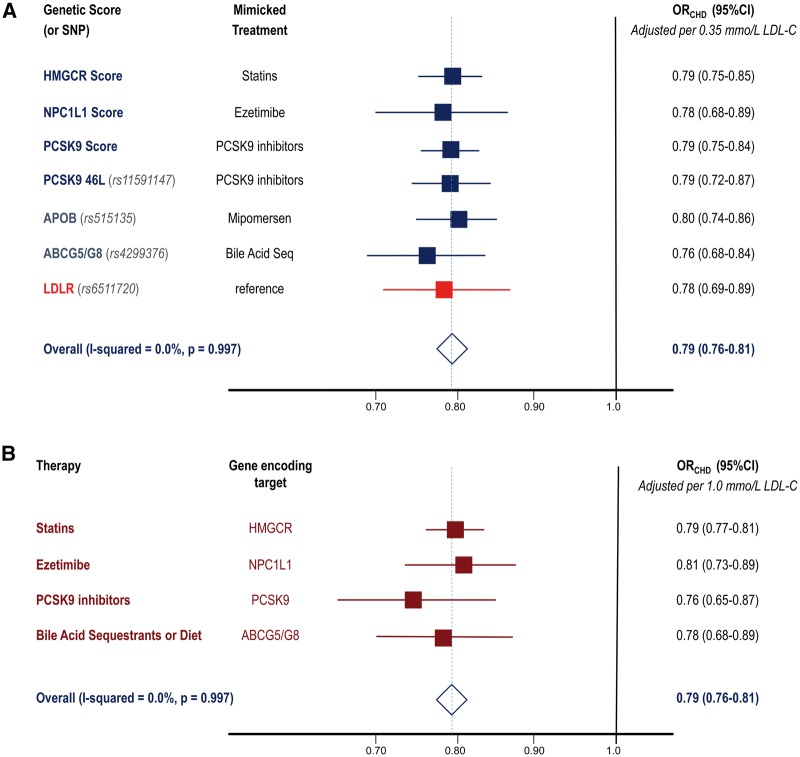
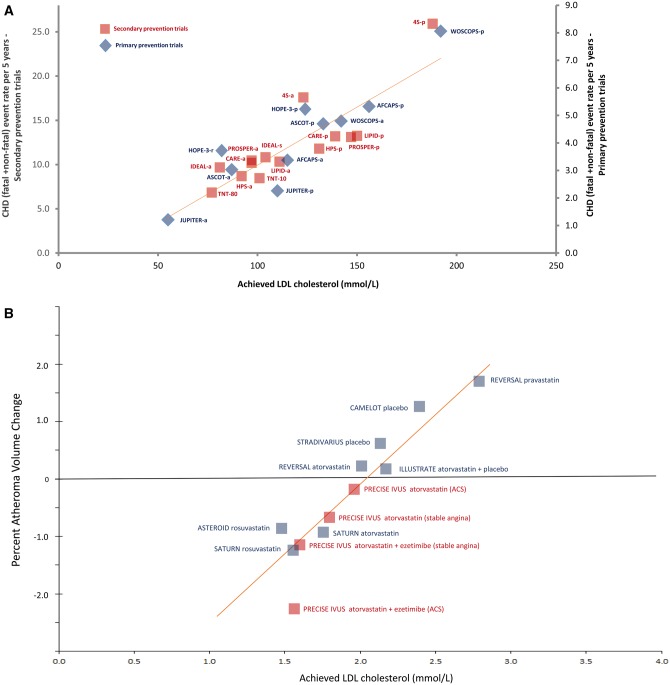
“8 mmol/L (70 mg/dL) (Figure 5B).(35,36) Importantly, other therapies that reduce LDL-C without inhibiting HMG-CoA reductase have also been shown to reduce the risk of cardiovascular events in large randomized cardiovascular outcome trials.”
BackgroundSelf-citationBoekholdt, S. M., Arsenault, B. J., Mora, S., Pedersen, T. R., LaRosa, J. C., Nestel, P. J., Simes, R. J., Durrington, P., Hitman, G. A., Welch, K. M. A., et al. (2012) · JAMA · doi:10.1001/jama.2012.366 · Cited by 795 · cited 1×
“Notably, in the statin trials, the absolute yearly event rate observed in each randomized treatment arm was strongly and linearly associated with the absolute achieved LDL-C level (Figure 5A).(34) In these studies, LDL-C and apoB concentrations had very similar effects on the risk of cardiovascular events per millimol…”
BackgroundMendelian randomization of blood lipids for coronary heart disease
Holmes, M. V., Asselbergs, F. W., Palmer, T. M., Drenos, F., Lanktree, M. B., Nelson, C. P., Dale, C. E., Padmanabhan, S., Finan, C., Swerdlow, D. I., et al. (2015) · European Heart Journal · doi:10.1093/eurheartj/eht571 · Cited by 748 · cited 2×
“Indeed, when the effect of each LDL-C variant is plotted against its effect on CHD, there is a continuous, dose-dependent, and log-linear causal association between the magnitude of the absolute change in LDL-C level and the lifetime risk of CHD (Figure 2).(28,30) Furthermore, when adjusted for a standard decrement in…”
BackgroundVariation in PCSK9 and HMGCR and Risk of Cardiovascular Disease and Diabetes
Ference, B. A., Robinson, J. G., Brook, R. D., Catapano, A. L., Chapman, M. J., Neff, D. R., Voros, S., Giugliano, R. P., Davey Smith, G., Fazio, S., et al. (2016) · New England Journal of Medicine · doi:10.1056/nejmoa1604304 · Cited by 743 · cited 9×
“Separate meta-analyses of over 200 prospective cohort studies, Mendelian randomization studies, and randomized trials including more than 2 million participants with over 20 million person-years of follow-up and over 150 000 cardiovascular events demonstrate a remarkably consistent dose-dependent log-linear associatio…”
ResultInfluentialSelf-citationMega, J. L., Stitziel, N. O., Smith, J. G., Chasman, D. I., Caulfield, M. J., Devlin, J. J., Nordio, F., Hyde, C. L., Cannon, C. P., Sacks, F. M., et al. (2015) · The Lancet · doi:10.1016/s0140-6736(14)61730-x · Cited by 704 · cited 1×
“LDL-C than did persons with the lowest tertile of the genetic risk score.(53) The genetic score used in this study may have included vari-”
MethodThe target of ezetimibe is Niemann-Pick C1-Like 1 (NPC1L1)
Garcia-Calvo, M., Lisnock, J., Bull, H. G., Hawes, B. E., Burnett, D. A., Braun, M. P., Crona, J. H., Davis, H. R., Dean, D. C., Detmers, P. A., et al. (2005) · Proceedings of the National Academy of Sciences · doi:10.1073/pnas.0500269102 · Cited by 670 · cited 1×
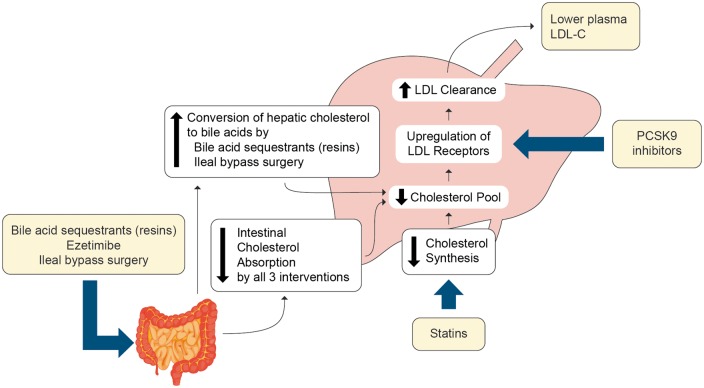
“Ezetimibe inhibits intestinal absorption of cholesterol by binding to the NPC1L1 transporter protein.(37) Among the 18 144 persons with acute coronary syndrome enrolled in the IMPROVE-IT trial, treatment with ezetimibe plus a statin vs.”
BackgroundAnimal lipoproteins: chemistry, structure, and comparative aspects
Chapman, M. J. (1980) · Journal of Lipid Research · doi:10.1016/s0022-2275(20)34780-5 · Cited by 629
Self-citationA comprehensive 1000 Genomes-based genome-wide association meta-analysis of coronary artery disease
Nikpay, M., Goel, A., Won, H., Hall, L. M., Willenborg, C., Kanoni, S., Saleheen, D., Kyriakou, T., Nelson, C. P., Hopewell, J. C., et al. (2015) · EUR Research Repository (Erasmus University Rotterdam) · Cited by 581
Lipid-Related Markers and Cardiovascular Disease Prediction
(2012) · JAMA · doi:10.1001/jama.2012.6571 · Cited by 539
Ference, B. A., Majeed, F., Penumetcha, R., Flack, J. M., & Brook, R. D. (2015) · Journal of the American College of Cardiology · doi:10.1016/j.jacc.2015.02.020 · Cited by 407
Self-citationBenn, M., Watts, G. F., Tybjærg-Hansen, A., & Nordestgaard, B. G. (2016) · European Heart Journal · doi:10.1093/eurheartj/ehw028 · Cited by 400
Self-citationSchwenke, D. C., & Carew, T. E. (1989) · Arteriosclerosis: An Official Journal of the American Heart Association, Inc. · doi:10.1161/01.atv.9.6.908 · Cited by 343
Ravnskov, U., Diamond, D. M., Hama, R., Hamazaki, T., Hammarskjöld, B., Hynes, N., Kendrick, M., Langsjoen, P. H., Malhotra, A., Mascitelli, L., et al. (2016) · BMJ Open · doi:10.1136/bmjopen-2015-010401 · Cited by 343 · cited 1×
“Most publications that question the causal effect of LDL on the development of ASCVD tend to cite evidence from individual studies or a small group of highly selected studies, often without a quantitative synthesis of the presented evidence.(4) Therefore, to avoid this type of selection bias, we have based our conclus…”
BackgroundFord, I., Murray, H., McCowan, C., & Packard, C. J. (2016) · Circulation · doi:10.1161/circulationaha.115.019014 · Cited by 238
Self-citationFrank, J. S., & Fogelman, A. M. (1989) · Journal of Lipid Research · doi:10.1016/s0022-2275(20)38299-7 · Cited by 193
Sabatine, M. S., Giugliano, R. P., Keech, A., Honarpour, N., Wang, H., Liu, T., Wasserman, S. M., Scott, R., Sever, P. S., & Pedersen, T. R. (2016) · American Heart Journal · doi:10.1016/j.ahj.2015.11.015 · Cited by 176
Linsel-Nitschke, P., Götz, A., Erdmann, J., Braenne, I., Braund, P., Hengstenberg, C., Stark, K., Fischer, M., Schreiber, S., El Mokhtari, N. E., et al. (2008) · PLoS ONE · doi:10.1371/journal.pone.0002986 · Cited by 166
Self-citationLarge lipoproteins are excluded from the arterial wall in diabetic cholesterol-fed rabbits
Nordestgaard, B. G., & Zilversmit, D. B. (1988) · Journal of Lipid Research · doi:10.1016/s0022-2275(20)38428-5 · Cited by 156
Self-citationSchmidt, H., Hill, S. C., Makariou, E. V., Feuerstein, I. M., Dugi, K. A., & Hoeg, J. M. (1996) · The American Journal of Cardiology · doi:10.1016/s0002-9149(97)89309-5 · Cited by 126
Mendelian randomization studies: using naturally randomized genetic data to fill evidence gaps
Ference, B. A. (2015) · Current Opinion in Lipidology · doi:10.1097/mol.0000000000000247 · Cited by 82 · cited 1×
“If the variant under study is associated solely with LDL-C and not with other lipid or non-lipid pleiotropic effects, and if allocation is indeed random, then comparing the risk of ASCVD among persons with and without such a variant should provide an unconfounded estimate of the causal effect of lower LDL-C levels on…”
ResultSelf-citationLauridsen, B. K., Stender, S., Frikke-Schmidt, R., Nordestgaard, B. G., & Tybjærg-Hansen, A. (2015) · European Heart Journal · doi:10.1093/eurheartj/ehv108 · Cited by 81
Self-citationCamejo, G., López, A., Vegas, H., & Paoli, H. (1975) · Atherosclerosis · doi:10.1016/0021-9150(75)90095-7 · Cited by 63
Raal, F. J., Pilcher, G. J., Waisberg, R., Buthelezi, E. P., Veller, M., & Joffe, B. I. (1999) · The American Journal of Cardiology · doi:10.1016/s0002-9149(99)00095-8 · Cited by 57 · cited 1×
“both the absolute magnitude and the duration of exposure to elevated LDL-C levels.(15,17,18) Within any affected family, each child has an equal and random 50%”
BackgroundSelf-citationLipoprotein concentrations in newborns are associated with allelic variations in their mothers
Descamps, O. S., Bruniaux, M., Guilmot, P.-F., Tonglet, R., & Heller, F. (2003) · Atherosclerosis · doi:10.1016/j.atherosclerosis.2003.11.002 · Cited by 47
Khera, A. V., Won, H., Peloso, G. M., Ks, L., Tm, B., Deng, X., Em, V. L., Natarajan, P., Emdin, C. A., Ag, B., et al. (2016) · Journal of the American College of Cardiology · Cited by 38
Self-citationCholesterol paradox: a correlate does not a surrogate make
DuBroff, R. J. (2016) · BMJ Evidence-Based Medicine · doi:10.1136/ebmed-2016-110602 · Cited by 31 · cited 11×
“The second paper discusses the evidence for LDL causality based on the current understanding of the pathophysiology of ASCVD.”
BackgroundInfluential
Cited by
Mach, F., Baigent, C., Catapano, A. L., Koskinas, K. C., Casula, M., Badimon, L., Chapman, M. J., De Backer, G. G., Delgado, V., Ference, B. A., et al. (2020) · European Heart Journal · doi:10.1093/eurheartj/ehz455 · Cited by 8,961
Self-citationHeart Disease and Stroke Statistics—2023 Update: A Report From the American Heart Association
Tsao, C. W., Aday, A. W., Almarzooq, Z. I., Anderson, C. A. M., Arora, P., Avery, C. L., Baker-Smith, C. M., Beaton, A. Z., Boehme, A. K., Buxton, A. E., et al. (2023) · Circulation · doi:10.1161/cir.0000000000001123 · Cited by 8,300
2021 ESC Guidelines on cardiovascular disease prevention in clinical practice
Visseren, F. L. J., Mach, F., Smulders, Y. M., Carballo, D., Koskinas, K. C., Bäck, M., Benetos, A., Biffi, A., Boavida, J.-M., Capodanno, D., et al. (2021) · European Heart Journal · doi:10.1093/eurheartj/ehab484 · Cited by 6,485
Self-citationHeart Disease and Stroke Statistics—2022 Update: A Report From the American Heart Association
Tsao, C. W., Aday, A. W., Almarzooq, Z. I., Alonso, A., Beaton, A. Z., Bittencourt, M. S., Boehme, A. K., Buxton, A. E., Carson, A. P., Commodore-Mensah, Y., et al. (2022) · Circulation · doi:10.1161/cir.0000000000001052 · Cited by 5,987
2023 ESC Guidelines for the management of acute coronary syndromes
Byrne, R. A., Rossello, X., Coughlan, J. J., Barbato, E., Berry, C., Chieffo, A., Claeys, M. J., Dan, G.-A., Dweck, M. R., Galbraith, M., et al. (2023) · European Heart Journal · doi:10.1093/eurheartj/ehad191 · Cited by 5,333
Self-citation
Metadata
- Authors
- Ference, B. A., Ginsberg, H. N., Graham, I., Ray, K. K., Packard, C. J., Bruckert, E., Hegele, R. A., Krauss, R. M., Raal, F. J., Schunkert, H., Watts, G. F., Borén, J., Fazio, S., Horton, J. D., Masana, L., Nicholls, S. J., Nordestgaard, B. G., van de Sluis, B., Taskinen, M.-R., Tokgözoğlu, L., Landmesser, U., Laufs, U., Wiklund, O., Stock, J. K., Chapman, M. J., & Catapano, A. L.
- Affiliations
- Wayne State University (US)
- Columbia University (US)
- Trinity College Dublin (IE)
- Imperial College London (GB)
- University of Glasgow (GB)
- INSERM UMRS1166, Department of Endocrinology-Metabolism, ICAN - Institute of CardioMetabolism and Nutrition, AP-HP, Hôpital de la Pitié, Paris, France
- Western University (CA)
- Department of Atherosclerosis Research, Children’s Hospital Oakland Research Institute, Oakland, CA 94609, USA
- University of the Witwatersrand (ZA)
- German Centre for Cardiovascular Research (DE)
- The University of Western Australia (AU)
- Sahlgrenska University Hospital (SE)
- Oregon Health & Science University (US)
- The University of Texas Southwestern Medical Center (US)
- Universitat Rovira i Virgili (ES)
- South Australian Health and Medical Research Institute (AU)
- University of Copenhagen (DK)
- Department of Pediatrics, Molecular Genetics Section, University of Groningen, University Medical Center Groningen, Antonius Deusinglaan 1, Groningen AV 9713, The Netherlands
- University of Helsinki (FI)
- Hacettepe University, Ankara, Turkey
- Inserm (FR)
- Universitätsklinikum des Saarlandes (DE)
- European Atherosclerosis Society (SE)
- University of Milan (IT)
- Corresponding author
- Ference, Brian A.
- ORCID
- Ginsberg, Henry N.
- Graham, Ian
- Ray, Kausik K.
- Packard, Chris J.
- Hegele, Robert A.
- Krauss, Ronald M.
- Raal, Frederick J.
- Schunkert, Heribert
- Watts, Gerald F.
- Borén, Jan
- Fazio, Sergio
- Horton, Jay D.
- Masana, Luis
- Nicholls, Stephen J.
- Nordestgaard, Børge G.
- Taskinen, Marja-Riitta
- Landmesser, Ulf
- Laufs, Ulrich
- Wiklund, Olov
- Chapman, M. John
- Catapano, Alberico L.
- Venue
- European Heart Journal
- Publisher
- Oxford University Press (OUP)
- Published
- 2017-04-24
- Volume
- 38
- Issue
- 32
- Pages
- 2459-2472
- ISSN
- 0195-668X (ISSN-L)
- 1522-9645
- PMC
- PMC5837225
- OpenAlex
- W2609543937
- Cited by
- 3,962
- References
- 58
- Citations by year
- 2026: 528 · 2025: 517 · 2024: 544 · 2023: 538 · 2022: 439 · 2021: 468 · 2020: 382 · 2019: 293 · 2018: 185 · 2017: 63
- FWCI
- 258.66
- Type
- journal article
- Language
- en
- Open access
- hybrid
- doi.org
- Licence
- other-oa
- Locations
- European Heart Journal (publishedVersion, other-oa)
- PubMed Central (publishedVersion, cc-by-nc)
- UWA Profiles and Research Repository (UWA) (publishedVersion, cc-by-nc)
- PubMed (publishedVersion)
- Research at the University of Copenhagen (University of Copenhagen) (publishedVersion, cc-by-nc)
- University of Groningen research database (University of Groningen / Centre for Information Technology) (publishedVersion, cc-by-nc)
- ENLIGHTEN (Jurnal Bimbingan dan Konseling Islam) (acceptedVersion)
- Archivio Istituzionale della Ricerca (Universita Degli Studi Di Milano) (submittedVersion, other-oa)
- HAL (submittedVersion)
- eScholarship (California Digital Library) (submittedVersion)
- eScholarship (California Digital Library) (submittedVersion, cc-by-nc)
- Työväentutkimus Vuosikirja (submittedVersion)
- mediaTUM – the media and publications repository of the Technical University Munich (Technical University Munich) (submittedVersion)
- Hacettepe University Institutional Repository (hacettepe.edu.tr) (submittedVersion, other-oa)
- Spiral (Imperial College London) (submittedVersion, other-oa)
- University of Groningen research database (University of Groningen / Centre for Information Technology) (submittedVersion, cc-by-nc)
- Funders
- Amgen
- Eli Lilly and Company
- Pfizer
- AstraZeneca
- GlaxoSmithKline
- Sanofi
- Alnylam Pharmaceuticals
- Danone
- CSL Behring
- Regeneron Pharmaceuticals
- Amarin Corporation
- Anthera
- Medicines Company
- Kowa Company
- Mylan
- InfraRedx
- Daiichi-Sankyo
- Novo Nordisk
- Servier
- Esperion Therapeutics
- Bayer Vital
- Topics
- Health Sciences › Medicine › Cardiology and Cardiovascular Medicine › Lipoproteins and Cardiovascular Health
- Life Sciences › Immunology and Microbiology › Immunology › Atherosclerosis and Cardiovascular Diseases
- Life Sciences › Biochemistry, Genetics and Molecular Biology › Biochemistry › Cholesterol and Lipid Metabolism
- Keywords
- low-density lipoprotein, atherosclerotic cardiovascular disease, LDL cholesterol, causality, LDL receptor mutations, LDL particle number, dose-response relationship, LDL-C lowering therapy, Mendelian randomization
- MeSH terms
- Ezetimibe, Proprotein Convertase 9, PCSK9 Inhibitors, Anticholesteremic Agents, Epidemiologic Methods, Hyperlipidemias, Cholesterol, HDL, Lipoproteins, LDL, Cholesterol, LDL, Hydroxymethylglutaryl-CoA Reductase Inhibitors, Genetic Predisposition to Disease, Consensus, Atherosclerosis
About these checks
Registry, retraction, Cites and statistics results are computed, not judged, with one exception: a printed reference that no index lists is read once by a model before it counts as a citation error. Claims are extracted by a model and kept only when their quote appears verbatim in the text; each cited source is then checked, with a model’s help, for whether it says what the claim relies on. Those verdicts can be wrong — read the claim’s quote and the cited source before relying on one.
Statistics and arithmetic are recomputed, not judged.
Confidence bands are shown only for fields calibrated on our annotated test set. None is calibrated yet, so no band is shown.
What counts as a claim ›How we measure confidence ›How we check this ›
Are you an author, or do you see a problem with this page? Request a review
Data sources
Bibliographic data: Semantic Scholar, OpenAlex, Crossref.
Contains information from the Semantic Scholar Academic Graph Datasets, made available under the ODC Attribution License (ODC-BY 1.0).
Semantic Scholar’s data is described in: Kinney, R., et al. (2023). The Semantic Scholar Open Data Platform. arXiv:2301.10140.
