

The DOI matches its Crossref record; 52 of the 52 references it cites were found in a registry or an index.
TWINKLE is an essential mitochondrial helicase required for synthesis of nascent D-loop strands and complete mtDNA replication
Open accessAbstract
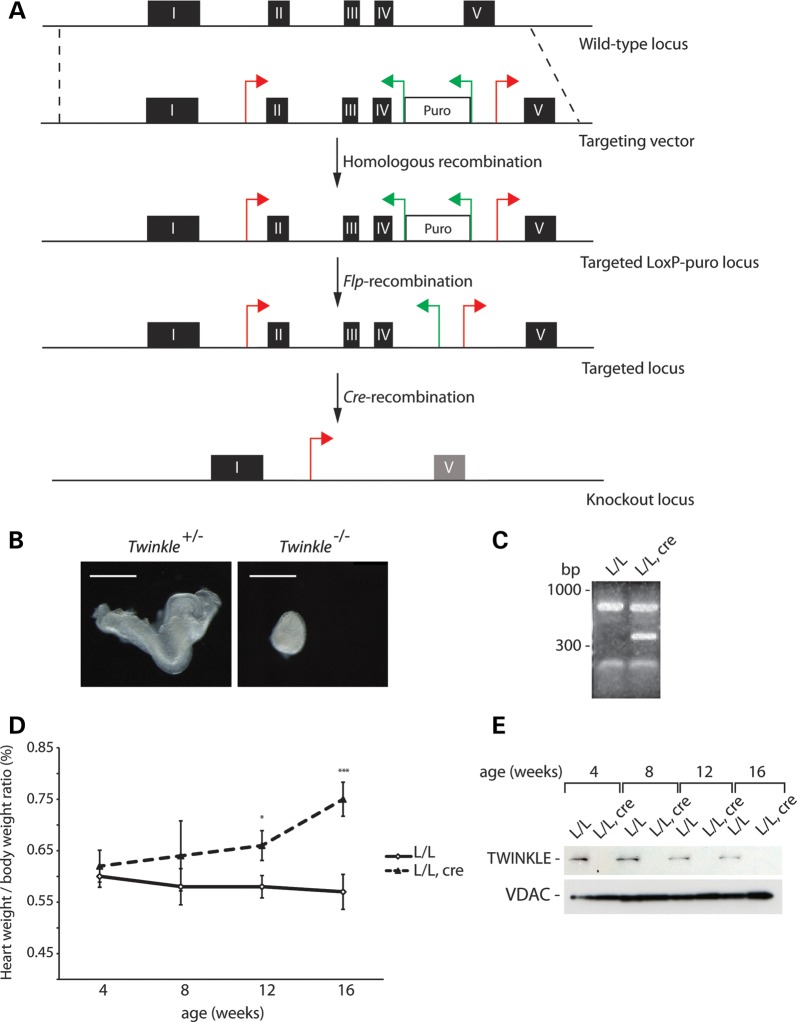
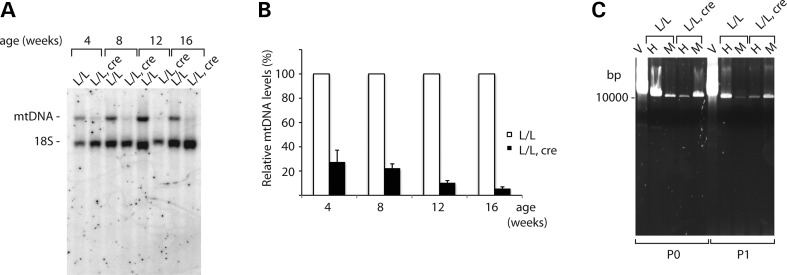
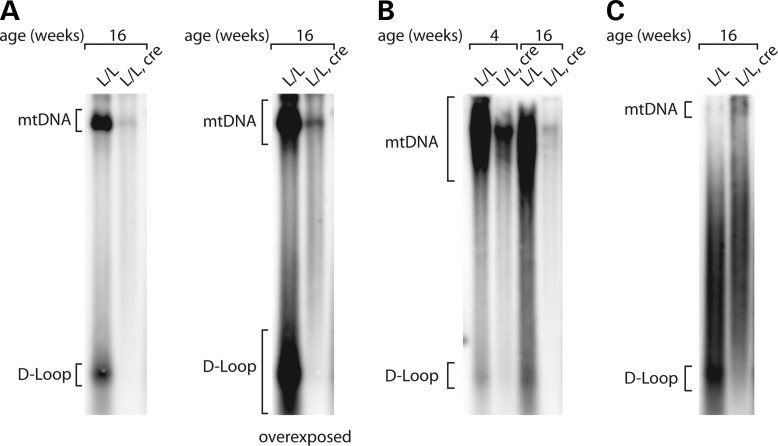
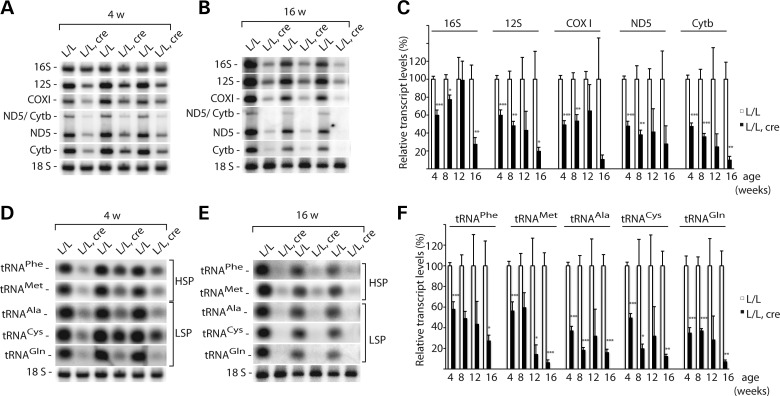
Replication of the mammalian mitochondrial DNA (mtDNA) is dependent on the minimal replisome, consisting of the heterotrimeric mtDNA polymerase (POLG), the hexameric DNA helicase TWINKLE and the tetrameric single-stranded DNA-binding protein (mtSSB). TWINKLE has been shown to unwind DNA during the replication process and many disease-causing mutations have been mapped to its gene. Patients carrying Twinkle mutations develop multiple deletions of mtDNA, deficient respiratory chain function and neuromuscular symptoms. Despite its importance in human disease, it has been unclear whether TWINKLE is the only replicative DNA helicase in mammalian mitochondria. Furthermore, a substantial portion of mtDNA replication events is prematurely terminated at the end of mitochondrial control region (D-loop) and it is unknown whether TWINKLE also has a role in this abortive replication. Here, we present a conditional mouse knockout for Twinkle and demonstrate that TWINKLE is essential for mouse embryonic development and thus is the only replicative DNA helicase in mammalian mitochondria. Conditional knockout of Twinkle results in severe and rapid mtDNA depletion in heart and skeletal muscle. No replication intermediates or deleted mtDNA molecules are observed after Twinkle knockout, suggesting that TWINKLE once loaded is very processive. We also demonstrate that TWINKLE is essential for nascent H-strand synthesis in the D-loop, thus showing that there is no separate DNA helicase responsible for replication of this region. Our data thus suggest that the relative levels of abortive D-loop synthesis versus complete mtDNA replication are regulated and may provide a mechanism to control progression to complete mtDNA replication.
Overview
The claims and statistics of this paper haven’t been checked yet.
Run the check — free, no account needed. It reads the open-access text and checks the sources it cites.
Integrity signals
Registry
Cites
Statistics
Figures
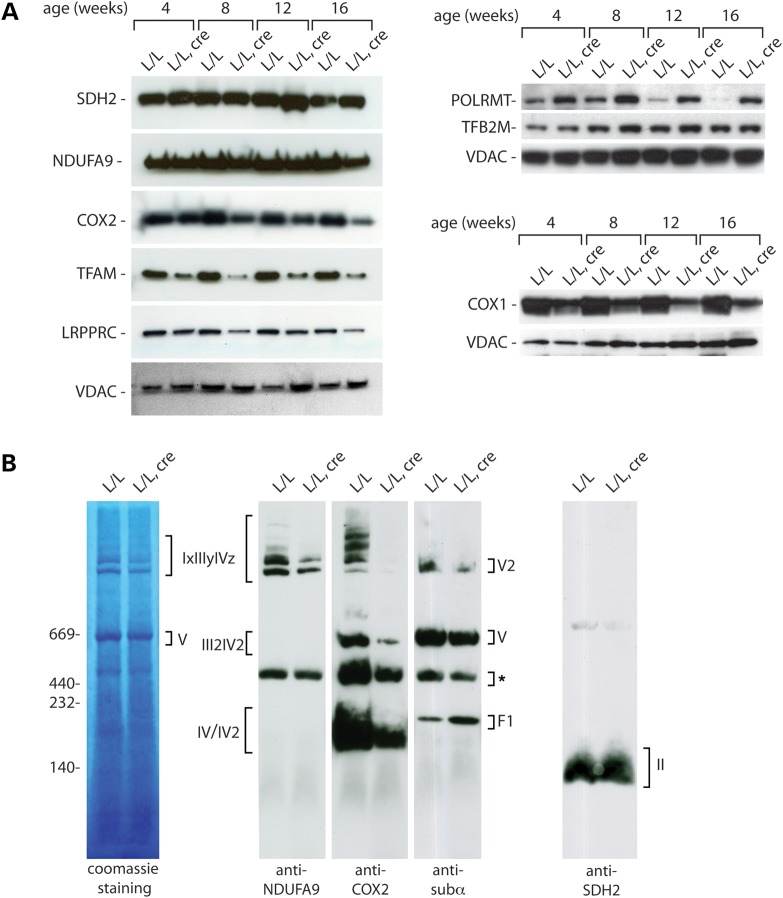
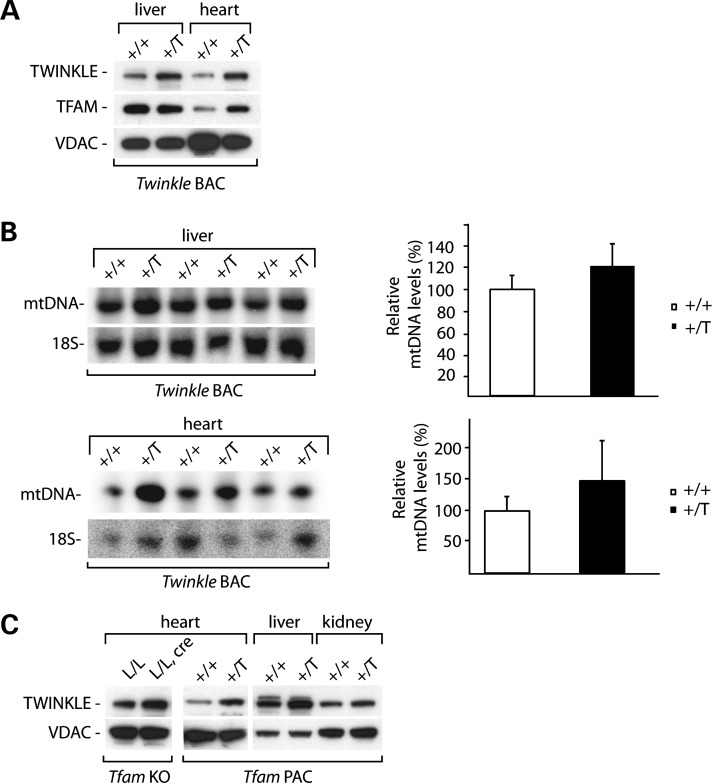
Verification
Claims the paper makes
The claims and statistics of this paper haven’t been checked yet.
Run the check — free, no account needed. It reads the open-access text and checks the sources it cites.
Claims other papers make about this one
Each is checked against this paper’s own text: does it say what the citing paper says it does?
The cited source says what the claim attributes to it.
In the citing paper
“Mouse models have further been used to study comparable phenotypes due to mutations in nuclear-encoded proteins involved in mitochondrial biogenesis, such as TFAM [152], PolG [153], Twinkle [154,155,156], and SURF-1 [157].”
From The Mitochondrial Genome in Aging and Disease and the Future of Mitochondrial Therapeutics (2022) · cites this paper as [156]
In the citing paper
“It is involved in D-loop formation and localizes to the nucleoid (Jemt et al., 2015; Milenkovic et al., 2013; Spelbrink et al., 2001).”
From Role of the mitochondrial DNA replication machinery in mitochondrial DNA mutagenesis, aging and age-related diseases (2017) · cites this paper as Milenkovic et al., 2013
In the citing paper
“A homozygous Twinkle knock-out mouse is embryonic lethal at E8.5”
From Role of the mitochondrial DNA replication machinery in mitochondrial DNA mutagenesis, aging and age-related diseases (2017) · cites this paper as Milenkovic et al., 2013
Self-check
Percentages, sums and reported differences re-computed from the paper’s own numbers.
The self-check needs the paper’s full text.
Citations
Cites
Mitochondria: In Sickness and in Health
Nunnari, J., & Suomalainen, A. (2012) · Cell · doi:10.1016/j.cell.2012.02.035 · Cited by 3,479
Blue native electrophoresis for isolation of membrane protein complexes in enzymatically active form
Schägger, H., & von JAGOW, G. (1991) · Analytical Biochemistry · doi:10.1016/0003-2697(91)90094-a · Cited by 2,267
Mitochondrial transcription factor A is necessary for mtDNA maintance and embryogenesis in mice
Larsson, N.-G., Wang, J., Wilhelmsson, H., Oldfors, A., Rustin, P., Lewandoski, M., Barsh, G. S., & Clayton, D. A. (1998) · Nature Genetics · doi:10.1038/ng0398-231 · Cited by 1,594
Replication of animal mitochondrial DNA
Clayton, D. A. (1982) · Cell · doi:10.1016/0092-8674(82)90049-6 · Cited by 1,243
Lee, E.-C., Yu, D., de Velasco, J. M., Tessarollo, L., Swing, D. A., Court, D. L., Jenkins, N. A., & Copeland, N. G. (2001) · Genomics · doi:10.1006/geno.2000.6451 · Cited by 1,180
Mitochondrial transcription factor A regulates mtDNA copy number in mammals
Ekstrand, M. I. (2004) · Human Molecular Genetics · doi:10.1093/hmg/ddh109 · Cited by 919
Spelbrink, J. N., Li, F.-Y., Tiranti, V., Nikali, K., Yuan, Q.-P., Tariq, M., Wanrooij, S., Garrido, N., Comi, G., Morandi, L., et al. (2001) · Nature Genetics · doi:10.1038/90058 · Cited by 882
DNA replication and transcription in mammalian mitochondria.
Falkenberg, M., Larsson, N., & Gustafsson, C. (2007) · Annual Review of Biochemistry · doi:10.1146/annurev.biochem.76.060305.152028 · Cited by 686
Kukat, C., Wurm, C. A., Spåhr, H., Falkenberg, M., Larsson, N., & Jakobs, S. (2011) · Proceedings of the National Academy of Sciences · doi:10.1073/pnas.1109263108 · Cited by 591
Somatic Mitochondrial DNA Mutations in Mammalian Aging
Larsson, N. (2010) · Annual Review of Biochemistry · doi:10.1146/annurev-biochem-060408-093701 · Cited by 561
Research works printed but not linked: 1
- 2007, 7, 311
Cited by
Sorted by citations
Maintenance and Expression of Mammalian Mitochondrial DNA
Gustafsson, C. M., Falkenberg, M., & Larsson, N. (2016) · Annual Review of Biochemistry · doi:10.1146/annurev-biochem-060815-014402 · Cited by 688
Mitochondrial DNA copy number in human disease: the more the better?
Filograna, R., Mennuni, M., Alsina, D., & Larsson, N. (2020) · FEBS Letters · doi:10.1002/1873-3468.14021 · Cited by 498
Letts, J. A., & Sazanov, L. A. (2017) · Nature Structural & Molecular Biology · doi:10.1038/nsmb.3460 · Cited by 386
The Enigma of the Respiratory Chain Supercomplex
Milenkovic, D., Blaza, J. N., Larsson, N., & Hirst, J. (2017) · Cell Metabolism · doi:10.1016/j.cmet.2017.03.009 · Cited by 344
In D-loop: 40years of mitochondrial 7S DNA
Nicholls, T. J. J., & Minczuk, M. A. (2014) · Experimental Gerontology · doi:10.1016/j.exger.2014.03.027 · Cited by 287
Kühl, I., Miranda, M., Atanassov, I., Kuznetsova, I., Hinze, Y., Mourier, A., Filipovska, A., & Larsson, N. (2017) · eLife · doi:10.7554/elife.30952 · Cited by 261
Uittenbogaard, M. N., & Chiaramello, A. (2014) · Current Pharmaceutical Design · doi:10.2174/1381612820666140305224906 · Cited by 246
Mitochondrial diseases: from molecular mechanisms to therapeutic advances
Wen, H., Deng, H., Li, B., Chen, J., Zhu, J., Zhang, X., Yoshida, S., & Zhou, Y. (2025) · Signal Transduction and Targeted Therapy · doi:10.1038/s41392-024-02044-3 · Cited by 284
Clinical implementation of RNA sequencing for Mendelian disease diagnostics
Yépez, V. A., Gušić, M., Kopajtich, R., Mertes, C., Smith, N. H., Alston, C. L., Ban, R., Beblo, S., Berutti, R., Blessing, H., et al. (2022) · Genome Medicine · doi:10.1186/s13073-022-01019-9 · Cited by 219
DeBalsi, K. L., Hoff, K. E., & Copeland, W. C. (2017) · Ageing Research Reviews · doi:10.1016/j.arr.2016.04.006 · Cited by 180
Mitochondrial fusion is required for regulation of mitochondrial DNA replication
Ramos, E. S., Motori, E., Brüser, C., Kühl, I., Yeroslaviz, A., Ruzzenente, B., Kauppila, J. H. K., Busch, J. D., Hultenby, K. R., Habermann, B. H., et al. (2019) · PLoS Genetics · doi:10.1371/journal.pgen.1008085 · Cited by 175
Mitochondrial DNA: Epigenetics and environment
Sharma, N., Pasala, M. S., & Prakash, A. (2019) · Environmental and Molecular Mutagenesis · doi:10.1002/em.22319 · Cited by 171
Mitochondrial DNA replication in mammalian cells: overview of the pathway
Falkenberg, M. (2018) · Essays in Biochemistry · doi:10.1042/ebc20170100 · Cited by 186
Organization and expression of the mammalian mitochondrial genome
Rackham, O., & Filipovska, A. (2022) · Nature Reviews Genetics · doi:10.1038/s41576-022-00480-x · Cited by 162
Mitochondrial Nucleoid: Shield and Switch of the Mitochondrial Genome
Lee, S. R., & Han, J. (2017) · Oxidative Medicine and Cellular Longevity · doi:10.1155/2017/8060949 · Cited by 157
Kühl, I., Miranda, M., Posse, V., Milenkovic, D., Mourier, A., Siira, S. J., Bonekamp, N. A., Neumann, U., Filipovska, A., Polosa, P. L., et al. (2016) · Science Advances · doi:10.1126/sciadv.1600963 · Cited by 151
mtDNA makes a U-turn for the mitochondrial nucleoid
Kukat, C., & Larsson, N. (2013) · Trends in Cell Biology · doi:10.1016/j.tcb.2013.04.009 · Cited by 128
Mitochondrial DNA: Impacting Central and Peripheral Nervous Systems
Carelli, V., & Chan, D. C. (2014) · Neuron · doi:10.1016/j.neuron.2014.11.022 · Cited by 134
Zhao, Y., Zhou, L., Li, H., Sun, T., Wen, X., Li, X., Meng, Y., Li, Y., Liu, M., Liu, S., et al. (2020) · Molecular Therapy — Nucleic Acids · doi:10.1016/j.omtn.2020.09.040 · Cited by 120
Replication and Transcription of Human Mitochondrial DNA
Falkenberg, M., Larsson, N., & Gustafsson, C. M. (2024) · Annual Review of Biochemistry · doi:10.1146/annurev-biochem-052621-092014 · Cited by 129
Loss of LRPPRC causes ATP synthase deficiency
Mourier, A., Ruzzenente, B., Brandt, T., Kühlbrandt, W., & Larsson, N. (2014) · Human Molecular Genetics · doi:10.1093/hmg/ddt652 · Cited by 117
Pérez‐Pérez, R., Lobo‐Jarne, T., Milenkovic, D., Mourier, A., Bratić, A. M., García-Bartolomé, A., Fernández‐Vizarra, E., Cadenas, S., Delmiro, A., García‐Consuegra, I., et al. (2016) · Cell Reports · doi:10.1016/j.celrep.2016.07.081 · Cited by 119
Havird, J. C., Forsythe, E. S., Williams, A. M., Werren, J. H., Dowling, D. K., & Sloan, D. B. (2019) · Current Biology · doi:10.1016/j.cub.2019.03.020 · Cited by 112
Peralta, S., Goffart, S., Williams, S. L., Diaz, F., Garcia, S., Nissanka, N., Area-Gomez, E., Pohjoismäki, J., & Moraes, C. T. (2018) · Journal of Cell Science · doi:10.1242/jcs.217075 · Cited by 110
Mitochondrial dysfunction and ovarian aging
Wang, T., Zhang, M., Jiang, Z., & Seli, E. U. (2017) · American Journal of Reproductive Immunology · doi:10.1111/aji.12651 · Cited by 109
Mutations in Twinkle primase-helicase cause Perrault syndrome with neurologic features
Morino, H., Pierce, S. B., Matsuda, Y., Walsh, T., Ohsawa, R., Newby, M., Hiraki-Kamon, K., Kuramochi, M., Lee, M. K., Klevit, R. E., et al. (2014) · Neurology · doi:10.1212/wnl.0000000000001036 · Cited by 107
Nuclear genes involved in mitochondrial diseases caused by instability of mitochondrial DNA
Rusecka, J. M., Kaliszewska, M., Bartnik, E., & Tońska, K. (2018) · Journal of Applied Genetics · doi:10.1007/s13353-017-0424-3 · Cited by 100
The Respiratory Chain Supercomplex Organization Is Independent of COX7a2l Isoforms
Mourier, A., Matic, S., Ruzzenente, B., Larsson, N., & Milenkovic, D. (2014) · Cell Metabolism · doi:10.1016/j.cmet.2014.11.005 · Cited by 99
SSBP1 mutations cause mtDNA depletion underlying a complex optic atrophy disorder
Dotto, V. D., Ullah, F., Meo, I. D., Magini, P., Gušić, M., Maresca, A., Caporali, L., Palombo, F., Tagliavini, F., Baugh, E. H., et al. (2019) · Journal of Clinical Investigation · doi:10.1172/jci128514 · Cited by 91
Kondadi, A. K., Anand, R., & Reichert, A. S. (2019) · International Journal of Molecular Sciences · doi:10.3390/ijms20174311 · Cited by 94
Mechanisms of Mitochondrial DNA Deletion Formation
Nissanka, N., Minczuk, M. A., & Moraes, C. T. (2019) · Trends in Genetics · doi:10.1016/j.tig.2019.01.001 · Cited by 87
Systemic effects of mitochondrial stress
Bar‐Ziv, R., Bolas, T., & Dillin, A. G. (2020) · EMBO Reports · doi:10.15252/embr.202050094 · Cited by 86
Rajala, N. K. M., Gerhold, J. M., Martinsson, P., Klymov, A., & Spelbrink, J. N. (2013) · Nucleic Acids Research · doi:10.1093/nar/gkt988 · Cited by 87
Crooks, D. R., Maio, N., Lang, M., Ricketts, C. J., Vocke, C. D., Gurram, S., Turan, S., Kim, Y., Cawthon, G. M., Sohelian, F., et al. (2021) · Science Signaling · doi:10.1126/scisignal.abc4436 · Cited by 87
Mitochondrial DNA maintenance: an appraisal
Akhmedov, A. T., & Marín-García, J. (2015) · Molecular and Cellular Biochemistry · doi:10.1007/s11010-015-2532-x · Cited by 88
Matic, S., Jiang, M., Nicholls, T. J. J., Uhler, J. P., Dirksen-Schwanenland, C., Polosa, P. L., Simard, M., Li, X., Atanassov, I., Rackham, O., et al. (2018) · Nature Communications · doi:10.1038/s41467-018-03552-x · Cited by 79
Nicholls, T. J., Zsurka, G., Peeva, V., Schöler, S., Szczesny, R. J., Cysewski, D., Reyes, A., Kornblum, C., Sciacco, M., Moggio, M., et al. (2014) · Human Molecular Genetics · doi:10.1093/hmg/ddu336 · Cited by 78
Mitochondrial genome changes and neurodegenerative diseases
Pinto, M., & Moraes, C. T. (2013) · Biochimica et Biophysica Acta (BBA) - Molecular Basis of Disease · doi:10.1016/j.bbadis.2013.11.012 · Cited by 75
TEFM regulates both transcription elongation and RNA processing in mitochondria
Jiang, S., Koolmeister, C., Misic, J., Siira, S. J., Kühl, I., Ramos, E. S., Miranda, M., Jiang, M., Posse, V., Lytovchenko, O., et al. (2019) · EMBO Reports · doi:10.15252/embr.201948101 · Cited by 83
Kauppila, J. H. K., Bonekamp, N. A., Mourier, A., Isokallio, M. A., Just, A., Kauppila, T. E. S., Stewart, J. B., & Larsson, N. (2018) · Nucleic Acids Research · doi:10.1093/nar/gky456 · Cited by 81
Cameron, R. B., Beeson, C., & Schnellmann, R. G. (2016) · Journal of Medicinal Chemistry · doi:10.1021/acs.jmedchem.6b00669 · Cited by 77
Urbanczyk, S., Baris, O. R., Hofmann, J., Taudte, R. V., Guegen, N., Golombek, F., Castiglione, K., Meng, X., Bözec, A., Thomas, J., et al. (2022) · Cell Reports · doi:10.1016/j.celrep.2022.110912 · Cited by 70
TALEN-mediated shift of mitochondrial DNA heteroplasmy in MELAS-iPSCs with m.13513G>A mutation
Yahata, N., Matsumoto, Y., Omi, M., Yamamoto, N., & Hata, R. (2017) · Scientific Reports · doi:10.1038/s41598-017-15871-y · Cited by 70
Replicating animal mitochondrial DNA
McKinney, E. A., & Oliveira, M. T. (2013) · Genetics and Molecular Biology · doi:10.1590/s1415-47572013000300002 · Cited by 69
TWINKLE and Other Human Mitochondrial DNA Helicases: Structure, Function and Disease
Peter, B., & Falkenberg, M. (2020) · Genes · doi:10.3390/genes11040408 · Cited by 69
Mitochondria and G-quadruplex evolution: an intertwined relationship
Sahayasheela, V. J., Yu, Z., Hidaka, T., Pandian, G. N., & Sugiyama, H. (2022) · Trends in Genetics · doi:10.1016/j.tig.2022.10.006 · Cited by 71
Pokrzywinski, K. L., Biel, T. G., Kryndushkin, D. S., & Rao, V. A. (2016) · PLoS ONE · doi:10.1371/journal.pone.0168283 · Cited by 68
Single-nucleoid architecture reveals heterogeneous packaging of mitochondrial DNA
Isaac, R. S., Tullius, T. W., Hansen, K. G., Dubocanin, D., Couvillion, M., Stergachis, A. B., & Churchman, L. S. (2024) · Nature Structural & Molecular Biology · doi:10.1038/s41594-024-01225-6 · Cited by 68
The maintenance of oocytes in the mammalian ovary involves extreme protein longevity
Harasimov, K., Gorry, R. L., Welp, L. M., Penir, S. M. U., Horokhovskyi, Y., Cheng, S., Takaoka, K., Stützer, A., Frombach, A.-S., Tavares, A. L. T., et al. (2024) · Nature Cell Biology · doi:10.1038/s41556-024-01442-7 · Cited by 71
Loss of mtDNA activates astrocytes and leads to spongiotic encephalopathy
Ignatenko, O., Chilov, D., Paetau, I., de Miguel, E., Jackson, C. B., Capin, G., Paetau, A., Terzioglu, M., Euro, L., & Suomalainen, A. (2018) · Nature Communications · doi:10.1038/s41467-017-01859-9 · Cited by 66
The little big genome the organization of mitochondrial DNA
Gilkerson, R. (2016) · Frontiers in bioscience · doi:10.2741/4511 · Cited by 64
Animal Mitochondrial DNA Replication
Ciesielski, G. L., Oliveira, M. T., & Kaguni, L. S. (2016) · The Enzymes · doi:10.1016/bs.enz.2016.03.006 · Cited by 62
Mitochondrial RNA granules are critically dependent on mtDNA replication factors Twinkle and mtSSB
Hensen, F., Potter, A., van Esveld, S. L., Tarrés-Solé, A., Chakraborty, A. J., Solà, M., & Spelbrink, J. N. (2019) · Nucleic Acids Research · doi:10.1093/nar/gkz047 · Cited by 63
Insights regarding mitochondrial DNA copy number alterations in human cancer (Review)
Radzak, S. M. A., Khair, S. Z. N. M., Ahmad, F., Patar, A., Idris, Z., & Yusoff, A. A. M. (2022) · International Journal of Molecular Medicine · doi:10.3892/ijmm.2022.5160 · Cited by 59
Mitochondrial disorders: aetiologies, models systems, and candidate therapies
Farrar, G. J., Chadderton, N., Kenna, P. F., & Millington‐Ward, S. (2013) · Trends in Genetics · doi:10.1016/j.tig.2013.05.005 · Cited by 63
Bratić, A. M., Kauppila, T. E. S., Macao, B., Grönke, S., Siibak, T., Stewart, J. B., Baggio, F., Dols, J., Partridge, L., Falkenberg, M., et al. (2015) · Nature Communications · doi:10.1038/ncomms9808 · Cited by 60
The Complexity of Making Ubiquinone
Wang, Y., & Hekimi, S. (2019) · Trends in Endocrinology and Metabolism · doi:10.1016/j.tem.2019.08.009 · Cited by 58
Mitochondrial DNA repair: a novel therapeutic target for heart failure
Marín-García, J. (2016) · Heart Failure Reviews · doi:10.1007/s10741-016-9543-x · Cited by 55
POLRMT does not transcribe nuclear genes
Kühl, I., Kukat, C., Ruzzenente, B., Milenkovic, D., Mourier, A., Miranda, M., Koolmeister, C., Falkenberg, M., & Larsson, N. (2014) · Nature · doi:10.1038/nature13690 · Cited by 46
Different faces of mitochondrial DNA mutators
Szczepanowska, K., & Trifunović, A. (2015) · Biochimica et Biophysica Acta (BBA) - Bioenergetics · doi:10.1016/j.bbabio.2015.05.016 · Cited by 45
Mitochondrial transcription termination factor 1 directs polar replication fork pausing
Shi, Y., Posse, V., Zhu, X., Hyvärinen, A. K., Jacobs, H. T., Falkenberg, M., & Gustafsson, C. M. (2016) · Nucleic Acids Research · doi:10.1093/nar/gkw302 · Cited by 42
Mitochondrial DNA replication and repair defects: Clinical phenotypes and therapeutic interventions
Roy, A., Kandettu, A., Ray, S., & Chakrabarty, S. (2022) · Biochimica et Biophysica Acta (BBA) - Bioenergetics · doi:10.1016/j.bbabio.2022.148554 · Cited by 39
Dinucleotide Degradation by REXO2 Maintains Promoter Specificity in Mammalian Mitochondria
Nicholls, T. J. J., Spåhr, H., Jiang, S., Siira, S. J., Koolmeister, C., Sharma, S., Kauppila, J. H. K., Jiang, M., Kaever, V., Rackham, O., et al. (2019) · Molecular Cell · doi:10.1016/j.molcel.2019.09.010 · Cited by 38
Mitochondrial Dynamics in Peripheral Neuropathies
Sajic, M. (2014) · Antioxidants and Redox Signaling · doi:10.1089/ars.2013.5822 · Cited by 40
Borrowing Nuclear DNA Helicases to Protect Mitochondrial DNA
Ding, L., & Liu, Y. (2015) · International Journal of Molecular Sciences · doi:10.3390/ijms160510870 · Cited by 37
Mitochondrial genome inheritance and replacement in the human germline
Wolf, D. P., Hayama, T., & Mitalipov, S. M. (2017) · The EMBO Journal · doi:10.15252/embj.201797606 · Cited by 34
Yamaguchi, M., & Kashiwakura, I. (2013) · PLoS ONE · doi:10.1371/journal.pone.0070503 · Cited by 38
Dynamic of mitochondrial network, cristae, and mitochondrial nucleoids in pancreatic β-cells
Ježek, P., & Dlasková, A. (2019) · Mitochondrion · doi:10.1016/j.mito.2019.06.007 · Cited by 32
Associations of Peripheral Artery Disease With Calf Skeletal Muscle Mitochondrial DNA Heteroplasmy
González‐Freire, M., Moore, A. Z., Peterson, C. A., Kosmac, K., McDermott, M. M., Sufit, R. L., Guralnik, J. M., Polonsky, T. S., Tian, L., Kibbe, M. R., et al. (2020) · Journal of the American Heart Association · doi:10.1161/jaha.119.015197 · Cited by 31
DNA2—An Important Player in DNA Damage Response or Just Another DNA Maintenance Protein?
Pawłowska, E., Szczepańska, J., & Błasiak, J. (2017) · International Journal of Molecular Sciences · doi:10.3390/ijms18071562 · Cited by 34
Clinical implementation of RNA sequencing for Mendelian disease diagnosticsPreprint
Yépez, V. A., Gušić, M., Kopajtich, R., Mertes, C., Smith, N. H., Alston, C. L., Ban, R., Beblo, S., Berutti, R., Blessing, H., et al. (2021) · medRxiv · doi:10.1101/2021.04.01.21254633 · Cited by 32
DNA polymerase gamma mutations that impair holoenzyme stability cause catalytic subunit depletion
Silva-Pinheiro, P., Pardo-Hernández, C., Reyes, A., Tilokani, L., Mishra, A., Cerutti, R., Li, S., Rozsivalova, D.-H., Valenzuela, S., Doğan, Ş. A., et al. (2021) · Nucleic Acids Research · doi:10.1093/nar/gkab282 · Cited by 32
Beyond base excision repair: an evolving picture of mitochondrial DNA repair
Allkanjari, K., & Baldock, R. A. (2021) · Bioscience Reports · doi:10.1042/bsr20211320 · Cited by 35
Misic, J., Milenkovic, D., Al-Behadili, A., Xie, X., Jiang, M., Jiang, S., Filograna, R., Koolmeister, C., Siira, S. J., Jenninger, L., et al. (2022) · Nucleic Acids Research · doi:10.1093/nar/gkac661 · Cited by 31
Autosomal-recessive cerebellar ataxias
Fogel, B. L. (2018) · Handbook of clinical neurology · doi:10.1016/b978-0-444-63233-3.00013-0 · Cited by 29
Inherited mitochondrial genomic instability and chemical exposures
Chan, S. S. L. (2017) · Toxicology · doi:10.1016/j.tox.2017.07.014 · Cited by 26
Mitochondrial DNA replication: clinical syndromes
Almannai, M., El‐Hattab, A. W., & Scaglia, F. (2018) · Essays in Biochemistry · doi:10.1042/ebc20170101 · Cited by 28
Domínguez-Ruiz, M., García-Martínez, A., Corral‐Juan, M., Pérez-Álvarez, Á. I., Plasencia, A. M., Villamar, M., Moreno-Pelayo, M. Á., Matilla‐Dueñas, A., Menéndez‐González, M., & del Castillo, I. (2019) · Journal of Translational Medicine · doi:10.1186/s12967-019-2041-x · Cited by 26
Genes and Pathways Involved in Adult Onset Disorders Featuring Muscle Mitochondrial DNA Instability
Ahmed, N., Ronchi, D., & Comi, G. P. (2015) · International Journal of Molecular Sciences · doi:10.3390/ijms160818054 · Cited by 26
LRPPRC and SLIRP synergize to maintain sufficient and orderly mammalian mitochondrial translation
Rubalcava-Gracia, D., Bubb, K., Levander, F., Burr, S. P., August, A. V., Chinnery, P. F., Koolmeister, C., & Larsson, N. (2024) · Nucleic Acids Research · doi:10.1093/nar/gkae662 · Cited by 25
Small molecules restore mutant mitochondrial DNA polymerase activity
Valenzuela, S., Zhu, X., Macao, B., Stamgren, M., Geukens, C., Charifson, P. S., Kern, G., Hoberg, E., Jenninger, L., Gruszczyk, A. V., et al. (2025) · Nature · doi:10.1038/s41586-025-08856-9 · Cited by 25
Iommarini, L., Peralta, S., Torraco, A., & Díaz, F. (2015) · Mitochondrion · doi:10.1016/j.mito.2015.01.008 · Cited by 28
Structure, function and evolution of the animal mitochondrial replicative DNA helicase
Kaguni, L. S., & Oliveira, M. T. (2015) · Critical Reviews in Biochemistry and Molecular Biology · doi:10.3109/10409238.2015.1117056 · Cited by 25
Alkhateeb, A. M., Aburahma, S. K., Habbab, W., & Thompson, I. R. (2016) · Metabolic Brain Disease · doi:10.1007/s11011-016-9827-9 · Cited by 25
Mitochondrial spongiotic brain disease: astrocytic stress and harmful rapamycin and ketosis effect
Ignatenko, O., Nikkanen, J., Kononov, A., Zamboni, N., Ince-Dunn, G., & Suomalainen, A. (2020) · Life Science Alliance · doi:10.26508/lsa.202000797 · Cited by 22
Ferezin, C. D. C., Basei, F. L., Melo‐Hanchuk, T. D., de Oliveira, A. L., de Oliveira, A. P., Mori, M. P., de Souza-Pinto, N. C., & Kobarg, J. (2021) · FEBS Open Bio · doi:10.1002/2211-5463.13108 · Cited by 25
Cardiac Response to Oxidative Stress Induced by Mitochondrial Dysfunction
Kim, H. K., Nilius, B., Kim, N., Ko, K. S., Rhee, B. D., & Han, J. (2016) · Reviews of physiology, biochemistry and pharmacology · doi:10.1007/112_2015_5004 · Cited by 26
Sarfallah, A., Zamudio‐Ochoa, A., Anikin, M., & Temiakov, D. (2021) · The EMBO Journal · doi:10.15252/embj.2021107988 · Cited by 22
Structural insight and characterization of human Twinkle helicase in mitochondrial disease
Riccio, A. A., Bouvette, J., Perera, L., Longley, M. J., Krahn, J. M., Williams, J. G., Dutcher, R. C., Borgnia, M. J., & Copeland, W. C. (2022) · Proceedings of the National Academy of Sciences · doi:10.1073/pnas.2207459119 · Cited by 22
Alán, L., Špaček, T., & Ježek, P. (2016) · European Biophysics Journal · doi:10.1007/s00249-016-1114-5 · Cited by 20
Broadening the phenotype of the TWNK gene associated Perrault syndrome
Fekete, B., Pentelényi, K., Rudas, G., Gál, A., Grosz, Z., Illés, A., Jimoh, I. J., Csukly, G., Domonkos, A., & Molnár, M. J. (2019) · BMC Medical Genetics · doi:10.1186/s12881-019-0934-4 · Cited by 22
Milenkovic, D., Sanz‐Moreno, A., Calzada‐Wack, J., Rathkolb, B., Amarie, O. V., Gerlini, R., Aguilar‐Pimentel, J. A., Misic, J., Simard, M., Wolf, E., et al. (2022) · PLoS Genetics · doi:10.1371/journal.pgen.1010190 · Cited by 21
Mitochondrial DNA maintenance defects: potential therapeutic strategies
Almannai, M., El‐Hattab, A. W., Azamian, M. S., Ali, M. N., & Scaglia, F. (2022) · Molecular Genetics and Metabolism · doi:10.1016/j.ymgme.2022.07.003 · Cited by 20
Mechanisms and pathologies of human mitochondrial DNA replication and deletion formation
Gomes, T. M. B., Vincent, A. E., Menger, K. E., Stewart, J. B., & Nicholls, T. J. J. (2024) · Biochemical Journal · doi:10.1042/bcj20230262 · Cited by 20
Single-molecule level structural dynamics of DNA unwinding by human mitochondrial Twinkle helicase
Kaur, P., Longley, M. J., Pan, H., Wang, W., Countryman, P. J., Wang, H., & Copeland, W. C. (2020) · Journal of Biological Chemistry · doi:10.1074/jbc.ra120.012795 · Cited by 19
Mechanistic insights into how CMG helicase facilitates replication past DNA roadblocks
Trakselis, M. A., Seidman, M. M., & Brosh, R. M. (2017) · DNA repair · doi:10.1016/j.dnarep.2017.05.005 · Cited by 18
Špaček, T., Pavluch, V., Alán, L., Capková, N., Engstová, H., Dlasková, A., Berková, Z., Saudek, F., & Ježek, P. (2017) · Scientific Reports · doi:10.1038/s41598-017-15958-6 · Cited by 15
Quantitative changes in mitochondrial DNA copy number in various tissues of pigs during growth
Xie, Y., Jin, L. G., Chen, X. J., He, M., Wang, Y., Liu, R., Li, M., & Li, X. W. (2015) · Genetics and Molecular Research · doi:10.4238/2015.march.6.12 · Cited by 16
A novel mutation of Twinkle in Perrault syndrome: A not rare diagnosis?
Gotta, F., Lamp, M., Geroldi, A., Trevisan, L., Origone, P., Fugazza, G., Fabbri, S., Nesti, C., Rubegni, A., Morani, F., et al. (2020) · Annals of Human Genetics · doi:10.1111/ahg.12384 · Cited by 16
Genetic and reproductive strategies to prevent mitochondrial diseases
Castelluccio, N., Späth, K., Li, D., de Coo, I. F. M., Butterworth, L., Wells, D., Mertes, H., Poulton, J., & Heindryckx, B. (2025) · Human Reproduction Update · doi:10.1093/humupd/dmaf004 · Cited by 15
Metadata
- Authors
- Milenkovic, D., Matic, S., Kuhl, I., Ruzzenente, B., Freyer, C., Jemt, E., Park, C. B., Falkenberg, M., & Larsson, N.-G.
- Affiliations
- Max Planck Institute for Biology of Ageing (DE)
- Karolinska Institutet (SE)
- University of Gothenburg (SE)
- Corresponding author
- Larsson, N.-G.
- Venue
- Human Molecular Genetics
- Publisher
- Oxford University Press (OUP)
- Published
- 2013-02-07
- Volume
- 22
- Issue
- 10
- Pages
- 1983-1993
- ISSN
- 0964-6906 (ISSN-L)
- 1460-2083
- PMC
- PMC3633371
- OpenAlex
- W2167764669
- Cited by
- 173
- References
- 52
- Citations by year
- 2026: 11 · 2025: 18 · 2024: 11 · 2023: 1 · 2022: 19 · 2021: 10 · 2020: 13 · 2019: 17 · 2018: 15 · 2017: 12 · 2016: 19 · 2015: 11 · 2014: 9 · 2013: 7
- FWCI
- 6.86
- Type
- journal article
- Language
- en
- Open access
- hybrid
- doi.org
- Licence
- cc-by-nc
- Locations
- Human Molecular Genetics (publishedVersion, cc-by-nc)
- Europe PMC (PubMed Central) (publishedVersion, cc-by-nc)
- PubMed Central (publishedVersion, cc-by-nc)
- PubMed (publishedVersion)
- AJOU Open Repository (Ajou University) (submittedVersion, cc-by-nc)
- MPG.PuRe (Max Planck Society) (submittedVersion)
- Funders
- Swedish Cancer Foundation
- Vetenskapsrådet
- Topics
- Life Sciences › Biochemistry, Genetics and Molecular Biology › Molecular Biology › Mitochondrial Function and Pathology
- Life Sciences › Biochemistry, Genetics and Molecular Biology › Molecular Biology › DNA Repair Mechanisms
- Life Sciences › Biochemistry, Genetics and Molecular Biology › Clinical Biochemistry › Metabolism and Genetic Disorders
- Keywords
- Twinkle, mitochondrial DNA replication, DNA helicase, D-loop, mtDNA depletion, conditional knockout, mouse embryo development, DNA polymerase gamma, mitochondrial DNA control region, mitochondrial disease
- MeSH terms
- Animals, DNA Replication, DNA Helicases, DNA, Mitochondrial, Humans, Mutation, Neuromuscular Diseases, Mice, Knockout, Mitochondrial Proteins, Genetic Diseases, Inborn, Mice
About these checks
Registry, retraction, Cites and statistics results are computed, not judged, with one exception: a printed reference that no index lists is read once by a model before it counts as a citation error. Claims are extracted by a model and kept only when their quote appears verbatim in the text; each cited source is then checked, with a model’s help, for whether it says what the claim relies on. Those verdicts can be wrong — read the claim’s quote and the cited source before relying on one.
Statistics and arithmetic are recomputed, not judged.
Confidence bands are shown only for fields calibrated on our annotated test set. None is calibrated yet, so no band is shown.
What counts as a claim ›How we measure confidence ›How we check this ›
Are you an author, or do you see a problem with this page? Request a review
