

Infertility prevalence and the methods of estimation from 1990 to 2021: a systematic review and meta-analysis
Open accessThe DOI matches its Crossref record; 62 of the 62 references it cites were found in a registry or an index.
Abstract
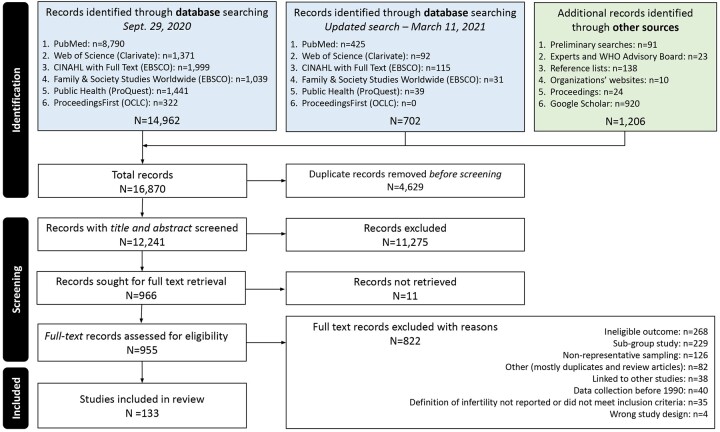
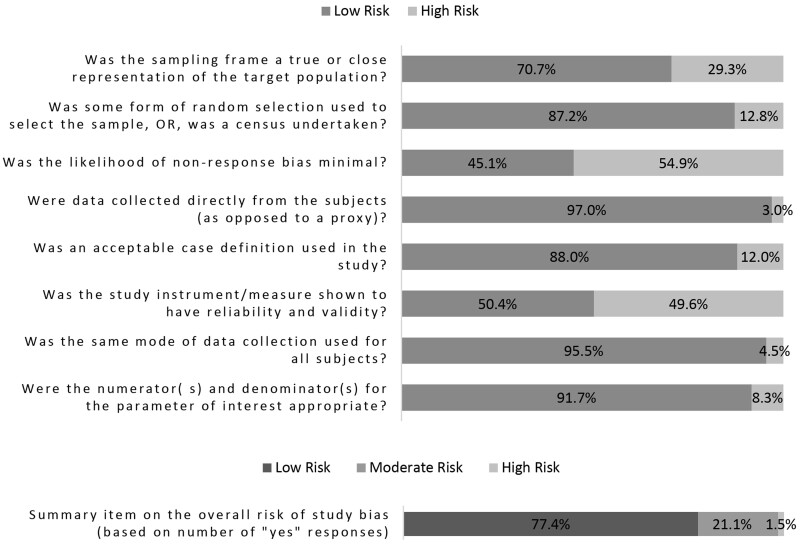
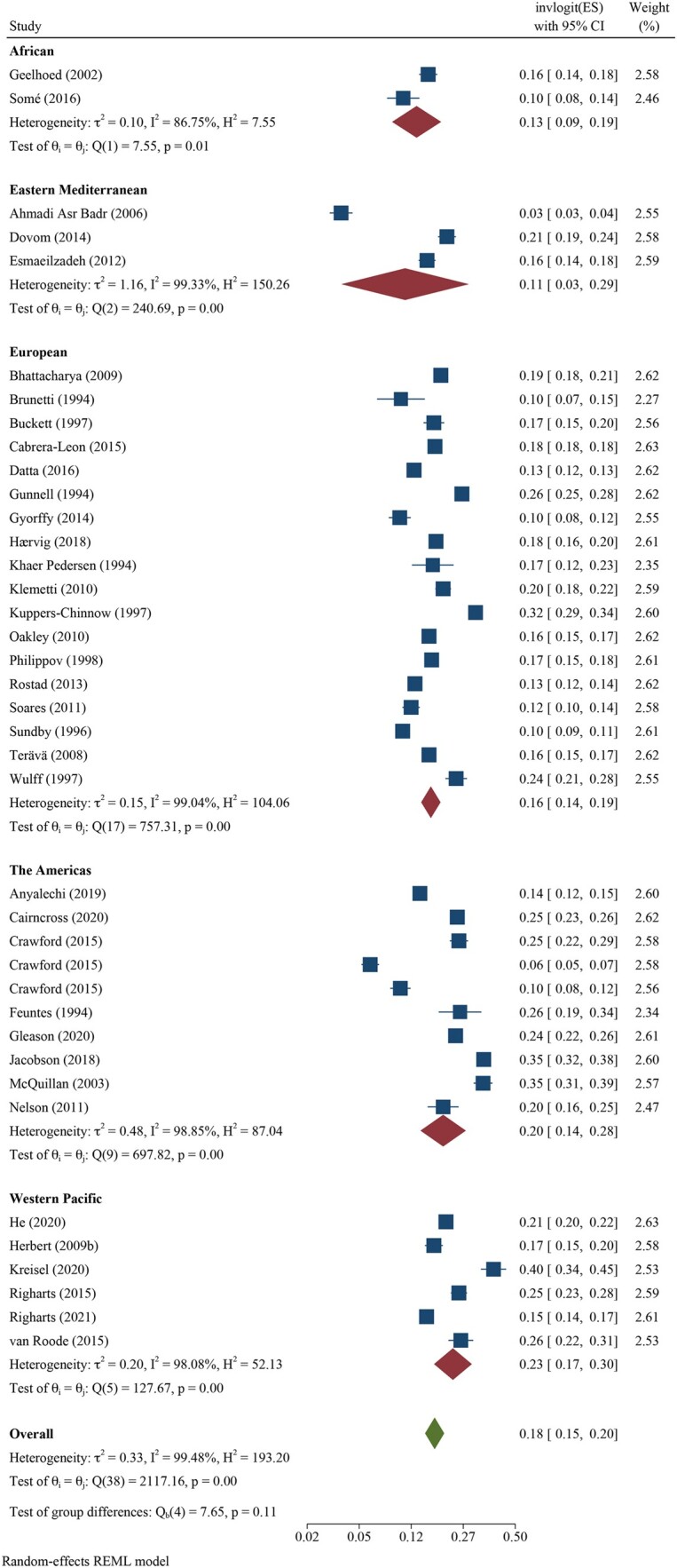
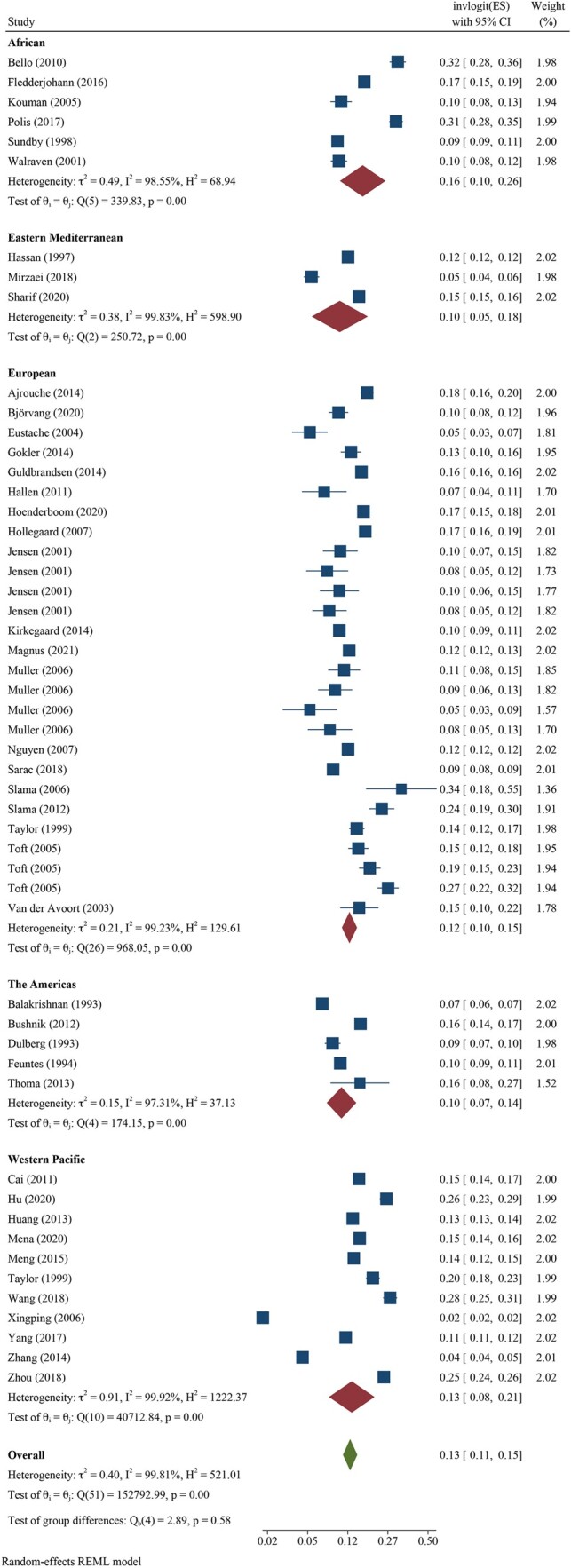
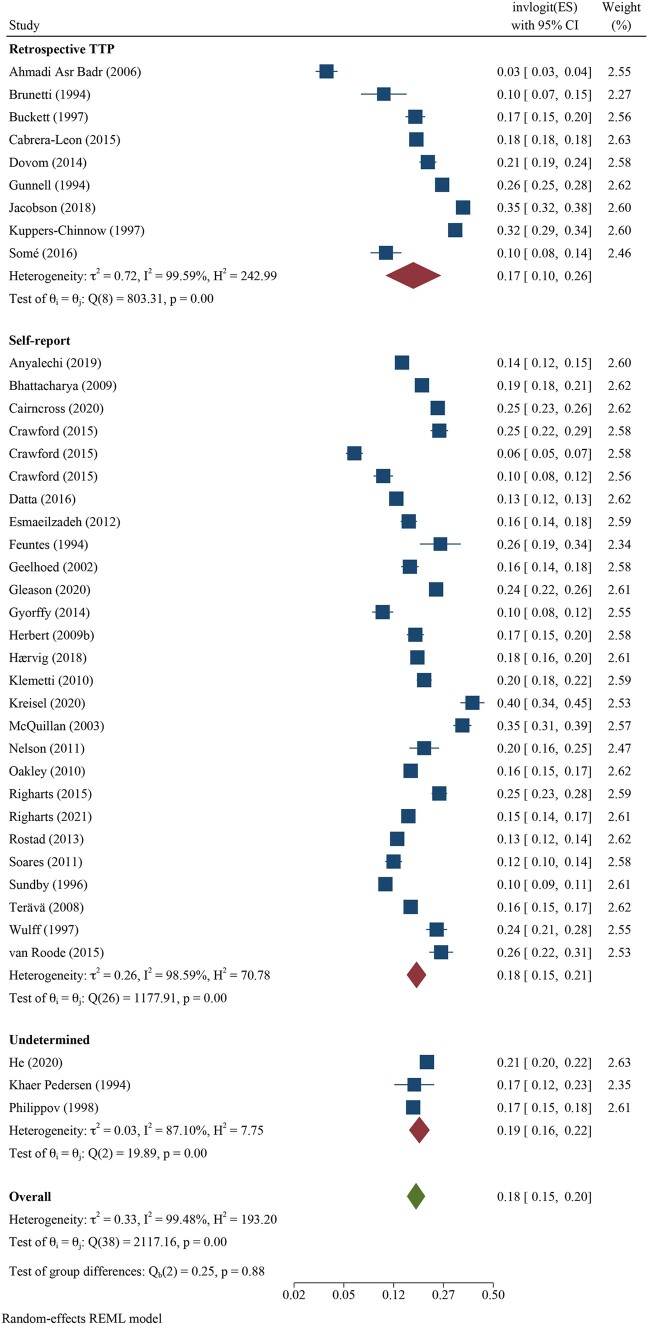
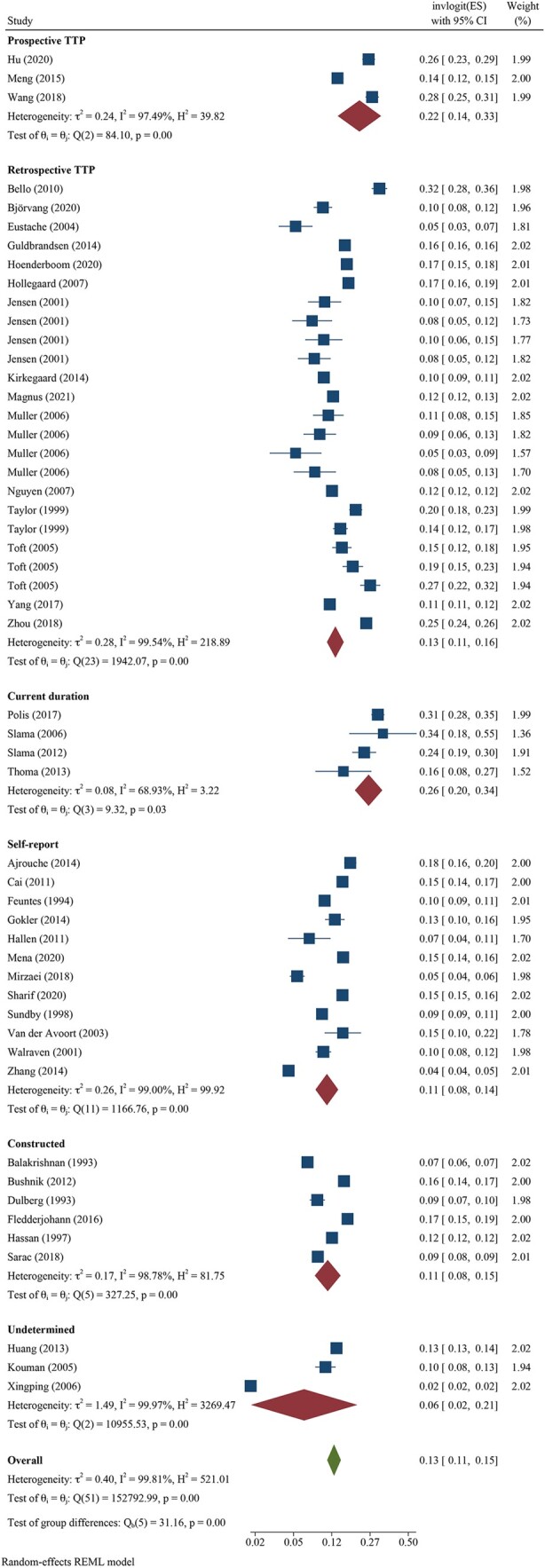
STUDY QUESTION: What is the contemporary prevalence of infertility in world populations and how do they differ by methodological and study characteristics? SUMMARY ANSWER: Pooled estimates of lifetime and period prevalence of 12-month infertility were 17.5% and 12.6%, respectively, but this varied by study population and methodological approach. WHAT IS KNOWN ALREADY: Infertility affects millions of individuals worldwide. Accurate measures of its magnitude are needed to effectively address and manage the condition. There are distinct challenges and variation in how infertility is defined and measured, limiting comparability of estimates across studies. Further research is needed to understand whether and how differences in methodological approaches and study characteristics account for heterogeneity in estimates. STUDY DESIGN, SIZE, DURATION: We conducted a systematic review and meta-analysis. Six electronic databases, websites of relevant organizations, and conference proceedings were systematically searched. Searches were limited to those published between 1 January 1990 and 11 March 2021, with no language restrictions. PARTICIPANTS/MATERIALS, SETTING, METHODS: Descriptive and random-effects meta-analysis models were used to examine range of estimates and generate estimates of pooled lifetime and period prevalence of 12-month infertility, respectively, among representative populations. Meta-regression using restricted maximum likelihood was applied to account for definitional and study characteristics and to obtain adjusted estimates. Risk of bias was assessed with a validated tool. MAIN RESULTS AND THE ROLE OF CHANCE: The search yielded 12 241 unique records of which 133 studies met the criteria for the systematic review. There were 65 and 69 studies that provided data for lifetime and period prevalence of 12-month infertility, respectively. Five methodological approaches were identified: prospective time-to-pregnancy (TTP) design, current duration design, retrospective TTP design, self-reported infertility measure and constructed infertility measure. Ranges for lifetime (3.3–39.7%) and period estimates (1.6–34.0%) were similar and wide even after accounting for methodological and study characteristics. Pooled estimates of lifetime and period prevalence were 17.5% (95% CI: 15.0, 20.3, n = 37 studies, I2 = 99.5%) and 12.6% (95% CI: 10.7, 14.6, n = 43 studies, I2 = 99.8%), respectively, with some variation in magnitude by region and methodological approach, but with most CIs overlapping. LIMITATIONS, REASONS FOR CAUTION: Pooled estimates generated from meta-analysis were derived from 12-month infertility prevalence estimates that were heterogeneous across different domains, even after adjusting for definitional and study characteristics. The number of studies was small for certain strata from which pooled estimates were derived (e.g. there were only two studies for lifetime prevalence in Africa). WIDER IMPLICATIONS OF THE FINDINGS: While findings show a high prevalence of infertility globally and regionally, it also reveals variation in measures to ascertain and compare infertility prevalence. More systematic and comprehensive collection of data using a consistent definition is needed to improve infertility prevalence estimates at global, regional and country-levels. STUDY FUNDING/COMPETING INTEREST(S): This work was supported by the World Health Organization. The authors have no conflicts of interest. REGISTRATION NUMBER: PROSPERO CRD42020211704
Overview
The claims and statistics of this paper haven’t been checked yet.
Free: it reads the open-access text and checks the first 5 claims that cite a source we can check. Create a free account to check every claim.
Integrity signals
Registry
Cites
Statistics
Figures
Verification
Claims the paper makes
The claims and statistics of this paper haven’t been checked yet.
Free: it reads the open-access text and checks the first 5 claims that cite a source we can check. Create a free account to check every claim.
Claims other papers make about this one
Each is checked against this paper’s own text: does it say what the citing paper says it does?
The source backs part of the claim, not all of it — or backs it for a different population, condition or comparison.
In the citing paper
“While the global decline in fertility rate is due to multiple societal and environmental changes, it is important to emphasize that globally between 48 million couples and 186 million individuals of reproductive age live with infertility (World Health Organization, 2020; Cox et al., 2022).”
From Declining global fertility rates and the implications for family planning and family building: an IFFS consensus document based on a narrative review of the literature (2024) · cites this paper as Cox et al., 2022
Experimental — accuracy not yet measuredThe source backs part of the claim, not all of it — or backs it for a different population, condition or comparison.
In the citing paper
“The definition of infertility and its prevalence and burden of disease are controversial.”
From Declining global fertility rates and the implications for family planning and family building: an IFFS consensus document based on a narrative review of the literature (2024) · cites this paper as Cox et al., 2022
Experimental — accuracy not yet measuredThe source backs part of the claim, not all of it — or backs it for a different population, condition or comparison.
In the citing paper
“Until publication of the recent WHO document, the most comprehensive systematic review covering infertility studies from 1990 to 2021 gave pooled estimates for period and lifetime infertility prevalence of 12.6% (95% CI 10.7, 14.6) and 17.5% (95% CI 15.0, 20.3), respectively, when estimated among all study participants regardless of risk of pregnancy (Cox et al., 2022; World Health Organization, 2”
From Declining global fertility rates and the implications for family planning and family building: an IFFS consensus document based on a narrative review of the literature (2024) · cites this paper as Cox et al., 2022
Experimental — accuracy not yet measuredThe cited source says what the claim attributes to it.
In the citing paper
“Different categories of infertility definitions (clinical, epidemiological, demographic) in conjunction with variations in methodology and study populations give rise to wide-ranging estimates (Gnoth et al., 2005; Barratt et al., 2017; Cox et al., 2022; World Health Organization, 2023).”
From Declining global fertility rates and the implications for family planning and family building: an IFFS consensus document based on a narrative review of the literature (2024) · cites this paper as Cox et al., 2022
Self-check
Percentages, sums and reported differences re-computed from the paper’s own numbers.
The self-check needs the paper’s full text.
Citations
Cites
The PRISMA 2020 statement: An updated guideline for reporting systematic reviews
Page, M. J., McKenzie, J. E., Bossuyt, P. M., Boutron, I., Hoffmann, T. C., Mulrow, C. D., Shamseer, L., Tetzlaff, J. M., Akl, E. A., Brennan, S. E., et al. (2021) · BMJ · doi:10.1136/bmj.n71 · Cited by 108,283
Rayyan-a web and mobile app for systematic reviews.
Ouzzani, M., Hammady, H., Fedorowicz, Z., & Elmagarmid, A. (2016) · Systematic Reviews · doi:10.1186/s13643-016-0384-4 · Cited by 26,092
Dermyshi, E., Wang, Y., Yan, C., Hong, W., Qiu, G., Gong, X., & Zhang, T. (2017) · Neonatology · doi:10.1159/000454668 · Cited by 24,451
Meta-analysis of Observational Studies in Epidemiology<SUBTITLE>A Proposal for Reporting</SUBTITLE>
Stroup, D. F. (2000) · JAMA · doi:10.1001/jama.283.15.2008 · Cited by 20,623
The PRISMA 2020 statement: an updated guideline for reporting systematic reviews
Page, M. J., McKenzie, J., Bossuyt, P., Boutron, I., Hoffmann, T., mulrow, C., Shamseer, L., Tetzlaff, J., Akl, E., Brennan, S. E., et al. (2020) · doi:10.31222/osf.io/v7gm2_v1 · Cited by 8,090
PRESS Peer Review of Electronic Search Strategies: 2015 Guideline Statement
McGowan, J., Sampson, M., Salzwedel, D. M., Cogo, E., Foerster, V., & Lefebvre, C. (2016) · Journal of Clinical Epidemiology · doi:10.1016/j.jclinepi.2016.01.021 · Cited by 5,700 · cited 1×
“Two health informationists external to the project peer reviewed the search strategy for PubMed using the Peer Review of Electronic Search Strategies (PRESS) tool (McGowan et al., 2016).”
The PRISMA 2020 statement: an updated guideline for reporting systematic reviews
Page, M. J., McKenzie, J., Bossuyt, P., Boutron, I., Hoffmann, T., mulrow, C., Shamseer, L., Tetzlaff, J., Akl, E., Brennan, S. E., et al. (2020) · doi:10.31222/osf.io/v7gm2 · Cited by 5,177
Funnel plots for detecting bias in meta-analysis
Sterne, J. A. C., & Egger, M. (2001) · Journal of Clinical Epidemiology · doi:10.1016/s0895-4356(01)00377-8 · Cited by 3,779 · cited 2×
“…for publication bias, we generated funnel plots, which were found to be symmetrical, suggesting lower potential for publication bias; however, caution should be used in interpreting these results given limitations on the interpretation of funnel plots for this purpose (Sterne and Egger, 2001).”
GRADE guidelines: a new series of articles in the Journal of Clinical Epidemiology
Guyatt, G. H., Oxman, A. D., Schünemann, H. J., Tugwell, P., & Knottnerus, A. (2011) · Journal of Clinical Epidemiology · doi:10.1016/j.jclinepi.2010.09.011 · Cited by 3,094 · cited 2×
“Lastly, we did not use the GRADE approach (Guyatt et al., 2011) to rate the quality of evidence and strength of recommendations since there was a lack of formal guidance for use of this approach in reviews of prevalence (Migliavaca et al., 2020).”
Hoy, D., Brooks, P., Woolf, A., Blyth, F., March, L., Bain, C., Baker, P., Smith, E., & Buchbinder, R. (2012) · Journal of Clinical Epidemiology · doi:10.1016/j.jclinepi.2011.11.014 · Cited by 2,555 · cited 1×
“We assessed the risk of bias for each study using the Hoy et al. (2012) risk of bias tool that was slightly modified by the study team to better fit with infertility definitions assessed in this review (Supplementary Table SIV).”
Research works printed but not linked: 2
- Schmid, 2021, Handbook of Meta-Analysis
- StataCorp, 2019, Stata Statistical Software: Release 16
Cited by
Njagi, P., Groot, W., Arsenijevic, J., Dyer, S., Mburu, G., & Kiarie, J. (2023) · Human Reproduction Open · doi:10.1093/hropen/hoad007 · Cited by 277
“However, infertility is itself a widely prevalent cause of significant health burden for millions of people (Makuch et al., 2010; Mascarenhas et al., 2012; Cox et al., 2022) that should be the addressed alongside other health needs to achieve universal health coverage (Starrs et al.”
BackgroundInfluentialSelf-citationFauser, B. C. J. M., Adamson, G. D., Boivin, J., Chambers, G. M., de Geyter, C., Dyer, S., Inhorn, M. C., Schmidt, L., Serour, G. I., Tarlatzis, B., et al. (2024) · Human Reproduction Update · doi:10.1093/humupd/dmad028 · Cited by 224
“…/ d m ad028 / 751342 7 b y gue s t on 31 J anua r y 2024 estimated point prevalence of infertility has been reported as 4– 34% after 12months of ‘trying’ and that of cumulative lifetime prevalence as 8–35% (Schmidt and M € unster, 1995; Chandra et al. , 2013; Zhou et al. , 2018; Cox et al. , 2022).”
BackgroundLiang, Y., Huang, J., Zhao, Q., Mo, H., Su, Z., Feng, S., Li, S., & Ruan, X. (2025) · Human Reproduction · doi:10.1093/humrep/deae292 · Cited by 180
Infertility and Impaired Fecundity in Women and Men in the United States, 2015–2019
Nugent, C. N., & Chandra, A. (2024) · doi:10.15620/cdc/147886 · Cited by 66
The role of probiotics in women's health: An update narrative review
Wu, L., Yang, T., Ou, Y., & Lin, H. (2024) · Taiwanese Journal of Obstetrics and Gynecology · doi:10.1016/j.tjog.2023.09.018 · Cited by 63
The Global Decline in Human Fertility: The Post-Transition Trap Hypothesis
Aitken, R. J. (2024) · Life · doi:10.3390/life14030369 · Cited by 48
Chen, W., Zou, H., Xu, H., Cao, R., Zhang, H., Zhang, Y., & Zhao, J. (2024) · Frontiers in Microbiology · doi:10.3389/fmicb.2024.1478082 · Cited by 47
Tian, T., Zheng, W., Liu, F., Fu, Y., Kong, F., Wang, Y., Li, Q., Long, X., & Qiao, J. (2024) · Journal of Hazardous Materials · doi:10.1016/j.jhazmat.2024.134206 · Cited by 46
Hanassab, S., Nelson, S. M., Akbarov, A., Yeung, A. C., Hramyka, A., Alhamwi, T., Salim, R., Comninos, A. N., Trew, G. H., Kelsey, T., et al. (2025) · Nature Communications · doi:10.1038/s41467-024-55301-y · Cited by 44
Kaltsas, A., Giannakodimos, I., Markou, E., Stavropoulos, M., Deligiannis, D., Kratiras, Z., & Chrisofos, M. (2025) · International Journal of Molecular Sciences · doi:10.3390/ijms26136211 · Cited by 43
Ambient black carbon particles in human ovarian tissue and follicular fluid
Bongaerts, E., Mamia, K., Rooda, I., Björvang, R. D., Papaikonomou, K., Gidlöf, S. B., Olofsson, J. I., Ameloot, M. M., Alfaro‐Moreno, E., Nawrot, T. S., et al. (2023) · Environment International · doi:10.1016/j.envint.2023.108141 · Cited by 42
Jackson, P. L., Saunders, P., Mizzi, S., & Hallam, K. T. (2025) · BMC Women s Health · doi:10.1186/s12905-025-04054-x · Cited by 38
Ekpor, E., BROBBEY, S. S., Kumah, C. Y., & Akyirem, S. (2025) · International Health · doi:10.1093/inthealth/ihaf060 · Cited by 38
History of Infertility and Midlife Cardiovascular Health in Female Individuals
Nichols, A. R., Rifas‐Shiman, S. L., Switkowski, K. M., Zhang, M., Young, J. G., Hivert, M., Chavarro, J. E., & Oken, E. (2024) · JAMA Network Open · doi:10.1001/jamanetworkopen.2023.50424 · Cited by 38
Extracellular vesicles in reproductive biology and disorders: a comprehensive review
Wang, J., Wang, D., Zhang, Y., Sun, P., Yi, L., Han, A., Zhao, W., Zhang, Y., & Ma, H.-G. (2025) · Frontiers in Endocrinology · doi:10.3389/fendo.2025.1550068 · Cited by 35
Sfakianoudis, K., Zikopoulos, A., Grigoriadis, S., Seretis, N., Maziotis, E., Anifandis, G., Xystra, P., Kostoulas, C., Giougli, U., Pantos, K., et al. (2024) · International Journal of Molecular Sciences · doi:10.3390/ijms25094977 · Cited by 34
Wei, Y., Lin, Z., Huang, Q., Wu, H., Wang, R., & Wang, J. (2025) · Journal of Psychosomatic Obstetrics & Gynecology · doi:10.1080/0167482x.2025.2459618 · Cited by 33
Shen, J., Mao, Y., Zhang, H., Lou, H., Zhang, L., Moreira, P., & Jin, F. (2024) · Environmental Pollution · doi:10.1016/j.envpol.2024.124474 · Cited by 32
Zeng, G., Liu, L., Wang, Y., Yu, J., Wang, H., & Li, F. (2025) · Frontiers in Endocrinology · doi:10.3389/fendo.2025.1506229 · Cited by 32
Small RNA in sperm–Paternal contributions to human embryo development
Isacson, S., Karlsson, K., Zalavary, S., Asratian, A., Kugelberg, U. Ö., Liffner, S., & Öst, A. (2025) · Nature Communications · doi:10.1038/s41467-025-62015-2 · Cited by 31
Environmental and Genetic Traffic in the Journey from Sperm to Offspring
Sengupta, P., Dutta, S., Liew, F. F., Dhawan, V., Das, B., Mottola, F., Sláma, P., Rocco, L., & Roychoudhury, S. (2023) · Biomolecules · doi:10.3390/biom13121759 · Cited by 29
Cham, T.-C., Ibtisham, F., Al-Dissi, A. N., & Honaramooz, A. (2024) · Reproductive Toxicology · doi:10.1016/j.reprotox.2024.108645 · Cited by 29
Malekpour, P., Hasanzadeh, R., Masroor, M. J., Chaman, R., & Motaghi, Z. (2023) · Reproductive Health · doi:10.1186/s12978-023-01652-6 · Cited by 27
Fjeldstad, J., Qi, W., Siddique, N., Mercuri, N. D., Nayot, D., & Taub-Krivoy, A. (2024) · Scientific Reports · doi:10.1038/s41598-024-60901-1 · Cited by 27
Pinto, S., Guerra‐Carvalho, B., Crisóstomo, L., Rocha, A., Barros, A., Alves, M. G., & Oliveira, P. F. (2023) · International Journal of Molecular Sciences · doi:10.3390/ijms25010491 · Cited by 27
Liu, L., Yue, J., Lu, Z.-Y., Deng, R., Li, C.-C., Yu, Y.-N., Zhou, W., Lin, M., Gao, H., Liu, J., et al. (2024) · Toxicology and Applied Pharmacology · doi:10.1016/j.taap.2024.116816 · Cited by 26
Trends and Distribution of Infertility — Asia Pacific Region, 1990–2021
Luo, Y., Hong, C., Fan, H., Huang, Y., Zhong, P., Zhao, Y., & Zheng, X. (2024) · China CDC Weekly · doi:10.46234/ccdcw2024.155 · Cited by 24
Benonisdottir, S., Straub, V. J., Kong, A., & Mills, M. C. (2024) · Nature Aging · doi:10.1038/s43587-024-00733-w · Cited by 23
He, X., Su, J., Wang, K., Liang, Y., & Wang, L. (2025) · PLoS ONE · doi:10.1371/journal.pone.0329336 · Cited by 23
Peterson, B. D., Ben‐Ari, O. T. –., Chiu, B., Brown, D., & Frederick, D. A. (2025) · Reproductive Health · doi:10.1186/s12978-025-01951-0 · Cited by 23
Infertility Prevention and Health Promotion: The Role of Nurses in Public Health Initiatives
Shirazi, M. S. R., Salarkarimi, F., Moghadasi, F., Mahmoudikohani, F., Tajik, F., & Nejad, Z. B. (2024) · Galen Medical Journal · doi:10.31661/gmj.v13i.3534 · Cited by 23
Azize Diallo, A., Anku, P. J., & Darkoa Oduro, R. A. (2024) · PLOS ONE · doi:10.1371/journal.pone.0297428 · Cited by 22
MicroRNAs as Biomarkers and Therapeutic Targets in Female Infertility
Chico-Sordo, L., & García-Velasco, J. A. (2024) · International Journal of Molecular Sciences · doi:10.3390/ijms252312979 · Cited by 22
Bueno-Sánchez, L., Alhambra‐Borrás, T., Gallego‐Valadés, A., & Ferrer, J. G. (2024) · International Journal of Environmental Research and Public Health · doi:10.3390/ijerph21020158 · Cited by 22
Chen, Y., Liu, C., Wang, X., Liu, Y., & Liu, H. (2025) · BJOG An International Journal of Obstetrics & Gynaecology · doi:10.1111/1471-0528.18108 · Cited by 22
Zhang, H., Li, N., Zhang, Y., Xu, Y. C., Lu, F. L., Lin, D., Lin, S., Li, M., & Yang, B. (2024) · Biomedicines · doi:10.3390/biomedicines12081632 · Cited by 21
Assisted reproductive technology in China: introduction to the special issue
Kong, F., Wang, Y., Li, R., & Qiao, J. (2023) · Human Reproduction · doi:10.1093/humrep/dead215 · Cited by 21
Yao, M. W. M., Nguyen, E. T., Retzloff, M. G., Gago, L. A., Nichols, J. E., Payne, J. F., Ripps, B. A., Opsahl, M. S., Groll, J. M., Beesley, R. D., et al. (2025) · Nature Communications · doi:10.1038/s41467-025-58744-z · Cited by 20
Hiratsuka, D., Matsuo, M., Kashiwabara, K., Inoue, M., Ishizawa, C., Iida, R., Fukui, Y., Aikawa, S., Hiraoka, T., Harada, M., et al. (2025) · Scientific Reports · doi:10.1038/s41598-025-92906-9 · Cited by 20
Serafini, S., & O’Flaherty, C. (2025) · Redox Biology · doi:10.1016/j.redox.2025.103669 · Cited by 20
Ombelet, W., Blerkom, J. V., Boshoff, G., Huyser, C., Lopes, F., Nargund, G., Sallam, H. N., Vanmechelen, K., & Campo, R. (2025) · Human Reproduction Open · doi:10.1093/hropen/hoaf001 · Cited by 19
Achieving more equitable access to assisted reproduction
Dyer, S., Adamson, G. D., Inhorn, M. C., & Zegers-Hochschild, F. (2024) · BMJ · doi:10.1136/bmj-2023-077111 · Cited by 19
Adamson, G. D., Armstrong, H., Cheong, Y. C., Damato, E., Fatemi, H. M., Ferriani, R. A., Griesinger, G., Ledger, W. J., Pistollato, M., Pellicer, A., et al. (2025) · Frontiers in Reproductive Health · doi:10.3389/frph.2025.1605480 · Cited by 19
Ren, M., Wu, T., Zhang, H., Yang, S., Zhao, L., Zhuang, L., Lu, Q., Han, X., Pan, B., Li, T., et al. (2025) · Environmental Science & Technology · doi:10.1021/acs.est.5c05389 · Cited by 19
The burden of very early dropout in infertility care: a nationwide population-based cohort study
Messaoud, K. B., Bouyer, J., Guibert, J., & Rochebrochard, É. D. L. (2023) · Human Reproduction · doi:10.1093/humrep/dead226 · Cited by 19
Sphingolipids modulate redox signalling during human sperm capacitation
Serafini, S., & O’Flaherty, C. (2024) · Human Reproduction · doi:10.1093/humrep/deae268 · Cited by 19
Artificial Intelligence in Human Reproduction
Mendizabal‐Ruiz, G., Paredes, O., Álvarez, Á., Gomez, F. J. A., Hernández-Morales, E., González-Sandoval, J., Mendez-Zavala, C., Borrayo, E., & Chávez-Badiola, A. (2024) · Archives of Medical Research · doi:10.1016/j.arcmed.2024.103131 · Cited by 18
Gedef, G. M., Taye, E. B., Mohammed, O. Y., Abegaz, M. Y., Asratie, M. H., & Andualem, F. (2025) · Contraception and Reproductive Medicine · doi:10.1186/s40834-025-00411-1 · Cited by 18
Rosielle, K., van Haaps, A. P., Kuijper, E. A. M., Tonch, N., Karim, D. E. N. B., Oskam, M.-J., van den IJssel, R., Mol, B. W., Lambalk, C. B., Dreyer, K., et al. (2024) · Human Reproduction · doi:10.1093/humrep/deae133 · Cited by 18
Kaltsas, A., Kyrgiafini, M.-A., Markou, E., Koumenis, A., Mamuris, Z., Dimitriadis, F., Zachariou, A., Chrisofos, M., & Sofikitis, N. (2025) · International Journal of Molecular Sciences · doi:10.3390/ijms26157383 · Cited by 18
DNAH3 deficiency causes flagellar inner dynein arm loss and male infertility in humans and mice
Wang, X., Shen, G., Yang, Y., Jiang, C., Ruan, T., Yang, X., Zhuo, L., Zhang, Y., Ou, Y., Zhao, X., et al. (2024) · eLife · doi:10.7554/elife.96755.4 · Cited by 18
Advances in microfluidic technology for sperm screening and in vitro fertilization
Ma, J., Xie, Q., Zhang, Y., Xiao, Q., Liu, X., Qiao, C., & Tian, Y. (2024) · Analytical and Bioanalytical Chemistry · doi:10.1007/s00216-023-05120-9 · Cited by 17
Yang, L., Li, L., Kong, Z., Zhang, Y., Francis, F., Fan, B., & Li, M. (2025) · Ecotoxicology and Environmental Safety · doi:10.1016/j.ecoenv.2025.119029 · Cited by 17
Mindfulness improves the mental health of infertile women: A systematic review
Kundarti, F. I., Titisari, I., Rahayu, D. E., Kiswati, K., & Jamhariyah (2023) · Journal of Public Health Research · doi:10.1177/22799036231196693 · Cited by 16
Song, X., Zhao, J., Xiao, Z., Ye, H., Dong, S., Hu, L., & Cai, Z. (2024) · Stress and Health · doi:10.1002/smi.3483 · Cited by 16
Zhang, C.-W., Zheng, W., Zhang, H. W., Zhao, S., Hu, H., Xu, X., Wan, X., Sun, J., Su, W. C., Wang, Y., et al. (2025) · Nature Medicine · doi:10.1038/s41591-025-04001-1 · Cited by 16
Correlation between cardiometabolic index and female infertility: a cross-sectional analysis
Zhao, Y., Shi, W., Liu, Y., Qin, N., & Huang, H. (2024) · Reproductive Biology and Endocrinology · doi:10.1186/s12958-024-01312-9 · Cited by 16
Reduced human fecundity attributable to ambient fine particles in low- and middle-income countries
Tong, M., Lu, H. S., Xu, H., Fan, X., Zhang, J. J., Kelly, F. J., Gong, J., Han, Y., Li, P., Wang, R., et al. (2024) · Environment International · doi:10.1016/j.envint.2024.108784 · Cited by 16
All Properties of Infertility Microbiome in a Review Article
Elahi, Z., Mokhtaryan, M., Mahmoodi, S., Shahroodian, S., Darbandi, T., Ghasemi, F., Ghanavati, R., & Darbandi, A. (2025) · Journal of Clinical Laboratory Analysis · doi:10.1002/jcla.25158 · Cited by 16
Jentoft, I. M. A., & Schuh, M. (2025) · Annual Review of Cell and Developmental Biology · doi:10.1146/annurev-cellbio-101323-031045 · Cited by 16
Multifetal Pregnancy After Implementation of a Publicly Funded Fertility Program
Vélez, M. P., Soule, A., Gaudet, L., Pudwell, J., Nguyen, P., & Ray, J. G. (2024) · JAMA Network Open · doi:10.1001/jamanetworkopen.2024.8496 · Cited by 16
Zhou, Y., Lu, Y., Luo, Y., Li, J., Chen, W., Zheng, Y., Zeng, W., & Lou, H. (2025) · Journal of Hazardous Materials · doi:10.1016/j.jhazmat.2025.140958 · Cited by 16
Bell, S. O., Moreau, C., Sarnak, D., Kibira, S. P. S., Anglewicz, P. A., Gichangi, P., McLain, A. C., & Thoma, M. E. (2024) · Human Reproduction · doi:10.1093/humrep/deae218 · Cited by 15
Self-citationThe RNA m6A landscape during human oocyte-to-embryo transition
Li, Y., Wang, Y., Cengiz, A., Jin, K.-X., Castroviejo, B. C., Lin, X., Indahl, M., Zuo, R.-J., Skuland, T., Fosslie, M., et al. (2025) · The EMBO Journal · doi:10.1038/s44318-025-00474-5 · Cited by 15
Yeast probiotics fermented food products: Gut microbiome and Women health
Jayashree, B. K., CHALANNAVAR, R. K., Nandini, N., Malabadi, R. B., Kolkar, K. P., & Divakar, M. S. (2025) · World Journal of Advanced Research and Reviews · doi:10.30574/wjarr.2025.27.1.2523 · Cited by 15
ESHRE’s key research priorities in infertility: maximizing impact on science, people and society
Tassot, J., Ahlström, A., Capalbo, A., Cheong, Y. C., Coticchio, G., Delbaere, I., Fadler, C., Gameiro, S., Goddijn, M., Kirkman‐Brown, J., et al. (2025) · Human Reproduction · doi:10.1093/humrep/deaf150 · Cited by 14
Chen, K., Jing, Z., Han, W., & Guo, J. (2025) · LabMed discovery. · doi:10.1016/j.lmd.2025.100075 · Cited by 14
The varying estimation of infertility in Ethiopia: the need for a comprehensive definition
Araya, B. M., Aldersey, H. M., da Câmara, S. M. A., Alemu, K., Dyer, S., & Vélez, M. P. (2024) · BMC Women s Health · doi:10.1186/s12905-024-03118-8 · Cited by 14
Bell, S. O., Karp, C. A., Moreau, C., & Gemmill, A. (2023) · Contraception X · doi:10.1016/j.conx.2023.100093 · Cited by 14
Young, A. S., Gennings, C., Braselton, M. E., Mullins, C. E., Jariwala, P. B., Liang, D., Spencer, J. B., Smith, A. K., Hipp, H. S., Shang, W., et al. (2025) · Environment International · doi:10.1016/j.envint.2025.109787 · Cited by 14
Hamroun, S., Couderc, M., Flipo, R., Sellam, J., Richez, C., Dernis, E., Frazier, A., Gossec, L., Gervais, E., Marotte, H., et al. (2024) · RMD Open · doi:10.1136/rmdopen-2024-004745 · Cited by 14
Senousy, M. A., Shaker, O. G., Gamal, A. Y., Aboraia, N. M., & Ayeldeen, G. M. (2025) · Scientific Reports · doi:10.1038/s41598-025-03231-0 · Cited by 13
Roles of lipid mediators in early pregnancy events
Aikawa, S., & Hirota, Y. (2024) · Reproductive Medicine and Biology · doi:10.1002/rmb2.12597 · Cited by 13
Schipper, M. C., Jaddoe, V. W. V., Bekkers, E. L., Mulders, A. G. M. G. J., & Gaillard, R. (2025) · American Journal of Clinical Nutrition · doi:10.1016/j.ajcnut.2025.04.006 · Cited by 13
LaPointe, S., Lee, J. C., Nagy, Z. P., Shapiro, D. B., Chang, H. H., Wang, Y., Russell, A. G., Hipp, H. S., & Gaskins, A. J. (2024) · Environment International · doi:10.1016/j.envint.2024.109147 · Cited by 13
Wang, X., Lai, X., Pan, C., Yin, T., Zhu, W., Zhu, X., Chen, J., Liang, C., & Ji, D. (2025) · Ecotoxicology and Environmental Safety · doi:10.1016/j.ecoenv.2025.118473 · Cited by 13
Jain, M., Mladova, E., Shichanina, A., Kirillova, K. I., Povarova, A., Shcherbakova, L. N., Samokhodskaya, L. M., & Panina, O. B. (2023) · Biomedicines · doi:10.3390/biomedicines11051284 · Cited by 13
Shehab, N. G., Omolaoye, T. S., du Plessis, S. S., Rawat, S. S., Naidoo, N. S., Abushawish, K. Y., Ahmed, A., Alaa, B., Ihsan, H., Abdelhalim, M., et al. (2024) · Antioxidants · doi:10.3390/antiox13080939 · Cited by 12
A Review of Autoimmune Thyroid Diseases and Their Complex Interplay with Female Fertility
Carafone, L. E., Knutson, A. J., & Gigliotti, B. J. (2024) · Seminars in Reproductive Medicine · doi:10.1055/s-0044-1795160 · Cited by 12
Qian, J., Si, Y., Chen, Y., Zhu, Y., Zhu, J., Mo, C., & Ma, J. (2025) · Reproductive Biology and Endocrinology · doi:10.1186/s12958-025-01365-4 · Cited by 12
Lafraoui, I., Heddar, A., Cantalloube, A., Braham, I., Peigné, M., Bénéteau, C., Gricourt, S., Poirsier, C., Legrand, S., Stoeva, R., et al. (2024) · International Journal of Molecular Sciences · doi:10.3390/ijms252211915 · Cited by 12
Afferri, A., Dierickx, S., Allen, H., Bittaye, M., Marena, M., Pacey, A. A., & Balen, J. (2024) · BMC Health Services Research · doi:10.1186/s12913-024-10701-0 · Cited by 12
Assisted reproductive technologies in Africa: The African Network and Registry for ART, 2020
Archary, P., Potgieter, L., Honwana, F. E., Elgindy, E. A., Adageba, R. K., Coulibaly, F. A., Iketubosin, F., Serour, G. I., & Dyer, S. (2024) · Reproductive BioMedicine Online · doi:10.1016/j.rbmo.2024.104353 · Cited by 12
Cheshire, J., Chu, J., Boivin, J., Dugdale, G., Harper, J. C., & Balen, A. H. (2024) · Human Fertility · doi:10.1080/14647273.2024.2417940 · Cited by 12
Gebretsadik, G. G., Biratu, A. K., Gessessew, A., Lassi, Z. S., Kahsay, A. B., & Mulugeta, A. (2025) · Journal of Health Population and Nutrition · doi:10.1186/s41043-025-00888-1 · Cited by 12
Hiadzi, R. A., Woodward, B., & Akrong, G. B. (2023) · Heliyon · doi:10.1016/j.heliyon.2023.e13767 · Cited by 12
Pressures of the urban environment on the endocrine system: Adverse effects and adaptation
Rannaud-Bartaire, P., DEMENEIX, B. A., & Fini, J. (2023) · Molecular and Cellular Endocrinology · doi:10.1016/j.mce.2023.112125 · Cited by 12
Ahn, S. H., Halgren, K., Grzesiak, G., MacRenaris, K. W., Sue, A. C., Xie, H., Demireva, E. Y., O’Halloran, T. V., & Petroff, M. G. (2025) · The Journal of Immunology · doi:10.1093/jimmun/vkaf054 · Cited by 12
Wang, F., Hao, S., Park, K., Ahmady, A., & Zhou, C. (2025) · Communications Biology · doi:10.1038/s42003-025-08044-5 · Cited by 12
Kelley, E. L., & Kingsberg, S. A. (2024) · Obstetrics and Gynecology Clinics of North America · doi:10.1016/j.ogc.2024.02.005 · Cited by 11
Njagi, P., Groot, W. N. J., Arsenijevic, J., Mburu, G., Chambers, G. M., Calhaz–Jorge, C., & Kiarie, J. N. (2025) · PLoS ONE · doi:10.1371/journal.pone.0318780 · Cited by 11
Self-citationLuo, H., Chen, J., Cao, L., Wu, T., Yin, S., Yang, G., Wang, Y., Guo, Z., Hu, S., He, Y., et al. (2025) · Clinical and Translational Medicine · doi:10.1002/ctm2.70193 · Cited by 11
Semen static oxidation–reduction potential is not helpful in evaluating male fertility
Furtado, T., Osadchiy, V., & Furtado, M. H. (2024) · Andrology · doi:10.1111/andr.13759 · Cited by 11
Rizzuti, A., Alvarenga, C., Stocker, G., Fraga, L., & Santos, H. O. (2023) · Clinical Therapeutics · doi:10.1016/j.clinthera.2023.09.003 · Cited by 10
Regenerative therapies for refractory thin endometrium in in vitro fertilization
Chen, H.-J., Chen, M.-J., Chang, P.-H., Lu, Y., Hsueh, Y., Chang, C., Hsu, H.-C., Yang, T., Lin, W.-C., Lee, M., et al. (2025) · Frontiers in Cell and Developmental Biology · doi:10.3389/fcell.2025.1668960 · Cited by 10
How to talk to young adults about fertility
Sylvest, R., Koert, E., Balslev, J., Steenberg, M., Schmidt, L., & Ziebe, S. (2024) · Reproductive BioMedicine Online · doi:10.1016/j.rbmo.2024.103937 · Cited by 10
Roles of prostaglandin signaling in implantation and decidualization
Sugimoto, Y., Aikawa, S., Inazumi, T., & Hirota, Y. (2025) · Progress in Lipid Research · doi:10.1016/j.plipres.2025.101357 · Cited by 10
Bell, S. O., Larson, E. A., Bittle, D., Moreau, C., Omoluabi, E., OlaOlorun, F. M., Akilimali, P. Z., Kibira, S. P. S., Makumbi, F. E., Guiella, G., et al. (2024) · Human Reproduction · doi:10.1093/humrep/deae084 · Cited by 10
Chan, D. Y. L., Xu, M., Wu, W., Fung, K. K., Lock, C. H. Y., Zhang, L., Wan, H. M., Chan, C. P. S., & Chung, J. P. W. (2025) · Fertility & Reproduction · doi:10.1142/s2661318225500057 · Cited by 10
Cracking the code: how piRNA pathway shapes spermatogenesis and combats male infertility
Hong, Z., Huang, S., Li, L., Gao, Y. J., Ma, B., Fan, Q., Zhang, Y., & Wang, M. (2025) · Frontiers in Cell and Developmental Biology · doi:10.3389/fcell.2025.1657744 · Cited by 10
Metadata
- Authors
- Cox, C. M., Thoma, M. E., Tchangalova, N., Mburu, G., Bornstein, M. J., Johnson, C. L., & Kiarie, J.
- Affiliations
- Independent Consultant , Shoreview, MN, USA
- University of Maryland, College Park (US)
- World Health Organization (CH)
- The Ohio State University (US)
- University of Minnesota (US)
- Corresponding author
- Cox, C M
- Venue
- Human Reproduction Open
- Publisher
- Oxford University Press (OUP)
- Published
- 2022-01-01
- Volume
- 2022
- Issue
- 4
- Pages
- hoac051-hoac051
- ISSN
- 2399-3529 (ISSN-L)
- PMC
- PMC9725182
- OpenAlex
- W4308825553
- Semantic Scholar
- 7f1190ba473fbb50e35e7f6275a7df4c6b37f440
- Cited by
- 506
- References
- 60
- Citations by year
- 2026: 162 · 2025: 189 · 2024: 124 · 2023: 31
- FWCI
- 13.80
- Type
- journal article
- Language
- en
- Open access
- gold
- doi.org
- Locations
- Human Reproduction Open (publishedVersion, cc-by)
- PubMed Central (publishedVersion, cc-by)
- PubMed (publishedVersion)
- Funders
- World Health Organization
- Topics
- Health Sciences › Medicine › Reproductive Medicine › Reproductive Health and Technologies
- Health Sciences › Medicine › Public Health, Environmental and Occupational Health › Reproductive Health and Contraception
- Social Sciences › Gender Studies › Demographic Trends and Gender Preferences
- Keywords
- infertility prevalence, lifetime prevalence, period prevalence, time to pregnancy, study characteristics, meta-regression, risk of bias
About these checks
Registry, retraction, Cites and statistics results are computed, not judged, with one exception: a printed reference that no index lists is read once by a model before it counts as a citation error. Claims are extracted by a model and kept only when their quote appears verbatim in the text; each cited source is then checked, with a model’s help, for whether it says what the claim relies on. Those verdicts can be wrong — read the claim’s quote and the cited source before relying on one.
Statistics and arithmetic are recomputed, not judged.
Confidence bands are shown only for fields calibrated on our annotated test set. None is calibrated yet, so no band is shown.
What counts as a claim ›How we measure confidence ›How we check this ›
Are you an author, or do you see a problem with this page? Request a review
Data sources
Bibliographic data: Semantic Scholar, OpenAlex, Crossref.
Contains information from the Semantic Scholar Academic Graph Datasets, made available under the ODC Attribution License (ODC-BY 1.0).
Semantic Scholar’s data is described in: Kinney, R., et al. (2023). The Semantic Scholar Open Data Platform. arXiv:2301.10140.
