

Infertility prevalence and the methods of estimation from 1990 to 2021: a systematic review and meta-analysis
Open accessThe DOI matches its Crossref record; 62 of the 62 references it cites were found in a registry or an index.
Abstract
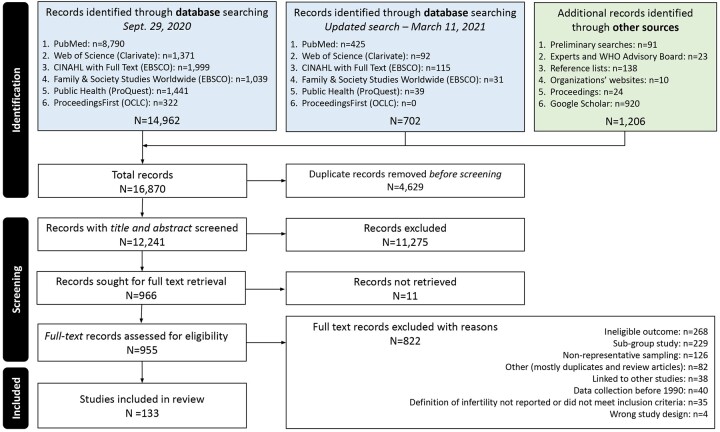
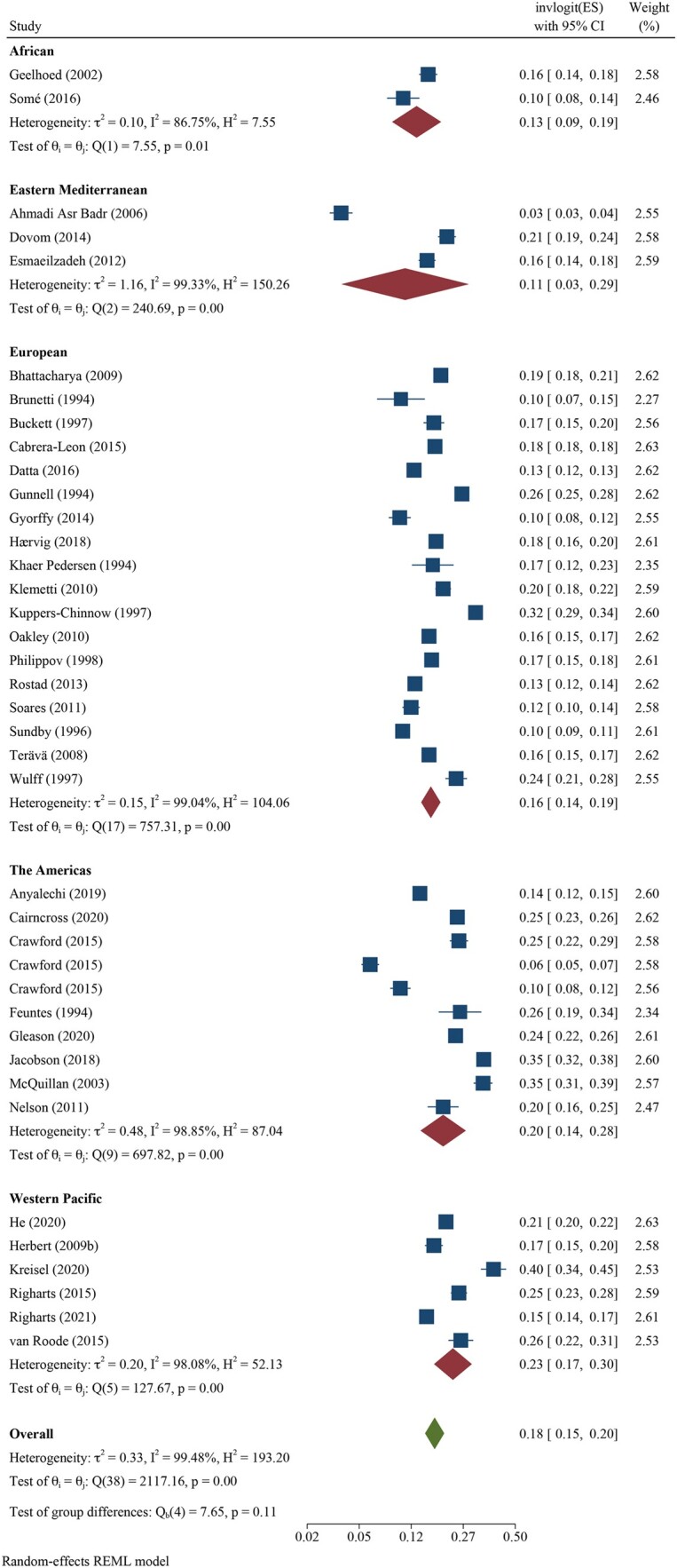
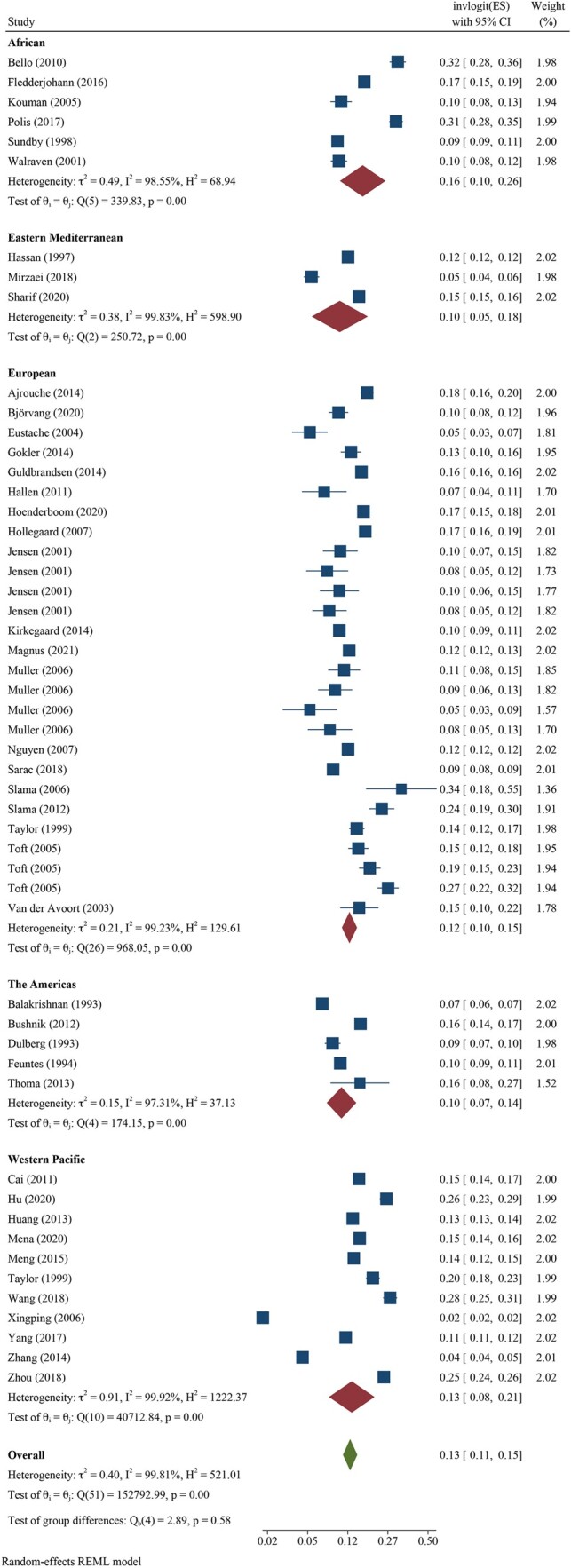
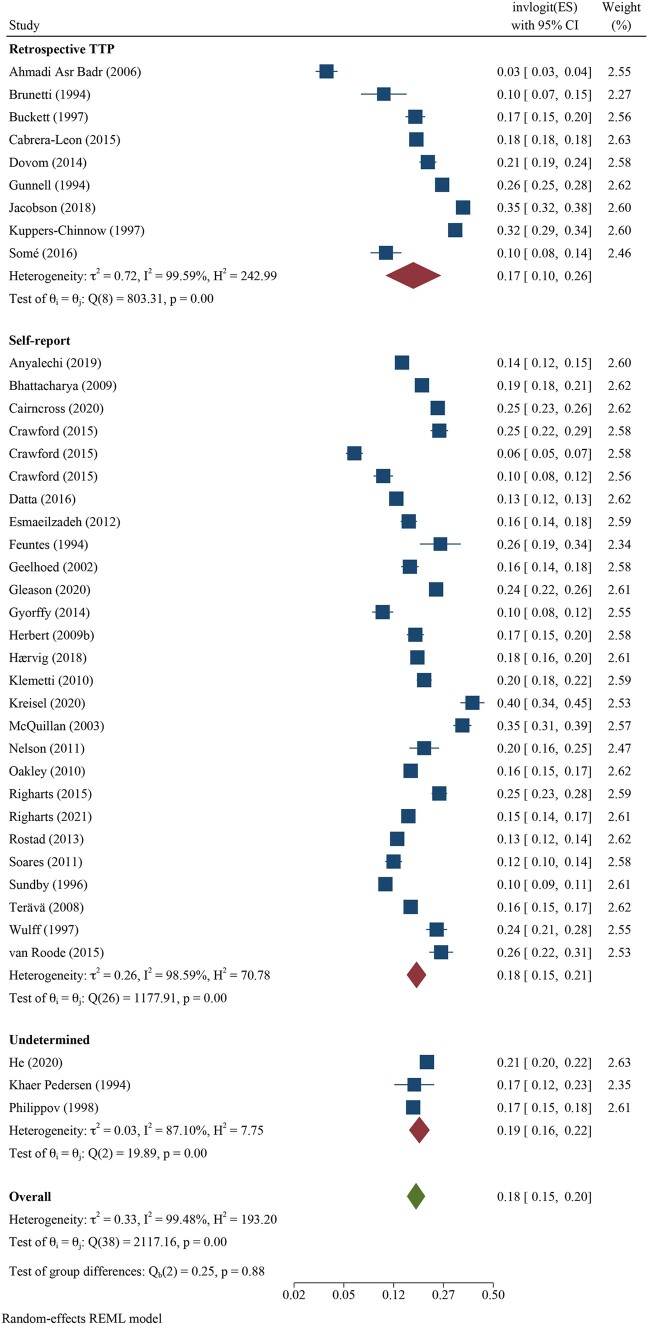
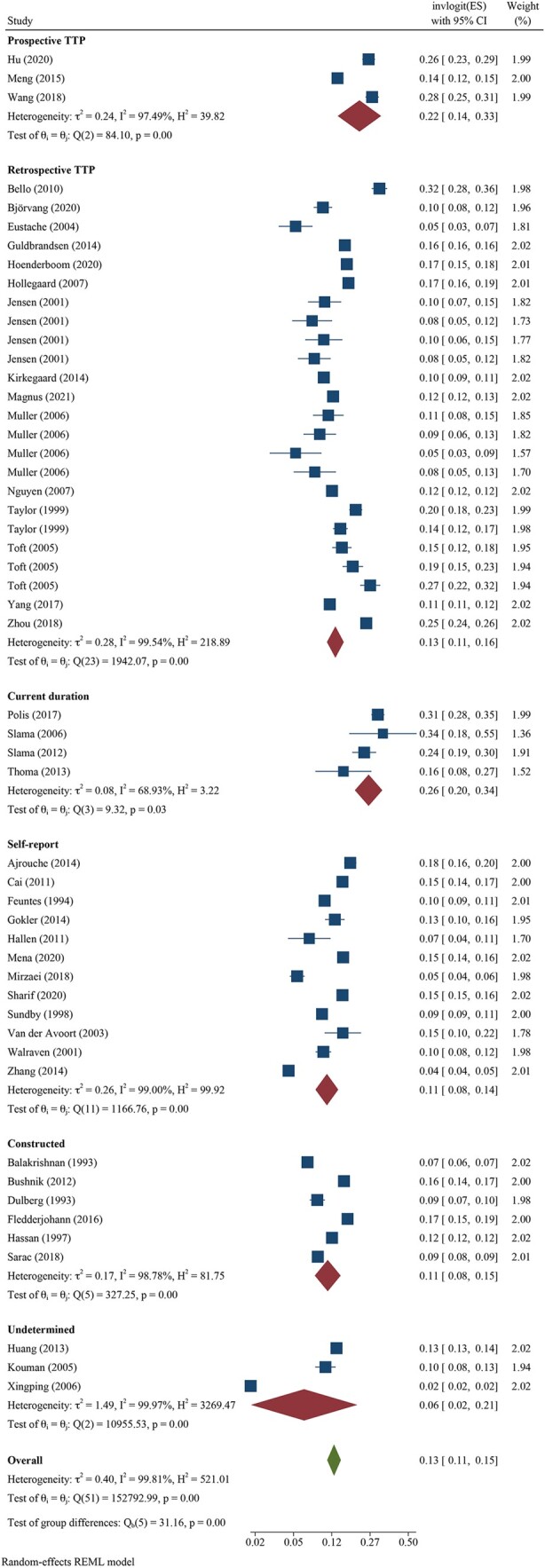
STUDY QUESTION: What is the contemporary prevalence of infertility in world populations and how do they differ by methodological and study characteristics? SUMMARY ANSWER: Pooled estimates of lifetime and period prevalence of 12-month infertility were 17.5% and 12.6%, respectively, but this varied by study population and methodological approach. WHAT IS KNOWN ALREADY: Infertility affects millions of individuals worldwide. Accurate measures of its magnitude are needed to effectively address and manage the condition. There are distinct challenges and variation in how infertility is defined and measured, limiting comparability of estimates across studies. Further research is needed to understand whether and how differences in methodological approaches and study characteristics account for heterogeneity in estimates. STUDY DESIGN, SIZE, DURATION: We conducted a systematic review and meta-analysis. Six electronic databases, websites of relevant organizations, and conference proceedings were systematically searched. Searches were limited to those published between 1 January 1990 and 11 March 2021, with no language restrictions. PARTICIPANTS/MATERIALS, SETTING, METHODS: Descriptive and random-effects meta-analysis models were used to examine range of estimates and generate estimates of pooled lifetime and period prevalence of 12-month infertility, respectively, among representative populations. Meta-regression using restricted maximum likelihood was applied to account for definitional and study characteristics and to obtain adjusted estimates. Risk of bias was assessed with a validated tool. MAIN RESULTS AND THE ROLE OF CHANCE: The search yielded 12 241 unique records of which 133 studies met the criteria for the systematic review. There were 65 and 69 studies that provided data for lifetime and period prevalence of 12-month infertility, respectively. Five methodological approaches were identified: prospective time-to-pregnancy (TTP) design, current duration design, retrospective TTP design, self-reported infertility measure and constructed infertility measure. Ranges for lifetime (3.3–39.7%) and period estimates (1.6–34.0%) were similar and wide even after accounting for methodological and study characteristics. Pooled estimates of lifetime and period prevalence were 17.5% (95% CI: 15.0, 20.3, n = 37 studies, I2 = 99.5%) and 12.6% (95% CI: 10.7, 14.6, n = 43 studies, I2 = 99.8%), respectively, with some variation in magnitude by region and methodological approach, but with most CIs overlapping. LIMITATIONS, REASONS FOR CAUTION: Pooled estimates generated from meta-analysis were derived from 12-month infertility prevalence estimates that were heterogeneous across different domains, even after adjusting for definitional and study characteristics. The number of studies was small for certain strata from which pooled estimates were derived (e.g. there were only two studies for lifetime prevalence in Africa). WIDER IMPLICATIONS OF THE FINDINGS: While findings show a high prevalence of infertility globally and regionally, it also reveals variation in measures to ascertain and compare infertility prevalence. More systematic and comprehensive collection of data using a consistent definition is needed to improve infertility prevalence estimates at global, regional and country-levels. STUDY FUNDING/COMPETING INTEREST(S): This work was supported by the World Health Organization. The authors have no conflicts of interest. REGISTRATION NUMBER: PROSPERO CRD42020211704
Overview
The claims and statistics of this paper haven’t been checked yet.
Free: it reads the open-access text and checks the first 5 claims that cite a source we can check. Create a free account to check every claim.
Integrity signals
Registry
Cites
Statistics
Figures
Verification
Claims the paper makes
The claims and statistics of this paper haven’t been checked yet.
Free: it reads the open-access text and checks the first 5 claims that cite a source we can check. Create a free account to check every claim.
Claims other papers make about this one
Each is checked against this paper’s own text: does it say what the citing paper says it does?
The source backs part of the claim, not all of it — or backs it for a different population, condition or comparison.
In the citing paper
“While the global decline in fertility rate is due to multiple societal and environmental changes, it is important to emphasize that globally between 48 million couples and 186 million individuals of reproductive age live with infertility (World Health Organization, 2020; Cox et al., 2022).”
From Declining global fertility rates and the implications for family planning and family building: an IFFS consensus document based on a narrative review of the literature (2024) · cites this paper as Cox et al., 2022
Experimental — accuracy not yet measuredThe source backs part of the claim, not all of it — or backs it for a different population, condition or comparison.
In the citing paper
“The definition of infertility and its prevalence and burden of disease are controversial.”
From Declining global fertility rates and the implications for family planning and family building: an IFFS consensus document based on a narrative review of the literature (2024) · cites this paper as Cox et al., 2022
Experimental — accuracy not yet measuredThe source backs part of the claim, not all of it — or backs it for a different population, condition or comparison.
In the citing paper
“Until publication of the recent WHO document, the most comprehensive systematic review covering infertility studies from 1990 to 2021 gave pooled estimates for period and lifetime infertility prevalence of 12.6% (95% CI 10.7, 14.6) and 17.5% (95% CI 15.0, 20.3), respectively, when estimated among all study participants regardless of risk of pregnancy (Cox et al., 2022; World Health Organization, 2”
From Declining global fertility rates and the implications for family planning and family building: an IFFS consensus document based on a narrative review of the literature (2024) · cites this paper as Cox et al., 2022
Experimental — accuracy not yet measuredThe cited source says what the claim attributes to it.
In the citing paper
“Different categories of infertility definitions (clinical, epidemiological, demographic) in conjunction with variations in methodology and study populations give rise to wide-ranging estimates (Gnoth et al., 2005; Barratt et al., 2017; Cox et al., 2022; World Health Organization, 2023).”
From Declining global fertility rates and the implications for family planning and family building: an IFFS consensus document based on a narrative review of the literature (2024) · cites this paper as Cox et al., 2022
Self-check
Percentages, sums and reported differences re-computed from the paper’s own numbers.
The self-check needs the paper’s full text.
Citations
Cites
The PRISMA 2020 statement: An updated guideline for reporting systematic reviews
Page, M. J., McKenzie, J. E., Bossuyt, P. M., Boutron, I., Hoffmann, T. C., Mulrow, C. D., Shamseer, L., Tetzlaff, J. M., Akl, E. A., Brennan, S. E., et al. (2021) · BMJ · doi:10.1136/bmj.n71 · Cited by 108,283
Rayyan-a web and mobile app for systematic reviews.
Ouzzani, M., Hammady, H., Fedorowicz, Z., & Elmagarmid, A. (2016) · Systematic Reviews · doi:10.1186/s13643-016-0384-4 · Cited by 26,092
Dermyshi, E., Wang, Y., Yan, C., Hong, W., Qiu, G., Gong, X., & Zhang, T. (2017) · Neonatology · doi:10.1159/000454668 · Cited by 24,451
Meta-analysis of Observational Studies in Epidemiology<SUBTITLE>A Proposal for Reporting</SUBTITLE>
Stroup, D. F. (2000) · JAMA · doi:10.1001/jama.283.15.2008 · Cited by 20,623
The PRISMA 2020 statement: an updated guideline for reporting systematic reviews
Page, M. J., McKenzie, J., Bossuyt, P., Boutron, I., Hoffmann, T., mulrow, C., Shamseer, L., Tetzlaff, J., Akl, E., Brennan, S. E., et al. (2020) · doi:10.31222/osf.io/v7gm2_v1 · Cited by 8,090
PRESS Peer Review of Electronic Search Strategies: 2015 Guideline Statement
McGowan, J., Sampson, M., Salzwedel, D. M., Cogo, E., Foerster, V., & Lefebvre, C. (2016) · Journal of Clinical Epidemiology · doi:10.1016/j.jclinepi.2016.01.021 · Cited by 5,700 · cited 1×
“Two health informationists external to the project peer reviewed the search strategy for PubMed using the Peer Review of Electronic Search Strategies (PRESS) tool (McGowan et al., 2016).”
The PRISMA 2020 statement: an updated guideline for reporting systematic reviews
Page, M. J., McKenzie, J., Bossuyt, P., Boutron, I., Hoffmann, T., mulrow, C., Shamseer, L., Tetzlaff, J., Akl, E., Brennan, S. E., et al. (2020) · doi:10.31222/osf.io/v7gm2 · Cited by 5,177
Funnel plots for detecting bias in meta-analysis
Sterne, J. A. C., & Egger, M. (2001) · Journal of Clinical Epidemiology · doi:10.1016/s0895-4356(01)00377-8 · Cited by 3,779 · cited 2×
“…for publication bias, we generated funnel plots, which were found to be symmetrical, suggesting lower potential for publication bias; however, caution should be used in interpreting these results given limitations on the interpretation of funnel plots for this purpose (Sterne and Egger, 2001).”
GRADE guidelines: a new series of articles in the Journal of Clinical Epidemiology
Guyatt, G. H., Oxman, A. D., Schünemann, H. J., Tugwell, P., & Knottnerus, A. (2011) · Journal of Clinical Epidemiology · doi:10.1016/j.jclinepi.2010.09.011 · Cited by 3,094 · cited 2×
“Lastly, we did not use the GRADE approach (Guyatt et al., 2011) to rate the quality of evidence and strength of recommendations since there was a lack of formal guidance for use of this approach in reviews of prevalence (Migliavaca et al., 2020).”
Hoy, D., Brooks, P., Woolf, A., Blyth, F., March, L., Bain, C., Baker, P., Smith, E., & Buchbinder, R. (2012) · Journal of Clinical Epidemiology · doi:10.1016/j.jclinepi.2011.11.014 · Cited by 2,555 · cited 1×
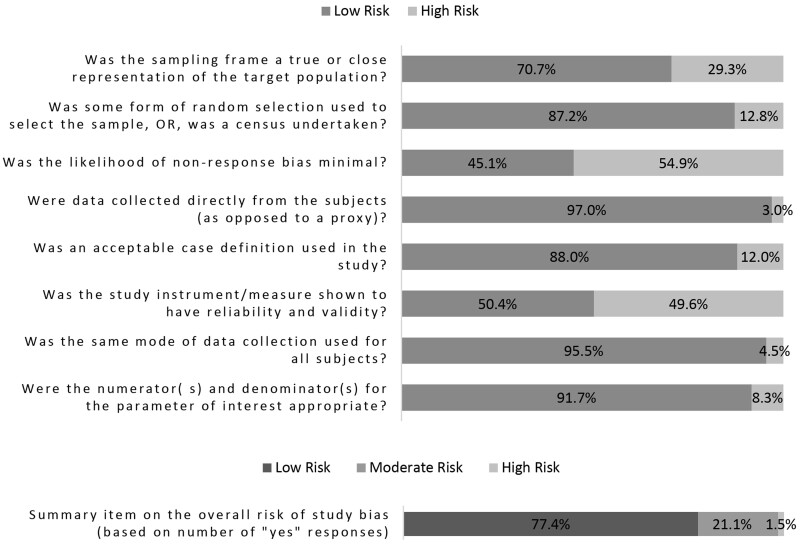
“We assessed the risk of bias for each study using the Hoy et al. (2012) risk of bias tool that was slightly modified by the study team to better fit with infertility definitions assessed in this review (Supplementary Table SIV).”
Research works printed but not linked: 2
- Schmid, 2021, Handbook of Meta-Analysis
- StataCorp, 2019, Stata Statistical Software: Release 16
Cited by
Items 201–300 of 671
González‐Muñoz, S., Yi, L., Guzmán‐Jiménez, A., Cerván‐Martín, M., Higueras-Serrano, I., Castilla, J. A., Clavero, A., Garrido, N., Luján, S., Yang, X., et al. (2025) · Communications Biology · doi:10.1038/s42003-025-08001-2 · Cited by 4
Tian, Y., Wang, Z., Wang, C., Fang, Y., Wu, J., Zhao, X., Wang, Q., Zhang, J., Yang, Y., & Yang, X. (2025) · Reproductive Toxicology · doi:10.1016/j.reprotox.2025.108901 · Cited by 4
Wang, X., Liu, Y., Yuan, G., Yang, J., Liu, X., Chen, S., Dou, H., Lu, P., Han, L., Li, D., et al. (2025) · Journal of Ovarian Research · doi:10.1186/s13048-025-01674-7 · Cited by 4
Burhan, S. A., Reshan, R. G., Elrefaeey, A., & Abou‐El‐Naga, A. M. (2024) · Journal of Obstetrics Gynecology and Cancer Research · doi:10.30699/jogcr.9.3.304 · Cited by 4
Génard-Walton, M. (2023) · theses.fr (ABES) · doi:10.70675/4db6063bza2e8z49cfz9278z2d7905f87fc2 · Cited by 4
The role of environmental toxins in infertility: Insights from cutting-edge research
Agaram, S., Saravanan, B., Durairaj, J. R., Bhavani, S., Chinnakannu, M., & Chopra, H. (2025) · Scripta Medica · doi:10.5937/scriptamed56-53922 · Cited by 4
Bravo, A., Jofré, I., Boguen, R. E., Sánchez, R., Zambrano, F., & Uribe, P. (2026) · Antioxidants · doi:10.3390/antiox15020213 · Cited by 4
Farahani, M. M., Jalali, A., Moghadasi, S., Rezaei, M., & Khodadadi, R. (2025) · Biological Trace Element Research · doi:10.1007/s12011-025-04554-9 · Cited by 4
Tao, A., Wu, T., Han, X., Niu, D., & Feng, X. (2025) · International Journal of Women s Health · doi:10.2147/ijwh.s514221 · Cited by 4
Association between frozen embryo transfer and childhood allergy: a retrospective cohort study
Luo, Q.-Y., Su, K., Dong, Z.-H., Feng, T., Zhang, C., Hao, Y., Liu, H., Qin, N., Xu, J., Duan, C.-C., et al. (2024) · Reproductive BioMedicine Online · doi:10.1016/j.rbmo.2024.104320 · Cited by 4
Trieu, S. T., Pham, D. M., Le, H., Vo, H., Nguyen, P., Van, T. T., Ngoc, N. N., & The, S. T. (2025) · The Application of Clinical Genetics · doi:10.2147/tacg.s510933 · Cited by 4
Shahidpour, F., Pourentezari, M., Mehrjerdi, F. Z., & Hosseini, M. (2023) · Toxicology and Environmental Health Sciences · doi:10.1007/s13530-023-00180-x · Cited by 4
Prevalence of Infertility in South Asia: A Systematic Review and Meta-Analysis
Kushwaha, A. K., Jaisankar, S., Deborah, A. A., Asokan, A., Tripathi, G., Chawla2, N., & Kamath, M. S. (2026) · Journal of Human Reproductive Sciences · doi:10.4103/jhrs.jhrs_333_25 · Cited by 3
Xu, Y., Jia, Y., Li, Q., Jiang, H., Xiong, Y., Liang, W., Liu, X., Huang, Y., Zou, K., Sun, X., et al. (2025) · Journal of Evidence-Based Medicine · doi:10.1111/jebm.70100 · Cited by 3
Female infertility and long-term cardiovascular risk: a systematic review and meta-analysis
Polymeropoulou, C., Mili, N., Armeni, E., Siliogka, E., Augoulea, A., & Lambrinoudaki, I. V. (2026) · Endocrine · doi:10.1007/s12020-025-04543-x · Cited by 3
von Wiegen, N., Behl, C., & Körschgen, H. (2025) · iScience · doi:10.1016/j.isci.2025.112976 · Cited by 3
A “Fertility Awareness” Survey on Social Media: Men Can Do Better
Bettinger, H., Carbonnel, M., Vallée, A., Racowsky, C., Stoeklé, H., & Ayoubi, J.-M. (2025) · American Journal of Men s Health · doi:10.1177/15579883251325513 · Cited by 3
Thomas, H. L., Makumbi, F. E., Anglewicz, P. A., Kibira, S. P. S., Moreau, C., Guiella, G., Mosso, R., & Bell, S. O. (2026) · BMC Health Services Research · doi:10.1186/s12913-026-15214-6 · Cited by 3
The clinical value of short-term insemination: a retrospective analysis of 3496 patients
Zhang, X., Wang, Y., Yang, J., Li, Y., Chen, Y., Yang, Y., Feng, T., Li, S., Chen, L., & Qian, Y. (2025) · BMC Pregnancy and Childbirth · doi:10.1186/s12884-025-07151-9 · Cited by 3
Ou, Z., Xu, A., Su, H., Liu, Y., & Li, J. (2025) · PeerJ · doi:10.7717/peerj.20342 · Cited by 3
Bowman, J. D., Silva, N., Schüftan, E., Almeida, J. M., Correia, R. B., Oliveira, R. A., Tüttelmann, F., Enard, D., Navarro‐Costa, P., & Lynch, V. J. (2026) · eLife · doi:10.7554/elife.94563.3 · Cited by 3
Bowman, J. D., Silva, N., Schüftan, E., Almeida, J. M., Correia, R. B., Oliveira, R. A., Tüttelmann, F., Enard, D., Navarro‐Costa, P., & Lynch, V. J. (2024) · eLife · doi:10.7554/elife.94563.1 · Cited by 3
Global Trends in Infertility and Fecundity
Hizkiyahu, R., Klement, A. H., & Bentov, Y. (2025) · Springer eBooks · doi:10.1007/978-3-031-77255-9_11 · Cited by 3
Marano, G., Carriero, G., Valle, E. L., Brisi, C., Traversi, G., Mazza, O., d’Abate, C., Esposito, R., Sani, G., & Mazza, M. (2026) · Journal of Clinical Medicine · doi:10.3390/jcm15135117 · Cited by 3
Lovett, S. M., Wise, L. A., Richardson, A. S., Campbell, E. J., Vrkljan, K. A., Kirwa, K., Wesselink, A. K., Rothman, K. J., & Willis, M. D. (2025) · American Journal of Epidemiology · doi:10.1093/aje/kwaf237 · Cited by 3
Toldy, A., Lázár, Z., Barta, V., Wilhelm, I., Gselmann, E., Vida, Z. V., Kovács, K. E., & Solymosi, K. (2025) · Magyar Tudomány · doi:10.1556/2065.186.2025.9.14 · Cited by 3
Development of a low-cost microfluidic chip for hyaluronidase-free oocyte denudation in mammals
Dessouky, A. H., El-Hussieny, H., El-Sherry, T. M., Parque, V., & El‐Bab, A. M. R. F. (2025) · Biotechnology Notes · doi:10.1016/j.biotno.2025.03.001 · Cited by 3
Subfertility and congenital anomalies: a systematic review and meta-analysis
Milne, B. M., Derry, T., Brogly, S. B., & Vélez, M. P. (2026) · F&S Reviews · doi:10.1016/j.xfnr.2026.100108 · Cited by 3
Semen HPV and IVF: insights from infection prevalence to embryologic outcomes
Francis, J., Tsiartas, P., Hreinsson, J. G., Andersson, M., Hermansson, J., Gogas, P., Papadimitriou, T., Kärrberg, C., Brännström, M., & Akouri, R. (2025) · Journal of Assisted Reproduction and Genetics · doi:10.1007/s10815-025-03513-6 · Cited by 3
Meddőség és asszisztált reprodukció demográfiai, pszichoszociális és szociokulturális kontextusban
Lengyel, A., & Danis, I. (2025) · Szociológiai szemle · doi:10.51624/szocszemle.15567 · Cited by 3
Prevalence of depression among oocyte donor candidates: a systematic review and meta-analysis
Rashidian, P., Amini‐Salehi, E., Ahmadi, S., & Salehi, S. A. (2025) · Annals of Medicine and Surgery · doi:10.1097/ms9.0000000000004523 · Cited by 3
Of mice and men: translating mouse knockout models of human male infertility
Barada, S., Alameer, M., Aldhaheri, R., Hamdan, H., & Kashir, J. (2025) · Reproduction · doi:10.1530/rep-25-0260 · Cited by 3
Zheng, Y., Zheng, X., Sun, J., Zhang, P., Zhong, Y., Lv, X., Yuan, H., Liang, F., Wang, D., & Yang, J. (2025) · Scientific Reports · doi:10.1038/s41598-025-88210-1 · Cited by 3
Primary and secondary infertility in India: a systematic review and meta-analysis
Devi, K. S., Mehra, D., Bahl, D., Hamza, M., Uppal, L., Ghosh, S., Das, S. S., & Sunil, M. (2026) · Reproductive Health · doi:10.1186/s12978-026-02270-8 · Cited by 3
Microfluidic innovations driving the future of sperm motility and sex sorting techniques
Das, V., Rajendran, A., Krishnan, L., Tseng, F., & Santra, T. S. (2026) · Biomaterials Advances · doi:10.1016/j.bioadv.2026.214867 · Cited by 3
Lan, C., Zhang, H., Ren, M., Wu, T., Zhao, L., Ma, R., Guan, Y., Luo, H., Ma, X., Yang, Y., et al. (2025) · Environmental Pollution · doi:10.1016/j.envpol.2025.126491 · Cited by 3
Uggerhøj, R., Skaaning, A., Kyhl, F., Schmidt, L., & Vassard, D. (2026) · Human Reproduction Open · doi:10.1093/hropen/hoag032 · Cited by 3
Gao, Y., Wang, Q., Li, G., Zhao, X., Qin, R., Kong, L., & Li, P. (2023) · International Journal of Nursing Practice · doi:10.1111/ijn.13219 · Cited by 3
Zhang, Z., Li, X., Guo, S., & Chen, X. (2024) · Translational Andrology and Urology · doi:10.21037/tau-24-187 · Cited by 3
Tocariu, R., Dinulescu, A., Prejmereanu, A., Maier, C., Coricovac, A.-M., Archir, E.-D., Niculae, L. E., & Brătilă, E. (2024) · Journal of Clinical Medicine · doi:10.3390/jcm13216470 · Cited by 3
Kaiyal, R. S., Sgayer, I., Borik, I., Shqara, M. A., Rubulotta, M., Markdorf, S., Aslih, H., Ekaterina, S., Lowenstein, L., & Cannarella, R. (2025) · Reproductive BioMedicine Online · doi:10.1016/j.rbmo.2025.105406 · Cited by 3
Giono-Cerezo, S., López‐Vidal, Y., & Alcántar-Curiel, M. D. (2026) · Gaceta Médica de México · doi:10.24875/gmm.m26001104 · Cited by 3
Alenova, A., Коркан, А. И., Kauysheva, A., & Magalov, I. (2025) · Frontiers in Reproductive Health · doi:10.3389/frph.2025.1701315 · Cited by 3
Zhe, J., & Zheng, D. (2026) · International Journal of Gynecology & Obstetrics · doi:10.1002/ijgo.70971 · Cited by 3
The prevalence and etiology of infertility in a tertiary specialist hospital in the Gambia
Anyanwu, M., Touray, A., Kujabi, T., Suwareh, K., Sumbunu, A., Drammeh, R., Odeku, T., & Nwanganga, I. (2024) · Global Reproductive Health · doi:10.1097/grh.0000000000000090 · Cited by 3
Gul, Y., Sadiq, N., Iqbal, S., Tahir, M., Khan, H., & Ahmed, M. (2025) · Cureus · doi:10.7759/cureus.84368 · Cited by 3
Cheng, Z.-X., Du, L., & He, Z. (2023) · Asian Journal of Andrology · doi:10.4103/aja202322 · Cited by 3
Ni, Z., Xie, J., Zhang, Z., Zhang, K., Ding, J., Chang, M., Su, Y., Zhang, Y., Yao, M., Wang, C., et al. (2026) · iMeta · doi:10.1002/imt2.70148 · Cited by 2
Melesse, Y. D., Amha, H., Getnet, A., Ewunetie, A. A., Abneh, A. A., Gedif, G., Lamesgen, A., & Muluneh, A. A. (2025) · Reproductive Health · doi:10.1186/s12978-025-02158-z · Cited by 2
Li, Y., Sun, R., & Lyu, F. (2025) · Research Square · doi:10.21203/rs.3.rs-6712960/v1 · Cited by 2
Depression among women experiencing infertility: a narrative review
Kaczmarek, M. A., Grochowska, W., Musiał, M., Spychalska, M., Spychalski, J., Dylik, A., Gryczyńska, W., Gulaczyk, H., & Krawczak, Ł. (2025) · MEDICAL SCIENCE PULSE · doi:10.5604/01.3001.0055.1315 · Cited by 2
Oliva-Retamal, C., Ramírez-Lazo, D., Valdés-Campos, F., Vásquez-Cortez, K., & Caro, P. (2026) · Revista Panamericana de Salud Pública · doi:10.26633/rpsp.2026.27 · Cited by 2
Sleep and idiopathic infertility: a case-control study of 360 participants
Caetano, G., Rouen, A., Dupont, C., Lévy, R., Léger, D., & Sermondade, N. (2025) · Reproductive BioMedicine Online · doi:10.1016/j.rbmo.2025.105040 · Cited by 2
Bell, S. O., Makumbi, F. E., Thomas, H. L., Kibira, S. P. S., Moreau, C., & Zimmerman, L. A. (2025) · Reproductive Health · doi:10.1186/s12978-025-02148-1 · Cited by 2
Kayimu, K., Berntsen, S., Fu, Y., Yuan, Y., Vomstein, K., Tian, T., Liu, F., Gao, J., Vuong, L. N., Ho, T. M., et al. (2026) · Human Reproduction · doi:10.1093/humrep/deag066 · Cited by 2
Ito, Y., & Nishi, D. (2024) · Journal of Reproductive and Infant Psychology · doi:10.1080/02646838.2024.2380416 · Cited by 2
Eri, M., Rezapour, A., Afshari, S., Arabloo, J., & Ziyaee, S. (2025) · Journal of Health Population and Nutrition · doi:10.1186/s41043-025-01181-x · Cited by 2
Bell, S. O., Kibira, S. P. S., Thomas, H. L., Nabukeera, S., Slivesteri, S., Tenda, I., Kennedy, C. E., & Moreau, C. (2025) · Social Science & Medicine · doi:10.1016/j.socscimed.2025.118664 · Cited by 2
Gyunesh, A. A., Rezk, M., Kapper, C., Mor, G., Shebl, O. J., Oppelt, P., Stelzl, P., & Arbeithuber, B. (2025) · npj Systems Biology and Applications · doi:10.1038/s41540-025-00589-9 · Cited by 2
Sonne, H., Egsgaard, S., Munk‐Olsen, T., Cesta, C. E., Schmidt, L., & Bliddal, M. (2026) · Human Reproduction · doi:10.1093/humrep/deag040 · Cited by 2
Getachew, A., & Gebreyohannes, R. D. (2025) · International Journal of Gynecology & Obstetrics · doi:10.1002/ijgo.16124 · Cited by 2
Mental health during and after pregnancy in medically assisted reproduction: a danish cohort study
Grønlund, M. M., Jølving, L. R., Möller, S., Wesselhoeft, R. T., & Bliddal, M. (2025) · Archives of Women s Mental Health · doi:10.1007/s00737-024-01553-y · Cited by 2
Role of IL-17 cytokines in tubal fibrosis and infertility due to salpingitis
Zhao, J., & Liu, L. (2025) · Molecular Biology Reports · doi:10.1007/s11033-025-11199-3 · Cited by 2
Begum, I. A., Ghimire, D., & Hosen, A. S. M. S. (2025) · Diagnostics · doi:10.3390/diagnostics15172250 · Cited by 2
Sairat, F., Mediani, A., Hussin, N. M. H., Widyanto, R. M., & Sharif, R. (2026) · Middle East Fertility Society Journal · doi:10.1186/s43043-026-00298-1 · Cited by 2
Fu, L., Fang, F., Zhou, F. Q., Guo, Y., Wang, S., Ma, J., Gu, Y., Lu, W., & Liu, Y. (2026) · Frontiers in Public Health · doi:10.3389/fpubh.2026.1777051 · Cited by 2
Basak, S., Varma, S., Nag, S., & Duttaroy, A. K. (2026) · Frontiers in Endocrinology · doi:10.3389/fendo.2026.1799472 · Cited by 2
Knowledge of infertility risk factors and attitudes among reproductive-aged individuals in Turkey
Şahin, E., Yazıcı, S., & Topuz, D. (2026) · Discover Public Health · doi:10.1186/s12982-026-01504-1 · Cited by 2
Prémusz, V., Kovács, R., Skriba, E., Szmatona, G., Tándor, Z., Makai, A., Ács, P., Kovács, K. A., Várnagy, Á., & Veres-Balajti, I. (2025) · Journal of Clinical Medicine · doi:10.3390/jcm14186552 · Cited by 2
Residential Exposure to PM 2.5 Constituents and Fecundability in a Danish Preconception Cohort
Wesselink, A. K., Johannesen, B. R., Wang, T. R., Ketzel, M., Mikkelsen, E. M., Brandt, J. G., Khan, J., Hertel, O., Laursen, A. S. D., Willis, M. D., et al. (2025) · Paediatric and Perinatal Epidemiology · doi:10.1111/ppe.13174 · Cited by 2
Hojeij, B., Schoenmakers, S., van Rossem, L., Willemsen, S. P., Baart, E. B., Rousian, M., & Steegers‐Theunissen, R. P. M. (2025) · Journal of Assisted Reproduction and Genetics · doi:10.1007/s10815-025-03688-y · Cited by 2
Zeisler, H., & Heinzl, F. (2025) · Wiener klinische Wochenschrift · doi:10.1007/s00508-025-02626-3 · Cited by 2
Hayes, E. T., Hassan, M., Lakomy, O., Filzen, R., Armouti, M., Foretz, M., Tsumaki, N., Takemori, H., & Stocco, C. O. (2024) · Endocrinology · doi:10.1210/endocr/bqae107 · Cited by 2
Sium, A. F., Surur, F., & Negash, M. (2024) · International Journal of Gynecology & Obstetrics · doi:10.1002/ijgo.15709 · Cited by 2
Sex hormones and arrhythmia risk in women with long QT syndrome
Greco, A., Donno, V., Martinez-Barrios, E., Campuzano, Ó., Polyzos, N. P., & Sarquella‐Brugada, G. (2026) · Heart Rhythm · doi:10.1016/j.hrthm.2026.02.040 · Cited by 2
Meiotic gene variants contribute to recurrent blastulation failure
Chen, X., Leng, L., He, W., Li, W., Li, L., Zhang, X., Xu, X., Dai, J., Gu, Y., Xie, P., et al. (2026) · Human Reproduction Open · doi:10.1093/hropen/hoag039 · Cited by 2
Life Course Financial Hardship and Fecundability in a North American Preconception Cohort Study
Hoffman, M. N., Ncube, C. N., Murray, E. J., Krivorotko, D., Wesselink, A. K., Lovett, S. M., Abrams, J. A., Boynton‐Jarrett, R., & Wise, L. A. (2025) · Epidemiology · doi:10.1097/ede.0000000000001900 · Cited by 2
Aydın, G., Bülbül, M., Ergin, E., Aydin, A. G., Akkaya, C., Hatırnaz, Ş., & Tinelli, A. (2025) · International Journal of Gynecology & Obstetrics · doi:10.1002/ijgo.70466 · Cited by 2
Tvrdá, E., Bučko, O., Ďuračka, M., Kováčik, A., Benko, F., & Kačániová, M. (2025) · Animals · doi:10.3390/ani15030377 · Cited by 2
Zhang, Q., Lei, S., Gu, X., Liang, S., Wu, T., Yuan, M., Fei, Y., & Guan, R. (2026) · Artificial Intelligence in Health · doi:10.36922/aih025460101 · Cited by 2
Cellular and molecular regulations of oocyte selection and activation in mammals
Yang, X., Zhang, Y., & Zhang, H. (2024) · Current topics in developmental biology/Current Topics in Developmental Biology · doi:10.1016/bs.ctdb.2024.11.003 · Cited by 2
Fu, L., Zhou, F., Chen, G., Yuan, R.-P., Li, W., Qiu, S., Tang, L., Liu, W., Gu, Y., & Lu, W. (2025) · Frontiers in Endocrinology · doi:10.3389/fendo.2025.1546290 · Cited by 2
Legendre, A., Gloaguen, C., Kereselidze, D., Saci, N., Houdigui, S. M. E., Froment, P., Elie, C., Defoort, C., Lestaevel, P., Benadjaoud, M. A., et al. (2025) · Current Research in Toxicology · doi:10.1016/j.crtox.2025.100279 · Cited by 2
COMMENTARY PART 2: WEIGHT LOSS INTERVENTIONS FOR IMPROVING FERTILITYA SYNTHESIS OF CURRENT EVIDENCE
Schneider, E., Hamer, O., Smith, C., & Hill, J. E. (2024) · The Practising Midwife · doi:10.55975/qltp8768 · Cited by 2
Keyvanlou, S., Movahedin, M., & Halvaei, I. (2026) · Journal of Human Reproductive Sciences · doi:10.4103/jhrs.jhrs_209_25 · Cited by 2
Long-term effects of IVF on offspring kidneys in mice: observations from adolescence to adulthood
Zhou, X., Sun, Y., Feng, W., Wan, W., & Cui, L. (2024) · Reproductive BioMedicine Online · doi:10.1016/j.rbmo.2024.104501 · Cited by 2
Comparison Between the Effects of Fentanyl Versus Remifentanil on ICSI Regarding Pregnancy Outcomes
Burhan, S. A., Reshan, R. G., Elrefaeey, A., & Abou‐El‐Naga, A. M. (2024) · Journal of Obstetrics Gynecology and Cancer Research · doi:10.30699/jogcr.9.2.218 · Cited by 2
Amin, J., Alle, N. S., Patel, A. M., Prajapathi, B., Makwana, P., Prakash, J., & Krishna, K. M. (2024) · International Journal of Reproductive BioMedicine (IJRM) · doi:10.18502/ijrm.v22i7.16962 · Cited by 2
Pan, X., Qi, Q., Wang, J., Zhou, J., Sun, H., Li, L., & Wang, L. (2025) · BioScience Trends · doi:10.5582/bst.2025.01325 · Cited by 2
Mater semper (in)certa est: os desafios ético-juridicos da Reprodução Humana Assistida no Brasil
Salardi, S., Vetis Zaganelli, M., & Filho Binda, L. D. (2024) · BOA (University of Milano-Bicocca) · Cited by 2
Jin, Z.-R., Huo, Y., Liu, B.-H., Tian, H., Yuan, S., Tian, Y., Xi, K., Cai, J., Jiang, H., Jiang, Y., et al. (2026) · Molecular Medicine Reports · doi:10.3892/mmr.2026.13794 · Cited by 2
Copper, cuproptosis and male reproductive health: An updated and narrative review
Hekim, N., Gunes, S. O., & Ergün, S. (2026) · Reproductive Toxicology · doi:10.1016/j.reprotox.2026.109204 · Cited by 2
Benchimol, Y., Sanchez, S., Racowsky, C., Cicinelli, R., Benammar, A., & Ayoubi, J.-M. (2026) · Journal of Ovarian Research · doi:10.1186/s13048-026-02114-w · Cited by 2
Tabassum, E., Alom, I. P., Sultana, S., Begum, A. A., Fariduzzaman, A. M., Akter, S., & Islam, F. (2026) · Ibrahim Cardiac Medical Journal · doi:10.3329/icmj.v15i1.88770 · Cited by 2
Saeedinia, M., Sighaldeh, S. S., Joodaki, K., Hantoushzadeh, S., Haghollahi, F., Salehpour, S., Zaki‐Dizaji, M., Isazadeh, N., & Heidary, Z. (2025) · Archives of Iranian Medicine · doi:10.34172/aim.33938 · Cited by 2
Prevalence Causes, and Contributing Factors of Male Infertility in Pakistan
Fareena Khalil Ahmed, D. T. A. K., Khan, T. A., & Yahya, U. (2024) · Frontiers in Health Informatics · Cited by 2
Infertilidad y Género: Revisión Sistemática de sus Principales Consecuencias Psicológicas
Liébana, S., Larisa, I., & Altungy, P. (2025) · Clínica Contemporánea · doi:10.5093/cc2025a11 · Cited by 1
Effects of probiotics intervention on sperm parameters: A systematic review on literature
Shamsi‐Goushki, A., Mahmoodi, M. R., Ashourzadeh, S., Jazinaki, M. S., & Rezvani, R. (2026) · Nutrition and Health · doi:10.1177/02601060261464829 · Cited by 1
Ran, M., Wang, Y., & Pu, Y. (2025) · Clinical and Experimental Obstetrics & Gynecology · doi:10.31083/ceog39785 · Cited by 1
Hiratsuka, D., & Hirota, Y. (2026) · European Journal of Obstetrics & Gynecology and Reproductive Biology · doi:10.1016/j.ejogrb.2026.115228 · Cited by 1
Metadata
- Authors
- Cox, C. M., Thoma, M. E., Tchangalova, N., Mburu, G., Bornstein, M. J., Johnson, C. L., & Kiarie, J.
- Affiliations
- Independent Consultant , Shoreview, MN, USA
- University of Maryland, College Park (US)
- World Health Organization (CH)
- The Ohio State University (US)
- University of Minnesota (US)
- Corresponding author
- Cox, C M
- Venue
- Human Reproduction Open
- Publisher
- Oxford University Press (OUP)
- Published
- 2022-01-01
- Volume
- 2022
- Issue
- 4
- Pages
- hoac051-hoac051
- ISSN
- 2399-3529 (ISSN-L)
- PMC
- PMC9725182
- OpenAlex
- W4308825553
- Semantic Scholar
- 7f1190ba473fbb50e35e7f6275a7df4c6b37f440
- Cited by
- 506
- References
- 60
- Citations by year
- 2026: 162 · 2025: 189 · 2024: 124 · 2023: 31
- FWCI
- 13.80
- Type
- journal article
- Language
- en
- Open access
- gold
- doi.org
- Locations
- Human Reproduction Open (publishedVersion, cc-by)
- PubMed Central (publishedVersion, cc-by)
- PubMed (publishedVersion)
- Funders
- World Health Organization
- Topics
- Health Sciences › Medicine › Reproductive Medicine › Reproductive Health and Technologies
- Health Sciences › Medicine › Public Health, Environmental and Occupational Health › Reproductive Health and Contraception
- Social Sciences › Gender Studies › Demographic Trends and Gender Preferences
- Keywords
- infertility prevalence, lifetime prevalence, period prevalence, time to pregnancy, study characteristics, meta-regression, risk of bias
About these checks
Registry, retraction, Cites and statistics results are computed, not judged, with one exception: a printed reference that no index lists is read once by a model before it counts as a citation error. Claims are extracted by a model and kept only when their quote appears verbatim in the text; each cited source is then checked, with a model’s help, for whether it says what the claim relies on. Those verdicts can be wrong — read the claim’s quote and the cited source before relying on one.
Statistics and arithmetic are recomputed, not judged.
Confidence bands are shown only for fields calibrated on our annotated test set. None is calibrated yet, so no band is shown.
What counts as a claim ›How we measure confidence ›How we check this ›
Are you an author, or do you see a problem with this page? Request a review
Data sources
Bibliographic data: Semantic Scholar, OpenAlex, Crossref.
Contains information from the Semantic Scholar Academic Graph Datasets, made available under the ODC Attribution License (ODC-BY 1.0).
Semantic Scholar’s data is described in: Kinney, R., et al. (2023). The Semantic Scholar Open Data Platform. arXiv:2301.10140.
