

Infertility prevalence and the methods of estimation from 1990 to 2021: a systematic review and meta-analysis
Open accessThe DOI matches its Crossref record; 62 of the 62 references it cites were found in a registry or an index.
Abstract
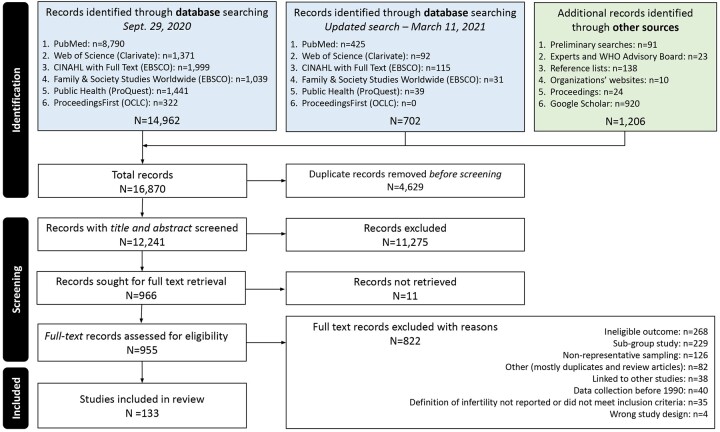
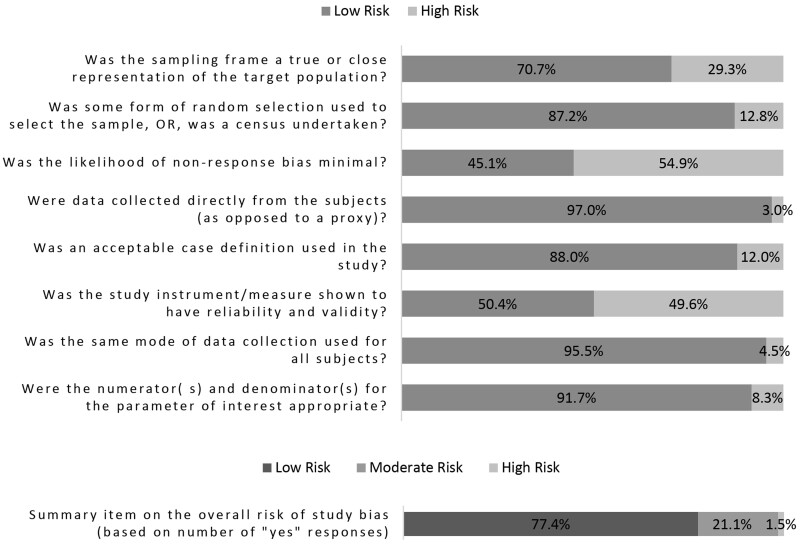
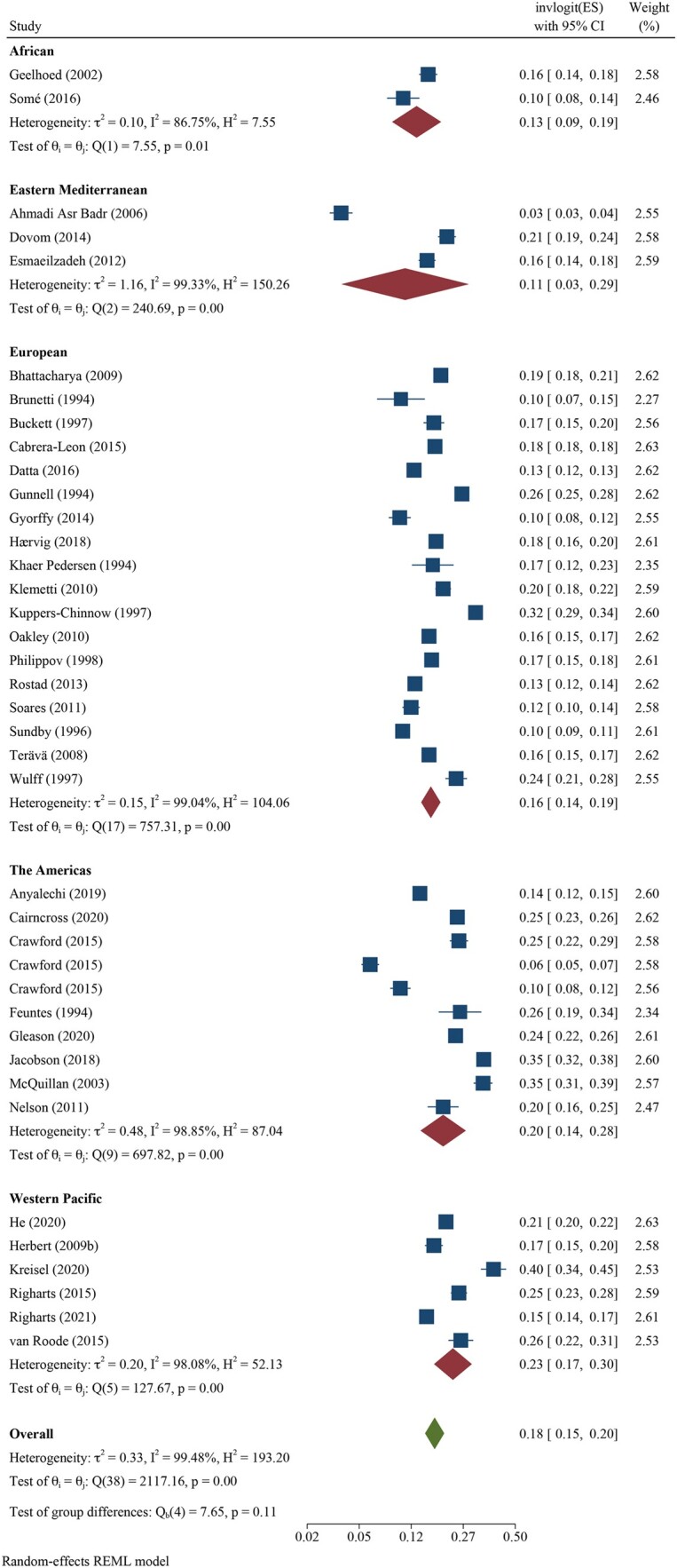
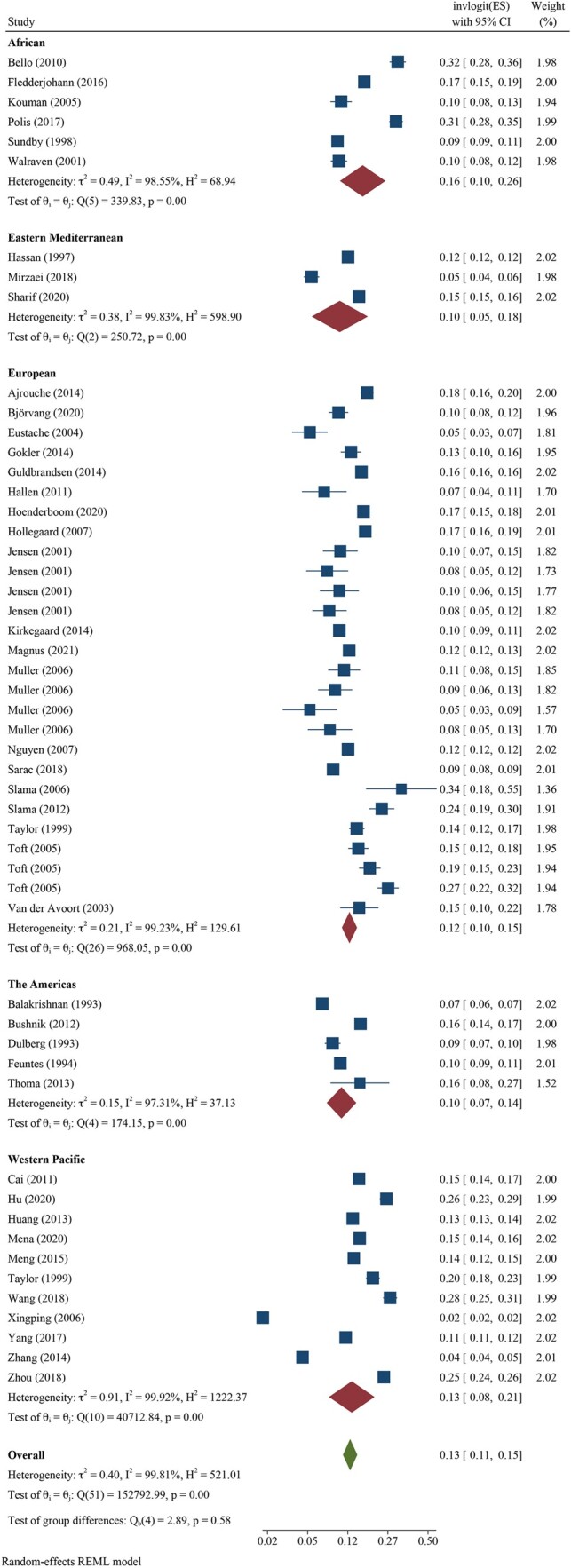
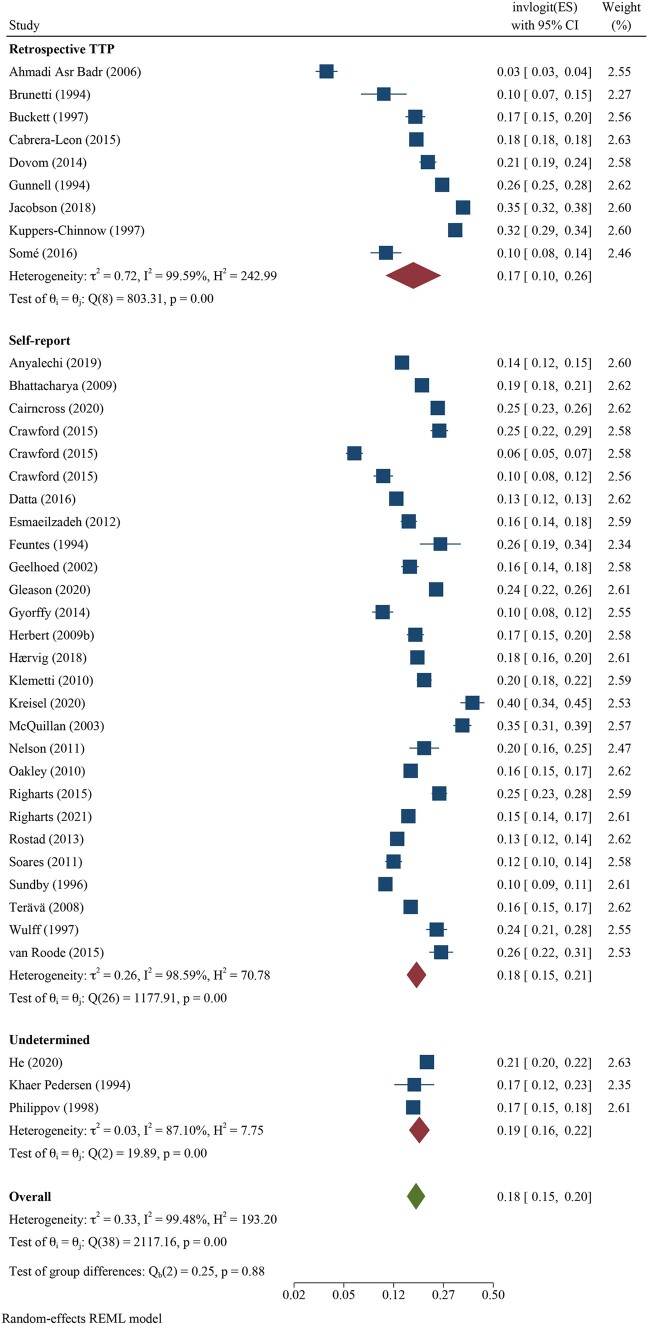
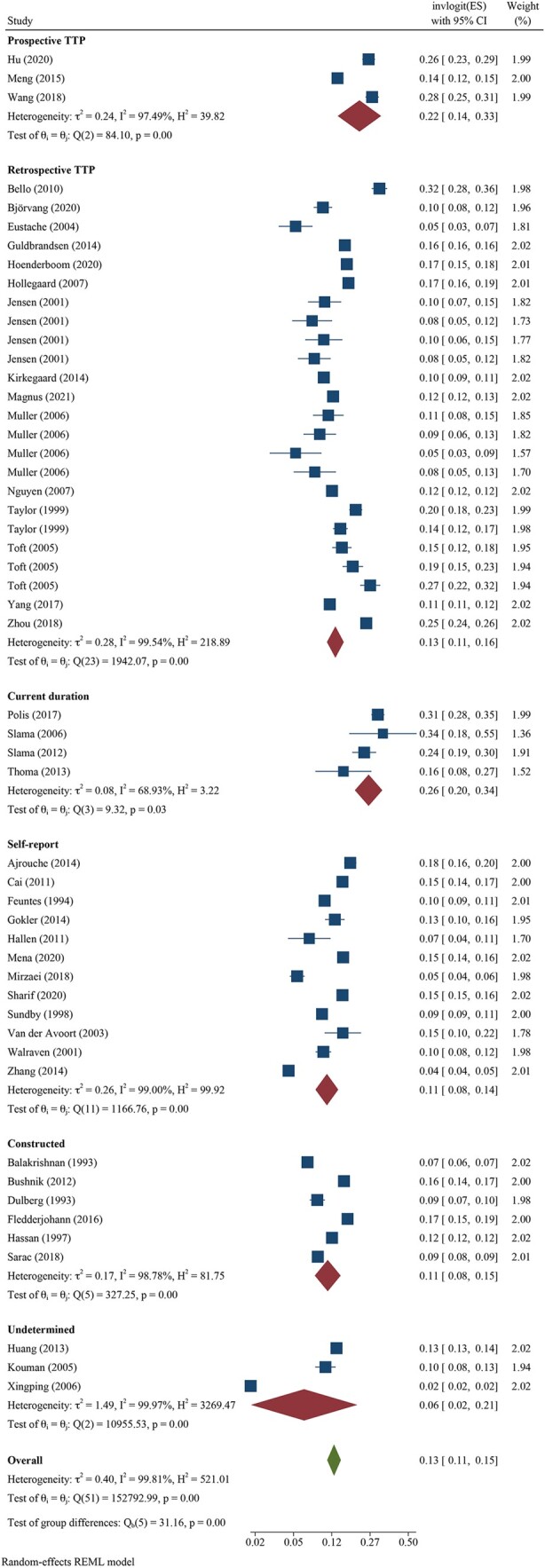
STUDY QUESTION: What is the contemporary prevalence of infertility in world populations and how do they differ by methodological and study characteristics? SUMMARY ANSWER: Pooled estimates of lifetime and period prevalence of 12-month infertility were 17.5% and 12.6%, respectively, but this varied by study population and methodological approach. WHAT IS KNOWN ALREADY: Infertility affects millions of individuals worldwide. Accurate measures of its magnitude are needed to effectively address and manage the condition. There are distinct challenges and variation in how infertility is defined and measured, limiting comparability of estimates across studies. Further research is needed to understand whether and how differences in methodological approaches and study characteristics account for heterogeneity in estimates. STUDY DESIGN, SIZE, DURATION: We conducted a systematic review and meta-analysis. Six electronic databases, websites of relevant organizations, and conference proceedings were systematically searched. Searches were limited to those published between 1 January 1990 and 11 March 2021, with no language restrictions. PARTICIPANTS/MATERIALS, SETTING, METHODS: Descriptive and random-effects meta-analysis models were used to examine range of estimates and generate estimates of pooled lifetime and period prevalence of 12-month infertility, respectively, among representative populations. Meta-regression using restricted maximum likelihood was applied to account for definitional and study characteristics and to obtain adjusted estimates. Risk of bias was assessed with a validated tool. MAIN RESULTS AND THE ROLE OF CHANCE: The search yielded 12 241 unique records of which 133 studies met the criteria for the systematic review. There were 65 and 69 studies that provided data for lifetime and period prevalence of 12-month infertility, respectively. Five methodological approaches were identified: prospective time-to-pregnancy (TTP) design, current duration design, retrospective TTP design, self-reported infertility measure and constructed infertility measure. Ranges for lifetime (3.3–39.7%) and period estimates (1.6–34.0%) were similar and wide even after accounting for methodological and study characteristics. Pooled estimates of lifetime and period prevalence were 17.5% (95% CI: 15.0, 20.3, n = 37 studies, I2 = 99.5%) and 12.6% (95% CI: 10.7, 14.6, n = 43 studies, I2 = 99.8%), respectively, with some variation in magnitude by region and methodological approach, but with most CIs overlapping. LIMITATIONS, REASONS FOR CAUTION: Pooled estimates generated from meta-analysis were derived from 12-month infertility prevalence estimates that were heterogeneous across different domains, even after adjusting for definitional and study characteristics. The number of studies was small for certain strata from which pooled estimates were derived (e.g. there were only two studies for lifetime prevalence in Africa). WIDER IMPLICATIONS OF THE FINDINGS: While findings show a high prevalence of infertility globally and regionally, it also reveals variation in measures to ascertain and compare infertility prevalence. More systematic and comprehensive collection of data using a consistent definition is needed to improve infertility prevalence estimates at global, regional and country-levels. STUDY FUNDING/COMPETING INTEREST(S): This work was supported by the World Health Organization. The authors have no conflicts of interest. REGISTRATION NUMBER: PROSPERO CRD42020211704
Overview
The claims and statistics of this paper haven’t been checked yet.
Free: it reads the open-access text and checks the first 5 claims that cite a source we can check. Create a free account to check every claim.
Integrity signals
Registry
Cites
Statistics
Figures
Verification
Claims the paper makes
The claims and statistics of this paper haven’t been checked yet.
Free: it reads the open-access text and checks the first 5 claims that cite a source we can check. Create a free account to check every claim.
Claims other papers make about this one
Each is checked against this paper’s own text: does it say what the citing paper says it does?
The source backs part of the claim, not all of it — or backs it for a different population, condition or comparison.
In the citing paper
“While the global decline in fertility rate is due to multiple societal and environmental changes, it is important to emphasize that globally between 48 million couples and 186 million individuals of reproductive age live with infertility (World Health Organization, 2020; Cox et al., 2022).”
From Declining global fertility rates and the implications for family planning and family building: an IFFS consensus document based on a narrative review of the literature (2024) · cites this paper as Cox et al., 2022
Experimental — accuracy not yet measuredThe source backs part of the claim, not all of it — or backs it for a different population, condition or comparison.
In the citing paper
“The definition of infertility and its prevalence and burden of disease are controversial.”
From Declining global fertility rates and the implications for family planning and family building: an IFFS consensus document based on a narrative review of the literature (2024) · cites this paper as Cox et al., 2022
Experimental — accuracy not yet measuredThe source backs part of the claim, not all of it — or backs it for a different population, condition or comparison.
In the citing paper
“Until publication of the recent WHO document, the most comprehensive systematic review covering infertility studies from 1990 to 2021 gave pooled estimates for period and lifetime infertility prevalence of 12.6% (95% CI 10.7, 14.6) and 17.5% (95% CI 15.0, 20.3), respectively, when estimated among all study participants regardless of risk of pregnancy (Cox et al., 2022; World Health Organization, 2”
From Declining global fertility rates and the implications for family planning and family building: an IFFS consensus document based on a narrative review of the literature (2024) · cites this paper as Cox et al., 2022
Experimental — accuracy not yet measuredThe cited source says what the claim attributes to it.
In the citing paper
“Different categories of infertility definitions (clinical, epidemiological, demographic) in conjunction with variations in methodology and study populations give rise to wide-ranging estimates (Gnoth et al., 2005; Barratt et al., 2017; Cox et al., 2022; World Health Organization, 2023).”
From Declining global fertility rates and the implications for family planning and family building: an IFFS consensus document based on a narrative review of the literature (2024) · cites this paper as Cox et al., 2022
Self-check
Percentages, sums and reported differences re-computed from the paper’s own numbers.
The self-check needs the paper’s full text.
Citations
Cites
The PRISMA 2020 statement: An updated guideline for reporting systematic reviews
Page, M. J., McKenzie, J. E., Bossuyt, P. M., Boutron, I., Hoffmann, T. C., Mulrow, C. D., Shamseer, L., Tetzlaff, J. M., Akl, E. A., Brennan, S. E., et al. (2021) · BMJ · doi:10.1136/bmj.n71 · Cited by 108,283
Rayyan-a web and mobile app for systematic reviews.
Ouzzani, M., Hammady, H., Fedorowicz, Z., & Elmagarmid, A. (2016) · Systematic Reviews · doi:10.1186/s13643-016-0384-4 · Cited by 26,092
Dermyshi, E., Wang, Y., Yan, C., Hong, W., Qiu, G., Gong, X., & Zhang, T. (2017) · Neonatology · doi:10.1159/000454668 · Cited by 24,451
Meta-analysis of Observational Studies in Epidemiology<SUBTITLE>A Proposal for Reporting</SUBTITLE>
Stroup, D. F. (2000) · JAMA · doi:10.1001/jama.283.15.2008 · Cited by 20,623
The PRISMA 2020 statement: an updated guideline for reporting systematic reviews
Page, M. J., McKenzie, J., Bossuyt, P., Boutron, I., Hoffmann, T., mulrow, C., Shamseer, L., Tetzlaff, J., Akl, E., Brennan, S. E., et al. (2020) · doi:10.31222/osf.io/v7gm2_v1 · Cited by 8,090
PRESS Peer Review of Electronic Search Strategies: 2015 Guideline Statement
McGowan, J., Sampson, M., Salzwedel, D. M., Cogo, E., Foerster, V., & Lefebvre, C. (2016) · Journal of Clinical Epidemiology · doi:10.1016/j.jclinepi.2016.01.021 · Cited by 5,700 · cited 1×
“Two health informationists external to the project peer reviewed the search strategy for PubMed using the Peer Review of Electronic Search Strategies (PRESS) tool (McGowan et al., 2016).”
The PRISMA 2020 statement: an updated guideline for reporting systematic reviews
Page, M. J., McKenzie, J., Bossuyt, P., Boutron, I., Hoffmann, T., mulrow, C., Shamseer, L., Tetzlaff, J., Akl, E., Brennan, S. E., et al. (2020) · doi:10.31222/osf.io/v7gm2 · Cited by 5,177
Funnel plots for detecting bias in meta-analysis
Sterne, J. A. C., & Egger, M. (2001) · Journal of Clinical Epidemiology · doi:10.1016/s0895-4356(01)00377-8 · Cited by 3,779 · cited 2×
“…for publication bias, we generated funnel plots, which were found to be symmetrical, suggesting lower potential for publication bias; however, caution should be used in interpreting these results given limitations on the interpretation of funnel plots for this purpose (Sterne and Egger, 2001).”
GRADE guidelines: a new series of articles in the Journal of Clinical Epidemiology
Guyatt, G. H., Oxman, A. D., Schünemann, H. J., Tugwell, P., & Knottnerus, A. (2011) · Journal of Clinical Epidemiology · doi:10.1016/j.jclinepi.2010.09.011 · Cited by 3,094 · cited 2×
“Lastly, we did not use the GRADE approach (Guyatt et al., 2011) to rate the quality of evidence and strength of recommendations since there was a lack of formal guidance for use of this approach in reviews of prevalence (Migliavaca et al., 2020).”
Hoy, D., Brooks, P., Woolf, A., Blyth, F., March, L., Bain, C., Baker, P., Smith, E., & Buchbinder, R. (2012) · Journal of Clinical Epidemiology · doi:10.1016/j.jclinepi.2011.11.014 · Cited by 2,555 · cited 1×
“We assessed the risk of bias for each study using the Hoy et al. (2012) risk of bias tool that was slightly modified by the study team to better fit with infertility definitions assessed in this review (Supplementary Table SIV).”
Research works printed but not linked: 2
- Schmid, 2021, Handbook of Meta-Analysis
- StataCorp, 2019, Stata Statistical Software: Release 16
Cited by
Items 301–400 of 671
Lebedeva, D. A., Igonina, T. N., Brusentsev, E. Y., Shavshaeva, N. A., & Amstislavsky, S. Y. (2024) · Journal of Evolutionary Biochemistry and Physiology · doi:10.1134/s0022093024030244 · Cited by 1
Igonina, T. N., Lebedeva, D. A., Shavshaeva, N. A., Brusentsev, E. Y., Levinson, A. L., & Amstislavsky, S. Y. (2024) · Journal of Evolutionary Biochemistry and Physiology · doi:10.1134/s0022093024050065 · Cited by 1
Neighborhood disadvantage and fecundability in a cohort of US Black women
Wesselink, A. K., Willis, M. D., Lovett, S. M., Sheng, C., Kuohung, W., Hicks, J. M., Peters, J. L., Li, S., Palmer, J. R., Wise, L. A., et al. (2025) · Environmental Epidemiology · doi:10.1097/ee9.0000000000000428 · Cited by 1
Enhancing the precision of male fertility diagnostics through bio inspired optimization techniques
Ramdass, P., Gajendran, G., Selatnia, F., & Boulaaras, S. (2025) · Scientific Reports · doi:10.1038/s41598-025-25052-x · Cited by 1
Chen, J., Lin, C., Peng, J., Xu, W., Azziz, R., Lin, M., & Zhao, X. (2025) · Journal of Ovarian Research · doi:10.1186/s13048-025-01900-2 · Cited by 1
Gordon, J. L., Balsom, A. A., Silva, K. D., Chu, J., Harrison, C., & Boivin, J. (2026) · The Lancet Obstetrics Gynaecology & Women s Health · doi:10.1016/s3050-5038(26)00152-4 · Cited by 1
Li, J., Chen, J., Liu, Y., Yuan, X., Deng, X., & Zhang, X. (2025) · Journal of Psychosomatic Research · doi:10.1016/j.jpsychores.2025.112332 · Cited by 1
Adhikary, P., Mburu, G., Habib, N., Kabra, R., Kiarie, J., Dhabhai, N., & Mazumder, S. (2026) · PLOS Global Public Health · doi:10.1371/journal.pgph.0006265 · Cited by 1
Self-citationComparison of ICSI and Spontaneous Pregnancy Outcomes in Women with Unexplained Infertility
Başbuğ, A., Yurtçu, E., Keyif, B., & Düzenli, F. N. (2024) · Düzce Tıp Fakültesi Dergisi · doi:10.18678/dtfd.1458126 · Cited by 1
Ning, B., Wang, X., Zhang, M., Nan, S., Bur, R., Ma, H., Liu, K., & La, X. (2026) · Gynecological Endocrinology · doi:10.1080/09513590.2026.2697103 · Cited by 1
Tan, J., Jiang, Y., Wan, C., Zhu, K., Xu, Y. K., Xu, Y., & Huang, J. X. (2025) · Journal of Assisted Reproduction and Genetics · doi:10.1007/s10815-025-03651-x · Cited by 1
Traditional management of female infertility in Africa: a scoping review protocol
Mashaah, T., Muziringa, M. C., Gomo, E., Maradzika, J., Madziyire, M. G., & January, J. (2023) · BMJ Open · doi:10.1136/bmjopen-2023-079201 · Cited by 1
Mazloomi, S., Farimani, M. S., & Ahmadi, M. (2025) · Chonnam Medical Journal · doi:10.4068/cmj.2025.61.3.109 · Cited by 1
Non-clinical indicators of infertility and fertility care: a scoping review protocol
Mburu, G., Zhao, L., Mei, M., Men, P., Boivin, J., & Kiarie, J. N. (2026) · BMJ Open · doi:10.1136/bmjopen-2025-115223 · Cited by 1
Self-citationFernandez, R. C., Moore, V., Boyle, J. A., Rumbold, A. R., Davies, M. J., Mazza, D., & Grzeskowiak, L. E. (2025) · BMJ Open · doi:10.1136/bmjopen-2024-085149 · Cited by 1
Armah, D., Kyei, J. M., van der Wath, A., Ansong-Aggrey, S. K., Azanku, B. A., & Naab, F. (2026) · SAGE Open Nursing · doi:10.1177/23779608251414506 · Cited by 1
Fertility intentions among medical students in war-torn Ukraine: a cross-sectional survey
Mogilevkina, I., Olovsson, M., Getsko, O., Маричереда, В. Г., & Tydén, T. (2026) · BMC Public Health · doi:10.1186/s12889-026-28222-2 · Cited by 1
Cholesterol sulfate prevents maternal-fetal conflict by locally modulating immune reactivity
Hirotani, K., Kunimura, K., Maeda, R., Sugiura, Y., Nakata, K., Takahashi, M., Izumi, Y., Akiyoshi, S., Matsubara, K., Morino, K., et al. (2025) · Placenta · doi:10.1016/j.placenta.2025.07.034 · Cited by 1
Li, J., xing, H., Liu, H., Lv, J., Yang, G., Zhang, B., & Fu, X. (2025) · Research Square · doi:10.21203/rs.3.rs-6314067/v1 · Cited by 1
Onvansertib-mediated PLK1 inhibition impairs spermatogenesis in the murine testis
Qi, X.-X., Feng, X., Zhu, W.-R., Song, T., Li, H.-L., Liu, Q., Xu, C.-Y., Yuan, Y., Cheng, Q., & Li, L.-H. (2026) · Asian Journal of Andrology · doi:10.4103/aja202635 · Cited by 1
Silveira, I. N. (2023) · Digital Library of Theses and Dissertations (Universidade de São Paulo) · doi:10.11606/d.17.2023.tde-15022024-102150 · Cited by 1
Patient-centered fertility care perceptions and treatment-related quality of life with infertility
Balkan, E., & Aslan, E. (2026) · Clínica e Investigación en Ginecología y Obstetricia · doi:10.1016/j.gine.2025.101087 · Cited by 1
A Delphi Study on the Management of Female Infertility by Homeopaths in South Africa
Anderson, R., Pellow, J., Tsele-Tebakang, T., & Solomon, E. M. (2024) · Health SA Gesondheid · doi:10.4102/hsag.v29i0.2771 · Cited by 1
Yajima, H., Takeuchi, H., Kishi, K., Yamagami, K., Kagohashi, A., Takayama, E., Shiotani, M., Enatsu, N., & Kondo, E. (2025) · Reproductive Medicine and Biology · doi:10.1002/rmb2.12680 · Cited by 1
Épidémiologie de l’infertilité en France et dans le monde
Ayoubi, J. M., & Vallée, A. (2026) · Bulletin de l Académie Nationale de Médecine · doi:10.1016/j.banm.2025.07.013 · Cited by 1
Hou, Q., Liao, H., Zhang, Z., Yuan, J., Guo, Q., Wang, Y., Li, J., Du, Y., Zeng, Q., Deng, T., et al. (2026) · Environmental Pollution · doi:10.1016/j.envpol.2026.128057 · Cited by 1
Ammar, O. F., Liperis, G., Ali, Z. E., Horta, F., Anastasi, A., Kalaitzopoulos, D. R., Ribeiro, S., Salmeri, N., Aitken, R. J., Sangster, P., et al. (2025) · Human Reproduction · doi:10.1093/humrep/deaf232 · Cited by 1
Alemu, S. S., Aboabe, E., Zemedkun, K., Gejo, N. G., Hajure, M., Demsash, A. W., Fekadu, G., Dube, G. N., Daba, Y., Wedajo, L. F., et al. (2026) · Scientific Reports · doi:10.1038/s41598-026-46059-y · Cited by 1
Chen, S., Yao, B., Wang, Y., Wang, J., Gu, Y., & Chen, X. (2025) · Journal of Reproductive Immunology · doi:10.1016/j.jri.2025.104529 · Cited by 1
Yao, Z., Tian, M., & Xie, H. (2025) · International Journal of Women s Health · doi:10.2147/ijwh.s532121 · Cited by 1
The Impact of Infertility on Female Sexual Function: A Systematic Review and Meta-analysis
Capela, E., Inácio, M., Rosa, M., Silva, M., Nunes, R., Mitrofan, M., Kovatchki, M. G., Couceiro, M., Peixoto, M., & Macedo, A. (2024) · Obstetrics & Gynecology Open Access · doi:10.29011/2577-2236.100197 · Cited by 1
Bell, S. O., Hwang, S.-S., Malloy, S. M., & Nobles, J. E. (2025) · Human Reproduction · doi:10.1093/humrep/deaf168 · Cited by 1
What midwives should know about fertility awareness and its impact on reproductive behavior
Saranti, E., Harizopoulou, V. C., Bili, E., Pados, G., Goulis, D. G., Vavilis, D., & Vivilaki, V. G. (2025) · European Journal of Midwifery · doi:10.18332/ejm/195830 · Cited by 1
Bahreiny, S. S., Khaksar, M. A., Kazemzadeh, R., Fard, R. M., Radmehr, V., & Zahedian, M. (2025) · Journal of Diabetes & Metabolic Disorders · doi:10.1007/s40200-025-01765-8 · Cited by 1
A prediction model of preterm birth in singleton pregnancy after assisted reproduction therapy
Wang, Z., Mo, H., Zhu, L., Tang, J., Huang, J., Mai, Z., Jiao, X., Zhu, M., Ji, X., Ouyang, N., et al. (2025) · BMC Pregnancy and Childbirth · doi:10.1186/s12884-025-08221-8 · Cited by 1
Ubom, A. E., Akinsomisoye, O. S., Asafa, M. A., ADINDU, K. N., Ahmed, O. S., & Akande, T. (2026) · International Journal of Gynecology & Obstetrics · doi:10.1002/ijgo.70959 · Cited by 1
Factors Influencing Secondary Infertility: An Analysis of NFHS Data in IndiaPreprint
Mahima, M., & Tiwari, A. K. (2025) · Research Square · doi:10.21203/rs.3.rs-5867449/v1 · Cited by 1
Hiratsuka, D., Noda, K., Yoshida, K., Kinoshita, M., Doi, Y., Kato, O., Oshima, K., Aikawa, S., Ishizawa, C., Fukui, Y., et al. (2026) · Reproductive Medicine and Biology · doi:10.1002/rmb2.70028 · Cited by 1
Huang, X., Sun, M., Chen, Y., Zhang, X.-L., Song, X.-Y., Wang, W.-X., & Sun, Y. (2026) · Frontiers in Endocrinology · doi:10.3389/fendo.2026.1889096 · Cited by 1
Association between infertility and thyroid cancer risk: a systematic review and meta-analysis
Qiao, X., Tian, X., Zhou, W., Qin, Z., & Yu, J. (2026) · Frontiers in Oncology · doi:10.3389/fonc.2026.1813942 · Cited by 1
Exposure to Automobile Pollutants and Sperm Quality among Mechanics in Brazzaville (Congo)
Diambalou, R. C. D., Dzamba, P. J. I. M., Kaya-Ongoto, M. D., & Abena, A. A. (2023) · Open Journal of Air Pollution · doi:10.4236/ojap.2023.124008 · Cited by 1
Factors associated with infertility in males and females in Qatar: A case-control study
Al-Kuwari, H., Ibrahim, M. I. M., Darwish, N., Almaraghi, H., Ai-Wuhaili, A., Al-Muslamani, F., Bougmiza, I. M., Chivese, T., & Emara, M. M. (2025) · Qatar medical journal · doi:10.5339/qmj.2025.83 · Cited by 1
Historical Neighborhood Redlining and Fertility in a Cohort of US Black Women
Willis, M. D., Sheng, C., Lovett, S. M., Feldscher, T., Sims, K. D., Francis, B., Hicks, J. M., Holder, E. X., Wise, L. A., Cozier, Y. C., et al. (2026) · Epidemiology · doi:10.1097/ede.0000000000001942 · Cited by 1
Lactate dehydrogenase a-like 6B is not essential for spermatogenesis and male fertility in mice
Huang, X., Wu, Z., Ren, P., Wu, Y., Lin, C., Zhu, H., & Dai, P. (2024) · Gene · doi:10.1016/j.gene.2024.149100 · Cited by 1
Connecting The Dots: The Impact Of Subclinical Hypothyroidism On Female Subfertility And Obesity
Ashfaq, N., Hussain, W., Hussain, M., Saba, N., Mudassir, A. Q., & Liaqat, J. (2024) · Journal of Rawalpindi Medical College · doi:10.37939/jrmc.v28i3.2558 · Cited by 1
Rethinking age-specific fecundability: Selection bias can generate apparent rapid decline with age
Stevenson, A. J., Root, L., & MENKEN, J. A. (2026) · Vienna Yearbook of Population Research · doi:10.1553/p-p7d2-d2hz · Cited by 1
Importância do aconselhamento reprodutivo para mulheres
Palmeira, M. E. S. D. O., brandão, K. D. S. A. G., & Britto, R. L. (2025) · Femina · doi:10.61622/0100-7254531202508 · Cited by 1
Biallelic pathogenic variants in DNAH3 cause male infertility in humans and micePreprint
Wang, X., Shen, G., Yang, Y., Jiang, C., Ruan, T., Yang, X., Zhuo, L., Zhang, Y., Ou, Y., Zhao, X., et al. (2024) · eLife · doi:10.7554/elife.96755.1 · Cited by 1
Biallelic pathogenic variants in DNAH3 cause male infertility in humans and micePreprint
Wang, X., Shen, G., Yang, Y., Jiang, C., Ruan, T., Yang, X., Zhuo, L., Zhang, Y., Ou, Y., Zhao, X., et al. (2024) · eLife · doi:10.7554/elife.96755.2 · Cited by 1
DNAH3 deficiency causes flagellar inner dynein arm loss and male infertility in humans and micePreprint
Wang, X., Shen, G., Yang, Y., Jiang, C., Ruan, T., Yang, X., Zhuo, L., Zhang, Y., Ou, Y., Zhao, X., et al. (2024) · eLife · doi:10.7554/elife.96755.3 · Cited by 1
Epidemiological risk factors associated with infertility
Katole, A., & Giri, P. (2025) · International Journal of Community Medicine and Public Health · doi:10.18203/2394-6040.ijcmph20251737 · Cited by 1
Ghavami, A., Khodarahmi, M., Mehrabani, S., Mokari‐Yamchi, A., Tehrani, H. G., Vajdi, M., & Askari, G. (2025) · Food Science & Nutrition · doi:10.1002/fsn3.70515 · Cited by 1
Jølving, L. R., Munk‐Olsen, T., Torseth, O., Fedder, J., Nørgård, B. M., & Larsen, M. D. (2026) · Fertility and Sterility · doi:10.1016/j.fertnstert.2026.02.026 · Cited by 1
Hachem, A., Al-Shouk, A. A. A.-H., HACHIM, S., & General Directorate of Education in Al-Qadisiyah Governorate, D. C. (2025) · Medicina Moderna - Modern Medicine · doi:10.31689/rmm.2025.32.2.161 · Cited by 1
The trajectories of infertility in the Gambia
Anyanwu, M., Touray, A., Kujabi, T., Suwareh, K., Sumbunu, A., & Drammeh, R. (2025) · Global Reproductive Health · doi:10.1097/grh.0000000000000121 · Cited by 1
Placa, G. L., Fabozzi, G., Pala, B., Peluso, D., Cimadomo, D., Vaiarelli, A., Gualtieri, P., & Renzo, L. D. (2026) · Microorganisms · doi:10.3390/microorganisms14061334 · Cited by 1
Kovalenko, M. M., & Грищенко, О. В. (2025) · The Journal of V N Karazin Kharkiv National University series Medicine · doi:10.26565/2313-6693-2025-56-14 · Cited by 1
Karoii, D. H., Osanloo, M., Azizi, H., & Skutella, T. (2026) · Clinical and Experimental Medicine · doi:10.1007/s10238-026-02074-x · Cited by 1
Association of Environmental Pollution and Infertility – A Mini-Review
Tissera, W. G. M., Mallawaarachchi, K. P., & Desai, P. (2025) · Fertility Science and Research · doi:10.25259/fsr_15_2025 · Cited by 1
Trends of Multiple Births in Iran from 2014 to 2023
Gohari, M. A., Chegeni, M., Mirzaee, F., & Jahani, Y. (2025) · Journal of Reproduction & Infertility · doi:10.18502/jri.v26i3.20184 · Cited by 1
Novel anoikis-related genes for the diagnosis of non-obstructive azoospermia
Xu, X., Xie, J., & Cheng, W. (2025) · Translational Andrology and Urology · doi:10.21037/tau-2024-745 · Cited by 1
The Role of Nurses in Fertility Treatment Support
et. al, A. (2023) · Letters in High Energy Physics · Cited by 1
Dessouky, A. H., El-Hussieny, H., El-Sherry, T. M., Parque, V., & El‐Bab, A. M. R. F. (2025) · Journal of Electrical Bioimpedance · doi:10.2478/joeb-2025-0004 · Cited by 1
Understanding Female Infertility: A Prospective Study on Prevalence and Associated Factors
Bairagi, T., Verma, A., Nayak, S. P. S., & Chakraborthy, G. S. (2025) · Journal of Neonatal Surgery · doi:10.63682/jns.v14i19s.4825 · Cited by 1
Василівна, К. Т., Kaminskiy, A. V., Kovalenko, I. L., Chayka, О. О., & Konoplyanko, V. V. (2025) · Wiadomości Lekarskie · doi:10.36740/wlek/205000 · Cited by 1
Nwogu, A. O., Ibama, O., & Bartimaeus, E.-A. S. (2025) · Sokoto Journal of Medical Laboratory Science · doi:10.4314/sokjmls.v10i2.16 · Cited by 1
Silva, C. R., de Almeida, A. B., Lemos, C., Leal, C., Ferreira, H., & Barreiro, M. (2025) · Reproductive Medicine · doi:10.3390/reprodmed6040039 · Cited by 1
A Noninvasive Method for Dynamic Ovulation Monitoring Based on Memristor
Chen, Y., Zhang, X., Sun, B., Liu, X., Chen, Q., Ma, H., Wang, M., Cui, Y., Fan, H., Yang, W., et al. (2026) · ACS Omega · doi:10.1021/acsomega.5c10467 · Cited by 1
Belik, O. S. (2026) · Trace Elements in Medicine (Moscow) · doi:10.19112/2413-6174-2026-27-1-40-51 · Cited by 1
Guo, H., Liu, Y., Tong, J., Zhang, X., Wu, F., Yang, S., Zhang, S., Wang, N., Wang, X., Luo, J., et al. (2026) · Frontiers in Endocrinology · doi:10.3389/fendo.2026.1916182 · Cited by 1
Yigeremu, M., Kebede, T., Getachew, A., & Biruk, M. (2024) · Ethiopian Medical Journal · doi:10.4314/emj.v62i1.5 · Cited by 1
Association between genetic variants in hsa-miR-27a and hsa-miR-146a genes and male infertility
Rajovski, S., Joković, S. M., Milanović, N., Radovanović, N., Brkušanin, M., Pavicevic, D. S., Dobrijević, Z., & Brajušković, G. N. (2024) · Journal of Medical Biochemistry · doi:10.5937/jomb0-50876 · Cited by 1
Ukpong, E. V., Erim, A. E., Etim, J. J., Oriaifo, B. B., Peace, A., Archibong, B. E., Ibe, B. S., Etim-John, O. J., Paulinus, S. O., & Ekpenyong, B. N. (2024) · Global Journal of Pure and Applied Sciences · doi:10.4314/gjpas.v30i3.15 · Cited by 1
Lee, S. G., Lee, Y., Jeong, H. I., Choi, B., Kim, H., & Kim, K. H. (2025) · 대한한의학회지 · doi:10.13048/jkm.25008 · Cited by 1
The increasing demand for reproductive urologists and male fertility care
Greenberg, D. R., Nam, C. S., & Halpern, J. A. (2024) · F&S Reports · doi:10.1016/j.xfre.2024.05.001 · Cited by 1
How will IVF be delivered in 25 years’ time?
Sable, D. B. (2025) · Reproductive BioMedicine Online · doi:10.1016/j.rbmo.2024.104786 · Cited by 1
COPS5 is Essential for Sertoli Cell Function and Male Fertility in MicePreprint
Niu, C., Tao, L., Li, W., Yap, Y. T., Huang, Q., Jiang, L., Dhikhirullahi, O., Miciuda, A., Faddoul, E., Song, S., et al. (2025) · bioRxiv (Cold Spring Harbor Laboratory) · doi:10.64898/2025.12.19.695357 · Cited by 1
Emmanuel, E., & Precious, E. (2026) · Research Square · doi:10.21203/rs.3.rs-11182063/v1
Febriansyah, N. A., Niro, A. J. N. D., & Rizaldi, F. (2026) · Archivio Italiano di Urologia e Andrologia · doi:10.4081/aiua.2026.15165
Saxov, K. R. (2023) · VBN Forskningsportal (Aalborg Universitet) · doi:10.54337/aau645693627
Michael, T. J. F., Kirubakaran, R., Parab, T., Wang, R., Grosser, M., Vollenhoven, B. J., Smith, V., & STOCKER, S. L. (2025) · Clinical Pharmacology & Therapeutics · doi:10.1002/cpt.70014
Lee, J., Kang, E. S., Jeong, S., & Lee�, H. (2026) · Scientific Reports · doi:10.1038/s41598-026-62833-4
Screening for novel factors involved in mouse early embryonic development using inhibitor libraries
Nishizono, H., & Kato, M. (2025) · Frontiers in Cell and Developmental Biology · doi:10.3389/fcell.2025.1643551
More than a medical condition: a theoretical exploration of infertility’s hidden burden
Adhikari, P., & Bhatta, M. (2026) · BMC Public Health · doi:10.1186/s12889-026-28050-4
Michaelsen, M. P., Poulsen, M., Borgstrøm, M. B., Wisby, H. B., Bjerregaard, A. A., & Kesmodel, U. S. (2026) · Nutrients · doi:10.3390/nu18121942
Gu, Y., 李一宁, Chang, X., Wu, S., Tan, J., & Dai, J. (2026) · Environment & Health · doi:10.1021/envhealth.5c00832
Boldrini, C., Bottalico, M., Lia, F. L., Longo, V., & Gigli, S. (2026) · Breast Cancer Research and Treatment · doi:10.1007/s10549-026-08036-x
Evcılı, F., Bekar, M., Güler, H., Erkaya, R., Şahin, E., Aydın, C. M., Pasinlioğlu, T., Bozkurt, Ö. D., Ceylan, B., KIMIŞOĞLU, Z., et al. (2024) · Akademisyen Kitabevi eBooks · doi:10.37609/akya.3000
Wang, Y., Sun, F., Qin, Y., Wang, J., Fu, A., Yuan, L., Lei, X., & Zhou, L. (2025) · Frontiers in Public Health · doi:10.3389/fpubh.2025.1660116
Niu, C., Gao, Y., Xu, Q., Yang, F., Ma, S., Shen, N., Zhu, W., Kong, Y., Chen, L., & Wang, G. (2026) · Frontiers in Psychology · doi:10.3389/fpsyg.2026.1823084
Maeda, E., Konishi, S., Sunohara, S., Jwa, S. C., Yokota, I., Boivin, J., Nomura, K., & Tamakoshi, A. (2025) · Public Health · doi:10.1016/j.puhe.2025.106092
Perceptions of infertility: The roles of age, knowledge, and motivated reasoning
Tierney, K., Greil, A. L., & Bell, A. V. (2026) · Population Studies · doi:10.1080/00324728.2026.2687514
Wei, J., Wang, Y., Zhang, K., Shen, Z., Li, J. S., Guan, H., & Wang, J. (2026) · Frontiers in Endocrinology · doi:10.3389/fendo.2026.1880225
Application of clinical exome sequencing in sperm donor screening in China
Huang, J., Yu, M., Yang, J., Xue, W., Zhang, Z., Shi, J., & Shi, W. (2025) · Journal of Assisted Reproduction and Genetics · doi:10.1007/s10815-025-03540-3
Fertility Treatments and the Risk of Kawasaki Disease Among Offspring
Baba, S., Tanigawa, K., Miyazaki, J., Wada, K., Kodama, M., Kawasaki, R., Iso, H., Japan Environmental and Children’s Study Group, Kamijima, M., Yamazaki, S., et al. (2026) · JAMA Network Open · doi:10.1001/jamanetworkopen.2026.28586
A bioactive chitosan-based memristive platform for rapid assessment of chronic endometritis
Zhang, X., Cui, Y., Sun, B., Zhang, X., Wang, S. L., Zhang, N., Yu, X., Chen, Y., Gao, K., Wang, H., et al. (2026) · Chemical Engineering Journal · doi:10.1016/j.cej.2026.182217
Pre-Testicular, Testicular, and Post-Testicular Causes of Male Infertility
Zachariou, A., Sofikitis, N., Giannakis, I., Douvli, E., Koukos, S., Paliouras, A., Daligkaros, G., Pantou, A., Evangelatou, E., Baltogiannis, M., et al. (2026) · Endocrinology · doi:10.1007/978-3-319-29456-8_33-3
Dominant Follicle Size as a Predictor of Pregnancy in Letrozole Intrauterine Insemination
Ozalp, E., Üçok, B. S., Aktas, T. D., Ağaoğlu, R. T., Akbulut, Ö. V., Çanga, K., & Kahyaoğlu, İ. (2026) · Journal of Clinical Medicine · doi:10.3390/jcm15155857
Abdelkader, R. H., Elshatarat, R. A., Altarawneh, N. S., Khaisha, T. M., Alhumaidi, B. N., Al‐Sayaghi, K. M., Moafa, H. N., Alhujaili, A. D., Alatawi, A. M., Almasoudi, A. H., et al. (2026) · Discover Psychology · doi:10.1007/s44202-026-00807-3
Jackson, P. L., Saunders, P., Mizzi, S., & Hallam, K. T. (2026) · Women s Health · doi:10.1177/17455057261490949
Metadata
- Authors
- Cox, C. M., Thoma, M. E., Tchangalova, N., Mburu, G., Bornstein, M. J., Johnson, C. L., & Kiarie, J.
- Affiliations
- Independent Consultant , Shoreview, MN, USA
- University of Maryland, College Park (US)
- World Health Organization (CH)
- The Ohio State University (US)
- University of Minnesota (US)
- Corresponding author
- Cox, C M
- Venue
- Human Reproduction Open
- Publisher
- Oxford University Press (OUP)
- Published
- 2022-01-01
- Volume
- 2022
- Issue
- 4
- Pages
- hoac051-hoac051
- ISSN
- 2399-3529 (ISSN-L)
- PMC
- PMC9725182
- OpenAlex
- W4308825553
- Semantic Scholar
- 7f1190ba473fbb50e35e7f6275a7df4c6b37f440
- Cited by
- 506
- References
- 60
- Citations by year
- 2026: 162 · 2025: 189 · 2024: 124 · 2023: 31
- FWCI
- 13.80
- Type
- journal article
- Language
- en
- Open access
- gold
- doi.org
- Locations
- Human Reproduction Open (publishedVersion, cc-by)
- PubMed Central (publishedVersion, cc-by)
- PubMed (publishedVersion)
- Funders
- World Health Organization
- Topics
- Health Sciences › Medicine › Reproductive Medicine › Reproductive Health and Technologies
- Health Sciences › Medicine › Public Health, Environmental and Occupational Health › Reproductive Health and Contraception
- Social Sciences › Gender Studies › Demographic Trends and Gender Preferences
- Keywords
- infertility prevalence, lifetime prevalence, period prevalence, time to pregnancy, study characteristics, meta-regression, risk of bias
About these checks
Registry, retraction, Cites and statistics results are computed, not judged, with one exception: a printed reference that no index lists is read once by a model before it counts as a citation error. Claims are extracted by a model and kept only when their quote appears verbatim in the text; each cited source is then checked, with a model’s help, for whether it says what the claim relies on. Those verdicts can be wrong — read the claim’s quote and the cited source before relying on one.
Statistics and arithmetic are recomputed, not judged.
Confidence bands are shown only for fields calibrated on our annotated test set. None is calibrated yet, so no band is shown.
What counts as a claim ›How we measure confidence ›How we check this ›
Are you an author, or do you see a problem with this page? Request a review
Data sources
Bibliographic data: Semantic Scholar, OpenAlex, Crossref.
Contains information from the Semantic Scholar Academic Graph Datasets, made available under the ODC Attribution License (ODC-BY 1.0).
Semantic Scholar’s data is described in: Kinney, R., et al. (2023). The Semantic Scholar Open Data Platform. arXiv:2301.10140.
