

The diagnosis of male infertility: An analysis of the evidence to support the development of global WHO guidance-challenges and future research opportunities
Open accessThe DOI matches its Crossref record; 150 of the 152 references it cites were found in a registry or an index.
Abstract
BACKGROUND: Herein, we describe the consensus guideline methodology, summarize the evidence-based recommendations we provided to the World Health Organization (WHO) for their consideration in the development of global guidance and present a narrative review of the diagnosis of male infertility as related to the eight prioritized (problem or population (P), intervention (I), comparison (C) and outcome(s) (O) (PICO)) questions. Additionally, we discuss the challenges and research gaps identified during the synthesis of this evidence. OBJECTIVE AND RATIONALE: The aim of this paper is to present an evidence-based approach for the diagnosis of male infertility as related to the eight prioritized PICO questions. SEARCH METHODS: Collating the evidence to support providing recommendations involved a collaborative process as developed by WHO, namely: identification of priority questions and critical outcomes; retrieval of up-to-date evidence and existing guidelines; assessment and synthesis of the evidence; and the formulation of draft recommendations to be used for reaching consensus with a wide range of global stakeholders. For each draft recommendation the quality of the supporting evidence was then graded and assessed for consideration during a WHO consensus. OUTCOMES: Evidence was synthesized and recommendations were drafted to address the diagnosis of male infertility specifically encompassing the following: What is the prevalence of male infertility and what proportion of infertility is attributable to the male? Is it necessary for all infertile men to undergo a thorough evaluation? What is the clinical (ART/non ART) value of traditional semen parameters? What key male lifestyle factors impact on fertility (focusing on obesity, heat and tobacco smoking)? Do supplementary oral antioxidants or herbal therapies significantly influence fertility outcomes for infertile men? What are the evidence-based criteria for genetic screening of infertile men? How does a history of neoplasia and related treatments in the male impact on (his and his partner's) reproductive health and fertility options? And lastly, what is the impact of varicocele on male fertility and does correction of varicocele improve semen parameters and/or fertility? WIDER IMPLICATIONS: This evidence synthesis analysis has been conducted in a manner to be considered for global applicability for the diagnosis of male infertility.
Overview
The claims and statistics of this paper haven’t been checked yet.
Free: it reads the open-access text and checks the first 5 claims that cite a source we can check. Create a free account to check every claim.
Integrity signals
Registry
Cites
Statistics
Figures
Verification
Claims the paper makes
The claims and statistics of this paper haven’t been checked yet.
Free: it reads the open-access text and checks the first 5 claims that cite a source we can check. Create a free account to check every claim.
Claims other papers make about this one
Each is checked against this paper’s own text: does it say what the citing paper says it does?
The source backs part of the claim, not all of it — or backs it for a different population, condition or comparison.
In the citing paper
“Different categories of infertility definitions (clinical, epidemiological, demographic) in conjunction with variations in methodology and study populations give rise to wide-ranging estimates (Gnoth et al., 2005; Barratt et al., 2017; Cox et al., 2022; World Health Organization, 2023).”
From Declining global fertility rates and the implications for family planning and family building: an IFFS consensus document based on a narrative review of the literature (2024) · cites this paper as Barratt et al., 2017
Experimental — accuracy not yet measuredThe cited source says what the claim attributes to it.
In the citing paper
“The definition of infertility and its prevalence and burden of disease are controversial.”
From Declining global fertility rates and the implications for family planning and family building: an IFFS consensus document based on a narrative review of the literature (2024) · cites this paper as Barratt et al., 2017
The cited source says what the claim attributes to it.
In the citing paper
“Semen analysis (SA) represents the most basic evaluation of male infertility. The evaluation of semen parameters is currently based on the standards defined in the laboratory manual for the examination and processing of human semen created by the World Health Organization (WHO) [8,9,10].”
From The Sixth Edition of the WHO Manual for Human Semen Analysis: A Critical Review and SWOT Analysis (2021) · cites this paper as [8]
The check wasn’t confident either way, so it gives no verdict — never disputed.
In the citing paper
“However, due to limited studies there is insufficient evidence to support a particular transitional care model.1536–1541”
From American Association of Clinical Endocrinology Clinical Practice Guideline: Developing a Diabetes Mellitus Comprehensive Care Plan-2022 Update. (2022) · cites this paper as [1539]
Experimental — accuracy not yet measured
Self-check
Percentages, sums and reported differences re-computed from the paper’s own numbers.
The self-check needs the paper’s full text.
Citations
Cites
1,500 scientists lift the lid on reproducibility
Baker, M. (2016) · Nature · doi:10.1038/533452a · Cited by 4,209 · cited 2×
“, 2016) and is of course not just a theme in reproductive medicine (Baker, 2016).”
BackgroundWorld Health Organization reference values for human semen characteristics*‡
Cooper, T. G., Noonan, E., von Eckardstein, S., Auger, J., Baker, H. W. G., Behre, H. M., Haugen, T. B., Kruger, T., Wang, C., Mbizvo, M. T., et al. (2010) · Human Reproduction Update · doi:10.1093/humupd/dmp048 · Cited by 2,827 · cited 3×
“However, the primary disadvantage of this approach is that semen parameters alone are not equivalent to defining infertility/fertility (MacLeod, 1950; Guzick et al., 2001; Cooper et al., 2010).”
BackgroundA unique view on male infertility around the globe
Agarwal, A., Mulgund, A., Hamada, A., & Chyatte, M. R. (2015) · Reproductive Biology and Endocrinology · doi:10.1186/s12958-015-0032-1 · Cited by 2,399 · cited 2×
“Agarwal et al. have attempted to pursue this type of review (Agarwal et al., 2015) but due to a paucity of high-quality comparable studies they were unable to make robust conclusions.”
ResultCairney, P. (2012) · doi:10.1007/978-0-230-35699-3 · Cited by 2,378
Mascarenhas, M. N., Flaxman, S. R., Boerma, T., Vanderpoel, S., & Stevens, G. A. (2012) · PLoS Medicine · doi:10.1371/journal.pmed.1001356 · Cited by 2,312 · cited 3×
“Large-scale studies of the prevalence of infertility generally focus on women’s experience of infertility as reported in demographic surveys which are based upon contraceptive usage (e.g. Gurunath et al., 2011, Mascarenhas et al., 2012) and few large-scale studies are able to gather data on men.”
BackgroundSelf-citationThe Practice Committee of the American Society for Reproductive Medicine
Birmingham, A. (2006) · Cited by 1,925
Loren, A. W., Mangu, P. B., Beck, L. N., Brennan, L., Magdalinski, A. J., Partridge, A. H., Quinn, G., Wallace, W. H., & Oktay, K. (2013) · Journal of Clinical Oncology · doi:10.1200/jco.2013.49.2678 · Cited by 1,611 · cited 5×
“However, on a general level, there is consistency in the recommendations of the major medical societies in Europe and USA: the European Society for Medical Onclology (Peccatori et al., 2013) and ASCO (Loren et al., 2013).”
BackgroundResultInfluentialSperm Morphology, Motility, and Concentration in Fertile and Infertile Men
Guzick, D. S., Overstreet, J. W., Factor-Litvak, P., Brazil, C. K., Nakajima, S. T., Coutifaris, C., Carson, S. A., Cisneros, P., Steinkampf, M. P., Hill, J. A., et al. (2001) · New England Journal of Medicine · doi:10.1056/nejmoa003005 · Cited by 1,336 · cited 7×
“Another major challenge which has been recognized for over 70 years is the substantial overlap in the distribution of semen analysis results in fertile men and those from men in infertile couples (MacLeod, 1950; Guzick et al., 2001; Cooper et al., 2010).”
BackgroundMethodResultInfluentialPopulation study of causes, treatment, and outcome of infertility.
Hull, M. G., Glazener, C. M., Kelly, N. J., Conway, D. I., Foster, P. A., Hinton, R. A., Coulson, C., Lambert, P. A., Watt, E. M., & Desai, K. M. (1985) · BMJ · doi:10.1136/bmj.291.6510.1693 · Cited by 1,141 · cited 2×
“A further limitation of the available literature is that some studies are relatively old, such as Hull et al. (1985) and Thonneau et al. (1991); studies which have not been updated in a quarter of a century.”
BackgroundEuropean Association of Urology Guidelines on Male Infertility: The 2012 Update
Jungwirth, A., Giwercman, A., Tournaye, H., Diemer, T., Kopa, Z., Dohle, G., & Krausz, C. (2012) · European Urology · doi:10.1016/j.eururo.2012.04.048 · Cited by 1,033
Self-citation
Research works printed but not linked: 4
- AUA 2011, 2011, The Evaluation of the Azoospermic Male: AUA Best Practice Statement
- AUA 2010, 2010, The Optimal Evaluation of the Infertile Male: Best Practice Statement
- WHO 2010, 2010, WHO Laboratory Manual for the Examination and Processing of Human Semen
- WHO 2014, 2014, WHO Handbook for Guideline Development, 179
Cited by
Items 101–200 of 503
Corsetti, V., Notari, T., & Montano, L. (2023) · Current Research in Food Science · doi:10.1016/j.crfs.2023.100636 · Cited by 30
“Couple infertility is defined as the inability to conceive after more than a year of unprotected sexual intercourse in the absence of other reproductive pathologies (Barratt et al., 2017).”
BackgroundBernabò, N., Valbonetti, L., Raspa, M., Fontana, A., Palestini, P., Botto, L., Paoletti, R., Fray, M., Allen, S., Machado-Simoes, J., et al. (2020) · Frontiers in Bioengineering and Biotechnology · doi:10.3389/fbioe.2020.00629 · Cited by 24
“a pregnancy over 12 months of regular and unprotected sexual intercourse (Barratt et al., 2017).”
BackgroundBjörndahl, L. (2022) · Reproductive BioMedicine Online · doi:10.1016/j.rbmo.2022.03.011 · Cited by 29
Self-citationAoki, Y., Tsujimura, A., Nagashima, Y., Hiramatsu, I., Uesaka, Y., Nozaki, T., Ogishima, T., Shirai, M., Shoyama, Y., Tanaka, H., et al. (2018) · Reproductive Medicine and Biology · doi:10.1002/rmb2.12251 · Cited by 24
Consideration of gender differences in infertility evaluation
Chu, K. Y., Patel, P., & Ramasamy, R. (2019) · Current Opinion in Urology · doi:10.1097/mou.0000000000000590 · Cited by 27
A contemporary view on global fertility, infertility, and assisted reproductive techniques
Barrera, N., Omolaoye, T. S., & du Plessis, S. S. (2022) · Elsevier eBooks · doi:10.1016/b978-0-12-818309-0.00009-5 · Cited by 35
Andrei, F., Salvatori, P., Cipriani, L., Damiano, G., Dirodi, M., Trombini, E., Rossi, N. C. F., & Porcu, E. (2021) · European Journal of Obstetrics & Gynecology and Reproductive Biology · doi:10.1016/j.ejogrb.2021.07.027 · Cited by 31
Reductive Stress and Male Infertility
Sengupta, P., Dutta, S., & Alahmar, A. T. (2022) · Advances in experimental medicine and biology · doi:10.1007/978-3-031-12966-7_17 · Cited by 29
Barratt, C. L. R., Wang, C., Baldi, E., Toskin, I., Kiarie, J. N., & Lamb, D. J. (2022) · Fertility and Sterility · doi:10.1016/j.fertnstert.2021.12.013 · Cited by 24
Self-citationPatrício, D., Santiago, J., Mano, J. F., & Fardilha, M. (2022) · WIREs Mechanisms of Disease · doi:10.1002/wsbm.1590 · Cited by 28
Walters, J. L. H., Anderson, A. L., da Silva, S. M., Aitken, R. J., Iuliis, G. N. D., Sutherland, J. M., Nixon, B., & Bromfield, E. G. (2020) · Antioxidants · doi:10.3390/antiox10010043 · Cited by 25
“Specifically, ALOX15 was selectively inhibited with PD146176 (6,11-Dihydro[1]benzothiopyrano[4,3-b]indole), ALOX12 with ML355 (N-2-benzothiazolyl-4-[[(2-hydroxy-3-methoxyphenyl)methyl]amino]-benzenesulfonamide), and ALOX5 with BW-B 70C (N-[3-[3-(-fluorophenoxy)phenyl]-1-methyl-2-propenyl]-N-hydroxyurea).”
BackgroundTiptiri-Kourpeti, A., Asimakopoulos, B., & Nikolettos, N. (2025) · Journal of Clinical Medicine · doi:10.3390/jcm14041066 · Cited by 26
The heat shock protein family geneHspa1lin male mice is dispensable for fertility
Wang, X., Xie, W., Yao, Y., Zhu, Y., Zhou, J., Cui, Y., Guo, X., Yuan, Y., Zhou, Z., & Liu, M. (2020) · PeerJ · doi:10.7717/peerj.8702 · Cited by 25
“Approximately 9% of couples are affected by infertility, with male infertility thought to play a role in 50% of infertile couples estimated by the World Health Organization (WHO) (Barratt et al., 2017).”
BackgroundChen, X., & Zhou, C. (2021) · Andrologia · doi:10.1111/and.14262 · Cited by 22
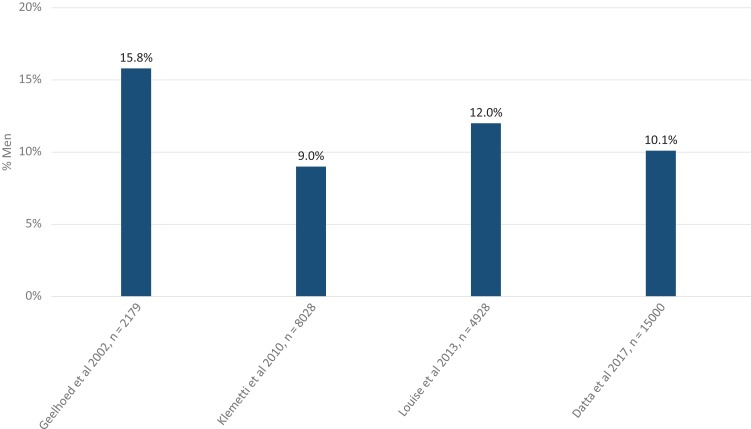
“The prevalence of male infertility, defined as male infertility for a period >12 months, has been reported to vary widely from 9% to 15.8%(Barratt et al., 2017).”
BackgroundInfluentialAntioxidant Intervention against Male Infertility: Time to Design Novel Strategies
Ávila, C., Vinay, J. I., Arese, M., Saso, L., & Rodrigo, R. (2022) · Biomedicines · doi:10.3390/biomedicines10123058 · Cited by 27
Okubo, T., Onda, N., Hayashi, T., Kobayashi, T., Omi, K., & Segawa, T. (2023) · BMC Urology · doi:10.1186/s12894-023-01257-y · Cited by 21
“sperm concentration, total sperm count, sperm motility, and sperm malformation rate [3, 4].”
BackgroundWang, W., Su, L., Meng, L., He, J., Tan, C., Yi, D., Cheng, D., Zhang, H., Lu, G., Du, J., et al. (2023) · Human Reproduction · doi:10.1093/humrep/dead095 · Cited by 27
Ali, W., Deng, K., Sun, J. G., Ma, Y., Liu, Z., & Zou, H. (2023) · Environmental Science and Pollution Research · doi:10.1007/s11356-023-29548-9 · Cited by 22
“Infertility is a worldwide issue for which male factors have been identified to be responsible for about 50% of the cases (Barratt et al. 2017).”
BackgroundAssociation between self-reported mobile phone use and the semen quality of young men
Rahban, R., Senn, A. P., Nef, S., & Röösli, M. (2023) · Fertility and Sterility · doi:10.1016/j.fertnstert.2023.09.009 · Cited by 26
A Systematic Review and Evidence-based Analysis of Ingredients in Popular Male Fertility Supplements
Kuchakulla, M., Soni, Y. S., Patel, P., Parekh, N. V., & Ramasamy, R. (2019) · Urology · doi:10.1016/j.urology.2019.11.007 · Cited by 33
Ishida, M., Takebayashi, A., Kimura, F., Nakamura, A., Kitazawa, J., Morimune, A., Hanada, T., Tsuta, K., & Murakami, T. (2021) · PLoS ONE · doi:10.1371/journal.pone.0249775 · Cited by 22
“The diagnosis of male factor, ovarian factor, immune factor and fertilization failure were made by the general methods [30, 31].”
MethodYang, Y., Huang, R., Cao, Z., Ma, S., Chen, D., Wang, Z., Feng, Y., Lei, Y., Zhang, Q., & Huang, Y. (2022) · Biofabrication · doi:10.1088/1758-5090/ac992a · Cited by 26
“Male infertility contributes to approximately half of all cases of infertility and affects 7% of the male population [1, 2].”
BackgroundGruber, F. S., Johnston, Z. C., Barratt, C. L. R., & Andrews, P. D. (2020) · eLife · doi:10.7554/elife.51739 · Cited by 22
Self-citationJayasena, C. N., Sharma, A., Abbara, A., Luo, R., White, C. J., Hoskin, S. G., Khanjani, S., Crawford, M., Ramsay, J. W. A., Minhas, S., et al. (2020) · Clinical Endocrinology · doi:10.1111/cen.14213 · Cited by 22
Cheng, C., Shen, F., Ding, G., Liu, A., Chu, S., Ma, Y., Hou, X., Hao, E., Wang, X., Hou, Y., et al. (2020) · Molecular Nutrition & Food Research · doi:10.1002/mnfr.201900706 · Cited by 19
Moncho-Amor, V., Chakravarty, P., Galichet, C., Matheu, A., Lovell-Badge, R. H., & Rizzoti, K. (2021) · Proceedings of the National Academy of Sciences · doi:10.1073/pnas.2017115118 · Cited by 22
Narasimhan, M., Logie, C. H., Moody, K., Hopkins, J., Montoya, O., & Hardon, A. P. (2021) · Health Research Policy and Systems · doi:10.1186/s12961-020-00655-0 · Cited by 26
“The man plays a significant—up to 50%—role in heterosexual couples experiencing infertility/sub-fertility and consequently are engaged in diverse ways when approaching the health system to attempt to become a father [5].”
BackgroundLi, Y., Li, J., Li, Y., Qian, J., Wang, Z., Zheng, X., Xie, C., Zhang, X., Huang, H., & Zhou, Y. (2022) · Frontiers in Endocrinology · doi:10.3389/fendo.2022.896558 · Cited by 21
The cost of the circadian desynchrony on the Leydig cell function
Pavlovic, M. V., Travicic, D. Z., Andrić, S. A., & Kostic, T. S. (2022) · Scientific Reports · doi:10.1038/s41598-022-19889-9 · Cited by 23
Moustakli, E., Zikopoulos, A., Skentou, C., Stavros, S., Sofikitis, N., Georgiou, I. A., & Zachariou, A. (2024) · Journal of Clinical Medicine · doi:10.3390/jcm13113147 · Cited by 23
“Alternatively explained, the most plausible diagnostic markers for NOA include miR-10b-3p, miR-34b-5p, miR-122, miR-31-5p, miR-141, miR-429, miR-7-1-3p, hsa-miR-34b*, miR-19b, miR-let-7a, miR − 192a, miR-34c-5p, miR-146b-5p, miR-181a, miR-374b, miR-509-5p, miR-513a-5p, and miR-20a-5p [62].”
Is sperm DNA fragmentation a useful test that identifies a treatable cause of male infertility?
Pacey, A. A. (2018) · Best Practice & Research Clinical Obstetrics & Gynaecology · doi:10.1016/j.bpobgyn.2018.09.003 · Cited by 22
Ginseng for Improving Semen Quality Parameters: A Systematic Review
Lee, H. W., Kil, K.-J., & Lee, M. S. (2020) · The World Journal of Men s Health · doi:10.5534/wjmh.190125 · Cited by 18
Bashiri, Z., Gholipourmalekabadi, M., Khadivi, F., Salem, M., Afzali, A., Cham, T.-C., & Koruji, M. (2023) · Cell and Tissue Research · doi:10.1007/s00441-023-03824-z · Cited by 23
“In recent years, concerns have been raised about maintaining fertility in men due to the lack of appropriate solutions and the increasing prevalence of infertility problems among men (Barratt et al. 2017).”
BackgroundClinical pearls to managing men’s health conditions during the COVID-19 pandemic
Witherspoon, L., Fitzpatrick, R., Patel, P., Flannigan, R. K., Roberts, M. T., Krakowsky, Y., Campbell, J. D., Grantmyre, J. E., Brock, G. B., Goldenberg, S. L., et al. (2020) · Canadian Urological Association Journal · doi:10.5489/cuaj.6631 · Cited by 19
Cigarette smoking and its toxicological overview on human male fertility—a prospective review
Parameswari, R., & Sridharan, T. B. (2019) · Toxin Reviews · doi:10.1080/15569543.2019.1579229 · Cited by 22
“(Barratt et al. 2017).”
Downregulation of KIF2C and TEKT2 is associated with male infertility and testicular carcinoma
Cao, H., Wan, Z., Wang, F., Liu, Z., Li, X., & Hou, J. (2021) · Aging · doi:10.18632/aging.203583 · Cited by 20
“As the study of male infertility is still insu cient, our aim is to analyze whether there are rare potential diseaserelated variants in candidate genes associated with infertility, and to offer clinical proof.[14]In order to better reveal the complex molecular system of spermatogenesis and study the related genes of s…”
MethodPeluso, G., Tisato, V., Singh, A. V., Gemmati, D., & Scarpellini, F. (2023) · Journal of Personalized Medicine · doi:10.3390/jpm13121654 · Cited by 18
“Semen parameter assessment is based on the standards and references listed within the laboratory manual for human semen examination and processing [25–27].”
MethodCould the sperm epigenome become a diagnostic tool for evaluation of the infertile man?
Caroppo, E., & Skinner, M. K. (2023) · Human Reproduction · doi:10.1093/humrep/dead266 · Cited by 18
Qiu, Q., Yu, X., Yao, C., Hao, Y., Fan, L.-Q., Li, C., Xu, P., An, G., Zheng, L., & He, Z. (2019) · Aging · doi:10.18632/aging.102589 · Cited by 17
“Infertility, a serious health problem associated with aging, affects 10%–15% couples around the world, and male factors account for 50% of the cases [1].”
BackgroundStem cell-based therapies for fertility preservation in males: Current status and future prospects
Liu, H., Xie, Y., Deng, C., & Liu, G. (2020) · World Journal of Stem Cells · doi:10.4252/wjsc.v12.i10.1097 · Cited by 19
Richer, G., Goyvaerts, C., Marchandise, L., Vanhaecke, T., Goossens, E., & Baert, Y. (2024) · Biofabrication · doi:10.1088/1758-5090/ad618f · Cited by 22
“Male infertility affects approximatively 9%–16% of men, with more than half of the cases remaining unexplained (Barratt et al 2017, Tüttelmann et al 2018).”
Can lifestyle changes significantly improve male fertility: A narrative review?
Böcü, K., Boeri, L., Mahmutoglu, A. M., & Vogiatzi, P. (2024) · Arab Journal of Urology · doi:10.1080/20905998.2024.2421626 · Cited by 24
Shen, J., Wang, X., Yang, C., Ren, G., Wang, L., Piao, S., Zhang, B., Sun, W., Ge, X., Jing, J., et al. (2025) · Lab on a Chip · doi:10.1039/d4lc00780h · Cited by 17
JIANG, X. H., Zhang, N., Yin, L., Zhang, W., Han, F., Liu, W., Chen, H., Cao, J., & Liu, J. (2018) · Toxicology Letters · doi:10.1016/j.toxlet.2018.06.1067 · Cited by 19
Recent Advances and Future Opportunities to Diagnose Male Infertility
Schilit, S. L. P. (2019) · Current Sexual Health Reports · doi:10.1007/s11930-019-00225-8 · Cited by 19
Recommandations de l’AFU et de la SALF concernant l’évaluation de l’homme infertile
Huyghe, É., Boitrelle, F., Méthorst, C., Mieusset, R., Ray, P. F., Akakpo, W., Koscinski, I., Chalas, C., Rives, N., Plotton, I., et al. (2020) · The French Journal of Urology · doi:10.1016/j.purol.2020.09.011 · Cited by 24
Ambulkar, S. S., Darves-Bornoz, A. L., Fantus, R. J., Wren, J. M., Bennett, N., Halpern, J. A., & Brannigan, R. E. (2021) · Urology · doi:10.1016/j.urology.2021.03.007 · Cited by 16
Impact of lifestyle and environmental factors on fertility
Szabó, A., Nyírády, P., & Kopa, Z. (2025) · Current Opinion in Urology · doi:10.1097/mou.0000000000001339 · Cited by 20
“Male factors are implicated in up to half of these cases, and the prevalence of male infertility in the general population is estimated to be as high as 15% [4].”
Yue, D., Yang, R., Xiong, C., & Yang, R. (2022) · Experimental and Therapeutic Medicine · doi:10.3892/etm.2022.11586 · Cited by 17
Luo, S., Feng, J., Zhang, Y., Yang, X., Ma, G., Hu, T., Xi, Y., Tu, X., Wang, C., Zhang, H., et al. (2020) · Gene · doi:10.1016/j.gene.2020.145045 · Cited by 15
Intracytoplasmic sperm injection versus conventional IVF
Esteves, S. C. (2021) · The Lancet · doi:10.1016/s0140-6736(21)00843-6 · Cited by 15
Gruber, F. S., Johnston, Z. C., Norcross, N. R., Georgiou, I., Wilson, C., Read, K. D., Gilbert, I. H., Swedlow, J. R., da Silva, S. M., & Barratt, C. L. R. (2022) · Human Reproduction · doi:10.1093/humrep/deac007 · Cited by 15
Self-citationTorra‐Massana, M., Vassena, R., & Rodríguez, A. (2023) · Human Reproduction · doi:10.1093/humrep/dead005 · Cited by 16
Caroppo, E., & Colpi, G. M. (2023) · Journal of Clinical Medicine · doi:10.3390/jcm12062366 · Cited by 15
“Male infertility accounts for 30% of infertility cases and its prevalence in the general population approximately ranges between 9 and 15%, according to the available surveys [1].”
BackgroundZhang, Z., Wu, H., Zheng, L., Zhang, H., Yang, Y., Mao, J., Liu, D., Zhao, L., Liang, H., & Jiang, H. (2022) · Asian Journal of Andrology · doi:10.4103/aja2021131 · Cited by 17
Sun, B., Hou, J., Ye, Y., Chen, H., Duan, P., Chen, Y., Xiong, C., Wang, Y., & Pan, A. (2022) · BJOG An International Journal of Obstetrics & Gynaecology · doi:10.1111/1471-0528.17139 · Cited by 18
Deletion of inositol polyphosphate 4-phosphatase type-II B affects spermatogenesis in mice
Ceyhan, Y., Zhang, M., Guo, J., Sandoval, C. G., Vacher, J., Kaftanovskaya, E. M., Agoulnik, A. I., & Agoulnik, I. U. (2020) · PLoS ONE · doi:10.1371/journal.pone.0233163 · Cited by 15
“Testicular abnormalities, aberrant hormone production, and failed spermatogenesis are the most common causes of congenital male infertility [2, 3].”
BackgroundHuang, G., Zhang, X., Yao, G., Huang, L., Wu, S., Li, X., Guo, J., Wen, Y., Wang, Y., Shang, L., et al. (2022) · Reproductive Biology and Endocrinology · doi:10.1186/s12958-022-00976-5 · Cited by 14
“Introduction Infertility, defined by the World Health Organization (WHO) as the failure to achieve a pregnancy after 12 months or more of regular unprotected sexual intercourse, is a major concern in public health and affects approximately 8-12% of couples worldwide [1, 2].”
BackgroundInfertility diagnosis and management
Mansour, H. A. E. (2023) · Beni-Suef University Journal of Basic and Applied Sciences · doi:10.1186/s43088-023-00416-2 · Cited by 25
“If preliminary testing reveals a need for them, additional hormonal tests, such as those for prolactin and serum LH, may be performed [20].”
BackgroundMethodChavda, V. P., Sonak, S. S., Balar, P. C., Vyas, K., Palandurkar, P., Mule, K., Patel, K., Hala, V., Vaghela, D. A., Acharya, D., et al. (2024) · Clinical Complementary Medicine and Pharmacology · doi:10.1016/j.ccmp.2024.100128 · Cited by 17
Umaoka, A., Takeuchi, H., Mizutani, K., Seo, N., Matsushima, Y., Habe, K., Hagimori, K., Yamaguchi, Y., Ikeda, T., & Yamanaka, K. (2020) · Biomedicines · doi:10.3390/biomedicines8090293 · Cited by 14
Liu, Y., Liu, Y., Chen, G., & Wang, H. (2023) · Toxicological Sciences · doi:10.1093/toxsci/kfad016 · Cited by 15
Roy, R., Lorca, C., Mulet, M., Milán, J. A. S., Baratas, A., de la Casa, M., Espinet, C., Serra, A., & Gallart‐Palau, X. (2023) · Frontiers in Endocrinology · doi:10.3389/fendo.2023.1113824 · Cited by 14
“study, based on the reported clinical guidelines for the diagnosis of male infertility (28).”
MethodCai, J., Chen, S., Guo, S., Wang, S., Liu, X., Liu, X., Zheng, K.-M., Liu, Y., & Chen, S. (2023) · BMC Medical Informatics and Decision Making · doi:10.1186/s12911-023-02239-8 · Cited by 16
“Infertility/subfertility has affected an estimated 15% of couples across the globe, inflicting great harm on people’s reproductive health along with distress, depression and discrimination [1–3].”
BackgroundFatima, S., Alwaznah, R., Aljuraiban, G. S., Wasi, S., Abudawood, M., Abulmeaty, M. M. A., Berika, M. Y., & Aljaser, F. (2020) · Saudi Medical Journal · doi:10.15537/smj.2020.3.24975 · Cited by 15
Peña‐Corona, S. I., Aguire, W. S. V., Estrada, D. V., Juárez, I., & Mendoza-Rodríguez, C. A. (2021) · Reproductive Toxicology · doi:10.1016/j.reprotox.2021.06.008 · Cited by 14
Effect of Copper Sulphate and Cadmium Chloride on Non-Human Primate Sperm Function In Vitro
Hardneck, F., de Villiers, C., & Maree, L. (2021) · International Journal of Environmental Research and Public Health · doi:10.3390/ijerph18126200 · Cited by 12
“Given that half of the men with fertility problems suffer from idiopathic male infertility [25] and the limited predictive value of basic semen analysis for pregnancy in couples trying to achieve natural conception, the need for more extended sperm functional testing has been highlighted [26,27].”
BackgroundJin, H.-J., Fan, Y., Yang, X., Dong, Y., Zhang, X., Geng, X.-Y., Yan, Z., Wu, L., Ma, M., Li, B., et al. (2024) · eLife · doi:10.7554/elife.95054 · Cited by 15
Environmental pollutants and male infertility: Effects on CatSper
He, Y., Wang, B., Huang, J. Y., Zhang, D., & Yuan, Y. (2024) · Ecotoxicology and Environmental Safety · doi:10.1016/j.ecoenv.2024.116341 · Cited by 12
Detrimental effects of cadmium on male infertility: A review
Zečević, N., Kocic, J., Perović, M., & Stojsavljević, A. (2024) · Ecotoxicology and Environmental Safety · doi:10.1016/j.ecoenv.2024.117623 · Cited by 16
Landry, K. B., Ijaz, B., Wankeu‐Nya, M., Njila, M. I. N., Kenmogne, H., Nzeubang, D. C. N., Bogning, C. Z., Dimo, T., Dongmo, A. B., & Lembè, D. M. (2019) · Andrologia · doi:10.1111/and.13414 · Cited by 13
“Infertility is considered as the inability of a couple to conceive despite 12 or more months of unprotected intercourse (Afroughi & Pouzesh, 2018; Barratt et al., 2017; Gannon & Walsh, 2015).”
BackgroundThe Application of Single-Cell RNA Sequencing in Mammalian Meiosis Studies
Peng, Y., & Qiao, H. (2021) · Frontiers in Cell and Developmental Biology · doi:10.3389/fcell.2021.673642 · Cited by 13
Dhuifin, R. N., Griffin, D. K., & Moodley, T. (2022) · DNA · doi:10.3390/dna2030011 · Cited by 14
“Therefore, as well as an urgent need to understand the long-term health outcomes of ICSI conceived offspring [97], this widespread, blanket application of ICSI may reduce treatment effectiveness in individual cases.”
BackgroundSayed, S., Reigstad, M. M., Petersen, B. M., Schwennicke, A., Hausken, J. W., & Storeng, R. (2022) · PLoS ONE · doi:10.1371/journal.pone.0274502 · Cited by 14
“The type of insemination, either conventional in vitro fertilisation (IVF) or Intracytoplasmic sperm injection (ICSI), depended on the sperm quality as per WHO standards (2010) [32].”
BackgroundBiomarkers for demographic research: sperm counts and other male infertility biomarkers
Westerman, R. (2020) · Biodemography and Social Biology · doi:10.1080/19485565.2019.1706150 · Cited by 12
“Due to this “borderline zone” problem, some researchers make explicit recommendations that a single ejaculate examination can be used only as a first reference for infertility investigation and treatment, but cannot reveal the “true” fertility status (Barratt et al. 2017; Björndahl 2011).”
BackgroundCapsaicin improves sperm quality in rats with experimental varicocele
Hosseini, M., Tavalaee, M., Rahmani, M., Eskandari, A., Shaygannia, E., Kiani‐Esfahani, A., Zohrabi, D., & Nasr‐Esfahani, M. H. (2020) · Andrologia · doi:10.1111/and.13762 · Cited by 13
“This concept is well-accepted among researchers in the field of andrology (Barratt et al., 2017; Majzoub, Esteves, Gosálvez, & Agarwal, 2016).”
BackgroundRegulation of Cell Types Within Testicular Organoids
Lara, N. D. L. E. M., Sakib, S., & Dobrinski, I. (2021) · Endocrinology · doi:10.1210/endocr/bqab033 · Cited by 18
Intracytoplasmic sperm injection for all or for a few?
Franasiak, J. M., Polyzos, N. P., Neves, A. R., Yovich, J. L., Ho, T. M., Vuong, L. N., & Norman, R. J. (2022) · Fertility and Sterility · doi:10.1016/j.fertnstert.2021.12.001 · Cited by 14
Bhaskar, R., Gupta, M. K., & Han, S. S. (2022) · European Polymer Journal · doi:10.1016/j.eurpolymj.2022.111318 · Cited by 15
A Practical Guide to Basic Laboratory Andrology
Mortimer, D., Björndahl, L., Barratt, C. L. R., Castilla, J. A., Menkveld, R., Kvist, U., Álvarez, J. G., & Haugen, T. B. (2022) · Cambridge University Press eBooks · doi:10.1017/9781009181648 · Cited by 11
Self-citationAndrologische Diagnostik vor einer reproduktionsmedizinischen Behandlung
Köhn, F. ‐., Kliesch, S., Pinggera, G., Schuppe, H. ‐., & Tüttelmann, F. (2020) · Der Urologe · doi:10.1007/s00120-020-01266-x · Cited by 12
Osaka, A., Okada, H., Onozuka, S., Tanaka, T., Iwahata, T., Shimomura, Y., Kobori, Y., Saito, K., & Sugimoto, K. (2021) · Asian Journal of Andrology · doi:10.4103/aja.aja_49_21 · Cited by 11
Laboratory Assessment of Testicular Function
Winters, S. J. (2016) · Cited by 13
Seminal plasma protein networks and enriched functions in varicocele: Effect of smoking
Antoniassi, M. P., Belardin, L. B., Camargo, M., Intasqui, P., Carvalho, V. M., Cardozo, K. H. M., & Bertolla, R. P. (2020) · Andrologia · doi:10.1111/and.13562 · Cited by 12
“The causes of male infertility vary from a range of factors, from environmentally related ones (obesity, endocrine disruptors, diet, smoking) and clinical ones, which we can highlight the varicocele (Barratt et al., 2017).”
BackgroundMajor, N., Edwards, K. H., Simpson, K. N., & Rogers, M. J. (2022) · Asian Journal of Andrology · doi:10.4103/aja202221 · Cited by 10
Metabolic characterization of human sperm cells using the Seahorse metabolic flux analyzer
Freitas‐Martins, A., Sousa, M. I., Cristo, M. I., Ramalho‐Santos, J., & Amaral, S. (2023) · Andrology · doi:10.1111/andr.13486 · Cited by 12
Tan, J., Li, J., Lin, C.-Y., Ye, N., Zhang, H., Liu, C., Han, S., Li, Z., & Zhou, X. (2024) · Life Sciences · doi:10.1016/j.lfs.2024.122980 · Cited by 10
Shin, T. E., Park, J., Jeon, W., Lee, E. J., Kwon, H., Jeon, B., Kang, H. E., Kim, M., Kim, D. K., Kim, H.-H., et al. (2020) · PLoS ONE · doi:10.1371/journal.pone.0228097 · Cited by 9
Tilahun, T., Oljira, R., & Getahun, A. (2022) · SAGE Open Medicine · doi:10.1177/20503121221088100 · Cited by 10
Chen, D., Fan, G., Zhu, X., Chen, Q., Chen, X., Gao, F., Guo, Z., Luo, P., & Gao, Y. (2023) · Reproductive Biology and Endocrinology · doi:10.1186/s12958-023-01168-5 · Cited by 10
“Decreased sperm count is a key risk factor for male infertility [2].”
BackgroundTanaka, H., Miyagawa, Y., Tsujimura, A., & Wada, M. (2019) · PubMed Central · doi:10.22074/ijfs.2019.5702 · Cited by 10
“More than 20% of married couples in Japan are affected by infertility and the male partner is responsible in two-thirds of these cases (23).”
BackgroundResearch funding for male reproductive health and infertility in the UK and USA [2016 – 2019]
Gumerova, E., Jonge, C. J. D., & Barratt, C. L. R. (2022) · Human Fertility · doi:10.1080/14647273.2022.2045521 · Cited by 12
“…research, clinical diagnostics, non- Medically Assisted Reproduction (MAR) treatment options, and the impact of damage to the male genome on the health of the next generation (Barratt et al., 2017, Barratt et al., 2018, De Jonge and Barratt 2019, Barratt et al., 2021, Schlegel et al., 2021a,b).”
BackgroundSelf-citationAsl, F. R., Khosravi, M., Hajikhani, R., Solati, J., & Fahimi, H. (2021) · International Journal of Reproductive BioMedicine (IJRM) · doi:10.18502/ijrm.v19i7.9471 · Cited by 14
Bardhi, E., & Drakopoulos, P. (2021) · Journal of Clinical Medicine · doi:10.3390/jcm10204771 · Cited by 13
Yin, Y., Wang, K., Xu, Y., Huang, X. Y., Zheng, J.-X., Fan, Y., & Bai, J. (2024) · Journal of Multidisciplinary Healthcare · doi:10.2147/jmdh.s440778 · Cited by 9
Calamai, C., Chelli, E., Ammar, O., Tanturli, M., Vignozzi, L., & Muratori, M. (2024) · Antioxidants · doi:10.3390/antiox13091123 · Cited by 11
“However, the evidence is insufficient to recommend the clinical use of antioxidants [34], which may even cause deleterious effects on sperm functions when administrated in improper doses.”
BackgroundSikiru, A. B., Truong, M. N., & Zohdy, W. (2024) · Asian Journal of Andrology · doi:10.4103/aja202486 · Cited by 9
“25 Although the ailment could be a common male infertility challenge, the prevalence varies depending on the population being studied and the diagnostic criteria used in the population.”
Zeng, F., Wang, M., Li, J., Li, C., Pan, X., Li, M., Li, L., Wei, H., & Zhang, S. (2022) · International Journal of Molecular Sciences · doi:10.3390/ijms23169441 · Cited by 7
“According to the World Health Organization (WHO), human infertility affects 15% of couples worldwide, and 50% of these cases over the last 30 years have been attributed to male factors [1,2].”
BackgroundLi, F., Qi, J.-J., Li, L., & Yan, T.-F. (2024) · Reproductive Biology and Endocrinology · doi:10.1186/s12958-024-01306-7 · Cited by 9
Mapping research in assisted reproduction worldwide
García, D., Massucci, F. A., Mosca, A., Ràfols, I., Rodríguez, A., & Vassena, R. (2019) · Reproductive BioMedicine Online · doi:10.1016/j.rbmo.2019.10.013 · Cited by 10
Metadata
- Authors
- Barratt, C. L. R., Björndahl, L., De Jonge, C. J., Lamb, D. J., Osorio Martini, F., McLachlan, R., Oates, R. D., van der Poel, S., St John, B., Sigman, M., Sokol, R., & Tournaye, H.
- Affiliations
- University of Dundee (GB)
- Karolinska University Hospital (SE)
- University of Minnesota, Minneapolis, MN, USA
- Baylor College of Medicine (US)
- Clinica Alemana de Santiago, Santiago, Chile
- Hudson Institute of Medical Research (AU)
- Boston University (US)
- Department of Reproductive Health and Research, Human Reproduction Programme, (HRP, The UNDP/UNFPA/UNICEF/WHO/World Bank Special Programme of Research, Development and Research Training in Human Reproduction), WHO, Geneva, Switzerland
- Hudson Institute of Medical Research, Clayton, Australia
- Brown University (US)
- University of Southern California (US)
- Vrije Universiteit Brussel (BE)
- Corresponding author
- Barratt, Christopher L R
- ORCID
- Venue
- Human Reproduction Update
- Publisher
- Oxford University Press (OUP)
- Published
- 2017-07-19
- Volume
- 23
- Issue
- 6
- Pages
- 660-680
- ISSN
- 1355-4786 (ISSN-L)
- 1460-2369
- PMC
- PMC5850791
- OpenAlex
- W2736831818
- Cited by
- 505
- References
- 152
- Citations by year
- 2026: 49 · 2025: 60 · 2024: 66 · 2023: 64 · 2022: 71 · 2021: 65 · 2020: 61 · 2019: 43 · 2018: 21 · 2017: 2
- FWCI
- 5.66
- Type
- journal article
- Language
- en
- Open access
- hybrid
- doi.org
- Licence
- Locations
- Human Reproduction Update (publishedVersion, cc-by)
- PubMed Central (publishedVersion, cc-by)
- PubMed (publishedVersion)
- Discovery Research Portal (University of Dundee) (publishedVersion, cc-by)
- VUBIR (Vrije Universiteit Brussel) (submittedVersion)
- Funders
- UK Medical Research Council
- NHS Scotland
- Principal Research (1022327)
- Topics
- Health Sciences › Medicine › Reproductive Medicine › Sperm and Testicular Function
- Health Sciences › Medicine › Reproductive Medicine › Reproductive Health and Technologies
- Health Sciences › Medicine › Urology › Male Reproductive Health Studies
- Keywords
- male infertility, infertility diagnosis, semen parameters, obesity, heat exposure, smoking, antioxidants, herbal medicine, varicocele, assisted reproduction
- MeSH terms
- Genetic Testing, Humans, Infertility, Male, Male, Varicocele, World Health Organization, Practice Guidelines as Topic, Semen Analysis
About these checks
Registry, retraction, Cites and statistics results are computed, not judged, with one exception: a printed reference that no index lists is read once by a model before it counts as a citation error. Claims are extracted by a model and kept only when their quote appears verbatim in the text; each cited source is then checked, with a model’s help, for whether it says what the claim relies on. Those verdicts can be wrong — read the claim’s quote and the cited source before relying on one.
Statistics and arithmetic are recomputed, not judged.
Confidence bands are shown only for fields calibrated on our annotated test set. None is calibrated yet, so no band is shown.
What counts as a claim ›How we measure confidence ›How we check this ›
Are you an author, or do you see a problem with this page? Request a review
Data sources
Bibliographic data: Semantic Scholar, OpenAlex, Crossref.
Contains information from the Semantic Scholar Academic Graph Datasets, made available under the ODC Attribution License (ODC-BY 1.0).
Semantic Scholar’s data is described in: Kinney, R., et al. (2023). The Semantic Scholar Open Data Platform. arXiv:2301.10140.
