

The diagnosis of male infertility: An analysis of the evidence to support the development of global WHO guidance-challenges and future research opportunities
Open accessThe DOI matches its Crossref record; 150 of the 152 references it cites were found in a registry or an index.
Abstract
BACKGROUND: Herein, we describe the consensus guideline methodology, summarize the evidence-based recommendations we provided to the World Health Organization (WHO) for their consideration in the development of global guidance and present a narrative review of the diagnosis of male infertility as related to the eight prioritized (problem or population (P), intervention (I), comparison (C) and outcome(s) (O) (PICO)) questions. Additionally, we discuss the challenges and research gaps identified during the synthesis of this evidence. OBJECTIVE AND RATIONALE: The aim of this paper is to present an evidence-based approach for the diagnosis of male infertility as related to the eight prioritized PICO questions. SEARCH METHODS: Collating the evidence to support providing recommendations involved a collaborative process as developed by WHO, namely: identification of priority questions and critical outcomes; retrieval of up-to-date evidence and existing guidelines; assessment and synthesis of the evidence; and the formulation of draft recommendations to be used for reaching consensus with a wide range of global stakeholders. For each draft recommendation the quality of the supporting evidence was then graded and assessed for consideration during a WHO consensus. OUTCOMES: Evidence was synthesized and recommendations were drafted to address the diagnosis of male infertility specifically encompassing the following: What is the prevalence of male infertility and what proportion of infertility is attributable to the male? Is it necessary for all infertile men to undergo a thorough evaluation? What is the clinical (ART/non ART) value of traditional semen parameters? What key male lifestyle factors impact on fertility (focusing on obesity, heat and tobacco smoking)? Do supplementary oral antioxidants or herbal therapies significantly influence fertility outcomes for infertile men? What are the evidence-based criteria for genetic screening of infertile men? How does a history of neoplasia and related treatments in the male impact on (his and his partner's) reproductive health and fertility options? And lastly, what is the impact of varicocele on male fertility and does correction of varicocele improve semen parameters and/or fertility? WIDER IMPLICATIONS: This evidence synthesis analysis has been conducted in a manner to be considered for global applicability for the diagnosis of male infertility.
Overview
The claims and statistics of this paper haven’t been checked yet.
Free: it reads the open-access text and checks the first 5 claims that cite a source we can check. Create a free account to check every claim.
Integrity signals
Registry
Cites
Statistics
Figures
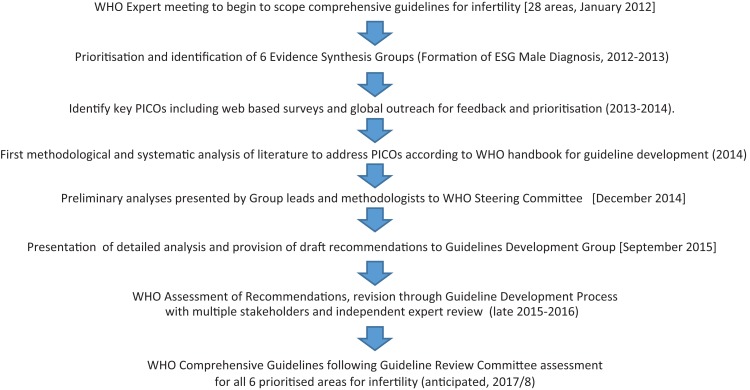
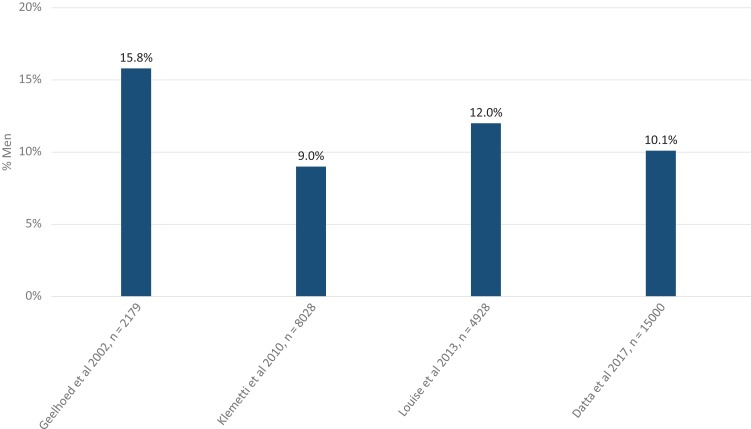
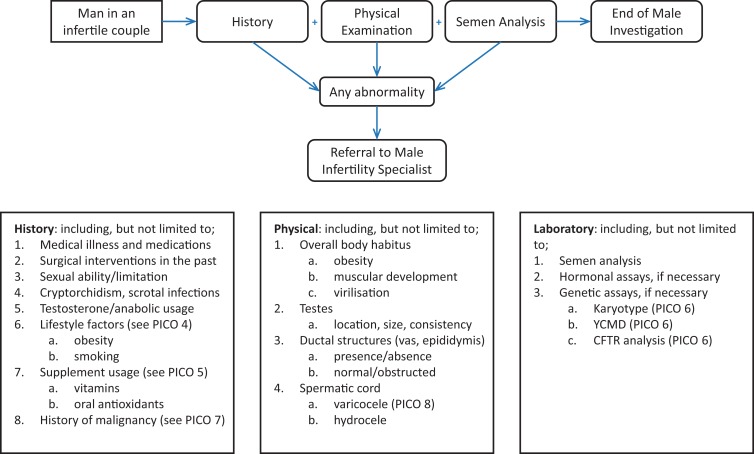
Verification
Claims the paper makes
The claims and statistics of this paper haven’t been checked yet.
Free: it reads the open-access text and checks the first 5 claims that cite a source we can check. Create a free account to check every claim.
Claims other papers make about this one
Each is checked against this paper’s own text: does it say what the citing paper says it does?
The source backs part of the claim, not all of it — or backs it for a different population, condition or comparison.
In the citing paper
“Different categories of infertility definitions (clinical, epidemiological, demographic) in conjunction with variations in methodology and study populations give rise to wide-ranging estimates (Gnoth et al., 2005; Barratt et al., 2017; Cox et al., 2022; World Health Organization, 2023).”
From Declining global fertility rates and the implications for family planning and family building: an IFFS consensus document based on a narrative review of the literature (2024) · cites this paper as Barratt et al., 2017
Experimental — accuracy not yet measuredThe cited source says what the claim attributes to it.
In the citing paper
“The definition of infertility and its prevalence and burden of disease are controversial.”
From Declining global fertility rates and the implications for family planning and family building: an IFFS consensus document based on a narrative review of the literature (2024) · cites this paper as Barratt et al., 2017
The cited source says what the claim attributes to it.
In the citing paper
“Semen analysis (SA) represents the most basic evaluation of male infertility. The evaluation of semen parameters is currently based on the standards defined in the laboratory manual for the examination and processing of human semen created by the World Health Organization (WHO) [8,9,10].”
From The Sixth Edition of the WHO Manual for Human Semen Analysis: A Critical Review and SWOT Analysis (2021) · cites this paper as [8]
The check wasn’t confident either way, so it gives no verdict — never disputed.
In the citing paper
“However, due to limited studies there is insufficient evidence to support a particular transitional care model.1536–1541”
From American Association of Clinical Endocrinology Clinical Practice Guideline: Developing a Diabetes Mellitus Comprehensive Care Plan-2022 Update. (2022) · cites this paper as [1539]
Experimental — accuracy not yet measured
Self-check
Percentages, sums and reported differences re-computed from the paper’s own numbers.
The self-check needs the paper’s full text.
Citations
Cites
1,500 scientists lift the lid on reproducibility
Baker, M. (2016) · Nature · doi:10.1038/533452a · Cited by 4,209 · cited 2×
“, 2016) and is of course not just a theme in reproductive medicine (Baker, 2016).”
BackgroundWorld Health Organization reference values for human semen characteristics*‡
Cooper, T. G., Noonan, E., von Eckardstein, S., Auger, J., Baker, H. W. G., Behre, H. M., Haugen, T. B., Kruger, T., Wang, C., Mbizvo, M. T., et al. (2010) · Human Reproduction Update · doi:10.1093/humupd/dmp048 · Cited by 2,827 · cited 3×
“However, the primary disadvantage of this approach is that semen parameters alone are not equivalent to defining infertility/fertility (MacLeod, 1950; Guzick et al., 2001; Cooper et al., 2010).”
BackgroundA unique view on male infertility around the globe
Agarwal, A., Mulgund, A., Hamada, A., & Chyatte, M. R. (2015) · Reproductive Biology and Endocrinology · doi:10.1186/s12958-015-0032-1 · Cited by 2,399 · cited 2×
“Agarwal et al. have attempted to pursue this type of review (Agarwal et al., 2015) but due to a paucity of high-quality comparable studies they were unable to make robust conclusions.”
ResultCairney, P. (2012) · doi:10.1007/978-0-230-35699-3 · Cited by 2,378
Mascarenhas, M. N., Flaxman, S. R., Boerma, T., Vanderpoel, S., & Stevens, G. A. (2012) · PLoS Medicine · doi:10.1371/journal.pmed.1001356 · Cited by 2,312 · cited 3×
“Large-scale studies of the prevalence of infertility generally focus on women’s experience of infertility as reported in demographic surveys which are based upon contraceptive usage (e.g. Gurunath et al., 2011, Mascarenhas et al., 2012) and few large-scale studies are able to gather data on men.”
BackgroundSelf-citationThe Practice Committee of the American Society for Reproductive Medicine
Birmingham, A. (2006) · Cited by 1,925
Loren, A. W., Mangu, P. B., Beck, L. N., Brennan, L., Magdalinski, A. J., Partridge, A. H., Quinn, G., Wallace, W. H., & Oktay, K. (2013) · Journal of Clinical Oncology · doi:10.1200/jco.2013.49.2678 · Cited by 1,611 · cited 5×
“However, on a general level, there is consistency in the recommendations of the major medical societies in Europe and USA: the European Society for Medical Onclology (Peccatori et al., 2013) and ASCO (Loren et al., 2013).”
BackgroundResultInfluentialSperm Morphology, Motility, and Concentration in Fertile and Infertile Men
Guzick, D. S., Overstreet, J. W., Factor-Litvak, P., Brazil, C. K., Nakajima, S. T., Coutifaris, C., Carson, S. A., Cisneros, P., Steinkampf, M. P., Hill, J. A., et al. (2001) · New England Journal of Medicine · doi:10.1056/nejmoa003005 · Cited by 1,336 · cited 7×
“Another major challenge which has been recognized for over 70 years is the substantial overlap in the distribution of semen analysis results in fertile men and those from men in infertile couples (MacLeod, 1950; Guzick et al., 2001; Cooper et al., 2010).”
BackgroundMethodResultInfluentialPopulation study of causes, treatment, and outcome of infertility.
Hull, M. G., Glazener, C. M., Kelly, N. J., Conway, D. I., Foster, P. A., Hinton, R. A., Coulson, C., Lambert, P. A., Watt, E. M., & Desai, K. M. (1985) · BMJ · doi:10.1136/bmj.291.6510.1693 · Cited by 1,141 · cited 2×
“A further limitation of the available literature is that some studies are relatively old, such as Hull et al. (1985) and Thonneau et al. (1991); studies which have not been updated in a quarter of a century.”
BackgroundEuropean Association of Urology Guidelines on Male Infertility: The 2012 Update
Jungwirth, A., Giwercman, A., Tournaye, H., Diemer, T., Kopa, Z., Dohle, G., & Krausz, C. (2012) · European Urology · doi:10.1016/j.eururo.2012.04.048 · Cited by 1,033
Self-citation
Research works printed but not linked: 4
- AUA 2011, 2011, The Evaluation of the Azoospermic Male: AUA Best Practice Statement
- AUA 2010, 2010, The Optimal Evaluation of the Infertile Male: Best Practice Statement
- WHO 2010, 2010, WHO Laboratory Manual for the Examination and Processing of Human Semen
- WHO 2014, 2014, WHO Handbook for Guideline Development, 179
Cited by
Items 401–500 of 503
Mortimer, D., Björndahl, L., Barratt, C. L. R., Castilla, J. A., Menkveld, R., Kvist, U., Álvarez, J. G., & Haugen, T. B. (2022) · Cambridge University Press eBooks · doi:10.1017/9781009181648.001
Self-citationInterpreting Andrology Laboratory Results
Mortimer, D., Björndahl, L., Barratt, C. L. R., Castilla, J. A., Menkveld, R., Kvist, U., Álvarez, J. G., & Haugen, T. B. (2022) · Cambridge University Press eBooks · doi:10.1017/9781009181648.016
Self-citationSavaş, M., Tamburac, E., Karadağ, B., & Uysal, A. (2022) · International Journal of Clinical Obstetrics and Gynaecology · doi:10.33545/gynae.2022.v6.i1b.1116 · Cited by 1
AlKataan, M. A. A., & Mumaan, J. (2022) · Iraqi Journal of Pharmaceutical Sciences · doi:10.31351/vol31iss1pp293-297
Schuppe, H.-C., & Köhn, F. (2022) · Springer eBooks · doi:10.1007/978-3-662-63709-8_83
Olszewska, M., Malcher, A., Stokowy, T., Pollock, N. C., Berman, A. J., Budkiewicz, S., Kamieniczna, M., Jackowiak, H., Suszyńska-Zajczyk, J., Jędrzejczak, P., et al. (2022) · medRxiv · doi:10.1101/2022.11.17.22282339
Andrologische Diagnostik bei Fertilitätsstörungen
Schuppe, H., Köhn, F., Pilatz, A. M. E., Fietz, D., Weidner, W., & Diemer, T. (2022) · Springer Reference Medizin · doi:10.1007/978-3-642-41168-7_154-2
Cryos Symposium on Assisted Reproductive Technology
Thomsen, E. M. K. (2019) · EMJ Reproductive Health · doi:10.33590/emjreprohealth/10314559
Application of new technologies in embryos: From gene editing to synthetic embryos
Martin‐Inaraja, M., Romayor, I., Herrera, L., Montserrat, N., & Eguizábal, C. (2023) · Elsevier eBooks · doi:10.1016/b978-0-323-91380-5.00032-0
SILVA, A. G. D. S. E., OLIVEIRA, D. L. V. D., Resende, I. N. M., & Neta, N. A. D. O. (2023) · doi:10.59290/978-65-81549-94-7.11
Infertility and Intracytoplasmic Sperm Injection (ICSI)
Mohammed, M. B., Alrubaye, Y. S., & Abdulamir, H. A. (2021) · Advances in Clinical Medical Research · doi:10.48112/acmr.v2i3.22
Dutta, S., Paladhi, P., Pal, S., Srim, S., Bose, G., Ghosh, P., Chattopadhyay, R., & Ghosh, S. (2023) · Research Square · doi:10.21203/rs.3.rs-3070917/v1
Kumari, N., Singh, D. J. K., & Prasad, K. (2023) · International Journal of Pharmaceutical Sciences Review and Research · doi:10.47583/ijpsrr.2023.v80i01.018
Andrologie für die gynäkologische Praxis
Schuppe, H., & Köhn, F. (2023) · Springer eBooks · doi:10.1007/978-3-662-65371-5_6
Study of various predictors influencing success with artificial insemination husband
Haq, A. U., Hima Bindu, Y., V., S. K., & Gogineni, K. (2023) · International Journal of Reproduction Contraception Obstetrics and Gynecology · doi:10.18203/2320-1770.ijrcog20233299
The Modern Semen Analysis: Theory and Techniques of Ejaculate Examination
Björndahl, L. (2023) · Cambridge University Press eBooks · doi:10.1017/9781009197533.021
Self-citationSeminal Plasma Myeloperoxidase in Patients with Oligoasthenoteratozoospermia
Luka, M., Ali, M. A., El‐Hamd, M. A., & El-ebidie, A. (2023) · Aswan University Medical Journal/Aswan University Medical Journal · doi:10.21608/aumj.2023.242063.1082
“[6] Impaired spermatogenesis leads to increased ROS concentration and to unbalanced germ cell apoptosis.”
BackgroundAbdelaziz, A. S., & Ghoneem, A. M. (2024) · Urology Annals · doi:10.4103/ua.ua_154_22
“[2,3] Theoretically, coronavirus may be one of them.”
BackgroundInfluentialRomualdi, D., Mincheva, M., & Clef, N. L. (2024) · Human Reproduction · doi:10.1093/humrep/deae033
Böcü, K., & Gül, M. (2024) · Elsevier eBooks · doi:10.1016/b978-0-323-93047-5.00035-0
Definition, epidemiology, and implications of male infertility
Chung, E. (2024) · Elsevier eBooks · doi:10.1016/b978-0-323-93047-5.00010-6
Bendayan, M., & Boitrelle, F. (2024) · Elsevier eBooks · doi:10.1016/b978-0-323-93047-5.00017-9
Chen, D., Fan, G., Zhu, X., Chen, Q., Chen, X., Gao, F., Guo, Z., Luo, P., & Gao, Y. (2023) · Figshare · doi:10.6084/m9.figshare.24751295
Ajayi, A. F., Okeleji, L. O., Adebayo, O. I., Adebayo, E. T., Amos, V., Ajayi, L. O., Akorede, B. A., & Akintola, A. A. (2024) · Journal of Proteins and Proteomics · doi:10.1007/s42485-024-00144-w
“In men with testicular deficiency, hypogonadotropic hypog-onadism is usually present with high levels of follicle-stimulating hormone and luteinizing hormone and sometimes low level of testosterone (Barratt et al 2017).”
Jin, H.-J., Fan, Y., Yang, X., Dong, Y., Zhang, X., Geng, X., Yan, Z., Wu, L., Ma, M., Li, B., et al. (2024) · eLife · doi:10.7554/elife.95054.1.sa3
Zhang, X., Zhang, Y.-H., Liang, N., Luo, Y., Shanshan, X., Song, Y., Zhang, Y., Dong, X., Xue, H., Zhang, W., et al. (2024) · SSRN Electronic Journal · doi:10.2139/ssrn.4814970
INVESTIGATING THE EFFECT OF COENZYME Q10 ON INFERTILITY CAUSED BY ALUMINUM CHLORIDE IN MALE RATS
Sardari, K. A., Javadi, I., & Khorrami, A. (2024) · Studies in Medical Sciences · doi:10.61186/umj.34.11.5
CircCamsap1 is dispensable for male fertility in mice
Zhang, S., Li, H., Jiang, W., Chen, X., Zhou, H., Wang, C., Kong, H., Shi, Y., & Shi, X. (2024) · PeerJ · doi:10.7717/peerj.17399
“Infertility is a condition that impacts millions of individuals and couples worldwide, with the World Health Organization (WHO) estimating that male infertility may account for 50% of infertile couples ( Cox et al., 2022 ; Barratt et al., 2017 ).”
Influence of bacterial infection on human spermPreprint
Sadeek, Y. K., Abdelghany, T. M., Gadel-Rab, A. G., & Mohamed, E. H. (2024) · Research Square · doi:10.21203/rs.3.rs-4409460/v1
Paisal, P., Pujianto, D. A., Kusmardi, K., Birowo, P., & Asmarinah, A. (2024) · PubMed Central · doi:10.22074/ijfs.2023.1996254.1451
Role of Semen Examination in the Couple’s Fertility Assessment
Rambhatla, A., & Boitrelle, F. (2024) · Springer eBooks · doi:10.1007/978-3-031-55337-0_2
Historical View: From First to the Sixth WHO Manual
Chung, E., & Park, H. J. (2024) · Springer eBooks · doi:10.1007/978-3-031-55337-0_1
Faniev, M. V., Prokopiev, Y. V., Faustova, K. V., Kadyrov, Z. A., Vodolazhsky, D. I., Markelova, M., Khusnutdinova, D. R., Grigoryeva, T. V., & Черепнев, Г. В. (2024) · Andrology and Genital Surgery · doi:10.62968/2070-9781-2024-25-2-120-126
Recent Methods for Biogenic Synthesis of Metal Nanoparticles and their Applications
Tailor, G., Chaudhary, J., Mehta, C., Singh, S., & Verma, D. (2024) · BENTHAM SCIENCE PUBLISHERS eBooks · doi:10.2174/9789815238846124010012 · Cited by 1
Clinical Implications of the WHO 6th Edition on Human Semen Analysis
Boitrelle, F., & Çeker, G. (2024) · Springer eBooks · doi:10.1007/978-3-031-62648-7_1
Male gamete copies to characterize genome inheritance and generate progeniesPreprint
Palermo, G. D., Xie, P., Takeuchi, T., Cheung, S. K., & Rosenwaks, Z. (2024) · Research Square · doi:10.21203/rs.3.rs-4682261/v1
Sagar, A. V., & Kinol, A. M. J. (2024) · International Conference on Trends in Quantum Computing and Emerging Business Technologies (TQCEBT) · doi:10.1109/tqcebt59414.2024.10545193
Hosseini, S. F., Weimin, C., & Nikoofar, P. (2024) · Elsevier eBooks · doi:10.1016/b978-0-443-27302-5.00010-3
Anthocyanins as Nutraceutical for Infertility and Impotency
Sharma, V., Chaudhary, B., Arya, P., Singla, D., & Rani, N. (2024) · BENTHAM SCIENCE PUBLISHERS eBooks · doi:10.2174/9789815223880124010012
Ee, C., Hunter, J., Bensoussan, A., Ledger, W. J., Davidson, A., Fahey, P. P., Nicol, C., Kaur, H., Low, M., Templeman, K., et al. (2024) · European Journal of Integrative Medicine · doi:10.1016/j.eujim.2024.102412
Khairwa, A., Gautum, P., & Gupta, R. (2024) · Arab Journal of Urology · doi:10.1080/20905998.2024.2441109
Male Infertility and its Causes
Dutta, S., & Sengupta, P. (2025) · BENTHAM SCIENCE PUBLISHERS eBooks · doi:10.2174/9789815305302125010003
Kaveh, Z., Tanha, F. D., Ebrahimi, M., Lotfi, S., Rashidi, E., Feizabad, E., & Etesami, S. (2025) · Research Square · doi:10.21203/rs.3.rs-5730261/v1
Sosnin, D. Y., Sapozhkova, Z. Y., & Chelikova, G. A. (2024) · Laboratornaya i klinicheskaya meditsina Farmatsiya · doi:10.14489/lcmp.2024.04.pp.069-074
A review on stem cell therapy for ovarian failure and infertility
Khudhur, Y. S. (2025) · International Journal of Obstetrics and Gynaecological Nursing · doi:10.33545/26642298.2025.v7.i1b.192
Dang-Ngoc, P., Bui, M.-H., & Nguyen, T. T. (2025) · Journal of Animal Behaviour and Biometeorology · doi:10.31893/jabb.2025007
Huang, C., Chen, P.-A., Chen, W., Chung, C.-Y., Chang, C., Chen, C.-H., Lu, F., Yang, W. J., Huang, J. Y. J., Hsu, M.-I., et al. (2025) · Sensors and Actuators B Chemical · doi:10.1016/j.snb.2025.138113
Ibrahim, M. (2025) · Journal of Gynecology and Reproductive Health · doi:10.64030/2574-2728.03.01.02
Zhu, C., Li, Y., Liu, L., Xie, J., Hu, Z., He, Q., & Sheng, W. (2025) · Scientific Reports · doi:10.1038/s41598-025-09667-8 · Cited by 1
Rnf32 is not essential for spermatogenesis and male fertility in mice
Kong, H., Yin, Y., Zeng, N., Zhu, Y., & Cui, Y. (2025) · PeerJ · doi:10.7717/peerj.19794
Exploring Single-Nucleotide Polymorphisms in Primary and Secondary Male Infertility
Dahadhah, F. W., Odeh, M. M., Ali, H. A., Alzyoud, J. A. M., & Alarjah, M. I. A. (2025) · Medical Sciences · doi:10.3390/medsci13030109
“Genetic defects are responsible for approximately 15–30% of male infertility cases [1].”
Roldán, E. R. S. (2025) · Elsevier eBooks · doi:10.1016/b978-0-443-21477-6.00537-x
Lee, J., Song, S., Jun, J. H., & Cho, I. (2025) · The World Journal of Men s Health · doi:10.5534/wjmh.250110
Hynniewta, B. C., Marbaniang, K., Kharbuli, R., Kurbah, R. E., & Kumari, E. (2025) · International Journal of Reproduction Contraception Obstetrics and Gynecology · doi:10.18203/2320-1770.ijrcog20252739
Research Hotspots and Trends in Varicocele: A Bibliometric AnalysisPreprint
Tang, W., Long, X., & Wang, B. (2025) · Research Square · doi:10.21203/rs.3.rs-7860979/v1
Genetic diversity of infertile males in IndiaPreprint
Sheth, H. J., Priya, P., Mishra, V., Kale, S., Ajagekar, M., Dhondekar, T., Desai, M., Modi, D. N., Colaco, S., Banker, M., et al. (2025) · Research Square · doi:10.21203/rs.3.rs-7849365/v1
Afzal, F., Wong, L. Y. F., Purkayastha, M., Lu, Y., Rees, P., Richard, M. A., Williams, C. L., Lupo, P. J., Luke, B., Eisenberg, M. L., et al. (2025) · medRxiv · doi:10.64898/2025.12.12.25342139
Abdullah, M. F., Putra, D. H. M., Margiana, R., Darsini, N., Supardi, P., Pramesti, M. P. B. D., I’tishom, R., Atikah, & Fuad, S. B. S. A. (2025) · Biomolecular and Health Science Journal · doi:10.4103/bhsj.bhsj_24_25
Cai, J., Chen, S., Guo, S., Wang, S., Li, L., Liu, X., Zheng, K., Liu, Y., & Chen, S. (2023) · Figshare · doi:10.6084/m9.figshare.23707076
Huang, G., Zhang, X., Yao, G., Huang, L., Wu, S., Li, X., Guo, J., Wen, Y., Wang, Y., Shang, L., et al. (2022) · Figshare · doi:10.6084/m9.figshare.20317580
Genetic diversity of infertile males in India
Sheth, H. J., Pritti, K., Mishra, V. V., Kale, S., Ajagekar, M., Dhondekar, T., Desai, M., Modi, D. N., Colaco, S., Banker, M., et al. (2026) · Journal of Assisted Reproduction and Genetics · doi:10.1007/s10815-025-03789-8
Kamalov, A. A., Tkacheva, O. N., Bozhedomov, V. A., Адыгамовна, Г. Л., Nesterova, O. Y., Garbuzova, E. V., Livzan, M. A., Ershova, A. I., & Drapkina, O. M. (2026) · CARDIOVASCULAR THERAPY AND PREVENTION · doi:10.15829/1728-8800-2025-4674
Nwali, M. I., & Agboeze, J. (2023) · International Journal of Health Sciences (IJHS) · doi:10.15640/ijhs.v11n2a2
Rashid, A. O., Faraj, F. M., Ahmed, S. M., Othman, D. S., Ali, A. M. M., Omer, A. A., Salahadin, A. A., & Bayani, A. S. S. A. (2026) · Scientific Reports · doi:10.1038/s41598-026-40884-x · Cited by 1
Chen, X., Zhang, X., Zheng, Y., Ling, W., Shan, X., Wei, Y., Jiang, T., Zhang, Y., Zhang, J., Wu, S., et al. (2026) · Andrology · doi:10.1111/andr.70213
“Male factors contribute to infertility in 20%–70% of affected couples, with 40%–60% of these cases classified as idiopathic due to complex multifactorial etiologies [ 2 ].”
Hu, Y., Zou, P., Yan, R., Zeng, X., & Wang, Q. (2026) · Biomedical Physics & Engineering Express · doi:10.1088/2057-1976/ae4eed
The role of sperm DNA fragmentation testing in predicting IVF and PGT-A outcomes
Okubo, T., Kobayashi, T., Hayashi, T., Onda, N., Omi, K., & Segawa, T. (2026) · Scientific Reports · doi:10.1038/s41598-026-38974-x
“Additionally, a negative correlation was observed between DFI and other semen parameters, indicating that DFI serves as a useful marker of sperm health 36,37 .”
Renu, R., Hassan, M. M., Banu, J., Sultana, S., Akter, A., Ishrat, S., & Islam, T. (2026) · International Journal of Reproduction Contraception Obstetrics and Gynecology · doi:10.18203/2320-1770.ijrcog20260870
Abocherugn, H. G., Dibabu, A. M., Belachew, D. Z., Girma, D., Gashu, A. W., & Zergaw, M. W. (2026) · Health Science Reports · doi:10.1002/hsr2.72224
Kimolo, M., Mbwambo, J., Mremi, A., Mbwambo, O. J., Bright, F., Cheyo, Z. I., & Ngowi, B. N. (2026) · African Urology · doi:10.36303/auj.0286
THE SOCIETY REPRODUCTIVE RESOURCE AND CAUSES DETERMINING ITS LOSSES
Banteva, M. N., & Vasilyeva, T. P. (2026) · Problems of Social Hygiene Public Health and History of Medicine · doi:10.32687/0869-866x-2026-34-2-257-263
Incidence and risk factors of low testosterone in infertile men with normal sperm concentration
Lin, C.-W., Huang, E. I.-H., Huang, W. J., & Huang, I.-S. (2026) · Frontiers in Endocrinology · doi:10.3389/fendo.2026.1797678
Liu, X., Weng, S., Zhong, X., Gan, F., Chen, H., Luo, T., & Yuan, Y. (2026) · Reproductive Toxicology · doi:10.1016/j.reprotox.2026.109263
Saran, A. B., Dhavale, G. G., & Saran, A. B. (2026) · Urology Horizons · doi:10.1016/j.urolhz.2026.100001
Virmani, I., Sychrová, E., Řehůřková, E., Gadara, D. C., Spáčil, Z., & Sovadinová, I. (2026) · Archives of Toxicology · doi:10.1007/s00204-026-04446-4
“Infer‑ tility affects 13–18% of couples globally, with male and female factors contributing equally (Barratt et al. 2017).”
Parsaie, S., Behmanesh, A., & Amini, L. (2026) · European journal of medical research · doi:10.1186/s40001-026-04622-3
“This approach may be particularly valuable in resource-limited or culturally sensitive settings, where conventional semen analysis or genetic testing is less accessible [25, 26].”
Investigation into the clinical and neurological characteristics of men in infertile marriages
Majdidova, Y., Alidjanova, D., Yunusova, R., Khusenova, N., Khasanova, N., & угли, Р. И. А. (2026) · Rawal Medical Journal · doi:10.5455/rmj.20251229030825
石田, 光., 竹林, 明., 木村, 文., 中村, 暁., 北澤, 純., 森宗, 愛., 花田, 哲., 蔦, 幸., 村上, 節., ISHIDA, M., et al. (2021) · Institutional Repositories DataBase (IRDB)
Chen, X., Li, Z., Liu, W., Zhao, J., Long, C., Chi, K., Wang, S., Wei, X., Sha, Y., & Shan, L. (2026) · Andrology · doi:10.1111/andr.70280
Wen, C.-Y.-Z., Chen, Z. R., Jin, Z., Zhao, L., Liu, Y., & Chen, J. (2026) · Natural Product Communications · doi:10.1177/1934578x261462802
Adisa, F. B., Akano, O. P., Oluwole, D. T., Hamed, M. A., & Ajayi, A. F. (2026) · Pharmacological Research - Reports · doi:10.1016/j.prerep.2026.100093
Pasha, C., Pagolu, V. S. S., & Pasha, S. M. (2026) · International Journal of Infertility & Fetal Medicine · doi:10.5005/jp-journals-10016-1401
Akter, N., Latif, T., Afruza, S., Nag, I., Laila, A., Majumder, U., & Jahan, M. A. (2026) · Islami Bank Medical College Journal · doi:10.70945/ibmcj.v21i02.0170
“23, 24 Future research should prioritize longitudinal designs, incorporate advanced biomarkers, and explore targeted interventions addressing modifiable risk factors.”
Nguyen, T. H., Nguyen, P. L. N., Nguyen, H. T. T., Nguyen, N. T., Danh, N. T., Hua, D. N. A., & Tran, V. D. (2026) · Journal of Natural Remedies · doi:10.18311/jnr/2026/48963
Crocin Targets HSP90 to Suppress NLRP3/Caspase‐1–Mediated Sertoli Cell Pyroptosis
Sun, Y., Pei, H., Zhang, X., Jing, Y., Zhang, Z. D., Zhang, X., Qian, H., Chang, F.-J., Geng, Y., Han, Z., et al. (2026) · Molecular Reproduction and Development · doi:10.1002/mrd.70135
“OA is a leading cause of male infertility (Barratt et al. 2017).”
Tamulionytė-Skėrė, R., Baltaduonytė, R., Pockevičius, A., Pelenė, U., Šlyžienė, B., & Palubinskas, G. (2026) · Frontiers in Veterinary Science · doi:10.3389/fvets.2026.1873966
Hafsa, A. A., Ishimwe, M. P. S., Kasujja, M., Okello, M., Nteziyaremye, T., Anyanwu, C. N., Namutebi, S., Liban, S., Musinguzi, R., Mugisha, D., et al. (2026) · Basic and Clinical Andrology · doi:10.1186/s12610-026-00322-4
Andrologische Diagnostik bei Fertilitätsstörungen des Mannes
Schuppe, H.-C., Kliesch, S., Soave, A., Pinggera, G., Tüttelmann, F., & Köhn, F. (2026) · Gynäkologische Endokrinologie · doi:10.1007/s10304-026-00699-5
Zikopoulos, A., Moustakli, E., Potiris, A., Paraschos, V. S., Katopodi, A. T., Kathopoulis, N., Anagnostaki, I., Tsakiridis, I. G., Dagklis, T., Kokkosi, E., et al. (2026) · Journal of Clinical Medicine · doi:10.3390/jcm15187039
“A comprehensive endometrial evaluation should be undertaken only after potentially correctable non-endometrial factors have been identified and addressed [109,110].”
Александрович, М. М., Fadeeva, O. V., & Andreev-Andrievskiy, A. A. (2026) · Life Sciences in Space Research · doi:10.1016/j.lssr.2026.09.002
Task-Dependent Synergy between FTIR and Raman Spectroscopy for Sperm Quality Prediction
Campanella, B., Birindelli, L., Legnaioli, S., Lorenzetti, G., Consani, C., Ales, V., Benedetti, E., Bertozzi, M. A., & Bramanti, E. (2026) · Analytical Chemistry · doi:10.1021/acs.analchem.6c04960
Kononenko, I. A., & Bozhedomov, V. A. (2026) · Russian Journal of Human Reproduction · doi:10.17116/repro202632041134
Hjazi, A. (2026) · Archivio Italiano di Urologia e Andrologia · doi:10.4081/aiua.2026.15826
Bennett, G. A., Smyth, S. P., Gardner, D. K., & Bromfield, E. G. (2026) · Human Reproduction Update · doi:10.1093/humupd/dmag027
Mohamud, I., & Abdalla, M. (2026) · Cureus · doi:10.7759/cureus.117329
“However, the diagnostic limits of conventional semen parameters and the evidence gaps in male-infertility assessment require that results be interpreted within the clinical context of the couple rather than as standalone measures of fertility potential [5-7].”
Chomany, H. A., Qorbanee, A., Smail, S. W., Ali, M. A., Othman, C. A., Bapir, A. A., Abdulqader, M. O., & Rahman, M. O. (2026) · Immuno · doi:10.3390/immuno6040065 · Cited by 1
“Future studies could therefore benefit from integrating immunological biomarkers, cytokine profiles, oxidative-stress markers, and molecular data alongside conventional semen characteristics to improve prediction of clinically relevant ASA positivity [19,23,24].”
Mahjaf, G. M., Abdulah, K. A., Khuzaei, H. A. Y. A., Omar, A. I., Altaher, T. A. A., Saghir, M. A., & Gorish, B. M. T. (2026) · Discover Public Health · doi:10.1186/s12982-026-03128-x
Drapkina, Y. S., Makarova, N. P., Кулакова, Е. В., & Kalinina, E. A. (2024) · Medical Opponent · doi:10.64831/2619-0001.2024.1.257379
Metadata
- Authors
- Barratt, C. L. R., Björndahl, L., De Jonge, C. J., Lamb, D. J., Osorio Martini, F., McLachlan, R., Oates, R. D., van der Poel, S., St John, B., Sigman, M., Sokol, R., & Tournaye, H.
- Affiliations
- University of Dundee (GB)
- Karolinska University Hospital (SE)
- University of Minnesota, Minneapolis, MN, USA
- Baylor College of Medicine (US)
- Clinica Alemana de Santiago, Santiago, Chile
- Hudson Institute of Medical Research (AU)
- Boston University (US)
- Department of Reproductive Health and Research, Human Reproduction Programme, (HRP, The UNDP/UNFPA/UNICEF/WHO/World Bank Special Programme of Research, Development and Research Training in Human Reproduction), WHO, Geneva, Switzerland
- Hudson Institute of Medical Research, Clayton, Australia
- Brown University (US)
- University of Southern California (US)
- Vrije Universiteit Brussel (BE)
- Corresponding author
- Barratt, Christopher L R
- ORCID
- Venue
- Human Reproduction Update
- Publisher
- Oxford University Press (OUP)
- Published
- 2017-07-19
- Volume
- 23
- Issue
- 6
- Pages
- 660-680
- ISSN
- 1355-4786 (ISSN-L)
- 1460-2369
- PMC
- PMC5850791
- OpenAlex
- W2736831818
- Cited by
- 505
- References
- 152
- Citations by year
- 2026: 49 · 2025: 60 · 2024: 66 · 2023: 64 · 2022: 71 · 2021: 65 · 2020: 61 · 2019: 43 · 2018: 21 · 2017: 2
- FWCI
- 5.66
- Type
- journal article
- Language
- en
- Open access
- hybrid
- doi.org
- Licence
- Locations
- Human Reproduction Update (publishedVersion, cc-by)
- PubMed Central (publishedVersion, cc-by)
- PubMed (publishedVersion)
- Discovery Research Portal (University of Dundee) (publishedVersion, cc-by)
- VUBIR (Vrije Universiteit Brussel) (submittedVersion)
- Funders
- UK Medical Research Council
- NHS Scotland
- Principal Research (1022327)
- Topics
- Health Sciences › Medicine › Reproductive Medicine › Sperm and Testicular Function
- Health Sciences › Medicine › Reproductive Medicine › Reproductive Health and Technologies
- Health Sciences › Medicine › Urology › Male Reproductive Health Studies
- Keywords
- male infertility, infertility diagnosis, semen parameters, obesity, heat exposure, smoking, antioxidants, herbal medicine, varicocele, assisted reproduction
- MeSH terms
- Genetic Testing, Humans, Infertility, Male, Male, Varicocele, World Health Organization, Practice Guidelines as Topic, Semen Analysis
About these checks
Registry, retraction, Cites and statistics results are computed, not judged, with one exception: a printed reference that no index lists is read once by a model before it counts as a citation error. Claims are extracted by a model and kept only when their quote appears verbatim in the text; each cited source is then checked, with a model’s help, for whether it says what the claim relies on. Those verdicts can be wrong — read the claim’s quote and the cited source before relying on one.
Statistics and arithmetic are recomputed, not judged.
Confidence bands are shown only for fields calibrated on our annotated test set. None is calibrated yet, so no band is shown.
What counts as a claim ›How we measure confidence ›How we check this ›
Are you an author, or do you see a problem with this page? Request a review
Data sources
Bibliographic data: Semantic Scholar, OpenAlex, Crossref.
Contains information from the Semantic Scholar Academic Graph Datasets, made available under the ODC Attribution License (ODC-BY 1.0).
Semantic Scholar’s data is described in: Kinney, R., et al. (2023). The Semantic Scholar Open Data Platform. arXiv:2301.10140.
