

The diagnosis of male infertility: An analysis of the evidence to support the development of global WHO guidance-challenges and future research opportunities
Open accessThe DOI matches its Crossref record; 150 of the 152 references it cites were found in a registry or an index.
Abstract
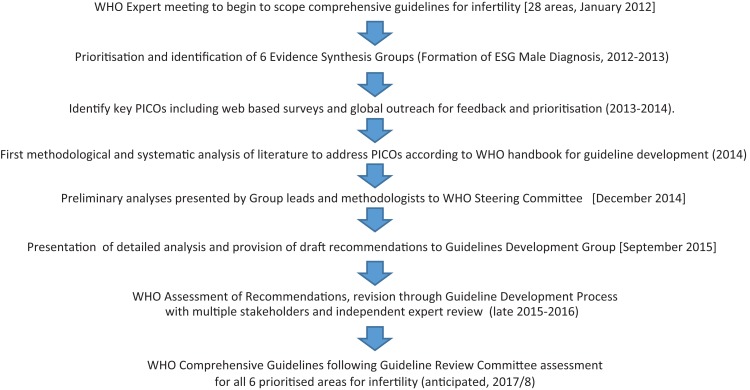
BACKGROUND: Herein, we describe the consensus guideline methodology, summarize the evidence-based recommendations we provided to the World Health Organization (WHO) for their consideration in the development of global guidance and present a narrative review of the diagnosis of male infertility as related to the eight prioritized (problem or population (P), intervention (I), comparison (C) and outcome(s) (O) (PICO)) questions. Additionally, we discuss the challenges and research gaps identified during the synthesis of this evidence. OBJECTIVE AND RATIONALE: The aim of this paper is to present an evidence-based approach for the diagnosis of male infertility as related to the eight prioritized PICO questions. SEARCH METHODS: Collating the evidence to support providing recommendations involved a collaborative process as developed by WHO, namely: identification of priority questions and critical outcomes; retrieval of up-to-date evidence and existing guidelines; assessment and synthesis of the evidence; and the formulation of draft recommendations to be used for reaching consensus with a wide range of global stakeholders. For each draft recommendation the quality of the supporting evidence was then graded and assessed for consideration during a WHO consensus. OUTCOMES: Evidence was synthesized and recommendations were drafted to address the diagnosis of male infertility specifically encompassing the following: What is the prevalence of male infertility and what proportion of infertility is attributable to the male? Is it necessary for all infertile men to undergo a thorough evaluation? What is the clinical (ART/non ART) value of traditional semen parameters? What key male lifestyle factors impact on fertility (focusing on obesity, heat and tobacco smoking)? Do supplementary oral antioxidants or herbal therapies significantly influence fertility outcomes for infertile men? What are the evidence-based criteria for genetic screening of infertile men? How does a history of neoplasia and related treatments in the male impact on (his and his partner's) reproductive health and fertility options? And lastly, what is the impact of varicocele on male fertility and does correction of varicocele improve semen parameters and/or fertility? WIDER IMPLICATIONS: This evidence synthesis analysis has been conducted in a manner to be considered for global applicability for the diagnosis of male infertility.
Overview
The claims and statistics of this paper haven’t been checked yet.
Free: it reads the open-access text and checks the first 5 claims that cite a source we can check. Create a free account to check every claim.
Integrity signals
Registry
Cites
Statistics
Figures
Verification
Claims the paper makes
The claims and statistics of this paper haven’t been checked yet.
Free: it reads the open-access text and checks the first 5 claims that cite a source we can check. Create a free account to check every claim.
Claims other papers make about this one
Each is checked against this paper’s own text: does it say what the citing paper says it does?
The source backs part of the claim, not all of it — or backs it for a different population, condition or comparison.
In the citing paper
“Different categories of infertility definitions (clinical, epidemiological, demographic) in conjunction with variations in methodology and study populations give rise to wide-ranging estimates (Gnoth et al., 2005; Barratt et al., 2017; Cox et al., 2022; World Health Organization, 2023).”
From Declining global fertility rates and the implications for family planning and family building: an IFFS consensus document based on a narrative review of the literature (2024) · cites this paper as Barratt et al., 2017
Experimental — accuracy not yet measuredThe cited source says what the claim attributes to it.
In the citing paper
“The definition of infertility and its prevalence and burden of disease are controversial.”
From Declining global fertility rates and the implications for family planning and family building: an IFFS consensus document based on a narrative review of the literature (2024) · cites this paper as Barratt et al., 2017
The cited source says what the claim attributes to it.
In the citing paper
“Semen analysis (SA) represents the most basic evaluation of male infertility. The evaluation of semen parameters is currently based on the standards defined in the laboratory manual for the examination and processing of human semen created by the World Health Organization (WHO) [8,9,10].”
From The Sixth Edition of the WHO Manual for Human Semen Analysis: A Critical Review and SWOT Analysis (2021) · cites this paper as [8]
The check wasn’t confident either way, so it gives no verdict — never disputed.
In the citing paper
“However, due to limited studies there is insufficient evidence to support a particular transitional care model.1536–1541”
From American Association of Clinical Endocrinology Clinical Practice Guideline: Developing a Diabetes Mellitus Comprehensive Care Plan-2022 Update. (2022) · cites this paper as [1539]
Experimental — accuracy not yet measured
Self-check
Percentages, sums and reported differences re-computed from the paper’s own numbers.
The self-check needs the paper’s full text.
Citations
Cites
1,500 scientists lift the lid on reproducibility
Baker, M. (2016) · Nature · doi:10.1038/533452a · Cited by 4,209 · cited 2×
“, 2016) and is of course not just a theme in reproductive medicine (Baker, 2016).”
BackgroundWorld Health Organization reference values for human semen characteristics*‡
Cooper, T. G., Noonan, E., von Eckardstein, S., Auger, J., Baker, H. W. G., Behre, H. M., Haugen, T. B., Kruger, T., Wang, C., Mbizvo, M. T., et al. (2010) · Human Reproduction Update · doi:10.1093/humupd/dmp048 · Cited by 2,827 · cited 3×
“However, the primary disadvantage of this approach is that semen parameters alone are not equivalent to defining infertility/fertility (MacLeod, 1950; Guzick et al., 2001; Cooper et al., 2010).”
BackgroundA unique view on male infertility around the globe
Agarwal, A., Mulgund, A., Hamada, A., & Chyatte, M. R. (2015) · Reproductive Biology and Endocrinology · doi:10.1186/s12958-015-0032-1 · Cited by 2,399 · cited 2×
“Agarwal et al. have attempted to pursue this type of review (Agarwal et al., 2015) but due to a paucity of high-quality comparable studies they were unable to make robust conclusions.”
ResultCairney, P. (2012) · doi:10.1007/978-0-230-35699-3 · Cited by 2,378
Mascarenhas, M. N., Flaxman, S. R., Boerma, T., Vanderpoel, S., & Stevens, G. A. (2012) · PLoS Medicine · doi:10.1371/journal.pmed.1001356 · Cited by 2,312 · cited 3×
“Large-scale studies of the prevalence of infertility generally focus on women’s experience of infertility as reported in demographic surveys which are based upon contraceptive usage (e.g. Gurunath et al., 2011, Mascarenhas et al., 2012) and few large-scale studies are able to gather data on men.”
BackgroundSelf-citationThe Practice Committee of the American Society for Reproductive Medicine
Birmingham, A. (2006) · Cited by 1,925
Loren, A. W., Mangu, P. B., Beck, L. N., Brennan, L., Magdalinski, A. J., Partridge, A. H., Quinn, G., Wallace, W. H., & Oktay, K. (2013) · Journal of Clinical Oncology · doi:10.1200/jco.2013.49.2678 · Cited by 1,611 · cited 5×
“However, on a general level, there is consistency in the recommendations of the major medical societies in Europe and USA: the European Society for Medical Onclology (Peccatori et al., 2013) and ASCO (Loren et al., 2013).”
BackgroundResultInfluentialSperm Morphology, Motility, and Concentration in Fertile and Infertile Men
Guzick, D. S., Overstreet, J. W., Factor-Litvak, P., Brazil, C. K., Nakajima, S. T., Coutifaris, C., Carson, S. A., Cisneros, P., Steinkampf, M. P., Hill, J. A., et al. (2001) · New England Journal of Medicine · doi:10.1056/nejmoa003005 · Cited by 1,336 · cited 7×
“Another major challenge which has been recognized for over 70 years is the substantial overlap in the distribution of semen analysis results in fertile men and those from men in infertile couples (MacLeod, 1950; Guzick et al., 2001; Cooper et al., 2010).”
BackgroundMethodResultInfluentialPopulation study of causes, treatment, and outcome of infertility.
Hull, M. G., Glazener, C. M., Kelly, N. J., Conway, D. I., Foster, P. A., Hinton, R. A., Coulson, C., Lambert, P. A., Watt, E. M., & Desai, K. M. (1985) · BMJ · doi:10.1136/bmj.291.6510.1693 · Cited by 1,141 · cited 2×
“A further limitation of the available literature is that some studies are relatively old, such as Hull et al. (1985) and Thonneau et al. (1991); studies which have not been updated in a quarter of a century.”
BackgroundEuropean Association of Urology Guidelines on Male Infertility: The 2012 Update
Jungwirth, A., Giwercman, A., Tournaye, H., Diemer, T., Kopa, Z., Dohle, G., & Krausz, C. (2012) · European Urology · doi:10.1016/j.eururo.2012.04.048 · Cited by 1,033
Self-citation
Research works printed but not linked: 4
- AUA 2011, 2011, The Evaluation of the Azoospermic Male: AUA Best Practice Statement
- AUA 2010, 2010, The Optimal Evaluation of the Infertile Male: Best Practice Statement
- WHO 2010, 2010, WHO Laboratory Manual for the Examination and Processing of Human Semen
- WHO 2014, 2014, WHO Handbook for Guideline Development, 179
Cited by
Items 301–400 of 503
Self-reported Male Infertility and Metabolic Disturbance: A Cross-Sectional Study
Farhadi‐Azar, M., Naz, M. S. G., Ghahremani, M., Mousavi, M. A., Azizi, F., & Tehrani, F. R. (2023) · Intern J Endocrinol Metab · doi:10.5812/ijem-134895 · Cited by 4
“Infertility occurs when a couple is unable to conceive after engaging in unprotected sex for at least 1 year (20, 21).”
BackgroundShan, X., Zhang, X., Huang, G., Lv, J., Ye, Z., Jiang, C., Jiang, X., Cheng, J., Lin, H., Jiang, H., et al. (2023) · Andrology · doi:10.1111/andr.13474 · Cited by 4
Özkorkmaz, E. G., Başaran, S. Ö., Afşin, M., & Aşir, F. (2023) · Medicine · doi:10.1097/md.0000000000035256 · Cited by 3
“[11,12] There are a few reports that show relationship of male hormones and COVID-19.”
BackgroundGarcía-Martínez, O. I., Geisinger, A., Santos, E. D. L., Santiñaque, F. F., Folle, G. A., Pórfido, J. L., Meikle, M. N., Schlapp, G., Crispo, M., Benavente, R., et al. (2025) · Molecular Human Reproduction · doi:10.1093/molehr/gaaf002 · Cited by 2
Soto‐Heras, S., Volz, L., Bovin, N. V., & Miller, D. J. (2025) · Scientific Reports · doi:10.1038/s41598-025-88986-2 · Cited by 3
Kim, J. H., Chae, M. R., Wijerathne, T. D., Cooray, A., Kim, C. Y., Lee, S. W., & Lee, K. P. (2022) · Andrologia · doi:10.1111/and.14471 · Cited by 3
“Infertility affects approximately 48 million couples globally, with male infertility accounting for 45%–50% of the total cases (Barratt et al., 2017).”
BackgroundLi, L., Liao, H., Li, M., Xiao, J., & Wu, L. (2022) · Frontiers in Surgery · doi:10.3389/fsurg.2022.901601 · Cited by 3
Leung, A. Q., Bell, A. D., Mello, C. J., Penzias, A. S., McCarroll, S. A., & Sakkas, D. (2021) · Journal of Assisted Reproduction and Genetics · doi:10.1007/s10815-021-02300-3 · Cited by 3
“The need for better diagnostic tools for the male is well recognized [4].”
BackgroundYan, G., Tian, F., Liu, P., Mao, J.-M., Sun, J., Han, W., Mo, R., Guo, S., & Yu, Q. (2021) · Research Square · doi:10.21203/rs.3.rs-167175/v1 · Cited by 3
“Up to 15% of couples suffer from infertility, and male infertility accounts for no fewer than 50% of infertile couples[2, 3].”
BackgroundBjörndahl, L. (2024) · Asian Journal of Andrology · doi:10.4103/aja202380 · Cited by 3
Self-citationAmbient temperature and fecundity in 2.4 million couples
Cai, J., Shen, Y., Dong, J., Niu, Y., Zhu, Y., He, C., Shi, S., Li, H., Wang, Q., Shen, H., et al. (2025) · The Innovation Medicine · doi:10.59717/j.xinn-med.2025.100139 · Cited by 4
Torra‐Massana, M., Morse, B., Miguel-Escalada, I., Guillén, J. J., Rodríguez-Aranda, A., Popovic, M., & Sakkas, D. (2025) · Human Reproduction · doi:10.1093/humrep/deaf152 · Cited by 2
Cai, B., Feng, H., Hou, X., & Zhao, H. (2025) · Molecular & Cellular Toxicology · doi:10.1007/s13273-025-00593-4 · Cited by 3
Tsinda, H. H. K., Mbaye, M. M., Koumba, L., Edou, R. R. A., Zakaria, A., Louanjli, N., Ghazi, B., Maachi, F., Benomar, H., Turk, J. E., et al. (2025) · Diseases · doi:10.3390/diseases14010014 · Cited by 2
“This kinetic impairment is comparable to that observed in large European and Asian studies [1,17], and may result from multiple factors including oxidative stress, varicocele, smoking, chronic thermal exposure, or genital inflammation.”
Pyneandee, E. M., Bakos, H. W., Iuliis, G. N. D., & Aitken, R. J. (2026) · Antioxidants · doi:10.3390/antiox15060674 · Cited by 3
“According to the WHO, “There are insufficient data to recommend the use of supplemental antioxidant therapies for the treatment of men with abnormal semen parameters and/or male infertility” [176].”
Antioxidants Use and Sperm DNA Damage
Martinez, M. P., Majzoub, A. A., & Agarwal, A. K. (2020) · Springer eBooks · doi:10.1007/978-3-030-32300-4_47 · Cited by 2
Gawron, I. M., Baran, R., Drabina, J., Swornik, M., Posadzka, E., & Jach, R. (2021) · Ginekologia Polska · doi:10.5603/gp.a2021.0161 · Cited by 1
Yq AZF microdeletions in male infertility
Jaiswal, A., Pandey, A., Tiwari, M., Ali, A., & Sharma, R. (2021) · Asian Pacific Journal of Reproduction · doi:10.4103/2305-0500.326718 · Cited by 2
Characteristic of spermogram parameters in men with reproductive pathology in age-related aspect
Пичугова, С. В., Черешнев, В. А., & Beikin, Y. B. (2022) · Obstetrics Gynecology and Reproduction · doi:10.17749/2313-7347/ob.gyn.rep.2021.228 · Cited by 2
Fertility Awareness and Knowledge among Infertile Women in Georgia: A Cross-sectional Study
Verulava, T., & Pirtskhalava, M. (2022) · International Journal of Infertility & Fetal Medicine · doi:10.5005/jp-journals-10016-1284 · Cited by 7
Infertility, Repeated Loss, and Surrogacy
Agius, A., & Calleja‐Agius, J. (2022) · Springer eBooks · doi:10.1007/978-3-031-17285-4_6 · Cited by 1
Boeri, L., Pozzi, E., & Salonia, A. (2023) · Elsevier eBooks · doi:10.1016/b978-0-323-89907-9.00006-5 · Cited by 3
L-carnitine role in fertility and health
Hussein, Z. A., Nori, W., & Oudaha, K. H. (2023) · AIP conference proceedings · doi:10.1063/5.0121362 · Cited by 2
Only the Best of the Bunch—Sperm Preparation Is Not Just about Numbers
Gallagher, M. T., Krasauskaite, I., & Kirkman‐Brown, J. (2023) · Seminars in Reproductive Medicine · doi:10.1055/s-0043-1777756 · Cited by 2
Olszewska, M., Malcher, A., Stokowy, T., Pollock, N. C., Berman, A. J., Budkiewicz, S., Kamieniczna, M., Jackowiak, H., Suszyńska-Zajczyk, J., Jędrzejczak, P., et al. (2024) · Human Reproduction Open · doi:10.1093/hropen/hoae020 · Cited by 2
“Approximately 7% of males and � 12% of females worldwide have reproductive problems, while the male factor is responsible for � 20–30% of all infertility cases (Barratt et al. , 2017; Vander Borght and Wyns, 2018; Agarwal et al. , 2021).”
BackgroundDutta, S., Paladhi, P., Pal, S., Srimani, S., Bose, G., Ghosh, P., Chattopadhyay, R., & Ghosh, S. (2024) · American Journal of Men s Health · doi:10.1177/15579883241279195 · Cited by 5
“Several studies have confirmed association of tobacco and alcohol use with infertility or altered semen parameters (Barratt et al., 2017; Gunes et al., 2018; Marinelli et al., 2004; Rai & Rai, 2016; Sansone et al., 2018; A. Sharma, 2017; R. Sharma et al., 2016; Yao & Mills, 2016).”
BackgroundRoudbaraki, S. N., Ramezani, M., Saifi, B., Salimi, M., & Cheshani, M. I. (2025) · International Journal of Reproductive BioMedicine (IJRM) · doi:10.18502/ijrm.v22i12.18068 · Cited by 6
“As there are about 80 million infertile people around the world, infertility is considered one of the most critical public health problems, by the WHO (7, 8).”
Male fertility: a window on the health of this generation and the next
Barratt, C. L. R., Anderson, R. A., & Jonge, C. J. D. (2019) · Reproductive BioMedicine Online · doi:10.1016/j.rbmo.2019.09.009 · Cited by 2
Self-citationCorrelation analysis between C natriuretic peptide and pregnancy outcome.
Guo, L., He, C., Mei, C., Zhang, L., & Huang, D. (2020) · PubMed Central · Cited by 2
Zhang, Y., Cheng, J., Ou, J., Liu, Z., Liu, Y., & Zang, Z. (2020) · Andrology · doi:10.1111/andr.12892 · Cited by 2
Lam, M. T., Lock, C. H. Y., Lam, K. K. W., Ng, E. H. Y., Yeung, W. S. B., & Li, R. (2021) · Journal of Men s Health · doi:10.31083/jomh.2021.015 · Cited by 3
“Males are the main cause of failure to conceive in 20 to 30% of couples with infertility [2, 3].”
BackgroundThe structure of CatSper is revealed: happy days for sperm biology
Barratt, C. L. R. (2021) · Human Reproduction · doi:10.1093/humrep/deab204 · Cited by 2
Self-citation3D Convolutional Neural Networks for Sperm Motility Prediction
Goh, V. H., As’ari, M. A., & Ismail, L. H. (2022) · International Conference on Intelligent Cybernetics Technology & Applications (ICICyTA) · doi:10.1109/icicyta57421.2022.10037950 · Cited by 3
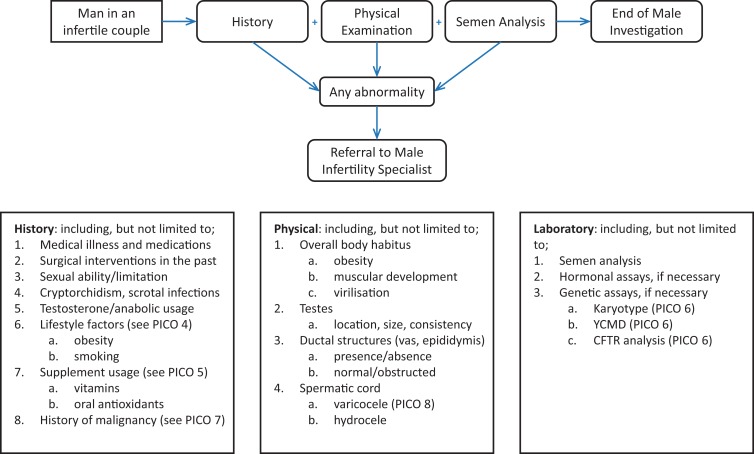
“To identify the male factor infertility, the initial evaluation should at least include one properly performed semen analysis and physical examination performed by experienced examiner, along with a detailed reproductive history [3].”
MethodChiti, H., Hosseini, E., Ebrahimi, V., & Mousavi, S. N. (2023) · Biological Trace Element Research · doi:10.1007/s12011-023-03834-6 · Cited by 3
Augustyniak, M., Coticchio, G., Esteves, S. C., Kupka, M. S., Chen, H., Fincham, A., Lazure, P., & Péloquin, S. (2024) · International braz j urol · doi:10.1590/s1677-5538.ibju.2024.9915 · Cited by 5
“While a literature review conducted by Barratt, Björndahl (43) describes gaps in male infertility research that are yet to be bridged, the current treat-ment landscape allows HCPs to choose from a variety of treatments relevant to males that can truly optimise chances of conception, including but…”
BackgroundA Dolce & Gabbana model in every ART clinic?
Barratt, C. L. R. (2018) · Molecular Human Reproduction · doi:10.1093/molehr/gay030 · Cited by 2
Self-citationHerbal Treatments and Their Impact on Male Fertility: A Comprehensive ReviewPreprint
Shakeri, M., Saberi, M., & Boojar, M. M. A. (2025) · Qeios · doi:10.32388/abkcch · Cited by 7
Andrologische Diagnostik vor einer reproduktionsmedizinischen Behandlung
Köhn, F. ‐., Kliesch, S., Pinggera, G., Schuppe, H. ‐., & Tüttelmann, F. (2019) · Gynäkologische Endokrinologie · doi:10.1007/s10304-019-00283-0 · Cited by 1
Eskarous, N. N., El‐Nabi, S. H., Salam, M. A. E., Mohammed-Geba, K., & Din, S. G. (2022) · Journal of Bioscience and Applied Research/Journal of Bioscience and Applied Research · doi:10.21608/jbaar.2022.256197 · Cited by 1
Bioethical issues of reproductive technologies
Muravieva, I. V., & Eliseeva, N. Y. (2023) · Tambov Medical Journal · doi:10.20310/2782-5019-2023-5-2-67-72 · Cited by 1
Andrologische Diagnostik bei Fertilitätsstörungen
Schuppe, H., Köhn, F., Pilatz, A. M. E., Fietz, D., Weidner, W., & Diemer, T. (2023) · Springer Reference Medizin · doi:10.1007/978-3-662-63400-4_154 · Cited by 1
Advancements and future trends in sperm detection techniques and male fertility assessment
Wu, S., Wei, Y., Yu, K., Chen, Y., & Xu, W. (2023) · Scientia Sinica Vitae · doi:10.1360/ssv-2023-0175 · Cited by 1
Évaluation de l’homme du couple infertile
Faix, A., Méthorst, C., Lamazou, F., Vialard, F., & Huyghe, É. (2023) · The French Journal of Urology · doi:10.1016/j.purol.2023.09.027 · Cited by 3
Aliyev, R., Hekimsoy, İ., Tamsel, İ., Ekizalioğlu, D. D., Kalemci, M. S., & Altay, B. (2024) · Journal of Ultrasound in Medicine · doi:10.1002/jum.16510 · Cited by 1
Male Infertility Mediated by Gene Mutations
Guo, C. (2024) · Royal Society of Chemistry eBooks · doi:10.1039/bk9781837670192-00052 · Cited by 1
Ghafoori, M., Moaddab, M., Mahmoodi, F., Soleymani, S., Ghaed, M. A., & Maghsoudi, R. (2024) · Bakirkoy Tip Dergisi / Medical Journal of Bakirkoy · doi:10.4274/bmj.galenos.2024.2024.1-2 · Cited by 1
Aschauer, J., Ott, J., Selzer, C., Ghobrial, S., Fitz, V. W., & Hager, M. (2024) · Archives of Gynecology and Obstetrics · doi:10.1007/s00404-024-07760-3 · Cited by 1
“Most importantly there is a significant dependence on female factors [37].”
Jani, E., Bozzola, M., Zagler, E. M., Roccaforte, V., & Daves, M. (2024) · Advances in Laboratory Medicine / Avances en Medicina de Laboratorio · doi:10.1515/almed-2024-0182 · Cited by 1
Sayed, S., Petersen, B. M., Reigstad, M. M., Schwennicke, A., Hausken, J. W., & Storeng, R. (2025) · PLoS ONE · doi:10.1371/journal.pone.0318480 · Cited by 1
JUNO- Checked – a live cell electrochemical biosensor for sperm function diagnostics
Punyani, K., Soltic, I. L., Liljander, M., Pradeepkumar, P., Psotta, C., Lundblad, F., Duvold, T., FitzGerald, D., Castillo-León, J., & Shin, J. Y. (2025) · Sensors & Diagnostics · doi:10.1039/d5sd00009b · Cited by 1
Male gamete copies to characterize genome inheritance and generate progenies
Xie, P., Takeuchi, T., Cheung, S. K., Rosenwaks, Z., & Palermo, G. D. (2025) · Scientific Reports · doi:10.1038/s41598-025-99188-1 · Cited by 1
“…EmbryoSlide (Vitrolife, Gothenburg, Sweden) microwell and covered with mineral oil (Vitrolife, Gothenburg, Sweden), and the EmbryoSlide culture dish was then loaded into the EmbryoScope to capture images every 10 min for time-lapse microscopy to observe embryo morphokinesis (Supplementary video 1).”
Zhu, G., Tan, C., & Li, Y. (2025) · Reproductive Toxicology · doi:10.1016/j.reprotox.2025.109063 · Cited by 1
Shi, M., Xu, L., Zheng, W., Lin, X., & Qin, G. (2025) · Basic and Clinical Andrology · doi:10.1186/s12610-025-00289-8 · Cited by 2
“Among these, asthenozo-ospermia (AZS)—characterized by a sperm motility rate of less than 32% with otherwise normal semen param-eters—represents a predominant condition, accounting for about 20% to 40% of male infertility cases [2, 3].”
Infertilité masculine : étiologies, diagnostic et prise en charge
CHAUVEAU, É., Samhani, C., & Larose, C. (2025) · Soins · doi:10.1016/j.soin.2025.09.010 · Cited by 1
Bridging Andrology and Oncology: Prognostic Indicators of Cancer Among Infertile Men
Zachariou, A., Moustakli, E., Zikopoulos, A., Filiponi, Μ., Potiris, A., Kathopoulis, N., Grigoriadis, T., Tzeli, M., Machairiotis, N., Domali, E., et al. (2025) · Current Issues in Molecular Biology · doi:10.3390/cimb47110930 · Cited by 3
“The complexity of spermatogenic dysfunction and its evolution over time may not be adequately captured by the majority of existing data, which rely on semen characteristics at a single time point [14,141].”
Xu, Z., Li, J., Hou, Y., Deng, Z., Zhang, Q., & Ma, B. (2025) · Chemico-Biological Interactions · doi:10.1016/j.cbi.2025.111838 · Cited by 3
Xu, J., Li, T., Hu, Y., Li, M., Hu, J., Cai, Y., Zhang, M., Lu, G., Chan, W., Chen, Z., et al. (2026) · Andrology · doi:10.1111/andr.70185 · Cited by 1
Afzal, F., Wong, L. Y. F., Purkayastha, M., Lu, Y., Rees, P., Richard, M. A., Williams, C. L., Lupo, P. J., Luke, B., Eisenberg, M. L., et al. (2026) · Journal of Assisted Reproduction and Genetics · doi:10.1007/s10815-026-03835-z · Cited by 2
“…fertility research, respondents supported its benefits of generating information on comorbidities [61], long-term post-ART outcomes for men [62] and their children [10, 63], and benefitting treatment and prevention strategies [64], reinforcing current research priorities in male fertility.”
Liu, K., He, S., Hu, Y., Liu, Y., Zhu, L., Zhang, W., Jiang, X., Gu, J., Guo, L., Zhang, Z., et al. (2026) · Ecotoxicology and Environmental Safety · doi:10.1016/j.ecoenv.2026.120081 · Cited by 1
Should we routinely perform sperm DNA fragmentation testing in fertility clinics?
Vitthala, S., Toukhy, T. E., & Maheshwari, A. (2026) · Human Reproduction Open · doi:10.1093/hropen/hoag047 · Cited by 1
“These thresholds vary across assays, laboratories, and populations, lack standardization, and have not been consistently clinically validated (Barratt et al. , 2017).”
InfluentialProvider-Performed Microscopy Procedures
Streilein, A. (2019) · Physician Assistant Clinics · doi:10.1016/j.cpha.2019.02.004 · Cited by 1
Andrologische Anamnese – welche Fragen sollten auch Gynäkologen stellen?
Köhn, F. ‐., Behre, H. M., & Schuppe, H. ‐. (2019) · Gynäkologische Endokrinologie · doi:10.1007/s10304-019-00281-2 · Cited by 1
EVALUATION OF THE EFFECTIVENESS OF SURGICAL TREATMENT OF VARICOCELE IN MEN WITH INFERTILITY
Agruts, R. V., & Yakovets, E. A. (2020) · Научное обозрение Медицинские науки (Scientific Review Medical Sciences) · doi:10.17513/srms.1102 · Cited by 1
Navarro, B., Gómez‐Giménez, B., Urizar‐Arenaza, I., Ganzabal, T., Martín, S., & Subirán, N. (2021) · Andrologia · doi:10.1111/and.14026 · Cited by 1
“Sperm parameters were measured according to the WHO standards (World Health Organization, 2010) criterion.”
MethodInfluentialJeng, H. A., & Sikdar, S. (2021) · Polycyclic aromatic compounds · doi:10.1080/10406638.2021.2005640 · Cited by 1
Improvement of Male Mice Fecundity by Using Two New Lactobacillus Strains
Darwish, A. M., Khattab, A. E.-N. A., Sharaf, H. A., Abdelhafez, M. A., & El‐Razik, K. A. A. (2022) · Egyptian Journal of Chemistry · doi:10.21608/ejchem.2022.109966.5012 · Cited by 2
Classification of pathozoospermia in infertile men
Nazarenko, R. V., & Zdanovskiy, V. M. (2022) · Andrology and Genital Surgery · doi:10.17650/2070-9781-2022-23-3-54-60 · Cited by 1
Ou, N., Sun, Y., Zhang, J., Liu, S., Zhang, Y., Zhao, J., Bai, H., Li, P., Zhi, E., Huang, Y., et al. (2023) · Andrologia · doi:10.1155/2023/1870530 · Cited by 1
“Infertility affects approximately 15% of couples trying to conceive worldwide, and half of the infertile cases resulted from male factors [1].”
BackgroundDing, J., Sheng, W., Fu, W., Lin, M., Li, B., Zhou, X., & He, Q. (2023) · Journal of Traditional Chinese Medical Sciences · doi:10.1016/j.jtcms.2023.09.002 · Cited by 1
Khursheed, K. J. S., Kaleemullah, M. R., Joseph, A., Al-Durazi, M. H., & Bakhiet, M. (2023) · Case Reports in Genetics · doi:10.1155/2023/6722623 · Cited by 1
Gontar, J. V., & Yasynetskyi, M. (2023) · Health of Man · doi:10.30841/2786-7323.3.2023.290636 · Cited by 2
Concepts to Consider When Choosing an Assay to Predict Potentially Fertile Sperm
Rs, J. (2023) · Austin Journal of Invitro Fertilization · doi:10.26420/austinjinvitrofertili.2023.1041 · Cited by 1
Home Testing and Monitoring Devices
Cornelison, B. R., & Mnatzaganian, C. L. (2024) · The American Pharmacists Association eBooks · doi:10.21019/aphaotc-homemed.home-testing · Cited by 1
Jani, E., Bozzola, M., Zagler, E. M., Roccaforte, V., & Daves, M. (2024) · Advances in Laboratory Medicine / Avances en Medicina de Laboratorio · doi:10.1515/almed-2024-0089 · Cited by 1
Testosterone to Estradiol Ratios in Fertile and Subfertile Men: A Large Cohort Analysis
Panken, E. J., Hayon, S., Greenberg, D. R., Kumar, S. K. S. R., Brannigan, R. E., & Halpern, J. A. (2024) · Urology · doi:10.1016/j.urology.2024.11.004 · Cited by 2
Raza, Y., Zhang, H., Zubair, M., Hussain, A., Ahmad, N., Chen, M., Yang, G., Abbas, M., Abbas, T., Shoaib, M., et al. (2024) · JUSTC · doi:10.52396/justc-2024-0064 · Cited by 1
A Cross‐Sectional Study Reveals Hormonal Signatures of Smoking‐Related Infertility
Choudhury, B. P., Roychoudhury, S., Deb, T., Deb, M., Saha, R., Kar, K. K., Sláma, P., Kolesárová, A., Yogisharadhya, R., & Rosas, I. M. (2025) · Trends in Urology & Men s Health · doi:10.1002/tre.70015 · Cited by 1
“Studies have consistently linked smoking to lower sperm counts and motility [2 – 4 , 73 ].”
Faduola, P., Obajimi, G. O., & Kolade, C. O. (2018) · International Journal of Reproductive BioMedicine (IJRM) · doi:10.29252/ijrm.16.7.459 · Cited by 3
An Overview of the Causes and Consequences of Male Fertility Decline
Kerna, N. A. (2019) · Perceptions in Reproductive Medicine · doi:10.31031/prm.2019.02.000555 · Cited by 1
On the Indispensability for Standardization of the Basic Examination of Human Semen
Björndahl, L. (2021) · Springer eBooks · doi:10.1007/978-3-030-66292-9_41 · Cited by 1
Self-citationAl-Qazzaz, H. K., & Al-Awadi, S. J. A. (2022) · AIP conference proceedings · doi:10.1063/5.0094496 · Cited by 1
Time has come to provide infertile men with an optimal fertility pathway
Esteves, S. C. (2021) · International braz j urol · doi:10.1590/s1677-5538.ibju.2019.0362.1 · Cited by 1
“In these lines, efforts should be made to identify genetic causes of male infertility that may affect the success of treatment or the health of offspring if ART is utilized (16, 17).”
BackgroundDutta, S., Paladhi, P., Pal, S., Srim, S., Bose, G., Ghosh, P., Chattopadhyay, R., & Ghosh, S. (2024) · Research Square · doi:10.21203/rs.3.rs-3070917/v2 · Cited by 1
Testicular biopsies in infertility and correlation with clinical and laboratory features
Babu, P. G., & Srivastava, V. M. (2022) · Asian Journal of Medical Sciences · doi:10.3126/ajms.v13i3.40873 · Cited by 1
Education, education, education—now more than ever?
Andersen, C. Y., Kristensen, S. G., Mamsen, L. S., & Barratt, C. L. R. (2018) · Molecular Human Reproduction · doi:10.1093/molehr/gay028 · Cited by 1
Self-citationEndocrine and paracrine factors related to pregnancy and infertility
Hosseini, F. (2019) · Figshare
Infertilität: Ist dem Mann zu helfen?
Schuppe, H.-C., & Köhn, F. (2019) · Gynäkologische Endokrinologie · doi:10.1007/s10304-019-00278-x
Izhar, R., Masood, Z., Husain, S., Tahir, S., & Mataa-E-Masood (2019) · Journal of Human Reproductive Sciences · doi:10.4103/jhrs.jhrs_29_19
“However, another semen analysis or a second test is not commonly accepted.[13] Even after following the recommendation for abstinence and transport, the semen analysis fails to satisfy the criteria for a reliable test.”
BackgroundBest Practice Guidelines for Male Infertility Diagnosis and Management
Kim, E. D., & Benton, O. (2020) · Springer eBooks · doi:10.1007/978-3-030-32300-4_62
Donor Insemination: Past, Present and Future Perspectives
Barratt, C. L. R., Agnew, R., & Heighton, E. (2020) · Cambridge University Press eBooks · doi:10.1017/9781108762571.016
Self-citationSchuppe, H. ‐., Pilatz, A. M. E., Fietz, D., Thorsten Diemer, A., Köhn, F. ‐., Tüttelmann, F., & Kliesch, S. (2020) · Journal für Urologie und Urogynäkologie/Österreich · doi:10.1007/s41972-020-00111-9
“einer Azoospermie sollten eine humangenetische Diagnostik und Beratung erfolgen [1, 12, 44].”
BackgroundAjibare, A. J., Akintoye, O. O., Fabunmi, O. A., Olayak, L. A., Olofinbiyi, B. A., & Owoeye, T. M. (2020) · Annals of Clinical and Experimental Medicine · doi:10.47838/acem.26011977.127122020.asmeda.1.8
دراسة تأثير مسحوق نبات الحسک وطلع النخيل على الفئران المصابة بانخفاض معدل الخصوبه
الرحمن, ع. ع., & احمد, ا. (2018) · Mağallaẗ Al-Iqtiṣād Al-Manzilī - Ǧāmiʿaẗ Al-Munūfiyyaẗ · doi:10.21608/mkas.2018.165102
DNA fragmentation, antioxidants and ART
da Silva, S. M. (2021) · Wiley eBooks · doi:10.1002/9781119622215.ch95 · Cited by 1
Infertility in Men in Relation to Their Birth Characteristics
Liffner, S. (2021) · Linköping University medical dissertations · doi:10.3384/9789179290504
de Prelle, B., Lybaert, P., & Gall, D. (2021) · bioRxiv (Cold Spring Harbor Laboratory) · doi:10.1101/2021.11.30.469438
АНАЛИЗ ЭФФЕКТИВНОСТИ МЕТАБОЛИЧЕСКОЙ ТЕРАПИИ НЕСПЕЦИФИЧЕСКОЙ ОЛИГОАСТЕНОЗООСПЕРМИИ
Засєда, Ю., Руслан, С., & огли, П. А. О. Р. П. А. (2021) · Men’s Health Gender and Psychosomatic Medicine · doi:10.37321/ujmh.2021.1-2-02
“Сегодня основные подходы к лечению мужского бесплодия заключаются в преодолении фоновой патологии и нормализации гормонального статуса пациента, что фактически опирается на гомеостатический принцип дальнейшей нормализации сперматогенеза [1, 2, 3, 4, 5].”
Kirkman‐Brown, J., & Conner, S. J. (2022) · doi:10.1093/med/9780198870197.003.0484
Schuppe, H.-C., & Köhn, F. (2021) · Springer eBooks · doi:10.1007/978-3-662-58713-3_83-1
Metadata
- Authors
- Barratt, C. L. R., Björndahl, L., De Jonge, C. J., Lamb, D. J., Osorio Martini, F., McLachlan, R., Oates, R. D., van der Poel, S., St John, B., Sigman, M., Sokol, R., & Tournaye, H.
- Affiliations
- University of Dundee (GB)
- Karolinska University Hospital (SE)
- University of Minnesota, Minneapolis, MN, USA
- Baylor College of Medicine (US)
- Clinica Alemana de Santiago, Santiago, Chile
- Hudson Institute of Medical Research (AU)
- Boston University (US)
- Department of Reproductive Health and Research, Human Reproduction Programme, (HRP, The UNDP/UNFPA/UNICEF/WHO/World Bank Special Programme of Research, Development and Research Training in Human Reproduction), WHO, Geneva, Switzerland
- Hudson Institute of Medical Research, Clayton, Australia
- Brown University (US)
- University of Southern California (US)
- Vrije Universiteit Brussel (BE)
- Corresponding author
- Barratt, Christopher L R
- ORCID
- Venue
- Human Reproduction Update
- Publisher
- Oxford University Press (OUP)
- Published
- 2017-07-19
- Volume
- 23
- Issue
- 6
- Pages
- 660-680
- ISSN
- 1355-4786 (ISSN-L)
- 1460-2369
- PMC
- PMC5850791
- OpenAlex
- W2736831818
- Cited by
- 505
- References
- 152
- Citations by year
- 2026: 49 · 2025: 60 · 2024: 66 · 2023: 64 · 2022: 71 · 2021: 65 · 2020: 61 · 2019: 43 · 2018: 21 · 2017: 2
- FWCI
- 5.66
- Type
- journal article
- Language
- en
- Open access
- hybrid
- doi.org
- Licence
- Locations
- Human Reproduction Update (publishedVersion, cc-by)
- PubMed Central (publishedVersion, cc-by)
- PubMed (publishedVersion)
- Discovery Research Portal (University of Dundee) (publishedVersion, cc-by)
- VUBIR (Vrije Universiteit Brussel) (submittedVersion)
- Funders
- UK Medical Research Council
- NHS Scotland
- Principal Research (1022327)
- Topics
- Health Sciences › Medicine › Reproductive Medicine › Sperm and Testicular Function
- Health Sciences › Medicine › Reproductive Medicine › Reproductive Health and Technologies
- Health Sciences › Medicine › Urology › Male Reproductive Health Studies
- Keywords
- male infertility, infertility diagnosis, semen parameters, obesity, heat exposure, smoking, antioxidants, herbal medicine, varicocele, assisted reproduction
- MeSH terms
- Genetic Testing, Humans, Infertility, Male, Male, Varicocele, World Health Organization, Practice Guidelines as Topic, Semen Analysis
About these checks
Registry, retraction, Cites and statistics results are computed, not judged, with one exception: a printed reference that no index lists is read once by a model before it counts as a citation error. Claims are extracted by a model and kept only when their quote appears verbatim in the text; each cited source is then checked, with a model’s help, for whether it says what the claim relies on. Those verdicts can be wrong — read the claim’s quote and the cited source before relying on one.
Statistics and arithmetic are recomputed, not judged.
Confidence bands are shown only for fields calibrated on our annotated test set. None is calibrated yet, so no band is shown.
What counts as a claim ›How we measure confidence ›How we check this ›
Are you an author, or do you see a problem with this page? Request a review
Data sources
Bibliographic data: Semantic Scholar, OpenAlex, Crossref.
Contains information from the Semantic Scholar Academic Graph Datasets, made available under the ODC Attribution License (ODC-BY 1.0).
Semantic Scholar’s data is described in: Kinney, R., et al. (2023). The Semantic Scholar Open Data Platform. arXiv:2301.10140.
