

Collider scope: when selection bias can substantially influence observed associations
Open accessPublished version of a preprint
The DOI matches its Crossref record; 39 of the 39 references it cites were found in a registry or an index.
Abstract
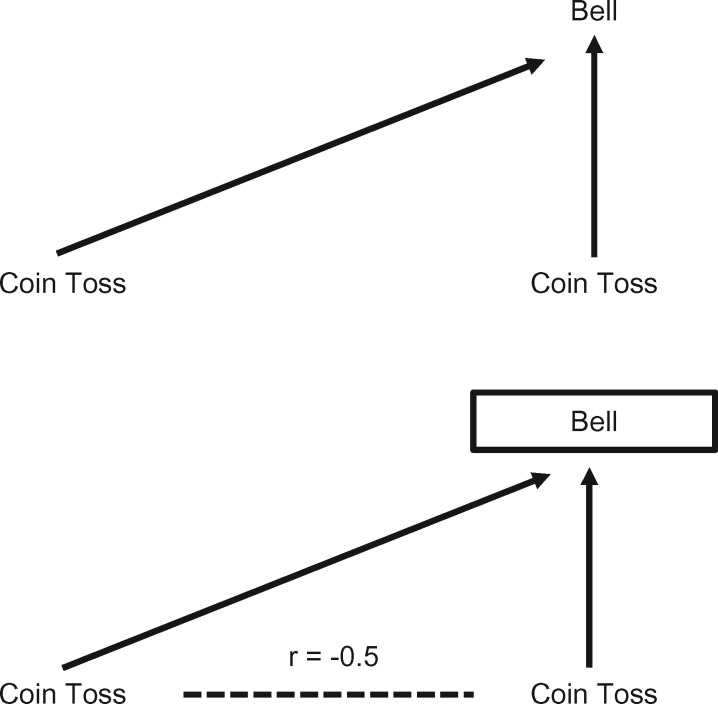
Large-scale cross-sectional and cohort studies have transformed our understanding of the genetic and environmental determinants of health outcomes. However, the representativeness of these samples may be limited-either through selection into studies, or by attrition from studies over time. Here we explore the potential impact of this selection bias on results obtained from these studies, from the perspective that this amounts to conditioning on a collider (i.e. a form of collider bias). Whereas it is acknowledged that selection bias will have a strong effect on representativeness and prevalence estimates, it is often assumed that it should not have a strong impact on estimates of associations. We argue that because selection can induce collider bias (which occurs when two variables independently influence a third variable, and that third variable is conditioned upon), selection can lead to substantially biased estimates of associations. In particular, selection related to phenotypes can bias associations with genetic variants associated with those phenotypes. In simulations, we show that even modest influences on selection into, or attrition from, a study can generate biased and potentially misleading estimates of both phenotypic and genotypic associations. Our results highlight the value of knowing which population your study sample is representative of. If the factors influencing selection and attrition are known, they can be adjusted for. For example, having DNA available on most participants in a birth cohort study offers the possibility of investigating the extent to which polygenic scores predict subsequent participation, which in turn would enable sensitivity analyses of the extent to which bias might distort estimates.
Overview
The claims and statistics of this paper haven’t been checked yet.
Free: it reads the open-access text and checks the first 5 claims that cite a source we can check. Create a free account to check every claim.
Integrity signals
Registry
Cites
Statistics
Figures


Verification
Claims the paper makes
The claims and statistics of this paper haven’t been checked yet.
Free: it reads the open-access text and checks the first 5 claims that cite a source we can check. Create a free account to check every claim.
Claims other papers make about this one
Each is checked against this paper’s own text: does it say what the citing paper says it does?
The source backs part of the claim, not all of it — or backs it for a different population, condition or comparison.
In the citing paper
“The latter is supported by the observation that the proportion of smokers and the proportion with no qualifications-reflecting social position-were considerably lower than in the background population, and that the 5-year mortality rate was several-fold lower than in the UK population as a whole.38,39”
From A common variant in CCDC93 protects against myocardial infarction and cardiovascular mortality by regulating endosomal trafficking of low-density lipoprotein receptor (2020) · cites this paper as [38]
Experimental — accuracy not yet measuredIn the citing paper
“Importantly, initial UK Biobank data inclusion of a subset of participants recruited for a study of smoking and lung function in the first analysis17, which may have resulted in collider bias31 and contributed to the initial lower genetic correlation.”
From Transancestral GWAS of alcohol dependence reveals common genetic underpinnings with psychiatric disorders (2018) · cites this paper as [31]
In the citing paper
“In either of these situations, controlling for such a covariate could bias the MR effect estimate.55–57”
From Mendelian randomization (2022) · cites this paper as [55]
Self-check
Percentages, sums and reported differences re-computed from the paper’s own numbers.
The self-check needs the paper’s full text.
Citations
Cites
Statistical Analysis With Missing Data
Lahiff, M., Little, R. J. A., & Rubin, D. B. (1989) · Journal of the American Statistical Association · doi:10.2307/2289883 · Cited by 17,265
Statistical Analysis with Missing Data
Little, R. J. A., & Rubin, D. B. (2002) · Wiley Series in Probability and Statistics · doi:10.1002/9781119013563 · Cited by 8,473
An atlas of genetic correlations across human diseases and traits
ReproGen Consortium, Bulik-Sullivan, B., Psychiatric Genomics Consortium, Genetic Consortium for Anorexia Nervosa of the Wellcome Trust Case Control Consortium 3, Finucane, H. K., Anttila, V., Gusev, A., Day, F. R., Loh, P.-R., Duncan, L., et al. (2015) · Nature Genetics · doi:10.1038/ng.3406 · Cited by 4,255 · cited 1×
“For this reason, studies using polygenic scores, genome-wide allelic scores (20), and/or whole-genome genetic correlations (21, 22) are most at risk of producing biased and potentially misleading results where there is reason to believe the study sample is not representative of the study population but the mechanism o…”
BackgroundBoyd, A., Golding, J., Macleod, J., Lawlor, D. A., Fraser, A., Henderson, J., Molloy, L., Ness, A., Ring, S., & Davey Smith, G. (2013) · International Journal of Epidemiology · doi:10.1093/ije/dys064 · Cited by 2,996
A structural approach to selection bias
Hernán, M. A., Hernández-Díaz, S., & Robins, J. M. (2004) · Epidemiology · doi:10.1097/01.ede.0000135174.63482.43 · Cited by 2,844 · cited 1×
“Statistical adjustment of the XY association for a variable Z is equivalent to observing this association in a sub-population where all individuals share the same value of Z (1, 13).”
BackgroundCohort Profile: The Avon Longitudinal Study of Parents and Children: ALSPAC mothers cohort
Fraser, A., Macdonald-Wallis, C., Tilling, K., Boyd, A., Golding, J., Davey Smith, G., Henderson, J., Macleod, J., Molloy, L., Ness, A., et al. (2013) · International Journal of Epidemiology · doi:10.1093/ije/dys066 · Cited by 2,494 · cited 1×
“Initially, 14 541 pregnant women who were expected to give birth between 1 April 1991 and 31 December 1992 were recruited into the study in the South West region of England.(19) The study website contains details of all data available through a fully searchable data dictionary: [http://www.”
MethodSelf-citationEndogenous Selection Bias: The Problem of Conditioning on a Collider Variable
Elwert, F., & Winship, C. (2014) · Annual Review of Sociology · doi:10.1146/annurev-soc-071913-043455 · Cited by 1,168 · cited 1×
“There are other ways in which ascertainment can generate biases.(31) For example, Figure 3 (panel B) shows a situation in which entry into a study is conditional upon the value of the phenotype (but not the outcome of interest) and where the phenotype does not cause the outcome, but the phenotype and outcome are corre…”
BackgroundWhy Representativeness Should Be Avoided
Rothman, K. J., Gallacher, J. E., & Hatch, E. E. (2013) · International Journal of Epidemiology · doi:10.1093/ije/dys223 · Cited by 861
Lee, S. H., Yang, J., Goddard, M. E., Visscher, P. M., & Wray, N. R. (2012) · Bioinformatics · doi:10.1093/bioinformatics/bts474 · Cited by 635
Smith, G. D., Lawlor, D. A., Harbord, R., Timpson, N., Day, I., & Ebrahim, S. (2007) · PLoS Medicine · doi:10.1371/journal.pmed.0040352 · Cited by 569 · cited 1×
“In particular, for genetic variants, where conventional confounding is low (11), it has been argued, even by those concerned about selection bias, that any problems associated with a lack of representativeness may be modest (10, 12).”
Background
Research works printed but not linked: 3
- Asendorpf, 2012, Bias due to controlling a collider: A potentially important issue for personality research, Eur J Pers, 26, 391
- Office for National Statistics, 2014, Adult Smoking Habits in Great Britain: 2014
- Office for National Statistics, 2011, Census: 2011
Cited by
Items 301–400 of 865
Genetic Complexities of Cerebral Small Vessel Disease, Blood Pressure, and Dementia
Sargurupremraj, M., Soumaré, A., Bis, J. C., Surakka, I. L., Jürgenson, T., Joly, P., Knol, M. J., Wang, R., Yang, Q., Satizábal, C. L., et al. (2024) · JAMA Network Open · doi:10.1001/jamanetworkopen.2024.12824 · Cited by 27
Genetic influences on alcohol flushing in East Asian populations
Cho, Y., Lin, K., Lee, S.-H., Yu, C., Schmidt, D., Avery, D., Lv, J., Jung, K. J., Li, L., Smith, G. D., et al. (2023) · BMC Genomics · doi:10.1186/s12864-023-09721-7 · Cited by 28
Kiewa, J., Mortlock, S., Meltzer-Brody, S. E., Middeldorp, C. M., Wray, N. R., & Byrne, E. M. (2023) · Neuroendocrinology · doi:10.1159/000533413 · Cited by 26
Use of Racial and Ethnic Categories in Medical Testing and Diagnosis: Primum Non Nocere
Kaufman, J. S., Merckx, J., & Cooper, R. (2021) · Clinical Chemistry · doi:10.1093/clinchem/hvab164 · Cited by 26
An introduction to causal inference for pharmacometricians
Rogers, J. A., Maas, H. J., & Pitarch, A. P. (2022) · CPT Pharmacometrics & Systems Pharmacology · doi:10.1002/psp4.12894 · Cited by 26
Carter, A. R., Harrison, S., Gill, D., Smith, G. D., Taylor, A. E., Howe, L. D., & Davies, N. M. (2022) · International Journal of Epidemiology · doi:10.1093/ije/dyac002 · Cited by 26
Self-citationJones, S. E., Lane, J. M., Ar, W., van Hees, V. T., Tyrrell, J., Beaumont, R. N., Jeffries, A. R., Dashti, H. S., Hillsdon, M. M., Ruth, K. S., et al. (2019) · Yearbook of pediatric endocrinology · doi:10.1530/ey.16.1.1 · Cited by 26
Evaluating indirect genetic effects of siblings using singletons
Howe, L. J., Evans, D. M., Hemani, G., Smith, G. D., & Davies, N. M. (2022) · PLoS Genetics · doi:10.1371/journal.pgen.1010247 · Cited by 26
Self-citationPrecision MRI phenotyping of muscle volume and quality at a population scale
Thanaj, M., Basty, N., Whitcher, B. J., Sorokin, E. P., Liu, Y., Srinivasan, R., Cule, M., Thomas, E. L., & Bell, J. D. (2024) · Frontiers in Physiology · doi:10.3389/fphys.2024.1288657 · Cited by 26
Coffee consumption and diabetic retinopathy in adults with diabetes mellitus
Lee, H. J., Park, J. I., Kwon, S. O., & Hwang, D. D.-J. (2022) · Scientific Reports · doi:10.1038/s41598-022-07192-6 · Cited by 27
Bond, T. A., Karhunen, V., Wielscher, M., AUVINEN, J. P., Männikkö, M., Keinanen-Kiukaanniemi, S. M., Gunter, M. J., Felix, J. F., Prokopenko, I., Yang, J., et al. (2019) · International Journal of Epidemiology · doi:10.1093/ije/dyz095 · Cited by 26
Self-citationMendelian randomisation of eosinophils and other cell types in relation to lung function and disease
Guyatt, A. L., John, C., Williams, A. T., Shrine, N. R. G., Reeve, N. F., Sayers, I., Hall, I. P., Wain, L. V., Sheehan, N. A., Dudbridge, F., et al. (2022) · Thorax · doi:10.1136/thoraxjnl-2021-217993 · Cited by 26
Causal reasoning with causal graphs in educational technology research
Weidlich, J., Hicks, B., & Drachsler, H. (2023) · Educational Technology Research and Development · doi:10.1007/s11423-023-10241-0 · Cited by 26
Jordan, S. E., Bromley, R., Damase‐Michel, C., Given, J. E., Komninou, S., Loane, M. A., Marfell, N., & Dolk, H. M. (2022) · International Breastfeeding Journal · doi:10.1186/s13006-022-00494-5 · Cited by 25
Cigarette smoking and personality: interrogating causality using Mendelian randomisation
Sallis, H., Smith, G. D., & Munafo, M. R. (2018) · Psychological Medicine · doi:10.1017/s0033291718003069 · Cited by 25
Selection bias in population-representative studies? A commentary on Deaton and Cartwright
Schooling, C. M. (2018) · Social Science & Medicine · doi:10.1016/j.socscimed.2018.04.047 · Cited by 25
Ferrar, J., Griffith, G. J., Skirrow, C., Cashdollar, N. M., Taptiklis, N., Dobson, J., Cree, F., Cormack, F. K., Barnett, J. H., & Munafo, M. R. (2021) · Journal of Medical Internet Research · doi:10.2196/26004 · Cited by 25
Association of gout with brain reserve and vulnerability to neurodegenerative disease
Topiwala, A., Mankia, K. S., Bell, S., Webb, A. J. S., Ebmeier, K. P., Howard, I., Wang, C., Alfaro‐Almagro, F., Miller, K. L., Burgess, S., et al. (2023) · Nature Communications · doi:10.1038/s41467-023-38602-6 · Cited by 25
Phenome-wide screening of GWAS data reveals the complex causal architecture of obesity
García‐Marín, L. M., Campos, A. I., Kho, P. F., Martin, N. G., Cuéllar-Partida, G., & Rentería, M. E. (2021) · Human Genetics · doi:10.1007/s00439-021-02298-9 · Cited by 25
Rimbert, A., Dalila, N., Wolters, J. C., Huijkman, N., Smit, M., Kloosterhuis, N., Riemsma, M., van der Veen, Y., Singla, A., van Dijk, F., et al. (2020) · European Heart Journal · doi:10.1093/eurheartj/ehz727 · Cited by 24
“ity rate was several-fold lower than in the UK population as a whole.(38,39) Furthermore, the frequency of MI in the UK Biobank was”
BackgroundMalec, S. A., Taneja, S. B., Albert, S. M., Shaaban, C. E., Karim, H. T., Levine, A. S., Munro, P., Callahan, T. J., & Boyce, R. D. (2023) · Journal of Biomedical Informatics · doi:10.1016/j.jbi.2023.104368 · Cited by 24
Genetic influence on within-person longitudinal change in anthropometric traits in the UK Biobank
Kemper, K. E., Sidorenko, J., Wang, H., Hayes, B. J., Wray, N. R., Yengo, L., Keller, M. C., Goddard, M. E., & Visscher, P. M. (2024) · Nature Communications · doi:10.1038/s41467-024-47802-7 · Cited by 24
The False Dawn of Polygenic Risk Scores for Human Disease Prediction
Herzig, A. F., Clerget‐Darpoux, F., & Génin, E. (2022) · Journal of Personalized Medicine · doi:10.3390/jpm12081266 · Cited by 24
Investigating the effects of genetic risk of schizophrenia on behavioural traits
Socrates, A., Maxwell, J. M., Glanville, K. P., Forti, M. D., Murray, R. M., Vassos, E., & O’Reilly, P. F. (2021) · Schizophrenia · doi:10.1038/s41537-020-00131-2 · Cited by 25
Richiardi, L., Pearce, N. E., Pagano, E., Cuonzo, D. D., Zugna, D., & Pizzi, C. (2019) · Journal of Epidemiology & Community Health · doi:10.1136/jech-2018-211829 · Cited by 24
Daghlas, I., Richmond, R. C., Lane, J. M., Dashti, H. S., Ollila, H. M., Schernhammer, E. S., Smith, G. D., Rutter, M. K., Saxena, R., & Vetter, C. (2021) · International Journal of Epidemiology · doi:10.1093/ije/dyab031 · Cited by 23
Understanding cognitive impairment in mood disorders: mediation analyses in the UK Biobank cohort
Cullen, B., Smıth, D. J., Deary, I. J., Pell, J. P., Keyes, K. M., & Evans, J. J. (2019) · The British Journal of Psychiatry · doi:10.1192/bjp.2019.188 · Cited by 23
Karayiannides, S., Norhammar, A., Landstedt‐Hallin, L., Friberg, L., & Lundman, P. (2022) · European Journal of Preventive Cardiology · doi:10.1093/eurjpc/zwac093 · Cited by 23
Prenatal and Childhood Immuno-Metabolic Risk Factors for Adult Depression and Psychosis
Kappelmann, N., Perry, B. I., & Khandaker, G. M. (2022) · Harvard Review of Psychiatry · doi:10.1097/hrp.0000000000000322 · Cited by 23
Gray, L., Gorman, E., White, I. R., Katikireddi, S. V., McCartney, G., Rutherford, L., & Leyland, A. H. (2019) · Statistical Methods in Medical Research · doi:10.1177/0962280219854482 · Cited by 23
Learning Lessons on Reproducibility and Replicability in Large Scale Genome-Wide Association Studies
Lin, X. (2020) · Harvard Data Science Review · doi:10.1162/99608f92.33703976 · Cited by 23
Taylor, M. R., Rode, L., Bjørngaard, J. H., Taylor, A. E., Bojesen, S. E., Åsvold, B. O., Gabrielsen, M. E., Lewis, G., Nordestgaard, B. G., Romundstad, P., et al. (2018) · International Journal of Epidemiology · doi:10.1093/ije/dyy027 · Cited by 23
Self-citationMcMullan, I., Bunting, B. P., Blackburn, N. E., Wilson, J. J., Deidda, M., Caserotti, P., Smith, L., Dallmeier, D., Figuls, M. R. I., Weinmayr, G., et al. (2021) · Journal of Aging and Physical Activity · doi:10.1123/japa.2020-0322 · Cited by 23
Johnson, E. C., Pierre, C. L. S., Meyers, J. L., Alıev, F., McCutcheon, V. V., Lai, D., Dick, D. M., Goate, A., Kramer, J., Kuperman, S., et al. (2019) · Alcoholism Clinical and Experimental Research · doi:10.1111/acer.14064 · Cited by 24
Magnus, M. C., Borges, M. C., Fraser, A., & Lawlor, D. A. (2022) · European Journal of Epidemiology · doi:10.1007/s10654-022-00903-3 · Cited by 23
Wootton, R. E., Lawn, R. B., Magnus, M. C., Treur, J. L., Corfield, E. C., Njølstad, P. R., Andreassen, O. A., Lawlor, D. A., Munafo, M. R., Håberg, S. E., et al. (2023) · BMC Medicine · doi:10.1186/s12916-023-02831-9 · Cited by 22
Wang, G., Bhatta, L., Moen, G.-H., Hwang, L., Kemp, J. P., Bond, T. A., Åsvold, B. O., Brumpton, B. M., Evans, D. M., & Warrington, N. M. (2021) · Hypertension · doi:10.1161/hypertensionaha.121.17701 · Cited by 22
Self-citationKunze, K. N., Richardson, M., Bernstein, D. N., Premkumar, A., Piuzzi, N. S., & McLawhorn, A. S. (2020) · JAAOS Global Research and Reviews · doi:10.5435/jaaosglobal-d-20-00187 · Cited by 22
Bowden, J., Pilling, L. C., Türkmen, D., Kuo, C., & Melzer, D. R. (2021) · PLoS Genetics · doi:10.1371/journal.pgen.1009783 · Cited by 22
Cocomello, L., Taylor, K., Caputo, M., Cornish, R., & Lawlor, D. A. (2022) · Frontiers in Cardiovascular Medicine · doi:10.3389/fcvm.2022.870474 · Cited by 22
Lyall, L. M., Cullen, B., Lyall, D. M., Leighton, S., Siebert, S., Smıth, D. J., & Cavanagh, J. (2019) · European Psychiatry · doi:10.1016/j.eurpsy.2019.05.007 · Cited by 23
Littlejohns, T. J., Hayat, S., Luben, R., Brayne, C., Conroy, M., Foster, P. J., Khawaja, A. P., & Kuźma, E. (2022) · The Journals of Gerontology: Series A · doi:10.1093/gerona/glab325 · Cited by 22
Theory and methods of the multiverse: an application for panel-based models
Cantone, G. G., & Tomaselli, V. (2023) · Quality & Quantity · doi:10.1007/s11135-023-01698-5 · Cited by 21
The evolution of selection bias in the recent epidemiologic literature—a selective overview
Lu, H., Howe, C. J., Zivich, P. N., Gonsalves, G., & Westreich, D. J. (2024) · American Journal of Epidemiology · doi:10.1093/aje/kwae282 · Cited by 22
Norris, T., Salzmann, A., Henry, A., Garfield, V., & Pereira, S. M. P. (2023) · International Journal of Epidemiology · doi:10.1093/ije/dyad043 · Cited by 21
Risk factors relate to the variability of health outcomes as well as the mean: A GAMLSS tutorial
Bann, D., Wright, L., & Cole, T. J. (2022) · eLife · doi:10.7554/elife.72357 · Cited by 22
Schellhas, L., Haan, E., Easey, K., Wootton, R. E., Sallis, H., Sharp, G. C., Munafo, M. R., & Zuccolo, L. (2021) · Addiction · doi:10.1111/add.15521 · Cited by 21
Jiang, Z., Zhang, S., Zeng, P., & Wang, T. (2023) · BMC Public Health · doi:10.1186/s12889-023-17008-5 · Cited by 21
Prenatal and childhood adversity and inflammation in children: A population-based longitudinal study
Flouri, E., Francesconi, M., Midouhas, E., Papachristou, E., & Lewis, G. (2020) · Brain Behavior and Immunity · doi:10.1016/j.bbi.2020.01.024 · Cited by 20
Major‐Smith, D. (2023) · Evolutionary Human Sciences · doi:10.1017/ehs.2023.17 · Cited by 20
Bekkevold, O.-J., Damås, J. K., Brumpton, B. M., & Åsvold, B. O. (2023) · Psychological Medicine · doi:10.1017/s0033291723001290 · Cited by 20
Nordestgaard, A. T., Nordestgaard, B. G., Frikke‐Schmidt, R., Rasmussen, I. J., & Bojesen, S. E. (2022) · Atherosclerosis · doi:10.1016/j.atherosclerosis.2022.03.022 · Cited by 20
The Association Between Adiposity and Inpatient Hospital Costs in the UK Biobank Cohort
Dixon, P., Smith, G. D., & Hollingworth, W. (2018) · Applied Health Economics and Health Policy · doi:10.1007/s40258-018-0450-2 · Cited by 20
Howe, L. J., Brumpton, B. M., Rasheed, H., Åsvold, B. O., Willer, C., Smith, G. D., & Davies, N. M. (2022) · eLife · doi:10.7554/elife.72984 · Cited by 20
Fan, H. X., Liu, Z., Zhang, X., Yuan, H., Zhao, X., Zhao, R., Shi, T., Wu, S. L., Xu, Y., Suo, C., et al. (2022) · Frontiers in Genetics · doi:10.3389/fgene.2022.792558 · Cited by 20
Cai, N., Verhulst, B., Andreassen, O. A., Buitelaar, J. K., Edenberg, H. J., Hettema, J. M., Gandal, M. J., Grotzinger, A. D., Jonas, K. G., Lee, P., et al. (2024) · Molecular Psychiatry · doi:10.1038/s41380-024-02878-x · Cited by 19
Risk factors of hippocampal sclerosis in the oldest old
Trieu, T., Sajjadi, S. A., Kawas, C. H., Nelson, P. T., & Corrada, M. M. (2018) · Neurology · doi:10.1212/wnl.0000000000006455 · Cited by 19
Salvatore, M., Kundu, R., Shi, X., Friese, C. R., Lee, S., Fritsche, L. G., Mondul, A. M., Hanauer, D. A., Pearce, C. L., & Mukherjee, B. (2024) · Journal of the American Medical Informatics Association · doi:10.1093/jamia/ocae098 · Cited by 20
Reevaluating the protective effect of smoking on preeclampsia risk through the lens of bias
Rodríguez‐López, M., Escobar, M. F., Merlo, J., & Kaufman, J. S. (2023) · Journal of Human Hypertension · doi:10.1038/s41371-023-00827-9 · Cited by 19
Demange, P., Boomsma, D. I., van Bergen, E., & Nivard, M. G. (2024) · Nature Mental Health · doi:10.1038/s44220-024-00245-x · Cited by 19
Loginovic, P., Wang, F., Li, J., Ferrat, L. A., Mirshahi, U. L., Rao, H. S., Petzold, A., Tyrrell, J., Green, H., Weedon, M. N., et al. (2024) · Nature Communications · doi:10.1038/s41467-024-44917-9 · Cited by 19
Ong, J., Derks, E. M., Eriksson, M., An, J., Hwang, L., Easton, D. F., Pharoah, P. D. P., Berchuck, A., Kelemen, L. E., Matsuo, K., et al. (2020) · International Journal of Cancer · doi:10.1002/ijc.33308 · Cited by 19
Griffith, G. J., & Jones, K. (2020) · Health & Place · doi:10.1016/j.healthplace.2020.102401 · Cited by 19
The importance of selection bias in prospective birth cohort studies
Larsson, H. (2021) · JCPP Advances · doi:10.1002/jcv2.12043 · Cited by 19
Mason, K., Pearce, N. E., & Cummins, S. (2021) · Health & Place · doi:10.1016/j.healthplace.2021.102645 · Cited by 19
Rek, K., Kerber, A., Kemper, C. J., & Zimmermann, J. (2021) · PsyArXiv (OSF Preprints) · doi:10.31234/osf.io/5hm43 · Cited by 18
Taking the problem of colliders seriously in the study of crime: A research note
Novak, A. S., Boutwell, B. B., & Smith, T. B. (2023) · Journal of Experimental Criminology · doi:10.1007/s11292-023-09565-x · Cited by 18
Major‐Smith, D., Morgan, J., Halstead, I. N., Tohidinik, H. R., Iles‐Caven, Y., Golding, J., & Northstone, K. (2022) · Wellcome Open Research · doi:10.12688/wellcomeopenres.17897.1 · Cited by 18
Coneys, R., Storm, C. S., Kia, D. A., Almramhi, M. M., & Wood, N. W. (2021) · Movement Disorders · doi:10.1002/mds.28662 · Cited by 18
NHS national data opt-outs: trends and potential consequences for health data research
Tazare, J., Henderson, A. D., Morley, J., Blake, H. A., McDonald, H. I., Williamson, E., & Strongman, H. (2024) · BJGP Open · doi:10.3399/bjgpo.2024.0020 · Cited by 18
Goethem, N. V., Serrien, B., Vandromme, M., Wyndham-Thomas, C., Catteau, L., Brondeel, R., Klamer, S., Meurisse, M., Cuypers, L., André, E., et al. (2021) · Archives of Public Health · doi:10.1186/s13690-021-00709-x · Cited by 17
Genetic architecture of four smoking behaviors using partitioned SNP heritability
Evans, L. M., Jang, S.-K., Hancock, D. B., Ehringer, M. A., Otto, J. M., Vrieze, S. I., & Keller, M. C. (2021) · Addiction · doi:10.1111/add.15450 · Cited by 18
Kandola, A. A., Solmi, F., Ajnakina, O., Ingram, E., Iob, E., Lee, S., Steptoe, A., Wright, T., & Lewis, G. (2023) · Journal of Affective Disorders · doi:10.1016/j.jad.2023.04.072 · Cited by 17
Association of Early Nutritional Status With Child Development in the Asia Pacific Region
Ho, F. K. W., Rao, N., Tung, K. T. S., Wong, R. S. M., Wong, W. H. S., Tung, J. Y., Chua, G. T., Tso, W. W. Y., Bacon‐Shone, J., Wong, I. C. K., et al. (2021) · JAMA Network Open · doi:10.1001/jamanetworkopen.2021.39543 · Cited by 17
Childhood growth and development and DNA methylation age in mid-life
Maddock, J., Fernandez, J. C., Wong, A., Ploubidis, G. B., Kuh, D. J., Bell, J. T., & Hardy, R. (2021) · Clinical Epigenetics · doi:10.1186/s13148-021-01138-x · Cited by 17
Sources of bias in genomics research of oral and dental traits
Agler, C. S., & Divaris, K. (2020) · Community Dental Health · doi:10.1922/cdh_specialissue_divaris05 · Cited by 17
Chen, Y., Xue, H., Ai, S., Liu, Y., Nie, Y., Ai, Q. Y. H., Zhang, J., & Liang, Y. Y. (2024) · Diabetes & Metabolism · doi:10.1016/j.diabet.2024.101526 · Cited by 16
Rimfeld, K., Malanchini, M., Arathimos, R., Gidziela, A., Pain, O., McMillan, A. J., Ogden, R., Webster, L., Packer, A. E., Shakeshaft, N. G., et al. (2022) · BJPsych Open · doi:10.1192/bjo.2022.506 · Cited by 16
Major‐Smith, D., Halstead, I. N., Morgan, J., Tohidinik, H. R., Iles‐Caven, Y., Golding, J., & Northstone, K. (2023) · Religion Brain & Behavior · doi:10.1080/2153599x.2022.2156584 · Cited by 16
Thompson, W. D., Beaumont, R. N., Kuang, A., Warrington, N. M., Ji, Y., Tyrrell, J., Wood, A. R., Scholtens, D. M., Knight, B., Evans, D. M., et al. (2021) · Diabetologia · doi:10.1007/s00125-021-05570-9 · Cited by 16
Self-citationvan de Weijer, M. P., Demange, P., Pelt, D. H. M., Bartels, M., & Nivard, M. G. (2023) · Psychological Medicine · doi:10.1017/s003329172300329x · Cited by 16
Burstein, R., Althouse, B. M., Adler, A., Akullian, A. N., Brandstetter, E., Cho, S., Emanuels, A., Fay, K. A., Gamboa, L., Han, P. D., et al. (2022) · medRxiv · doi:10.1101/2022.02.04.22270474 · Cited by 16
Fonti, N., & Millanta, F. (2025) · Research in Veterinary Science · doi:10.1016/j.rvsc.2025.105673 · Cited by 16
Credible Mendelian Randomization Studies in the Presence of Selection Bias Using Control Exposures
Yang, Z., Schooling, C. M., & Kwok, M. K. (2021) · Frontiers in Genetics · doi:10.3389/fgene.2021.729326 · Cited by 15
The overlapping geography of cognitive ability and chronotype
Ujma, P. P., & Kirkegaard, E. O. W. (2021) · PsyCh Journal · doi:10.1002/pchj.477 · Cited by 15
Schuckit, M. A., Smith, T. L., Danko, G. P., Kramer, J., Bucholz, K. K., McCutcheon, V. V., Chan, G., Kuperman, S., HESSELBROCK, V. M., Dick, D. M., et al. (2018) · Alcoholism Clinical and Experimental Research · doi:10.1111/acer.13810 · Cited by 15
Assortative mating and within-spouse pair comparisons
Howe, L. J., Battram, T., Morris, T., Hartwig, F. P., Hemani, G., Davies, N. M., & Smith, G. D. (2021) · PLoS Genetics · doi:10.1371/journal.pgen.1009883 · Cited by 15
Di, H., Zhu, Y., Xia, W., Meng, X., Zhang, M., Xu, M., Feng, J., Tian, Q., Yan, H., Cao, S., et al. (2022) · Sleep Medicine · doi:10.1016/j.sleep.2022.03.024 · Cited by 15
Weight stigma, welfare stigma, and political values: Evidence from a representative British survey
Hughes, A., & McArthur, D. (2023) · Social Science & Medicine · doi:10.1016/j.socscimed.2023.116172 · Cited by 15
Socrates, A., Bond, T. A., Karhunen, V., AUVINEN, J. P., Rietveld, C. A., Veijola, J. M., Järvelin, M., & O’Reilly, P. F. (2017) · bioRxiv (Cold Spring Harbor Laboratory) · doi:10.1101/203257 · Cited by 15
Parisien, M., Fillingim, M., Tanguay-Sabourin, C., Roy, M., Vachon‐Presseau, É., & Diatchenko, L. B. (2025) · British Journal of Anaesthesia · doi:10.1016/j.bja.2025.04.013 · Cited by 15
Kim, D. J., Ha, T., Jung, H. U., Baek, E. J., Lee, W. J., Kim, H., Kang, J., Won, S., Lim, J. E., & Oh, B. (2021) · Scientific Reports · doi:10.1038/s41598-021-01291-6 · Cited by 15
Johnson, W., Pereira, S. M. P., Costa, S., Baker, J. L., & Norris, T. (2022) · International Journal of Obesity · doi:10.1038/s41366-022-01237-6 · Cited by 15
Kadier, K., Abulizi, A., Ainiwaer, A., Rehemuding, R., Ma, X., & Ma, Y. (2023) · BMJ Open · doi:10.1136/bmjopen-2022-068931 · Cited by 15
Cabrera‐Mendoza, B., Wendt, F. R., Pathak, G. A., Yengo, L., & Polimanti, R. A. (2024) · Nature Human Behaviour · doi:10.1038/s41562-024-01828-5 · Cited by 14
Atlas, L. Y., Farmer, C., Shaw, J. S., Gibbons, A. B., Guinee, E. P., Lossio-Ventura, J. A., Ballard, E. D., Ernst, M., JAPEE, S. A., Pereira, F., et al. (2025) · Nature Mental Health · doi:10.1038/s44220-024-00371-6 · Cited by 14
Rodosthenous, R. S., Niemi, M., Kallio, L., Perälä, M., Terho, P., Knopp, T., Punkka, E., Makkonen, E., Nurmi, P., Mäkelä, J., et al. (2022) · BMJ Open · doi:10.1136/bmjopen-2022-064695 · Cited by 14
Has GWAS lost its status as a paragon of open science?
BURT, C. H., & Munafo, M. R. (2021) · PLoS Biology · doi:10.1371/journal.pbio.3001242 · Cited by 14
The Economics and Econometrics of Gene–Environment InterplayPreprint
Biroli, P., Galama, T. J., von Hinke, S., van Kippersluis, H., Rietveld, C. A., & Thom, K. (2022) · SSRN Electronic Journal · doi:10.2139/ssrn.4049250 · Cited by 15
Correcting for volunteer bias in GWAS increases SNP effect sizes and heritability estimates
van Alten, S., Domingue, B. W., Faul, J. D., Galama, T. J., & Marees, A. T. (2025) · Nature Communications · doi:10.1038/s41467-025-58684-8 · Cited by 14
Metadata
- Authors
- Munafò, M. R., Tilling, K., Taylor, A. E., Evans, D. M., & Davey Smith, G.
- Affiliations
- MRC Integrative Epidemiology Unit
- University of Bristol (GB)
- UK Centre for Tobacco & Alcohol Studies (GB)
- Translational Research Institute (AU)
- Venue
- International Journal of Epidemiology
- Publisher
- Oxford University Press (OUP)
- Published
- 2017-09-27
- Volume
- 47
- Issue
- 1
- Pages
- 226-235
- ISSN
- 0300-5771 (ISSN-L)
- 1464-3685
- PMC
- PMC5837306
- OpenAlex
- W2528374605
- Cited by
- 813
- References
- 39
- Citations by year
- 2026: 59 · 2025: 58 · 2024: 106 · 2023: 96 · 2022: 130 · 2021: 121 · 2020: 97 · 2019: 84 · 2018: 45 · 2017: 17
- FWCI
- 45.84
- Type
- journal article
- Language
- en
- Open access
- hybrid
- doi.org
- Licence
- Locations
- International Journal of Epidemiology (publishedVersion, cc-by)
- PubMed Central (publishedVersion, cc-by)
- PubMed (publishedVersion)
- Explore Bristol Research (submittedVersion, cc-by)
- Bristol Research (University of Bristol) (submittedVersion, cc-by)
- Funders
- Wellcome Trust (102215/2/13/2)
- University of Bristol (MC_UU_12013/2, MC_UU_12013/8, MC_UU_12013/1, MC_UU_12013/4, MC_UU_12013/6, MC_UU_12013/9)
- BBSRC (BBI025751/1, BB/I025263/1)
- MRC
- ESRC
- NIH
- Medical Research Council
- British Heart Foundation
- Cancer Research UK
- Economic and Social Research Council
- National Institute for Health Research
- Topics
- Physical Sciences › Mathematics › Statistics and Probability › Statistical Methods in Epidemiology
- Life Sciences › Biochemistry, Genetics and Molecular Biology › Genetics › Genetic Associations and Epidemiology
- Physical Sciences › Mathematics › Statistics and Probability › Advanced Causal Inference Techniques
- Keywords
- selection bias, collider bias, study attrition, sample representativeness, polygenic risk score, bias correction
- MeSH terms
- Cross-Sectional Studies, Humans, Cohort Studies, Selection Bias, Patient Selection
About these checks
Registry, retraction, Cites and statistics results are computed, not judged, with one exception: a printed reference that no index lists is read once by a model before it counts as a citation error. Claims are extracted by a model and kept only when their quote appears verbatim in the text; each cited source is then checked, with a model’s help, for whether it says what the claim relies on. Those verdicts can be wrong — read the claim’s quote and the cited source before relying on one.
Statistics and arithmetic are recomputed, not judged.
Confidence bands are shown only for fields calibrated on our annotated test set. None is calibrated yet, so no band is shown.
What counts as a claim ›How we measure confidence ›How we check this ›
Are you an author, or do you see a problem with this page? Request a review
Data sources
Bibliographic data: Semantic Scholar, OpenAlex, Crossref.
Contains information from the Semantic Scholar Academic Graph Datasets, made available under the ODC Attribution License (ODC-BY 1.0).
Semantic Scholar’s data is described in: Kinney, R., et al. (2023). The Semantic Scholar Open Data Platform. arXiv:2301.10140.
