

Collider scope: when selection bias can substantially influence observed associations
Open accessPublished version of a preprint
The DOI matches its Crossref record; 39 of the 39 references it cites were found in a registry or an index.
Abstract
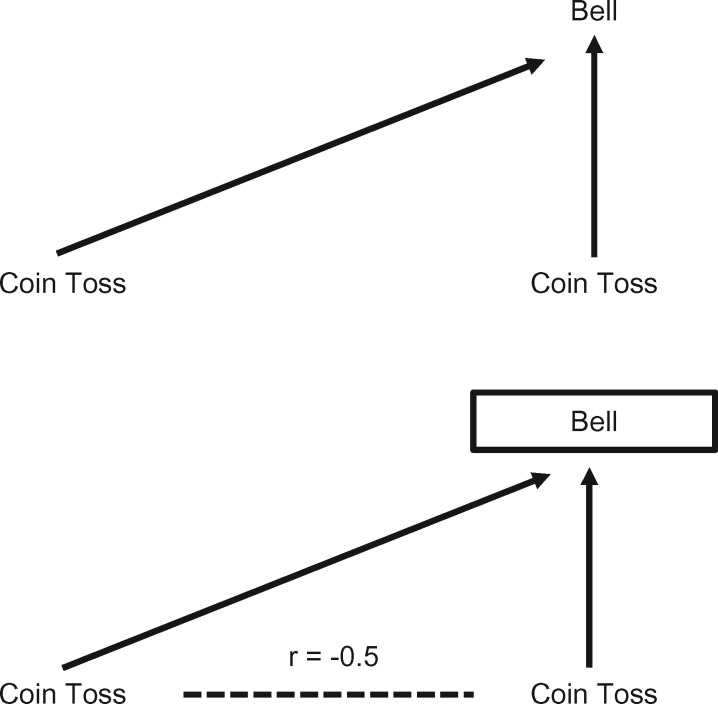
Large-scale cross-sectional and cohort studies have transformed our understanding of the genetic and environmental determinants of health outcomes. However, the representativeness of these samples may be limited-either through selection into studies, or by attrition from studies over time. Here we explore the potential impact of this selection bias on results obtained from these studies, from the perspective that this amounts to conditioning on a collider (i.e. a form of collider bias). Whereas it is acknowledged that selection bias will have a strong effect on representativeness and prevalence estimates, it is often assumed that it should not have a strong impact on estimates of associations. We argue that because selection can induce collider bias (which occurs when two variables independently influence a third variable, and that third variable is conditioned upon), selection can lead to substantially biased estimates of associations. In particular, selection related to phenotypes can bias associations with genetic variants associated with those phenotypes. In simulations, we show that even modest influences on selection into, or attrition from, a study can generate biased and potentially misleading estimates of both phenotypic and genotypic associations. Our results highlight the value of knowing which population your study sample is representative of. If the factors influencing selection and attrition are known, they can be adjusted for. For example, having DNA available on most participants in a birth cohort study offers the possibility of investigating the extent to which polygenic scores predict subsequent participation, which in turn would enable sensitivity analyses of the extent to which bias might distort estimates.
Overview
The claims and statistics of this paper haven’t been checked yet.
Free: it reads the open-access text and checks the first 5 claims that cite a source we can check. Create a free account to check every claim.
Integrity signals
Registry
Cites
Statistics
Figures


Verification
Claims the paper makes
The claims and statistics of this paper haven’t been checked yet.
Free: it reads the open-access text and checks the first 5 claims that cite a source we can check. Create a free account to check every claim.
Claims other papers make about this one
Each is checked against this paper’s own text: does it say what the citing paper says it does?
The source backs part of the claim, not all of it — or backs it for a different population, condition or comparison.
In the citing paper
“The latter is supported by the observation that the proportion of smokers and the proportion with no qualifications-reflecting social position-were considerably lower than in the background population, and that the 5-year mortality rate was several-fold lower than in the UK population as a whole.38,39”
From A common variant in CCDC93 protects against myocardial infarction and cardiovascular mortality by regulating endosomal trafficking of low-density lipoprotein receptor (2020) · cites this paper as [38]
Experimental — accuracy not yet measuredIn the citing paper
“Importantly, initial UK Biobank data inclusion of a subset of participants recruited for a study of smoking and lung function in the first analysis17, which may have resulted in collider bias31 and contributed to the initial lower genetic correlation.”
From Transancestral GWAS of alcohol dependence reveals common genetic underpinnings with psychiatric disorders (2018) · cites this paper as [31]
In the citing paper
“In either of these situations, controlling for such a covariate could bias the MR effect estimate.55–57”
From Mendelian randomization (2022) · cites this paper as [55]
Self-check
Percentages, sums and reported differences re-computed from the paper’s own numbers.
The self-check needs the paper’s full text.
Citations
Cites
Statistical Analysis With Missing Data
Lahiff, M., Little, R. J. A., & Rubin, D. B. (1989) · Journal of the American Statistical Association · doi:10.2307/2289883 · Cited by 17,265
Statistical Analysis with Missing Data
Little, R. J. A., & Rubin, D. B. (2002) · Wiley Series in Probability and Statistics · doi:10.1002/9781119013563 · Cited by 8,473
An atlas of genetic correlations across human diseases and traits
ReproGen Consortium, Bulik-Sullivan, B., Psychiatric Genomics Consortium, Genetic Consortium for Anorexia Nervosa of the Wellcome Trust Case Control Consortium 3, Finucane, H. K., Anttila, V., Gusev, A., Day, F. R., Loh, P.-R., Duncan, L., et al. (2015) · Nature Genetics · doi:10.1038/ng.3406 · Cited by 4,255 · cited 1×
“For this reason, studies using polygenic scores, genome-wide allelic scores (20), and/or whole-genome genetic correlations (21, 22) are most at risk of producing biased and potentially misleading results where there is reason to believe the study sample is not representative of the study population but the mechanism o…”
BackgroundBoyd, A., Golding, J., Macleod, J., Lawlor, D. A., Fraser, A., Henderson, J., Molloy, L., Ness, A., Ring, S., & Davey Smith, G. (2013) · International Journal of Epidemiology · doi:10.1093/ije/dys064 · Cited by 2,996
A structural approach to selection bias
Hernán, M. A., Hernández-Díaz, S., & Robins, J. M. (2004) · Epidemiology · doi:10.1097/01.ede.0000135174.63482.43 · Cited by 2,844 · cited 1×
“Statistical adjustment of the XY association for a variable Z is equivalent to observing this association in a sub-population where all individuals share the same value of Z (1, 13).”
BackgroundCohort Profile: The Avon Longitudinal Study of Parents and Children: ALSPAC mothers cohort
Fraser, A., Macdonald-Wallis, C., Tilling, K., Boyd, A., Golding, J., Davey Smith, G., Henderson, J., Macleod, J., Molloy, L., Ness, A., et al. (2013) · International Journal of Epidemiology · doi:10.1093/ije/dys066 · Cited by 2,494 · cited 1×
“Initially, 14 541 pregnant women who were expected to give birth between 1 April 1991 and 31 December 1992 were recruited into the study in the South West region of England.(19) The study website contains details of all data available through a fully searchable data dictionary: [http://www.”
MethodSelf-citationEndogenous Selection Bias: The Problem of Conditioning on a Collider Variable
Elwert, F., & Winship, C. (2014) · Annual Review of Sociology · doi:10.1146/annurev-soc-071913-043455 · Cited by 1,168 · cited 1×
“There are other ways in which ascertainment can generate biases.(31) For example, Figure 3 (panel B) shows a situation in which entry into a study is conditional upon the value of the phenotype (but not the outcome of interest) and where the phenotype does not cause the outcome, but the phenotype and outcome are corre…”
BackgroundWhy Representativeness Should Be Avoided
Rothman, K. J., Gallacher, J. E., & Hatch, E. E. (2013) · International Journal of Epidemiology · doi:10.1093/ije/dys223 · Cited by 861
Lee, S. H., Yang, J., Goddard, M. E., Visscher, P. M., & Wray, N. R. (2012) · Bioinformatics · doi:10.1093/bioinformatics/bts474 · Cited by 635
Smith, G. D., Lawlor, D. A., Harbord, R., Timpson, N., Day, I., & Ebrahim, S. (2007) · PLoS Medicine · doi:10.1371/journal.pmed.0040352 · Cited by 569 · cited 1×
“In particular, for genetic variants, where conventional confounding is low (11), it has been argued, even by those concerned about selection bias, that any problems associated with a lack of representativeness may be modest (10, 12).”
Background
Research works printed but not linked: 3
- Asendorpf, 2012, Bias due to controlling a collider: A potentially important issue for personality research, Eur J Pers, 26, 391
- Office for National Statistics, 2014, Adult Smoking Habits in Great Britain: 2014
- Office for National Statistics, 2011, Census: 2011
Cited by
Items 201–300 of 865
Bias from questionnaire invitation and response in COVID-19 research: an example using ALSPAC
Fernández‐Sanlés, A., Major‐Smith, D., Clayton, G., Northstone, K., Carter, A. R., Millard, L. A. C., Borges, M. C., Timpson, N. J., Tilling, K. M., Griffith, G. J., et al. (2021) · Wellcome Open Research · doi:10.12688/wellcomeopenres.17041.1 · Cited by 45
Self-citationCausal Evaluation of Language ModelsPreprint
Chen, S., Peng, B., Chen, M., Wang, R., Xu, M., Zeng, X., Zhao, R., Zhao, S., Qiao, Y., & Lu, C. (2024) · arXiv (Cornell University) · doi:10.48550/arxiv.2405.00622 · Cited by 45
Matsui, H., Arai, Y., Imoto, H., Mitsuyoshi, T., Tamura, N., Kondo, T., Kanda, J., Ishikawa, T., Imada, K., Ueda, Y., et al. (2020) · Blood Advances · doi:10.1182/bloodadvances.2020002007 · Cited by 45
Taghizadeh, S., & Farhangi, M. A. (2020) · Journal of Translational Medicine · doi:10.1186/s12967-020-02640-1 · Cited by 45
Watkins, S., Testa, C., Chen, J. T., Vivo, I. D., Simpkin, A. J., Tilling, K. M., Roux, A. V. D., Smith, G. D., Waterman, P. D., Suderman, M. J., et al. (2023) · Environmental Epigenetics · doi:10.1093/eep/dvad005 · Cited by 44
Self-citationLife course socioeconomic position and DNA methylation age acceleration in mid-life
George, A., Hardy, R., Fernandez, J. C., Kelly, Y. J., & Maddock, J. (2021) · Journal of Epidemiology & Community Health · doi:10.1136/jech-2020-215608 · Cited by 45
Cheetham, N. J., Kibble, M., Wong, A., Silverwood, R. J., Knüppel, A., Williams, D. M., Hamilton, O. K., Lee, P. H., Staatz, C. B., Gessa, G. D., et al. (2023) · eLife · doi:10.7554/elife.80428 · Cited by 44
Studying the genetics of participation using footprints left on the ascertained genotypes
Benónísdóttir, S., & Kong, A. (2023) · Nature Genetics · doi:10.1038/s41588-023-01439-2 · Cited by 43
Yang, Q., Millard, L. A. C., & Davey Smith, G. (2020) · International Journal of Epidemiology · doi:10.1093/ije/dyz250 · Cited by 43
Multi-ancestry Mendelian randomization of omics traits revealing drug targets of COVID-19 severity
Zheng, J., Zhang, Y., Zhao, H., Liu, Y., Baird, D. A., Karim, M. A., Ghoussaini, M., Schwartzentruber, J., Dunham, I., Elsworth, B., et al. (2022) · EBioMedicine · doi:10.1016/j.ebiom.2022.104112 · Cited by 45
Relationships between estimated autozygosity and complex traits in the UK Biobank
Johnson, E. C., Evans, L. M., & Keller, M. C. (2018) · PLoS Genetics · doi:10.1371/journal.pgen.1007556 · Cited by 42
Explaining biological differences between men and women by gendered mechanisms
Colineaux, H., Neufcourt, L., Delpierre, C., Kelly‐Irving, M., & Lepage, B. (2023) · Emerging Themes in Epidemiology · doi:10.1186/s12982-023-00121-6 · Cited by 42
Dog breeds and conformations predisposed to osteosarcoma in the UK: a VetCompass study
O'Neill, D. G., Edmunds, G. L., Urquhart-Gilmore, J., Church, D. B., Rutherford, L., Smalley, M. J., & Brodbelt, D. C. (2023) · Canine Medicine and Genetics · doi:10.1186/s40575-023-00131-2 · Cited by 43
Howe, L. J., Dudbridge, F., Schmidt, A. F., Finan, C., Denaxas, S., Asselbergs, F. W., Hingorani, A. D., & Patel, R. S. (2020) · Human Molecular Genetics · doi:10.1093/hmg/ddaa052 · Cited by 41
Plotnikov, D., & Guggenheim, J. A. (2019) · Ophthalmic and Physiological Optics · doi:10.1111/opo.12596 · Cited by 41
Yu, X., Du, J.-L., Jiang, M. L., Ren, Y., Zhang, F.-L., Kong, F.-L., & Li, F. (2024) · Frontiers in Endocrinology · doi:10.3389/fendo.2024.1327903 · Cited by 41
Taylor, A. E., Smith, G. D., & Munafo, M. R. (2017) · Addiction · doi:10.1111/add.13975 · Cited by 40
Self-citationUse of Mendelian Randomization to Examine Causal Inference in Osteoporosis
Zheng, J., Frysz, M., Kemp, J. P., Evans, D. M., Smith, G. D., & Tobias, J. H. (2019) · Frontiers in Endocrinology · doi:10.3389/fendo.2019.00807 · Cited by 40
Self-citationIntegrating Family-Based and Mendelian Randomization Designs
Hwang, L.-D., Davies, N. M., Warrington, N. M., & Evans, D. M. (2021) · Cold Spring Harbor Perspectives in Medicine · doi:10.1101/cshperspect.a039503 · Cited by 40
Self-citationElhakeem, A., Taylor, A. E., Inskip, H. M., Huang, J. Y., Tafflet, M., Vinther, J. L., Asta, F., Erkamp, J. S., Gagliardi, L., Guerlich, K., et al. (2022) · JAMA Network Open · doi:10.1001/jamanetworkopen.2022.22106 · Cited by 41
Self-citationKamath, C. C., O'Byrne, T. J., Lewallen, D. G., Berry, D. J., & Kremers, H. M. (2022) · Mayo Clinic Proceedings Innovations Quality & Outcomes · doi:10.1016/j.mayocpiqo.2022.06.001 · Cited by 40
Towards evidence-based practice 2.0: leveraging artificial intelligence in healthcare
Nilsen, P., Sundemo, D., Heintz, F., Neher, M., Nygren, J., Svedberg, P., & Petersson, L. (2024) · Frontiers in Health Services · doi:10.3389/frhs.2024.1368030 · Cited by 39
Soares, A. G., Howe, L. D., Heron, J. E., Hammerton, G., Rich-Edwards, J. W., Magnus, M. C., Halligan, S. L., & Fraser, A. (2021) · International Journal of Epidemiology · doi:10.1093/ije/dyab085 · Cited by 40
Zheng, J., Xu, M., Yang, Q., Hu, C., Walker, V. M., Lu, J., Wang, J., Liu, R., Xu, Y., Wang, T., et al. (2023) · EBioMedicine · doi:10.1016/j.ebiom.2023.104803 · Cited by 39
Kent, D. M., Leung, L. Y., Zhou, Y., Luetmer, P. H., Kallmes, D. F., Nelson, J., Fu, S., Zheng, C., Liu, H., & Chen, W. (2021) · Neurology · doi:10.1212/wnl.0000000000012602 · Cited by 39
Multivariable MR Can Mitigate Bias in Two‐Sample MR Using Covariable‐Adjusted Summary Associations
Gilbody, J., Borges, M. C., Smith, G. D., & Sanderson, E. C. M. (2025) · Genetic Epidemiology · doi:10.1002/gepi.22606 · Cited by 39
Chung, S. W., Moon, H.-S., Shin, H., Han, H., Park, S., Cho, H., Park, J., Hur, M. H., Park, M. K., Won, S., et al. (2024) · Hepatology · doi:10.1097/hep.0000000000000837 · Cited by 39
McAdams, T. A., Cheesman, R., & Ahmadzadeh, Y. I. (2022) · Journal of Child Psychology and Psychiatry · doi:10.1111/jcpp.13720 · Cited by 39
Detecting the Effects of Early-Life Exposures: Why Fecundity Matters
Nobles, J. E., & Hamoudi, A. (2019) · Population Research and Policy Review · doi:10.1007/s11113-019-09562-x · Cited by 41
Unravelling the complex causal effects of substance use behaviours on common diseases
Xue, A., Zhu, Z., Wang, H., Jiang, L., Visscher, P. M., Zeng, J., & Yang, J. (2024) · Communications Medicine · doi:10.1038/s43856-024-00473-3 · Cited by 39
Guyatt, A. L., Stergiakouli, E., Martin, J., Walters, J., O’Donovan, M. C., Owen, M. J., Thapar, A., Kirov, G., Rodríguez, S., Rai, D., et al. (2018) · American Journal of Medical Genetics Part B Neuropsychiatric Genetics · doi:10.1002/ajmg.b.32637 · Cited by 38
Das, A. (2018) · Social Science & Medicine · doi:10.1016/j.socscimed.2018.10.021 · Cited by 39
Child maltreatment, anxiety and depression, and asthma among British adults in the UK Biobank
Han, Y., Yan, Q., Chen, W., & Celedon, J. C. (2022) · European Respiratory Journal · doi:10.1183/13993003.03160-2021 · Cited by 38
Mignogna, G., Carey, C. E., Wedow, R., Baya, N. A., Cordioli, M., Pirastu, N., Bellocco, R., Malerbi, K. F., Nivard, M. G., Neale, B. M., et al. (2023) · Nature Human Behaviour · doi:10.1038/s41562-023-01632-7 · Cited by 38
Hughes, A., Flint, S. W., Clare, K., Kousoulis, A. A., Rothwell, E. R., Bould, H., & Howe, L. D. (2024) · The Lancet Regional Health - Europe · doi:10.1016/j.lanepe.2024.100895 · Cited by 38
Mallard, T. T., Linnér, R. K., Grotzinger, A. D., Sanchez-Roige, S., Seidlitz, J., Okbay, A., de Vlaming, R., Meddens, S. F. W., Bipolar Disorder Working Group of the Psychiatric Genomics Consortium, Palmer, A. A., et al. (2019) · bioRxiv (Cold Spring Harbor Laboratory) · doi:10.1101/603134 · Cited by 37
Association of Fitness and Grip Strength With Heart Failure
Sillars, A., Celis-Morales, C. A., Ho, F. K., Petermann, F., Welsh, P., Iliodromiti, S., Ferguson, L. D., Lyall, D. M., Anderson, J., Mackay, D. F., et al. (2019) · Mayo Clinic Proceedings · doi:10.1016/j.mayocp.2019.04.041 · Cited by 37
Addressing selection bias in the UK Biobank neurological imaging cohortPreprint
Bradley, V. C., & Nichols, T. E. (2022) · medRxiv · doi:10.1101/2022.01.13.22269266 · Cited by 37
Advances in methodologies of negative controls: a scoping review
Yang, Q., Yang, Z., Cai, X., Zhao, H., Jia, J., & Sun, F. (2023) · Journal of Clinical Epidemiology · doi:10.1016/j.jclinepi.2023.111228 · Cited by 37
A Guide for Understanding and Designing Mendelian Randomization Studies in the Musculoskeletal Field
Hartley, A. E., Power, G. M., Sanderson, E. C. M., & Smith, G. D. (2022) · JBMR Plus · doi:10.1002/jbm4.10675 · Cited by 37
Edmunds, G. L., Beck, S., Kale, K. U., Spasić, ., O'Neill, D. G., Brodbelt, D. C., & Smalley, M. J. (2023) · Journal of Mammary Gland Biology and Neoplasia · doi:10.1007/s10911-023-09531-3 · Cited by 37
Simons, R. L., Ong, M. L., Lei, M., Klopack, E. T., Berg, M. T., Zhang, Y., Philibert, R. A., Gibbons, F. X., & Beach, S. R. H. (2022) · Social Science & Medicine · doi:10.1016/j.socscimed.2022.115175 · Cited by 37
Bilirubin as an indicator of cardiometabolic health: a cross-sectional analysis in the UK Biobank
Khoei, N. S., Wagner, K., Sedlmeier, A. M., Gunter, M. J., Murphy, N., & Freisling, H. (2022) · Cardiovascular Diabetology · doi:10.1186/s12933-022-01484-x · Cited by 37
Mayeda, E. R., Banack, H. R., Bibbins-Domingo, K. B., Hazzouri, A. Z. A., Marden, J. R., Whitmer, R. A., & Glymour, M. M. (2018) · Epidemiology · doi:10.1097/ede.0000000000000834 · Cited by 36
Yang, Q., Magnus, M. C., Kilpi, F., Santorelli, G., Soares, A. G., West, J., Magnus, P. M., Wright, J., Håberg, S. E., Sanderson, E. C. M., et al. (2022) · BMC Medicine · doi:10.1186/s12916-022-02494-y · Cited by 36
Self-citationApplying Mendelian randomization to appraise causality in relationships between nutrition and cancer
Wade, K. H., Yarmolinsky, J. W., Giovannucci, E. L., Lewis, S. J., Millwood, I. Y., Munafo, M. R., Meddens, S. F. W., Burrows, K., Bell, J. A., Davies, N. M., et al. (2022) · Cancer Causes & Control · doi:10.1007/s10552-022-01562-1 · Cited by 36
Self-citationStrawbridge, R. J., & van Zuydam, N. R. (2018) · Current Diabetes Reports · doi:10.1007/s11892-018-1021-5 · Cited by 36
Norris, T., Mansukoski, L., Gilthorpe, M. S., Hamer, M., Hardy, R., Howe, L. D., Hughes, A. D., Li, L., O’Donnell, E., Ong, K. K., et al. (2021) · Arteriosclerosis Thrombosis and Vascular Biology · doi:10.1161/atvbaha.120.315782 · Cited by 36
Meijs, D. A. M., van Bussel, B. C. T., Stessel, B., Mehagnoul-Schipper, J., Hana, A., Scheeren, C. I. E., Peters, S. A. E., van Mook, W., van der Horst, I. C. C., Marx, G., et al. (2022) · Scientific Reports · doi:10.1038/s41598-021-04531-x · Cited by 36
de Lange, A.-M. G., Kaufmann, T., Quintana, D. S., Winterton, A., Andreassen, O. A., Westlye, L. T., & Ebmeier, K. P. (2021) · Behavioural Brain Research · doi:10.1016/j.bbr.2021.113510 · Cited by 35
Shin, J., & Lee, S. (2021) · Genome biology · doi:10.1186/s13059-021-02403-1 · Cited by 35
Hiyoshi, A., Berg, L., Grotta, A., Almquist, Y. B., & Rostila, M. (2021) · PLoS Medicine · doi:10.1371/journal.pmed.1003549 · Cited by 35
Adiposity and grip strength: a Mendelian randomisation study in UK Biobank
Pereira, S. M. P., Garfield, V., Farmaki, A., Tomlinson, D. J., Norris, T., Fatemifar, G., Denaxas, S., Finan, C., & Cooper, R. (2022) · BMC Medicine · doi:10.1186/s12916-022-02393-2 · Cited by 35
Wiedermann, W., & Sebastian, J. L. (2019) · Multivariate Behavioral Research · doi:10.1080/00273171.2018.1528542 · Cited by 34
Testing the validity of value‐added measures of educational progress with genetic data
Morris, T., Davies, N. M., Dorling, D., Richmond, R. C., & Smith, G. D. (2018) · British Educational Research Journal · doi:10.1002/berj.3466 · Cited by 33
Mukadam, N., Marston, L., Lewis, G., & Livingston, G. (2022) · PLOS ONE · doi:10.1371/journal.pone.0275309 · Cited by 33
Life's essential 8 and cardiovascular diseases progression among adults in the United Kingdom
Guo, H., Wang, S., Peng, H., Wang, W., Hou, T., Li, Y., Zhang, H., Jin, J., Ma, B., Qin, Y., et al. (2024) · Metabolism · doi:10.1016/j.metabol.2024.156031 · Cited by 33
Perez‐Cornago, A., Fensom, G. K., Andrews, C. D., Watts, E. L., Allen, N. E., Martin, R. M., Hemelrijck, M. V., Key, T. J., & Travis, R. C. (2020) · British Journal of Cancer · doi:10.1038/s41416-020-01081-3 · Cited by 33
Smith, A. D. A. C., Tilling, K. M., Lawlor, D. A., & Nelson, S. M. (2019) · BMC Medicine · doi:10.1186/s12916-019-1429-z · Cited by 34
Self-citationEstimating the effect of physical activity on cognitive function within the UK Biobank cohort
Campbell, T., & Cullen, B. (2023) · International Journal of Epidemiology · doi:10.1093/ije/dyad009 · Cited by 32
The phenotype-genotype reference map: Improving biobank data science through replication
Bastarache, L. A., Delozier, S., Pandit, A., He, J., Lewis, A. J., Annis, A. C., LeFaive, J., Denny, J. C., Carroll, R. J., Altman, R. B., et al. (2023) · The American Journal of Human Genetics · doi:10.1016/j.ajhg.2023.07.012 · Cited by 32
Associations between sleep health and grey matter volume in the UK Biobank cohort (n= 33 356)
Schiel, J. E., Tamm, S., Holub, F., Petri, R., Dashti, H. S., Domschke, K., Feige, B., Goodman, M. O., Jones, S. E., Lane, J. M., et al. (2023) · Brain Communications · doi:10.1093/braincomms/fcad200 · Cited by 32
EVALUATING THE CAUSAL RELATIONSHIP BETWEEN EDUCATIONAL ATTAINMENT AND MENTAL HEALTH
Demange, P., Boomsma, D. I., van Bergen, E., & Nivard, M. G. (2023) · European Neuropsychopharmacology · doi:10.1016/j.euroneuro.2023.08.044 · Cited by 32
Sørensen, L. M. N., Aamodt, G., Brantsæter, A. L., Meltzer, H. M., & Papadopoulou, E. (2021) · International Journal of Obesity · doi:10.1038/s41366-021-00951-x · Cited by 32
Adjusting for collider bias in genetic association studies using instrumental variable methods
Cai, S., Hartley, A. E., Mahmoud, O., Tilling, K. M., & Dudbridge, F. (2022) · Genetic Epidemiology · doi:10.1002/gepi.22455 · Cited by 35
Self-citationLawn, R. B., Sallis, H., Wootton, R. E., Taylor, A. E., Demange, P., Fraser, A., Penton‐Voak, I. S., & Munafo, M. R. (2020) · PLoS ONE · doi:10.1371/journal.pone.0234488 · Cited by 32
Self-citationStevenson, A. C., Clemens, T. L., Pairo‐Castineira, E., Webb, D. J., Weller, R., & Dibben, C. J. L. (2024) · Health & Place · doi:10.1016/j.healthplace.2024.103328 · Cited by 32
The Economics and Econometrics of Gene-Environment InterplayPreprint
Biroli, P., Galama, T. J., von Hinke, S., van Kippersluis, H., Rietveld, C. A., & Thom, K. (2022) · Explore Bristol Research · doi:10.48550/arxiv.2203.00729 · Cited by 33
Golchert, J., Röhr, S., Luck, T., Wagner, M., Fuchs, Â., Wiese, B., van den Bussche, H., Brettschneider, C., Werle, J., Bickel, H., et al. (2019) · Journal of Alzheimer s Disease · doi:10.3233/jad-180949 · Cited by 31
Barry, C.-J. S., Liu, J., Richmond, R. C., Rutter, M. K., Lawlor, D. A., Dudbridge, F., & Bowden, J. (2021) · PLoS Genetics · doi:10.1371/journal.pgen.1009703 · Cited by 32
Berrie, L., Arnold, K. F., Tomova, G. D., Gilthorpe, M. S., & Tennant, P. W. G. (2024) · American Journal of Epidemiology · doi:10.1093/aje/kwae153 · Cited by 31
Hsu, C.-H., Posegga, O., Fischbach, K., & Engelhardt, H. (2021) · PLOS ONE · doi:10.1371/journal.pone.0255528 · Cited by 30
Fitness, Fatness, and Mortality in Men and Women From the UK Biobank: Prospective Cohort Study
Tarp, J., Grøntved, A., Sánchez-Lastra, M. A., Dalene, K. E., Ding, D., & Ekelund, U. (2021) · Journal of the American Heart Association · doi:10.1161/jaha.120.019605 · Cited by 30
Genetically Increased Telomere Length and Aging-Related Traits in the U.K. Biobank
Demanelis, K., Lin, T., & Pierce, B. L. (2019) · The Journals of Gerontology Series A · doi:10.1093/gerona/glz240 · Cited by 30
Clayton, G., Soares, A. G., Soares, Goulding, N., Borges, M. C., Holmes, M. V., Smith, G. D., Smith, Tilling, K. M., Lawlor, D. A., et al. (2023) · BMJ · doi:10.1136/bmj-2022-072148 · Cited by 30
Self-citationHjort, R., Löfvenborg, J. E., Ahlqvist, E., Alfredsson, L. S., Andersson, T., Grill, V., Groop, L., Sørgjerd, E. P., Tuomilehto, J., Åsvold, B. O., et al. (2019) · The Journal of Clinical Endocrinology & Metabolism · doi:10.1210/jc.2019-00183 · Cited by 30
Carry, P. M., Vanderlinden, L. A., Dong, F., Buckner, T., LITKOWSKI, E. M., Vigers, T., Norris, J. M., & Kechris, K. J. (2021) · Genetic Epidemiology · doi:10.1002/gepi.22418 · Cited by 30
Kristensen, F. P. B., Sanchez-Lastra, M. A., Dalene, K. E., del Pozo Cruz, B., Ried-Larsen, M., Thomsen, R. W., Ding, D., Ekelund, U., & Tarp, J. (2023) · Diabetes Care · doi:10.2337/dc23-0937 · Cited by 29
Clarifying the causes of consistent and inconsistent findings in genetics
Dattani, S., Howard, D. M., Lewis, C. M., & Sham, P. C. (2022) · Genetic Epidemiology · doi:10.1002/gepi.22459 · Cited by 29
Teleka, S., Jochems, S. H. J., Häggström, C., Wood, A., Järvholm, B., Orho‐Melander, M., Liedberg, F., & Stocks, T. (2021) · Cancer Medicine · doi:10.1002/cam4.3721 · Cited by 29
Association of SBP and BMI with cognitive and structural brain phenotypes in UK Biobank
Ferguson, A., Tank, R., Lyall, L. M., Ward, J., Welsh, P. I., Celis-Morales, C. A., McQueenie, R., Strawbridge, R. J., Mackay, D., Pell, J. P., et al. (2020) · Journal of Hypertension · doi:10.1097/hjh.0000000000002579 · Cited by 29
Mason, K., Palla, L., Pearce, N. E., Phelan, J. E., & Cummins, S. (2020) · BMJ Nutrition Prevention & Health · doi:10.1136/bmjnph-2020-000107 · Cited by 30
Investigating the impact of cigarette smoking behaviours on DNA methylation patterns in adolescence
Prince, C., Hammerton, G., Taylor, A. E., Anderson, E. L., Timpson, N. J., Smith, G. D., Munafo, M. R., Relton, C. L., & Richmond, R. C. (2018) · Human Molecular Genetics · doi:10.1093/hmg/ddy316 · Cited by 29
Self-citationPhenotypic and genetic relationship between BMI and cigarette smoking in a sample of UK adults
Wills, A. G., & Hopfer, C. J. (2018) · Addictive Behaviors · doi:10.1016/j.addbeh.2018.09.025 · Cited by 29
Hegvik, T., Chen, Q., Kuja‐Halkola, R., Klungsøyr, K., Butwicka, A., Lichtenstein, P., Almqvist, C., Faraone, S. V., Haavik, J., & Larsson, H. (2021) · International Journal of Epidemiology · doi:10.1093/ije/dyab151 · Cited by 28
Serper, M., Vujković, M., Kaplan, D. E., Carr, R. M., Lee, K. M., Shao, Q., Miller, D. R., Reaven, P. D., Phillips, L. S., O’Donnell, C. J., et al. (2020) · PLoS ONE · doi:10.1371/journal.pone.0237430 · Cited by 28
Rasheed, H., Zheng, J., Rees, J. M. B., Sanderson, E. C. M., Thomas, L. F., Richardson, T. G., Fang, S., Bekkevold, O.-J., Stovner, E. B., Gabrielsen, M. E., et al. (2021) · International Journal of Epidemiology · doi:10.1093/ije/dyab014 · Cited by 28
Extensive Mendelian randomization study identifies potential causal risk factors for severe COVID-19
Sun, Y., Zhou, J., & Ye, K. (2021) · Communications Medicine · doi:10.1038/s43856-021-00061-9 · Cited by 29
Morgan, J., Halstead, I. N., Northstone, K., & Major‐Smith, D. (2022) · Wellcome Open Research · doi:10.12688/wellcomeopenres.17975.1 · Cited by 28
Sunde, H. F., Kleppestø, T. H., Gustavson, K., Nordmo, M., Reme, B., & Torvik, F. A. (2022) · JCPP Advances · doi:10.1002/jcv2.12064 · Cited by 28
Dixon, P., & Round, J. A. (2019) · Value in Health · doi:10.1016/j.jval.2018.10.010 · Cited by 28
Barkhuizen, W., Pain, O., Dudbridge, F., & Ronald, A. (2020) · Translational Psychiatry · doi:10.1038/s41398-020-0765-2 · Cited by 29
Tarp, J., Luo, M., Sánchez-Lastra, M. A., Dalene, K. E., Cruz, B. D. P., Ried‐Larsen, M., Thomsen, R. W., Ekelund, U., & Ding, D. (2023) · Journal of sport and health science/Journal of Sport and Health Science · doi:10.1016/j.jshs.2023.10.004 · Cited by 28
Clayton, G., Soares, A. G., Kilpi, F., Fraser, A., Welsh, P. I., Sattar, N. A., Nelson, S. M., Tilling, K. M., & Lawlor, D. A. (2022) · BMC Medicine · doi:10.1186/s12916-022-02454-6 · Cited by 28
Self-citationMorning diurnal preference and food intake: a Mendelian randomization study
Dashti, H. S., Chen, A., Daghlas, I., & Saxena, R. (2020) · American Journal of Clinical Nutrition · doi:10.1093/ajcn/nqaa219 · Cited by 28
Effects of increased body mass index on employment status: a Mendelian randomisation study
Campbell, D., Green, M., Davies, N. M., Demou, E., Ward, J., Howe, L. D., Harrison, S., Johnston, K. J. A., Strawbridge, R. J., Popham, F., et al. (2021) · International Journal of Obesity · doi:10.1038/s41366-021-00846-x · Cited by 27
Body mass index and risk of dying from a bloodstream infection: A Mendelian randomization study
Rogne, T., Solligård, E., Burgess, S., Brumpton, B. M., Paulsen, J., Prescott, H. C., Mohus, R. M., Gustad, L. T., Mehl, A., Åsvold, B. O., et al. (2020) · PLoS Medicine · doi:10.1371/journal.pmed.1003413 · Cited by 27
Schizophrenia risk and reproductive success: a Mendelian randomization study
Lawn, R. B., Sallis, H. M., Taylor, A. E., Wootton, R. E., Smith, G. D., Davies, N. M., Hemani, G., Fraser, A., Penton-Voak, I. S., & Munafò, M. R. (2019) · Royal Society Open Science · doi:10.1098/rsos.181049 · Cited by 27
Self-citationFürtjes, A. E., Coleman, J. R. I., Tyrrell, J., Lewis, C. M., & Hagenaars, S. P. (2021) · Psychological Medicine · doi:10.1017/s0033291721000945 · Cited by 27
The impact of reproductive factors on the metabolic profile of females from menarche to menopause
Clayton, G., Borges, M. C., & Lawlor, D. A. (2024) · Nature Communications · doi:10.1038/s41467-023-44459-6 · Cited by 28
Metadata
- Authors
- Munafò, M. R., Tilling, K., Taylor, A. E., Evans, D. M., & Davey Smith, G.
- Affiliations
- MRC Integrative Epidemiology Unit
- University of Bristol (GB)
- UK Centre for Tobacco & Alcohol Studies (GB)
- Translational Research Institute (AU)
- Venue
- International Journal of Epidemiology
- Publisher
- Oxford University Press (OUP)
- Published
- 2017-09-27
- Volume
- 47
- Issue
- 1
- Pages
- 226-235
- ISSN
- 0300-5771 (ISSN-L)
- 1464-3685
- PMC
- PMC5837306
- OpenAlex
- W2528374605
- Cited by
- 813
- References
- 39
- Citations by year
- 2026: 59 · 2025: 58 · 2024: 106 · 2023: 96 · 2022: 130 · 2021: 121 · 2020: 97 · 2019: 84 · 2018: 45 · 2017: 17
- FWCI
- 45.84
- Type
- journal article
- Language
- en
- Open access
- hybrid
- doi.org
- Licence
- Locations
- International Journal of Epidemiology (publishedVersion, cc-by)
- PubMed Central (publishedVersion, cc-by)
- PubMed (publishedVersion)
- Explore Bristol Research (submittedVersion, cc-by)
- Bristol Research (University of Bristol) (submittedVersion, cc-by)
- Funders
- Wellcome Trust (102215/2/13/2)
- University of Bristol (MC_UU_12013/2, MC_UU_12013/8, MC_UU_12013/1, MC_UU_12013/4, MC_UU_12013/6, MC_UU_12013/9)
- BBSRC (BBI025751/1, BB/I025263/1)
- MRC
- ESRC
- NIH
- Medical Research Council
- British Heart Foundation
- Cancer Research UK
- Economic and Social Research Council
- National Institute for Health Research
- Topics
- Physical Sciences › Mathematics › Statistics and Probability › Statistical Methods in Epidemiology
- Life Sciences › Biochemistry, Genetics and Molecular Biology › Genetics › Genetic Associations and Epidemiology
- Physical Sciences › Mathematics › Statistics and Probability › Advanced Causal Inference Techniques
- Keywords
- selection bias, collider bias, study attrition, sample representativeness, polygenic risk score, bias correction
- MeSH terms
- Cross-Sectional Studies, Humans, Cohort Studies, Selection Bias, Patient Selection
About these checks
Registry, retraction, Cites and statistics results are computed, not judged, with one exception: a printed reference that no index lists is read once by a model before it counts as a citation error. Claims are extracted by a model and kept only when their quote appears verbatim in the text; each cited source is then checked, with a model’s help, for whether it says what the claim relies on. Those verdicts can be wrong — read the claim’s quote and the cited source before relying on one.
Statistics and arithmetic are recomputed, not judged.
Confidence bands are shown only for fields calibrated on our annotated test set. None is calibrated yet, so no band is shown.
What counts as a claim ›How we measure confidence ›How we check this ›
Are you an author, or do you see a problem with this page? Request a review
Data sources
Bibliographic data: Semantic Scholar, OpenAlex, Crossref.
Contains information from the Semantic Scholar Academic Graph Datasets, made available under the ODC Attribution License (ODC-BY 1.0).
Semantic Scholar’s data is described in: Kinney, R., et al. (2023). The Semantic Scholar Open Data Platform. arXiv:2301.10140.
