

HIV-1 Infection Accelerates Age According to the Epigenetic Clock
Open accessThe DOI matches its Crossref record; 100 of the 100 references it cites were found in a registry or an index.
Abstract
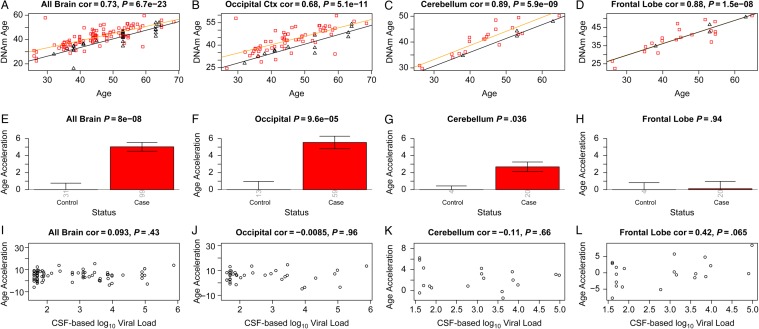
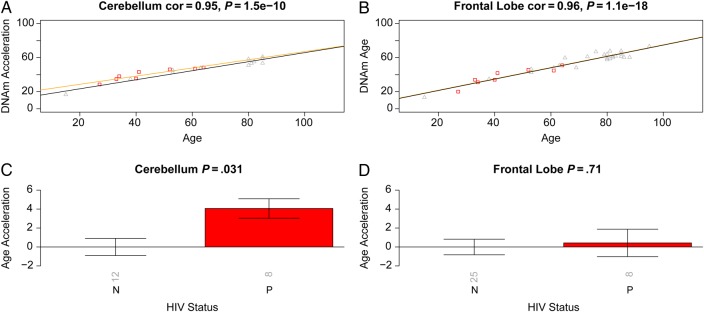
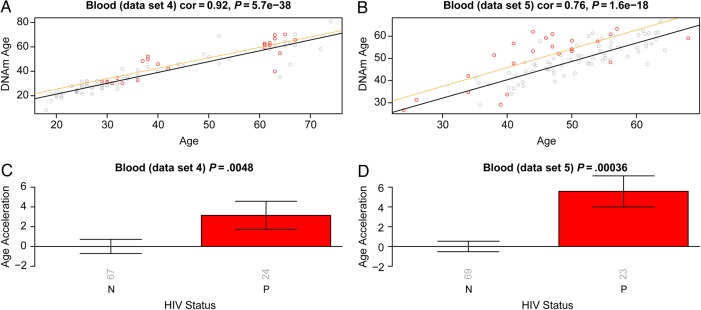
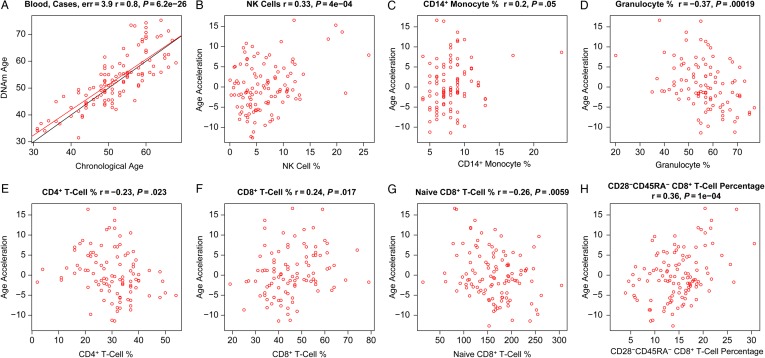
BACKGROUND: Infection with human immunodeficiency virus type 1 (HIV) is associated with clinical symptoms of accelerated aging, as evidenced by the increased incidence and diversity of age-related illnesses at relatively young ages and supporting findings of organ and cellular pathologic analyses. But it has been difficult to detect an accelerated aging effect at a molecular level. METHODS: Here, we used an epigenetic biomarker of aging based on host DNA methylation levels to study accelerated aging effects due to HIV infection. DNA from brain and blood tissue was assayed via the Illumina Infinium Methylation 450 K platform. RESULTS: Using 6 novel DNA methylation data sets, we show that HIV infection leads to an increase in epigenetic age both in brain tissue (7.4 years) and blood (5.2 years). While the observed accelerated aging effects in blood may reflect changes in blood cell composition (notably exhausted cytotoxic T cells), it is less clear what explains the observed accelerated aging effects in brain tissue. CONCLUSIONS: Overall, our results demonstrate that the epigenetic clock is a useful biomarker for detecting accelerated aging effects due to HIV infection. This tool can be used to accurately determine the extent of age acceleration in individual tissues and cells.
Overview
The claims and statistics of this paper haven’t been checked yet.
Free: it reads the open-access text and checks the first 5 claims that cite a source we can check. Create a free account to check every claim.
Integrity signals
Registry
Cites
Statistics
Figures
Verification
Claims the paper makes
The claims and statistics of this paper haven’t been checked yet.
Free: it reads the open-access text and checks the first 5 claims that cite a source we can check. Create a free account to check every claim.
Claims other papers make about this one
Each is checked against this paper’s own text: does it say what the citing paper says it does?
The source backs part of the claim, not all of it — or backs it for a different population, condition or comparison.
In the citing paper
“While it is incontrovertible that certain types of DNA damage mimic aging, including chemotherapy, radiation, smoking, and progeria”
From Loss of epigenetic information as a cause of mammalian aging (2023) · cites this paper as Horvath and Levine, 2015
Experimental — accuracy not yet measured
Self-check
Percentages, sums and reported differences re-computed from the paper’s own numbers.
The self-check needs the paper’s full text.
Citations
Cites
WGCNA: an R package for weighted correlation network analysis
Langfelder, P., & Horvath, S. (2008) · BMC Bioinformatics · doi:10.1186/1471-2105-9-559 · Cited by 27,252
Self-citationDNA methylation age of human tissues and cell types
Horvath, S. (2013) · Genome Biology · doi:10.1186/gb-2013-14-10-r115 · Cited by 7,075 · cited 11×
“eral recent studies support measuring accelerated aging effects by using DNA methylation levels [24, 25].”
BackgroundMethodInfluentialSelf-citationGenome-wide methylation profiles reveal quantitative views of human aging rates
Hannum, G., Guinney, J., Zhao, L., Zhang, L., Hughes, G., Sadda, S., Klotzle, B., Bibikova, M., Fan, J.-B., Gao, Y., et al. (2013) · Molecular Cell · doi:10.1016/j.molcel.2012.10.016 · Cited by 4,270
Clearance of p16Ink4a-positive senescent cells delays ageing-associated disorders
Baker, D. J., Wijshake, T., Tchkonia, T., LeBrasseur, N. K., Childs, B. G., van de Sluis, B., Kirkland, J. L., & van Deursen, J. M. (2011) · Nature · doi:10.1038/nature10600 · Cited by 3,670 · cited 1×
“[56] demonstrated that removal of senescent cells expressing p16 from a murine model of Progeria delayed the onset of aging-related diseases in several tissue and organ systems.”
BackgroundDNA methylation arrays as surrogate measures of cell mixture distribution
Houseman, E. A., Accomando, W. P., Koestler, D. C., Christensen, B. C., Marsit, C. J., Nelson, H. H., Wiencke, J. K., & Kelsey, K. T. (2012) · BMC Bioinformatics · doi:10.1186/1471-2105-13-86 · Cited by 3,175 · cited 2×
“Yun Liu [37], using the Houseman method [38].”
MethodUpdated research nosology for HIV-associated neurocognitive disorders
Antinori, A., Arendt, G., Becker, J. T., Brew, B. J., Byrd, D. A., Cherner, M., Clifford, D. B., Cinque, P., Epstein, L. G., Goodkin, K., et al. (2007) · Neurology · doi:10.1212/01.wnl.0000287431.88658.8b · Cited by 2,630 · cited 1×
“b HIV-related neurocognitive disorder was assessed as described elsewhere [33, 34].”
MethodDefining clusters from a hierarchical cluster tree: the Dynamic Tree Cut package for R
Langfelder, P., Zhang, B., & Horvath, S. (2008) · Bioinformatics · doi:10.1093/bioinformatics/btm563 · Cited by 1,892
Self-citationAn operational definition of epigenetics: Figure 1.
Berger, S. L., Kouzarides, T., Shiekhattar, R., & Shilatifard, A. (2009) · Genes & Development · doi:10.1101/gad.1787609 · Cited by 1,884
Teschendorff, A. E., Marabita, F., Lechner, M., Bartlett, T., Tegner, J., Gomez-Cabrero, D., & Beck, S. (2013) · Bioinformatics · doi:10.1093/bioinformatics/bts680 · Cited by 1,683
Triant, V. A., Lee, H., Hadigan, C., & Grinspoon, S. K. (2007) · The Journal of Clinical Endocrinology & Metabolism · doi:10.1210/jc.2006-2190 · Cited by 1,613 · cited 1×
“ease, osteoporosis, cancer, neurocognitive impairment, and frailty [1–11].”
Cited by
Items 301–400 of 612
Trauner, M., Gindin, Y., Jiang, Z., Chung, C., Subramanian, G. M., Myers, R. P., Gulamhusein, A. F., Kowdley, K. V., Levy, C., Goodman, Z. D., et al. (2019) · JHEP Reports · doi:10.1016/j.jhepr.2019.11.004 · Cited by 19
“In contrast to other chronic diseases such as NASH or HIV infection, where age acceleration has been determined to be in the range of 5 to 7 years, far greater age acceleration was observed in the current PSC cohort.(10,12,28) Specifically, PSC patients with minimal fibrosis or cirrhosis demonstrated median age accele…”
BackgroundResultUmlauf, A., Soontornniyomkij, B., Sundermann, E. E., Gouaux, B. D., Ellis, R. J., Levine, A. J., Moore, D. J., & Soontornniyomkij, V. (2019) · AIDS · doi:10.1097/qad.0000000000002336 · Cited by 18
“Among HIV-infected individuals, evidence of accelerated brain aging was observed in structural [11] and functional [12] MRI studies and in DNA methylation epigenetic analyses [13].”
BackgroundSelf-citationKavur, M. M., Lauc, G., & Pezer, M. (2021) · Elsevier eBooks · doi:10.1016/b978-0-12-819475-1.00086-9 · Cited by 19
Titanji, B. K., GWINN, M. L., Marconi, V. C., & Sun, Y. V. (2022) · Clinical Epigenetics · doi:10.1186/s13148-022-01230-w · Cited by 18
“2 years), demonstrating the potential of the epigenetic clock as a tool for studying aging related NADCs in PWH [69].”
BackgroundLiang, X., Sinha, R., Justice, A. C., Cohen, M. H., Aouizerat, B. E., & Xu, K. (2022) · Alcoholism Clinical and Experimental Research · doi:10.1111/acer.14803 · Cited by 19
“EAA was defined as the residuals of regressing DNAm age on chronological age (Horvath, 2013; Horvath & Raj, 2018).”
BackgroundKuzawa, C. W., Ryan, C. P., Adair, L. S., Lee, N. R., Carba, D. B., MacIsaac, J. L., Dever, K., Atashzay, P., Kobor, M. S., & McDade, T. W. (2022) · Epigenetics · doi:10.1080/15592294.2022.2070105 · Cited by 18
Region‐based epigenetic clock design improves RRBS‐based age prediction
Simpson, D. J., Zhao, Q., Olova, N. N., Dabrowski, J., Xie, X., Crespo, E. L., & Chandra, T. (2023) · Aging Cell · doi:10.1111/acel.13866 · Cited by 18
Woods, S. P., Teixeira, A. L., Martins, L. B., Fries, G. R., Colpo, G. D., & Rocha, N. P. (2023) · GeroScience · doi:10.1007/s11357-023-00759-9 · Cited by 17
“The phenomenon of epigenetic aging acceleration was first described by Horvath and Levine (2015), who showed that PWH have accelerated aging of 7.4 years in brain tissue and 5.2 years in peripheral blood mononuclear cells (PBMC) compared to HIV-seronegative controls [14].”
BackgroundMethodInfluentialSchantell, M. D., Taylor, B. K., Spooner, R. K., May, P. E., O’Neill, J., Morsey, B., Wang, T., Ideker, T., Bares, S. H., Fox, H. S., et al. (2022) · Aging · doi:10.18632/aging.204437 · Cited by 17
DNA Methylation–Based Measures of Biological Aging
Dugué, P., Li, S., Hopper, J. L., & Milne, R. L. (2018) · Elsevier eBooks · doi:10.1016/b978-0-12-812215-0.00003-0 · Cited by 17
“To estimate the percentage of exhausted CD8+ T cells (defined as CD28-CD45RA-), plasmablasts, and the number (count) of naïve CD8+ T cells (defined as CD45RA+CCR7+), we used the "Horvath method" [25], which is implemented in the advanced analysis option of the epigenetic age calculator software [3].”
BackgroundMethodMachine Learning Quantifies Accelerated White-Matter Aging in Persons With HIV
Petersen, K. J., Strain, J. F., Cooley, S., Vaida, F., & Ances, B. M. (2022) · The Journal of Infectious Diseases · doi:10.1093/infdis/jiac156 · Cited by 17
Casagrande, C. C., Wiesman, A. I., Schantell, M. D., Johnson, H. J., Wolfson, S. L., O’Neill, J., Johnson, C. M., May, P. E., Swindells, S., Murman, D. L., et al. (2022) · Brain Communications · doi:10.1093/braincomms/fcac169 · Cited by 16
Linking DNA Damage and Age-Related Promoter DNA Hyper-Methylation in the Intestine
Thalheim, T., Herberg, M., & Galle, J. (2018) · Genes · doi:10.3390/genes9010017 · Cited by 16
“Moreover, accelerated DNA methylation changes have been linked to the emergence of several diseases [6,7].”
BackgroundSoriano‐Tárraga, C., Jiménez-Conde, J., & Roquer, J. (2019) · Springer eBooks · doi:10.1007/978-3-319-55530-0_123 · Cited by 16
Soares, L. S., Espíndola, M. S., Zambuzi, F. A., Galvão-Lima, L. J., Cacemiro, M. D. C., Soares, M. R., Santana, B. A., Calado, R. T., Bóllela, V. R., & Frantz, F. G. (2020) · International Immunopharmacology · doi:10.1016/j.intimp.2020.106568 · Cited by 16
Spooner, R. K., Taylor, B. K., L’Heureux, E., Schantell, M. D., Arif, Y., May, P. E., Morsey, B., Wang, T., Ideker, T., Fox, H. S., et al. (2021) · Aging · doi:10.18632/aging.203433 · Cited by 16
Adolescent peer struggles predict accelerated epigenetic aging in midlife
Allen, J. P., Danoff, J. S., Costello, M. A., Loeb, E. L., Davis, A. A., Hunt, G. L., Gregory, S. G., Giamberardino, S. N., & Connelly, J. J. (2022) · Development and Psychopathology · doi:10.1017/s0954579422000153 · Cited by 16
Paul, K. C., Kusters, C., Furlong, M., Zhang, K., Yu, Y., Folle, A. D., Rosario, I. P. C. D., Keener, A. M., Bronstein, J. M., Sinsheimer, J. S., et al. (2022) · Brain Behavior & Immunity - Health · doi:10.1016/j.bbih.2022.100530 · Cited by 16
Self-citationVentham, N. T., Kennedy, N. A., Kalla, R., Adams, A. T., Noble, A. J., Ennis, H., Arnott, I. D., Cahill, A., Smith, M., Ahmad, T., et al. (2023) · Cellular and Molecular Gastroenterology and Hepatology · doi:10.1016/j.jcmgh.2023.06.001 · Cited by 18
Epigenetic Age in Young African American Adults With Perinatally Acquired HIV
Shiau, S., Cantos, A., Ramon, C. V., Shen, Y., Shah, J., Jang, G., Baccarelli, A., Arpadi, S. M., & Yin, M. T. (2021) · JAIDS Journal of Acquired Immune Deficiency Syndromes · doi:10.1097/qai.0000000000002687 · Cited by 16
Ghare, S. S., Singhal, R. A., Bryant, V. E., Gautam, S., Tirumala, C. C., Srisailam, P., Reyes-Vega, A., Ghooray, D. T., McClain, C. J., Hoffman, K. L., et al. (2022) · JAIDS Journal of Acquired Immune Deficiency Syndromes · doi:10.1097/qai.0000000000002866 · Cited by 16
Yang, G. S., Yang, K. H., Weaver, M. T., Kelly, D. L., Dorsey, S. G., Jackson‐Cook, C. K., & Lyon, D. (2022) · Supportive Care in Cancer · doi:10.1007/s00520-022-07519-z · Cited by 16
Shafqat, A., Masters, M. C., Tripathi, U., Tchkonia, T., Kirkland, J. L., & Hashmi, S. K. (2024) · Ageing Research Reviews · doi:10.1016/j.arr.2024.102400 · Cited by 15
Epigenetic age acceleration and cognitive performance over time in older adults
Phyo, A. Z. Z., Wu, Z., Espinoza, S. E., Murray, A. M., Fransquet, P., Wrigglesworth, J., Woods, R. L., & Ryan, J. L. (2024) · Alzheimer s & Dementia Diagnosis Assessment & Disease Monitoring · doi:10.1002/dad2.70010 · Cited by 16
Xu, X., Niu, M., Lamberty, B. G., Emanuel, K. M., Ramachandran, S., Trease, A. J., Tabassum, M., Lifson, J. D., & Fox, H. S. (2024) · PLoS Pathogens · doi:10.1371/journal.ppat.1012168 · Cited by 15
Sex differences in epigenetic ageing for older people living with HIV
Johnston, C. D., Pang, A. P. S., Siegler, E. L., Thomas, C., Burchett, C. O., Crowley, M., O’Brien, R., Ndhlovu, L. C., Glesby, M. J., & Corley, M. J. (2025) · EBioMedicine · doi:10.1016/j.ebiom.2025.105588 · Cited by 15
Epigenetics, HIV, and Cardiovascular Disease Risk
Ebner, B., Chueng, T. A., & Martinez, C. A. (2020) · Current Problems in Cardiology · doi:10.1016/j.cpcardiol.2020.100615 · Cited by 15
Cell Reprogramming Preserving Epigenetic Age: Advantages and Limitations
Samoylova, E. M., & Baklaushev, V. P. (2020) · Biochemistry (Moscow) · doi:10.1134/s0006297920090047 · Cited by 15
Teulière, J., Bernard, C., Bonnefous, H., Martens, J., Lopez, P., & Bapteste, E. P. (2023) · Molecular Biology and Evolution · doi:10.1093/molbev/msad012 · Cited by 15
“Consistently, HIV-1 infection was reported to increase epigenetic age both in brain tissue and in the blood (Horvath and Levine 2015).”
BackgroundVyas, C. M., Sadreyev, R. I., Gatchel, J. R., Kang, J. H., Reynolds, C. F., Mischoulon, D., Chang, G., Hazra, A., Manson, J. E., Blacker, D., et al. (2023) · Journal of Alzheimer s Disease · doi:10.3233/jad-230093 · Cited by 14
Montano, M. A., Bhasin, S., D’Aquila, R. T., Erlandson, K. M., Evans, W. J., Funderburg, N., Justice, A. C., Ndhlovu, L. C., Ojikutu, B. O., Pahor, M., et al. (2019) · AIDS Research and Human Retroviruses · doi:10.1089/aid.2019.0130 · Cited by 14
“54 Additional insights indicate that ART does not restore age-apparent DNA methylation configurations.”
de Armas, L. R., Pallikkuth, S., Rinaldi, S., Pahwa, R., & Pahwa, S. G. (2019) · AIDS Research and Human Retroviruses · doi:10.1089/aid.2019.0135 · Cited by 14
“The standard combination antiretroviral therapy (ART) prescribed today has dramatically changed the prognosis for people living with HIV (PWH) whereby the expected life span is modestly declined compared with the general population.(1,2) However, ART-treated PLWH have increased susceptibility to morbidities usually as…”
BackgroundMethylation-Based Age Estimation in a Wild MousePreprint
Little, T. J., O’Toole, Á., Rambaut, A., Chandra, T., Marioni, R. E., & Pedersen, A. B. (2020) · bioRxiv (Cold Spring Harbor Laboratory) · doi:10.1101/2020.07.16.203687 · Cited by 14
“Accelerated epigenetic age in humans is related to diet, lifestyle (Levine et al., 2018; Quach et al., 2017), infection (Horvath & Levine, 2015; Kananen et al., 2015) and reproduction (Binder et al., 2018; Levine et al., 2016).”
BackgroundThe impact of COVID-19 on “biological aging”
Amanullah, F. H., Alam, T., Hajj, N. E., & Bejaoui, Y. (2024) · Frontiers in Immunology · doi:10.3389/fimmu.2024.1399676 · Cited by 13
Cheishvili, D., Carmo, S. D., Caraci, F., Grasso, M., Cuello, A. C., & Szyf, M. (2025) · Aging · doi:10.18632/aging.206188 · Cited by 13
Unveiling the link: aging and its impact on ocular diseases
Wang, K., Xie, Y., Lin, Y., Zhu, R., Gao, T., Han, Z., Yang, Z., Jiang, X., Chen, H., Wu, Z., et al. (2025) · Experimental Eye Research · doi:10.1016/j.exer.2025.110551 · Cited by 13
Risky family climates presage increased cellular aging in young adulthood
Brody, G. H., Yu, T., Chen, E., Kobor, M. S., Beach, S. R. H., Lei, M., Barr, A. B., Lin, D. T.-S., & Miller, G. E. (2021) · Psychoneuroendocrinology · doi:10.1016/j.psyneuen.2021.105256 · Cited by 13
“These estimates were bioinformatically derived from DNA methylation profiles by the cellular age calculator (Horvath and Levine, 2015).”
MethodPsychosocial Disadvantage During Childhood and Midlife Health: NIMHD Social Epigenomics Program
Brown, R. L., Alegria, K. E., Hamlat, E. J., Tomiyama, A. J., Laraia, B. A., Crimmins, E. M., Moffitt, T. E., & Epel, E. S. (2024) · JAMA Network Open · doi:10.1001/jamanetworkopen.2024.21841 · Cited by 13
Griffin, D. O., Metzger, M. J., Poeth, K., Deng, K., Dharsee, A., Rico, J. C., & McGowan, J. P. (2015) · Open Forum Infectious Diseases · doi:10.1093/ofid/ofv147 · Cited by 13
“Chronic infection with HIV-1 may even adjust this age to create, as some have suggested, an accelerated aging as evidenced by DNA hypermethylation and effects on telomeres [10–12].”
BackgroundDNA Methylation Age Acceleration Is Not Associated with Age of Onset in Parkinson's Disease
Gaare, J. J., Brügger, K., Nido, G. S., & Tzoulis, C. (2023) · Movement Disorders · doi:10.1002/mds.29574 · Cited by 12
Heany, S. J., Levine, A. J., Lesosky, M., Phillips, N. J., Fouché, J., Myer, L., Zar, H. J., Stein, D. J., Horvath, S., & Hoare, J. (2023) · Journal of NeuroVirology · doi:10.1007/s13365-023-01130-6 · Cited by 12
“This finding is consistent with findings in adult American males on ART (Horvath and Levine 2015) as well as our baseline study in children aged 9–12 (Hoare et al.”
ResultSelf-citationEpigenetics of the far northern Yakutian population
Kalyakulina, A., Yusipov, I., Kondakova, E., Bacalini, M. G., Giuliani, C., Sivtseva, T. M., Semenov, S., Ksenofontov, A., Nikolaeva, M., Хуснутдинова, Э. К., et al. (2023) · Clinical Epigenetics · doi:10.1186/s13148-023-01600-y · Cited by 12
Corley, M. J., Watanabe, M., Pang, A. P. S., Dwaraka, V. B., Smith, R. C., Samaneka, W. P., Henn, S., Munsiff, S. S., Saumoy, M., McCallum, S., et al. (2025) · Clinical Infectious Diseases · doi:10.1093/cid/ciaf247 · Cited by 14
Brooke, R. T., Köcher, T., Zauner, R., Gordevičius, J., Milčiūtė, M., Nowakowski, M., Haser, C., Blobel, T., Sieland, J., Langhoff, D., et al. (2025) · Aging Cell · doi:10.1111/acel.70182 · Cited by 12
Self-citationHIV infection is associated with accelerated epigenetic ageing: A systematic review
Bożejko, M., Knysz, B., Czernicka, A., Tarski, I., Szymczak, A., & Małodobra-Mazur, M. (2025) · Ageing Research Reviews · doi:10.1016/j.arr.2025.102884 · Cited by 12
Pilot study of epigenetic aging and treatment response to semaglutide in the SLIM LIVER study
Corley, M. J., Pang, A. P. S., Kitch, D. W., Kantor, A., Sattler, F. R., Belaunzarán-Zamudio, P. F., Brown, T. T., LANDAY, A. L., Lake, J. E., & Erlandson, K. M. (2026) · npj Aging · doi:10.1038/s41514-026-00383-9 · Cited by 13
“In PWH, epigenetic age acceleration (EAA) is frequently observed, with estimates ranging from 3 to 7 years above chronological age 18 – 20 .”
Sundermann, E. E., Campbell, L. M., Villers, O., Bondi, M. W., Gouaux, B. D., Salmon, D. P., Galasko, D. R., Soontornniyomkij, V., Ellis, R. J., & Moore, D. J. (2023) · Viruses · doi:10.3390/v15061319 · Cited by 12
Molecular markers of aging, exercise capacity, & physical activity in COPD
Wan, E. S., Goldstein, R. L., Garshick, E., DeMeo, D. L., & Moy, M. L. (2021) · Respiratory Medicine · doi:10.1016/j.rmed.2021.106576 · Cited by 12
Immunological age prediction in HIV-infected, ART-treated individuals
de Armas, L. R., Pallikkuth, S., Pan, L., Rinaldi, S., Pahwa, R., & Pahwa, S. G. (2021) · Aging · doi:10.18632/aging.203625 · Cited by 12
“2 yrs age advancement in biological age compared to their chronological age [17].”
BackgroundMethodEvaluation of different computational methods for DNA methylation-based biological age
Lena, P. D., Sala, C., & Nardini, C. (2022) · Briefings in Bioinformatics · doi:10.1093/bib/bbac274 · Cited by 12
Dye, C. K., Wu, H., Jackson, G. L., Kidane, A., Nkambule, R., Lukhele, N., Malinga, B. P., Chekenyere, R., El‐Sadr, W., Baccarelli, A., et al. (2024) · Clinical Epigenetics · doi:10.1186/s13148-024-01629-7 · Cited by 11
“This has been further established with the recent improvement in epigenetic clocks, with results showing that epigenetic and biological age is accelerated in PLHIV compared to HIV-uninfected individuals, although most of these studies were conducted in higher-income countries [38, 58].”
BackgroundResultEpigenetic Aging and Musculoskeletal Outcomes in a Cohort of Women Living With HIV
Shiau, S., Zumpano, F., Wang, Z., Shah, J., Tien, P. C., Ross, R. D., Sharma, A., & Yin, M. T. (2024) · The Journal of Infectious Diseases · doi:10.1093/infdis/jiae016 · Cited by 12
Gilchrist, J. J., Fang, H., Danielli, S., Tomková, M., Nassiri, I., Ng, E., Tong, O., Taylor, C. A., Muldoon, D., Cohen, L. R. Z., et al. (2024) · Cell Genomics · doi:10.1016/j.xgen.2024.100541 · Cited by 13
“66,67 However, the specific enrichment we observed for cancer risk suggests the possibility that LPS-induced demethylation plays a direct role in carcinogenesis.”
Champagne, F. A. (2017) · Palgrave Macmillan UK eBooks · doi:10.1057/978-1-137-52879-7_10 · Cited by 11
Associations between perceived discrimination and immune cell composition in the Jackson Heart Study
Aronoff, J. E., Quinn, E. B., Forde, A. T., Glover, L. M., Reiner, A. P., McDade, T. W., & Sims, M. (2022) · Brain Behavior and Immunity · doi:10.1016/j.bbi.2022.03.017 · Cited by 11
Sprenger, H. G., Bierman, W. F. W., Martes, M. I., Graaff, R., van der Werf, T. S., & Smit, A. J. (2016) · AIDS · doi:10.1097/qad.0000000000001297 · Cited by 11
Hsieh, A. Y. Y., Kimmel, E. R., Pick, N., Sauve, L. J., Brophy, J. C., Kakkar, F., Bitnun, A., Murray, M. C. M., & Côté, H. C. F. (2020) · Aging · doi:10.18632/aging.103703 · Cited by 11
Analysis of epigenetic aging in vivo and in vitro : Factors controlling the speed and direction
Matsuyama, M., Søraas, A. V. L., Yu, S. G., Kim, K., Stavrou, E. X., Caimi, P. F., Wald, D. N., Lima, M. J. G. D., Dahl, J. A., Horvath, S., et al. (2020) · Experimental Biology and Medicine · doi:10.1177/1535370220947015 · Cited by 11
Self-citationApproaches for studying epigenetic aspects of the human genome
Harutyunyan, T. A., & Hovhannisyan, G. G. (2021) · Elsevier eBooks · doi:10.1016/b978-0-12-823579-9.00008-4 · Cited by 10
The impact of aging on HIV-1-related neurocognitive impairment
Ostermann, P. N., & Evering, T. H. (2024) · Ageing Research Reviews · doi:10.1016/j.arr.2024.102513 · Cited by 10
Kuzmina, N. S., Luong, T. M., & Rubanovich, A. V. (2020) · Russian Journal of Genetics · doi:10.1134/s1022795420100063 · Cited by 10
Bapteste, E. P., Huneman, P., Keller, L., Teulière, J., Lopez, P., Teeling, E. C., Lindner, A. B., Baudisch, A., Ludington, W. B., & Franceschi, C. (2023) · Ageing Research Reviews · doi:10.1016/j.arr.2023.101982 · Cited by 10
Martín‐Escolano, R., Vidal-Alcántara, E. J., Crespo, J., Ryan, P., Real, L. M., Lazo-Álvarez, J. I., Cabezas, J., Macías, J., Arias, M., Cuevas, G., et al. (2023) · Immunity & Ageing · doi:10.1186/s12979-023-00387-z · Cited by 10
“Viral infections are one of the most important drivers of premature aging [5, 42], known as viral-induced senescence (VIS).”
BackgroundNeuropathologic Findings in Elderly HIV-Positive Individuals
Magaki, S., Vinters, H. V., Williams, C. K., Mareninov, S., Khanlou, N., Said, J. W., Nemanim, N. M., Gonzalez, J., Morales, J. G., Singer, E. J., et al. (2022) · Journal of Neuropathology & Experimental Neurology · doi:10.1093/jnen/nlac040 · Cited by 9
Differences in epigenetic age by HIV status among patients with a non-AIDS defining cancer
Dickey, B. L., Putney, R. M., Suneja, G., Kresovich, J. K., Spivak, A. M., Patel, A. B., Teng, M., Extermann, M., Giuliano, A. R., Gillis, N., et al. (2023) · AIDS · doi:10.1097/qad.0000000000003661 · Cited by 9
“A parallel comparison using epiTOC2 revealed a difference in stem cell divisions per year of life lived of 30 between NADC participants with vs. without without cancer have reported epigenetic age to be accelerated approximately 5 years in PWH compared with the general population [22,23].”
Sandalova, E., & Maier, A. B. (2023) · Biogerontology · doi:10.1007/s10522-023-10077-4 · Cited by 9
“HIV infection (Horvath and Levine 2015; Gross et al. 2016; Levine et al. 2016), Werner’s (Maierhofer et al. 2017) and Down’s syndrome (Hor-vath et al. 2015; Xu et al. 2022), Parkinson’s (Hor-vath and Ritz 2015), Alzheimer’s disease (Horvath and Ritz 2015), Huntington’s disease (Horvath et al.…”
Nwanaji‐Enwerem, J. C., Cárdenas, A., Chai, P. R., Weisskopf, M. G., Baccarelli, A., & Boyer, E. W. (2018) · Nicotine & Tobacco Research · doi:10.1093/ntr/nty156 · Cited by 9
Kuzub, N., Smialkovska, V., Momot, V. P., Moseiko, V., Lushchak, O. V., & Koliada, A. K. (2022) · Frontiers in Genetics · doi:10.3389/fgene.2021.772298 · Cited by 9
Accelerated Epigenetic Age Among Women with Invasive Cervical Cancer and HIV-Infection in Nigeria
Musa, J., Kim, K., Zheng, Y., Qu, Y., Joyce, B. T., Wang, J., Nannini, D. R., Gursel, D. B., Silas, O. A., Abdulkareem, F. B., et al. (2022) · Frontiers in Public Health · doi:10.3389/fpubh.2022.834800 · Cited by 9
“Our findings differ from previous studies that reported substantially accelerated epigenetic age among individuals with HIV (12, 13); however, direct comparison of the results is limited as our study did not include disease-free individuals.”
BackgroundResultA cautionary note on altered pace of aging in the COVID-19 era
Attia, M. H. (2022) · Forensic Science International Genetics · doi:10.1016/j.fsigen.2022.102724 · Cited by 9
“There is an abundance of clinical and epigenetic studies that highlighted the association between the viral life cycle of HIV [48] as well as different types of coronavirus, including SARS-CoV-2 and the molecular mechanisms linked to the host immune response to viral infections [48–53].”
Impact of age, antiretroviral therapy, and cancer on epigenetic aging in people living with HIV
Qing, Y., Chan, R., Fu, P., Cullen, J., Miron, A., Jacobson, J. M., Pink, J. J., & Gerson, S. L. (2023) · Cancer Medicine · doi:10.1002/cam4.5809 · Cited by 9
Prediction of Lung Function in Adolescence Using Epigenetic Aging: A Machine Learning Approach
Arefeen, M. A., Nimi, S. T., Rahman, M. S., Arshad, S. H., Holloway, J. W., & Rezwan, F. I. (2020) · Methods and Protocols · doi:10.3390/mps3040077 · Cited by 9
“Several recent studies, using the Horvath method, have found that age acceleration is associated with a number of diseases and phenotypes, such as obesity [8], Alzheimer’s disease [9], Down’s syndrome [10], Huntington disease [11], HIV [12], Parkinson’s disease [13], earlier menopause [14], and overall mortality [15].”
Biological Age is a Universal Marker of Aging, Stress, and Frailty
Pyrkov, T. V., & Fedichev, P. O. (2019) · Healthy Ageing and Longevity · doi:10.1007/978-3-030-24970-0_3 · Cited by 8
Liang, X., Justice, A. C., Marconi, V. C., Aouizerat, B. E., & Xu, K. (2023) · Epigenetics · doi:10.1080/15592294.2023.2212235 · Cited by 8
Weighted 2D-kernel density estimations provide a new probabilistic measure for epigenetic age
Perez-Correa, J.-F., Stiehl, T., Marioni, R. E., Corley, J., Cox, S. R., Costa, I. G., & Wagner, W. (2025) · Genome biology · doi:10.1186/s13059-025-03562-1 · Cited by 8
“…[67, 68], GSE58477 [69, 70], and GSE152710 [25, 71] for AML; GSE118241 [72, 73] for myelofibrosis, GSE52588 [74, 75] for Down syndrome, GSE67751 [76, 77] for HIV, GSE131752 [78, 79] for progeroid syndromes, GSE165081 [80, 81] for Parkinson’s disease, and GSE41169 [82, 83] for schizophrenia.”
ComputAgeBench: Epigenetic Aging Clocks Benchmark
Kriukov, D. V., Efimov, E., Kuzmina, E., Dudkovskaia, A., Khrameeva, E. E., & Dylov, D. V. (2025) · ACM SIGKDD Conference on Knowledge Discovery and Data Mining (KDD) · doi:10.1145/3711896.3737382 · Cited by 8
de Melo, G. C., Carvalho, A. C. A., Mendes, M. L. T., NASCIMENTO, R. O. D., de Araújo, K. C. G. M., Tanajura, D. M., Santos, V. S., & Martins‐Filho, P. R. (2021) · AIDS Care · doi:10.1080/09540121.2021.1956414 · Cited by 8
“There is emerging evidence that systemic decline caused by infection is associated with chronic inflammation, telomere attrition, mitochondrial dysfunction, oxidative stress, and aging-related epigenetic factors (Horvath & Levine, 2015).”
BackgroundFactors associated with early biological aging in older people with HIV
Peixoto, I. R., de Melo, L. S. W., & Lacerda, H. R. (2022) · AIDS Care · doi:10.1080/09540121.2022.2091103 · Cited by 8
“However, they are at high risk of developing pathologies associated with aging, cognitive and functional impairment, and higher mortality rates (Horvath & Levine, 2015).”
BackgroundGestational age Predicted By Dna Methylation: Potential Clinical and Research Utility
Knight, A. K., Conneely, K. N., & Smith, A. K. (2017) · Epigenomics · doi:10.2217/epi-2016-0157 · Cited by 8
The Lancet HIV Commission on ageing and HIV: a global perspective
Justice, A. C., Althoff, K. N., Clarfield, A. M., Ramírez, B. E. C., Ford, N. P., Hartley, M., Kiplagat, J., Lui, G. C.-Y., Semeere, A., Vitória, M., et al. (2026) · The Lancet HIV · doi:10.1016/s2352-3018(26)00058-5 · Cited by 9
O’Shea, D. M., & Galvin, J. E. (2023) · Journal of Alzheimer s Disease · doi:10.3233/jad-221145 · Cited by 7
Fingelkurts, A. A., & Fingelkurts, A. A. (2023) · Brain Sciences · doi:10.3390/brainsci13030520 · Cited by 7
“These observations have recently been supported by the estimation of the epigenetic clock rate: epigenetic aging is accelerated in schizophrenia [142,143], depression [144,145], post-traumatic stress disorder [146], HIV infection [147], Alzheimer’s disease [148], Huntington’s disease [149], and Parkinson’s disease [10…”
BackgroundAnalysis of Relative Average Length of Telomeres in Leukocytes of Women with COVID-19
Krasnienkov, D. S., Gorodna, O., Kaminska, T. M., Podolskyi, V. V., Podolskyi, V. V., Nechyporenko, M. V., Antypkin, Y. G., & Лившиц, Л. А. (2022) · Cytology and Genetics · doi:10.3103/s0095452722060056 · Cited by 7
“In the previous studies, data on the effect of viral and bacterial infections on the estimation of biological age determined as DNAmAge (performed using the analysis of the length of telomeric regions of chromosomes) were obtained (Horvath and Levine, 2015; Kananen et al., 2015; Sabry et al., 2016).”
MethodEpigenetic Biomarkers for Biological Age
Mitnitski, A. B. (2017) · Elsevier eBooks · doi:10.1016/b978-0-12-811060-7.00007-3 · Cited by 7
Epigenetic Biomarkers of Aging
Levine, M. E. (2019) · Healthy ageing and longevity · doi:10.1007/978-3-030-24970-0_11 · Cited by 7
Solanky, D., Fields, J. A., Iudicello, J. E., Ellis, R. J., Franklin, D. R., Clifford, D. B., Gelman, B. B., Marra, C. M., Morgello, S., Rubin, L. H., et al. (2022) · Journal of NeuroVirology · doi:10.1007/s13365-022-01052-9 · Cited by 7
“Mounting evidence supports the notion that people with human immunodeficiency virus (HIV)-1 (PWH) exhibit evidence of premature aging, including those on suppressive antiretroviral therapy (ART)(Horvath and Levine 2015; Mackiewicz et al.”
BackgroundKinoo, S. M., Nagiah, S., Naidoo, P., Singh, B., & Chuturgoon, A. A. (2023) · Life · doi:10.3390/life13020273 · Cited by 7
The DNA Methylome: An Interface Between the Environment, Immunity, and Ageing
McEwen, L. M., Goodman, S. J., Kobor, M. S., & Jones, M. J. (2016) · Springer eBooks · doi:10.1007/978-3-319-43365-3_3 · Cited by 8
ComputAgeBench: Epigenetic Aging Clocks BenchmarkPreprint
Kriukov, D. V., Efimov, E., Kuzmina, E., Dudkovskaia, A., Khrameeva, E. E., & Dylov, D. V. (2024) · bioRxiv (Cold Spring Harbor Laboratory) · doi:10.1101/2024.06.06.597715 · Cited by 7
Bernardino, J. I., Alejos, B., Rodríguez-Centeno, J., Esteban-Cantos, A., Mora-Rojas, B., Montejano, R., Buckley, R. D. M., Montero, M., Ayerdi, O., Hernández-Gutiérrez, C., et al. (2023) · Microorganisms · doi:10.3390/microorganisms11071818 · Cited by 6
Khalaf, F., Yang, S., Barayan, D., Tedesco, D. J., Chong, M., Paré, G., & Jeschke, M. G. (2025) · Aging and Disease · doi:10.14336/ad.2025.0407 · Cited by 6
“…by accelerated epigenetic aging often manifest an aging phenotype, as observed in Down's syndrome [52], obesity [53], and HIV infection [54], this data suggests that long-term mortality and medical morbidities associated with profound and prolonged burn-induced hypermetabolism may be…”
Epigenetics and the gut–brain axis: Insights into DNA methylation, aging, and Alzheimer disease
Kumar, V., Shukla, R., Gangani, S., Joseph, R., Jain, S., & Yadav, H. (2026) · Journal of Pharmacology and Experimental Therapeutics · doi:10.1016/j.jpet.2026.104299 · Cited by 6
Yoshino, Y., Kimura, Y., & Ito, F. (2026) · Journal of Infection and Chemotherapy · doi:10.1016/j.jiac.2026.102972 · Cited by 6
Titanji, B. K., Lee, M., Wang, Z., Chen, J., Hui, Q., Re, V. L., So‐Armah, K., Justice, A. C., Xu, K., Freiberg, M. S., et al. (2022) · Frontiers in Genetics · doi:10.2139/ssrn.4149559 · Cited by 6
Guo, S., Zhang, J., Yang, X., Weissman, S., Olatosi, B., Patel, R. C., Li, X., Moffitt, R. A., Chute, C. G., & Haendel, M. A. (2023) · AIDS and Behavior · doi:10.1007/s10461-023-04088-y · Cited by 6
“Based on existing literature on accelerated aging among PLWH [14–16], we adopted 3 to 7 years as the potential age difference between PLWH and non-PLWH in the PSM. Specifically, we matched the PLWH at age ‘ a ’ with a non-PLWH at age ‘ a + x ’, where x is from 3 through 7.”
InfluentialMoreno, E., Martínez‐Sanz, J., Martín‐Mateos, R., Díaz-Álvarez, J., Villar, S. S., Burgos‐Santamaría, D., Luna, L., Vivancos, M. J., Moreno‐Zamora, A., Pérez-Elías, M. J., et al. (2023) · BMC Genomics · doi:10.1186/s12864-023-09653-2 · Cited by 6
“Related to HIV infection, differential DNA methylation has been previously described, and epigenetic clocks have been established to understand this difference in PLWH [6, 26, 46, 47].”
BackgroundAI and epigenetics: new approaches to skin aging understanding and treatment
Landau, M., Kassir, M., & Goldust, M. (2024) · International Journal of Dermatology · doi:10.1111/ijd.17593 · Cited by 6
Ageing in patients with chronic HIV infection: impact of hypercoagulation
Kent, S. J., & Flexner, C. W. (2018) · AIDS Research and Therapy · doi:10.1186/s12981-018-0211-1 · Cited by 6
Wada, N., Breen, E. C., Post, W. S., Stosor, V., Macatangay, B. J. C., & Margolick, J. B. (2021) · The Journals of Gerontology Series A · doi:10.1093/gerona/glab190 · Cited by 6
Hibernation slows epigenetic aging in yellow-bellied marmotsPreprint
de Pinho, G. M., Martin, J. G. A., Farrell, C. P., Haghani, A., Zoller, J. A., Zhang, J., Snir, S., Pellegrini, M. A., Wayne, R. K., Blumstein, D. T., et al. (2021) · bioRxiv (Cold Spring Harbor Laboratory) · doi:10.1101/2021.03.07.434299 · Cited by 6
Self-citation
Metadata
- Authors
- Horvath, S., & Levine, A. J.
- Affiliations
- University of California, Los Angeles (US)
- Corresponding author
- Horvath, Steve
- Venue
- Journal of Infectious Diseases
- Publisher
- Oxford University Press (OUP)
- Published
- 2015-05-12
- Volume
- 212
- Issue
- 10
- Pages
- 1563-1573
- ISSN
- 0022-1899 (ISSN-L)
- 1537-6613
- PMC
- PMC4621253
- OpenAlex
- W2163887613
- Cited by
- 556
- References
- 100
- Citations by year
- 2026: 35 · 2025: 33 · 2024: 66 · 2023: 51 · 2022: 66 · 2021: 59 · 2020: 50 · 2019: 43 · 2018: 54 · 2017: 51 · 2016: 36 · 2015: 11
- FWCI
- 25.62
- Type
- journal article
- Language
- en
- Open access
- hybrid
- doi.org
- Licence
- cc-by-nc-nd
- Locations
- The Journal of Infectious Diseases (publishedVersion, cc-by-nc-nd)
- PubMed Central (publishedVersion, cc-by-nc-nd)
- PubMed (publishedVersion)
- Funders
- National Institute on Aging
- National Institutes of Health
- NIH (5R01AG042511-02, R01DA030913, U01-AI-35040)
- the University of California, Los Angeles (UCLA) AIDS Institute
- UCLA Center for AIDS Research (AI28697)
- the UCLA Clinical and Translational Science Institute
- National Center for Advancing Translational Sciences (UL1TR000124)
- the National Institute for Drug Abuse
- the National Institute of Allergy and Infectious Diseases
- the Los Angeles site of the Multicenter AIDS Cohort Study [
- the National NeuroAIDS Tissue Consortium
- National Neurological AIDS Bank (U01-MH08021 and R24-NS38841;)
- Texas NeuroAIDS Research Center (U01-MH083507 and R24-NS45491;)
- Manhattan HIV Brain Bank (U01-MH083501 and R24-MH59724)
- California NeuroAIDS Tissue Network (U01-MH083506 and R24-MH59745)
- Topics
- Life Sciences › Immunology and Microbiology › Virology › HIV Research and Treatment
- Life Sciences › Biochemistry, Genetics and Molecular Biology › Molecular Biology › Epigenetics and DNA Methylation
- Health Sciences › Medicine › Infectious Diseases › HIV-related health complications and treatments
- Keywords
- HIV-1 infection, accelerated aging, epigenetic clocks, DNA methylation, epigenetic age, brain tissue, blood, aging biomarkers
- MeSH terms
- Adolescent, Adult, Aged, Aging, Blood Cells, Brain, DNA, Humans, Male, Methylation, Middle Aged, HIV-1, HIV Infections, Epigenesis, Genetic, Young Adult
About these checks
Registry, retraction, Cites and statistics results are computed, not judged, with one exception: a printed reference that no index lists is read once by a model before it counts as a citation error. Claims are extracted by a model and kept only when their quote appears verbatim in the text; each cited source is then checked, with a model’s help, for whether it says what the claim relies on. Those verdicts can be wrong — read the claim’s quote and the cited source before relying on one.
Statistics and arithmetic are recomputed, not judged.
Confidence bands are shown only for fields calibrated on our annotated test set. None is calibrated yet, so no band is shown.
What counts as a claim ›How we measure confidence ›How we check this ›
Are you an author, or do you see a problem with this page? Request a review
Data sources
Bibliographic data: Semantic Scholar, OpenAlex, Crossref.
Contains information from the Semantic Scholar Academic Graph Datasets, made available under the ODC Attribution License (ODC-BY 1.0).
Semantic Scholar’s data is described in: Kinney, R., et al. (2023). The Semantic Scholar Open Data Platform. arXiv:2301.10140.
