

HIV-1 Infection Accelerates Age According to the Epigenetic Clock
Open accessThe DOI matches its Crossref record; 100 of the 100 references it cites were found in a registry or an index.
Abstract
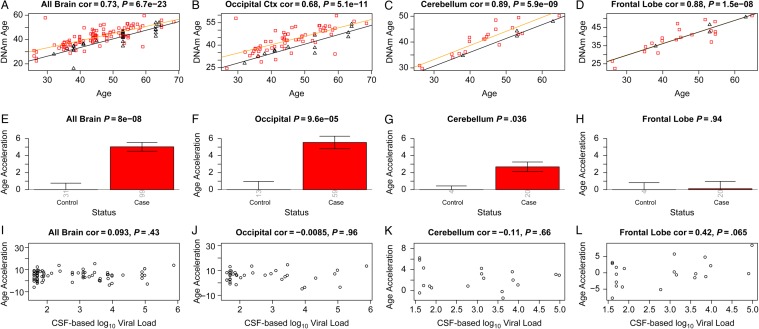
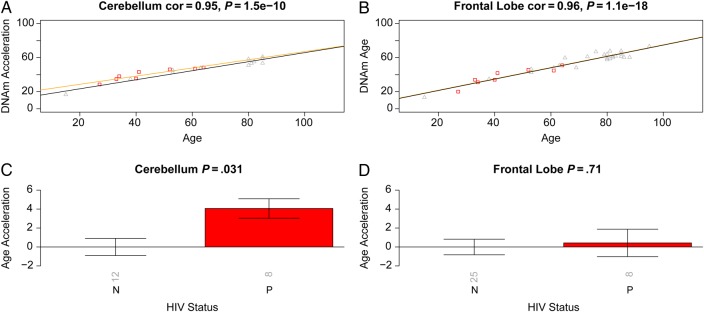
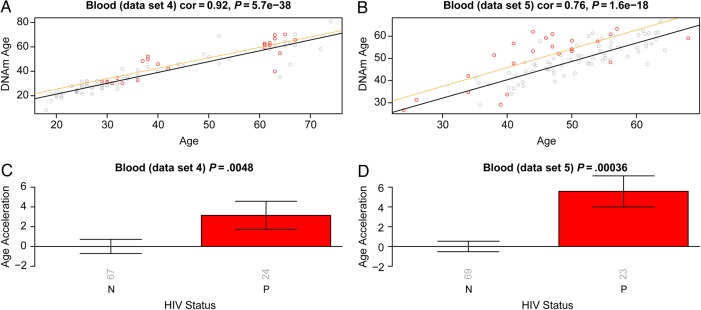
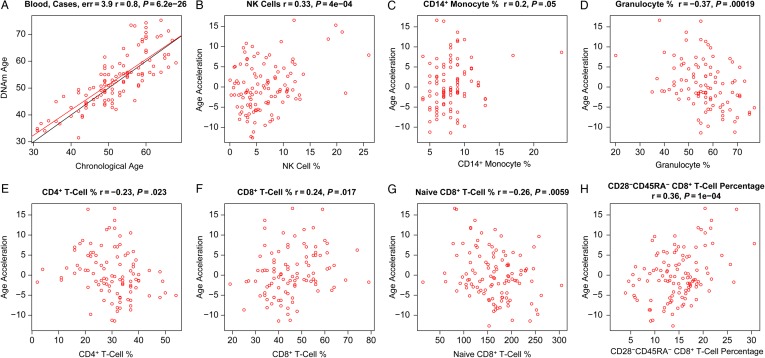
BACKGROUND: Infection with human immunodeficiency virus type 1 (HIV) is associated with clinical symptoms of accelerated aging, as evidenced by the increased incidence and diversity of age-related illnesses at relatively young ages and supporting findings of organ and cellular pathologic analyses. But it has been difficult to detect an accelerated aging effect at a molecular level. METHODS: Here, we used an epigenetic biomarker of aging based on host DNA methylation levels to study accelerated aging effects due to HIV infection. DNA from brain and blood tissue was assayed via the Illumina Infinium Methylation 450 K platform. RESULTS: Using 6 novel DNA methylation data sets, we show that HIV infection leads to an increase in epigenetic age both in brain tissue (7.4 years) and blood (5.2 years). While the observed accelerated aging effects in blood may reflect changes in blood cell composition (notably exhausted cytotoxic T cells), it is less clear what explains the observed accelerated aging effects in brain tissue. CONCLUSIONS: Overall, our results demonstrate that the epigenetic clock is a useful biomarker for detecting accelerated aging effects due to HIV infection. This tool can be used to accurately determine the extent of age acceleration in individual tissues and cells.
Overview
The claims and statistics of this paper haven’t been checked yet.
Free: it reads the open-access text and checks the first 5 claims that cite a source we can check. Create a free account to check every claim.
Integrity signals
Registry
Cites
Statistics
Figures
Verification
Claims the paper makes
The claims and statistics of this paper haven’t been checked yet.
Free: it reads the open-access text and checks the first 5 claims that cite a source we can check. Create a free account to check every claim.
Claims other papers make about this one
Each is checked against this paper’s own text: does it say what the citing paper says it does?
The source backs part of the claim, not all of it — or backs it for a different population, condition or comparison.
In the citing paper
“While it is incontrovertible that certain types of DNA damage mimic aging, including chemotherapy, radiation, smoking, and progeria”
From Loss of epigenetic information as a cause of mammalian aging (2023) · cites this paper as Horvath and Levine, 2015
Experimental — accuracy not yet measured
Self-check
Percentages, sums and reported differences re-computed from the paper’s own numbers.
The self-check needs the paper’s full text.
Citations
Cites
WGCNA: an R package for weighted correlation network analysis
Langfelder, P., & Horvath, S. (2008) · BMC Bioinformatics · doi:10.1186/1471-2105-9-559 · Cited by 27,252
Self-citationDNA methylation age of human tissues and cell types
Horvath, S. (2013) · Genome Biology · doi:10.1186/gb-2013-14-10-r115 · Cited by 7,075 · cited 11×
“eral recent studies support measuring accelerated aging effects by using DNA methylation levels [24, 25].”
BackgroundMethodInfluentialSelf-citationGenome-wide methylation profiles reveal quantitative views of human aging rates
Hannum, G., Guinney, J., Zhao, L., Zhang, L., Hughes, G., Sadda, S., Klotzle, B., Bibikova, M., Fan, J.-B., Gao, Y., et al. (2013) · Molecular Cell · doi:10.1016/j.molcel.2012.10.016 · Cited by 4,270
Clearance of p16Ink4a-positive senescent cells delays ageing-associated disorders
Baker, D. J., Wijshake, T., Tchkonia, T., LeBrasseur, N. K., Childs, B. G., van de Sluis, B., Kirkland, J. L., & van Deursen, J. M. (2011) · Nature · doi:10.1038/nature10600 · Cited by 3,670 · cited 1×
“[56] demonstrated that removal of senescent cells expressing p16 from a murine model of Progeria delayed the onset of aging-related diseases in several tissue and organ systems.”
BackgroundDNA methylation arrays as surrogate measures of cell mixture distribution
Houseman, E. A., Accomando, W. P., Koestler, D. C., Christensen, B. C., Marsit, C. J., Nelson, H. H., Wiencke, J. K., & Kelsey, K. T. (2012) · BMC Bioinformatics · doi:10.1186/1471-2105-13-86 · Cited by 3,175 · cited 2×
“Yun Liu [37], using the Houseman method [38].”
MethodUpdated research nosology for HIV-associated neurocognitive disorders
Antinori, A., Arendt, G., Becker, J. T., Brew, B. J., Byrd, D. A., Cherner, M., Clifford, D. B., Cinque, P., Epstein, L. G., Goodkin, K., et al. (2007) · Neurology · doi:10.1212/01.wnl.0000287431.88658.8b · Cited by 2,630 · cited 1×
“b HIV-related neurocognitive disorder was assessed as described elsewhere [33, 34].”
MethodDefining clusters from a hierarchical cluster tree: the Dynamic Tree Cut package for R
Langfelder, P., Zhang, B., & Horvath, S. (2008) · Bioinformatics · doi:10.1093/bioinformatics/btm563 · Cited by 1,892
Self-citationAn operational definition of epigenetics: Figure 1.
Berger, S. L., Kouzarides, T., Shiekhattar, R., & Shilatifard, A. (2009) · Genes & Development · doi:10.1101/gad.1787609 · Cited by 1,884
Teschendorff, A. E., Marabita, F., Lechner, M., Bartlett, T., Tegner, J., Gomez-Cabrero, D., & Beck, S. (2013) · Bioinformatics · doi:10.1093/bioinformatics/bts680 · Cited by 1,683
Triant, V. A., Lee, H., Hadigan, C., & Grinspoon, S. K. (2007) · The Journal of Clinical Endocrinology & Metabolism · doi:10.1210/jc.2006-2190 · Cited by 1,613 · cited 1×
“ease, osteoporosis, cancer, neurocognitive impairment, and frailty [1–11].”
Cited by
Items 401–500 of 612
Global DNA Hypomethylation as a Biomarker of Accelerated Epigenetic Ageing in PrimatesPreprint
Girling, M. T. S., Sanchez, N., & Paredes, U. M. (2024) · bioRxiv (Cold Spring Harbor Laboratory) · doi:10.1101/2024.03.27.586982 · Cited by 6
DNA Methylation in Aging and Alzheimer's Disease
Cheng, R., Shu, J., Chen, H., Li, M., Cheng, X., & Liu, L. (2024) · Human Brain · doi:10.37819/hb.3.2027 · Cited by 5
“Other age-related diseases like cardiovascular diseases (CVD) and Type 2 diabetes mellitus (T2DM) exhibit some similar patterns of epigenetic changes to AD, plausibly due to the shared effects of accelerated aging on the genome and cellular processes [101].”
DNA Methylation as a Biomarker in Environmental Epidemiology
Deyssenroth, M. A., & Wright, R. O. (2018) · Elsevier eBooks · doi:10.1016/b978-0-12-812433-8.00007-1 · Cited by 5
Neurocognitive Impairment and Associated Genetic Aspects in HIV Infection
Gómez, D., Power, C., & Fujiwara, E. (2018) · Current topics in behavioral neurosciences · doi:10.1007/7854_2018_69 · Cited by 5
Yucha, R., Litchford, M. L., Fish, C. S., Yaffe, Z. A., Richardson, B. A., Maleche‐Obimbo, E., John-Stewart, G. C., Wamalwa, D. C., Overbaugh, J. M., & Lehman, D. A. (2023) · Viruses · doi:10.3390/v15102055 · Cited by 5
Accelerated Neuroimmune Dysfunction in Aged HIV-1-Infected Humanized Mice
Zhang, C., Su, H., Waight, E. M., Poluektova, L. Y., Gorantla, S., Gendelman, H. E., & Dash, P. K. (2024) · Pharmaceuticals · doi:10.3390/ph17020149 · Cited by 5
Accelerated Epigenetic Aging in Children and Adults With a Fontan Circulation
Drury, N. E., Stickley, J., Dhillon, R., Gaffey, T., Guo, W., Yang, X., Chew, Y. C., & Clift, P. (2024) · JACC Advances · doi:10.1016/j.jacadv.2024.100865 · Cited by 5
Campisi, M., Cannella, L., Bordin, A., Moretto, A., Scapellato, M. L., Mason, P., Liviero, F., Pavanello, S., & on behalf of Occupational Medicine Working Group (2024) · International Journal of Molecular Sciences · doi:10.3390/ijms25158056 · Cited by 5
Epigenetic aging differentially impacts breast cancer risk by self-reported race
Wu, Y., Miller, M. E., Gilmore, H. L., Thompson, C. L., & Schumacher, F. R. (2024) · PLoS ONE · doi:10.1371/journal.pone.0308174 · Cited by 5
Jung, S. Y., Yu, H., Deng, Y., & Pellegrini, M. A. (2024) · Aging · doi:10.18632/aging.206169 · Cited by 5
Integrative biomarkers of biologic aging in HIV
Rajasuriar, R., Palmer, C. S., Abdel‐Mohsen, M., & Kamaruzzaman, S. B. (2018) · AIDS · doi:10.1097/qad.0000000000002064 · Cited by 5
Distinct Molecular Signatures of Aging in Healthy and HIV-Infected Individuals
Rinaldi, S., Pallikkuth, S., Armas, L. D., Richardson, B., Pan, L., Pahwa, R., Williams, S. L., Cameron, M., & Pahwa, S. G. (2022) · JAIDS Journal of Acquired Immune Deficiency Syndromes · doi:10.1097/qai.0000000000002864 · Cited by 5
Donor cord blood aging accelerates in recipients after transplantation
Onizuka, M., Imanishi, T., Harada, K., Aoyama, Y., Amaki, J., Toyosaki, M., Machida, S., Kikkawa, E. F., Yamada, S., Nakabayashi, K., et al. (2023) · Scientific Reports · doi:10.1038/s41598-023-29912-2 · Cited by 5
Tao, M., Lin, C., Lu, M., & Gordon, S. C. (2024) · The Journals of Gerontology Series A · doi:10.1093/gerona/glae232 · Cited by 5
HIV infection in microglia leads to senescence, triggering activation of neurotoxicity pathwaysPreprint
Mason, S. J., Sreeram, S., Niazi, F., Leskov, K., Levine, A. D., Karn, J., & Valadkhan, S. (2025) · bioRxiv (Cold Spring Harbor Laboratory) · doi:10.1101/2025.05.08.651477 · Cited by 5
Self-citationZaikos, T. D., Guo, H., Barrett, A., Dastgheyb, R. M., Rubin, L. H., Troncoso, J. C., & Morris, M. (2025) · Journal of Neuropathology & Experimental Neurology · doi:10.1093/jnen/nlaf102 · Cited by 4
“41 The role of HIV and other viral infections in neurodegenerative disease is controversial.”
Social bonds decrease epigenetic age in male bottlenose dolphins
Gerber, L., Peters, K. J., King, S. L., Allen, S. J., Connor, R. C., Forbes, O., Holmes, K. G., Kearns, A. M., Willems, E. P., Krützen, M., et al. (2025) · Communications Biology · doi:10.1038/s42003-025-09227-w · Cited by 4
“In humans, various diseases have been linked to accelerated ageing, such as Covid-19 53 , HIV-1 54 and cancer 55 .”
Epigenetic aging is a hallmark of HIV pathogenesis and phenotypic outcomes
Johnston, C. D., Petersen, K. J., & Corley, M. J. (2026) · Current HIV/AIDS Reports · doi:10.1007/s11904-026-00781-4 · Cited by 5
“In the same year, Horvath developed a predictor of age that utilizes 353 CpG sites that together form an aging clock spanning different tissues and cell types [ 14], and applied this metric, the “Horvath clock,” to states of health and disease including HIV [15].”
Intestinal Microbiota and Aging in People with HIV—What We Know and What We Don’t
Islam, S. M. S., Singh, S. T., Keshavarzian, A., & Abdel‐Mohsen, M. (2024) · Current HIV/AIDS Reports · doi:10.1007/s11904-024-00717-w · Cited by 4
Changes of methylation at enhancers appear to be essential for HIV infection progression
Taryma‐Leśniak, O., Bińkowski, J., Mielczak, K., Aksak‐Wąs, B., Karasińska‐Cieślak, M., Sobalska‐Kwapis, M., Strapagiel, D., Parczewski, M., & Wojdacz, T. K. (2025) · Clinical Epigenetics · doi:10.1186/s13148-025-01910-3 · Cited by 4
“4A, B 21).”
Owens, F., Carbajal, C., Rodriguez, M., & El‐Hage, N. (2025) · Molecular Therapy · doi:10.1016/j.ymthe.2025.09.028 · Cited by 4
“49, 50 As described earlier, despite adequate antiretroviral therapy, viral proteins are to be produced in the CNS, triggering chronic inflammatory responses by the host immune system.”
Bai, R., Pan, L., Huang, Y., Jiang, Z., Wang, J., Liu, Y., Huang, C., Zheng, X., Yu, Y., Li, Q.-Q., et al. (2025) · The Journal of Frailty & Aging · doi:10.1016/j.tjfa.2025.100118 · Cited by 4
Single-cell transcriptomics reveal intrinsic and systemic T cell aging in COVID-19 and HIV
Tomusiak, A., Lore, S., Scheibye‐Knudsen, M., & Verdin, E. (2026) · Aging · doi:10.18632/aging.206353 · Cited by 4
“Both acute COVID-19 infection [51] and HIV [37] have been reported to accelerate epigenetic aging in immune cells, and antiretroviral therapy may slow it [38].”
Magaki, S., Zhang, T., Han, K., Hilda, M., Yong, W. H., Achim, C. L., Fishbein, G. A., Fishbein, M. C., Garner, O. B., Salamon, N., et al. (2024) · Free Neuropathology · doi:10.17879/freeneuropathology-2024-5343 · Cited by 4
Muscle Quality and Physical Function in Men With and Without HIV
Sun, J., Ditzenberger, G. L., Brown, T. T., Langan, S. J., Hsu, H.-Y., Ng, D. K., Palella, F. J., Lake, J. E., Kingsley, L., Koletar, S. L., et al. (2024) · The Journals of Gerontology Series A · doi:10.1093/gerona/glae229 · Cited by 4
Loste, C., Trigueros, M., Muñoz-López, F., Urrea, V., Martínez, A., González, S. M., Puig, J., Martín, M., Bonjoch, A., Echeverría, P., et al. (2024) · International Journal of Molecular Sciences · doi:10.3390/ijms252010930 · Cited by 4
“However, a recent extensive study involving 111 PWH on ART and 114 controls concluded that HIV and age do not synergistically affect age-related T-cell markers [17].”
BackgroundHorn, M. D., Zandt, A. R. V., Midkiff, C. C., Saied, A. A., & MacLean, A. G. (2025) · Journal of NeuroVirology · doi:10.1007/s13365-025-01275-6 · Cited by 4
“Importantly, cognitive decline also shows premature onset or accelerated progression in PLWH (Goodkin 2017; Sheppard 2017)and post-mortem analyses demonstrate age-related epigenetic alterations in CNS tissues (Horvath and Levine 2015; Gross 2016; Sehl 2020).”
Paul, R. H., Garcia-Egan, P. M., Bolzenius, J. D., & Mannarino, J. A. (2020) · Current topics in behavioral neurosciences · doi:10.1007/7854_2020_185 · Cited by 4
GrimAge is elevated in older adults with mild COVID-19 an exploratory analysis
Torre, P., Rivero-Segura, N. A., Sánchez‐García, S., Becerril-Rojas, K., Sandoval-Rodríguez, F. E., Castro-Morales, D., Cruz, M., Vázquez‐Moreno, M. A., Rincón-Heredia, R., Ramirez-Garcia, P., et al. (2024) · GeroScience · doi:10.1007/s11357-024-01095-2 · Cited by 4
“For example, recent studies have shown that epigenetic age is accelerated in people with certain immune disorders, such as HIV/AIDS [73] and rheumatoid arthritis [74].”
Neuropathology of HIV-1 Disease
Soontornniyomkij, V. (2017) · Springer eBooks · doi:10.1007/978-1-4939-7290-6_8 · Cited by 4
A novel health risk model based on intraday physical activity time series collected by smartphonesPreprint
Getmantsev, E., Zhurov, B., Pyrkov, T. V., & Fedichev, P. O. (2018) · arXiv (Cornell University) · doi:10.48550/arxiv.1812.02522 · Cited by 4
Perspective: clinical relevance of epigenetic aging and HIV
Schoepf, I. C., Haerry, D., Esteban-Cantos, A., Arribas, J. R., TARR, P. E., & Study, T. S. H. C. (2025) · Epigenomics · doi:10.1080/17501911.2025.2491299 · Cited by 3
Immunosenescence Profile Is Associated With Increased Susceptibility to Severe COVID ‐19
Ventura, L. H. D. A., Torres, L., Camatta, G. C., Ramirez, J. A. Z., Coelho, M. M., Pinto, C. H. R., Gervásio, J. H. D. B., Caixeta, F., Nascimento, L., Oliveira, M. D. A., et al. (2025) · Aging Cell · doi:10.1111/acel.70077 · Cited by 3
“…biological age by an epigenetic approach, we analyzed the DNA methylation data using 8 different clocks: the classic and updated Horvath clocks (Horvath and Levine 2015), Hannum's, Levine's, the BLUP, Wu, EN, and TL clocks, the latter focused on CpGs associated with telomere formation,…”
Geriatric syndromes in women living with HIV
Abelman, R. A. (2025) · Current Opinion in HIV and AIDS · doi:10.1097/coh.0000000000000988 · Cited by 3
Bożejko, M., Małodobra-Mazur, M., Gnatowski, A., Ołdakowska, M., Szymczak, A., Szetela, B., Ciepłucha, H. D., Zińczuk, A., & Knysz, B. (2026) · Viruses · doi:10.3390/v18020199 · Cited by 3
“However, many studies included in that review did not take into account confounding factors such as body mass index (BMI), diabetes, hepatitis B virus (HBV) and hepatitis C virus (HCV) co-infections, or lifestyle factors [9–12].”
From survival to healthy aging: reframing HIV care for older adults
Ezenwaji, C. O., Asadu, N., Ezenwaji, K. N., & Alum, E. U. (2026) · Current Medical Research and Opinion · doi:10.1080/03007995.2026.2667509 · Cited by 3
Finesso, G., McDevitt, R. A., Roy, R., Brinster, L., Francesco, A. D., Meade, T., de Cabo, R., Ferrucci, L., & Perdue, K. A. (2021) · The Journals of Gerontology Series A · doi:10.1093/gerona/glab328 · Cited by 3
“Accelerated methylation age has been observed in the Werner’s syndrome (6) and HIV infection (7), and has been”
BackgroundNo evidence of accelerated epigenetic aging among black heroin users: A case vs control analysis
Jones, J. D., Martinez, S., Gonzalez, I., Odom, G., & Comer, S. D. (2023) · Addiction Neuroscience · doi:10.1016/j.addicn.2023.100096 · Cited by 3
Plasma Proteomic Signature as a Predictor of Age Advancement in People Living With HIV
Navas, A., Matzaraki, V., van Eekeren, L. E., Blaauw, M. J. T., Groenendijk, A. L., Vos, W. A. J. W., Cleophas, M. C. P., dos Santos, J. C., van der Ven, A. J. A. M., Joosten, L. A. B., et al. (2025) · Aging Cell · doi:10.1111/acel.14468 · Cited by 3
Giacconi, R., Pirazzini, C., Bacalini, M. G., Garagnani, P., Capri, M., Franceschi, C., Fortunato, C., Pazmay, G. V. B., Bürkle, A., Moreno‐Villanueva, M., et al. (2025) · Mechanisms of Ageing and Development · doi:10.1016/j.mad.2025.112043 · Cited by 3
Epigenetics in persons living with HIV: trauma, coping, and FKBP5 and SLC6A4 methylation
Tomlinson, C. J., Ryniker, L., Cook, H. M., Schwartz, R. M., & Non, A. L. (2025) · Epigenomics · doi:10.1080/17501911.2025.2476389 · Cited by 3
Epigenetic Epidemiology for Cancer Risk
Barrow, T. M. (2017) · Elsevier eBooks · doi:10.1016/b978-0-12-809552-2.00008-5 · Cited by 3
Investigation of accelerated epigenetic aging in individuals experiencing suicidal ideation
Dada, O. O., Jeremian, R., Dai, N., Strauss, J., Zai, C. C. H., Graff, A., & Luca, V. D. (2020) · Schizophrenia Research · doi:10.1016/j.schres.2020.09.029 · Cited by 3
Feiner, L. K., Tierling, S., Holländer, S., Glanemann, M., & Rubie, C. (2021) · Aging · doi:10.18632/aging.202621 · Cited by 3
Assari, S., & Pallera, J. A. (2025) · Journal of biomedical and life sciences. · doi:10.31586/jbls.2025.6041 · Cited by 3
Genetic, Epigenetic, and Transcriptomic Studies of NeuroAIDS
Levine, A. J., Singh, K. K., & Kallianpur, A. R. (2017) · Springer eBooks · doi:10.1007/978-1-4939-7290-6_19 · Cited by 3
Self-citationInflammation-Related Genes are Associated with Accelerated Aging in HIV
Sundermann, E. E., Levine, A. J., Horvath, S., & Moore, D. J. (2018) · American Journal of Geriatric Psychiatry · doi:10.1016/j.jagp.2018.01.144 · Cited by 3
Self-citationAronoff, J. E., McDade, T. W., Adair, L. S., Lee, N. R., Carba, D. B., MacIsaac, J. L., Dever, K., Atashzay, P., Kobor, M. S., & Kuzawa, C. W. (2023) · Brain Behavior and Immunity · doi:10.1016/j.bbi.2023.10.003 · Cited by 3
Cooper, A. (1995) · PubMed · Cited by 3
Aging metabolism: intervention strategies
Martínez, E. (2017) · Virulence · doi:10.1080/21505594.2017.1305532 · Cited by 3
“tion and epigenetic alteration is currently an area of active research.(7)”
BackgroundBertoli, G., Phadke, K., Cospito, A., Rizk, J. A., Zhang, M., Miliotou, E., Cammer, M., Deng, Y., Mezzano, V., Alu, M., et al. (2025) · doi:10.1101/2025.10.22.682160 · Cited by 2
“38-42 Senescence has been studied in the context of acquired heart disease 14 and for inherited cardiomyopathies originating in the nuclear envelope.”
(2026) · doi:10.1161/jaha.125.047447 · Cited by 2
Pathogenic SIV infection is associated with acceleration of epigenetic age in rhesus macaques
Jasinska, A. J., Sivanandham, R., Sivanandham, S., Xu, C., Gordevičius, J., Milčiūtė, M., Brooke, R. T., Sette, P., He, T., Brocca‐Cofano, E., et al. (2025) · Journal of Clinical Investigation · doi:10.1172/jci189574 · Cited by 2
“Epigenetic clocks predicting biological age allow assessment of the impact of various factors, including HIV, on aging (22, 23).”
InfluentialColon-specific epigenetic clocks from minimal features reveal disease-driven aging
Sagy, N., Bender, Ö., & Bar, D. Z. (2026) · Scientific Reports · doi:10.1038/s41598-026-64349-3 · Cited by 2
Epigenetic age acceleration and mortality among persons with poorly controlled HIV
Sosnowski, D. W., Shu, C., Hsu, H.-Y., Jiang, Y., Kathuria, A., Piggott, D. A., Mehta, S. H., Kirk, G. D., Maher, B. S., & Sun, J. (2026) · The Journals of Gerontology Series A · doi:10.1093/gerona/glag071 · Cited by 2
The evidence for epigenetic age acceleration in neurological disease: A systematic review
Smith, R. D., Manavi, D., Quigley, N., Fard, A. R., Toumbas, G., McMurran, C. E., Kotter, M., & Mowforth, O. D. (2026) · Ageing Research Reviews · doi:10.1016/j.arr.2026.103201 · Cited by 2
Lawrence, T., & Murphy, T. M. (2018) · OBM Genetics · doi:10.21926/obm.genet.1804055 · Cited by 2
Network analysis of aging acceleration reveals systematic properties of 11 types of cancers
Xia, X., Zhou, M., Yan, H., Li, S., Sha, X., & Wang, Y. (2019) · FEBS Open Bio · doi:10.1002/2211-5463.12679 · Cited by 2
The ageing virus hypothesis: Epigenetic ageing beyond the Tree of Life
Bapteste, E. P. (2024) · BioEssays · doi:10.1002/bies.202400099 · Cited by 2
Brain Aging in HIV-1 Infection
Santerre, M., & Sawaya, B. E. (2018) · IntechOpen eBooks · doi:10.5772/intechopen.77029 · Cited by 2
“A 2015 study uses blood and brain tissue to find a relationship between HIV status and epigenetic age acceleration [120].”
BackgroundAge-Related Variation in DNA Methylation
Keith, K., Issa, J. J., & Panjarian, S. B. (2022) · Springer eBooks · doi:10.1007/978-3-030-94475-9_10 · Cited by 3
ARTful ageing: epigenetic rejuvenation in people with HIV
Titanji, B. K. (2023) · The Lancet Healthy Longevity · doi:10.1016/s2666-7568(23)00059-4 · Cited by 2
Cellular rejuvenation to combat HIV-1-related neurocognitive impairment
Ostermann, P. N., & Evering, T. H. (2023) · Trends in Microbiology · doi:10.1016/j.tim.2023.09.011 · Cited by 2
Chavan, P., Koar, S., Bingewar, R., Sonawane, A., Sawant, J., Shidhaye, P., Rao, A., Bagul, R. D., Ghule, U., Kumbhar, S., et al. (2025) · Frontiers in Aging · doi:10.3389/fragi.2025.1658506 · Cited by 1
Epigenetic Age Acceleration Is Associated With HIV Infection Independently of Inflammation
Gibb, J. K., Schrock, J. M., Mustanski, B. S., McDade, T. W., & D’Aquila, R. T. (2026) · Open Forum Infectious Diseases · doi:10.1093/ofid/ofag270 · Cited by 1
“Epigenetic age has been assessed by quantifying the accumulation of methylation at CpG dinucleotides across the genome [9, 10].”
The GrimAge clock corresponds to brain ageing and social determinants of health in people with HIV
Petersen, K. J., Kim, S., Canfield, P., Roman, J., Cooley, S., Bhuma, M., Anderson, A., Nelson, B., Reid, P., Westerhaus, E. T., et al. (2026) · EBioMedicine · doi:10.1016/j.ebiom.2026.106492 · Cited by 1
“The finding that multiple epigenetic clocks are increased in virally controlled PWH is consistent with previous literature, 12,27 though we extend this finding into more recent clocks.”
Mechanisms of Musculoskeletal Frailty in People Living with HIV
Nelson, A. K., Fiskum, G. M., Renn, C. L., Zhu, S., Kottilil, S., & Klinedinst, N. J. (2021) · The Journal of Frailty & Aging · doi:10.14283/jfa.2021.44 · Cited by 1
“Age by measure of DNA methylation has also been able to show increased epigenetic age by approximately 14 years in PLWH aged 20 to 56 in brain and blood tissue compared to controls (92, 93).”
BackgroundŠalamon, Š., Kruger, A., Lupton, D. A., Pretorius, E., Ewing, A. G., & Bar‐Yam, Y. (2025) · AJPM Focus · doi:10.1016/j.focus.2025.100458 · Cited by 1
Byun, J. Y., Jones, R. C. F., Iriarte, E., Hall, C. D. X., Krause, K. D., Wang, C. X., Pahwa, S. G., Lam, J. O., Falutz, J., Masters, M. C., et al. (2026) · The Journals of Gerontology Series A · doi:10.1093/gerona/glag082 · Cited by 1
Perez, N. B., Xu, K., Xu, Y., Lang, L., Anastos, K., Alcaide, M. L., Cohen, M. H., Shrestha, S., Edmonds, A., Meyers, J. L., et al. (2026) · The Journals of Gerontology Series A · doi:10.1093/gerona/glag083 · Cited by 1
Pathway-level insights into the epigenetic ageing of human skin
Jiang, J., Li, P., Zhu, J., Cai, F., Wang, S. Y., Huang, Z., Zhang, S., Zhou, F., Zhong, W., & Chen, J. (2026) · Age and Ageing · doi:10.1093/ageing/afag118 · Cited by 1
Justice, A. C., Tate, J. P., McGinnis, K. A., Torgersen, J., Braithwaite, R. S., Marconi, V. C., Goetz, M. B., Rodriguez‐Barradas, M. C., Brown, S. T., Park, L. S., et al. (2026) · EBioMedicine · doi:10.1016/j.ebiom.2026.106371 · Cited by 1
“…demonstrate that laboratory data and comorbid disease In support of our findings, previous work has suggested that the epigenetic age of those with HIV prior to antiretroviral treatment is 4.8–11.2 –14 This large age gap applies to individuals in whom screening guidelines are likely to be applied.”
InfluentialBinder, A. M., Weltzien, E. K., Feliciano, E. M. C., Brown, J. C., Lee, C., Ross, M. C., Campbell, K. L., Castillo, A., Perez, A. P., Meyerhardt, J. A., et al. (2026) · JNCI Journal of the National Cancer Institute · doi:10.1093/jnci/djag226 · Cited by 1
Odlum, M. L., & Yoon, S. (2019) · JMIR Aging · doi:10.2196/13865 · Cited by 1
“An average of 3 aging-related comorbidities are observed in 60% to 90% of people living with HIV/AIDS (PLWH), aged 50 years and above [1,2].”
BackgroundNguyen, A. L., Rinaldi, S., Martinez, C. A., Perkins, M. M., & Holstad, M. M. (2021) · Journal of the Association of Nurses in AIDS Care · doi:10.1097/jnc.0000000000000236 · Cited by 1
Epidemiological Epigenetics in Medicine
Vaiserman, A. M. (2016) · Elsevier eBooks · doi:10.1016/b978-0-12-803239-8.00005-3 · Cited by 1
Environmental epigenetic epidemiology
Vaiserman, A. M., Lushchak, O. V., & Koliada, A. K. (2021) · Elsevier eBooks · doi:10.1016/b978-0-12-823928-5.00039-6 · Cited by 1
Soriano‐Tárraga, C., Jiménez-Conde, J., & Roquer, J. (2018) · Springer eBooks · doi:10.1007/978-3-319-31143-2_123-1 · Cited by 1
Epigenetics and human infectious diseases
Niller, H. H., & Minárovits, J. (2023) · Elsevier eBooks · doi:10.1016/b978-0-443-21863-7.00006-8 · Cited by 1
Song, Z., Lu, X., Zhu, J., Pan, L., Wang, S., Zhang, S., Huang, Z., Cai, F., Liu, W., Ling, F., et al. (2025) · Behavioural Brain Research · doi:10.1016/j.bbr.2025.115729 · Cited by 1
Aging-associated changes in the DNA methylome and characteristics of the epigenetic clock
Kananen, L. (2018) · Tampere University Institutional Repository (Tampere University) · Cited by 1
Glass, T. J. A. (2018) · TSpace (University of Toronto) · Cited by 1
GWAS of epigenetic ageing rates in blood reveals a critical role for TERTPreprint
Lu, A. T.-H., Xue, L., Salfati, E., Chen, B. H., Ferrucci, L., Levy, D. A., Joehanes, R., Murabito, J. M., Kiel, D. P., Tsai, P.-C., et al. (2017) · bioRxiv (Cold Spring Harbor Laboratory) · doi:10.1101/157776 · Cited by 1
“…suggest that DNAm age is a biomarker of biological age – a premise supported by associations of epigenetic age acceleration with cognitive impairment, neuro-pathology in the elderly 8,9 , Down syndrome 10 , Parkinson’s disease 11 , obesity 12 , HIV infection 13 , and frailty 14 , and menopause 15 .”
BackgroundSelf-citationOn the epigenetic ageing clock in humans
Martin-Herranz, D. E. (2019) · Apollo (University of Cambridge) · doi:10.17863/cam.44841 · Cited by 1
“, 2015], HIV infection [Horvath and Levine, 2015], Down syndrome [Horvath et al.”
BackgroundImputation approaches and quality standards for single-cell epigenetic age predictionsPreprint
Liu, Z., & Samee, M. A. H. (2023) · bioRxiv (Cold Spring Harbor Laboratory) · doi:10.1101/2023.12.14.571557 · Cited by 1
“The first and the second hypotheses have been pursued in multiple aging research projects (4,18,29-31).”
BackgroundAgeing with HIV: Exploring older people's experiences with medicines
Sarma, P. (2025) · Kent Academic Repository (University of Kent) · doi:10.22024/unikent/01.02.110109 · Cited by 1
Bonnefous, H. (2025) · theses.fr (ABES) · doi:10.70675/67742b4az1242z4d30z964ezd8bf9300d4ac · Cited by 1
The Effects Of HIV Disease And Lifestyle Factors On Cellular Aging In Trangender Women
sohn, S. S. (2016) · Digital Archive @ GSU · doi:10.57709/8837209
Xu, Y. (2016) · cIRcle (University of British Columbia) · doi:10.14288/1.0307415
Das Tumorepigenom – von der Genregulation über die Tumorklassifikation zum Therapietarget
Ammerpohl, O., Deckert, M., & Montesinos‐Rongen, M. (2016) · Medizinische Genetik · doi:10.1007/s11825-016-0115-1
Immunosenescence and Ageing in HIV
Tsoukas, C. M. (2019) · Springer eBooks · doi:10.1007/978-3-319-99375-1_132
Mechanisms of HIV-1 Tat Neurotoxicity: a role for mitochondria
Rozzi, S. J. (2018) · DigitalGeorgetown (Georgetown University Library)
Hidden Treasures in Contemporary RNA Sequencing
Mangul, S., Yang, H. T., Eskin, E., & Zaitlen, N. (2019) · SpringerBriefs in computer science · doi:10.1007/978-3-030-13973-5_1
Ascariz, S., & Carolina, N. (2019) · LA Referencia (Red Federada de Repositorios Institucionales de Publicaciones Científicas)
Lee, M. B. (2018) · ResearchWorks at the University of Washington (University of Washington)
Lee, C. (2016) · Carolina Digital Repository (University of North Carolina at Chapel Hill) · doi:10.17615/0m25-a016
Nwanaji‐Enwerem, J. C. (2018) · Digital Access to Scholarship at Harvard (DASH) (Harvard University)
Genome-wide DNA methylation and imprinted gene analysis in babies conceived by ART
Gooding, L. D. (2019) · cIRcle (University of British Columbia) · doi:10.14288/1.0384565
Determinants of the epigenetic clock
Quach, A. (2018) · eScholarship (California Digital Library)
Metadata
- Authors
- Horvath, S., & Levine, A. J.
- Affiliations
- University of California, Los Angeles (US)
- Corresponding author
- Horvath, Steve
- Venue
- Journal of Infectious Diseases
- Publisher
- Oxford University Press (OUP)
- Published
- 2015-05-12
- Volume
- 212
- Issue
- 10
- Pages
- 1563-1573
- ISSN
- 0022-1899 (ISSN-L)
- 1537-6613
- PMC
- PMC4621253
- OpenAlex
- W2163887613
- Cited by
- 556
- References
- 100
- Citations by year
- 2026: 35 · 2025: 33 · 2024: 66 · 2023: 51 · 2022: 66 · 2021: 59 · 2020: 50 · 2019: 43 · 2018: 54 · 2017: 51 · 2016: 36 · 2015: 11
- FWCI
- 25.62
- Type
- journal article
- Language
- en
- Open access
- hybrid
- doi.org
- Licence
- cc-by-nc-nd
- Locations
- The Journal of Infectious Diseases (publishedVersion, cc-by-nc-nd)
- PubMed Central (publishedVersion, cc-by-nc-nd)
- PubMed (publishedVersion)
- Funders
- National Institute on Aging
- National Institutes of Health
- NIH (5R01AG042511-02, R01DA030913, U01-AI-35040)
- the University of California, Los Angeles (UCLA) AIDS Institute
- UCLA Center for AIDS Research (AI28697)
- the UCLA Clinical and Translational Science Institute
- National Center for Advancing Translational Sciences (UL1TR000124)
- the National Institute for Drug Abuse
- the National Institute of Allergy and Infectious Diseases
- the Los Angeles site of the Multicenter AIDS Cohort Study [
- the National NeuroAIDS Tissue Consortium
- National Neurological AIDS Bank (U01-MH08021 and R24-NS38841;)
- Texas NeuroAIDS Research Center (U01-MH083507 and R24-NS45491;)
- Manhattan HIV Brain Bank (U01-MH083501 and R24-MH59724)
- California NeuroAIDS Tissue Network (U01-MH083506 and R24-MH59745)
- Topics
- Life Sciences › Immunology and Microbiology › Virology › HIV Research and Treatment
- Life Sciences › Biochemistry, Genetics and Molecular Biology › Molecular Biology › Epigenetics and DNA Methylation
- Health Sciences › Medicine › Infectious Diseases › HIV-related health complications and treatments
- Keywords
- HIV-1 infection, accelerated aging, epigenetic clocks, DNA methylation, epigenetic age, brain tissue, blood, aging biomarkers
- MeSH terms
- Adolescent, Adult, Aged, Aging, Blood Cells, Brain, DNA, Humans, Male, Methylation, Middle Aged, HIV-1, HIV Infections, Epigenesis, Genetic, Young Adult
About these checks
Registry, retraction, Cites and statistics results are computed, not judged, with one exception: a printed reference that no index lists is read once by a model before it counts as a citation error. Claims are extracted by a model and kept only when their quote appears verbatim in the text; each cited source is then checked, with a model’s help, for whether it says what the claim relies on. Those verdicts can be wrong — read the claim’s quote and the cited source before relying on one.
Statistics and arithmetic are recomputed, not judged.
Confidence bands are shown only for fields calibrated on our annotated test set. None is calibrated yet, so no band is shown.
What counts as a claim ›How we measure confidence ›How we check this ›
Are you an author, or do you see a problem with this page? Request a review
Data sources
Bibliographic data: Semantic Scholar, OpenAlex, Crossref.
Contains information from the Semantic Scholar Academic Graph Datasets, made available under the ODC Attribution License (ODC-BY 1.0).
Semantic Scholar’s data is described in: Kinney, R., et al. (2023). The Semantic Scholar Open Data Platform. arXiv:2301.10140.
