

HIV-1 Infection Accelerates Age According to the Epigenetic Clock
Open accessThe DOI matches its Crossref record; 100 of the 100 references it cites were found in a registry or an index.
Abstract
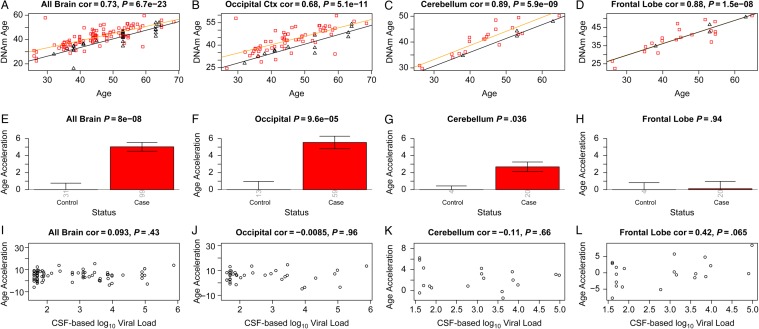
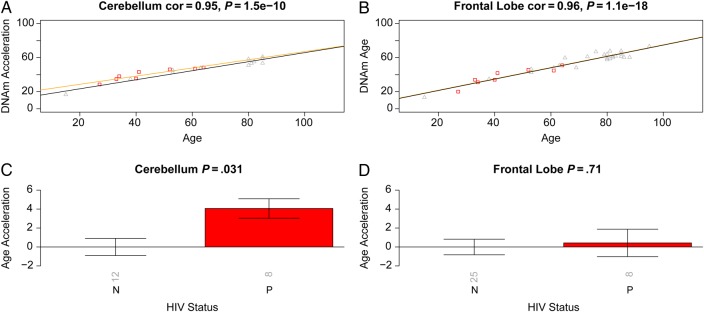
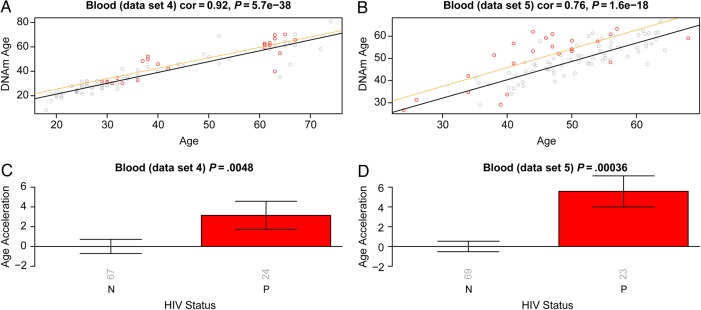
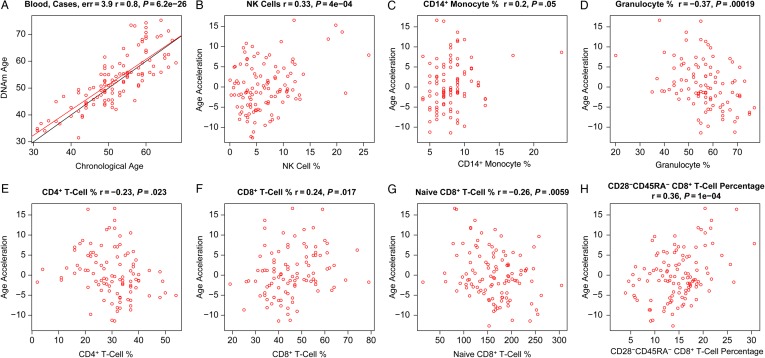
BACKGROUND: Infection with human immunodeficiency virus type 1 (HIV) is associated with clinical symptoms of accelerated aging, as evidenced by the increased incidence and diversity of age-related illnesses at relatively young ages and supporting findings of organ and cellular pathologic analyses. But it has been difficult to detect an accelerated aging effect at a molecular level. METHODS: Here, we used an epigenetic biomarker of aging based on host DNA methylation levels to study accelerated aging effects due to HIV infection. DNA from brain and blood tissue was assayed via the Illumina Infinium Methylation 450 K platform. RESULTS: Using 6 novel DNA methylation data sets, we show that HIV infection leads to an increase in epigenetic age both in brain tissue (7.4 years) and blood (5.2 years). While the observed accelerated aging effects in blood may reflect changes in blood cell composition (notably exhausted cytotoxic T cells), it is less clear what explains the observed accelerated aging effects in brain tissue. CONCLUSIONS: Overall, our results demonstrate that the epigenetic clock is a useful biomarker for detecting accelerated aging effects due to HIV infection. This tool can be used to accurately determine the extent of age acceleration in individual tissues and cells.
Overview
The claims and statistics of this paper haven’t been checked yet.
Free: it reads the open-access text and checks the first 5 claims that cite a source we can check. Create a free account to check every claim.
Integrity signals
Registry
Cites
Statistics
Figures
Verification
Claims the paper makes
The claims and statistics of this paper haven’t been checked yet.
Free: it reads the open-access text and checks the first 5 claims that cite a source we can check. Create a free account to check every claim.
Claims other papers make about this one
Each is checked against this paper’s own text: does it say what the citing paper says it does?
The source backs part of the claim, not all of it — or backs it for a different population, condition or comparison.
In the citing paper
“While it is incontrovertible that certain types of DNA damage mimic aging, including chemotherapy, radiation, smoking, and progeria”
From Loss of epigenetic information as a cause of mammalian aging (2023) · cites this paper as Horvath and Levine, 2015
Experimental — accuracy not yet measured
Self-check
Percentages, sums and reported differences re-computed from the paper’s own numbers.
The self-check needs the paper’s full text.
Citations
Cites
WGCNA: an R package for weighted correlation network analysis
Langfelder, P., & Horvath, S. (2008) · BMC Bioinformatics · doi:10.1186/1471-2105-9-559 · Cited by 27,252
Self-citationDNA methylation age of human tissues and cell types
Horvath, S. (2013) · Genome Biology · doi:10.1186/gb-2013-14-10-r115 · Cited by 7,075 · cited 11×
“eral recent studies support measuring accelerated aging effects by using DNA methylation levels [24, 25].”
BackgroundMethodInfluentialSelf-citationGenome-wide methylation profiles reveal quantitative views of human aging rates
Hannum, G., Guinney, J., Zhao, L., Zhang, L., Hughes, G., Sadda, S., Klotzle, B., Bibikova, M., Fan, J.-B., Gao, Y., et al. (2013) · Molecular Cell · doi:10.1016/j.molcel.2012.10.016 · Cited by 4,270
Clearance of p16Ink4a-positive senescent cells delays ageing-associated disorders
Baker, D. J., Wijshake, T., Tchkonia, T., LeBrasseur, N. K., Childs, B. G., van de Sluis, B., Kirkland, J. L., & van Deursen, J. M. (2011) · Nature · doi:10.1038/nature10600 · Cited by 3,670 · cited 1×
“[56] demonstrated that removal of senescent cells expressing p16 from a murine model of Progeria delayed the onset of aging-related diseases in several tissue and organ systems.”
BackgroundDNA methylation arrays as surrogate measures of cell mixture distribution
Houseman, E. A., Accomando, W. P., Koestler, D. C., Christensen, B. C., Marsit, C. J., Nelson, H. H., Wiencke, J. K., & Kelsey, K. T. (2012) · BMC Bioinformatics · doi:10.1186/1471-2105-13-86 · Cited by 3,175 · cited 2×
“Yun Liu [37], using the Houseman method [38].”
MethodUpdated research nosology for HIV-associated neurocognitive disorders
Antinori, A., Arendt, G., Becker, J. T., Brew, B. J., Byrd, D. A., Cherner, M., Clifford, D. B., Cinque, P., Epstein, L. G., Goodkin, K., et al. (2007) · Neurology · doi:10.1212/01.wnl.0000287431.88658.8b · Cited by 2,630 · cited 1×
“b HIV-related neurocognitive disorder was assessed as described elsewhere [33, 34].”
MethodDefining clusters from a hierarchical cluster tree: the Dynamic Tree Cut package for R
Langfelder, P., Zhang, B., & Horvath, S. (2008) · Bioinformatics · doi:10.1093/bioinformatics/btm563 · Cited by 1,892
Self-citationAn operational definition of epigenetics: Figure 1.
Berger, S. L., Kouzarides, T., Shiekhattar, R., & Shilatifard, A. (2009) · Genes & Development · doi:10.1101/gad.1787609 · Cited by 1,884
Teschendorff, A. E., Marabita, F., Lechner, M., Bartlett, T., Tegner, J., Gomez-Cabrero, D., & Beck, S. (2013) · Bioinformatics · doi:10.1093/bioinformatics/bts680 · Cited by 1,683
Triant, V. A., Lee, H., Hadigan, C., & Grinspoon, S. K. (2007) · The Journal of Clinical Endocrinology & Metabolism · doi:10.1210/jc.2006-2190 · Cited by 1,613 · cited 1×
“ease, osteoporosis, cancer, neurocognitive impairment, and frailty [1–11].”
Cited by
An epigenetic biomarker of aging for lifespan and healthspan
Levine, M. E., Lu, A. T., Quach, A., Chen, B. H., Assimes, T. L., Bandinelli, S., Hou, L., Baccarelli, A. A., Stewart, J. D., Li, Y., et al. (2018) · Aging · doi:10.18632/aging.101414 · Cited by 3,675
“Second, the Horvath method, implemented in the advanced analysis option of the epigenetic clock software [11, 18], was used to estimate the percentage of exhausted CD8+ T cells (defined as CD28-CD45RA-), the number (count) of naïve CD8+ T cells (defined as CD45RA+CCR7+) and plasmablasts.”
BackgroundMethodSelf-citationDNA methylation-based biomarkers and the epigenetic clock theory of ageing
Horvath, S., & Raj, K. (2018) · Nature Reviews Genetics · doi:10.1038/s41576-018-0004-3 · Cited by 3,095
Self-citationDNA methylation GrimAge strongly predicts lifespan and healthspan
Lu, A. T., Quach, A., Wilson, J. G., Reiner, A. P., Aviv, A., Raj, K., Hou, L., Baccarelli, A. A., Li, Y., Stewart, J. D., et al. (2019) · Aging · doi:10.18632/aging.101684 · Cited by 2,540
Self-citationDNA methylation-based measures of biological age: meta-analysis predicting time to death
Chen, B. H., Marioni, R. E., Colicino, E., Peters, M. J., Ward-Caviness, C. K., Tsai, P.-C., Roetker, N. S., Just, A. C., Demerath, E. W., Guan, W., et al. (2016) · Aging · doi:10.18632/aging.101020 · Cited by 1,126
“We used an epigenetic biomarker of age based on 353 CpG markers as one measure of epigenetic age because: a) it is an accurate measurement of age across multiple tissues [3]; b) we previously showed that it is predictive of all-cause mortality [5]; c) it correlated with measures of cognitive/physical fitness and neuro…”
BackgroundMethodSelf-citationCole, J. H., Ritchie, S. J., Bastin, M. E., Valdés Hernández, M. C., Muñoz Maniega, S., Royle, N., Corley, J., Pattie, A., Harris, S. E., Zhang, Q., et al. (2018) · Molecular Psychiatry · doi:10.1038/mp.2017.62 · Cited by 831
Horvath, S., Oshima, J., Martin, G. M., Lu, A. T., Quach, A., Cohen, H., Felton, S., Matsuyama, M., Lowe, D., Kabacik, S., et al. (2018) · Aging · doi:10.18632/aging.101508 · Cited by 815
Self-citationEpigenetic clock analysis of diet, exercise, education, and lifestyle factors
Quach, A., Levine, M. E., Tanaka, T., Lu, A. T., Chen, B. H., Ferrucci, L., Ritz, B., Bandinelli, S., Neuhouser, M. L., Beasley, J. M., et al. (2017) · Aging · doi:10.18632/aging.101168 · Cited by 801
“Second, the advanced analysis option of the epigenetic clock software [38, 52] was used to estimate the percentage of exhausted CD8+ T cells (defined as CD28-CD45RA-) and the number (count) of naïve CD8+ T cells (defined as CD45RA+CCR7+).”
Self-citationInherited causes of clonal haematopoiesis in 97,691 whole genomes
Bick, A. G., Weinstock, J. S., Nandakumar, S. K., Fulco, C. P., Bao, E. L., Zekavat, S. M., Szeto, M. D., Liao, X., Leventhal, M. J., Nasser, J., et al. (2020) · Nature · doi:10.1038/s41586-020-2819-2 · Cited by 733
An epigenetic clock analysis of race/ethnicity, sex, and coronary heart disease
Horvath, S., Gurven, M., Levine, M. E., Trumble, B. C., Kaplan, H., Allayee, H., Ritz, B. R., Chen, B., Lu, A. T., Rickabaugh, T. M., et al. (2016) · Genome Biology · doi:10.1186/s13059-016-1030-0 · Cited by 733
“Empirical studies show that DNAm has a relatively weak correlation with various measures of white blood cell counts [31], which probably reflects the fact that dozens of different tissue and blood cell types were used to define DNAm age.”
MethodSelf-citationLoss of epigenetic information as a cause of mammalian aging
Yang, J.-H., Hayano, M., Griffin, P. T., Amorim, J. A., Bonkowski, M. S., Apostolides, J. K., Salfati, E. L., Blanchette, M., Munding, E. M., Bhakta, M., et al. (2023) · Cell · doi:10.1016/j.cell.2022.12.027 · Cited by 643
DNA Methylation Clocks in Aging: Categories, Causes, and Consequences
Field, A. E., Robertson, N. A., Wang, T., Havas, A., Ideker, T., & Adams, P. D. (2018) · Molecular Cell · doi:10.1016/j.molcel.2018.08.008 · Cited by 621
“HIV infection is associated with methylation age advancement, concordant with phenotypic and functional data indicative of premature biological aging in HIV-infected individuals (Gross et al., 2016; Horvath and Levine, 2015; Levine et al., 2016a).”
Oblak, L., van der Zaag, J., Higgins-Chen, A. T., Levine, M. E., & Boks, M. P. (2021) · Ageing Research Reviews · doi:10.1016/j.arr.2021.101348 · Cited by 595
Higgins-Chen, A. T., Thrush, K. L., Wang, Y., Minteer, C. J., Kuo, P.-L., Wang, M., Niimi, P., Sturm, G., Lin, J., Moore, A. Z., et al. (2022) · Nature Aging · doi:10.1038/s43587-022-00248-2 · Cited by 502
Menopause accelerates biological aging
Levine, M. E., Lu, A. T., Chen, B. H., Hernandez, D. G., Singleton, A. B., Ferrucci, L., Bandinelli, S., Salfati, E., Manson, J. E., Quach, A., et al. (2016) · Proceedings of the National Academy of Sciences · doi:10.1073/pnas.1604558113 · Cited by 502
“Proc Natl Acad Sci USA 111(43):15538–15543.”
BackgroundSelf-citationReversal of epigenetic aging and immunosenescent trends in humans.
Fahy, G. M., Brooke, R. T., Watson, J. P., Good, Z., Vasanawala, S. S., Maecker, H., Leipold, M. D., Lin, D. T. S., Kobor, M. S., & Horvath, S. (2019) · Aging Cell · doi:10.1111/acel.13028 · Cited by 477
“The specific rationales for these choices are based on Horvath and Levine (2015), Marioni et al. (2015), and Triche, Weisenberger, van den Berg, Laird, and Siegmund, (2013) and are described in Appendix S2.”
BackgroundSelf-citationLevine, M. E., Lu, A. T., Bennett, D. A., & Horvath, S. (2015) · Aging · doi:10.18632/aging.100864 · Cited by 455
“The epigenetic clock method - applied to two commercially standardized methylation platforms: the Illumina 450K array and the 27K arrays - is an attractive biomarker of aging because (1) it applies to most human tissues; (2) its accurate measurement of chronological age is unprecedented [11]; (3) it is predictive of a…”
MethodSelf-citationDNA methylation-based estimator of telomere length
Lu, A. T., Seeboth, A., Tsai, P.-C., Sun, D., Quach, A., Reiner, A. P., Kooperberg, C., Ferrucci, L., Hou, L., Baccarelli, A. A., et al. (2019) · Aging · doi:10.18632/aging.102173 · Cited by 440
Self-citationBrain age and other bodily ‘ages’: implications for neuropsychiatry
Cole, J. H., Marioni, R. E., Harris, S. E., & Deary, I. J. (2019) · Molecular Psychiatry · doi:10.1038/s41380-018-0098-1 · Cited by 440
“Table 1 Studies of brain-predicted age in disease Study Clinical group N Age (mean ± SD, or range) MRI features Algorithm Brain-PAD (mean, years) Psychiatric disorders Franke et al. [21] Alzheimer’s disease 102 76 ± 8 GM RVR 10.0 Franke and Gaser [46] MCI—stable 36 77 ± 6 GM RVR BL: −0.5 FU (3 yrs): −0.4 MCI—progressi…”
BackgroundInfluentialIncreased epigenetic age and granulocyte counts in the blood of Parkinson's disease patients
Horvath, S., & Ritz, B. R. (2015) · Aging · doi:10.18632/aging.100859 · Cited by 436
“AgeAccel has a relatively weak correlation with blood cell counts [21] but it still relates to blood cell counts.”
BackgroundMethodSelf-citationDNA methylation in human diseases
Jin, Z., & Liu, Y. (2018) · Genes & Diseases · doi:10.1016/j.gendis.2018.01.002 · Cited by 403
“Interestingly, in contrast with normal people, accelerated DNA methylation age is found in individuals with diseases such as PD,(91) Huntington’s disease,(92) and Alzheimer’s disease,(93) as well as some viral infections.(94) All these findings suggest that DNA methylation may not only be suitably viewed as a biomarke…”
BackgroundUsing DNA methylation profiling to evaluate biological age and longevity interventions
Petkovich, D. A., Podolskiy, D. I., Lobanov, A. V., Lee, S.-G., Miller, R. A., & Gladyshev, V. N. (2017) · Cell Metabolism · doi:10.1016/j.cmet.2017.03.016 · Cited by 398
“In addition, accelerated DNAm aging was observed in patients with HIV infection and Down syndrome, and slower DNAm changes were reported for cerebellum aging (Horvath and Levine, 2015; Horvath et al., 2015b, 2015c).”
BackgroundMulti-tissue DNA methylation age predictor in mouse
BI Ageing Clock Team, Stubbs, T. M., Bonder, M. J., Stark, A.-K., Krueger, F., von Meyenn, F., Stegle, O., & Reik, W. (2017) · Genome Biology · doi:10.1186/s13059-017-1203-5 · Cited by 384
“Interestingly, while initially designed to predict chronological age, there is evidence that the epigenetic age also reflects biological age and is predictive of functional decline [10-22].”
BackgroundRnBeads 2.0: comprehensive analysis of DNA methylation data
Müller, F., Scherer, M., Assenov, Y., Lutsik, P., Walter, J., Lengauer, T., & Bock, C. (2019) · Genome Biology · doi:10.1186/s13059-019-1664-9 · Cited by 376
The role of DNA methylation in epigenetics of aging
Unnikrishnan, A., Freeman, W. M., Jackson, J., Wren, J. D., Porter, H., & Richardson, A. (2019) · Pharmacology & Therapeutics · doi:10.1016/j.pharmthera.2018.11.001 · Cited by 366
del Amo, J., Polo, R., Moreno, S., Díaz, A., Martínez, E., Arribas, J. R., Jarrín, I., & Hernán, M. A. (2020) · Annals of Internal Medicine · doi:10.7326/m20-3689 · Cited by 324
Decreased epigenetic age of PBMCs from Italian semi-supercentenarians and their offspring
Horvath, S., Pirazzini, C., Bacalini, M. G., Gentilini, D., Di Blasio, A. M., Delledonne, M., Mari, D., Arosio, B., Monti, D., Passarino, G., et al. (2015) · Aging · doi:10.18632/aging.100861 · Cited by 316
“Age Accel has a relatively weak correlation with blood cell counts [66] but it still relates to estimated blood cell counts as can be seen from Table 1.”
BackgroundSelf-citationDNA methylation age of blood predicts future onset of lung cancer in the women's health initiative
Levine, M. E., Hosgood, H. D., Chen, B., Absher, D., Assimes, T., & Horvath, S. (2015) · Aging · doi:10.18632/aging.100809 · Cited by 311
“The abundance measures of blood cells were imputed based on DNA methylation data as described in [38].”
MethodSelf-citationGross, A. M., Jaeger, P. A., Kreisberg, J. F., Licon, K., Jepsen, K. L., Khosroheidari, M., Morsey, B. M., Swindells, S., Shen, H., Ng, C. T., et al. (2016) · Molecular Cell · doi:10.1016/j.molcel.2016.03.019 · Cited by 306
“164 Molecular Cell 62, 157–168, April 21, 2016 Our finding of a 5-year age advancement in cART-treated subjects (Figure 2E) is similar to one recent report (Horvath and Levine, 2015) but contrasts with another study in untreated patients, in which shared effects of age and HIV on the methylome were used to report an a…”
An epigenetic clock for gestational age at birth based on blood methylation data
Knight, A. K., Craig, J. M., Theda, C., Bækvad-Hansen, M., Bybjerg-Grauholm, J., Hansen, C. S., Hollegaard, M. V., Hougaard, D. M., Mortensen, P. B., Weinsheimer, S. M., et al. (2016) · Genome Biology · doi:10.1186/s13059-016-1068-z · Cited by 290
“In adults, the difference between DNAm-based age estimates and chronological age associates with all cause mortality, HIV status, and Down syndrome [17, 42, 43].”
BackgroundSelf-citationWing, E. J. (2016) · International Journal of Infectious Diseases · doi:10.1016/j.ijid.2016.10.004 · Cited by 287
“’’(24) Multiple biological mechanisms for aging have been described, some of which may affect HIV-positive individuals at higher rates.(24,25) These mechanisms are discussed in detail by Lopez-Otin et al.”
BackgroundEpigenetic changes during aging and their reprogramming potential
Kane, A. E., & Sinclair, D. A. (2019) · Critical Reviews in Biochemistry and Molecular Biology · doi:10.1080/10409238.2019.1570075 · Cited by 283
“…which is based on changes at 353 CpG sites, has been applied to numerous human cohorts, including patients with diseases such as HIV, cancer, and progeria patients (Horvath et al. 2015; Horvath and Levine 2015; Maierhofer et al. 2017; Horvath, Oshima, et al. 2018; Horvath, Stein, et al. 2018).”
BackgroundSimpkin, A. J., Hemani, G., Suderman, M., Gaunt, T. R., Lyttleton, O., Mcardle, W. L., Ring, S. M., Sharp, G. C., Tilling, K., Horvath, S., et al. (2016) · Human Molecular Genetics · doi:10.1093/hmg/ddv456 · Cited by 246
Self-citationBiological age is increased by stress and restored upon recovery
Poganik, J. R., Zhang, B., Baht, G. S., Tyshkovskiy, A., Deik, A., Kerepesi, C., Yim, S. H., Lu, A. T., Haghani, A., Gong, T., et al. (2023) · Cell Metabolism · doi:10.1016/j.cmet.2023.03.015 · Cited by 246
Self-citationHuntington's disease accelerates epigenetic aging of human brain and disrupts DNA methylation levels
Horvath, S., Langfelder, P., Kwak, S., Aaronson, J., Rosinski, J., Vogt, T. F., Eszes, M., Faull, R. L. M., Curtis, M. A., Waldvogel, H. J., et al. (2016) · Aging · doi:10.18632/aging.101005 · Cited by 239
“The utility of the epigenetic clock method has been demonstrated in applications surrounding obesity [19], Down syndrome [51], and HIV infection [53].”
Self-citationA mammalian methylation array for profiling methylation levels at conserved sequences
Arneson, A., Haghani, A., Thompson, M. J., Pellegrini, M., Kwon, S. B., Vu, H., Maciejewski, E., Yao, M., Li, C. Z., Lu, A. T., et al. (2022) · Nature Communications · doi:10.1038/s41467-022-28355-z · Cited by 230
Self-citationHahn, O., Grönke, S., Stubbs, T. M., Ficz, G., Hendrich, O., Krueger, F., Andrews, S., Zhang, Q., Wakelam, M. J., Beyer, A., et al. (2017) · Genome Biology · doi:10.1186/s13059-017-1187-1 · Cited by 226
“A recent analysis of high-throughput methylation data identified a set of age-sensitive DNA methylation sites in humans that together strongly predict chronological age (“epigenetic clock”) [37, 38], but that are also sensitive to ethnicity [39], biological age [38], and infectious and other diseases [40, 41].”
BackgroundAccelerated biological aging in COVID-19 patients
Cao, X., Li, W., Wang, T., Ran, D., Davalos, V., Planas-Serra, L., Pujol, A., Esteller, M., Wang, X., & Yu, H. (2022) · Nature Communications · doi:10.1038/s41467-022-29801-8 · Cited by 218
Blood Epigenetic Age may Predict Cancer Incidence and Mortality
Zheng, Y., Joyce, B. T., Colicino, E., Liu, L., Zhang, W., Dai, Q., Shrubsole, M. J., Kibbe, W. A., Gao, T., Zhang, Z., et al. (2016) · EBioMedicine · doi:10.1016/j.ebiom.2016.02.008 · Cited by 217
“While blood epigenetic age is already being studied in HIV-1 patients with clinical signs of aging (Horvath and Levine, 2015), it may be even more valuable in studies of cancer.”
BackgroundDugué, P., Bassett, J. K., Joo, J. E., Jung, C., Ming Wong, E., Moreno‐Betancur, M., Schmidt, D., Makalic, E., Li, S., Severi, G., et al. (2018) · International Journal of Cancer · doi:10.1002/ijc.31189 · Cited by 214
Maintenance of age in human neurons generated by microRNA-based neuronal conversion of fibroblasts
Huh, C. J., Zhang, B., Victor, M. B., Dahiya, S., Batista, L. F., Horvath, S., & Yoo, A. S. (2016) · eLife · doi:10.7554/elife.18648 · Cited by 213
“The utility of the epigenetic clock method has been demonstrated in applications surrounding cognitive function (Levine et al., 2015), obesity (Horvath et al., 2014), Down syndrome (Horvath et al., 2015b), HIV infection (Horvath and Levine, 2015), and Parkinson’s disease (Horvath and Ritz, 2015).”
MethodSelf-citationIncreased brain-predicted aging in treated HIV disease
Cole, J. H., Underwood, J., Caan, M. W. A., De Francesco, D., van Zoest, R. A., Leech, R., Wit, F. W. N. M., Portegies, P., Geurtsen, G. J., Schmand, B. A., et al. (2017) · Neurology · doi:10.1212/wnl.0000000000003790 · Cited by 209
“2 years of increased aging, respectively.(32) Whether this is due to differences in the methods or the characteristics of the HIV-positive individuals is unclear.”
BackgroundCell-type deconvolution in epigenome-wide association studies: a review and recommendations
Teschendorff, A. E., & Zheng, S. C. (2017) · Epigenomics · doi:10.2217/epi-2016-0153 · Cited by 206
Ambatipudi, S., Horvath, S., Perrier, F., Cuenin, C., Hernandez-Vargas, H., Le Calvez-Kelm, F., Durand, G., Byrnes, G., Ferrari, P., Bouaoun, L., et al. (2017) · European Journal of Cancer · doi:10.1016/j.ejca.2017.01.014 · Cited by 204
“Further, the utility of the epigenetic clock method using various tissues and organs has been demonstrated in applications surrounding Alzheimer disease [11], centenarian status [8], pre-natal and early life influences [12], Down syndrome [13], HIV infection [14], Huntington disease [15], obesity [16], lifetime stress…”
Self-citationGWAS of epigenetic aging rates in blood reveals a critical role for TERT
Lu, A. T., Xue, L., Salfati, E. L., Chen, B. H., Ferrucci, L., Levy, D., Joehanes, R., Murabito, J. M., Kiel, D. P., Tsai, P.-C., et al. (2018) · Nature Communications · doi:10.1038/s41467-017-02697-5 · Cited by 204
Self-citationA multi-tissue full lifespan epigenetic clock for mice
Thompson, M. J., Chwiałkowska, K., Rubbi, L., Lusis, A. J., Davis, R. C., Srivastava, A., Korstanje, R., Churchill, G. A., Horvath, S., & Pellegrini, M. (2018) · Aging · doi:10.18632/aging.101590 · Cited by 203
“Epigenetic age acceleration is associated with lung cancer risk [30], cognitive and physical functioning [31], Alzheimer's disease [32], centenarian status [29, 33], Down syndrome [34], Werner Syndrome [35], HIV infection [36], Huntington's disease [37], obesity [38], menopause [39], osteoarthritis [40], and Parkinson…”
Self-citationEpigenetic ageing clocks: statistical methods and emerging computational challenges
Teschendorff, A. E., & Horvath, S. (2025) · Nature Reviews Genetics · doi:10.1038/s41576-024-00807-w · Cited by 197
Self-citationLong-term exposure to air pollution is associated with biological aging
Ward-Caviness, C. K., Nwanaji-Enwerem, J. C., Wolf, K., Wahl, S., Colicino, E., Trevisi, L., Kloog, I., Just, A. C., Vokonas, P., Cyrys, J., et al. (2016) · Oncotarget · doi:10.18632/oncotarget.12903 · Cited by 192
“This is a measure of age acceleration that adjusts for age as well as cell counts as determined by the Houseman [65] and Horvath cell count estimation methods [66] including: CD8 T-cells, CD4 T-cells, B lymphocytes, monocytes, and plasma blastocysts.”
MethodDugué, P.-A., Bassett, J. K., Joo, J. E., Baglietto, L., Jung, C.-H., Wong, E. M., Fiorito, G., Schmidt, D., Makalic, E., Li, S., et al. (2018) · American Journal of Epidemiology · doi:10.1093/aje/kwx291 · Cited by 182
“Cross-sectional associations with physical and cognitive ability (24), menopause (25), human immunodeficiency virus infection (26, 27), lifetime stress (28), posttraumatic stress disorder (29), and frailty in the elderly (30) have been reported.”
BackgroundSimpson, D. J., & Chandra, T. (2021) · Aging Cell · doi:10.1111/acel.13452 · Cited by 181
“…with the Horvath clock in obesity (Horvath et al., 2014) and has since become an established tool to assess biological age (Horvath et al., 2014; Horvath, Garagnani, et al., 2015; Horvath, Langfelder, et al., 2016; Horvath & Levine, 2015; Maierhofer et al., 2017; Martin- Herranz et al., 2019).”
MethodInfluentialRyan, J., Wrigglesworth, J., Loong, J., Fransquet, P. D., & Woods, R. L. (2020) · The Journals of Gerontology: Series A · doi:10.1093/gerona/glz099 · Cited by 179
“Even when excluding the meta-analysis (33), multiple cohorts were used in more than one study; Women’s Health Initiative (WHI) Study (27,32,34– 36), Lothian Birth Cohort 1936 (LBC1936) (37–39), Medical Research Council (MRC) National Survey of Health & Development (NSHD) (32,40,41), The Parkinson’s disease, Environmen…”
MethodAn epigenetic aging clock for dogs and wolves
Thompson, M. J., vonHoldt, B., Horvath, S., & Pellegrini, M. (2017) · Aging · doi:10.18632/aging.101211 · Cited by 155
“the difference between epigenetic and chronological age) is associated with lung cancer [26], cognitive and physical functioning [27], Alzheimer's disease [28], centenarian status [25, 29], Down syndrome [30], HIV infection [31], Huntington's disease [32], obesity [33], menopause [34], osteoarthritis [35], and Parkins…”
Self-citationCarroll, J. E., Irwin, M. R., Levine, M., Seeman, T. E., Absher, D., Assimes, T., & Horvath, S. (2017) · Biological Psychiatry · doi:10.1016/j.biopsych.2016.07.008 · Cited by 173
“edu/horvath/dnamage/), which estimates the percentage of late differentiated CD8+ T cells (CD8+CD28−CD45RA−) and the number (count) of naïve CD8+ T cells (CD8+CD45RA+CCR7+)(36).”
BackgroundMethodSelf-citationObesity accelerates epigenetic aging in middle-aged but not in elderly individuals
Nevalainen, T., Kananen, L., Marttila, S., Jylhävä, J., Mononen, N., Kähönen, M., Raitakari, O. T., Hervonen, A., Jylhä, M., Lehtimäki, T., et al. (2017) · Clinical Epigenetics · doi:10.1186/s13148-016-0301-7 · Cited by 172
“HIV-1 infection accelerates age according to the epigenetic clock.”
BackgroundHIV and ageing: improving quantity and quality of life
Althoff, K. N., Smit, M., Reiss, P., & Justice, A. C. (2016) · Current Opinion in HIV and AIDS · doi:10.1097/coh.0000000000000305 · Cited by 169
“The extent to which this excess is expressed in cellular ageing, including cellular senescence, mitochondrial dysfunction, telomere attrition and epigenetic alteration remains an area of active research [6,7].”
BackgroundDNA methylation-based age clocks: From age prediction to age reversion
Noroozi, R., Ghafouri-Fard, S., Pisarek, A., Rudnicka, J., Spólnicka, M., Branicki, W., Taheri, M., & Pośpiech, E. (2021) · Ageing Research Reviews · doi:10.1016/j.arr.2021.101314 · Cited by 163
DCAF1 regulates Treg senescence via the ROS axis during immunological aging
Guo, Z., Wang, G., Wu, B., Chou, W.-C., Cheng, L., Zhou, C., Lou, J., Wu, D., Su, L., Zheng, J., et al. (2020) · Journal of Clinical Investigation · doi:10.1172/jci136466 · Cited by 162
“While it has been documented that T cells and Tregs in HIV patients display premature aging phenotypes (35, 36, 38, 39), the molecular mechanisms remain to be elucidated.”
BackgroundAccelerated epigenetic aging in Werner syndrome
Maierhofer, A., Flunkert, J., Oshima, J., Martin, G. M., Haaf, T., & Horvath, S. (2017) · Aging · doi:10.18632/aging.101217 · Cited by 149
“Further, the utility of the epigenetic clock method using various tissues and organs has been demonstrated in studies of Alzheimer's disease [16], centenarian status [10, 17], Down syndrome [18], HIV infection [19], Huntington's disease [20], obesity [21], lifetime stress [22], menopause [23], osteoarthritis [24], and…”
BackgroundMethodSelf-citationMetabolic Complications and Glucose Metabolism in HIV Infection: A Review of the Evidence
Willig, A. L., & Overton, E. T. (2016) · Current HIV/AIDS Reports · doi:10.1007/s11904-016-0330-z · Cited by 158
Corley, M. J., Pang, A. P. S., Dody, K., Mudd, P. A., Patterson, B. K., Seethamraju, H., Bram, Y., Peluso, M. J., Torres, L., Iyer, N. S., et al. (2021) · Journal of Leukocyte Biology · doi:10.1002/jlb.5hi0720-466r · Cited by 152
Epigenetic clock analyses of cellular senescence and ageing.
Lowe, D., Horvath, S., & Raj, K. (2016) · Oncotarget · doi:10.18632/oncotarget.7383 · Cited by 147
“5) [36] (c) it is able to predict mortality independent of health, life-style or genetic factors [37] (d) its measurements correlate with cognitive and physical fitness amongst the elderly [38] and (e) it is able to detect accelerated ageing induced by various factors including obesity [39], Down syndrome [40] and HIV…”
BackgroundSelf-citationMcEwen, L. M., Jones, M. J., Lin, D. T. S., Edgar, R. D., Husquin, L. T., MacIsaac, J. L., Ramadori, K. E., Morin, A. M., Rider, C. F., Carlsten, C., et al. (2018) · Clinical Epigenetics · doi:10.1186/s13148-018-0556-2 · Cited by 147
Self-citationDo people living with HIV experience greater age advancement than their HIV-negative counterparts?
Francesco, D. D., Wit, F. W. N. M., Bürkle, A., Oehlke, S., Kootstra, N. A., Winston, A., Franceschi, C., Garagnani, P., Pirazzini, C., Libert, C., et al. (2018) · AIDS · doi:10.1097/qad.0000000000002063 · Cited by 146
“Indeed, studies of telomere length and CDKN2A [14,36], CD8þ T-cell senescence [37], and DNA methylation profiles (’epigenetic clock’) [16,38] showed similar indications of age advancement in PLWH.”
BackgroundSystematic underestimation of the epigenetic clock and age acceleration in older subjects
El Khoury, L. Y., Gorrie-Stone, T., Smart, M., Hughes, A., Bao, Y., Andrayas, A., Burrage, J., Hannon, E., Kumari, M., Mill, J., et al. (2019) · Genome Biology · doi:10.1186/s13059-019-1810-4 · Cited by 136
Age and life expectancy clocks based on machine learning analysis of mouse frailty
Schultz, M. B., Kane, A. E., Mitchell, S. J., MacArthur, M. R., Warner, E., Vogel, D. S., Mitchell, J. R., Howlett, S. E., Bonkowski, M. S., & Sinclair, D. A. (2020) · Nature Communications · doi:10.1038/s41467-020-18446-0 · Cited by 132
“In humans, these clocks are highly correlated with chronological age, and are able to predict, at the population level, mortality risk and risk of age-related diseases 11,26 – 31 .”
BackgroundCellular reprogramming and epigenetic rejuvenation
Simpson, D. J., Olova, N. N., & Chandra, T. (2021) · Clinical Epigenetics · doi:10.1186/s13148-021-01158-7 · Cited by 126
DNA methylation-based variation between human populations
Kader, F., & Ghai, M. (2016) · Molecular Genetics and Genomics · doi:10.1007/s00438-016-1264-2 · Cited by 137
“…less invasive yet accurate methods to diagnose disease or gauge the risk of future illnesses, such as cancers, obesity, Parkinson’s and Huntingtons’s disease, Alzheimer’s, Downs syndrome and even HIV AIDS (Horvath and Levine 2015; Horvath et al. 2014, 2015; Horvath 2015, 2016; Lu et al. 2015).”
MethodAgeing with HIV: Challenges and biomarkers
Rodés, B., Cadiñanos, J., Esteban-Cantos, A., Rodríguez-Centeno, J., & Arribas, J. R. (2022) · eBioMedicine · doi:10.1016/j.ebiom.2022.103896 · Cited by 136
Independent validation of DNA-based approaches for age prediction in blood
Cho, S., Jung, S.-E., Hong, S. R., Lee, E. H., Lee, J. H., Lee, S. D., & Lee, H. Y. (2017) · Forensic Science International Genetics · doi:10.1016/j.fsigen.2017.04.020 · Cited by 135
Machine Learning Applied to Diagnosis of Human Diseases: A Systematic Review
Caballé, N., Castillo, J. L., Gomez-Pulido, J. A., Gomez-Pulido, J. M., & Polo-Luque, M.-L. (2020) · Applied Sciences · doi:10.3390/app10155135 · Cited by 136
“…DBSCAN [72,98,101–105] Classification SVM [107,111] Classification ID3 [72,121,123] Classification KNN [133] Classification Naïve Bayes [71,147–151, Renal diseases [112] Classification ID3 [115] Classification KNN [129] Classification Naïve Bayes [144,148] Regression Linear regression [144]…”
BackgroundForensic individual age estimation with DNA: From initial approaches to methylation tests.
Freire-Aradas, A., Phillips, C., & Lareu, M. V. (2017) · PubMed · Cited by 134
Dhingra, R., Nwanaji‐Enwerem, J. C., Samet, M., & Ward-Caviness, C. K. (2018) · Current Environmental Health Reports · doi:10.1007/s40572-018-0203-2 · Cited by 132
Genetic architecture of epigenetic and neuronal ageing rates in human brain regions
Lu, A. T., Hannon, E., Levine, M. E., Crimmins, E. M., Lunnon, K., Mill, J., Geschwind, D. H., & Horvath, S. (2017) · Nature Communications · doi:10.1038/ncomms15353 · Cited by 123
Self-citationEpigenetic Drift, Epigenetic Clocks and Cancer Risk
Zheng, S. C., Widschwendter, M., & Teschendorff, A. E. (2016) · Epigenomics · doi:10.2217/epi-2015-0017 · Cited by 118
DNA methylation clocks tick in naked mole rats but queens age more slowly than nonbreeders
Horvath, S., Haghani, A., Macoretta, N., Ablaeva, J., Zoller, J. A., Li, C. Z., Zhang, J., Takasugi, M., Zhao, Y., Rydkina, E., et al. (2021) · Nature Aging · doi:10.1038/s43587-021-00152-1 · Cited by 106
Self-citationSchmitz, L. L., Zhao, W., Ratliff, S. M., Goodwin, J., Miao, J., Lu, Q., Guo, X., Taylor, K. D., Ding, J., Liu, Y., et al. (2022) · Epigenetics · doi:10.1080/15592294.2021.1939479 · Cited by 122
Evidence for Biological Age Acceleration and Telomere Shortening in COVID-19 Survivors
Mongelli, A., Barbi, V., Zamperla, M. G., Atlante, S., Forleo, L., Nesta, M., Massetti, M., Pontecorvi, A., Nanni, S., Farsetti, A., et al. (2021) · International Journal of Molecular Sciences · doi:10.3390/ijms22116151 · Cited by 123
“Even though epigenetics might provide clinically relevant information about COVID19 [33] progression, no data is currently available regarding the involvement of epigenetic processes in the onset of the post-COVID-19 syndrome or PPCS.”
BackgroundInfluentialDurso, D. F., Bacalini, M. G., Sala, C., Pirazzini, C., Marasco, E., Bonafé, M., do Valle, Í. F., Gentilini, D., Castellani, G., Faria, A. M. C., et al. (2017) · Oncotarget · doi:10.18632/oncotarget.15573 · Cited by 107
“Frailty [21], lifetime stress [22], HIV-1 infection [23], and menopause [24] were also found to accelerate epigenetic age of WBC.”
BackgroundHIV Infection and Compromised Mucosal Immunity: Oral Manifestations and Systemic Inflammation
Heron, S., & Elahi, S. (2017) · Frontiers in Immunology · doi:10.3389/fimmu.2017.00241 · Cited by 121
Levine, A. J., Quach, A., Moore, D. J., Achim, C. L., Soontornniyomkij, V., Masliah, E., Singer, E. J., Gelman, B., Nemanim, N., & Horvath, S. (2016) · Journal of NeuroVirology · doi:10.1007/s13365-015-0406-3 · Cited by 112
“Finally, we have used the term Baccelerated epigenetic aging^ for the sake of consistency with previous articles (Horvath et al. 2015a, b; Horvath and Levine 2015). however, the term Bpremature aging^ may be more appropriate since our limited sample size did not allow us to assess whether there is…”
Self-citationAccelerated aging with HIV occurs at the time of initial HIV infection
Breen, E. C., Sehl, M. E., Shih, R., Langfelder, P., Wang, R., Horvath, S., Bream, J. H., Duggal, P., Martinson, J. J., Wolinsky, S. M., et al. (2022) · iScience · doi:10.1016/j.isci.2022.104488 · Cited by 117
“However, epigenetic and telomere length studies thus far examining HIV infection and accelerated aging have largely been crosssectional, comparing persons with established or chronic HIV infection to HIV-uninfected persons of the same chronologic age(Horvath and Levine, 2015; Rickabaugh et al., 2015; Gross et al., 201…”
BackgroundMethodSelf-citationBack to the future: Epigenetic clock plasticity towards healthy aging
Declerck, K., & Vanden Berghe, W. (2018) · Mechanisms of Ageing and Development · doi:10.1016/j.mad.2018.01.002 · Cited by 104
Integrating Frailty Research into the Medical Specialties—Report from a U13 Conference
Walston, J. D., Robinson, T. N., Zieman, S. J., McFarland, F., Carpenter, C. R., Althoff, K. N., Andrew, M. K., Blaum, C. S., Brown, P. J., Buta, B. J., et al. (2017) · Journal of the American Geriatrics Society · doi:10.1111/jgs.14902 · Cited by 117
Transcriptome analysis in whole blood reveals increased microbial diversity in schizophrenia
Olde Loohuis, L. M., Mangul, S., Ori, A. P. S., Jospin, G., Koslicki, D., Yang, H. T., Wu, T., Boks, M. P., Lomen-Hoerth, C., Wiedau-Pazos, M., et al. (2018) · Translational Psychiatry · doi:10.1038/s41398-018-0107-9 · Cited by 103
Frailty in HIV: Epidemiology, Biology, Measurement, Interventions, and Research Needs
Piggott, D. A., Erlandson, K. M., & Yarasheski, K. E. (2016) · Current HIV/AIDS Reports · doi:10.1007/s11904-016-0334-8 · Cited by 117
Methodological challenges in constructing DNA methylation risk scores
Hüls, A., & Czamara, D. (2019) · Epigenetics · doi:10.1080/15592294.2019.1644879 · Cited by 114
“Horvath’s clock was shown to be associated with markers of physical and mental fitness [47], accelerated ageing effects due to HIV infection [48], sex, race/ethnicity, risk factors for coronary heart disease [49], diet, and obesity [50].”
BackgroundEsteban-Cantos, A., Rodríguez-Centeno, J., Barrúz, P., Alejos, B., Saiz-Medrano, G., Nevado, J., Martin, A., Gayá, F., Buckley, R. D. M., Bernardino, J. I., et al. (2021) · The Lancet HIV · doi:10.1016/s2352-3018(21)00006-0 · Cited by 114
Extracting biological age from biomedical data via deep learning: too much of a good thing?
Pyrkov, T. V., Slipensky, K., Barg, M., Kondrashin, A., Zhurov, B., Zenin, A., Pyatnitskiy, M., Menshikov, L., Markov, S., & Fedichev, P. O. (2018) · Scientific Reports · doi:10.1038/s41598-018-23534-9 · Cited by 111
“The biological age acceleration, measured by the DNAm clock, explains allcause mortality in later life better than chronological age [15], is elevated in people with HIV, Down syndrome [11, 12], obesity [13, 14], but is not correlated with smoking [28].”
BackgroundEpigenome-wide differential DNA methylation between HIV-infected and uninfected individuals
Zhang, X., Justice, A. C., Hu, Y., Wang, Z., Zhao, H., Wang, G., Johnson, E. O., Emu, B., Sutton, R. E., Krystal, J. H., et al. (2016) · Epigenetics · doi:10.1080/15592294.2016.1221569 · Cited by 111
“HIV-uninfected subjects were not included in this cohort.(50) Thus, this data set was used as a validation sample to examine the correlations between HIV-associated significant CpG sites and VL identified from the VACS.”
MethodHIV-associated neurocognitive disorder
Smail, R. C., & Brew, B. J. (2018) · Handbook of clinical neurology · doi:10.1016/b978-0-444-63849-6.00007-4 · Cited by 111
Martin-Herranz, D. E., Aref-Eshghi, E., Bonder, M. J., Stubbs, T. M., Choufani, S., Weksberg, R., Stegle, O., Sadikovic, B., Reik, W., & Thornton, J. M. (2019) · Genome Biology · doi:10.1186/s13059-019-1753-9 · Cited by 104
“Interestingly, deviations of the epigenetic (biological) age from the expected chronological age (aka epigenetic age acceleration or EAA) have been associated with many conditions in humans, including timeto-death [17, 18], HIV infection [19], Down syndrome [20], obesity [21], Werner syndrome [22] and Huntington’s dis…”
BackgroundHiggins‐Chen, A., Boks, M. P., Vinkers, C. H., Kahn, R. S., & Levine, M. E. (2020) · Biological Psychiatry · doi:10.1016/j.biopsych.2020.01.025 · Cited by 110
“For each clock, we calculated two values of age acceleration (19,20): 1) an age residual resulting from a linear model regressing epigenetic age on chronological age and 2) a cell composition corrected age residual resulting from regressing epigenetic age on chronological age and 7 cell types as previously described (…”
MethodDNA Methylation in Nonalcoholic Fatty Liver Disease
Hyun, J., & Jung, Y. (2020) · International Journal of Molecular Sciences · doi:10.3390/ijms21218138 · Cited by 112
Extracting biological age from biomedical data via deep learning: too much of a good thing?
(2017) · doi:10.1101/219162 · Cited by 109
Classifying aging as a disease in the context of ICD-11
Zhavoronkov, A. A., & Bhullar, B. (2015) · Frontiers in Genetics · doi:10.3389/fgene.2015.00326 · Cited by 109
“But with the advent of Big Data, it is now possible to track aging on the epigenetic level and measure accelerated aging in many diseases (Horvath et al., 2014;Horvath and Levine, 2015).”
BackgroundVaccination as a preventative measure contributing to immune fitness
Laupèze, B., Giudice, G. D., Doherty, M. T., & der Most, R. G. V. (2021) · npj Vaccines · doi:10.1038/s41541-021-00354-z · Cited by 110
Biological ageing with HIV infection: evaluating the geroscience hypothesis
Montano, M. A., Oursler, K. K., Xu, K., Sun, Y. V., & Marconi, V. C. (2022) · The Lancet Healthy Longevity · doi:10.1016/s2666-7568(21)00278-6 · Cited by 110
Nwanaji-Enwerem, J. C., Colicino, E., Trevisi, L., Kloog, I., Just, A. C., Shen, J., Brennan, K., Dereix, A., Hou, L., Vokonas, P., et al. (2016) · Environmental Epigenetics · doi:10.1093/eep/dvw006 · Cited by 100
Early life adversity, pubertal timing, and epigenetic age acceleration in adulthood
Hamlat, E. J., Prather, A. A., Horvath, S., Belsky, J., & Epel, E. S. (2021) · Developmental Psychobiology · doi:10.1002/dev.22085 · Cited by 91
Self-citationBacalini, M. G., Deelen, J., Pirazzini, C., De Cecco, M., Giuliani, C., Lanzarini, C., Ravaioli, F., Marasco, E., van Heemst, D., Suchiman, H. E. D., et al. (2017) · The Journals of Gerontology: Series A · doi:10.1093/gerona/glw185 · Cited by 100
Principles and Challenges of Applying Epigenetic Epidemiology to Psychology
Jones, M. J., Moore, S. R., & Kobor, M. S. (2018) · Annual Review of Psychology · doi:10.1146/annurev-psych-122414-033653 · Cited by 84
Metadata
- Authors
- Horvath, S., & Levine, A. J.
- Affiliations
- University of California, Los Angeles (US)
- Corresponding author
- Horvath, Steve
- Venue
- Journal of Infectious Diseases
- Publisher
- Oxford University Press (OUP)
- Published
- 2015-05-12
- Volume
- 212
- Issue
- 10
- Pages
- 1563-1573
- ISSN
- 0022-1899 (ISSN-L)
- 1537-6613
- PMC
- PMC4621253
- OpenAlex
- W2163887613
- Cited by
- 556
- References
- 100
- Citations by year
- 2026: 35 · 2025: 33 · 2024: 66 · 2023: 51 · 2022: 66 · 2021: 59 · 2020: 50 · 2019: 43 · 2018: 54 · 2017: 51 · 2016: 36 · 2015: 11
- FWCI
- 25.62
- Type
- journal article
- Language
- en
- Open access
- hybrid
- doi.org
- Licence
- cc-by-nc-nd
- Locations
- The Journal of Infectious Diseases (publishedVersion, cc-by-nc-nd)
- PubMed Central (publishedVersion, cc-by-nc-nd)
- PubMed (publishedVersion)
- Funders
- National Institute on Aging
- National Institutes of Health
- NIH (5R01AG042511-02, R01DA030913, U01-AI-35040)
- the University of California, Los Angeles (UCLA) AIDS Institute
- UCLA Center for AIDS Research (AI28697)
- the UCLA Clinical and Translational Science Institute
- National Center for Advancing Translational Sciences (UL1TR000124)
- the National Institute for Drug Abuse
- the National Institute of Allergy and Infectious Diseases
- the Los Angeles site of the Multicenter AIDS Cohort Study [
- the National NeuroAIDS Tissue Consortium
- National Neurological AIDS Bank (U01-MH08021 and R24-NS38841;)
- Texas NeuroAIDS Research Center (U01-MH083507 and R24-NS45491;)
- Manhattan HIV Brain Bank (U01-MH083501 and R24-MH59724)
- California NeuroAIDS Tissue Network (U01-MH083506 and R24-MH59745)
- Topics
- Life Sciences › Immunology and Microbiology › Virology › HIV Research and Treatment
- Life Sciences › Biochemistry, Genetics and Molecular Biology › Molecular Biology › Epigenetics and DNA Methylation
- Health Sciences › Medicine › Infectious Diseases › HIV-related health complications and treatments
- Keywords
- HIV-1 infection, accelerated aging, epigenetic clocks, DNA methylation, epigenetic age, brain tissue, blood, aging biomarkers
- MeSH terms
- Adolescent, Adult, Aged, Aging, Blood Cells, Brain, DNA, Humans, Male, Methylation, Middle Aged, HIV-1, HIV Infections, Epigenesis, Genetic, Young Adult
About these checks
Registry, retraction, Cites and statistics results are computed, not judged, with one exception: a printed reference that no index lists is read once by a model before it counts as a citation error. Claims are extracted by a model and kept only when their quote appears verbatim in the text; each cited source is then checked, with a model’s help, for whether it says what the claim relies on. Those verdicts can be wrong — read the claim’s quote and the cited source before relying on one.
Statistics and arithmetic are recomputed, not judged.
Confidence bands are shown only for fields calibrated on our annotated test set. None is calibrated yet, so no band is shown.
What counts as a claim ›How we measure confidence ›How we check this ›
Are you an author, or do you see a problem with this page? Request a review
Data sources
Bibliographic data: Semantic Scholar, OpenAlex, Crossref.
Contains information from the Semantic Scholar Academic Graph Datasets, made available under the ODC Attribution License (ODC-BY 1.0).
Semantic Scholar’s data is described in: Kinney, R., et al. (2023). The Semantic Scholar Open Data Platform. arXiv:2301.10140.
