

HIV-1 Infection Accelerates Age According to the Epigenetic Clock
Open accessThe DOI matches its Crossref record; 100 of the 100 references it cites were found in a registry or an index.
Abstract
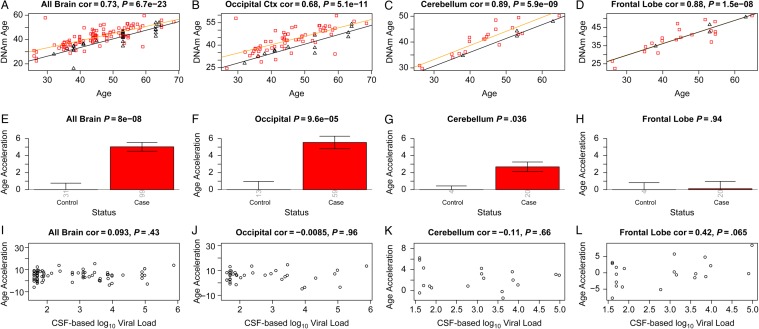
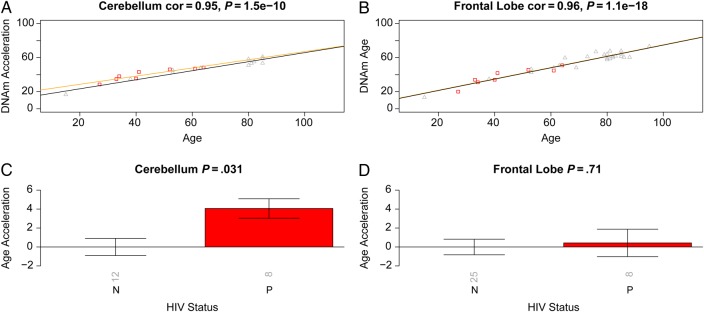
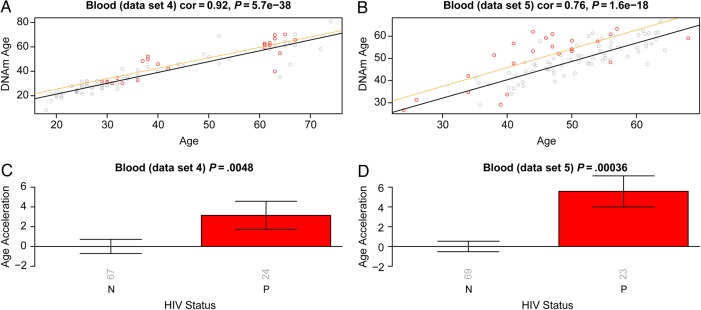
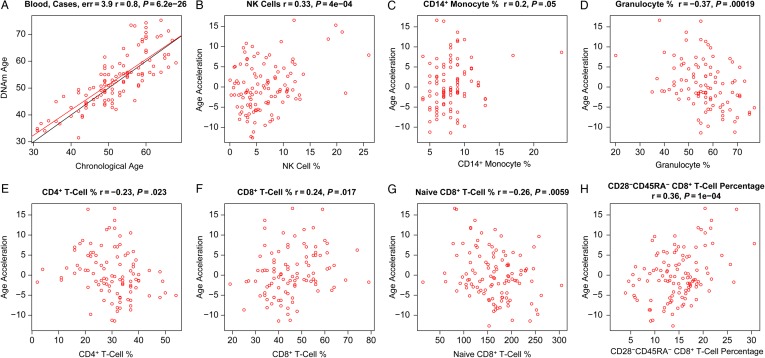
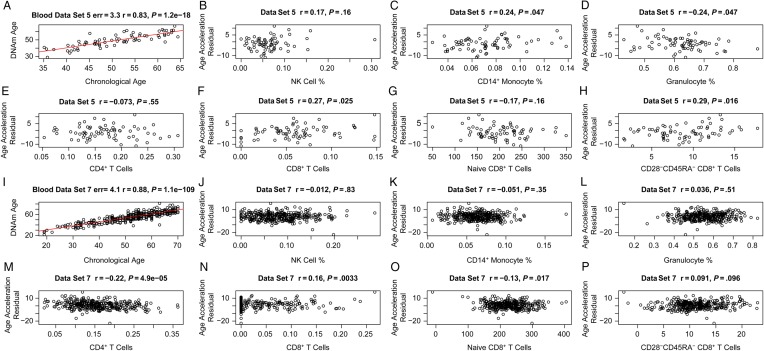
BACKGROUND: Infection with human immunodeficiency virus type 1 (HIV) is associated with clinical symptoms of accelerated aging, as evidenced by the increased incidence and diversity of age-related illnesses at relatively young ages and supporting findings of organ and cellular pathologic analyses. But it has been difficult to detect an accelerated aging effect at a molecular level. METHODS: Here, we used an epigenetic biomarker of aging based on host DNA methylation levels to study accelerated aging effects due to HIV infection. DNA from brain and blood tissue was assayed via the Illumina Infinium Methylation 450 K platform. RESULTS: Using 6 novel DNA methylation data sets, we show that HIV infection leads to an increase in epigenetic age both in brain tissue (7.4 years) and blood (5.2 years). While the observed accelerated aging effects in blood may reflect changes in blood cell composition (notably exhausted cytotoxic T cells), it is less clear what explains the observed accelerated aging effects in brain tissue. CONCLUSIONS: Overall, our results demonstrate that the epigenetic clock is a useful biomarker for detecting accelerated aging effects due to HIV infection. This tool can be used to accurately determine the extent of age acceleration in individual tissues and cells.
Overview
The claims and statistics of this paper haven’t been checked yet.
Free: it reads the open-access text and checks the first 5 claims that cite a source we can check. Create a free account to check every claim.
Integrity signals
Registry
Cites
Statistics
Figures
Verification
Claims the paper makes
The claims and statistics of this paper haven’t been checked yet.
Free: it reads the open-access text and checks the first 5 claims that cite a source we can check. Create a free account to check every claim.
Claims other papers make about this one
Each is checked against this paper’s own text: does it say what the citing paper says it does?
The source backs part of the claim, not all of it — or backs it for a different population, condition or comparison.
In the citing paper
“While it is incontrovertible that certain types of DNA damage mimic aging, including chemotherapy, radiation, smoking, and progeria”
From Loss of epigenetic information as a cause of mammalian aging (2023) · cites this paper as Horvath and Levine, 2015
Experimental — accuracy not yet measured
Self-check
Percentages, sums and reported differences re-computed from the paper’s own numbers.
The self-check needs the paper’s full text.
Citations
Cites
WGCNA: an R package for weighted correlation network analysis
Langfelder, P., & Horvath, S. (2008) · BMC Bioinformatics · doi:10.1186/1471-2105-9-559 · Cited by 27,252
Self-citationDNA methylation age of human tissues and cell types
Horvath, S. (2013) · Genome Biology · doi:10.1186/gb-2013-14-10-r115 · Cited by 7,075 · cited 11×
“eral recent studies support measuring accelerated aging effects by using DNA methylation levels [24, 25].”
BackgroundMethodInfluentialSelf-citationGenome-wide methylation profiles reveal quantitative views of human aging rates
Hannum, G., Guinney, J., Zhao, L., Zhang, L., Hughes, G., Sadda, S., Klotzle, B., Bibikova, M., Fan, J.-B., Gao, Y., et al. (2013) · Molecular Cell · doi:10.1016/j.molcel.2012.10.016 · Cited by 4,270
Clearance of p16Ink4a-positive senescent cells delays ageing-associated disorders
Baker, D. J., Wijshake, T., Tchkonia, T., LeBrasseur, N. K., Childs, B. G., van de Sluis, B., Kirkland, J. L., & van Deursen, J. M. (2011) · Nature · doi:10.1038/nature10600 · Cited by 3,670 · cited 1×
“[56] demonstrated that removal of senescent cells expressing p16 from a murine model of Progeria delayed the onset of aging-related diseases in several tissue and organ systems.”
BackgroundDNA methylation arrays as surrogate measures of cell mixture distribution
Houseman, E. A., Accomando, W. P., Koestler, D. C., Christensen, B. C., Marsit, C. J., Nelson, H. H., Wiencke, J. K., & Kelsey, K. T. (2012) · BMC Bioinformatics · doi:10.1186/1471-2105-13-86 · Cited by 3,175 · cited 2×
“Yun Liu [37], using the Houseman method [38].”
MethodUpdated research nosology for HIV-associated neurocognitive disorders
Antinori, A., Arendt, G., Becker, J. T., Brew, B. J., Byrd, D. A., Cherner, M., Clifford, D. B., Cinque, P., Epstein, L. G., Goodkin, K., et al. (2007) · Neurology · doi:10.1212/01.wnl.0000287431.88658.8b · Cited by 2,630 · cited 1×
“b HIV-related neurocognitive disorder was assessed as described elsewhere [33, 34].”
MethodDefining clusters from a hierarchical cluster tree: the Dynamic Tree Cut package for R
Langfelder, P., Zhang, B., & Horvath, S. (2008) · Bioinformatics · doi:10.1093/bioinformatics/btm563 · Cited by 1,892
Self-citationAn operational definition of epigenetics: Figure 1.
Berger, S. L., Kouzarides, T., Shiekhattar, R., & Shilatifard, A. (2009) · Genes & Development · doi:10.1101/gad.1787609 · Cited by 1,884
Teschendorff, A. E., Marabita, F., Lechner, M., Bartlett, T., Tegner, J., Gomez-Cabrero, D., & Beck, S. (2013) · Bioinformatics · doi:10.1093/bioinformatics/bts680 · Cited by 1,683
Triant, V. A., Lee, H., Hadigan, C., & Grinspoon, S. K. (2007) · The Journal of Clinical Endocrinology & Metabolism · doi:10.1210/jc.2006-2190 · Cited by 1,613 · cited 1×
“ease, osteoporosis, cancer, neurocognitive impairment, and frailty [1–11].”
Cited by
Items 201–300 of 611
Biological Aging in People Living with HIV on Successful Antiretroviral Therapy: Do They Age Faster?
Akusjärvi, S. S., & Neogi, U. (2023) · Current HIV/AIDS Reports · doi:10.1007/s11904-023-00646-0 · Cited by 41
Ndhlovu, L. C., Bendall, M. L., Dwaraka, V. B., Pang, A. P. S., Dopkins, N., Carreras-Gallo, N., Smith, R. C., Nixon, D. F., & Corley, M. J. (2024) · Aging Cell · doi:10.1111/acel.14288 · Cited by 42
“Prior studies have reported accelerated epigenetic aging in people living with infectious diseases such as HIV-1 (Gross et al., 2016 ; Horvath & Levine, 2015).”
BackgroundEpigenetic Age Acceleration Assessed with Human White-Matter Images
Hodgson, K., Carless, M. A., Kulkarni, H. R., Curran, J. E., Sprooten, E., Knowles, E. E. M., Mathias, S. R., Göring, H. H. H., Yao, N., Olvera, R. L., et al. (2017) · Journal of Neuroscience · doi:10.1523/jneurosci.0177-17.2017 · Cited by 41
“…is highly accurate in predicting age across a large number of different tissues, can be applied to data obtained for both the 27K and 450K Illumina Methylation BeadChips and has been shown to be predictive of a number of age-associated phenotypes (Horvath and Ritz, 2015; Marioni et al., 2015a, b).”
BackgroundMethodResultInfluentialAltered Immunity and Microbial Dysbiosis in Aged Individuals With Long-Term Controlled HIV Infection
Rhoades, N. S., Mendoza, N., Jankeel, A., Sureshchandra, S., Alvarez, A. D., Doratt, B. M., Heidari, O., Hagan, R., Brown, B. J., Scheibel, S., et al. (2019) · Frontiers in Immunology · doi:10.3389/fimmu.2019.00463 · Cited by 40
Biological age is a novel biomarker to predict stroke recurrence
Soriano‐Tárraga, C., Lazcano, U., Jiménez-Conde, J., Ois, Á., Cuadrado‐Godia, E., Steinhauer, E. G., Rodríguez-Campello, A., Gómez-González, A., Avellaneda-Gómez, C., Vivanco‐Hidalgo, R. M., et al. (2020) · Journal of Neurology · doi:10.1007/s00415-020-10148-3 · Cited by 40
Yang, C. X., Schön, E., Obeidat, M., Kobor, M. S., McEwen, L. M., MacIsaac, J. L., Lin, D. T. S., Novak, R. M., Hudson, F., Klinker, H., et al. (2020) · The Journal of Infectious Diseases · doi:10.1093/infdis/jiaa599 · Cited by 40
Self-citationYusuf, H. E., & Agwu, A. L. (2020) · Expert Review of Anti-infective Therapy · doi:10.1080/14787210.2021.1829473 · Cited by 40
“3 years, respectively, in HIV positive persons [120].”
BackgroundDifferential DNA methylation and lymphocyte proportions in a Costa Rican high longevity region
McEwen, L. M., Morin, A. M., Edgar, R. D., MacIsaac, J. L., Jones, M. J., Dow, W. H., Rosero-Bixby, L., Kobor, M. S., & Rehkopf, D. H. (2017) · Epigenetics & Chromatin · doi:10.1186/s13072-017-0128-2 · Cited by 36
“The scale of cell abundance is a measure from a bioinformatically derived prediction of the respective cell types using flow‐sorted counts from other datasets to infer cellular proportions of that specific isolated cell type based on the DNA methylation data [9, 46, 47]”
MethodDNA Methylation as a Biomarker of Aging in Epidemiologic Studies
Lim, U., & Song, M. (2018) · Methods in molecular biology · doi:10.1007/978-1-4939-8751-1_12 · Cited by 43
Estimating breast tissue-specific DNA methylation age using next-generation sequencing data
Castle, J., Lin, N., Liu, J., Storniolo, A. M., Shendre, A., Hou, L., Horvath, S., Liu, Y., Wang, C., & He, C. (2020) · Clinical Epigenetics · doi:10.1186/s13148-020-00834-4 · Cited by 39
Self-citationYu, T., Slone, J. D., Liu, W., Barnes, R. P., Opresko, P. L., Wark, L., Mai, S., Horvath, S., & Huang, T. (2022) · Aging Cell · doi:10.1111/acel.13669 · Cited by 39
“Horvath et al. have previously developed a DNA methylation- based estimator of biological age (pan tissue clock) that applies to all human tissues (Horvath, 2013; Horvath et al., 2015, 2016; Horvath & Levine, 2015; Jones et al., 2015).”
BackgroundSelf-citationReversal of biological age in multiple rat organs by young porcine plasma fraction
Horvath, S., Singh, K., Raj, K., Khairnar, S. I., Sanghavi, A., Shrivastava, A., Zoller, J. A., Li, C. Z., Hereñú, C. B., Canatelli-Mallat, M., et al. (2023) · GeroScience · doi:10.1007/s11357-023-00980-6 · Cited by 41
Self-citationZeballos, D., Lins-Kusterer, L., & Brites, C. R. (2019) · AIDS Research and Human Retroviruses · doi:10.1089/aid.2019.0103 · Cited by 39
Guarrera, S., Viberti, C., Cugliari, G., Allione, A., Casalone, E., Betti, M., Ferrante, D., Aspesi, A., Casadio, C., Grosso, F., et al. (2018) · Journal of Thoracic Oncology · doi:10.1016/j.jtho.2018.10.163 · Cited by 38
Casagrande, C. C., Lew, B. J., Taylor, B. K., Schantell, M. D., O’Neill, J., May, P. E., Swindells, S., & Wilson, T. W. (2021) · Human Brain Mapping · doi:10.1002/hbm.25408 · Cited by 38
“Thus, given the evidence for accelerated aging in HIV (Gross et al., 2016; Holt, Kraft-Terry, & Chang, 2012; Horvath & Levine, 2015; Lew et al., 2021; Pathai, Bajillan, Landay, & High, 2013), our finding of robustly increased spontaneous neural activity in PWH is not surprising.”
BackgroundHIV, pathology and epigenetic age acceleration in different human tissues
Horvath, S., Lin, D. T. S., Kobor, M. S., Zoller, J. A., Said, J. W., Morgello, S., Singer, E. J., Yong, W. H., Jamieson, B. D., & Levine, A. J. (2022) · GeroScience · doi:10.1007/s11357-022-00560-0 · Cited by 38
Self-citationKular, L., Klose, D., Urdánoz‐Casado, A., Ewing, E., Planell, N., Gómez-Cabrero, D., Needhamsen, M., & Jagodic, M. (2022) · Frontiers in Aging Neuroscience · doi:10.3389/fnagi.2022.926468 · Cited by 38
“Importantly, the calculation of AAR based on a model, including both MS patients and controls allowed a more conservative and unbiased approach, compared to a model using the difference between epigenetic and chronological age and/or solely control individuals, as done in other studies (Horvath and Levine, 2015; Horva…”
ResultUtility of DNA Methylation as a Biomarker in Aging and Alzheimer’s Disease
Milicic, L., Porter, T., Vacher, M. A., & Laws, S. M. (2023) · Journal of Alzheimer s Disease Reports · doi:10.3233/adr-220109 · Cited by 40
“There is ample evidence of premature biological aging in those with viral infections such as HIV [106, 107], individuals with decreased mental and physical fitness [108], body mass index and metabolic disease [109], non-alcoholic steatohepatitis [110], obesity [111], insomnia [112], and extreme stress [113].”
BackgroundKoop, B. E., Reckert, A., Becker, J., Han, Y., Wagner, W., & Ritz‐Timme, S. (2020) · International Journal of Legal Medicine · doi:10.1007/s00414-020-02375-0 · Cited by 39
“2 years higher compared with healthy controls [45].”
BackgroundPremeaux, T. A., D’Antoni, M. L., Abdel‐Mohsen, M., Pillai, S. K., Kallianpur, K. J., Nakamoto, B. K., Agsalda‐Garcia, M., Shiramizu, B. T., Shikuma, C. M., Gisslén, M., et al. (2018) · Journal of NeuroVirology · doi:10.1007/s13365-018-0696-3 · Cited by 37
Shiau, S., Arpadi, S. M., Shen, Y., Cantos, A., Ramon, C. V., Shah, J., Jang, G., Manly, J. J., Brickman, A. M., Baccarelli, A., et al. (2021) · Clinical Infectious Diseases · doi:10.1093/cid/ciab563 · Cited by 37
Kohanski, R. A., Deeks, S. G., Gravekamp, C., Halter, J. B., High, K. P., Hurria, A., Fuldner, R., Green, P. A., Huebner, R. E., Macchiarini, F., et al. (2016) · Annals of the New York Academy of Sciences · doi:10.1111/nyas.13297 · Cited by 38
Translational geroscience: From invertebrate models to companion animal and human interventions
Lee, M. B., & Kaeberlein, M. R. (2018) · Translational Medicine of Aging · doi:10.1016/j.tma.2018.08.002 · Cited by 36
Protein carbonyl content: a novel biomarker for aging in HIV/AIDS patients
Kolgiri, V., & Patil, V. W. (2016) · The Brazilian Journal of Infectious Diseases · doi:10.1016/j.bjid.2016.09.007 · Cited by 36
Epigenetic clock and methylation studies in vervet monkeys
Jasinska, A. J., Haghani, A., Zoller, J. A., Li, C. Z., Arneson, A., Ernst, J., Kavanagh, K., Jorgensen, M. J., Mattison, J. A., Wojta, K. J., et al. (2021) · GeroScience · doi:10.1007/s11357-021-00466-3 · Cited by 36
Self-citationLeukocyte Counts Based on DNA Methylation at Individual Cytosines
Frobel, J., Božić, T., Lenz, M., Uciechowski, P., Han, Y., Herwartz, R., Strathmann, K., Isfort, S., Panse, J., Esser, A., et al. (2017) · Clinical Chemistry · doi:10.1373/clinchem.2017.279935 · Cited by 35
Thurman, M., Johnson, S. D., Acharya, A., Pallikkuth, S., Mahesh, M., & Byrareddy, S. N. (2020) · Frontiers in Immunology · doi:10.3389/fimmu.2020.583934 · Cited by 36
“2 years in periphery, and virally-suppressed PLWH had a 19% increased risk of mortality compared to healthy controls (101, 102).”
BackgroundSehl, M. E., Rickabaugh, T. M., Shih, R., Martínez-Maza, O., Horvath, S., Ramirez, C. M., & Jamieson, B. D. (2020) · Pathogens and Immunity · doi:10.20411/pai.v5i1.376 · Cited by 35
“While several studies have confirmed accelerations in age-associated methylation patterns in the peripheral blood of individuals infected with HIV-1 [6-9], previous studies have included only cross-sectional investigations comparing”
ResultSelf-citationClement, J., Yan, Q., Agrawal, M., Coronado, R. E., Sturges, J. A., Horvath, M., Lu, A. T., Brooke, R. T., & Horvath, S. (2022) · Aging Cell · doi:10.1111/acel.13696 · Cited by 34
“Naive CD8+ T, exhausted cytotoxic CD8+ T cells, and plasmablasts were calculated as described in reference (Horvath & Levine, 2015).”
MethodSelf-citationTorma, F., Kerepesi, C., Jókai, M., Bakonyi, P., Koltai, E., Babszky, G., Ligeti, B., Kalcsevszki, R., McGreevy, K. M., Horvath, S., et al. (2024) · Aging Cell · doi:10.1111/acel.14101 · Cited by 35
“This would be consistent with previous findings where accelerated epigenetic aging was reported in the case of other pathogen infections such as HIV and SARS- CoV-2 (Cao et al., 2022; Horvath & Levine, 2015 ; Poganik et al., 2023 ).”
ResultSelf-citationMajor trauma and acceleration of the ageing process
Sullivan, J., Mirbahai, L., & Lord, J. M. (2018) · Ageing Research Reviews · doi:10.1016/j.arr.2018.10.001 · Cited by 34
Inflammation-related genes are associated with epigenetic aging in HIV
the HNRP Group, Sundermann, E. E., Hussain, M., Moore, D. J., Horvath, S., Lin, D. T. S., Kobor, M. S., & Levine, A. J. (2019) · Journal of NeuroVirology · doi:10.1007/s13365-019-00777-4 · Cited by 35
Self-citationArif, Y., Wiesman, A. I., O’Neill, J., Embury, C. M., May, P. E., Lew, B. J., Schantell, M. D., Fox, H. S., Swindells, S., & Wilson, T. W. (2020) · EBioMedicine · doi:10.1016/j.ebiom.2020.103065 · Cited by 34
“Briefly, an influential DNA methylation study recently provided strong evidence of accelerated ageing in PWH [16], which has helped ground more than a decade of circumstantial evidence [40-43].”
BackgroundReductions in Gray Matter Linked to Epigenetic HIV-Associated Accelerated Aging
Lew, B. J., Schantell, M. D., O’Neill, J., Morsey, B., Wang, T., Ideker, T., Swindells, S., Fox, H. S., & Wilson, T. W. (2021) · Cerebral Cortex · doi:10.1093/cercor/bhab045 · Cited by 34
Poloni, C., Szyf, M., Cheishvili, D., & Tsoukas, C. M. (2021) · The Journal of Infectious Diseases · doi:10.1093/infdis/jiab365 · Cited by 34
“We calculated age acceleration as previously described [13].”
BackgroundMethodInfluentialJia, P., Zhao, Z., Hulgan, T., Bush, W. S., Samuels, D. C., Bloss, C. S., Heaton, R. K., Ellis, R. J., Schork, N. J., Marra, C. M., et al. (2017) · American Journal of Medical Genetics Part B Neuropsychiatric Genetics · doi:10.1002/ajmg.b.32530 · Cited by 34
Human Aging and Age-Related Diseases: From Underlying Mechanisms to Pro-Longevity Interventions
Chmielewski, P. P., Data, K., Strzelec, B., Farzaneh, M., Anbiyaiee, A., Zaheer, U., Uddin, S., Sheykhi-Sabzehpoush, M., Mozdziak, P. E., Zabel, M., et al. (2024) · Aging and Disease · doi:10.14336/ad.2024.0280 · Cited by 37
Milicic, L., Vacher, M. A., Porter, T., Doré, V., Burnham, S. C., Bourgeat, P., Shishegar, R., Doecke, J. D., Armstrong, N. J., Tankard, R. M., et al. (2022) · GeroScience · doi:10.1007/s11357-022-00558-8 · Cited by 33
Induction of a Senescence-Like Phenotype in Cultured Human Fetal Microglia During HIV-1 Infection
Chen, N. C., Partridge, A. T., Tuzer, F., Cohen, J., Nacarelli, T., Navas-Martín, S., Sell, C., Torres, C., & Martín-García, J. (2018) · The Journals of Gerontology: Series A · doi:10.1093/gerona/gly022 · Cited by 29
Furlong, M., Paul, K. C., Yan, Q. J., Chuang, Y., Cockburn, M., Bronstein, J. M., Horvath, S., & Ritz, B. R. (2020) · International Journal of Hygiene and Environmental Health · doi:10.1016/j.ijheh.2020.113569 · Cited by 33
“above, as well as CD8 Naïve cells, CD4 Naïve cells, and CD8pCD28nCD45Ran (42), while controlling for age, education, sex, and Hispanic ethnicity.”
BackgroundInfluentialSelf-citationCorley, M. J., Sacdalan, C., Pang, A. P. S., Chomchey, N., Ratnaratorn, N., Valcour, V., Kroon, E. D. M. B., Cho, K. S., Belden, A. C., Colby, D. J., et al. (2021) · PLoS Pathogens · doi:10.1371/journal.ppat.1009785 · Cited by 32
“We sought to broaden our analysis of the epigenetic dataset for CD4+ T lymphocytes based on previous work that has shown DNA methylation levels at a subset of genomic loci accurately predict age termed the “epigenetic clock”[19] and chronic HIV-1 infection accelerates epigenetic age by approximately 5 years despite su…”
BackgroundIn vivo biomarkers of structural and functional brain development and aging in humans
Franke, K., Bublak, P., Hoyer, D., Billiet, T., Gaser, C., Witte, O. W., & Schwab, M. G. (2020) · Neuroscience & Biobehavioral Reviews · doi:10.1016/j.neubiorev.2017.11.002 · Cited by 33
Increased Rate of Epigenetic Aging in Men Living With HIV Prior to Treatment
Sehl, M. E., Breen, E. C., Shih, R., Chen, L., Wang, R., Horvath, S., Bream, J. H., Duggal, P., Martinson, J. J., Wolinsky, S. M., et al. (2022) · Frontiers in Genetics · doi:10.3389/fgene.2021.796547 · Cited by 31
Self-citationAging and Apolipoprotein E in HIV Infection
Geffin, R., & McCarthy, M. (2018) · Journal of NeuroVirology · doi:10.1007/s13365-018-0660-2 · Cited by 31
The joint effect of aging and HIV infection on microstructure of white matter bundles
Kuhn, T. P., Jin, Y., Huang, C., Kim, Y., Nir, T. M., Gullett, J. M., Jones, J. D., Sayegh, P., Chung, C. D., Dang, B. H., et al. (2019) · Human Brain Mapping · doi:10.1002/hbm.24708 · Cited by 30
“…as MCI prior to conversion to Alzheimer's disease (Ciarmiello et al., 2006), Parkinson's disease (Whitwell et al., 2007), and Huntington's disease (Horvath & Levine, 2015)), and as the pattern of HIV-related neuronal loss is not uniform, computing diffusivity metrics for a particular WM tract may…”
BackgroundBiological aging in schizophrenia and psychosis severity: DNA methylation analysis
Dada, O. O., Adanty, C., Dai, N., Jeremian, R., Alli, S. R., Gerretsen, P., Graff, A., Strauss, J., & Luca, V. D. (2020) · Psychiatry Research · doi:10.1016/j.psychres.2020.113646 · Cited by 30
Nwanaji‐Enwerem, J. C., Weisskopf, M. G., & Baccarelli, A. (2018) · Ageing Research Reviews · doi:10.1016/j.arr.2018.04.005 · Cited by 31
Raffield, L. M., Lu, A. T.-H., Szeto, M. D., Little, A., Grinde, K. E., Shaw, J. R., Auer, P. L., Cushman, M., Horvath, S., Irvin, M. R., et al. (2020) · Journal of Thrombosis and Haemostasis · doi:10.1111/jth.14741 · Cited by 30
Self-citationThe Epigenetic Pacemaker: modeling epigenetic states under an evolutionary framework
Farrell, C. P., Snir, S., & Pellegrini, M. A. (2020) · Bioinformatics · doi:10.1093/bioinformatics/btaa585 · Cited by 29
Paul, K. C., Binder, A. M., Horvath, S., Kusters, C., Yan, Q. J., Rosario, I. P. C. D., Yu, Y., Bronstein, J. M., & Ritz, B. R. (2021) · BMC Genomics · doi:10.1186/s12864-021-08009-y · Cited by 31
“In the PEG study with whole blood DNAm, we estimated the proportion of CD8 + T cells, CD4 + T cells, natural killer, B cells, monocytes, and granulocytes [39] and also counts of exhausted CD8 + T cells (defined as CD28-CD45RA-), naïve CD4 + T and naïve CD8 + T cells (defined as CD45RA + CCR7+), and plasmablasts [40, 4…”
MethodSelf-citationLifetime marijuana use and epigenetic age acceleration: A 17-year prospective examination
Allen, J. P., Danoff, J. S., Costello, M. A., Hunt, G. L., Hellwig, A. F., Krol, K. M., Gregory, S. G., Giamberardino, S. N., Sugden, K., & Connelly, J. J. (2022) · Drug and Alcohol Dependence · doi:10.1016/j.drugalcdep.2022.109363 · Cited by 29
A Statistical Framework to Identify Deviation from Time Linearity in Epigenetic Aging
Snir, S., vonHoldt, B. M., & Pellegrini, M. A. (2016) · PLoS Computational Biology · doi:10.1371/journal.pcbi.1005183 · Cited by 29
Role of Inflammasomes in HIV-1 and Drug Abuse Mediated Neuroinflammaging
Sil, S., Niu, F., Chivero, E. T., Singh, S., Periyasamy, P., & Buch, S. J. (2020) · Cells · doi:10.3390/cells9081857 · Cited by 29
“HIV-1 infection has been shown to accelerate the biological aging process of HIV-1-infected individuals by ~five years in blood cells [3] and ~seven years in the brain [56,57].”
BackgroundEpigenetic mutation load is weakly correlated with epigenetic age acceleration
Yan, Q. J., Paul, K. C., Lu, A. T.-H., Kusters, C., Binder, A. M., Horvath, S., & Ritz, B. R. (2020) · Aging · doi:10.18632/aging.103950 · Cited by 29
“Naïve CD8+ T, exhausted cytotoxic CD8+ T cells, and plasmablasts were calculated based on the Horvath method [58].”
Self-citationThe Evolving Field of Genetic Epidemiology: From Familial Aggregation to Genomic Sequencing
Duggal, P., Ladd‐Acosta, C., Ray, D., & Beaty, T. H. (2019) · American Journal of Epidemiology · doi:10.1093/aje/kwz193 · Cited by 28
Mikhaylova, A. V., McHugh, C., Polfus, L. M., Raffield, L. M., Boorgula, M. P., Blackwell, T. W., Brody, J. A., Broome, J., Chami, N., Chen, M., et al. (2021) · The American Journal of Human Genetics · doi:10.1016/j.ajhg.2021.08.007 · Cited by 29
Dong, Q., Song, N., Qin, N., Chen, C., Li, Z., Sun, X., Easton, J. B., Mulder, H. L., Plyler, E. M., Neale, G. A. M., et al. (2022) · Genome Medicine · doi:10.1186/s13073-022-01038-6 · Cited by 28
“Blood cell abundance measures were also estimated by the calculator, based on DNA methylation levels, as described previously [27, 28].”
MethodMontejano, R., Stella-Ascariz, N., Monge, S., Bernardino, J. I., Valero, I., Montes, M., Valencia, E., Martín‐Carbonero, L., Moreno, V., González‐García, J., et al. (2017) · JAIDS Journal of Acquired Immune Deficiency Syndromes · doi:10.1097/qai.0000000000001391 · Cited by 28
Dupras, C., Beck, S., Rothstein, M. A., Berner, A., Saulnier, K. M., Pinkesz, M., Prince, A. E. R., Liosi, S., Song, L., & Joly, Y. (2019) · Current Zoology · doi:10.1093/eep/dvz018 · Cited by 29
Napoletani, G., Protto, V., Marcocci, M. E., Nencioni, L., Palamara, A. T., & Chiara, G. D. (2021) · International Journal of Molecular Sciences · doi:10.3390/ijms22126279 · Cited by 28
Liang, X., Aouizerat, B. E., So‐Armah, K., Cohen, M. H., Marconi, V. C., Xu, K., & Justice, A. C. (2024) · Aging Cell · doi:10.1111/acel.14174 · Cited by 28
“The results are consistent with previous findings of the significant positive association between HIV infection and epigenetic age (Horvath et al., 2018; Horvath & Levine, 2015; Liang et al., 2022; Nelson et al., 2017).”
Stadtler, H., Shaw, G. A., & Neigh, G. N. (2021) · Neuroscience Letters · doi:10.1016/j.neulet.2021.135698 · Cited by 26
Biomarkers of Aging in HIV-Infected Children on Suppressive Antiretroviral Therapy
Shiau, S., Strehlau, R., Shen, J., Violari, A., Patel, F., Liberty, A., Foca, M. D., Wang, S., Terry, M. B., Yin, M. T., et al. (2018) · JAIDS Journal of Acquired Immune Deficiency Syndromes · doi:10.1097/qai.0000000000001714 · Cited by 26
DNA methylation age is associated with an altered hemostatic profile in a multiethnic meta-analysis
Ward-Caviness, C. K., Huffman, J. E., Everett, K., Germain, M., van Dongen, J., Hill, W. D., Jhun, M. A., Brody, J. A., Ghanbari, M., Du, L., et al. (2018) · Blood · doi:10.1182/blood-2018-02-831347 · Cited by 26
Matsuyama, M., WuWong, D. J., Horvath, S., & Matsuyama, S. (2019) · Aging · doi:10.18632/aging.101955 · Cited by 26
“com 3013 AGING including obesity [7], HIV infection [8], Down syndrome [9], Parkinson's disease [10], Werner syndrome [11], and menopause [12].”
BackgroundSelf-citationGindin, Y., Gaggar, A., Lok, A. S.-F., Janssen, H. L. A., Ferrari, C. I., Subramanian, G. M., Jiang, Z., Masur, H., Emmanuel, B., Poonia, B., et al. (2020) · Clinical Infectious Diseases · doi:10.1093/cid/ciaa1371 · Cited by 26
Going Beyond Giving Antiretroviral Therapy: Multimorbidity in Older People Aging with HIV in Nigeria
Obimakinde, A. M., Adebusoye, L. A., Achenbach, C. J., Ogunniyi, A. O., & Olaleye, D. O. (2019) · AIDS Research and Human Retroviruses · doi:10.1089/aid.2019.0131 · Cited by 25
“It is known that the persistence of chronic immune activation and low-grade inflammation, engendered by lowest-ever CD4 count is a major contributor to MM in PLWH through expedited immunologic aging compared with aged-matched HIV-negative individuals.24 Nadir CD4 is documented as a predictor for the development of MM,…”
BackgroundResultInfluentialShiau, S., Brummel, S. S., Kennedy, E. M., Hermetz, K. E., Spector, S. A., Williams, P. L., Kacanek, D., Smith, R. A., Drury, S. S., Agwu, A. L., et al. (2020) · AIDS · doi:10.1097/qad.0000000000002805 · Cited by 25
Cabrera‐Mendoza, B., Stertz, L., Najera, K., Selvaraj, S., Teixeira, A. L., Meyer, T. D., Fries, G. R., & Walss‐Bass, C. (2022) · American Journal of Medical Genetics Part B Neuropsychiatric Genetics · doi:10.1002/ajmg.b.32920 · Cited by 25
“…proportion for the different blood cell types (monocytes, CD4 + T-lymphocytes, B-lymphocytes, granulocytes, natural killer cells, and CD8 + Tlymphocytes) and neuronal cells in blood and brain samples, respectively (Guintivano, Aryee, & Kaminsky, 2013; Horvath & Levine, 2015; Houseman et al., 2012).”
BackgroundInvolvement of lncRNA TUG1 in HIV-1 Tat-Induced Astrocyte Senescence
Pillai, P. P., Kannan, M., Sil, S., Singh, S., Thangaraj, A., Chivero, E. T., Dagur, R. S., Tripathi, A., Hu, G., Periyasamy, P., et al. (2023) · International Journal of Molecular Sciences · doi:10.3390/ijms24054330 · Cited by 25
“However, there is ample evidence implicating that PLWH have a higher risk of developing certain age-related illnesses [2,58].”
BackgroundInfluentialThe role of DNA methylation in personalized medicine for immune-related diseases
Gupta, M. K., Peng, H., Li, Y., & Xu, C. (2023) · Pharmacology & Therapeutics · doi:10.1016/j.pharmthera.2023.108508 · Cited by 25
Epigenetic Control of Innate Immunity: Consequences of Acute Respiratory Virus Infection
Lefkowitz, R. B., Miller, C. M., Martinez-Caballero, J. D., & Ramos, I. (2024) · Viruses · doi:10.3390/v16020197 · Cited by 26
“It is well described that Human Immunodeficiency Virus (HIV) infection accelerates aging according to these epigenetic clocks based on DNA methylation patterns [92,93].”
BackgroundPatton, S. M., Wang, Q., Hulgan, T., Connor, J. R., Jia, P., Zhao, Z., Letendre, S. L., Ellis, R. J., Bush, W. S., Samuels, D. C., et al. (2017) · Fluids and Barriers of the CNS · doi:10.1186/s12987-017-0058-1 · Cited by 25
“Intensive research has suggested many possible mechanisms and etiologies for HAND, including persistent low-level immune activation and inflammation within the central nervous system (CNS) [4, 7, 8], comorbid conditions [9], and accelerated aging [10], but few of these mechanisms are directly actionable, and effective…”
Ehrlich, K. B., Yu, T., Sadiq, A., & Brody, G. H. (2021) · Attachment & Human Development · doi:10.1080/14616734.2021.1976934 · Cited by 25
DNA Break-Induced Epigenetic Drift as a Cause of Mammalian AgingPreprint
Hayano, M., Yang, J.-H., Bonkowski, M. S., Amorim, J. A., Ross, J. M., Coppotelli, G., Griffin, P. T., Chew, Y. C., Guo, W., Yang, X., et al. (2019) · bioRxiv (Cold Spring Harbor Laboratory) · doi:10.1101/808659 · Cited by 26
“…there is an abundance of evidence linking DNA damage to aging, including cancer chemotherapy, radiation exposure, smoking, and progeroid diseases such as Werner and Cockayne’s syndrome (Hofstatter et al., 2018; Horvath and Levine, 2015; Maccormick, 2006; Nance and Berry, 1992; Salk et al., 1985).”
BackgroundAn update in toxicology of ageing
Račková, L., Mach, M., & Brnoliaková, Z. (2021) · Environmental Toxicology and Pharmacology · doi:10.1016/j.etap.2021.103611 · Cited by 24
Hoare, J., Stein, D. J., Heany, S. J., Fouché, J., Phillips, N. J., Er, Ş., Myer, L., Zar, H. J., Horvath, S., & Levine, A. J. (2021) · Journal of NeuroVirology · doi:10.1007/s13365-021-00947-3 · Cited by 24
Self-citationFrailty Phenotype: A Clinical Marker of Age Acceleration in the Older HIV-Infected Population
Sánchez‐Conde, M., Rodríguez-Centeno, J., Dronda, F., López, J. C., Jiménez, Z., Berenguer, J., Pérez-Elías, M. J., Moreno, S., Rodés, B., & Brañas, F. (2019) · Epigenomics · doi:10.2217/epi-2018-0130 · Cited by 25
Gindin, Y., Chung, C., Jiang, Z., Zhou, J. Z., Xu, J., Billin, A. N., Myers, R. P., Goodman, Z., Landi, A., Houghton, M., et al. (2021) · Hepatology · doi:10.1002/hep.31488 · Cited by 23
Aging: the wound that never starts healing
Ogrodnik, M. B. (2025) · Nature Communications · doi:10.1038/s41467-025-64462-3 · Cited by 24
“Similarly, speci fi c epigenetic changes, which closely correlate with aging, known as the epigenetic agingclock, areacceleratedinconditions suchasinfections and various forms of tissue damage 43 – 45 .”
Aging and rejuvenation - a modular epigenome model
Chiavellini, P., Canatelli-Mallat, M., Lehmann, M., Gallardo, M. D., Hereñú, C. B., Cordeiro, J. L., Clement, J., & Goya, R. G. (2021) · Aging · doi:10.18632/aging.202712 · Cited by 23
Oursler, K. K., Marconi, V. C., Wang, Z., Xu, K., Montano, M. A., So‐Armah, K., Justice, A. C., & Sun, Y. V. (2022) · Clinical Infectious Diseases · doi:10.1093/cid/ciac656 · Cited by 22
Interindividual epigenetic variability: Sound or noise?
Tejedor, J. R., & Fraga, M. F. (2017) · BioEssays · doi:10.1002/bies.201700055 · Cited by 22
“Moreover, although the clock may reflect the potential consequences of intrinsic and programmed cellular events during the aging process, it is affected by other external factors such as viral infections, includingHIV [59], obesity [60], andmetabolic syndromes [61].”
BackgroundUnderwood, J., Cole, J. H., Leech, R., Sharp, D. J., Winston, A., & for the CHARTER group (2018) · JAIDS Journal of Acquired Immune Deficiency Syndromes · doi:10.1097/qai.0000000000001687 · Cited by 22
“The fi nding of increased brain-PAD complements those of Horvath et al 27 who reported epigenetic changes suggestive of accelerated aging in both the blood and brain of HIV-infected individuals.”
BackgroundGhanooni, D., Carrico, A. W., Williams, R. S., Glynn, T. R., Moskowitz, J. T., Pahwa, S. G., Pallikkuth, S., Roach, M. E., Dilworth, S. E., Aouizerat, B. E., et al. (2022) · Psychosomatic Medicine · doi:10.1097/psy.0000000000001123 · Cited by 21
“2 years,which is particularly associatedwith exhaustion of CD8+ cytotoxic/suppressor T cells (5).”
BackgroundCorley, M. J., Pang, A. P. S., Shikuma, C. M., & Ndhlovu, L. C. (2023) · Aging Cell · doi:10.1111/acel.13926 · Cited by 21
“Epigenetic clocks detect HIV-related aging effects (Gross et al., 2016; Horvath et al., 2018 ; Horvath & Levine, 2015; Leung et al., 2017; Shiau et al., 2021).”
BackgroundSoontornniyomkij, V., Moore, D. J., Gouaux, B. D., Soontornniyomkij, B., Sinsheimer, J. S., & Levine, A. J. (2019) · Journal of NeuroVirology · doi:10.1007/s13365-019-00761-y · Cited by 21
Self-citationAssociation of subjective social status with epigenetic aging among Black and White women
Hamlat, E. J., Adler, N. E., Laraia, B. A., Surachman, A., Lu, A. T.-H., Zhang, J., Horvath, S., & Epel, E. S. (2022) · Psychoneuroendocrinology · doi:10.1016/j.psyneuen.2022.105748 · Cited by 21
Self-citationThe Epigenetic Clock and Aging
Raj, K. (2017) · Elsevier eBooks · doi:10.1016/b978-0-12-811060-7.00004-8 · Cited by 21
Aung, H. L., Kootar, S., Gates, T. M., Brew, B. J., & Cysique, L. A. (2019) · European Geriatric Medicine · doi:10.1007/s41999-019-00164-6 · Cited by 21
Analysis of Epigenetic Age Predictors in Pain-Related Conditions
Kwiatkowska, K. M., Bacalini, M. G., Sala, C., Kaziyama, H. H. S., de Andrade, D. C., Terlizzi, R., Giannini, G., Cevoli, S., Pierangeli, G., Cortelli, P., et al. (2020) · Frontiers in Public Health · doi:10.3389/fpubh.2020.00172 · Cited by 21
“naive DNAm-based estimate of naive CD4T cells, expressed as ordinal abundance measures (57, 58)”
BackgroundInfluentialPolypharmacy in older adults with HIV infection: Effects on the brain
Smith, L., Letendre, S. L., Erlandson, K. M., Ma, Q., Ellis, R. J., & Farhadian, S. (2021) · Journal of the American Geriatrics Society · doi:10.1111/jgs.17569 · Cited by 20
“The phenomenon of premature epigenetic aging in PWH appears to be pronounced in the brain: Horvath and Levine demonstrated that HIV infection accelerates biological age by 7 years in brain tissue from autopsy and by 5 years in blood.(5) Received: 22 October 2021 Accepted: 7 November 2021”
BackgroundWomack, J. A., Murphy, T. E., Leo-Summers, L. S., Bates, J., Jarad, S., Gill, T. M., Hsieh, E., Rodriguez‐Barradas, M. C., Tien, P. C., Yin, M. T., et al. (2023) · Journal of the American Geriatrics Society · doi:10.1111/jgs.18304 · Cited by 20
“1–4 Finally, older PWH are more likely to have biomarkers associated with aging than their uninfected counterparts.(5,6) Comparing rates of falls and fragility fractures between the two populations, in 2018, 27.”
BackgroundBejaoui, Y., Amanullah, F. H., Saad, M., Taleb, S., Bradić, M., Mégarbané, A., Hssain, A. A., Khalil, C. A., & Hajj, N. E. (2023) · Clinical Epigenetics · doi:10.1186/s13148-023-01597-4 · Cited by 20
“A handful of studies reported an effect of viral infection including HIV and SARS-CoV-2 on epigenetic aging [15, 25, 26] [22].”
BackgroundDNA methylation age is not affected in psoriatic skin tissue
Shen, C., Wen, L., Ko, R., Gao, J., Shen, X., Zuo, X., Sun, L., Hsu, Y., Zhang, X., Cui, Y., et al. (2018) · Clinical Epigenetics · doi:10.1186/s13148-018-0584-y · Cited by 20
HIV Infection, Chromosome Instability, and Micronucleus Formation
Ellwanger, J. H., Kulmann‐Leal, B., Ziliotto, M., & Chies, J. A. B. (2023) · Viruses · doi:10.3390/v15010155 · Cited by 20
Han, W. M., Apornpong, T., Gatechompol, S., Ubolyam, S., Chattranukulchai, P., Wattanachanya, L., Siwamogsatham, S., Kerr, S. J., Erlandson, K. M., & Avihingsanon, A. (2022) · BMC Geriatrics · doi:10.1186/s12877-022-03720-1 · Cited by 19
“A previous study showed that HIV infection increases the epigenetic aging in brain tissue [29].”
BackgroundSchmitz, L., Duffie, E., Zhao, W., Ratliff, S. M., Ding, J., Liu, Y., Merkin, S. S., Smith, J. A., & Seeman, T. E. (2023) · American Journal of Epidemiology · doi:10.1093/aje/kwad172 · Cited by 20
Biological aging of different blood cell types
Marttila, S., Rajić, S., Ciantar, J., Mak, J. K. L., Junttila, I., Kummola, L., Hägg, S., Raitoharju, E., & Kananen, L. (2024) · GeroScience · doi:10.1007/s11357-024-01287-w · Cited by 19
“Conditions such as HIV and Parkinson’s disease have both been associated with increased epigenetic ageing and changes in cell composition [25, 56].”
Trauner, M., Gindin, Y., Jiang, Z., Chung, C., Subramanian, G. M., Myers, R. P., Gulamhusein, A. F., Kowdley, K. V., Levy, C., Goodman, Z. D., et al. (2019) · JHEP Reports · doi:10.1016/j.jhepr.2019.11.004 · Cited by 19
“In contrast to other chronic diseases such as NASH or HIV infection, where age acceleration has been determined to be in the range of 5 to 7 years, far greater age acceleration was observed in the current PSC cohort.(10,12,28) Specifically, PSC patients with minimal fibrosis or cirrhosis demonstrated median age accele…”
BackgroundResult
Metadata
- Authors
- Horvath, S., & Levine, A. J.
- Affiliations
- University of California, Los Angeles (US)
- Corresponding author
- Horvath, Steve
- Venue
- Journal of Infectious Diseases
- Publisher
- Oxford University Press (OUP)
- Published
- 2015-05-12
- Volume
- 212
- Issue
- 10
- Pages
- 1563-1573
- ISSN
- 0022-1899 (ISSN-L)
- 1537-6613
- PMC
- PMC4621253
- OpenAlex
- W2163887613
- Cited by
- 556
- References
- 100
- Citations by year
- 2026: 35 · 2025: 33 · 2024: 66 · 2023: 51 · 2022: 66 · 2021: 59 · 2020: 50 · 2019: 43 · 2018: 54 · 2017: 51 · 2016: 36 · 2015: 11
- FWCI
- 25.62
- Type
- journal article
- Language
- en
- Open access
- hybrid
- doi.org
- Licence
- cc-by-nc-nd
- Locations
- The Journal of Infectious Diseases (publishedVersion, cc-by-nc-nd)
- PubMed Central (publishedVersion, cc-by-nc-nd)
- PubMed (publishedVersion)
- Funders
- National Institute on Aging
- National Institutes of Health
- NIH (5R01AG042511-02, R01DA030913, U01-AI-35040)
- the University of California, Los Angeles (UCLA) AIDS Institute
- UCLA Center for AIDS Research (AI28697)
- the UCLA Clinical and Translational Science Institute
- National Center for Advancing Translational Sciences (UL1TR000124)
- the National Institute for Drug Abuse
- the National Institute of Allergy and Infectious Diseases
- the Los Angeles site of the Multicenter AIDS Cohort Study [
- the National NeuroAIDS Tissue Consortium
- National Neurological AIDS Bank (U01-MH08021 and R24-NS38841;)
- Texas NeuroAIDS Research Center (U01-MH083507 and R24-NS45491;)
- Manhattan HIV Brain Bank (U01-MH083501 and R24-MH59724)
- California NeuroAIDS Tissue Network (U01-MH083506 and R24-MH59745)
- Topics
- Life Sciences › Immunology and Microbiology › Virology › HIV Research and Treatment
- Life Sciences › Biochemistry, Genetics and Molecular Biology › Molecular Biology › Epigenetics and DNA Methylation
- Health Sciences › Medicine › Infectious Diseases › HIV-related health complications and treatments
- Keywords
- HIV-1 infection, accelerated aging, epigenetic clocks, DNA methylation, epigenetic age, brain tissue, blood, aging biomarkers
- MeSH terms
- Adolescent, Adult, Aged, Aging, Blood Cells, Brain, DNA, Humans, Male, Methylation, Middle Aged, HIV-1, HIV Infections, Epigenesis, Genetic, Young Adult
About these checks
Registry, retraction, Cites and statistics results are computed, not judged, with one exception: a printed reference that no index lists is read once by a model before it counts as a citation error. Claims are extracted by a model and kept only when their quote appears verbatim in the text; each cited source is then checked, with a model’s help, for whether it says what the claim relies on. Those verdicts can be wrong — read the claim’s quote and the cited source before relying on one.
Statistics and arithmetic are recomputed, not judged.
Confidence bands are shown only for fields calibrated on our annotated test set. None is calibrated yet, so no band is shown.
What counts as a claim ›How we measure confidence ›How we check this ›
Are you an author, or do you see a problem with this page? Request a review
Data sources
Bibliographic data: Semantic Scholar, OpenAlex, Crossref.
Contains information from the Semantic Scholar Academic Graph Datasets, made available under the ODC Attribution License (ODC-BY 1.0).
Semantic Scholar’s data is described in: Kinney, R., et al. (2023). The Semantic Scholar Open Data Platform. arXiv:2301.10140.
