

The DOI matches its Crossref record; 51 of the 52 references it cites were found in a registry or an index.
Advancing Psychologically Informed Practice for Patients With Persistent Musculoskeletal Pain: Promise, Pitfalls, and Solutions
Open accessAbstract
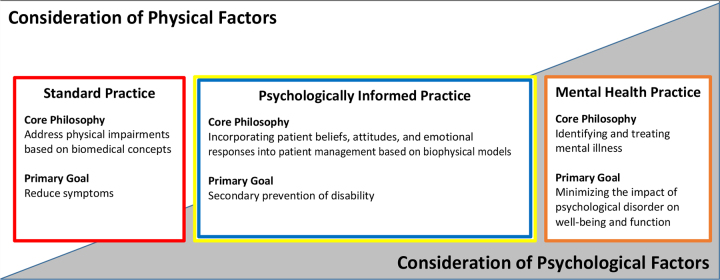
There has been growing interest in psychologically oriented pain management over the past 3 to 4 decades, including a 2011 description of psychologically informed practice (PIP) for low back pain. PIP requires a broader focus than traditional biomechanical and pathology-based approaches that have been traditionally used to manage musculoskeletal pain. A major focus of PIP is addressing the behavioral aspects of pain (ie, peoples’ responses to pain) by identifying individual expectations, beliefs, and feelings as prognostic factors for clinical and occupational outcomes indicating progression to chronicity. Since 2011, the interest in PIP seems to be growing, as evidenced by its use in large trials, inclusion in scientific conferences, increasing evidence base, and expansion to other musculoskeletal pain conditions. Primary care physicians and physical therapists have delivered PIP as part of a stratified care approach involving screening and targeting of treatment for people at high risk for continued pain-associated disability. Furthermore, PIP is consistent with recent national priorities emphasizing nonpharmacological pain management options. In this perspective, PIP techniques that range in complexity are described, considerations for implementation in clinical practice are offered, and future directions that will advance the understanding of PIP are outlined.
Overview
The claims and statistics of this paper haven’t been checked yet.
Run the check — free, no account needed. It reads the open-access text and checks the sources it cites.
Integrity signals
Registry
Cites
Statistics
Figures
Verification
Claims the paper makes
The claims and statistics of this paper haven’t been checked yet.
Run the check — free, no account needed. It reads the open-access text and checks the sources it cites.
Claims other papers make about this one
Each is checked against this paper’s own text: does it say what the citing paper says it does?
The source backs part of the claim, not all of it — or backs it for a different population, condition or comparison.
In the citing paper
“Typical components of PiPT interventions include some combination of education, cognitive-behavioral techniques for addressing coping strategies and responses to pain, and practices that influence psychophysiology such as body awareness and mindful movement.31-34”
From Remotely Delivered Psychologically Informed Mindful Movement Physical Therapy for Pain Care: A Framework for Operationalization (2023) · cites this paper as [32]
Experimental — accuracy not yet measuredThe source backs part of the claim, not all of it — or backs it for a different population, condition or comparison.
In the citing paper
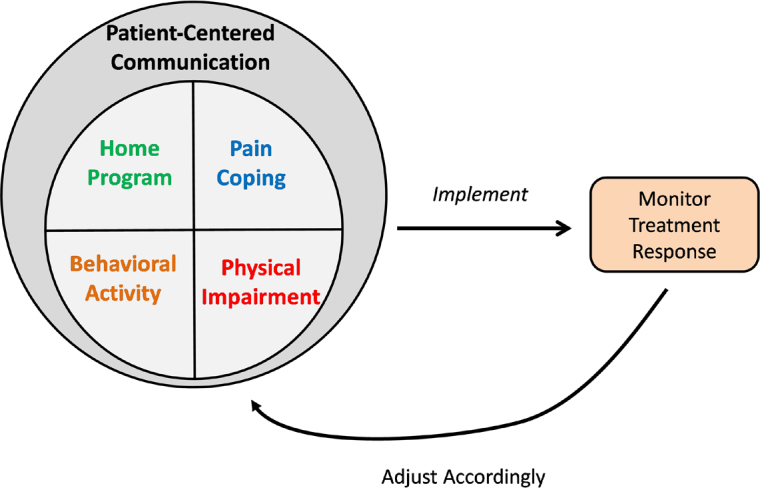
“The inclusion of patient centered communication (e.g. motivational interviewing) aid in supporting a healthy therapeutic alliance and self-efficacy for change.31-34”
From Remotely Delivered Psychologically Informed Mindful Movement Physical Therapy for Pain Care: A Framework for Operationalization (2023) · cites this paper as [32]
Experimental — accuracy not yet measuredThe source backs part of the claim, not all of it — or backs it for a different population, condition or comparison.
In the citing paper
“Challenges to implementation and delivery of PiPT include wide variability in programs with no clear rationale or framework for inclusion, or exclusion, of specific components.22,31-34”
From Remotely Delivered Psychologically Informed Mindful Movement Physical Therapy for Pain Care: A Framework for Operationalization (2023) · cites this paper as [32]
Experimental — accuracy not yet measuredThe source backs part of the claim, not all of it — or backs it for a different population, condition or comparison.
In the citing paper
“The success of delivery of PiPT and PNE has been shown to be impacted by the PT’s confidence and comfort with the program as well as the therapist having the qualities necessary to implement patient-centered care.20,28,32,35,44,52”
From Remotely Delivered Psychologically Informed Mindful Movement Physical Therapy for Pain Care: A Framework for Operationalization (2023) · cites this paper as [32]
Experimental — accuracy not yet measured
Self-check
Percentages, sums and reported differences re-computed from the paper’s own numbers.
The self-check needs the paper’s full text.
Citations
Cites
Acceptance and commitment therapy: model, processes and outcomes
Hayes, S. C., Luoma, J. B., Bond, F. W., Masuda, A., & Lillis, J. (2006) · Behaviour Research and Therapy · doi:10.1016/j.brat.2005.06.006 · Cited by 6,587
CDC Guideline for Prescribing Opioids for Chronic Pain—United States, 2016
Dowell, D., Haegerich, T. M., & Chou, R. (2016) · JAMA · doi:10.1001/jama.2016.1464 · Cited by 5,161
Qaseem, A., Wilt, T. J., McLean, R. M., Forciea, M. A., & for the Clinical Guidelines Committee of the American College of Physicians* (2017) · Annals of Internal Medicine · doi:10.7326/m16-2367 · Cited by 3,234
The impact of patient-centered care on outcomes.
Stewart, M., Brown, J. B., DONNER, A. P., McWhinney, I. R., Oates, J., Weston, W. W., & Jordan, J. (2000) · PubMed · Cited by 2,508
RELIEVING PAIN IN AMERICA: A BLUEPRINT FOR TRANSFORMING PREVENTION, CARE, EDUCATION, AND RESEARCH
Simon, L. S. (2012) · Journal of Pain & Palliative Care Pharmacotherapy · doi:10.3109/15360288.2012.678473 · Cited by 2,200
Hill, J. C., Whitehurst, D. G., Lewis, M., Bryan, S., Dunn, K. M., Foster, N. E., Konstantinou, K., Main, C. J., Mason, E., Somerville, S., et al. (2011) · The Lancet · doi:10.1016/s0140-6736(11)60937-9 · Cited by 1,306
Self-citationA review of therapist characteristics and techniques positively impacting the therapeutic alliance
Ackerman, S. J., & Hilsenroth, M. J. (2003) · Clinical Psychology Review · doi:10.1016/s0272-7358(02)00146-0 · Cited by 1,176
Beidas, R. S., & Kendall, P. C. (2010) · Clinical Psychology: Science and Practice · doi:10.1111/j.1468-2850.2009.01187.x · Cited by 1,085
A primary care back pain screening tool: identifying patient subgroups for initial treatment
Hill, J. C., Dunn, K. M., Lewis, M., Mullis, R., Main, C. J., Foster, N. E., & Hay, E. M. (2008) · Arthritis Care & Research · doi:10.1002/art.23563 · Cited by 1,052
Self-citationRelieving pain in America: a blueprint for transforming prevention, care, education, and research
(2012) · Choice Reviews Online · doi:10.5860/choice.49-6323 · Cited by 1,004
Research works printed but not linked: 3
- University of Pittsburgh, The TARGET Trial
- Australian Pain Society, The Work Injury Screening and Early Intervention (WISE) study
- Luoma, 2007, Learning ACT: An Acceptance and Commitment Therapy Skills-Training Manual for Therapists
Cited by
Sorted by citations
A critical review of the biopsychosocial model of low back pain care: time for a new approach?
Mescouto, K. A., Olson, R. E., Hodges, P. W., & Setchell, J. (2020) · Disability and Rehabilitation · doi:10.1080/09638288.2020.1851783 · Cited by 298
Ho, E. K.-Y., Chen, L., Simic, M., Ashton-James, C. E., Comachio, J., Wang, D. X. M., Hayden, J. A., Ferreira, M. L., & Ferreira, P. H. (2022) · BMJ · doi:10.1136/bmj-2021-067718 · Cited by 220
“Consistent with psychologically informed practice, an approach described more than a decade ago, 108 109 our results reinforce the clinical advantages of integrating physiotherapy care with psychological strategies or interventions.”
ResultHolopainen, R., Simpson, P., Piirainen, A., Karppinen, J., Schütze, R., Smith, A., O'Sullivan, P., & Kent, P. (2020) · Pain · doi:10.1097/j.pain.0000000000001809 · Cited by 180
An Overview of Recent Developments in the Management of Burn Injuries
Radzikowska-Büchner, E., Łopuszyńska, I., Flieger, W., Tobiasz, M., Maciejewski, R., & Flieger, J. (2023) · International Journal of Molecular Sciences · doi:10.3390/ijms242216357 · Cited by 214
Hoffman, H. G., Rodriguez, R. A., Gonzalez, M., Bernardy, M. K., Peña, R., Beck, W., Patterson, D. R., & Meyer, W. J. (2019) · Frontiers in Human Neuroscience · doi:10.3389/fnhum.2019.00262 · Cited by 177
“Development of more powerful new non-pharmacologic pain management techniques is a national and international priority (Keefe et al., 2018), and Virtual Reality has strong potential as a new direction for behavioral medicine (Keefe et al.”
BackgroundThe biopsychosocial model of pain 40 years on: time for a reappraisal?
Nicholas, M. K. (2022) · Pain · doi:10.1097/j.pain.0000000000002654 · Cited by 158
Lotzke, H., Brisby, H., Gutke, A., Hägg, O., Jakobsson, M., Smeets, R., & Lundberg, M. (2019) · Physical Therapy · doi:10.1093/ptj/pzz020 · Cited by 112
“62 Van Erp et al 63 showed that Swedish surgeons recommend faster mobilization than their Dutch counterparts (direct vs 1 day postoperative), and more activities on the first day (sitting, standing, walking); there are no available studies of Swedish physical therapists’ attitudes toward…”
Coronado, R. A., Brintz, C. E., McKernan, L. C., Master, H., Motzny, N., Silva, F. M., Goyal, P. M., Wegener, S. T., & Archer, K. R. (2020) · PAIN Reports · doi:10.1097/pr9.0000000000000847 · Cited by 115
“Currently, there is no widely accepted standard for PIPT intervention training.(42) Several high-quality studies included rigorous and comprehensive training programs that would be expected to be more effective in preparing physical therapists to”
BackgroundLentz, T. A., George, S. Z., Manickas-Hill, O., Malay, M., O’Donnell, J., Jayakumar, P., Jiranek, W. A., & Mather, R. C. “. (2020) · Clinical Orthopaedics and Related Research · doi:10.1097/corr.0000000000001520 · Cited by 110
“Use of nonstigmatizing language and inquiring about a patient’s overall psychological and emotional well-being during patient assessment are twomethods of ensuring the success of a psychologically-based approach to evaluation and treatment [20, 36].”
BackgroundSelf-citationGodfrey, E., Wileman, V., Galea Holmes, M., McCracken, L. M., Norton, S., Moss-Morris, R., Noonan, S., Barcellona, M., & Critchley, D. (2020) · The Journal of Pain · doi:10.1016/j.jpain.2019.05.012 · Cited by 91
“Interest in this approach is growing, however, many questions remain, such as how much treatment is required and whether it can be delivered with adequate fidelity.(13) Physical therapists frequently report a lack of confidence in using psychological techniques successfully(14) and may have difficulty identifying psyc…”
BackgroundSimpson, P., Holopainen, R., Schütze, R., O’Sullivan, P., Smith, A. J., Linton, S. J., Nicholas, M. K., & Kent, P. M. (2021) · Physical Therapy · doi:10.1093/ptj/pzab188 · Cited by 79
Hoffman, H. G., Boe, D. A., Rombokas, E., Khadra, C., May, S. L., Meyer, W. J., Patterson, S., Ballesteros, A., & Pitt, S. W. (2020) · Journal of Hand Therapy · doi:10.1016/j.jht.2020.04.001 · Cited by 99
From Fear to Safety: A Roadmap to Recovery From Musculoskeletal Pain
Cañeiro, J. P., Smith, A. J., Bunzli, S., Linton, S. J., Moseley, G. L., & O’Sullivan, P. (2021) · Physical Therapy · doi:10.1093/ptj/pzab271 · Cited by 71
Hohenschurz‐Schmidt, D., Thomson, O. P., Rossettini, G., Miciak, M., Newell, D., Roberts, L. C., Vase, L., & Draper‐Rodi, J. (2022) · Musculoskeletal Science and Practice · doi:10.1016/j.msksp.2022.102677 · Cited by 67
‘My hip is damaged’: a qualitative investigation of people seeking care for persistent hip pain
de Oliveira, B. I. R., Smith, A., O'Sullivan, P., Haebich, S., Fick, D., Khan, R., & Bunzli, S. (2020) · British Journal of Sports Medicine · doi:10.1136/bjsports-2019-101281 · Cited by 38
Virtual Reality Analgesia for Children With Large Severe Burn Wounds During Burn Wound Debridement
Hoffman, H. G., Patterson, D. R., Rodriguez, R. A., Peña, R., Beck, W., & Meyer, W. J. (2020) · Frontiers in Virtual Reality · doi:10.3389/frvir.2020.602299 · Cited by 55
“Several studies have explored the effectiveness of VR pain reduction during burn wound cleaning of burn patients treated for smaller injuries [i.e., <10% Total Body Surface Area (TBSA); (Faber et al., 2013; Garrett et al., 2014; Jeffs et al., 2014; Khadra et al., 2020)].”
BackgroundPsychosocial factors in low back pain: letting go of our misconceptions can help management
O’Keeffe, M., George, S. Z., O’Sullivan, P., & O’Sullivan, K. (2018) · British Journal of Sports Medicine · doi:10.1136/bjsports-2018-099816 · Cited by 52
Self-citationScreening for Yellow Flags in Orthopaedic Physical Therapy: A Clinical Framework
Stearns, Z. R., Carvalho, M., Beneciuk, J. M., & Lentz, T. A. (2021) · Journal of Orthopaedic and Sports Physical Therapy · doi:10.2519/jospt.2021.10570 · Cited by 51
Denneny, D., Frijdal (nee Klapper), A., Bianchi-Berthouze, N., Greenwood, J., McLoughlin, R., Petersen, K., Singh, A., & C. de C. Williams, A. (2020) · Physiotherapy · doi:10.1016/j.physio.2019.01.014 · Cited by 49
Alghamdi, N., Meyer, W. J., Atzori, B., Alhalabi, W., Seibel, C. C., Ullman, D., & Hoffman, H. G. (2020) · Frontiers in Human Neuroscience · doi:10.3389/fnhum.2019.00467 · Cited by 49
“…to traditional pain medications to help reduce the pain experienced by patients during painful severe burn wound cleaning sessions (Hoffman et al., 2000, 2004a, 2019; Maani et al., 2011a,b; Kipping et al., 2012; Faber et al., 2013; Jeffs et al., 2014; Khadra et al., 2018; McSherry et al., 2018)1.”
BackgroundBallengee, L. A., Zullig, L. L., & George, S. Z. (2021) · Journal of Pain Research · doi:10.2147/jpr.s311973 · Cited by 46
“These core components are drawn from conceptual models that have been used in mental health and then applied in an integrated fashion (ie, with treatment of physical impairments) for pain clinic and rehabilitation settings.(7,10,11) The conceptual models used in these clinical settings include the fear avoidance model…”
BackgroundMethodSelf-citationMaistrello, L. F., Zanconato, L., Palese, A., Geri, T., Turolla, A., Gianola, S., Dell’Isola, A., & Rossettini, G. (2022) · Physical Therapy · doi:10.1093/ptj/pzac080 · Cited by 46
“59,60 From an educational perspective, our findings inform the need for tailored training on biopsychosocial dimensions at both undergraduate and postgraduate levels.”
Adverse Childhood Experiences and Trauma-Informed Care in Rehabilitation Clinical Practice
Ranjbar, N. E., & Erb, M. (2019) · Archives of Rehabilitation Research and Clinical Translation · doi:10.1016/j.arrct.2019.100003 · Cited by 49
George, S. Z., Lentz, T. A., & Goertz, C. (2021) · Translational research · doi:10.1016/j.trsl.2021.04.006 · Cited by 44
Self-citationHitching, R., Hoffman, H. G., García‐Palacios, A., Adamson, M. M., Madrigal, E., Alhalabi, W., Alhudali, A., Sampaio, M., Peterson, B. N., Fontenot, M. R., et al. (2023) · Journal of Clinical Medicine · doi:10.3390/jcm12030843 · Cited by 43
“The increased feasibility of widespread dissemination is occurring at a time of greatly increased demand for non-pharmacologic analgesics, in light of the opioid death epidemic [53,54] and a growing awareness of the need to avoid oversedation.”
BackgroundBeneciuk, J. M., George, S. Z., Greco, C. M., Schneider, M. J., Wegener, S. T., Saper, R. B., & Delitto, A. (2019) · Trials · doi:10.1186/s13063-019-3350-3 · Cited by 43
Self-citationThomson, O. P., & MacMillan, A. (2023) · International journal of osteopathic medicine · doi:10.1016/j.ijosm.2023.100659 · Cited by 49
Costa, F., Janela, D., Molinos, M., Lains, J., Francisco, G. E., Bento, V., & Dias Correia, F. (2022) · BMC Musculoskeletal Disorders · doi:10.1186/s12891-021-04891-5 · Cited by 35
“A biopsychosocial approach such as this program provides is strongly recommended in the management of MSK conditions [19, 82, 83].”
MethodJanela, D., Costa, F., Molinos, M., Moulder, R. G., Lains, J., Francisco, G. E., Bento, V., Cohen, S. P., & Correia, F. D. (2022) · Journal of Pain Research · doi:10.2147/jpr.s343308 · Cited by 33
“11,87,95 The innovative nature of this DCP also allowed for flexibility and convenience of treatment, while the real-time biofeedback, the biopsychosocial framework 29,96 and regular communication with the PT contributed to enhanced adherence and maximized clinical outcomes.”
BackgroundMindfulness and Acceptance–Based Interventions in Physical Therapist Practice: The Time Is Now
Tatta, J., Willgens, A. M., & Palombaro, K. M. (2022) · Physical Therapy · doi:10.1093/ptj/pzab293 · Cited by 30
Vader, K., Bostick, G. P., Carlesso, L. C., Hunter, J. P., Mesaroli, G., Perreault, K., Tousignant‐Laflamme, Y., Tupper, S. M., Walton, D. M., Wideman, T. H., et al. (2021) · Physiotherapy Canada · doi:10.3138/ptc-2020-0124-gee · Cited by 30
Gervais-Hupé, J., Filleul, A., Perreault, K., & Hudon, A. (2022) · Disability and Rehabilitation · doi:10.1080/09638288.2022.2094479 · Cited by 34
Hoffman, H. G., Fontenot, M. R., García‐Palacios, A., Greenleaf, W. J., Alhalabi, W., Curatolo, M., & Flor, H. (2023) · Scientific Reports · doi:10.1038/s41598-023-31038-4 · Cited by 31
Virtual Reality Distraction to Help Control Acute Pain during Medical Procedures
Hoffman, H. G., Meyer, W. J., Drever, S. A., Soltani, M., Atzori, B., Herrero, R., Alhalabi, W., Richards, T. L., Sharar, S. R., Jensen, M. P., et al. (2019) · Virtual reality technologies for health and clinical applications · doi:10.1007/978-1-4939-9482-3_8 · Cited by 28
Holopainen, R., Piirainen, A., Karppinen, J., Linton, S., & O'Sullivan, P. (2020) · Physiotherapy Theory and Practice · doi:10.1080/09593985.2020.1753271 · Cited by 27
Russek, L. N., Block, N. P., Byrne, E., Chalela, S., Chan, C. L., Comerford, M., Frost, N., Hennessey, S., McCarthy, A., Nicholson, L. L., et al. (2023) · Frontiers in Medicine · doi:10.3389/fmed.2022.1072764 · Cited by 29
Pain psychology in the 21st century: lessons learned and moving forward
Flink, I. K., Rème, S. E., Jacobsen, H. B., Glombiewski, J. A., Vlaeyen, J. W. S., Nicholas, M. K., Main, C. J., Peters, M. L., Williams, A. C. D. C., Schrooten, M. G. S., et al. (2020) · Scandinavian Journal of Pain · doi:10.1515/sjpain-2019-0180 · Cited by 26
“Finally, the development of Psychologically Informed Practice, or PiP [38], which encompasses the range of core psychological elements of cognitive behavioral approaches, and recent variants such as Acceptance and Commitment Therapy (ACT), and has stimulated re-examination of the nature of consultations and emphasized…”
BackgroundSelf-citationSelhorst, M., Fernandez-Fernandez, A., Schmitt, L. C., & Hoehn, J. (2021) · Archives of Physical Medicine and Rehabilitation · doi:10.1016/j.apmr.2021.03.016 · Cited by 21
Janela, D., Costa, F. M. T. A., Molinos, M., Moulder, R. G., Jr., Laíns, J., Francisco, G. E., Bento, V., Cohen, S. P., & Correia, F. D. (2022) · DOAJ (DOAJ: Directory of Open Access Journals) · Cited by 25
The prevalence of fear avoidance and pain catastrophising amongst patients with chronic neck pain
Cresswell, C., Galantino, M. L., & Myezwa, H. (2020) · South African Journal of Physiotherapy · doi:10.4102/sajp.v76i1.1326 · Cited by 26
Holmes, M. B., Scott, A., Camarinos, J., Marinko, L. N., & George, S. Z. (2022) · Disability and Rehabilitation · doi:10.1080/09638288.2022.2060337 · Cited by 26
Self-citationHohenschurz‐Schmidt, D., Scott, W., Park, C., Christopoulos, G., Vogel, S. K., & Draper‐Rodi, J. (2020) · PAIN Reports · doi:10.1097/pr9.0000000000000878 · Cited by 22
“telehealth has repeatedly been demonstrated for a range of musculoskeletal conditions(61,81,85,89), and indeed, establishing a diagnosis with high certainty is a prerequisite for continued remote management.(53) In terms of informational content, a recent study in general practice indicates that although length, quali…”
BackgroundCowell, I., McGregor, A., O’Sullivan, P., O’Sullivan, K., Poyton, R., Schoeb, V., & Murtagh, G. (2021) · Qualitative Health Research · doi:10.1177/10497323211037651 · Cited by 22
“Our previous observational study analyzed physiotherapists prior to undergoing training in PIP and demonstrated how physiotherapists do not always engage verbally and nonverbally with cues reflecting patient’s concerns about pain and incapacity (Cowell, McGregor, et al., 2019).”
BackgroundInfluentialDetermination of Pain Phenotypes in Knee Osteoarthritis Using Latent Profile Analysis
Kittelson, A. J., Schmiege, S. J., Maluf, K. S., George, S. Z., & Stevens‐Lapsley, J. E. (2020) · Pain Medicine · doi:10.1093/pm/pnaa398 · Cited by 22
Self-citationKeefe, F. J., Jensen, M. P., Williams, A. C. D. C., & George, S. Z. (2021) · Pain · doi:10.1097/j.pain.0000000000002546 · Cited by 22
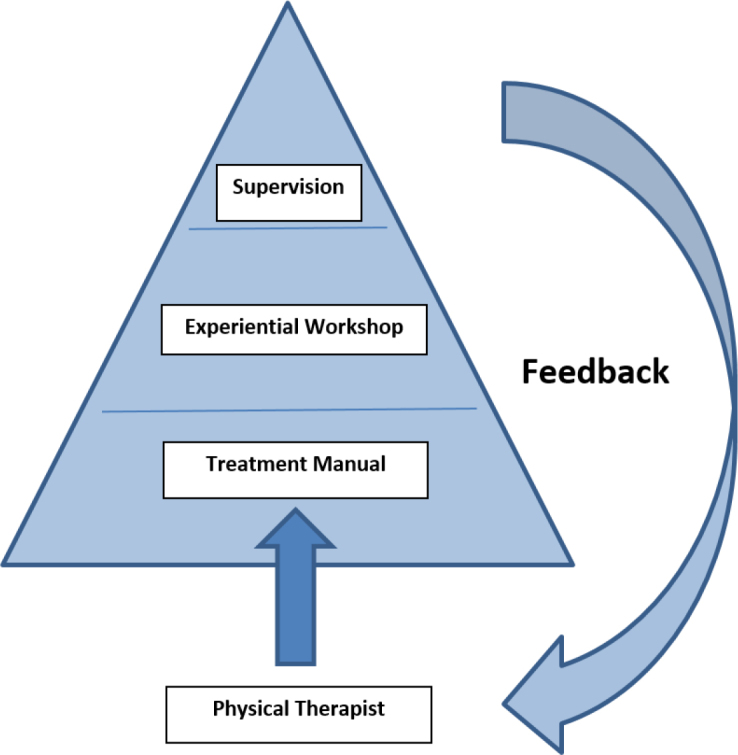
“[11 ] Training materials and supervision procedures developed for a pragmatic trials can serve as resources for enhancing the uptake of interventions, ultimately making them more accessible to the wider population of patients who could benefit.”
BackgroundSelf-citationMcGrath, R. L., Shephard, S., Parnell, T., Verdon, S., & Pope, R. (2023) · Physiotherapy Theory and Practice · doi:10.1080/09593985.2023.2284823 · Cited by 23
“…the use of cognitive-behavioral approaches and mindfulness-based interventions in the management of pain-related distress lie within the scope of specialist pain physiotherapists (Alvarez et al., 2022; Coronado et al., 2020; Keefe, Main, and George, 2018; Tatta, Willgens, and Palombaro, 2022).”
Reconnecting the Brain With the Rest of the Body in Musculoskeletal Pain Research
Langevin, H. M. (2021) · The Journal of Pain · doi:10.1016/j.jpain.2020.02.006 · Cited by 24
Mayhew, M., Balderson, B. H. K., Cook, A. J., Dickerson, J. F., Elder, C. R., Firemark, A. J., Haller, I. V., Justice, M., Keefe, F. J., McMullen, C. K., et al. (2023) · Trials · doi:10.1186/s13063-023-07165-8 · Cited by 20
“Despite the growing emphasis on standardized training and implementation methods, CBT-CP services often vary in content and quality [20].”
BackgroundSelf-citationPatterson, D. R., Hoffman, H. G., Chambers, G. T., Bennetts, D., Hunner, H. H., WIECHMAN, S. A., García‐Palacios, A., & Jensen, M. P. (2021) · International Journal of Clinical and Experimental Hypnosis · doi:10.1080/00207144.2021.1882259 · Cited by 23
“In light of the current opioid addiction/overdose death crisis (Chen et al., 2019), developing effective adjunctive nonpharmacologic analgesic techniques for acute pain management is a national priority (Keefe et al., 2018; Van Denburg et al., 2018).”
BackgroundPsychologically Informed Practice: The Importance of Communication in Clinical Implementation
Main, C. J., Ballengee, L. A., George, S. Z., Beneciuk, J. M., Greco, C. M., & Simon, C. B. (2023) · Physical Therapy · doi:10.1093/ptj/pzad047 · Cited by 23
Self-citationKennedy, M., Pallotti, P., Dickinson, R., & Harley, C. (2018) · British Journal of Pain · doi:10.1177/2049463718804572 · Cited by 19
Firoozabadi, R., Elhaddad, M., Drever, S. A., Soltani, M., Githens, M. F., Kleweno, C. P., Sharar, S. R., Patterson, D. R., & Hoffman, H. G. (2020) · Frontiers in Virtual Reality · doi:10.3389/frvir.2020.553492 · Cited by 19
“, 2019), research and development of adjunctive non-opioid pain management techniques has become a national priority (Keefe et al., 2018).”
BackgroundTatta, J., Nijs, J., Elma, Ö., Malfliet, A., & Magnusson, D. (2021) · Physical Therapy · doi:10.1093/ptj/pzab296 · Cited by 21
Digital rehabilitation for hand and wrist pain: a single-arm prospective longitudinal cohort study
Costa, F., Janela, D., Molinos, M., Moulder, R., Laíns, J., Francisco, G., Bento, V., Yanamadala, V., Cohen, S. P., & Correia, F. (2022) · PAIN Reports · doi:10.1097/pr9.0000000000001026 · Cited by 15
“the strong evidence supporting a biopsychosocial framework in the management of other MSK pain conditions, there seems to be a need to further study these components.(35,45,56) Despite guidelines favoring conservative treatment, many still consider surgical intervention a first-line approach.”
BackgroundGeorge, S. Z., Li, C., Luo, S., Horn, M. E., & Lentz, T. A. (2020) · Archives of Physical Medicine and Rehabilitation · doi:10.1016/j.apmr.2020.05.025 · Cited by 17
Self-citationCervical disc degeneration: important considerations for the manual therapist
Swanson, B. T., & Creighton, D. (2021) · Journal of Manual & Manipulative Therapy · doi:10.1080/10669817.2021.2000089 · Cited by 16
“Concurrently, there has been an increasing emphasis on incorporating biopsychosocial perspectives, including psychologically informed practice [14] and pain neuroscience education (PNE), [15] as impor-”
BackgroundChapman, C., Woo, N. T., & Maluf, K. S. (2022) · Physical Therapy · doi:10.1093/ptj/pzac081 · Cited by 15
“28 Consistent with prior reviews in the field of pain rehabilitation, 11,29 we conducted a meta-synthesis following procedures recommended by Sandelowski, Barroso, and Voils 30 because this method is particularly suited for synthesis of data from qualitative studies using varied methodologies.”
Coronado, R. A., Master, H., Bley, J. A., Robinette, P. E., Sterling, E. K., O’Brien, M. T., Henry, A. L., Pennings, J. S., Vanston, S. W., Myczkowski, B., et al. (2022) · Physical Therapy · doi:10.1093/ptj/pzac091 · Cited by 15
Maschke, B., Palmsten, A., Nelson, E. O., Obermeier, M. C., Reams, M., Heiderscheit, B., Russell, H. C., & Chmielewski, T. (2021) · Physical Therapy in Sport · doi:10.1016/j.ptsp.2021.12.005 · Cited by 15
The Psychologically Informed Practice Consultation Roadmap: A Clinical Implementation Strategy
Main, C. J., Simon, C. B., Beneciuk, J. M., Greco, C. M., George, S. Z., & Ballengee, L. A. (2023) · Physical Therapy · doi:10.1093/ptj/pzad048 · Cited by 14
Self-citationJain, R., Rana, K. B., & Meena, M. L. (2021) · Soft Computing · doi:10.1007/s00500-021-05592-w · Cited by 14
RetractedÁlvarez, E., Garvin, A., Germaine, N. S., Guidoni, L., & Schnurr, M. E. (2021) · Physiotherapy Canada · doi:10.3138/ptc-2020-0066 · Cited by 15
Using hypnosis in clinical practice for the management of chronic pain: A qualitative study
Gardner, T., O’Hagan, E. T., Gilanyi, Y. L., McAuley, J. H., Jensen, M. P., & Rizzo, R. R. N. (2023) · Patient Education and Counseling · doi:10.1016/j.pec.2023.108097 · Cited by 15
Differences in Pain Experience Among Different Racial and Ethnic Groups
Lane, E., Barnes, C., & Fritz, J. M. (2024) · Physical Therapy · doi:10.1093/ptj/pzae001 · Cited by 13
Navas‐Otero, A., Mateo, A. C., Núñez, J. M., Valenza-Peña, G., Hernández, S. H., Ortíz‐Rubio, A., & Valenza, M. C. (2024) · Healthcare · doi:10.3390/healthcare12030382 · Cited by 13
Buzzanca-Fried, K. E., Snyder, A., Bauer, R. M., Morgan‐Daniel, J., de Corcho, C. P., Addeo, R., Lahey, S. M., Houck, Z. M., & Beneciuk, J. M. (2024) · Archives of Physical Medicine and Rehabilitation · doi:10.1016/j.apmr.2024.04.007 · Cited by 18
Coronado, R. A., Patel, A., McKernan, L. C., Wegener, S. T., & Archer, K. R. (2019) · Journal of Applied Biobehavioral Research · doi:10.1111/jabr.12159 · Cited by 15
Young, D. N. D. L., Callaghan, M. J., Hunt, C. M., Briggs, M., & Griffiths, J. (2019) · Musculoskeletal Care · doi:10.1002/msc.1384 · Cited by 13
“There is a robust evidence base supporting the use of psychological interventions, primarily cognitive behavioural approaches, in LBP and their superiority to minimal or no treatment (Artus et al., 2010; Keefe et al., 2018; Keller, Hayden, Bombardier, & van Tulder, 2007; National Institute for Health and Clinical Exce…”
BackgroundInfluentialGalea Holmes, M. N., Wileman, V., Hassan, S., Denning, J., Critchley, D., Norton, S., McCracken, L. M., & Godfrey, E. (2022) · British Journal of Health Psychology · doi:10.1111/bjhp.12583 · Cited by 13
Cañeiro, J. P., O’Sullivan, P., Tan, J.-S., Klem, N.-R., de Oliveira, B., Choong, P., Dowsey, M. M., Bunzli, S., & Smith, A. J. (2023) · Disability and Rehabilitation · doi:10.1080/09638288.2023.2221459 · Cited by 12
“For instance, co-care with psychologists may provide targeted strategies for management of contextual stress and co-morbid mental health [17,50,61].”
BackgroundLaird, E., Bryant, C., Barr, C., & Bennett, R. J. (2022) · Ear and Hearing · doi:10.1097/aud.0000000000001257 · Cited by 12
“Psychologically informed practice recognizes the role of psychological factors in health and extends these models by incorporating psychological frameworks, such as cognitivebehavioral therapy, behavior change theory, and health psychology, emphasizing healthcare professional training, and utilizing standardized guide…”
BackgroundMethodWilson, A. T., Riley, J. L., Bishop, M. D., Beneciuk, J. M., Cruz‐Almeida, Y., Markut, K. A., Redd, C., LeBlond, N. D., Pham, P. H., Shirey, D., et al. (2023) · PLoS ONE · doi:10.1371/journal.pone.0281517 · Cited by 14
Costa, F. M. T. A., Janela, D., Molinos, M., Moulder, R. G., Jr., Bento, V., Laíns, J., Scheer, J. K., Yanamadala, V., Cohen, S. P., & Correia, F. D. (2022) · Journal of Medical Internet Research · doi:10.2196/38942 · Cited by 12
“Communication is key for establishing a therapeutic alliance (defined as collaboration between therapeutic participants to facilitate healing), which in turn is key for improved outcomes [60,95-97].”
Sullivan, M. B., Hill, K., Ballengee, L. A., Knoblach, D., Fowler, C., Haun, J., & Saenger, M. (2023) · Global Advances in Integrative Medicine and Health · doi:10.1177/27536130231209751 · Cited by 10
“22,31,32,34,35 31-34 The lack of clear competencies, rationale, framework, and clinical models that are feasible and acceptable make it dif fi cult to develop, adopt, and apply best practices for the spread and adoption of PiPT programs.”
BackgroundLee, S., Farrokhi, S., Kent, J. A., Ciccotelli, J., Chien, L.-C., & Smith, J. A. (2022) · Clinical Biomechanics · doi:10.1016/j.clinbiomech.2022.105860 · Cited by 13
Alrimy, T., Alhalabi, W., Malibari, A., Alzahrani, F. S., Alrajhi, S., Yamani, A. E., Ahmed, H., Abduljawad, A., Nasser, E., ALattar, S., et al. (2023) · Journal of Clinical Medicine · doi:10.3390/jcm12154985 · Cited by 12
“Development of more powerful new non-pharmacologic analgesics has become a national priority [20].”
BackgroundAldanyowi, S. N. (2023) · Life · doi:10.3390/life13122351 · Cited by 11
“Widespread adoption also faces challenges around provider training, costs and reimbursements, and the development of appropriate clinical protocols [44–46].”
BackgroundDay, M. A., Ciol, M. A., Mendoza, M. E., Borckardt, J. J., Ehde, D. M., Newman, A. K., Chan, J. F., Drever, S. A., Friedly, J. L., Burns, J. W., et al. (2024) · BMC Medicine · doi:10.1186/s12916-024-03383-2 · Cited by 15
“Keefe and colleagues have emphasized the importance of systematic training strategies with manuals, experiential learning, supervision, monitoring, and feedback in pre-paring professionals such as physiotherapists to deliver psychologically informed practice [51–54].”
BackgroundHolmes, M. G., Wileman, V., McCracken, L. M., Critchley, D., March, M. K., Norton, S., Moss-Morris, R. E., Noonan, S., Barcellona, M. G., & Godfrey, E. L. (2020) · Physiotherapy · doi:10.1016/j.physio.2020.12.004 · Cited by 11
“Psychologically-informed physiotherapy acknowledges the need to assess and manage patient beliefs, attitudes and emotional responses towards their condition, as well as physical symptoms and functioning [6].”
BackgroundMethodInfluentialHoffman, H. G., Seibel, C. C., Coron, L., Simons, L. E., Drever, S. A., May, S. L., Mason, K. P., & Flor, H. (2024) · Frontiers in Virtual Reality · doi:10.3389/frvir.2024.1452486 · Cited by 10
Beneciuk, J. M., Ballengee, L. A., & George, S. Z. (2019) · Musculoskeletal Science and Practice · doi:10.1016/j.msksp.2019.03.004 · Cited by 14
Self-citationMass media campaigns for chronic pain: a scoping review to inform design of future campaigns
Aikman, K., Burtt, L., de Ronde, O., Lim, D. K. W., Stratton, P., Wong, M. H., Grainger, R., & Devan, H. (2020) · Physical Therapy Reviews · doi:10.1080/10833196.2020.1832711 · Cited by 9
Cramp, F. L., Thomas, R., Haase, A. M., Domaille, M., Manns, S., Swales, C., Hurfurt, J., & Walsh, N. E. (2020) · Musculoskeletal Care · doi:10.1002/msc.1493 · Cited by 9
Lentz, T. A., Kallen, M. A., Deutscher, D., & George, S. Z. (2021) · Physical Therapy · doi:10.1093/ptj/pzab256 · Cited by 9
Self-citationJain, R., Rana, K. B., Meena, M. L., & Verma, V. (2022) · Work · doi:10.3233/wor-205148 · Cited by 9
“Several factors have been identified in previous researches which could lead to convert from acute to chronic MSDs [11].”
The theatre of depression: a role for physical therapy
Varela, A. J., & Melvin, A. (2022) · Physiotherapy Theory and Practice · doi:10.1080/09593985.2022.2041136 · Cited by 25
“…musculoskeletal rehabilitation and health behavior literature that pioneered the concept through application of biopsychosocial model (Gochman, 1982; Keefe, Main, and George, 2018; O’Sullivan et al, 2018; Silva Guerrero, Maujean, Campbell, and Sterling, 2018; Wilson, Chaloner, Osborn, and…”
MethodPreventing Suicide: Time to Mobilize the Physical Therapist Workforce
McGrath, R. L., Shephard, S., Hemmings, L., Verdon, S. E., & Parnell, T. (2023) · Physical Therapy · doi:10.1093/ptj/pzad116 · Cited by 8
Thoma, L. M., Rethorn, T. J., Best, T. M., Flanigan, D. C., & Schmitt, L. C. (2020) · The Knee · doi:10.1016/j.knee.2020.10.020 · Cited by 8
Sagar, I., Popok, P., Reichman, M., Lester, E. G., Doorley, J. D., Bakhshaie, J., & Vranceanu, A. (2022) · Journal of Patient Experience · doi:10.1177/23743735221092570 · Cited by 8
Digital Rehabilitation for Acute Low Back Pain: A Prospective Longitudinal Cohort Study
Costa, F. M. T. A., Janela, D., Molinos, M., Moulder, R. G., Jr., Laíns, J., Bento, V., Scheer, J. K., Yanamadala, V., Correia, F. D., & Cohen, S. P. (2022) · Journal of Pain Research · doi:10.2147/jpr.s369926 · Cited by 8
“Strengths and Limitations The strengths of this study include the novelty of the approach – amulti-component DCP managed by PTs, which combines exercises with real-time biofeedback within a biopsychosocial framework.(92,93) The digital format favors accessibility, while the regular communication with the same PT may e…”
BackgroundLongtin, C., Décary, S., Cook, C. E., Tousignant, M., Lacasse, A., & Tousignant‐Laflamme, Y. (2023) · Musculoskeletal Care · doi:10.1002/msc.1738 · Cited by 10
Wilson, A. T., George, S. Z., & Bialosky, J. E. (2019) · PAIN Reports · doi:10.1097/pr9.0000000000000798 · Cited by 8
Self-citationHohenschurz‐Schmidt, D., & Liem, T. (2025) · International journal of osteopathic medicine · doi:10.1016/j.ijosm.2025.100762 · Cited by 8
Behavioral therapy for temporomandibular disorders
Ohrbach, R. K., & Sharma, S. (2021) · Frontiers of Oral and Maxillofacial Medicine · doi:10.21037/fomm-20-65 · Cited by 7
“Little evidence exists for the below principles in specifically managing the masticatory system in relation to a TMD; instead we rely upon general principles established elsewhere (64-67).”
MethodSingh, G., McNamee, G., Sharpe, L., Lucas, M., Lewis, P. J., Newton, C., O’Sullivan, P., Lin, I. B., & O’Sullivan, K. (2021) · European Journal of Physiotherapy · doi:10.1080/21679169.2021.1950208 · Cited by 7
Adding Physical Impairment to Risk Stratification Improved Outcome Prediction in Low Back Pain
Beneciuk, J. M., & George, S. Z. (2020) · Physical Therapy · doi:10.1093/ptj/pzaa179 · Cited by 7
Self-citationThacker, L., Walsh, R. M., Song, G. S., Khan, H. A., Parmar, P., Vance, K. T., Grant, G., Mesaroli, G., Hunter, J. P., & Vader, K. (2021) · Canadian Journal of Pain · doi:10.1080/24740527.2021.1905508 · Cited by 7
Hallegraeff, J. M., Zweden, L. V., Oostendorp, R. A. B., & van Trijffel, E. (2021) · Journal of Manual & Manipulative Therapy · doi:10.1080/10669817.2021.1919283 · Cited by 7
Díaz‐Fernández, Á., Cortés‐Pérez, I., Obrero‐Gaitán, E., Martínez, A. R. O., Osuna‐Pérez, M. C., Zagalaz‐Anula, N., & Lomas‐Vega, R. (2024) · Journal of Personalized Medicine · doi:10.3390/jpm14090903 · Cited by 7
MacDougall, H. L., George, S. Z., & Dover, G. C. (2019) · Journal of Athletic Training · doi:10.4085/1062-6050-430-17 · Cited by 6
“These skills require practice and feedback from a mentor, an educational approach that is not typically offered in traditional continuing education courses.(35) Consequently, future researchers should aim to critically examine the acquisition of a biopsychosocial treatment orientation through educational bodies and ho…”
BackgroundSelf-citation
Metadata
- Authors
- Keefe, F. J., Main, C. J., & George, S. Z.
- Affiliations
- Duke University (US)
- Keele University (GB)
- Corresponding author
- Keefe, Francis J
- Venue
- Physical Therapy
- Publisher
- Oxford University Press (OUP)
- Published
- 2018-04-16
- Volume
- 98
- Issue
- 5
- Pages
- 398-407
- ISSN
- 0031-9023 (ISSN-L)
- 1538-6724
- PMC
- PMC7207297
- OpenAlex
- W2799875742
- Cited by
- 180
- References
- 52
- Citations by year
- 2026: 15 · 2025: 15 · 2024: 18 · 2023: 28 · 2022: 28 · 2021: 32 · 2020: 26 · 2019: 14 · 2018: 4
- FWCI
- 2.22
- Type
- journal article
- Language
- en
- Open access
- hybrid
- doi.org
- Licence
- Locations
- Physical Therapy (publishedVersion, cc-by-nc)
- PubMed Central (publishedVersion, cc-by-nc)
- PubMed (publishedVersion)
- Funders
- National Institute for Arthritis and Musculoskeletal and Skin Diseases (AR055899)
- NIH
- Topics
- Health Sciences › Health Professions › Physical Therapy, Sports Therapy and Rehabilitation › Musculoskeletal pain and rehabilitation
- Health Sciences › Medicine › Anesthesiology and Pain Medicine › Pain Management and Treatment
- Health Sciences › Medicine › Pediatrics, Perinatology and Child Health › Pediatric Pain Management Techniques
- Keywords
- chronic musculoskeletal pain, chronic pain, low back pain, pain beliefs, pain anticipation, pain-related disability, non-pharmacological pain management, stratified care, primary care, pain management
- MeSH terms
- Disability Evaluation, Humans, Pain Measurement, Psychophysiology, Psychotherapy, Risk Assessment, Physical Therapy Modalities, Musculoskeletal Pain, Pain Management
About these checks
Registry, retraction, Cites and statistics results are computed, not judged, with one exception: a printed reference that no index lists is read once by a model before it counts as a citation error. Claims are extracted by a model and kept only when their quote appears verbatim in the text; each cited source is then checked, with a model’s help, for whether it says what the claim relies on. Those verdicts can be wrong — read the claim’s quote and the cited source before relying on one.
Statistics and arithmetic are recomputed, not judged.
Confidence bands are shown only for fields calibrated on our annotated test set. None is calibrated yet, so no band is shown.
What counts as a claim ›How we measure confidence ›How we check this ›
Are you an author, or do you see a problem with this page? Request a review
