

Can We Reduce the Duration of Untreated Psychosis? A Systematic Review and Meta-Analysis of Controlled Interventional Studies
Open accessThe DOI matches its Crossref record; 67 of the 67 references it cites were found in a registry or an index.
Abstract
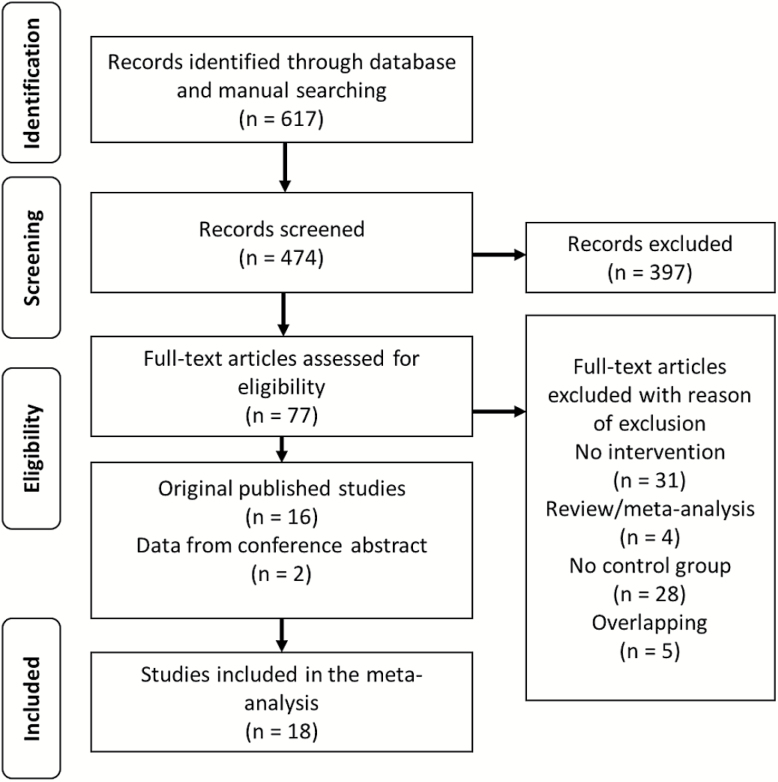
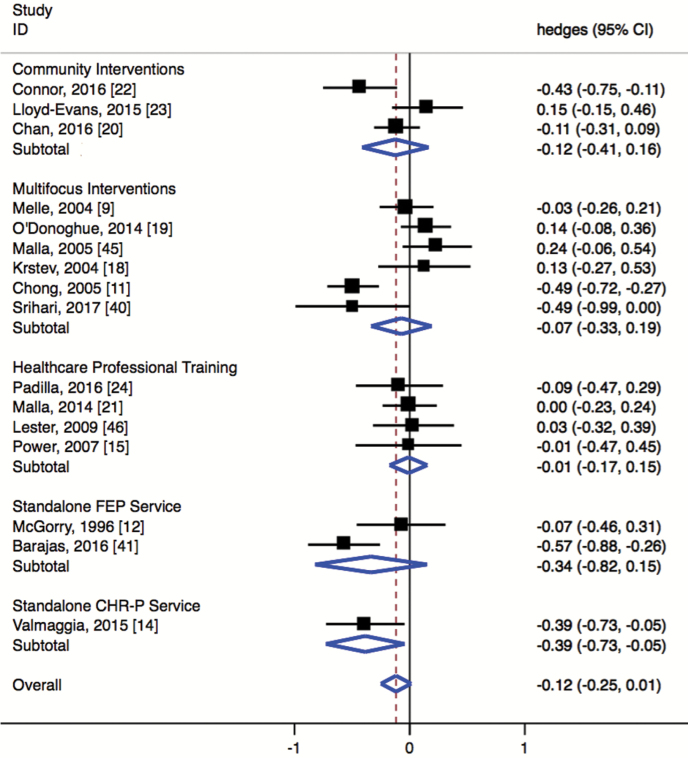
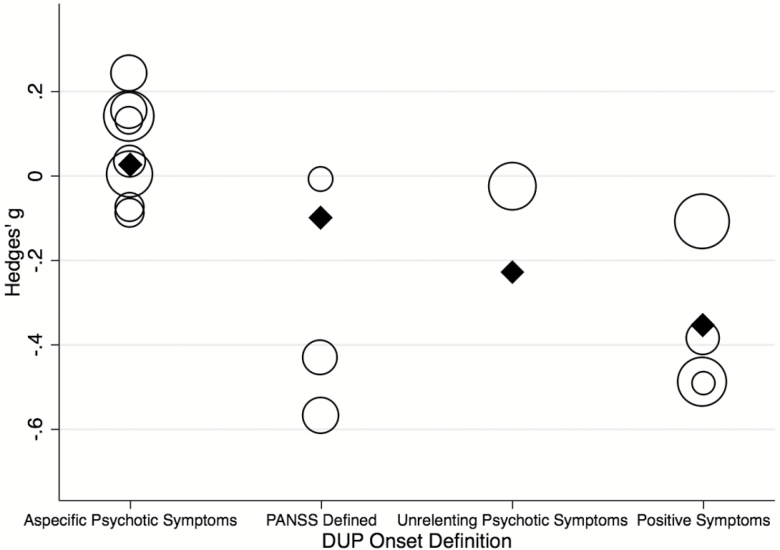
Reduction of duration of untreated psychosis (DUP) is the key strategy of early interventions for improving the outcomes of first-episode psychosis. Although several controlled interventional studies have been conducted with the aim of reducing DUP, the results are highly inconsistent and conflicting. The current study systematically searches Web of Science and Ovid for English original articles investigating interventions adopted to reduce DUP, compared to a control intervention, up to April 6, 2017. Sixteen controlled interventional studies were retrieved, including 1964 patients in the intervention arm and 1358 in the control arm. The controlled intervention studies were characterized by standalone first episode psychosis services, standalone clinical high risk services, community interventions, healthcare professional training, and multifocus interventions. Random effects meta-analyses were conducted. There was no summary evidence that available interventions are successful in reducing DUP during the first episode of psychosis (Hedges' g = -0.12, 95% CI = -0.25 to 0.01). Subgroup analyses showed no differences within each subgroup, with the exception of clinical high risk services (Hedges' g = -0.386, 95% CI = -0.726 to -0.045). These negative findings may reflect a parceled research base in the area, lack of prospective randomized controlled trials (only 2 randomized cluster designed studies were present) and small sample sizes. There was substantial heterogeneity (I2 = 66.4%), most of which was accounted by different definitions of DUP onset (R2 = .88). Psychometric standardization of DUP definition, improvement of study design, and implementation of preventative strategies seem the most promising avenues for reducing DUP and improving outcomes of first-episode psychosis.
Overview
The claims and statistics of this paper haven’t been checked yet.
Free: it reads the open-access text and checks the first 5 claims that cite a source we can check. Create a free account to check every claim.
Integrity signals
Registry
Cites
Statistics
Figures
Verification
Claims the paper makes
The claims and statistics of this paper haven’t been checked yet.
Free: it reads the open-access text and checks the first 5 claims that cite a source we can check. Create a free account to check every claim.
Claims other papers make about this one
Each is checked against this paper’s own text: does it say what the citing paper says it does?
The source backs part of the claim, not all of it — or backs it for a different population, condition or comparison.
In the citing paper
“reducing the duration of untreated illness has been robustly shown to impact positively on the outcome of first-episode psychosis and schizophrenia in many ways [95]”
From Prevention and early intervention in youth mental health: is it time for a multidisciplinary and trans-diagnostic model for care? (2020) · cites this paper as [95]
Experimental — accuracy not yet measuredIn the citing paper
“Indicated prevention implemented in CHR-P services (the NICE-recommended intervention is cognitive behavioural therapy 68 ) has the potential to ameliorate presenting symptoms, delay or prevent the onset of psychosis, reduce health care access and duration of untreated psychosis (secondary prevention) 55,90 .”
From Preventive psychiatry: a blueprint for improving the mental health of young people (2021) · cites this paper as [90]
In the citing paper
“which can reduce the duration of untreated disorder 90”
From Preventive psychiatry: a blueprint for improving the mental health of young people (2021) · cites this paper as [90]
Self-check
Percentages, sums and reported differences re-computed from the paper’s own numbers.
The self-check needs the paper’s full text.
Citations
Cites
Preferred Reporting Items for Systematic Reviews and Meta-Analyses: the PRISMA statement
Moher, D., Liberati, A., Tetzlaff, J., Altman, D. G., & for the PRISMA Group (2009) · BMJ · doi:10.1136/bmj.b2535 · Cited by 83,823
Preferred Reporting Items for Systematic Reviews and Meta-Analyses: The PRISMA Statement
Moher, D., Liberati, A., Tetzlaff, J., Altman, D. G., & The PRISMA Group (2009) · PLoS Medicine · doi:10.1371/journal.pmed.1000097 · Cited by 64,042
Bias in meta-analysis detected by a simple, graphical test
Egger, M., Smith, G. D., Schneider, M., & Minder, C. (1997) · BMJ · doi:10.1136/bmj.315.7109.629 · Cited by 56,722
Preferred reporting items for systematic reviews and meta-analyses: the PRISMA Statement.
(2009) · PubMed Central · Cited by 44,859
Meta-analysis in clinical trials
DerSimonian, R., & Laird, N. (1986) · Controlled Clinical Trials · doi:10.1016/0197-2456(86)90046-2 · Cited by 39,552
Dermyshi, E., Wang, Y., Yan, C., Hong, W., Qiu, G., Gong, X., & Zhang, T. (2017) · Neonatology · doi:10.1159/000454668 · Cited by 24,451
Meta-analysis of Observational Studies in Epidemiology<SUBTITLE>A Proposal for Reporting</SUBTITLE>
Stroup, D. F. (2000) · JAMA · doi:10.1001/jama.283.15.2008 · Cited by 20,623
Wang, G., Ma, R., Qiao, G., Wada, K., Aizawa, Y., & Satoh, T. (2015) · Integrative Medicine International · doi:10.1159/000368408 · Cited by 18,657
Borenstein, M., Hedges, L. V., Higgins, J. P. T., & Rothstein, H. R. (2009) · doi:10.1002/9780470743386 · Cited by 14,225
Duval, S., & Tweedie, R. (2000) · Biometrics · doi:10.1111/j.0006-341x.2000.00455.x · Cited by 14,099
Research works printed but not linked: 1
- StataCorp. Stata Statistical Software. College Station, TX: StataCorp LP; 2013.
Cited by
Colizzi, M., Lasalvia, A., & Ruggeri, M. (2020) · International Journal of Mental Health Systems · doi:10.1186/s13033-020-00356-9 · Cited by 727
Preventive psychiatry: a blueprint for improving the mental health of young people
Fusar‐Poli, P., Correll, C. U., Arango, C., Berk, M., Patel, V., & Ioannidis, J. P. A. (2021) · World Psychiatry · doi:10.1002/wps.20869 · Cited by 497
Self-citationAustin, A., Flynn, M., Richards, K., Hodsoll, J., Duarte, T. A., Robinson, P., Kelly, J., & Schmidt, U. (2021) · European Eating Disorders Review · doi:10.1002/erv.2745 · Cited by 317
Howes, O. D., Whitehurst, T., Shatalina, E., Townsend, L., Onwordi, E. C., Mak, T. L. A., Arumuham, A., O’Brien, O., Lobo, M., Vano, L., et al. (2021) · World Psychiatry · doi:10.1002/wps.20822 · Cited by 243
Fusar-Poli, P. (2019) · Frontiers in Psychiatry · doi:10.3389/fpsyt.2019.00355 · Cited by 218
“While primary indicated prevention in people at high clinical risk can alter the course of psychosis and reduce the duration of untreated psychosis, secondary prevention in those people can ameliorate the severity of the first psychosis episode (26, 62).”
BackgroundSelf-citationThe schizophrenia syndrome, circa 2024: What we know and how that informs its nature
Tandon, R., Nasrallah, H., Akbarian, S., Carpenter, W. T., DeLisi, L. E., Gaebel, W., Green, M. F., Gur, R. E., Heckers, S., Kane, J. M., et al. (2024) · Schizophrenia Research · doi:10.1016/j.schres.2023.11.015 · Cited by 179
Oliver, D., Reilly, T. J., Baccaredda Boy, O., Petros, N., Davies, C., Borgwardt, S., McGuire, P., & Fusar-Poli, P. (2020) · Schizophrenia Bulletin · doi:10.1093/schbul/sbz039 · Cited by 163
Self-citationDrake, R., Husain, N., Marshall, M., Lewis, S. W., Tomenson, B., Chaudhry, I. B., Everard, L., Singh, S. P., Freemantle, N., Fowler, D. G., et al. (2020) · The Lancet Psychiatry · doi:10.1016/s2215-0366(20)30147-4 · Cited by 162
Neurodegenerative model of schizophrenia: Growing evidence to support a revisit
Stone, W. S., Phillips, M. R., Yang, L. H., Kegeles, L. S., Susser, E., & Lieberman, J. A. (2022) · Schizophrenia Research · doi:10.1016/j.schres.2022.03.004 · Cited by 124
Preventive Treatments for Psychosis: Umbrella Review (Just the Evidence)
Fusar-Poli, P., Davies, C., Solmi, M., Brondino, N., De Micheli, A., Kotlicka-Antczak, M., Shin, J. I., & Radua, J. (2019) · Frontiers in Psychiatry · doi:10.3389/fpsyt.2019.00764 · Cited by 108
“For example, by using the same criteria we should claim that integrated clinical services for first episode of psychosis should be dismantled, given that there is no evidence that they can reduce the duration of untreated psychosis (120) or prevent relapse (1).”
Self-citationDavies, C., Radua, J., Cipriani, A., Stahl, D., Provenzani, U., McGuire, P., & Fusar-Poli, P. (2018) · Frontiers in Psychiatry · doi:10.3389/fpsyt.2018.00187 · Cited by 107
Self-citationThe First Episode Rapid Early Intervention for Eating Disorders ‐ Upscaled study: Clinical outcomes
Austin, A., Flynn, M., Shearer, J., Long, M., Allen, K., Mountford, V. A., Glennon, D., Grant, N., Brown, A., Franklin‐Smith, M., et al. (2022) · Early Intervention in Psychiatry · doi:10.1111/eip.13139 · Cited by 101
Fusar-Poli, P., Werbeloff, N., Rutigliano, G., Oliver, D., Davies, C., Stahl, D., McGuire, P., & Osborn, D. (2019) · Schizophrenia Bulletin · doi:10.1093/schbul/sby070 · Cited by 95
Self-citationFlynn, M., Austin, A., Lang, K., Allen, K., Bassi, R., Brady, G., Brown, A., Connan, F., Franklin‐Smith, M., Glennon, D., et al. (2021) · European Eating Disorders Review · doi:10.1002/erv.2797 · Cited by 97
“Active attempts to reduce the duration of untreated illness have been a key strategy for promoting favourable long‐term outcomes for individuals with early stage illness (Oliver et al., 2018; Penttila, Jaaskelainen, Hirvonen, Isohanni, & Miettunen, 2014; Sullivan et al., 2019).”
BackgroundInfluentialA Social Media Study on the Effects of Psychiatric Medication Use
Saha, K., Sugar, B., Torous, J., Abrahao, B., Kıcıman, E., & De Choudhury, M. (2019) · Proceedings of the International AAAI Conference on Web and Social Media · doi:10.1609/icwsm.v13i01.3242 · Cited by 96
“Note that there is typically a significant time-lag between the onset of mental illness and the first treatment people receive (Hasin et al. 2005; Oliver et al. 2018).”
BackgroundIrving, J., Patel, R., Oliver, D., Colling, C., Pritchard, M., Broadbent, M., Baldwin, H., Stahl, D., Stewart, R., & Fusar-Poli, P. (2021) · Schizophrenia Bulletin · doi:10.1093/schbul/sbaa126 · Cited by 92
“(3,4) Primary indicated prevention in individuals at clinical high risk for psychosis (CHR-P), however, has the potential to reduce the duration of untreated psychosis and alter its course.(5,6) Effective preventive intervention is reliant on the successful identification of individuals at risk for psychosis for refer…”
BackgroundSelf-citationKotlicka‐Antczak, M., Podgórski, M., Oliver, D., Maric, N. P., Valmaggia, L., & Fusar‐Poli, P. (2020) · Early Intervention in Psychiatry · doi:10.1111/eip.12950 · Cited by 92
Self-citationOxidative-Antioxidant Imbalance and Impaired Glucose Metabolism in Schizophrenia
Bryll, A., Skrzypek, J., Krzyściak, W., Szelągowska, M., Śmierciak, N., Kozicz, T., & Popiela, T. (2020) · Biomolecules · doi:10.3390/biom10030384 · Cited by 73
“Depending on the time of diagnosis, early introduction of appropriate pharmacotherapy or psychotherapy of patients and their families guarantees complete recovery after the onset of the first psychotic episode, while its lack becomes the cause of FEP progression into a chronic and full-blown schizophrenia [32] with a…”
BackgroundO’Keeffe, D., Kinsella, A., Waddington, J. L., & Clarke, M. (2022) · American Journal of Psychiatry · doi:10.1176/appi.ajp.2021.20111658 · Cited by 79
de Pablo, G. S., Guinart, D., Armendariz, A., Aymerich, C., Catalán, A., Alameda, L., Rogdaki, M., Baringo, E. M., Soler‐Vidal, J., Oliver, D., et al. (2024) · Schizophrenia Bulletin · doi:10.1093/schbul/sbae017 · Cited by 95
“64 Establishing standalone services for Clinical High Risk for Psychosis (CHR-P) with both an early detection and early detection component seems to be the most effective method for reducing DUP, 14 although the amount of available evidence is limited.”
BackgroundMethodResultInfluentialSelf-citationFactor structure models of the SCL-90-R: Replicability across community samples of adolescents
Preti, A., Carta, M. G., & Петретто, Д. Р. (2018) · Psychiatry Research · doi:10.1016/j.psychres.2018.12.146 · Cited by 74
Oliver, D., Radua, J., Reichenberg, A., Uher, R., & Fusar-Poli, P. (2019) · Frontiers in Psychiatry · doi:10.3389/fpsyt.2019.00174 · Cited by 67
“However, recent meta-analytical evidence indicates there is no robust evidence that these services can effectively prevent psychotic relapse (3) or reduce the duration of untreated psychosis (4).”
BackgroundSelf-citationde Pablo, G. S., Aymerich, C., Guinart, D., Catalán, A., Alameda, L., Trotta, G., Armendariz, A., Baringo, E. M., Soler‐Vidal, J., Rubio, J. M., et al. (2023) · Psychological Medicine · doi:10.1017/s0033291723003458 · Cited by 72
“Currently, the efficacy of interventions to reduce DUP is limited (Oliver et al., 2018).”
BackgroundMethodInfluentialSelf-citationRaket, L. L., Jaskolowski, J., Kinon, B. J., Brasen, J. C., Jönsson, L., Wehnert, A., & Fusar-Poli, P. (2020) · The Lancet Digital Health · doi:10.1016/s2589-7500(20)30024-8 · Cited by 60
Self-citationSemistructured Interview for Bipolar At Risk States (SIBARS)
Fusar-Poli, P., De Micheli, A., Rocchetti, M., Cappucciati, M., Ramella-Cravaro, V., Rutigliano, G., Bonoldi, I., McGuire, P., & Falkenberg, I. (2018) · Psychiatry Research · doi:10.1016/j.psychres.2018.03.074 · Cited by 58
Self-citationO’Keeffe, D., Hannigan, A., Doyle, R., Kinsella, A., Sheridan, A., Kelly, A., Madigan, K., Lawlor, E., & Clarke, M. (2019) · Australian & New Zealand Journal of Psychiatry · doi:10.1177/0004867419827648 · Cited by 56
“The efficacy of initiatives to reduce DUP is equivocal (Oliver et al., 2018).”
BackgroundThe outcome of early intervention in first episode psychosis
Albert, N., & Weibell, M. A. (2019) · International Review of Psychiatry · doi:10.1080/09540261.2019.1643703 · Cited by 70
Reducing the Duration of Untreated Psychosis (DUP) in a US Community: A Quasi-Experimental Trial
Srihari, V. H., Ferrara, M., Li, F., Kline, E. R., Gülöksüz, S., Pollard, J., Cahill, J. D., Mathis, W. S., Sykes, L. Y., Walsh, B. C., et al. (2022) · Schizophrenia Bulletin Open · doi:10.1093/schizbullopen/sgab057 · Cited by 57
Oliver, D., Arribas, M., Radua, J., Salazar de Pablo, G., De Micheli, A., Spada, G., Mensi, M. M., Kotlicka-Antczak, M., Borgatti, R., Solmi, M., et al. (2022) · Molecular Psychiatry · doi:10.1038/s41380-022-01611-w · Cited by 49
Self-citationPredictors of transition in patients with clinical high risk for psychosis: an umbrella review
Andreou, C., Eickhoff, S., Heide, M., de Bock, R., Obleser, J., & Borgwardt, S. (2023) · Translational Psychiatry · doi:10.1038/s41398-023-02586-0 · Cited by 58
“…‘ at-risk mental state ’ (ARMS), enabled early detection and timely treatment for individuals at risk before the onset of overt psychotic symptoms, which may contribute to delaying or preventing the fi rst manifestation of a psychotic disorder, and improve their clinical and functional outcomes [2].”
BackgroundLeuci, E., Quattrone, E., Pellegrini, P., & Pelizza, L. (2019) · Early Intervention in Psychiatry · doi:10.1111/eip.12897 · Cited by 48
Fonseca‐Pedrero, E., Inchausti, F., Pérez‐Albéniz, A., & Sierra, J. O. (2018) · International Journal of Methods in Psychiatric Research · doi:10.1002/mpr.1740 · Cited by 43
“…behaviors) and additional factors (e.g., child maltreatment, cannabis use, and polymorphism) in order to reduce the duration of untreated psychosis (Oliver et al., 2018), improve the prediction of later hospitalization for psychotic disorder (Radua et al., 2018), and ameliorate the negative…”
BackgroundFusar-Poli, P., Oliver, D., Spada, G., Patel, R., Stewart, R., Dobson, R., & McGuire, P. (2019) · Frontiers in Psychiatry · doi:10.3389/fpsyt.2019.00109 · Cited by 39
Self-citationFusar‐Poli, P., Stringer, D., Durieux, A. M. S., Rutigliano, G., Bonoldi, I., Micheli, A. D., & Stahl, D. R. (2019) · Translational Psychiatry · doi:10.1038/s41398-019-0600-9 · Cited by 45
Self-citationFekih‐Romdhane, F., Jahrami, H., Alhuwailah, A., Fawaz, M. A., Shuwiekh, H. A. M., Helmy, M. S., Hassan, I. H. M., Naser, A. Y., Zarrouq, B., Chebli, M., et al. (2023) · International Journal of Mental Health and Addiction · doi:10.1007/s11469-023-01048-4 · Cited by 33
“Furthermore, the DUP remains too long, exceeding 3 years in certain Arab countries (which is much longer than globally), with informal help-seeking (traditional healers) and insidious mode of onset being its strongest predictors (Fawzi et al., 2011).”
InfluentialAmoretti, S., Mezquida, G., Rosa, A. R., Bioque, M., Cuesta, M. J., Pina‐Camacho, L., García‐Rizo, C., Barcones, F., González-Pinto, A. M., Merchán‐Naranjo, J., et al. (2021) · European Neuropsychopharmacology · doi:10.1016/j.euroneuro.2021.02.007 · Cited by 40
Griffiths, S. L., Lalousis, P. A., Wood, S. J., & Upthegrove, R. (2022) · Translational Psychiatry · doi:10.1038/s41398-022-02256-7 · Cited by 38
“Further, a meta-analysis of controlled trials aiming to reduce DUP, which included standalone FEP services, high risk services, public health initiatives, and multi-focus interventions, provided no summary evidence of reducing DUP in FEP [58].”
BackgroundPan-London Network for Psychosis-Prevention (PNP)
Fusar-Poli, P., Estradé, A., Spencer, T. J., Gupta, S., Murguia-Asensio, S., Eranti, S., Wilding, K., Andlauer, O., Buhagiar, J., Smith, M., et al. (2019) · Frontiers in Psychiatry · doi:10.3389/fpsyt.2019.00707 · Cited by 27
Self-citationReducing Duration of Untreated Psychosis: The Neglected Dimension of Early Intervention Services
MALLA, A. K. (2022) · American Journal of Psychiatry · doi:10.1176/appi.ajp.20220154 · Cited by 29
Mascayano, F., Nossel, I. R., Bello, I., Smith, T. E., Ngo, H., Piscitelli, S., Malinovsky, I., Susser, E., & Dixon, L. B. (2019) · Early Intervention in Psychiatry · doi:10.1111/eip.12782 · Cited by 27
“(DUP) is essential for achieving better outcomes (Oliver et al., 2018).”
BackgroundDuration of the psychosis prodrome
Powers, A. R., Addington, J., Perkins, D. O., Bearden, C. E., Cadenhead, K. S., Cannon, T. D., Cornblatt, B. A., Mathalon, D. H., Seidman, L. J., Tsuang, M. T., et al. (2019) · Schizophrenia Research · doi:10.1016/j.schres.2019.10.051 · Cited by 34
Ferrara, M., Gülöksüz, S., Li, F., Burke, S., Tek, C., Friis, S., Hegelstad, W. T. V., Joa, I., Johannessen, J. O., Melle, I. S., et al. (2019) · Schizophrenia Research · doi:10.1016/j.schres.2019.05.035 · Cited by 28
The First Episode Psychosis Services Fidelity Scale 1.0: Review and Update
Addington, D. E. (2021) · Schizophrenia Bulletin Open · doi:10.1093/schizbullopen/sgab007 · Cited by 25
“45”
The neurobiology of duration of untreated psychosis: a comprehensive review
Zoghbi, A. W., Lieberman, J. A., & Girgis, R. R. (2022) · Molecular Psychiatry · doi:10.1038/s41380-022-01718-0 · Cited by 27
“While early intervention programs, such as Treatment and Intervention in Psychosis Study [13, 14] and Recovery After an Initial Schizophrenia Episode [15–18], have been modestly successful at reducing DUP or improving outcomes after the first episode of psychosis, a recent meta-analysis showed that there was overall n…”
BackgroundEarly Intervention Services for Schizophrenia: Looking Back and Looking Ahead
Srihari, V. H., & Keshavan, M. S. (2022) · Schizophrenia Bulletin · doi:10.1093/schbul/sbac024 · Cited by 24
Identification of Psychosis Risk and Diagnosis of First-Episode Psychosis: Advice for Clinicians
Lundin, N. B., Blouin, A., Cowan, H. R., Moe, A. M., Wastler, H. M., & Breitborde, N. J. K. (2024) · Psychology Research and Behavior Management · doi:10.2147/prbm.s423865 · Cited by 28
“154 The presence of structured outreach activities designed to facilitate early care are less ubiquitous in programs for individuals at CHR-P than among FEP programs.”
Rodrigues, J. E., Martinho, A., Santa, C., Madeira, N. G. G. F., Coroa, M., Santos, V., Martins, M. J., Pato, C. N., Macedo, A., & Manadas, B. J. (2022) · International Journal of Molecular Sciences · doi:10.3390/ijms23094917 · Cited by 23
Cullen, A. E., Labad, J., Oliver, D., Al‐Diwani, A., Minichino, A., & Fusar‐Poli, P. (2023) · Current Neuropharmacology · doi:10.2174/1570159x21666230322145049 · Cited by 31
“As such, CHR-P services can potentially improve outcomes after psychosis onset [62, 63].”
BackgroundSelf-citationKrakowski, K., Oliver, D., Arribas, M., Stahl, D. R., & Fusar‐Poli, P. (2024) · Biological Psychiatry · doi:10.1016/j.biopsych.2024.05.022 · Cited by 23
Self-citationBaeza, I., de la Serna, E., Mezquida, G., Cuesta, M. J., Vieta, E., Amoretti, S., Lobo, A., González-Pinto, A. M., Díaz‐Caneja, C. M., Corripio, I., et al. (2023) · European Child & Adolescent Psychiatry · doi:10.1007/s00787-023-02196-7 · Cited by 27
Marino, L. A., Scodes, J. M., Ngo, H., Nossel, I. R., Bello, I., Wall, M. M., & Dixon, L. B. (2019) · Early Intervention in Psychiatry · doi:10.1111/eip.12877 · Cited by 18
“Less research has studied the relationship between DUP and entry into specialized early intervention programs (Compton et al., 2007; Compton & Broussard, 2011; Oliver et al., 2018) as the optimal “treatment” outcome for measuring DUP.”
BackgroundFusar‐Poli, P., Lai, S., Forti, M. D., Iacoponi, E., Thornicroft, G., McGuire, P. K., & Jauhar, S. (2020) · Frontiers in Psychiatry · doi:10.3389/fpsyt.2020.577110 · Cited by 25
“67%) received the first-line recommendation- antipsychotic treatment- within 3 months, confirming the essential role of EI in reducing the duration of untreated psychosis (39).”
BackgroundSelf-citationSingh, S. P., Winsper, C., Mohan, M., Birchwood, M. J., Chadda, R. K., Furtado, V. A., Iyer, S. N., Lilford, R. J., Madan, J. J., Meyer, C., et al. (2023) · Asian Journal of Psychiatry · doi:10.1016/j.ajp.2023.103463 · Cited by 17
“This gap is attributable to lack of a well-resourced public health system, low priority given to mental disorders, lack of political will, inadequate number of trained mental health professionals, social stigma and lack of awareness, and limited implementation capacity even for evidence-based interventions (Oliver et…”
BackgroundTelemental Health and the Management of Psychosis
Donahue, A. L., Rodriguez, J., & Shore, J. H. (2021) · Current Psychiatry Reports · doi:10.1007/s11920-021-01242-y · Cited by 21
Michel, C., Kaess, M., Flückiger, R., Büetiger, J. R., Schultze‐Lutter, F., SCHIMMELMANN, B. G., Gekle, W., Jandl, M., Hubl, D., & Kindler, J. (2021) · Early Intervention in Psychiatry · doi:10.1111/eip.13160 · Cited by 17
“…converting to psychosis), the potential for stigmatization and recent negative findings on the reduction of the duration of untreated psychosis (Oliver et al., 2018) the rationale of specialized early detection of psychoses and clinical validity of CHR criteria have been questioned, with the…”
BackgroundMa, R., Wang, Y., Wang, X., Yu, K., Zhang, C., & Zhou, Y.-Q. (2023) · BMC Psychiatry · doi:10.1186/s12888-023-05226-5 · Cited by 21
Assessment and treatment of individuals at high risk for psychosis
Andreou, C., Bailey, B. K., & Borgwardt, S. (2019) · BJPsych Advances · doi:10.1192/bja.2019.3 · Cited by 15
Thomson, A., GRIFFITHS, H. M., Fisher, R., McCabe, R., Abbott‐Smith, S., & Schwannauer, M. (2019) · Early Intervention in Psychiatry · doi:10.1111/eip.12778 · Cited by 17
“A recent meta-analysis highlighted difficulty reducing DUP in first episode psychosis (FEP) finding no evidence for the efficacy of current interventions in FEP (Oliver et al., 2018).”
BackgroundToward reducing the duration of untreated psychosis in a Latinx community.
López, S. R., Kopelowicz, A. J., Ullman, J. B., Mayer, D., Santos, M. M., Kratzer, M. P. L., Vega, W. A., Barrio, C., & Calderon, V. (2022) · Journal of Consulting and Clinical Psychology · doi:10.1037/ccp0000729 · Cited by 16
Calderon, V., Cain, R., Torres, E., & López, S. R. (2021) · Early Intervention in Psychiatry · doi:10.1111/eip.13140 · Cited by 13
Stigmas toward psychosis‐related clinical features among the general public in Taiwan
Wang, Y., Lin, Y., Liu, C., Hwang, T., Hsieh, M. H., Chien, Y., Hwu, H., & Liu, C. (2019) · Asia-Pacific Psychiatry · doi:10.1111/appy.12370 · Cited by 13
“Efforts focused on reduction of DUP alone might not be effective as a recent review concluded negative evidence on pooling results of available interventions for reducing DUP (Oliver et al., 2018).”
ResultClinician Recognition of First Episode Psychosis
Albin, K., Albin, C., Jeffries, C. D., & Perkins, D. O. (2021) · Journal of Adolescent Health · doi:10.1016/j.jadohealth.2020.12.138 · Cited by 17
Granular analysis of pathways to care and durations of untreated psychosis: A marginal delay model
Mathis, W. S., Ferrara, M., Burke, S., Hyun, E., Li, F., Zhou, B., Cahill, J. D., Kline, E. R., Keshavan, M. S., & Srihari, V. H. (2022) · PLoS ONE · doi:10.1371/journal.pone.0270234 · Cited by 13
“However, most ED campaigns have failed to reduce DUP [5, 6].”
BackgroundNiendam, T. A., Loewy, R. L., Savill, M., Delucchi, K., Lesh, T. A., Ragland, J. D., Bolden, K. A., Skymba, H. V., Gobrial, S., Meyer, M. S., et al. (2023) · JAMA Psychiatry · doi:10.1001/jamapsychiatry.2022.4436 · Cited by 11
Jabar, L. S. A., Sørensen, H. J., Nordentoft, M., Hjorthøj, C. R., & Albert, N. (2020) · Schizophrenia Research · doi:10.1016/j.schres.2020.11.027 · Cited by 11
Preventing disease progression in schizophrenia: What are we waiting for
Lieberman, J. A., Mendelsohn, A. I., Goldberg, T. E., & Emsley, R. A. (2024) · Journal of Psychiatric Research · doi:10.1016/j.jpsychires.2024.12.042 · Cited by 11
Andorko, N. D., Fitzgerald, J., Roemer, C., Solender, E., Petti, E., Rouhakhtar, P. R., McNamara, K. E., Smith, M. E., Buchanan, R. W., Schiffman, J. E., et al. (2021) · Early Intervention in Psychiatry · doi:10.1111/eip.13178 · Cited by 9
“, 2015), with some positive effects lasting upwards of 10 years (Correll et al., 2018; Malla et al., 2018; Oliver et al., 2018; ten Velden Hegelstad et al., 2013).”
BackgroundITAlian Partnership for Psychosis Prevention (ITAPP): improving the mental health of young people
Fusar‐Poli, P., Minichino, A., Brambilla, P., Raballo, A., Bertolino, A., Borgatti, R., Mensi, M. M., Ferro, A., & Galderisi, S. (2021) · European Psychiatry · doi:10.1192/j.eurpsy.2021.2232 · Cited by 13
“Indicated prevention implemented in specialized clinical high risk for psychosis (CHR-P) [1] services [2][3][4]has the potential to ameliorate presenting symptoms, delay or prevent the onset of psychosis, and reduce healthcare access and duration of untreated psychosis (secondary prevention) [5,6].”
BackgroundSelf-citationYang, L. H., Blasco, D., Lieff, S. A., Le, P. D., Li, Y., Broeker, M., Mascayano, F., Bello, I., Nossel, I. R., & Dixon, L. B. (2021) · Harvard Review of Psychiatry · doi:10.1097/hrp.0000000000000288 · Cited by 12
Thompson, E. C., Andorko, N. D., Rouhakhtar, P. R., Millman, Z. B., Sagun, K., Han, S. C., Chibani, D., Reeves, G. M., Herman, B., & Schiffman, J. E. (2020) · Journal of College Student Psychotherapy · doi:10.1080/87568225.2020.1797604 · Cited by 8
“Importance of early intervention for psychosis Longer duration of untreated psychosis (DUP), the period of time between the onset of full-threshold psychotic symptoms and treatment, may be linked to more long-term distress and impairments in cognition, social functioning, and role fulfillment (Drake, Haley, Akhtar, &…”
BackgroundWaddington, J. L., & Russell, V. (2019) · Irish Journal of Psychological Medicine · doi:10.1017/ipm.2019.11 · Cited by 9
“…services, community interventions, healthcare professional training and multi-focus interventions), there is no summary evidence that they are successful in reducing DUP, though a single, standalone clinical high-risk services study was positive but remains to be replicated (Oliver et al. 2018).”
BackgroundStudying the context of psychoses to improve outcomes in Ethiopia (SCOPE): Protocol paper
Hanlon, C., Roberts, T., Misganaw, E., MALLA, A. K., Cohen, A., Shibre, T., Fekadu, W., Teferra, S., Kebede, D., Mulushoa, A., et al. (2024) · PLoS ONE · doi:10.1371/journal.pone.0293232 · Cited by 7
“There have been only a small number of evaluations of interventions to reduce DUP in high-income countries, with limited evidence of sustainable impacts [66], except for a high quality study testing a multi-component intervention in Norway [67].”
BackgroundCrowley, P. M., Healy, J., McNamara, N., Twomey, R., Sadowska, E., Firth, J., Allott, K., Shah, J. L., O'Donoghue, B. N., & Lyne, J. (2025) · Schizophrenia Research · doi:10.1016/j.schres.2025.09.032 · Cited by 7
Stakeholder identified research priorities for early intervention in psychosis
Renwick, L., McWilliams, C., Schaff, O., Russell, L., Ramsdale, S., & Morris, R. (2022) · Health Expectations · doi:10.1111/hex.13604 · Cited by 7
“Meta‐analytic and narrative reviews emerged evaluating complex, multifocal interventions, discrete professional and patient levels initiatives and different service configurations for shortening delays in accessing care.(28,29) Prioritizing reducing delays aligns strongly with national research strategy and frameworks…”
BackgroundHorvitz-Lennon, M. V., Predmore, Z., Orr, P., Hanson, M., Hillestad, R. J., Durkin, M., Khoury, A. C. E., & Mattke, S. (2019) · Administration and Policy in Mental Health and Mental Health Services Research · doi:10.1007/s10488-019-00990-7 · Cited by 11
Wiener, J. C., Rodrigues, R., Reid, J. N. S., Archie, S., Booth, R. G., Cheng, C., Jan, S. H., Kurdyak, P. A., MacDougall, A. G., Palaniyappan, L. K., et al. (2022) · Administration and Policy in Mental Health and Mental Health Services Research · doi:10.1007/s10488-022-01233-y · Cited by 7
“, 2008); none demonstrated a significant reduction in duration of untreated psychosis (Lloyd-Evans et al., 2011; Oliver et al., 2018).”
BackgroundFusar-Poli, P., Oliver, D., Spada, G., Estrade, A., & McGuire, P. (2021) · Schizophrenia Research · doi:10.1016/j.schres.2020.11.031 · Cited by 6
Inns, M., Gill, M., Arribas, M., Logeswaran, Y., Minichino, A., Reilly, T. J., Micheli, A. D., Shah, J. L., McGuire, P. K., Fusar‐Poli, P., et al. (2025) · Schizophrenia Bulletin · doi:10.1093/schbul/sbaf201 · Cited by 7
Self-citationNasrallah, H. A. (2024) · Asian Journal of Psychiatry · doi:10.1016/j.ajp.2024.104131 · Cited by 6
Griffiths, S. L., & Birchwood, M. J. (2020) · Medicina · doi:10.3390/medicina56120638 · Cited by 6
Campion, J., Taylor, M. J., McDaid, D., Park, A., & Shiers, D. (2019) · Early Intervention in Psychiatry · doi:10.1111/eip.12787 · Cited by 7
“2019;13:1424–1430. untreated psychosis (Fusar-Poli, McGorry, & Kane, 2017; Oliver et al., 2018).”
Clinical High Risk Psychosis: Issues of Diagnostics and Therapy
Omelchenko, M. A. (2020) · Psikhiatriya · doi:10.30629/2618-6667-2020-18-2-82-91 · Cited by 5
Ajnakina, O., Rodríguez, V., Quattrone, D., Forti, M. D., Vassos, E., Arango, C., Berardi, D., Bernardo, M., Bobes, J., de Haan, L., et al. (2021) · Schizophrenia Bulletin · doi:10.1093/schbul/sbab055 · Cited by 6
Logeswaran, Y., Micheli, A. D., Toniol, I., Chen, T., Melillo, A., Arribas, M., Livingston, N. R., Krakowski, K., Oliver, D., Stahl, D. R., et al. (2026) · World Psychiatry · doi:10.1002/wps.70063 · Cited by 6
“…aim to identify young people with attenuated psychotic symptoms 6 and poor functioning 7 during this prodromal stage, in order to provide preventive mental health care and reduce the duration of untreated psychosis for those who do develop the disorder 8,9 , thus improving long-term outcomes.”
Self-citationLu, C., Li, S., Liu, N., Li, T., Li, Y., Wang, X., Li, S., Li, J., & Zhang, X. Y. (2024) · Progress in Neuro-Psychopharmacology and Biological Psychiatry · doi:10.1016/j.pnpbp.2024.111202 · Cited by 5
Hazan, H., Ferrara, M., Zhou, B., Li, F., Imetovski, S., Sykes, L. Y., Pollard, J., Cahill, J. D., Gibbs-Dean, T., Corbera, S., et al. (2025) · Schizophrenia Bulletin · doi:10.1093/schbul/sbaf044 · Cited by 5
Solmi, M., Rocca, F. D., Cianci, V., Giacometti, A., Alexopulos, C., Granziol, U., Favaro, A., Fusar‐Poli, P., Zoleo, M., & Cremonese, C. (2020) · Research in Psychotherapy Psychopathology Process and Outcome · doi:10.4081/ripppo.2020.459 · Cited by 6
“…a recent meta-analysis indicates that to reduce the duration of untreated psychosis is it essential to intervene early and to detect young people during their clinical high risk stage, (Fusar-Poli, 2017a) i.e. before they receive an established diagnosis of mental disorder (Oliver et al., 2018).”
BackgroundSelf-citationBen‐David, S., Amaro, A., & Munson, M. R. (2021) · Journal of the Society for Social Work and Research · doi:10.1086/714312 · Cited by 4
“These efforts have led to the development of interventions aimed at reducing the duration of untreated psychosis and improving treatment outcomes (Oliver et al., 2018).”
BackgroundHayat, T. T. A., & Sami, M. B. (2020) · Development and Psychopathology · doi:10.1017/s0954579420000218 · Cited by 2
“However delivering services to effectively reduce DUP remains challenging with recent metaanalytic evidence of first-episode services, community interventions, healthcare training, or multiple interventions showing no clear benefit of reduced DUP as an outcome (Oliver et al., 2018).”
BackgroundGusciute, G., Errasoul, A. H., Naughton, S., Gaynor, K., Turner, N., & Clarke, M. (2025) · Early Intervention in Psychiatry · doi:10.1111/eip.70021 · Cited by 3
“Despite this potential, pathways to care involving non-clinical contacts have typically been associated with a longer DUP (Bhui et al. 2014), and interventions targeting community-based agencies have so far proven largely ineffective (Oliver et al. 2018).”
Birnbaum, M. L., Garrett, C., Baumel, A., Germano, N., Sosa, D., Ngo, H., John, M., Dixon, L. B., & Kane, J. M. (2024) · Schizophrenia Bulletin · doi:10.1093/schbul/sbae018 · Cited by 9
Participatory research with co-researchers with lived experience of psychosis high risk states
Hinterbuchinger, B., Kaisler, R. E., Baumgartner, J. S., Friedrich, F., Litvan, Z., Trimmel, M., Hlavacek, K., Popa, A. R., & Mossaheb, N. (2025) · Frontiers in Psychiatry · doi:10.3389/fpsyt.2025.1530093 · Cited by 5
Getting in Early: Early Intervention Services for Psychosis
Gates, J., & Killackey, E. J. (2019) · Elsevier eBooks · doi:10.1016/b978-0-12-815012-2.00024-9 · Cited by 6
Establishing a business case for setting up early detection services for preventing psychosis
Napoletano, F., Andlauer, O., Murguia, S., Eranti, S. V., Akyüz, E. U., Estradé, A., Buhagiar, J., David, C., Fusar‐Poli, P., & Gupta, S. (2022) · BJPsych Bulletin · doi:10.1192/bjb.2022.7 · Cited by 3
Self-citationPelizza, L., Catalano, F., Leuci, E., Quattrone, E., Palmisano, D., Pupo, S., Paulillo, G., Pellegrini, C., Pellegrini, P., & Menchetti, M. (2025) · European Archives of Psychiatry and Clinical Neuroscience · doi:10.1007/s00406-025-01981-6 · Cited by 3
“These strategies mainly aim to identify prodromal symptoms of psychosis as early as possible in order to reduce the time interval between the onset of a psychotic disorder, its diagnosis and the start of treatment [7].”
Psychosocial Intervention Without Antipsychotic Medication for Brief Psychotic Episodes?
de Pablo, G. S., Jauhar, S., & Fusar‐Poli, P. (2020) · Schizophrenia Bulletin Open · doi:10.1093/schizbullopen/sgaa037 · Cited by 4
Self-citationКаледа, В. Г., & Omelchenko, M. A. (2021) · V M BEKHTEREV REVIEW OF PSYCHIATRY AND MEDICAL PSYCHOLOGY · doi:10.31363/2313-7053-2021-1-42-52 · Cited by 3
Natural History, Not Lead Time: Response to Srihari et al.
Jonas, K. G., Fochtmann, L. J., Perlman, G., Tian, Y., Kane, J. M., Bromet, E. J., & Kotov, R. (2020) · American Journal of Psychiatry · doi:10.1176/appi.ajp.2020.20040402r · Cited by 3
Zhang, L., Chen, Y., Zhang, S., Jiang, W., Zhou, Y., Zhang, J., Yu, H., Li, Q., & Li, X. (2025) · Journal of Psychiatric and Mental Health Nursing · doi:10.1111/jpm.70046 · Cited by 2
Treatment delay in early psychosis: not a linear problem
Palaniyappan, L. K., & Krishnadas, R. (2020) · The Lancet Psychiatry · doi:10.1016/s2215-0366(20)30239-x · Cited by 2
Metadata
- Authors
- Oliver, D., Davies, C., Crossland, G., Lim, S., Gifford, G., McGuire, P., & Fusar-Poli, P.
- Affiliations
- King's College London (GB)
- Early Psychosis: Interventions & Clinical-Detection (EPIC) Lab, Department of Psychosis Studies, Institute of Psychiatry, Psychology and Neuroscience, King’s College London, UK
- Corresponding author
- Oliver, Dominic
- Venue
- Schizophrenia Bulletin
- Publisher
- Oxford University Press (OUP)
- Published
- 2018-01-24
- Volume
- 44
- Issue
- 6
- Pages
- 1362-1372
- ISSN
- 0586-7614 (ISSN-L)
- 1745-1701
- PMC
- PMC6192469
- OpenAlex
- W2790147455
- Cited by
- 126
- References
- 67
- Citations by year
- 2026: 11 · 2025: 8 · 2024: 12 · 2023: 13 · 2022: 15 · 2021: 18 · 2020: 20 · 2019: 23 · 2018: 6
- FWCI
- 2.03
- Type
- journal article
- Language
- en
- Open access
- hybrid
- doi.org
- Licence
- Locations
- Schizophrenia Bulletin (publishedVersion, cc-by)
- Europe PMC (PubMed Central) (publishedVersion, cc-by)
- PubMed Central (publishedVersion, cc-by)
- PubMed (publishedVersion)
- Research Portal (King's College London) (submittedVersion, cc-by)
- Funders
- King's College London (MR/N013700/1)
- Medical Research Council (MR/N013700/1)
- Topics
- Health Sciences › Medicine › Psychiatry and Mental health › Schizophrenia research and treatment
- Health Sciences › Medicine › Psychiatry and Mental health › Mental Health Treatment and Access
- Social Sciences › Psychology › Clinical Psychology › Psychiatric care and mental health services
- Keywords
- duration of untreated psychosis, first-episode psychosis
- MeSH terms
- Clinical Studies as Topic, Humans, Psychotic Disorders, Schizophrenia, Outcome Assessment, Health Care, Early Medical Intervention
About these checks
Registry, retraction, Cites and statistics results are computed, not judged, with one exception: a printed reference that no index lists is read once by a model before it counts as a citation error. Claims are extracted by a model and kept only when their quote appears verbatim in the text; each cited source is then checked, with a model’s help, for whether it says what the claim relies on. Those verdicts can be wrong — read the claim’s quote and the cited source before relying on one.
Statistics and arithmetic are recomputed, not judged.
Confidence bands are shown only for fields calibrated on our annotated test set. None is calibrated yet, so no band is shown.
What counts as a claim ›How we measure confidence ›How we check this ›
Are you an author, or do you see a problem with this page? Request a review
Data sources
Bibliographic data: Semantic Scholar, OpenAlex, Crossref.
Contains information from the Semantic Scholar Academic Graph Datasets, made available under the ODC Attribution License (ODC-BY 1.0).
Semantic Scholar’s data is described in: Kinney, R., et al. (2023). The Semantic Scholar Open Data Platform. arXiv:2301.10140.
