

The DOI matches its Crossref record; 45 of the 47 references it cites were found in a registry or an index.
Comparison of Hepatic 2D Sandwich Cultures and 3D Spheroids for Long-term Toxicity Applications: A Multicenter Study
Open accessAbstract
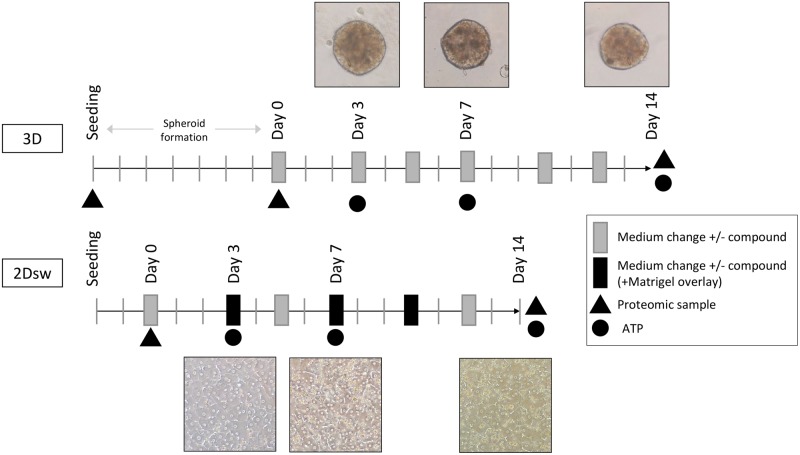
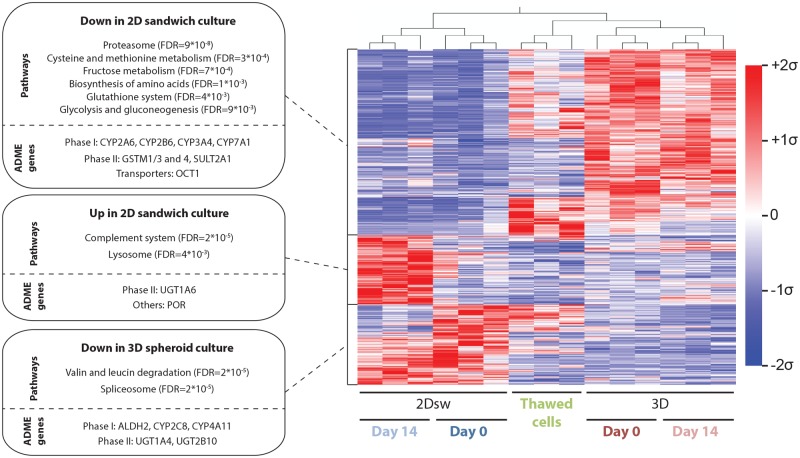
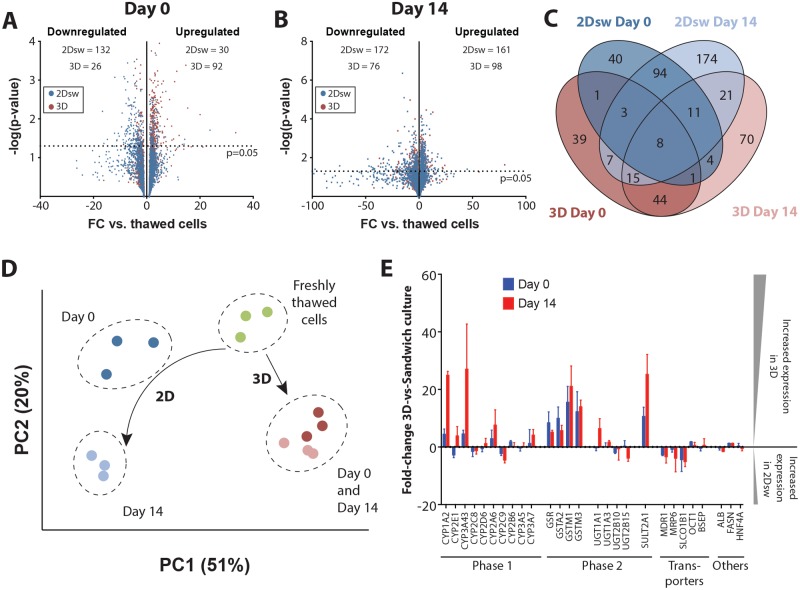
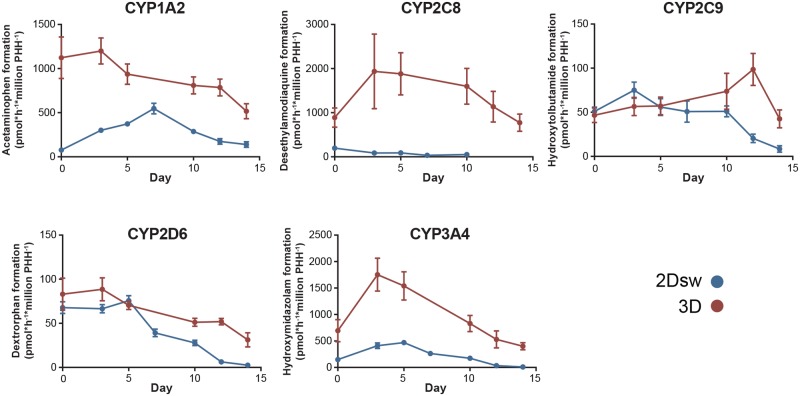
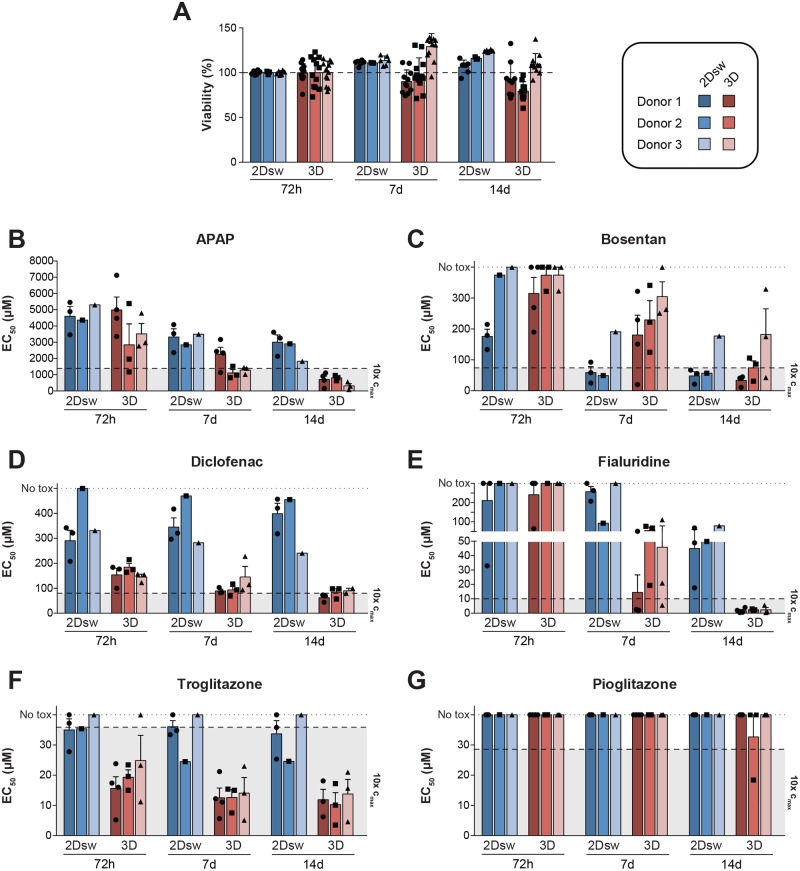
Primary human hepatocytes (PHHs) are commonly used for in vitro studies of drug-induced liver injury. However, when cultured as 2D monolayers, PHH lose crucial hepatic functions within hours. This dedifferentiation can be ameliorated when PHHs are cultured in sandwich configuration (2Dsw), particularly when cultures are regularly re-overlaid with extracellular matrix, or as 3D spheroids. In this study, the 6 participating laboratories evaluated the robustness of these 2 model systems made from cryopreserved PHH from the same donors considering both inter-donor and inter-laboratory variability and compared their suitability for use in repeated-dose toxicity studies using 5 different hepatotoxins with different toxicity mechanisms. We found that expression levels of proteins involved in drug absorption, distribution, metabolism, and excretion, as well as catalytic activities of 5 different CYPs, were significantly higher in 3D spheroid cultures, potentially affecting the exposure of the cells to drugs and their metabolites. Furthermore, global proteomic analyses revealed that PHH in 3D spheroid configuration were temporally stable whereas proteomes from the same donors in 2Dsw cultures showed substantial alterations in protein expression patterns over the 14 days in culture. Overall, spheroid cultures were more sensitive to the hepatotoxic compounds investigated, particularly upon long-term exposures, across testing sites with little inter-laboratory or inter-donor variability. The data presented here suggest that repeated-dosing regimens improve the predictivity of in vitro toxicity assays, and that PHH spheroids provide a sensitive and robust system for long-term mechanistic studies of drug-induced hepatotoxicity, whereas the 2Dsw system has a more dedifferentiated phenotype and lower sensitivity to detect hepatotoxicity.
Overview
The claims and statistics of this paper haven’t been checked yet.
Run the check — free, no account needed. It reads the open-access text and checks the sources it cites.
Integrity signals
Registry
Cites
Statistics
Figures
Verification
Claims the paper makes
The claims and statistics of this paper haven’t been checked yet.
Run the check — free, no account needed. It reads the open-access text and checks the sources it cites.
Claims other papers make about this one
Each is checked against this paper’s own text: does it say what the citing paper says it does?
The source backs part of the claim, not all of it — or backs it for a different population, condition or comparison.
In the citing paper
“Multiple comparative studies indicate that spheroid cultures sustain elevated liver-specific functions, such as albumin secretion, urea production, and drug-metabolizing enzyme activity, while simultaneously demonstrating enhanced sensitivity to hepatotoxic compounds and a longer lifespan [26,27].”
From The Hepatocyte Expansion Paradox: A Review of In Vitro Challenges and Advances (2026) · cites this paper as [27]
Experimental — accuracy not yet measured
Self-check
Percentages, sums and reported differences re-computed from the paper’s own numbers.
The self-check needs the paper’s full text.
Citations
Cites
Pharmacogenomics: Translating Functional Genomics into Rational Therapeutics
Evans, W. E., & Relling, M. V. (1999) · Science · doi:10.1126/science.286.5439.487 · Cited by 2,491
Concordance of the toxicity of pharmaceuticals in humans and in animals
Olson, H., Betton, G., Robinson, D., Thomas, K., Monro, A., Kolaja, G., Lilly, P., Sanders, J., Sipes, G., Bracken, W., et al. (2000) · Regulatory Toxicology and Pharmacology · doi:10.1006/rtph.2000.1399 · Cited by 2,050
WEB-based GEne SeT AnaLysis Toolkit (WebGestalt): update 2013
Wang, J., Duncan, D. T., Shi, Z., & Zhang, B. (2013) · Nucleic Acids Research · doi:10.1093/nar/gkt439 · Cited by 1,512
Martignoni, M., Groothuis, G. M. M., & de Kanter, R. (2006) · Expert Opinion on Drug Metabolism & Toxicology · doi:10.1517/17425255.2.6.875 · Cited by 1,478
Lessons learned from the fate of AstraZeneca's drug pipeline: a five-dimensional framework
Cook, D., Brown, D., Alexander, R., March, R., Morgan, P., Satterthwaite, G., & Pangalos, M. N. (2014) · Nature Reviews Drug Discovery · doi:10.1038/nrd4309 · Cited by 1,344
Bell, C. C., Hendriks, D. F. G., Moro, S. M. L., Ellis, E., Walsh, J., Renblom, A., Fredriksson Puigvert, L., Dankers, A. C. A., Jacobs, F., Snoeys, J., et al. (2016) · Scientific Reports · doi:10.1038/srep25187 · Cited by 739
Self-citationOnakpoya, I., Heneghan, C. J., & Aronson, J. K. (2016) · BMC Medicine · doi:10.1186/s12916-016-0553-2 · Cited by 617
Zhou, Y., Ingelman‐Sundberg, M., & Lauschke, V. M. (2017) · Clinical Pharmacology & Therapeutics · doi:10.1002/cpt.690 · Cited by 613
Self-citationIn vitro models for liver toxicity testing
Soldatow, V. Y., LeCluyse, E. L., Griffith, L. G., & Rusyn, I. (2012) · Toxicology Research · doi:10.1039/c2tx20051a · Cited by 482
Managing the challenge of chemically reactive metabolites in drug development
Park, B. K., Boobis, A. R., Clarke, S. E., Goldring, C. E., Jones, D., Kenna, J. G., Lambert, C., Laverty, H., Naisbitt, D. J., Nelson, S. D., et al. (2011) · Nature Reviews Drug Discovery · doi:10.1038/nrd3408 · Cited by 466
Self-citation
Cited by
Sorted by citations
Weaver, R. J., Blomme, E. A. G., Chadwick, A. E., Copple, I. M., Gerets, H. H. J., Goldring, C. E., Guillouzo, A., Hewitt, P. G., Ingelman‐Sundberg, M., Jensen, K. G., et al. (2019) · Nature Reviews Drug Discovery · doi:10.1038/s41573-019-0048-x · Cited by 261
Self-citationEngineering Multi‐Cellular Spheroids for Tissue Engineering and Regenerative Medicine
Kim, S., Kim, E. M., Yamamoto, M., Park, H., & Shin, H. (2020) · Advanced Healthcare Materials · doi:10.1002/adhm.202000608 · Cited by 241
3D cell culture models: Drug pharmacokinetics, safety assessment, and regulatory consideration
Wang, H., Brown, P. C., Chow, E. C. Y., Ewart, L. C., Ferguson, S., Fitzpatrick, S., Freedman, B., Guo, G. L., Hedrich, W. D., Heyward, S. A., et al. (2021) · Clinical and Translational Science · doi:10.1111/cts.13066 · Cited by 232
A 3D microfluidic liver model for high throughput compound toxicity screening in the OrganoPlate®
Bircsak, K. M., DeBiasio, R., Miedel, M. T., Alsebahi, A., Reddinger, R. M., Saleh, A. D., Shun, T., Vernetti, L. A., & Gough, A. (2021) · Toxicology · doi:10.1016/j.tox.2020.152667 · Cited by 198
Vorrink, S. U., Zhou, Y., Ingelman-Sundberg, M., & Lauschke, V. M. (2018) · Toxicological Sciences · doi:10.1093/toxsci/kfy058 · Cited by 187
Self-citationA Review of CYP-Mediated Drug Interactions: Mechanisms and In Vitro Drug-Drug Interaction Assessment
Lee, J., Beers, J. L., Geffert, R. M., & Jackson, K. D. (2024) · Biomolecules · doi:10.3390/biom14010099 · Cited by 184
Bioprinting of Multiscaled Hepatic Lobules within a Highly Vascularized Construct
Kang, D., Hong, G., An, S., Jang, I., Yun, W., Shim, J., & Jin, S. (2020) · Small · doi:10.1002/smll.201905505 · Cited by 167
In vitro and ex vivo models of adipocytes
Dufau, J., Shen, J. X., Couchet, M., Barbosa, T. D. C., Mejhert, N., Massier, L., Griseti, E., Mouisel, É., Amri, E., Lauschke, V. M., et al. (2021) · American Journal of Physiology-Cell Physiology · doi:10.1152/ajpcell.00519.2020 · Cited by 169
Self-citationLauschke, V. M., Shafagh, R. Z., Hendriks, D. F. G., & Ingelman‐Sundberg, M. (2019) · Biotechnology Journal · doi:10.1002/biot.201800347 · Cited by 153
Self-citationA critical perspective on 3D liver models for drug metabolism and toxicology studies
Serras, A. S., Rodrigues, J. S., Cipriano, M., Rodrigues, A. V., Oliveira, N. G., & Miranda, J. P. (2021) · Frontiers in Cell and Developmental Biology · doi:10.3389/fcell.2021.626805 · Cited by 138
Decarli, M. C., do Amaral, R. L. F., dos Santos, D. P., Tofani, L. B., Katayama, E. T., Rezende, R. A., da Silva, J. V. L., Swiech, K., Suazo, C. A. T., Mota, C., et al. (2021) · Biofabrication · doi:10.1088/1758-5090/abe6f2 · Cited by 138
In Vitro Models for Non-Alcoholic Fatty Liver Disease: Emerging Platforms and Their Applications
Ramos, M. J., Bandiera, L., Menolascina, F., & Fallowfield, J. A. (2022) · iScience · doi:10.1016/j.isci.2021.103549 · Cited by 127
Predicting Drug-Induced Liver Injury with Bayesian Machine Learning
Williams, D. P., Lazic, S. E., Foster, A. J., Semenova, E., & Morgan, P. (2020) · Chemical Research in Toxicology · doi:10.1021/acs.chemrestox.9b00264 · Cited by 124
Self-citationToday’s Challenges to De-Risk and Predict Drug Safety in Human “Mind-the-Gap”
Weaver, R. J., & Valentin, J. (2018) · Toxicological Sciences · doi:10.1093/toxsci/kfy270 · Cited by 130
Individual Control and Quantification of 3D Spheroids in a High-Density Microfluidic Droplet Array
Tomasi, R. F.-X., Sart, S., Champetier, T., & Baroud, C. N. (2020) · Cell Reports · doi:10.1016/j.celrep.2020.107670 · Cited by 123
Drug Induced Liver Injury (DILI). Mechanisms and Medicinal Chemistry Avoidance/Mitigation Strategies
Norman, B. H. (2020) · Journal of Medicinal Chemistry · doi:10.1021/acs.jmedchem.0c00524 · Cited by 119
Human in vitro models of nonalcoholic fatty liver disease
Müller, F. A., & Sturla, S. J. (2019) · Current Opinion in Toxicology · doi:10.1016/j.cotox.2019.03.001 · Cited by 118
Foster, A. J., Chouhan, B., Regan, S. L., Rollison, H., Amberntsson, S., Andersson, L. C., Srivastava, A., Darnell, M., Cairns, J., Lazic, S. E., et al. (2019) · Archives of Toxicology · doi:10.1007/s00204-019-02427-4 · Cited by 117
Self-citationHuman soluble ACE2 improves the effect of remdesivir in SARS‐CoV‐2 infection
Monteil, V., Dyczynski, M., Lauschke, V. M., Kwon, H., Wirnsberger, G., Youhanna, S. C., Zhang, H., Slutsky, A. S., del Pozo, C. H., Horn, M., et al. (2020) · EMBO Molecular Medicine · doi:10.15252/emmm.202013426 · Cited by 97
Self-citationDecellularized tissues as platforms for in vitro modeling of healthy and diseased tissues
McCrary, M. W., Bousalis, D., Mobini, S., Song, Y. H., & Schmidt, C. E. (2020) · Acta Biomaterialia · doi:10.1016/j.actbio.2020.05.031 · Cited by 98
Baze, A., Parmentier, C., Hendriks, D. F. G., Hurrell, T., Heyd, B., Bachellier, P., Schuster, C., Ingelman‐Sundberg, M., & Richert, L. (2018) · Tissue Engineering Part C Methods · doi:10.1089/ten.tec.2018.0134 · Cited by 102
Self-citationWalker, P., Ryder, S., Lavado, A., Dilworth, C., & Riley, R. J. (2020) · Archives of Toxicology · doi:10.1007/s00204-020-02763-w · Cited by 95
Immune-mediated drug-induced liver injury: immunogenetics and experimental models
Gerussi, A., Natalini, A., Antonangeli, F., Mancuso, C., Agostinetto, E., Barisani, D., Di Rosa, F., Andrade, R., & Invernizzi, P. (2021) · International Journal of Molecular Sciences · doi:10.3390/ijms22094557 · Cited by 87
Mandon, M., Huet, S., Dubreil, E., Fessard, V., & Hégarat, L. L. (2019) · Scientific Reports · doi:10.1038/s41598-019-47114-7 · Cited by 93
Zhou, Y., Shen, J. X., & Lauschke, V. M. (2019) · Frontiers in Pharmacology · doi:10.3389/fphar.2019.01093 · Cited by 85
Self-citationDrug metabolic stability in early drug discovery to develop potential lead compounds
Gajula, S. N. R., Nadimpalli, N., & Sonti, R. (2021) · Drug Metabolism Reviews · doi:10.1080/03602532.2021.1970178 · Cited by 83
Development of Cell Spheroids by Advanced Technologies
Shao, C., Chi, J., Zhang, H., Fan, Q., Zhao, Y., & Ye, F. (2020) · Advanced Materials Technologies · doi:10.1002/admt.202000183 · Cited by 82
Lee, G., Kim, H., Park, J. Y., Kim, G., Han, J., Chung, S. H., Yang, J. H., Jeon, J. S., Woo, D., Han, C., et al. (2020) · Biomaterials · doi:10.1016/j.biomaterials.2020.120529 · Cited by 79
Experimental liver models: From cell culture techniques to microfluidic organs‐on‐chip
Polidoro, M. A., Ferrari, E., Marzorati, S., Lleò, A., & Rasponi, M. (2021) · Liver International · doi:10.1111/liv.14942 · Cited by 77
Evolution and impact of high content imaging.
Way, G. P., Sailem, H., Shave, S., Kasprowicz, R., & Carragher, N. O. (2023) · SLAS Discovery · doi:10.1016/j.slasd.2023.08.009 · Cited by 67
Towards improved hepatocyte cultures: Progress and limitations
Ruoß, M., Vosough, M., Königsrainer, A., Nadalin, S., Wagner, S., Sajadian, S., Huber, D., Heydari, Z., Ehnert, S., Hengstler, J. G., et al. (2020) · Food and Chemical Toxicology · doi:10.1016/j.fct.2020.111188 · Cited by 77
Li, F., Cao, L., Parikh, S., & Zuo, R. (2020) · Journal of Pharmaceutical Sciences · doi:10.1016/j.xphs.2020.02.021 · Cited by 72
Generation and analysis of 3D cell culture models for drug discovery
Belfiore, L., Aghaei‐Ghareh‐Bolagh, B., Law, A. M. K., Dobrowolski, J. C., Raftery, L. J., Tjandra, A. D., Yee, C., Piloni, A., Volkerling, A. M., Ferris, C. J., et al. (2021) · European Journal of Pharmaceutical Sciences · doi:10.1016/j.ejps.2021.105876 · Cited by 77
Freyer, N., Knöspel, F., Damm, G., Greuel, S., Schneider, C., Seehofer, D., Stöhr, T., Petersen, K., & Zeilinger, K. (2019) · Drug Design Development and Therapy · doi:10.2147/dddt.s186759 · Cited by 71
Ekert, J. E., Deakyne, J., Pribul-Allen, P., Terry, R., Schofield, C., Jeong, C. G., Storey, J., Mohamet, L., Francis, J., Naidoo, A., et al. (2020) · SLAS DISCOVERY · doi:10.1177/2472555220923332 · Cited by 68
Self-citationArtificial confocal microscopy for deep label-free imaging
Chen, X., Kandel, M. E., He, S., Hu, C., Lee, Y. J., Sullivan, K. M., Tracy, G., Chung, H. J., Kong, H. J., Anastasio, M. A., et al. (2023) · Nature Photonics · doi:10.1038/s41566-022-01140-6 · Cited by 67
Effects of PFAS on human liver transporters: implications for health outcomes
Vujic, E., Ferguson, S., & Brouwer, K. L. R. (2024) · Toxicological Sciences · doi:10.1093/toxsci/kfae061 · Cited by 73
Primary Human Hepatocyte Spheroid Model as a 3D In Vitro Platform for Metabolism Studies
Kanebratt, K. P., Janefeldt, A., Vilén, L., Vildhede, A., Samuelsson, K., Milton, L., Björkbom, A., Persson, M., Leandersson, C., Andersson, T. B., et al. (2021) · Journal of Pharmaceutical Sciences · doi:10.1016/j.xphs.2020.10.043 · Cited by 66
Engineering Liver Microtissues for Disease Modeling and Regenerative Medicine
Huang, D. (., Gibeley, S. B., Xu, C., Xiao, Y., Celik, O., Ginsberg, H. N., & Leong, K. W. (2020) · Advanced Functional Materials · doi:10.1002/adfm.201909553 · Cited by 65
Primary Hepatocyte Isolation and Cultures: Technical Aspects, Challenges and Advancements
Kaur, I., Vasudevan, A., Rawal, P., Tripathi, D. M., Ramakrishna, S., Kaur, S., & Sarin, S. K. (2023) · Bioengineering · doi:10.3390/bioengineering10020131 · Cited by 64
Implementing organ-on-chip in a next-generation risk assessment of chemicals: a review
Nitsche, K. S., Müller, I. I., Malcomber, S., Carmichael, P. L., & Bouwmeester, H. (2022) · Archives of Toxicology · doi:10.1007/s00204-022-03234-0 · Cited by 73
Bioengineering Organs for Blood Detoxification
Legallais, C., Kim, D., Mihaila, S. M., Mihajlovic, M., Figliuzzi, M., Bonandrini, B., Salerno, S., Yengej, F. A. Y., Rookmaaker, M. B., Romero, N. S., et al. (2018) · Advanced Healthcare Materials · doi:10.1002/adhm.201800430 · Cited by 67
Hatherell, S., Baltazar, M. T., Reynolds, J., Carmichael, P. L., Dent, M. P., Li, H., Ryder, S., White, A., Walker, P., & Middleton, A. (2020) · Toxicological Sciences · doi:10.1093/toxsci/kfaa054 · Cited by 65
Tutty, M. A., Movia, D., & Prina‐Mello, A. (2022) · Drug Delivery and Translational Research · doi:10.1007/s13346-022-01147-0 · Cited by 67
Suurmond, C. E., Lasli, S., van den Dolder, F. W., Ung, A., Kim, H., Bandaru, P., Lee, K., Cho, H., Ahadian, S., Ashammakhi, N., et al. (2019) · Advanced Healthcare Materials · doi:10.1002/adhm.201901379 · Cited by 61
Hepatocyte organoids and cell transplantation: What the future holds
Peng, W. C., Kraaier, L. J., & Kluiver, T. A. (2021) · Experimental & Molecular Medicine · doi:10.1038/s12276-021-00579-x · Cited by 62
Advances in Engineered Human Liver Platforms for Drug Metabolism Studies
Underhill, G. H., & Khetani, S. R. (2018) · Drug Metabolism and Disposition · doi:10.1124/dmd.118.083295 · Cited by 64
Kammerer, S. (2021) · International Journal of Molecular Sciences · doi:10.3390/ijms221910214 · Cited by 59
Hendriks, D. F. G., Vorrink, S. U., Smutny, T., Sim, S. C., Nordling, Å., Ullah, S., Kumondai, M., Jones, B. C., Johansson, I., Andersson, T. B., et al. (2020) · Clinical Pharmacology & Therapeutics · doi:10.1002/cpt.1860 · Cited by 57
Self-citation3D human liver spheroids for translational pharmacology and toxicology
Ingelman‐Sundberg, M., & Lauschke, V. M. (2022) · Basic & Clinical Pharmacology & Toxicology · doi:10.1111/bcpt.13587 · Cited by 62
Self-citationGeneration of proliferating human adult hepatocytes using optimized 3D culture conditions
Rose, S., Ezan, F., Cuvellier, M., Bruyère, A., Legagneux, V., Langouët, S., & Baffet, G. (2021) · Scientific Reports · doi:10.1038/s41598-020-80019-4 · Cited by 60
Mechanisms and in vitro models of drug-induced cholestasis
Gijbels, E., Vilas‐Boas, V., Deferm, N., Devisscher, L., Jaeschke, H., Annaert, P., & Vinken, M. (2019) · Archives of Toxicology · doi:10.1007/s00204-019-02437-2 · Cited by 59
Cox, C. R., Lynch, S., Goldring, C. E., & Sharma, P. (2020) · Frontiers in Medical Technology · doi:10.3389/fmedt.2020.611913 · Cited by 58
Self-citationYadav, J., Hassani, M. E., Sodhi, J. K., Lauschke, V. M., Hartman, J. H., & Russell, L. E. (2021) · Drug Metabolism Reviews · doi:10.1080/03602532.2021.1922435 · Cited by 58
Self-citationYouhanna, S. C., Kemas, A. M., Preiss, L. C., Zhou, Y., Shen, J. X., Cakal, S. D., Paqualini, F. S., Goparaju, S. K., Shafagh, R. Z., Lind, J. U., et al. (2022) · Pharmacological Reviews · doi:10.1124/pharmrev.120.000238 · Cited by 61
Self-citationBiomaterials and Culture Systems for Development of Organoid and Organ-on-a-Chip Models
D’Costa, K. A., Kosic, M., Lam, A., Moradipour, A., Zhao, Y., & Radisic, M. (2020) · Annals of Biomedical Engineering · doi:10.1007/s10439-020-02498-w · Cited by 54
Hiemstra, S. W., Ramaiahgari, S., Wink, S., Callegaro, G., Coonen, M. L. J., Meerman, J. H. N., Jennen, D. G. J., van den Nieuwendijk, K., Dankers, A. C. A., Snoeys, J., et al. (2019) · Archives of Toxicology · doi:10.1007/s00204-019-02552-0 · Cited by 55
Self-citationLuce, E., Messina, A., Duclos‐Vallée, J., & Dubart‐Kupperschmitt, A. (2021) · Hepatology · doi:10.1002/hep.31705 · Cited by 56
Romualdo, G. R., Leroy, K., Costa, C. J. S., Bacil, G. P., Vanderborght, B., da Silva, T. C., Barbisan, L. F., Andraus, W., Devisscher, L., Câmara, N. O. S., et al. (2021) · Cancers · doi:10.3390/cancers13215583 · Cited by 54
Shafagh, R. Z., Youhanna, S. C., Keulen, J., Shen, J. X., Taebnia, N., Preiss, L. C., Klein, K., Büttner, F., Bergqvist, M., van der Wijngaart, W., et al. (2022) · Advanced Science · doi:10.1002/advs.202203368 · Cited by 55
Self-citationJärvinen, E., Hammer, H., Poetz, O., Ingelman‐Sundberg, M., & Stage, T. B. (2023) · Clinical Pharmacology & Therapeutics · doi:10.1002/cpt.2887 · Cited by 53
Self-citationThree-dimensional liver models: state of the art and their application for hepatotoxicity evaluation
Zhang, X. “., Jiang, T., Chen, D., Wang, Q., & Zhang, L. W. (2020) · Critical Reviews in Toxicology · doi:10.1080/10408444.2020.1756219 · Cited by 57
In Vitro Models for Studying Chronic Drug-Induced Liver Injury
Donato, M. T., Ferrer, G. G., & Tolosa, L. (2022) · International Journal of Molecular Sciences · doi:10.3390/ijms231911428 · Cited by 52
In Vitro Three‐Dimensional Liver Models for Nanomaterial DNA Damage Assessment
Llewellyn, S. V., Niemeijer, M., Nymark, P., Moné, M. J., van de Water, B., Conway, G. E., Jenkins, G. J. S., & Doak, S. H. (2021) · Small · doi:10.1002/smll.202006055 · Cited by 41
Temple, J., Velliou, E. G., Shehata, M., Lévy, R., & Gupta, P. (2022) · Interface Focus · doi:10.1098/rsfs.2022.0019 · Cited by 53
Kermanizadeh, A., Powell, L. G., & Stone, V. (2020) · Journal of Toxicology and Environmental Health Part B · doi:10.1080/10937404.2020.1751756 · Cited by 50
Application of In Vitro Metabolism Activation in High-Throughput Screening
Ooka, M., Lynch, C., & Xia, M. (2020) · International Journal of Molecular Sciences · doi:10.3390/ijms21218182 · Cited by 49
Khairnar, R., Islam, M. A., Fleishman, J. S., & Kumar, S. (2022) · Life Sciences · doi:10.1016/j.lfs.2022.121185 · Cited by 49
Conway, G. E., Shah, U.-K., Llewellyn, S. V., Červená, T., Evans, S. J., Ali, A., Jenkins, G. J. S., Clift, M. J. D., & Doak, S. H. (2020) · Mutagenesis · doi:10.1093/mutage/geaa018 · Cited by 49
Kumar, M., Toprakhisar, B., Haele, M. V., Antoranz, A., Boon, R., Chesnais, F., Smedt, J. D., Tricot, T., Idoype, T. I., Canella, M., et al. (2021) · Biomaterials · doi:10.1016/j.biomaterials.2021.121006 · Cited by 43
Multiscale modelling of drug transport and metabolism in liver spheroids
Leedale, J., Kyffin, J. A., Harding, A. L., Colley, H. E., Murdoch, C., Sharma, P., Williams, D. P., Webb, S. D., & Bearon, R. N. (2020) · Interface Focus · doi:10.1098/rsfs.2019.0041 · Cited by 45
Self-citationRuoß, M., Häussling, V., Schügner, F., Damink, L. H. H. O., Lee, S. M. L., Ge, L., Ehnert, S., & Nussler, A. K. (2018) · Bioengineering · doi:10.3390/bioengineering5040086 · Cited by 44
Microfluidic Multitissue Platform for Advanced Embryotoxicity Testing In Vitro
Boos, J. A., Misun, P. M., Michlmayr, A., Hierlemann, A. R., & Frey, O. (2019) · Advanced Science · doi:10.1002/advs.201900294 · Cited by 44
3D-bioprinted HepaRG cultures as a model for testing long term aflatoxin B1 toxicity in vitro
Schmidt, K., Berg, J., Röhrs, V., Kurreck, J., & Al‐Zeer, M. A. (2020) · Toxicology Reports · doi:10.1016/j.toxrep.2020.11.003 · Cited by 42
Luo, Y., Chen, Z., Hsieh, N., & Lin, T.-E. L. (2022) · Journal of Hazardous Materials · doi:10.1016/j.jhazmat.2022.128658 · Cited by 43
Usmani, S. M., Bremer‐Hoffmann, S., Cheyns, K., Cubadda, F., Dumit, V. I., Escher, S. E., Fessard, V., Gutleb, A. C., Léger, T., Liu, Y., et al. (2024) · EFSA Supporting Publications · doi:10.2903/sp.efsa.2024.en-8826 · Cited by 47
A comparison of hepato-cellular in vitro platforms to study CYP3A4 induction
Bulutoglu, B., Rey-Bedón, C., Mert, S., Tian, L., Jang, Y.-Y., Yarmush, M. L., & Usta, O. B. (2020) · PLOS ONE · doi:10.1371/journal.pone.0229106 · Cited by 41
Kumar, N., Sridharan, D., Palaniappan, A., Dougherty, J. A., Czirók, A., Isai, D. G., Mergaye, M., Angelos, M. G., Powell, H. M., & Khan, M. (2020) · Frontiers in Bioengineering and Biotechnology · doi:10.3389/fbioe.2020.567842 · Cited by 42
In vitro and in silico liver models: Current trends, challenges and opportunities
Poloznikov, A. A. (2018) · ALTEX · doi:10.14573/altex.1803221 · Cited by 41
Fabrication of PNIPAm-based thermoresponsive hydrogel microwell arrays for tumor spheroid formation
Dhamecha, D. L., Le, D., Chakravarty, T., Perera, K. D. C., Dutta, A., & Menon, J. U. (2021) · Materials Science and Engineering C · doi:10.1016/j.msec.2021.112100 · Cited by 40
Application of microphysiological systems in biopharmaceutical research and development
Peterson, N. C., Mahalingaiah, P. K. S., Fullerton, A. M., & Piazza, M. (2020) · Lab on a Chip · doi:10.1039/c9lc00962k · Cited by 42
Hong, S., & Song, J. M. (2021) · Biomaterials Science · doi:10.1039/d1bm00749a · Cited by 39
Organoid-guided precision hepatology for metabolic liver disease
Osonoi, S., & Takebe, T. (2024) · Journal of Hepatology · doi:10.1016/j.jhep.2024.01.002 · Cited by 40
Hou, Y., Ai, X., Zhao, L., Gao, Z., Wang, Y., Lu, Y., Tu, P., & Jiang, Y. (2020) · Lab on a Chip · doi:10.1039/d0lc00288g · Cited by 38
Hall, A., Chanteux, H., Ménochet, K., Ledecq, M., & Schulze, M. E. D. (2021) · Journal of Medicinal Chemistry · doi:10.1021/acs.jmedchem.0c02245 · Cited by 38
Liver spheroids on chips as emerging platforms for drug screening
Huang, D., Zhang, X., Fu, X., Zu, Y., Sun, W., & Zhao, Y. (2021) · Engineered Regeneration · doi:10.1016/j.engreg.2021.10.003 · Cited by 37
Mizoi, K., Arakawa, H., Yano, K., Koyama, S., Kojima, H., & Ogihara, T. (2020) · Biomedicines · doi:10.3390/biomedicines8100374 · Cited by 37
Xiao, R., Lv, T., Tu, X., Li, P., Wang, T., Dong, H., Tu, P., & Ai, X. (2021) · Biotechnology and Bioengineering · doi:10.1002/bit.27931 · Cited by 37
Liver-on-chips for drug discovery and development
Mehta, V., Karnam, G., & Madgula, V. L. M. (2024) · Materials Today Bio · doi:10.1016/j.mtbio.2024.101143 · Cited by 41
Pharmacokinetics‐On‐a‐Chip: In Vitro Microphysiological Models for Emulating of Drugs ADME
Ramadan, Q., Fardous, R. S., Hazaymeh, R., Alshmmari, S. K., & Zourob, M. M. (2021) · Advanced Biology · doi:10.1002/adbi.202100775 · Cited by 37
Meyer, S. R., Zhang, C. J., Garcia, M. A., Procario, M. C., Yoo, S., Jolly, A. L., Kim, S., Kim, J., Baek, K., Kersten, R. D., et al. (2024) · Gastro Hep Advances · doi:10.1016/j.gastha.2024.08.004 · Cited by 35
Kim, M. K., Jeong, W., Jeon, S., & Kang, H.-W. (2023) · Frontiers in Bioengineering and Biotechnology · doi:10.3389/fbioe.2023.1305023 · Cited by 38
Kwon, Y., Gottmann, P., Wang, S., Tissink, J. J., Motzler, K., Sekar, R., Albrecht, W., Cadenas, C., Hengstler, J. G., Schürmann, A., et al. (2024) · Journal of Hepatology · doi:10.1016/j.jhep.2024.06.040 · Cited by 36
Kermanizadeh, A., Brown, D. M., Moritz, W., & Stone, V. (2019) · Scientific Reports · doi:10.1038/s41598-019-43870-8 · Cited by 33
Llewellyn, S. V., Conway, G. E., Zanoni, I., Jørgensen, A. K., Shah, U.-K., Seleci, D. A., Keller, J. G., Kim, J. W., Wohlleben, W., Jensen, K. A., et al. (2021) · Journal of Nanobiotechnology · doi:10.1186/s12951-021-00938-w · Cited by 34
Primary hepatocytes and their cultures for the testing of drug-induced liver injury
Vilas‐Boas, V., Cooreman, A., Gijbels, E., Campenhout, R. V., Arnesdotter, E., Ballet, S., Annaert, P., Cogliati, B., & Vinken, M. (2018) · Advances in pharmacology · doi:10.1016/bs.apha.2018.08.001 · Cited by 35
Human Three-Dimensional Hepatic Models: Cell Type Variety and Corresponding Applications
Xu, Q. (2021) · Frontiers in Bioengineering and Biotechnology · doi:10.3389/fbioe.2021.730008 · Cited by 37
Negi, C. K., Gadara, D. C., Kohoutek, J., Bajard, L., Spáčil, Z., & Bláha, L. (2023) · Environmental Science & Technology · doi:10.1021/acs.est.2c03998 · Cited by 33
Microphysiological systems in absorption, distribution, metabolism, and elimination sciences
Ness, K. P. V., Cesar, F., Yeung, C. K., Himmelfarb, J., & Kelly, E. J. (2021) · Clinical and Translational Science · doi:10.1111/cts.13132 · Cited by 31
Tomlinson, L., Ramsden, D., Leite, S. B., Beken, S., Bonzo, J. A., Brown, P., Candarlioglu, P. L., Chan, T. S., Chen, E., Choi, C. K., et al. (2024) · Advanced Biology · doi:10.1002/adbi.202300131 · Cited by 33
Metadata
- Authors
- Bell, C. C., Dankers, A. C. A., Lauschke, V. M., Sison-Young, R., Jenkins, R., Rowe, C., Goldring, C. E., Park, K., Regan, S. L., Walker, T., Schofield, C., Baze, A., Foster, A. J., Williams, D. P., van de Ven, A. W. M., Jacobs, F., Houdt, J. V., Lähteenmäki, T., Snoeys, J., Juhila, S., Richert, L., & Ingelman-Sundberg, M.
- Affiliations
- Karolinska Institutet (SE)
- Janssen (Belgium) (BE)
- University of Liverpool (GB)
- MRC Centre for Drug Safety Science, Department of Molecular and Clinical Pharmacology, University of Liverpool, Liverpool, UK
- AstraZeneca (United Kingdom) (GB)
- GlaxoSmithKline (United Kingdom) (GB)
- GlaxoSmithKline Research & Development Limited (United Kingdom) (GB)
- KaLy Cell, Plobsheim, France
- Orion Corporation (Finland) (FI)
- Université Bourgogne Franche-Comté (FR)
- Department of Physiology and Pharmacology, Section of Pharmacogenetics, Karolinska Institutet, Stockholm, Sweden
- ORCID
- Venue
- Toxicological Sciences
- Publisher
- Oxford University Press (OUP)
- Published
- 2018-01-10
- Volume
- 162
- Issue
- 2
- Pages
- 655-666
- ISSN
- 1096-0929 (ISSN-L)
- 1096-6080
- PMC
- PMC5888952
- OpenAlex
- W2782718389
- Cited by
- 327
- References
- 47
- Citations by year
- 2026: 40 · 2025: 38 · 2024: 28 · 2023: 31 · 2022: 39 · 2021: 60 · 2020: 47 · 2019: 28 · 2018: 16
- FWCI
- 41.55
- Type
- journal article
- Language
- en
- Open access
- hybrid
- doi.org
- Licence
- cc-by-nc
- Locations
- Toxicological Sciences (publishedVersion, cc-by-nc)
- Europe PMC (PubMed Central) (publishedVersion, cc-by-nc)
- PubMed Central (publishedVersion, cc-by-nc)
- PubMed (publishedVersion)
- Funders
- AstraZeneca
- Vetenskapsrådet (2015-02760, 2016-06222, 01154, 2016-01154, 2016-01153)
- Medical Research Council (MR/L006758/1)
- Topics
- Life Sciences › Pharmacology, Toxicology and Pharmaceutics › Pharmacology › Drug-Induced Hepatotoxicity and Protection
- Health Sciences › Veterinary › Small Animals › Animal testing and alternatives
- Health Sciences › Medicine › Hepatology › Liver physiology and pathology
- Keywords
- primary human hepatocytes, multicellular spheroids, drug-induced liver injury, hepatotoxicity, repeated-dose toxicity, hepatocyte dedifferentiation, cryopreserved hepatocytes, inter-laboratory variability, donor variability, cytochrome P450 expression
- MeSH terms
- Cell Survival, Cells, Cultured, Cytochrome P-450 Enzyme System, Dose-Response Relationship, Drug, Pharmaceutical Preparations, Humans, Male, Middle Aged, Models, Biological, Predictive Value of Tests, Time Factors, Cryopreservation, Toxicity Tests, Spheroids, Cellular, Coculture Techniques, Hepatocytes, Chemical and Drug Induced Liver Injury, Primary Cell Culture
About these checks
Registry, retraction, Cites and statistics results are computed, not judged, with one exception: a printed reference that no index lists is read once by a model before it counts as a citation error. Claims are extracted by a model and kept only when their quote appears verbatim in the text; each cited source is then checked, with a model’s help, for whether it says what the claim relies on. Those verdicts can be wrong — read the claim’s quote and the cited source before relying on one.
Statistics and arithmetic are recomputed, not judged.
Confidence bands are shown only for fields calibrated on our annotated test set. None is calibrated yet, so no band is shown.
What counts as a claim ›How we measure confidence ›How we check this ›
Are you an author, or do you see a problem with this page? Request a review
