

Immunobiology of primary sclerosing cholangitis
Open accessThe DOI matches its Crossref record; 165 of the 165 references it cites were found in a registry or an index.
Abstract
Primary sclerosing cholangitis (PSC) is a chronic inflammatory progressive cholestatic liver disease. Genetic risk factors, the presence of autoantibodies, the strong clinical link with inflammatory bowel disease, and associations with other autoimmune disorders all suggest a pivotal role for the immune system in PSC pathogenesis. In this review, we provide a comprehensive overview of recent immunobiology insights in PSC. A particular emphasis is given to immunological concepts such as tissue residency and knowledge gained from novel technologies, including single-cell RNA sequencing and spatial transcriptomics. This review of the immunobiological landscape of PSC covers major immune cell types known to be enriched in PSC-diseased livers as well as recently described cell types whose biliary localization and contribution to PSC immunopathogenesis remain incompletely described. Finally, we emphasize the importance of time and space in relation to PSC heterogeneity as a key consideration for future studies interrogating the role of the immune system in PSC.
Overview
The claims and statistics of this paper haven’t been checked yet.
Free: it reads the open-access text and checks the first 5 claims that cite a source we can check. Create a free account to check every claim.
Integrity signals
Registry
Cites
Statistics
Figures
Verification
Claims the paper makes
The claims and statistics of this paper haven’t been checked yet.
Free: it reads the open-access text and checks the first 5 claims that cite a source we can check. Create a free account to check every claim.
Claims other papers make about this one
Each is checked against this paper’s own text: does it say what the citing paper says it does?
In the citing paper
“However, PSCs exhibit some signs of an autoimmune disease directed against BECs, and evidence points toward intense crosstalk between BECs, neutrophils, macrophages, and T and B cells [174, 175].”
From Inflammation and immunity in liver homeostasis and disease: a nexus of hepatocytes, nonparenchymal cells and immune cells (2025) · doi:10.1038/s41423-025-01313-7 · cites this paper as [174]
Self-check
Percentages, sums and reported differences re-computed from the paper’s own numbers.
The self-check needs the paper’s full text.
Citations
Cites
1 retracted
Kennedy, L. L., Hargrove, L. A., Demieville, J., Karstens, W., Jones, H. F., DeMorrow, S., Meng, F., Invernizzi, P., Bernuzzi, F., Alpini, G. D., et al. (2018) · Hepatology · doi:10.1002/hep.29898 · Cited by 72 · cited 1×
“Using the Mdr2 − / − model, inhibition of mast cell – derived histamine, [52] antagonism of histamine receptors, [53] inhibition of the apical sodium BA transporter (expressed on mast cells), [54] treatment with ursodeox-ycholic acid (UDCA), [55] or cromolyn sodium [50] all support a role for mast…”
RetractedBile acid-microbiota crosstalk in gastrointestinal inflammation and carcinogenesis
Jia, W., Xie, G., & Jia, W. (2018) · Nature Reviews Gastroenterology & Hepatology · doi:10.1038/nrgastro.2017.119 · Cited by 1,924 · cited 2×
“[93,94] Intestinal inflammation and associated gut dysbiosis are thought to disrupt bile acid homeostasis, [112,113] a feature described in patients with PSC. [114,115] More-over, these bile acids have been shown to modulate the balance of Th17 cells and Tregs in experimental models.”
Bile acid metabolites control TH17 and Treg cell differentiation
Hang, S., Paik, D., Yao, L., Kim, E., Trinath, J., Lu, J., Ha, S., Nelson, B. N., Kelly, S. P., Wu, L., et al. (2019) · Nature · doi:10.1038/s41586-019-1785-z · Cited by 1,457 · cited 1×
“[112,116] Recently, right-sided colonic biopsies from patients with PSC-IBD and IBD analyzed by bulk RNAseq, scRNAseq, and flow cytometry identified distinct features of intestinal inflammation in PSC-IBD compared with IBD where PSC-IBD inflammation was characterized by the presence of IL-17+FoxP3+…”
Neutrophil diversity and plasticity in tumour progression and therapy
Jaillon, S., Ponzetta, A., Di Mitri, D., Santoni, A., Bonecchi, R., & Mantovani, A. (2020) · Nature Reviews Cancer · doi:10.1038/s41568-020-0281-y · Cited by 1,285 · cited 1×
“28] Immature neutrophils can display immunosuppressive effector functions relative to their mature counterparts, which can display a more proinflammatory phenotype.”
Broad tumor-associated expression and recognition by tumor-derived γδ T cells of MICA and MICB
Groh, V., Rhinehart, R., Secrist, H., Bauer, S., Grabstein, K. H., & Spies, T. (1999) · Proceedings of the National Academy of Sciences · doi:10.1073/pnas.96.12.6879 · Cited by 1,028
Spatial proteogenomics reveals distinct and evolutionarily conserved hepatic macrophage niches
Guilliams, M., Bonnardel, J., Haest, B., Vanderborght, B., Wagner, C., Remmerie, A., Bujko, A., Martens, L., Thoné, T., Browaeys, R., et al. (2022) · Cell · doi:10.1016/j.cell.2021.12.018 · Cited by 985 · cited 1×
“[9,10] Also here, spatial resources are now available on end-stage disease PSC livers.”
Innate lymphoid cells as regulators of immunity, inflammation and tissue homeostasis
Klose, C. S. N., & Artis, D. (2016) · Nature Immunology · doi:10.1038/ni.3489 · Cited by 951 · cited 1×
“[6,60] 63] Work investigating peripheral blood NK cells in patients with PSC found that terminally differentiated CD57+ CD56 dim NK cells were decreased relative to healthy controls.”
Fuchs, A., Vermi, W., Lee, J. S., Lonardi, S., Gilfillan, S., Newberry, R. D., Cella, M., & Colonna, M. (2013) · Immunity · doi:10.1016/j.immuni.2013.02.010 · Cited by 907
Primary sclerosing cholangitis – a comprehensive review
Karlsen, T. H., Folseraas, T., Thorburn, D., & Vesterhus, M. (2017) · Journal of Hepatology · doi:10.1016/j.jhep.2017.07.022 · Cited by 868 · cited 5×
“[1,2] Several genetic risk factors, including a strong human leukocyte antigen (HLA) association, implicate the immune system in PSC. [3] Beyond this, patients with PSC frequently have autoantibodies, although their role in diagnosis is minor.”
InfluentialThe burgeoning family of unconventional T cells
Godfrey, D. I., Uldrich, A. P., McCluskey, J., Rossjohn, J., & Moody, D. B. (2015) · Nature Immunology · doi:10.1038/ni.3298 · Cited by 805 · cited 1×
“[67] Finally, γδ T cells can recognize a host of different antigens, including phosphoantigens and stress-induced ligands such as MICA/MICB.”
Boonstra, K., Weersma, R. K., van Erpecum, K. J., Rauws, E. A., Spanier, B. W. M., Poen, A. C., van Nieuwkerk, K. M., Drenth, J. P., Witteman, B. J., Tuynman, H. A., et al. (2013) · Hepatology · doi:10.1002/hep.26565 · Cited by 725 · cited 1×
“[129,130] Consequently, drugs tested in short-term trials always risk being shown as ineffective, and patients with early-stage PSC with normal ALP levels are excluded from clinical trials.”
Neutrophils in chronic inflammatory diseases
Herrero-Cervera, A., Soehnlein, O., & Kenne, E. (2022) · Cellular & Molecular Immunology · doi:10.1038/s41423-021-00832-3 · Cited by 695 · cited 1×
“[13,14] Indeed, elevated levels of neutrophils in the bile ducts of patients with PSC, both at earlier and later disease stages, represent an important immunological hallmark of disease pathology.”
Spatial map of human T cell compartmentalization and maintenance over decades of life
Thome, J. J. C., Yudanin, N., Ohmura, Y., Kubota, M., Grinshpun, B., Sathaliyawala, T., Kato, T., Lerner, H., Shen, Y., & Farber, D. L. (2014) · Cell · doi:10.1016/j.cell.2014.10.026 · Cited by 587
Natural killer cells in antiviral immunity
Björkström, N. K., Strunz, B., & Ljunggren, H.-G. (2022) · Nature Reviews Immunology · doi:10.1038/s41577-021-00558-3 · Cited by 503
Self-citationEmerging insights into natural killer cells in human peripheral tissues
Björkström, N. K., Ljunggren, H.-G., & Michaëlsson, J. (2016) · Nature Reviews Immunology · doi:10.1038/nri.2016.34 · Cited by 449 · cited 4×
“[5,6] Beyond this, it is now clear that both fractions of myeloid cells and lymphocytes represent tissue-resident cells adapted to the hepatic microenvironment.”
InfluentialSelf-citationAASLD practice guidance on primary sclerosing cholangitis and cholangiocarcinoma
Bowlus, C. L., Arrivé, L., Bergquist, A., Deneau, M., Forman, L., Ilyas, S. I., Lunsford, K. E., Martinez, M., Sapisochin, G., Shroff, R., et al. (2023) · Hepatology · doi:10.1002/hep.32771 · Cited by 428 · cited 1×
“[131] 137] Therefore, the use of steroids is not recommended in the recent clinical guidelines to treat PSC. [138,139] Very limited data exist on other immunosuppressive drugs.”
Self-citationKummen, M., Holm, K., Anmarkrud, J. A., Nygård, S., Vesterhus, M., Høivik, M. L., Trøseid, M., Marschall, H.-U., Schrumpf, E., Moum, B., et al. (2017) · Gut · doi:10.1136/gutjnl-2015-310500 · Cited by 426 · cited 1×
“[71] PSC microbiota studies have revealed a global decrease in diversity associated with an overrepresentation of specific strains [119 – 122] and some functional specificities.”
Nakamoto, N., Sasaki, N., Aoki, R., Miyamoto, K., Suda, W., Teratani, T., Suzuki, T., Koda, Y., Chu, P.-S., Taniki, N., et al. (2019) · Nature Microbiology · doi:10.1038/s41564-018-0333-1 · Cited by 425 · cited 5×
“[126] Interestingly, K. pneumoniae derived from mesenteric lymph nodes was found to induce pores in colonic epithelial cells in vitro, and the use of a K. pneumoniae non – pore-forming strain in the 3-bacterial mix inoculated into germ-free mice led to decreased Th17 response in the liver.”
InfluentialEASL Clinical Practice Guidelines on sclerosing cholangitis
Chazouilleres, O., Beuers, U., Bergquist, A., Karlsen, T. H., Levy, C., Samyn, M., Schramm, C., & Trauner, M. (2022) · Journal of Hepatology · doi:10.1016/j.jhep.2022.05.011 · Cited by 419
Self-citationDrug Insight: mechanisms and sites of action of ursodeoxycholic acid in cholestasis
Beuers, U. (2006) · Nature Clinical Practice Gastroenterology & Hepatology · doi:10.1038/ncpgasthep0521 · Cited by 417 · cited 1×
“[146] Its mechanisms of action on the immune system are somewhat unclear, but UDCA is known to exert a direct effect on adaptive immunity by inhibiting DCs. [147] The development of new immune therapies or biologics in IBD is rapidly advancing.”
Primary sclerosing cholangitis is characterised by intestinal dysbiosis independent from IBD
Sabino, J., Vieira-Silva, S., Machiels, K., Joossens, M., Falony, G., Ballet, V., Ferrante, M., Van Assche, G., Van der Merwe, S., Vermeire, S., et al. (2016) · Gut · doi:10.1136/gutjnl-2015-311004 · Cited by 413
The UK-PSCSC Consortium, Liu, J. Z., The International IBD Genetics Consortium, The International PSC Study Group, Hov, J. R., Folseraas, T., Ellinghaus, E., Rushbrook, S. M., Doncheva, N. T., Andreassen, O. A., et al. (2013) · Nature Genetics · doi:10.1038/ng.2616 · Cited by 391 · cited 1×
“[1,77,78] Yet many of the PSC risk-variants reside in noncoding regions of the genome, making it harder to link them directly to pathogenesis.”
Self-citationDendritic cells as orchestrators of anticancer immunity and immunotherapy
Heras-Murillo, I., Adán-Barrientos, I., Galán, M., Wculek, S. K., & Sancho, D. (2024) · Nature Reviews Clinical Oncology · doi:10.1038/s41571-024-00859-1 · Cited by 383 · cited 1×
“[45,46] DC density has been reported as increased in the portal area of patients with PSC as compared with liver disease controls, and mouse models of cholangitis reported an increase of intrahepatic conventional DC2 (cDC2) but not cDC1 or plasmacytoid DC. [47] In humans, deconvolution of ST data…”
γδ T cells: origin and fate, subsets, diseases and immunotherapy
Hu, Y., Hu, Q., Li, Y., Lu, L., Xiang, Z., Yin, Z., Kabelitz, D., & Wu, Y. (2023) · Signal Transduction and Targeted Therapy · doi:10.1038/s41392-023-01653-8 · Cited by 382 · cited 1×
“[68,69] In the context of PSC, circulating MAIT cells were found to be substantially reduced in abundance relative to control patients.”
Immune ageing at single-cell resolution
Mogilenko, D. A., Shchukina, I., & Artyomov, M. N. (2022) · Nature Reviews Immunology · doi:10.1038/s41577-021-00646-4 · Cited by 381 · cited 1×
“[158,159] To date, limited immunological knowledge is available on these aspects to understand the predominance of PSC diagnosis in males in their 30s.”
Griffin, G. K., Newton, G., Tarrio, M. L., Bu, D.-X., Maganto-Garcia, E., Azcutia, V., Alcaide, P., Grabie, N., Luscinskas, F. W., Croce, K. J., et al. (2012) · The Journal of Immunology · doi:10.4049/jimmunol.1200385 · Cited by 364 · cited 1×
“[25] Taken together, these findings suggest a positive feedback loop in which neutrophils are recruited to inflamed bile ducts, thereby skewing resident T cells toward a Th17 phenotype, which further propagates neutrophil recruitment to the inflamed bile duct.”
Eksteen, B., Grant, A. J., Miles, A., Curbishley, S. M., Lalor, P. F., Hübscher, S. G., Briskin, M., Salmon, M., & Adams, D. H. (2004) · The Journal of Experimental Medicine · doi:10.1084/jem.20041035 · Cited by 360 · cited 1×
“[90] However, more recent studies have shown that such a homing mechanism might not be specific to PSC. [91] Nevertheless, TRMs in the bile ducts of patients with PSC express a combination of gut and liver-homing chemokine receptors.”
Bajer, L., Kverka, M., Kostovcik, M., Macinga, P., Dvorak, J., Stehlikova, Z., Brezina, J., Wohl, P., Spicak, J., & Drastich, P. (2017) · World Journal of Gastroenterology · doi:10.3748/wjg.v23.i25.4548 · Cited by 360
Human dendritic cells in cancer
Kvedaraite, E., & Ginhoux, F. (2022) · Science Immunology · doi:10.1126/sciimmunol.abm9409 · Cited by 257
Melum, E., Franke, A., Schramm, C., Weismüller, T. J., Gotthardt, D. N., Offner, F. A., Juran, B. D., Laerdahl, J. K., Labi, V., Björnsson, E., et al. (2011) · Nature Genetics · doi:10.1038/ng.728 · Cited by 256 · cited 1×
“[1,77,78] Yet many of the PSC risk-variants reside in noncoding regions of the genome, making it harder to link them directly to pathogenesis.”
Self-citationCutting Edge: Identification and Characterization of Human Intrahepatic CD49a+ NK Cells
Marquardt, N., Béziat, V., Nyström, S., Hengst, J., Ivarsson, M. A., Kekäläinen, E., Johansson, H., Mjösberg, J., Westgren, M., Lankisch, T. O., et al. (2015) · The Journal of Immunology · doi:10.4049/jimmunol.1402756 · Cited by 254
Self-citationAged neutrophils contribute to the first line of defense in the acute inflammatory response
Uhl, B., Vadlau, Y., Zuchtriegel, G., Nekolla, K., Sharaf, K., Gaertner, F., Massberg, S., Krombach, F., & Reichel, C. A. (2016) · Blood · doi:10.1182/blood-2016-05-718999 · Cited by 241 · cited 1×
“[29,30] While Mdr2 − / − mice primarily contained mature and activated CXCR2 high CXCR4 low CD62L low neutrophils, [15] limited studies have been conducted to assess biliary neutrophil heterogeneity in humans.”
The Interleukin-23/Interleukin-17 Axis Links Adaptive and Innate Immunity in Psoriasis
Schön, M. P., & Erpenbeck, L. (2018) · Frontiers in Immunology · doi:10.3389/fimmu.2018.01323 · Cited by 233 · cited 1×
“[22,23] More importantly, neutrophils have been shown to skew T-cell differentiation toward a Th17 phenotype through alarmins and histones contained within NETs, [12] as well as through IL-23 production.”
Tabibian, J. H., O'Hara, S. P., Trussoni, C. E., Tietz, P. S., Splinter, P. L., Mounajjed, T., Hagey, L. R., & LaRusso, N. F. (2016) · Hepatology · doi:10.1002/hep.27927 · Cited by 223 · cited 1×
“[124,125] However, fecal microbiota from patients with PSC-IBD transferred to gnotobiotic mice led to, in some cases, activation of Th17 cells in the liver.”
The conneXion between sex and immune responses
Forsyth, K. S., Jiwrajka, N., Lovell, C. D., Toothacre, N. E., & Anguera, M. C. (2024) · Nature Reviews Immunology · doi:10.1038/s41577-024-00996-9 · Cited by 209 · cited 1×
“[158,159] To date, limited immunological knowledge is available on these aspects to understand the predominance of PSC diagnosis in males in their 30s.”
Luci, C., Bourinet, M., Leclère, P. S., Anty, R., & Gual, P. (2020) · Frontiers in Endocrinology · doi:10.3389/fendo.2020.597648 · Cited by 195 · cited 1×
“[13,14] Indeed, elevated levels of neutrophils in the bile ducts of patients with PSC, both at earlier and later disease stages, represent an important immunological hallmark of disease pathology.”
Andrews, T. S., Nakib, D., Perciani, C. T., Ma, X. Z., Liu, L., Winter, E., Camat, D., Chung, S. W., Lumanto, P., Manuel, J., et al. (2024) · Journal of Hepatology · doi:10.1016/j.jhep.2023.12.023 · Cited by 190
Macrophages contribute to the pathogenesis of sclerosing cholangitis in mice
Guicciardi, M. E., Trussoni, C. E., Krishnan, A., Bronk, S. F., Lorenzo Pisarello, M. J., O'Hara, S. P., Splinter, P. L., Gao, Y., Vig, P., Revzin, A., et al. (2018) · Journal of Hepatology · doi:10.1016/j.jhep.2018.05.018 · Cited by 183 · cited 2×
“[37] Finally, an increased percentage of CD206+ macrophages was found in PSC livers in comparison with controls [7,35] fewer MARCO+ macrophages (macrophage receptor with collagenous structure, a scavenger receptor), although the total number of macrophages was comparable.”
Spatial and Temporal Mapping of Human Innate Lymphoid Cells Reveals Elements of Tissue Specificity
Yudanin, N. A., Schmitz, F., Flamar, A.-L., Thome, J. J. C., Tait Wojno, E., Moeller, J. B., Schirmer, M., Latorre, I. J., Xavier, R. J., Farber, D. L., et al. (2019) · Immunity · doi:10.1016/j.immuni.2019.01.012 · Cited by 180 · cited 1×
“59] In contrast to peripheral blood, where terminally differentiated CD56 dim NK cells are abundant, CD56 bright NK cells and other ILC subsets predominate in tissues.”
Ponsioen, C. Y., Chapman, R. W., Chazouillères, O., Hirschfield, G. M., Karlsen, T. H., Lohse, A. W., Pinzani, M., Schrumpf, E., Trauner, M., & Gores, G. J. (2016) · Hepatology · doi:10.1002/hep.28256 · Cited by 179 · cited 1×
“[128] In addition, the patchy distribution of fibrosis makes histology and liver stiffness measurement variable and unreliable.”
Prospective trial of penicillamine in primary sclerosing cholangitis
LaRusso, N. F., Wiesner, R. H., Ludwig, J., MacCarty, R. L., Beaver, S. J., & Zinsmeister, A. R. (1988) · Gastroenterology · doi:10.1016/0016-5085(88)90180-1 · Cited by 172 · cited 1×
“[131] 137] Therefore, the use of steroids is not recommended in the recent clinical guidelines to treat PSC. [138,139] Very limited data exist on other immunosuppressive drugs.”
Knox, T. A., & Kaplan, M. M. (1994) · Gastroenterology · doi:10.1016/0016-5085(94)90610-6 · Cited by 171 · cited 1×
“There are small, non-randomized, trials or pilot studies of azathioprine, [136] methotrexate, [140] cyclosporine, [141] tacrolimus, [142] myco-phenolate mofetil, [143] and etanercept [144] usage.”
Herkel, J., Jagemann, B., Wiegard, C., Lazaro, J. F. G., Lueth, S., Kanzler, S., Blessing, M., Schmitt, E., & Lohse, A. W. (2003) · Hepatology · doi:10.1053/jhep.2003.50191 · Cited by 164
Autoantibodies in Autoimmune Liver Disease—Clinical and Diagnostic Relevance
Sebode, M., Weiler-Normann, C., Liwinski, T., & Schramm, C. (2018) · Frontiers in Immunology · doi:10.3389/fimmu.2018.00609 · Cited by 158 · cited 1×
“[4] All of this together suggests a pivotal role for the immune system, both in the development and progression of PSC.”
A disease-associated gene desert directs macrophage inflammation through ETS2
Stankey, C. T., Bourges, C., Haag, L. M., Turner-Stokes, T., Piedade, A. P., Palmer-Jones, C., Papa, I., Silva dos Santos, M., Zhang, Q., Cameron, A. J., et al. (2024) · Nature · doi:10.1038/s41586-024-07501-1 · Cited by 158 · cited 1×
“[36] A third study combining ST and scRNAseq reported a general increase in macrophage diversity as well as several PSC-specific clusters predominantly of monocyte-like macrophages.”
Genetics of primary sclerosing cholangitis and pathophysiological implications
Jiang, X., & Karlsen, T. H. (2017) · Nature Reviews Gastroenterology & Hepatology · doi:10.1038/nrgastro.2016.154 · Cited by 155 · cited 1×
“[1,2] Several genetic risk factors, including a strong human leukocyte antigen (HLA) association, implicate the immune system in PSC. [3] Beyond this, patients with PSC frequently have autoantibodies, although their role in diagnosis is minor.”
Oral budesonide in the treatment of primary sclerosing cholangitis
Angulo, P. (2000) · The American Journal of Gastroenterology · doi:10.1016/s0002-9270(00)01115-1 · Cited by 148
Mikulak, J., Bruni, E., Oriolo, F., Di Vito, C., & Mavilio, D. (2019) · Frontiers in Immunology · doi:10.3389/fimmu.2019.00946 · Cited by 145
IgG4+ Plasma Cell Infiltrates in Liver Explants With Primary Sclerosing Cholangitis
Zhang, L., Lewis, J. T., Abraham, S. C., Smyrk, T. C., Leung, S., Chari, S. T., Poterucha, J. J., Rosen, C. B., Lohse, C. M., Katzmann, J. A., et al. (2010) · American Journal of Surgical Pathology · doi:10.1097/pas.0b013e3181c6c09a · Cited by 142 · cited 1×
“[102] This is coupled with increased levels of antibodies against food and animal antigens in patients with PSC with high IgG4 levels, similar to IgG4-related disease.”
Inflammatory bowel disease and primary sclerosing cholangitis: One disease or two?
van Munster, K. N., Bergquist, A. M., & Ponsioen, C. Y. (2023) · Journal of Hepatology · doi:10.1016/j.jhep.2023.09.031 · Cited by 141 · cited 1×
“[110,111] In this context, the relationship between the gut and the liver, including its immunobiology, has been studied, mainly focusing on the intestinal microbiota, the mucosal inflammation, the associated leaky gut, and bile acid homeostasis.”
Self-citationThiel, D. H. V., Carroll, P. B., Abu-Elmagd, K. M., Rodriguez-Rilo, H. L., Irish, W. D., McMichael, J., & Starzl, T. E. (1995) · PubMed · Cited by 140
Sebode, M., Peiseler, M., Franke, B., Schwinge, D., Schoknecht, T., Wortmann, F., Quaas, A., Petersen, B., Ellinghaus, E., Baron, U., et al. (2014) · Journal of Hepatology · doi:10.1016/j.jhep.2013.12.027 · Cited by 137 · cited 1×
“[87,88] Similar results have been obtained in Mdr2 − / − mice with ensuing increased proinflammatory signals.”
Tedesco, D., Thapa, M., Chin, C. Y., Ge, Y., Gong, M., Li, J., Gumber, S., Speck, P., Elrod, E. J., Burd, E. M., et al. (2018) · Gastroenterology · doi:10.1053/j.gastro.2018.02.019 · Cited by 137 · cited 3×
“[76] This suggests that γδ T cells might be part of the dysregulated Th17 axis in PSC.”
InfluentialRole of inflammation and proinflammatory cytokines in cholangiocyte pathophysiology
Pinto, C., Giordano, D. M., Maroni, L., & Marzioni, M. (2017) · Biochimica et Biophysica Acta (BBA) - Molecular Basis of Disease · doi:10.1016/j.bbadis.2017.07.024 · Cited by 136 · cited 2×
“[104,105] These immune functions are, therefore, critical for containing and controlling infection in the liver but may also contribute to sustained biliary damage upon persistent and chronic inflammation.”
Periportal macrophages protect against commensal-driven liver inflammation
Miyamoto, Y., Kikuta, J., Matsui, T., Hasegawa, T., Fujii, K., Okuzaki, D., Liu, Y.-C., Yoshioka, T., Seno, S., Motooka, D., et al. (2024) · Nature · doi:10.1038/s41586-024-07372-6 · Cited by 135 · cited 1×
“[38,39] Alto-gether, these data suggest that spatial diversity of mononuclear phagocytes within the PSC livers might be globally affected rather than particular types of cells being excluded from specific areas.”
Quraishi, M. N., Acharjee, A., Beggs, A. D., Horniblow, R., Tselepis, C., Gkoutos, G., Ghosh, S., Rossiter, A. E., Loman, N., van Schaik, W., et al. (2020) · Journal of Crohn's and Colitis · doi:10.1093/ecco-jcc/jjaa021 · Cited by 129 · cited 1×
“[93,94] Intestinal inflammation and associated gut dysbiosis are thought to disrupt bile acid homeostasis, [112,113] a feature described in patients with PSC. [114,115] More-over, these bile acids have been shown to modulate the balance of Th17 cells and Tregs in experimental models.”
Altered gut microbial metabolism of essential nutrients in primary sclerosing cholangitis
Kummen, M., Thingholm, L. B., Rühlemann, M. C., Holm, K., Hansen, S. H., Moitinho-Silva, L., Liwinski, T., Zenouzi, R., Storm-Larsen, C., Midttun, Ø., et al. (2021) · Gastroenterology · doi:10.1053/j.gastro.2020.12.058 · Cited by 129 · cited 1×
“[123] Results from germ-free mouse models suggested both protective and aggravated effects on cholestasis progression due to the microbiota.”
A Double-blind, Placebo-controlled, Randomized Study of Infliximab in Primary Sclerosing Cholangitis
Hommes, D. W., Erkelens, W., Ponsioen, C., Stokkers, P., Rauws, E., van der Spek, M., Kate, F. T., & van Deventer, S. J. (2008) · Journal of Clinical Gastroenterology · doi:10.1097/mcg.0b013e3181662426 · Cited by 125 · cited 1×
“Neither anti-TNF therapies (infliximab and adalimumab) [148 – 150] nor vedolizumab (integrin α 4 β 7 blockade) [151 – 153] have been associated with improvements in cholestatic markers despite their effectiveness in treating IBD.”
Gut microbiome in primary sclerosing cholangitis: A review
Little, R., Wine, E., Kamath, B. M., Griffiths, A. M., & Ricciuto, A. (2020) · World Journal of Gastroenterology · doi:10.3748/wjg.v26.i21.2768 · Cited by 125 · cited 1×
“[71] PSC microbiota studies have revealed a global decrease in diversity associated with an overrepresentation of specific strains [119 – 122] and some functional specificities.”
The Interplay of the Gut Microbiome, Bile Acids, and Volatile Organic Compounds
Sagar, N. M., Cree, I. A., Covington, J. A., & Arasaradnam, R. P. (2015) · Gastroenterology Research and Practice · doi:10.1155/2015/398585 · Cited by 123 · cited 1×
“[93,94] Intestinal inflammation and associated gut dysbiosis are thought to disrupt bile acid homeostasis, [112,113] a feature described in patients with PSC. [114,115] More-over, these bile acids have been shown to modulate the balance of Th17 cells and Tregs in experimental models.”
Poch, T., Krause, J., Casar, C., Liwinski, T., Glau, L., Kaufmann, M., Ahrenstorf, A. E., Hess, L. U., Ziegler, A. E., Martrus, G., et al. (2021) · Journal of Hepatology · doi:10.1016/j.jhep.2021.03.016 · Cited by 123 · cited 3×
“[19] Pathogenic IL-17 signaling has been implicated as a propagator of biliary inflammation in PSC (Th17 responses are discussed more in subsequent sections covering T cells), [8,20,21] yet the specific role of neutrophils in driving IL-17 production in PSC remains to be elucidated.”
Guillot, A., Winkler, M., Silva Afonso, M., Aggarwal, A., Lopez, D., Berger, H., Kohlhepp, M. S., Liu, H., Özdirik, B., Eschrich, J., et al. (2023) · Hepatology · doi:10.1097/hep.0000000000000270 · Cited by 116 · cited 3×
“[40] Finally, the assessment of DCs in PSC livers using scRNAseq identified these cells as one of the disease-associated cell types (cell subset frequency increased in PSC, both plasmacytoid and conventional) as compared with normal livers.”
InfluentialCuff, A. O., Robertson, F. P., Stegmann, K. A., Pallett, L. J., Maini, M. K., Davidson, B. R., & Male, V. (2016) · The Journal of Immunology · doi:10.4049/jimmunol.1601424 · Cited by 115 · cited 2×
“[5,63] Conventional tissue-resident memory T cells (TRMs) (discussed more in detail in the upcoming section) have been shown to be the most abundant lymphocyte population in human bile ducts.”
Schramm, C., Schirmacher, P., Helmreich-Becker, I., Gerken, G., Meyer zum Büschenfelde, K. H., & Lohse, A. W. (1999) · Annals of Internal Medicine · doi:10.7326/0003-4819-131-12-199912210-00006 · Cited by 109 · cited 1×
“There are small, non-randomized, trials or pilot studies of azathioprine, [136] methotrexate, [140] cyclosporine, [141] tacrolimus, [142] myco-phenolate mofetil, [143] and etanercept [144] usage.”
Mechanisms Underlying Mait Cell Ability to Promote Skin Wound Repair
du Halgouet, A., Darbois, A., Alkobtawi, M., Mestdagh, M., Alphonse, A., Prémel, V., Yvorra, T., Colombeau, L., Rodriguez, R., Zaiss, D. M. W., et al. (2022) · Immunity · doi:10.1016/j.immuni.2022.12.004 · Cited by 109 · cited 1×
“[73] Future studies on such reparative (or fibrosis-causing) processes are warranted in PSC. Similar to that of MAIT cells, bile from patients with PSC has also been shown to contain lipid antigens activating NKT cells.”
Voskens, C., Stoica, D., Rosenberg, M., Vitali, F., Zundler, S., Ganslmayer, M., Knott, H., Wiesinger, M., Wunder, J., Kummer, M., et al. (2022) · Gut · doi:10.1136/gutjnl-2022-327075 · Cited by 108 · cited 1×
“Finally, more experimental approaches, such as autologous hematopoietic stem cell transplantation [156] and autologous Treg transfer [157] , have also been proposed.”
van Hoogstraten, H. (2000) · The American Journal of Gastroenterology · doi:10.1016/s0002-9270(00)01059-5 · Cited by 106
Lynch, K. D., Chapman, R. W., Keshav, S., Montano-Loza, A. J., Mason, A. L., Kremer, A. E., Vetter, M., de Krijger, M., Ponsioen, C. Y., Trivedi, P., et al. (2020) · Clinical Gastroenterology and Hepatology · doi:10.1016/j.cgh.2019.05.013 · Cited by 105
Self-citationThe biliary epithelium presents antigens to and activates natural killer T cells
Schrumpf, E., Tan, C., Karlsen, T. H., Sponheim, J., Björkström, N. K., Sundnes, O., Alfsnes, K., Kaser, A., Jefferson, D. M., Ueno, Y., et al. (2015) · Hepatology · doi:10.1002/hep.27840 · Cited by 104 · cited 2×
“[71,74,107] Never-theless, the exact role of hepatocyte and cholangiocyte antigen presentation in coordinating immune responses through classical and nonclassical MHC molecules remains unclear in humans and requires further study.”
Self-citationLourda, M., Dzidic, M., Hertwig, L., Bergsten, H., Medina, L. M. P., Sinha, I., Kvedaraite, E., Chen, P., Muvva, J. R., Gorin, J., et al. (2021) · Proceedings of the National Academy of Sciences · doi:10.1073/pnas.2109123118 · Cited by 98
Self-citationHow Neutrophils Shape the Immune Response: Reassessing Their Multifaceted Role in Health and Disease
Shafqat, A., Khan, J. A., Alkachem, A. Y., Sabur, H., AlKattan, K. M., Yaqinuddin, A., & Sing, G. K. (2023) · International Journal of Molecular Sciences · doi:10.3390/ijms242417583 · Cited by 97 · cited 2×
“[22,23] More importantly, neutrophils have been shown to skew T-cell differentiation toward a Th17 phenotype through alarmins and histones contained within NETs, [12] as well as through IL-23 production.”
Expression of HLA-DR antigens on bile duct epithelium in primary sclerosing cholangitis.
Chapman, R. W., Kelly, P. M., Heryet, A., Jewell, D. P., & Fleming, K. A. (1988) · Gut · doi:10.1136/gut.29.4.422 · Cited by 95 · cited 1×
“…II upregulation for antigen presentation to CD4+ TRMs. [108] MHC class II expression by cholangiocytes has also been observed in patients with PSC. [109] As previously discussed, bile from PSC livers contains MAIT and NKT cell antigens, and cholangiocytes have been shown to present antigens to NKT…”
Long-Term Effect of Corticosteroid Treatment in Primary Sclerosing Cholangitis Patients
M., B. K., T., E., & E., S. (2003) · Scandinavian Journal of Gastroenterology · doi:10.1080/00365520310005172 · Cited by 94 · cited 1×
“[131] 137] Therefore, the use of steroids is not recommended in the recent clinical guidelines to treat PSC. [138,139] Very limited data exist on other immunosuppressive drugs.”
Kim, Y. S., Hurley, E., Park, Y., & Ko, S. (2023) · Experimental & Molecular Medicine · doi:10.1038/s12276-023-01042-9 · Cited by 94 · cited 1×
“[110,111] In this context, the relationship between the gut and the liver, including its immunobiology, has been studied, mainly focusing on the intestinal microbiota, the mucosal inflammation, the associated leaky gut, and bile acid homeostasis.”
Kunzmann, L. K., Schoknecht, T., Poch, T., Henze, L., Stein, S., Kriz, M., Grewe, I., Preti, M., Hartl, J., Pannicke, N., et al. (2020) · Hepatology · doi:10.1002/hep.31140 · Cited by 93 · cited 3×
“[33] Circulating monocytes patrol and infiltrate the inflamed liver and have the capacity to differentiate and become tissue macrophages/KCs. [34] In this context, CD16+ monocytes (receptor binding to the Fc portion of IgG antibodies) were seen preferentially accumulated in the liver of patients…”
Christensen, B., Micic, D., Gibson, P. R., Yarur, A., Bellaguarda, E., Corsello, P., Gaetano, J. N., Kinnucan, J., Rao, V. L., Reddy, S., et al. (2018) · Alimentary Pharmacology & Therapeutics · doi:10.1111/apt.14525 · Cited by 91 · cited 1×
“Neither anti-TNF therapies (infliximab and adalimumab) [148 – 150] nor vedolizumab (integrin α 4 β 7 blockade) [151 – 153] have been associated with improvements in cholestatic markers despite their effectiveness in treating IBD.”
Zimmer, C. L., von Seth, E., Buggert, M., Strauss, O., Hertwig, L., Nguyen, S., Wong, A. Y. W., Zotter, C., Berglin, L., Michaëlsson, J., et al. (2021) · Science Translational Medicine · doi:10.1126/scitranslmed.abb3107 · Cited by 89 · cited 9×
“[9,10] Also here, spatial resources are now available on end-stage disease PSC livers.”
InfluentialSelf-citationOngoing activation of autoantigen-specific B cells in primary biliary cirrhosis
Zhang, J., Zhang, W., Leung, P. S. C., Bowlus, C. L., Dhaliwal, S., Coppel, R. L., Ansari, A. A., Yang, G.-X., Wang, J., Kenny, T. P., et al. (2014) · Hepatology · doi:10.1002/hep.27313 · Cited by 86
Mueller, T., Beutler, C., Picó, A. H., Shibolet, O., Pratt, D. S., Pascher, A., Neuhaus, P., Wiedenmann, B., Berg, T., & Podolsky, D. K. (2011) · Liver International · doi:10.1111/j.1478-3231.2011.02635.x · Cited by 85 · cited 1×
“In such a context, an enhanced response of cholangio-cytes to endotoxins has been reported in patients with PSC. [118] In addition, human cholangiocytes exposed to bile from patients with PSC, which often contained microbial DNA, were able to in some cases activate MAIT cells in an MR1-dependent…”
Spatial transcriptomics identifies enriched gene expression and cell types in human liver fibrosis
Chung, B. K., Øgaard, J., Reims, H. M., Karlsen, T. H., & Melum, E. (2022) · Hepatology Communications · doi:10.1002/hep4.2001 · Cited by 85 · cited 5×
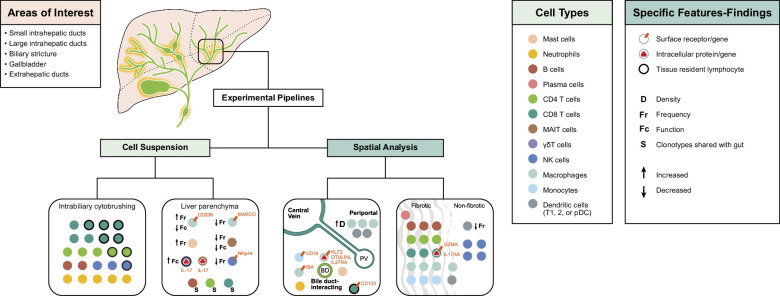
“[11] A second ST study further described the infiltrate around the biliary tract, showing an increased density of inflammatory macrophages (expressing CD209 , CCL4 , IL1B , and FCGR3A ).”
InfluentialSerum metabolic signatures of primary biliary cirrhosis and primary sclerosing cholangitis
Bell, L. N., Wulff, J., Comerford, M., Vuppalanchi, R., & Chalasani, N. (2015) · Liver International · doi:10.1111/liv.12680 · Cited by 84 · cited 1×
“[93,94] Intestinal inflammation and associated gut dysbiosis are thought to disrupt bile acid homeostasis, [112,113] a feature described in patients with PSC. [114,115] More-over, these bile acids have been shown to modulate the balance of Th17 cells and Tregs in experimental models.”
Bile acid metabolites control Th17 and Treg cell differentiation
Hang, S., Paik, D., Devlin, A. S., Jamma, T., Lu, J., Ha, S., Nelson, B. N., Kelly, S. P., Wu, L., Zheng, Y., et al. (2018) · bioRxiv (Cold Spring Harbor Laboratory) · doi:10.1101/465344 · Cited by 84
A Pilot Study of Etanercept in the Treatment of Primary Sclerosing Cholangitis
Epstein, M. P., & Kaplan, M. M. (2004) · Digestive Diseases and Sciences · doi:10.1023/b:ddas.0000011827.87103.2e · Cited by 83
Jones, H., Hargrove, L., Kennedy, L., Meng, F., Graf‐Eaton, A., Owens, J., Alpini, G., Johnson, C., Bernuzzi, F., Demieville, J., et al. (2016) · Hepatology · doi:10.1002/hep.28704 · Cited by 83 · cited 1×
“Using the Mdr2 − / − model, inhibition of mast cell – derived histamine, [52] antagonism of histamine receptors, [53] inhibition of the apical sodium BA transporter (expressed on mast cells), [54] treatment with ursodeox-ycholic acid (UDCA), [55] or cromolyn sodium [50] all support a role for mast…”
Ricciuto, A., Kamath, B. M., Hirschfield, G. M., & Trivedi, P. J. (2023) · Journal of Hepatology · doi:10.1016/j.jhep.2023.02.030 · Cited by 83 · cited 1×
“[1,2] Several genetic risk factors, including a strong human leukocyte antigen (HLA) association, implicate the immune system in PSC. [3] Beyond this, patients with PSC frequently have autoantibodies, although their role in diagnosis is minor.”
Henriksen, E. K. K., Jørgensen, K. K., Kaveh, F., Holm, K., Hamm, D., Olweus, J., Melum, E., Chung, B. K., Eide, T. J., Lundin, K. E. A., et al. (2017) · Journal of Hepatology · doi:10.1016/j.jhep.2016.09.002 · Cited by 82 · cited 2×
“[93] Altogether, this suggests that the balance between tolerance and reactivity with respect to T-cell responses is offset in PSC, leading to exaggerated Th17 and Th1 responses.”
Villard, C., Friis–Liby, I., Rorsman, F., Said, K., Warnqvist, A., Cornillet, M., Kechagias, S., Nyhlin, N., Werner, M., Janczewska, I., et al. (2022) · Journal of Hepatology · doi:10.1016/j.jhep.2022.11.011 · Cited by 82 · cited 1×
“[129,130] Consequently, drugs tested in short-term trials always risk being shown as ineffective, and patients with early-stage PSC with normal ALP levels are excluded from clinical trials.”
Self-citationSulfated bile acid is a host-derived ligand for MAIT cells
Ito, E., Inuki, S., Izumi, Y., Takahashi, M., Dambayashi, Y., Ciacchi, L., Awad, W., Takeyama, A., Shibata, K., Mori, S., et al. (2024) · Science Immunology · doi:10.1126/sciimmunol.ade6924 · Cited by 79 · cited 1×
“[72] However, it remains to be determined if those bile acids are dysregulated in PSC.”
TREM-2 plays a protective role in cholestasis by acting as a negative regulator of inflammation
Labiano, I., Agirre-Lizaso, A., Olaizola, P., Echebarria, A., Huici-Izagirre, M., Olaizola, I., Esparza-Baquer, A., Sharif, O., Hijona, E., Milkiewicz, P., et al. (2022) · Journal of Hepatology · doi:10.1016/j.jhep.2022.05.044 · Cited by 78 · cited 1×
“Finally, the Trem2-expressing monocytes/macrophages subset, [41,42] as well as the expression of Arid3 [43] and CCL24 [16] in macrophages, were identified as important in driving the severity of cholestatic models.”
The gut microbiota contributes to a mouse model of spontaneous bile duct inflammation
Schrumpf, E., Kummen, M., Valestrand, L., Greiner, T. U., Holm, K., Arulampalam, V., Reims, H. M., Baines, J., Bäckhed, F., Karlsen, T. H., et al. (2017) · Journal of Hepatology · doi:10.1016/j.jhep.2016.09.020 · Cited by 77 · cited 1×
“[124,125] However, fecal microbiota from patients with PSC-IBD transferred to gnotobiotic mice led to, in some cases, activation of Th17 cells in the liver.”
Tse, C. S., Loftus, E. V., Raffals, L. E., Gossard, A. A., & Lightner, A. L. (2018) · Alimentary Pharmacology & Therapeutics · doi:10.1111/apt.14829 · Cited by 76 · cited 1×
“Neither anti-TNF therapies (infliximab and adalimumab) [148 – 150] nor vedolizumab (integrin α 4 β 7 blockade) [151 – 153] have been associated with improvements in cholestatic markers despite their effectiveness in treating IBD.”
Innate Lymphoid Cells (ILCs): Cytokine Hubs Regulating Immunity and Tissue Homeostasis
Nagasawa, M., Spits, H., & Ros, X. R. (2018) · Cold Spring Harbor Perspectives in Biology · doi:10.1101/cshperspect.a030304 · Cited by 72
Meadows, V., Kennedy, L. L., Ekser, B., Kyritsi, K., Kundu, D., Zhou, T., Chen, L., Pham, L., Wu, N., Demieville, J., et al. (2021) · Hepatology · doi:10.1002/hep.32028 · Cited by 72 · cited 2×
“[48,49] Mast cell infiltration has been reported in the livers of patients with PSC by immuno-chemistry near bile ducts [50] and portal tracts.”
Shi, J., Li, Z., Zeng, X., Lin, Y., & Xie, W. (2009) · Hepatology Research · doi:10.1111/j.1872-034x.2009.00527.x · Cited by 70 · cited 1×
“[146] Its mechanisms of action on the immune system are somewhat unclear, but UDCA is known to exert a direct effect on adaptive immunity by inhibiting DCs. [147] The development of new immune therapies or biologics in IBD is rapidly advancing.”
Mycophenolate Mofetil for the Treatment of Primary Sclerosing Cholangitis
Talwalkar, J. A., Angulo, P., Keach, J. C., Petz, J. L., Jorgensen, R. A., & Lindor, K. D. (2005) · The American Journal of Gastroenterology · doi:10.1111/j.1572-0241.2005.40484.x · Cited by 70
De Muynck, K., Heyerick, L., De Ponti, F. F., Vanderborght, B., Meese, T., Van Campenhout, S., Baudonck, L., Gijbels, E., Rodrigues, P. M., Banales, J. M., et al. (2024) · Hepatology · doi:10.1097/hep.0000000000000557 · Cited by 64 · cited 1×
“Finally, the Trem2-expressing monocytes/macrophages subset, [41,42] as well as the expression of Arid3 [43] and CCL24 [16] in macrophages, were identified as important in driving the severity of cholestatic models.”
Govaere, O., Cockell, S., Van Haele, M., Wouters, J., Van Delm, W., Van den Eynde, K., Bianchi, A., van Eijsden, R., Van Steenbergen, W., Monbaliu, D., et al. (2019) · The Journal of Pathology · doi:10.1002/path.5228 · Cited by 61 · cited 1×
“[38,39] Alto-gether, these data suggest that spatial diversity of mononuclear phagocytes within the PSC livers might be globally affected rather than particular types of cells being excluded from specific areas.”
Biliary lavage with corticosteroids in primary sclerosing cholangitis
Allison, M. C., Burroughs, A. K., Noone, P., & Summerfield, J. A. (1986) · Journal of Hepatology · doi:10.1016/s0168-8278(86)80155-6 · Cited by 60
Caron, B., Peyrin-Biroulet, L., Pariente, B., Bouhnik, Y., Seksik, P., Bouguen, G., Caillo, L., Laharie, D., Carbonnel, F., Altwegg, R., et al. (2019) · Journal of Crohn's and Colitis · doi:10.1093/ecco-jcc/jjz088 · Cited by 60 · cited 1×
“Neither anti-TNF therapies (infliximab and adalimumab) [148 – 150] nor vedolizumab (integrin α 4 β 7 blockade) [151 – 153] have been associated with improvements in cholestatic markers despite their effectiveness in treating IBD.”
Ariño, S., Aguilar-Bravo, B., Coll, M., Lee, W.-Y., Peiseler, M., Cantallops-Vilà, P., Sererols-Viñas, L., Martínez-García de la Torre, R. A., Martínez-Sánchez, C., Pedragosa, J., et al. (2023) · Journal of Hepatology · doi:10.1016/j.jhep.2023.05.045 · Cited by 59 · cited 3×
“[31] Lastly, depletion of these neutrophils (with either an anti-Ly6G antibody or a CXCR1/2 antagonist) in the DDC-fed mouse liver mitigated ductular reaction, fibrosis, and angiogenesis, demonstrating that these neutrophils are important propagators of ductular reaction in chronic liver diseases.”
InfluentialMast Cells in Liver Fibrogenesis
Weiskirchen, R., Meurer, S. K., Liedtke, C., & Huber, M. (2019) · Cells · doi:10.3390/cells8111429 · Cited by 58 · cited 1×
“[48,49] Mast cell infiltration has been reported in the livers of patients with PSC by immuno-chemistry near bile ducts [50] and portal tracts.”
Presentation of hepatocellular antigens
Grakoui, A., & Crispe, I. N. (2016) · Cellular and Molecular Immunology · doi:10.1038/cmi.2015.109 · Cited by 57 · cited 2×
“[106] Single-cell and spatial technologies have, in recent years, shed light upon nonimmune and immune phenotypes and interactions in PSC. Notably, a single-cell atlas has been generated using technologies including scRNA-seq, single nuclear RNA sequencing, and ST on cirrhotic PSC livers to uncover…”
Chung, B. K., Guevel, B. T., Reynolds, G. M., Gupta Udatha, D. B. R. K., Henriksen, E. K. K., Stamataki, Z., Hirschfield, G. M., Karlsen, T. H., & Liaskou, E. (2017) · Journal of Autoimmunity · doi:10.1016/j.jaut.2016.10.003 · Cited by 57
Ravichandran, G., Neumann, K., Berkhout, L. K., Weidemann, S., Langeneckert, A. E., Schwinge, D., Poch, T., Huber, S., Schiller, B., Hess, L. U., et al. (2019) · Journal of Hepatology · doi:10.1016/j.jhep.2019.05.023 · Cited by 56
Coudereau, R., Waeckel, L., Cour, M., Rimmele, T., Pescarmona, R., Fabri, A., Jallades, L., Yonis, H., Gossez, M., Lukaszewicz, A., et al. (2021) · Journal of Leukocyte Biology · doi:10.1002/jlb.4covbcr0321-129r · Cited by 55 · cited 1×
“[29,30] While Mdr2 − / − mice primarily contained mature and activated CXCR2 high CXCR4 low CD62L low neutrophils, [15] limited studies have been conducted to assess biliary neutrophil heterogeneity in humans.”
Effects of tumor necrosis factor antagonists in patients with primary sclerosing cholangitis
Hedin, C. R. H., Sado, G., Ndegwa, N., Lytvyak, E., Mason, A., Montano-Loza, A., Gerussi, A., Saffioti, F., Thorburn, D., Nilsson, E., et al. (2020) · Clinical Gastroenterology and Hepatology · doi:10.1016/j.cgh.2020.02.014 · Cited by 52
Self-citationNeutrophil–T cell crosstalk in inflammatory bowel disease
Kvedaraite, E. (2021) · Immunology · doi:10.1111/imm.13391 · Cited by 52 · cited 1×
“[22,23] More importantly, neutrophils have been shown to skew T-cell differentiation toward a Th17 phenotype through alarmins and histones contained within NETs, [12] as well as through IL-23 production.”
Zen, Y., Quaglia, A., & Portmann, B. C. (2011) · Histopathology · doi:10.1111/j.1365-2559.2011.03763.x · Cited by 51 · cited 1×
“[97] 100] Finally, IgG4+ lymphoplasmacytic infiltration has been reported in PSC and seems to be associated with the presence of more severe disease.”
Intrahepatic macrophage populations in the pathophysiology of primary sclerosing cholangitis
Chen, Y.-Y., Arndtz, K., Webb, G., Corrigan, M., Akiror, S., Liaskou, E., Woodward, P., Adams, D. H., Weston, C. J., & Hirschfield, G. M. (2019) · JHEP Reports · doi:10.1016/j.jhepr.2019.10.003 · Cited by 50 · cited 2×
“[37] Finally, an increased percentage of CD206+ macrophages was found in PSC livers in comparison with controls [7,35] fewer MARCO+ macrophages (macrophage receptor with collagenous structure, a scavenger receptor), although the total number of macrophages was comparable.”
Culver, E. L., Vermeulen, E., Makuch, M., van Leeuwen, A., Sadler, R., Cargill, T., Klenerman, P., Aalberse, R. C., van Ham, S. M., Barnes, E., et al. (2015) · Annals of the Rheumatic Diseases · doi:10.1136/annrheumdis-2014-206405 · Cited by 48 · cited 1×
“[103] Taken together, although B-cell dysregulation is evident in PSC and elevated IgG in the blood commonly is seen in patients, mechanistic insights into such dysregulation remain to be elucidated.”
Shaw, D. G., Aguirre‐Gamboa, R., Vieira, M. C., Gona, S., DiNardi, N., Wang, A., Dumaine, A., Gelderloos-Arends, J., Earley, Z. M., Meckel, K. R., et al. (2023) · Nature Medicine · doi:10.1038/s41591-023-02372-x · Cited by 48 · cited 2×
“[95] In Mdr2 − / − mice, circulating IgG and hepatic B cells increased upon fibrosis progression, and these hepatic B cells produced IgG in the absence of any stimulation.”
CCL24 regulates biliary inflammation and fibrosis in primary sclerosing cholangitis
Greenman, R., Segal-Salto, M., Barashi, N., Hay, O., Katav, A., Levi, O., Vaknin, I., Aricha, R., Aharoni, S., Snir, T., et al. (2023) · JCI Insight · doi:10.1172/jci.insight.162270 · Cited by 48 · cited 4×
“[16] In the human setting, CCL24 was found to be enriched in liver biopsies of patients with PSC. [16] In addition, CCL24 serum levels correlated with Enhanced Liver Fibrosis score.”
InfluentialElevated interleukin‐8 in bile of patients with primary sclerosing cholangitis
Zweers, S. J., Shiryaev, A., Komuta, M., Vesterhus, M., Hov, J. R., Perugorria, M. J., de Waart, D. R., Chang, J., Tol, S., te Velde, A. A., et al. (2016) · Liver International · doi:10.1111/liv.13092 · Cited by 47 · cited 1×
“…also found to be elevated in the bile of patients with PSC and to correlate with the number of neutrophils in bile ducts of patients with PSC. [9,18] Together, these cytokines and chemokines represent important modulators of neutrophilic infiltration in PSC, and blocking the accumulation of…”
Graham, J. J., Mukherjee, S., Yuksel, M., Sanabria Mateos, R., Si, T., Huang, Z., Huang, X., Abu Arqoub, H., Patel, V., McPhail, M., et al. (2022) · Hepatology · doi:10.1002/hep.32193 · Cited by 47 · cited 1×
“[90] However, more recent studies have shown that such a homing mechanism might not be specific to PSC. [91] Nevertheless, TRMs in the bile ducts of patients with PSC express a combination of gut and liver-homing chemokine receptors.”
Meng, F., Kennedy, L. L., Hargrove, L. A., Demieville, J., Jones, H. F., Madeka, T., Karstens, A. W., Chappell, K., Alpini, G. D., Sybenga, A. B., et al. (2018) · Laboratory Investigation · doi:10.1038/s41374-018-0101-0 · Cited by 46 · cited 1×
“…cell – derived histamine, [52] antagonism of histamine receptors, [53] inhibition of the apical sodium BA transporter (expressed on mast cells), [54] treatment with ursodeox-ycholic acid (UDCA), [55] or cromolyn sodium [50] all support a role for mast cells in cholangitis and fibrosis progression.”
Glucocorticosteroids for primary sclerosing cholangitis
Giljača, V., Poropat, G., Štimac, D., & Gluud, C. N. (2010) · Cochrane Database of Systematic Reviews · doi:10.1002/14651858.cd004036.pub3 · Cited by 44
Primary sclerosing cholangitis leads to dysfunction and loss of MAIT cells
von Seth, E., Zimmer, C. L., Reuterwall‐Hansson, M., Barakat, A., Arnelo, U., Bergquist, A., Ivarsson, M. A., & Björkström, N. K. (2018) · European Journal of Immunology · doi:10.1002/eji.201847608 · Cited by 43 · cited 2×
“[70] While they displayed a highly activated phenotype ex vivo, in vitro analysis revealed diminished interferon (IFN)- γ and TNF responses compared with MAIT cells from healthy controls.”
Self-citationPisarska, M. M., Dunne, M. R., O'Shea, D. B., & Hogan, A. E. (2020) · European Journal of Immunology · doi:10.1002/eji.202048645 · Cited by 41 · cited 1×
“[66] NKT cells, prevalent in the murine liver, are restricted by lipid antigens presented by CD1d and are also capable of Th1 and Th17 responses.”
Hepatic Macrophage Responses in Inflammation, a Function of Plasticity, Heterogeneity or Both?
Zwicker, C., Bujko, A., & Scott, C. L. (2021) · Frontiers in Immunology · doi:10.3389/fimmu.2021.690813 · Cited by 41 · cited 3×
“[32] Monocytes from the blood of patients with PSC have been reported to display an increased capacity to secrete IL-1 β and IL-6 upon microbial stimulation as compared with healthy individuals with consequences for T-cell responses (discussed below).”
InfluentialPeng, Z., Rothweiler, S., Wei, G., Ikenaga, N., Liu, S. B., Sverdlov, D. Y., Vaid, K. A., Longhi, M. S., Kuang, M., Robson, S. C., et al. (2017) · Hepatology Communications · doi:10.1002/hep4.1084 · Cited by 40 · cited 1×
“[92] Intriguingly, a proportion of T cells in the gut and liver also share the same T-cell receptor clonotypes suggestive of a common origin.”
Schwinge, D., von Haxthausen, F., Quaas, A., Carambia, A., Otto, B., Glaser, F., Höh, B., Thiele, N. D., Schoknecht, T., Huber, S., et al. (2016) · Journal of Hepatology · doi:10.1016/j.jhep.2016.12.001 · Cited by 39 · cited 1×
“[89] What is then the origin of the pathogenic Th17 cells and where are they primed?”
A+T rich interaction domain protein 3a (Arid3a) impairs Mertk-mediated efferocytosis in cholestasis
Chen, R., Huang, B., Lian, M., Wei, Y., Miao, Q., Liang, J., Ou, Y., Liang, X., Zhang, H., Li, Y., et al. (2023) · Journal of Hepatology · doi:10.1016/j.jhep.2023.08.016 · Cited by 39 · cited 1×
“Finally, the Trem2-expressing monocytes/macrophages subset, [41,42] as well as the expression of Arid3 [43] and CCL24 [16] in macrophages, were identified as important in driving the severity of cholestatic models.”
Fischer, S. E., Trivedi, P. J., Ward, S., Greig, P. D., Therapondos, G., & Hirschfield, G. M. (2014) · International Journal of Experimental Pathology · doi:10.1111/iep.12076 · Cited by 35
Schregel, I., Ramos, G. P., Ioannou, S., Culver, E. L., Färkkilä, M. A., Schramm, C., Eaton, J., Levy, C., Chazouillères, O., Müller, T., et al. (2023) · Clinical Gastroenterology and Hepatology · doi:10.1016/j.cgh.2023.01.014 · Cited by 34 · cited 1×
“[155] There is one interesting ongoing phase II trial using CM-101 that targets the soluble protein CCL24, promoting fibrotic and inflammatory activities in the liver through its receptor, CCR3 (ClinicalTrials ID: NCT04595825).”
Shah, A., Jones, M. P., Callaghan, G., Fairlie, T., Ma, X., Culver, E. L., Stuart, K. A., Cruz, P. P. D., O’Beirne, J. P., Tabibian, J. H., et al. (2024) · Hepatology Communications · doi:10.1097/hc9.0000000000000347 · Cited by 33 · cited 1×
“[ 154 ] Results from a retrospective study on the effect of the JAK inhibitor tofacitinib showed some promising results with improvement of cholestasis in PSC-IBD.”
Townsend, L., Dyer, A. H., Naughton, A., Imangaliyev, S., Dunne, J., Kiersey, R., Holden, D., Mooney, A., Leavy, D., Ridge, K., et al. (2022) · Heliyon · doi:10.1016/j.heliyon.2022.e09230 · Cited by 32
A role of mast cells for hepatic fibrosis in primary sclerosing cholangitis
Ishii, M., Iwai, M., Harada, Y., Morikawa, T., Okanoue, T., Kishikawa, T., Tsuchihashi, Y., HANAI, K., & Arizono, N. (2005) · Hepatology Research · doi:10.1016/j.hepres.2005.01.007 · Cited by 31 · cited 1×
“[51] Mast cells have further been identified as one of the disease-associated cell types using scRNAseq of cirrhotic PSC livers compared with normal livers.”
Exploring the role of mast cells in the progression of liver disease
Huang, S., Wu, H., Luo, F., Zhang, B., Li, T., Yang, Z., Ren, B., Yin, W., Wu, D., & Tai, S. (2022) · Frontiers in Physiology · doi:10.3389/fphys.2022.964887 · Cited by 30 · cited 1×
“[48,49] Mast cell infiltration has been reported in the livers of patients with PSC by immuno-chemistry near bile ducts [50] and portal tracts.”
Immunobiology of the biliary tract system
Björkström, N. K. (2022) · Journal of Hepatology · doi:10.1016/j.jhep.2022.08.018 · Cited by 28 · cited 7×
“[5,6] Beyond this, it is now clear that both fractions of myeloid cells and lymphocytes represent tissue-resident cells adapted to the hepatic microenvironment.”
InfluentialSelf-citationNatural killer T cells mediate inflammation in the bile ducts
Berntsen, N. L., Fosby, B., Tan, C., Reims, H. M., Øgaard, J., Jiang, X., Schrumpf, E., Valestrand, L., Karlsen, T. H., Line, P., et al. (2018) · Mucosal Immunology · doi:10.1038/s41385-018-0066-8 · Cited by 27 · cited 2×
“[75] Oxazalone injection into the bile duct increased liver fibrosis in a CD1d-dependent manner since CD1d − / − mice were protected against weight loss, increased ALT, and inflammation.”
Chung, B. K., Henriksen, E. K. K., Jørgensen, K. K., Karlsen, T. H., Hirschfield, G. M., & Liaskou, E. (2018) · Hepatology Communications · doi:10.1002/hep4.1200 · Cited by 26 · cited 3×
“[94] Similar findings have been reported in another study focusing on the intestinal mucosa where PSC colitis was characterized by an increased proportion of IgG-secreting plasma cells, not seen to the same degree in non-PSC-IBD, where both IgG and IgA clones showed signs of affinity maturation.”
A heterozygous germline CD100 mutation in a family with primary sclerosing cholangitis
Jiang, X., Bergquist, A. M., Löscher, B.-S., Venkatesh, G., Mold, J. E., Holm, K., Laerdahl, J. K., Skånland, S. S., Maleki, K. T., Cornillet, M., et al. (2021) · Science Translational Medicine · doi:10.1126/scitranslmed.abb0036 · Cited by 26 · cited 1×
“[80] Biliary-infiltrating T cells were further shown to be the main CD100-expressing cells, and the mutation boosted Th17 differentiation.”
Self-citationChruscinski, A. J., Juvet, S., Moshkelgosha, S., Renner, E. L., Lilly, L., Selzner, N., Bredeson, C., Grant, D. R., Adeyi, O. A., Fischer, S. E., et al. (2021) · Transplantation · doi:10.1097/tp.0000000000003829 · Cited by 26 · cited 1×
“Finally, more experimental approaches, such as autologous hematopoietic stem cell transplantation [156] and autologous Treg transfer [157] , have also been proposed.”
Valestrand, L., Zheng, F., Hansen, S. H., Øgaard, J., Hov, J. R., Björkström, N. K., Karlsen, T. H., Jiang, X., & Melum, E. (2022) · The American Journal of Pathology · doi:10.1016/j.ajpath.2021.12.008 · Cited by 25 · cited 3×
“[71,74,107] Never-theless, the exact role of hepatocyte and cholangiocyte antigen presentation in coordinating immune responses through classical and nonclassical MHC molecules remains unclear in humans and requires further study.”
Self-citationLi, Y., Li, B., Xiao, X., Qian, Q., Wang, R., Lyu, Z., Chen, R., Cui, N., Ou, Y., Pu, X., et al. (2023) · Hepatology · doi:10.1097/hep.0000000000000549 · Cited by 25 · cited 2×
“[81] A role for the transcription factor Runx3 in driving this phenotype has also been suggested.”
IL-17 signaling in primary sclerosing cholangitis patient-derived organoids
Moreno, A. S. G., Guicciardi, M. E., Wixom, A. Q., Jessen, E., Yang, J., Ilyas, S. I., Bianchi, J. K., Vairo, F. P. E., Lazaridis, K. N., & Gores, G. J. (2024) · Hepatology Communications · doi:10.1097/hc9.0000000000000454 · Cited by 25
A Gradient of Intestinal Inflammation in Primary Sclerosing Cholangitis
Wittek, A., Steglich, B., Casar, C., Seiz, O., Huber, P., Ehlken, H., Reher, D., Wende, S., Bedke, T., Kempski, J., et al. (2023) · Inflammatory Bowel Diseases · doi:10.1093/ibd/izad137 · Cited by 24 · cited 1×
“…an increased expression of IL17A and IFNG in intestinal biopsies and a dysbiotic microbiota was reported in the vast majority of patients with PSC. [117] However, a study analyzing biliary brush samples from patients with PSC revealed no difference in biliary neutrophil or T-cell abundance in…”
Zecher, B. F., Ellinghaus, D., Schloer, S., Niehrs, A., Padoan, B., Baumdick, M. E., Yuki, Y., Martin, M. P., Głów, D., Schröder‐Schwarz, J., et al. (2023) · Gut · doi:10.1136/gutjnl-2023-329524 · Cited by 24 · cited 3×
“[65] Therefore, the extent to which NK cells localize to inflamed bile ducts in PSC, and whether they contribute to immuno-pathogenesis, remains to be elucidated.”
InfluentialHintermann, E., Tondello, C., Fuchs, S., Bayer, M., Pfeilschifter, J. M., Taubert, R., Mollenhauer, M., Elferink, R. P. J. O., Manns, M. P., & Christen, U. (2024) · Journal of Autoimmunity · doi:10.1016/j.jaut.2024.103229 · Cited by 23 · cited 3×
“[29,30] While Mdr2 − / − mice primarily contained mature and activated CXCR2 high CXCR4 low CD62L low neutrophils, [15] limited studies have been conducted to assess biliary neutrophil heterogeneity in humans.”
Inflammatory type 2 conventional dendritic cells contribute to murine and human cholangitis
Müller, A.-L., Casar, C., Preti, M., Krzikalla, D., Gottwick, C., Averhoff, P., Rosenstiel, P. C., Gelderblom, M., Altfeld, M. A., Lohse, A. W., et al. (2022) · Journal of Hepatology · doi:10.1016/j.jhep.2022.06.025 · Cited by 22 · cited 1×
“…disease controls, and mouse models of cholangitis reported an increase of intrahepatic conventional DC2 (cDC2) but not cDC1 or plasmacytoid DC. [47] In humans, deconvolution of ST data from livers of patients with PSC indicated a decreased proportion of cDC1 (not cDC2) in fibrotic regions as…”
Huang, C. G., Zhou, Y., Cheng, J., Xue, G., Shou, D., Quan, Y., Chen, H., Chen, H., & Zhou, Y. (2023) · Frontiers in Endocrinology · doi:10.3389/fendo.2023.1145392 · Cited by 22 · cited 1×
“[104,105] These immune functions are, therefore, critical for containing and controlling infection in the liver but may also contribute to sustained biliary damage upon persistent and chronic inflammation.”
Åberg, F. O., Sallinen, V. J., Tuominen, S., Adam, R. A., Karam, V. H., Mirza, D. F., Heneghan, M. A., Line, P., Bennet, W., Ericzon, B., et al. (2023) · Journal of Hepatology · doi:10.1016/j.jhep.2023.08.031 · Cited by 22 · cited 2×
“[141] The most used drug today is UDCA.”
Thapa, M., Tedesco, D., Gumber, S., Elrod, E. J., Han, J.-H., Kitchens, W. H., Magliocca, J. F., Adams, A. B., & Grakoui, A. (2020) · The Journal of Immunology · doi:10.4049/jimmunol.1900391 · Cited by 20 · cited 4×
“[96] Finally, Mdr2 − / − mice also had aberrant antibody concentration, elevated auto-antibodies (ANA), and immune complexes, mimicking some of the features of patients with PSC.”
InfluentialKellermayer, R., Carbone, M., Horvath, T. D., Szigeti, R. G., Buness, C. W., Hirschfield, G. M., & Lewindon, P. J. (2024) · Hepatology · doi:10.1097/hep.0000000000000926 · Cited by 20 · cited 1×
“[127] ALP, along with fibrosis progression markers (histology, liver stiffness measurement, and serum fibrosis markers), is the current gold standard endpoint but is insufficient due to a silent inflammatory process leading to disease progression that is difficult to detect.”
Yamada, Y., Hoshino, K., Fuchimoto, Y., Matsubara, K., Hibi, T., Yagi, H., Abe, Y., Shinoda, M., Kitago, M., Obara, H., et al. (2018) · Transplantation Direct · doi:10.1097/txd.0000000000000760 · Cited by 19 · cited 1×
“[97] 100] Finally, IgG4+ lymphoplasmacytic infiltration has been reported in PSC and seems to be associated with the presence of more severe disease.”
Dold, L., Frank, L., Lutz, P. L., Kaczmarek, D. J., Krämer, B., Nattermann, J., Weismüller, T. J., Branchi, V., Toma, M. I., Gonzalez-Carmona, M. A., et al. (2023) · Clinical and Translational Gastroenterology · doi:10.14309/ctg.0000000000000603 · Cited by 19 · cited 3×
“[86] However, while JAK1/2 inhibitors experimentally blocked STAT3 and diminished the elevated IFN-γ responses, no effect on IL-17 was seen.”
Liu, B., Yang, G., Sun, Y. H., Tomiyama, T., Zhang, W., Leung, P. S. C., He, X.-S., Dhaliwal, S., Invernizzi, P., Gershwin, M. E., et al. (2022) · Frontiers in Immunology · doi:10.3389/fimmu.2022.912961 · Cited by 18 · cited 2×
“[64] However, whether these cells traffic to bile ducts remains to be determined.”
Kupffer Cells Contested as Early Drivers in the Pathogenesis of Primary Sclerosing Cholangitis
Muynck, K. D., Vanderborght, B., Ponti, F. F. D., Gijbels, E., Welden, S. V., Guilliams, M., Scott, C. L., Beschin, A., Vinken, M., Lefere, S., et al. (2023) · American Journal Of Pathology · doi:10.1016/j.ajpath.2022.12.008 · Cited by 18 · cited 1×
“[44] Overall, data from mouse models mostly suggest a causative role of these cells in driving fibrosis development in the context of cholestasis, although considerable differences exist in the composition of the mononuclear phagocyte system across species.”
Mor, A., Friedman, S. L., Hashmueli, S., Peled, A., Pinzani, M., Frankel, M. B., & Safadi, R. (2024) · Drug Safety · doi:10.1007/s40264-024-01436-2 · Cited by 18 · cited 1×
“[19] Pathogenic IL-17 signaling has been implicated as a propagator of biliary inflammation in PSC (Th17 responses are discussed more in subsequent sections covering T cells), [8,20,21] yet the specific role of neutrophils in driving IL-17 production in PSC remains to be elucidated.”
Greenman, R., Snir, T., Katav, A., Aricha, R., Mishalian, I., Hay, O., Frankel, M. B., Lawler, J., Saffioti, F., Pinzani, M., et al. (2024) · Cells · doi:10.3390/cells13030209 · Cited by 17 · cited 1×
“[16,17] IL-8, a chemokine that attracts neutrophils through CXCR1/2, was also found to be elevated in the bile of patients with PSC and to correlate with the number of neutrophils in bile ducts of patients with PSC. [9,18] Together, these cytokines and chemokines represent important modulators of…”
Kellerer, M., Javed, S., Casar, C., Will, N., Berkhout, L. K., Schwinge, D., Krebs, C. F., Schramm, C., Neumann, K., & Tiegs, G. (2024) · Hepatology · doi:10.1097/hep.0000000000000830 · Cited by 17 · cited 4×
“[83] Further research into how inflammatory cytokines from recruited or resident immune cells modify cholangiocytes is therefore warranted.”
InfluentialJiang, X., Otterdal, K., Chung, B. K., Maucourant, C., Rønneberg, J. D., Zimmer, C. L., Øgaard, J., Boichuk, Y., Holm, S., Geanon, D., et al. (2023) · Gastroenterology · doi:10.1053/j.gastro.2023.11.283 · Cited by 16
Self-citationReyes, J. L., Vannan, D. T., Vo, T., Gulamhusein, A. F., Beck, P. L., Reimer, R. A., & Eksteen, B. (2018) · Scientific Reports · doi:10.1038/s41598-018-21112-7 · Cited by 15 · cited 1×
“[11] 83 – 85] The dysregulated Th17-axis has been linked to proinflammatory cytokines and diminished T regulatory cell (Treg) function.”
Meadows, V., Marakovits, C. N., Ekser, B., Kundu, D., Zhou, T., Kyritsi, K., Pham, L., Chen, L., Kennedy, L. L., Ceci, L., et al. (2022) · American Journal of Physiology-Gastrointestinal and Liver Physiology · doi:10.1152/ajpgi.00112.2022 · Cited by 15 · cited 1×
“…cell – derived histamine, [52] antagonism of histamine receptors, [53] inhibition of the apical sodium BA transporter (expressed on mast cells), [54] treatment with ursodeox-ycholic acid (UDCA), [55] or cromolyn sodium [50] all support a role for mast cells in cholangitis and fibrosis…”
Patient‐reported quality of care in primary sclerosing cholangitis
Walmsley, M., Tornai, D., Cazzagon, N., Leburgue, A., Mrzljak, A., Lenzen, H., Carbone, M., Madaleno, J., Lleò, A., Junge, N., et al. (2023) · Liver International · doi:10.1111/liv.15650 · Cited by 15 · cited 1×
“[139,145] UDCA improves ALP levels, but no clear survival benefit has been shown.”
Self-citationHuman resident liver myeloid cells protect against metabolic stress in obesity
Barreby, E., Strunz, B., Nock, S., Naudet, L., Shen, J. X., Johansson, H., Sönnerborg, I., Ma, J., Urgard, E., Pallett, L. J., et al. (2023) · Nature Metabolism · doi:10.1038/s42255-023-00834-7 · Cited by 14 · cited 1×
“[33] Circulating monocytes patrol and infiltrate the inflamed liver and have the capacity to differentiate and become tissue macrophages/KCs. [34] In this context, CD16+ monocytes (receptor binding to the Fc portion of IgG antibodies) were seen preferentially accumulated in the liver of patients…”
Self-citationLipid antigens in bile from patients with chronic liver diseases activate natural killer T cells
Valestrand, L., Berntsen, N. L., Zheng, F., Schrumpf, E., Hansen, S. H., Karlsen, T. H., Blumberg, R. S., Hov, J. R., Jiang, X., & Melum, E. (2020) · Clinical & Experimental Immunology · doi:10.1111/cei.13541 · Cited by 13 · cited 3×
“[71,74,107] Never-theless, the exact role of hepatocyte and cholangiocyte antigen presentation in coordinating immune responses through classical and nonclassical MHC molecules remains unclear in humans and requires further study.”
IL-23 exerts dominant pathogenic functions in Crohn’s disease-ileitis
Iliopoulou, L., Lianopoulou, E., & Kollias, G. A. (2024) · Mucosal Immunology · doi:10.1016/j.mucimm.2024.05.008 · Cited by 13 · cited 1×
“[24] Alongside this, studies in mice leveraging intravital microscopy have demonstrated that IL-17 (synergistically with TNF) mediates neutrophil rolling and endothelial transmigration through selective upregulation of E-selectin and expression of neutrophilic chemokines CXCL1, CXCL2, and CXCL5 by…”
Lourda, M., Dzidic, M., Hertwig, L., et al. (2021) · medRxiv · doi:10.1101/2021.01.27.21250591 · Cited by 11
STAT activation in regulatory CD4+ T cells of patients with primary sclerosing cholangitis
Dold, L., Kalthoff, S., Frank, L., Zhou, T., Esser, P. L., Lutz, P. L., Strassburg, C. P., Spengler, U., & Langhans, B. (2024) · Immunity Inflammation and Disease · doi:10.1002/iid3.1248 · Cited by 11 · cited 1×
“[87,88] Similar results have been obtained in Mdr2 − / − mice with ensuing increased proinflammatory signals.”
IL-17 Signaling in Primary Sclerosing Cholangitis Patient-Derived OrganoidsPreprint
Moreno, A. S. G., Guicciardi, M. E., Wixom, A. Q., et al. (2023) · Research Square · doi:10.21203/rs.3.rs-3406046/v1 · Cited by 7 · cited 5×
“[19] Pathogenic IL-17 signaling has been implicated as a propagator of biliary inflammation in PSC (Th17 responses are discussed more in subsequent sections covering T cells), [8,20,21] yet the specific role of neutrophils in driving IL-17 production in PSC remains to be elucidated.”
InfluentialPratt, H., Wu, T., Elhajjajy, S. I., Zhou, J., Fitzgerald, K., Fazzio, T., Weng, Z., & Pratt, D. S. (2023) · Hepatology Communications · doi:10.1097/hc9.0000000000000242 · Cited by 5 · cited 1×
“[79] An additional link between genetics, T cells, and PSC came from the identification of a family with autosomal dominant PSC having a missense-mutation in SEMA4D (semaphorin 4D) encoding CD100.”
Poch, T., Bahn, J., Casar, C., Krause, J., Evangelakos, I., Giladi, H., Kunzmann, L., Laschtowitz, A., Iuso, N., Schäfer, A.-M., et al. (2024) · Cell Reports Medicine · doi:10.1016/j.xcrm.2024.101620 · Cited by 5 · cited 1×
“[82] Spatial assessment of cirrhotic PSC livers revealed enrichment of both Th17 cells and cytotoxic T cells in fibrotic compared with parenchymal areas.”
Spatial proteogenomics reveals distinct and evolutionarily-conserved hepatic macrophage nichesPreprint
Guilliams, M., Bonnardel, J., Haest, B., Vanderborght, B., Bujko, A., Martens, L., Thoné, T., Browaeys, R., Ponti, F. F. D., Remmerie, A., et al. (2021) · bioRxiv · doi:10.1101/2021.10.15.464432 · Cited by 2
Townsend, L., Dyer, A. H., Naughton, A., et al. (2021) · medRxiv · doi:10.1101/2021.09.01.21262953 · Cited by 1
Cited by
(2025) · doi:10.1038/s41423-025-01313-7 · Cited by 97
CCL24 and Fibrosis: A Narrative Review of Existing Evidence and Mechanisms
Greenman, R., & Weston, C. J. (2025) · Cells · doi:10.3390/cells14020105 · Cited by 16
Aseem, S. O., Wang, J., Kalaiger, M. F., Way, G. W., Zhao, D., Tai, Y., Gurley, E. C., Zeng, J., Wang, X., Cowart, L. A., et al. (2025) · Hepatology Communications · doi:10.1097/hc9.0000000000000748 · Cited by 8
Azad, A. I., Gutiérrez, F., & Gores, G. J. (2025) · Cells · doi:10.3390/cells15010069 · Cited by 5
“Consistent with this peribiliary tropism, liver MAIT cells express receptors and integrins that promote the homing and retention of T cells around cholangiocytes, CXCR6, CCR6, and α E β 7 [52–54] as cholangiocytes express the corresponding chemokines CXCL16 and CCL20 [51,52,55,56].”
The dynamic landscape of cholestatic liver disease
Gores, G. J., & Malhi, H. (2025) · Hepatology · doi:10.1097/hep.0000000000001298 · Cited by 1
Metadata
- Authors
- Cornillet, M., Geanon, D., Bergquist, A., & Björkström, N. K.
- Affiliations
- Karolinska University Hospital (SE)
- Corresponding author
- Björkström, Niklas K.
- Venue
- Hepatology
- Published
- 2024-09-02
- Volume
- 82
- Issue
- 4
- Pages
- 911-926
- ISSN
- 0270-9139 (ISSN-L)
- 1527-3350
- PMC
- PMC12440291
- OpenAlex
- W4402215835
- Semantic Scholar
- 1f93cd3e2eb6f2790cfec335d96177fed0221439
- Cited by
- 20
- References
- 161
- Citations by year
- 2026: 11 · 2025: 9
- FWCI
- 1.44
- Type
- journal article
- Language
- en
- Open access
- hybrid
- doi.org
- Locations
- Hepatology (publishedVersion, cc-by)
- PubMed Central (publishedVersion, cc-by)
- Europe PMC (PubMed Central) (publishedVersion, cc-by)
- PubMed (publishedVersion)
- Funders
- European Commission (HORIZON2020)
- Cancerfonden
- Karolinska Institutet
- Vetenskapsrådet
- Novo Nordisk Fonden (NNF21OC0067824)
- Center for Innovative Medicine
- Topics
- Health Sciences › Medicine › Hepatology › Liver Diseases and Immunity
- Health Sciences › Medicine › Gastroenterology › Inflammatory Bowel Disease
- Health Sciences › Medicine › Surgery › Pediatric Hepatobiliary Diseases and Treatments
- Keywords
- primary sclerosing cholangitis, immunopathogenesis, immune cell composition, single-cell RNA sequencing, spatial transcriptomics, autoantibodies, inflammatory bowel disease, autoimmune disease, cholestatic liver disease
- MeSH terms
- Humans, Cholangitis, Sclerosing
About these checks
Registry, retraction, Cites and statistics results are computed, not judged, with one exception: a printed reference that no index lists is read once by a model before it counts as a citation error. Claims are extracted by a model and kept only when their quote appears verbatim in the text; each cited source is then checked, with a model’s help, for whether it says what the claim relies on. Those verdicts can be wrong — read the claim’s quote and the cited source before relying on one.
Statistics and arithmetic are recomputed, not judged.
Confidence bands are shown only for fields calibrated on our annotated test set. None is calibrated yet, so no band is shown.
What counts as a claim ›How we measure confidence ›How we check this ›
Are you an author, or do you see a problem with this page? Request a review
Data sources
Bibliographic data: Semantic Scholar, OpenAlex, Crossref.
Contains information from the Semantic Scholar Academic Graph Datasets, made available under the ODC Attribution License (ODC-BY 1.0).
Semantic Scholar’s data is described in: Kinney, R., et al. (2023). The Semantic Scholar Open Data Platform. arXiv:2301.10140.
