

Systematic Investigation of Machine Learning on Limited Data: A Study on Predicting Protein-Protein Binding Strength
Open accessPreprint — published as 10.1016/j.csbj.2023.12.018 · Paper page
The DOI matches its Crossref record; 88 of the 88 references it cites were found in a registry or an index.
Abstract
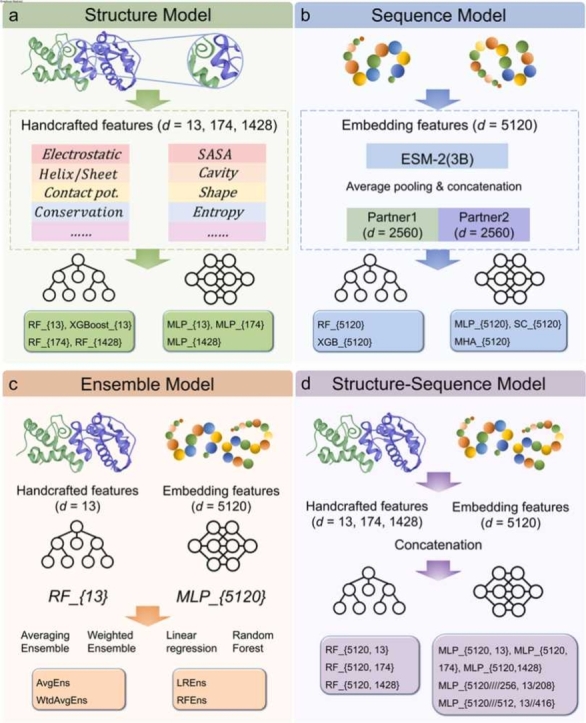
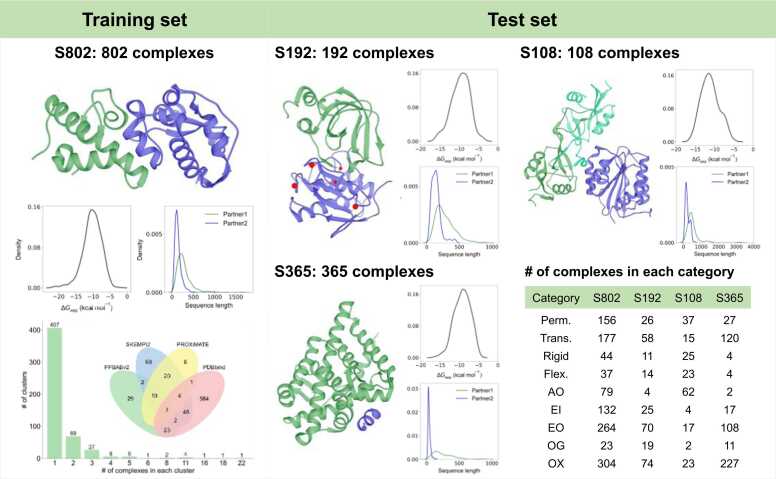
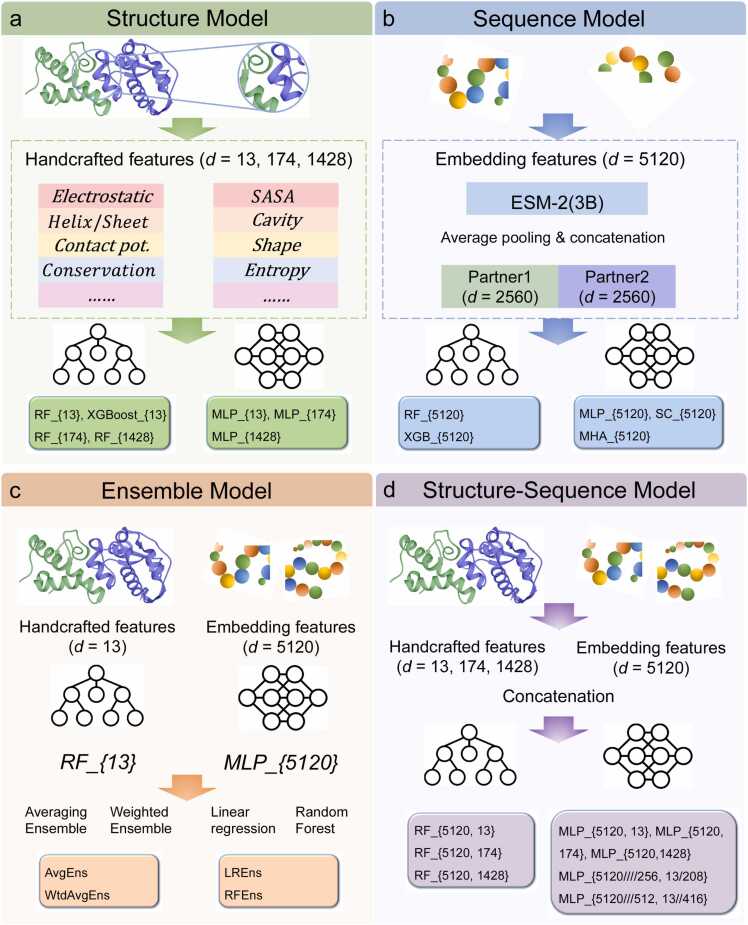
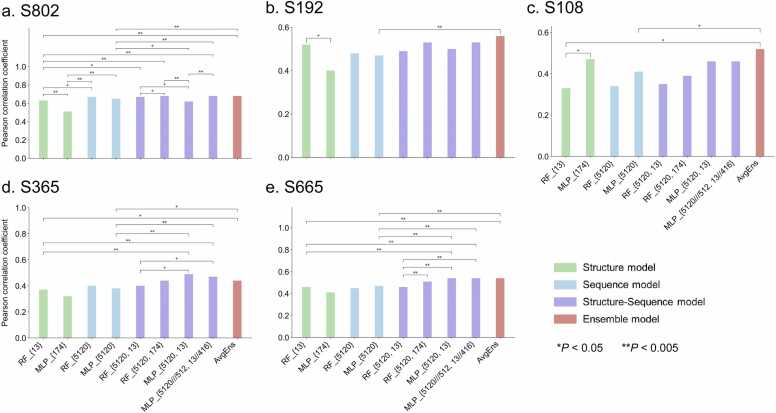
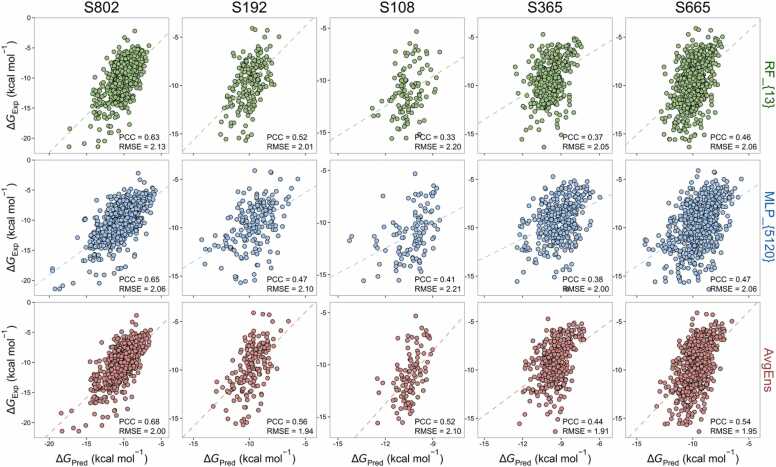
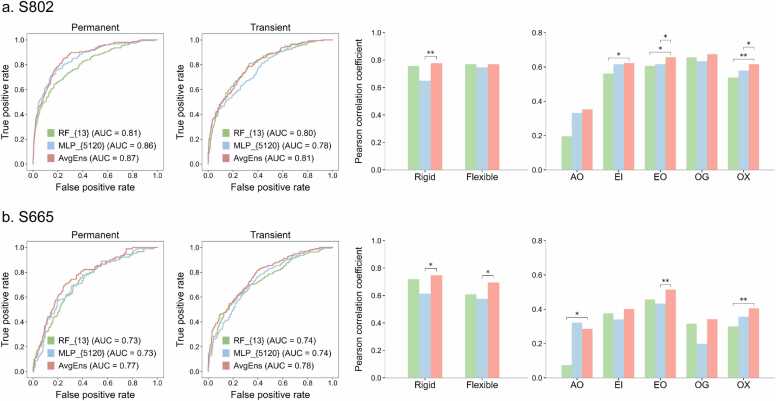
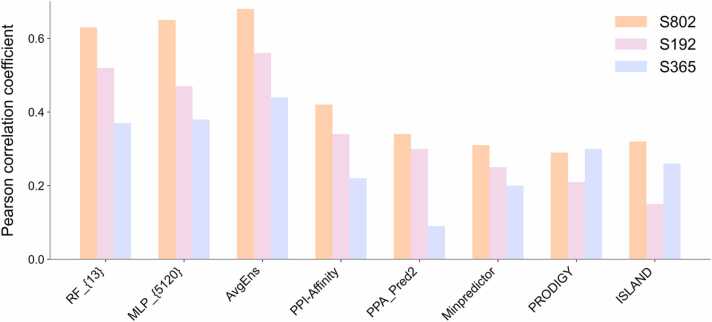
The application of machine learning techniques in biological research, especially when dealing with limited data availability, poses significant challenges. In this study, we leveraged advancements in method development for predicting protein-protein binding strength to conduct a systematic investigation into the application of machine learning on limited data. The binding strength, quantitatively measured as binding affinity, is vital for understanding the processes of recognition, association, and dysfunction that occur within protein complexes. By incorporating transfer learning, integrating domain knowledge, and employing both deep learning and traditional machine learning algorithms, we mitigate the impact of data limitations and make significant advancements in predicting protein-protein binding affinity. In particular, we developed over 20 models, ultimately selecting three representative best-performing ones that belong to distinct categories. The first model is structure-based, consisting of a random forest regression and thirteen handcrafted features. The second model is sequence-based, employing an architecture that combines transferred embedding features with a multilayer perceptron. Finally, we created an ensemble model by averaging the predictions of the two aforementioned models. The comparison with other predictors on three independent datasets confirmed the significant improvements achieved by our models in predicting protein-protein binding affinity. The source codes for these three models are available at https://github.com/minghuilab/BindPPI .
Overview
The claims and statistics of this paper haven’t been checked yet.
Free: it reads the open-access text and checks the first 5 claims that cite a source we can check. Create a free account to check every claim.
Integrity signals
Registry
Cites
Statistics
Figures
Verification
Claims the paper makes
The claims and statistics of this paper haven’t been checked yet.
Free: it reads the open-access text and checks the first 5 claims that cite a source we can check. Create a free account to check every claim.
Self-check
Percentages, sums and reported differences re-computed from the paper’s own numbers.
The self-check needs the paper’s full text.
Citations
Cites
LeCun, Y., Bengio, Y., & Hinton, G. (2015) · Nature · doi:10.1038/nature14539 · Cited by 84,126
VMD: visual molecular dynamics
Humphrey, W., Dalke, A., & Schulten, K. (1996) · Journal of Molecular Graphics · doi:10.1016/0263-7855(96)00018-5 · Cited by 66,952
Highly accurate protein structure prediction with AlphaFold
Jumper, J., Evans, R., Pritzel, A., Green, T., Figurnov, M., Ronneberger, O., Tunyasuvunakool, K., Bates, R., Žídek, A., Potapenko, A., et al. (2021) · Nature · doi:10.1038/s41586-021-03819-2 · Cited by 43,764
Berman, H. M. (2000) · Nucleic Acids Research · doi:10.1093/nar/28.1.235 · Cited by 40,196
DeLong, E. R., DeLong, D. M., & Clarke-Pearson, D. L. (1988) · Biometrics · doi:10.2307/2531595 · Cited by 22,649
Scalable molecular dynamics with NAMD
Phillips, J. C., Braun, R., Wang, W., Gumbart, J., Tajkhorshid, E., Villa, E., Chipot, C., Skeel, R. D., Kalé, L., & Schulten, K. (2005) · Journal of Computational Chemistry · doi:10.1002/jcc.20289 · Cited by 16,914
Kabsch, W., & Sander, C. (1983) · Biopolymers · doi:10.1002/bip.360221211 · Cited by 15,320
CHARMM: A program for macromolecular energy, minimization, and dynamics calculations
Brooks, B. R., Bruccoleri, R. E., Olafson, B. D., States, D. J., Swaminathan, S., & Karplus, M. (1983) · Journal of Computational Chemistry · doi:10.1002/jcc.540040211 · Cited by 14,944
All-Atom Empirical Potential for Molecular Modeling and Dynamics Studies of Proteins
MacKerell, A. D., Bashford, D., Bellott, M., Dunbrack, R. L., Evanseck, J. D., Field, M. J., Fischer, S., Gao, J., Guo, H., Ha, S., et al. (1998) · The Journal of Physical Chemistry B · doi:10.1021/jp973084f · Cited by 14,311
Evolutionary-scale prediction of atomic level protein structure with a language model
Lin, Z., Akin, H., Rao, R., Hie, B., Zhu, Z., Lu, W., Smetanin, N., Verkuil, R., Kabeli, O., Shmueli, Y., et al. (2022) · doi:10.1101/2022.07.20.500902 · Cited by 5,990
The GeneCards suite: from gene data mining to disease genome sequence analyses
Stelzer, G., Rosen, N., Plaschkes, I., Zimmerman, S., Twik, M., Fishilevich, S., Stein, T. I., Nudel, R., Lieder, I., Mazor, Y., et al. (2016) · Current Protocols in Bioinformatics · doi:10.1002/cpbi.5 · Cited by 5,550
MMseqs2 enables sensitive protein sequence searching for the analysis of massive data sets
Steinegger, M., & Söding, J. (2017) · Nature Biotechnology · doi:10.1038/nbt.3988 · Cited by 4,840
TM-align: a protein structure alignment algorithm based on the TM-score
Zhang, Y. (2005) · Nucleic Acids Research · doi:10.1093/nar/gki524 · Cited by 3,774
Predicting the Functional Effect of Amino Acid Substitutions and Indels
Choi, Y., Sims, G. E., Murphy, S., Miller, J. R., & Chan, A. P. (2012) · PLoS ONE · doi:10.1371/journal.pone.0046688 · Cited by 2,890
Principles of protein-protein interactions
Jones, S., & Thornton, J. M. (1996) · Proceedings of the National Academy of Sciences · doi:10.1073/pnas.93.1.13 · Cited by 2,684
cocor: A Comprehensive Solution for the Statistical Comparison of Correlations
Diedenhofen, B., & Musch, J. (2015) · PLOS ONE · doi:10.1371/journal.pone.0121945 · Cited by 1,919
Guerois, R., Nielsen, J. E., & Serrano, L. (2002) · Journal of Molecular Biology · doi:10.1016/s0022-2836(02)00442-4 · Cited by 1,728
Deep learning in bioinformatics
Min, S., Lee, B., & Yoon, S. (2016) · Briefings in Bioinformatics · doi:10.1093/bib/bbw068 · Cited by 1,465
PRODIGY: a web server for predicting the binding affinity of protein–protein complexes
Xue, L. C., Rodrigues, J. P., Kastritis, P. L., Bonvin, A. M., & Vangone, A. (2016) · Bioinformatics · doi:10.1093/bioinformatics/btw514 · Cited by 1,413
A series of PDB related databases for everyday needs
Joosten, R. P., te Beek, T. A. H., Krieger, E., Hekkelman, M. L., Hooft, R. W. W., Schneider, R., Sander, C., & Vriend, G. (2011) · Nucleic Acids Research · doi:10.1093/nar/gkq1105 · Cited by 1,293
Hydrophobicity of Amino Acid Residues in Globular Proteins
Rose, G. D., Geselowitz, A. R., Lesser, G. J., Lee, R. H., & Zehfus, M. H. (1985) · Science · doi:10.1126/science.4023714 · Cited by 1,175
Wang, R., Fang, X., Lu, Y., & Wang, S. (2004) · Journal of Medicinal Chemistry · doi:10.1021/jm030580l · Cited by 1,133
AAindex: amino acid index database, progress report 2008
Kawashima, S., Pokarowski, P., Pokarowska, M., Kolinski, A., Katayama, T., & Kanehisa, M. (2007) · Nucleic Acids Research · doi:10.1093/nar/gkm998 · Cited by 1,129
Fast and accurate predictions of binding free energies using MM‐PBSA and MM‐GBSA
Rastelli, G., Rio, A. D., Degliesposti, G., & Sgobba, M. (2010) · Journal of Computational Chemistry · doi:10.1002/jcc.21372 · Cited by 828
PyRosetta: a script-based interface for implementing molecular modeling algorithms using Rosetta
Chaudhury, S., Lyskov, S., & Gray, J. J. (2010) · Bioinformatics · doi:10.1093/bioinformatics/btq007 · Cited by 816
FireDock: Fast interaction refinement in molecular docking
Andrusier, N., Nussinov, R., & Wolfson, H. J. (2007) · Proteins: Structure, Function, and Bioinformatics · doi:10.1002/prot.21495 · Cited by 679
SAbDab: the structural antibody database
Dunbar, J., Krawczyk, K., Leem, J., Baker, T., Fuchs, A., Georges, G., Shi, J., & Deane, C. M. (2014) · Nucleic Acids Research · doi:10.1093/nar/gkt1043 · Cited by 674
Contacts-based prediction of binding affinity in protein–protein complexes
Vangone, A., & Bonvin, A. M. (2015) · eLife · doi:10.7554/elife.07454 · Cited by 661
RosettaScripts: A Scripting Language Interface to the Rosetta Macromolecular Modeling Suite
Fleishman, S. J., Leaver-Fay, A., Corn, J. E., Strauch, E.-M., Khare, S. D., Koga, N., Ashworth, J., Murphy, P., Richter, F., Lemmon, G., et al. (2011) · PLoS ONE · doi:10.1371/journal.pone.0020161 · Cited by 657
Kellogg, E. H., Leaver‐Fay, A., & Baker, D. (2011) · Proteins: Structure, Function, and Bioinformatics · doi:10.1002/prot.22921 · Cited by 651
Computational Design of Proteins Targeting the Conserved Stem Region of Influenza Hemagglutinin
Fleishman, S. J., Whitehead, T. A., Ekiert, D. C., Dreyfus, C., Corn, J. E., Strauch, E.-M., Wilson, I. A., & Baker, D. (2011) · Science · doi:10.1126/science.1202617 · Cited by 585
On the binding affinity of macromolecular interactions: daring to ask why proteins interact
Kastritis, P. L., & Bonvin, A. M. J. J. (2013) · Journal of The Royal Society Interface · doi:10.1098/rsif.2012.0835 · Cited by 520
ZRANK: Reranking protein docking predictions with an optimized energy function
Pierce, B., & Weng, Z. (2007) · Proteins: Structure, Function, and Bioinformatics · doi:10.1002/prot.21373 · Cited by 444
A Monte Carlo Evaluation of Tests for Comparing Dependent Correlations
Hittner, J. B., May, K., & Silver, N. C. (2003) · The Journal of General Psychology · doi:10.1080/00221300309601282 · Cited by 425
Vreven, T., Moal, I. H., Vangone, A., Pierce, B. G., Kastritis, P. L., Torchala, M., Chaleil, R., Jiménez-García, B., Bates, P. A., Fernandez-Recio, J., et al. (2015) · Journal of Molecular Biology · doi:10.1016/j.jmb.2015.07.016 · Cited by 424
Jankauskaitė, J., Jiménez-García, B., Dapkūnas, J., Fernández-Recio, J., & Moal, I. H. (2019) · Bioinformatics · doi:10.1093/bioinformatics/bty635 · Cited by 389
Ladbury, J. E., & Chowdhry, B. Z. (1996) · Chemistry & Biology · doi:10.1016/s1074-5521(96)90063-0 · Cited by 360
pyDock: Electrostatics and desolvation for effective scoring of rigid‐body protein–protein docking
Cheng, T. M., Blundell, T. L., & Fernandez‐Recio, J. (2007) · Proteins: Structure, Function, and Bioinformatics · doi:10.1002/prot.21419 · Cited by 342
Structural systems biology: modelling protein interactions
Aloy, P., & Russell, R. B. (2006) · Nature Reviews Molecular Cell Biology · doi:10.1038/nrm1859 · Cited by 327
A structure‐based benchmark for protein–protein binding affinity
Kastritis, P. L., Moal, I. H., Hwang, H., Weng, Z., Bates, P. A., Bonvin, A. M. J. J., & Janin, J. (2011) · Protein Science · doi:10.1002/pro.580 · Cited by 313
A Knowledge-Based Energy Function for Protein−Ligand, Protein−Protein, and Protein−DNA Complexes
Zhang, C., Liu, S., Zhu, Q., & Zhou, Y. (2005) · Journal of Medicinal Chemistry · doi:10.1021/jm049314d · Cited by 288
Mitaku, S., Hirokawa, T., & Tsuji, T. (2002) · Bioinformatics · doi:10.1093/bioinformatics/18.4.608 · Cited by 262
PremPS: Predicting the impact of missense mutations on protein stability
Chen, Y., Lu, H., Zhang, N., Zhu, Z., Wang, S., & Li, M. (2020) · PLOS Computational Biology · doi:10.1371/journal.pcbi.1008543 · Cited by 260
Self-citationWang, L., Berne, B. J., & Friesner, R. A. (2012) · Proceedings of the National Academy of Sciences · doi:10.1073/pnas.1114017109 · Cited by 225
Evaluation of AlphaFold-Multimer prediction on multi-chain protein complexes
Zhu, W., Shenoy, A., Kundrotas, P., & Elofsson, A. (2023) · Bioinformatics · doi:10.1093/bioinformatics/btad424 · Cited by 202
MutaBind2: predicting the impacts of single and multiple mutations on protein-protein interactions
Zhang, N., Chen, Y., Lu, H., Zhao, F., Alvarez, R. V., Goncearenco, A., Panchenko, A. R., & Li, M. (2020) · iScience · doi:10.1016/j.isci.2020.100939 · Cited by 199
Self-citationBlazer, L. L., & Neubig, R. R. (2009) · Neuropsychopharmacology · doi:10.1038/npp.2008.151 · Cited by 197
Computational prediction of protein–protein binding affinities
Siebenmorgen, T., & Zacharias, M. (2020) · WIREs Computational Molecular Science · doi:10.1002/wcms.1448 · Cited by 184
Bhati, A. P., Wan, S., Wright, D. W., & Coveney, P. V. (2016) · Journal of Chemical Theory and Computation · doi:10.1021/acs.jctc.6b00979 · Cited by 163
SAbDab in the age of biotherapeutics: updates including SAbDab-nano, the nanobody structure tracker
Schneider, C., Raybould, M. I. J., & Deane, C. M. (2022) · Nucleic Acids Research · doi:10.1093/nar/gkab1050 · Cited by 150
A combination of rescoring and refinement significantly improves protein docking performance
Pierce, B., & Weng, Z. (2008) · Proteins: Structure, Function, and Bioinformatics · doi:10.1002/prot.21920 · Cited by 145
Protein–protein interactions: scoring schemes and binding affinity
Gromiha, M. M., Yugandhar, K., & Jemimah, S. (2016) · Current Opinion in Structural Biology · doi:10.1016/j.sbi.2016.10.016 · Cited by 143
PDBe: Protein Data Bank in Europe
Gutmanas, A., Alhroub, Y., Battle, G. M., Berrisford, J. M., Bochet, E., Conroy, M. J., Dana, J. M., Fernandez Montecelo, M. A., van Ginkel, G., Gore, S. P., et al. (2014) · Nucleic Acids Research · doi:10.1093/nar/gkt1180 · Cited by 142
Pancotti, C., Benevenuta, S., Birolo, G., Alberini, V., Repetto, V., Sanavia, T., Capriotti, E., & Fariselli, P. (2022) · Briefings in Bioinformatics · doi:10.1093/bib/bbab555 · Cited by 141
Protein–protein interaction networks: the puzzling riches
Wodak, S. J., Vlasblom, J., Turinsky, A. L., & Pu, S. (2013) · Current Opinion in Structural Biology · doi:10.1016/j.sbi.2013.08.002 · Cited by 129
Till, M. S., & Ullmann, G. M. (2009) · Journal of Molecular Modeling · doi:10.1007/s00894-009-0541-y · Cited by 129
Protein–protein binding affinity prediction from amino acid sequence
Yugandhar, K., & Gromiha, M. M. (2014) · Bioinformatics · doi:10.1093/bioinformatics/btu580 · Cited by 124
Protein-binding dynamics imaged in a living cell
Phillip, Y., Kiss, V., & Schreiber, G. (2012) · Proceedings of the National Academy of Sciences · doi:10.1073/pnas.1112171109 · Cited by 124
MutaBind estimates and interprets the effects of sequence variants on protein–protein interactions
Li, M., Simonetti, F. L., Goncearenco, A., & Panchenko, A. R. (2016) · Nucleic Acids Research · doi:10.1093/nar/gkw374 · Cited by 118
Self-citationProtein–protein binding affinity prediction on a diverse set of structures
Moal, I. H., Agius, R., & Bates, P. A. (2011) · Bioinformatics · doi:10.1093/bioinformatics/btr513 · Cited by 112
Predicting the Impact of Missense Mutations on Protein–Protein Binding Affinity
Li, M., Petukh, M., Alexov, E., & Panchenko, A. R. (2014) · Journal of Chemical Theory and Computation · doi:10.1021/ct401022c · Cited by 111
Self-citationDisruption of protein–protein interactions: Towards new targets for chemotherapy
Loregian, A., & Palù, G. (2005) · Journal of Cellular Physiology · doi:10.1002/jcp.20356 · Cited by 108
SOLart: a structure-based method to predict protein solubility and aggregation
Hou, Q., Kwasigroch, J. M., Rooman, M., & Pucci, F. (2020) · Bioinformatics · doi:10.1093/bioinformatics/btz773 · Cited by 86
Artificial intelligence challenges for predicting the impact of mutations on protein stability
Pucci, F., Schwersensky, M., & Rooman, M. (2022) · Current Opinion in Structural Biology · doi:10.1016/j.sbi.2021.11.001 · Cited by 85
Romero-Molina, S., Ruiz-Blanco, Y. B., Mieres-Perez, J., Harms, M., Münch, J., Ehrmann, M., & Sanchez-Garcia, E. (2022) · Journal of Proteome Research · doi:10.1021/acs.jproteome.2c00020 · Cited by 84
Recent advances in user-friendly computational tools to engineer protein function
Sequeiros-Borja, C. E., Surpeta, B., & Brezovský, J. (2020) · Briefings in Bioinformatics · doi:10.1093/bib/bbaa150 · Cited by 83
CCharPPI web server: computational characterization of protein–protein interactions from structure
Moal, I. H., Jiménez-García, B., & Fernández-Recio, J. (2015) · Bioinformatics · doi:10.1093/bioinformatics/btu594 · Cited by 78
Prediction of protein–protein binding free energies
Vreven, T., Hwang, H., Pierce, B. G., & Weng, Z. (2012) · Protein Science · doi:10.1002/pro.2027 · Cited by 77
PROXiMATE: a database of mutant protein–protein complex thermodynamics and kinetics
Jemimah, S., Yugandhar, K., & Michael Gromiha, M. (2017) · Bioinformatics · doi:10.1093/bioinformatics/btx312 · Cited by 75
An antisymmetric neural network to predict free energy changes in protein variants
Benevenuta, S., Pancotti, C., Fariselli, P., Birolo, G., & Sanavia, T. (2021) · Journal of Physics D: Applied Physics · doi:10.1088/1361-6463/abedfb · Cited by 69
Pons, C., Talavera, D., de la Cruz, X., Orozco, M., & Fernandez-Recio, J. (2011) · Journal of Chemical Information and Modeling · doi:10.1021/ci100353e · Cited by 66
PIE—Efficient filters and coarse grained potentials for unbound protein–protein docking
Ravikant, D. V. S., & Elber, R. (2010) · Proteins: Structure, Function, and Bioinformatics · doi:10.1002/prot.22550 · Cited by 65
ISLAND: in-silico proteins binding affinity prediction using sequence information
Abbasi, W. A., Yaseen, A., Hassan, F. U., Andleeb, S., & Minhas, F. U. A. A. (2020) · BioData Mining · doi:10.1186/s13040-020-00231-w · Cited by 63
Improving ranking of models for protein complexes with side chain modeling and atomic potentials
Viswanath, S., Ravikant, D. V. S., & Elber, R. (2012) · Proteins Structure Function and Bioinformatics · doi:10.1002/prot.24214 · Cited by 60
Analysis of Biomolecules Using Surface Plasmons
Willander, M., & Al-Hilli, S. (2009) · Methods in Molecular Biology · doi:10.1007/978-1-59745-483-4_14 · Cited by 60
Su, Y., Zhou, A., Xia, X., Wen, L., & Sun, Z. (2009) · Protein Science · doi:10.1002/pro.257 · Cited by 58
PremPDI estimates and interprets the effects of missense mutations on protein-DNA interactions
Zhang, N., Chen, Y., Zhao, F., Yang, Q., Simonetti, F. L., & Li, M. (2018) · PLoS Computational Biology · doi:10.1371/journal.pcbi.1006615 · Cited by 56
Self-citationPredicting permanent and transient protein–protein interfaces
La, D., Kong, M., Hoffman, W., Choi, Y. I., & Kihara, D. (2013) · Proteins: Structure, Function, and Bioinformatics · doi:10.1002/prot.24235 · Cited by 53
Sun, T., Chen, Y., Wen, Y., Zhu, Z., & Li, M. (2021) · Communications Biology · doi:10.1038/s42003-021-02826-3 · Cited by 45
Self-citationGoncearenco, A., Li, M., Simonetti, F. L., Shoemaker, B. A., & Panchenko, A. R. (2017) · Methods in Molecular Biology · doi:10.1007/978-1-4939-7201-2_15 · Cited by 41
Self-citationPanday, S. K., & Alexov, E. (2022) · ACS Omega · doi:10.1021/acsomega.1c07037 · Cited by 34
Contact Potential for Structure Prediction of Proteins and Protein Complexes from Potts Model
Anishchenko, I., Kundrotas, P. J., & Vakser, I. A. (2018) · Biophysical Journal · doi:10.1016/j.bpj.2018.07.035 · Cited by 29
Choi, J., Serohijos, A. W. R., Murphy, S., Lucarelli, D. G., Lofranco, L. L. M., Feldman, A. B., & Shakhnovich, E. I. (2015) · Biophysical Journal · doi:10.1016/j.bpj.2015.01.001 · Cited by 28
Dar, K. B., Bhat, A. H., Amin, S., Anjum, S., Reshi, B. A., Zargar, M. A., Masood, A., & Ganie, S. A. (2018) · Current Cancer Drug Targets · doi:10.2174/1568009618666180803104631 · Cited by 18
Bioinformatics toolbox for exploring target mutation-induced drug resistance
Huang, Y., Sun, P., Chen, Y., Liu, H., Hao, G., & Song, B.-A. (2023) · Briefings in Bioinformatics · doi:10.1093/bib/bbad033 · Cited by 10
Discrimination and Prediction of Protein-Protein Binding Affinity Using Deep Learning Approach
Nikam, R., Yugandhar, K., & Gromiha, M. M. (2018) · Lecture notes in computer science · doi:10.1007/978-3-319-95933-7_89 · Cited by 6
SeBPPI: A Sequence-Based Protein–Protein Binding Predictor
Wang, B., Mao, J., Wei, M., Qi, Y., & Zhang, J. Z. H. (2022) · Journal of Computational Biophysics and Chemistry · doi:10.1142/s2737416522500314 · Cited by 2
PremPRI: Predicting the Effects of Single Mutations on Protein-RNA Interactions
Zhang, N., Lu, H., Chen, Y., Zhu, Z., Yang, Q., Wang, S., & Li, M. (2020) · doi:10.1101/2020.04.07.029520
Self-citation
Research works printed but not linked: 2
- 2021, Optimization of therapeutic antibodies, Antib Ther, 4, 45
- Pedregosa F , et al. Scikit-learn: Machine Learning in Python. Journal of Machine Learning Research 12, 2825–2830.
Metadata
- Authors
- Zheng, F., Jiang, X., Wen, Y., Yang, Y., & Li, M.
- Affiliations
- Soochow University (CN)
- Corresponding author
- Li, Minghui
- Venue
- Computational and Structural Biotechnology Journal
- Publisher
- openRxiv
- Published
- 2023-10-05
- Volume
- 23
- Pages
- 460-472
- ISSN
- 2001-0370 (ISSN-L)
- PMC
- PMC10792694
- OpenAlex
- W4389988233
- Cited by
- 14
- References
- 88
- Citations by year
- 2026: 6 · 2025: 5 · 2024: 3
- FWCI
- 1.25
- Type
- journal article
- Language
- en
- Open access
- gold
- doi.org
- Licence
- cc-by-nc-nd
- Locations
- Computational and Structural Biotechnology Journal (publishedVersion, cc-by-nc-nd)
- bioRxiv (Cold Spring Harbor Laboratory) (acceptedVersion, cc-by-nd)
- PubMed Central (publishedVersion, cc-by-nc-nd)
- PubMed (publishedVersion)
- DOAJ (DOAJ: Directory of Open Access Journals) (submittedVersion, cc-by-sa)
- Funders
- National Natural Science Foundation of China (32070665)
- Priority Academic Program Development of Jiangsu Higher Education Institutions
- Topics
- Life Sciences › Biochemistry, Genetics and Molecular Biology › Molecular Biology › Machine Learning in Bioinformatics
- Life Sciences › Biochemistry, Genetics and Molecular Biology › Molecular Biology › Protein Structure and Dynamics
- Life Sciences › Pharmacology, Toxicology and Pharmaceutics › Drug Discovery › Computational Drug Discovery Methods
- Keywords
- data scarcity, transfer learning, structure-based prediction, sequence-based prediction, ensemble learning, random forest regression, multilayer perceptron, protein-protein interaction
About these checks
Registry, retraction, Cites and statistics results are computed, not judged, with one exception: a printed reference that no index lists is read once by a model before it counts as a citation error. Claims are extracted by a model and kept only when their quote appears verbatim in the text; each cited source is then checked, with a model’s help, for whether it says what the claim relies on. Those verdicts can be wrong — read the claim’s quote and the cited source before relying on one.
Statistics and arithmetic are recomputed, not judged.
Confidence bands are shown only for fields calibrated on our annotated test set. None is calibrated yet, so no band is shown.
What counts as a claim ›How we measure confidence ›How we check this ›
Are you an author, or do you see a problem with this page? Request a review
Data sources
Bibliographic data: Semantic Scholar, OpenAlex, Crossref.
Contains information from the Semantic Scholar Academic Graph Datasets, made available under the ODC Attribution License (ODC-BY 1.0).
Semantic Scholar’s data is described in: Kinney, R., et al. (2023). The Semantic Scholar Open Data Platform. arXiv:2301.10140.
